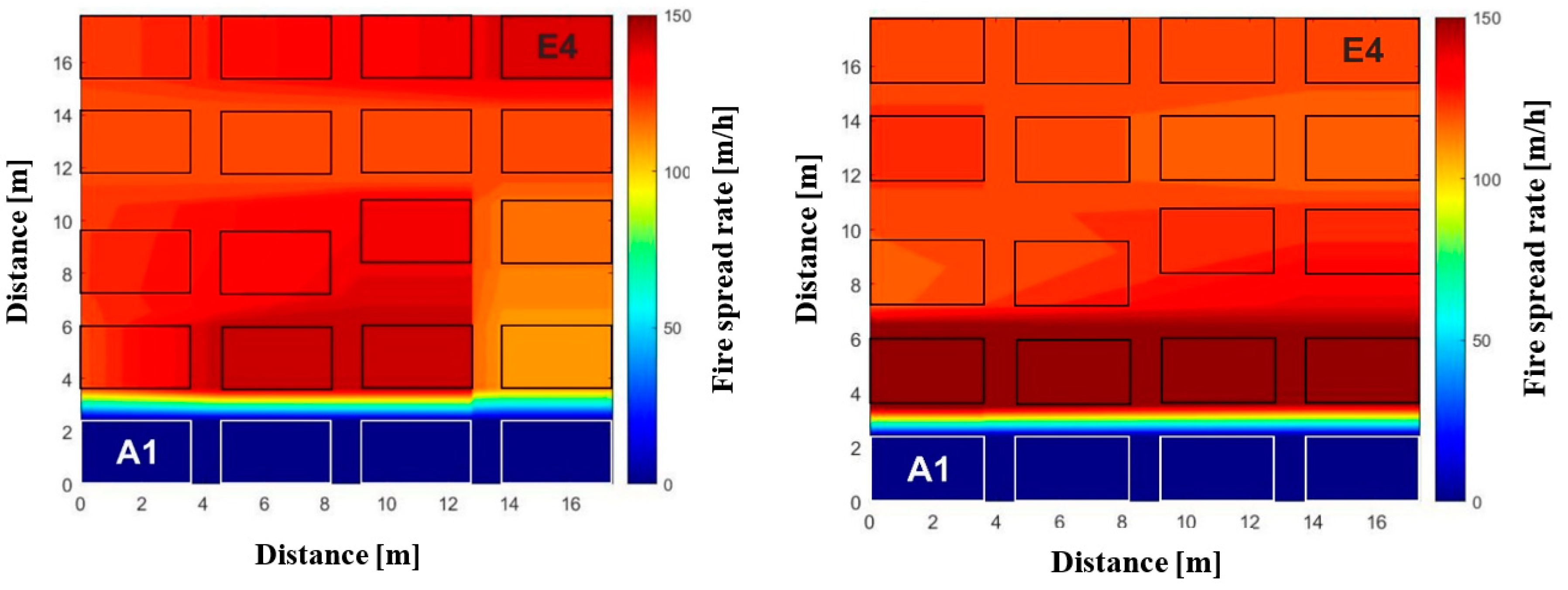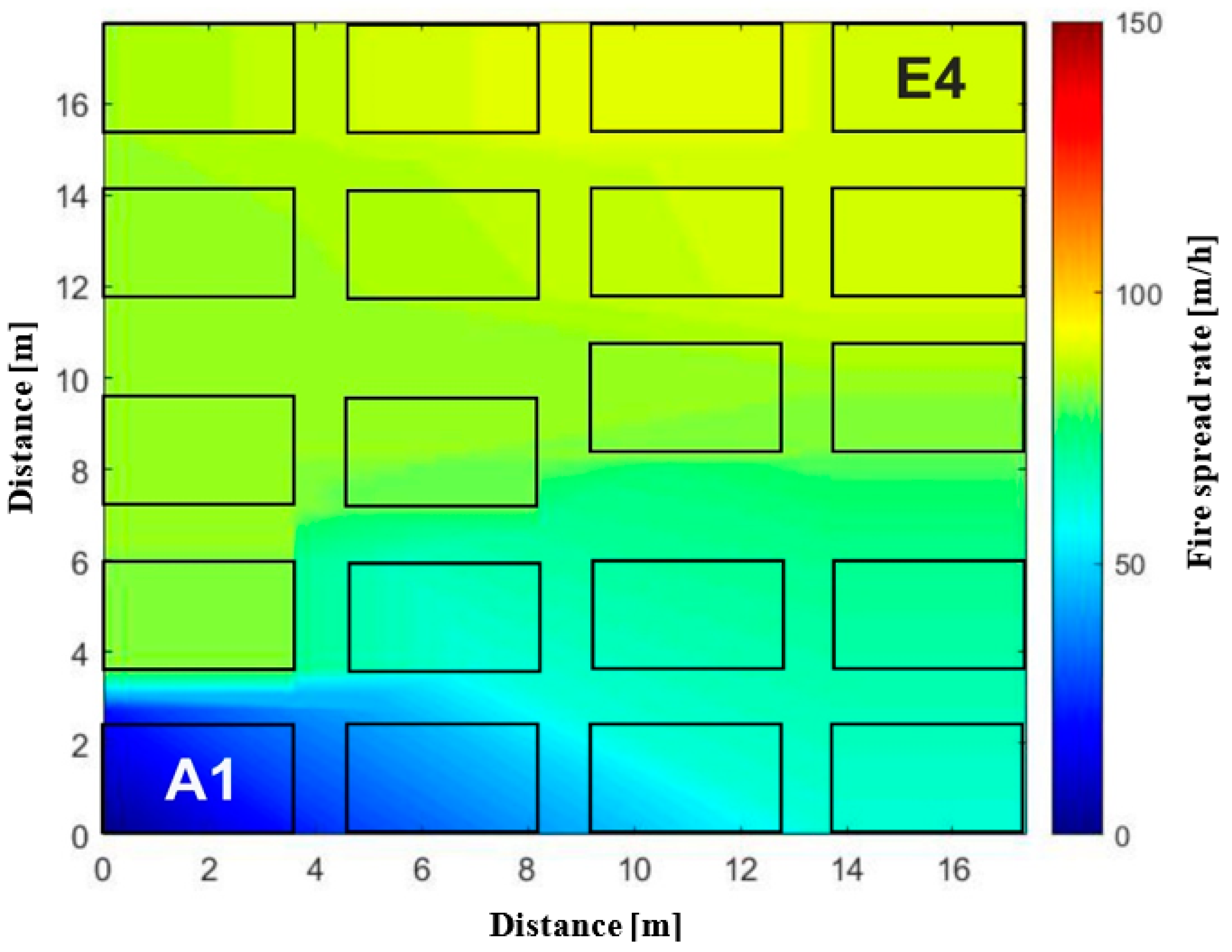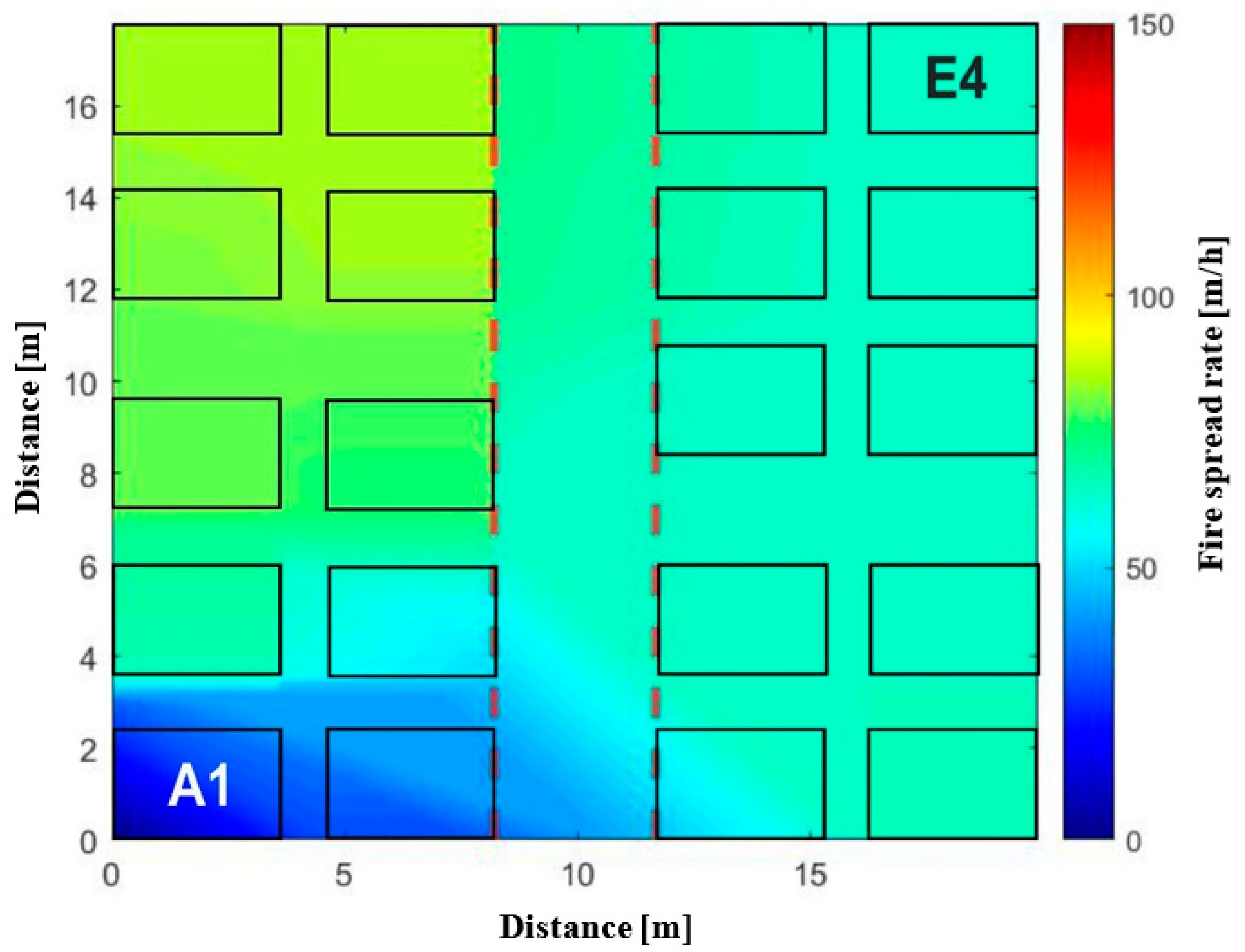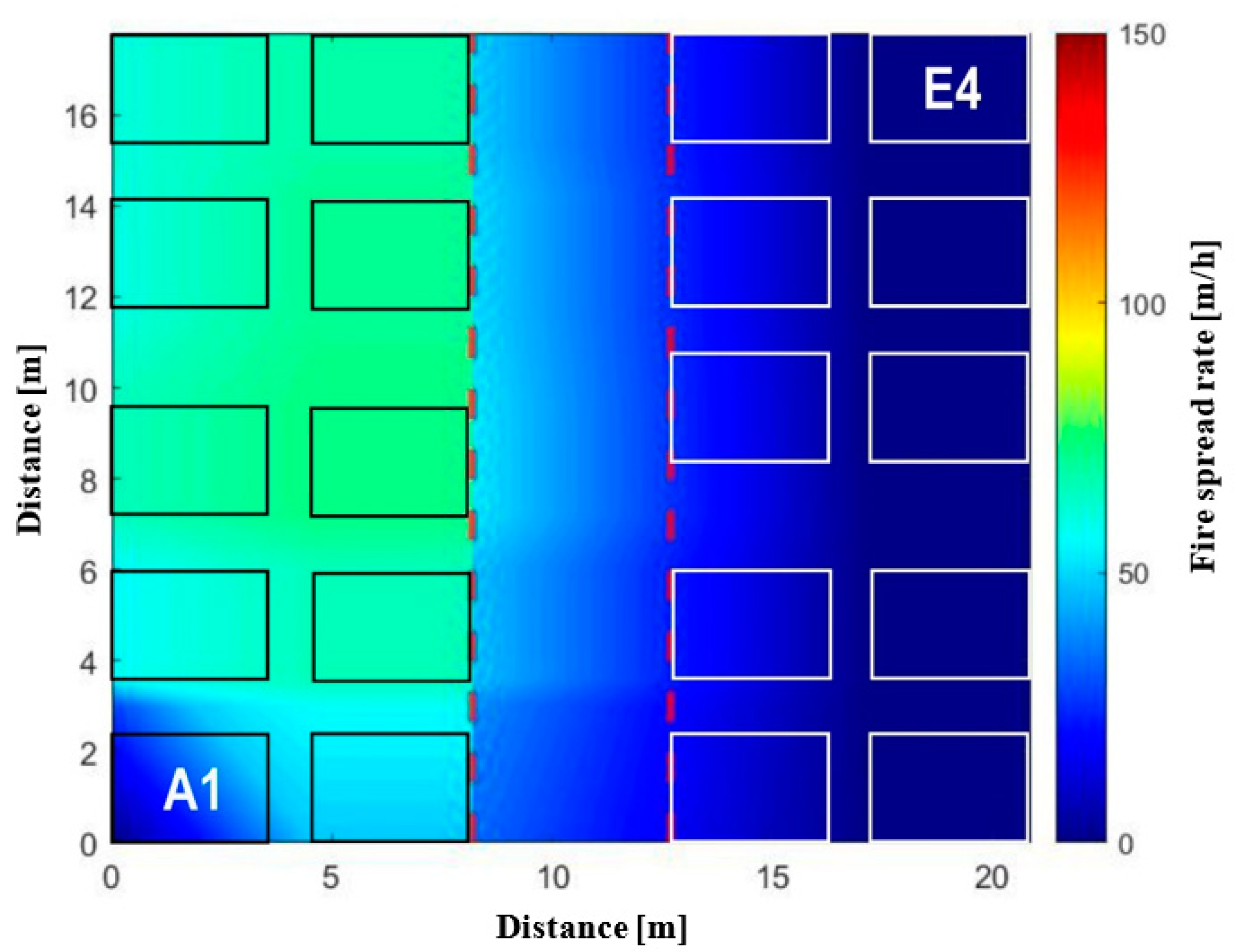
Towards the Development of a Probabilistic Approach to Informal Settlement Fire Spread Using Ignition Modelling and Spatial Metrics

 ,
,  , , , and
 Abstract
Share and Cite
Cicione, A.; Gibson, L.; Wade, C.; Spearpoint, M.; Walls, R.; Rush, D. Towards the Development of a Probabilistic Approach to Informal Settlement Fire Spread Using Ignition Modelling and Spatial Metrics. Fire 2020, 3, 67. https://doi.org/10.3390/fire3040067
Cicione A, Gibson L, Wade C, Spearpoint M, Walls R, Rush D. Towards the Development of a Probabilistic Approach to Informal Settlement Fire Spread Using Ignition Modelling and Spatial Metrics. Fire. 2020; 3(4):67. https://doi.org/10.3390/fire3040067
Chicago/Turabian StyleCicione, Antonio, Lesley Gibson, Colleen Wade, Michael Spearpoint, Richard Walls, and David Rush. 2020. "Towards the Development of a Probabilistic Approach to Informal Settlement Fire Spread Using Ignition Modelling and Spatial Metrics" Fire 3, no. 4: 67. https://doi.org/10.3390/fire3040067
APA StyleCicione, A., Gibson, L., Wade, C., Spearpoint, M., Walls, R., & Rush, D. (2020). Towards the Development of a Probabilistic Approach to Informal Settlement Fire Spread Using Ignition Modelling and Spatial Metrics. Fire, 3(4), 67. https://doi.org/10.3390/fire3040067