


Abstract
This in vitro study investigated whether piranha solution treatment, applied alone or following sandblasting, enhances the shear bond strength of resin cement to zirconia. Fifty zirconia specimens were assigned to five groups: no treatment, sandblasting (SB), piranha solution (Pi), sandblasting followed by piranha solution treatment (SB + Pi), and double piranha treatment (Pi + Pi). Shear bond strength was measured after 24 h water storage, and failure modes were recorded. The SB + Pi group produced significantly higher bond strength than all other groups. Single treatments (SB, Pi, and Pi + Pi) yielded statistically comparable values, all exceeding the untreated control. Notably, double piranha application offered no benefit over a single application. These findings are preliminary and limited to short-term in vitro conditions; the piranha protocol is not feasible for direct clinical use due to safety constraints, and no aging or surface characterization data were obtained.
1. Introduction
Zirconia ceramics have become increasingly popular in restorative dentistry due to their superior mechanical properties, particularly exceptional flexural strength and fracture toughness [1]. However, their crystalline structure presents significant adhesion challenges. Unlike glass-based ceramics that can be etched with hydrofluoric acid, zirconia’s densely packed crystalline matrix resists conventional acid etching, necessitating alternative surface modification strategies [2,3].
Current clinical protocols combine mechanical surface treatment—primarily airborne-particle abrasion—with chemical adhesion using 10-methacryloyloxydecyl dihydrogen phosphate (10-MDP) containing primers [4,5]. Airborne abrasion creates surface roughness through controlled erosion with high-velocity aluminum oxide particles, while 10-MDP forms stable ionic bonds with zirconium atoms on the oxide surface [6,7]. Despite this dual approach, bond strengths remain modest relative to zirconia’s mechanical properties [8].
This limitation stems from zirconia’s inherently low surface oxide content. While base metals spontaneously develop thick, reactive oxide films upon atmospheric exposure, zirconia surfaces typically exhibit only ~5.4% oxide composition as a thin, passive zirconium dioxide layer [9]. This limited oxide availability restricts potential bonding sites for chemical adhesion.
Beyond restorative dentistry, understanding and optimizing zirconia’s surface reactivity has significant implications for diverse technological applications. Recent advances have demonstrated zirconia’s potential in optical oxygen sensors [10], where surface properties critically influence sensor performance, and in nuclear technology applications requiring radiation-resistant ceramics [11]. Additionally, radiation-induced polymorphic transformations in ZrO2 show promise for luminescence detection systems [12], further highlighting the importance of fundamental surface chemistry investigations. These emerging applications underscore the broader value of developing effective surface activation protocols.
Piranha solution (H2SO4/H2O2), a highly oxidizing mixture, has shown promise for enhancing zirconia’s chemical reactivity through simultaneous oxidation and hydroxylation. Recent studies report that 2 min piranha application achieves bond strengths comparable to conventional sandblasting [13]. However, critical knowledge gaps persist: (1) no durability data exist beyond immediate bond strength testing; (2) the mechanistic basis for piranha-mediated adhesion remains unvalidated; (3) potential synergy between mechanical roughening and chemical hydroxylation is unexplored; and (4) dose–response effects of repeated piranha exposure are unknown.
Therefore, this study exploratorily investigates whether piranha solution treatment, applied alone or following sandblasting, enhances resin cement shear bond strength to zirconia compared with sandblasting alone and whether sequential piranha applications confer incremental benefit.
2. Materials and Methods
2.1. Specimen Processing
Fifty cylindrical zirconia specimens (6.0 mm diameter × 4.0 mm height) were fabricated from pre-sintered Ceramill Zolid HT+ (Amann Girrbach AG, Koblach, Austria), with sintering performed following manufacturer specifications. For handling stability during testing procedures, specimens were embedded in polyvinyl chloride molds with epoxy resin. Surface standardization was accomplished through mechanical polishing on an automated system (Leco, St. Joseph, MI, USA) utilizing 600-grit silicon carbide paper (SALI Tools, Yiwu, China). The polishing protocol consisted of water-cooled grinding at 100 rpm with 2 kg/cm2 applied force for 2 min. Subsequently, specimens were distributed randomly into five treatment protocols (n = 10), detailed in Table 1. Sample size (n = 10 per group) was determined based on previous similar studies investigating zirconia surface treatments [13].
Table 1.
The surface treatment of experimental groups.
2.2. Surface Treatments
2.2.1. Control Group: Sandblasting
Specimens prepared for mechanical surface modification underwent treatment with 50 μm aluminum oxide particles (Nicchu, Bangkok, Thailand) delivered at 4 bar pressure. The abrasion procedure was standardized at 15 s duration with the delivery nozzle positioned 10 mm perpendicular to the specimen surface. After sandblasting, all specimens were rinsed thoroughly with distilled water to remove loose particles and then placed in an ultrasonic cleaner (GT sonic, NT, Hong Kong) for 15 min to further eliminate residual debris and contaminants. This combined mechanical and ultrasonic cleaning protocol ensured a consistently clean and micro-roughened surface, suitable for subsequent bonding procedures.
2.2.2. Experimental Groups: Piranha Solution Treatment
Piranha solution was freshly formulated immediately before application by combining 30 mL concentrated sulfuric acid (98%) with 10 mL hydrogen peroxide (35%) at a 3:1 volume ratio under strict safety protocols. The solution was allowed to cool to near-ambient laboratory conditions prior to application. Using calibrated dispensers, a single droplet was deposited onto each specimen-controlled treatment surface, with contact time determined by group assignment. Following chemical treatment, specimens underwent comprehensive distilled water rinsing and air-drying with oil-free compressed air (40–50 psi) delivered from a 10 mm distance. The zirconia surface was air-dried prior to the second piranha solution treatment to remove residual moisture and ensure consistent surface conditions between applications. Final cleaning involved a 15 min ultrasonic bath immersion in distilled water to eliminate residual chemical contamination.
2.3. Bonding Protocols
Bonding zones (2 mm diameter) were defined using precision adhesive tape templates (10 × 10 mm; Sticky Tape, PPM Industries S.p.A., Brembate Sopra, Italy) featuring integrated removal mechanisms. Resin composite cylinders (3 mm diameter × 2 mm height) were produced using silicone molds (DMG GmbH, Hamburg, Germany) filled with light-activated resin composite (Shofo, Kyoto, Japan). Polymerization occurred perpendicular to specimen surfaces for 40 s using an LED light source (Coltene Inc., Akron, OH, USA), with subsequent polishing matching zirconia specimen preparation to ensure a uniformly polished surface.
Self-adhesive resin cement (Panavia SA; Kuraray Noritake, Tokyo, Japan) was applied within defined bonding areas following manufacturer protocols. Excess material was eliminated using microbrushes before composite cylinder placement under standardized 50 N force. Initial light activation was carried out for 40 s through composite material, followed by template removal and four supplementary 40 s polymerization cycles positioned at 90° intervals circumferentially. Post-polymerization specimens underwent 10 min of rest for stabilization before storage. All bonded specimens were maintained in distilled water at 37 °C using calibrated incubation equipment (Vevor Lab, San Jose, CA, USA) for 24 h preceding mechanical evaluation.
2.4. Shear Bond Strength (SBS) Testing
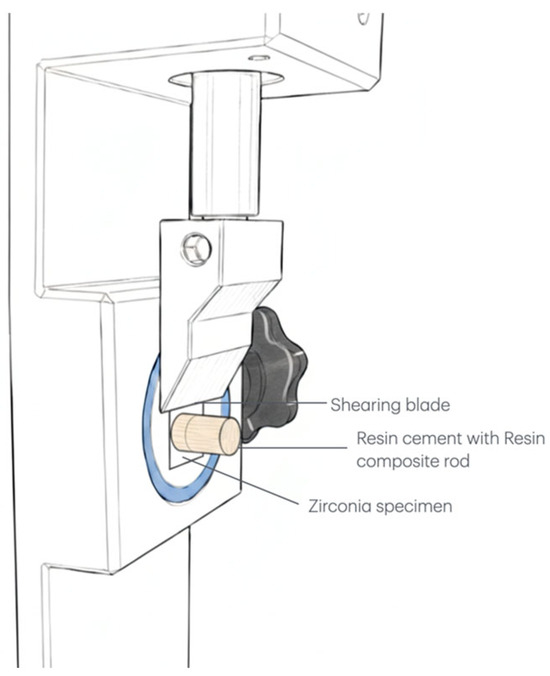
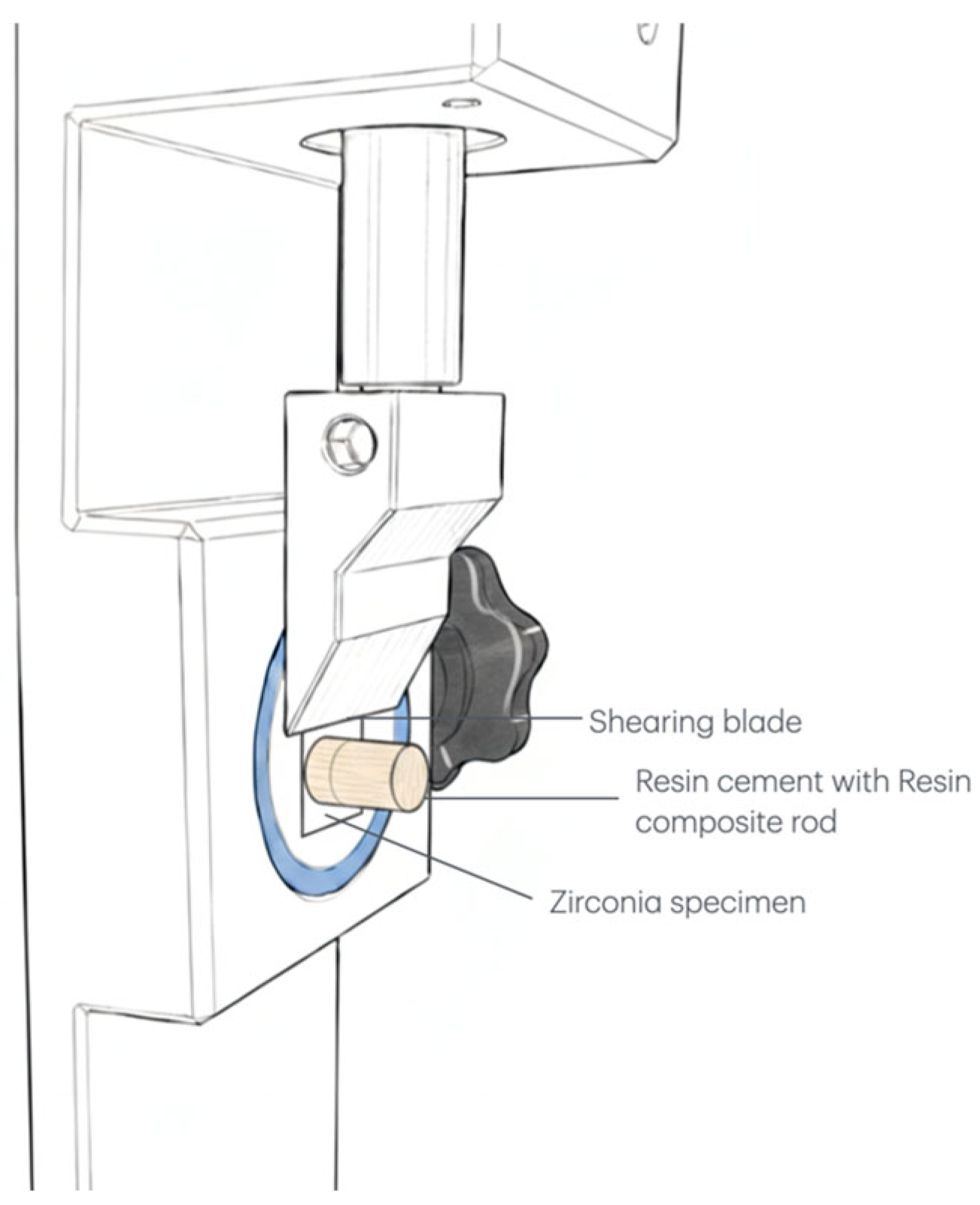
Prior to mechanical testing, bonding interface dimensions were precisely measured using digital calipers (CD-6 CS; Mitutoyo Corporation, Kawasaki, Japan) for accurate stress calculations. Bond strength evaluation utilized universal testing apparatus (AGS-X 500N; Shimadzu Corporation, Kyoto, Japan), with the loading blade aligned parallel to the adhesive interfaces, ensuring uniform stress distribution throughout testing (Figure 1). Compressive loading progressed at 0.5 mm/min crosshead velocity, selected to replicate controlled loading scenarios minimizing dynamic influences, continuing until interface failure. Maximum failure load values were normalized by measured bonding areas, yielding bond strength expressed in megapascals (MPa). This standardized methodology ensured reproducible assessment of adhesive performance under controlled conditions.
Figure 1.
Shear bond test configuration.
2.5. Failure Mode Analysis
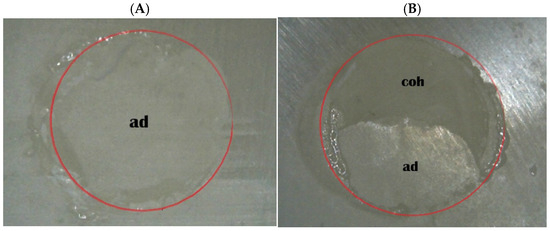
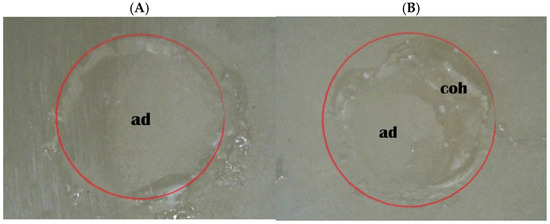
Post-debonding surfaces underwent stereomicroscopic examination (MDM-5, Meiji Techno Co., Ltd., Saitama, Japan) at 50× magnification. Fracture patterns were categorized following established classification, adhesive failure (<40% residual cement on zirconia), cohesive failure (≥60% residual cement), or mixed failure (40–60% residual cement), according to established criteria [14,15].
2.6. Statistical Evaluation
Statistical data were computed using SPSS version 20.0 (IBM Corp., Chicago, IL, USA) with the significance threshold established at α = 0.05. Distribution normality and variance homogeneity were confirmed with Kolmogorov-Smirnov and Levene’s tests, respectively. Group mean comparisons were carried out with one-way ANOVA and Tukey’s HSD procedure for post hoc pairwise testing when significant group differences emerged.
3. Results
3.1. SBS Test
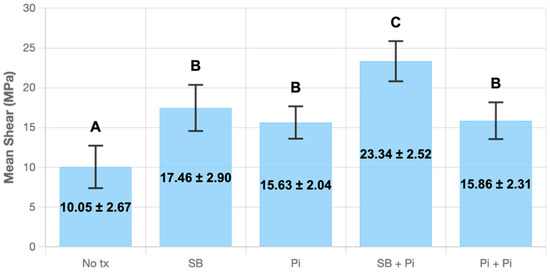
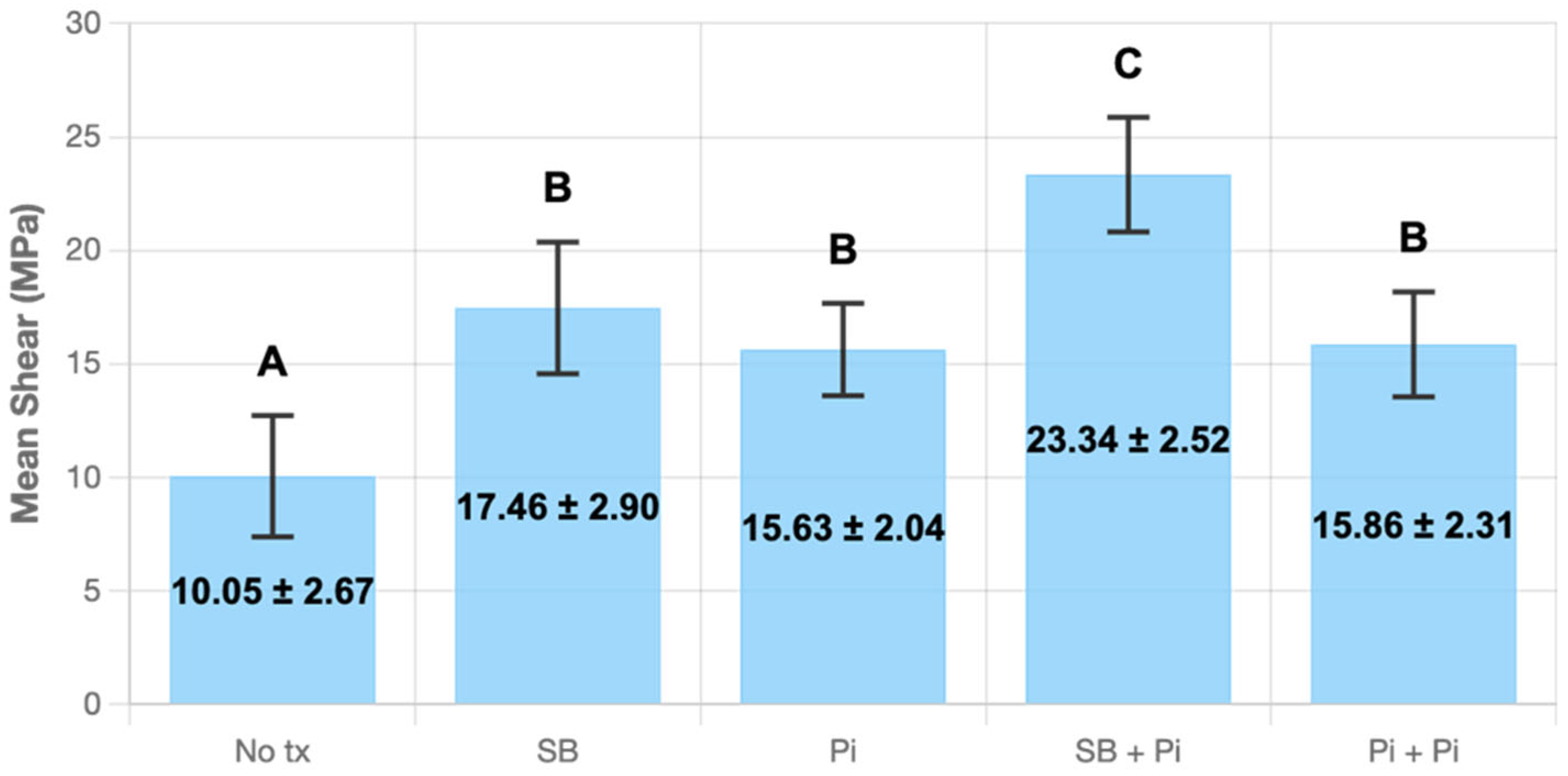
A Tukey HSD post hoc test was analyzed to identify significant differences in SBS among the treatment groups (Figure 2). The mean SBS values (±standard deviation) were as follows: no treatment (No tx), 10.05 ± 2.67 MPa; sandblasting alone (SB), 17.46 ± 2.90 MPa; piranha solution treatment (Pi), 15.63 ± 2.04 MPa; and double piranha treatment (Pi + Pi), 15.86 ± 2.31 MPa. Among these, the No tx group exhibited the lowest SBS, whereas the treatment combination of sandblasting and piranha (SB + Pi) resulted in the highest value of 23.34 ± 2.52 MPa.
Figure 2.
Mean shear bond strength (MPa) with standard deviations of each experimental group, where No tx—no surface treatment, SB—sandblasting, and Pi—piranha solution treatment. Bars labeled with a different letter show a statistically significant difference (p < 0.05). Error bars show the standard deviation.
Post hoc comparisons identified three distinct statistical groupings: The No tx control group (Group A) demonstrated significantly lower SBS than all treated groups (p < 0.05). The SB + Pi group (Group C) showed significantly higher values than all other groups (p < 0.05). The SB, Pi, and Pi + Pi treatments (Group B) performed similarly to each other but were significantly superior to the control (p < 0.05).
3.2. Failure Mode Analysis
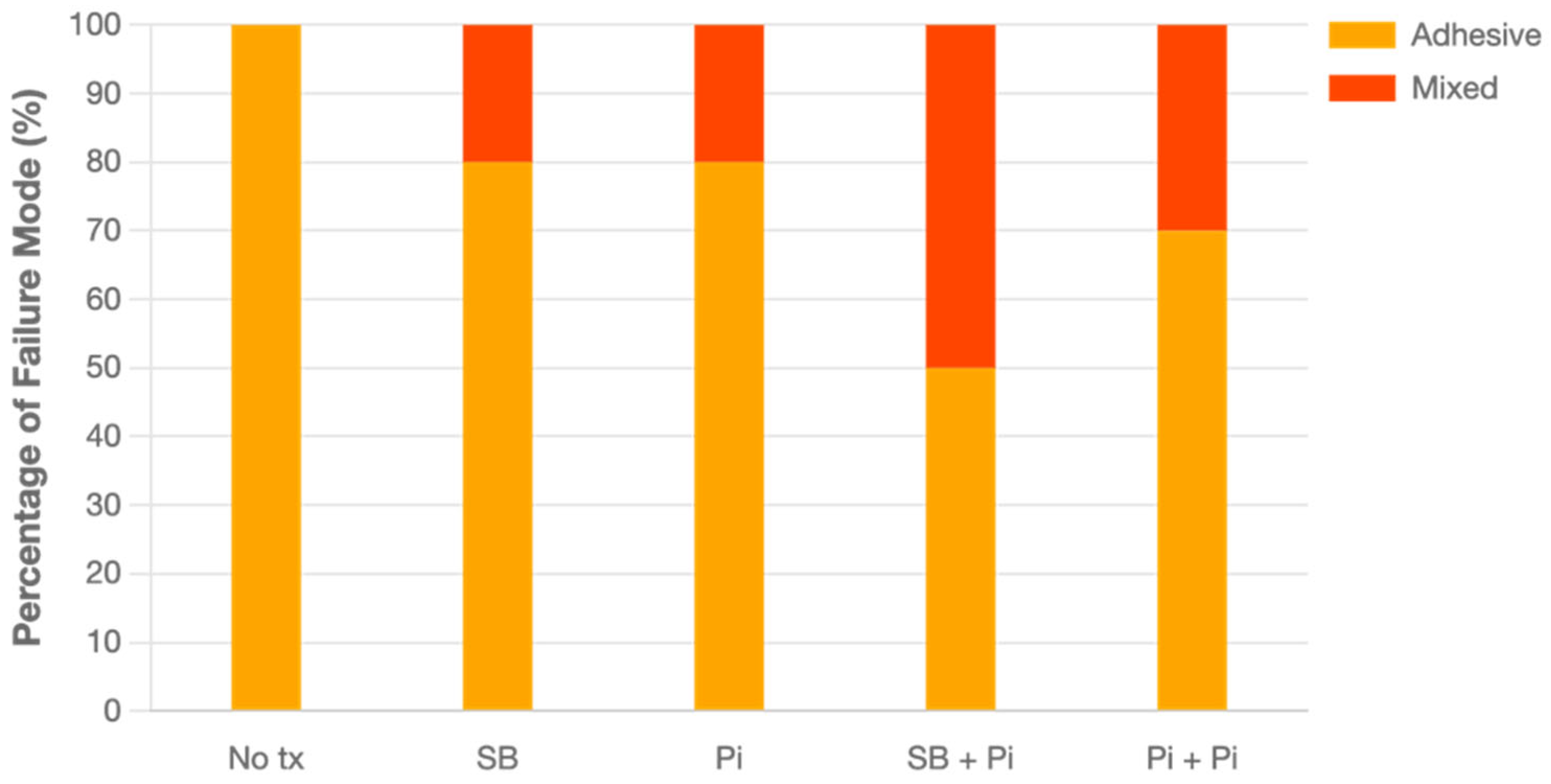
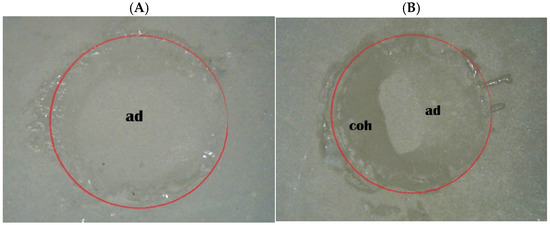
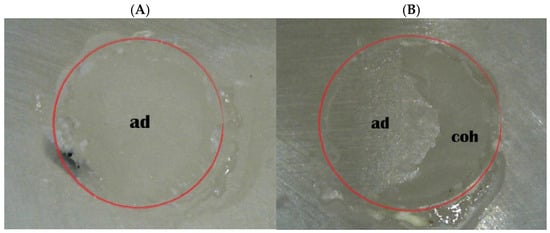
Examination of failure patterns revealed two types of failures across all specimens: adhesive (at the interface) and mixed (partial adhesive and cohesive). No purely cohesive failures were observed. The failure mode profile is illustrated in Figure 3.
Figure 3.
The failure mode percentage of the experimental groups, where No tx—no surface treatment, SB—sandblasting, and Pi—piranha solution treatment.
The untreated control group presented 100% adhesive failure, indicating complete interfacial debonding. Surface treatment altered this pattern progressively. The SB and Pi groups both demonstrated 80% adhesive and 20% mixed failures. The Pi + Pi group presented 70% adhesive and 30% mixed failures, while the SB + Pi group exhibited the most balanced distribution with 50% adhesive and 50% mixed failures. The increasing proportion of mixed failures in treated groups suggests improved mechanical and chemical interaction at the bonding interface, with the SB + Pi combination demonstrating the greatest shift toward mixed failure patterns, which corresponded with its superior bond strength performance.
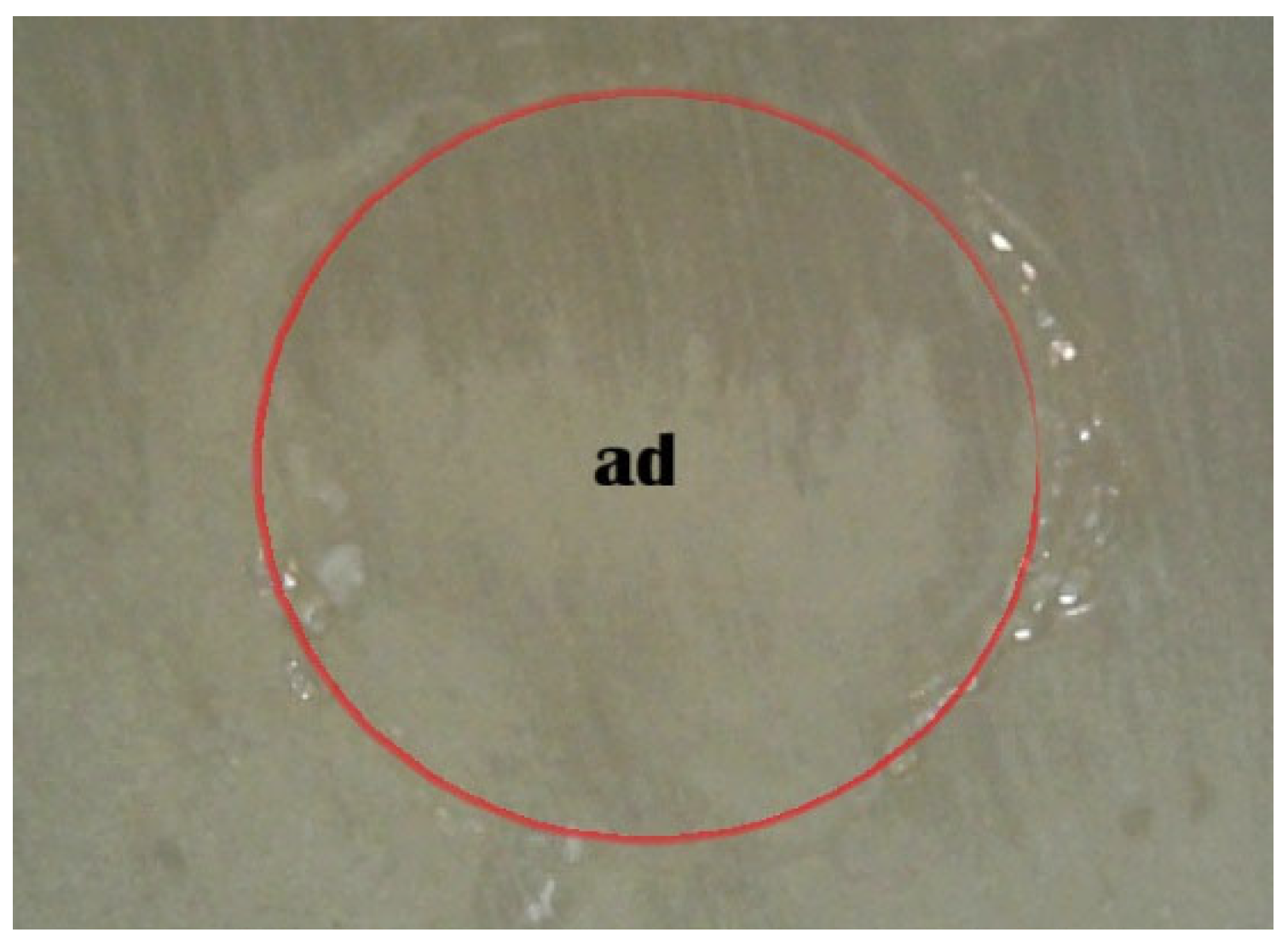
Figure 4, Figure 5, Figure 6, Figure 7 and Figure 8 present stereomicroscopic micrographs of the experimental groups. The micrographs were acquired using a stereomicroscope to examine the surface characteristics and morphology of the specimens in detail.
Figure 4.
Stereomicroscope micrograph of control group (ad, adhesive failure).
Figure 5.
Stereomicroscopic micrographs of the SB group: (A) adhesive failure and (B) mixed failure (ad, adhesive failure; coh, cohesive failure within the resin cement).
Figure 6.
Stereomicroscopic micrographs of the Pi group: (A) adhesive failure and (B) mixed failure (ad, adhesive failure; coh, cohesive failure within the resin cement).
Figure 7.
Stereomicroscopic micrographs of the SB + Pi group: (A) adhesive failure and (B) mixed failure (ad, adhesive failure; coh, cohesive failure within the resin cement).
Figure 8.
Stereomicroscopic micrographs of the Pi + Pi group: (A) adhesive failure and (B) mixed failure (ad, adhesive failure; coh, cohesive failure within the resin cement).
4. Discussion
Combined sandblasting and piranha solution treatment produced a statistically significant increase in immediate resin cement bond strength to zirconia (23.34 ± 2.52 MPa) compared with sandblasting alone (17.46 ± 2.90 MPa) and piranha treatment alone (15.63 ± 2.04 MPa). Double piranha application did not confer an additional benefit. These findings represent short-term laboratory results under controlled conditions.
The enhanced bonding observed with the combined treatment may reflect combined mechanical and chemical effects. Sandblasting generates micro-surface roughness that increases the available bonding area, while piranha solution treatment has been shown to induce high hydroxyl group concentrations on zirconia surfaces [9]. Short piranha treatment durations of 2–4 min have previously been reported to be sufficient to improve bond strength [13], possibly reflecting rapid hydroxylation kinetics on mechanically pre-treated surfaces [16]. The increased surface area of roughened zirconia allows effective hydroxylation with brief exposure times, providing more reactive sites than smooth surfaces [17,18]. These surface modifications increase surface energy and wettability, creating favorable conditions for chemical interaction.
The 10-MDP monomer in Panavia SA forms chemical bonds with zirconia through direct coordination with zirconium atoms and ionic interactions with surface hydroxyl groups [7,19]. When sandblasting precedes piranha treatment, it may remove the passive oxide layer and expose fresh crystalline zirconia, which piranha solution can then efficiently hydroxylate. This creates a surface presenting both exposed zirconium sites and abundant hydroxyl groups for 10-MDP interaction, potentially forming stable Zr-O-P bonds [7,20]. Additionally, the surface roughness from sandblasting increases the effective surface area available for these chemical interactions, multiplying the number of potential bonding sites. This combination is consistent with the higher bond strength observed for the SB + Pi group compared with the sandblasting or piranha treatment alone.
Interestingly, the individual treatments (SB, Pi, and Pi + Pi groups) demonstrated statistically similar bond strengths (17.46 ± 2.90 MPa, 15.63 ± 2.04 MPa, and 15.86 ± 2.31 MPa, respectively), all significantly higher than the untreated control (10.05 ± 2.67 MPa) but lower than the combination treatment. This finding indicates that while both mechanical and chemical modifications independently improve bonding, neither approach alone maximizes the bonding potential. The comparable performance between single and double piranha applications (Pi versus Pi + Pi) suggests that extended chemical treatment may not proportionally increase surface reactivity, possibly due to saturation of available bonding sites or limited penetration depth of the hydroxylation process.
The failure mode analysis presents additional insight into the bonding mechanisms. The progression from 100% adhesive failure in untreated specimens to increasing proportions of mixed failures in treated groups (20–50%) indicates improved interfacial integrity. The SB + Pi group’s 50% mixed failure rate, combined with its highest bond strength, suggests that the combined treatment creates a more cohesive interface. However, the absence of cohesive failures across all groups confirms that the adhesive interface remains the weakest component, consistent with current limitations in zirconia bonding technology. Notably, the Pi + Pi group exhibited 30% mixed failures despite not achieving higher bond strength than the single piranha treatment, which may reflect the fact that repeated chemical treatment alone does not substantially alter the failure mechanism compared to the mechanically and chemically modified surface of the SB + Pi group.
These results align with previous investigations demonstrating the importance of combined mechanical and chemical surface modifications for optimal zirconia bonding [4,5,21,22]. The sandblasting process not only produces surface roughness but also potentially induces phase transformation from tetragonal to monoclinic zirconia at the surface, which may contribute to enhanced bonding. The monoclinic phase presents a different surface chemistry that may be more amenable to hydroxylation by the piranha solution. Furthermore, the stress-induced defects and grain boundary exposure from sandblasting create high-energy sites that are particularly reactive to chemical modification.
The potential clinical implications of these outcomes are useful. Current clinical protocols predominantly rely on sandblasting alone or in combination with primers containing functional monomers [4,6,23,24]. The demonstration that piranha solution treatment following sandblasting can achieve bond strengths exceeding 23 MPa suggests potential for improved clinical outcomes. However, the practical implementation of piranha solution in clinical settings requires careful consideration of safety protocols, given the highly corrosive nature of concentrated sulfuric acid and hydrogen peroxide mixtures. Development of safer chemical alternatives that can replicate piranha solution’s hydroxylation effects would be valuable for clinical translation.
From a mechanistic perspective, the lack of additional benefit from double piranha application challenges the assumption that increased treatment time or repeated applications necessarily enhance surface modification. This finding may suggest that the zirconia surface reaches a saturation point for hydroxylation relatively quickly, with the initial 2 min treatment achieving near-maximal chemical modification. The energy considerations of the zirconia surface may limit the density of hydroxyl groups that can be stably maintained, explaining why extended treatment provides no additional benefit.
Despite the observed enhancement in immediate bond strength, the clinical application of piranha solution is limited by significant safety concerns. Piranha solution (H2SO4/H2O2) is a highly corrosive and strongly oxidizing mixture that requires strict laboratory handling protocols and is not feasible for direct chairside use. Therefore, the present study should not be interpreted as advocating for the clinical use of piranha solution, but rather as a proof-of-concept investigation to explore the effect of strong chemical surface activation on zirconia bonding.
The findings of this study may instead provide mechanistic insight that could inform the development of safer and clinically applicable surface treatment strategies, such as plasma-based activation or alternative chemical approaches capable of inducing similar surface hydroxylation effects without the associated safety risks.
This study has several important limitations that must be considered when interpreting the findings. First, no surface characterization was performed (e.g., profilometry, contact angle measurement, and X-ray photoelectron spectroscopy). Consequently, the proposed mechanisms of hydroxylation and oxide enrichment following piranha treatment remain hypothetical and require validation in future work. The observed bond strength improvements may be attributed to chemical modification but cannot be definitively confirmed without compositional analysis.
Second, only immediate shear bond strength was assessed without aging protocols such as thermocycling, long-term water storage, or mechanical fatigue testing. While SBS provides standardized comparison of treatment effects, it is recognized as a non-uniform stress method with limitations in predicting clinical performance. The durability of bond strength improvements observed with piranha treatment remains unknown and represents a critical gap requiring investigation. Chemical surface modifications may degrade differently than mechanical roughening under hydrolytic challenge.
Third, the clinical applicability of piranha solution treatment is limited by safety concerns associated with handling concentrated sulfuric acid and hydrogen peroxide. This study serves as a proof-of-concept for chemical hydroxylation approaches rather than advocating for direct clinical implementation of piranha solution. Future research should investigate safer alternatives such as plasma treatment or other oxidizing agents that could achieve similar surface modification with improved safety profiles. Nevertheless, understanding the fundamental mechanisms by which strong oxidizing treatments enhance zirconia bonding remains scientifically valuable for developing clinically viable protocols.
In addition, the sample size (n = 10 per group) was selected based on consistency with previous in vitro bond strength studies rather than an a priori power calculation. While adequate for an exploratory, pilot investigation, this sample size may limit statistical power and the precision of estimated effect sizes.
Future studies should assess the long-term durability of the enhanced zirconia bonds through thermocycling and mechanical fatigue testing under simulated clinical conditions. Formal power analyses and larger sample sizes are needed to validate the observed trends. The development of safer oxidizing agents or modified piranha-based solutions with comparable surface activation potential is warranted to enable clinical translation. Advanced surface characterization methods, such as atomic force microscopy, contact angle analysis, and X-ray photoelectron spectroscopy, are recommended to clarify the chemical and topographical alterations induced by these treatments. Moreover, exploring alternative or combined functional monomers beyond 10-MDP, as well as their interaction with piranha-treated surfaces, may further optimize chemical adhesion. Finally, clinical validation and extension of these findings to newer zirconia compositions, including translucent and cubic-phase variants, would broaden their clinical applicability.
5. Conclusions
Combined sandblasting and piranha solution treatment produced a statistically significant increase in immediate resin cement bond strength to zirconia compared with either treatment alone. Repeated piranha solution treatment did not confer an additional benefit, suggesting a possible saturation of surface modification under the conditions tested.
This study represents a short-term in vitro proof-of-concept investigation. No aging protocols, durability assessment, or surface characterization analyses were performed. Therefore, the enhanced bonding observed with the combined treatment reflects immediate laboratory performance only, and the underlying physicochemical mechanisms remain speculative.
Given the hazardous nature of piranha solution, this study does not advocate for its clinical use. Instead, the findings provide mechanistic insight that may inform the development of safer and clinically applicable surface activation strategies capable of inducing similar hydroxylation effects. Further studies incorporating surface characterization, aging protocols, and long-term durability testing are required before any clinical translation can be considered.
This study was limited to short-term in vitro evaluation. No surface characterization or aging protocols were performed, and bond durability was not assessed. These limitations should be considered when interpreting the findings and indicate the need for further investigation.
Author Contributions
Conceptualization, A.M. and A.K.; methodology, A.M., T.S., N.T. and A.K.; formal analysis, A.M., N.K., T.R. and A.K.; investigation, A.M., T.S. and A.K.; data curation, A.M., N.K. and A.K.; writing—original draft preparation, A.M., T.S., N.T., N.K., T.R. and A.K.; writing—review and editing, A.M., N.T. and A.K. All authors have read and agreed to the published version of the manuscript.
Funding
This study was supported by the Faculty of Dentistry Thammasat University Research Fund, Contract No. DTGG 2/2568.
Institutional Review Board Statement
This research does not include human or animal participants. This study follows institutional protocols for research concerning dental materials.
Informed Consent Statement
Not applicable.
Data Availability Statement
The original contributions presented in the study are included in the article; further inquiries can be directed to the corresponding authors.
Acknowledgments
The authors sincerely thank Natee Sirisit from the Department of Chemistry, Faculty of Science and Technology, Thammasat University, for his expertise in preparing the piranha solution and for ensuring strict adherence to safety protocols throughout the chemical procedures, which were critical for the surface treatment conducted in this study.
Conflicts of Interest
The authors declare no conflicts of interest.
References
- Shi, H.Y.; Pang, R.; Yang, J.; Fan, D.; Cai, H.; Jiang, H.B.; Han, J.; Lee, E.S.; Sun, Y. Overview of Several Typical Ceramic Materials for Restorative Dentistry. Biomed. Res. Int. 2022, 2022, 8451445. [Google Scholar] [CrossRef] [Scilit]
- Limpuangthip, N.; Surintanasarn, A.; Vitavaspan, P. Mechanical and chemical surface treatment enhances bond strength between zirconia and orthodontic brackets: An in vitro study. BDJ Open 2023, 9, 53. [Google Scholar] [CrossRef] [Scilit]
- Kim, S.-H.; Cho, S.-C.; Lee, M.-H.; Kim, H.-J.; Oh, N.-S. Effect of 9% Hydrofluoric Acid Gel Hot-Etching Surface Treatment on Shear Bond Strength of Resin Cements to Zirconia Ceramics. Medicina 2022, 58, 1469. [Google Scholar] [CrossRef] [Scilit] [PubMed]
- Comino-Garayoa, R.; Peláez, J.; Tobar, C.; Rodríguez, V.; Suárez, M.J. Adhesion to Zirconia: A Systematic Review of Surface Pretreatments and Resin Cements. Materials 2021, 14, 2751. [Google Scholar] [CrossRef] [Scilit]
- Li, X.; Liang, S.; Inokoshi, M.; Zhao, S.; Hong, G.; Yao, C.; Huang, C. Different surface treatments and adhesive monomers for zirconia-resin bonds: A systematic review and network meta-analysis. Jpn. Dent. Sci. Rev. 2024, 60, 175–189. [Google Scholar] [CrossRef] [Scilit] [PubMed]
- Al-Amari, A.S.; Saleh, M.S.; Albadah, A.A.; Almousa, A.A.; Mahjoub, W.K.; Al-Otaibi, R.M.; Alanazi, E.M.; Alshammari, A.K.; Malki, A.T.; Alghelaiqah, K.F.; et al. A Comprehensive Review of Techniques for Enhancing Zirconia Bond Strength: Current Approaches and Emerging Innovations. Cureus 2024, 16, e70893. [Google Scholar] [CrossRef] [Scilit]
- Nagaoka, N.; Yoshihara, K.; Feitosa, V.P.; Tamada, Y.; Irie, M.; Yoshida, Y.; Van Meerbeek, B.; Hayakawa, S. Chemical interaction mechanism of 10-MDP with zirconia. Sci. Rep. 2017, 7, 45563. [Google Scholar] [CrossRef] [Scilit] [PubMed]
- Khijmatgar, S.; Tumedei, M.; Tartaglia, G.; Crescentini, M.; Isola, G.; Sidoti, E.; Sforza, C.; Del Fabbro, M.; Tartaglia, G.M. Fifteen-year recall period on zirconia-based single crowns and fixed dental prostheses. A prospective observational study. BDJ Open 2024, 10, 54. [Google Scholar] [CrossRef] [Scilit]
- Lohbauer, U.; Zipperle, M.; Rischka, K.; Petschelt, A.; Müller, F.A. Hydroxylation of dental zirconia surfaces: Characterization and bonding potential. J. Biomed. Mater. Res. B Appl. Biomater. 2008, 87, 461–467. [Google Scholar] [CrossRef] [Scilit]
- Fidelus, J.D.; Łojkowski, W.; Millers, D.; Smits, K.; Grigorjeva, L. Advanced nanocrystalline ZrO2 for optical oxygen sensors. In Proceedings of the SENSORS, 2009 IEEE, Christchurch, New Zealand, 25–28 October 2009; pp. 1268–1272. [Google Scholar]
- Kozlovskiy, A.L.; Konuhova, M.; Borgekov, D.B.; Anatoli, I.P. Study of irradiation temperature effect on radiation-induced polymorphic transformation mechanisms in ZrO2 ceramics. Opt. Mater. 2024, 156, 115994. [Google Scholar] [CrossRef] [Scilit]
- Dauletbekova, A.; Zvonarev, S.; Nikiforov, S.; Akilbekov, A.; Shtang, T.; Karavannova, N.; Akylbekova, A.; Ishchenko, A.; Akhmetova-Abdik, G.; Baymukhanov, Z.; et al. Luminescence Properties of ZrO2: Ti Ceramics Irradiated with Electrons and High-Energy Xe Ions. Materials 2024, 17, 1307. [Google Scholar] [CrossRef] [Scilit] [PubMed]
- Maneenacarith, A.; Krajangta, N.; Rakmanee, T.; Klaisiri, A. Time-Dependent Piranha Solution Treatment as an Alternative to Sandblasting for Improving Zirconia–Resin Cement Bond Strength. Ceramics 2025, 8, 123. [Google Scholar] [CrossRef] [Scilit]
- Klaisiri, A.; Suebnukarn, S.; Krajangta, N.; Rakmanee, T.; Sriamporn, T.; Thamrongananskul, N. The Effect of Morpholine on Composite-to-Composite Repair Strength Contaminated with Saliva. Polymers 2022, 14, 4718. [Google Scholar] [CrossRef] [Scilit] [PubMed]
- Matinlinna, J.P.; Lassila, L.V. Enhanced resin-composite bonding to zirconia framework after pretreatment with selected silane monomers. Dent. Mater. 2011, 27, 273–280. [Google Scholar] [CrossRef] [Scilit]
- Targhan, H.; Evans, P.; Bahrami, K. A review of the role of hydrogen peroxide in organic transformations. J. Ind. Eng. Chem. 2021, 104, 295–332. [Google Scholar] [CrossRef] [Scilit]
- Nowak, W.J.; Serafin, D.; Wierzba, B. Effect of surface mechanical treatment on the oxidation behavior of FeAl-model alloy. J. Mater. Sci. 2019, 54, 9185–9196. [Google Scholar] [CrossRef] [Scilit]
- Serafin, D.; Nowak, W.J.; Wierzba, B. The effect of surface preparation on high temperature oxidation of Ni, Cu and Ni-Cu alloy. Appl. Surf. Sci. 2019, 476, 442–451. [Google Scholar] [CrossRef] [Scilit]
- Sriamporn, T.; Thamrongananskul, N.; Klaisiri, A. The Effectiveness of Various Functional Monomers in Self-adhesive Resin Cements on Prosthetic Materials. J. Int. Soc. Prev. Community Dent. 2022, 12, 332–335. [Google Scholar] [CrossRef] [Scilit]
- Chen, Y.; Lu, Z.; Qian, M.; Zhang, H.; Xie, H.; Chen, C. Effect of 10-Methacryloxydecyl Dihydrogen Phosphate Concentration on Chemical Coupling of Methacrylate Resin to Yttria-stabilized Zirconia. J. Adhes. Dent. 2017, 19, 349–355. [Google Scholar] [CrossRef] [Scilit]
- Quigley, N.P.; Loo, D.S.S.; Choy, C.; Ha, W.N. Clinical efficacy of methods for bonding to zirconia: A systematic review. J. Prosthet. Dent. 2021, 125, 231–240. [Google Scholar] [CrossRef] [Scilit]
- Yue, X.; Hou, X.; Gao, J.; Bao, P.; Shen, J. Effects of MDP-based primers on shear bond strength between resin cement and zirconia. Exp. Ther. Med. 2019, 17, 3564–3572. [Google Scholar] [CrossRef] [Scilit]
- Chatterjee, N.; Ghosh, A. Current scenario on adhesion to zirconia; surface pretreatments and resin cements: A systematic review. J. Indian Prosthodont. Soc. 2022, 22, 13–20. [Google Scholar] [CrossRef] [Scilit]
- Özcan, M.; Bernasconi, M. Adhesion to zirconia used for dental restorations: A systematic review and meta-analysis. J. Adhes. Dent. 2015, 17, 7–26. [Google Scholar] [CrossRef] [Scilit]

Disclaimer/Publisher’s Note: The statements, opinions and data contained in all publications are solely those of the individual author(s) and contributor(s) and not of MDPI and/or the editor(s). MDPI and/or the editor(s) disclaim responsibility for any injury to people or property resulting from any ideas, methods, instructions or products referred to in the content. |
© 2026 by the authors. Licensee MDPI, Basel, Switzerland. This article is an open access article distributed under the terms and conditions of the Creative Commons Attribution (CC BY) license.