Systematic Review

Bridging Knowledge and Learning: A Multi-Axis Analytical Survey for Neurosymbolic Artificial Intelligence


by
Sotiris Zikas
1,
Katerina Gkirtzou
2,†,
Theodor Panagiotakopoulos
3,† and
Yiannis Kiouvrekis
1,4,*
1
Mathematics, Computer Science and Artificial Intelligence Laboratory (MCSAI Lab), Department of Public and One Health, University of Thessaly, 43100 Karditsa, Greece
2
Institute for Language and Speech Processing, Athena Research Center, 15125 Athens, Greece
3
Department of Management Science and Technology, University of Patras, 26334 Patras, Greece
4
Business School, University of Nicosia, Nicosia 2417, Cyprus
*
Author to whom correspondence should be addressed.
These authors contributed equally to this work.
Mach. Learn. Knowl. Extr. 2026, 8(9), 281; https://doi.org/10.3390/make8090281
Submission received: 22 July 2026 / Revised: 6 September 2026 / Accepted: 9 September 2026 / Published: 14 September 2026
(This article belongs to the Special Issue Trustworthy AI: Integrating Knowledge, Retrieval, and Reasoning)

Abstract

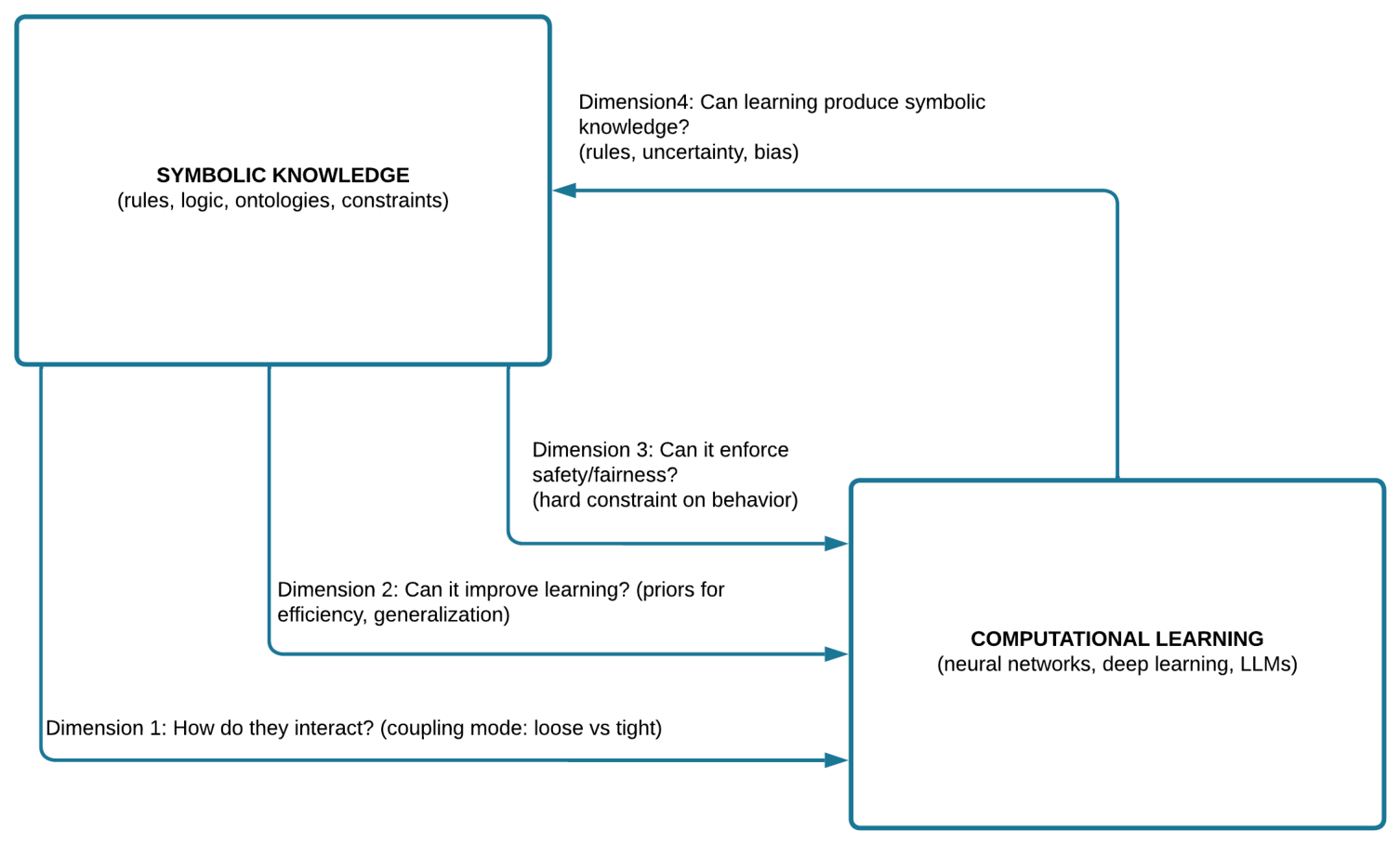
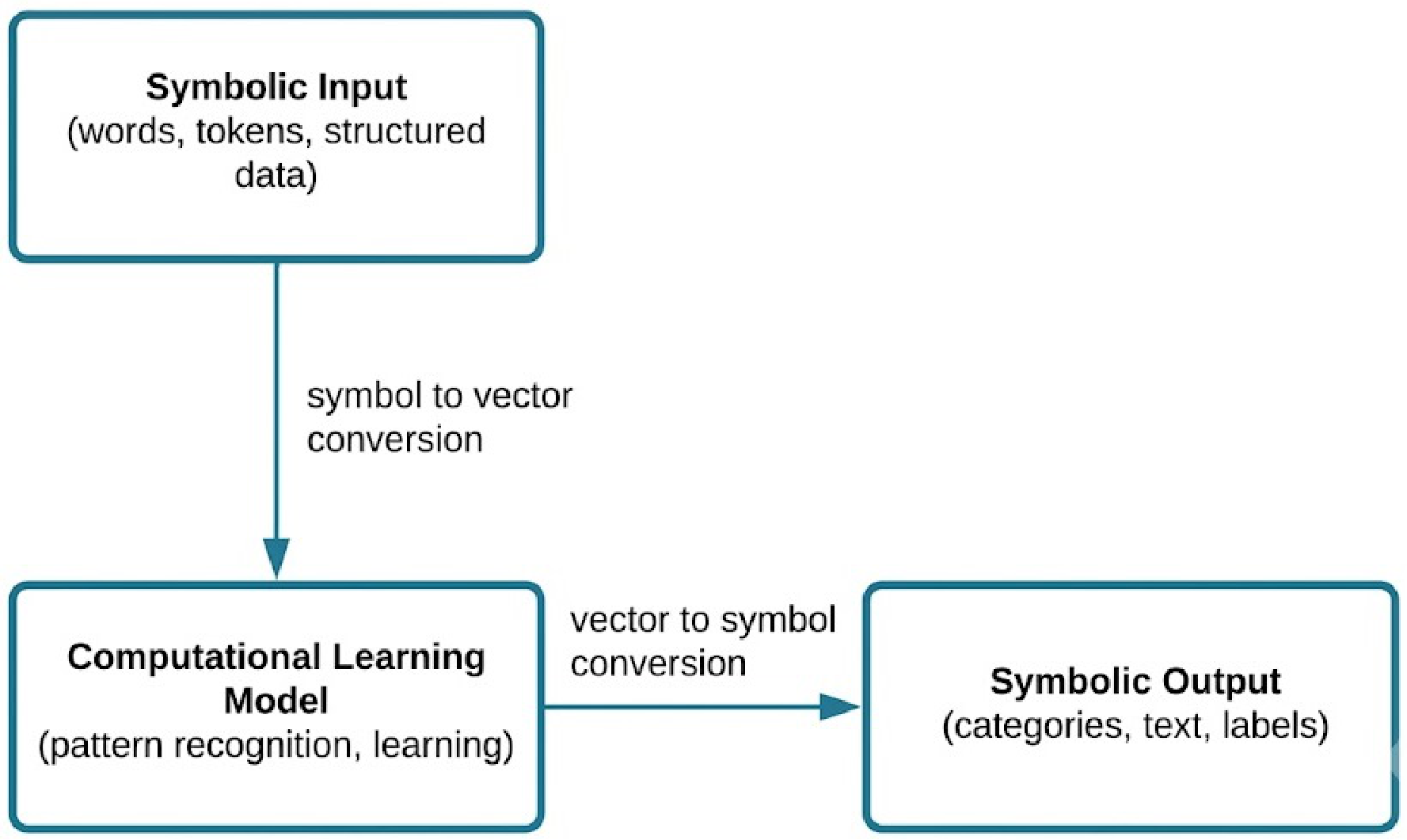
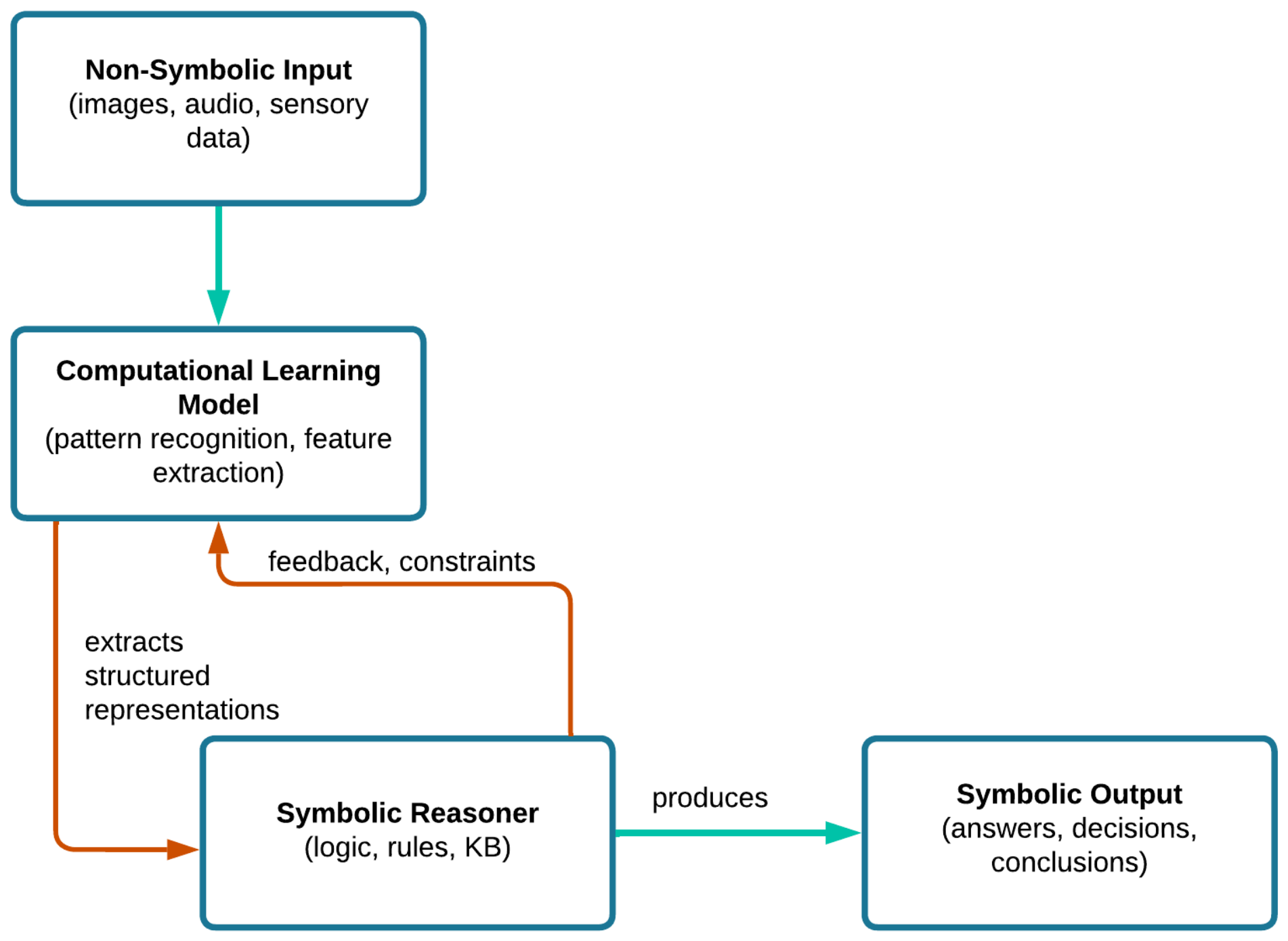
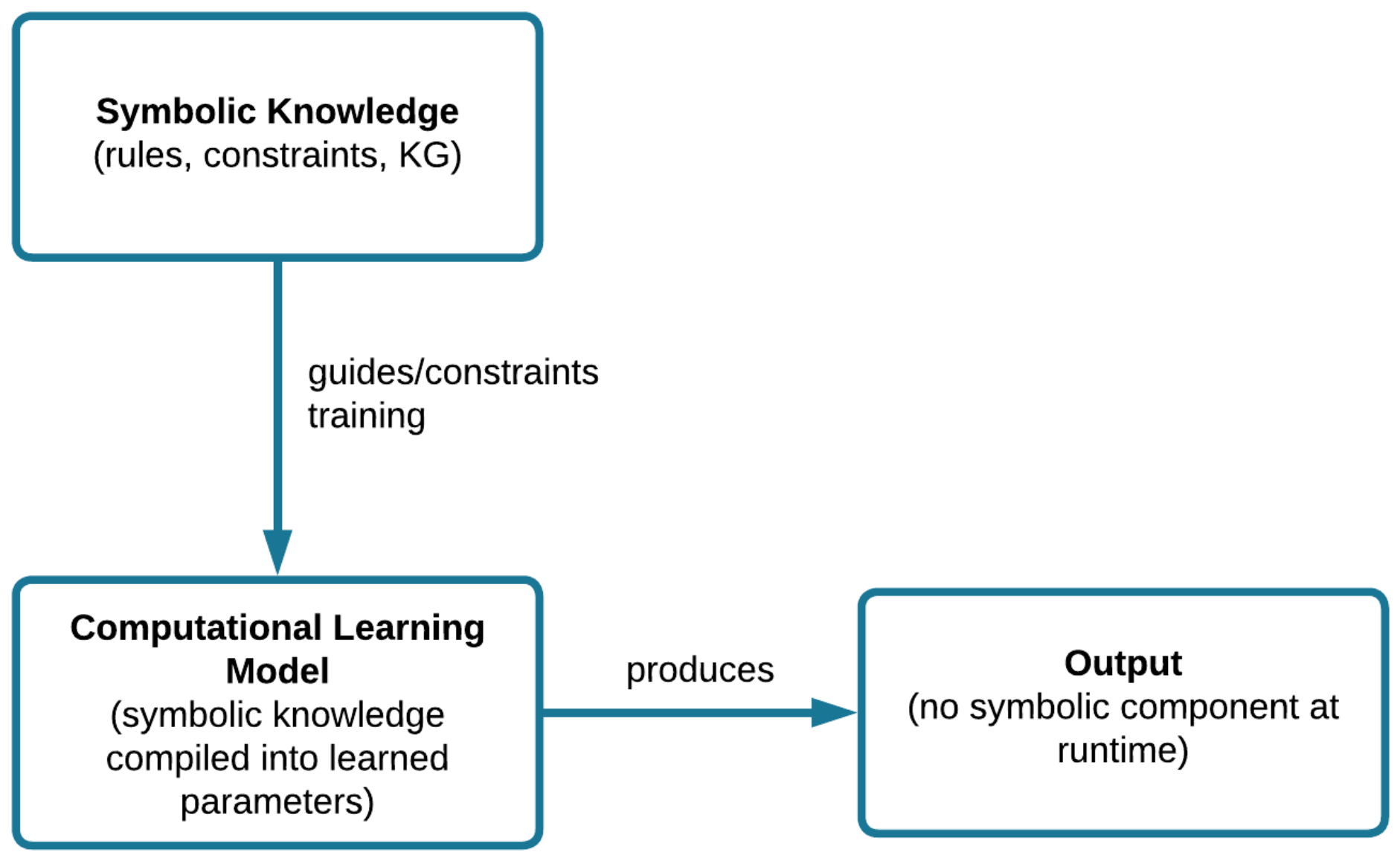
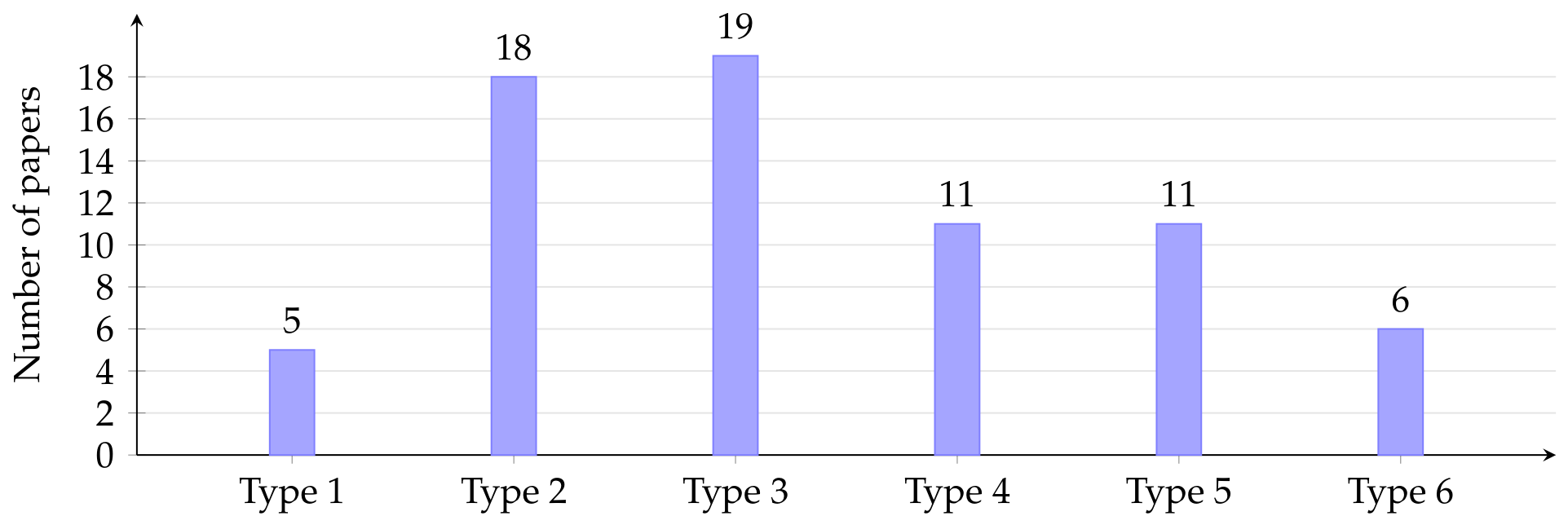
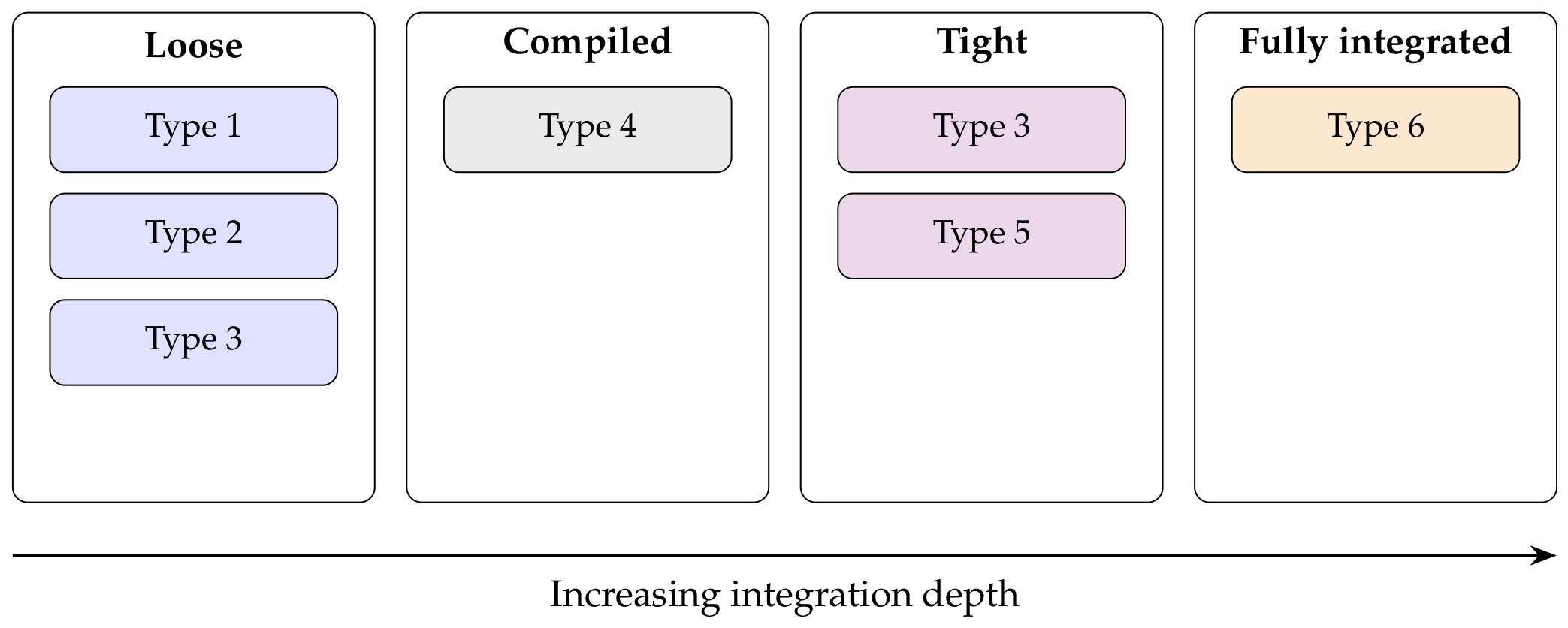
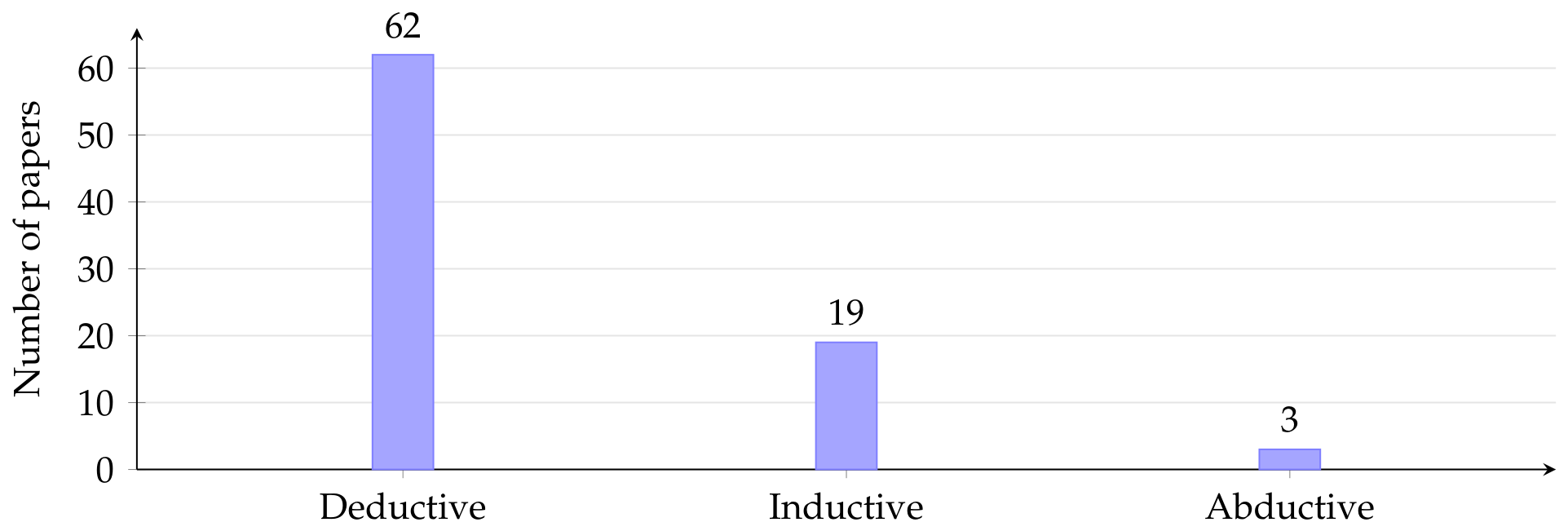
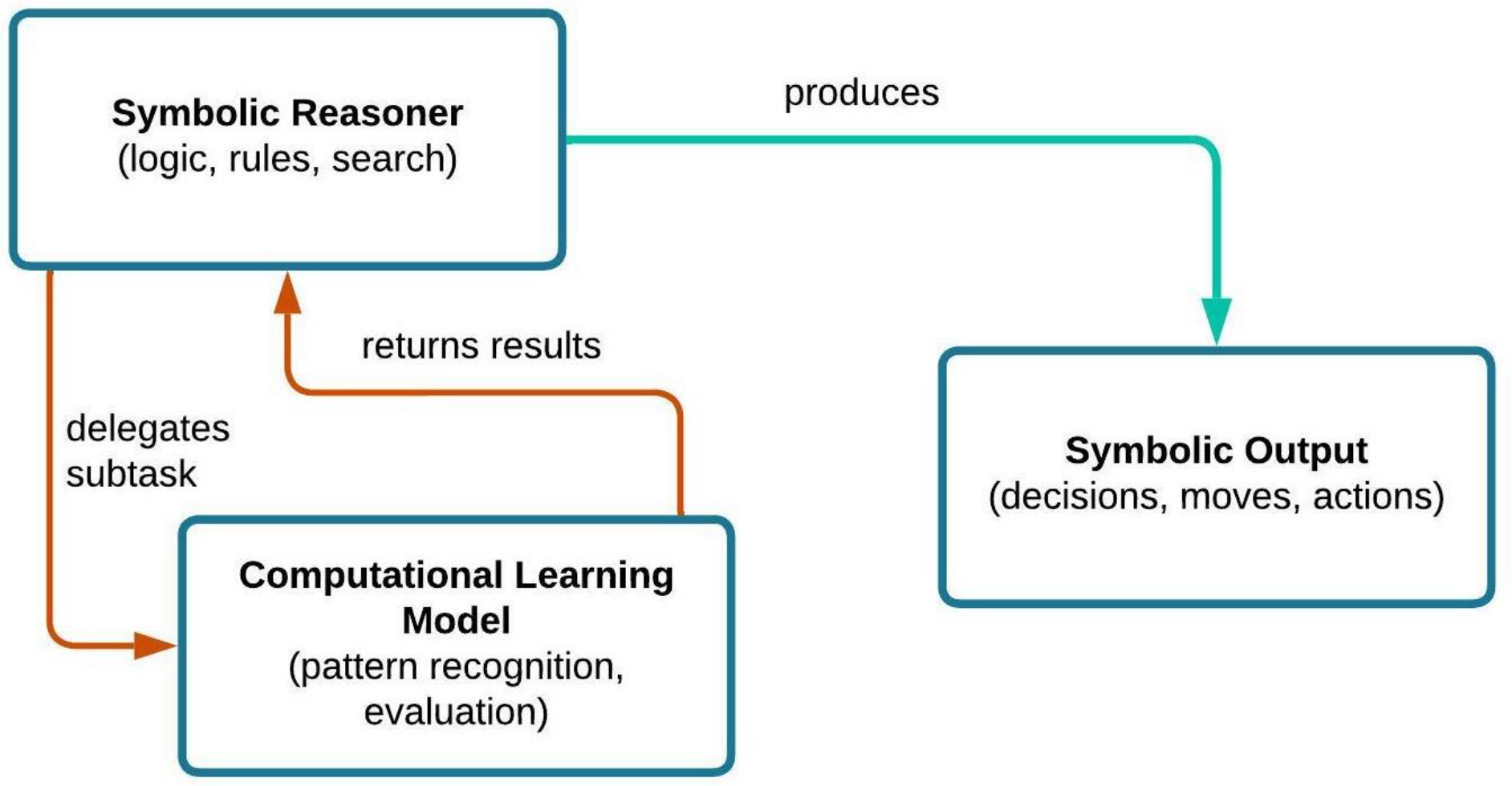
Neurosymbolic AI (NeSy AI) seeks to integrate the strengths of symbolic reasoning with computational learning methods, addressing fundamental challenges of each paradigm in isolation. Existing surveys have primarily organized this growing body of research by architecture. The systematic evaluation of NeSy systems against the foundational questions about knowledge–learning interaction raised in the literature has received far less attention. This paper introduces a multi-axis analytical framework that combines the six-type taxonomy proposed by Kautz with four foundational dimensions derived from the open questions raised by van Harmelen: the mode of integration between symbolic and computational learning components, the use of symbolic priors for learning, the enforcement of symbolic constraints for safety and bias prevention, and the production of symbolic knowledge from learning. Complemented by a systematic reasoning categorization (deductive, inductive, abductive), this framework is applied to categorize and analyze 70 NeSy papers. The analysis reveals that while symbolic priors for learning are widely adopted in the surveyed corpus, symbolic constraints for safety and fairness remain significantly underexplored despite being among the most frequently cited motivations for NeSy research. Task-level abductive reasoning is virtually absent, appearing in only three of the 70 systems, all but one from 2026. Fully integrated architectures (Kautz Type 6) remain scarce and largely theoretical, and bidirectional knowledge–learning interaction is rare. Six concrete gaps are identified, providing specific directions for future research in neurosymbolic AI.
Keywords: neurosymbolic AI; computational learning theory; mathematical logic; symbolic reasoning; knowledge representation; explainable AI; abductive reasoning neurosymbolic AI; computational learning theory; mathematical logic; symbolic reasoning; knowledge representation; explainable AI; abductive reasoning