Article

Deceptive Waypoint Sequencing Based UAV–UAV Interception Control Using DBSCAN Learning Strategy

by
Abdulrazaq Nafiu Abubakar
1,
Ali Nasir
1,2,3 and
Abdul-Wahid A. Saif
1,4,*
1
Department of Control and Instrumentation Engineering, King Fahd University of Petroleum and Minerals, Dhahran 31261, Saudi Arabia
2
Interdisciplinary Research Center for Intelligent Manufacturing and Robotics, King Fahd University of Petroleum and Minerals, Dhahran 31261, Saudi Arabia
3
Interdisciplinary Research Center for Aviation and Space Exploration, King Fahd University of Petroleum and Minerals, Dhahran 31261, Saudi Arabia
4
Interdisciplinary Research Center for Smart Mobility and Logistics (IRC-SML), King Fahd University of Petroleum and Minerals, Dhahran 31261, Saudi Arabia
*
Author to whom correspondence should be addressed.
Mach. Learn. Knowl. Extr. 2026, 8(3), 54; https://doi.org/10.3390/make8030054
Submission received: 22 January 2026 / Revised: 18 February 2026 / Accepted: 19 February 2026 / Published: 25 February 2026

Abstract

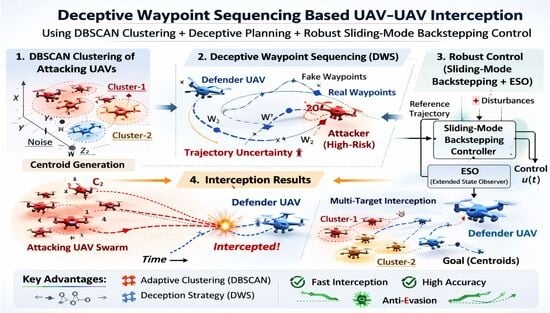
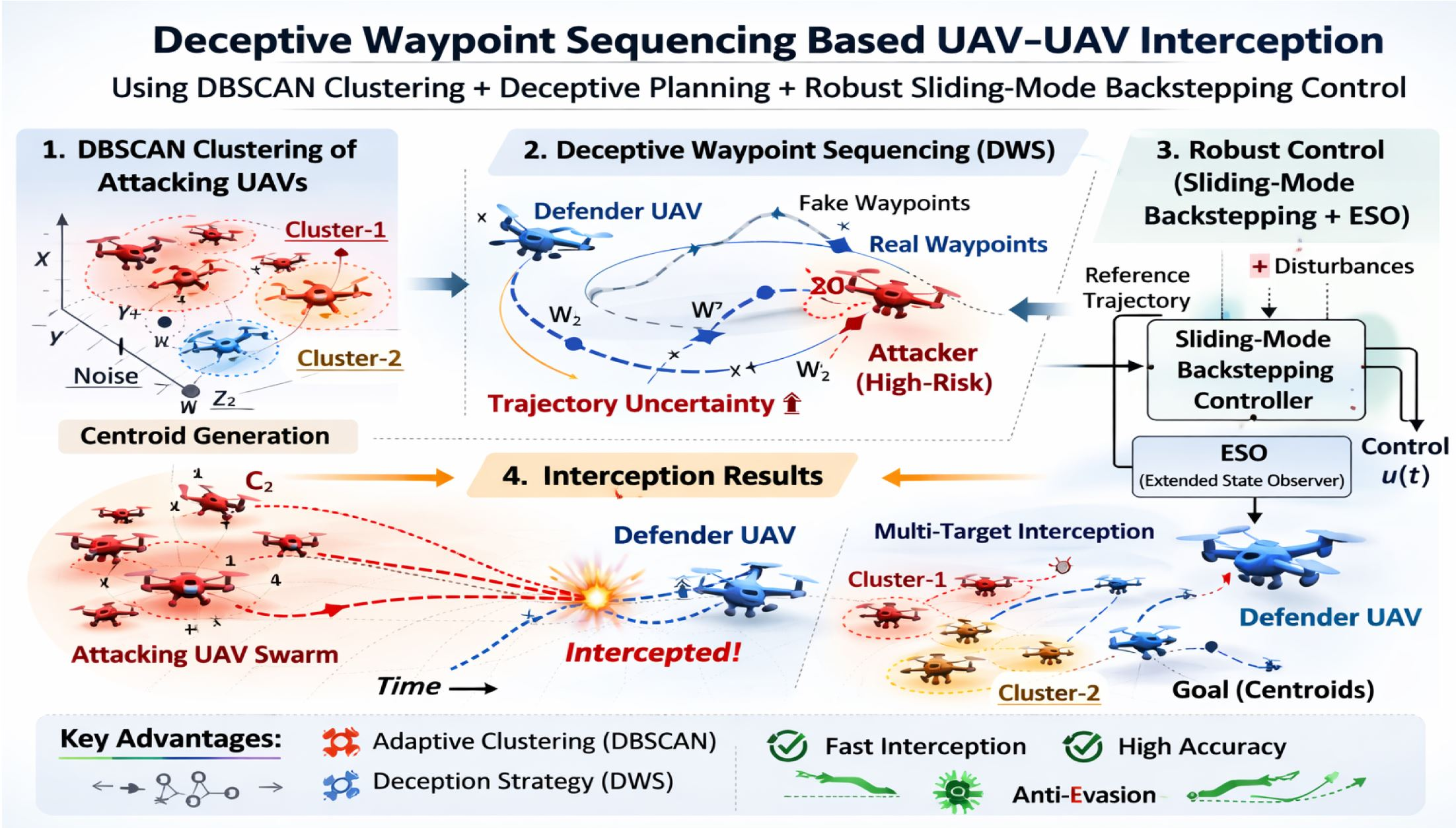
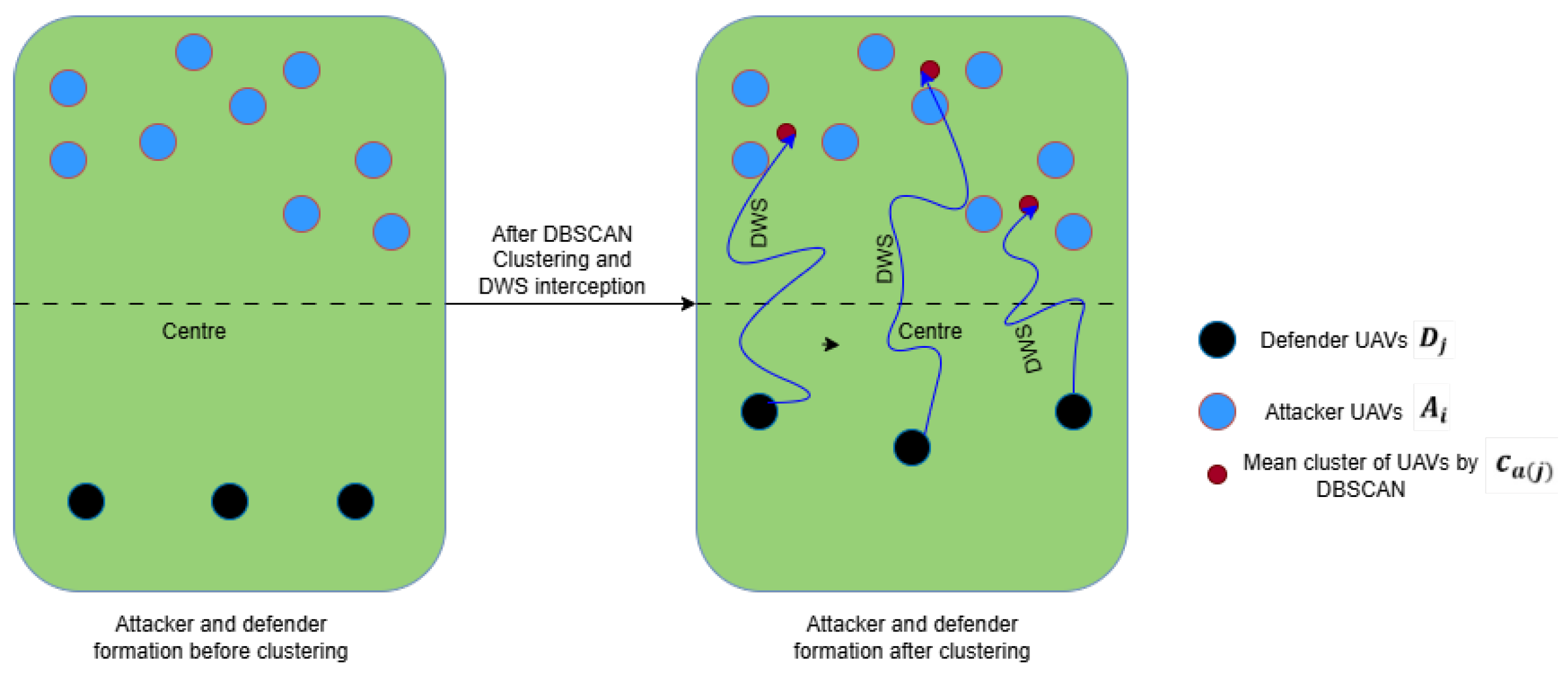
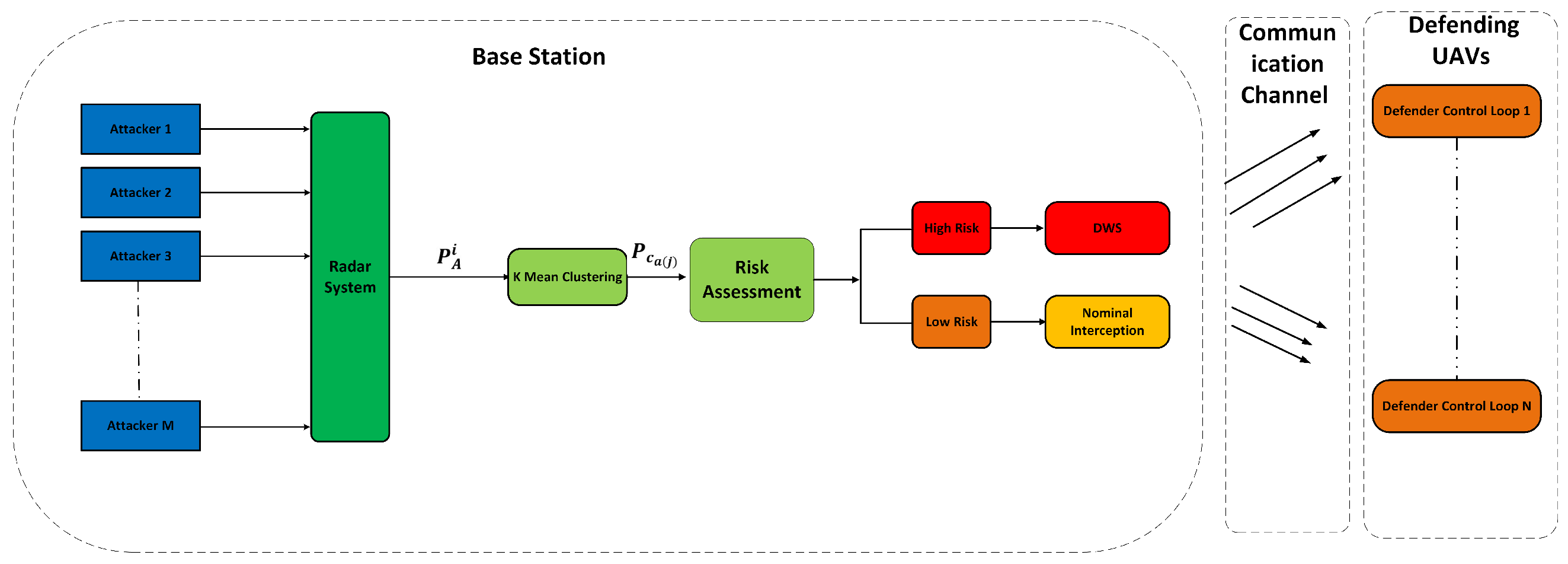
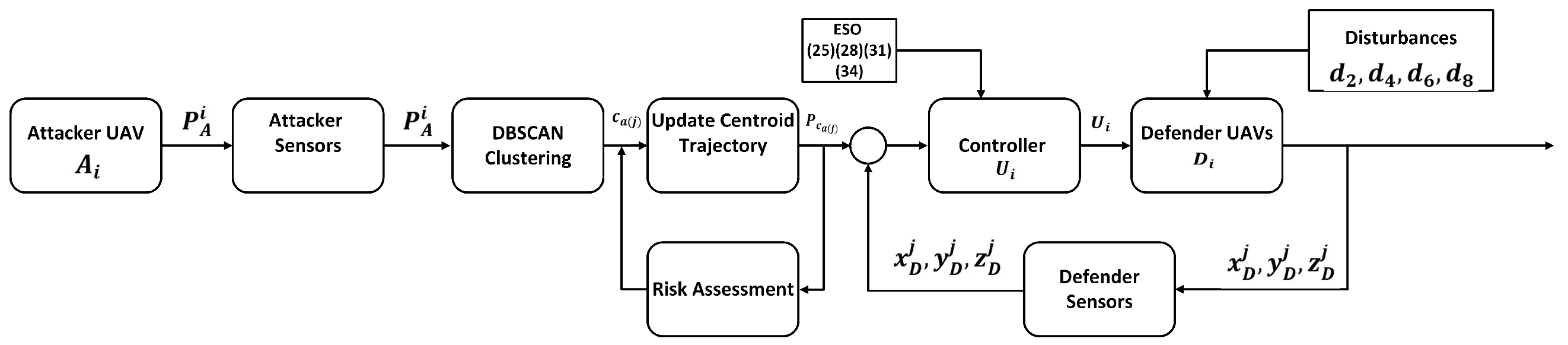
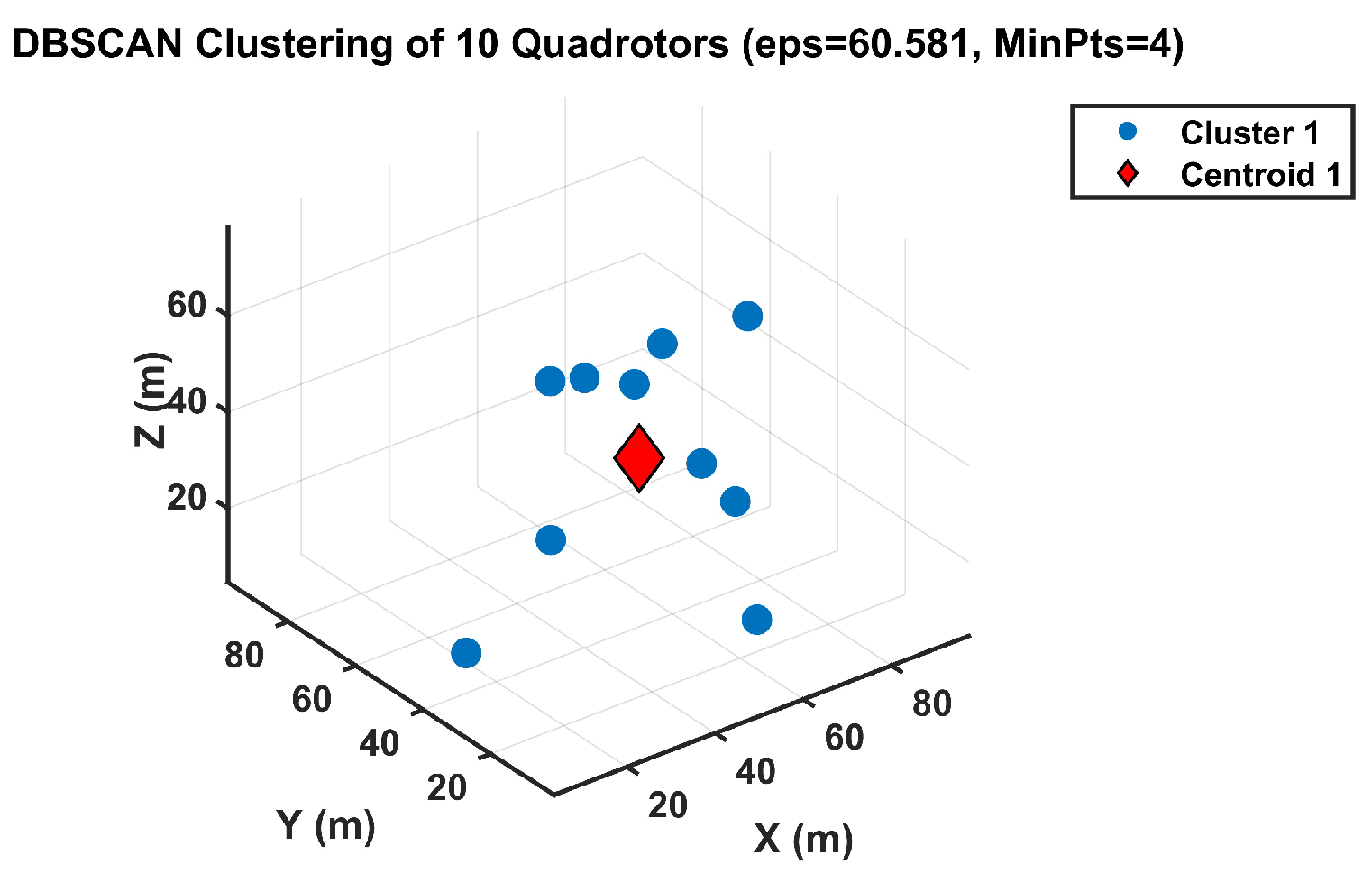
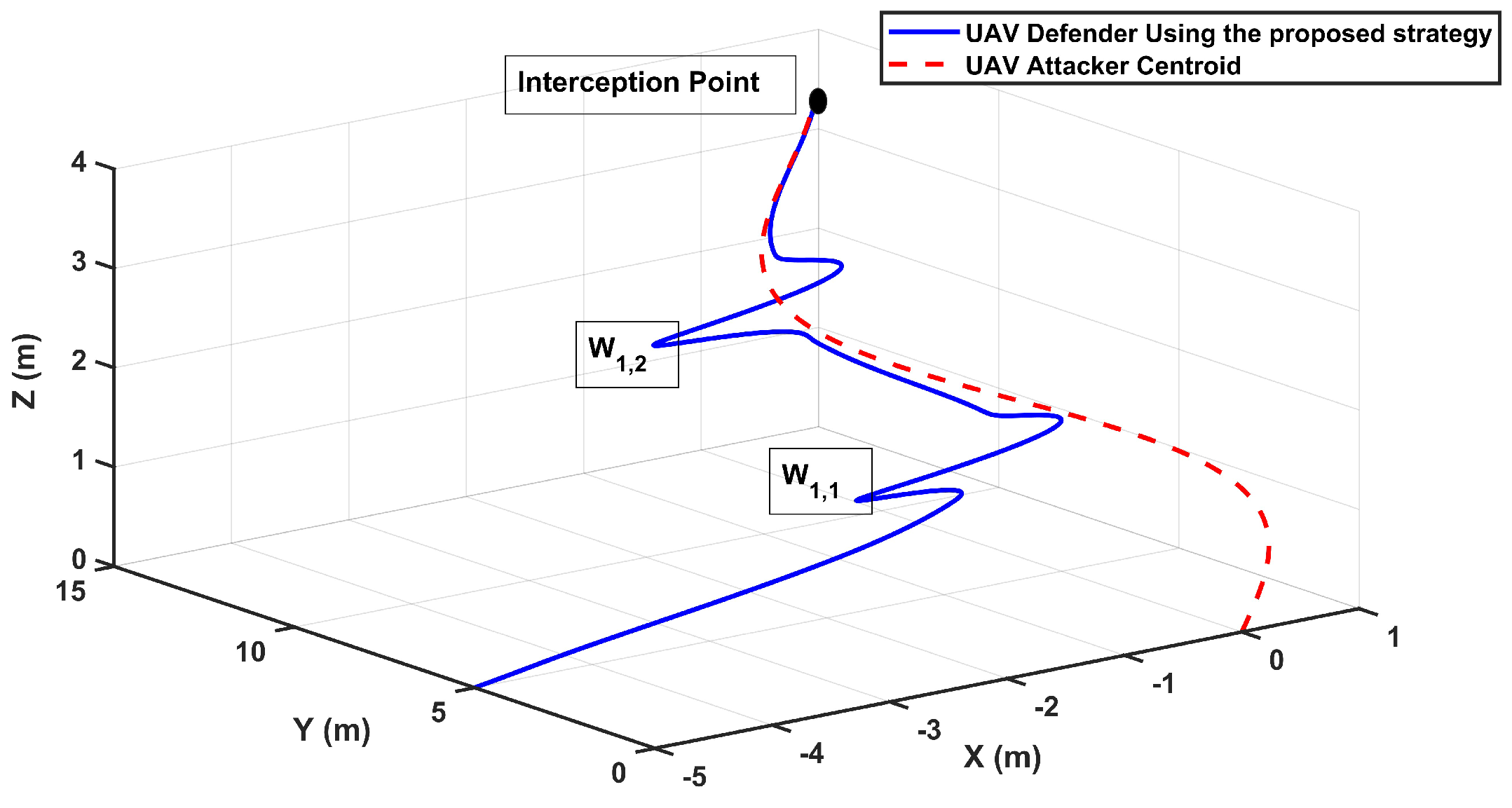
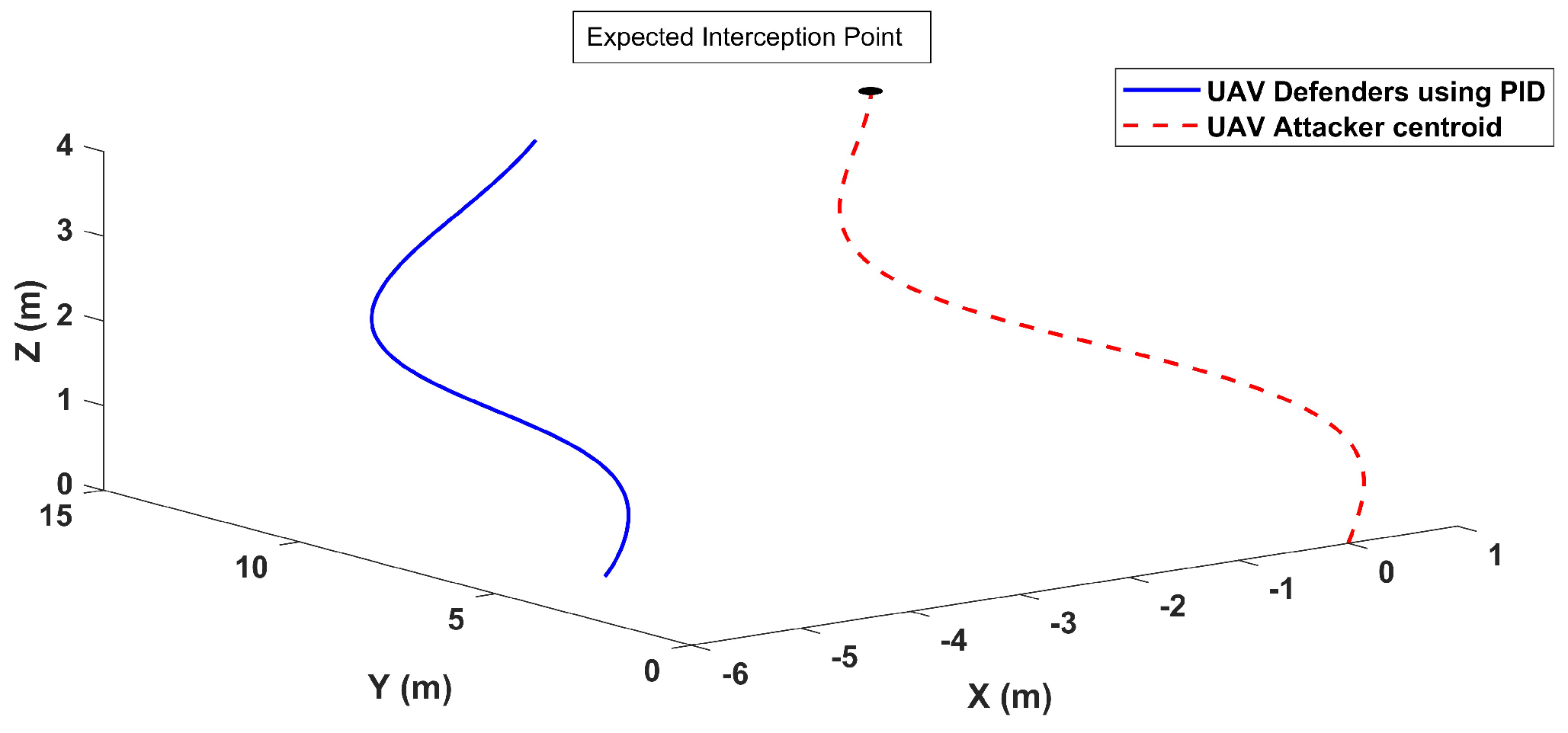
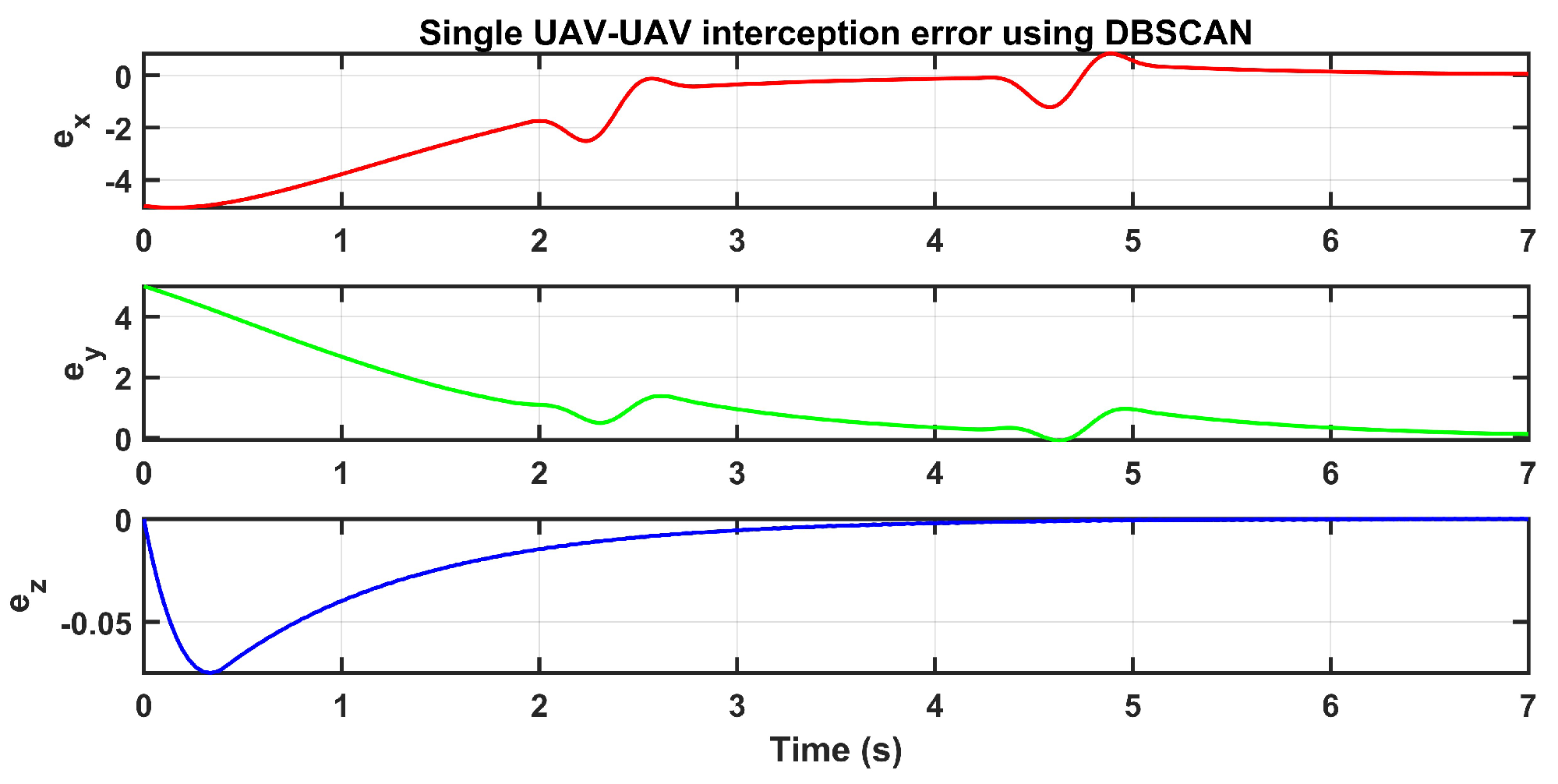
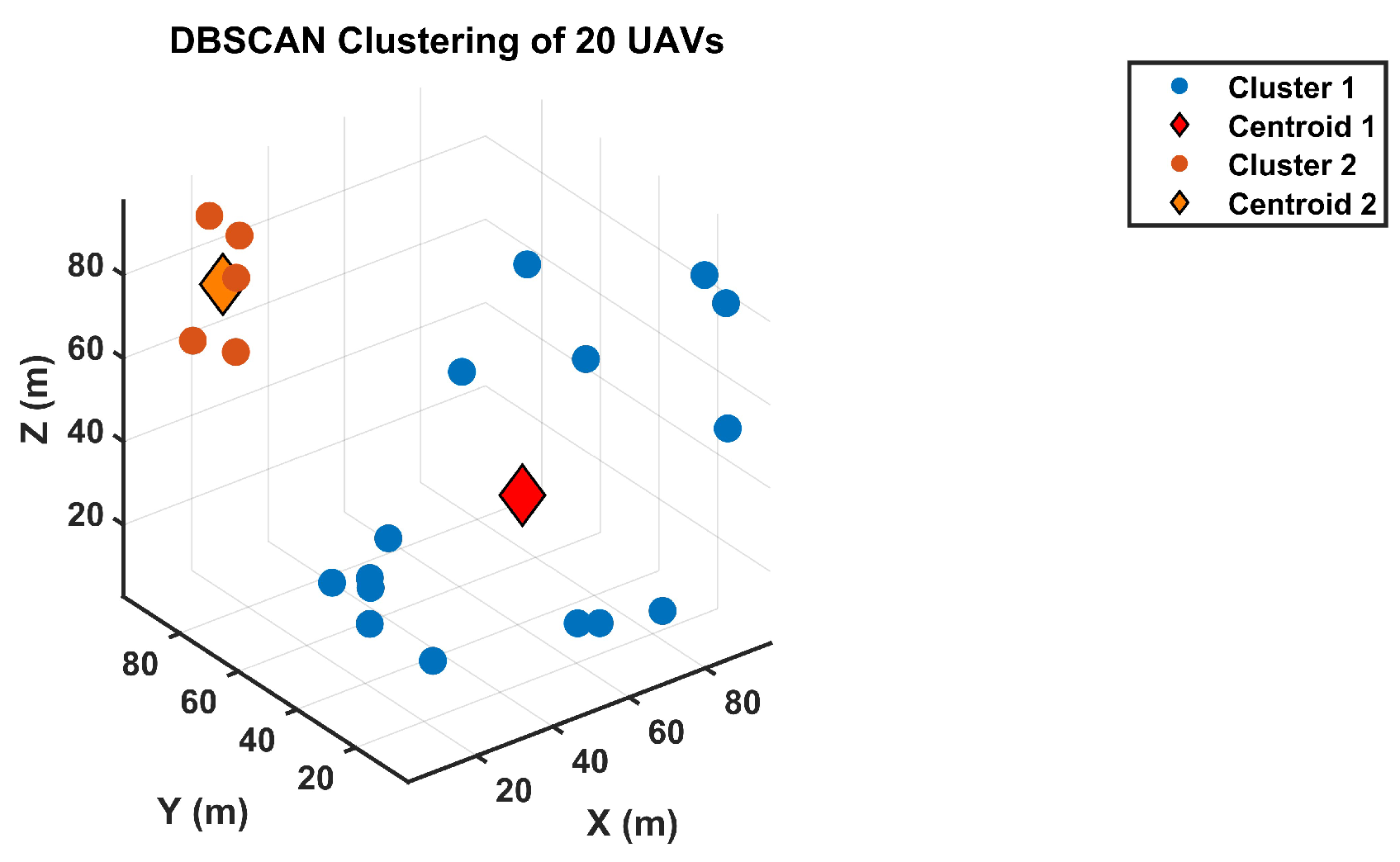
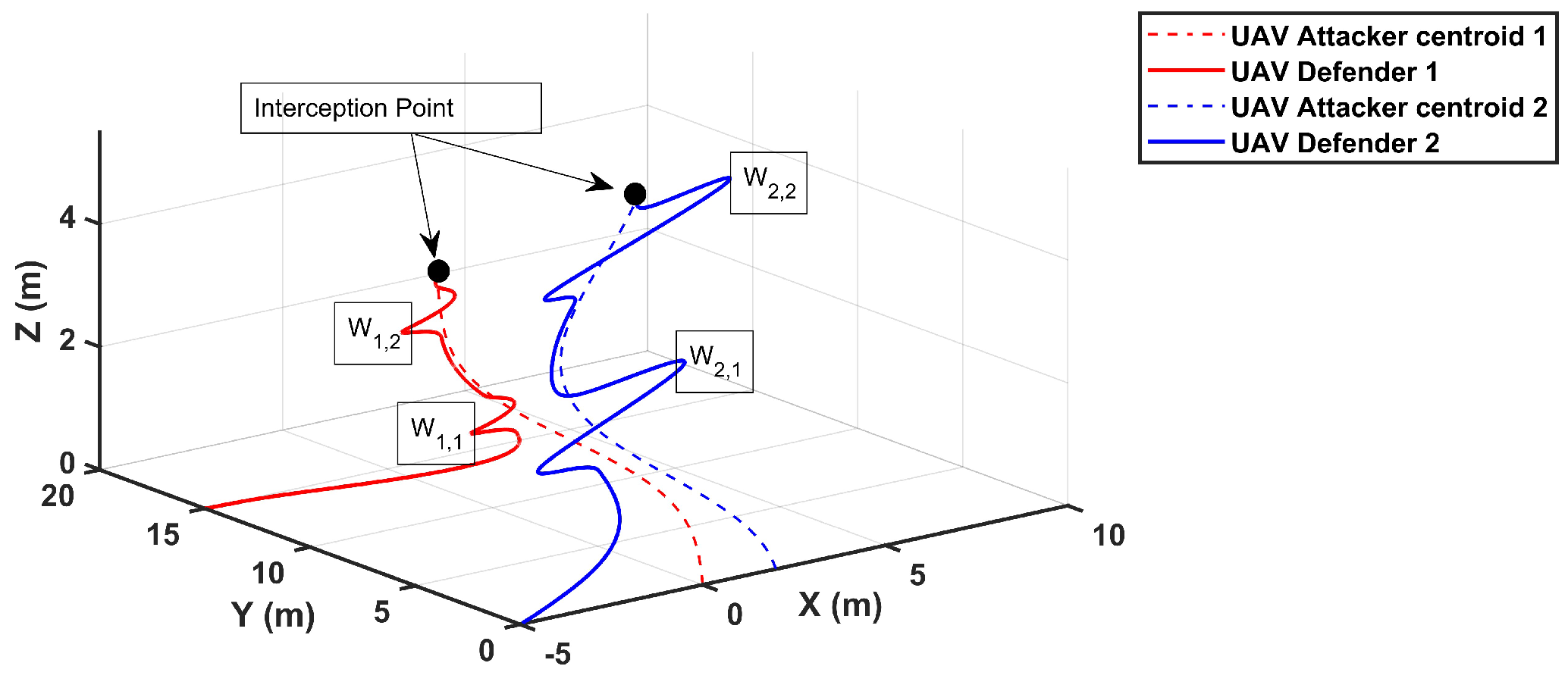
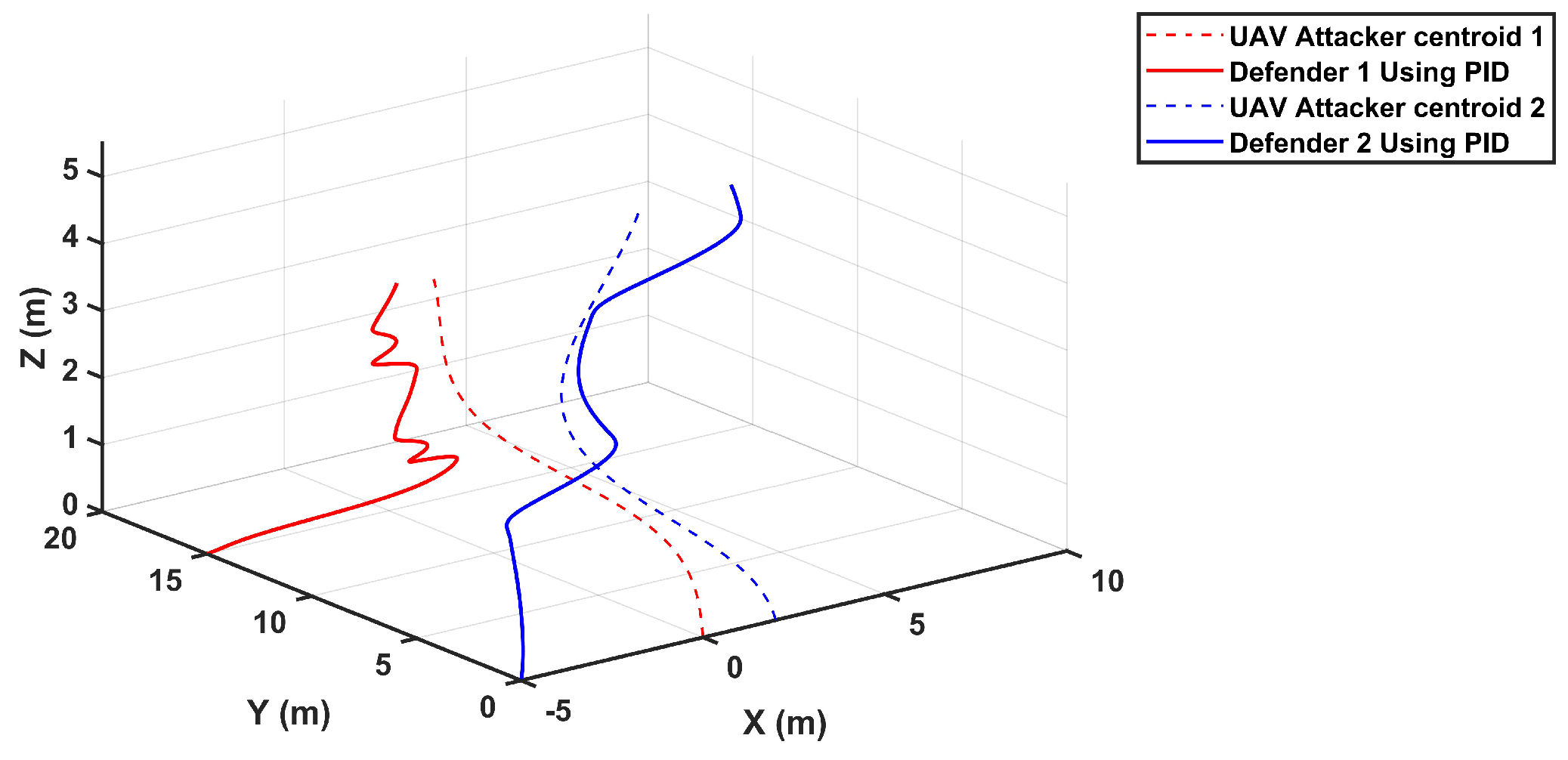
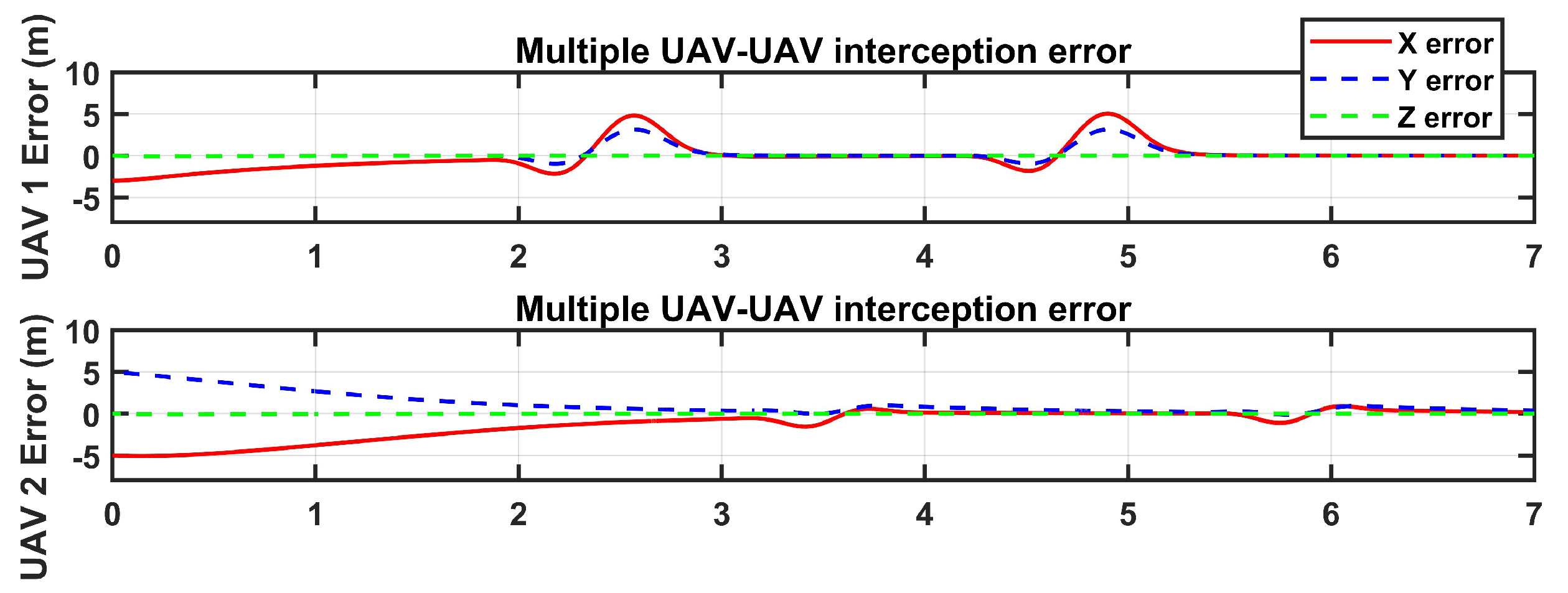
Modern multi-Unmanned Aerial Vehicle (UAV) attacks pose significant challenges to existing counter-UAV frameworks due to their agility, irregular spatial formations, and increasing reliance on intelligent evasive behaviors. This paper proposes a unified interception architecture that integrates Density-Based Spatial Clustering of Applications with Noise (DBSCAN) for multi-target grouping, a deceptive waypoint sequencing (DWS) mechanism for adversarial evasion, and a robust sliding-mode backstepping controller augmented with extended state observers (ESOs) for precise tracking under disturbances. DBSCAN enables real-time clustering of attacking UAVs without prior knowledge of the number of formations, producing dynamic centroids that serve as tactical interception references. To counter risky attackers capable of predicting defender trajectories, a novel DWS strategy introduces centroid-relative waypoints that preserve mission objectives while reducing trajectory predictability. Lyapunov-based analysis is developed for stability, guaranteeing uniform ultimate boundedness of the tracking errors. The proposed approach achieves successful interception in both scenarios, with an interception time of 7 s and final interception error of 0.023 m in the single-UAV case, and an interception time of 8 s with final interception error of 0.050 m in the multiple-UAV case, whereas the PID baseline fails to achieve interception under the same conditions. Extensive simulations involving single and multi-cluster engagements demonstrate that the proposed strategy achieves fast, accurate, and deception-resilient interception, outperforming the conventional PID approach in the presence of disturbances, nonlinearities, and dynamic swarm configurations. The obtained results show the effectiveness of integrating adaptive clustering, deceptive planning, and robust nonlinear control for modern UAV–UAV defensive operations.
Keywords: UAV–UAV interception; deceptive waypoint sequencing; sliding-mode control; backstepping control; DBSCAN clustering; quadrotor UAV–UAV interception; deceptive waypoint sequencing; sliding-mode control; backstepping control; DBSCAN clustering; quadrotor
Graphical Abstract