
Article

Evaluation of Different ZX Tensile Coupon Designs in Additive Manufacturing of Amorphous and Semi-Crystalline Polymer Composites

by
Raviteja Rayaprolu
1,2,
Ajay Kumar Kadiyala
1,* and
Joseph G. Lawrence
1,3,*
1
Polymer Institute, The University of Toledo, Toledo, OH 43606, USA
2
Department of Mechanical, Industrial and Manufacturing Engineering, The University of Toledo, Toledo, OH 43606, USA
3
Department of Chemical Engineering, The University of Toledo, Toledo, OH 43606, USA
*
Authors to whom correspondence should be addressed.
J. Compos. Sci. 2024, 8(9), 379; https://doi.org/10.3390/jcs8090379
Submission received: 16 July 2024 / Revised: 17 September 2024 / Accepted: 20 September 2024 / Published: 22 September 2024
(This article belongs to the Special Issue Application of Composite Materials in Additive Manufacturing)

Abstract

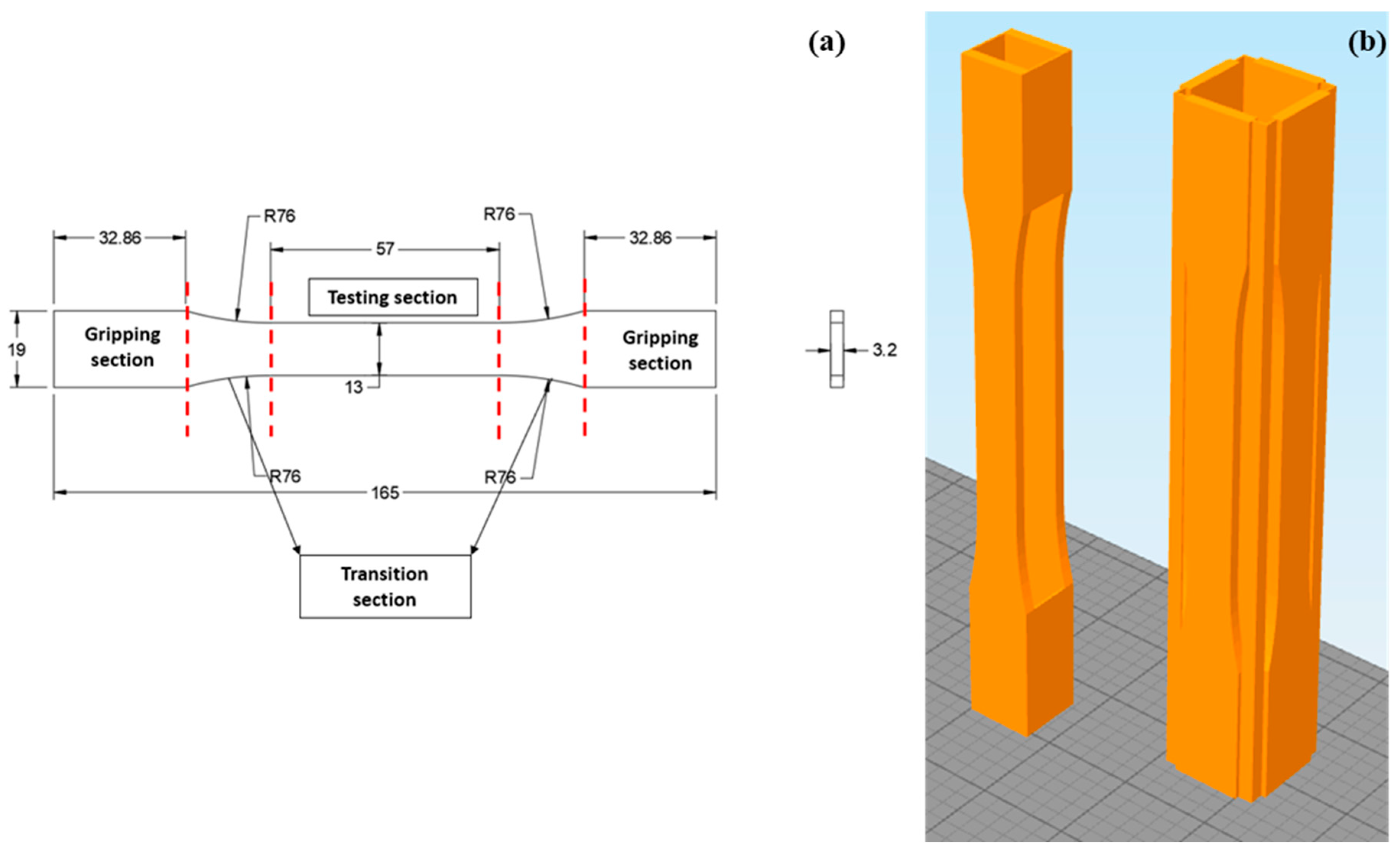
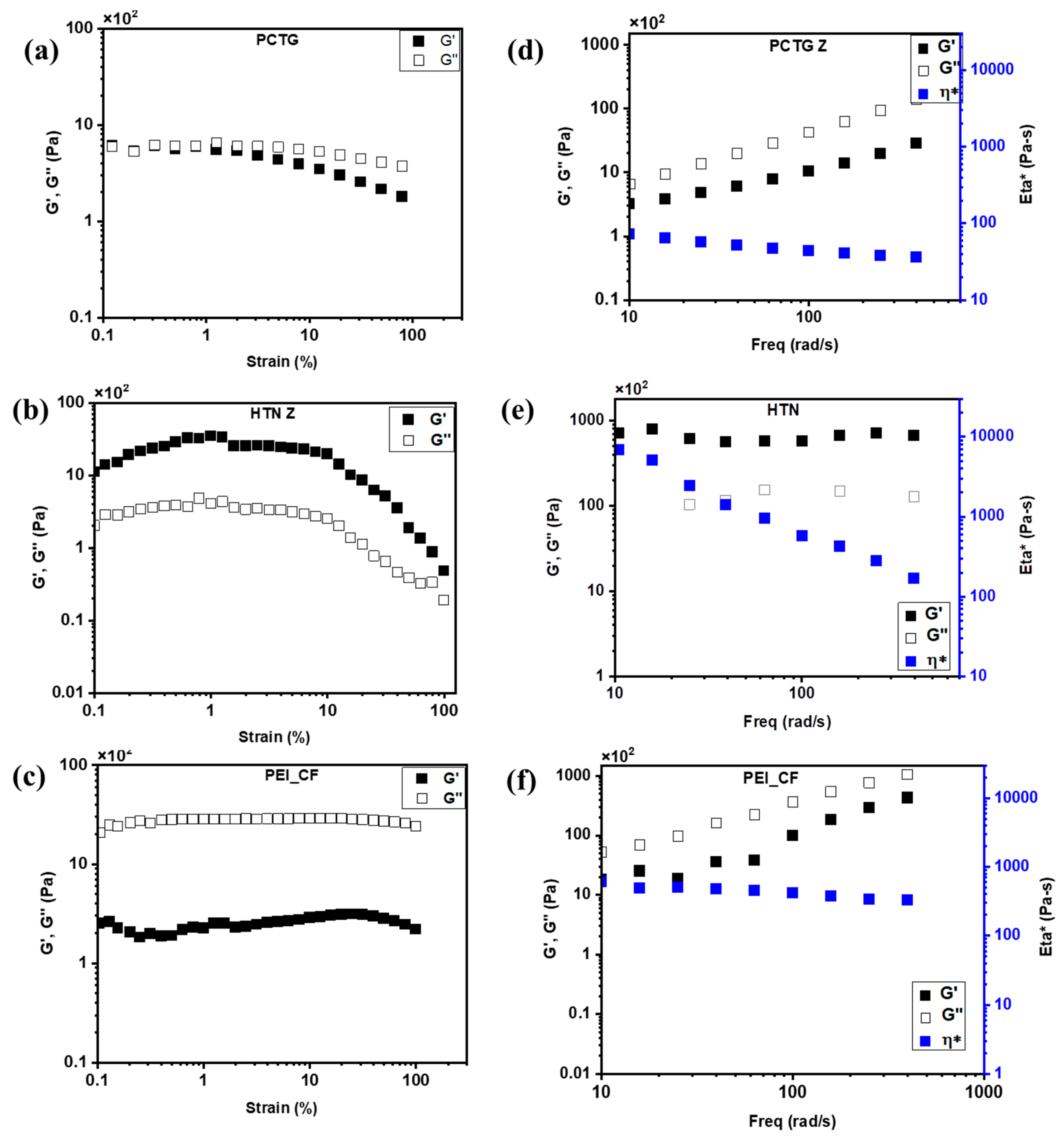
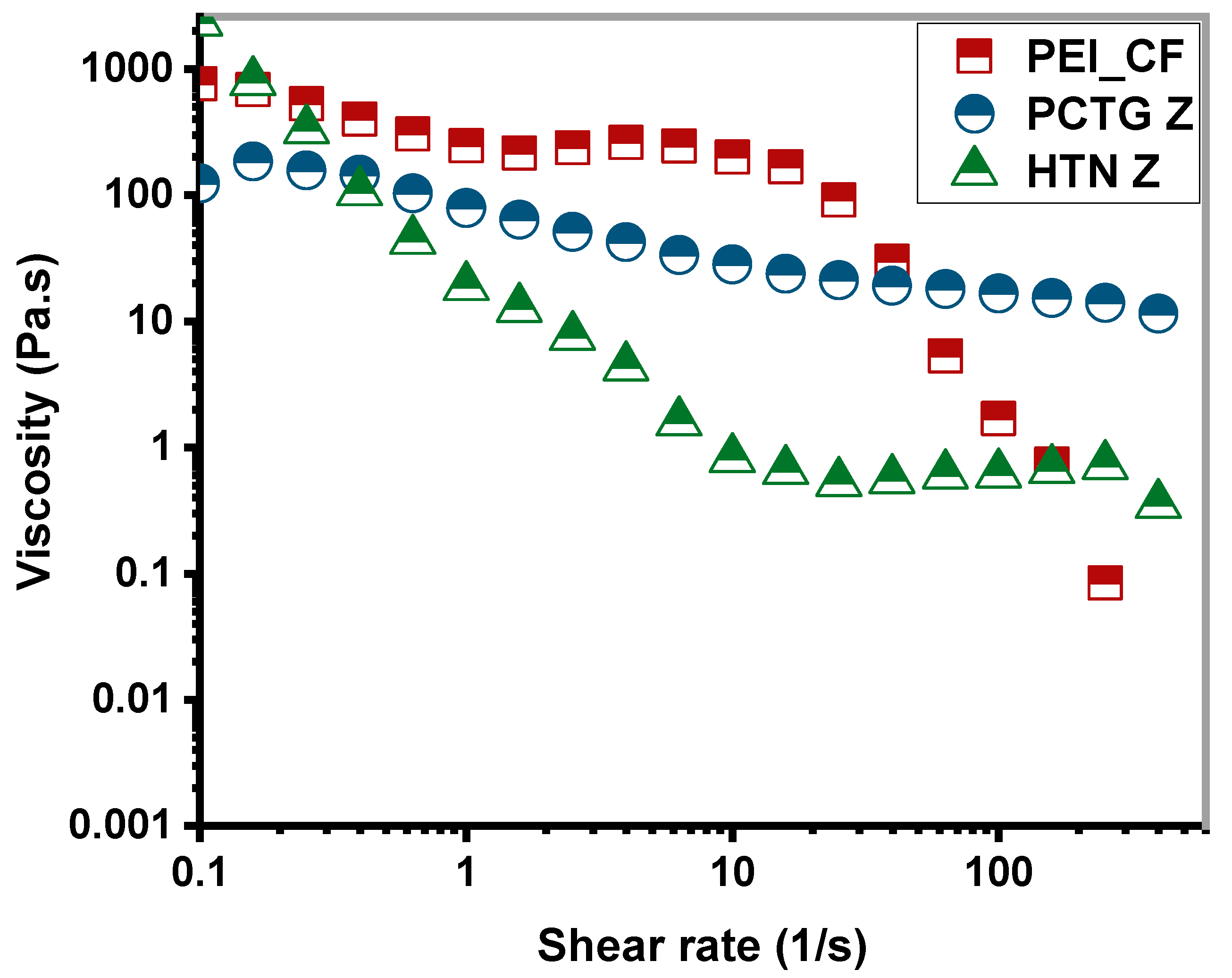
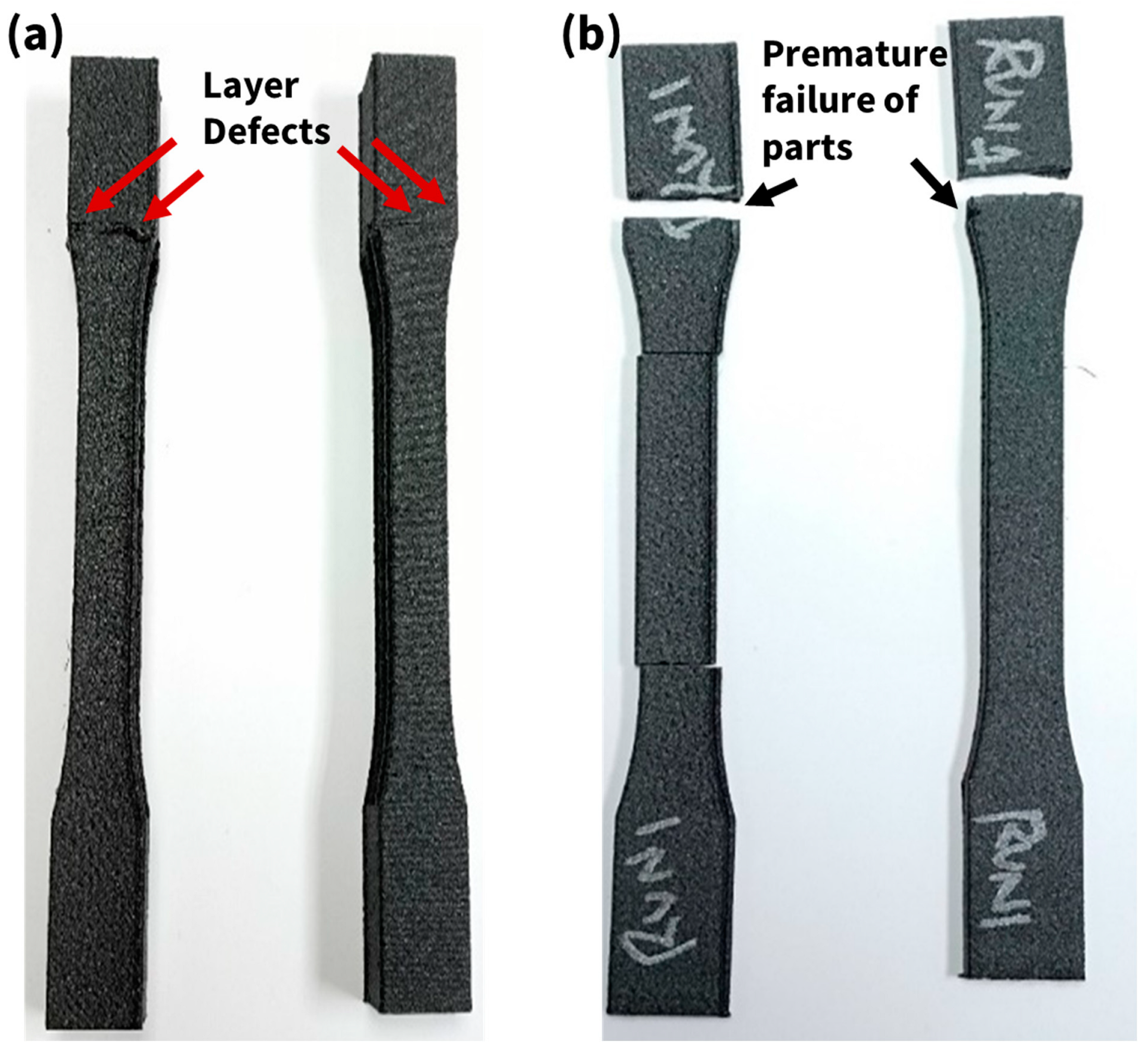
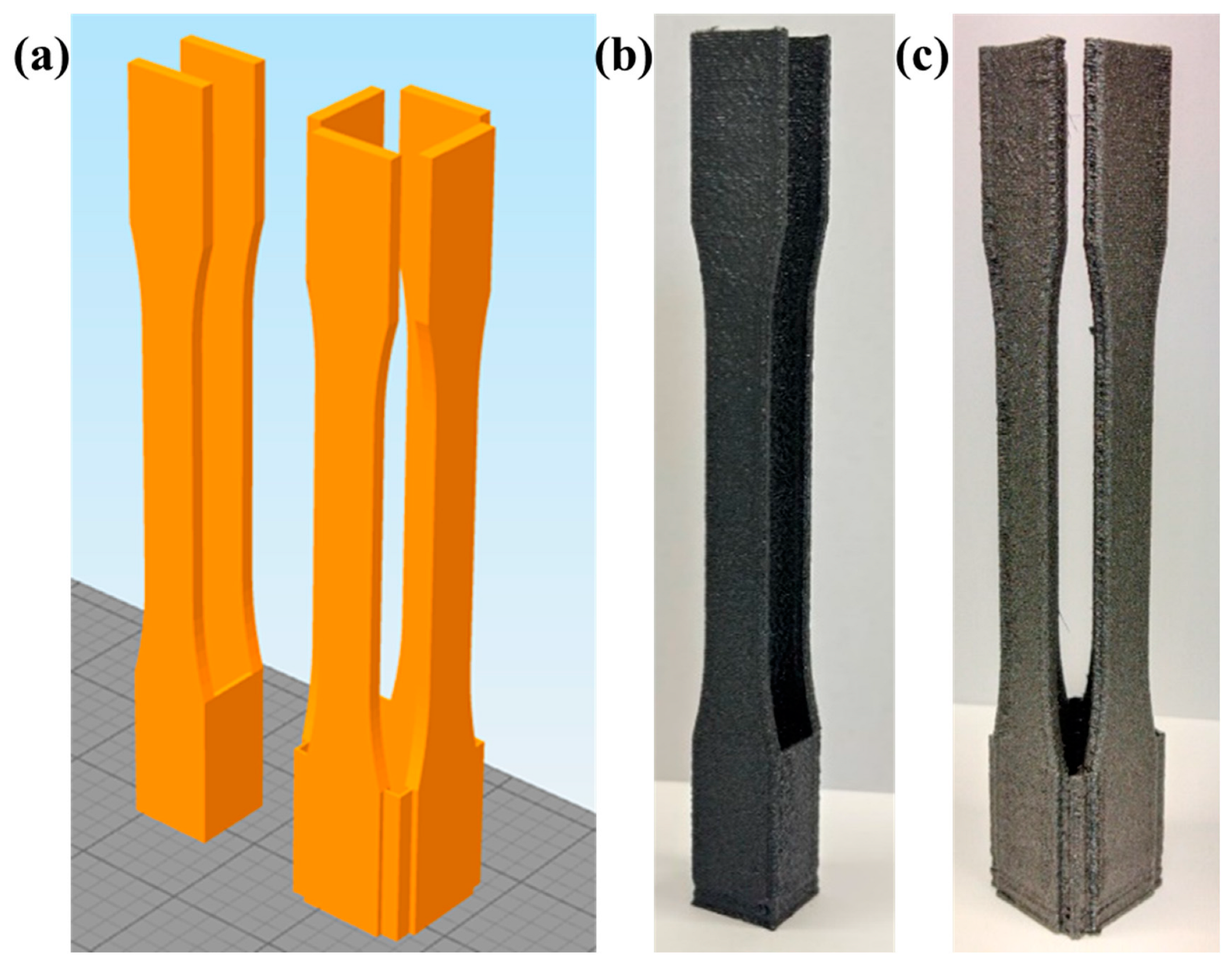
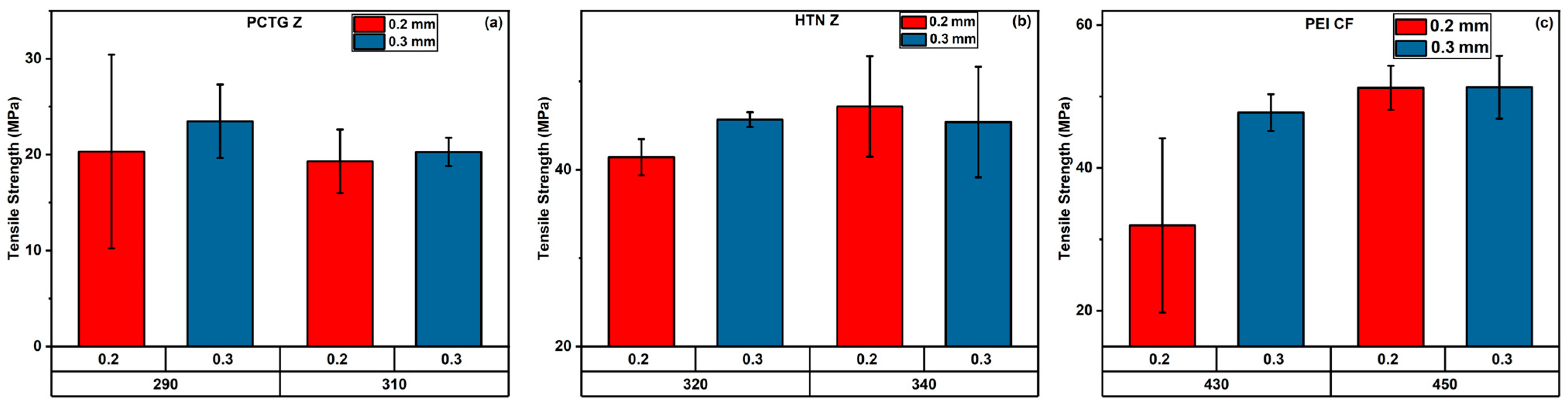
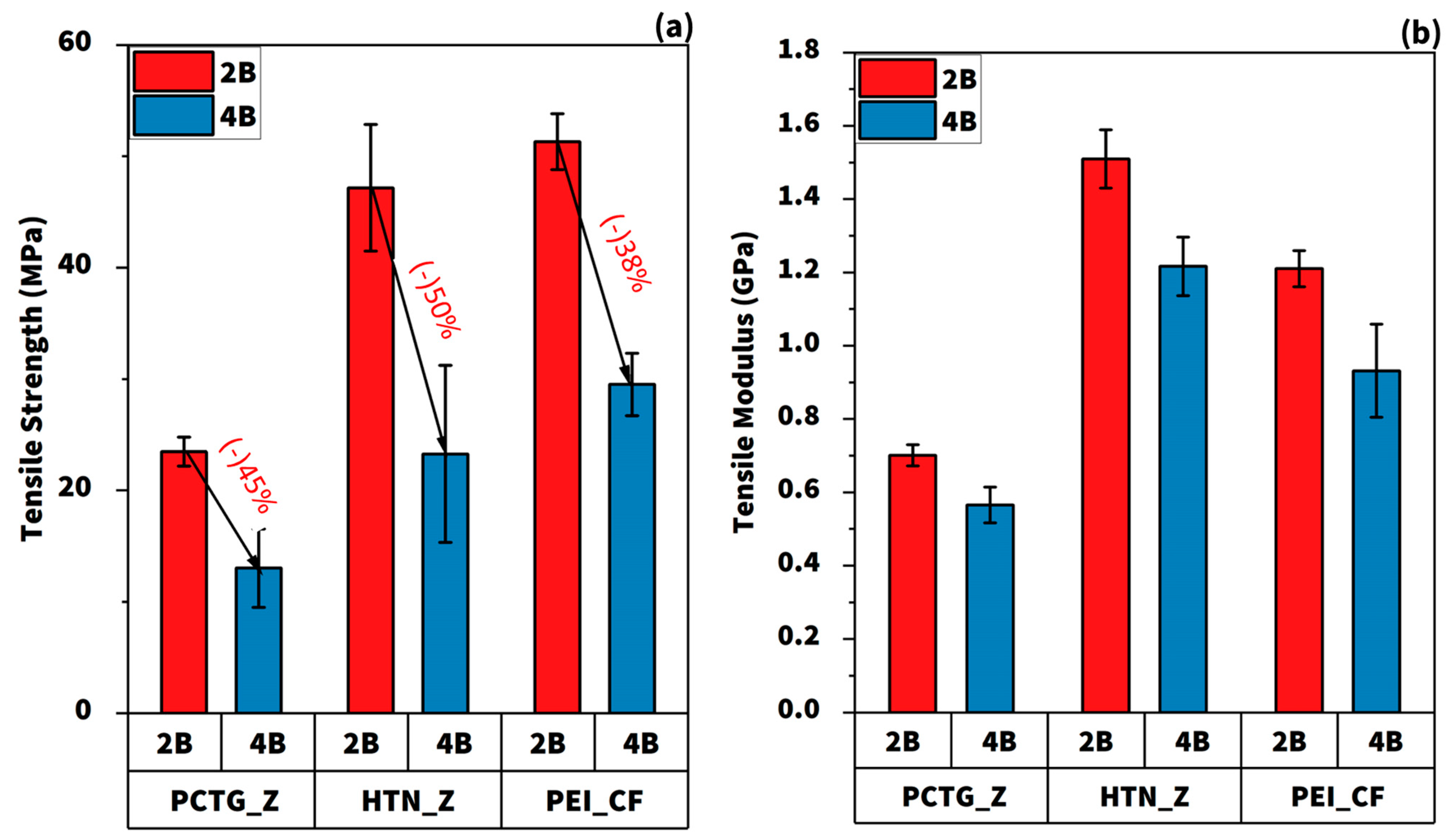
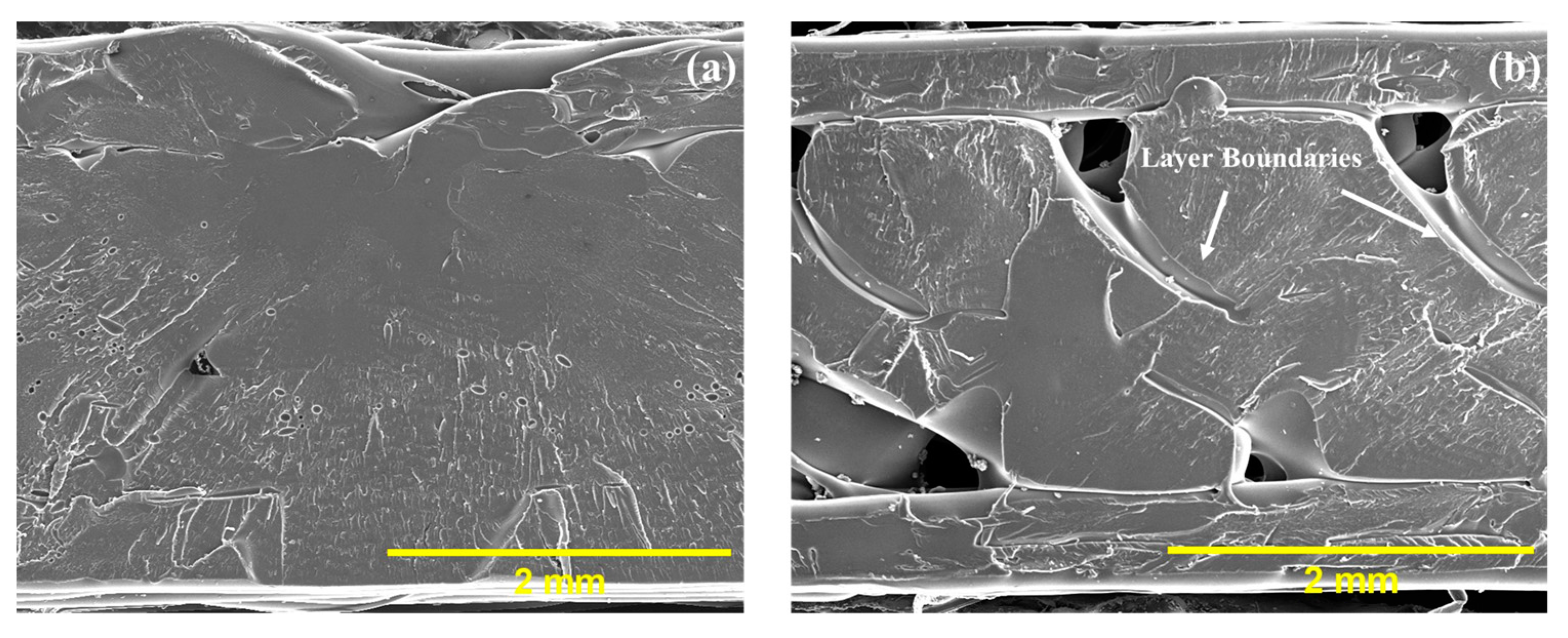
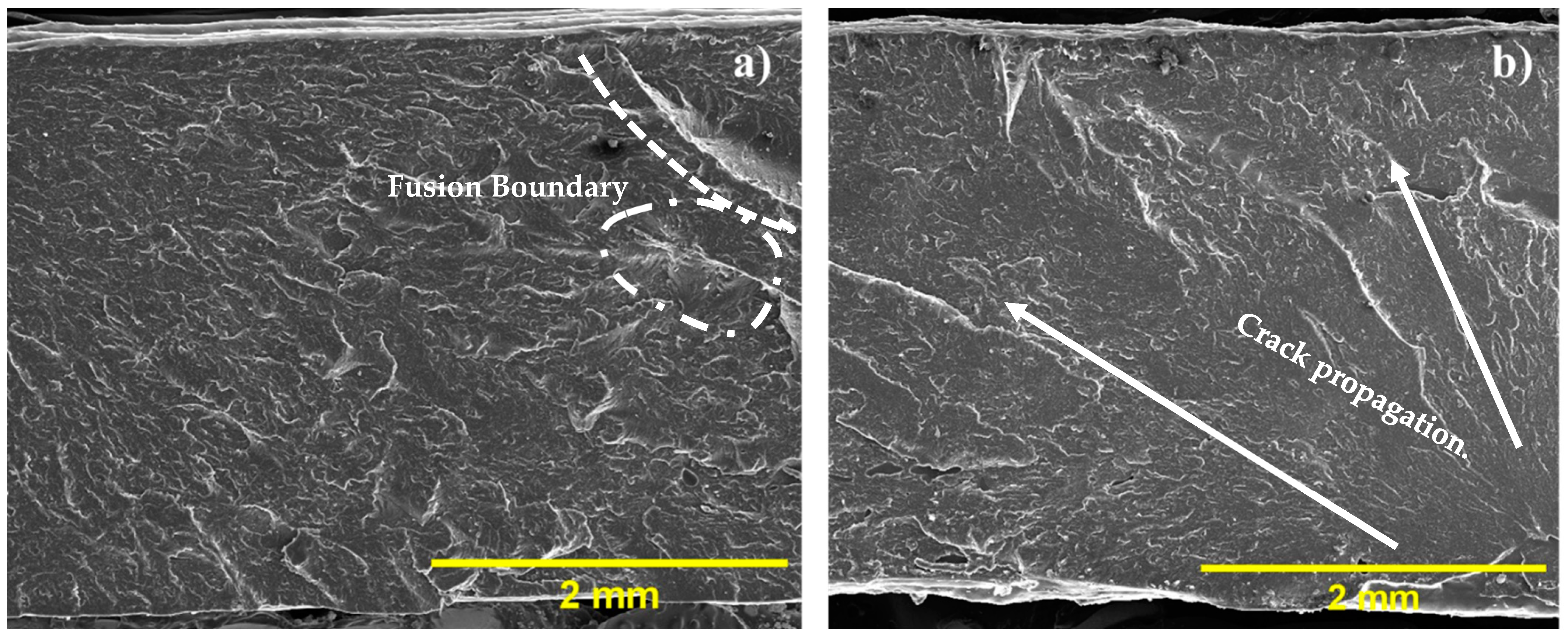
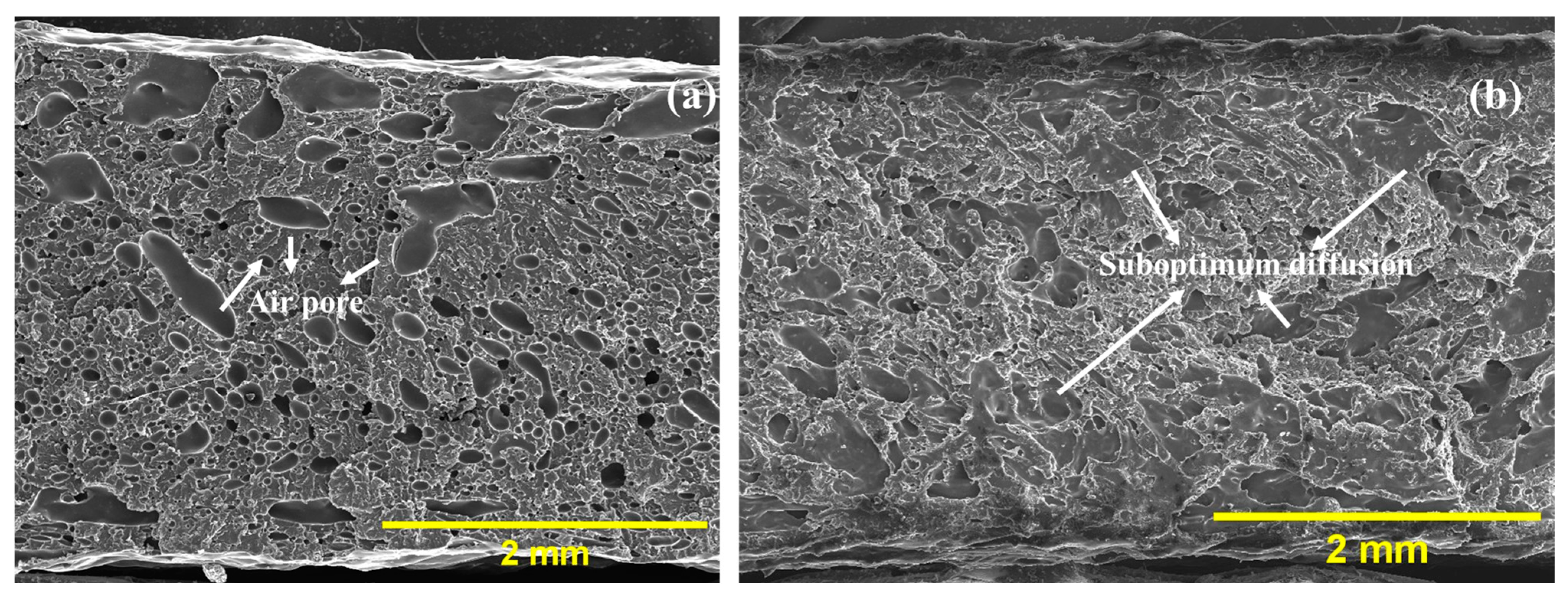
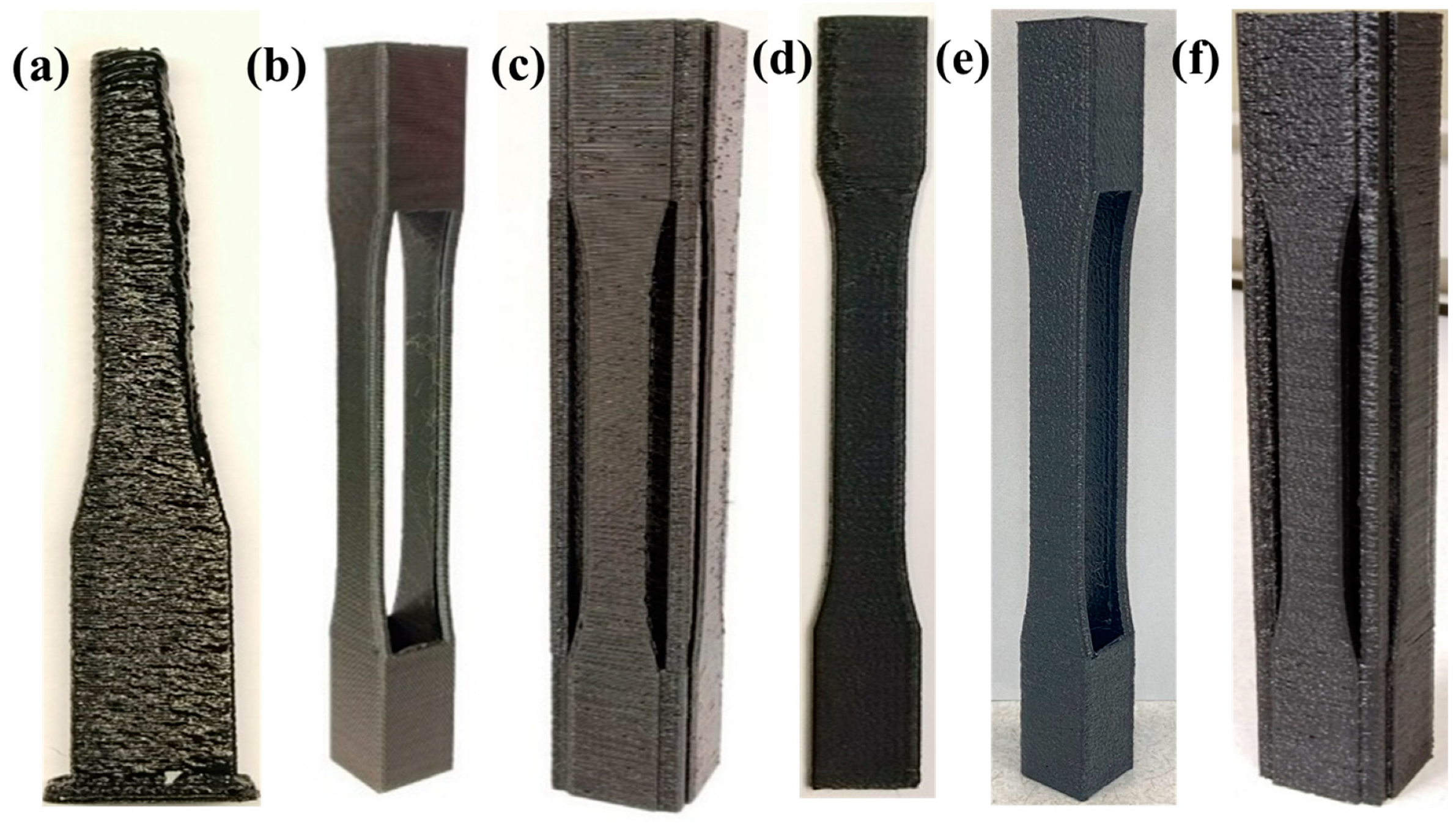
The layer-by-layer deposition of molten polymer filament in fused deposition modeling (FDM) has evolved as a disruptive technology for building complex parts. This technology has drawbacks such as the anisotropic property of the printed parts resulting in lower strength for parts printed in the vertical Z direction compared with the other two planes. In this manuscript, we attempt to address these challenges as well as the lack of standardization in sample preparation and mechanical testing of the printed parts. The paper focuses on process parameters and design optimization of the ZX build orientation. Type I tensile bars in ZX orientation were printed as per the ASTM D638 standard using two (2B) and four (4B) tensile bar designs. The proposed design reduces material loss and post-processing to extract the test coupons. Printing a type I tensile bar in the ZX orientation is more challenging than type IV and type V due to the increased length of the specimen and changes in additional heat buildup during layer-by-layer deposition. Three different polymer composite systems were studied: fast-crystallizing nanofiller-based high-temperature nylon (HTN), slow-crystallizing nanofiller-based polycyclohexylene diethylene terephthalate glycol-modified (PCTG), and amorphous carbon fiber-filled polyetherimide (PEI-CF). For all the polymer composite systems, the 2B showed the highest strength properties due to the shorter layer time aiding the diffusion in the interlayers. Further, rheological studies and SEM imaging were carried out to understand the influence of the two designs on fracture mechanics and interlayer bonding, providing valuable insights for the field of additive manufacturing and material science.
Keywords: FDM; FFF; ZX build orientation; type 1 tensile specimen; design optimization; layer time; print parameters; DOE FDM; FFF; ZX build orientation; type 1 tensile specimen; design optimization; layer time; print parameters; DOE