
Review

Application of Composite Materials for Energy Generation Devices

1
Department of Manufacturing Processes and Production Engineering, Rzeszow University of Technology, al. Powst. Warszawy 8, 35-959 Rzeszów, Poland
2
College of Electrical and Mechanical Engineering, Addis Ababa Science and Technology University, Addis Ababa P.O. Box 16417, Ethiopia
3
Department of Aerospace Engineering, Ethiopian Space Science and Technology Institute, Addis Ababa, P.O. Box 33679, Ethiopia
4
Department of Mechanical Engineering, University of Gondar, Gondar P.O. Box 196, Ethiopia
5
Department of Mechanical and Structural Engineering, University of Stavanger, N-4036 Stavanger, Norway
*
Author to whom correspondence should be addressed.
J. Compos. Sci. 2023, 7(2), 55; https://doi.org/10.3390/jcs7020055
Submission received: 29 December 2022 / Revised: 16 January 2023 / Accepted: 1 February 2023 / Published: 3 February 2023
(This article belongs to the Special Issue Opportunities for Composites in the Future Energy Systems)

Abstract

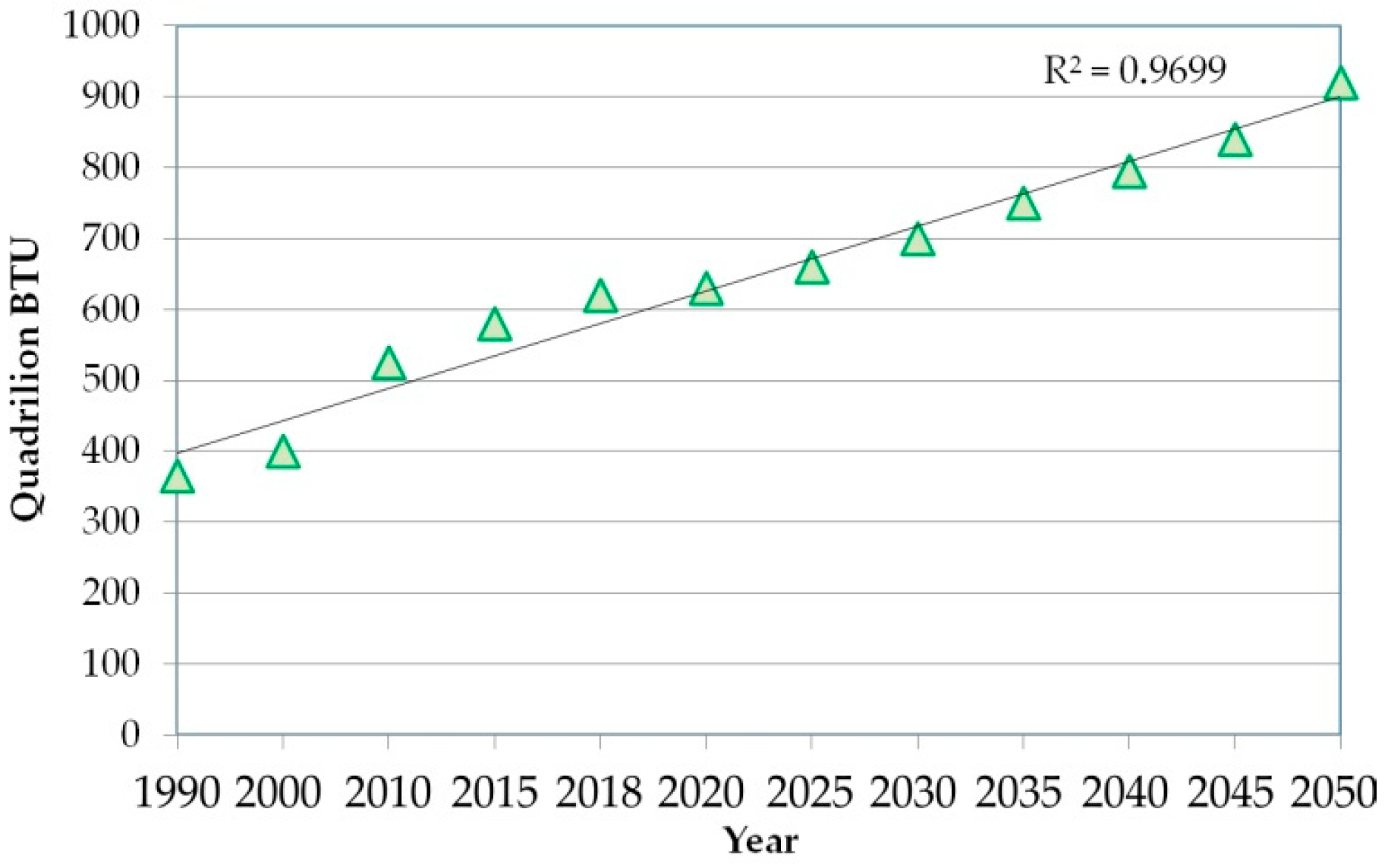
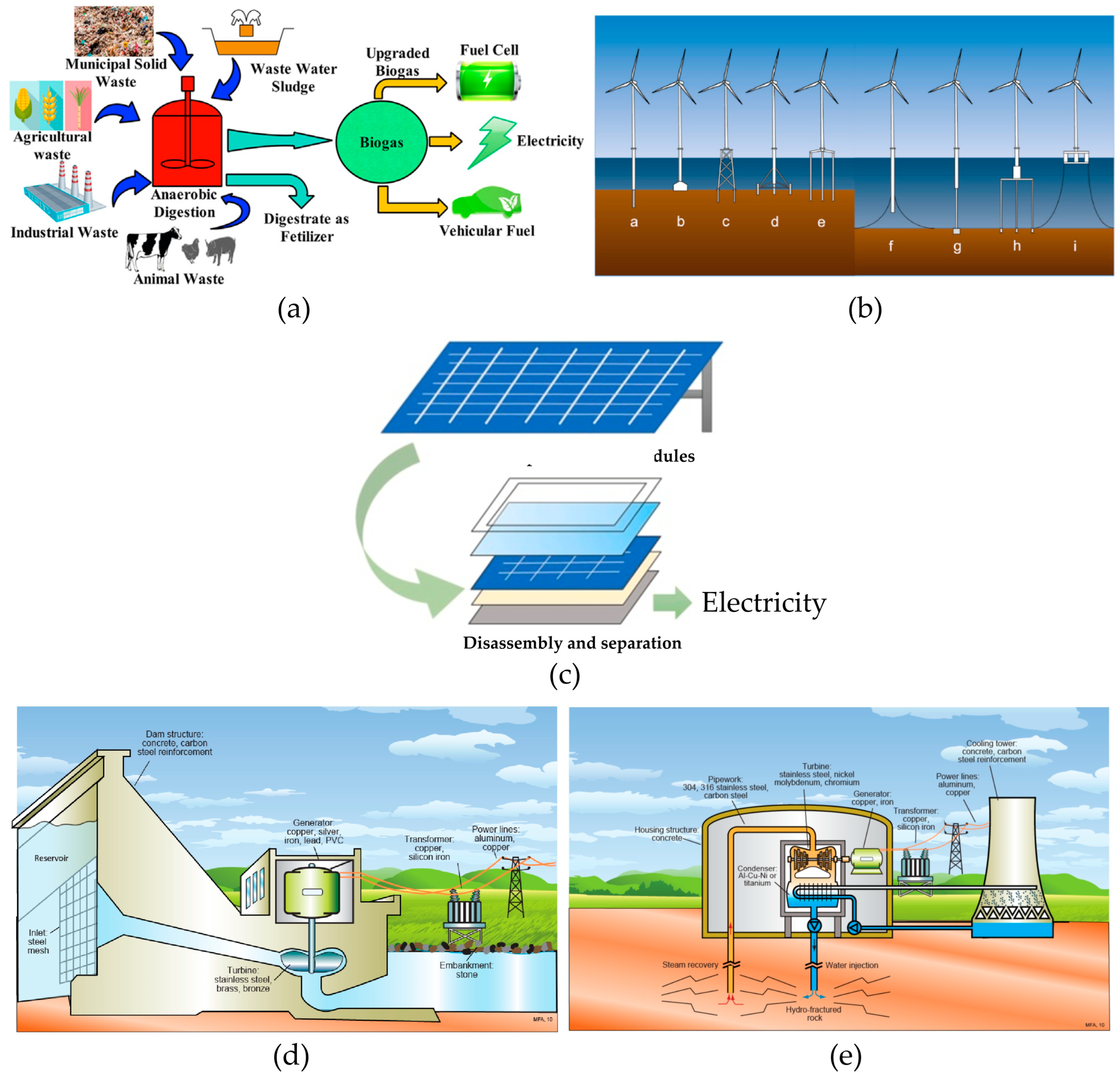
Globally, electricity demand rises by 1.8% per year; according to the American Energy Information Administration, global energy demand will increase by 47% over the next 30 years, driven by demographic and economic growth. Global demand for electricity is growing faster than renewable energy sources. Electricity production from renewable sources (i.e., biomass energy, geothermal energy, hydro energy, solar energy, tidal energy, wind energy) is on its way to strong growth around the world over the next dozen years. With the increasing demand for energy, new technologies and materials are being developed to replace exhaustible traditional construction materials. This article aims to provide a comprehensive overview of the research into the application of composite materials in mainstream power generation. The main energy generation technologies, i.e., photovoltaic panels, wind turbines, fuel cells, and biogas generators, were analysed and discussed. The review presented in this article also covers the latest achievements and prospects for the use of composite materials in energy generation devices.
Keywords: composites; biomass power; fibre metal laminates; fuel cells; FML; green energy; nanocomposites; solar PVs composites; biomass power; fibre metal laminates; fuel cells; FML; green energy; nanocomposites; solar PVs