Article

Adsorptive Removal of As(III) by Cellulose-Sn(IV) Biocomposite

by
Anita Shekhawat
1,
Ravin Jugade
1,*,
Vaishnavi Gomase
1,
Shashikant Kahu
1,
Saravanan Dhandayutham
2 and
Sadanand Pandey
3,*
1
Department of Chemistry, Rashtrasant Tukadoji Maharaj Nagpur University, Nagpur 440033, Maharashtra, India
2
Department of Chemistry, National College (Autonomous), Tiruchirapalli 620001, Tamilnadu, India
3
Department of Chemistry, Yeungnam University, Gyeongsan 38541, Gyeongsangbuk-do, Republic of Korea
*
Authors to whom correspondence should be addressed.
J. Compos. Sci. 2023, 7(1), 19; https://doi.org/10.3390/jcs7010019
Submission received: 25 November 2022 / Revised: 20 December 2022 / Accepted: 3 January 2023 / Published: 6 January 2023
(This article belongs to the Section Biocomposites)

Abstract

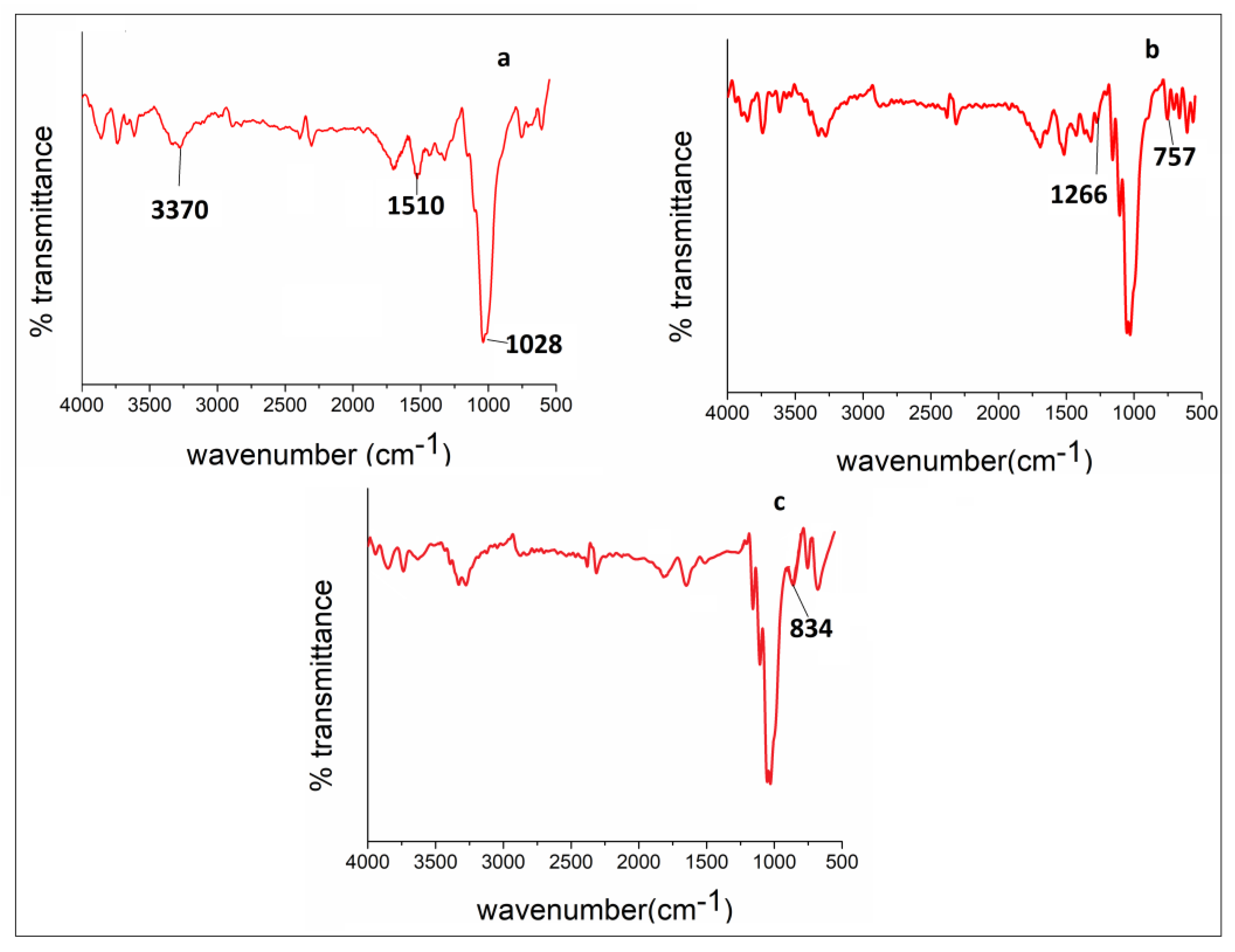
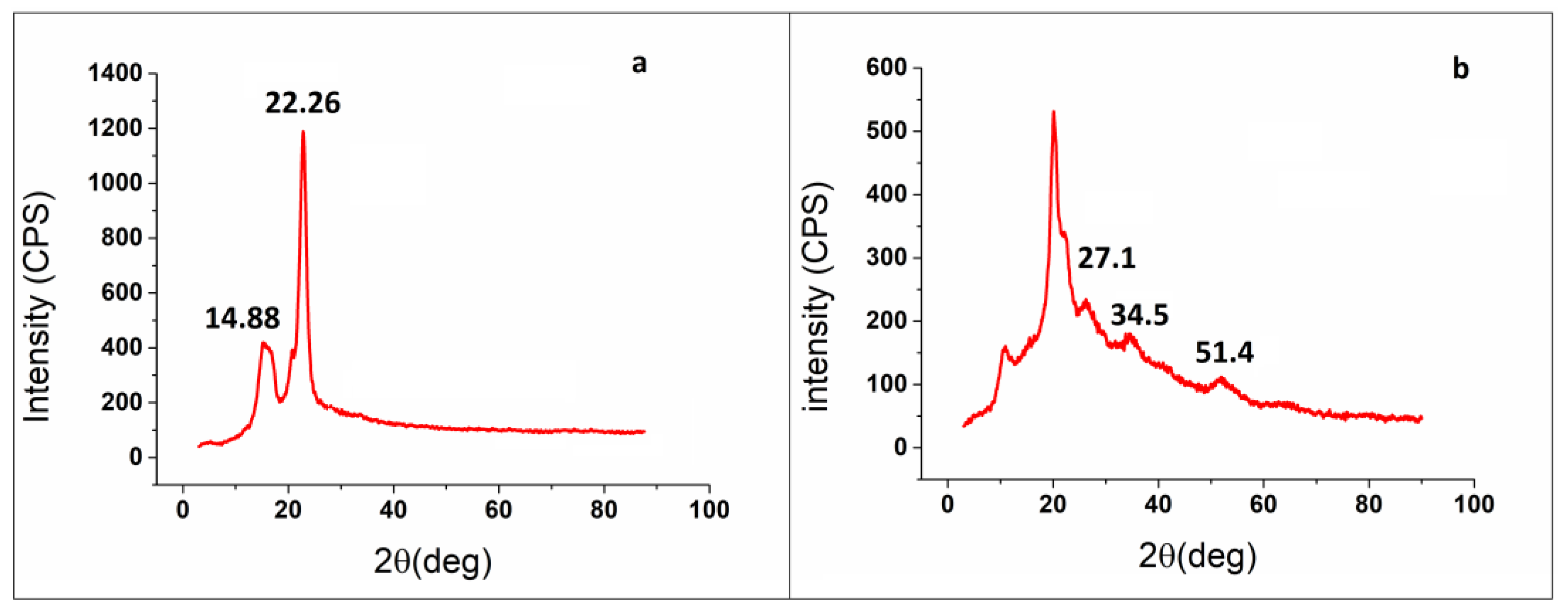
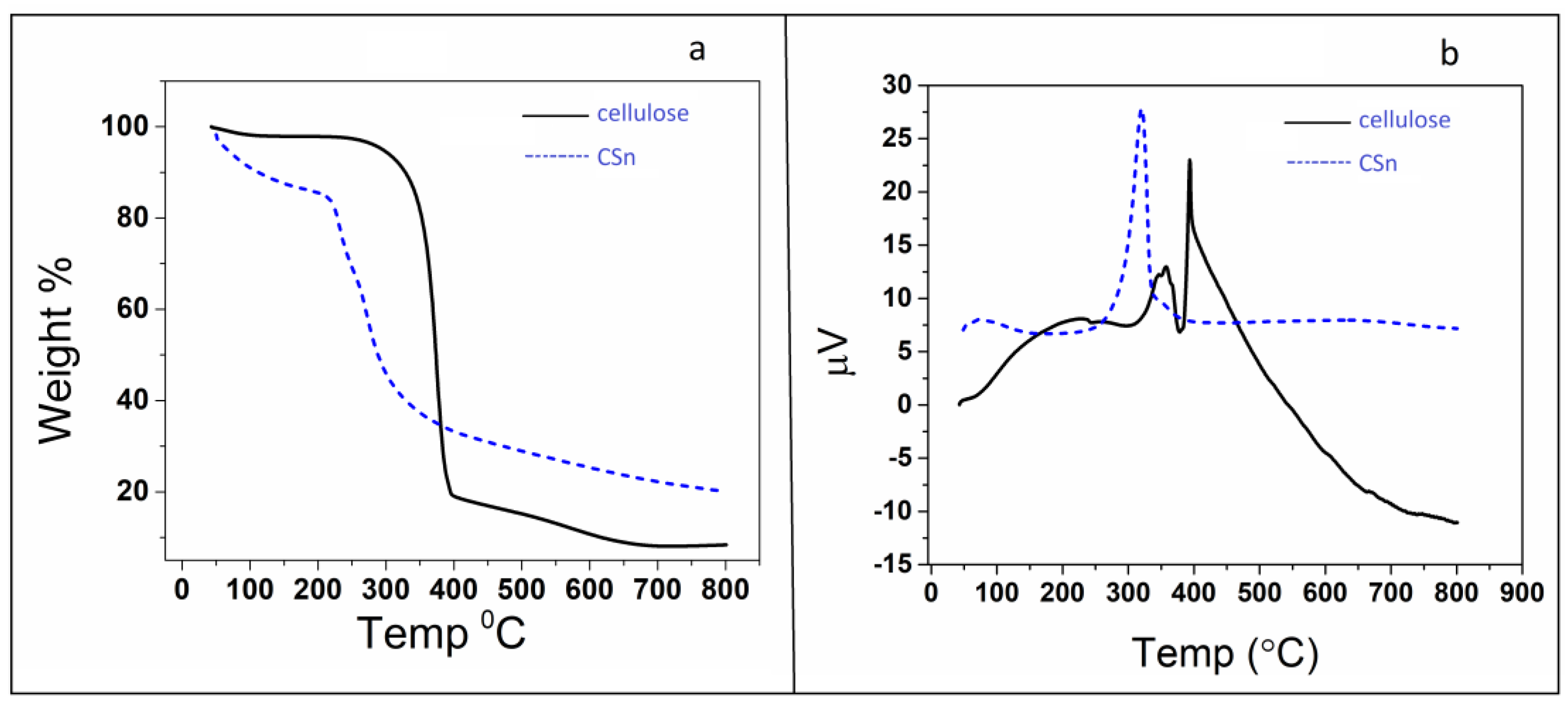
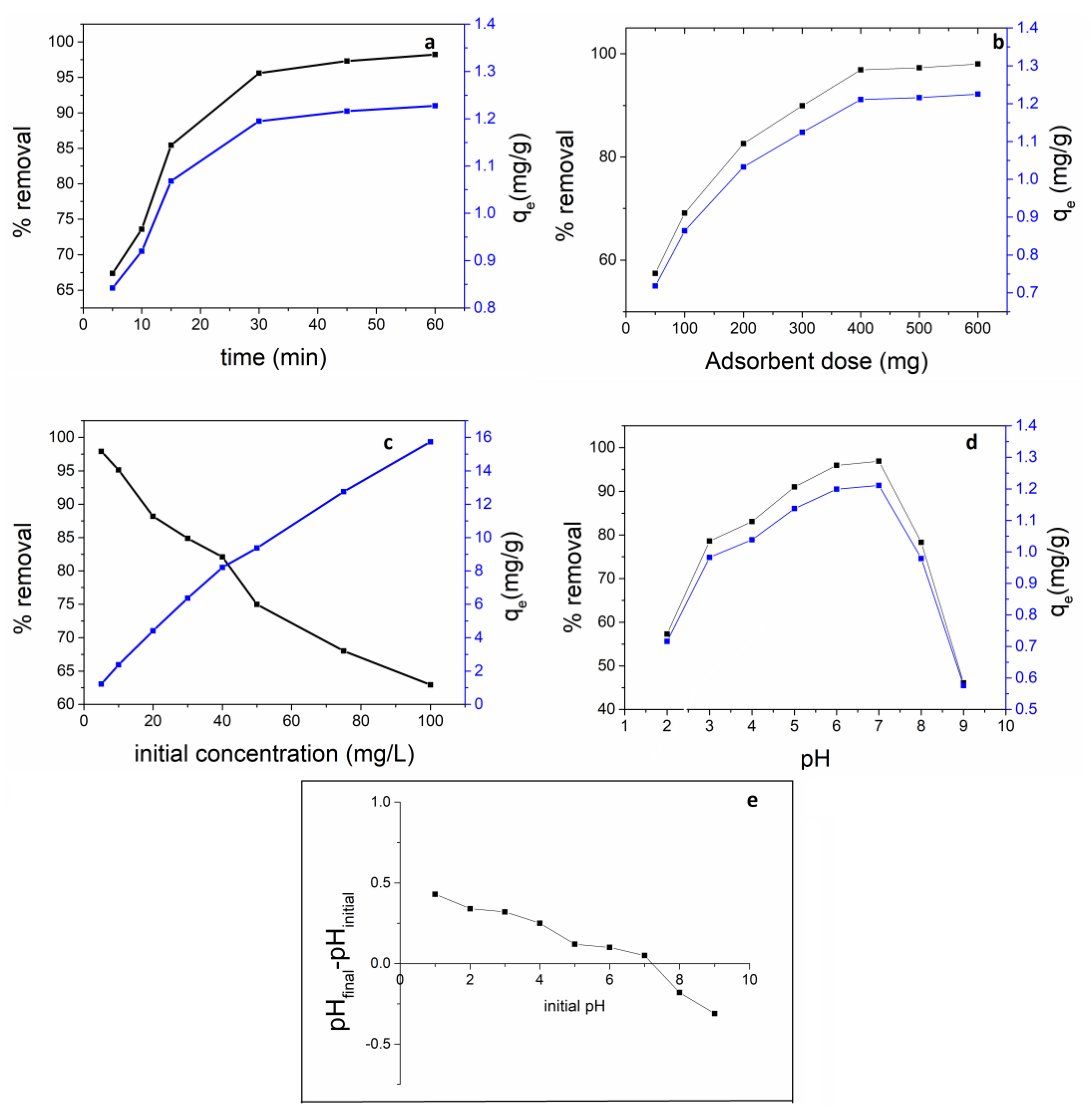
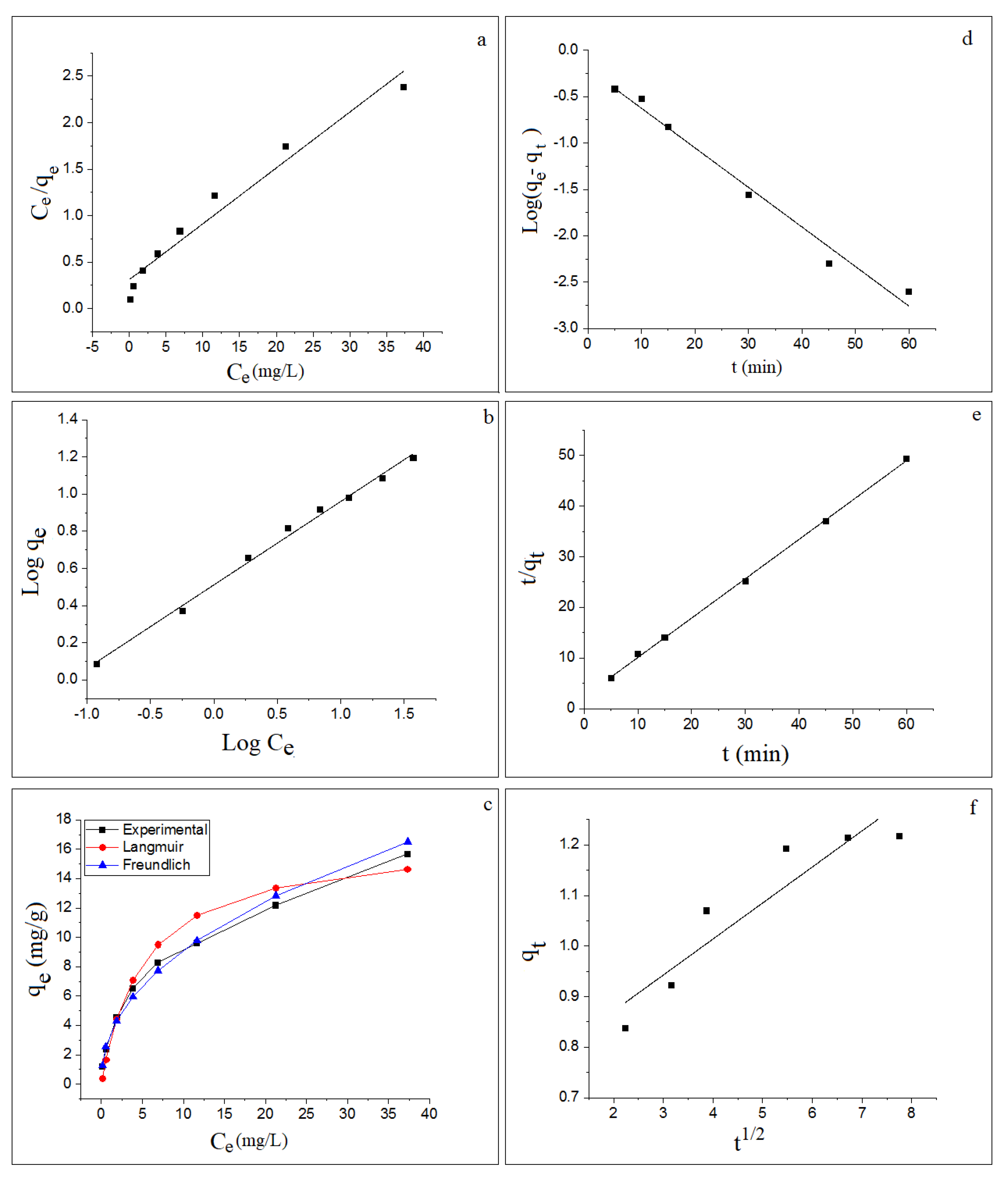
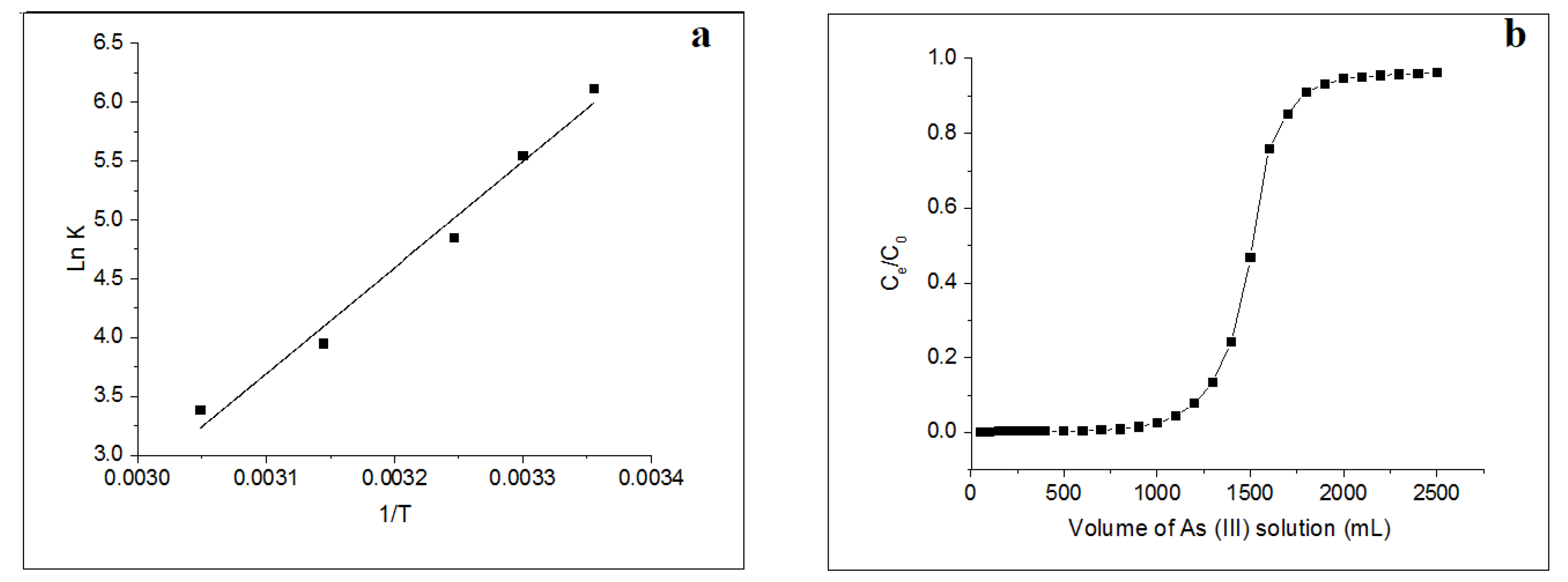
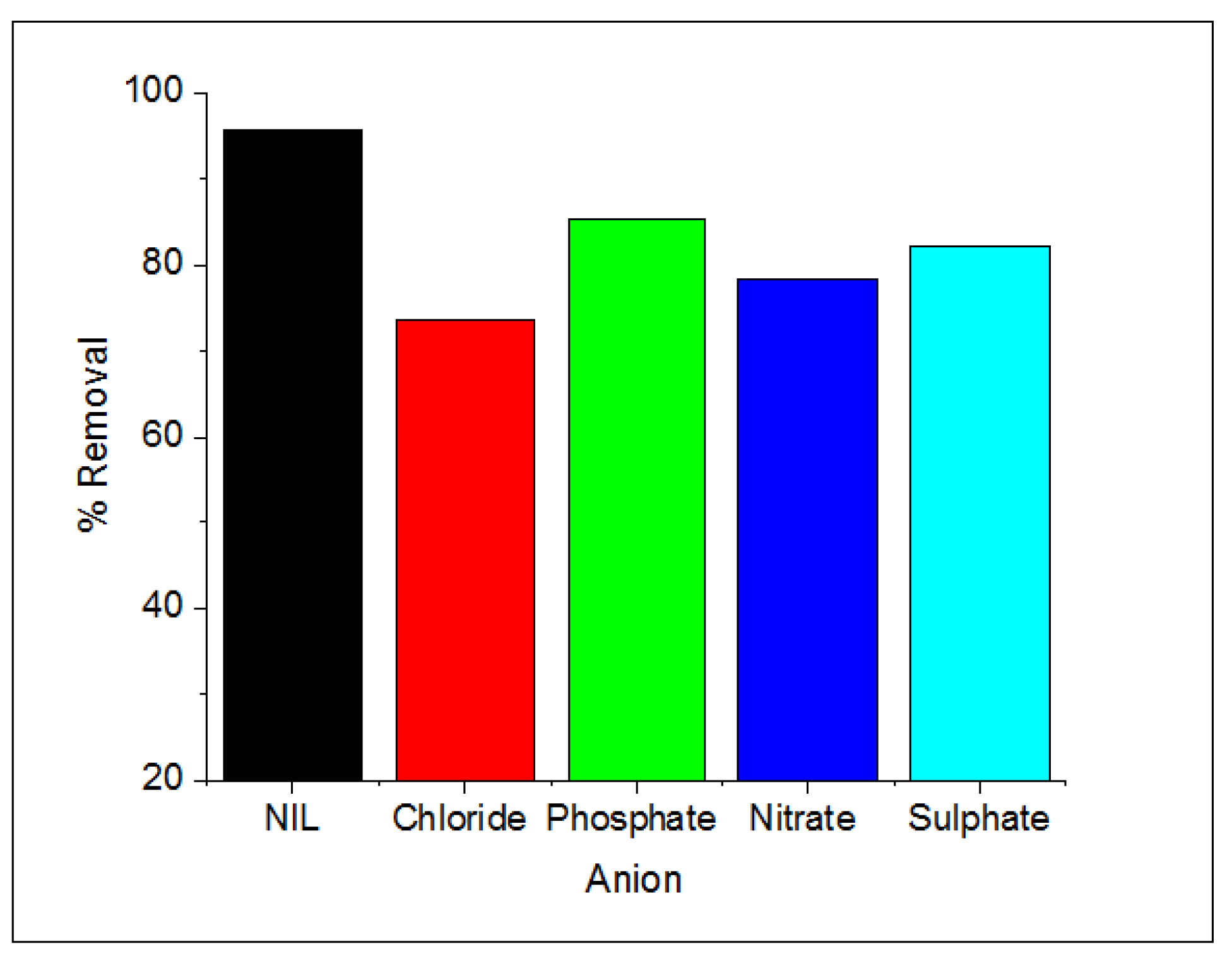
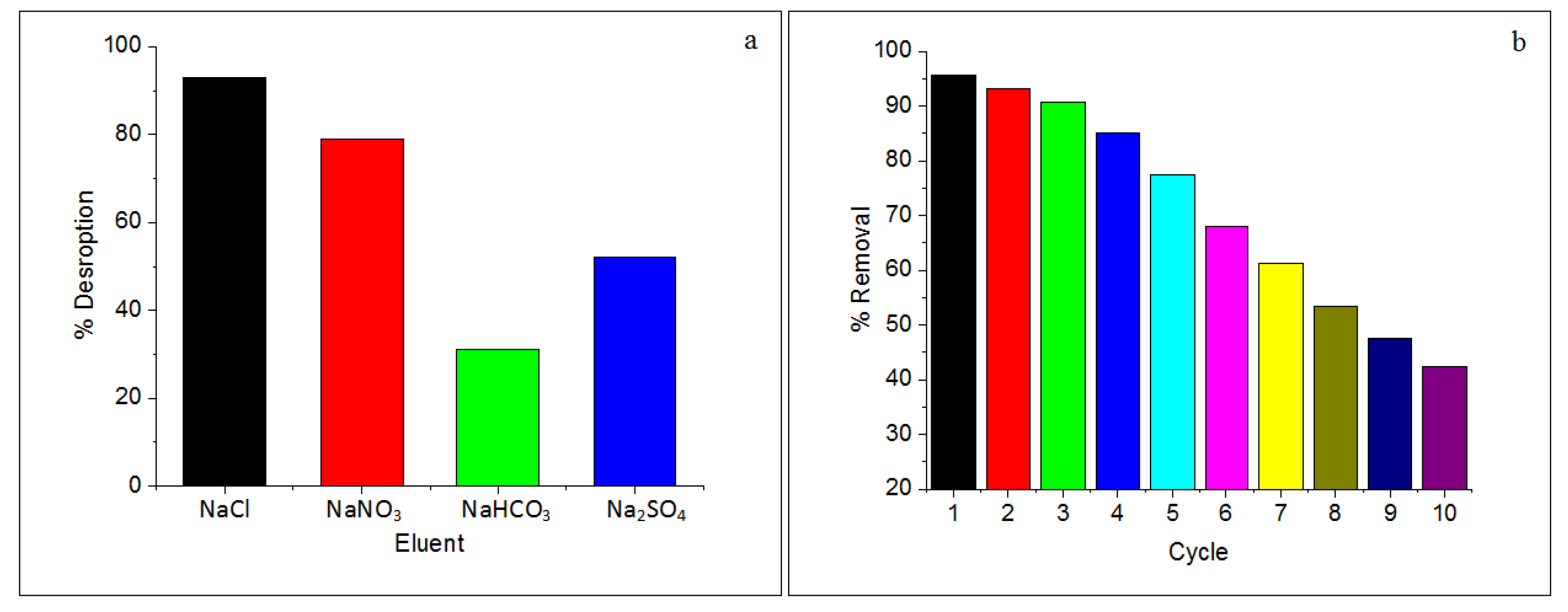
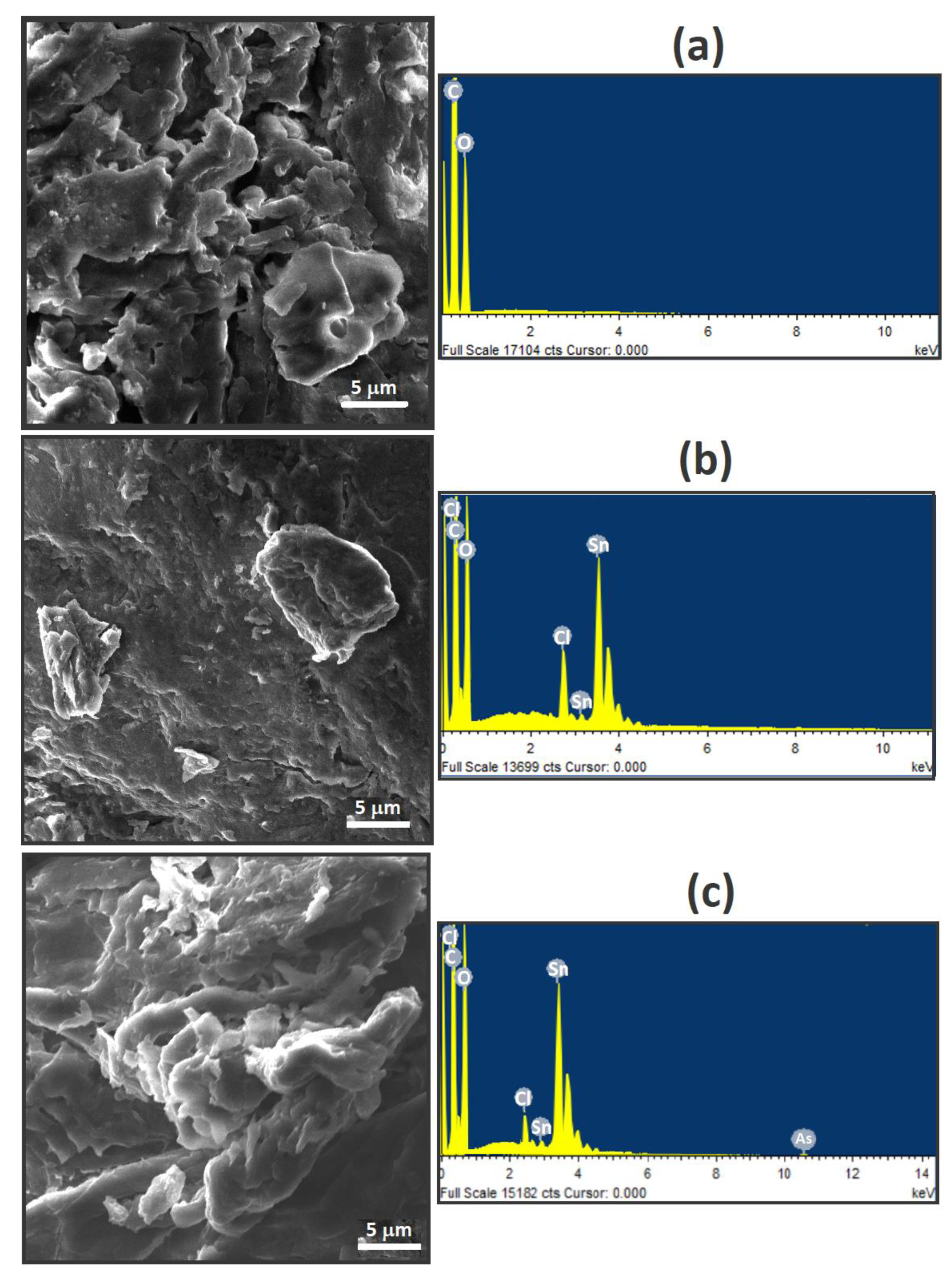
Cellulose-Sn(IV) (CSn) biocomposite was synthesized by cellulose and stannic chloride in ethanol medium using microwave irradiation for 2 min with 30 s of intermittent time intervals. The incorporation of Sn(IV) into the cellulose matrix was confirmed through FT-IR, XRD, TGA, SEM- EDS, and BET. The prepared composite CSn has been used for the adsorptive removal of As(III) from water. Parameters, such as initial concentration, adsorbent dose, initial As(III) concentration, and time required for the adsorption process, were optimized through the batch-adsorption process. The adsorption capacity of the CSn for As(III) adsorption was found to be 16.64 mg/g at pH 7.0. Freundlich isotherm was found to be more suitable for the adsorption process based on regression coefficient values. Pseudo-second-order kinetic model was found to be more suitable for understanding the kinetics of the adsorption of As(III). Weber–Morris model with non-zero intercept revealed that the mechanism of adsorption was not limited to the diffusion process only. The adsorption process was spontaneous and exothermic and showed a decrease in randomness. Chloride ions decreased the percentage removal of As(III) when the concentration of chloride ions was ten times that of As(III) concentration according to the results obtained through the effect of co-anions study. In this study, 5% (w/v) NaCl solution has been used for the regeneration of the material, and during up to five adsorption–desorption cycles, there was a gradual decrease in percentage removal of As(III) from 95% to 78% only, which proves the greener aspect of the CSn. The breakthrough volume of 1.25 L of 10 mg/L of As(III) in column studies revealed that the CSn could be applicable for larger sample volumes also.
Keywords: Biocomposite; cellulose; Sn(IV); adsorption; As(III); regeneration Biocomposite; cellulose; Sn(IV); adsorption; As(III); regeneration