Article

Impact of Chemical Treatment on Banana-Fibre-Reinforced Carbon–Kevlar Hybrid Composites: Short-Beam Shear Strength, Vibrational, and Acoustic Properties


1
Department of Aeronautical and Automobile Engineering, Manipal Institute of Technology, Manipal Academy of Higher Education (MAHE), Manipal 576 104, Karnataka, India
2
Department of Mechanical and Industrial Engineering, Manipal Institute of Technology, Manipal Academy of Higher Education (MAHE), Manipal 576 104, Karnataka, India
*
Author to whom correspondence should be addressed.
J. Compos. Sci. 2025, 9(12), 661; https://doi.org/10.3390/jcs9120661 (registering DOI)
Submission received: 17 October 2025 / Revised: 4 November 2025 / Accepted: 7 November 2025 / Published: 2 December 2025
(This article belongs to the Section Polymer Composites)

Abstract

This study evaluates the effect of chemical treatments on the short-beam shear strength, vibrational, and acoustic performance of banana-fibre-reinforced carbon–Kevlar hybrid composites. Banana fibres were treated with 5% NaOH and 0.5% KMnO4 to improve fibre surface characteristics and interfacial bonding within a sandwich laminate of carbon–Kevlar intraply skins and banana fibre core fabricated by hand lay-up and compression moulding. Short-beam shear strength (SBSS) increased from 14.27 MPa in untreated composites to 17.65 MPa and 19.52 MPa with KMnO4 and NaOH treatments, respectively, due to enhanced fibrematrix adhesion and removal of surface impurities. Vibrational analysis showed untreated composites had low stiffness (7780.23 N/m) and damping ratio (0.00716), whereas NaOH treatment increased stiffness (9480.51 N/m) and natural frequency (28.68 Hz), improving rigidity and moderate damping. KMnO4 treatment yielded the highest damping ratio (0.0557) with reduced stiffness, favouring vibration energy dissipation. Acoustic tests revealed KMnO4-treated composites have superior sound transmission loss across low to middle frequencies, peaking at 15.6 dB at 63 Hz, indicating effective acoustic insulation linked to better mechanical damping. Scanning electron microscopy confirmed enhanced fibre impregnation and fewer defects after treatments. These findings highlight the significant role of chemical surface modification in optimising structural integrity, vibration control, and acoustic insulation in sustainable banana fibre/carbon–Kevlar hybrids. The improved multifunctional properties suggest promising applications in aerospace, automotive, and structural fields requiring lightweight, durable, and sound-mitigating materials.

1. Introduction

Composite materials are engineered materials created by combining two or more different components. Their combination results in a new material displaying improved properties compared to the components [1]. Composite materials’ unique properties make them crucial in many industries, such as the aerospace, automobile, marine, and building sectors. Their use presents numerous engineering and manufacturing benefits, including an improved strength-to-weight ratio, resistance to corrosion, flexible design options, and higher durability when compared to standard materials [2]. Traditionally, human-made fibres have been the preferred choice for reinforcement due to their strength, longevity, and affordability. Nevertheless, the materials also pose an environmental concern by being the source of microplastic pollution. Due to the growing concern about sustainability, the development of natural-fibre-reinforced composites has ensued. Natural fibre composites (NFCs) are increasingly being applied in numerous areas as they bring together lightness in combination with strength [3,4]. In addition, they possess superior mechanical properties in the form of specific strength and modulus along with exceptional sound absorption characteristics. Their flexibility, green profile, and biodegradability justify them as an attractive option for today’s industrial applications [5,6,7].
Plant fibres come from various parts of the plant, for instance, stems (such as banana, hemp, and jute), leaves, seeds, and roots, and are characterised by the high content of cellulose. Among them, banana fibre composites have received interest in the manufacturing sector due to their diverse properties as well as their green characteristics [8,9,10]. Banana fibre extraction occurs from the pseudo-stem of the banana plant due to being lightweight, having high strength values, as well as being renewably sourced, positioning it as an potential substitute for the use of conventional petroleum-based materials. Nevertheless, banana fibre exhibits little deformation ability, hence being unsuitable for bearing substantial deformation before rupturing [11,12]. In order to enhance strength as well as durability, banana fibre can be chemically treated or combined with other fibres such as glass, carbon, or synthetic polymers in composite blends. In combined use with resin or other strengthening materials, the composite product made of the banana fibre finds use in load-bearing parts due to its lightweight nature as well as in interior panels used for insulating materials. Future prospects indicate opportunity for the use of banana fibre composites in sustainable aviation as ecofriendly products satisfying both performance as well as environmental requirements [5,13,14,15].
Banana fibres are natural fibres that inherently possess surface impurities such as lignin, hemicellulose, waxes, and pectin, which contribute to their rigidity and hydrophilic nature. To improve their mechanical performance and compatibility with polymer matrices in composite applications, banana fibres undergo chemical treatments [15,16,17]. Alkaline treatment, commonly using sodium hydroxide (NaOH), is widely employed to remove these non-cellulosic materials, increase the cellulose content, and roughen the fibre surface. This process enhances fibre flexibility, reduces moisture absorption, and significantly improves tensile strength by increasing fibre–matrix interfacial adhesion. Other chemical treatments, such as potassium permanganate (KMnO4), may be used for surface modification to further optimise fibre bonding and strength [18,19,20]. Overall, chemical treatments are essential for transforming raw banana fibres into effective reinforcement materials for composites by enhancing their physiochemical properties and mechanical behaviour. Table 1 presents a summary of chemical treatments applied to banana fibres along with their corresponding effects on the mechanical properties of the composites.
While the mechanical improvements afforded by these treatments are well-documented, there remains a relative paucity of research on how such chemical modifications affect the free vibration and acoustic properties of banana fibre composites. Enhanced fibre–matrix bonding and reduced microstructural defects through chemical treatment are expected to improve vibration damping and sound absorption characteristics, key factors for multifunctional applications in automotive and construction industries [23,24,25]. The aim of this study is to fill this research gap by investigating the influence of controlled NaOH and KMnO4 treatments on the acoustic and free-vibration characteristics of banana fibre composites, advancing their potential for noise reduction and vibration control in green composite materials.
Combining banana fibres with carbon–Kevlar intraply fibres makes the hybrid composite a promising material for high-performance industries. This combination combines of eco-friendly, lightweight, and biodegradable advantages of banana fibres with the impact-resistant qualities of carbon and Kevlar fibres [26,27,28]. Table 2 presents studies related to the acoustic and free-vibration properties of banana fibre composites.
While hybrid composites have been extensively studied, limited attention has been given to the hybridisation of chemically treated banana fibres with intraply carbon–Kevlar laminates focusing on their free-vibration and acoustic behaviour. Earlier works primarily explored banana fibres in combination with synthetic reinforcements such as glass, carbon, or aramid, but little emphasis was placed on their use in intraply fibre configurations. The present study addresses this gap by applying controlled NaOH (5%) and KMnO4 (0.5%) treatments to banana fibres, integrating them within intraply carbon–Kevlar laminates, and conducting comprehensive free-vibration and acoustic tests to evaluate their performance—thereby advancing the design of multifunctional hybrid composites with enhanced dynamic and noise attenuation capabilities.

2. Materials and Methods

2.1. Materials

The materials employed in this investigation were banana fibre and carbon–Kevlar intraply fibres along with epoxy LY556 resin and HY951 hardener with the mixing ratio of 100:35. The banana fibre selected for the investigation was obtained from Go Green, Coimbatore, India. The twill woven bi-directional carbon–Kevlar hybrid fabric were obtained from Bhor Chemicals and Plastics Pvt. Ltd., Maharashtra, India. Figure 1 shows the banana and carbon–Kevlar intraply fibres used for the fabrication. Table 3 shows the details of the properties of the fibre used.
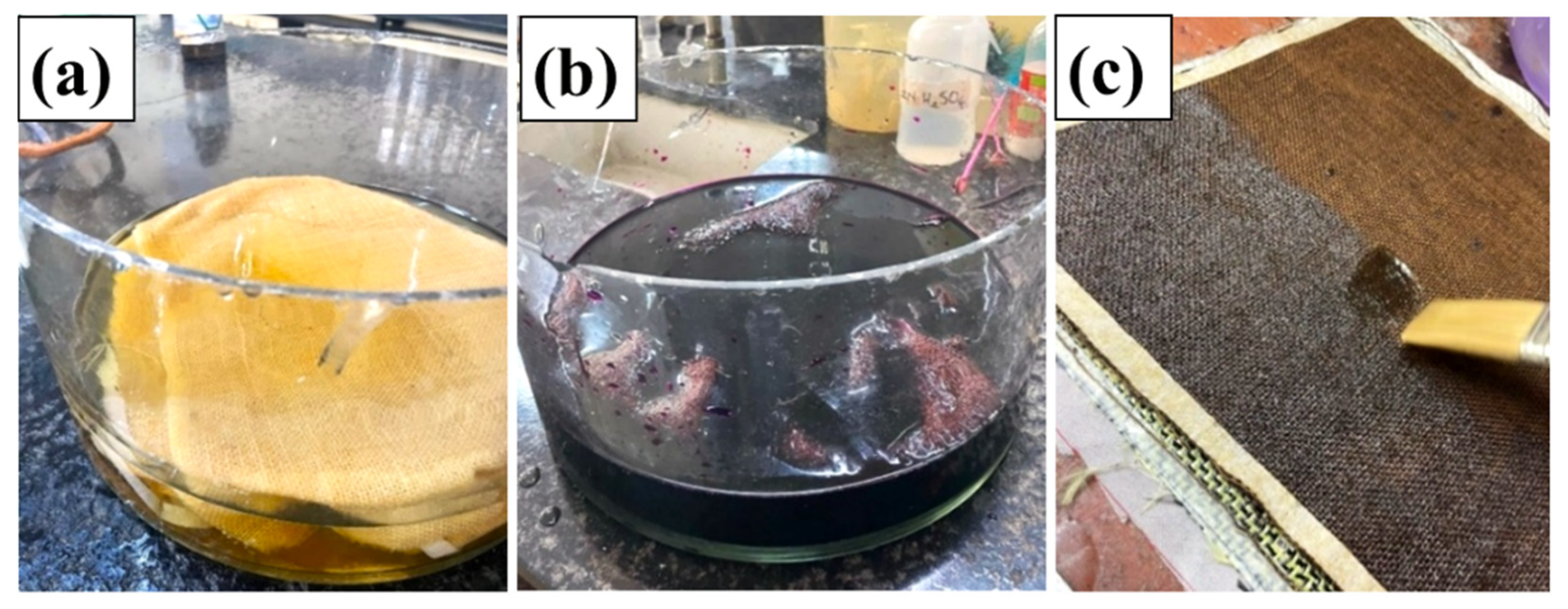
Banana fibres were subjected to two independent chemical treatments to enhance surface characteristics and interfacial bonding, as shown in Figure 2. In the first method, fibres were treated with a 5% sodium hydroxide (NaOH) solution for 2 h at room temperature. This alkali treatment effectively removed non-cellulosic materials such as hemicellulose, lignin, pectin, and waxes, leading to increased cellulose exposure, microfibril alignment, and improved surface roughness. After treatment, the fibres were subjected to distilled water wash until a neutral pH was obtained and then oven-dried at 60–70 °C. In the second method, a 0.5% potassium permanganate (KMnO4) solution was used, and fibres were immersed for 3 min. The oxidizing action of KMnO4 degraded traces of lignin, created microvoids, and increased surface energy, thereby enhancing the potential for mechanical interlocking with epoxy resin. Following treatment, the fibres were washed with distilled water to remove residual chemicals and subsequently oven-dried at 60–70 °C. Both treatments improved the surface morphology and fibre–matrix adhesion, though by distinct chemical mechanisms.

2.2. Laminate Fabrication

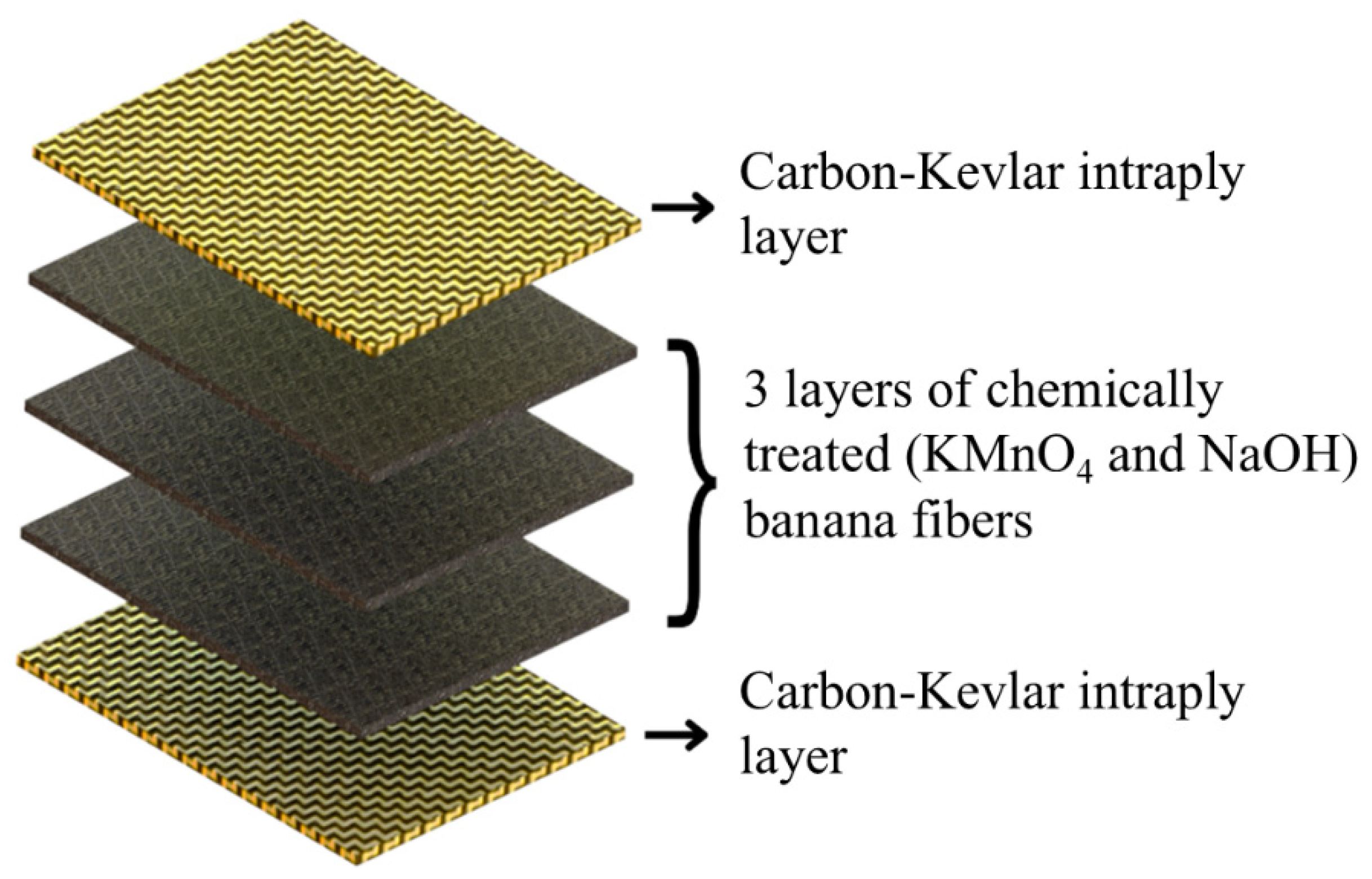
The hybrid laminate with dimensions 300 mm × 300 mm was fabricated using the hand lay-up method followed by compression moulding. The stacking sequence used was three layers of banana fibres sandwiched between intraply carbon–Kevlar surface layers, as presented in Figure 3.
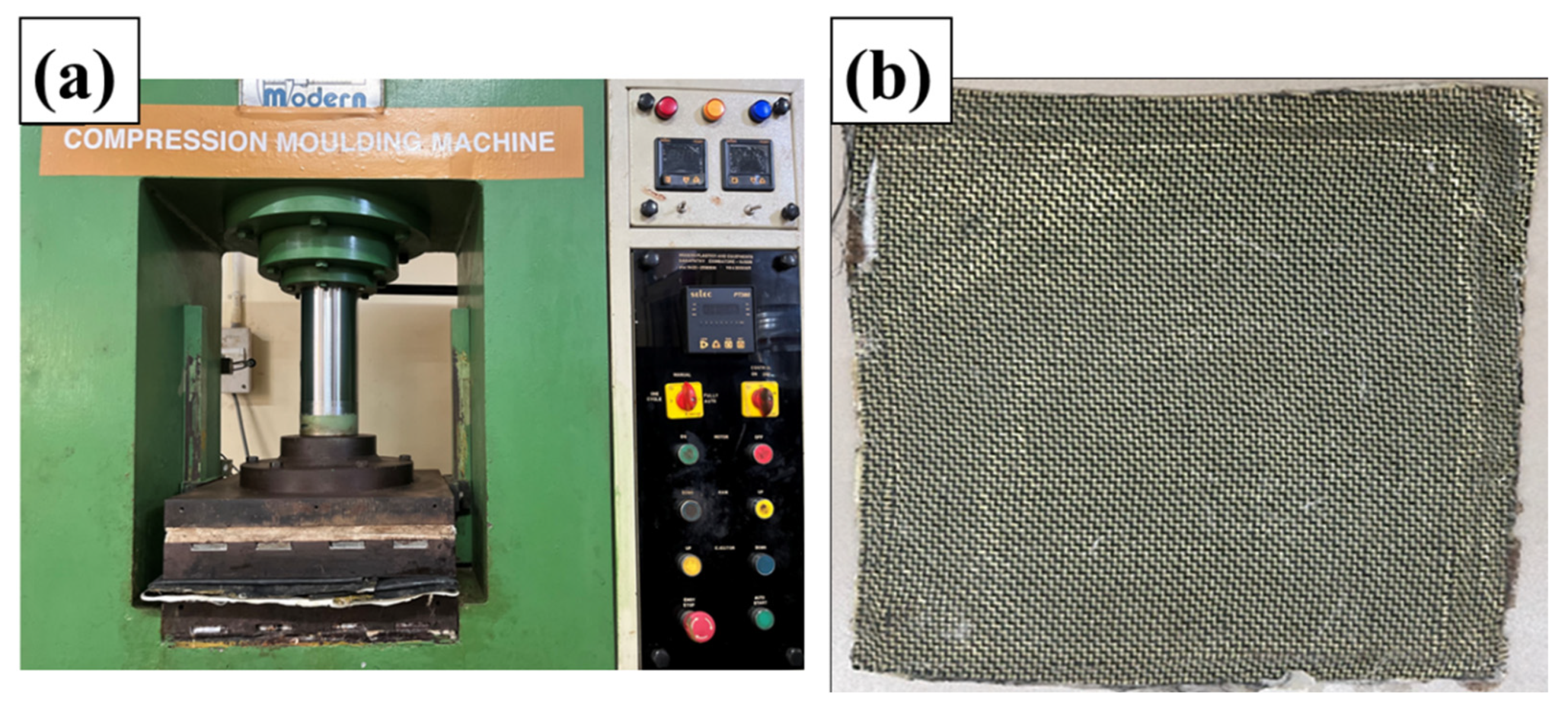
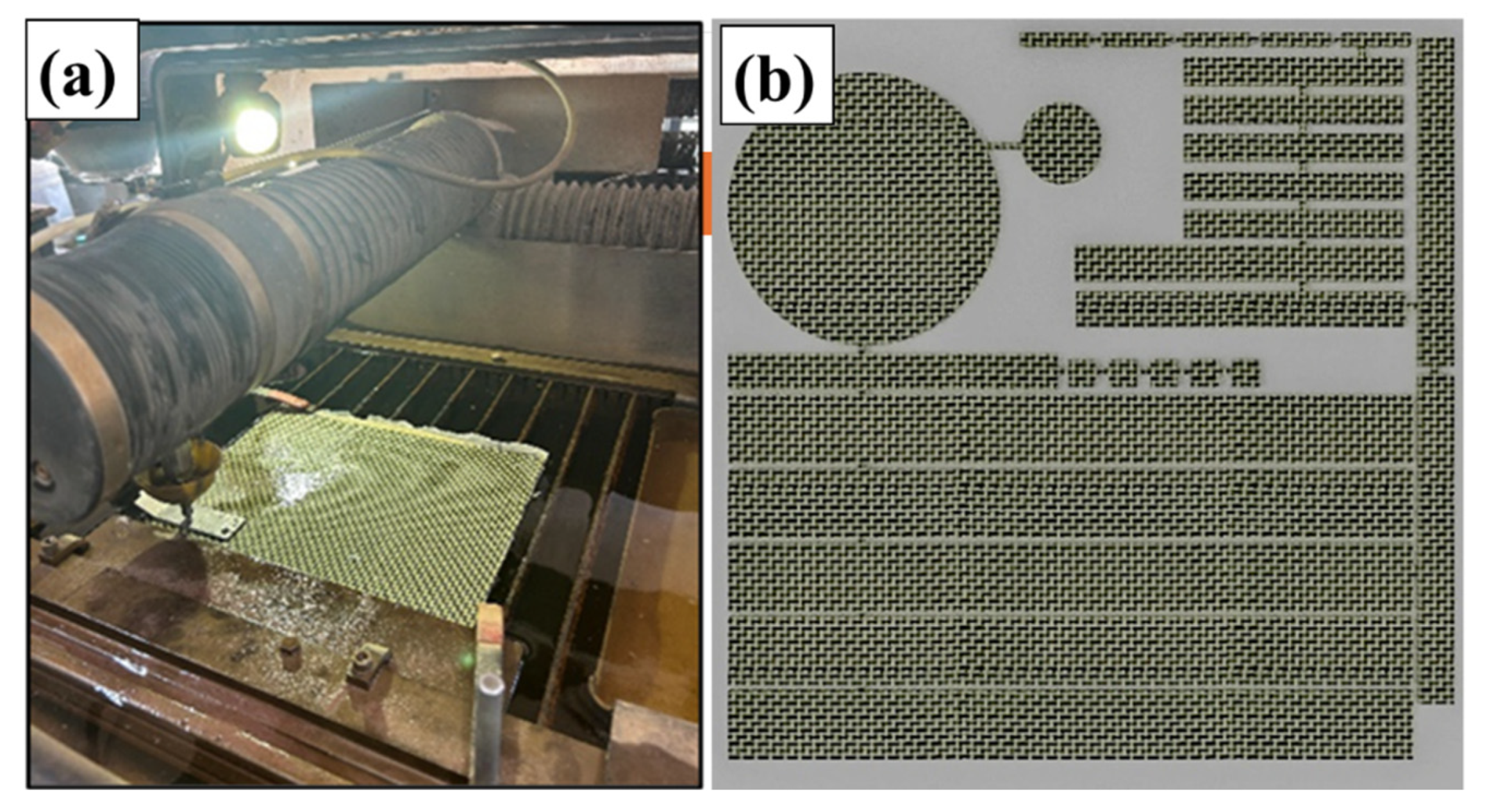
Fabrication was performed on a 350 mm × 350 mm plate of mild steel, degreased to remove impurities. A ratio of 60:40 fibre to resin was maintained. The fabrication started by depositing a thin layer of the resin–hardener mixture (100:35) at the bottom plate, then peel ply, and the first intraply fibre layer, followed by three layers of banana fibres, followed by intraply layer. The assembly was compressed in a moulding machine (Figure 4) and cured for 24 h. The final cured laminates were cut using an abrasive water jet machine to meet ASTM tensile, impact, and flexural standards, as shown in Figure 5.

2.3. Testing Procedure

2.3.1. Void Test

The density of the composite was evaluated following the ASTM D792-20 [32] standard. For this purpose, five square test specimens with a 100 mm2 area were prepared, and, using Archimedes’ principle, density was measured. The mass of each specimen was measured accurately with the help of an electronic balance, while the corresponding volume was obtained from the displacement of water. The experimental density values were then calculated from the mass-to-volume ratio. In addition, the theoretical density of the laminates was computed using Equation (1) [1]:
ρ t h = 1 w f ρ f + w m ρ m
where wf, wm, ρf, ρm are the weight fractions and densities of fibre and matrix respectively.
The void (%) was measured using Equation (2) [1].
V o i d   % = ρ t h ρ e x ρ e x × 100
where ρth and ρex are theoretical and experimental densities of the laminate.

2.3.2. Short-Beam Shear Strength (SBSS) Test

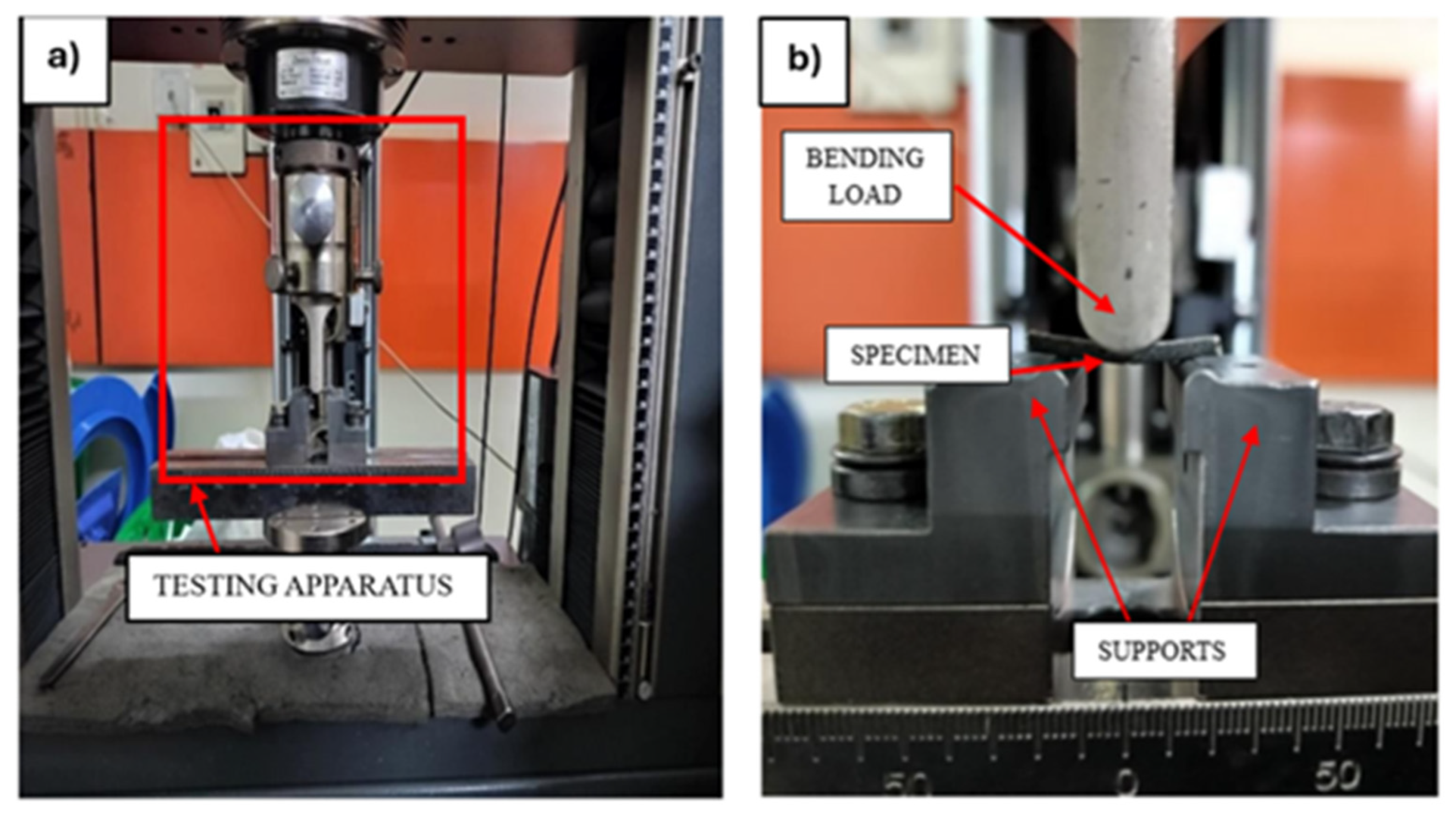
The shear strength between the laminae in a composite laminate is a significant concern in engineering due to the risk of delamination failure. The tests were conducted using a Zwick/Roell machine, which had a maximum working capacity of 20 kN, to evaluate the adhesion strength between carbon–Kevlar intraply and banana fibre layers of the composite. Specimens measuring 25 mm in length and 4.4 mm in width were prepared and tested following the ASTM D-2344 [33] standard for short-beam shear strength, as shown in Figure 6. The testing was conducted with a span length of 16 mm and a head displacement rate of 2 mm/min. By creating shear loads between layers, the machine determines the shear resistance, yielding important metrics on the material’s interlayer adhesion performance.

2.3.3. Free-Vibration Test

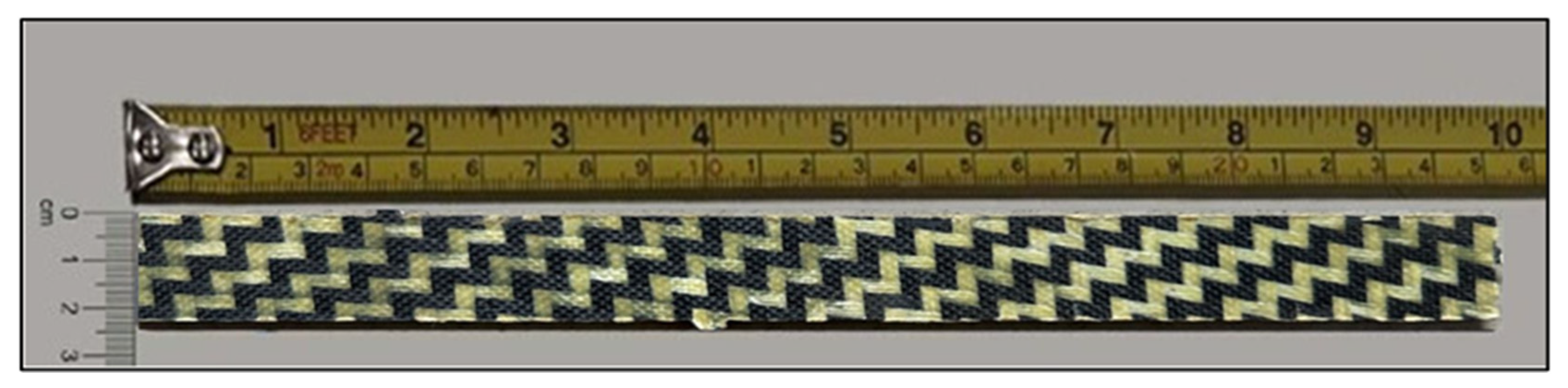
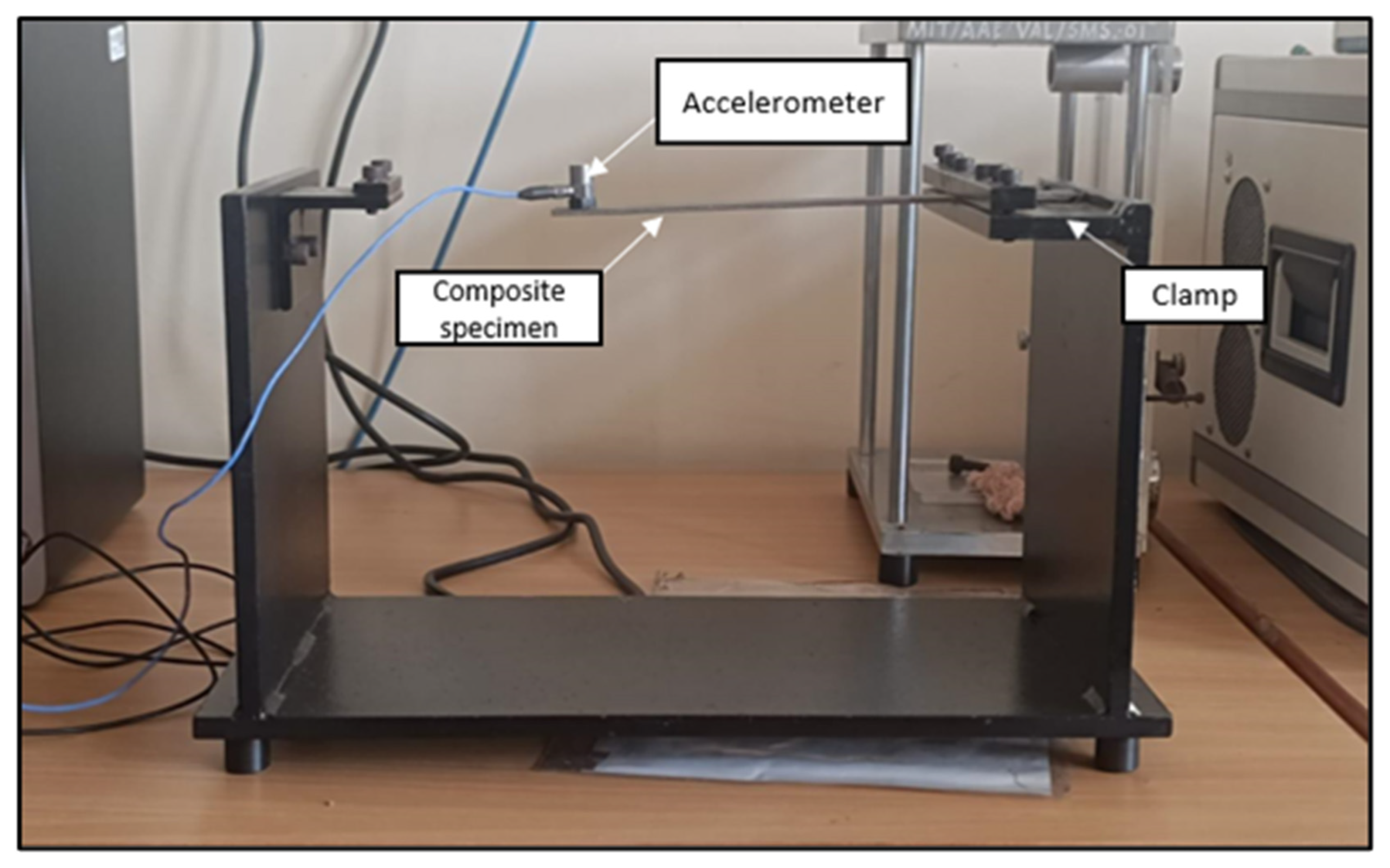
Vibrational analysis determines the damping ratio and natural frequency of a composite through vibration testing. This kind of testing is important for understanding a material’s ability to dissipate energy and withstand repeated vibrations and for identifying its natural frequencies, stiffness, and damping characteristics. Damping properties were evaluated according to ASTM E756-05 [34] standard. Specimens with dimensions of 250 mm × 25 mm were fixed at one end in a cantilever beam configuration, allowing the other end to remain unsupported (Figure 7 and Figure 8).
An impact hammer was used to induce free vibrations to the specimens, and the stiffness (K), storage modulus (Es), and natural frequency (fn) were calculated by means of Equations (3)–(5),
K = 3 E I L 3
f n = 1 2 π k m
E S = 16 π 2 f n 2 L 3 b h 3
where E, I, L, m, b and h are Young’s modulus, moment of inertia, length, mass, width, and thickness of the specimen, respectively.
These equations offer important information for understanding a material’s behaviour under dynamic loading conditions and its structural potential. The logarithmic decrement approach is employed to calculate both the damping ratio and the logarithmic decrement. The logarithmic decrement (δ) measures the exponential decay rate of oscillation amplitudes in a damped system, derived from the ratio of the amplitudes of two consecutive peaks, X1 and X2, as shown in Equation (6).
δ = 1 n l n ( X 1 X 2 )
Here, n is the number of oscillation cycles executed by the specimen. The damping ratio (ζ) is a unitless descriptor representing the rate at which oscillations diminish in a system after being disturbed, with its relationship to logarithmic decrement expressed by Equation (7) [35].
ζ = δ 4 π 2 + δ 2

2.3.4. Impedance Tube Test

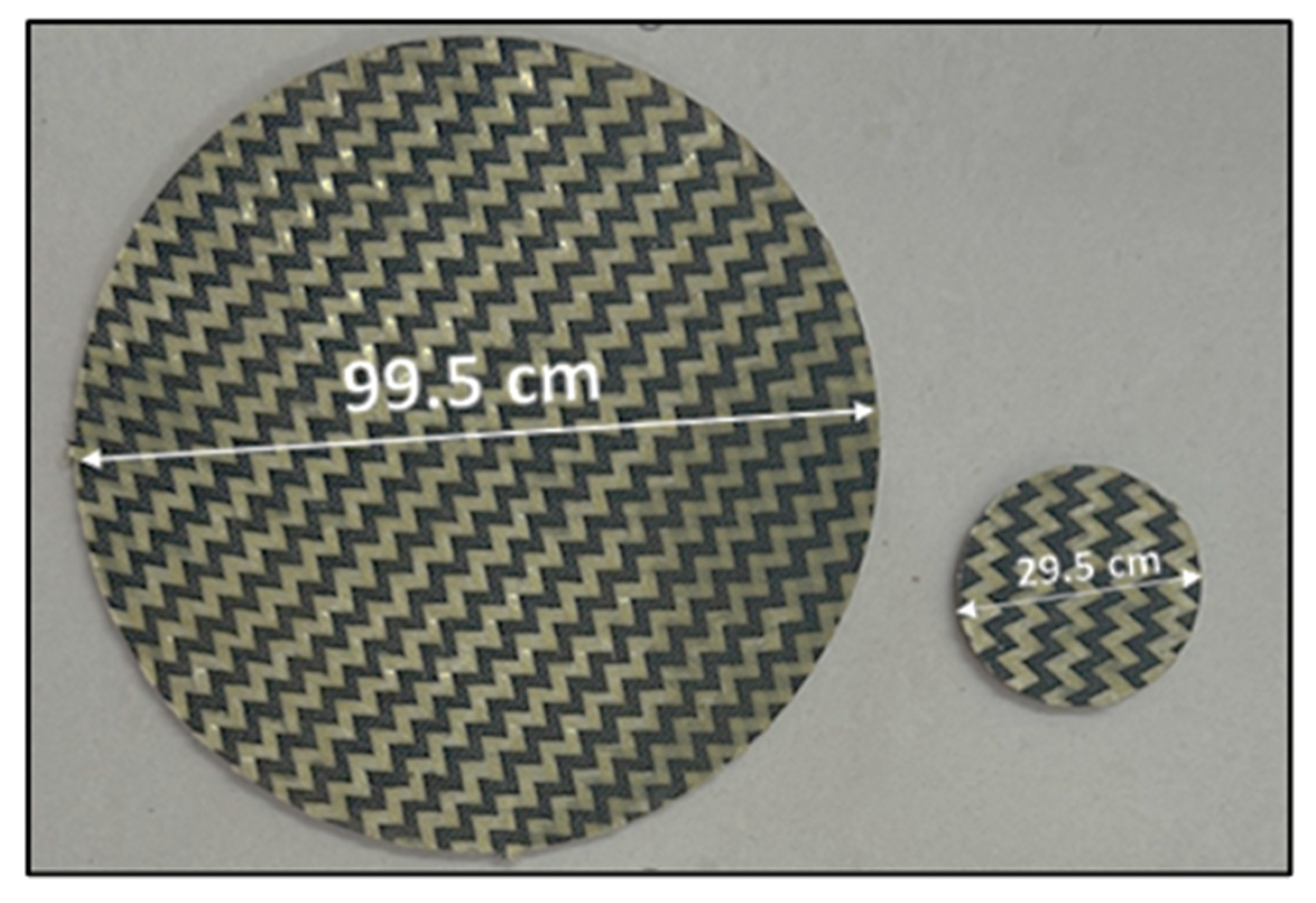
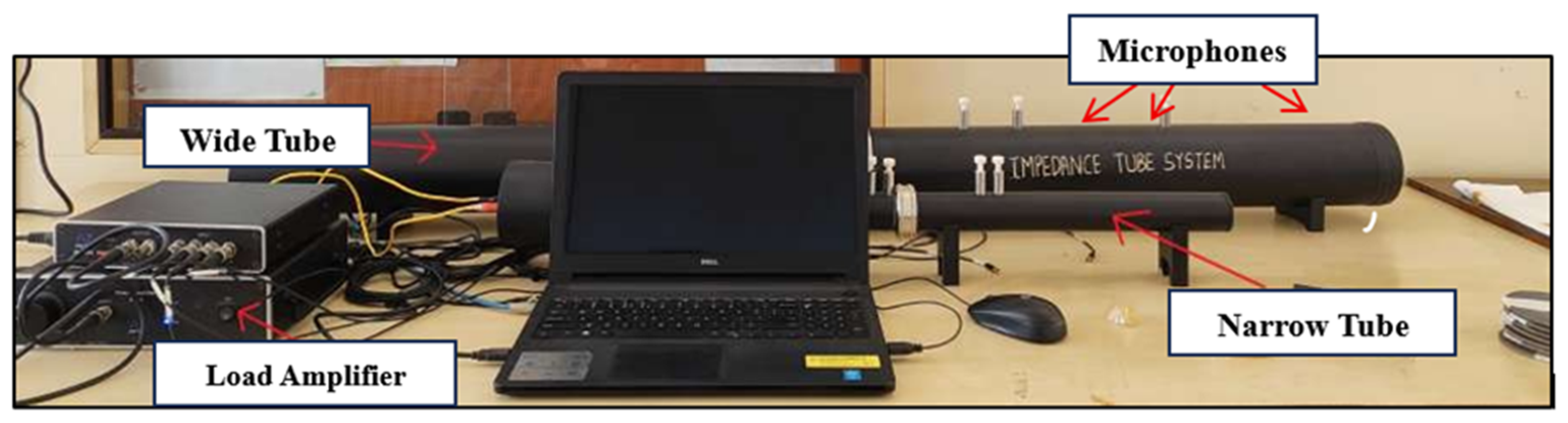
This measurement is important for materials designed for sound insulation and noise control, as it directly reflects their ability to block or reduce unwanted noise. In this study, the transmission loss of the composite specimens was evaluated using the impedance tube method. All testing procedures adhered to the guidelines provided by BSWA Technology [36] and were conducted in compliance with the ISO 10534-2:1998 standard [37]. Circular specimens with diameter of 99.5 mm and 29.5 mm were prepared to match the dimensions of the two different impedance tubes used in the experiment shown in Figure 9. Special attention was given to ensuring each specimen fit tightly within the tube, eliminating any air gaps that could compromise the accuracy of the measurements.
The experimental setup consisted of a loudspeaker capable of generating broadband noise, which was used as the sound source. Four microphones that had different sensitivities were placed at strategic points in big and small tubes at various intervals. These intervals were sustained for 10 min, using the transfer function technique over a frequency range of 63 Hz to an upper frequency limit of 6400 Hz. The microphones were placed at specific intervals to accurately capture the sound pressure levels on both sides of the specimen, as shown in Figure 10.

3. Results and Discussion

3.1. Void Percentage

Voids represent empty regions in composites where polymer and fibres do not occupy the structure completely. Voids quantify the quality of fabrication in the sense that greater void content generally indicates fabrication defects. Voids can have a strong effect on mechanical failure in a critical application by offering a stress concentration site that lowers strength and longevity. The data are shown in Table 4 below.
Void contents (1.35–2.54%) were well within allowable limits (<2–5%) for hybrid composites for engineering applications, signifying superior quality fabrication [38]. KMnO4-treated composite had the least void content (1.35%). The reduction in void percentage in hybrid composites after NaOH and KMnO4 treatment of banana fibres is primarily due to the removal of non-cellulosic components such as hemicellulose, lignin, pectin, waxes, and natural oils from the fibre surface [20]. This alkali treatment cleans the fibres, increasing surface roughness and exposing the cellulose microfibrils, which enhances fibre–matrix interfacial bonding. Improved adhesion facilitates more effective wetting and resin infiltration into the fibre surfaces during composite fabrication, thereby minimising the formation of voids or air pockets within the composite. Additionally, the increase in fibre crystallinity and removal of amorphous substances lead to a more compact fibre structure, which further reduces void formation by allowing the matrix to better fill the available volume around fibres. This results in composites with lower void content and improved mechanical properties.

3.2. Short-Beam Shear Strength (SBSS)

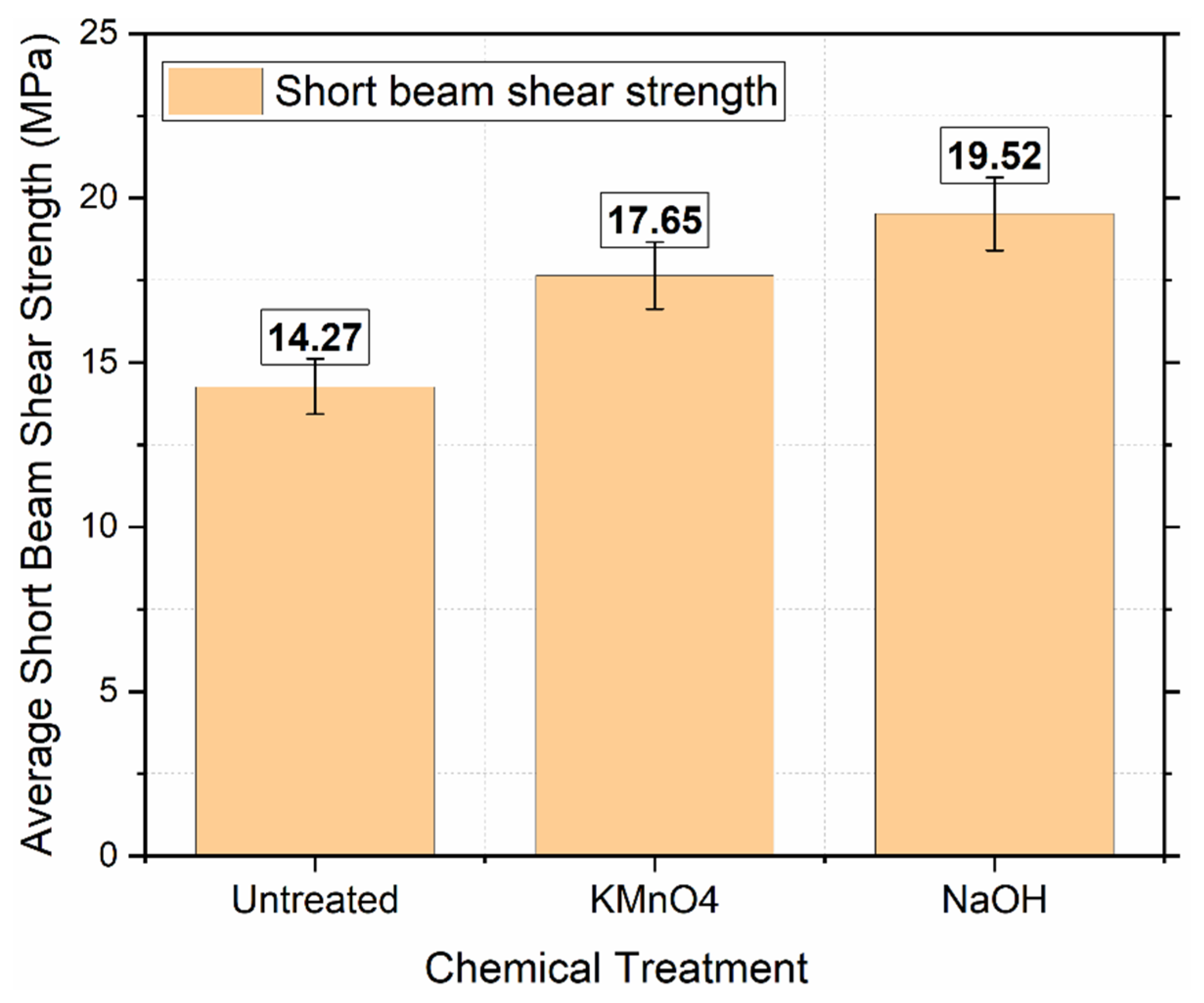
Figure 11 presents the SBSS test results for the fabricated hybrid composites.
The untreated composite exhibited an interlaminar shear strength (ILSS) of 14.27 ± 1.72 MPa, reflecting the inherent challenge with natural fibres where weak fibre–matrix adhesion arises due to impurities like lignin and waxes on the fibre surface. Treatment with 0.5% KMnO4 increased the ILSS to 17.65 ± 1.84 MPa, a significant improvement attributed to the oxidative removal of surface contaminants, which enhanced fibre surface roughness and chemical compatibility with the epoxy matrix, promoting better interfacial bonding. The 5% NaOH treatment resulted in the highest ILSS of 19.52 ± 2.03 MPa, indicating superior removal of hemicellulose and lignin, increased exposure of hydroxyl groups, and greater surface roughness, all of which bolster fibre wettability and mechanical interlocking, leading to more effective stress transfer at the interface.
The significant rise in SBSS to 9.52 MPa for NaOH-treated laminates is a direct consequence of improved fibre–matrix adhesion. The NaOH treatment, known as mercerisation, effectively removed surface lignin and hemicellulose, exposing more hydroxyl groups on the cellulose surface. This chemical cleaning not only increased the surface roughness for better mechanical interlocking but also promoted stronger hydrogen bonding at the interface, thereby increasing the force required to induce interfacial shear failure (SBSS).
The sandwich structure benefits from the high strength and stiffness of the carbon–Kevlar outer layers, which act as reinforcing skins, while the banana fibre core contributes to shear load resistance. The improved fibre–matrix interface due to chemical modification facilitates more efficient load transfer between the core and skins, reducing delamination and enhancing damage tolerance under shear loading. This enhancement in ILSS is critical for applications requiring strong interlaminar adhesion to prevent premature failure.
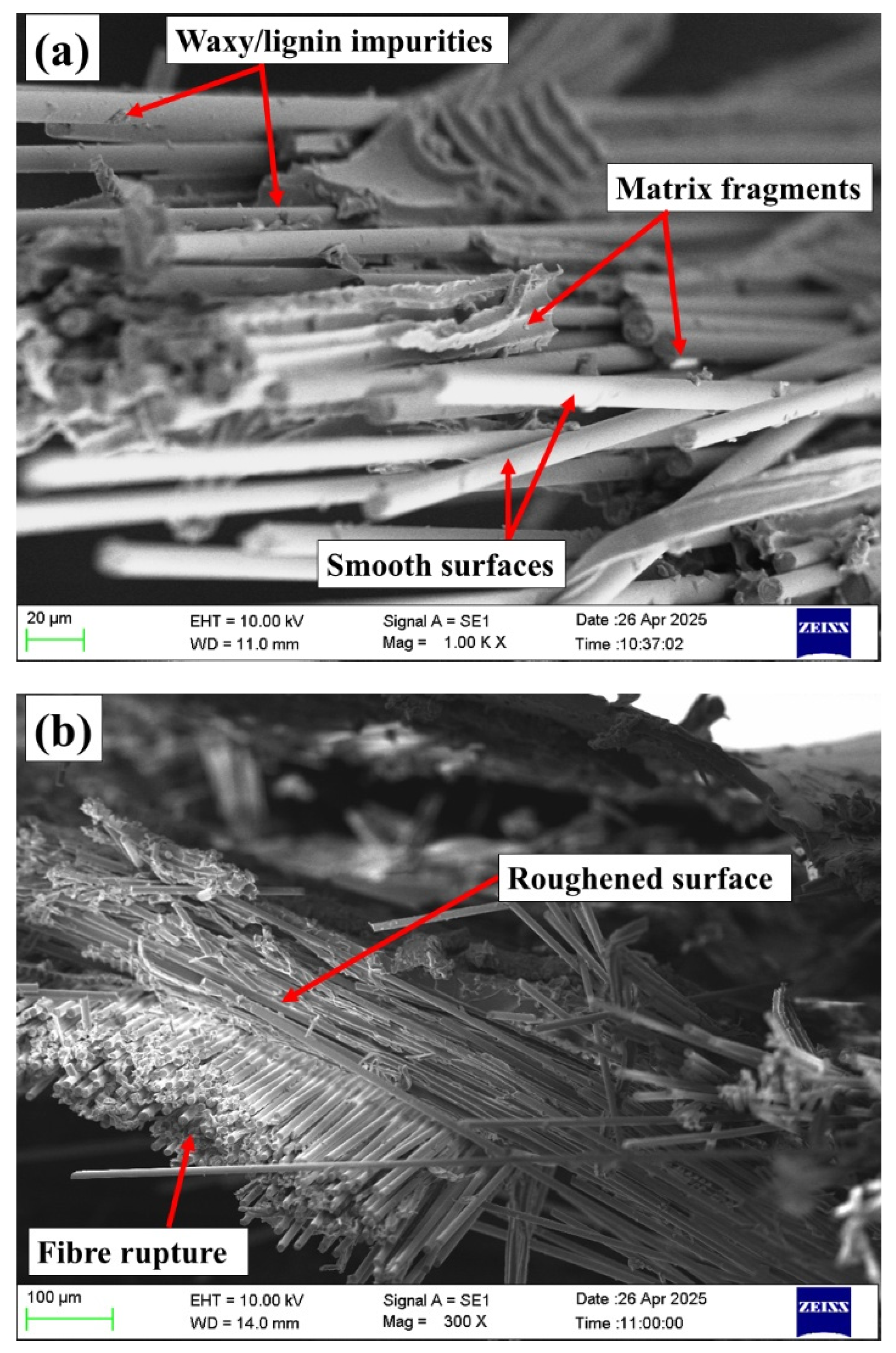
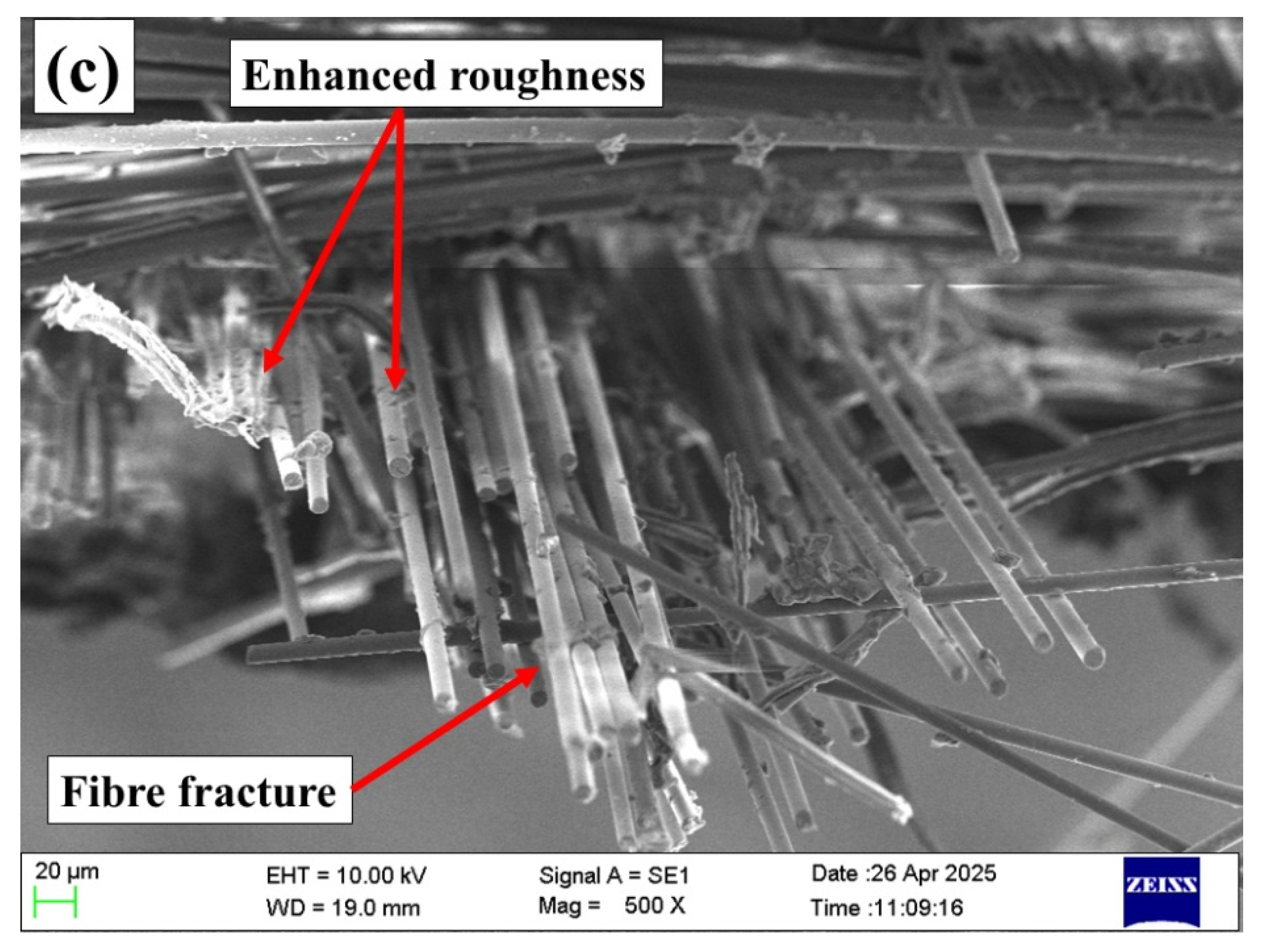
These findings align closely with the existing literature that highlights the effectiveness of chemical treatments in reinforcing natural fibre composites, especially in hybrid systems combining natural and synthetic fibres [39]. Moreover, microscopy studies (Figure 12) underline the cleaner, well-impregnated fibre surfaces and reduced defects that result from these treatments, confirming their role in mechanical property enhancement. Overall, the results underscore the practical value of surface treatment protocols in optimising the structural performance of eco-friendly hybrid composites based on banana fabric and high-performance carbon–Kevlar layers, thereby expanding their potential for advanced engineering applications where weight, strength, and sustainability are critical factors.

3.3. Impedance Tube Test

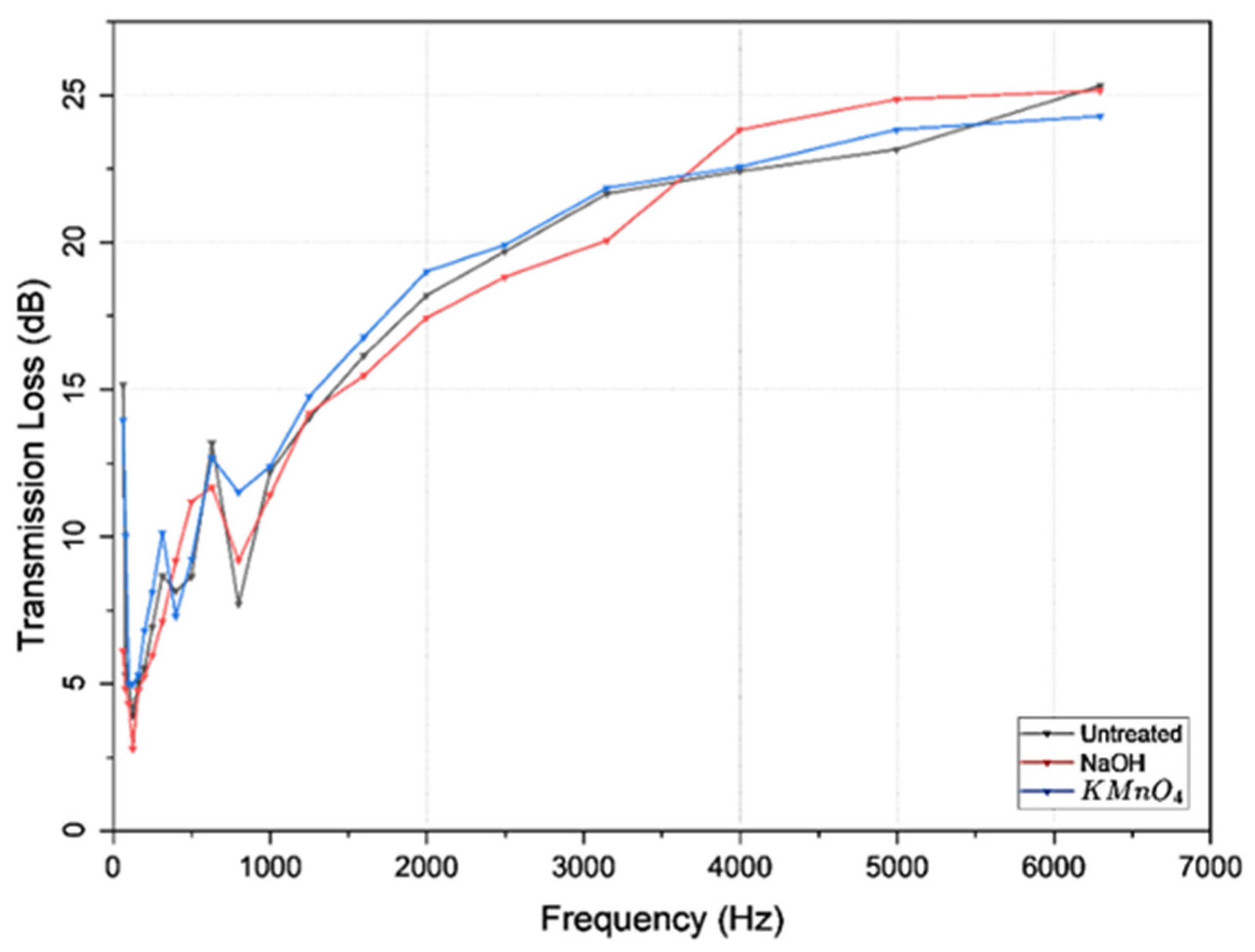
The acoustic transmission loss (TL) data presented in Figure 13 indicates a clear frequency-dependent behaviour for the hybrid composites with different banana fibre treatments. All three samples—untreated, NaOH--treated, and KMnO4-treated—demonstrate increasing TL values as frequency increases, which is consistent with the physics of acoustic-wave attenuation in layered composites.
At low frequencies (63–200 Hz), the KMnO4-treated sample exhibits the best acoustic insulation performance, achieving a TL of 15.6 dB at 63 Hz, which exceeds that of both the untreated and NaOH-treated samples. This superior performance is likely due to the effect of KMnO4 treatment enhancing the fibre–matrix interface and promoting better mechanical damping of vibrational energy. The untreated sample consistently shows the lowest TL values across all frequency ranges, reaffirming that the absence of chemical modification results in poorer acoustic performance due to weaker interfacial bonding and less-effective energy dissipation.
In the mid-frequency range (600–3000 Hz), the KMnO4-treated composite continues to outperform the others, reaching a TL of approximately 12.4 dB at 1000 Hz, reflecting consistent acoustic insulation improvement. The untreated sample still performs reasonably well in this range (12–12.2 dB), but the NaOH-treated sample underperforms, with TL rarely exceeding 10 dB until it reaches 1000 Hz. This suggests that while NaOH treatment improves mechanical properties, its effect on acoustic insulation in the mid-frequency range may be less pronounced or dependent on treatment parameters.
At high frequencies (1250–6300 Hz), NaOH treatment demonstrates competitive performance, especially at frequencies above 4000 Hz, where the TL rises notably, indicating effective acoustic insulation at higher frequencies. However, KMnO4 treatment remains the most effective overall across the entire frequency spectrum, particularly excelling in mid- and low-frequency ranges, where it provides significant improvements. The untreated material remains the least effective, especially at low frequencies, underscoring the importance of chemical surface modification to enhance acoustic insulation properties of banana fibre/carbon–Kevlar hybrid composites.
The transmission loss (TL) value of 15.6 dB at 63 Hz obtained in this study for the banana fibre/carbon–Kevlar hybrid composite is comparable to or better than the TL values reported in the literature for similar natural fibre composites such as jute-, kenaf-, and flax-based materials. For example, flax composites generally exhibit higher sound absorption and transmission loss than jute composites, due in part to their higher fibre volume fraction and microstructure. The reported TL values for jute and flax composites in the low-frequency range (around 60–100 Hz) typically range from about 10 to 15 dB, with variations depending on fabric architecture and fibre treatment. Kenaf-based hybrid composites have been shown to achieve TK values that are comparable to or slightly lower than those of jute/flax composites at low to middle frequencies, with improvements possible via chemical surface treatments [40,41,42].
Overall, these results highlight that KMnO4 treatment offers superior acoustic damping properties, promoting better transmission loss across a broad frequency range. NaOH treatment provides moderate enhancement, particularly at higher frequencies. This demonstrates that chemical treatments play a vital role in modifying the interface and microstructure of natural fibre composites, thereby significantly improving their acoustic insulation characteristics. These findings have important implications for the development of multifunctional sandwich composites, where both mechanical strength and acoustic performances are critical design criteria.

3.4. Free-Vibration Test

The dynamic mechanical performance of natural fibre composites is a critical factor in determining their suitability for structural applications, especially those involving vibrations and sound insulation. In this study, the effect of chemical treatments on the natural frequency, stiffness, logarithmic decay, and damping ratio of banana fibre composites, which were hybridised with carbon–Kevlar intraply fabrics, was investigated to understand how surface modification influences the composite’s dynamic response. Free vibration test results are presented in Table 5.
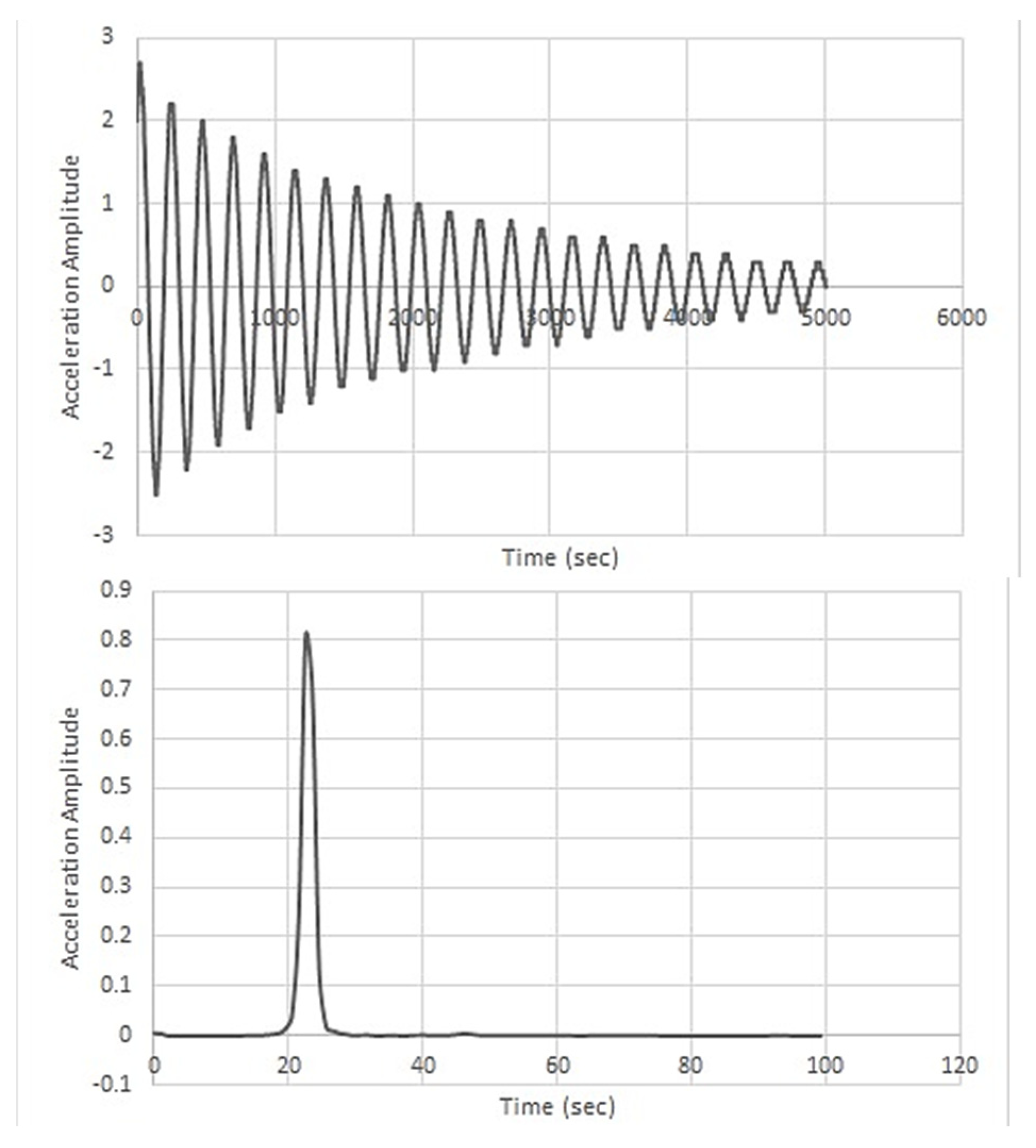
The acceleration amplitude vs. time plots of untreated as well as NaOH-and KMnO4-treated specimens are presented in Figure 14, Figure 15, and Figure 16, respectively. The untreated composite showed a natural frequency of 26.08 Hz and stiffness of 7780.23 N/m, with very low damping ratio (0.00716). These low-damping properties indicate weak fibre–matrix interfacial bonding attributed to the presence of lignin, waxes, and hemicellulose on the banana fibre surfaces, which hinders efficient load transfer and limits energy-dissipation mechanisms in the composite. Therefore, the untreated composite’s ability to attenuate vibrations is considerably weaker, indicating that its application might be limited in environments where vibration control is essential.
The 21.8% increase in stiffness (as indicated by the jump in natural frequency) in NaOH-treated composites is interpreted as a function of the improved efficiency of stress transfer. When fibre–matrix adhesion is weak (untreated), the interface acts as a source of discontinuity, limiting the composite’s ability to resist deformation. The robust chemical and mechanical bonding achieved via NaOH treatment ensures that the stiff carbon–Kevlar skins and the banana fibre core bear the dynamic load more effectively as a single structural unit, resulting in a higher overall modulus and, consequently, increased stiffness.
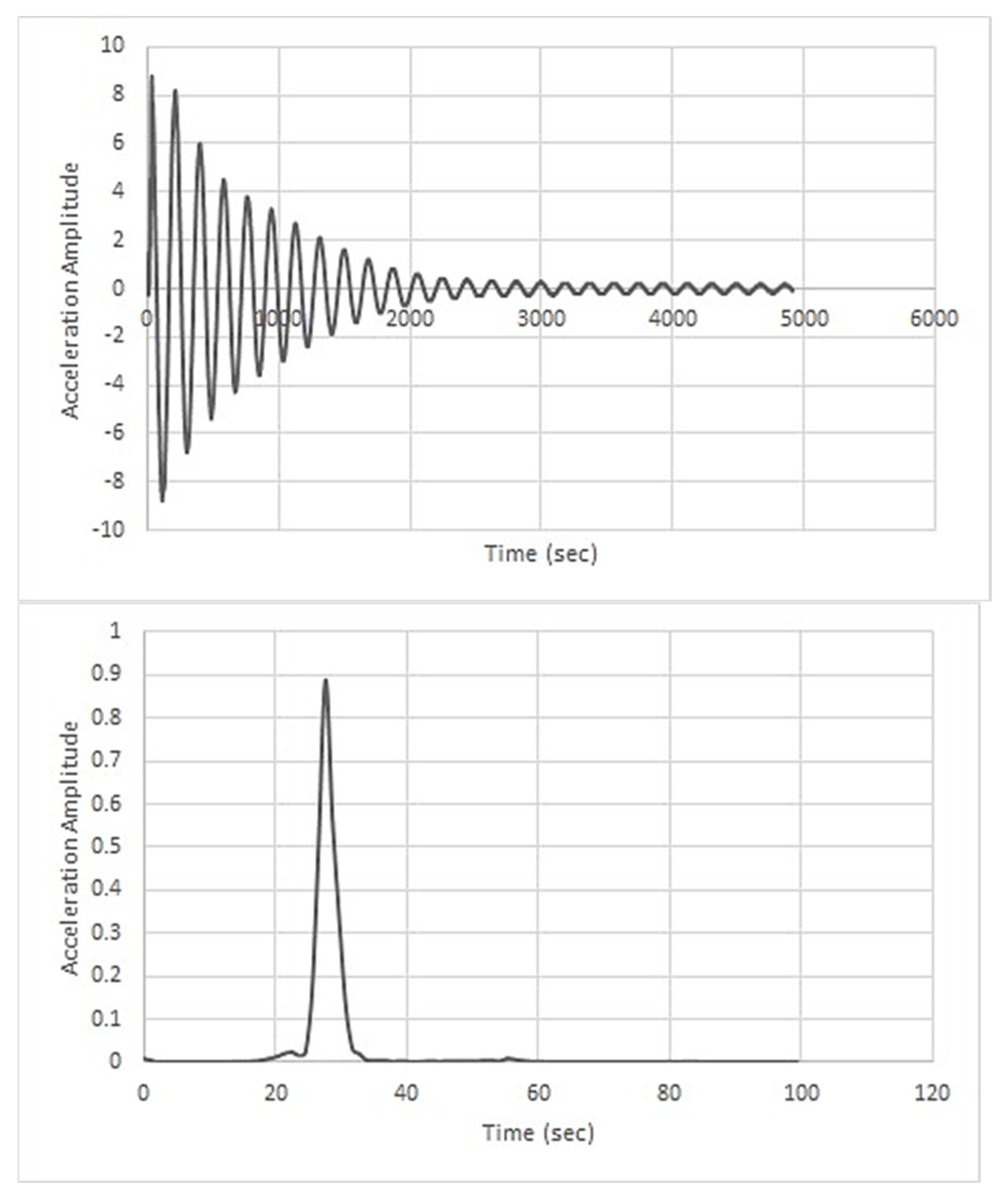
The surface treatment of the banana fibres using NaOH significantly altered these properties. The natural frequency increased to 28.68 Hz, and stiffness enhanced to 9480.51 N/m, indicative of a stiffer and more resilient composite structure. The damping ratio improved to 0.00398, reflecting enhanced energy dissipation abilities. The alkali treatment removes amorphous substances like lignin and hemicellulose, roughens the fibre surface, and exposes hydroxyl groups that chemically interact more effectively with the epoxy matrix, thereby improving interfacial bonding. This improved interface strengthens load transfer paths and introduces additional mechanisms for dissipating vibrational energy, such as interfacial friction and microdamage diffusion, which contribute to the elevated damping performance.
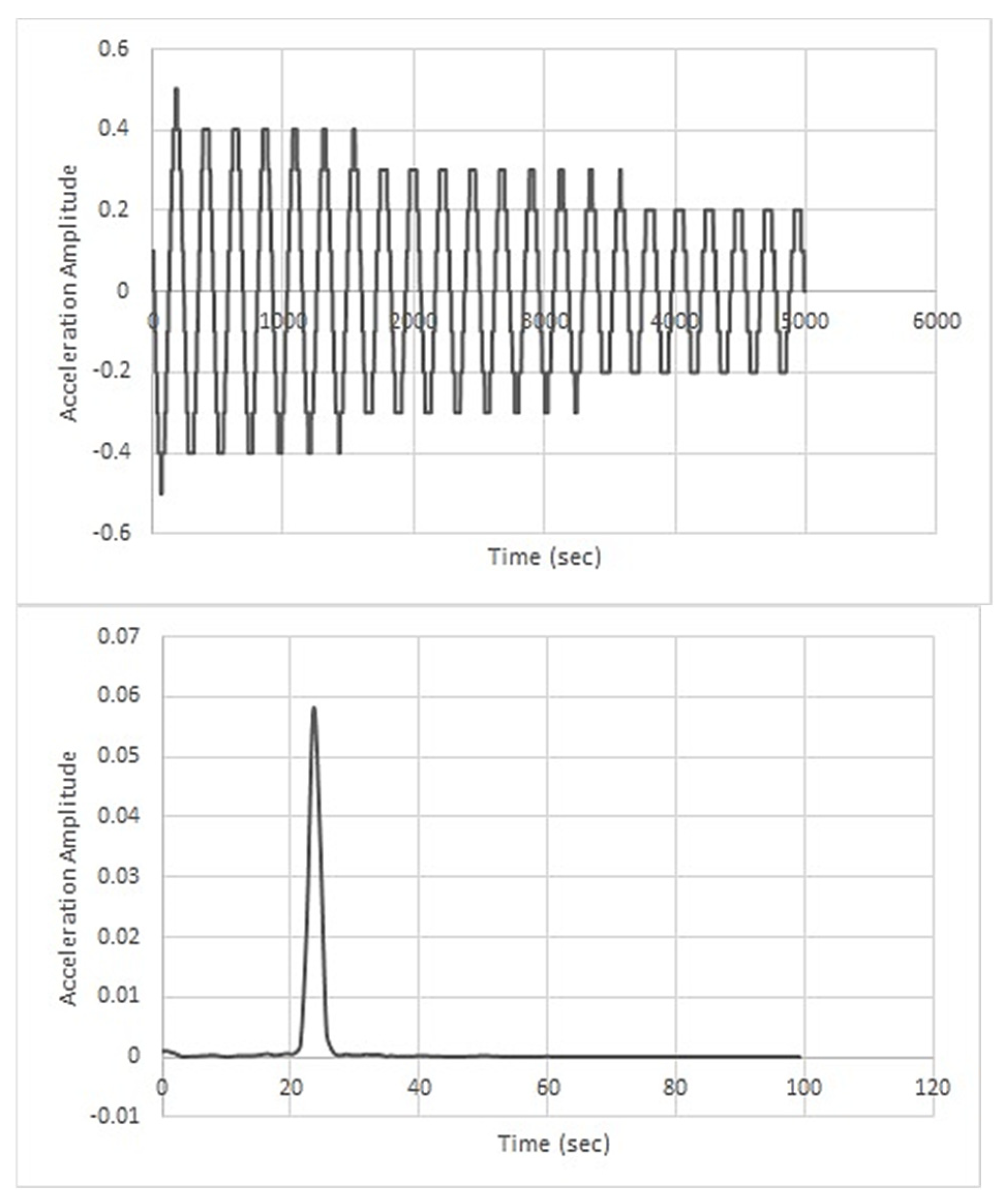
In contrast, KMnO4 treatment resulted in a composite with a lower natural frequency of 22.12 Hz and stiffness of 5640.84 N/m but higher damping characteristics, with a damping ratio of 0.0557, the highest among the samples. This suggests that although KMnO4 treatment reduces the structural stiffness slightly, it enhances the composite’s ability to dissipate vibrational energy more effectively. The oxidative properties of KMnO4 modify the fibre surface, potentially creating a more compliant and roughened interfacial layer that facilitates improved energy conversion from mechanical vibrations to heat, thus substantially increasing damping capacity. This effect is highly beneficial for applications requiring vibration attenuation rather than just structural stiffness. The different effects of NaOH and KMnO4 treatments illustrate the trade-offs in composite design between stiffness and damping. NaOH treatment promotes stronger bonding and higher rigidity, which increase natural frequencies and stiffness but with comparatively lower damping improvements. KMnO4 treatment, on the other hand, prioritises energy absorption and dissipation, making it suitable for damping-critical applications despite a reduction in stiffness.
The observed increase in the damping ratio produced by the NaOH treatment provides critical interpretive evidence regarding energy dissipation. Damping in polymer composites is heavily governed by the interfacial region. For untreated laminates, the low damping is attributed to poor adhesion, leading to interfacial slip (frictional energy loss) that is not optimised. Conversely, the stronger interface in the treated composites allows for efficient viscoelastic energy dissipation through constrained movement of the polymer chains adjacent to the fibre surface, where the maximum shear stress and subsequent energy loss occur. This constrained motion within a well-bonded interphase is a superior mechanism for dampening vibrations than simple frictional slip.
These findings underscore the importance of fibre surface chemistry in tailoring the dynamic mechanical properties of natural fibre hybrid composites. The ability to manipulate stiffness and damping independently by selecting an appropriate chemical treatment expands the applicability of banana fibre/carbon–Kevlar hybrid composites in multifunctional roles where mechanical strength and vibration control are both critical. This work highlights the potential for designing sustainable, high-performance composites with customisable dynamic properties through targeted chemical surface modifications.
Figure 14 presents the acceleration amplitude versus time plot for the untreated banana fibre/carbon–Kevlar laminate. The untreated composite shows a natural frequency of 26.08 Hz and stiffness of 7780.23 Nm, with a low damping ratio of 0.00716. These results indicate that untreated fibres lead to weak fibre–matrix interfacial bonding due to residual lignin and waxes, causing limited energy dissipation and poor vibrational attenuation. Application-wise, such laminates will struggle in environments demanding vibration control, as persistent structural oscillations may accelerate failure or cause functional instability.
Figure 15 displays the vibrational response for laminates where banana fibres are treated with NaOH. The natural frequency increases to 28.68 Hz, and stiffness rises to 9480.51 Nm, with a moderate damping ratio of 0.00398. This jump in frequency and stiffness (21.8% over untreated) highlights improved stress transfer due to superior fibre–matrix adhesion, resulting from the removal of hemicellulose and lignin and enhanced chemical interaction between the fibre and resin. Such laminates are suitable for dynamic structural roles requiring both rigidity and moderate damping, as the alkali treatment ensures integrated load bearing and more effective energy dissipation.
Figure 16 provides the vibrational plot for the KMnO4-treated laminate. KMnO4 treatment results in a reduced natural frequency (22.12 Hz) and lower stiffness (5640.84 Nm) compared to the previous two but dramatically increases the damping ratio to 0.0557, the highest among all configurations. The oxidative treatment creates a compliant, roughened interface that, although less rigid, is highly effective at converting mechanical vibrations into heat, thereby maximising energy dissipation. These laminates are best for applications where vibration damping is the primary requirement, rather than maximum stiffness. for example, in noise isolation panels or vibration control systems.

4. Conclusions

This investigation analysed the effects of untreated and chemically treated specimens on the SBSS, free-vibration, and acoustic behaviour of hybrid composites. The key findings are as follows:
KMnO4-treated composites showed the lowest void content (1.35%), a 46.85% reduction compared to untreated (2.54%) and a 35.41% reduction compared to NaOH-treated (2.09%) composites, indicating superior fabrication quality.
  • Chemical treatments significantly enhanced ILSS of banana-fibre-reinforced carbon–Kevlar composites, with NaOH treatment increasing the ILSS by 36.7% (from 14.27 MPa to 19.52 MPa) and KMnO4 treatment increasing it by 23.7% (to 17.65 MPa).
  • Vibration analysis showed NaOH treatment increased stiffness by 21.8% and natural frequency by 9.9%, while KMnO4 treatment enhanced the damping ratio from 0.00716 to 0.0557 compared to untreated composites, indicating superior vibration energy dissipation.
  • Acoustic performance improved markedly with KMnO4 treatment, achieving a transmission loss (TL) increase of up to 40% at low frequencies (63 Hz) relative to untreated composites.
  • Surface morphology analysis confirmed improved fibre–matrix bonding and reduced defects after chemical treatments, directly correlating with mechanical and functional property enhancement.
  • These improvements underline the effectiveness of targeted chemical treatments in developing sustainable, multifunctional hybrid composites with enhanced mechanical strength, vibration damping, and acoustic insulation for advanced engineering applications.
  • This work demonstrates the potential of banana fibre and carbon–Kevlar intraply hybrid composites for lightweight structural applications. Future studies should focus on developing finite element models to predict mechanical behaviour and optimise designs. Additionally, evaluating durability under humid and variable environmental conditions is critical to ensure long-term reliability and broaden practical use.
  • The limitations of this study include the limited range of chemical treatments investigated, the environmental testing confined to ambient conditions without controlled temperature or humidity variations, and challenges related to industrial scalability such as consistent fibre quality and process optimisation. These factors restrict the immediate applicability of results, indicating the need for future work exploring alternative treatments, more extensive environmental testing, and scalable manufacturing methods.

Author Contributions

Conceptualisation, K.B.M., K.M. and Y.P.; methodology, K.B.M., K.M. and Y.P.; validation, K.B.M., K.M. and Y.P.; formal analysis, K.B.M.; investigation, K.B.M.; writing—original draft preparation, K.B.M., K.M. and Y.P.; writing—review and editing, K.M. and Y.P.; visualisation, K.B.M., K.M. and Y.P.; supervision, Y.P.; project administration, Y.P.; funding acquisition, Y.P. All authors have read and agreed to the published version of the manuscript.

Funding

This research received no external funding.

Institutional Review Board Statement

Not applicable.

Informed Consent Statement

Not applicable.

Data Availability Statement

Data are available upon request.

Conflicts of Interest

The authors declare no conflicts of interest.

References

  1. Mallick, P.K. Fiber-Reinforced Composites Materials, Manufacturing and Design, 3rd ed.; CRC Press: Boca Raton, FL, USA; Taylor & Francis Group: Abingdon, UK, 2007. [Google Scholar] [CrossRef]
  2. Mazumdar, C.C.S.K. Composites Manufacturing: Materials, Product and Process Engineering, 1st ed.; CRC Press: Boca Raton, FL, USA; Taylor & Francis Group: Abingdon, UK, 2002. [Google Scholar]
  3. Rajendran, S.; Shanmugam, V.; Sanjeevi, S.; Yang, Y.L.; Marimuthu, U.; Palani, G.; Veerasimman, A.; Trilaksana, H. Prosopis juliflora biochar-based hybrid composites: Mechanical property assessment and development prospects. Clean. Eng. Technol. 2025, 26, 100955. [Google Scholar] [CrossRef]
  4. Mohanraj, C.M.; Rameshkumar, R.; Mariappan, M.; Mohankumar, A.; Rajendran, B.; Senthamaraikannan, P.; Suyambulingam, I.; Kumar, R. Recent Progress in Fiber Reinforced Polymer Hybrid Composites and Its Challenges—A Comprehensive Review. J. Nat. Fibers 2025, 22, 2495911. [Google Scholar] [CrossRef]
  5. Chokshi, S.; Parmar, V.; Gohil, P.; Chaudhary, V. Chemical Composition and Mechanical Properties of Natural Fibers. J. Nat. Fibers 2022, 19, 3942–3953. [Google Scholar] [CrossRef]
  6. Fernandes, O.; Dutta, J.; Pai, Y.; Pai, D.G. Hole size influence on the open hole tensile and flexural characteristics of aramid-basalt/epoxy composites. Cogent Eng. 2024, 11, 2334911. [Google Scholar] [CrossRef]
  7. Pai, Y.; Dayananda Pai, K.; Vijaya Kini, M. Effect of ageing conditions on the low velocity impact behavior and damage characteristics of aramid-basalt/epoxy hybrid interply composites. Eng. Fail. Anal. 2023, 152, 107492. [Google Scholar] [CrossRef]
  8. Palanisamy, S.; Vijayananth, K.; Murugesan, T.M.; Palaniappan, M.; Santulli, C. The prospects of natural fiber composites: A brief review. Int. J. Light. Mater. Manuf. 2024, 7, 496–506. [Google Scholar] [CrossRef]
  9. Temitayo Oyewo, A.; Olugbemiga Oluwole, O.; Olufemi Ajide, O.; Emmanuel Omoniyi, T.; Hussain, M. Banana pseudo stem fiber, hybrid composites and applications: A review. Hybrid Adv. 2023, 4, 100101. [Google Scholar] [CrossRef]
  10. Nguyen, T.A.; Nguyen, T.H. Study on Mechanical Properties of Banana Fiber-Reinforced Materials Poly (Lactic Acid) Composites. Int. J. Chem. Eng. 2022, 2022, 8485038. [Google Scholar] [CrossRef]
  11. Kabir, M.M.; Wang, H.; Lau, K.T.; Cardona, F. Chemical treatments on plant-based natural fibre reinforced polymer composites: An overview. Compos. Part B Eng. 2012, 43, 2883–2892. [Google Scholar] [CrossRef]
  12. Preethi, P.; Balakrishna Murthy, G. Physical and Chemical Properties of Banana Fibre Extracted from Commercial Banana Cultivars Grown in Tamilnadu State. Agrotechnology 2013, 1, 8–11. [Google Scholar] [CrossRef]
  13. Neto, J.; Queiroz, H.; Aguiar, R.; Lima, R.; Cavalcanti, D.; Banea, M.D. A review of recent advances in hybrid natural fiber reinforced polymer composites. J. Renew. Mater. 2022, 10, 561–589. [Google Scholar] [CrossRef]
  14. Sivaranjana, P.; Arumugaprabu, V. A brief review on mechanical and thermal properties of banana fiber based hybrid composites. SN Appl. Sci. 2021, 3, 176. [Google Scholar] [CrossRef]
  15. Chenrayan, V.; Gebremaryam, G.; Shahapurkar, K.; Mani, K.; Fouad, Y.; Kalam, M.A.; Mubarak, N.M.; Soudagar, M.E.M.; Abusahmin, B.S. Experimental and numerical assessment of the flexural response of banana fiber sandwich epoxy composite. Sci. Rep. 2023, 13, 18156. [Google Scholar] [CrossRef]
  16. Komal, U.K.; Verma, V.; Ashwani, T.; Verma, N.; Singh, I. Effect of Chemical Treatment on Thermal, Mechanical and Degradation Behavior of Banana Fiber Reinforced Polymer Composites. J. Nat. Fibers 2020, 17, 1026–1038. [Google Scholar] [CrossRef]
  17. Cuebas, L.; Neto, J.A.B.; de Barros, R.T.P.; Cordeiro, A.O.T.; dos Santos Rosa, D.; Martins, C.R. The incorporation of untreated and alkali-treated banana fiber in SEBS composites. Polimeros 2021, 30, e2020040. [Google Scholar] [CrossRef]
  18. Paul, S.A.; Joseph, K.; Mathew, G.D.G.; Pothen, L.A.; Thomas, S. Influence of polarity parameters on the mechanical properties of composites from polypropylene fiber and short banana fiber. Compos. Part A Appl. Sci. Manuf. 2010, 41, 1380–1387. [Google Scholar] [CrossRef]
  19. Kudva, A.; Mahesha, G.T.; Pai, D. Influence of Chemical Treatment on the Physical and Mechanical Properties of Bamboo Fibers as Potential Reinforcement for Polymer Composites. J. Nat. Fibers 2024, 21, 2332698. [Google Scholar] [CrossRef]
  20. Kudva, A.; Mahesha, M.; Hegde, S.; Pai, D. Influence of chemical treatment of Bamboo fibers on the vibration and acoustic characterization of Carbon/Bamboo fiber reinforced hybrid composites. Mater. Res. Express 2024, 11, 075304. [Google Scholar] [CrossRef]
  21. Barrera-Fajardo, I.; Rivero-Romero, O.; Unfried-Silgado, J. Investigation of the Effect of Chemical Treatment on the Properties of Colombian Banana and Coir Fibers and Their Adhesion Behavior on Polylactic Acid and Unsaturated Polyester Matrices. Fibers 2024, 12, 6. [Google Scholar] [CrossRef]
  22. Kadire, T.; Joshi, S.N. Effects of alkaline treatment and manufacturing process on mechanical and absorption properties of Wild Abyssinia Banana fiber reinforced epoxy composite. Mater. Today Proc. 2024, 98, 212–218. [Google Scholar] [CrossRef]
  23. Kuppuraj, A.; Angamuthu, M. Investigation of mechanical properties and free vibration behavior of graphene/basalt nano fi ller banana/sisal hybrid composite. Polym. Polym. Compos. 2022, 30, 1–12. [Google Scholar] [CrossRef]
  24. Rouf, A.; Alam, R.; Belal, S.A.; Ali, Y. Mechanical and Thermal Performances of Banana Fiber—Reinforced Gypsum Composites. Int. J. Polym. Sci. 2025, 2025, 8120082. [Google Scholar] [CrossRef]
  25. Senthilrajan, S.; Venkateshwaran, N.; Ismail, S.O.; Nagarajan, R.; Ayrilmis, N. Improvement of vibration and acoustic properties of woven jute/polyester composites by surface modification of fibers with various chemicals. Sci. Rep. 2025, 15, 19641. [Google Scholar] [CrossRef]
  26. Agarwal, P.; Bundela, A.S.; Choudhary, P.; Pai, Y.; Pai, D.G. Effect of carbon-Kevlar intraply surface layers on the mechanical and vibrational properties of basalt reinforced polymer composites. Cogent Eng. 2024, 11, 2403704. [Google Scholar] [CrossRef]
  27. Agarwal, S.; Pai, Y. Materials Today: Proceedings Mechanical characterization of quasi-isotropic intra-ply woven carbon-Kevlar/epoxy hybrid composite. Mater. Today Proc. 2022, 52, 971–978. [Google Scholar] [CrossRef]
  28. Agarwal, S.; Pai, Y.; Pai, D.; Mahesha, G.T. Assessment of ageing effect on the mechanical and damping characteristics of thin quasi-isotropic hybrid carbon-Kevlar/epoxy intraply composites and damping characteristics of thin intraply composites. Cogent Eng. 2023, 10, 2235111. [Google Scholar] [CrossRef]
  29. Kumar, K.S.; Siva, I.; Jeyaraj, P.; Jappes, J.T.W.; Amico, S.C.; Rajini, N. Synergy of fiber length and content on free vibration and damping behavior of natural fiber reinforced polyester composite beams. J. Mater. 2014, 56, 379–386. [Google Scholar] [CrossRef]
  30. Singh, V.K. Banana fibre-based structures for acoustic insulation and absorption. J. Ind. Text. 2022, 51, 1355–1375. [Google Scholar] [CrossRef]
  31. Lokesh, K.S.; Shrinivasa, M.D.; Yashwanth, H.L.; Sharanya, I.S.; Nikam, H. Results in Engineering Evaluation of mechanical, acoustic and vibration characteristics of calamus rotang based hybrid natural fiber composites. Results Eng. 2025, 25, 104475. [Google Scholar] [CrossRef]
  32. D792-20; Standard Test Methods for Density and Specific Gravity (Relative Density) of Plastics by Displacement. ASTM International: West Conshohocken, PA, USA, 2020.
  33. ASTM D2344/D2344M-13; Standard Test Method for Short-Beam Strength of Polymer Matrix Composite Materials and Their Laminates. ASTM International: West Conshohocken, PA, USA, 2022. Available online: www.astm.org (accessed on 5 November 2025).
  34. ASTM E756-05; Standard Test Method for Measuring Vibration-Damping Properties of Materials. ASTM International: West Conshohocken, PA, USA, 2023. [CrossRef]
  35. Namrata, B.; Pai, Y.; Nair, V.G.; Hegde, N.T.; Pai, D.G. Analysis of aging effects on the mechanical and vibration properties of quasi-isotropic basalt fiber-reinforced polymer composites. Sci. Rep. 2024, 14, 26730. [Google Scholar] [CrossRef]
  36. Scantek, I. SW Series Impedance Tube Solutions. Available online: https://scantekinc.com/ (accessed on 5 November 2025).
  37. ISO-10534; Determination of Sound Absorption Coefficient and Impedance in Impedance Tubes. ISO: Geneva, Switzerland, 2023.
  38. Shivanagere, A.; Sharma, S.K.; Goyal, P. Modelling of glass fibre reinforced polymer (Gfrp) for aerospace applications. J. Eng. Sci. Technol. 2018, 13, 3710–3728. [Google Scholar]
  39. Yahiya, M.; Venu Kumar, N. A review on natural fiber composite with banana as reinforcement. Mater. Today Proc. 2023, in press. [Google Scholar] [CrossRef]
  40. Shankar, M.V.; Padmaraj, N.H.; Hegde, S.; Yash, G.M.; Kini, C.R. Analysis of effect of thickness and surface treatment on sound transmission loss characteristics of natural fibres. Sci. Rep. 2025, 15, 28957. [Google Scholar] [CrossRef]
  41. Selver, E. Acoustic properties of Hybrid Glass/Flax and Glass/Jute composites consisting of different stacking sequences. Tekst. Ve Muhendis 2019, 26, 42–51. [Google Scholar] [CrossRef]
  42. Senthilrajan, S.; Venkateshwaran, N.; Giri, R.; Ismail, S.O.; Nagarajan, R.; Krishnan, K.; Mohammad, F. Mechanical, vibration damping and acoustics characteristics of hybrid aloe vera/jute/polyester composites. J. Mater. Res. Technol. 2024, 31, 2402–2413. [Google Scholar] [CrossRef]
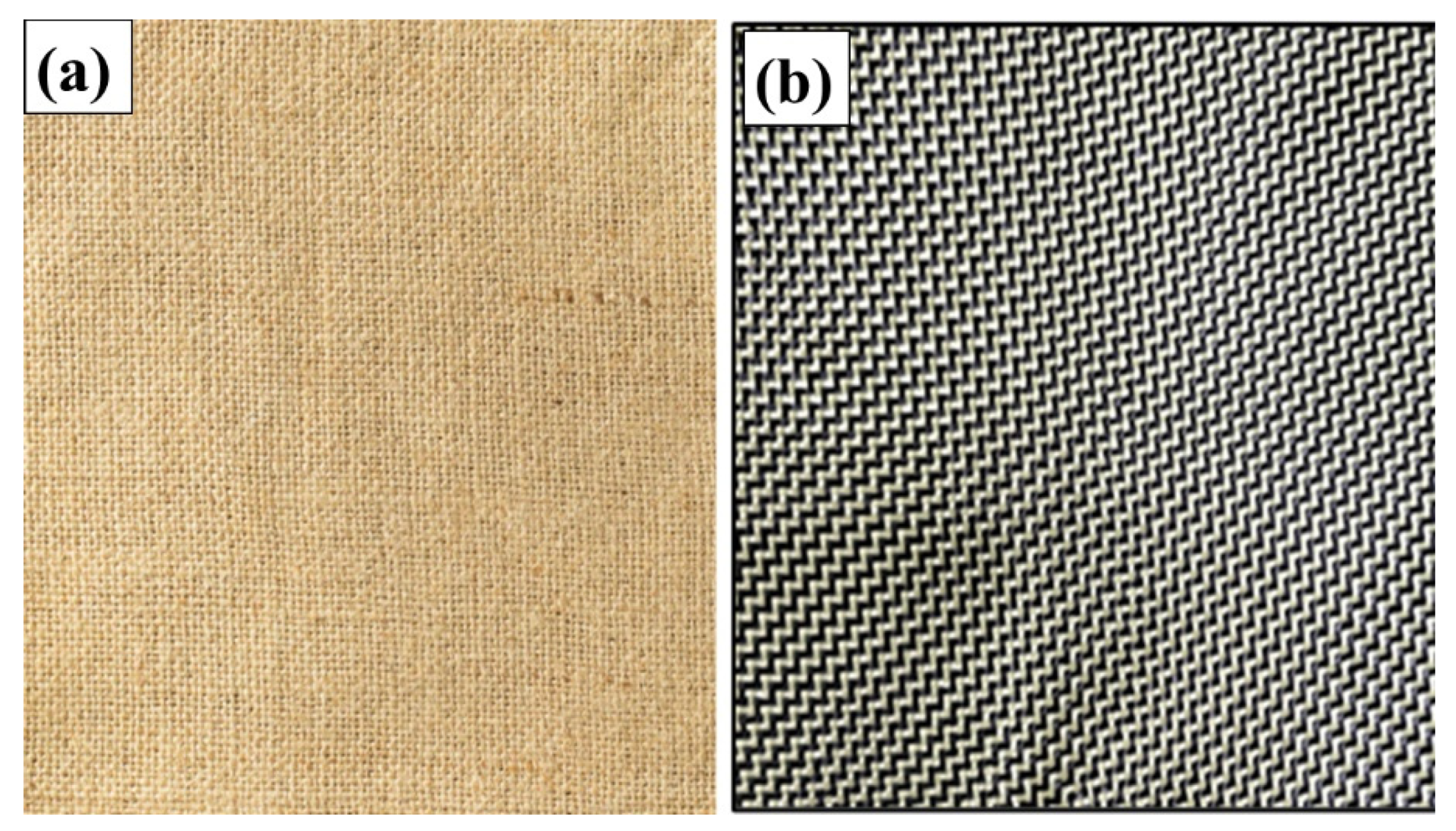
Figure 1. Materials used: (a) banana fibre; (b) carbon–Kevlar intraply fibre.
Jcs 09 00661 g001
Figure 2. Chemical treatments: (a) 5% NaOH, (b) 0.5% KMnO4. (c) Hand lay-up method.
Jcs 09 00661 g002
Figure 3. Schematic of the hybrid composite laminate.
Jcs 09 00661 g003
Figure 4. (a) Compression moulding. (b) Final composite laminate.
Jcs 09 00661 g004
Figure 5. (a) Water jet cutting. (b) Final cut laminate.
Jcs 09 00661 g005
Figure 6. (a) SBSS test setup, (b) detailed view of the setup with specimen.
Jcs 09 00661 g006
Figure 7. Specimen for vibration test.
Jcs 09 00661 g007
Figure 8. Vibration test apparatus.
Jcs 09 00661 g008
Figure 9. Specimen for impedance tube.
Jcs 09 00661 g009
Figure 10. Impedance tube set-up.
Jcs 09 00661 g010
Figure 11. Short-beam shear strength test results.
Jcs 09 00661 g011
Figure 12. SEM images of fractured SBSS test specimens: (a) untreated, (b) KMnO4-treated and (c) NaOH-treated.
Jcs 09 00661 g012aJcs 09 00661 g012b
Figure 13. Impedance tube test result comparison.
Jcs 09 00661 g013
Figure 14. Untreated fibre laminate.
Jcs 09 00661 g014
Figure 15. NaOH-treated laminate.
Jcs 09 00661 g015
Figure 16. KMnO4-treated laminate.
Jcs 09 00661 g016
Table 1. Literature review on banana fibre treatment.
Author & YearWork Carried OutFindings
Paul et al. (2010) [18]Banana fibre was treated with alkali, stearic acid, triethoxy octyl silane, KMnO4, and benzoyl chloride Fibres treated with KMnO4 exhibited enhancement in tensile strength by 5% and flexural strength by 10%
Komal et al. (2020) [16]Composites containing banana pseudo-stem (BPS) fibres treated with a 5% (w/v) aqueous sodium hydroxide (NaOH) solutionThe composite showed approximate improvements of 4% in tensile strength, around 5% in flexural strength, and about 12% in impact strength
Cuebas et al. (2021) [17]Banana fibres were subjected to alkali treatment by soaking in 5% sodium hydroxide solution (w/v) The FTIR test revealed a reduction in hydroxyl (OH) groups, indicating increased hydrophobicity and improved mechanical properties
Chenrayan et al. (2023) [15]Chopped fibres were treated with 5% alkaline solution (NaOH) The flexural characteristics of sandwich specimens containing 10% banana fibre were higher than the neat epoxy core
Fajardo et al. (2024) [21]Banana fibres were soaked in 5% NaOH for 1 h at room temperature with stirring, then washed with acetic acid and water to remove NaOH residuesFTIR confirmed the removal of non-cellulosic components, while SEM revealed increased surface roughness due to impurity removal; interfacial shear strength improved by 10% over untreated fibres
Nguyen and Nguyen (2022) [10]Banana fibres were treated with NaOH solutions at various concentrationsSEM analysis revealed enhanced fibre bonding and wetting properties for 5% NaOH-treated fibres
Kadire and Joshi (2024) [22]Banana fibres treated with 2%, 5%, and 7% (w/v) NaOH concentrations A 5% NaOH treatment lowered water absorption and increased tensile, bending, and low velocity impact strengths of the composite by approximately 15%, 9%, and 30%, respectively
Table 2. Overview of the available literature on free-vibration and acoustic behaviour of banana fibre composites.
Author & YearWork Carried OutFindings
Kumar et al. (2014) [29]Effect of fibre content and length on free vibration and damping of banana/sisal/polyester composites, short fibres with varying wt%, compression mouldingNatural frequency and damping improved notably with 50 wt% fibre content (exact % not listed), acoustic absorption improved with fibre density
Kuppuraj et al. (2022) [23]Banana/sisal epoxy hybrid, graphene fillers (varying wt%), hand lay-upNatural frequency up to 100 Hz (Mode 1), damping factor 0.0883, dense hybrid structures expected to provide good sound absorption
Singh et al. (2022) [30] Banana fibre–polypropylene matrix, alkali-treated, impedance tube measurementNoise reduction coefficient (NRC) 0.78 for 4500 gsm multilayer samples, max. transmission loss 23 dB
Sagar et al. (2022) [5]Influence of NaOH treatment and PLA coating on jute/banana hybrid compositesTensile strength +20.56%,
flexural strength +16.7% (related to improved vibrational behaviour)
Agarwal et al. (2024) [26]Intraply layers consisting of carbon and Kevlar as surface layers and three layers of basalt as core subjected to mechanical testsHybrid laminates exhibited a maximum impact strength of 136.25 kJ/m2, marking a 24.4% increase compared to basalt composites; enhancement in impact toughness is credited to the incorporation of surface intraply layers
Senthilrajan et al. (2025) [25]Effect of surface modification on vibration and acoustic propertiesNaHCO3 treatment highest natural frequency 61 Hz, improved damping, max, sound absorption coefficient 0.67 at ~2k Hz, 69% higher than untreated
Lokesh et al. (2025) [31]Calamus rotang/glass fibre hybrid composites including banana fibre reinforcementDamping ratio peak at 8% fibre loading, Sound absorption improved with hybrid fibres
Rouf et al. (2025) [24]Alkali-treated banana fibres at 0–24 wt% in epoxy matrixVibration damping improves up to ~15–20% with 24 wt% fibres
Table 3. Details of reinforcements used.
Type of FibreWeave PatternAerial Density (Grams per Square Meter)Thickness (mm)Filament Count
Banana fibre matPlain weave2500.33K
Carbon–aramid intraply matTwill weave3000.35-
Table 4. Void fractions.
CompositeExperimental Density, ρ e x (Gram per Cubic Centimetre, g/cc3) Theoretical Density, ρ e x (Gram per Cubic Centimetre, g/cc3) Void %
Untreated1.571.612.54
NaOH-treated1.431.462.09
KMnO4-treated1.481.501.35
Table 5. Vibration analysis test results.
Composite TypeNatural Frequency (Hz)Stiffness (N/m)Damping Ratio (ζ)
Untreated26.08 ± 1.437780.23 ± 268.320.00716 ± 0.0002864
NaOH-treated28.68 ± 1.819480.51 ± 303.510.00398 ± 0.000159
KMnO4-treated22.12 ± 1.675640.84 ± 245.840.0557 ± 0.00228
Disclaimer/Publisher’s Note: The statements, opinions and data contained in all publications are solely those of the individual author(s) and contributor(s) and not of MDPI and/or the editor(s). MDPI and/or the editor(s) disclaim responsibility for any injury to people or property resulting from any ideas, methods, instructions or products referred to in the content.