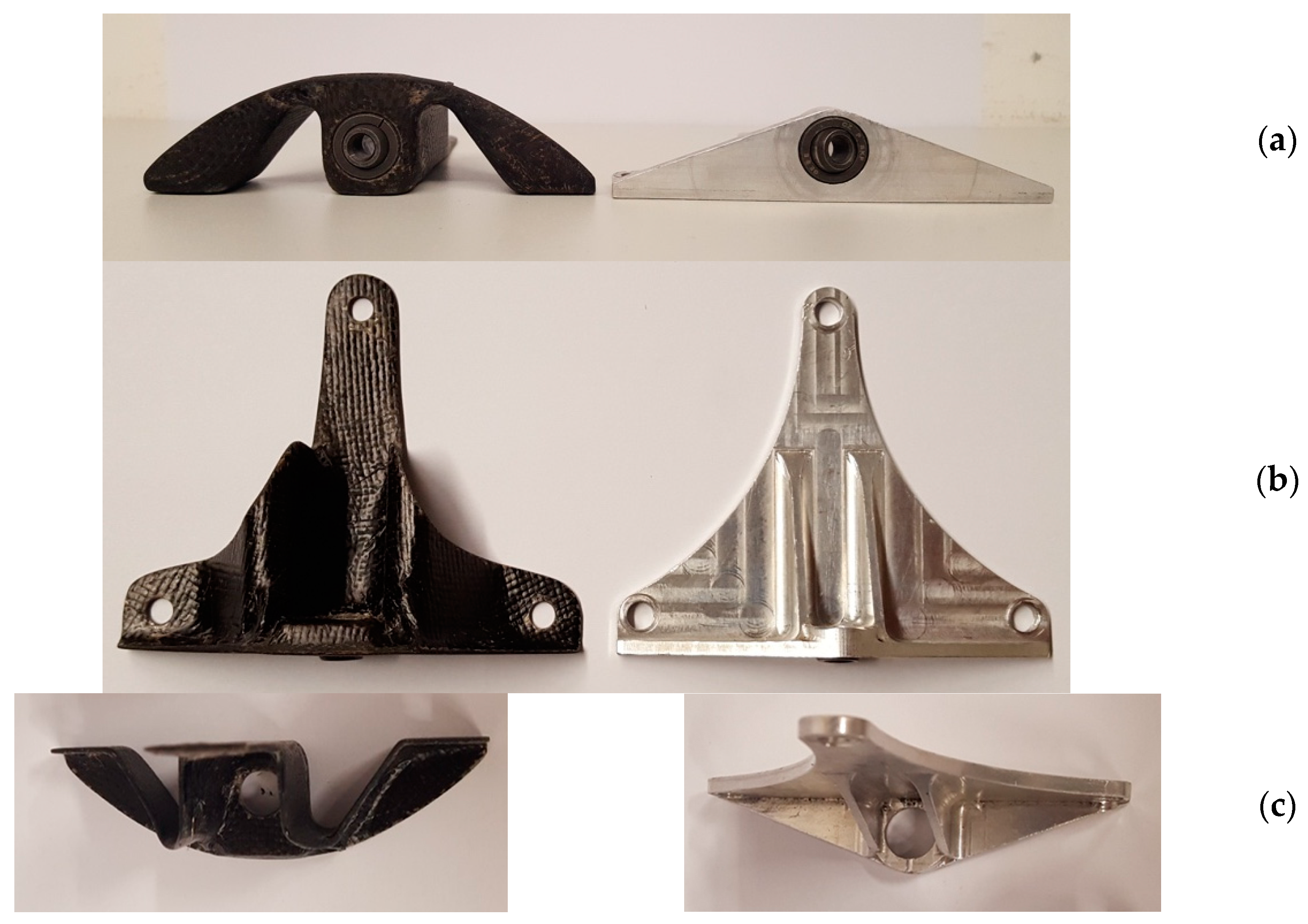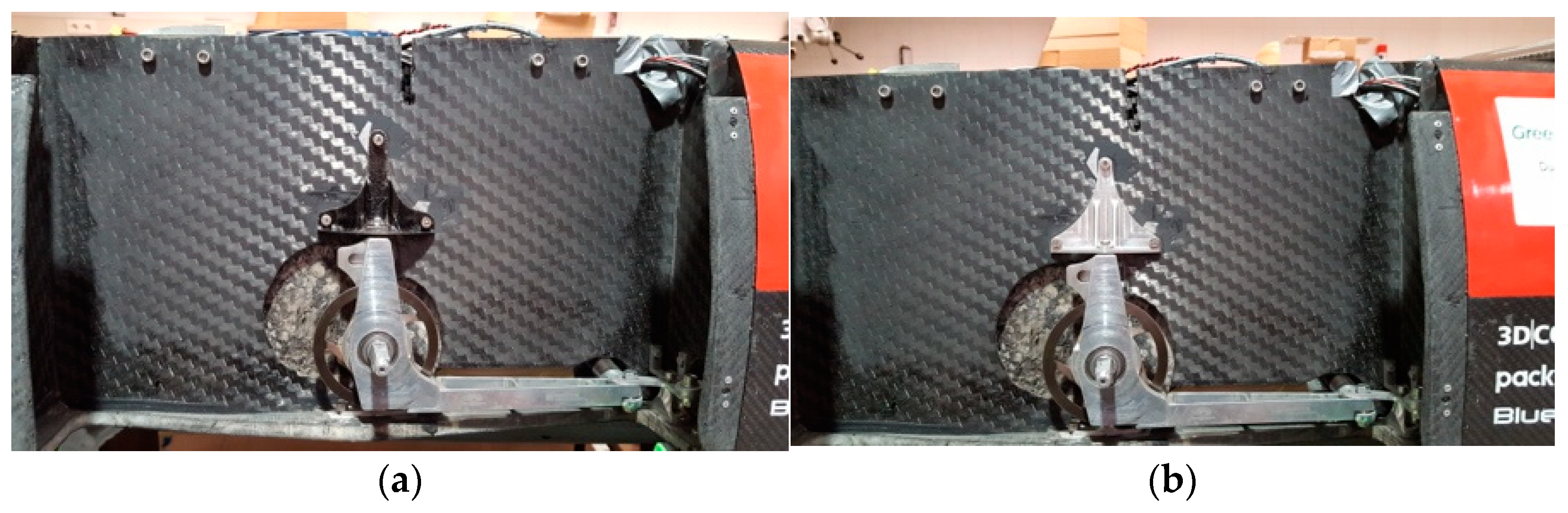

Assessment of Replacement of Metal Parts by BFRP Composites into a Highly Efficient Electrical Prototype



Abstract
Share and Cite
Marat-Mendes, R.; Ribeira, D.; Reis, L. Assessment of Replacement of Metal Parts by BFRP Composites into a Highly Efficient Electrical Prototype. J. Compos. Sci. 2021, 5, 95. https://doi.org/10.3390/jcs5040095
Marat-Mendes R, Ribeira D, Reis L. Assessment of Replacement of Metal Parts by BFRP Composites into a Highly Efficient Electrical Prototype. Journal of Composites Science. 2021; 5(4):95. https://doi.org/10.3390/jcs5040095
Chicago/Turabian StyleMarat-Mendes, Rosa, Diogo Ribeira, and Luís Reis. 2021. "Assessment of Replacement of Metal Parts by BFRP Composites into a Highly Efficient Electrical Prototype" Journal of Composites Science 5, no. 4: 95. https://doi.org/10.3390/jcs5040095
APA StyleMarat-Mendes, R., Ribeira, D., & Reis, L. (2021). Assessment of Replacement of Metal Parts by BFRP Composites into a Highly Efficient Electrical Prototype. Journal of Composites Science, 5(4), 95. https://doi.org/10.3390/jcs5040095