3.1. Characterization of Biomass
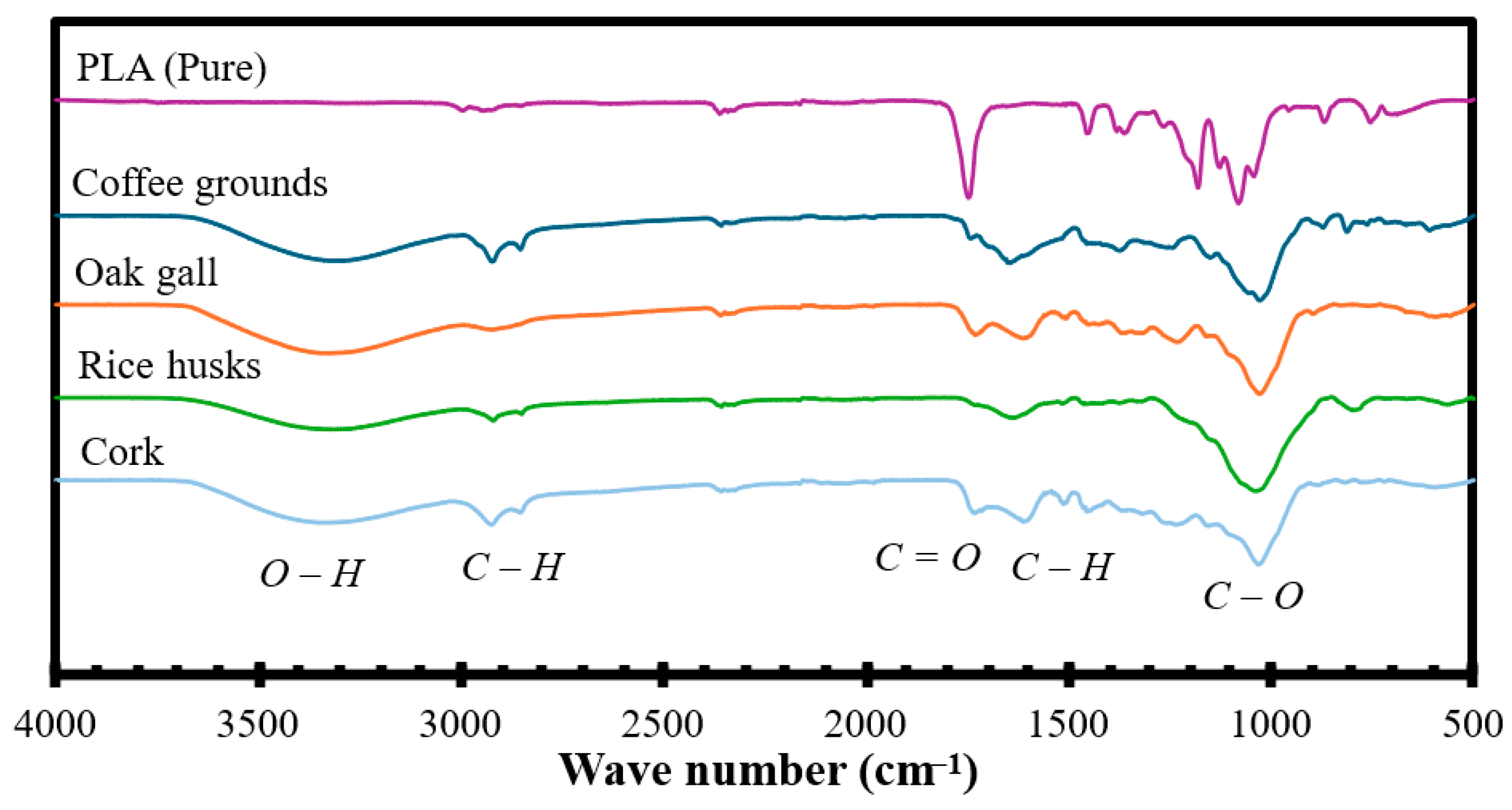
The evaluation of the processability of each raw material and the properties of the resulting materials started with their characterization. Accordingly, the chemical evaluation of the biomasses, as well as PLA, was carried out using FTIR, as shown in
Figure 2.
As presented in
Figure 2, the FTIR spectra of the biomass samples are very similar to each other, since they are mainly composed of lignocellulosic components. The band at 3700–3000 cm
−1 is attributed to the stretching vibration of O–H groups, while the peaks between 2920 and 2850 cm
−1 are associated with the stretching vibrations of aliphatic C–H bonds. The peaks at 1730 cm
−1 correspond to the stretching vibrations of carbonyl ester groups (C=O), with the peaks at 1620 and 1512 cm
−1 attributed to the stretching vibrations of C–H aromatic groups. The peaks at 1040 cm
−1 are indicative of C–O stretching vibrations. Regarding the PLA spectrum, it is mainly characterized by a peak at 1740 cm
−1 and another at 1100 cm
−1, corresponding to the stretching vibrations of carbonyl ester groups and to C–O stretching vibrations, respectively [
16].
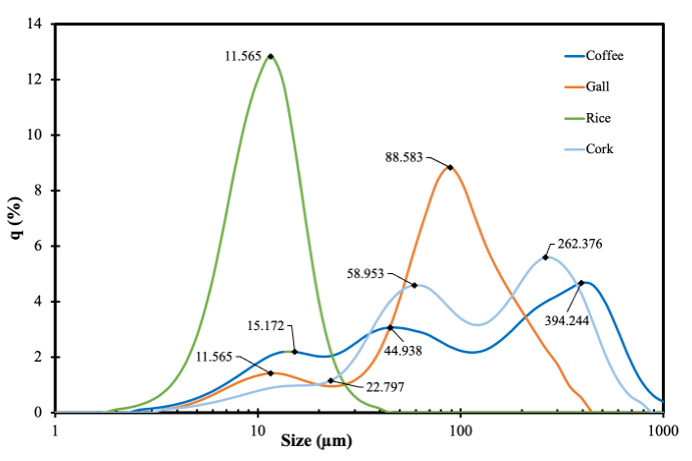
Next, the particle size distribution of each biomass was determined, with the results presented in
Figure 3. It is worth noting that a small particle size distribution is desirable, since excessively large particles may obstruct the filament cross-section, compromising its mechanical strength. In extreme cases, oversized particles may even cause clogging of the extruder, yet very fine particles require high energy input for size reduction.
From the particle size distribution depicted in
Figure 3, the most abundant particle size of rice husk is approximately 11 µm, while for oak gall it is 88 µm. In turn, cork and coffee grounds exhibit a similar distribution to each other, displaying multiple peaks.
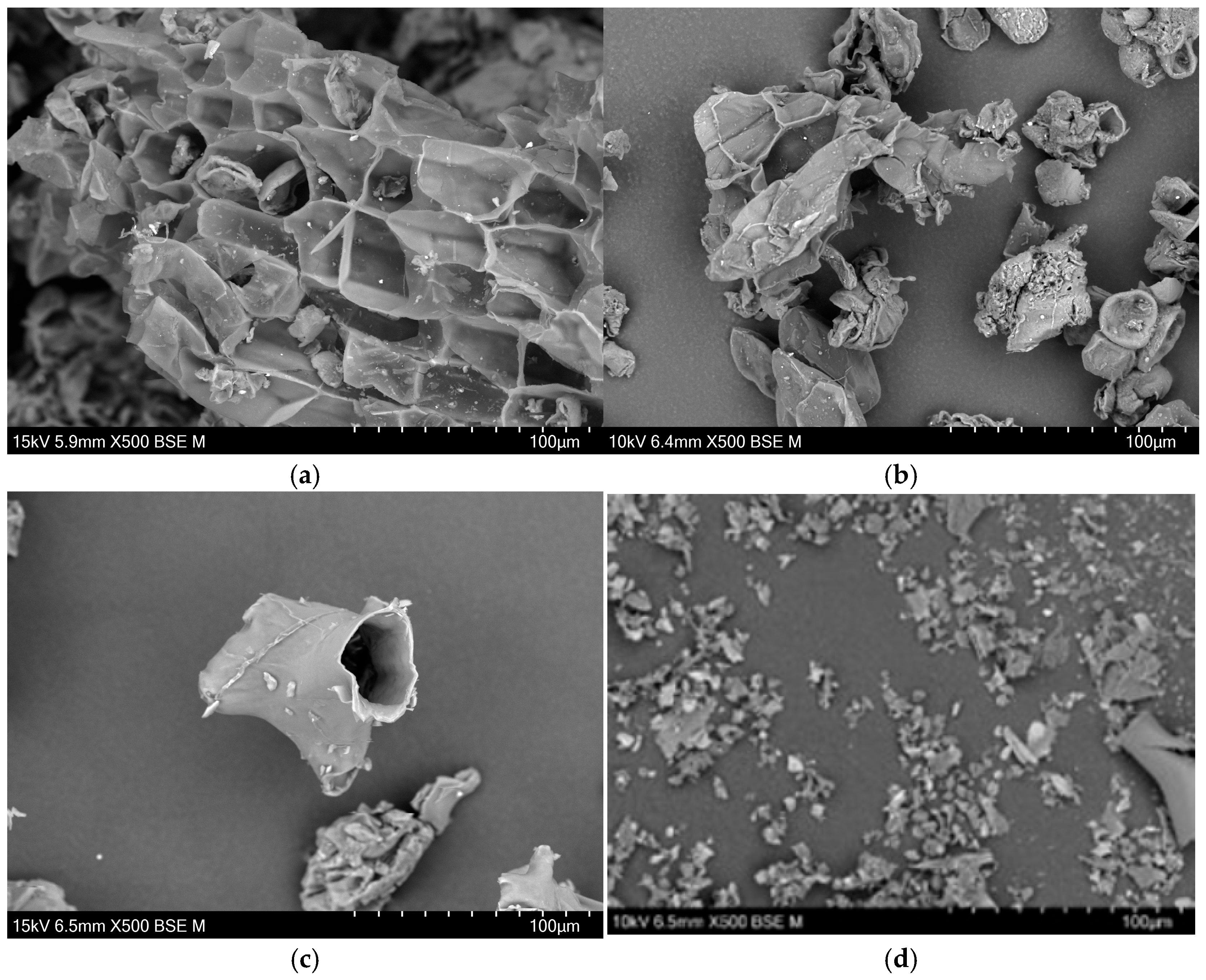
Afterwards, SEM analysis was used to examine the surface morphology of the biomasses, with the micrographs shown in
Figure 4.
From the SEM images, it is evident that, except for rice husk, the particles of the remaining biomasses exhibit cellular structures, particularly cork, whose morphology resembles a honeycomb. This is generally responsible for the low density, low thermal conductivity, and favourable acoustic properties of these materials [
17]. In addition, the small particle size of the rice husk is noteworthy, which corroborates the results obtained from the particle size distribution.
Next, the specific surface area and particle density were determined, and the results are presented in
Table 3.
The values presented in
Table 3 indicate that, although coffee grounds and cork have similar particle size distributions, the specific surface area of cork is higher, possibly due to its high porosity, as evidenced in the SEM images. Moreover, these two biomasses exhibit the lowest densities, which may also result from their high porosity. Rice husk is the biomass with the highest specific surface area and density, whereas oak gall, although highly porous, shows intermediate surface area and density. Cork typically has a density between 0.120 and 0.240 g.cm
−3, significantly lower than the values shown in
Table 3 [
18]. This discrepancy may arise from milling, which can damage part of the cellular structure, reduce the number of cavities and consequently increase density. As will be discussed later, the low density of cork limited its incorporation to 10.0% (w.w
−1), while the higher density of rice husk allowed loadings up to 20.0% (w.w
−1). Its higher density means that the same mass occupies less volume, enabling greater incorporation.
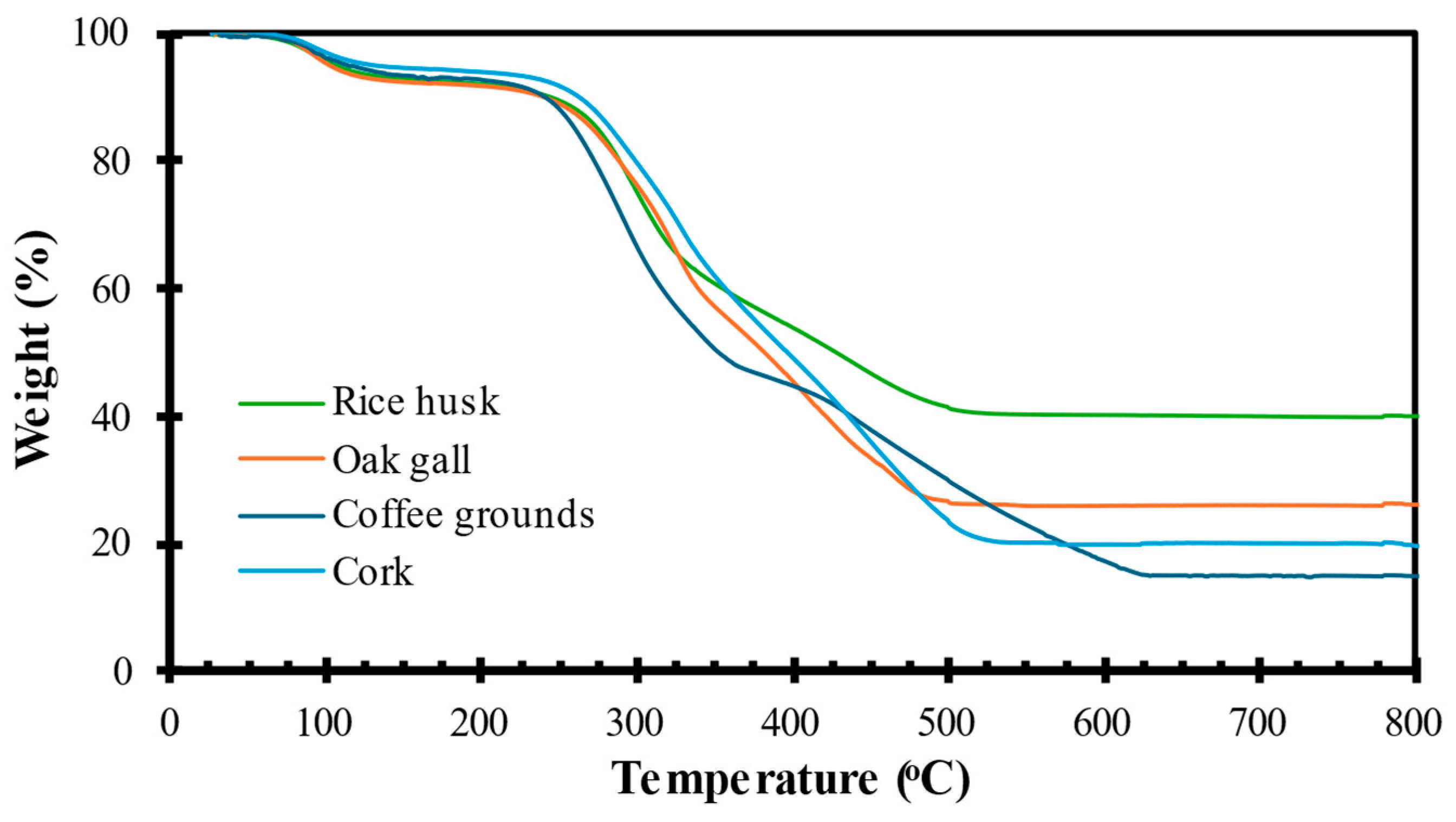
Finally, the thermal stability of the samples was analyzed under an inert N
2 atmosphere using TGA, with the results presented in
Figure 5.
Figure 5 shows that all four biomasses exhibit a similar mass loss profile. The initial mass loss at approximately 90 °C corresponds to water evaporation. Next, two more degradation steps—(i) at 200 °C, attributed to the thermal decomposition of hemicellulose and cellulose, and (ii) at 440 °C, attributed to the thermal decomposition of suberin and lignin—are observed [
19,
20]. Beyond 500 °C, the mass loss stabilizes. According to the results, these materials can be considered thermally stable and are therefore suitable for producing durable composites.
3.2. Characterization of Composites
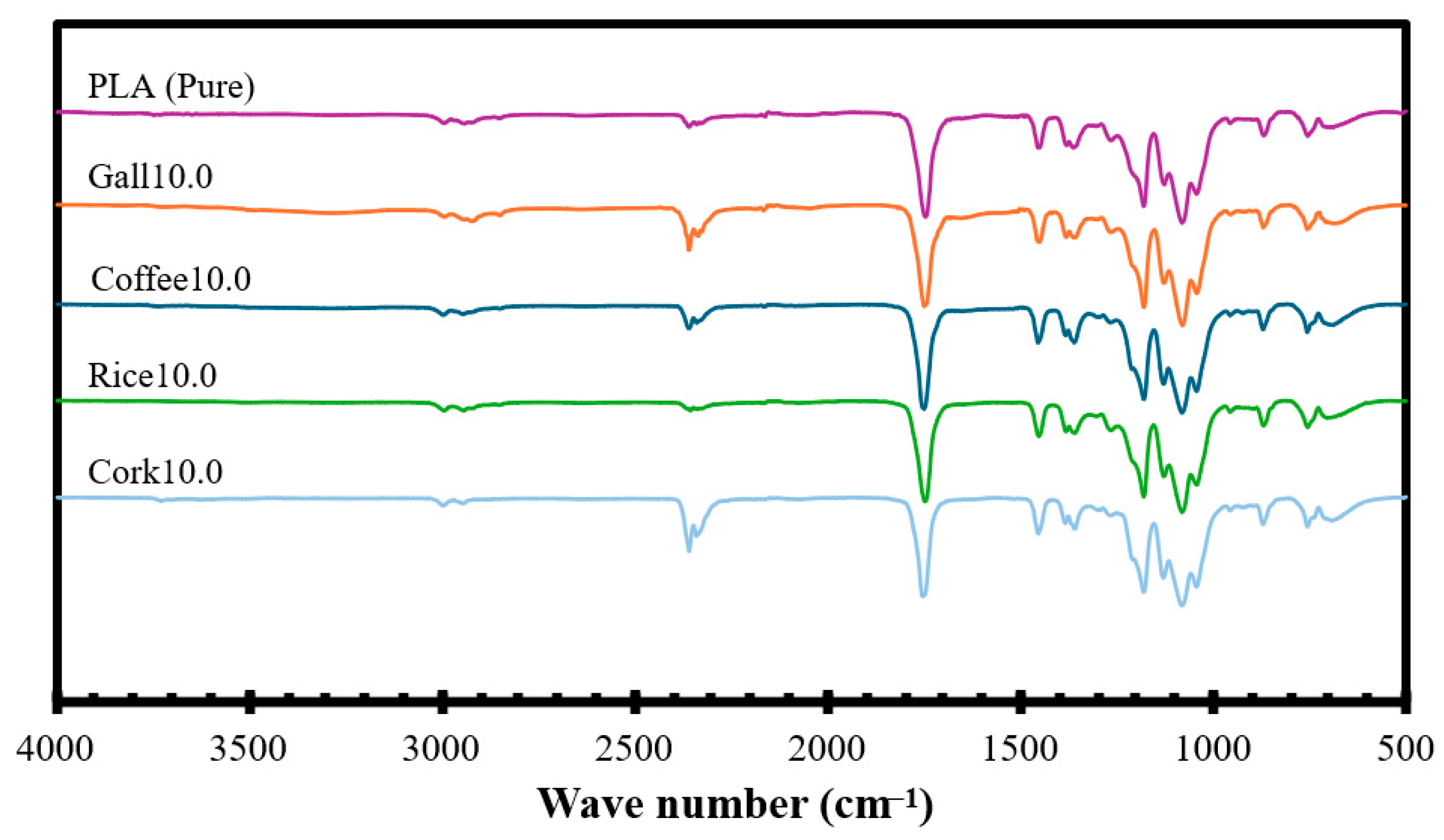
Any property of a polymer composite depends on the characteristics of the filler and the matrix, in particular the size and shape of the filler, the amount incorporated, and the interfacial adhesion between the materials used, among others. Accordingly, FTIR spectra of the filaments were obtained and are shown in
Figure 6.
The spectra reveal a similar profile among the different filaments. As mentioned previously, the peak at 1760 cm−1 is attributed to the stretching of C=O bonds, characteristic of ester groups in PLA. Peaks between 1480 and 1340 cm−1 correspond to C–H bonds, associated with angular deformations of methyl groups. In the range of 1180–1050 cm−1, peaks corresponding to C–O stretching vibrations of C–C(O)–O groups are observed, typical of ester repeat units in the PLA chain. Finally, peaks between 870 and 750 cm−1 are attributed to aliphatic C–H vibrations. The absence of new peaks suggests that no significant chemical reactions occurred between the PLA polymer network and the functional groups of the biomasses, indicating a predominantly physical interaction. Although the differences observed in the FTIR spectra are not significant, it should be noted that the degree of crystallinity of a material may affect both the intensity and shape of absorption bands. In more crystalline regions, molecular chains are more regularly packed, producing sharper and narrower bands due to uniform molecular environments, whereas amorphous regions generate broader bands. Crystallinity can also influence band intensity, as the number and orientation of absorbing groups differ between ordered and disordered regions, and may cause small shifts in peak positions due to changes in intermolecular interactions.
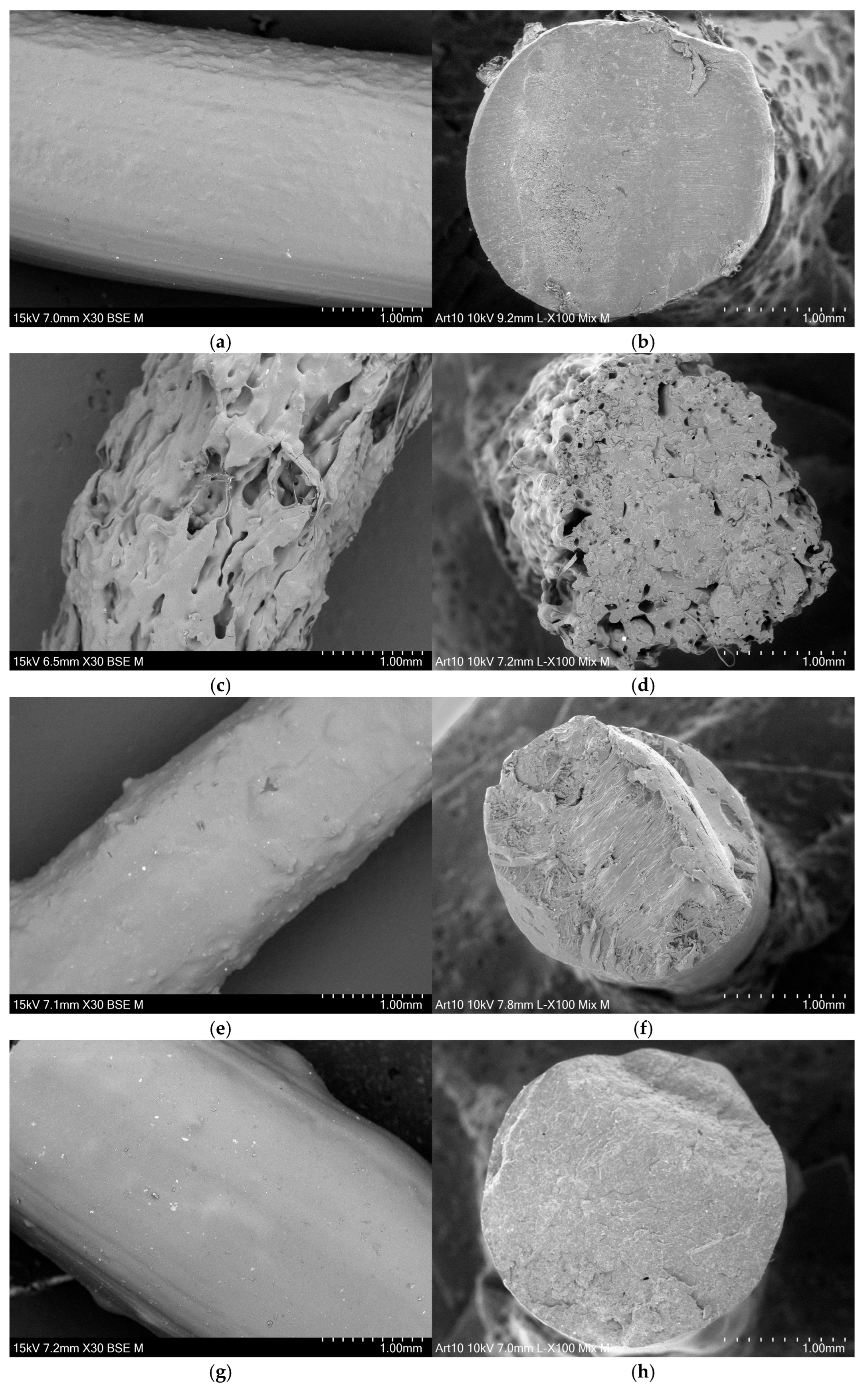
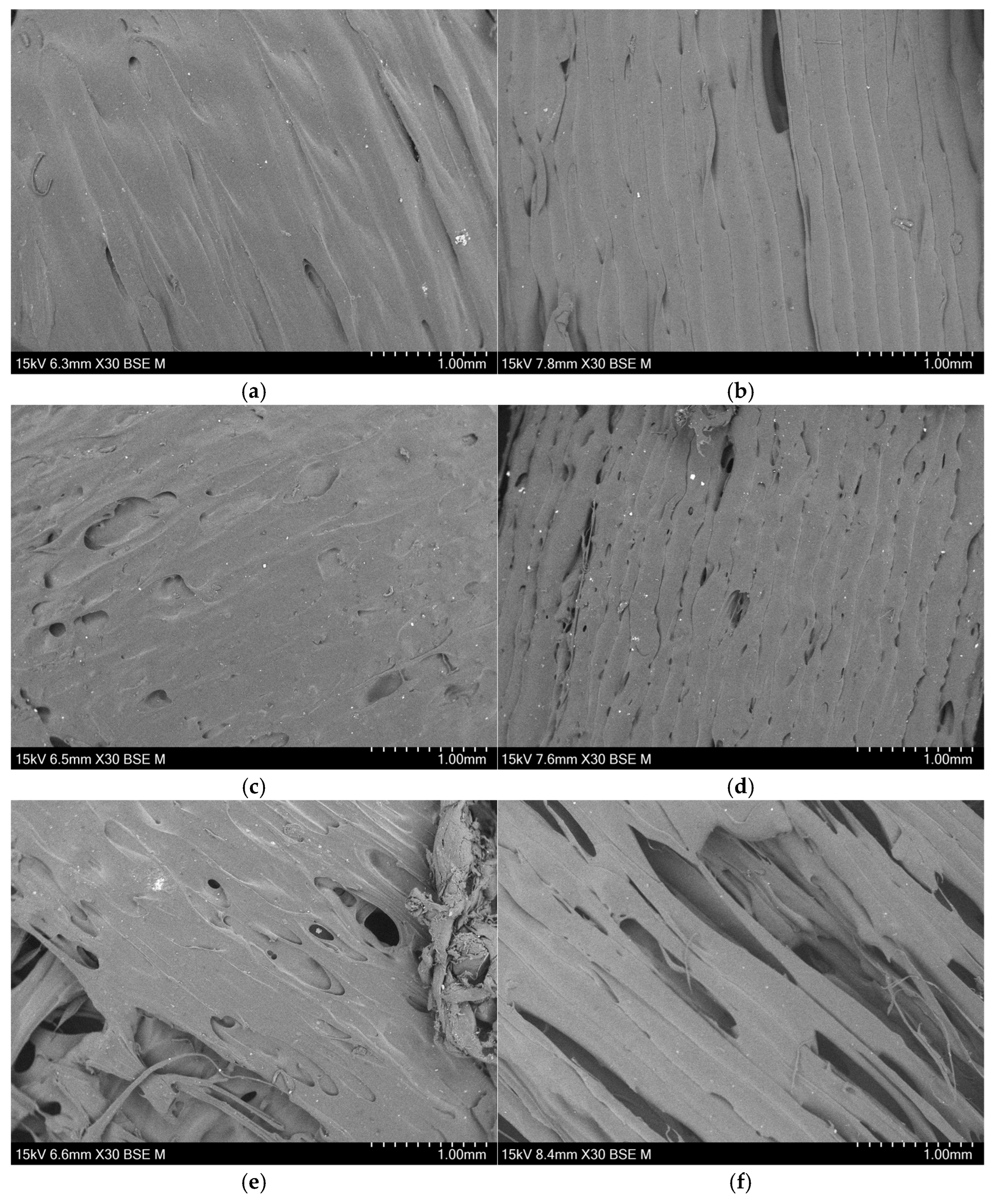
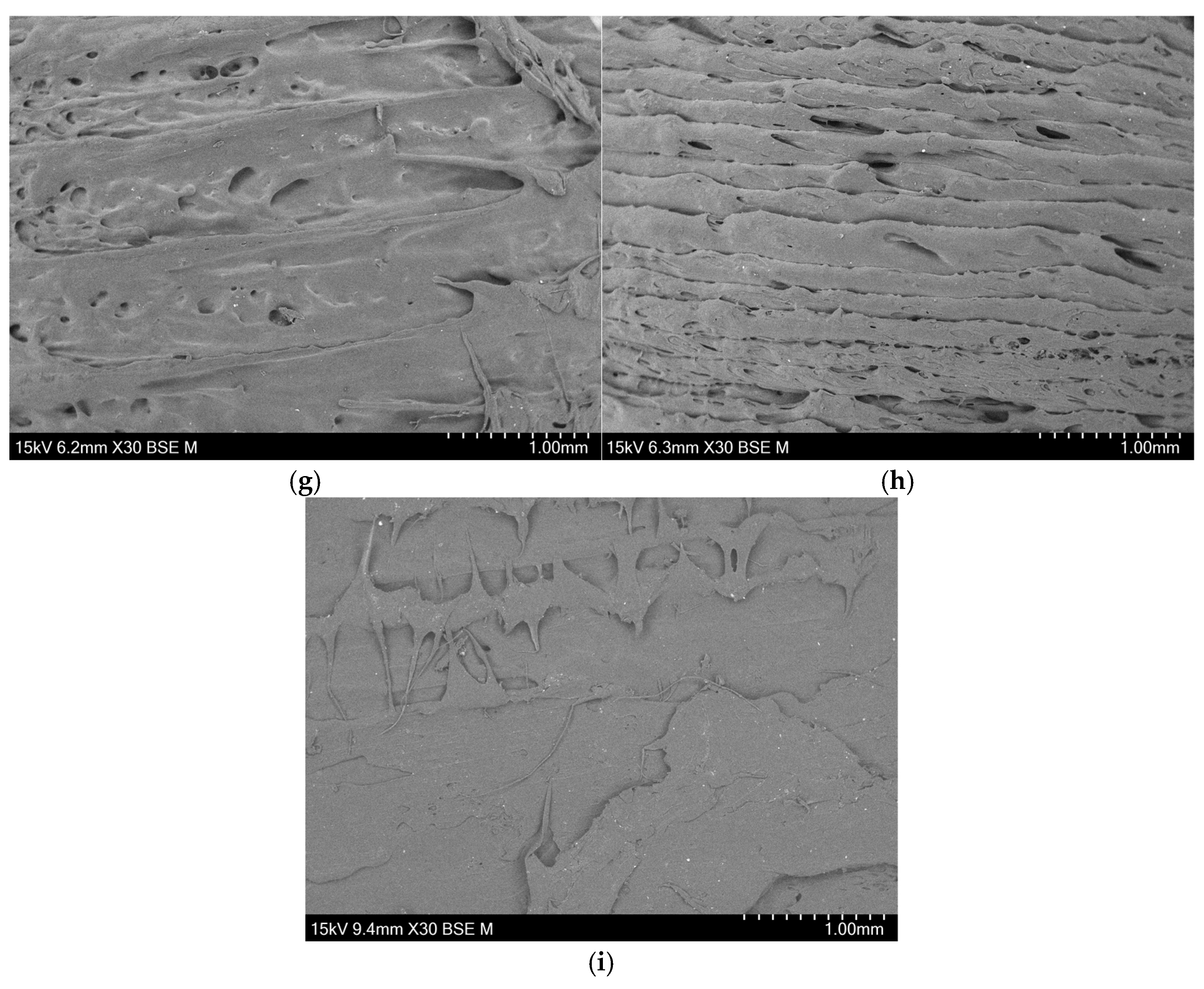
Raw materials that are incompatible may lead to phase separation, which compromises the properties of the blend. Therefore, SEM analysis is a crucial technique for assessing the morphological quality of the filaments [
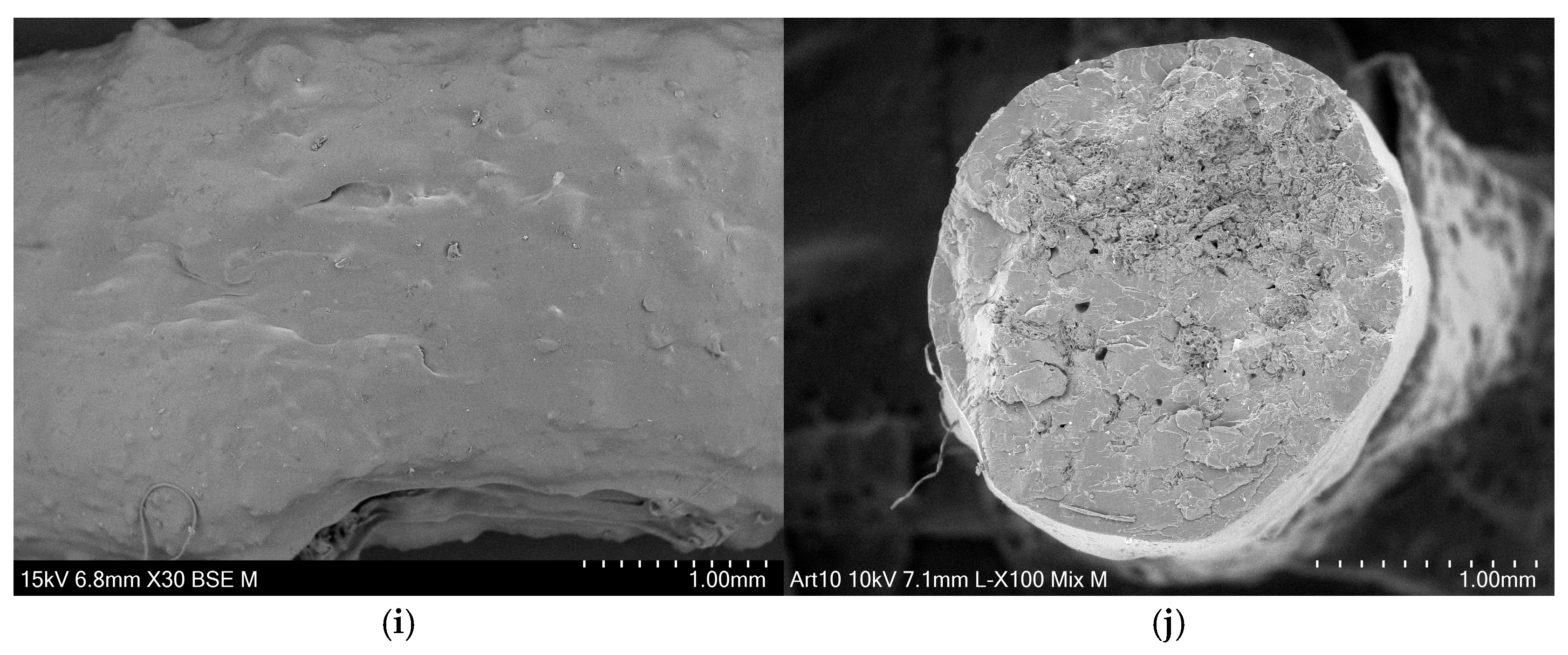
21]. The images obtained from the surfaces and cross-sections of the filaments are shown in
Figure 7.
The images show how the addition of biomass modifies the surface morphology of the filaments, with a more pronounced heterogeneity being noticeable when using 10.0% (w.w
−1) oak gall content. The wide particle size distribution of the biomass, the presence of voids in its morphology, and the low affinity between the biomass and PLA may result in non-uniform filaments. Similarly, when analyzing the coffee ground filament, some surface roughness can be observed, suggesting insufficient impregnation of the biomass into the PLA. This may be related to the short residence time of the mixture in the extruder [
18]. In the case of rice husk, the resulting filament presents a homogeneous and smooth surface, which can be explained by the smaller particle size of the biomass, as mentioned previously. Finally, cork at 10.0% (w.w
−1), compared with coffee grounds at the same loading, exhibits slightly more pronounced surface features, which may result from its hydrophobicity and, consequently, lower compatibility with the polymer matrix. The cross-section of each filament exhibits a morphology consistent with its corresponding surface.
The analysis of water CA in
Table 4 reveals notable differences between neat PLA and the biocomposites. Neat PLA exhibits a CA of 75.7 ± 4.1°, indicating a moderately hydrophilic surface due to the polar ester groups in the polymer matrix. As will be discussed, this aligns with PLA’s characteristic mechanical behaviour: good tensile strength and relatively high modulus, but a brittle nature. Incorporating 10% rice husk increases the CA to 102.3 ± 0.7°, reflecting a hydrophobic surface. This suggests that the rice husk, likely possessing few polar surface groups, reduces water affinity, which implies weaker fibre–matrix interactions and potentially lower cohesion. While it may negatively affect mechanical properties, it could slightly enhance stiffness due to the rigid reinforcement effect, as discussed later. For 10% oak, the CA rises only slightly to 83.4 ± 3.2°, indicating better compatibility between the wood and PLA. This may lead to more balanced mechanical properties, improving the modulus without significantly compromising tensile strength or fracture resistance. The composites with 10% coffee and cork show contact angles of 96.6 ± 1.5° and 90.7 ± 0.9°, respectively, resulting in moderately hydrophobic surfaces. These values suggest intermediate interactions at the PLA interface, which may slightly enhance modulus and tensile strength, but could reduce elongation at break if dispersion or adhesion is suboptimal. Overall, higher CA correspond to more hydrophobic surfaces and a greater likelihood of interfacial micro-defects, which can influence key mechanical properties.
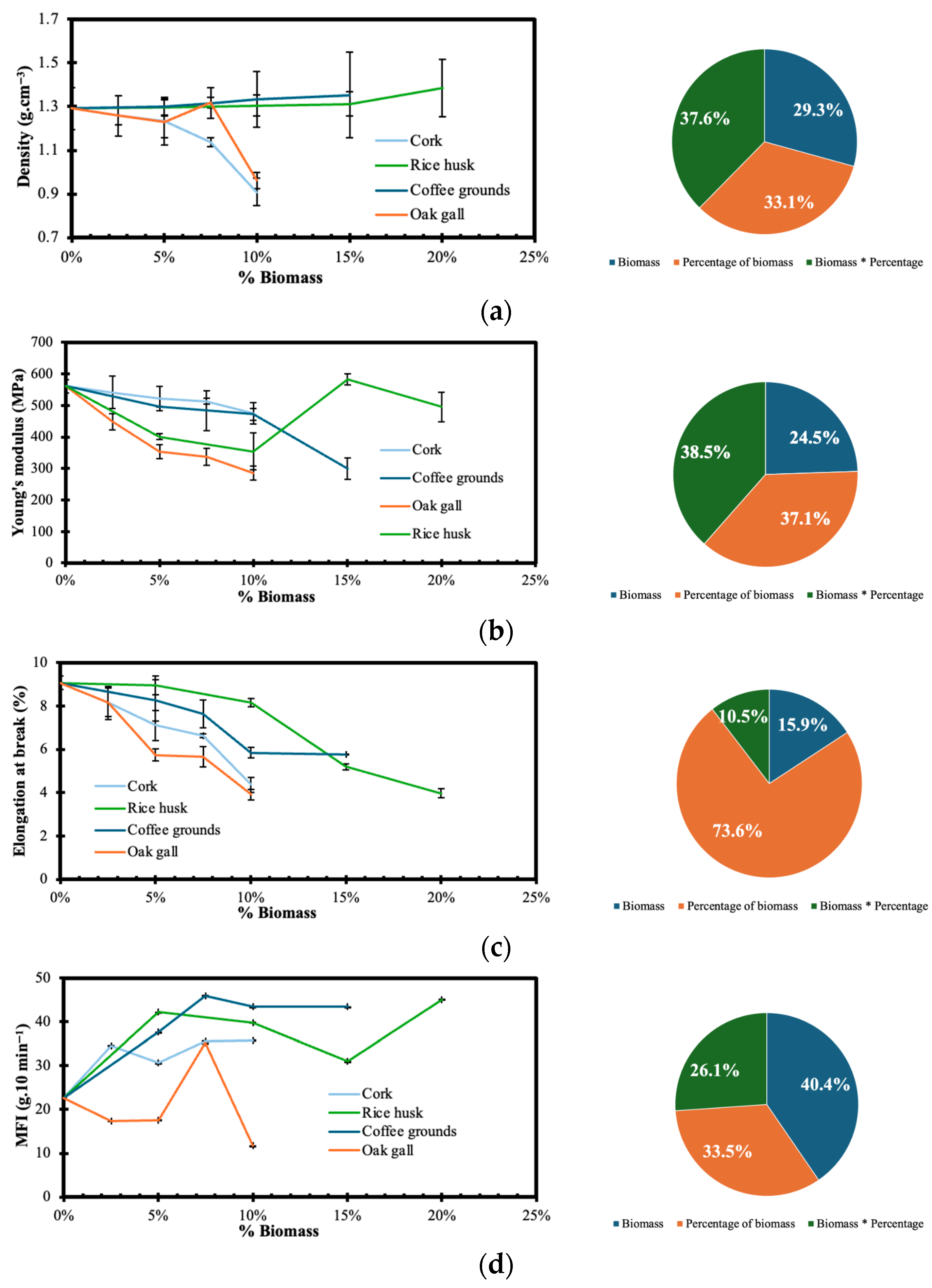
Next, the density, mechanical properties, and MFI of filaments were determined, with the results presented in
Figure 8.
Filament density decreased with increasing filler content in composites containing oak gall and cork. This reduction may be attributed to the low density of these biomasses (particularly cork) and to the presence of voids in the filaments (porosity), as observed in the SEM images. In contrast, rice husk and coffee grounds showed a slight increase in density with higher incorporation levels. The density of the filaments is consistent with the measured density of the biomasses, as higher biomass density (notably in the case of rice husk) results in higher filament density. Nonetheless, despite the lower density of coffee grounds, their filaments exhibited the highest density, possibly due to better compaction (absence of porosity) [
22].
The mechanical properties of composites are of great importance, as they determine the potential applications and depend on several factors, such as individual biomass mechanical properties, which can also provide insights into interfacial adhesion between materials. The mechanical tests showed that both Young’s modulus and elongation at break decreased with increasing biomass incorporation across all samples. This effect may be explained by the biomasses’ spherical morphologies and hydrophobic characteristics, which impair compatibility with the polymer matrix, leading to weaker mechanical performance. Furthermore, the fact that oak gall exhibited the poorest mechanical performance is consistent with the SEM observations, as voids are known initiation sites for material failure under stress [
18]. Conversely, rice husk showed the highest elongation at break values, and therefore better mechanical resistance, which may result from its homogeneous, smaller particle size distribution and high density (potential absence of internal porosity). The observed variability in the results may arise from air bubbles caused by residual moisture during filament production, or poor interfacial compatibility between the biomass and polymer matrix. A previous study incorporating different lignocellulosic materials contents into PLA reported a non-linear tendency in Young’s modulus with increasing lignin incorporation, explained by limitations in filler aggregation and dispersion [
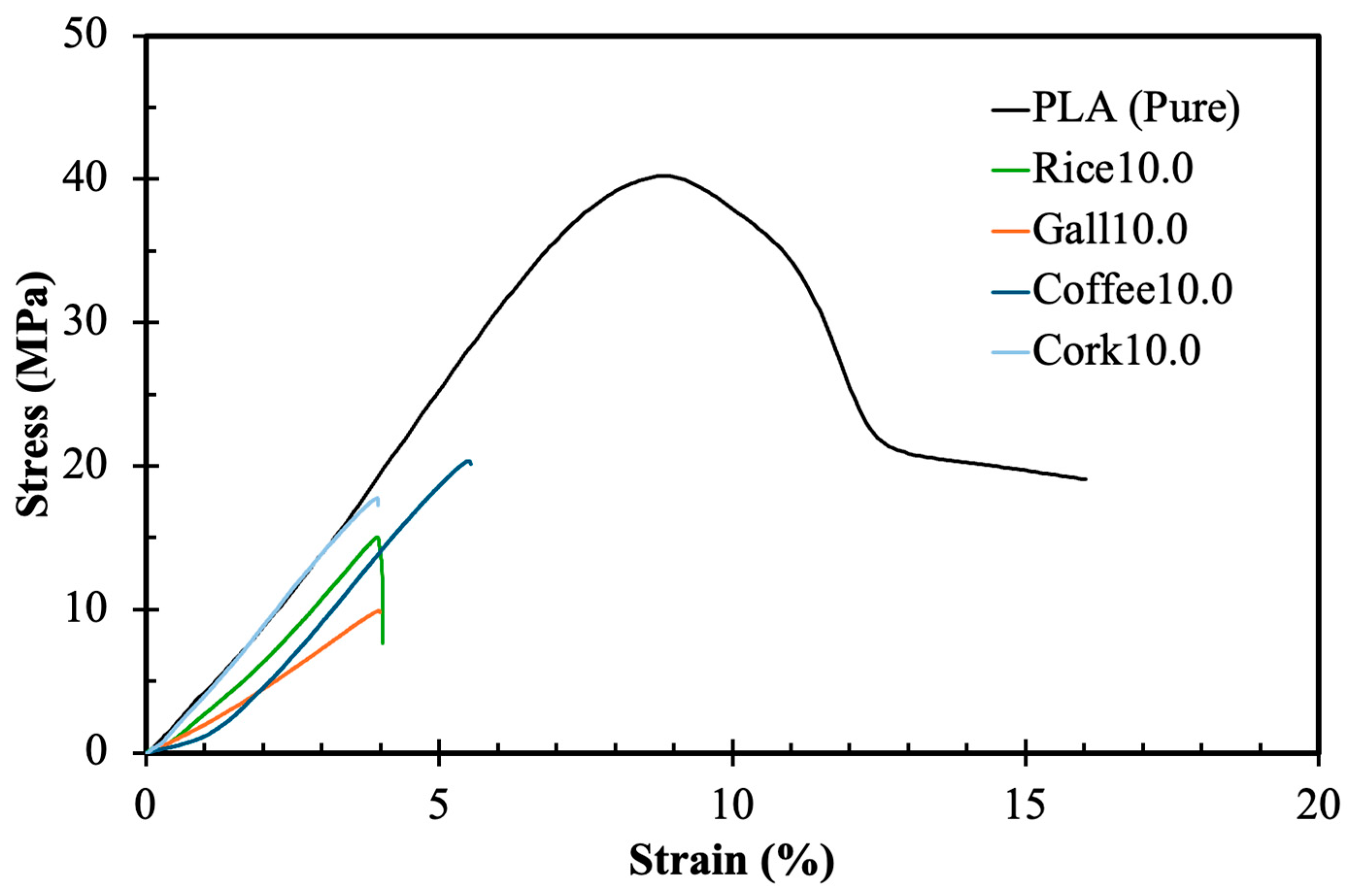
6]. These observations are supported by
Figure 9, which plots the representative stress–strain curves for PLA, Rice100.0, Gall10.0, Coffee10.0, and Cork10.0.
Pure PLA exhibits the highest Young’s modulus (≈561 MPa) and the greatest elongation at break (≈9.1%), reflecting its relatively rigid yet ductile behaviour. The addition of 10% biomass generally reduces Young’s modulus, with the most pronounced decreases observed for oak gall (≈286 MPa) and rice husk (≈354 MPa), while cork and coffee grounds maintain similar modulus values (≈475 MPa). This trend can be related to CA measurements: more hydrophobic or poorly wetting biomasses, such as rice husk and coffee, reduce interfacial compatibility with PLA, leading to weaker stress transfer and mechanical performance. SEM observations further support these findings: oak gall exhibited voids, which act as stress concentrators and explain its poor mechanical performance. In contrast, rice husk retains a relatively high elongation at break (≈8.1%), close to that of pure PLA, likely due to its homogeneous particle size distribution, high density, and minimal internal porosity. Cork and gall show the lowest elongations, while coffee grounds display intermediate behaviour, balancing stiffness and ductility. Previous studies incorporating lignocellulosic materials into PLA reported the non-linear behaviour of Young’s modulus with increasing lignin content, explained by limitations in filler dispersion and aggregation [
6]. These trends are illustrated in
Figure 9, which presents representative stress–strain curves for PLA, Rice10.0, Gall10.0, Coffee10.0, and Cork10.0. Overall, biomass incorporation tends to reduce the material’s ductility, with rice husk preserving it most effectively.
With respect to rheological properties, these are particularly important because they affect polymer processability. In addition, they can influence the adhesion between the layers of 3D-printed parts and, consequently, their overall properties. The MFI results showed inconsistencies, with no clear linear trend. Based on the literature, a decrease in MFI with increasing biomass incorporation would be expected, since the addition of filler restricts chain mobility within the polymer matrix, thereby increasing the apparent viscosity [
18]. On the contrary, most of the values are higher than those of the neat PLA, which can be attributed to weaker interactions between PLA and the biomass particles. These weaker interactions impose fewer restrictions on polymer chain mobility, increasing the flowability of the composites [
7]. It was found that the coffee ground composite exhibited higher MFI values and, therefore, better processability, which may be related to the release of oils from biomasses which may have acted as plasticizers. A similar MFI variability was observed in a study of PLA composites reinforced with pine wood powder [
23]. Nonetheless, the use of rotational rheometrics to investigate viscosity, shear-thinning behaviour, and filler–matrix interactions could be valuable in future work.
The ANOVA results indicate that both the biomass type and its percentage significantly influenced the density, Young’s modulus, the elongation at break, and the MFI of the filaments. For density and Young’s modulus, all factors showed a comparable influence, with the interaction between biomass type and percentage accounting for the largest share of variability (37.6% and 38.5%, respectively). Similarly, biomass type, biomass percentage, and their interaction contributed in a comparable manner to the variability in MFI, although biomass type was the dominant factor (40.4%). Overall, these properties were governed to a similar extent by the considered factors. The exception was elongation at break, which was predominantly affected by the biomass percentage, explaining 85.1% of the total variance.
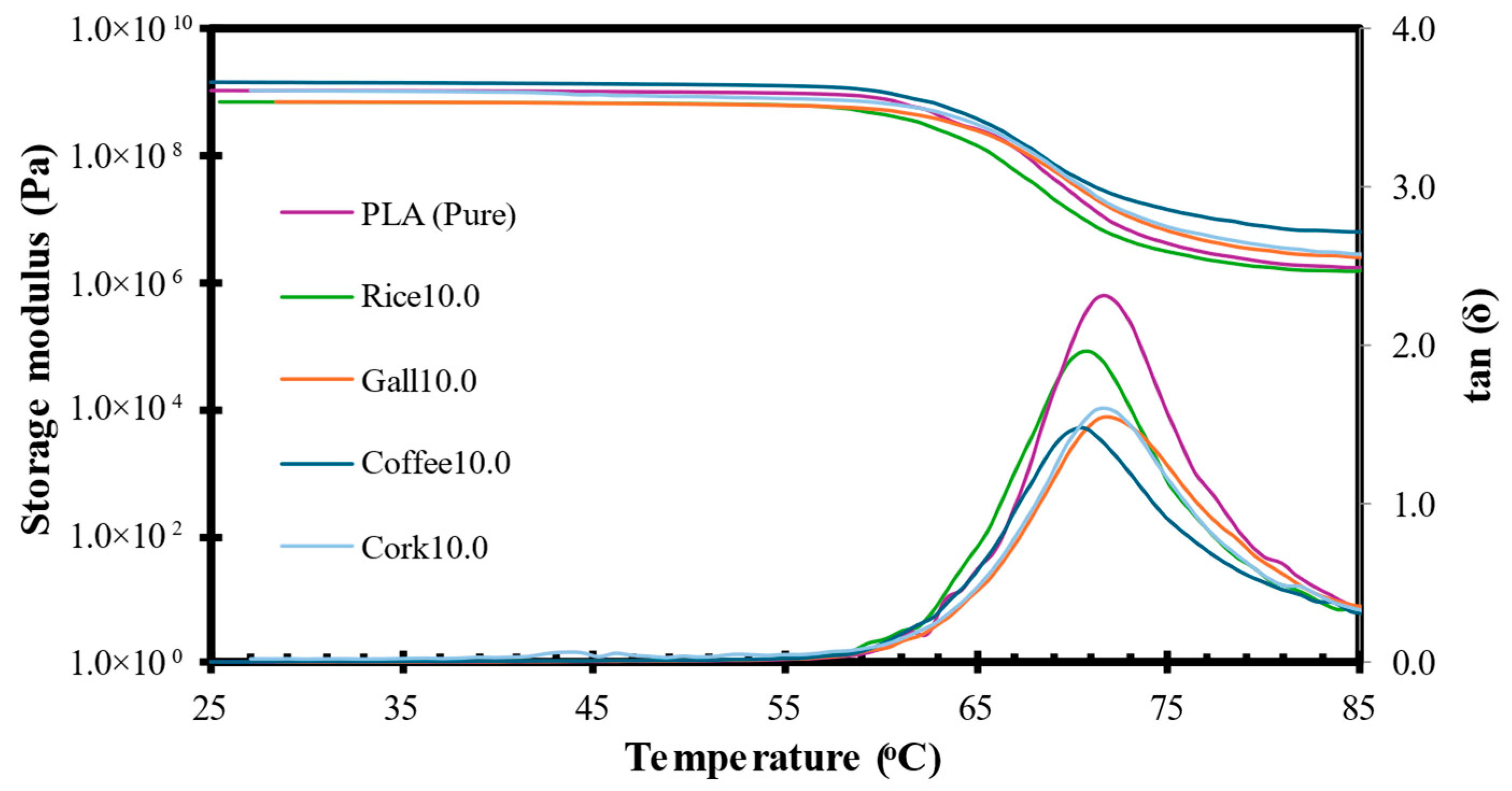
To further investigate the viscoelastic properties of the filaments, DMAs were carried out, and the results are presented in
Figure 10 and
Table 5.
The mechanical performance of PLA-based composites reinforced with biomass fillers was assessed using both static and dynamic methods. Young’s modulus, obtained from tensile tests (
Figure 8b), generally decreases with increasing filler content, indicating a softening effect of biomasses on the PLA matrix. Complementarily, DMA provides the E′ as a function of temperature (
Figure 10), reflecting the material’s ability to store elastic energy under oscillatory loading. The trends observed in E′ align with the static tensile measurements, since composites containing rice husk exhibit higher E′ values throughout the glassy region, whereas cork- and coffee-ground-reinforced composites display lower E′ values. Additionally, both analyses confirm that the stiffness of PLA is strongly influenced by both the type and content of biomass, with DMA offering complementary insight into temperature-dependent viscoelastic behaviour. Furthermore, from
Figure 10 and
Table 5, it is clear that at low temperatures (25 °C) all materials behave as rigid solids, as indicated by their relatively high E′. Among the composites, the filament with 10.0% (w.w
−1) oak gall shows the lowest E′, suggesting comparatively less rigidity, consistent with tensile test results where this formulation also exhibited lower Young’s modulus. In contrast, filaments containing 10.0% (w.w
−1) cork and coffee grounds demonstrate the highest storage modulus values, indicating increased stiffness, which agrees with the corresponding tensile measurements.
As temperature rises above approximately 70 °C, E′ drops sharply, corresponding to the
Tg region of PLA, determined by the peak in tan δ. The presence of fillers appears to moderately influence both the magnitude of E′ and the onset of its decrease, suggesting a slight reinforcement effect and some restriction of polymer chain mobility.
Table 5 also shows that biomass incorporation slightly lowers Tg, which remains near 70 °C, the temperature associated with relaxation of the amorphous PLA domains [
24]. This minor reduction may result from interactions between filler and matrix, potentially affecting free volume or inducing a mild plasticizing effect, particularly for coffee-containing filaments [
17]. Among the composites, Rice10.0 displays the most pronounced tan δ peak, whereas the lowest Tg is observed for the 10.0% coffee grounds filament. At first, this may appear contradictory, given the higher stiffness indicated by its storage modulus, but it highlights the complex influence of filler type on PLA’s damping behaviour. These results highlight that although DMA is valuable for assessing viscoelastic behaviour, the storage modulus has inherent limitations, since stiffness and molecular mobility are not always directly correlated and are influenced by both the type of filler and matrix–filler interactions.
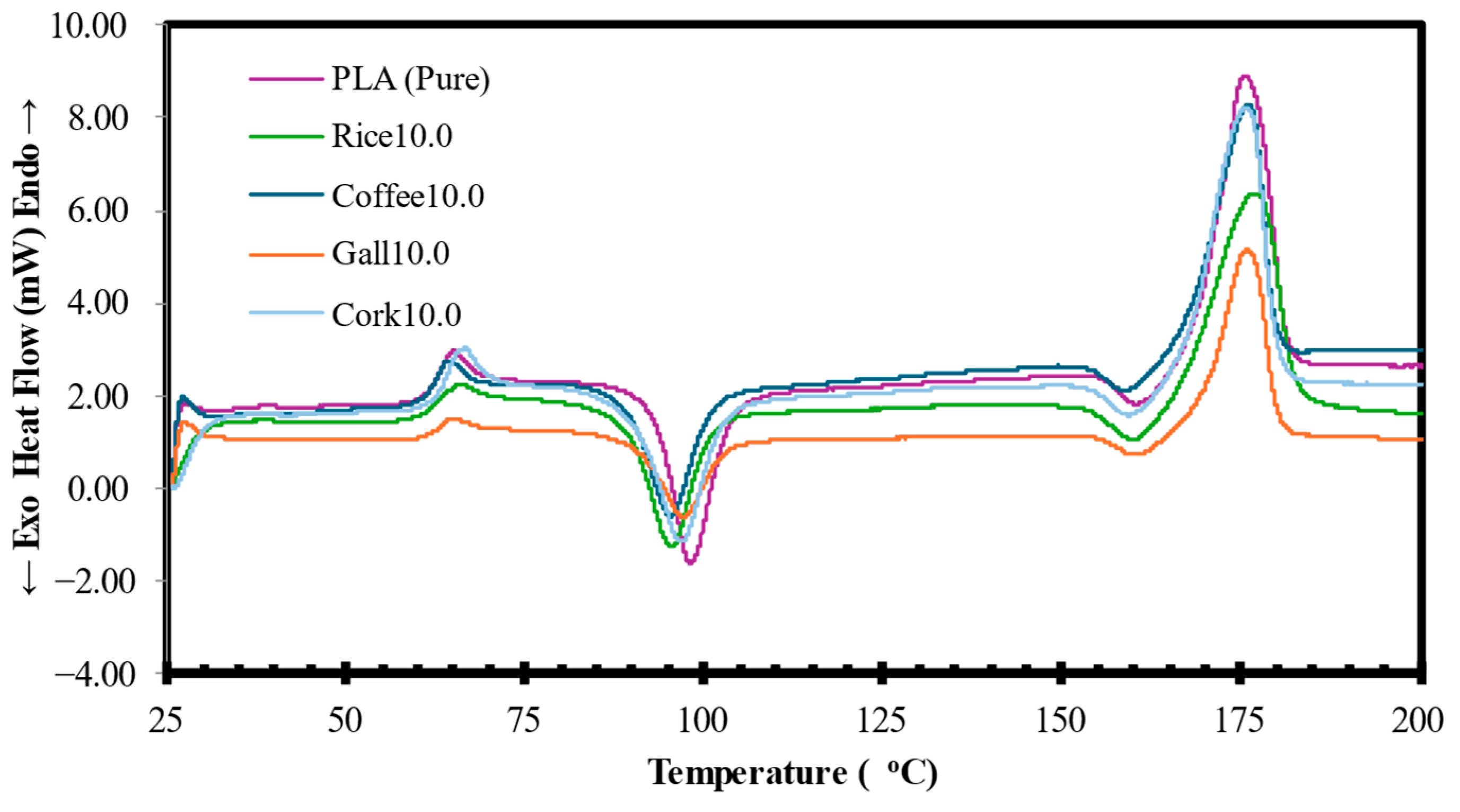
From the DSC thermogram,
Tg values were observed around 60 °C, lower than the 70 °C values obtained by DMA. Although the discrepancies are not substantial, this analysis shows an increasing trend in the
Tg of the biomass composites compared with neat PLA, in contrast to what was observed by DMA. This difference can be explained by the distinct nature of the characterization techniques: while DMA is a dynamic test, DSC is a static analysis. Another relevant thermal metrics are (i) the crystallization temperature (
Tcris), observed between 95 °C and 99 °C, which is related to the crystallization of the material, and the (ii) melting temperature (
Tf), observed around 175 °C. All filaments exhibit similar values of
Tg,
Tcris, and
Tf, indicating that the addition of biomasses does not significantly affect these temperatures [
24].
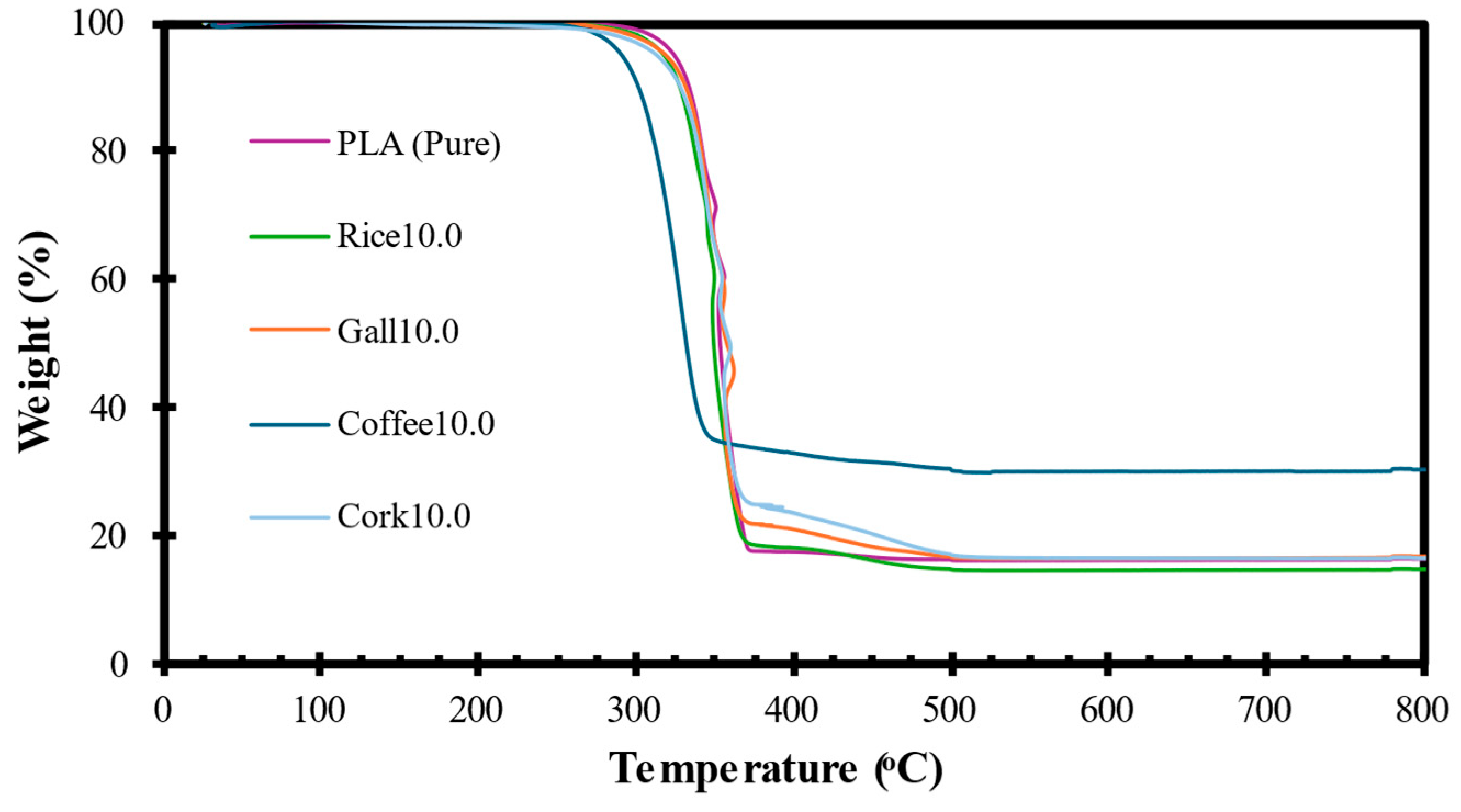
Regarding thermal stability, the properties of the samples were investigated using TGA, with the results presented in
Figure 12 and
Table 7.
The different samples revealed similar degradation profiles, suggesting that the presence of biomass does not significantly affect the thermal stability of the filaments. The results in
Figure 12 show a main stage of significant mass loss between 320 °C and 360 °C, which coincides with the maximum thermal decomposition temperature of the PLA chain, associated with ester bond cleavage and polymer backbone scission [
24]. This mass loss also falls within the degradation temperature range of the biomass components, particularly cellulose and hemicellulose [
24]. In addition, the 10% mass loss temperature was reached at 332.97 °C for PLA (pure), a value very close to that of the other filaments, confirming that biomass incorporation does not significantly affect the thermal stability of the composites. However, coffee ground filaments degraded at a slightly lower temperature of 300.81 °C. From the results presented in
Figure 12, it can be concluded that the filaments are thermally stable up to at least 320 °C, meaning that the composites can be processed at high temperatures.




 ,
,