Article

Development of Biomass-Reinforced PLA Composites for 3D Printing

1
CICECO, Aveiro: Institute of Materials, University of Aveiro, 3810-193 Aveiro, Portugal
2
Amplitude Acoustics, Acústica e Vibração, Lda., 4470-038 Maia, Portugal
3
Lightenjin II, Indústria de Iluminação, Lda., 3750-041 Águeda, Portugal
*
Author to whom correspondence should be addressed.
J. Compos. Sci. 2026, 10(3), 136; https://doi.org/10.3390/jcs10030136
Submission received: 2 February 2026 / Revised: 24 February 2026 / Accepted: 26 February 2026 / Published: 5 March 2026
(This article belongs to the Special Issue Feature Papers in Journal of Composites Science in 2026)

Abstract

In this study, poly(lactic acid) (PLA) composites reinforced with lignocellulosic materials were developed to reduce the environmental impact of plastics. PLA–biomass composites, incorporating cork, rice husk, coffee grounds, or oak gall at loadings of 2.5% to 20.0% (w.w−1), were produced via melt extrusion and subsequently used in 3D printing. The results showed that the incorporation of biomass reduced the mechanical performance of the composites despite being adequate for 3D printing. Rice husk and coffee grounds increased filament density, whereas cork and oak gall decreased it. Thermal properties were largely preserved, with glass transition temperatures (Tg) near 70 °C and decomposition temperatures well above the printing temperature, indicating that thermal resistance was not compromised. SEM analysis of the printed objects revealed good layer definition for neat PLA and rice husk composites, highlighting rice husk as the most promising biomass filler in terms of print quality. Hence, the results demonstrated that incorporating rice husk into PLA offers a viable route for more sustainable composites suitable for additive manufacturing.

1. Introduction

Plastics are lightweight, inexpensive, and highly durable materials [1]. Consequently, they have contributed to nearly all aspects of modern life, whether in healthcare, agriculture, or construction [1]. This versatility has led to a substantial increase in their use, resulting in a global plastic production of more than 400 million tons [2]. However, due to their low biodegradability, plastics can be found throughout the environment, from the deepest parts of the ocean to the highest mountain peaks [1]. These concerns have intensified the demand for more sustainable materials and circular solutions.
Among the available alternatives, PLA stands out as a polymer that is biocompostable under favourable conditions, and derived from renewable sources, with various applications, ranging from biomedical devices to packaging and textile fibres [3]. Since it is not petroleum-based, PLA holds a key position in the biopolymer market, being one of the most promising candidates for future developments [3].
To further expand their applicability, polymers are often combined with fillers to modify their physical, rheological or optical properties and, in some cases, reduce the amount of polymer required in the final formulation [3]. In this context, despite not being new, the use of bio-based fillers is particularly attractive and relevant, as it enables the valorization of renewable materials and industrial residues while enhancing the sustainability profile of plastics [3]. Despite recent studies [4] demonstrating that certain fillers may induce degradation of PLA during extrusion, PLA can be successfully combined with a wide range of biomass-derived materials. For example, T. Kanthiya et al. [5] developed 3d printing filament from a PLA and cassava pulp composite with epoxy compatibilizer, and L. Aliotta et al. developed 3D-printed PLA/Hazelnut shell powder biocomposites. Furthermore, Makri et al. [6] reported that micro- and nano-lignin can be dispersed in PLA films, influencing thermal and mechanical behaviour while maintaining a coherent bio-based composite structure. Yoganandam et al. [7] further demonstrated the feasibility of reinforcing PLA with lignocellulosic particles, highlighting the versatility of natural fillers for sustainable composite formulations. Taken together, these studies illustrate a growing movement toward integrating agricultural and industrial residues into PLA to create more environmentally responsible materials, thereby supporting circularity and resource efficiency.
A particularly relevant application for PLA composites is fused deposition modelling (FDM), the most widely used additive manufacturing technique for thermoplastics [8]. The process consists of successively depositing material, layer by layer, according to a previously designed three-dimensional (3D) computational model [9]. Typically, this model originates from a CAD (computer-aided design) system, and the resulting design is then sent to a CAM (computer-aided manufacturing) system to proceed with printing [9]. Compared with other traditional manufacturing methods, 3D printing enables the rapid production of complex geometries without the need for prototypes, moulds, or other expensive tooling [10]. The incorporation of particulate fillers into PLA for FDM has therefore emerged as a promising approach to both expand the functional properties of printed objects and integrate sustainable raw materials into additive manufacturing workflows. However, the incorporation of biomass into polymers may compromise material properties, leading to filaments with inadequate characteristics for 3D printing and resulting in poor interlayer adhesion [11].
In this study, PLA-based composites incorporating cork, rice husk, coffee grounds, and oak gall were developed as sustainable materials for FDM 3D printing. Biomass contents ranging from 2.5 to 20 wt.% were compounded with PLA via melt extrusion, and the resulting filaments were evaluated in terms of morphology, mechanical, thermal, and rheological properties, and printability. By comparing biomasses with distinct structures and intrinsic properties, this work provides a comprehensive assessment of their suitability as renewable fillers for additive manufacturing. Among the fillers studied, rice husk exhibited the most promising performance in terms of print quality. Overall, the results demonstrate that the incorporation of rice husk into PLA constitutes a viable route towards more sustainable composites for additive manufacturing.

2. Materials and Methods

2.1. Materials

PLA (INZEA F38) was supplied by Bio4Plas, as well as industrial residues from cork, rice husks and coffee grounds, with a particle size of around 300 µm. Oak galls were collected from a local forest.

2.2. Production of Composites

Oak gall residues were milled in a Restch cross-beater mill SK1 using a 500 µm. Next, PLA was blended with different percentages of each biomass (between 2.5% and 20.0% (w.w−1)). The mixtures were extruded at approximately 5 rpm, with temperature profiles of 180, 190, 185 and 170 °C, using an extruder (3devo 350 Composer). Table 1 lists the proportion of materials used in each filament.
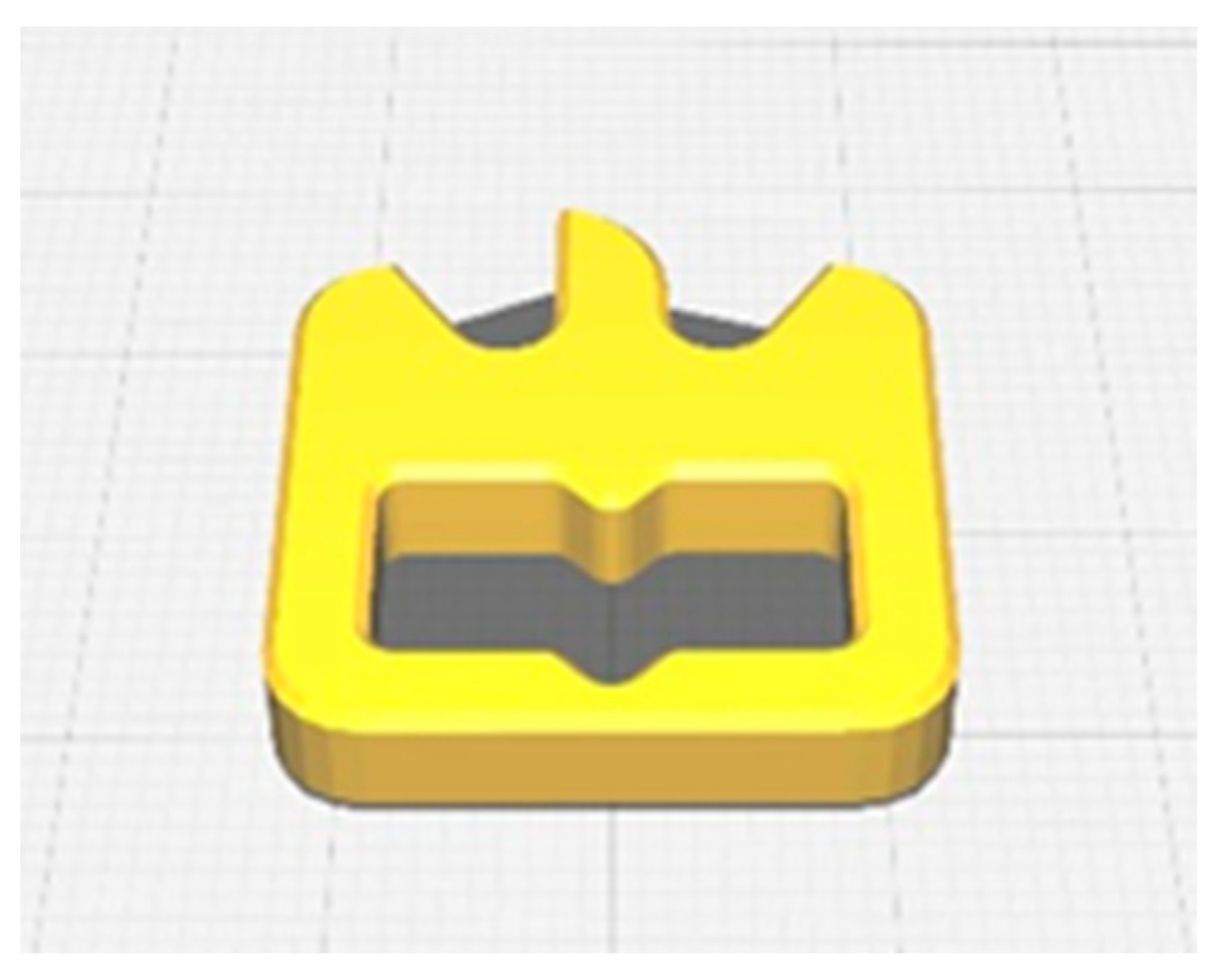
The resulting filaments were used to 3D-print objects in an Anycubic Chiron 3D printer. TopSolid Missler Software 7th was used to design the sketch of objects and Ultimaker Cura was used to prepare the 3D printing model. In Figure 1 the 3D sketch of the printed objects is presented, while in Table 2 the 3D printing parameters are listed.

2.3. Characterization

The Fourier transform infrared spectroscopy (FTIR) spectra were collected on a Perkin Elmer FTIR System Spectrum BX Spectrometer(PerkinElmer—Waltham, MA, USA) equipped with a single horizontal Golden Gate ATR cell. All data were recorded at 23 °C and 35% humidity in the 4000–500 cm−1 range by accumulating 32 scans with a resolution of 4 cm−1.
Biomass particle sizes were determined using a Laser Diffraction Particle Size Analyzer (Horiba LA-960) (HORIBA—Kyoto, Japan) equipped with dual-laser technology (red at 650 nm and blue at 405 nm) and applying the Fraunhofer optical model.
SEM analyses were performed with a TM4000Plus (Hitachi High-Tech—Tokyo, Japan) scanning electron microscope at an accelerating voltage of 15.0 kV.
The surface areas of composites were calculated using the Brunauer–Emmett–Teller (BET) method [12]. Measurements were performed on a Gemini V2.00 (Micromeritics Instrument Corporation—Norcross, GA, USA) under a N2 atmosphere after degassing at 120 °C for 12 h.
Static contact angle (CA) measurements were carried out using a Contact Angle System OCA 15EC goniometer (DataPhysics Instruments—Filderstadt, Germany) equipped with dpiMAX software using the sessile drop method.
The densities of the biomass samples were measured following the ASTM D4892–14 standard [13] using a helium pycnometer. The instrument determines the accessible volume by employing a calibrated chamber and known helium volumes. Thus, the measured volume corresponds to the portion of the sample that is not penetrated by the gas, i.e., the true sample volume. Density values were then obtained from the ratio between the pre-weighed sample mass and the calculated volume. Densities of filaments were calculated by the ratio between mass and volume. The material was weighed with an analytical balance (±0.01 g), while the diameter and length of each sample were measured using a PowerFix Profi+ (±0.01 mm) digital calliper(Powerfix—Neckarsulm, Germany).
Mechanical analyses were performed using a Hegewald & Peschke (Nossen, Germany) universal testing machine (Inspekt solo) equipped with a 2.5 kN load cell, following the DIN EN ISO 527 standard [14]. Tests were conducted at a speed of 10 mm.min−1 up to the breaking point to determine the ultimate tensile strength, the elongation at break, and Young’s modulus. At least five specimens were tested for each sample.
The melting flow index (MFI) was determined according to the ISO 1133-1:2011 standard [15] using a melt flow system from BeiJing United Test Co. (Beijing, China). The material was packed inside the barrel and heated up to 175 °C. After that, a piston (of 2.16 kg) was introduced into the barrel, causing the extrusion of the molten polymer. The samples of the melted polymer were weighed, with MFI expressed in grams of polymer per 10 min of test duration.
Dynamic mechanical analyses (DMAs) were carried out using a Perkin Elmer Pyris. Samples were analyzed in tension mode from 25 to 85 °C at a constant heating rate of 2 °C.min−1 and at a frequency of 1 Hz.
Differential scanning calorimetric (DSC) analyses were carried out using a Perkin Elmer Pyris at a heating rate of 10 °C.min−1 in a N2 atmosphere.
Thermogravimetric analysis (TGA) was conducted using a SETSYS Evolution 1750 thermogravimetric analyzer (Setaram, Lyon, France), from room temperature to 800 °C, at a heating rate of 10 °C.min−1 under a N2 flux of 200 mL.min−1.

2.4. Statistical Analysis

Statistical analysis (ANOVA) was performed using IBM SPSS Statistics 30.0.0.0.0 (172) with a p-value of 0.05 indicating significance, the type and percentage of biomass used as input variables, and density, Young’s modulus, elongation at break and MFI used as output variables.

3. Results

3.1. Characterization of Biomass

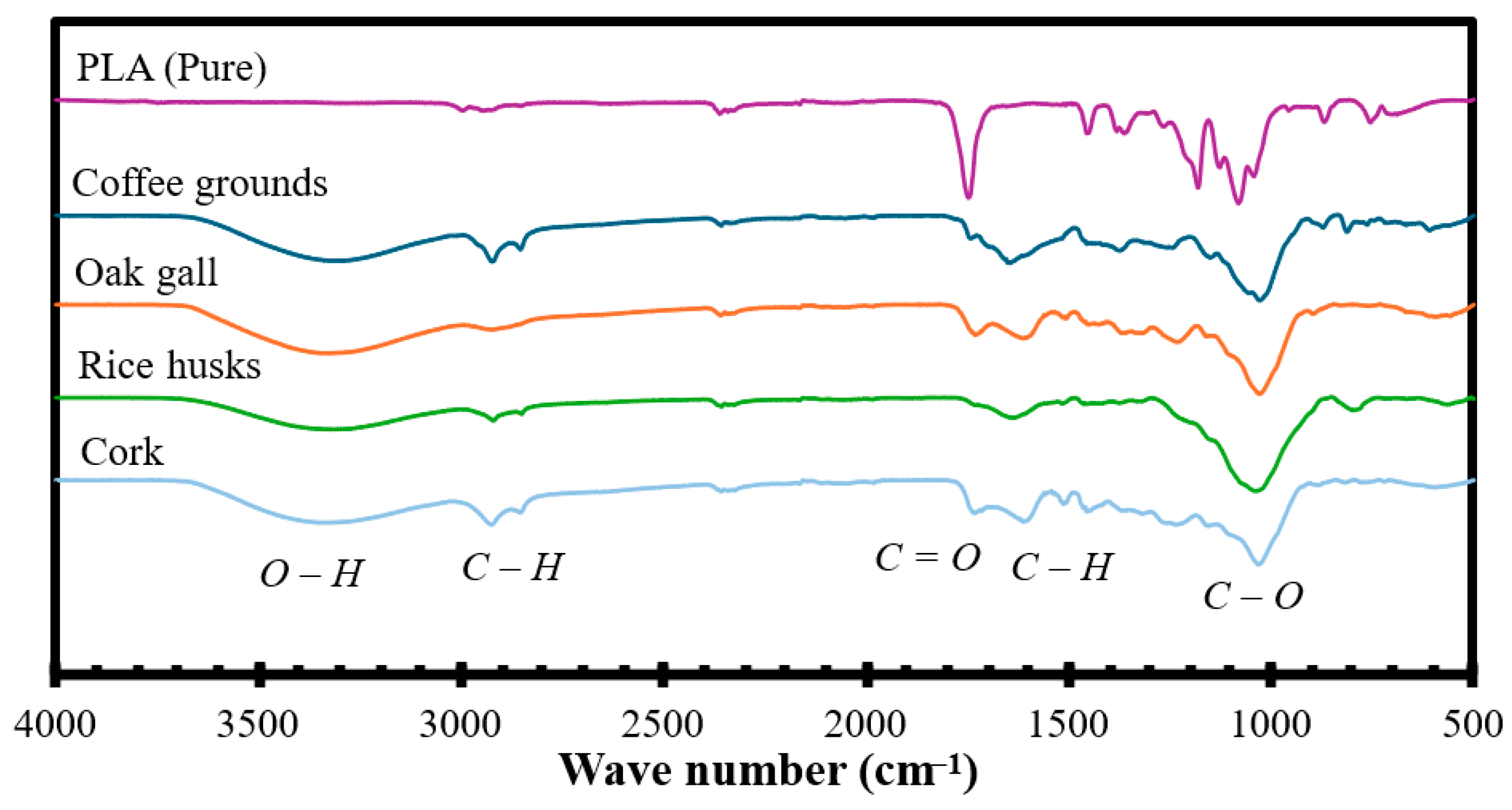
The evaluation of the processability of each raw material and the properties of the resulting materials started with their characterization. Accordingly, the chemical evaluation of the biomasses, as well as PLA, was carried out using FTIR, as shown in Figure 2.
As presented in Figure 2, the FTIR spectra of the biomass samples are very similar to each other, since they are mainly composed of lignocellulosic components. The band at 3700–3000 cm−1 is attributed to the stretching vibration of O–H groups, while the peaks between 2920 and 2850 cm−1 are associated with the stretching vibrations of aliphatic C–H bonds. The peaks at 1730 cm−1 correspond to the stretching vibrations of carbonyl ester groups (C=O), with the peaks at 1620 and 1512 cm−1 attributed to the stretching vibrations of C–H aromatic groups. The peaks at 1040 cm−1 are indicative of C–O stretching vibrations. Regarding the PLA spectrum, it is mainly characterized by a peak at 1740 cm−1 and another at 1100 cm−1, corresponding to the stretching vibrations of carbonyl ester groups and to C–O stretching vibrations, respectively [16].
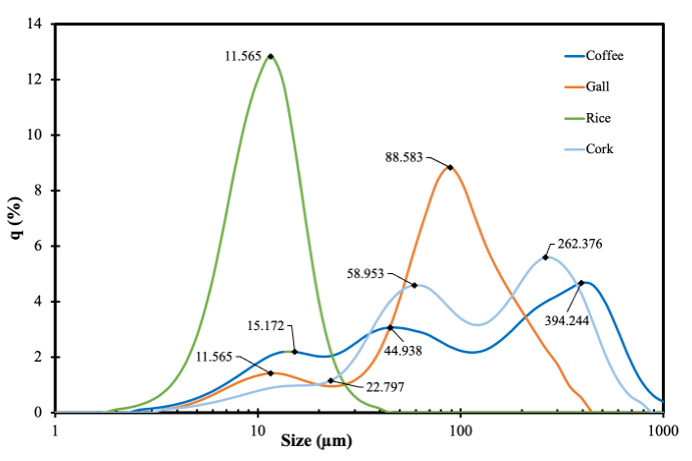
Next, the particle size distribution of each biomass was determined, with the results presented in Figure 3. It is worth noting that a small particle size distribution is desirable, since excessively large particles may obstruct the filament cross-section, compromising its mechanical strength. In extreme cases, oversized particles may even cause clogging of the extruder, yet very fine particles require high energy input for size reduction.
From the particle size distribution depicted in Figure 3, the most abundant particle size of rice husk is approximately 11 µm, while for oak gall it is 88 µm. In turn, cork and coffee grounds exhibit a similar distribution to each other, displaying multiple peaks.
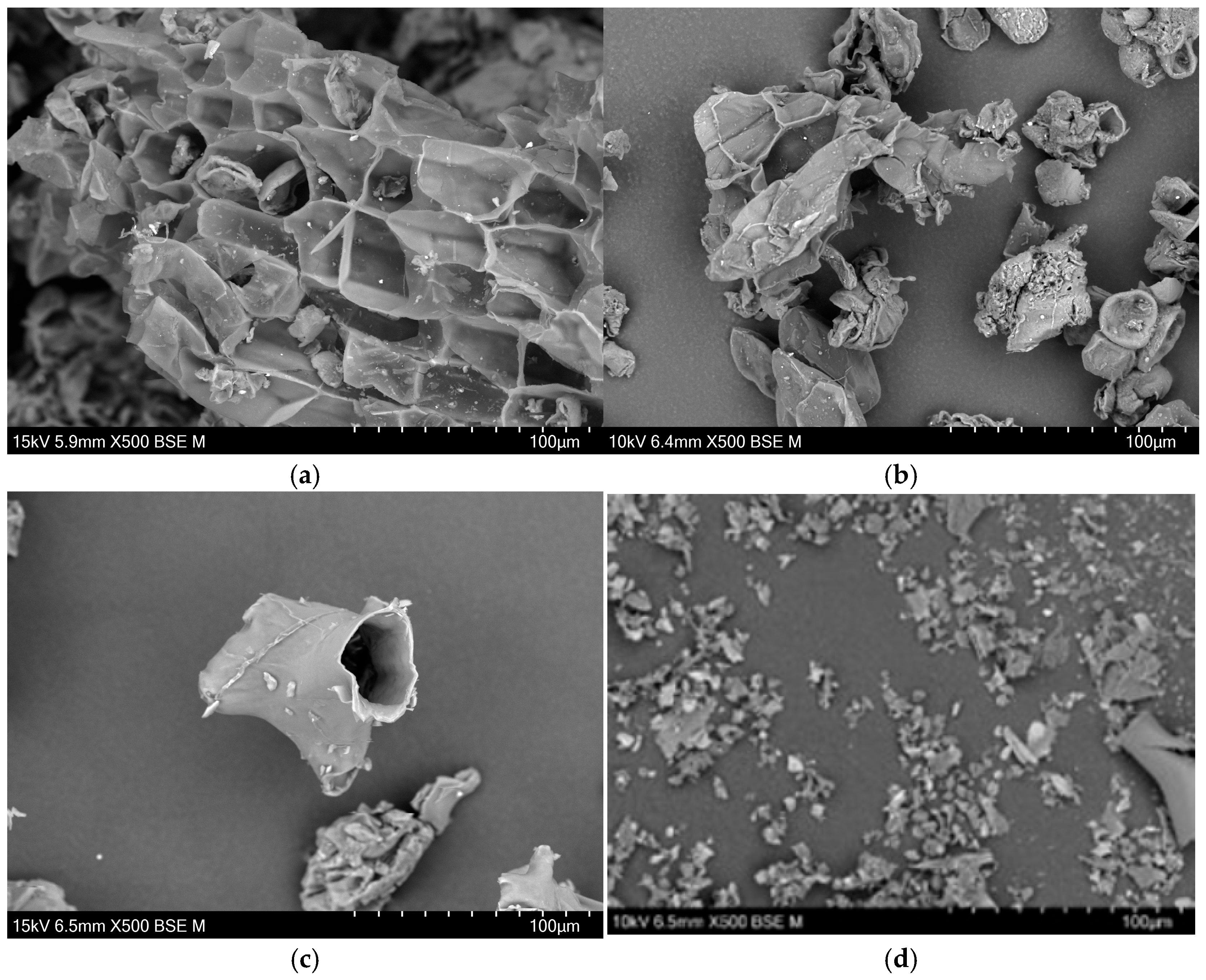
Afterwards, SEM analysis was used to examine the surface morphology of the biomasses, with the micrographs shown in Figure 4.
From the SEM images, it is evident that, except for rice husk, the particles of the remaining biomasses exhibit cellular structures, particularly cork, whose morphology resembles a honeycomb. This is generally responsible for the low density, low thermal conductivity, and favourable acoustic properties of these materials [17]. In addition, the small particle size of the rice husk is noteworthy, which corroborates the results obtained from the particle size distribution.
Next, the specific surface area and particle density were determined, and the results are presented in Table 3.
The values presented in Table 3 indicate that, although coffee grounds and cork have similar particle size distributions, the specific surface area of cork is higher, possibly due to its high porosity, as evidenced in the SEM images. Moreover, these two biomasses exhibit the lowest densities, which may also result from their high porosity. Rice husk is the biomass with the highest specific surface area and density, whereas oak gall, although highly porous, shows intermediate surface area and density. Cork typically has a density between 0.120 and 0.240 g.cm−3, significantly lower than the values shown in Table 3 [18]. This discrepancy may arise from milling, which can damage part of the cellular structure, reduce the number of cavities and consequently increase density. As will be discussed later, the low density of cork limited its incorporation to 10.0% (w.w−1), while the higher density of rice husk allowed loadings up to 20.0% (w.w−1). Its higher density means that the same mass occupies less volume, enabling greater incorporation.
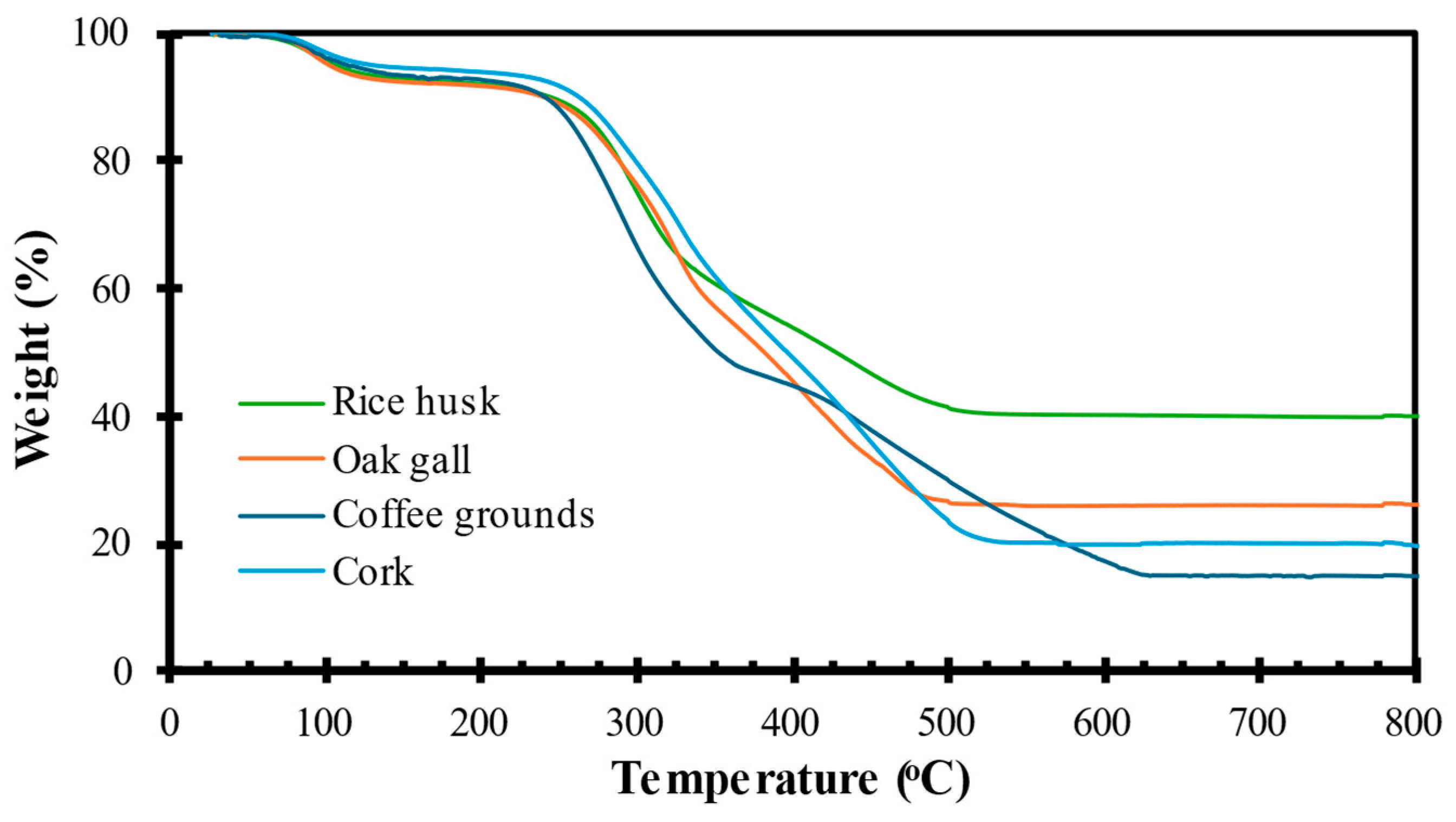
Finally, the thermal stability of the samples was analyzed under an inert N2 atmosphere using TGA, with the results presented in Figure 5.
Figure 5 shows that all four biomasses exhibit a similar mass loss profile. The initial mass loss at approximately 90 °C corresponds to water evaporation. Next, two more degradation steps—(i) at 200 °C, attributed to the thermal decomposition of hemicellulose and cellulose, and (ii) at 440 °C, attributed to the thermal decomposition of suberin and lignin—are observed [19,20]. Beyond 500 °C, the mass loss stabilizes. According to the results, these materials can be considered thermally stable and are therefore suitable for producing durable composites.

3.2. Characterization of Composites

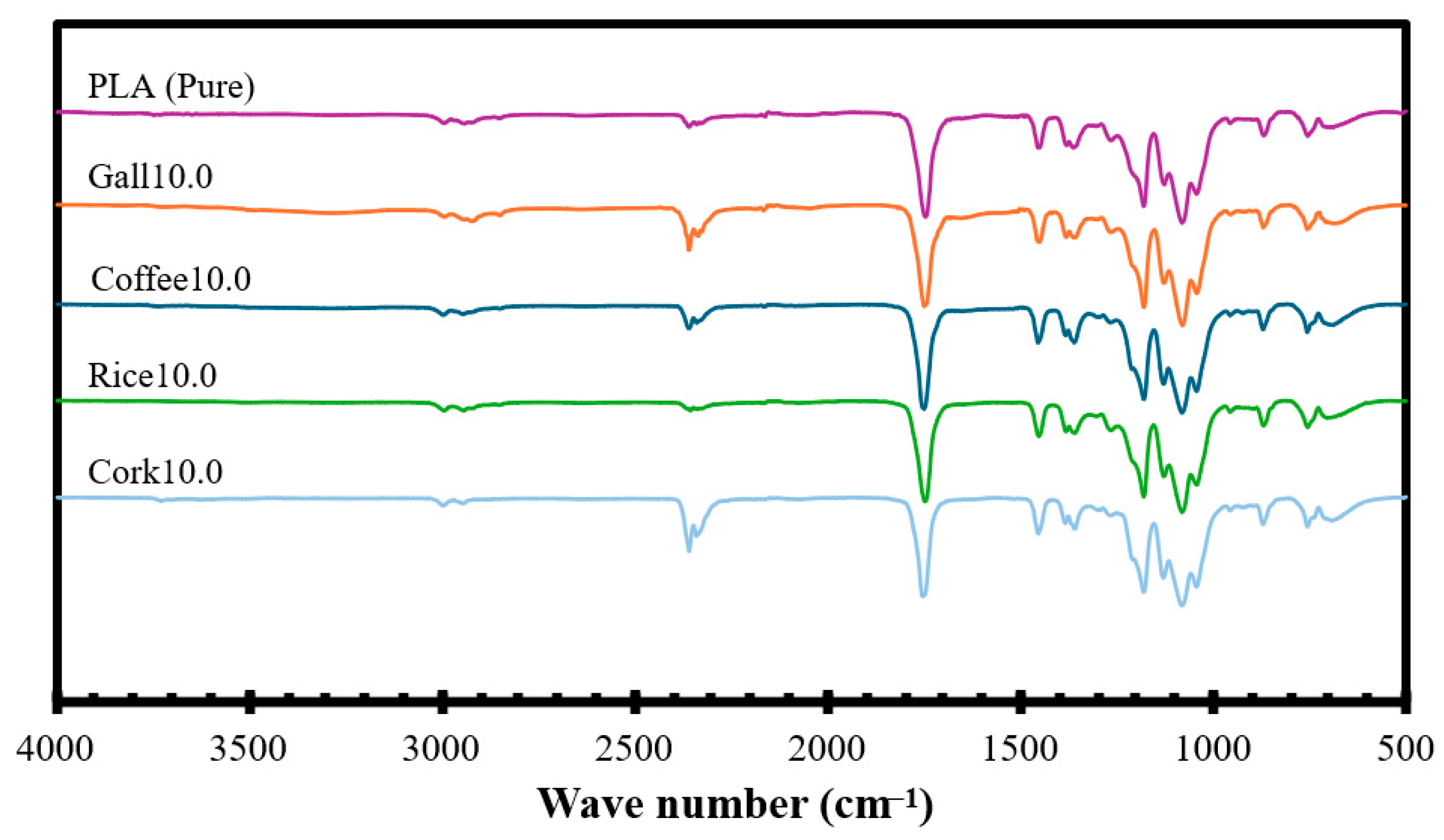
Any property of a polymer composite depends on the characteristics of the filler and the matrix, in particular the size and shape of the filler, the amount incorporated, and the interfacial adhesion between the materials used, among others. Accordingly, FTIR spectra of the filaments were obtained and are shown in Figure 6.
The spectra reveal a similar profile among the different filaments. As mentioned previously, the peak at 1760 cm−1 is attributed to the stretching of C=O bonds, characteristic of ester groups in PLA. Peaks between 1480 and 1340 cm−1 correspond to C–H bonds, associated with angular deformations of methyl groups. In the range of 1180–1050 cm−1, peaks corresponding to C–O stretching vibrations of C–C(O)–O groups are observed, typical of ester repeat units in the PLA chain. Finally, peaks between 870 and 750 cm−1 are attributed to aliphatic C–H vibrations. The absence of new peaks suggests that no significant chemical reactions occurred between the PLA polymer network and the functional groups of the biomasses, indicating a predominantly physical interaction. Although the differences observed in the FTIR spectra are not significant, it should be noted that the degree of crystallinity of a material may affect both the intensity and shape of absorption bands. In more crystalline regions, molecular chains are more regularly packed, producing sharper and narrower bands due to uniform molecular environments, whereas amorphous regions generate broader bands. Crystallinity can also influence band intensity, as the number and orientation of absorbing groups differ between ordered and disordered regions, and may cause small shifts in peak positions due to changes in intermolecular interactions.
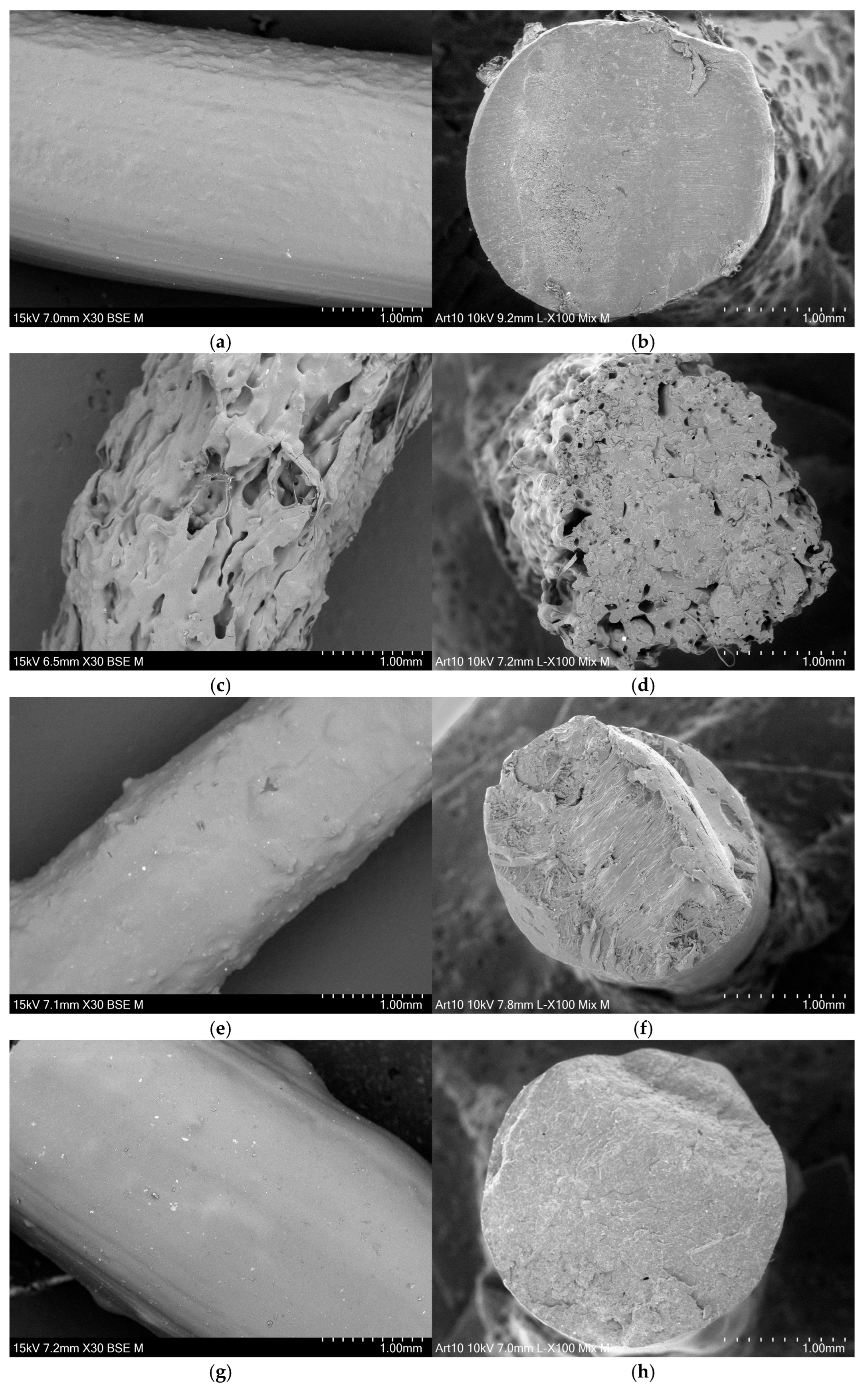
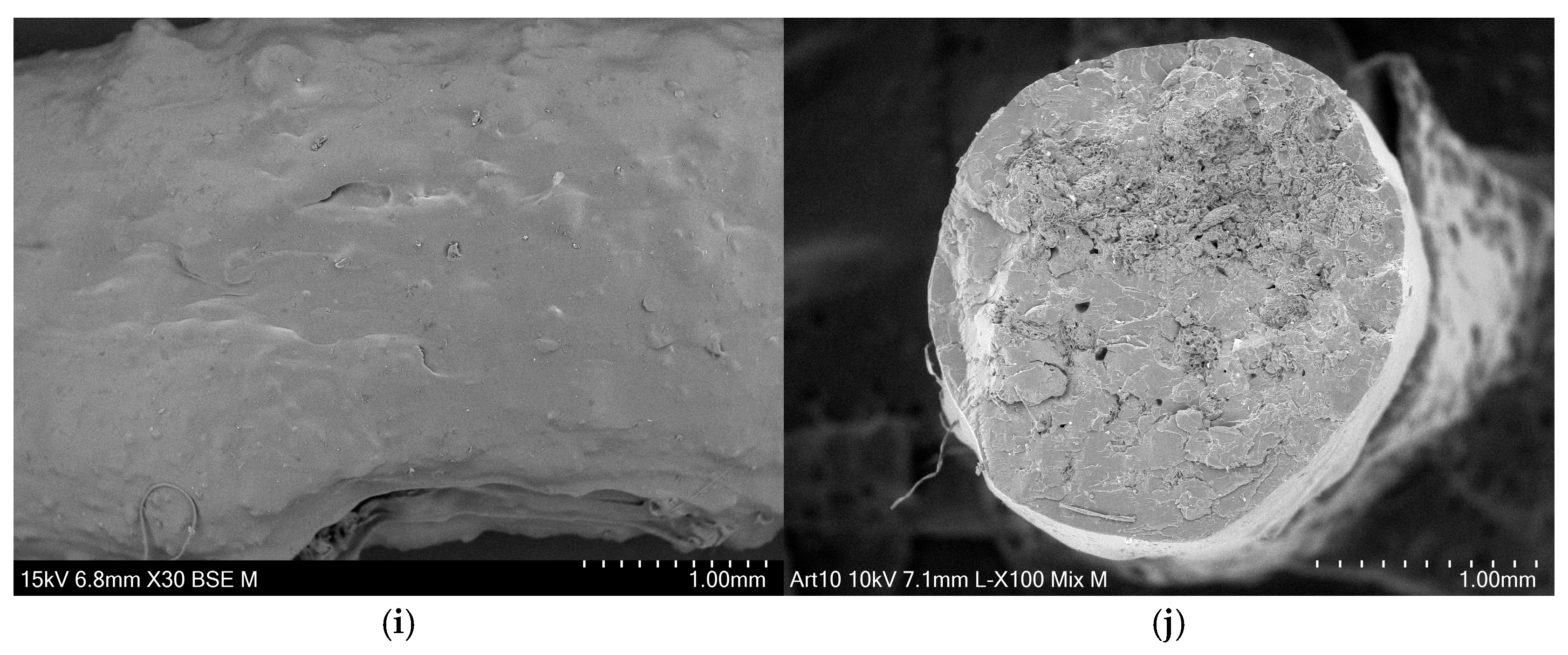
Raw materials that are incompatible may lead to phase separation, which compromises the properties of the blend. Therefore, SEM analysis is a crucial technique for assessing the morphological quality of the filaments [21]. The images obtained from the surfaces and cross-sections of the filaments are shown in Figure 7.
The images show how the addition of biomass modifies the surface morphology of the filaments, with a more pronounced heterogeneity being noticeable when using 10.0% (w.w−1) oak gall content. The wide particle size distribution of the biomass, the presence of voids in its morphology, and the low affinity between the biomass and PLA may result in non-uniform filaments. Similarly, when analyzing the coffee ground filament, some surface roughness can be observed, suggesting insufficient impregnation of the biomass into the PLA. This may be related to the short residence time of the mixture in the extruder [18]. In the case of rice husk, the resulting filament presents a homogeneous and smooth surface, which can be explained by the smaller particle size of the biomass, as mentioned previously. Finally, cork at 10.0% (w.w−1), compared with coffee grounds at the same loading, exhibits slightly more pronounced surface features, which may result from its hydrophobicity and, consequently, lower compatibility with the polymer matrix. The cross-section of each filament exhibits a morphology consistent with its corresponding surface.
The analysis of water CA in Table 4 reveals notable differences between neat PLA and the biocomposites. Neat PLA exhibits a CA of 75.7 ± 4.1°, indicating a moderately hydrophilic surface due to the polar ester groups in the polymer matrix. As will be discussed, this aligns with PLA’s characteristic mechanical behaviour: good tensile strength and relatively high modulus, but a brittle nature. Incorporating 10% rice husk increases the CA to 102.3 ± 0.7°, reflecting a hydrophobic surface. This suggests that the rice husk, likely possessing few polar surface groups, reduces water affinity, which implies weaker fibre–matrix interactions and potentially lower cohesion. While it may negatively affect mechanical properties, it could slightly enhance stiffness due to the rigid reinforcement effect, as discussed later. For 10% oak, the CA rises only slightly to 83.4 ± 3.2°, indicating better compatibility between the wood and PLA. This may lead to more balanced mechanical properties, improving the modulus without significantly compromising tensile strength or fracture resistance. The composites with 10% coffee and cork show contact angles of 96.6 ± 1.5° and 90.7 ± 0.9°, respectively, resulting in moderately hydrophobic surfaces. These values suggest intermediate interactions at the PLA interface, which may slightly enhance modulus and tensile strength, but could reduce elongation at break if dispersion or adhesion is suboptimal. Overall, higher CA correspond to more hydrophobic surfaces and a greater likelihood of interfacial micro-defects, which can influence key mechanical properties.
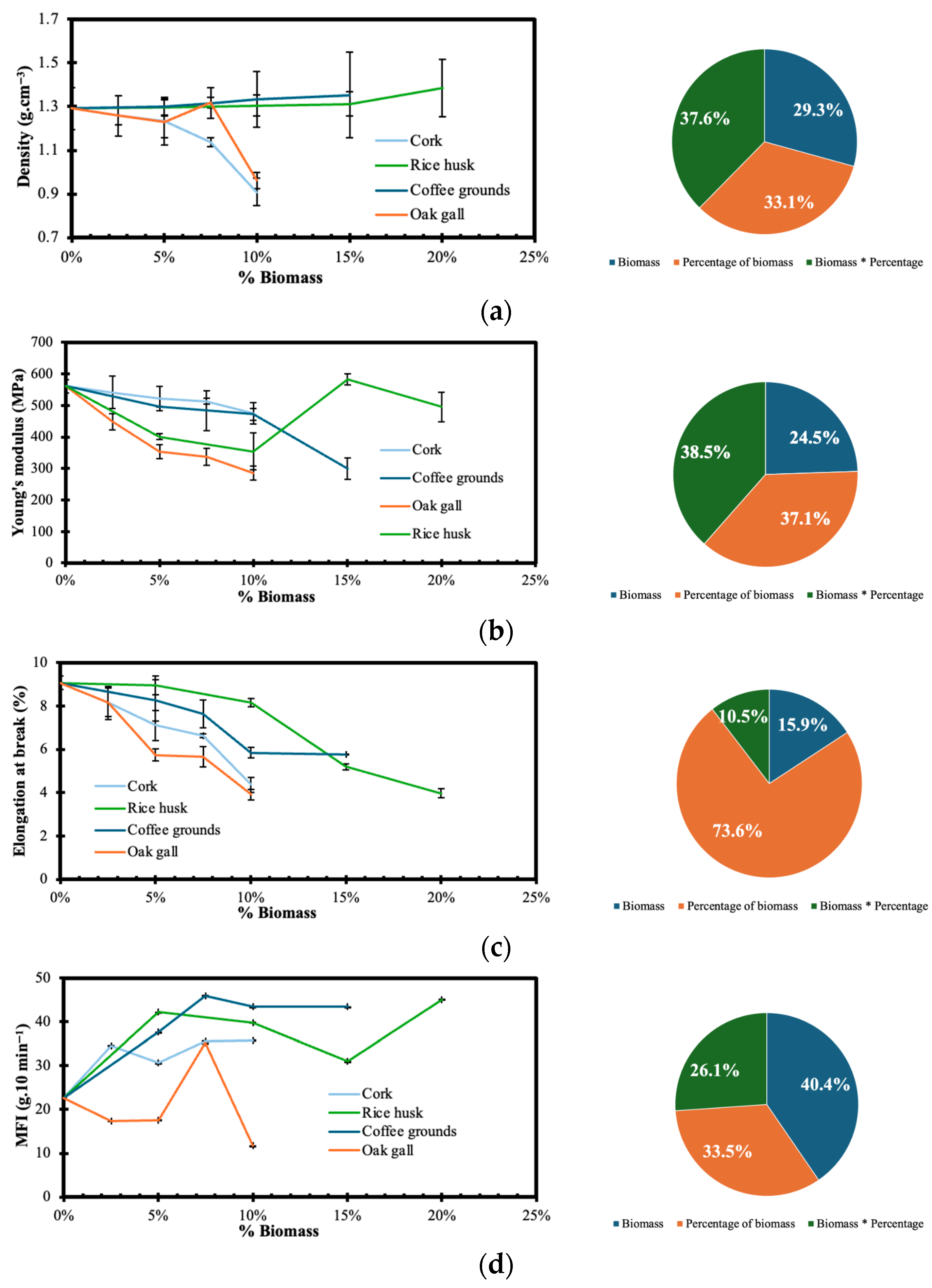
Next, the density, mechanical properties, and MFI of filaments were determined, with the results presented in Figure 8.
Filament density decreased with increasing filler content in composites containing oak gall and cork. This reduction may be attributed to the low density of these biomasses (particularly cork) and to the presence of voids in the filaments (porosity), as observed in the SEM images. In contrast, rice husk and coffee grounds showed a slight increase in density with higher incorporation levels. The density of the filaments is consistent with the measured density of the biomasses, as higher biomass density (notably in the case of rice husk) results in higher filament density. Nonetheless, despite the lower density of coffee grounds, their filaments exhibited the highest density, possibly due to better compaction (absence of porosity) [22].
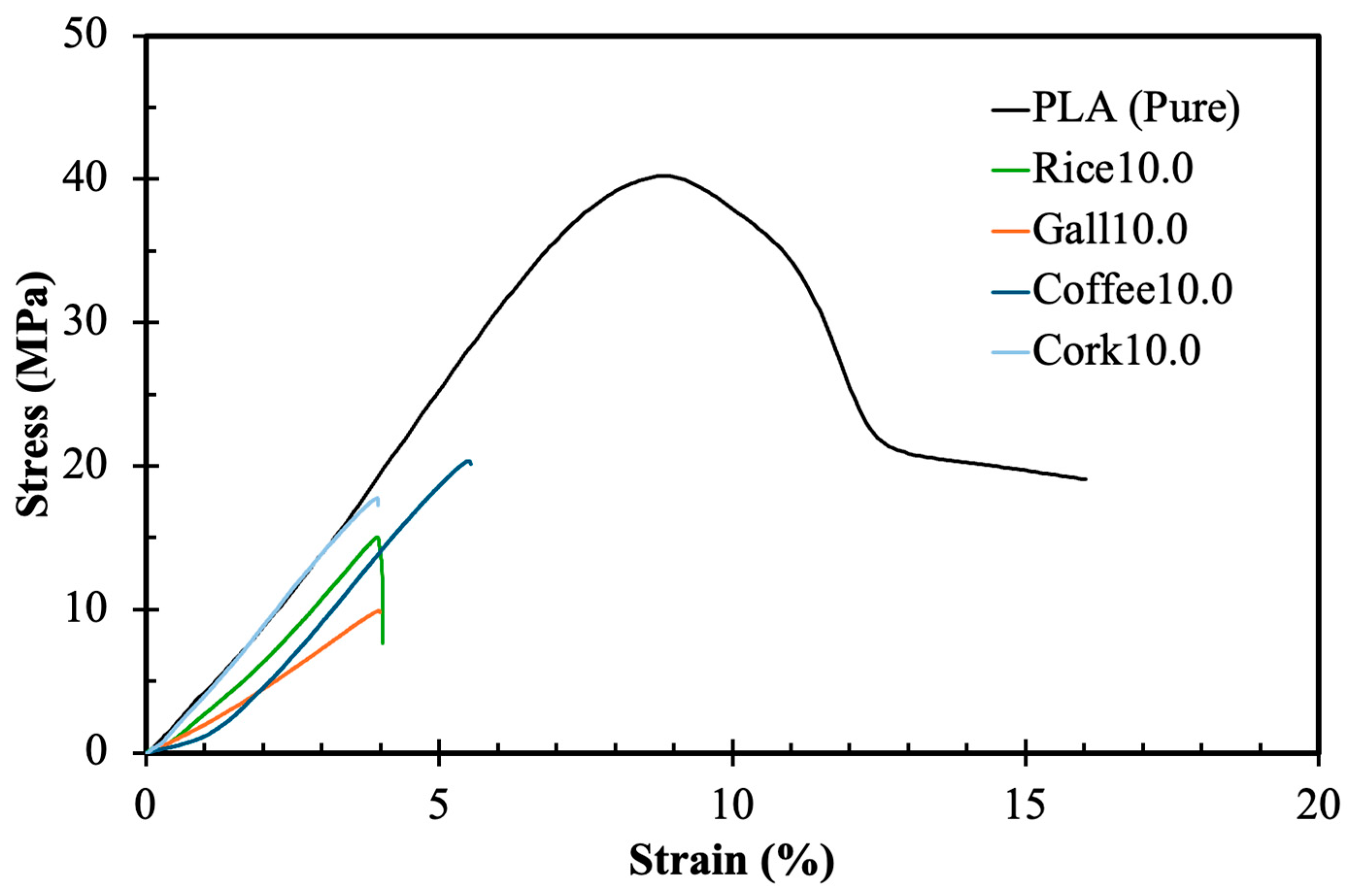
The mechanical properties of composites are of great importance, as they determine the potential applications and depend on several factors, such as individual biomass mechanical properties, which can also provide insights into interfacial adhesion between materials. The mechanical tests showed that both Young’s modulus and elongation at break decreased with increasing biomass incorporation across all samples. This effect may be explained by the biomasses’ spherical morphologies and hydrophobic characteristics, which impair compatibility with the polymer matrix, leading to weaker mechanical performance. Furthermore, the fact that oak gall exhibited the poorest mechanical performance is consistent with the SEM observations, as voids are known initiation sites for material failure under stress [18]. Conversely, rice husk showed the highest elongation at break values, and therefore better mechanical resistance, which may result from its homogeneous, smaller particle size distribution and high density (potential absence of internal porosity). The observed variability in the results may arise from air bubbles caused by residual moisture during filament production, or poor interfacial compatibility between the biomass and polymer matrix. A previous study incorporating different lignocellulosic materials contents into PLA reported a non-linear tendency in Young’s modulus with increasing lignin incorporation, explained by limitations in filler aggregation and dispersion [6]. These observations are supported by Figure 9, which plots the representative stress–strain curves for PLA, Rice100.0, Gall10.0, Coffee10.0, and Cork10.0.
Pure PLA exhibits the highest Young’s modulus (≈561 MPa) and the greatest elongation at break (≈9.1%), reflecting its relatively rigid yet ductile behaviour. The addition of 10% biomass generally reduces Young’s modulus, with the most pronounced decreases observed for oak gall (≈286 MPa) and rice husk (≈354 MPa), while cork and coffee grounds maintain similar modulus values (≈475 MPa). This trend can be related to CA measurements: more hydrophobic or poorly wetting biomasses, such as rice husk and coffee, reduce interfacial compatibility with PLA, leading to weaker stress transfer and mechanical performance. SEM observations further support these findings: oak gall exhibited voids, which act as stress concentrators and explain its poor mechanical performance. In contrast, rice husk retains a relatively high elongation at break (≈8.1%), close to that of pure PLA, likely due to its homogeneous particle size distribution, high density, and minimal internal porosity. Cork and gall show the lowest elongations, while coffee grounds display intermediate behaviour, balancing stiffness and ductility. Previous studies incorporating lignocellulosic materials into PLA reported the non-linear behaviour of Young’s modulus with increasing lignin content, explained by limitations in filler dispersion and aggregation [6]. These trends are illustrated in Figure 9, which presents representative stress–strain curves for PLA, Rice10.0, Gall10.0, Coffee10.0, and Cork10.0. Overall, biomass incorporation tends to reduce the material’s ductility, with rice husk preserving it most effectively.
With respect to rheological properties, these are particularly important because they affect polymer processability. In addition, they can influence the adhesion between the layers of 3D-printed parts and, consequently, their overall properties. The MFI results showed inconsistencies, with no clear linear trend. Based on the literature, a decrease in MFI with increasing biomass incorporation would be expected, since the addition of filler restricts chain mobility within the polymer matrix, thereby increasing the apparent viscosity [18]. On the contrary, most of the values are higher than those of the neat PLA, which can be attributed to weaker interactions between PLA and the biomass particles. These weaker interactions impose fewer restrictions on polymer chain mobility, increasing the flowability of the composites [7]. It was found that the coffee ground composite exhibited higher MFI values and, therefore, better processability, which may be related to the release of oils from biomasses which may have acted as plasticizers. A similar MFI variability was observed in a study of PLA composites reinforced with pine wood powder [23]. Nonetheless, the use of rotational rheometrics to investigate viscosity, shear-thinning behaviour, and filler–matrix interactions could be valuable in future work.
The ANOVA results indicate that both the biomass type and its percentage significantly influenced the density, Young’s modulus, the elongation at break, and the MFI of the filaments. For density and Young’s modulus, all factors showed a comparable influence, with the interaction between biomass type and percentage accounting for the largest share of variability (37.6% and 38.5%, respectively). Similarly, biomass type, biomass percentage, and their interaction contributed in a comparable manner to the variability in MFI, although biomass type was the dominant factor (40.4%). Overall, these properties were governed to a similar extent by the considered factors. The exception was elongation at break, which was predominantly affected by the biomass percentage, explaining 85.1% of the total variance.
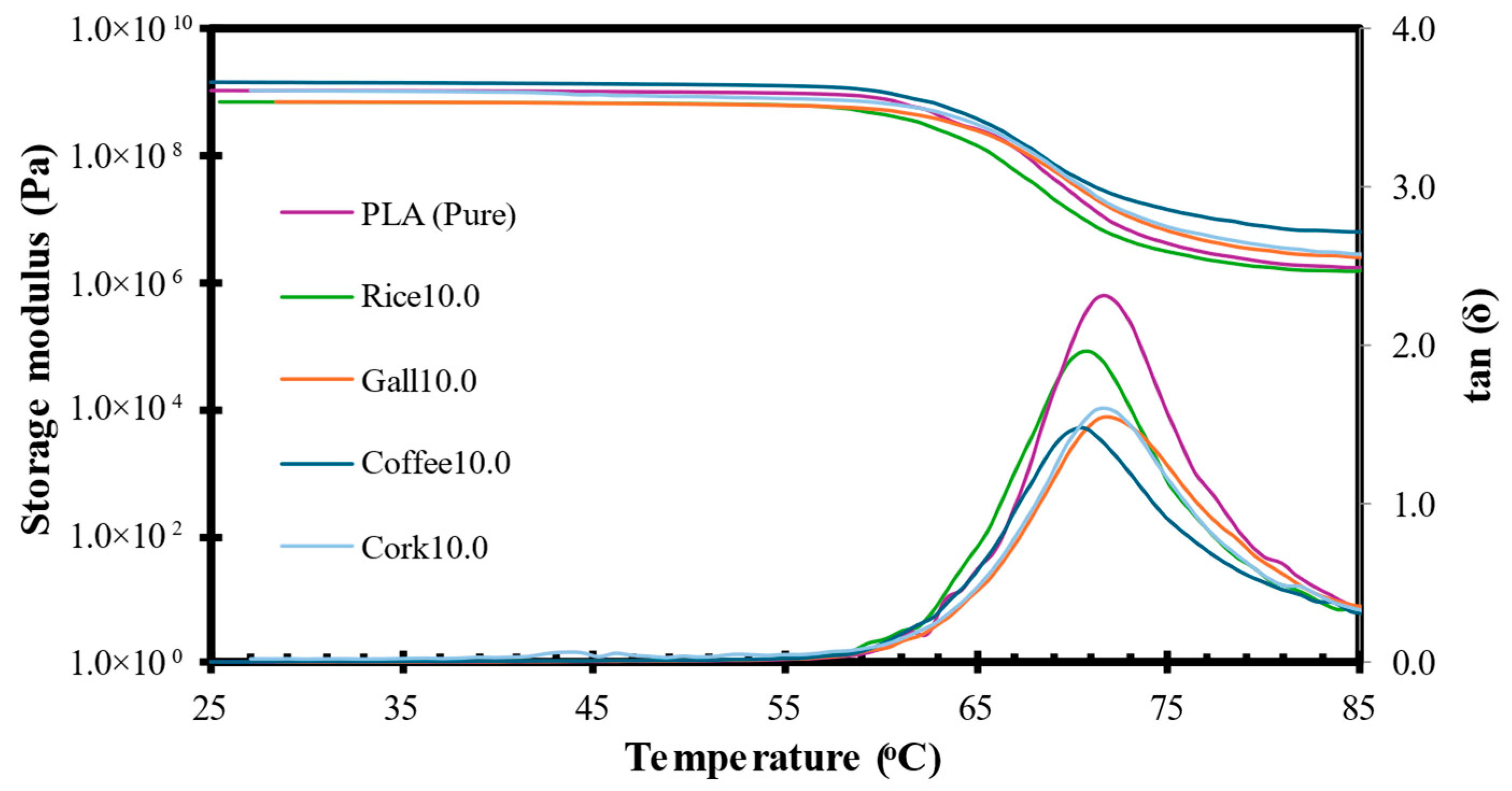
To further investigate the viscoelastic properties of the filaments, DMAs were carried out, and the results are presented in Figure 10 and Table 5.
The mechanical performance of PLA-based composites reinforced with biomass fillers was assessed using both static and dynamic methods. Young’s modulus, obtained from tensile tests (Figure 8b), generally decreases with increasing filler content, indicating a softening effect of biomasses on the PLA matrix. Complementarily, DMA provides the E′ as a function of temperature (Figure 10), reflecting the material’s ability to store elastic energy under oscillatory loading. The trends observed in E′ align with the static tensile measurements, since composites containing rice husk exhibit higher E′ values throughout the glassy region, whereas cork- and coffee-ground-reinforced composites display lower E′ values. Additionally, both analyses confirm that the stiffness of PLA is strongly influenced by both the type and content of biomass, with DMA offering complementary insight into temperature-dependent viscoelastic behaviour. Furthermore, from Figure 10 and Table 5, it is clear that at low temperatures (25 °C) all materials behave as rigid solids, as indicated by their relatively high E′. Among the composites, the filament with 10.0% (w.w−1) oak gall shows the lowest E′, suggesting comparatively less rigidity, consistent with tensile test results where this formulation also exhibited lower Young’s modulus. In contrast, filaments containing 10.0% (w.w−1) cork and coffee grounds demonstrate the highest storage modulus values, indicating increased stiffness, which agrees with the corresponding tensile measurements.
As temperature rises above approximately 70 °C, E′ drops sharply, corresponding to the Tg region of PLA, determined by the peak in tan δ. The presence of fillers appears to moderately influence both the magnitude of E′ and the onset of its decrease, suggesting a slight reinforcement effect and some restriction of polymer chain mobility. Table 5 also shows that biomass incorporation slightly lowers Tg, which remains near 70 °C, the temperature associated with relaxation of the amorphous PLA domains [24]. This minor reduction may result from interactions between filler and matrix, potentially affecting free volume or inducing a mild plasticizing effect, particularly for coffee-containing filaments [17]. Among the composites, Rice10.0 displays the most pronounced tan δ peak, whereas the lowest Tg is observed for the 10.0% coffee grounds filament. At first, this may appear contradictory, given the higher stiffness indicated by its storage modulus, but it highlights the complex influence of filler type on PLA’s damping behaviour. These results highlight that although DMA is valuable for assessing viscoelastic behaviour, the storage modulus has inherent limitations, since stiffness and molecular mobility are not always directly correlated and are influenced by both the type of filler and matrix–filler interactions.
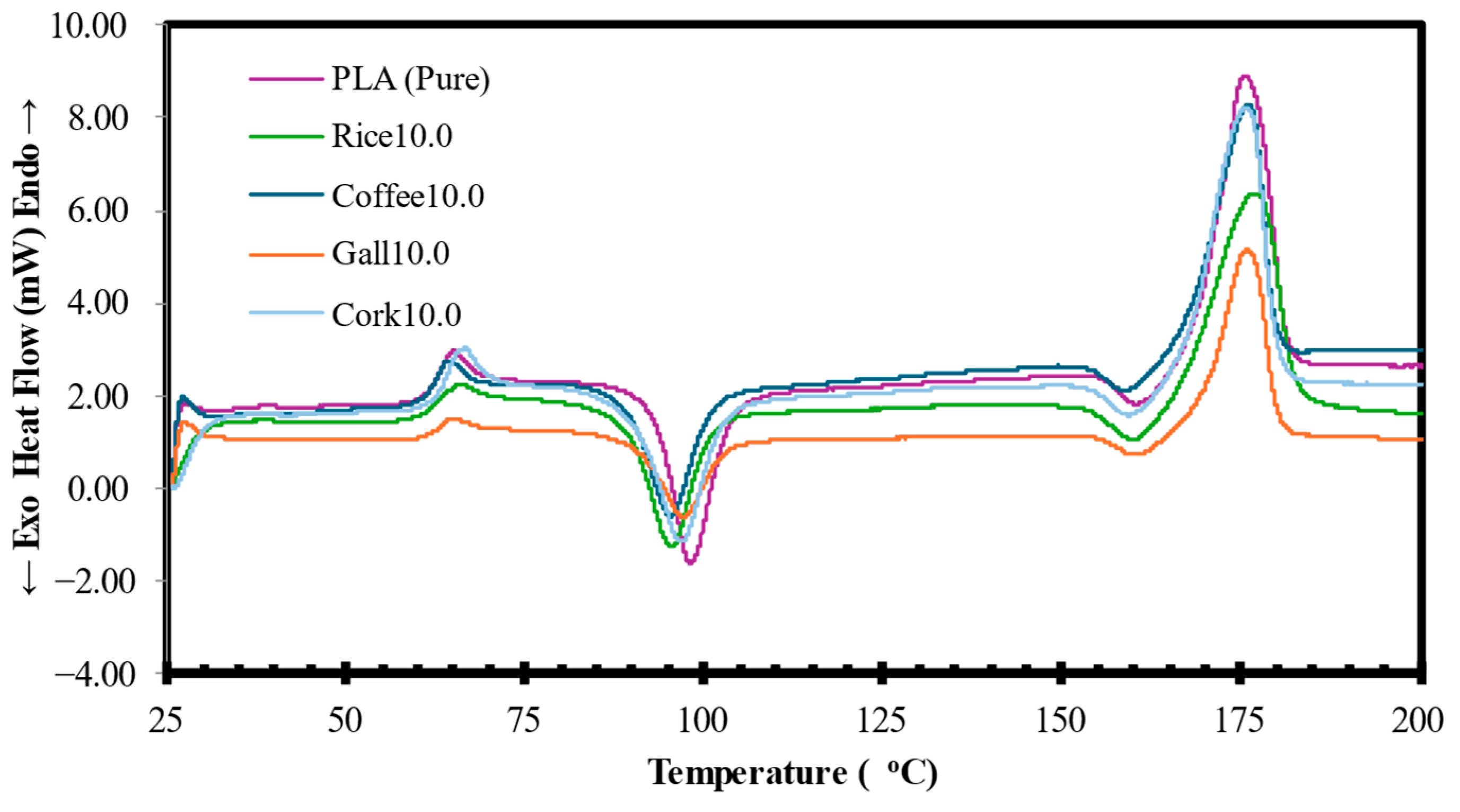
Figure 11 and Table 6, below, present the DSC results of the filaments.
From the DSC thermogram, Tg values were observed around 60 °C, lower than the 70 °C values obtained by DMA. Although the discrepancies are not substantial, this analysis shows an increasing trend in the Tg of the biomass composites compared with neat PLA, in contrast to what was observed by DMA. This difference can be explained by the distinct nature of the characterization techniques: while DMA is a dynamic test, DSC is a static analysis. Another relevant thermal metrics are (i) the crystallization temperature (Tcris), observed between 95 °C and 99 °C, which is related to the crystallization of the material, and the (ii) melting temperature (Tf), observed around 175 °C. All filaments exhibit similar values of Tg, Tcris, and Tf, indicating that the addition of biomasses does not significantly affect these temperatures [24].
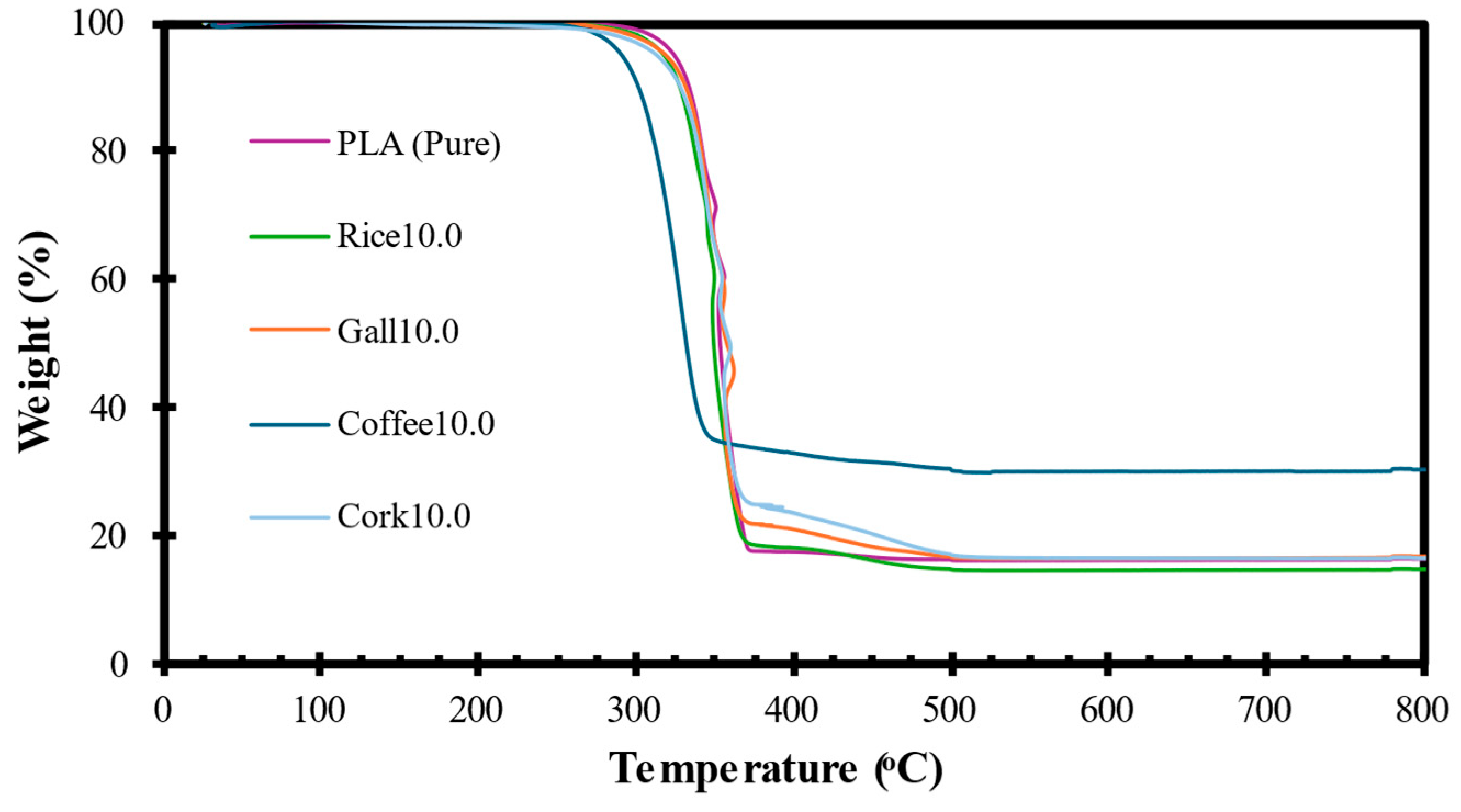
Regarding thermal stability, the properties of the samples were investigated using TGA, with the results presented in Figure 12 and Table 7.
The different samples revealed similar degradation profiles, suggesting that the presence of biomass does not significantly affect the thermal stability of the filaments. The results in Figure 12 show a main stage of significant mass loss between 320 °C and 360 °C, which coincides with the maximum thermal decomposition temperature of the PLA chain, associated with ester bond cleavage and polymer backbone scission [24]. This mass loss also falls within the degradation temperature range of the biomass components, particularly cellulose and hemicellulose [24]. In addition, the 10% mass loss temperature was reached at 332.97 °C for PLA (pure), a value very close to that of the other filaments, confirming that biomass incorporation does not significantly affect the thermal stability of the composites. However, coffee ground filaments degraded at a slightly lower temperature of 300.81 °C. From the results presented in Figure 12, it can be concluded that the filaments are thermally stable up to at least 320 °C, meaning that the composites can be processed at high temperatures.


3.3. 3D Printing

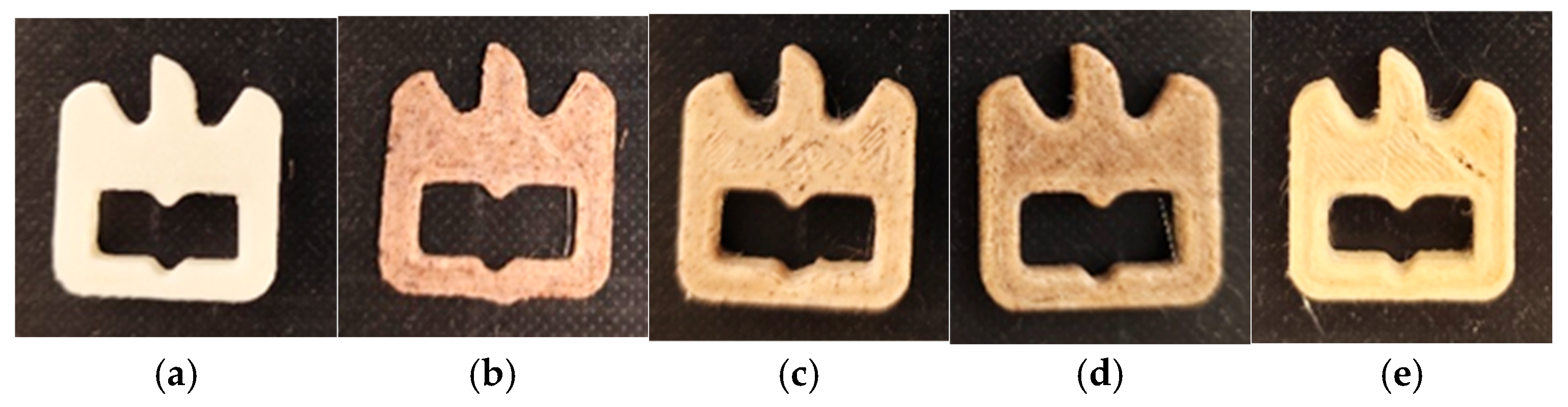
Next, the produced filaments were used to 3D-print objects, as shown in Figure 13.
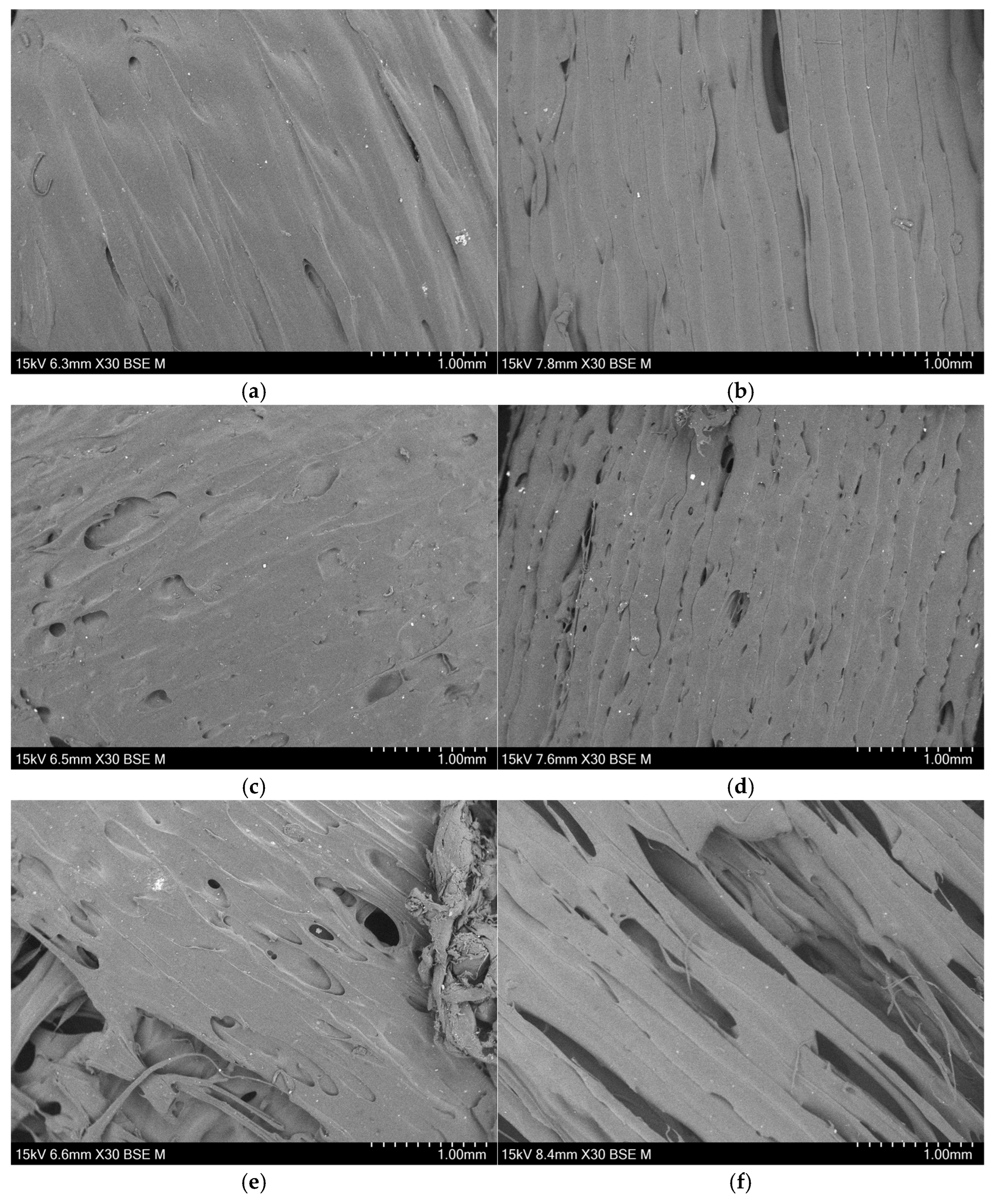
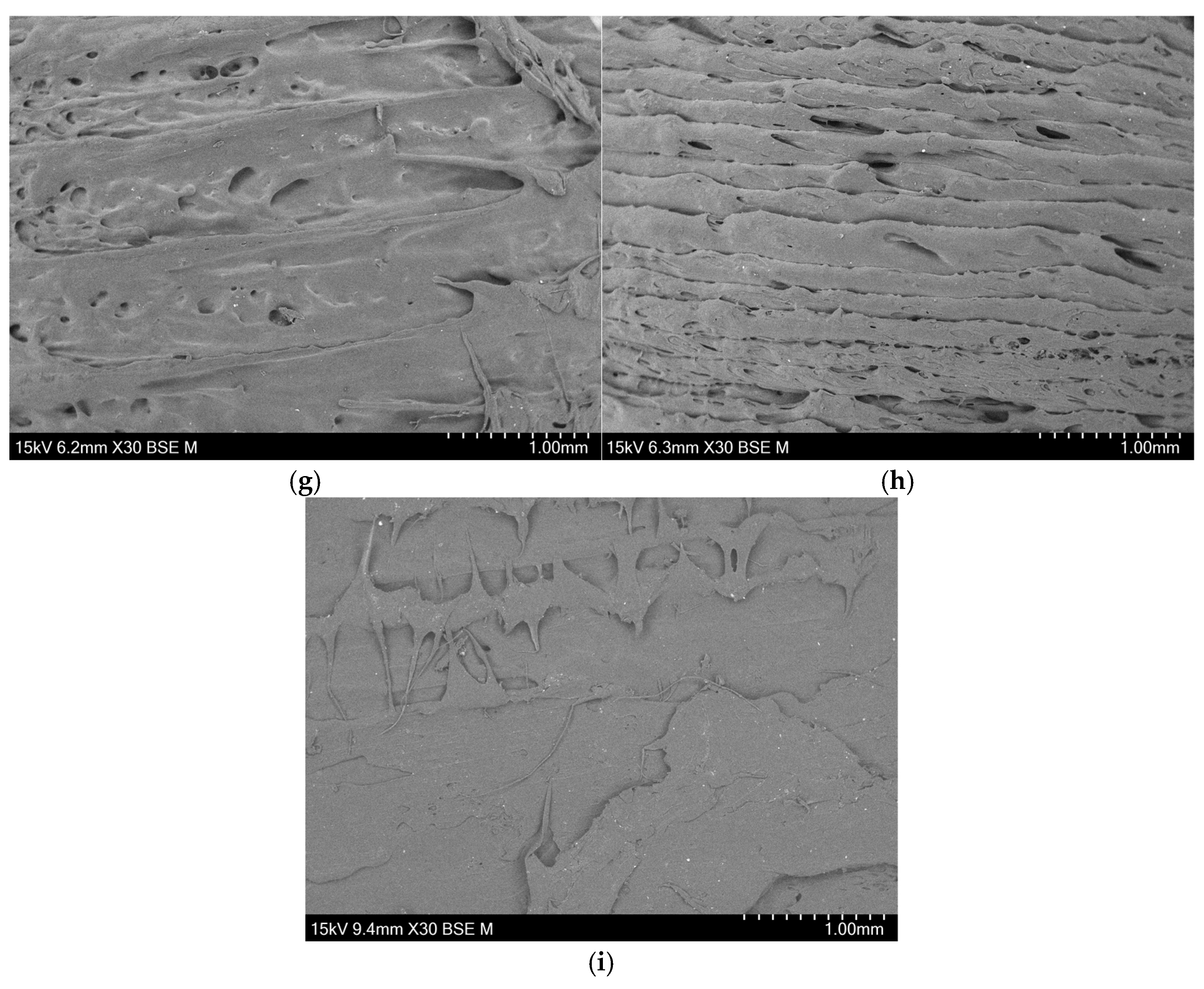
Analyzing Figure 13, no significant visual differences were identified between the 3D-printed objects beyond differences in colour. Hence, to further evaluate the influence of adding biomasses to PLA, SEM analysis was carried out on the top and side layers of each model, with the ensuing images shown in Figure 14.
Although the printed objects appeared macroscopically similar (Figure 13), the microstructural analysis reveals differences that correlate strongly with the morphological and rheological characteristics of the corresponding filaments. For neat PLA, the layers are well defined and densely packed, exhibiting smooth interfaces and very few defects. This uniformity reflects the good interlayer adhesion typically associated with unfilled PLA, and it serves as a reference for performance comparison with the composites [18]. In contrast, the PLA with coffee grounds shows open voids in both the top and side layers, which typically indicates poor interlayer adhesion. The PLA and oak gall composite does not display such extensive surface voids. Instead, its heterogeneity appears more subtle, with smaller and more localized defects. This behaviour is not consistent with the filament morphology (Figure 7), where oak gall exhibited the highest internal porosity and an irregular particle size distribution, which may compromise the filament’s structural integrity. On the other hand, the PLA and rice husk composite demonstrates one of the best printing outcomes among the composites. The layers are uniform, with fewer voids and clearer definition between deposited roads. This better print quality aligns with the smaller particle size and higher density of the rice husk particles, which promote more homogeneous dispersion. These results also suggest improved compatibility of the filler with the PLA matrix. In the case of the PLA and cork composite, the printed model reveals a relatively uniform surface, with no distinguishable open voids or large defects at the observed scale. Although the morphology appears uniform, the definition of the layer-by-layer architecture is less pronounced. R. Sanatgar et al. [25] investigated the properties of 3D-printed composites and reported that different variables, such as the type of filler, can affect mechanical properties. Moreover, processes such as milling and incorporation may not be sufficiently controlled, which can interfere with the quality of the filament, and namely its homogeneity. Overall, the printing quality observed in Figure 14 reflects the distinct ways in which each biomass interacts with the PLA matrix. Although the surface is not highly homogeneous for some biomasses, this was not considered significant enough to compromise their use as a sustainable alternative in 3D-printed materials. In contrast, the rice husk composite achieved the best overall print quality, making it the most promising option.

4. Conclusions

PLA-based composites reinforced with cork, rice husk, coffee grounds, and oak gall were successfully used to produce 3D-printed materials, with biomass loadings ranging from 2.5% to 20.0% (w.w−1). The addition of biomass influenced filament morphology, resulting in surface roughness and voids, especially when cork and oak gall were used. While the incorporation of biomass generally reduced the mechanical strength of PLA filaments—for instance, 10.0% (w.w−1) oak gall decreased Young’s modulus from 560.6 ± 21.0 MPa to 285.8 ± 21.6 MPa and elongation at break from 9.06% ± 0.31 to 3.91% ± 0.24—the filaments remained fully suitable for 3D printing. Glass transition temperature and thermal stability were largely preserved. Furthermore, the composites were successfully used in FDM, demonstrating good printability. In fact, SEM analysis of the printed objects highlighted that the rice husk composite produced a uniform and continuous layer formation. Even while some heterogeneities in other composites were observed, the overall structural integrity of all prints was maintained. These findings underscore that PLA-based composites reinforced with biomass, and particularly with rice husk, offer excellent filament quality, consistent layer formation, and reliable printability. This makes them a promising and sustainable alternative to conventional plastics, supporting eco-efficient 3D printing applications.

Author Contributions

Methodology, R.S., F.T., T.B. and I.C.; validation, P.P., R.R., V.F., A.F. and N.G.; formal analysis, P.P., V.F., A.F. and N.G.; investigation, R.S., F.T., T.B. and I.C.; resources, R.R., V.F. and A.F.; writing—original draft preparation, R.S.; writing—review and editing, P.P., V.F., A.F. and N.G.; supervision, V.F., A.F. and N.G.; project administration, R.R., V.F. and A.F.; funding acquisition, R.R., V.F. and A.F. All authors have read and agreed to the published version of the manuscript.

Funding

This research was funded by FEDER—Fundo Europeu de Desenvolvimento Regional funds through of Programa Inovação e Transição Digital—in the scope of the project “BiMAIS”, COMPETE2030-FEDER-01195100, and was developed within the scope of the project CICECO—Aveiro Institute of Materials, UIDB/50011/2020 (DOI 10.54499/UIDB/50011/2020), UIDP/50011/2020 (DOI 10.54499/UIDP/50011/2020) & LA/P/0006/2020 (DOI 10.54499/LA/P/0006/2020), financed by national funds through the FCT/MCTES (PIDDAC).

Data Availability Statement

The datasets presented in this article are not readily available because the data are part of an ongoing study. Requests to access the datasets should be directed to the correspondent author.

Acknowledgments

The authors would like to acknowledge Bio4Plas for providing the raw materials used. The authors would also like to thank Susana Pinto, Ana Caço, and Bruno Godinho for their assistance with some of the characterization techniques.

Conflicts of Interest

Authors Tiago Brilhante, Isabel Cardoso, Pedro Pinto, Rui Ribeiro, were employed by the company Amplitude Acoustics, Acústica e Vibração, Lda., author Vânia Freitas was employed by the company Lightenjin II, Indústria de Iluminação, Lda. The remaining authors declare that the research was conducted in the absence of any commercial or financial relationships that could be construed as a potential conflict of interest. The company “Bio4Plas” and the funders had no role in the design of this study; in the collection, analysis, or interpretation of data; in the writing of the manuscript; or in the de-cision to publish the results.

Abbreviations

The following abbreviations are used in this manuscript:
BETBrunauer–Emmett–Teller
CADComputer-Aided Design
CAMComputer-Aided Manufacturing
DMADynamic Mechanical Analysis
DSCDifferential Scanning Calorimetry
FDMFused Deposition Modelling
FTIRFourier Transform Infrared Spectroscopy
MFIMelt Flow Index
PLAPoly(Lactic Acid)
SEMScanning Electron Microscopy
TGAThermogravimetric Analysis

References

  1. Napper, I.; Thompson, R. Plastics and the Environment. Annu. Rev. Environ. Resour. 2023, 48, 55–79. [Google Scholar] [CrossRef]
  2. Mohajan, H.K. Plastic Pollution: A Potential Threat on Health and Environment. Stud. Soc. Sci. Humanit. 2025, 4, 25–30. [Google Scholar] [CrossRef]
  3. Murariu, M.; Dubois, P. PLA composites: From production to properties. Adv. Drug Deliv. Rev. 2016, 107, 17–46. [Google Scholar] [CrossRef] [PubMed]
  4. Kostenko, M.; Stetsyshyn, Y.; Harhay, K.; Melnyk, Y.; Donchak, V.; Khomyak, S.; Ivanukh, O.; Kracalik, M. Impact of the functionalized clay on the poly(lactic acid)/polybutylene adipate terephthalate (PLA/PBAT) based biodegradable nanocomposites: Thermal and rheological properties. Appl. Clay Sci. 2025, 278, 108020. [Google Scholar] [CrossRef]
  5. Kanthiya, T.; Changsuwan, P.; Kiattipornpithak, K.; Rachtanapun, P.; Thanakkasaranee, S.; Jantrawut, P.; Tanadchangsaeng, N.; Worajittiphon, P.; Kittikorn, T.; Jantanasakulwong, K. Development of 3D Printing Filament from Poly(Lactic Acid) and Cassava Pulp Composite with Epoxy Compatibilizer. Polymers 2025, 17, 3228. [Google Scholar] [CrossRef]
  6. Makri, S.P.; Xanthopoulou, E.; Klonos, P.A.; Grigoropoulos, A.; Kyritsis, A.; Tsachouridis, K.; Anastasiou, A.; Deligkiozi, I.; Nikolaidis, N.; Bikiaris, D.N. Effect of Micro- and Nano-Lignin on the Thermal, Mechanical, and Antioxidant Properties of Biobased PLA–Lignin Composite Films. Polymers 2022, 14, 5274. [Google Scholar] [CrossRef]
  7. Yoganandam, K.; Shanmugam, V.; Vasudevan, A.; Vinodh, D.; Nagaprasad, N.; Stalin, B.; Karthick, A.; Malla, C.; Bharani, M. Investigation of Dynamic, Mechanical, and Thermal Properties of Calotropis procera Particle-Reinforced PLA Biocomposites. Adv. Mater. Sci. Eng. 2021, 2021, 2491489. [Google Scholar] [CrossRef]
  8. Penumakala, P.K.; Santo, J.; Thomas, A. A critical review on the fused deposition modeling of thermoplastic polymer composites. Compos. B Eng. 2020, 201, 108336. [Google Scholar] [CrossRef]
  9. Besko, M.; Bilyk, C.; Sieben, P.G. Aspectos técnicos e nocivos dos principais filamentos usados em impressão 3D. Gestão Tecnol. E Inovação 2017, 1, 9–18. [Google Scholar]
  10. Kumar, A.; Chhabra, D. Adopting additive manufacturing as a cleaner fabrication framework for topologically optimized orthotic devices: Implications over sustainable rehabilitation. Clean Eng. Technol. 2022, 10, 100–559. [Google Scholar] [CrossRef]
  11. Soni, A.; Gupta, S.K.; Veeman, D.; Katiyar, J.K. 3D-printed sustainable biocomposites via valorization of biomass: Focus on challenges and their future perspectives. Environ. Sci. Pollut. Res. 2025, 32, 28559–28605. [Google Scholar] [CrossRef] [PubMed]
  12. Lowell, S.; Shields, J.E.; Thomas, M.A.; Thommes, M. Characterization of Porous Solids and Powders: Surface Area, Pore Size and Density; Springer: Dordrecht, The Netherlands, 2004; Volume 16. [Google Scholar] [CrossRef]
  13. ASTM D4892-14; Test Method for Density of Solid Pitch (Helium Pycnometer Method). ASTM International: West Conshohocken, PA, USA, 2019.
  14. ISO 527-1:2019; Plastics—Determination of Tensile Properties. International Standard: Geneva, Switzerland, 2019.
  15. ISO 1133-1; Determination of the Melt Mass-Flow Rate (MFR) and Melt Volume-Flow Rate (MVR) of Thermoplastics. International Standard: Geneva, Switzerland, 2011.
  16. Brunning, A. Analytical Chemistry—Infrared (IR) Spectroscopy. Coumpound Interest. Available online: https://www.compoundchem.com/2015/02/05/irspectroscopy/ (accessed on 14 May 2025).
  17. Gama, N.; Ferreira, A.; Evtuguin, D.; Barros-Timmons, A. Modified cork/SEBS composites for 3D printed elastomers. Polym. Adv. Technol. 2022, 33, 1881–1891. [Google Scholar] [CrossRef]
  18. Gama, N.; Ferreira, A.; Barros-Timmons, A. 3D printed cork/polyurethane composite foams. Mater. Des. 2019, 179, 107905. [Google Scholar] [CrossRef]
  19. Shangguan, W.; Chen, Z.; Zhao, J.; Song, X. Thermogravimetric analysis of cork and cork components from Quercus variabilis. Wood Sci. Technol. 2018, 52, 181–192. [Google Scholar] [CrossRef]
  20. Şen, A.; Van den Bulcke, J.; Defoirdt, N.; Van Acker, J.; Pereira, H. Thermal behaviour of cork and cork components. Thermochim. Acta 2014, 582, 94–100. [Google Scholar] [CrossRef]
  21. Gama, N.; Ferreira, A.; Barros-Timmons, A. 3D Printed Thermoplastic Polyurethane Filled with Polyurethane Foams Residues. J. Polym. Environ. 2020, 28, 1560–1570. [Google Scholar] [CrossRef]
  22. DeArmitt, C. Density. In Fillers for Polymer Applications, 1st ed.; Rothon, R., Ed.; Springer: Cham, Switzerland, 2017; p. 248. [Google Scholar]
  23. Kumar, A.; Luthra, B.S.; Chohan, J.S.; Alhadrawi, D.A.H.; Sharma, V. Study on the melt flow index of thermoplastic composites reinforced with nano-biofillers for the fabrication of FDM filaments. E3S Web Conf. 2024, 588, 03026. [Google Scholar] [CrossRef]
  24. Gama, N.; Godinho, B.; Barros-Timmons, A.; Ferreira, A. Recycling Cork/PLA Bio-Composites Through Dissolution–Precipitation Method. Recycling 2025, 10, 13. [Google Scholar] [CrossRef]
  25. Sanatgar, R.H.; Campagne, C.; Nierstrasz, V. Investigation of the adhesion properties of direct 3D printing of polymers and nanocomposites on textiles: Effect of FDM printing process parameters. Appl. Surf. Sci. 2017, 403, 551–563. [Google Scholar] [CrossRef]
Figure 1. 3D sketch of the printed objects.
Jcs 10 00136 g001
Figure 2. FTIR spectra of biomasses and PLA.
Jcs 10 00136 g002
Figure 3. Particle size distribution of biomasses.
Jcs 10 00136 g003
Figure 4. SEM micrographs of biomasses: (a) cork; (b) coffee grounds; (c) oak gall; (d) rice husk.
Jcs 10 00136 g004
Figure 5. Thermal degradation of biomasses.
Jcs 10 00136 g005
Figure 6. FTIR spectra of filaments.
Jcs 10 00136 g006
Figure 7. SEM images of the surfaces and cross-sections of the filaments: (a,b) PLA (pure); (c,d) Gall10.0; (e,f) Coffee10.0; (g,h) Rice10.0; (i,j) Cork10.0.
Jcs 10 00136 g007aJcs 10 00136 g007b
Figure 8. (a) Density, (b) Young’s modulus, (c) elongation at break, and (d) MFI for each biomass incorporation in the filaments, as well as the influence of the type and percentage of each biomass on the relevant property.
Jcs 10 00136 g008
Figure 9. Representative stress vs. strain curves of filament samples: PLA, Rice10.0, Gall10.0, Coffee10.0 and Cork10.0.
Jcs 10 00136 g009
Figure 10. DMA results of filament samples: storage modulus and tan (δ) as functions of temperature, T.
Jcs 10 00136 g010
Figure 11. DSC thermogram of filaments.
Jcs 10 00136 g011
Figure 12. Thermal degradation of filament samples.
Jcs 10 00136 g012
Figure 13. Images of 3D-printed objects made with the filaments: (a) PLA (pure); (b) Cork5.0; (c) Coffee5.0; (d) Gall5.0; (e) Rice5.0.
Jcs 10 00136 g013
Figure 14. SEM images of the top and side layers of the models made with the filaments: (a,b) PLA (pure); (c,d) Gall5.0; (e,f) Coffee5.0; (g,h) Rice5.0; (i) Cork5.0.
Jcs 10 00136 g014aJcs 10 00136 g014b
Table 1. Mass proportion of each filament sample.
SampleProportion
(PLA:Biomass)
PLA (Pure)100.0:0.0
Cork2.597.5:2.5
Cork5.095.0:5.0
Cork7.592.5:7.5
Cork10.090.0:10.0
Rice5.095.0:5.0
Rice10.090.0:10.0
Rice15.085.0:15.0
Rice20.080.0:20.0
Coffee5.095.0:5.0
Coffee7.592.5:7.5
Coffee10.090.0:10.0
Coffee15.085.0:15.0
Gall2.597.5:2.5
Gall5.095.0:5.0
Gall7.592.5:7.5
Gall10.090.0:10.0
Table 2. 3D printing parameters.
ParameterValue
Layer height0.2 mm
Wall thickness1.2 mm
Infill density100%
Printing temperature200 °C
Build plate temperature60 °C
Printing speed60 mm.s−1
Table 3. Surface area and particle density of biomasses.
BiomassSurface Area (m2.g−1)Density (g.cm−3)
Rice husk4.37501.6776 ± 0.0012
Oak gall1.85131.5720 ± 0.0037
Cork2.42501.3863 ± 0.0005
Coffee grounds0.88941.2601 ± 0.0014
Table 4. Contact angles of biomass-based composites.
SampleCA with Water (°)
neat PLA75.7±4.1
rice10.0102.3±0.7
oak10.083.4±3.2
coffee10.096.6±1.5
cork10.090.7±0.9
Table 5. Glass transition temperature, Tg, and storage modulus (E′) at 25 °C for each sample according to the DMA results.
BiomassTg (°C)Storage Modulus (E′) at 25 °C (Pa)
PLA (Pure)72.041.06 × 109
Rice10.070.757.00 × 108
Coffee10.070.501.49 × 109
Gall10.071.566.90 × 108
Cork10.071.351.04 × 109
Table 6. Glass transition temperature (Tg), crystallization temperature (Tcris), and melting temperature (Tf) of each sample according to the DSC results.
BiomassTg (°C)Tcris (°C)Tf (°C)
PLA (Pure)59.4898.16175.42
Rice10.061.0495.34176.72
Coffee10.061.1895.27176.01
Gall10.061.8397.11175.74
Cork10.062.2596.74175.61
Table 7. Temperature at 10% mass loss (T10%) and maximum decomposition temperature (Tmax) for each sample according to the TGA results.
BiomassT10% (°C)Tdecomposição máx (°C)
PLA (Pure)332.97354.82
Rice10.0327.11348.46
Coffee10.0300.81327.24
Gall10.0330.75355.99
Cork10.0327.21353.84
Disclaimer/Publisher’s Note: The statements, opinions and data contained in all publications are solely those of the individual author(s) and contributor(s) and not of MDPI and/or the editor(s). MDPI and/or the editor(s) disclaim responsibility for any injury to people or property resulting from any ideas, methods, instructions or products referred to in the content.