Article

The Impact of PP-g-MAH on Mechanical Properties of Injection Molding of Long Glass Fiber/Polypropylene Pellets from Thermoplastic Pultrusion Process


Department of Industrial Engineering, Faculty of Engineering, Rajamangala University of Technology Thanyaburi (RMUTT), Klong Luang 12110, Thailand
*
Author to whom correspondence should be addressed.
J. Manuf. Mater. Process. 2024, 8(2), 53; https://doi.org/10.3390/jmmp8020053
Submission received: 29 January 2024 / Revised: 22 February 2024 / Accepted: 23 February 2024 / Published: 2 March 2024
(This article belongs to the Topic Advanced Composites Manufacturing and Plastics Processing)

Abstract

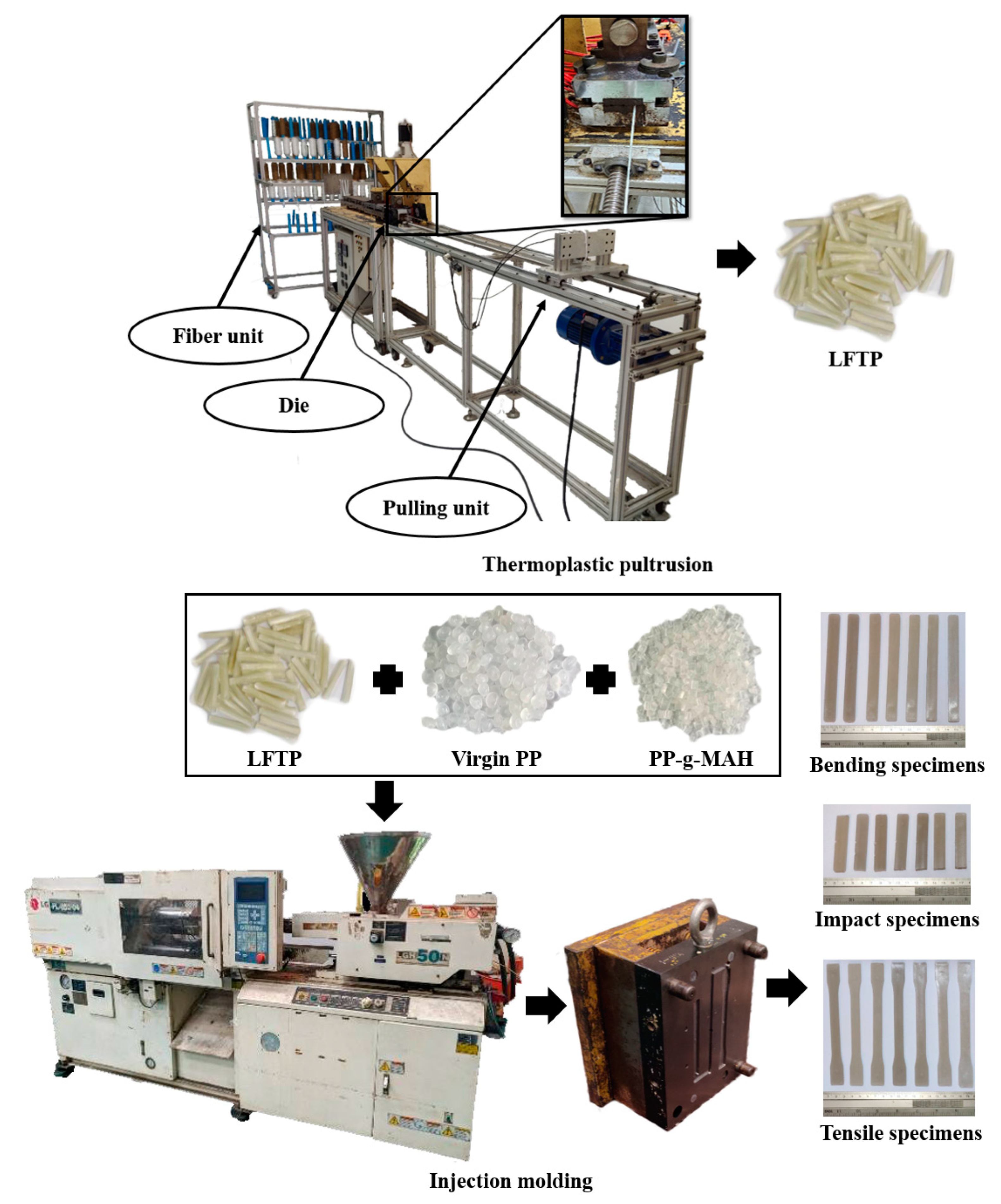
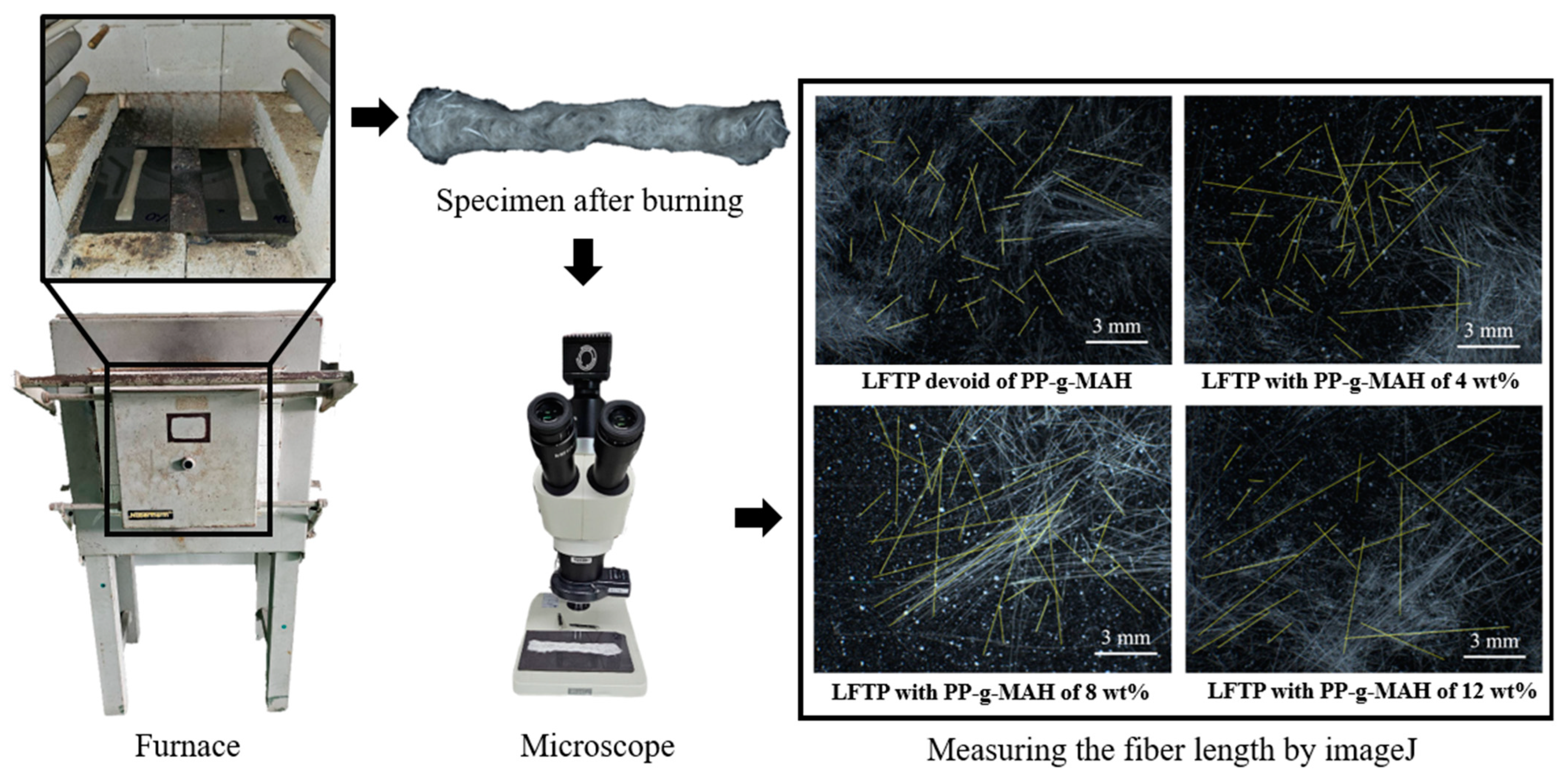
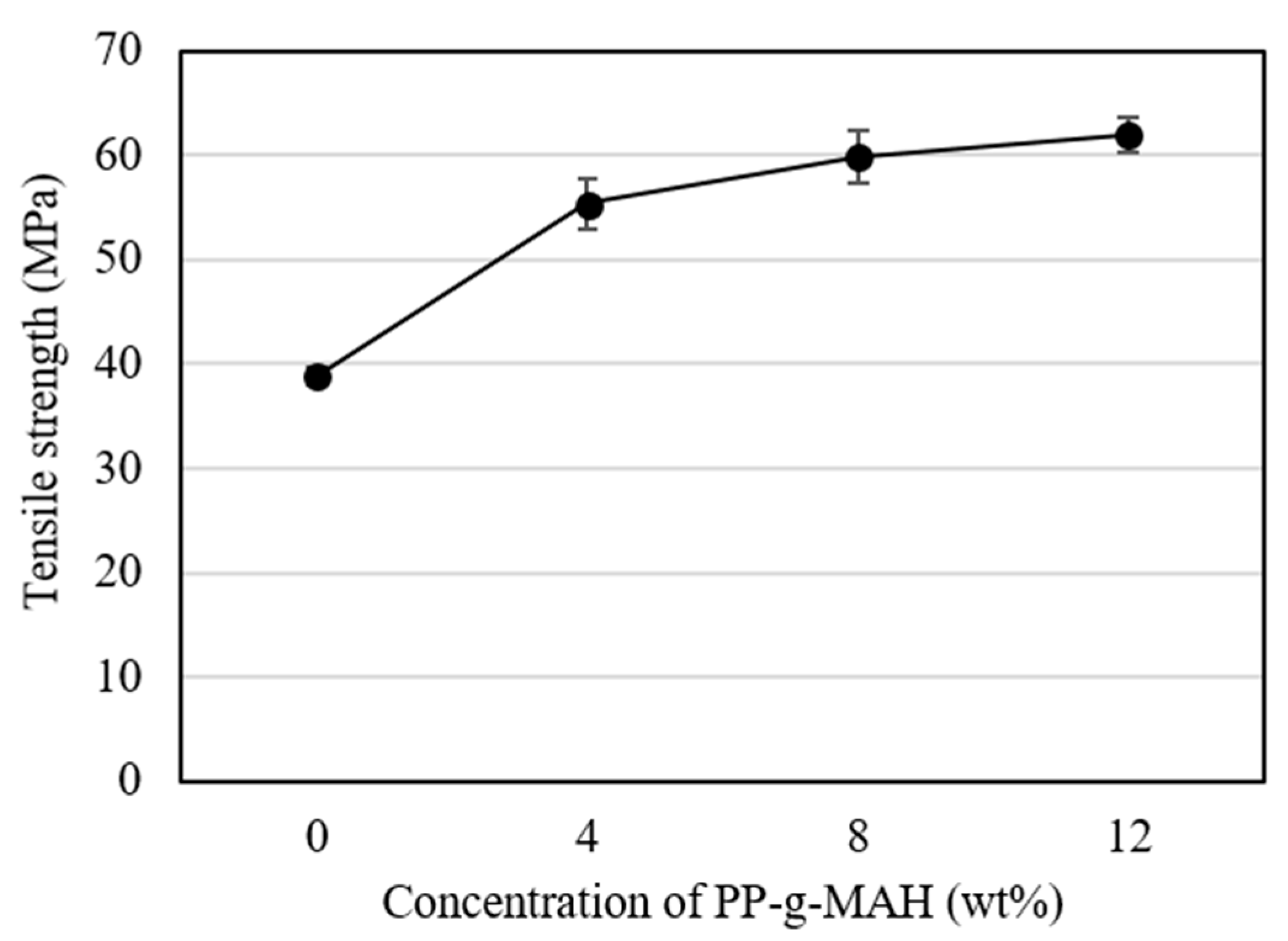
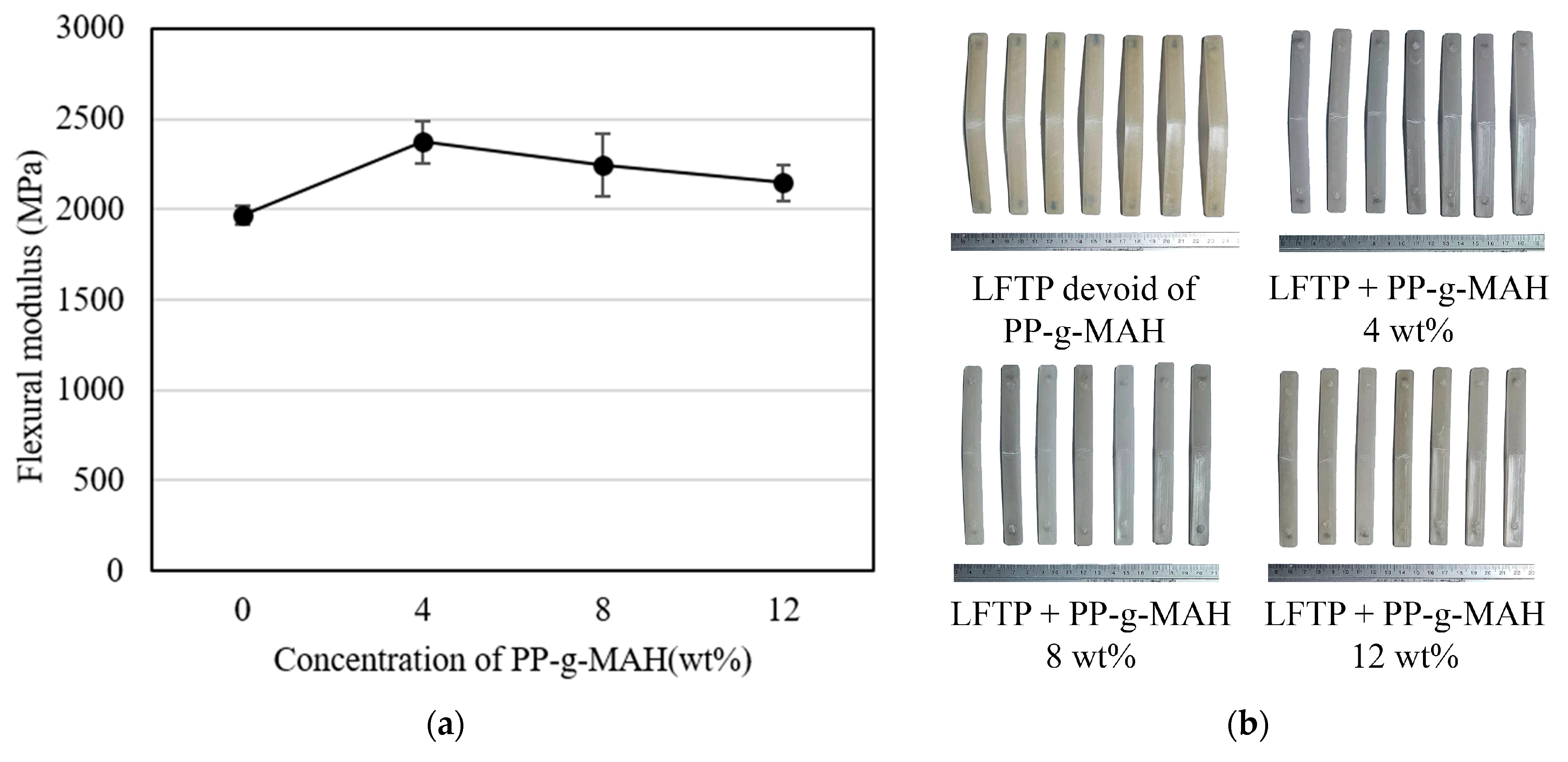
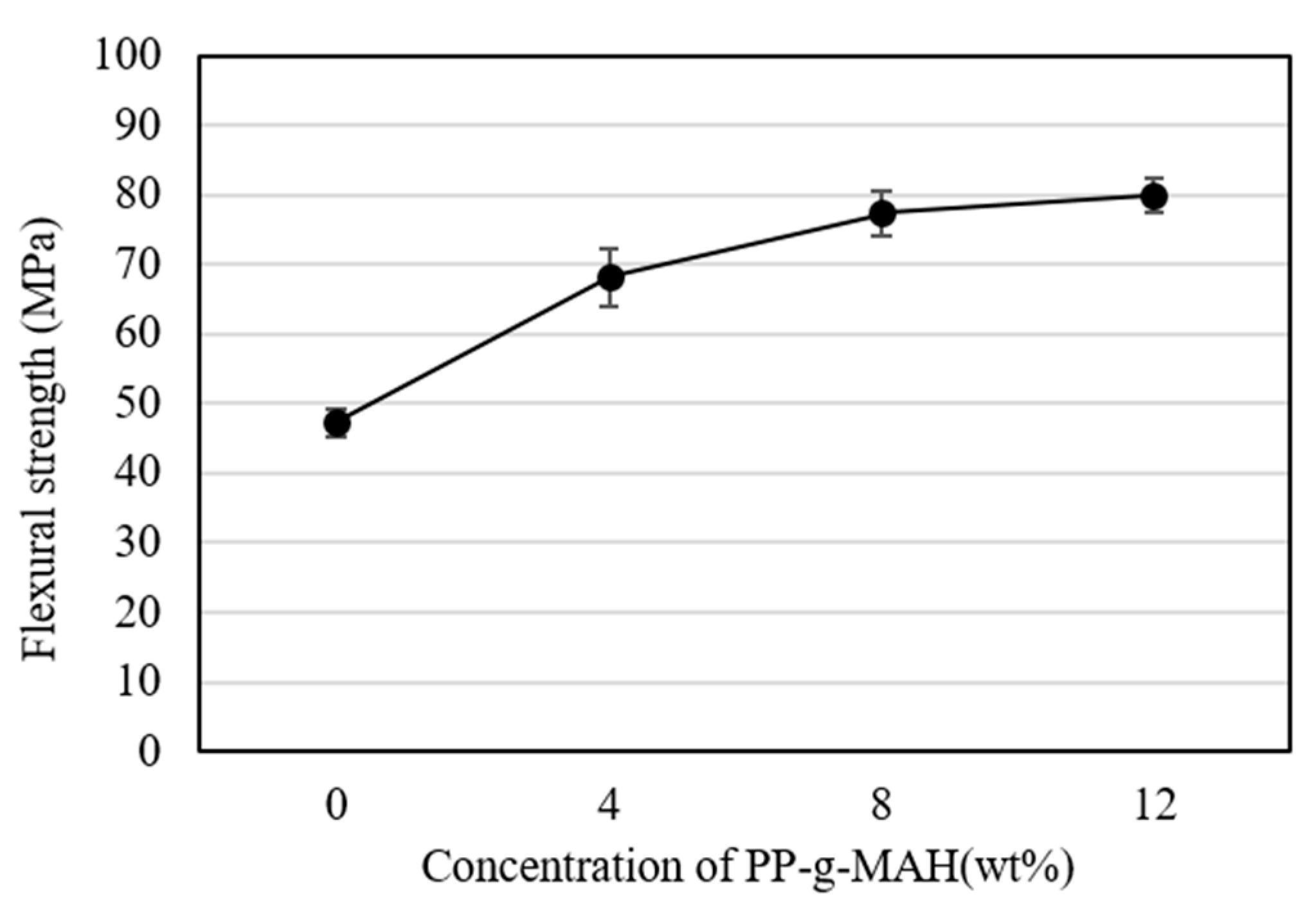
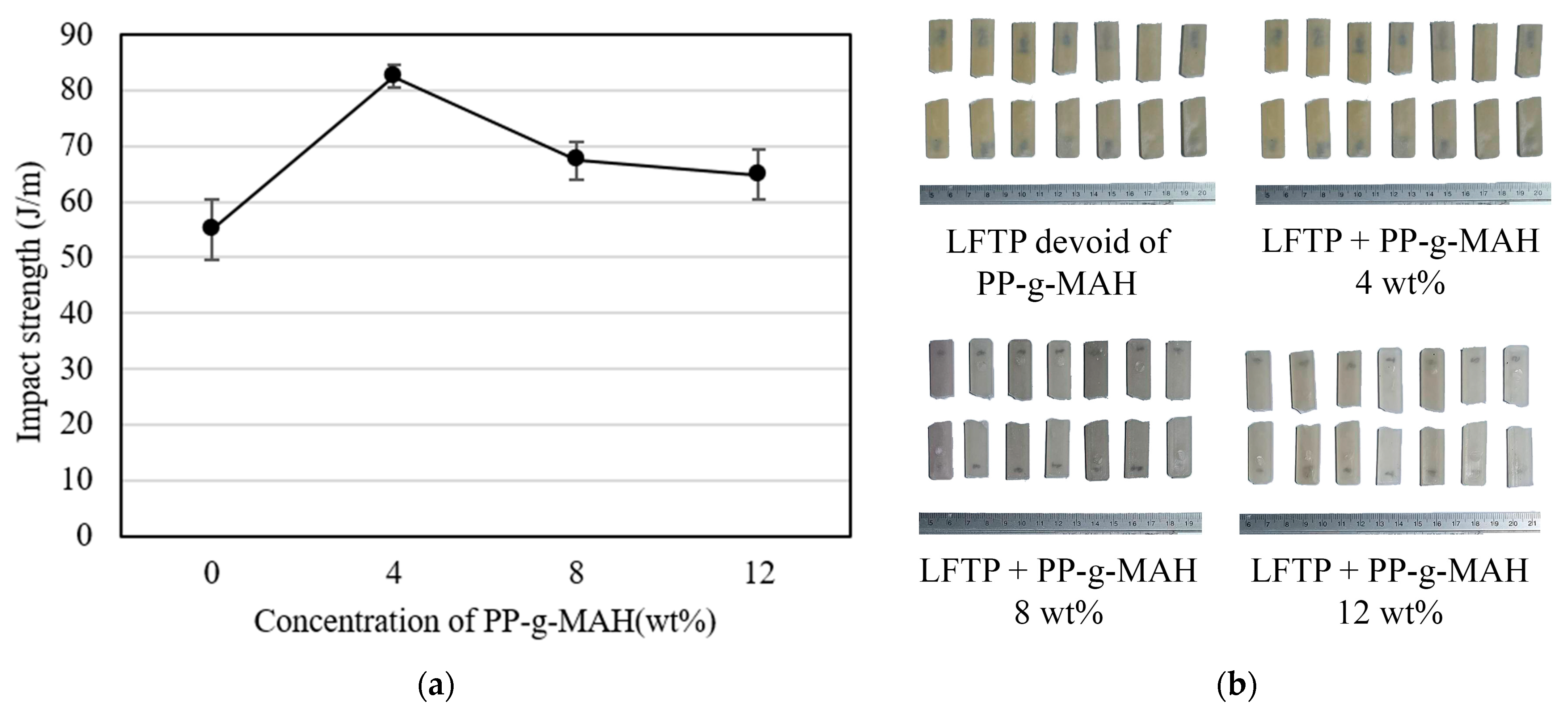
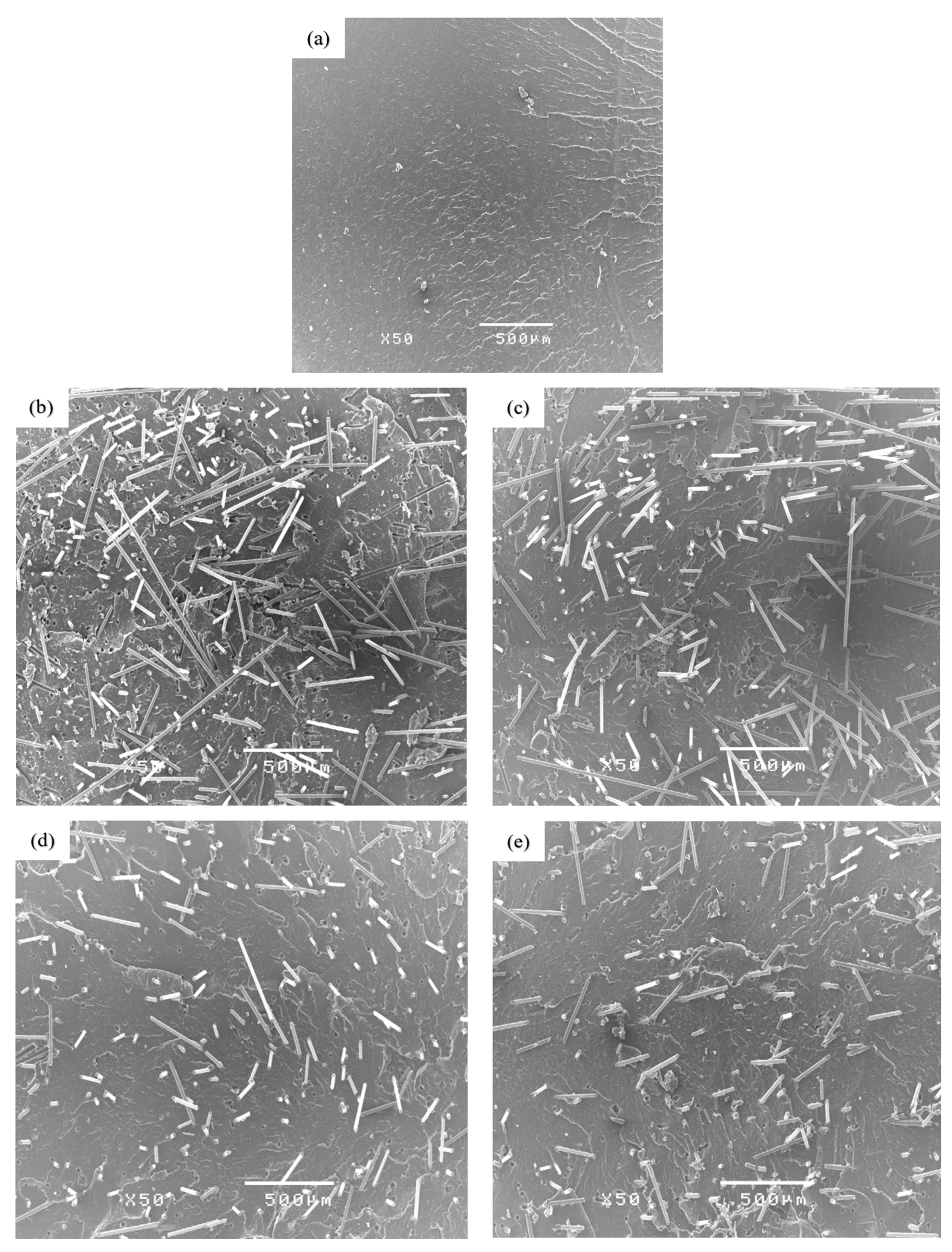
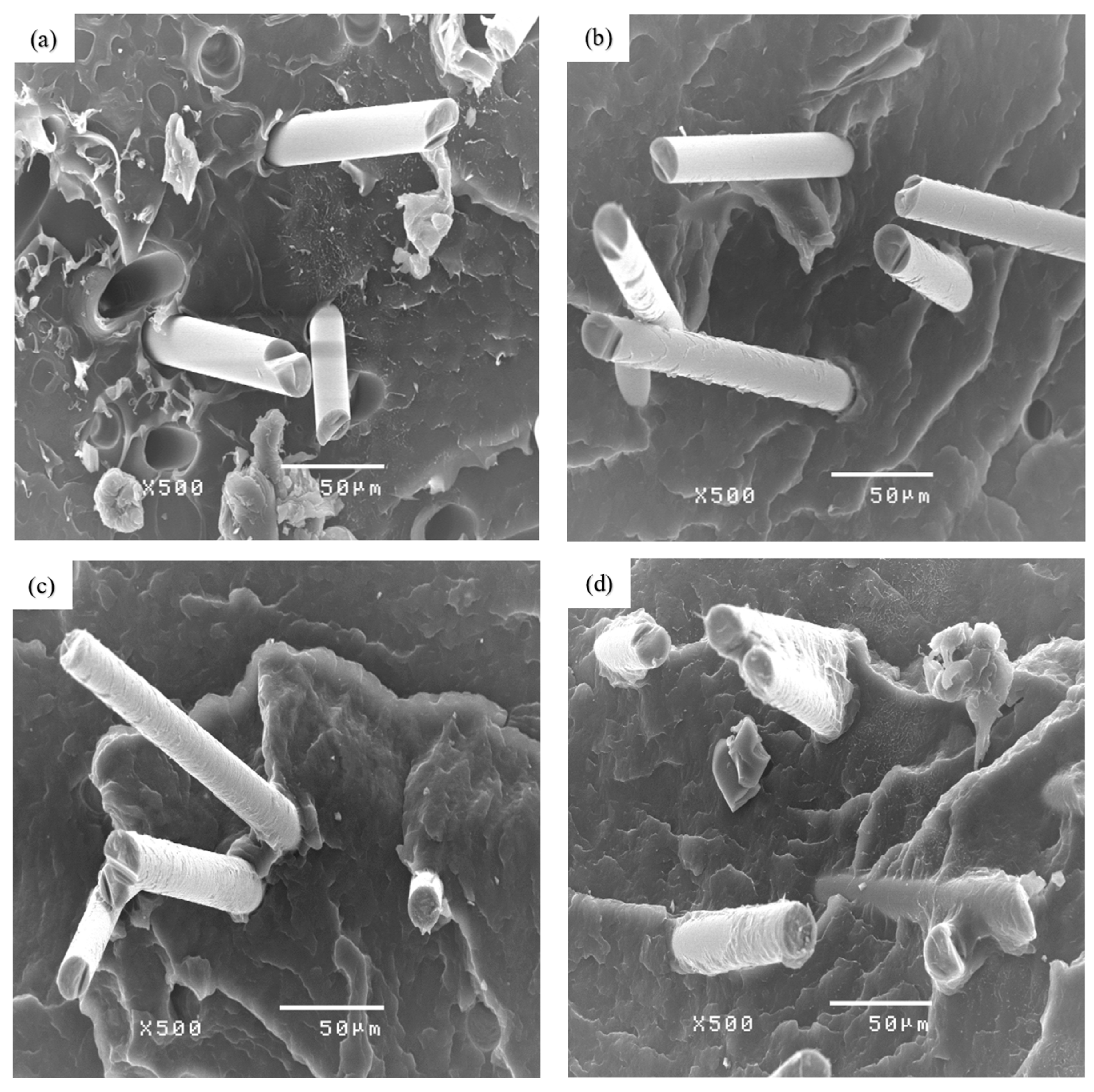
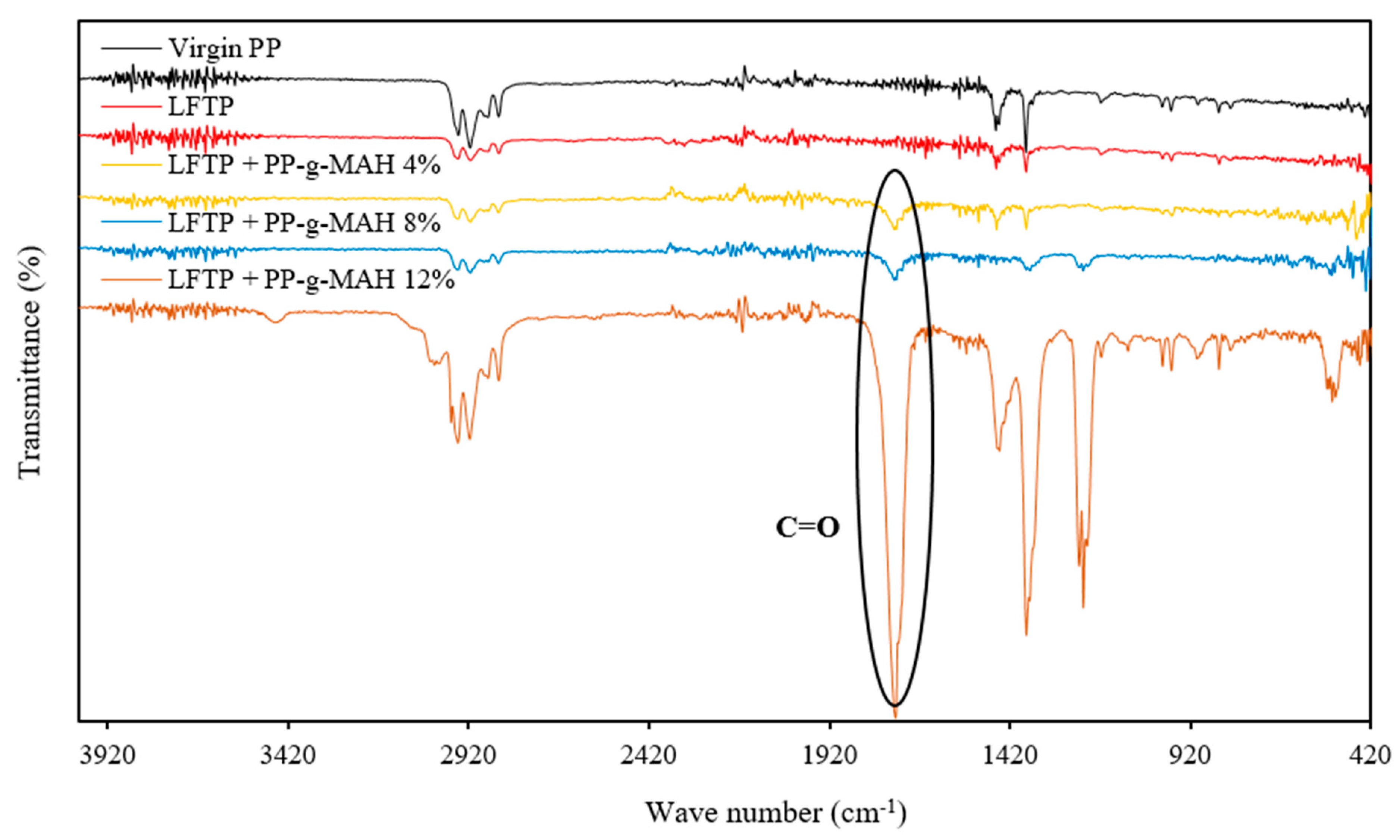
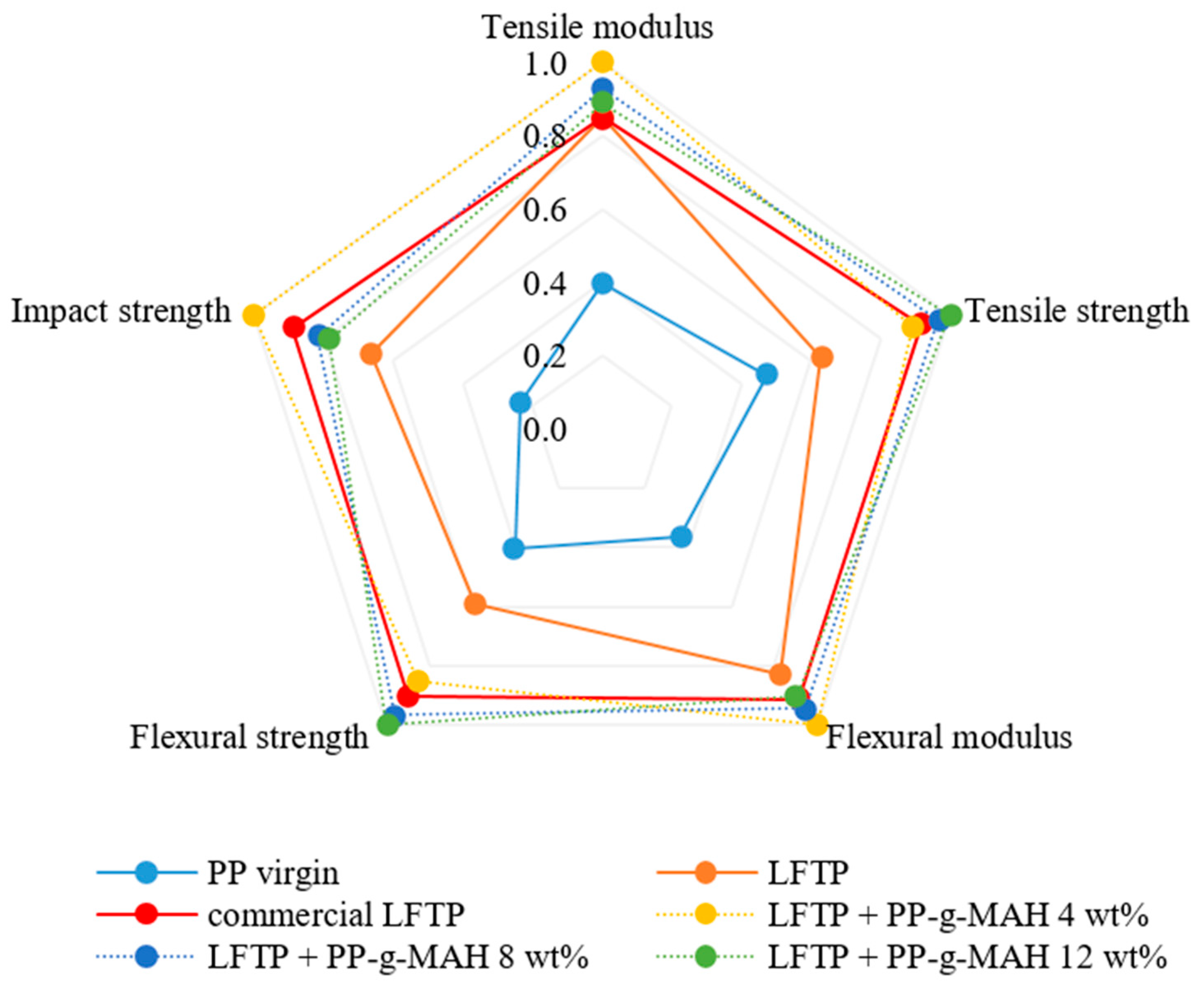
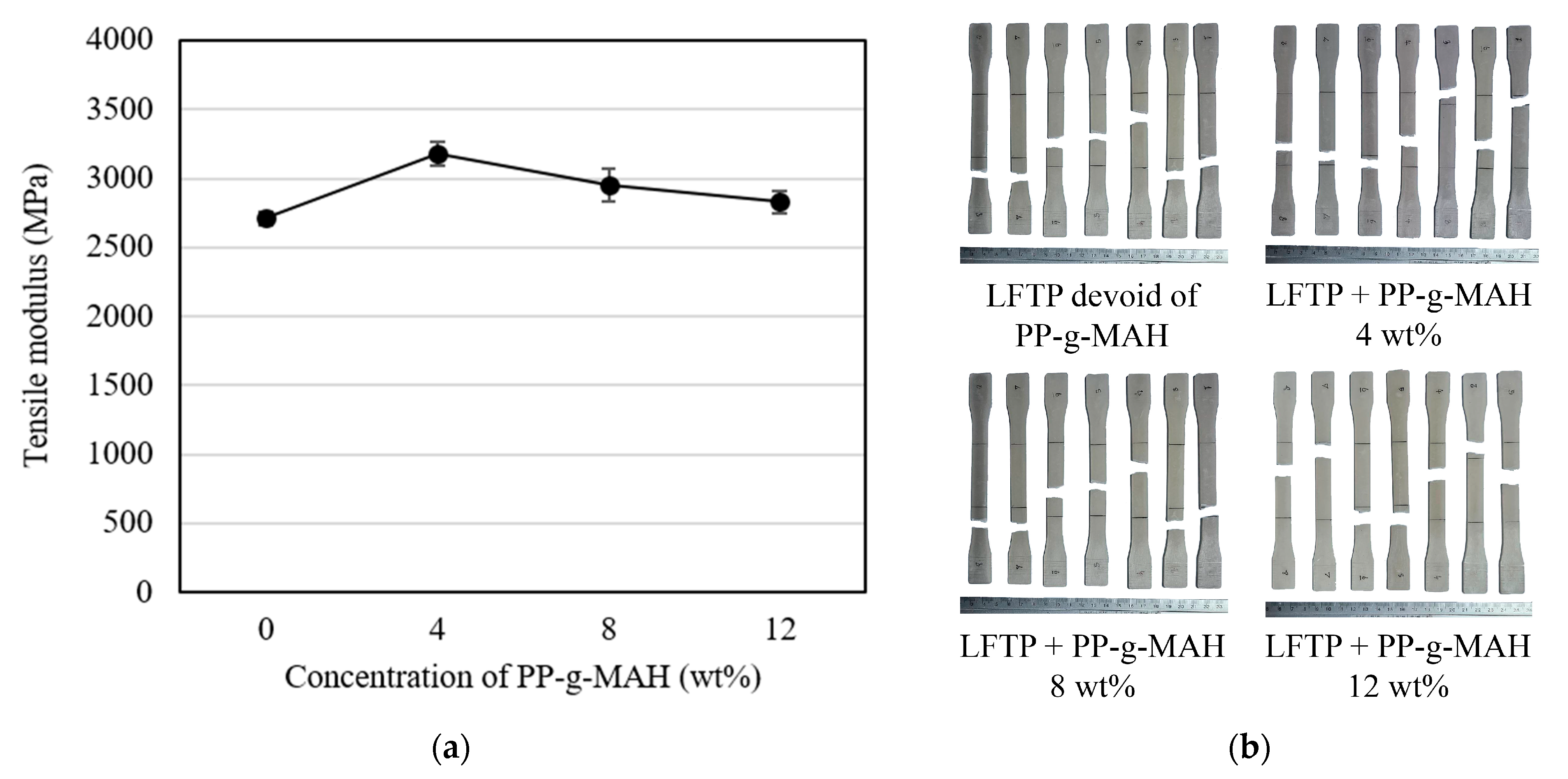
Long fiber thermoplastic pellets are pellets containing discontinuous reinforced fibers and a matrix, offering excellent mechanical properties, good processability, recyclability, and low cost. Typically, commercial LFTP is manufactured through the hot melt impregnation process, combining extrusion and pultrusion. Although there is a thermoplastic pultrusion process for LFTP production, characterized by a simple machine and an easy method, its mechanical properties have not yet approached those of commercial LFTP. In improving the mechanical characteristics of LFTP manufactured via thermoplastic pultrusion, this research employed polypropylene-graft-maleic anhydride as a coupling agent during the injection molding procedure. The LFTP is composed of polypropylene material reinforced with glass fiber. Mechanical and physical properties of the LFTP were investigated by introducing PP-g-MAH at concentrations of 4, 8, and 12 wt% through injection molding. The results revealed that, at a 4 wt% concentration of PP-g-MAH, the LFTP composites exhibited heightened tensile, flexural and impact strengths. However, these properties began to decrease upon exceeding 4 wt% PP-g-MAH. The enhanced interfacial adhesion among glass fibers, induced by PP-g-MAH, contributed to this improvement. Nonetheless, excessive amounts of PP-g-MAH led to a reduction in molecular weight, subsequently diminishing the impact strength, tensile modulus, and flexural modulus. In LFTP composites, both tensile and flexural strengths exhibited a positive correlation with the PP-g-MAH concentration, attributed to improved interfacial adhesion between glass fibers and polypropylene, coupled with a reduction in fiber pull-out. Based on morphological analysis by SEM, the incorporation of PP-g-MAH improved interfacial bonding and decreased fiber pull-out. The presence of maleic anhydride in the LFTPc was confirmed through the utilization of FTIR spectroscopy. Mechanical properties of LFTP containing 4 wt% PP-g-MAH were found to be equivalent to or superior to those of commercial LFTP, according to the results of a comparative analysis.
Keywords: LFTP composite; thermoplastic pultrusion; long glass fiber reinforced polypropylene; PP-g-MAH LFTP composite; thermoplastic pultrusion; long glass fiber reinforced polypropylene; PP-g-MAH