


Abstract
Additive manufacturing enables the fabrication of porous polyetheretherketone (PEEK) structures with controlled architectures for biomedical applications. In particular, porous PEEK scaffolds have attracted significant attention due to their potential to enhance osteoconductivity while maintaining mechanical compatibility with bone. However, the relationship between porosity, post-processing conditions, and mechanical performance remains insufficiently understood, especially at high porosity levels. In this study, the effects of porosity (49–81%) and post-processing heat treatment (4 and 6 h at 300 °C) on the mechanical performance of additively manufactured PEEK osteoconductive scaffolds were experimentally investigated. Compression and three-point bending tests were conducted to evaluate strength and elastic modulus. Results demonstrated a strong inverse relationship between porosity and mechanical properties, with significant reductions observed beyond critical thresholds of approximately 66% in compression and 59% in bending. Heat treatment improved mechanical performance at lower porosity levels, likely due to enhanced crystallinity and interlayer bonding, while its effect diminished at higher porosities due to reduced load-bearing material and ligament thinning. These findings highlight the importance of optimizing porosity and post-processing conditions to achieve a balance between mechanical integrity and osteoconductive potential in PEEK scaffolds. The results provide practical design guidelines for the development of additively manufactured PEEK structures for load-bearing orthopedic applications.
1. Introduction
Polyetheretherketone (PEEK) is a high-performance thermoplastic polymer renowned for its exceptional mechanical strength, chemical resistance, thermal stability, and biocompatibility [1]. As a semi-crystalline polymer belonging to the polyaryletherketone (PAEK) family, PEEK is widely used in various sectors, including biomedical, chemical, aerospace, and electrical engineering fields [2,3]. The polymer was first synthesized by a group of English scientists in 1978. By the late 1990s, PEEK had emerged as a promising alternative to traditional metallic components in orthopedic implants [4]. PEEK is typically synthesized via step-growth polymerization through the nucleophilic aromatic substitution reaction between 4,4′-difluorobenzophenone and the disodium salt of hydroquinone in a high-boiling solvent like diphenyl sulfone at approximately 300 °C [5]. The chemical structure of the PEEK polymer consists of repeating units of aromatic rings linked by ether and ketone groups (–C6H4–O–C6H4–O–C6H4–CO–) [6]. This unique structure contributes to its excellent chemical stability, thermal resistance, and crystallinity [7,8].
In orthopedic applications, PEEK is highly regarded for its elastic modulus (approximately 3–4 GPa), which is closer to that of the human cortical bone compared to conventional biomaterials, such as titanium and cobalt chromium alloys. These conventional biomaterials have a significantly higher elastic modulus than human bone, which can lead to bone resorption, bone loss, and implant loosening due to stress shielding. In contrast, the mechanical compatibility of PEEK helps reduce stress shielding and bone resorption, making it an attractive option for bone substitute applications [9,10,11]. Additionally, PEEK offers high durability, corrosion and thermal resistance, and a lightweight nature, further enhancing its suitability for orthopedic implants, such as spinal cages, craniomaxillofacial prostheses, bone screws, dental implants, and joint replacements [9]. Moreover, PEEK is widely recognized as a radiolucent alternative to metallic biomaterials, allowing for fewer artifacts during post-operative imaging [12,13].
Despite these advantages, unmodified PEEK is inherently hydrophobic and biologically inert, which limits its surface energy, protein adsorption, and cellular adhesion with surrounding bone tissues upon implantation [14]. To address these limitations, researchers have focused on enhancing the bioactivity of PEEK through various modification strategies, including surface modification techniques and the application of bioactive coatings [5,15]. Different surface modification techniques, such as sandblasting, laser treatment, UV radiation, and chemical treatment, have yielded differing levels of success, highlighting the need to select an approach based on the specific application [9].
For instance, sandblasting has been reported to enhance surface roughness and improve wettability. However, excessive surface roughness may lead to a degradation of the mechanical properties of PEEK [16]. Similarly, the application of hydroxyapatite coatings has been demonstrated to significantly improve the osteointegration properties of PEEK. Despite these benefits, challenges such as particle debris release and coating delamination restrict its application in biomedical implants [17]. Additionally, several studies have explored the effects of combining multiple surface modification techniques to further enhance the bioactivity of PEEK. For example, Porrelli et al. [18] combined sandblasting with air-plasma treatment, which resulted in a notable improvement in surface hydrophilicity and wettability of PEEK samples [18].
Therefore, given the broad range of modification techniques available, it is crucial to establish an optimized approach that enhances the osteoconductivity of PEEK while preserving its mechanical stability and long-term performance.
More recently, the emergence of additive manufacturing (AM), commonly known as three-dimensional (3D) printing, has enabled the fabrication of implants with controlled and tunable porous architectures. This advancement offers more straightforward pathways to enhance both biological and mechanical performance of PEEK implants [19]. Among the various AM techniques, material extrusion (MEX) is the most widely used method for 3D printing polymers owing to its low maintenance cost, design flexibility, ease of operation, compact size, and minimal material waste [20,21]. However, processing high-performance polymers such as PEEK, which have a melting temperature of around 343 °C and a processing temperature range of 350 °C to 400 °C, requires specialized high-temperature printers [12]. Printing under such extreme heating conditions can lead to warping, shrinkage, delamination, and poor interlayer adhesion during fabrication. Therefore, printing parameters, including nozzle temperature, printing speed, and cooling rate, must be carefully optimized [22].
Several studies have examined how these parameters influence the mechanical behavior of 3D-printed PEEK. Xiaoyong et al. [23] tested the tensile strength of 1B type tensile PEEK specimens using 0.2 mm layer height, 0.8 mm shell thickness, 20 mm/s print speed, and a constant print head of 430 °C. The bed and ambient temperatures were varied to evaluate the influence of temperature on the material’s mechanical properties and overall printing performance. The results showed that the highest temperature setting, 130 °C for the bed and 60 °C for the ambient environment, had the best mechanical performance, highlighting the importance of thermal conditions in the 3D printing of PEEK components [23].
Other printing parameters, such as layer height, printing speed, and build orientation, are also crucial when printing PEEK implants. Chithambaram and Senthilnathan [24] investigated the hardness and wear characteristics of 3D-printed PEEK specimens produced under varying layer heights and printing speeds. The results indicated that a layer height of 0.15 mm and a printing speed of 20 mm/s provided optimal hardness and wear characteristics of PEEK specimens [24]. In another study, Basgul et al. [25 tested 3D-printed lumbar fusion cages fabricated at varying speeds to identify the optimal speed that minimizes printing time while maintaining mechanical strength. Each sample was subjected to compression, compression–shear, and torsion to evaluate mechanical performance. The results indicated that an optimal printing speed between 1000 and 1500 mm/min achieved the best balance between reduced production time and mechanical integrity. Additionally, they observed a direct correlation between print speed and porosity, concluding that increasing printing speed beyond 1500 mm/min leads to higher porosity and reduced strength of the cages [25].
In addition to printing parameters, studies showed that post-processing heat treatment can significantly enhance the crystallinity and mechanical performance of PEEK [26]. A recent study by Adamson and Eslami [27] investigated the effects of post-processing treatment, specifically annealing, on the microstructural and mechanical properties of 3D-printed PEEK specimens. The samples were heat-treated at 330 °C and 360 °C for varying durations. The results indicated that the samples annealed at 360 °C for six hours exhibited improved crystallinity and achieved the highest tensile strength. These findings underscore the critical role of post-processing treatment in influencing the physical properties and mechanical stability of PEEK [27].
Although alternative approaches, such as the physical and chemical surface modification techniques discussed above, have been widely employed to enhance the bioactivity and osteointegration of PEEK, these methods present several inherent limitations. These limitations include coating delamination, the release of wear particles, structural instability, and compromises in mechanical performance, depending on the specific technique used [28,29,30]. For example, chemical treatments such as sulfonation have been shown to enhance the bioactivity of PEEK; however, residual sulfuric acid following treatment can induce cytotoxic effects, thereby limiting their application in biomedical implants [31]. Similarly, UV radiation-based surface modification raises concerns regarding material degradation with long exposure, which can lead to yellowing, oxidation reactions, reduced mechanical strength, and embrittlement [32,33]. Furthermore, other limitations, including allergic reactions, low coating adhesion, high processing cost, and undesirable changes to the structure and properties of PEEK, have been reported for both physical and chemical modification approaches [16].
These limitations highlight the need for alternative strategies to enhance the osteointegration and bioactivity while maintaining the structural and mechanical integrity of PEEK. Recently, various studies have investigated porous PEEK to enhance the osteointegration properties of PEEK [9,30]. Porosity plays a critical role in biomedical and tissue engineering, as it enables tissue ingrowth and facilitates bonding between the implanted material and surrounding tissues. In orthopedic applications, porous PEEK scaffolds serve as a template for cell adhesion and support the formation of bone extracellular matrix. This provides structural support for new bone tissue formation at the cellular level [30]. Furthermore, these porous PEEK scaffolds are designed to mimic the characteristics of the human bone, which consists of a solid structure interspersed with a series of pores [34,35,36]. Human bone exhibits an anisotropic structure with complex, interconnected networks that facilitate constant blood supply and nutrient transport. Therefore, by designing PEEK structures with carefully tailored pore size, shape, and distribution, it is possible to enhance the material’s bioactivity and promote osteointegration while also mimicking the porous architecture of the natural bone [37,38]. Additionally, the pore volume of the natural bone varies depending on the type of bone tissue, whether cortical or trabecular. Cortical bone typically exhibits a low porosity ranging from 5% to 30%. In contrast, trabecular bone has a much higher porosity, ranging from 50% to 90%. Thus, it is important to tailor the porosity of PEEK implants according to the specific bone type to achieve optimal balance between mechanical integrity and biological performance [36,39].
To address this, Wong et al. [40] employed computer-aided design/computer-aided manufacturing (CAD/CAM) techniques and MEX printing to fabricate PEEK implants with different porosities of 40%, 50%, 60% and solid. In vivo experiments conducted on rabbit skulls aimed to evaluate whether increased porosity could enhance bone compatibility. The results revealed that implants with 40% porosity exhibited the best osteointegration and bone compatibility among all tested samples. However, after 14 days, the 60% porosity scaffolds exhibited greater cell infiltration and proliferation compared to the other porosity groups. This observation led the authors to suggest that the 60% porosity scaffolds may yield better outcomes over longer experiment durations [40]. Another study by Feng et al. [41] investigated the influence of pore size on the mechanical and biological properties of 3D-printed porous PEEK scaffolds. The scaffolds were designed with inherently interconnectivity pore structures to provide a favorable condition for cell migration and proliferation. The porosity ranged from 60% to 70%, with pore sizes of 300 μm, 450 μm, and 600 μm. The results demonstrated that smaller pore sizes enhanced cell adhesion and osteogenic differentiation, while scaffolds with larger pore sizes were more effective in promoting cell penetration and proliferation. In vivo findings further indicated that the 450 μm pore size scaffolds provided an optimal balance between bone ingrowth, cell adhesion, proliferation, and vascularization [41].
While previous studies have explored the influence of porosity on the bioactivity and mechanical performance of PEEK scaffolds, they have focused on moderate porosity levels (around 70%) [41]. However, to the best of the author’s knowledge, the mechanical properties of high porosity structures (above 70%) remain poorly understood. Therefore, this study aims to examine the impact of varying porosity levels, ranging from 46% to 81%, on the compressive and flexural properties of 3D-printed PEEK scaffolds. These porosity levels were selected to investigate the mechanical performance over a broad range beyond previously studied thresholds, offering insights to guide the design of orthopedic porous PEEK scaffolds to different implant structures based on patient-specific requirements and the characteristics of the target bone tissue.
In the present study, scaffolds were fabricated using a high-performance fused deposition modeling (FDM) printer under consistent printing conditions. The study explores the role of post-printing heat treatment by comparing and analyzing the mechanical performance of samples subjected to no heat treatment, 4 h of heat treatment, and 6 h of heat treatment. The main objective is to investigate how porosity influences the mechanical performance of PEEK scaffolds and to identify the optimal porosity for promoting osteointegration while maintaining mechanical integrity. It is hypothesized that increasing porosity will enhance osteoconductivity but reduce mechanical stability. Understanding this relationship is critical when designing PEEK scaffolds for orthopedic applications. Moreover, evaluating the compression and bending behavior of PEEK specimens are vital in orthopedic implants, as it reflects the material’s ability to withstand realistic physiological stresses and mechanical loads within the human body.
2. Materials and Methods
2.1. CAD Model
Porous PEEK specimens were designed using the web-based CAD software, Onshape Version1.200 (PTC Inc., Boston, MA, USA). To achieve different levels of porosity, the pores per inch (PPI) of each structure were systematically altered. The finalized CAD models were exported in 3MF format and imported into CreatWare V8.0.6 slicing software, where the printing parameters were defined (Henan Creatbot Technology Limited, Zhengzhou City, China). G-code files were then generated and transferred to the 3D printer for fabrication.
2.2. 3D Printing
The porous PEEK specimens were fabricated using KetaSpire® MS NT1 AM PEEK filament (Solvay, Brussels, Belgium) [42]. The key properties of the filament are summarized in Table 1.
Table 1.
KetaSpire® MS NT1 AM PEEK filament properties.
All specimens were printed using an ultra-high-performance FDM 3D printer (CreatBot PEEK-300; Henan Creatbot Technology Limited, Zhengzhou City, China) [43]. After loading the PEEK filament into the 3D printer, the material was heated in the nozzle to the set processing temperature. The molten polymer was then extruded through the nozzle and deposited layer by layer to form the designed shape.
To determine the optimal printing conditions, several combinations of printing parameters, including nozzle temperature, bed temperature, chamber temperature, printing speed, and layer height were evaluated. The final parameters, summarized in Table 2, were found to be the most effective for achieving consistent print quality while minimizing issues such as stringing, warping, and specimen breakage. Additionally, all specimens were fabricated horizontally along the XY plane to ensure consistent build orientation. This single orientation approach was decided because horizonal deposition was the only possible method to print the parts without requiring support materials and compromising the integrity of the specimens.
Table 2.
Summary of the printing parameters used for the fabrication of the specimens.
2.3. Heat Treatment
To evaluate whether post-processing could further enhance the mechanical performance of porous PEEK, heat treatment was applied to the compression and three-point bending test specimens at 300 °C for durations of 4 h and 6 h. The heat treatments were conducted using a Thermolyne furnace (Thermo Fisher Scientific, Waltham, MA, USA). The furnace was preheated at the target temperature of 300 °C prior to specimen placement. Specimens were then placed and maintained at the target temperature for 4 and 6 h, depending on the duration condition. After completion of the heat treatment, the specimens were cooled in ambient air for approximately 1 h before being transferred to air-sealed plastic bag for storage prior to testing. The exact heating and cooling rates of the specimens were not measured in this study. The selected temperature was based on the study by Zhen et al. (2023), who investigated the effects of heat treatment on 3D-printed PEEK at 300 °C using shorter exposure times of 0.5, 1, and 2 h [44]. In the present study, the duration was extended to 4 and 6 h to examine the influence of prolonged heat exposure on the mechanical properties of porous PEEK, as previous research indicated that extended annealing can further enhance crystallinity and mechanical performance [27].
2.4. Mechanical Test Specimens
Two types of mechanical specimens were prepared and tested: compression test specimens and three-point bending test specimens. The porosity of each specimen was determined by comparing the mass of the porous specimen to that of a fully dense, solid reference sample. The mass of each specimen was measured using a precision balance with a measurement readability of 0.001 g. The density of the material was assumed to be uniform and equal to 1.29 g/cm3, as specified by the manufacturer. The porosity was calculated using the following equations:
where is the calculated volume of the solid specimen, is the calculated volume of the porous specimen, and are the measured masses of the solid and porous specimens, respectively, and is the density of PEEK. The porosity, , expressed as a percentage, represents the porosity level of each specimen and quantifies the ratio of the total void volume to the overall volume of the porous specimen [45]. It was observed that the actual porosity values of the printed specimens slightly varied from their CAD-designed values. This variation was attributed to the irregularity of the pore geometry and minor inconsistencies during the 3D-printing process. Therefore, the porosity values presented in this study represent the experimentally calculated average porosity for each designed sample.
2.4.1. Compression Test
Compression specimens were printed with external dimensions in accordance with ASTM D695 standards, as illustrated in Figure 1a. Six porosity levels, 49%, 62%, 66%, 72%, 79% and 81%, were achieved [46]. The CAD models of the porous compression specimens are presented in Figure 1b–g.
Figure 1.
(a) Dimensions of the compression specimens; compression specimens with different porosity levels: (b) 49%, (c) 62%, (d) 66%, (e) 72%, (f) 79%, and (g) 81%.
Compression testing was performed using a Tinius Olsen 150ST universal testing machine with a maximum loading capacity of 150 kN (Tinius Olsen, Horsham, PA, USA) [47]. The tests were conducted in accordance with ASTM D695 standard. The width, thickness, and height of each specimen were measured at multiple points along its length. During testing, each specimen was positioned vertically between two hardened blocks, with its longest dimension oriented parallel to the direction of the applied compressive force. The specimens were positioned vertically in accordance with the ASTM standard. Moreover, axial compression testing is particularly important for orthopedic implants, as it replicates the anisotropic loads experienced along the longitudinal axis of bone under physiological conditions. This orientation allows for similar assessment of the compression behavior of implants, particularly those designed for load-bearing applications [48,49].
For statistical reliability, five specimens were tested under each condition. For each porosity level, a total of 15 specimens were printed: five were tested without heat treatment, five were subjected to 4 h of heat treatment, and five were subjected to 6 h of heat treatment. All tests were conducted at a constant test speed of 1.3 mm/min.
The ultimate compressive strength was obtained from the stress–strain curve and recorded as the maximum amount of strength the specimen can sustain before failure. The strain value was calculated from the travel distance of the crosshead. It should be noted that although the standard recommends the use of an extensometer to measure strain, due to the porous structure of the specimens, there is no physical way to mount the extensometer properly and measure the overall strain. Additionally, this study focuses on measuring the overall strain value of the porous specimens rather than the overall behavior of the bulk material.
2.4.2. Three-Point Bending Test
Three-point bending specimens were prepared with external dimensions in accordance with ASTM D790 standards, as illustrated in Figure 2a [50]. Unlike in compression testing, where the load is applied uniformly throughout the specimens, bending tests produce a nonuniform load distribution across the cross-sectional area because the load is applied only at the specimen’s mid-span. This can influence the mechanical performance of the porous specimens. Therefore, to account for the reduction in load-bearing cross-section caused by porosity, an effective thickness was defined to be 3 mm. The corresponding nominal thickness of each specimen was then calculated using Equation (4):
where teffective represents the effective thickness prescribed by ASTM D790, tnominal is the calculated nominal thickness used in designing the specimens, and is the selected porosity. This approach allows the mechanical stress to be calculated based on the effective load-bearing area, while accounting for the porosity in the specimens. The results revealed a nonlinear relationship between porosity and nominal thickness. As porosity increases, the nominal thickness increases at an accelerating rate to maintain an effective cross-sectional area at higher void fractions. Table 3 shows the calculated nominal thickness of the three-point bending specimens designed in CAD and the actual porosities measured after printing. Four porosity levels, 49%, 59%, 73% and 80%, were achieved. While the intention was to fabricate the same number of specimens for the compression tests (six porosity levels), constraints related to nominal thickness and printing quality limited the achievable range of porosity levels for the bending specimens. Specimens with target porosities ranging between 45% and 80% were attempted. However, after printing, the resulting porosities were closely comparable to those reported in this study and were therefore excluded.
Figure 2.
(a) Dimensions of the three-point bending specimens, where x is the calculated nominal thickness; three-point bending specimens with different porosity levels: (b) 49%, (c) 59%, (d) 73%, and (e) 80%.
Table 3.
Calculated nominal thickness and actual porosity of three-point bending specimens.
The CAD models of the porous three-point bending specimens are shown in Figure 2b–e.
Three-point bending testing was performed using an ADMET universal testing machine in accordance with the ASTM D790 standard (ADMET, Norwood, MA, USA) [51]. Each specimen was positioned horizontally on a 48 mm support span, and a load was applied at the center of the specimen. The applied force and midspan distance deflection were recorded for each specimen at a crosshead rate of 1.28 mm/min. The crosshead speed was calculated based on the effective thickness and the support span.
For the bending test, a total of 12 specimens were printed for each porosity level: three were tested without heat treatment, three were subjected to 4 h of heat treatment, and three were subjected to 6 h of heat treatment.
Similarly to the ultimate compressive strength, the ultimate flexural strength was defined as the maximum stress the specimen can sustain before fracture.
2.5. Uncertainty Analysis
An uncertainty analysis of stress was conducted to account for potential errors arising from the mechanical testing equipment and dimensional measurements obtained using a digital caliper. This analysis was applied to both the compressive and three-point bending tests to ensure accuracy and reliability of the measured results.
The compressive stress (σ) for the compression test specimens was determined using Equation (5):
where σ is the stress (MPa), F is the applied force (N), and A is the cross-sectional area of the specimen (mm2). The cross-sectional area was calculated as the product of the specimen width () and thickness (). The digital caliper had a resolution of 0.01 mm. The applied force (F) was measured using a universal testing machine equipped with a load cell with an accuracy of ±0.2% of the measured value within 0.2–100% of its capacity.
The total uncertainty in stress was estimated using standard uncertainty propagation techniques, considering the partial derivatives of the stress equation with respect to the applied force, specimen width, and specimen thickness, as expressed in Equations (6)–(8) [52]:
The combined uncertainty of stress () was then calculated using the root-sum-square (RSS) method, as shown in Equation (9). The experimental uncertainty calculated for compressive stress in this study was approximately 2.6%.
The flexural stress ( for the three-point bending test the was calculated using Equation (10):
where P is the maximum load applied at the fracture point (N), L is the support span length (mm), b is the specimen width (mm), and d is the specimen thickness (mm).
The maximum load (P) was measured using a universal testing machine equipped with a load cell with an accuracy of ±0.5% of the reading. Following the same uncertainty propagation technique used for compression stress, the combined uncertainty of flexural stress () was calculated using Equation (11).
The experimental uncertainty associated with the flexural stress measurements was approximately 4.5%.
2.6. Statistical Analysis
The mean values ± standard deviation (SD) for each dataset are presented in bar graphs in the results section. Statistical significance between porosity groups and heat treatment conditions was assessed using a one-way analysis of variance (ANOVA) with a significance level α = 0.05 (95% confidence interval). Differences were considered statistically significant at p < 0.05, in which case the null hypothesis (H0) was rejected. Otherwise, the null hypothesis was not rejected (p ≥ 0.05). All analyses were conducted using Microsoft Excel (Version 16.107.3; Microsoft Corporation, Redmond, WA, USA). In graphical representations, comparisons that did not show statistical significance are annotated as “ns”, while statistically significant differences are not labeled to minimize visual clutter.
2.7. AFM and XRD Characterization
To investigate the influence of heat treatment on the microstructural evolution and crystallinity of PEEK, both Atomic Force Microscopy (AFM) and X-ray Diffraction (XRD) analyses were conducted on the PEEK filament material used for fabrication of the porous scaffolds. The same heat-treatment conditions applied to the 3D-printed specimens were also applied to the filament samples to establish a direct correlation between thermal post-processing, crystallinity, and the mechanical performance of the printed structures discussed in this study.
For AFM characterization, the PEEK filaments were sectioned into small segments and mounted onto glass microscope slides. Surface morphology and phase imaging were performed using an Asylum Research MFP-3D AFM System equipped with an ARC2 controller operating in bimodal AFM mode. A cantilever with a resonance frequency of 72 kHz and nominal stiffness of 2.1 N/m was used during imaging. Both height and phase images were collected simultaneously to evaluate the nanoscale morphological and viscoelastic changes induced by thermal treatment.
For XRD analysis, the PEEK filaments were converted into powder form prior to testing to minimize orientation effects associated with the filament geometry and to provide a more representative bulk crystallinity measurement. XRD measurements were conducted for the as-received PEEK and the heat-treated samples subjected to 300 °C for 4 and 6 h. The diffraction patterns were analyzed by comparing the crystalline peak intensities relative to the amorphous background in order to estimate the degree of crystallinity.
3. Results and Discussion
3.1. Post-Test Fracture Behavior
Figure 3 shows an example of a compression specimen with 49% porosity before and after testing. After compression testing, ligaments that hold the structure together were observed to separate and detach. This behavior was consistent across all porosity levels. In lower porosity levels, particularly at 49%, 62%, and 66%, heat-treated specimens exhibited improved ligament integrity compared to non-treated specimens, indicating enhanced strength and resistance to fracture.
Figure 3.
Compression specimens (a) before and (b) after testing.
Figure 4 presents a 49% porosity specimen before and after the bending test. After testing, the specimen is permanently deformed into a V-shape, with the maximum deflection occurring at the mid-span where the load was applied. As the load increased, the ligaments progressively fractured and detached from one another. For higher porosity levels (49% and 59%), the heat-treated specimens demonstrated greater ligament bonding strength compared to the non-treated specimens.
Figure 4.
Bending specimens (a) before and (b) after testing.
3.2. Testing Results
The following section presents the results of data analysis for both the compression and three-point bending specimens. The ultimate compression strength, ultimate flexural strength, and modulus of elasticity were determined from the stress–strain curves. Bar graphs are used to compare the compressive strength, flexural strength, and modulus of elasticity across different porosity levels and heat treatment conditions.
3.2.1. Compression Testing
To ensure consistency, five compression specimens were tested for each porosity level, and the average values with corresponding error bars are presented in the bar graph. Figure 5 presents the ultimate compressive strength of the specimens that did not undergo heat treatment.
Figure 5.
Comparison of the ultimate compressive strength of untreated compression test specimens at six porosity levels. Non-significant comparisons are labeled (ns); all other comparisons are statistically significant (p < 0.05).
The ultimate compressive strength is the highest at the lowest porosity level of 49%, with a measured value of 10.8 ± 0.8 MPa. As porosity increased, the compressive strength decreased significantly, dropping to 1.8 ± 0.3 MPa at 81% porosity. Comparing the lowest and highest porosity levels, the compressive strength decreased by 83.3%. At 62%, 66%, 72%, and 79% porosity levels, the ultimate compressive strengths were 7.0 ± 1.2 MPa, 6.8 ± 1.2 MPa, 4.1 ± 0.1 MPa, and 1.9 ± 0.3 MPa, respectively. This behavior can be attributed to the reduced material volume at higher porosities, where thinner and weaker ligaments limit the specimen’s ability to resist compressive loading.
Statistical analysis found no statistically significant difference in ultimate compressive strength between the 62% and 66% porosity levels (p ≈ 0.82), nor between the 79% and 81% levels (p ≈ 0.85). However, statistical significance was observed among all other porosity levels (p < 0.05). Additionally, the results indicate a significant reduction in strength at 72% porosity, with the compressive strength decreasing to 4.1 MPa. This represents a decrease of over 50% from the maximum strength of 10.8 MPa observed at 49% porosity. These findings suggest a clear threshold, as porosity levels above 66% lead to a substantial decline in mechanical performance.
The modulus of elasticity measurements, as displayed in Figure 6, exhibited trends similar to those observed for compressive strength, with a notable decrease in elasticity as porosity increased.
Figure 6.
Comparison of the modulus of elasticity of untreated compression test specimens at six porosity levels. Non-significant comparisons are labeled (ns); all other comparisons are statistically significant (p < 0.05).
The modulus of elasticity was observed to be at its highest level of 359.2 ± 22.4 MPa at 49% porosity, while it reached its lowest at 79% porosity, with a value of 58.2 ± 11.2 MPa. This indicates an around 83.8% decrease in elasticity from the maximum porosity of 49%. The elasticity values for 62%, 66%, 72%, and 81% are 183.1 ± 17.1 MPa, 171.0 ± 32.3 MPa, 122.6 ± 7.1 MPa, and 62.1 ± 11.1 MPa, respectively. Although the 81% porosity demonstrated a higher value compared to the 79% porosity level, statistical analysis indicated that this difference was not statistically significant (p ≈ 0.60). Moreover, the elasticity results also indicated no statistically significant difference between the 62% and 66% porosity levels (p ≈ 0.48). This can be attributed to the close resemblance in structural design and the comparable porosity of the specimens. The other pairwise comparisons between porosity levels were statistically significant (p < 0.05). Additionally, the results showed a pronounced reduction in elasticity at 72% porosity with a 65.9% decrease from the maximum value at 49%. Overall, the data indicate that porosity levels exceeding 66% result in a noticeable decline in both compressive strength and elasticity. This suggests a significant compromise in the mechanical integrity of PEEK as pore size increases. These observations are consistent with previous studies, which have shown that increased pore size negatively affects the strength and elasticity of porous PEEK [38,41,53].
Figure 7 shows the ultimate compressive strength results of PEEK specimens that were heat-treated for 4 and 6 h. The results indicate that, for the 49% porosity specimens, extending the heat treatment duration to 6 h yielded a greater compressive strength of 11.2 ± 0.7 MPa, compared to the 4 h heat treatment, which resulted in a value of 10.8 ± 0.8 MPa at similar porosity. This enhancement in strength with longer heat treatment is also pronounced in the 62% porosity specimens, with a 0.4 MPa increase from a strength value of 8.3 ± 0.5 MPa at 4 h to 8.7 ± 0.6 MPa at 6 h of heat treatment.
Figure 7.
Comparison of the ultimate compressive strength of compression test specimens heat-treated for 4 and 6 h at six porosity levels. Non-significant comparisons are labeled (ns); all other comparisons are statistically significant (p < 0.05).
The effect of longer heat treatment duration becomes less pronounced at porosity levels exceeding the 62% threshold. At porosity levels of 66%, 72%, 79%, and 81%, the compressive strength showed values of 9.9 ± 0.8 MPa, 3.8 ± 0.3 MPa, 1.4 ± 0.2 MPa, and 1.6 ± 0.1 MPa, respectively, for 6 h of heat treatment. For the 4 h heat treatment specimens, the strength values recorded 9.9 ± 0.4 MPa, 3.8 ± 0.4 MPa, 1.5 ± 0.2 MPa, and 1.6 ± 0.1 MPa, respectively. However, data analysis indicates no statistically significant differences between heat treatment duration among all porosity levels, suggesting that extending the heat treatment duration under the tested conditions does not significantly enhance the compressive strength of porous PEEK (p ≥ 0.05).
Additionally, an unexpected reduction in overall strength was observed at 62% porosity level (lower porosity), compared to the 66% porosity level (higher porosity) across both heat treatment durations, with statistically significant differences between these levels (p ≈ 0.0004 at 4 h and p ≈ 0.03 at 6 h). This unique behavior may be explained by the variations in pores distribution within the specimens, which can influence the heat dissipation uniformity between the pores. As illustrated in Figure 1, the architectural differences between the specimens at 62% and 66% porosity reveal a larger pore size in the 66% porosity level specimens. This allows enough space for heat to be distributed equally to all the parts of the specimen, compared to the 62% porosity specimens, possibly contributing to the increase in mechanical performance. Previous studies agreed that the pore distribution and pore size play a key role in affecting the mechanical properties of porous PEEK [54].
Furthermore, data analysis showed no significant differences between the 79% and 81% porosity groups at both heat treatment durations (p≥ 0.05). All other pairwise comparisons between porosity levels were statistically significant at both 4 and 6 h heat treatment conditions (p < 0.05).
Compared to the untreated specimens, those with 49% porosity showed a 3.7% increase in compressive strength after 6 h of heat treatment, while no improvement was observed for the 4 h heat treated specimens. However, no statistically significant differences were observed between untreated specimens and those subjected to heat treatment at either duration (p ≥ 0.05). At 62% porosity, the enhancement was more pronounced with increases of 43.3% and 22.7% after 4 h and 6 h heat treatments, respectively. However, the difference was statistically significant only at 6 h (p ≈ 0.02), while no statistically significant difference was observed at 4 h (p ≈ 0.05). At 66% porosity, heat treatment enhanced compressive strength by 45.6% at both durations, with statistically significant differences between the untreated specimens and those subjected to heat treatment at both durations (p < 0.05).
At 72%, 79% and 81% porosity, heat treatment resulted in a reduction in compressive strength compared to the specimens that did not undergo heat treatment. However, statistical analysis indicated no significant difference between untreated and 4 h heat-treated specimens (p ≈ 0.1 for 72% porosity, p ≈ 0.07 for 79% porosity and p ≈ 0.3 for 81% porosity). For the 6 h heat treatment condition, these porosity specimens also showed no statistically significant difference (p ≈ 0.09 for 72% porosity, p ≈ 0.05 for 79% porosity, and p ≈ 0.2 for 81% porosity). Similar trends were reported in previous studies, where excessive crystallinity induced by thermal treatment increases brittleness, leading to a reduction in mechanical strength [55].
The modulus of elasticity exhibited trends similar to those observed in the compressive strength analysis, as illustrated in Figure 8. Specimens with a porosity level of 49% demonstrated the highest modulus of elasticity, reaching 440.9 ± 21.1 MPa after 4 h and 455.5 ± 16.6 MPa after 6 h of heat treatment. This demonstrates a 3.3% increase in elasticity from 4 to 6 h of heat treatment. However, this difference was not statistically significant (p ≈ 0.3). At the other porosity levels of 62%, 66%, 72%, 79%, and 81%, the 4 h heat treatment values are 224.6 ± 24.3 MPa, 308.5 ± 27.1 MPa, 146.9 ± 24.7 MPa, 46.0 ± 3.7 MPa, and 60.6 ± 7.0 MPa, respectively. At 6 h heat treatment, the strength values are 262.4 ± 16.7 MPa, 307.1 ± 10.6 MPa, 161.8 ± 25.2 MPa, 44.6 ± 8.1 MPa, and 62.9 ± 6.8 MPa, respectively. Statistical analysis revealed no significant difference between the two heat treatment durations across most porosity levels (p ≥ 0.05), except at 62% porosity (p ≈ 0.02).
Figure 8.
Comparison of the modulus of elasticity of compression test specimens heat-treated for 4 and 6 h at six porosity levels. Non-significant comparisons are labeled (ns); all other comparisons are statistically significant (p < 0.05).
Similarly to the compressive strength results, statistical analysis revealed a significant decrease in elasticity at 62% porosity (lower porosity) compared to 66% porosity (higher porosity) across both heat treatment durations (p ≈ 0.0009 at 4 h and p ≈ 0.001 at 6 h). This can be linked by the larger pore size in the 66% specimen, which allows heat to be distributed more uniformly throughout the structure compared to the tighter pore volume in the 62% specimens. All other pairwise comparisons between porosity levels were also statistically significant at both 4 and 6 h heat treatment conditions (p < 0.05).
Furthermore, data showed that compared to the 49% porosity specimens that did not undergo heat treatment, the 6 h heat treatment specimens showed a 26.8% increase in modulus of elasticity, while the 4 h heat treatment specimens exhibited a 22.7% increase. Similar enhancement was seen between untreated and heat-treated specimens at porosity levels of 62%, 66%, and 72%. The results are consistent with previous studies that demonstrated a positive correlation between extended heat treatment and mechanical strength [56]. Statistical analysis revealed that most comparisons among the 49%, 62%, 66%, and 72% porosity levels were statistically significant between the untreated specimens and those subjected to heat treatment at both duration (p < 0.05), except for the 72% porosity level after 4 h of heat treatment (p ≈ 0.07). At 79% and 81% porosity levels, heat treatment resulted in a reduction in the modulus of elasticity. However, no statistically significant differences were observed between the untreated specimens and those subjected to 4 h and 6 h heat treatment at both porosity levels (p ≥ 0.05).
Overall, the influence of heat treatment on both the compressive strength and elastic modulus of PEEK was more evident at low porosity levels, whereas at high porosity levels (>66%) the specimens showed little to no improvement, or even a reduction in mechanical properties. Compared to the untreated specimens, specimens with lower porosity levels exhibited more pronounced enhancement in both strength and elasticity.
In conclusion, these findings highlight the importance of carefully considering both porosity and heat treatment parameters when designing porous PEEK scaffolds for load-bearing applications, as the mechanical performance is highly sensitive to these factors.
3.2.2. Three-Point Bending Testing
The results of the three-point bending tests, which evaluate flexural strength and modulus of elasticity, are presented in this section.
Figure 9 illustrates the results from the three-point bending tests, comparing the flexural strength at four different levels of porosity. The highest recorded flexural strength occurs at 49% porosity, measuring 6.9 ± 0.7 MPa, while the lowest is observed at 80% porosity, with a value of 0.6 ± 0.03 MPa. This demonstrates a significant reduction of 91.3% in strength. At 59% and 73% porosity levels, the flexural strengths are recorded as 5.6 ± 0.5 MPa and 1.6 ± 0.1 MPa, respectively. Notably, there is a significant drop in strength from 59% to 73% porosity levels, with around 4 MPa difference (71.4% decrease), establishing a clear threshold beyond which the mechanical integrity is substantially compromised. This decline can be attributed to the notable increase in overall pore volume at 73% porosity, as illustrated in Figure 2, compared to the smaller pore volume at lower porosity levels. These findings indicate the critical impact of controlled porosity on the mechanical performance of porous PEEK scaffolds. Statistical analysis revealed a significant difference in flexural strength between the 59% and 73% porosity levels (p ≈ 0.0002) and between the 73% and 80% porosity levels (p ≈ 0.0002). However, no statistically significant difference was observed between 49% and 59% porosity levels (p ≈ 0.06).
Figure 9.
Comparison of the flexural strength of untreated bending test specimens at four porosity levels. Non-significant comparisons are labeled (ns); all other comparisons are statistically significant (p < 0.05).
The modulus of elasticity of the bending specimens is illustrated in Figure 10. The results revealed the highest elasticity value of 294.3 ± 24.7 MPa at 49% porosity. At elevated porosity levels of 59%, 73%, and 80%, a reduction in elasticity is observed, with values of 229.0 ± 24.4 MPa, 62.3 ± 4.0 MPa, and 19.5 ± 0.9 MPa, respectively. Similarly to the flexural strength, elasticity shows a pronounced reduction between the 59% and 73% porosity specimens, with a decrease of 166.7 MPa, corresponding to a 72.8% drop, from 59% porosity level. Compared to the maximum porosity of 49%, the 73% porosity exhibits a reduction of approximately 78.8%. Statistical analysis revealed a significant difference in flexural strength between the between 49% and 59% (p ≈ 0.03), 59% and 73% (p ≈ 0.0003), and 73% and 80% porosity levels (p ≈ 0.00006). These findings are consistent with previous literature that indicated an increase in porosity adversely impacts a material’s resistance to loading. These changes in structural integrity reduce the flexural modulus of porous materials [57].
Figure 10.
Comparison of the modulus of elasticity of untreated bending test specimens at four porosity levels. All comparisons were statistically significant (p < 0.05).
The flexural strength results of the 4 and 6 h heat treated samples are illustrated in Figure 11. The 6 h heat treatment specimens recorded the highest strength value of 7.7 ± 0.9 MPa at 49% porosity compared to 4 h treatment value of 7.5 ± 0.2 MPa at the same porosity level. The 59%, 73%, and 80% porosity levels showed flexural strength values of 7.0 ± 0.1 MPa, 2.3 ± 0.2 MPa, and 0.7 ± 0.01 MPa, respectively, for the 6 h heat-treated specimens. For the 4 h heat-treated specimens, the values are 6.0 ± 0.5 MPa, 2.4 ± 0.03 MPa, and 0.8 ± 0.06 MPa, respectively.
Figure 11.
Comparison of the flexural strength of bending test specimens heat-treated for 4 and 6 h at four porosity levels. Non-significant comparisons are labeled (ns); all other comparisons are statistically significant (p < 0.05).
The data demonstrate a slight increase in strength with longer heat treatment durations, particularly at the 49% and 59% porosity levels, which exhibited increases of 2.7% and 16.7%, respectively. Statistical analysis revealed a significant difference between the two heat treatment durations at 59% porosity level (p ≈ 0.03), while no significance differences were recorded at the other porosity levels (p ≥ 0.05). At higher porosity levels of 73% and 80%, flexural strength shows a slight drop of about 0.1 MPa in specimens heat-treated for 6 h compared to those treated for 4 h, suggesting that heat treatment under these conditions does not further enhance mechanical performance. This indicates that while extended heat treatment provides enhanced mechanical strength at lower porosity levels, its influence diminishes as porosity increases. Additionally, statistical analyses were performed to compare porosity levels (49% vs. 59%, 59% vs. 73%, and 73% vs. 80%) at both heat treatment durations. The results showed statistically significant differences between most porosity groups (p < 0.05), except between the 49% and 59% groups at 6 h heat treatment, which showed no significant difference (p ≈ 0.3).
Compared to the untreated specimens, those that underwent heat treatment showed improved mechanical strength at 49% porosity level, with approximately 8.7% and 11.6% increases after 4 and 6 h, respectively. However, statistical analysis showed no significant differences between the heat-treated and untreated 49% porosity specimens at either duration (p ≈ 0.3 for 4 h and p ≈ 0.4 for 6 h). At 59% porosity, flexural strength increased by 7.1% after 4 h and 25.0% after 6 h of heat treatment. While the 4 h treatment showed no statistically significant difference (p ≈ 0.4), the 6 h treatment resulted in a statistically significant improvement (p ≈ 0.01). At 73% and 80% porosity levels, statistically significant differences were observed for both heat treatment durations compared to the untreated specimens (p < 0.05).
The modulus of elasticity obtained from the three-point bending test for each case is illustrated in the bar graph shown in Figure 12. The highest elastic modulus was recorded for the 49% porosity specimens after 6 h of heat treatment, with a value of 348.5 ± 26.4 MPa. Specimens of the same porosity treated for 4 h exhibited a modulus of 323.5 ± 19.8 MPa, representing a 7.73% increase in elasticity between the 4 h and 6 h treatment durations. At 6 h heat treatment, the elasticity values were 253.5 ± 28.3 MPa for 59%, 101.8 ± 3.3 MPa for 73%, and 24.3 ± 1.5 MPa for 80% porosity specimens. At 4 h heat treatment, the elasticity values recorded for the porosity levels of 59%, 73%, and 80% porosity levels were 233.6 ± 10.3 MPa, 96.3 ± 2.3 MPa, and 23.4 ± 1.1 MPa, respectively.
Figure 12.
Comparison of the modulus of elasticity of bending test specimens heat-treated for 4 and 6 h at four porosity levels. Non-significant comparisons are labeled (ns); all other comparisons are statistically significant (p < 0.05).
These findings indicate a clear correlation between heat treatment duration and the elastic properties of porous PEEK. Specifically, prolonged heat exposure was associated with enhanced elasticity. However, at higher porosity levels, extending the heat treatment duration did not result in a meaningful increase in the specimen’s modulus of elasticity, with only a 5.82% and 3.85% increase observed between the 4 h and 6 h heat-treated specimens at 73% and 80% porosity, respectively. This indicates that porosity plays a critical role in mediating the effects of heat treatment on the mechanical properties of the specimens. However, statistical analysis showed no significant differences between the 4 h and 6 h heat-treated specimens at any porosity (p ≥ 0.05), suggesting that although heat treatment enhanced the mechanical performance of the specimens, extending the heat treatment duration yields limited mechanical gain. Moreover, statistical analyses were conducted to compare the modulus of elasticity across different porosity groups at both heat treatment durations. The results showed statistically significant differences between all porosity groups (p < 0.05), indicating that pore size and distribution play a critical role in influencing the elasticity of porous PEEK, even after heat treatment.
Compared to the untreated specimens, statistical analysis revealed that heat treatment at both durations significantly enhanced the modulus of elasticity at 73% and 80% porosity levels (p < 0.05). In contrast, specimens with 49% and 59% porosity showed no statistically significant differences after heat treatment (p ≥ 0.05). This effect can be attributed to the larger and more even pore sizes at higher porosity levels (as illustrated in Figure 3), which allow heat to penetrate and distribute more uniformly across the structure. Previous studies have also reported that heat treatment produces greater enhancements in polymers with larger pore sizes and more homogeneously distributed pores [58,59].
3.3. Comparison of Designed and Measured Porosity
To assess the variability in porosity within each group, a 95% confidence interval (CI) was calculated using the standard deviation of the measurements. Table 4 compares the CAD-designed porosity with the mean measured porosity ± CI for both compressive and three-point bending specimens. Each mean was calculated from 15 specimens per porosity level to ensure repeatability.
Table 4.
Comparison of CAD-designed porosity and experimentally measured porosity (mean ± 95% CI) for compressive and three-point bending specimens.
The confidence intervals were narrow across all porosity levels, indicating high precision and low variability among the specimens. Despite this overall consistency, the experimentally measured porosity consistently deviated from the values predicted by the CAD models, with the measured porosity slightly higher compared to the CAD-designed values. These deviations may be attributed to the technical limitations associated with the printing process, including variations in print quality and infill consistency. In particular, 3D-printing PEEK presents additional challenges due to its requirement for significantly higher printing temperatures compared to other thermoplastic polymers. Maintaining such conditions demands precise control of printing parameters, which are known to influence both porosity and mechanical performance of the material [60].
The observed trends are consistent with previous studies, which have linked variability in printed specimen quality to the processing complexity of PEEK and limitations with printing parameters [61]. In the present study, the increase in porosity after fabrication is likely due to printing defects, such as inconsistent material deposition, stringing, and wrapping, all of which can lead to deviations from the intended pore structure.
3.4. Mechanical Properties and Measurement Reliability
The mechanical testing results demonstrated a clear correlation between porosity and mechanical properties, with performance decreasing as porosity increased. Although this trend was generally consistent, some variability was observed between sample sets, with certain specimens exhibiting greater variation than others. This variability may be linked to inconsistencies in print quality and the presence of defects. Such defects can alter stress distribution and concentration within the specimen, leading to variations in the measured mechanical properties [62]. To evaluate the reliability of the mechanical measurements, a 95% confidence interval was calculated for each sample set based on the mean, standard deviation, and sample size of both untreated and heat-treated specimens, Table 5 summarizes the confidence intervals of the compressive strength and modulus of elasticity of compression specimens at different porosity levels.
Table 5.
Ultimate Compressive Strength and Modulus of Elasticity of Compression Specimens at All Porosity Levels, with 95% Confidence Intervals (CIs) for Untreated and Heat-Treated Specimens.
Heat-treated specimens generally showed narrower confidence intervals than untreated specimens, indicating greater precision with heat treatment. Furthermore, specimens subjected to 6 h heat treatment specimens typically exhibited tighter intervals than those treated for 4 h, suggesting enhanced reliability and consistency with prolonged treatment duration.
However, when comparing confidence intervals across different porosity levels under similar treatment conditions, the trend is less consistent. In some cases, higher porosity specimens exhibited narrower confidence intervals, indicating reduced variability in measured values. While this may appear advantageous, it is likely associated with more uniform failure behavior in higher porosity specimens, where reduced structure integrity leads to more consistent fracture patterns. In contrast, lower porosity specimens may display greater variability due to more complex and less predictable failure patterns, resulting in wider confidence intervals. This trend was also seen in the three-point bending specimens, as demonstrated in Table 6 with the higher porosity levels showing narrower confidence intervals than the lower porosity specimens. Additionally, compared to the compression values, the three-point bending specimens showed wider confidence intervals, particularly at lower porosity levels (49% and 59% porosity), which may be linked to the use of only three specimens per condition in the bending test compared to the five specimens in the compression test.
Table 6.
Ultimate Flexural Strength and Modulus of Elasticity of Three-point Bending Specimens at All Porosity Levels, with 95% Confidence Intervals (CIs) for Untreated and Heat-Treated Specimens.
This behavior can be explained by the pore size and distribution within specimens [63]. Previous studies have demonstrated that random pore distribution, which is often more pronounced at lower porosities, can lead to higher variability in mechanical performance [64,65]. The interpretations presented here are based on the experimental data and observed trends. However, further investigations, with larger datasets, are needed to fully understand these relationships.
3.5. AFM and XRD Analysis
Figure 13 presents the AFM height and phase images together with the XRD patterns for the as-received PEEK filament and the heat-treated samples annealed at 300 C for 4 and 6 h. The combined AFM and XRD analyses demonstrate substantial microstructural evolution and increased crystallinity following thermal treatment. These observations provide important insight into the mechanical behavior trends observed in the compression and three-point bending experiments of the porous PEEK scaffolds discussed throughout this study.
Figure 13.
(a) Bimodal AFM results: Top Row represents topography, Bottom Row represents material composition through second eigenmode phase for three sets of samples: PEEK (as received), PEEK (heat treated at 300 °C for 4 h), and PEEK (heat treated at 300 °C for 6 h), respectively, from left to right. The size of each image is 1 μm × 1 μm. (b) XRD Results for three samples: Intensity normalized to amorphous background versus 2θ.
3.5.1. AFM Morphology and Phase Analysis
The AFM height images reveal a considerable transformation in the surface morphology of the PEEK filaments after heat treatment. The as-received sample exhibited a relatively irregular and disordered morphology with randomly distributed nanoscale features and limited evidence of organized crystalline domains. The morphology is characteristic of a semi-crystalline polymer containing a substantial amorphous fraction.
Following heat treatment 300 °C at for 4 h, distinct morphological restructuring was observed. Larger and more organized domains developed across the surface, indicating increased molecular ordering and crystalline growth. The elongated and banded structures visible in the height image suggest the formation and expansion of crystalline lamellae during annealing. These changes are associated with increased molecular chain mobility at elevated temperature, allowing polymer chains to rearrange into energetically favorable crystalline configurations.
The sample heat-treated for 6 h exhibited even greater structural organization. Larger interconnected domains with smoother transitions between neighboring regions were observed, indicating continued crystal growth and crystal perfection during prolonged annealing. The increase in domain continuity suggests the development of a more stable and mature crystalline network within the polymer structure.
The AFM phase images further support these observations. The as-received PEEK exhibited relatively weak and noisy phase contrast, indicating limited differentiation between amorphous and crystalline regions. In contrast, the heat-treated samples demonstrated significantly stronger phase contrast with clearly defined phase boundaries. The brighter interconnected regions observed after annealing correspond to areas of increased stiffness associated with crystalline lamellae embedded within the softer amorphous matrix.
The 6 h heat-treated sample exhibited the strongest phase contrast and the most continuous crystalline network among all conditions, confirming the increased degree of molecular ordering with longer thermal exposure. These results demonstrate that prolonged annealing significantly alters both the morphology and nanoscale mechanical heterogeneity of PEEK.
3.5.2. XRD Crystallinity Analysis
The XRD patterns shown in Figure 13b quantitatively confirm the increase in crystallinity observed through AFM imaging. The as-received PEEK exhibited relatively broad diffraction peaks superimposed on a pronounced amorphous background, indicating limited crystallinity and incomplete molecular ordering. The calculated crystallinity of the untreated filament was approximately 17.8%.
After heat treatment at 300 °C for 4 h, the intensity of the major crystalline peaks increased substantially while the amorphous contribution decreased. The most pronounced increase occurred near the primary diffraction peak around , indicating significant crystal growth and enhanced chain ordering. The crystallinity increased to approximately 33.9%, representing nearly a twofold increase compared to the untreated condition.
Extending the annealing duration to 6 h produced a slight additional increase in crystallinity to approximately 35.0%. Although the peak positions remained consistent with the characteristic orthorhombic crystalline structure of PEEK, the diffraction peaks became sharper and slightly more intense, suggesting continued crystal refinement and increased crystal perfection rather than the formation of new crystalline phases.
The relatively small increase in crystallinity between 4 and 6 h indicates that the majority of crystallization occurred during the initial 4 h annealing stage, while the extended thermal exposure primarily contributed to stabilization and the growth of the existing crystalline domains.
3.5.3. Correlation with Mechanical Performance
The AFM and XRD findings provide important insight into the mechanical behavior observed in the porous PEEK scaffolds throughout this study. The increase in crystallinity after heat treatment is consistent with the improvements in compressive strength and elastic modulus observed at lower porosity levels. The enhanced molecular ordering and increased crystalline content likely improved interlayer bonding and stiffness of the printed structures, resulting in improved resistance to compressive and flexural loading.
This trend aligns closely with the compression testing results, where the 49%, 62%, and 66% porosity specimens demonstrated noticeable increases in compressive strength and modulus after heat treatment. In particular, the 66% porosity specimens exhibited approximately 45.6% improvement in compressive strength after annealing. Similarly, the modulus of elasticity increased substantially at lower porosity levels following heat treatment, supporting the hypothesis that increased crystallinity contributed to improved structural rigidity.
However, at higher porosity levels, the beneficial effects of increased crystallinity became less pronounced or even detrimental to mechanical performance. Although the AFM and XRD analyses confirmed enhanced crystalline ordering after annealing, the reduced ligament thickness and limited load-bearing material at high porosities likely dominated the mechanical response. Additionally, excessive crystallinity may have increased brittleness within the highly porous structures, contributing to premature ligament fracture during loading.
The XRD and AFM results therefore provide direct microstructural evidence supporting the mechanical testing trends reported in this study. The combined findings demonstrate that thermal post-processing significantly modifies the crystalline morphology of PEEK and can enhance mechanical performance when sufficient structural material is present. However, the effectiveness of heat treatment becomes increasingly limited as porosity rises and the scaffold architecture becomes mechanically dominated by reduced ligament connectivity and thickness.
4. Conclusions
Recently, PEEK has gained significant attention in orthopedic implants due to its favorable mechanical properties, thermal stability, and compatibility with human bone. Despite these advantages, the bioinert nature of PEEK has prompted extensive research into strategies for enhancing its bioactivity including the introduction of controlled porosity in 3D-printed PEEK specimens. In this study, the effects of porosity on the compressive and three-point bending behavior of porous PEEK specimens were investigated. Results demonstrated a clear correlation between porosity and the mechanical performance, with increasing porosity showing a substantial reduction in the mechanical properties of the specimens. In the compression test specimens, the mechanical strength and elasticity of PEEK dropped significantly at porosity levels exceeding 66%. In the bending specimens, the same trend was seen in porosity levels beyond 59%.
The compressive specimens exhibited improved mechanical performance after post-processing heat treatment, particularly at lower porosity levels. Data analysis showed a pronounced enhancement in compressive strength and modulus of elasticity after 4 and 6 h of heat treatment, with the 6 h treatment showing the most promising results. At elevated porosity levels, the effects of heat treatment significantly diminished due to lower material volume and thinner ligaments.
Similarly, the three-point bending specimens exhibited a positive response to heat treatment, particularly with prolonged heat treatment duration. The flexural strength and modulus of elasticity improved significantly at lower porosity levels compared to higher porosity levels. As porosity increased, the effect of heat treatment became negligible, likely due to the uneven distribution of pores affecting the ability of heat to dissipate uniformly throughout the specimen.
AFM imaging and XRD analysis supported the findings of this study, demonstrating that thermal post-processing can significantly enhance the mechanical performance of PEEK by modifying the crystalline morphology. This effect was especially pronounced at lower porosity specimens with higher thickness and material volume.
The findings of this study highlight the significant influence of porosity and post-treatment processes on the mechanical behavior of PEEK specimens. Understanding this relationship is crucial for optimizing the material’s performance in orthopedic applications. Although porosity is important in enhancing the osteoconductive properties and bioactivity of PEEK, exceeding a certain porosity threshold negatively impacts its mechanical integrity. Therefore, the design of orthopedic implants must carefully balance between porosity and the mechanical strength based on the intended clinical application. For implants subjected to high loading conditions, high porosity may reduce implant lifespan and increase the risk of failure. In contrast, elevated porosity levels are more suitable for implants subjected to low loading conditions, as increased porosity significantly enhances bone adhesion and may contribute to reduced recovery time.
Future research should focus on in vivo studies to further validate these results and identify the ideal porosity for realistic physiological conditions. Additionally, investigating the mechanical behavior of porous PEEK under other physiological loading scenarios, including torsional and impact forces, will deepen our understanding of the material’s capabilities as a bone substitute. Moreover, exploring other printing parameters, such as using a smaller nozzle diameter and adjusting bed, heating, and chamber temperatures, may help eliminate common issues like stringing and warping during printing. In addition to printing parameters, examining alternative heat-treatment conditions, including variations in temperature and exposure duration, may facilitate improved crystallinity and adhesion between layers, further enhancing the overall mechanical performance of the specimens. These directions not only pave the way for advancements in scaffold design but also improve patient outcomes in orthopedic treatments.
Author Contributions
Conceptualization, B.E. and S.T.; methodology, S.T.; software, S.D.; validation, S.D.; formal analysis, B.E., S.D. and S.T.; investigation, S.D.; resources, B.E. and S.T.; data curation, S.D.; writing—original draft preparation, S.D.; writing—review and editing, B.E. and S.T.; visualization, S.D.; supervision, S.T.; project administration, S.T.; funding acquisition, B.E. and S.T. All authors have read and agreed to the published version of the manuscript.
Funding
This research was funded by the PA Department of Community & Economic Development with the grant number 1060181-482595.
Data Availability Statement
The data presented in this study are available on request from the corresponding author.
Acknowledgments
During manuscript preparation, the authors used the cloud-based writing assistance tool Grammarly (Grammarly Inc., San Francisco, CA, USA) solely for language editing, including grammar, spelling, punctuation, sentence structure, and overall clarity improvements. No AI tools were used to generate scientific content, analyze data, interpret results, or influence the technical conclusions of this work.
Conflicts of Interest
The authors declare no conflict of interest.
Nomenclature
| Abbreviations | |
| 3D Printing | Three-Dimensional Printing |
| 3MF | 3D Manufacturing Format |
| AFM | Atomic Force Microscopy |
| AM | Additive Manufacturing |
| ANOVA | Analysis of Variance |
| ASTM | American Society for Testing and Materials |
| CAD | Computer-Aided Design |
| CAM | Computer-Aided Manufacturing |
| FDM | Fused Deposition Modeling |
| MEX | Material Extrusion |
| PAEK | Polyaryletherketone |
| PEEK | Polyetheretherketone |
| PPI | Pores Per Inch |
| RSS | Root-sum-square |
| XRD | X-ray Diffraction |
| Symbols | |
| ρ | Density (g/cm3) |
| ∅ | Porosity |
| V | Volume (mm3) |
| M | Mass (g) |
| σ | Compressive Stress (MPa) |
| Flexural stress (MPa) | |
| F | Force (N) |
| A | Cross-sectional area (mm2) |
| t | Thickness (mm) |
| w | Width (mm) |
| P | Fracture Load (N) |
| L | Support span length (mm) |
| b | Specimen width in bending test (mm) |
| d | Specimen thickness in bending test (mm) |
References
- Ji, S.; Sun, C.; Zhao, J.; Liang, F. Comparison and Analysis on Mechanical Property and Machinability about Polyetheretherketone and Carbon-Fibers Reinforced Polyetheretherketone. Materials 2015, 8, 4118–4130. [Google Scholar] [CrossRef] [Scilit]
- Dua, R.; Rashad, Z.; Spears, J.; Dunn, G.; Maxwell, M. Applications of 3D-Printed PEEK via Fused Filament Fabrication: A Systematic Review. Polymers 2021, 13, 4046. [Google Scholar] [CrossRef] [Scilit]
- Mrówka, M.; Machoczek, T.; Jureczko, P.; Joszko, K.; Gzik, M.; Wolański, W.; Wilk, K. Mechanical, Chemical, and Processing Properties of Specimens Manufactured from Poly-Ether-Ether-Ketone (PEEK) Using 3D Printing. Materials 2021, 14, 2717. [Google Scholar] [CrossRef] [Scilit] [PubMed]
- Skirbutis, G.; Dzingutė, A.; Masiliūnaitė, V.; Šulcaitė, G.; Žilinskas, J. A Review of PEEK Polymer’s Properties and Its Use in Prosthodontics. Stomatologija 2017, 19, 19–23. [Google Scholar]
- Najeeb, S.; Zafar, M.S.; Khurshid, Z.; Siddiqui, F. Applications of Polyetheretherketone (PEEK) in Oral Implantology and Prosthodontics. J. Prosthodont. Res. 2016, 60, 12–19. [Google Scholar] [CrossRef] [Scilit] [PubMed]
- Najeeb, S.; Khurshid, Z.; Matinlinna, J.P.; Siddiqui, F.; Nassani, M.Z.; Baroudi, K. Nanomodified Peek Dental Implants: Bioactive Composites and Surface Modification—A Review. Int. J. Dent. 2015, 2015, 381759. [Google Scholar] [CrossRef] [Scilit] [PubMed]
- Abbas, K.; Balc, N.; Bremen, S.; Skupin, M. Crystallization and Aging Behavior of Polyetheretherketone PEEK within Rapid Tooling and Rubber Molding. J. Manuf. Mater. Process. 2022, 6, 93. [Google Scholar] [CrossRef] [Scilit]
- Sikkema, R.; Baker, K.; Zhitomirsky, I. Electrophoretic Deposition of Polymers and Proteins for Biomedical Applications. Adv. Colloid Interface Sci. 2020, 284, 102272. [Google Scholar] [CrossRef] [Scilit]
- Dallal, S.; Eslami, B.; Tiari, S. Recent Advances in PEEK for Biomedical Applications: A Comprehensive Review of Material Properties, Processing, and Additive Manufacturing. Polymers 2025, 17, 1968. [Google Scholar] [CrossRef] [Scilit]
- Ouldyerou, A.; Merdji, A.; Aminallah, L.; Roy, S.; Mehboob, H.; Özcan, M. Biomechanical Performance of Ti-PEEK Dental Implants in Bone: An in-Silico Analysis. J. Mech. Behav. Biomed. Mater. 2022, 134, 105422. [Google Scholar] [CrossRef] [Scilit]
- Verma, S.; Sharma, N.; Kango, S.; Sharma, S. Developments of PEEK (Polyetheretherketone) as a Biomedical Material: A Focused Review. Eur. Polym. J. 2021, 147, 110295. [Google Scholar] [CrossRef] [Scilit]
- Kurtz, S.M.; Devine, J.N. PEEK Biomaterials in Trauma, Orthopedic, and Spinal Implants. Biomaterials 2007, 28, 4845–4869. [Google Scholar] [CrossRef] [Scilit]
- Rahmitasari, F.; Ishida, Y.; Kurahashi, K.; Matsuda, T.; Watanabe, M.; Ichikawa, T. PEEK with Reinforced Materials and Modifications for Dental Implant Applications. Dent. J. 2017, 5, 35. [Google Scholar] [CrossRef] [Scilit]
- Ma, R.; Tang, T. Current Strategies to Improve the Bioactivity of PEEK. Int. J. Mol. Sci. 2014, 15, 5426–5445. [Google Scholar] [CrossRef] [Scilit]
- Almasi, D.; Iqbal, N.; Sadeghi, M.; Sudin, I.; Abdul Kadir, M.R.; Kamarul, T. Preparation Methods for Improving PEEK’s Bioactivity for Orthopedic and Dental Application: A Review. Int. J. Biomater. 2016, 2016, 8202653. [Google Scholar] [CrossRef] [Scilit] [PubMed]
- Yang, Z.; Guo, W.; Yang, W.; Song, J.; Hu, W.; Wang, K. Polyetheretherketone Biomaterials and Their Current Progress, Modification-Based Biomedical Applications and Future Challenges. Mater. Des. 2025, 252, 113716. [Google Scholar] [CrossRef] [Scilit]
- Sunarso; Tsuchiya, A.; Toita, R.; Tsuru, K.; Ishikawa, K. Enhanced Osseointegration Capability of Poly(Ether Ether Ketone) via Combined Phosphate and Calcium Surface-Functionalization. Int. J. Mol. Sci. 2019, 21, 198. [Google Scholar] [CrossRef] [Scilit]
- Porrelli, D.; Mardirossian, M.; Crapisi, N.; Urban, M.; Ulian, N.A.; Bevilacqua, L.; Turco, G.; Maglione, M. Polyetheretherketone and Titanium Surface Treatments to Modify Roughness and Wettability—Improvement of Bioactivity and Antibacterial Properties. J. Mater. Sci. Technol. 2021, 95, 213–224. [Google Scholar] [CrossRef] [Scilit]
- Singh, S.; Prakash, C.; Ramakrishna, S. 3D Printing of Polyether-Ether-Ketone for Biomedical Applications. Eur. Polym. J. 2019, 114, 234–248. [Google Scholar] [CrossRef] [Scilit]
- Al-Zaidi, A.A.M.A.; Al-Gawhari, F.J.J. Types of Polymers Using in 3D Printing and Their Applications: A Brief Review. Eur. J. Theor. Appl. Sci. 2023, 1, 978–985. [Google Scholar] [CrossRef] [Scilit] [PubMed]
- Chen, M.; Luo, C.; Yuan, Y.; Zhou, H.; Li, Z.; Wang, Q.; Gong, B.; Li, Z.; Sun, H. Modification of PEEK for Implants: Strategies to Improve Mechanical, Antibacterial, and Osteogenic Properties. Rev. Adv. Mater. Sci. 2024, 63, 20240025. [Google Scholar] [CrossRef] [Scilit]
- Hu, B.; Duan, X.; Xing, Z.; Xu, Z.; Du, C.; Zhou, H.; Chen, R.; Shan, B. Improved Design of Fused Deposition Modeling Equipment for 3D Printing of High-Performance PEEK Parts. Mech. Mater. 2019, 137, 103139. [Google Scholar] [CrossRef] [Scilit]
- Xiaoyong, S.; Liangcheng, C.; Honglin, M.; Peng, G.; Zhanwei, B.; Cheng, L. Experimental Analysis of High Temperature PEEK Materials on 3D Printing Test. In Proceedings of the 2017 9th International Conference on Measuring Technology and Mechatronics Automation (ICMTMA); IEEE: Changsha, China, 2017; pp. 13–16. [Google Scholar]
- Chithambaram, K.; Senthilnathan, N. Effects of Printing Parameters on Hardness and Wear Characteristics of 3D Printed Polyetheretherketone (PEEK) Polymer. Mater. Lett. 2024, 356, 135588. [Google Scholar] [CrossRef] [Scilit]
- Basgul, C.; Yu, T.; MacDonald, D.W.; Siskey, R.; Marcolongo, M.; Kurtz, S.M. Structure–Property Relationships for 3D-Printed PEEK Intervertebral Lumbar Cages Produced Using Fused Filament Fabrication. J. Mater. Res. 2018, 33, 2040–2051. [Google Scholar] [CrossRef] [Scilit] [PubMed]
- Gao, S.; Liu, R.; Xin, H.; Liang, H.; Wang, Y.; Jia, J. The Surface Characteristics, Microstructure and Mechanical Properties of PEEK Printed by Fused Deposition Modeling with Different Raster Angles. Polymers 2021, 14, 77. [Google Scholar] [CrossRef] [Scilit]
- Adamson, M.; Eslami, B. Post-Processing PEEK 3D-Printed Parts: Experimental Investigation of Annealing on Microscale and Macroscale Properties. Polymers 2025, 17, 744. [Google Scholar] [CrossRef] [Scilit]
- Alpkaya, A.T.; Mihçin, Ş. The Computational Approach to Predicting Wear: Comparison of Wear Performance of CFR-PEEK and XLPE Liners in Total Hip Replacement. Tribol. Trans. 2023, 66, 59–72. [Google Scholar] [CrossRef] [Scilit]
- Kienle, A.; Graf, N.; Wilke, H.-J. Does Impaction of Titanium-Coated Interbody Fusion Cages into the Disc Space Cause Wear Debris or Delamination? Spine J. 2016, 16, 235–242. [Google Scholar] [CrossRef] [Scilit]
- Torstrick, F.B.; Safranski, D.L.; Burkus, J.K.; Chappuis, J.L.; Lee, C.S.D.; Guldberg, R.E.; Gall, K.; Smith, K.E. Getting PEEK to Stick to Bone: The Development of Porous PEEK for Interbody Fusion Devices. Tech. Orthop. 2017, 32, 158–166. [Google Scholar] [CrossRef] [Scilit]
- Padinjarathil, H.; Vilasini, V.; Balasubramanian, R.; Drago, C.; Dattilo, S.; Ramani, P. Sulfonated Polyether Ketone Membranes Embedded with Nalidixic Acid—An Emerging Controlled Drug Releaser. Polymers 2023, 15, 3631. [Google Scholar] [CrossRef] [Scilit]
- Kühn-Kauffeldt, M.; Kühn, M.; Phruekthayanon, J.; Diez, J.G.; Mallon, M. UV-Protected Polyetheretherketone Structures via Vacuum Arc Enhanced 3D Printing. Prog. Addit. Manuf. 2025, 10, 3117–3128. [Google Scholar] [CrossRef] [Scilit]
- Mylläri, V.; Ruoko, T.-P.; Järvelä, P. The Effects of UV Irradiation to Polyetheretherketone Fibres—Characterization by Different Techniques. Polym. Degrad. Stab. 2014, 109, 278–284. [Google Scholar] [CrossRef] [Scilit]
- Cooper, D.M.L.; Matyas, J.R.; Katzenberg, M.A.; Hallgrimsson, B. Comparison of Microcomputed Tomographic and Microradiographic Measurements of Cortical Bone Porosity. Calcif. Tissue Int. 2004, 74, 437–447. [Google Scholar] [CrossRef] [Scilit] [PubMed]
- Karageorgiou, V.; Kaplan, D. Porosity of 3D Biomaterial Scaffolds and Osteogenesis. Biomaterials 2005, 26, 5474–5491. [Google Scholar] [CrossRef] [Scilit]
- Weatherholt, A.M.; Fuchs, R.K.; Warden, S.J. Specialized Connective Tissue: Bone, the Structural Framework of the Upper Extremity. J. Hand Ther. 2012, 25, 123–132. [Google Scholar] [CrossRef] [Scilit] [PubMed]
- Bai, H.; Wang, D.; Delattre, B.; Gao, W.; De Coninck, J.; Li, S.; Tomsia, A.P. Biomimetic Gradient Scaffold from Ice-Templating for Self-Seeding of Cells with Capillary Effect. Acta Biomater. 2015, 20, 113–119. [Google Scholar] [CrossRef] [Scilit]
- Gummadi, S.K.; Saini, A.; Owusu-Danquah, J.S.; Sikder, P. Mechanical Properties of 3D-Printed Porous Poly-Ether-Ether-Ketone (PEEK) Orthopedic Scaffolds. JOM 2022, 74, 3379–3391. [Google Scholar] [CrossRef] [Scilit]
- Uddin, M.N.; Dhanasekaran, P.S.; Asmatulu, R. Mechanical Properties of Highly Porous PEEK Bionanocomposites Incorporated with Carbon and Hydroxyapatite Nanoparticles for Scaffold Applications. Prog. Biomater. 2019, 8, 211–221. [Google Scholar] [CrossRef] [Scilit]
- Wong, K.I.; Zhong, Y.; Li, D.; Cheng, Z.; Yu, Z.; Wei, M. Modified Porous Microstructure for Improving Bone Compatibility of Poly-Ether-Ether-Ketone. J. Mech. Behav. Biomed. Mater. 2021, 120, 104541. [Google Scholar] [CrossRef] [Scilit]
- Feng, X.; Ma, L.; Liang, H.; Liu, X.; Lei, J.; Li, W.; Wang, K.; Song, Y.; Wang, B.; Li, G.; et al. Osteointegration of 3D-Printed Fully Porous Polyetheretherketone Scaffolds with Different Pore Sizes. ACS Omega 2020, 5, 26655–26666. [Google Scholar] [CrossRef] [Scilit]
- Solvay Specialty Polymers. KetaSpire® MS NT1 AM Filament; Solvay Specialty Polymers: Brussels, Belgium, 2019. [Google Scholar]
- CreatBot CreatBot PEEK-300. Available online: https://www.creatbot.com/en/peek-300 (accessed on 22 February 2026).
- Zhen, H.; Zhao, B.; Quan, L.; Fu, J. Effect of 3D Printing Process Parameters and Heat Treatment Conditions on the Mechanical Properties and Microstructure of PEEK Parts. Polymers 2023, 15, 2209. [Google Scholar] [CrossRef] [Scilit]
- Lee, K.S.; Kwon, T.-H.; Park, T.; Jeong, M.S. Theory and Experiments. In Theory and Practice in Microbial Enhanced Oil Recovery; Elsevier: Amsterdam, The Netherlands, 2020; pp. 67–108. [Google Scholar]
- ASTM International. Standard Test Method for Compressive Properties of Rigid Plastics; ASTM International: West Conshohocken, PA, USA, 2023. [Google Scholar]
- Tinius Olsen 150ST Model of Electromechanical Universal Testing Machine—TiniusOlsen. Available online: https://www.tiniusolsen.com/product/model-150st/ (accessed on 22 February 2026).
- Gao, X.; Fraulob, M.; Haïat, G. Biomechanical Behaviours of the Bone–Implant Interface: A Review. J. R. Soc. Interface 2019, 16, 20190259. [Google Scholar] [CrossRef] [Scilit]
- Tsuang, F.-Y.; Li, M.-J.; Chu, P.-H.; Tsou, N.-T.; Sun, J.-S. Mechanical Performance of Porous Biomimetic Intervertebral Body Fusion Devices: An in Vitro Biomechanical Study. J. Orthop. Surg. 2023, 18, 71. [Google Scholar] [CrossRef] [Scilit]
- ASTM International. Standard Test Methods for Flexural Properties of Unreinforced and Reinforced Plastics and Electrical Insulating Materials; ASTM International: West Conshohocken, PA, USA, 2017. [Google Scholar]
- ADMET eXpert 5600 Modular Electromechanical Testing System. Available online: https://www.admet.com/product/expert-5600-modular-electromechanical-testing-system/ (accessed on 22 February 2026).
- Lekou, D.J.; Assimakopoulou, T.T.; Philippidis, T.P. Estimation of the Uncertainty in Measurement of Composite Material Mechanical Properties During Static Testing. Strain 2011, 47, 430–438. [Google Scholar] [CrossRef] [Scilit]
- Song, X.; Shi, D.; Song, P.; Han, X.; Wei, Q.; Huang, C. Fused Deposition Modeling of Poly(Ether Ether Ketone) Scaffolds. High Temp. Mater. Process. 2021, 40, 1–11. [Google Scholar] [CrossRef] [Scilit]
- Zhang, H.; Duan, M.; Qin, S.; Zhang, Z. Preparation and Modification of Porous Polyetheretherketone (PEEK) Cage Material Based on Fused Deposition Modeling (FDM). Polymers 2022, 14, 5403. [Google Scholar] [CrossRef] [Scilit]
- Zhang, Q.; Sun, C.; Zheng, J.; Wang, L.; Liu, C.; Li, D. Mechanical Behaviour of Additive Manufactured PEEK/HA Porous Structure for Orthopaedic Implants: Materials, Structures and Manufacturing Processes. J. Mech. Behav. Biomed. Mater. 2025, 163, 106848. [Google Scholar] [CrossRef] [Scilit] [PubMed]
- Lannunziata, E.; Colucci, G.; Minetola, P.; Giubilini, A. Effect of Annealing Treatment and Infill Percentage on 3D-Printed PEEK Samples by Fused Filament Fabrication. Int. J. Adv. Manuf. Technol. 2024, 131, 5209–5222. [Google Scholar] [CrossRef] [Scilit]
- Patil, P.S.; McCarthy, E.D.; Alam, P. Predicting the Flexural Modulus of Variable Pitch Angle, Porous Bouligand Structured 3D Printed Polymer. Mater. Proc. 2025, 20, 1. [Google Scholar]
- Aizawa, T. Effect of Crystallinity on Young’s Modulus of Porous Materials Composed of Polyethylene Terephthalate Fibers in the Presence of Carbon Dioxide. Polymers 2022, 14, 3724. [Google Scholar] [CrossRef] [Scilit]
- Skibinski, J.; Cwieka, K.; Haj Ibrahim, S.; Wejrzanowski, T. Influence of Pore Size Variation on Thermal Conductivity of Open-Porous Foams. Materials 2019, 12, 2017. [Google Scholar] [CrossRef] [Scilit]
- Wang, Y.; Müller, W.-D.; Rumjahn, A.; Schwitalla, A. Parameters Influencing the Outcome of Additive Manufacturing of Tiny Medical Devices Based on PEEK. Materials 2020, 13, 466. [Google Scholar] [CrossRef] [Scilit]
- Limaye, N.; Veschini, L.; Coward, T. Assessing Biocompatibility & Mechanical Testing of 3D-Printed PEEK versus Milled PEEK. Heliyon 2022, 8, e12314. [Google Scholar] [CrossRef] [Scilit]
- Wang, X.; Zhao, L.; Fuh, J.Y.H.; Lee, H.P. Effect of Porosity on Mechanical Properties of 3D Printed Polymers: Experiments and Micromechanical Modeling Based on X-Ray Computed Tomography Analysis. Polymers 2019, 11, 1154. [Google Scholar] [CrossRef] [Scilit] [PubMed]
- Uhl, J.; Doitrand, A.; Meille, S. Variability in Porous Ceramic Fracture: Influence of Apparent Density and Critical Pores. J. Eur. Ceram. Soc. 2023, 43, 2875–2883. [Google Scholar] [CrossRef] [Scilit]
- Cadet, C.; Besson, J.; Flouriot, S.; Forest, S.; Kerfriden, P.; De Rancourt, V. Ductile Fracture of Materials with Randomly Distributed Voids. Int. J. Fract. 2021, 230, 193–223. [Google Scholar] [CrossRef] [Scilit]
- Rezasefat, M.; Hogan, J.D. Machine Learning-Assisted Characterization of Pore-Induced Variability in Mechanical Response of Additively Manufactured Components. Modelling 2024, 5, 1–15. [Google Scholar] [CrossRef] [Scilit]
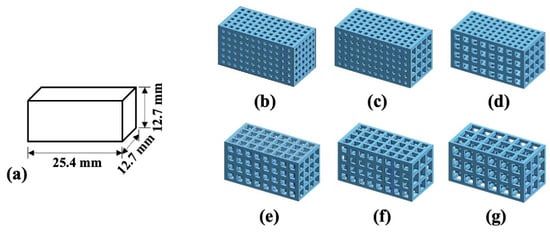
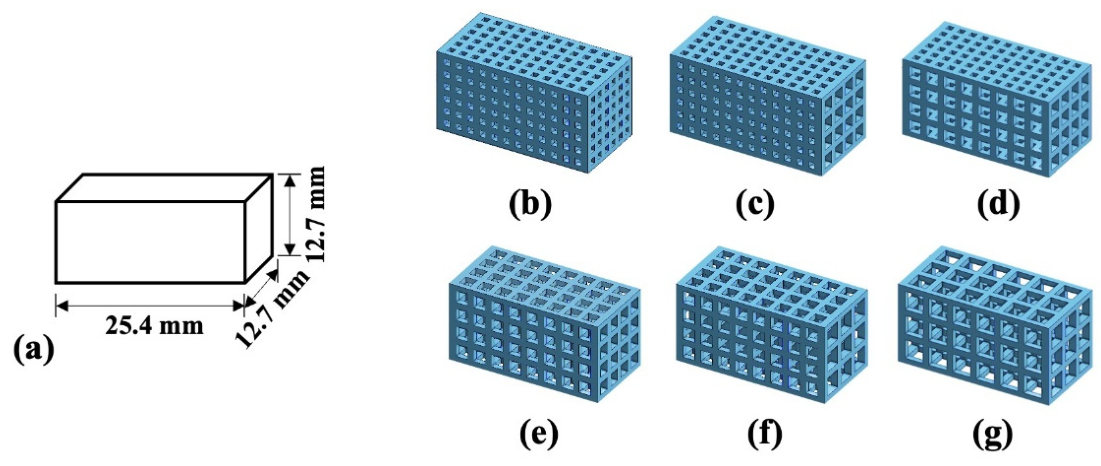
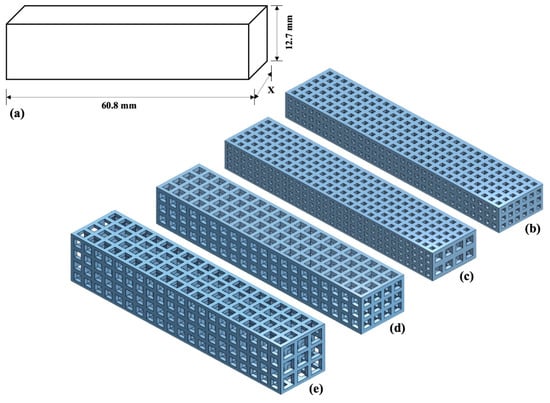
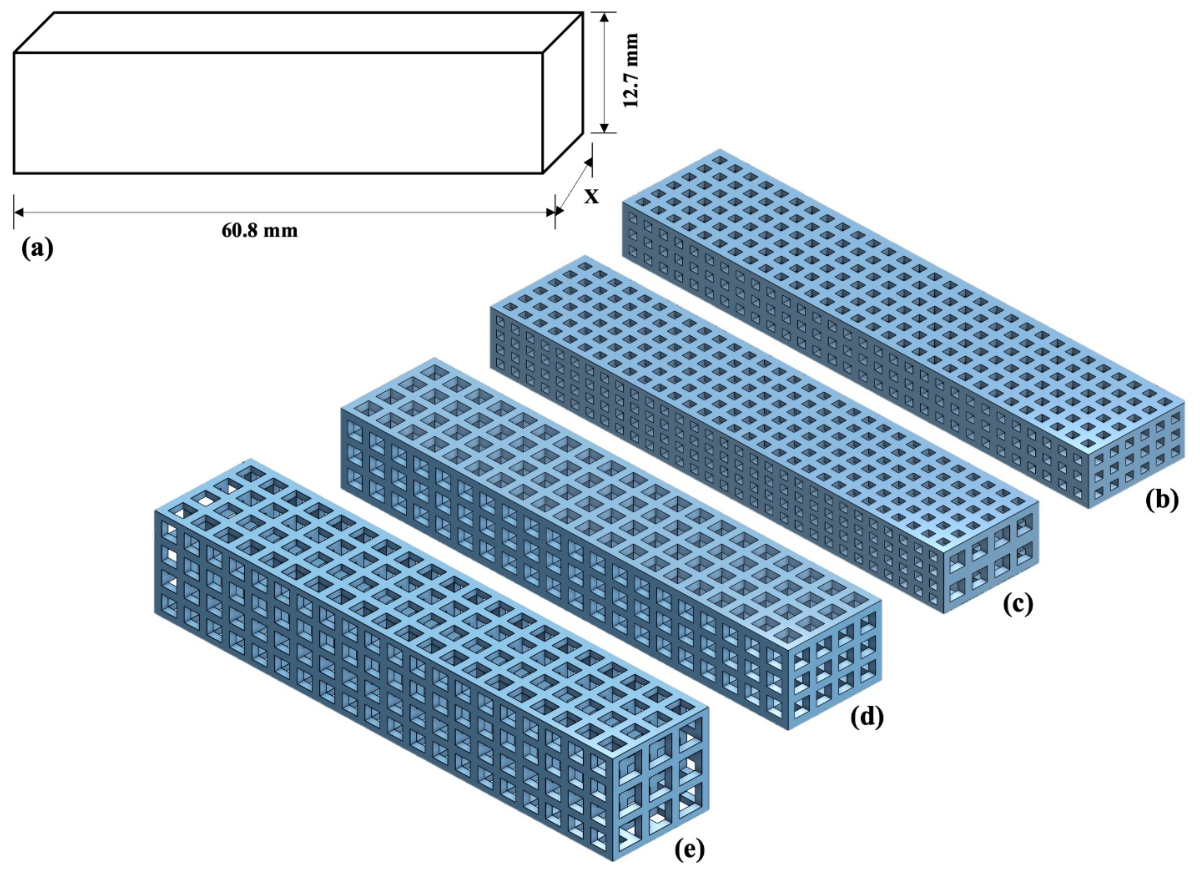
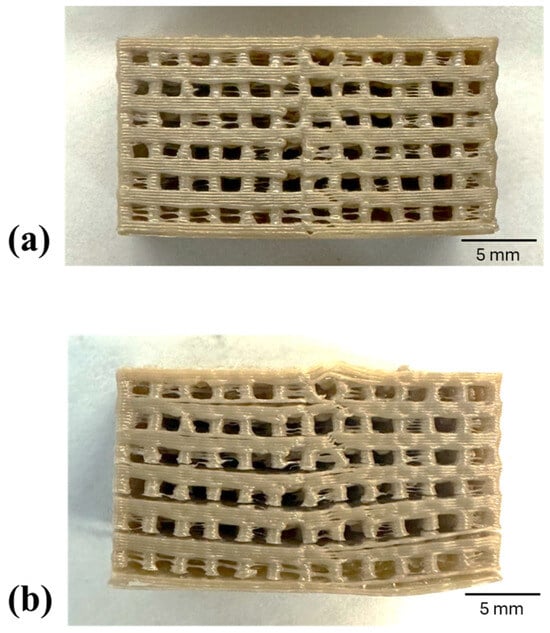
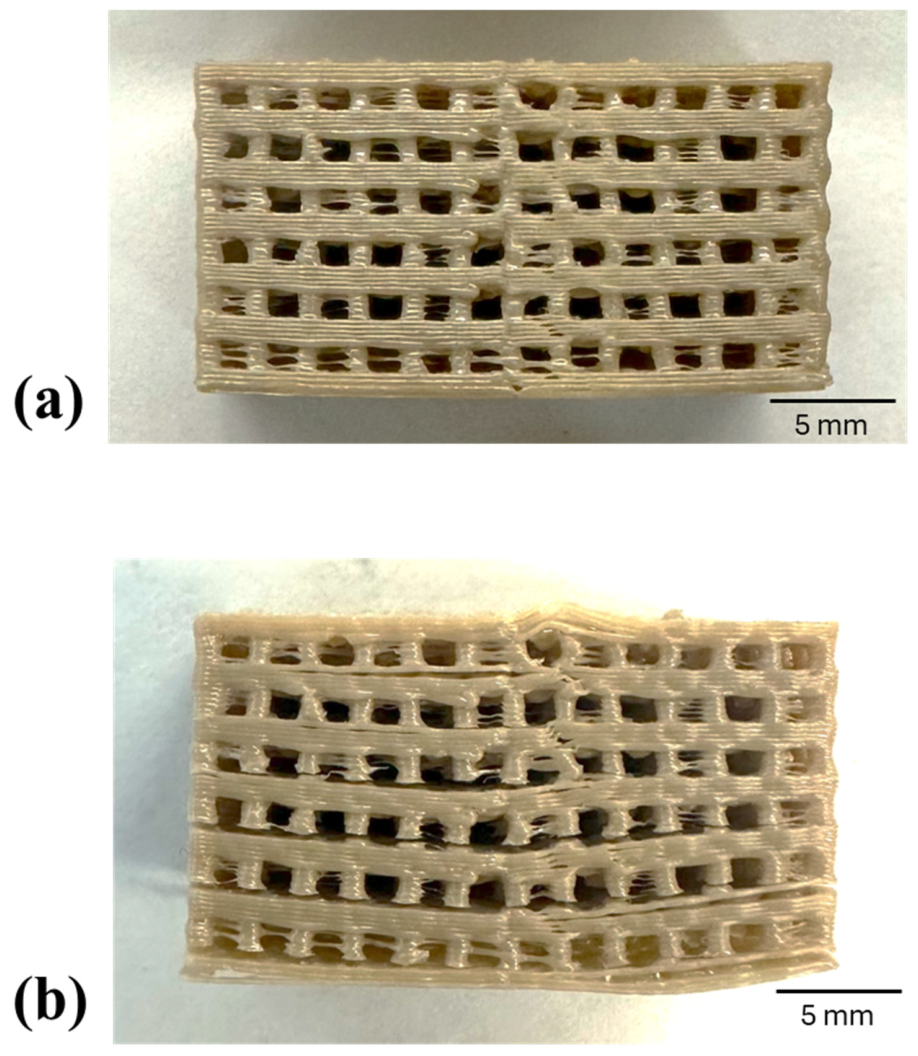
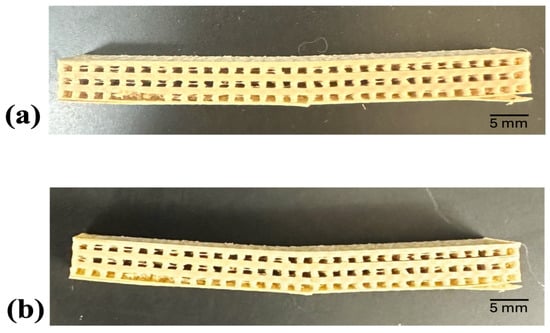
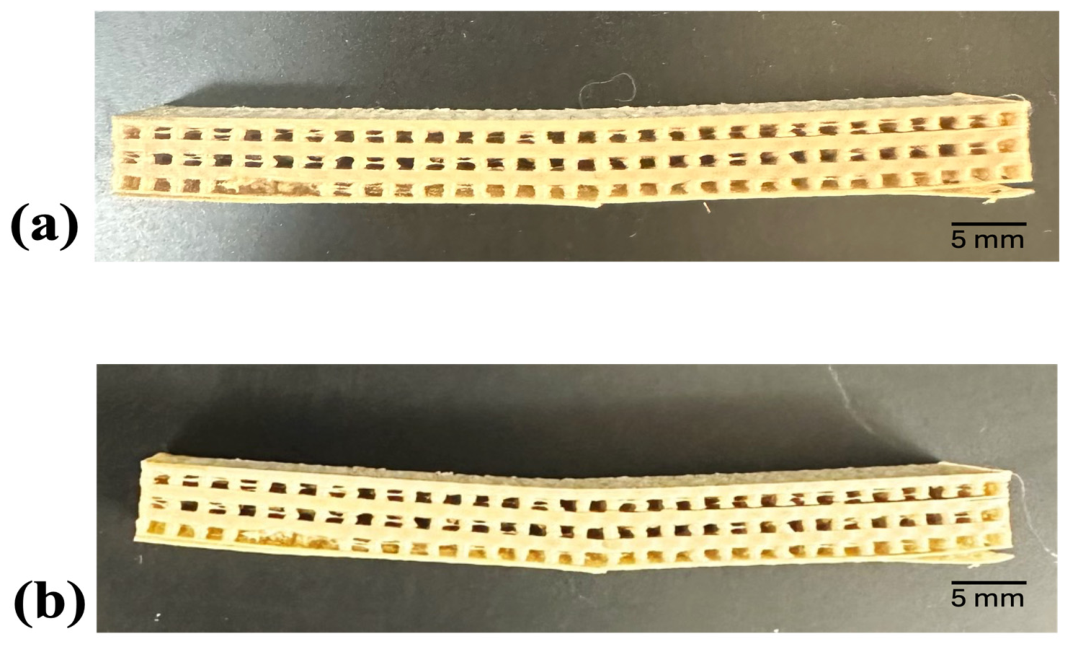
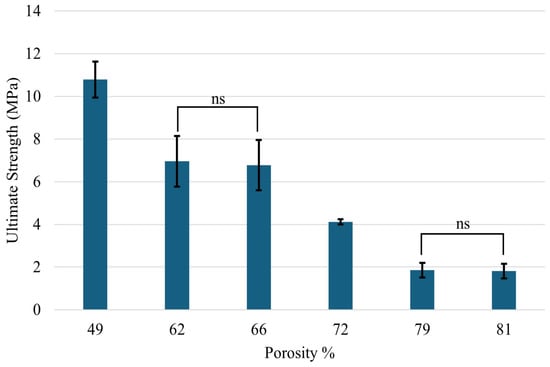
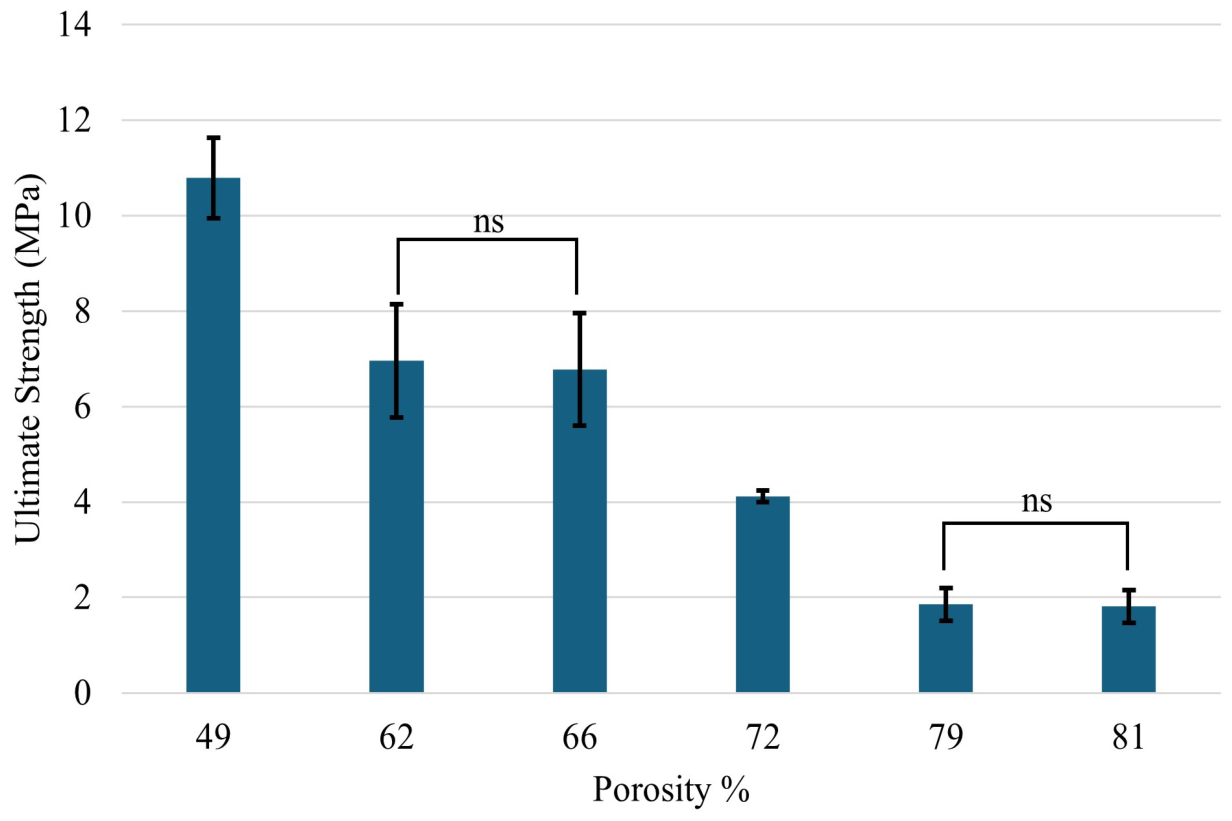
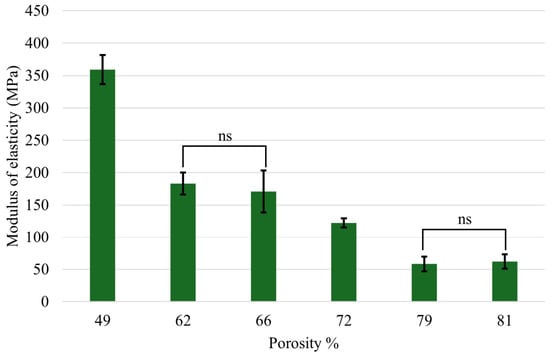
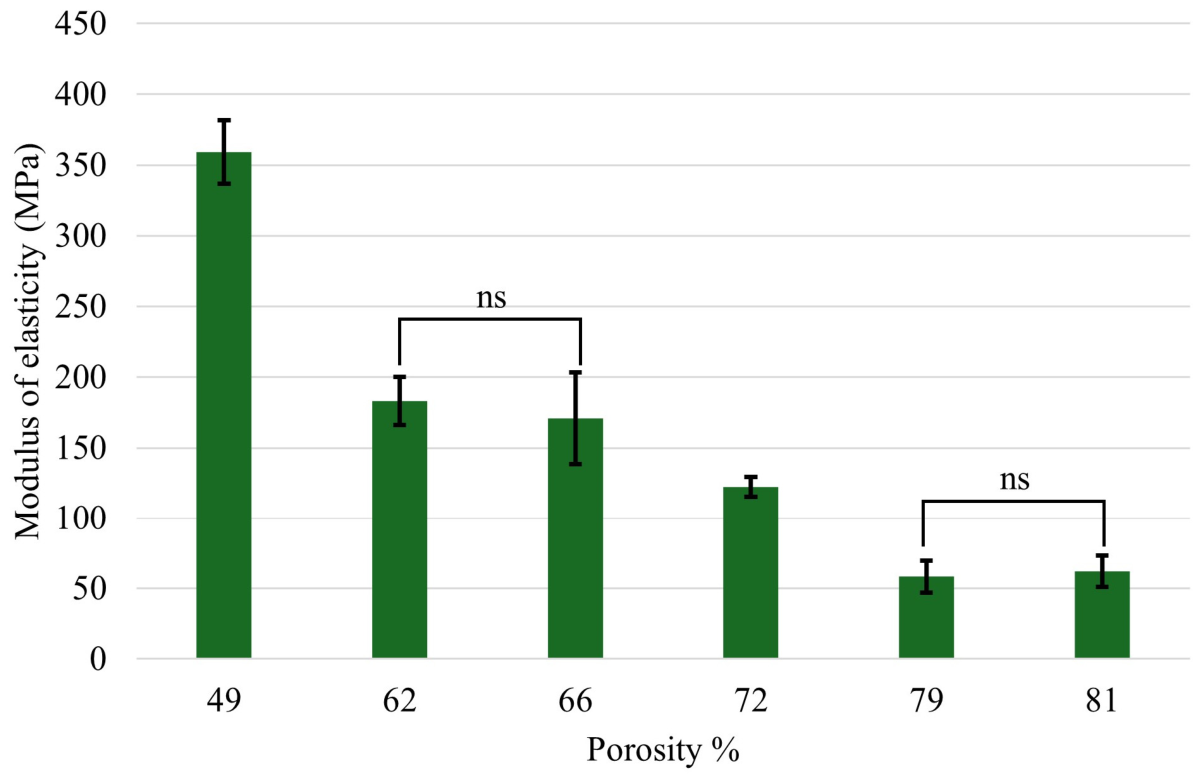
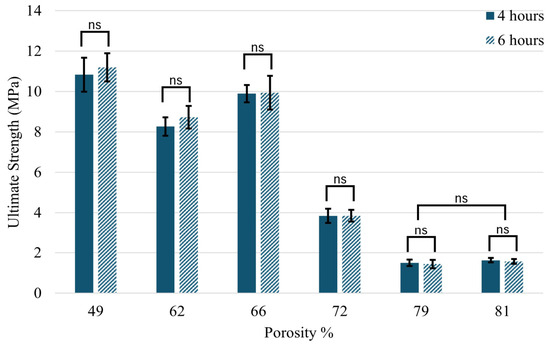
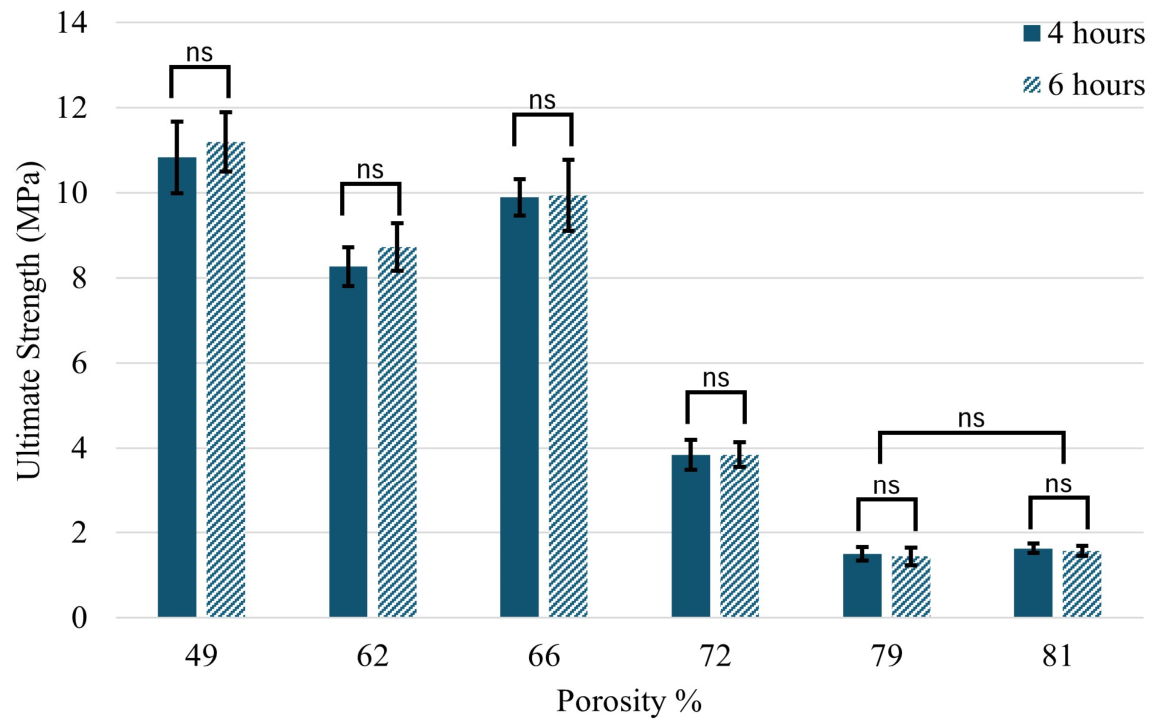
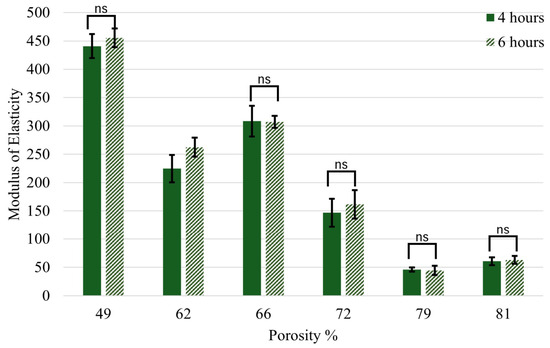
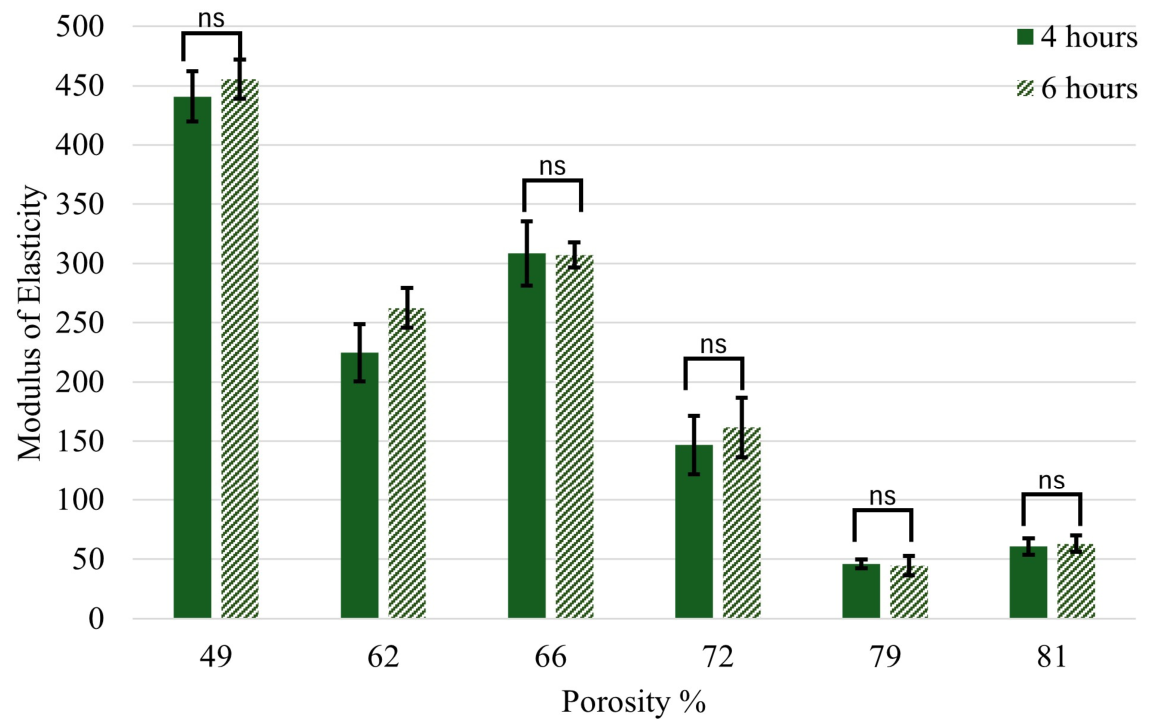
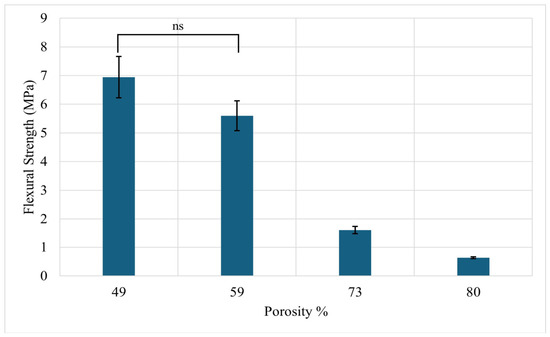
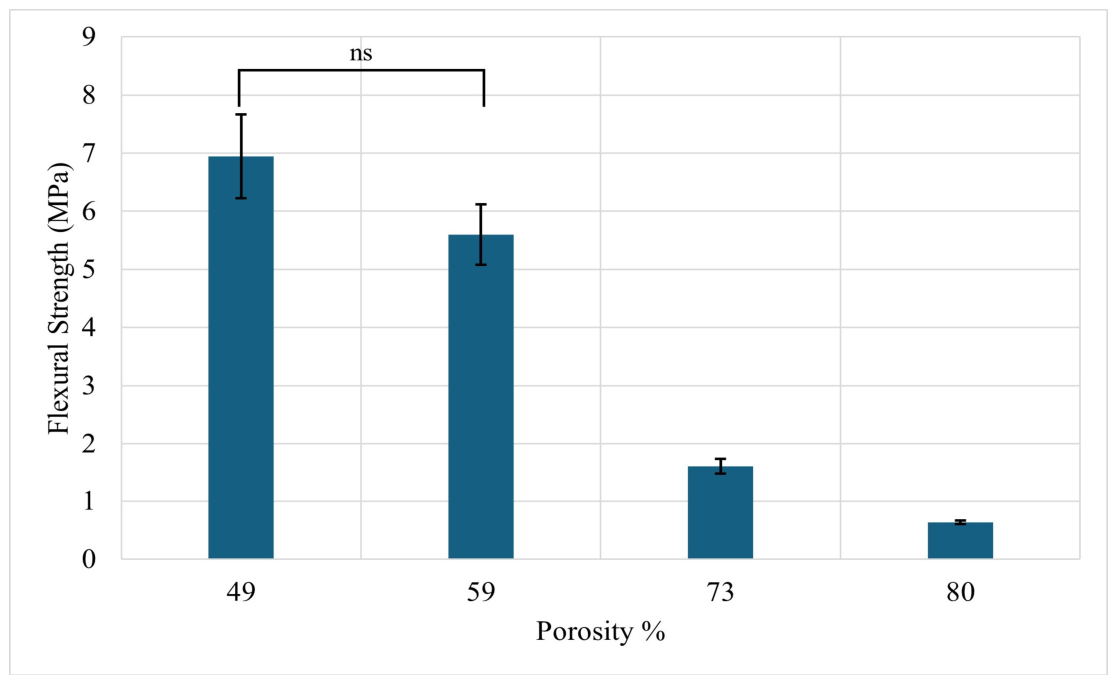
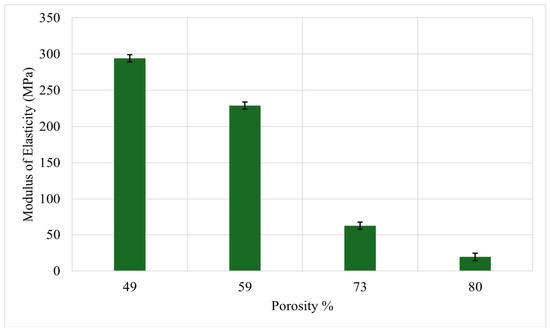
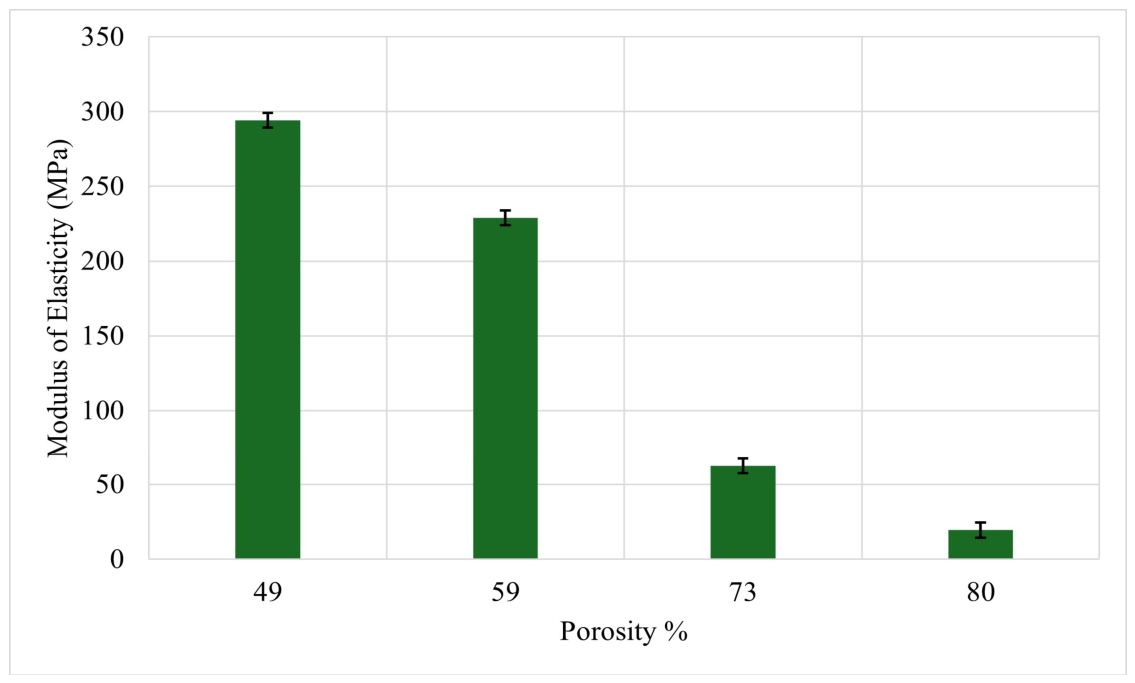
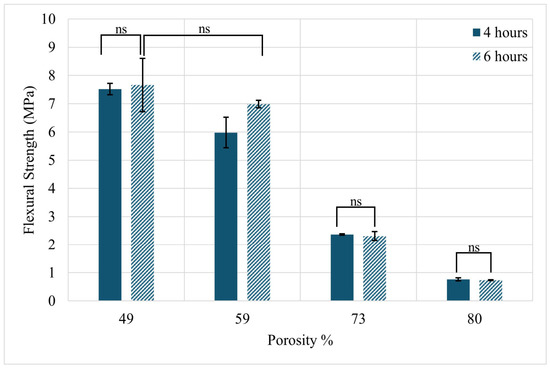
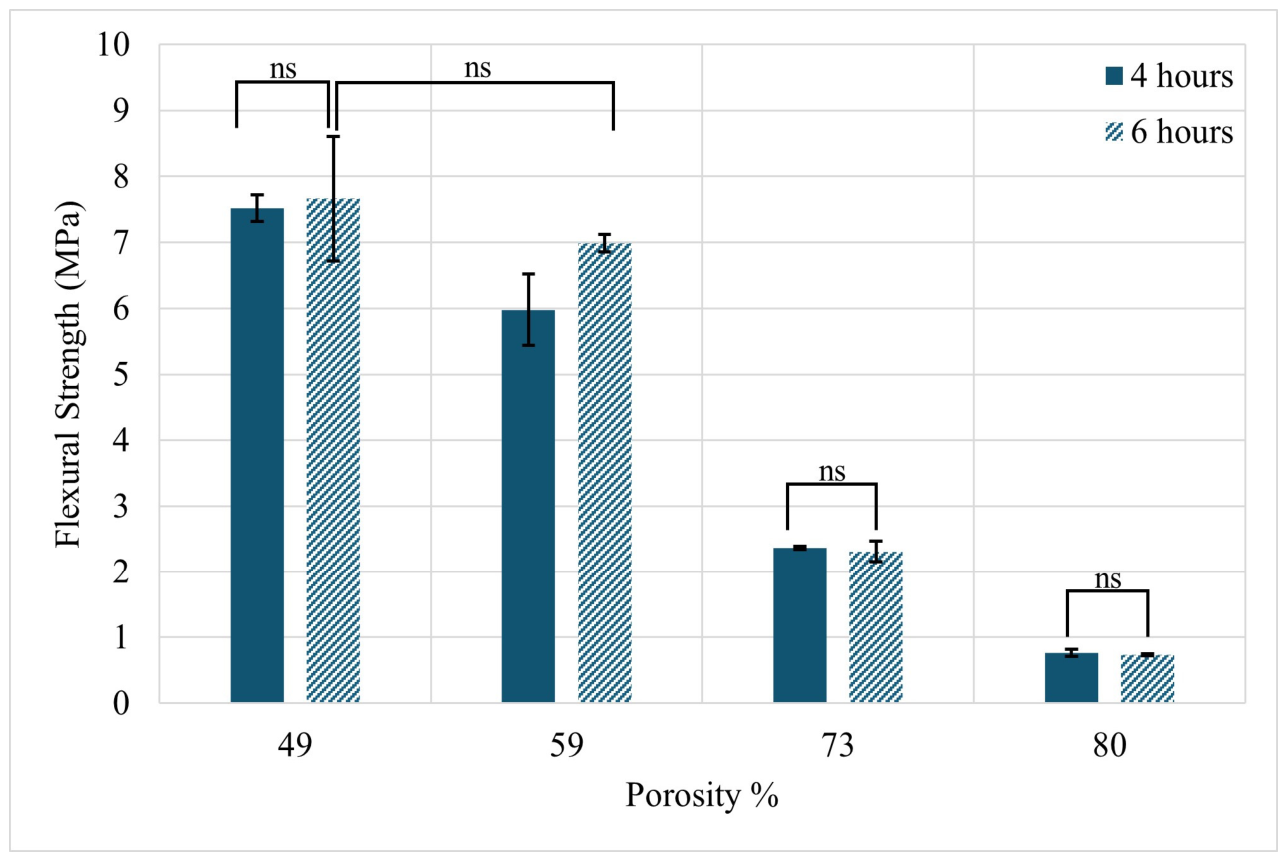
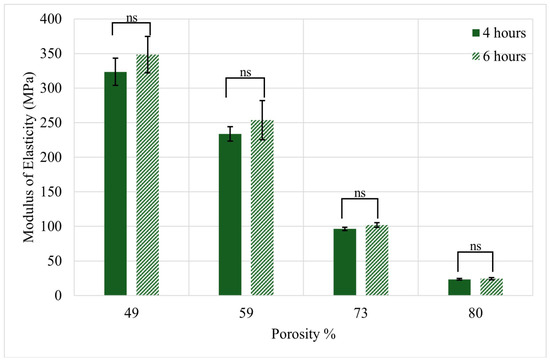
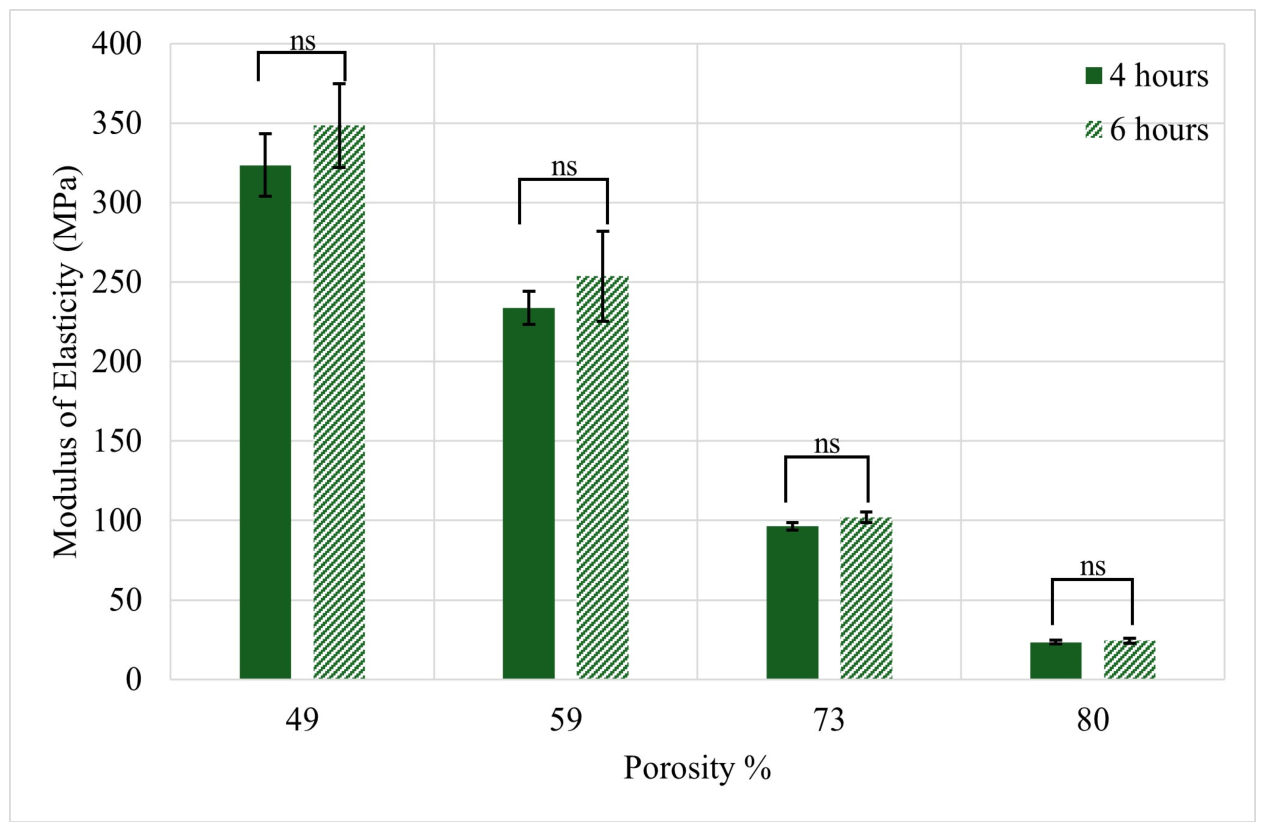
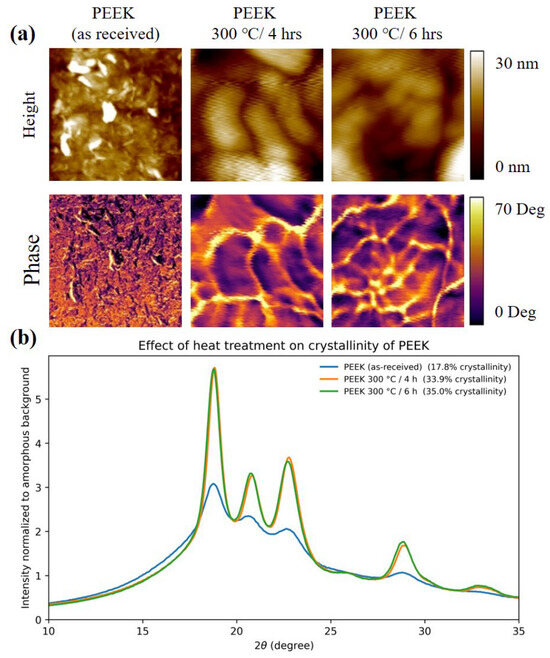
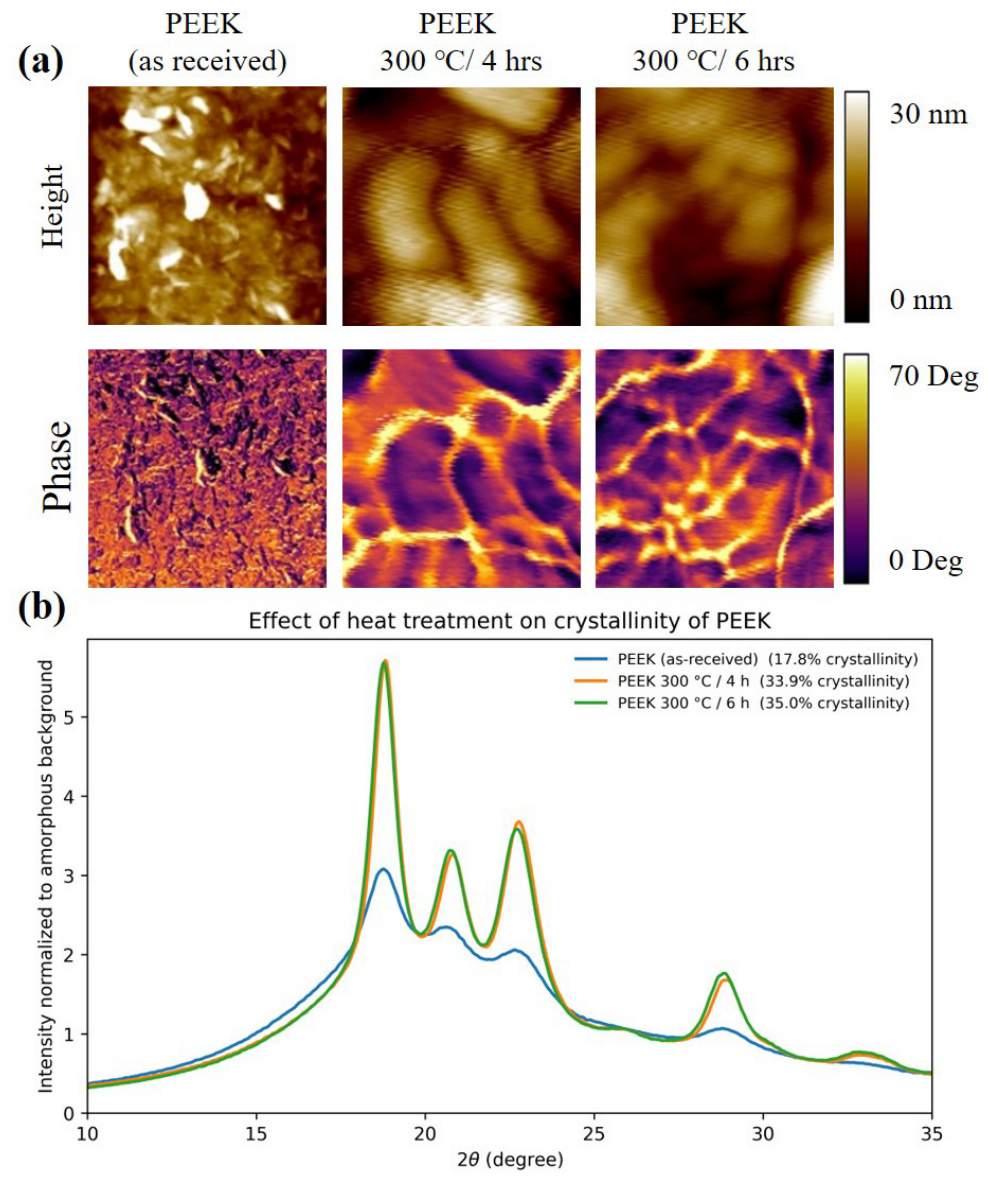

Disclaimer/Publisher’s Note: The statements, opinions and data contained in all publications are solely those of the individual author(s) and contributor(s) and not of MDPI and/or the editor(s). MDPI and/or the editor(s) disclaim responsibility for any injury to people or property resulting from any ideas, methods, instructions or products referred to in the content. |
© 2026 by the authors. Licensee MDPI, Basel, Switzerland. This article is an open access article distributed under the terms and conditions of the Creative Commons Attribution (CC BY) license.