Article

Insulator Extraction from UAV LiDAR Point Cloud Based on Multi-Type and Multi-Scale Feature Histogram


1
School of Smart City, Chongqing Jiaotong University, Chongqing 400047, China
2
Technology Innovation Center for Spatiotemporal Information and Equipment of Intelligent City, Ministry of Natural Resources, Chongqing 400047, China
*
Author to whom correspondence should be addressed.
Drones 2024, 8(6), 241; https://doi.org/10.3390/drones8060241
Submission received: 22 April 2024 / Revised: 22 May 2024 / Accepted: 27 May 2024 / Published: 4 June 2024
(This article belongs to the Section Drones in Ecology)

Abstract

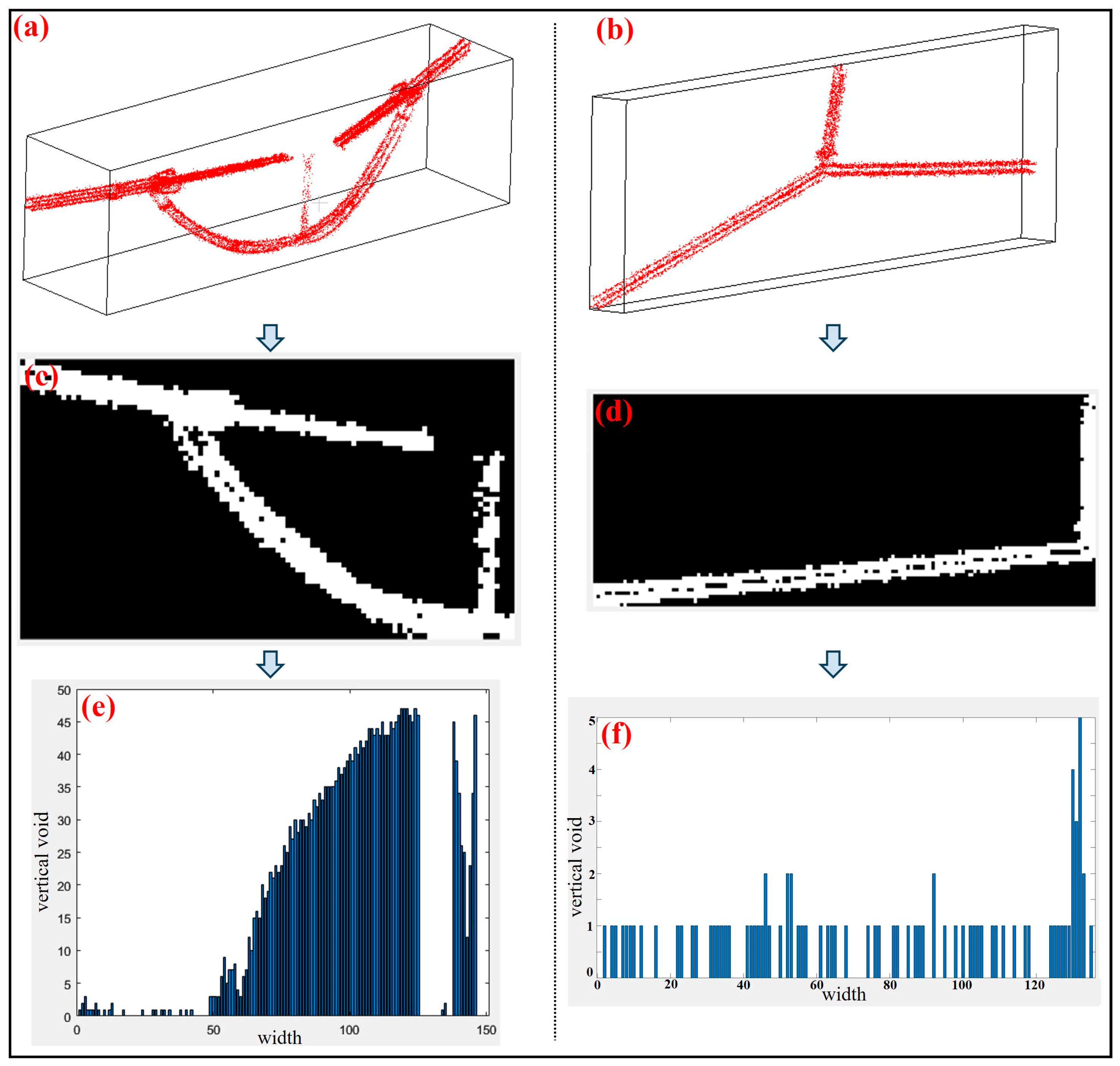
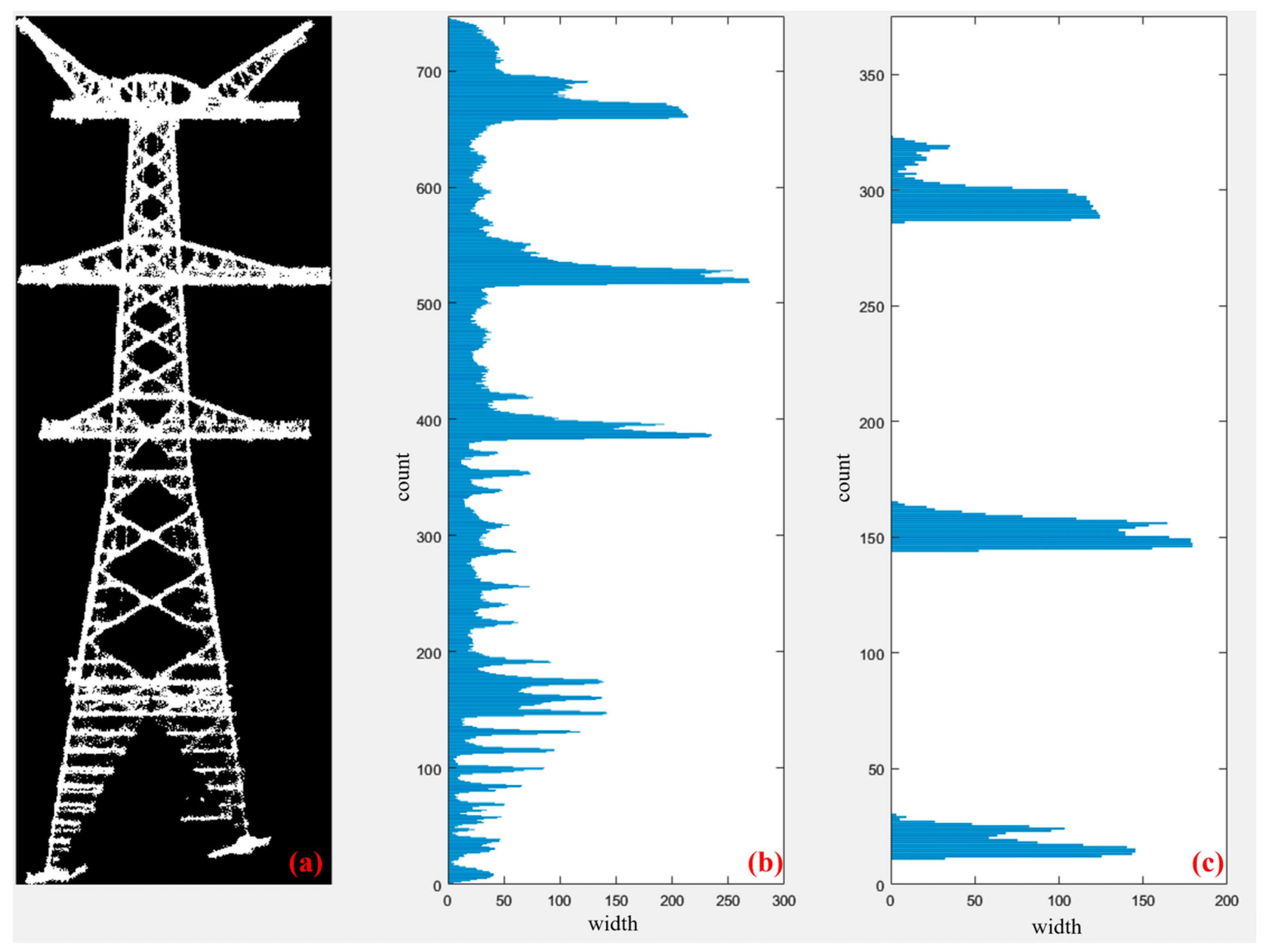
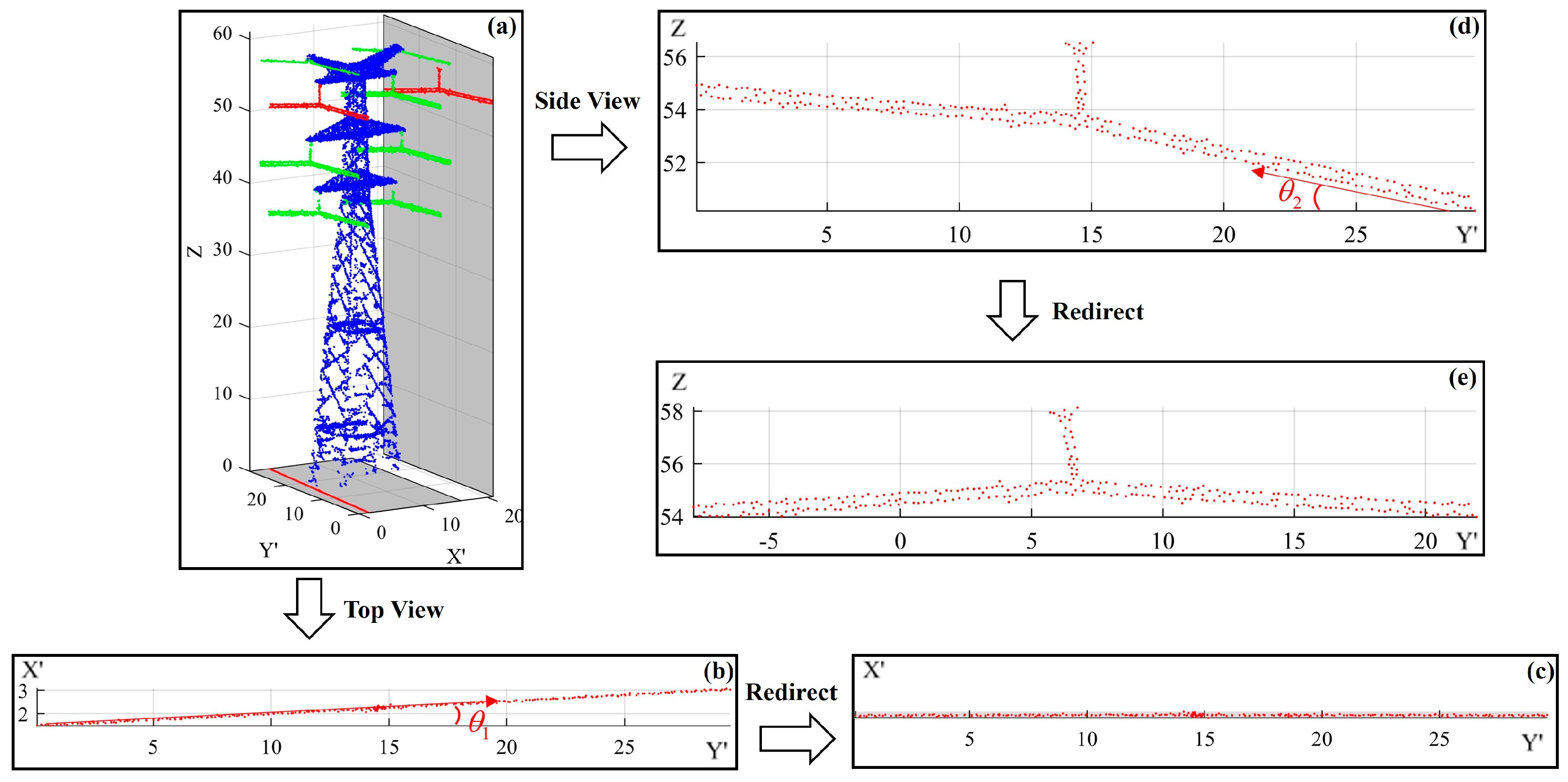
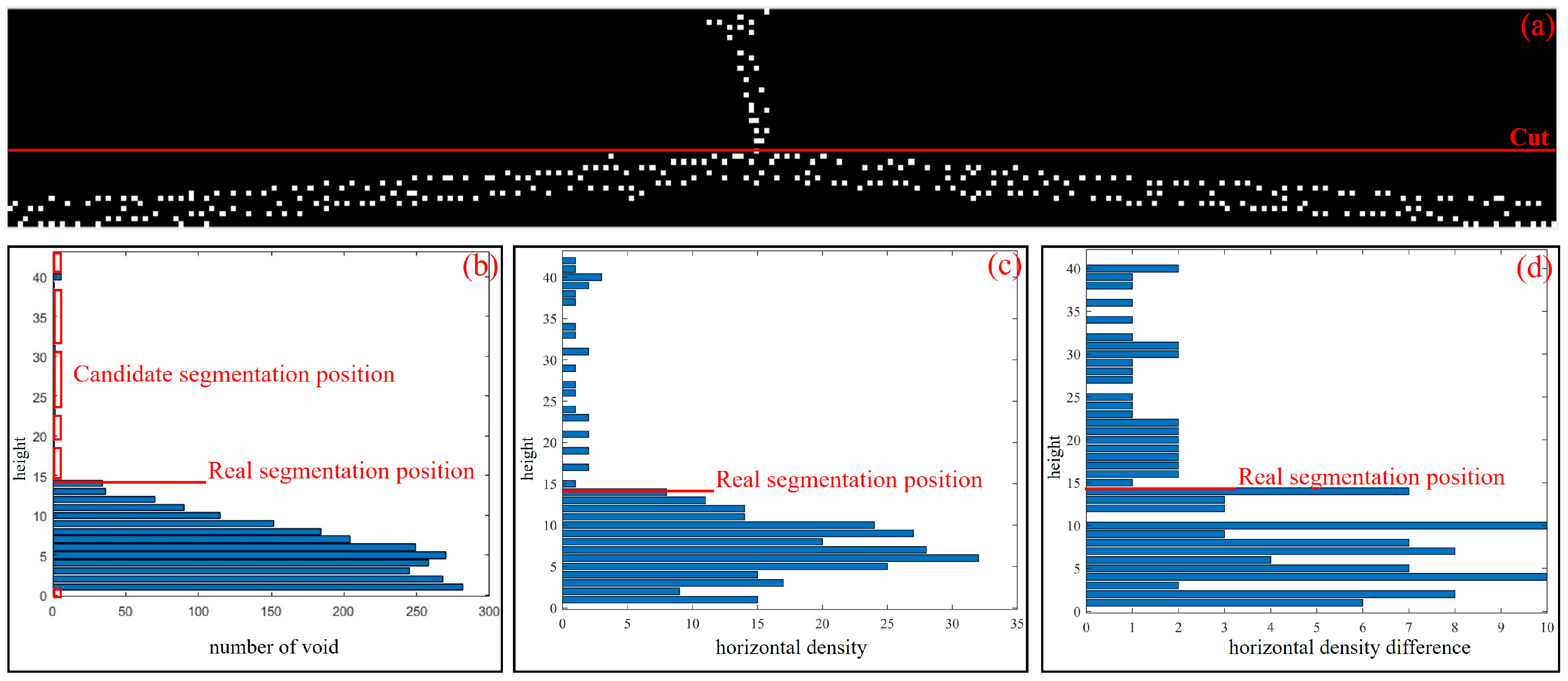
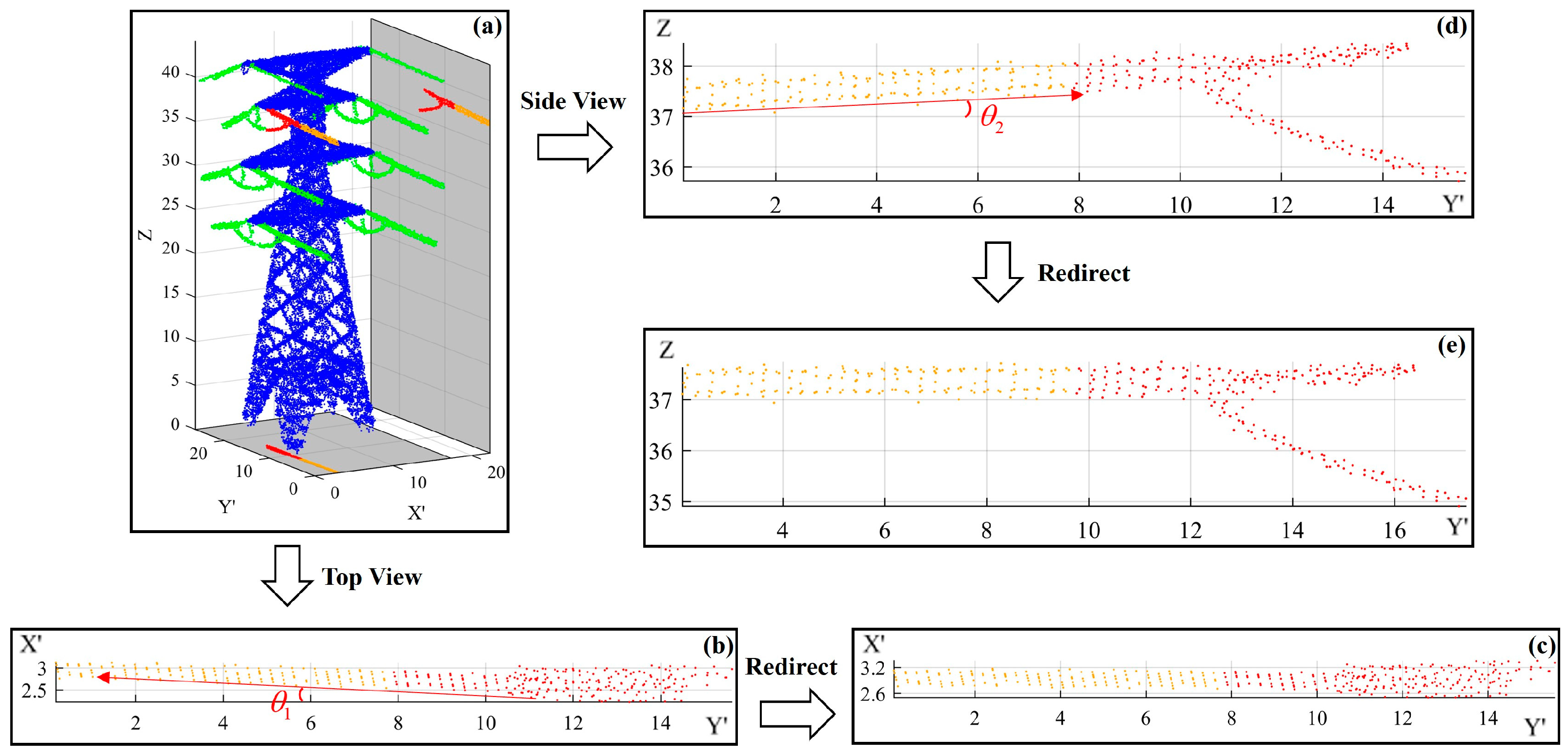
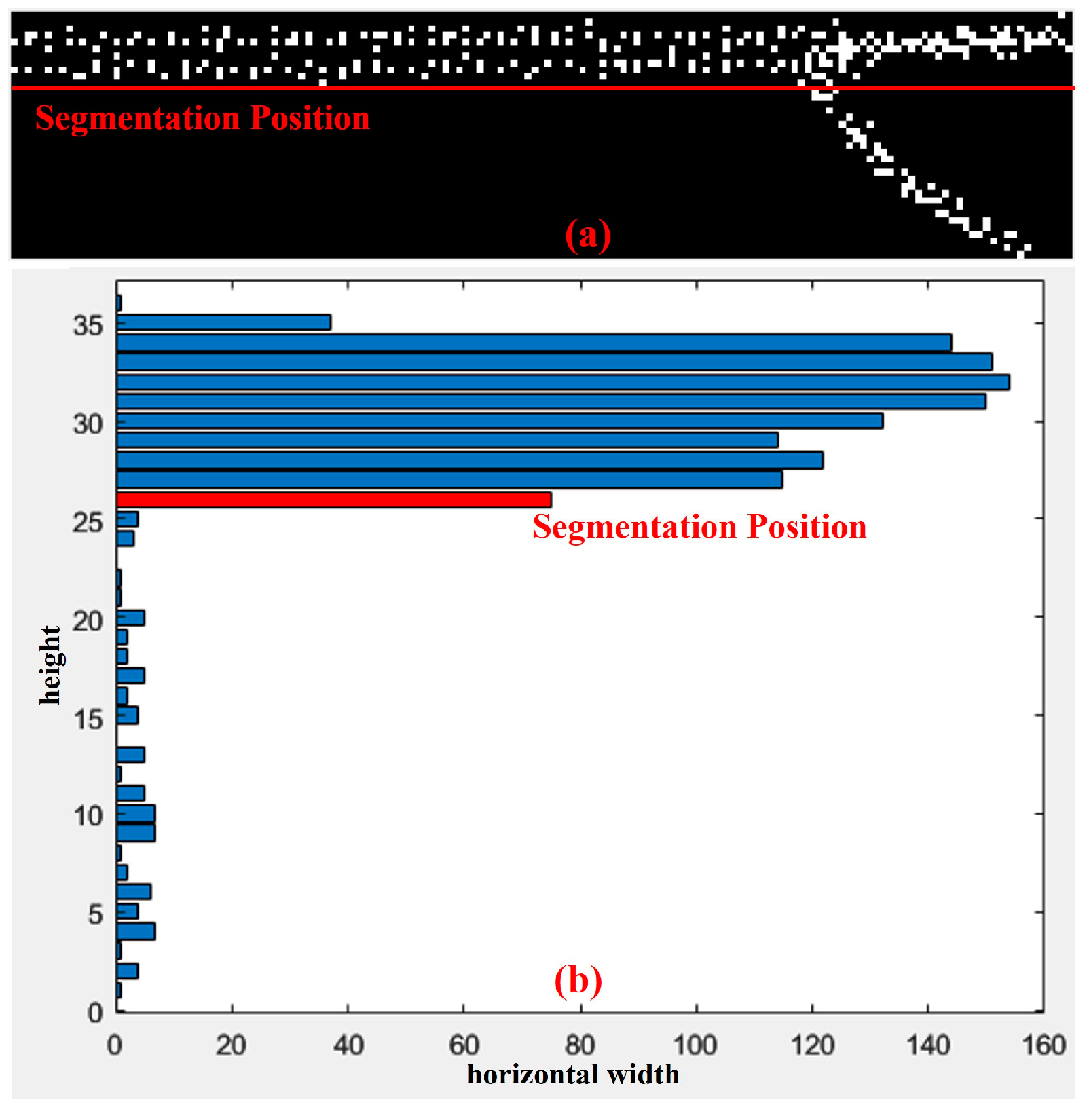
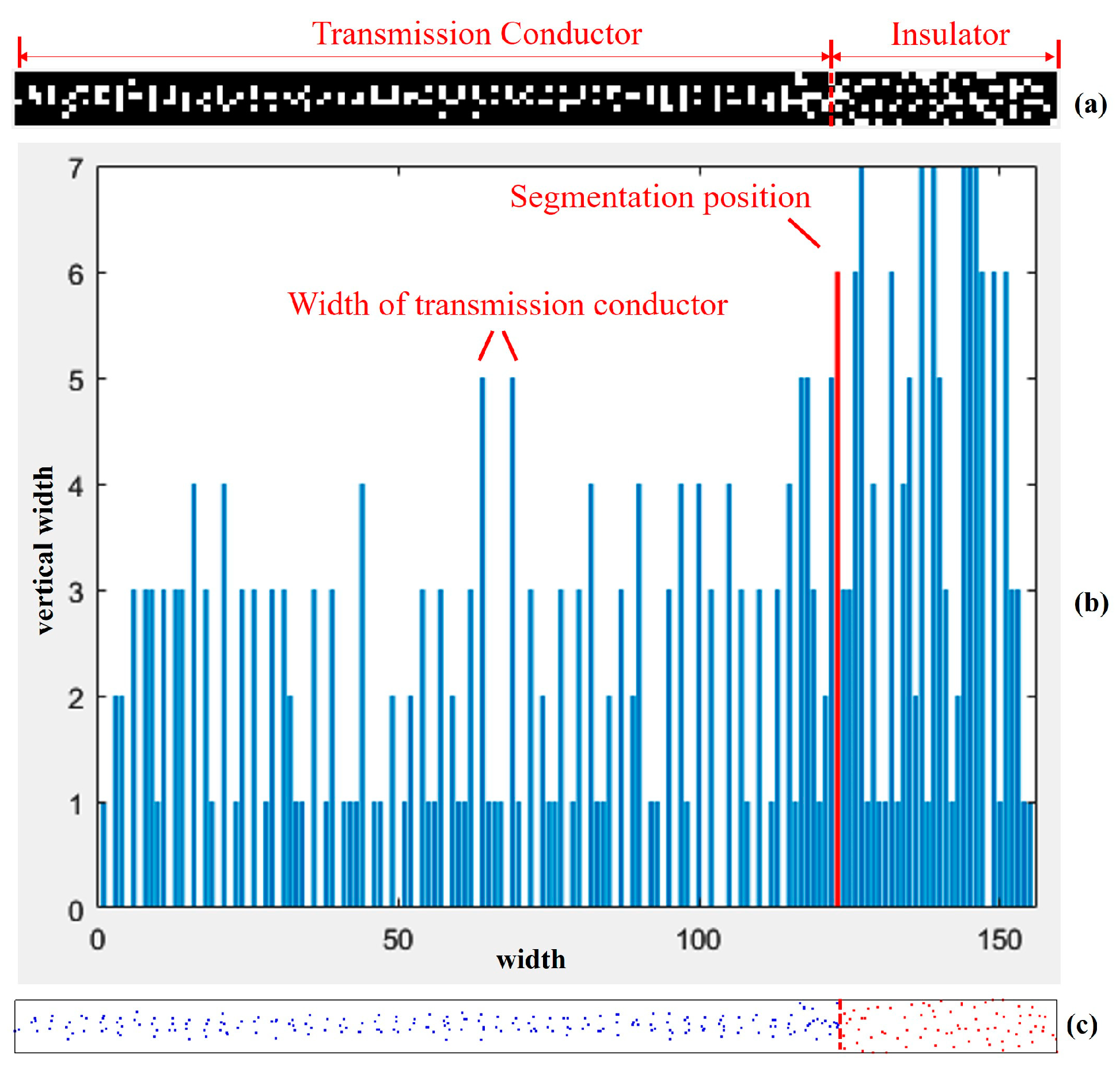
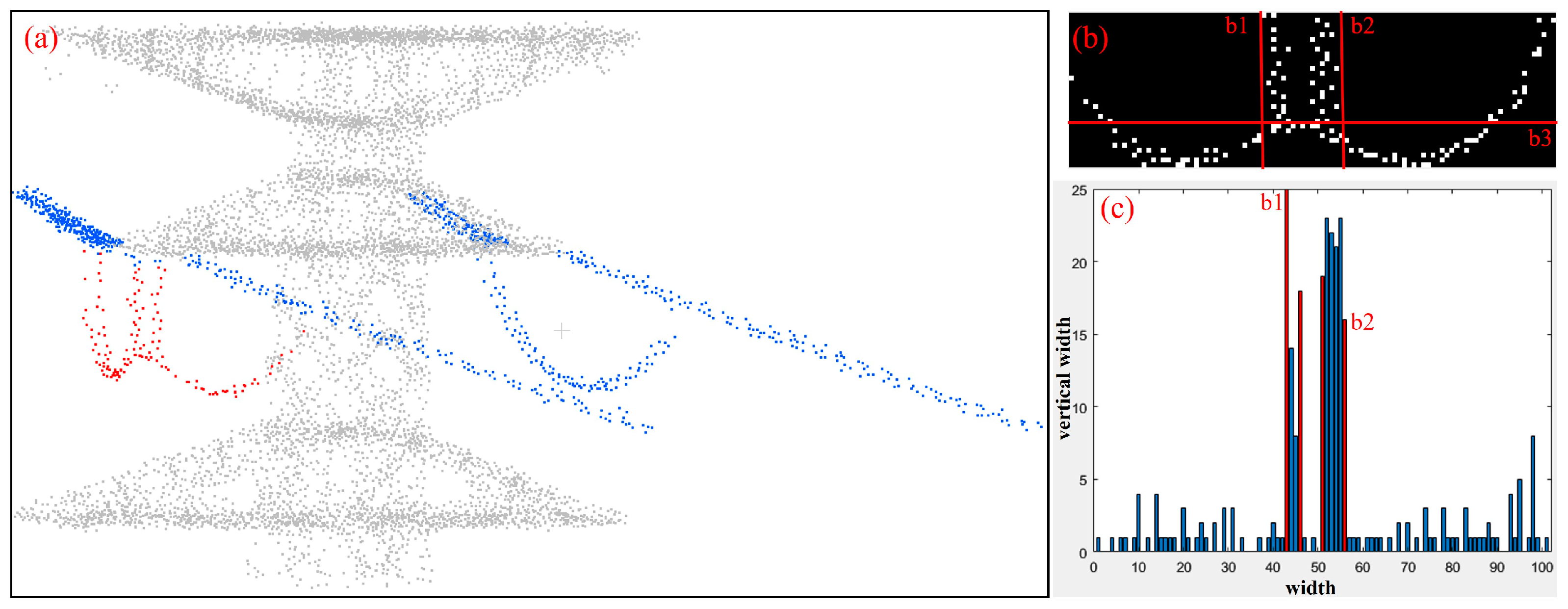
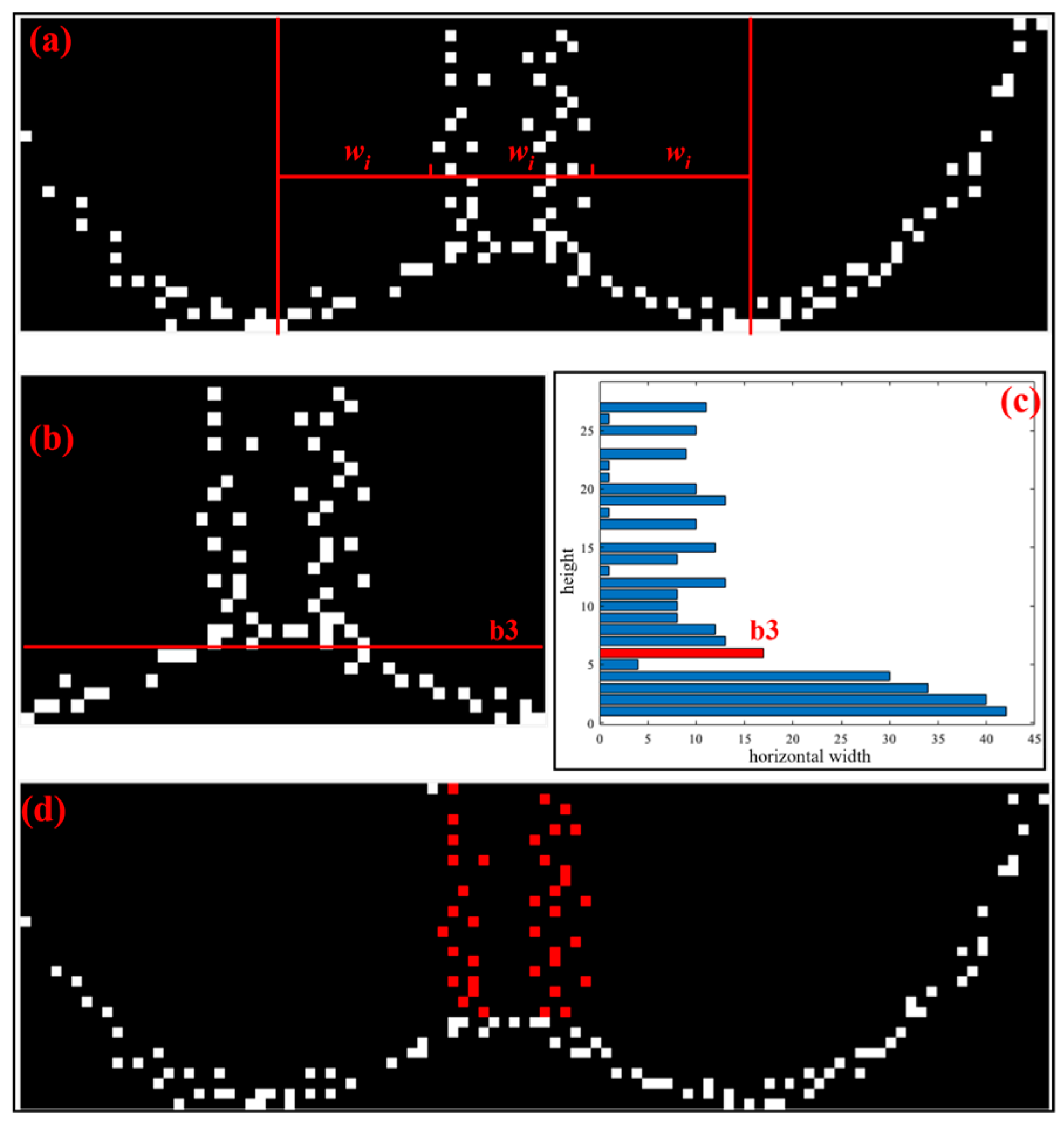
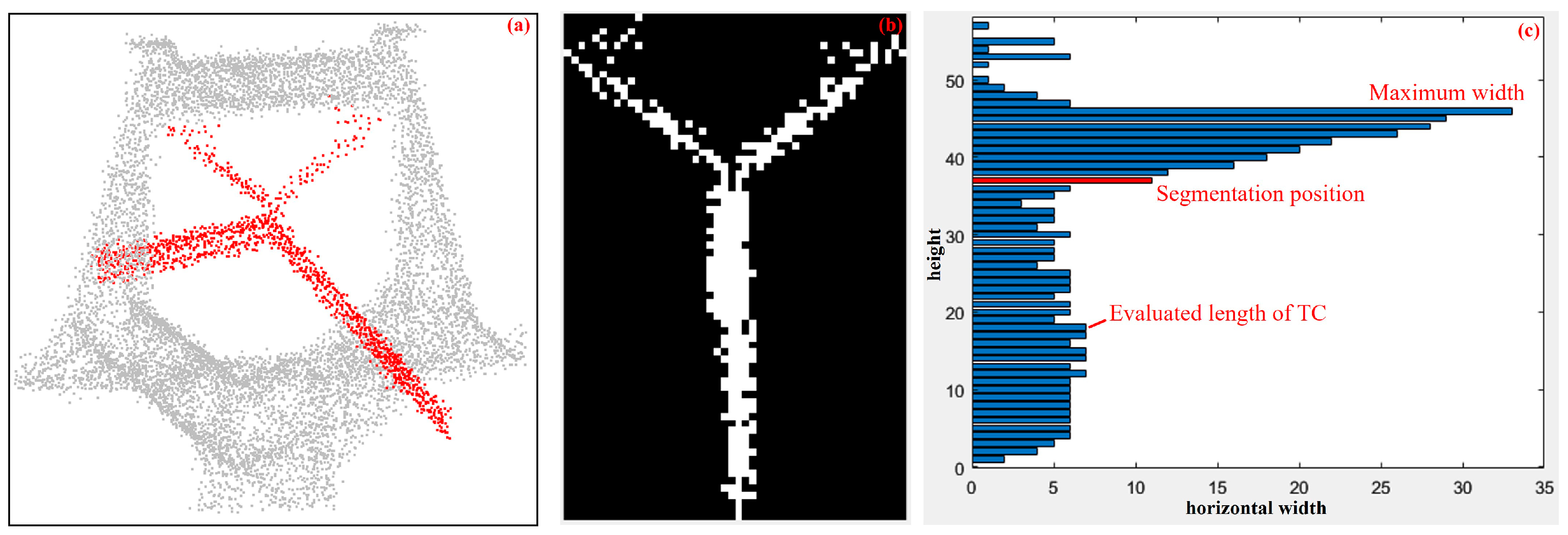
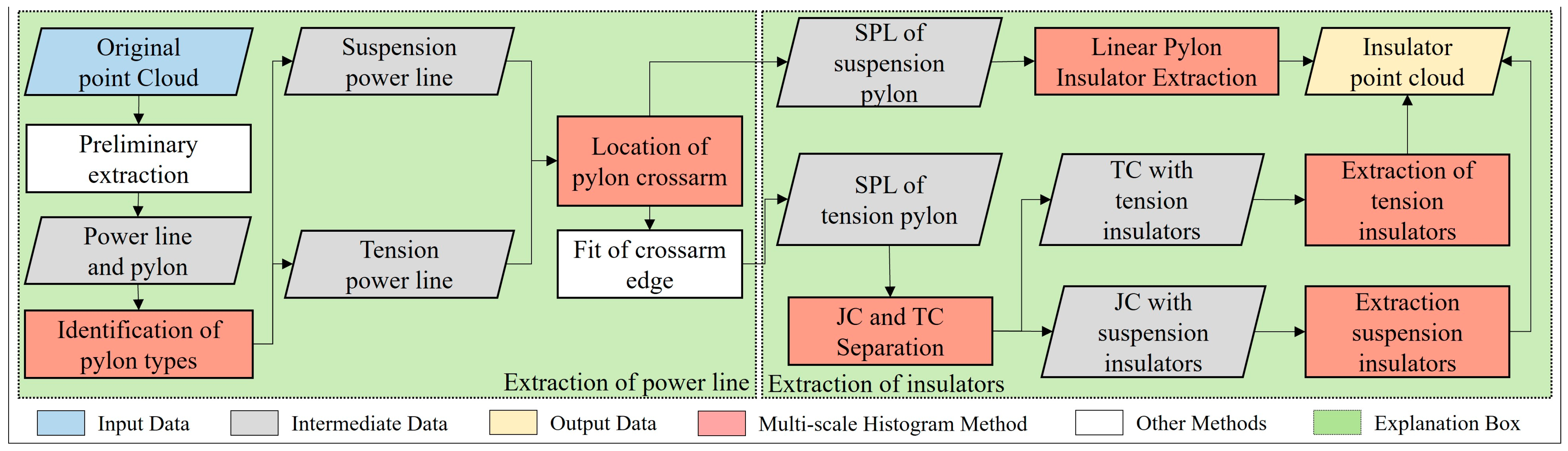
Insulators are key components to ensure the normal operation of power facilities in transmission corridors. Existing insulator identification methods mainly use image data and lack the acquisition of three-dimensional information. This paper proposes an efficient insulator extraction method based on UAV (unmanned aerial vehicle) LiDAR (light detection and ranging) point cloud, using five histogram features: horizontal density (HD), horizontal void (HV), horizontal width (HW), vertical width (VW) and vertical void (VV). Firstly, a voxel-based method is employed to roughly extract power lines and pylons from the original point cloud. Secondly, the VV histogram is used to categorize the pylons into suspension and tension types, and the HD histogram is used to locate the tower crossarm and further refine the roughly extracted powerlines. Then, for the suspension tower, insulators are segmented based on the HV histogram and HD difference histogram. For the tension tower, the HW histogram is used to recognize the jumper conductor (JC) and transmission conductor (TC) from the power line. The HW histogram and VW histogram are used to extract the tension insulator in the TC and suspension insulator in the JC, respectively. Finally, considering the problem of setting a suitable grid width when constructing the feature histogram, an adaptive method of multi-scale histograms is proposed to refine the extraction result. Two 220 kV long transmission lines are used for the validation, and the overall object-based accuracy for suspension and tension towers are 100% and 97.3%, respectively. Compared with the point feature-based method, the mean F1 score of the proposed method improved by 0.3, and the runtime for each tower is within 2 s.
Keywords: UAV; 3D laser scanning; multi-scale histogram; insulator extraction UAV; 3D laser scanning; multi-scale histogram; insulator extraction