Article

Research on Improvement Methods for Driven System of Bio-Inspired Aircraft to Increase Flight Speed


School of Aeronautics, Northwestern Polytechnical University, 127 Youyi West Road, Xi’an 710072, China
*
Author to whom correspondence should be addressed.
Drones 2024, 8(4), 133; https://doi.org/10.3390/drones8040133
Submission received: 16 February 2024 / Revised: 22 March 2024 / Accepted: 26 March 2024 / Published: 1 April 2024

Abstract

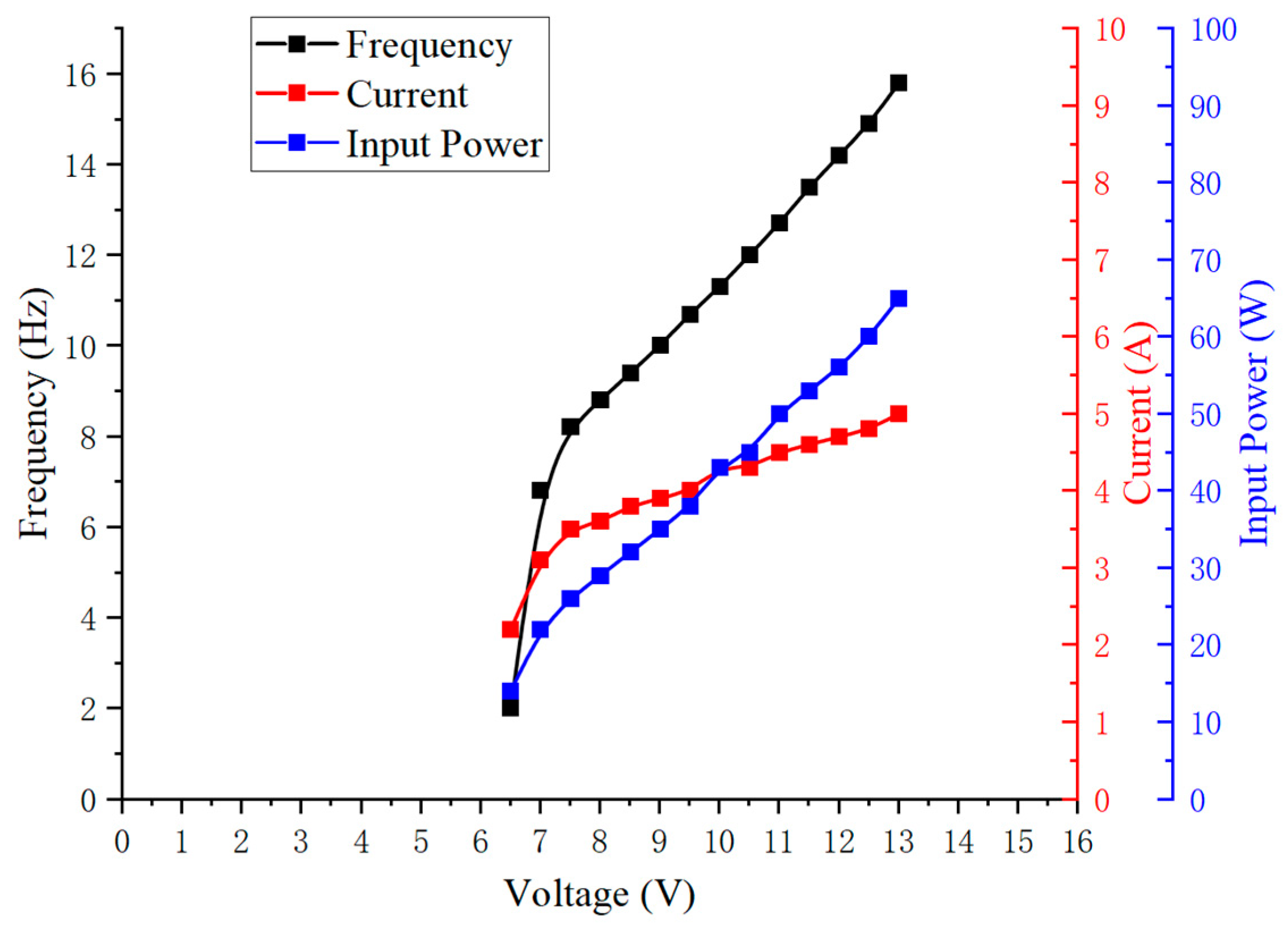
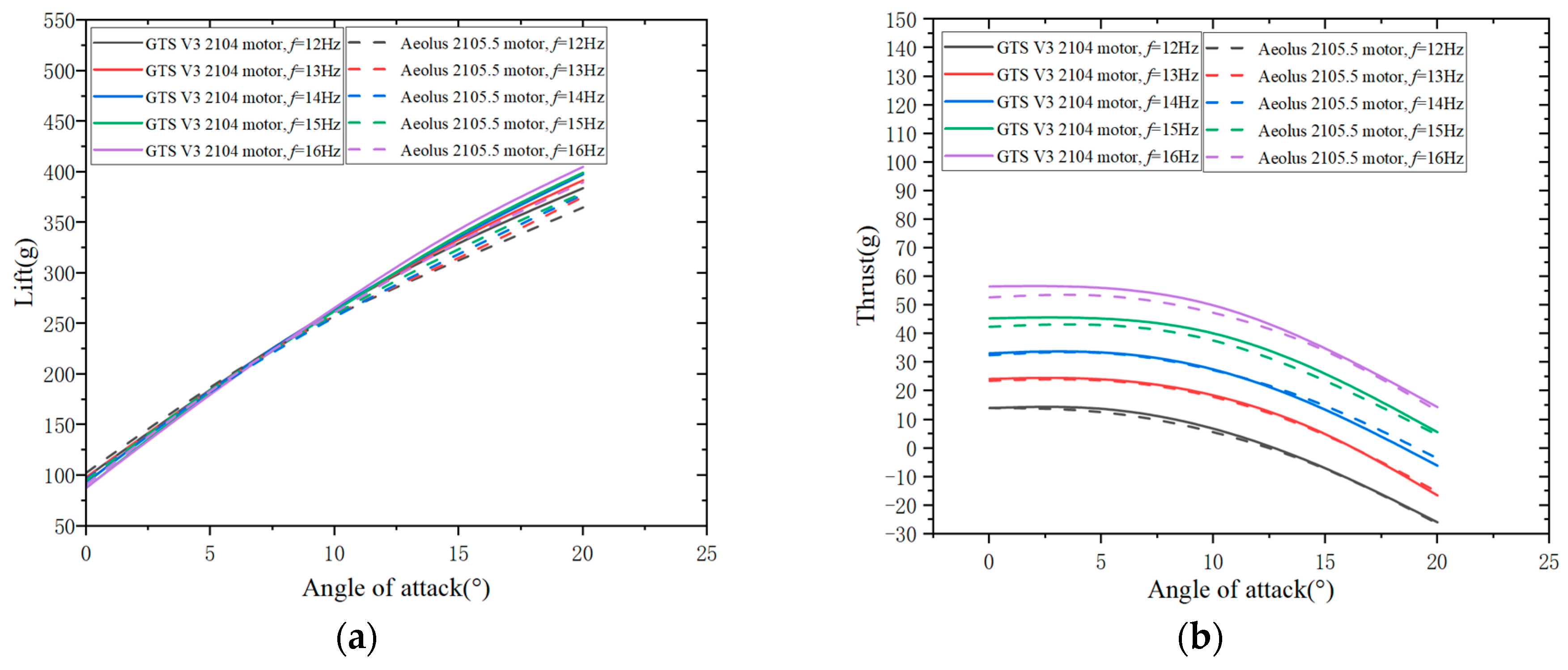
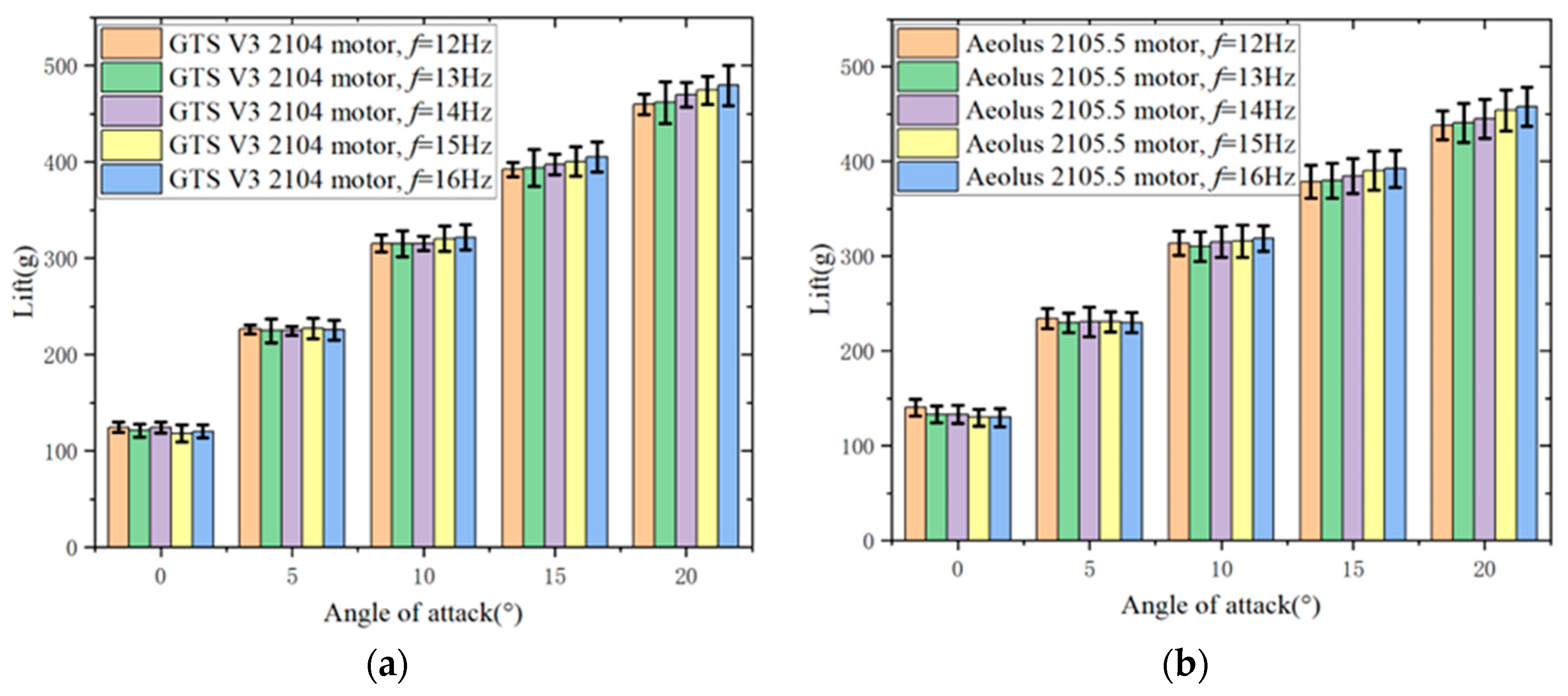
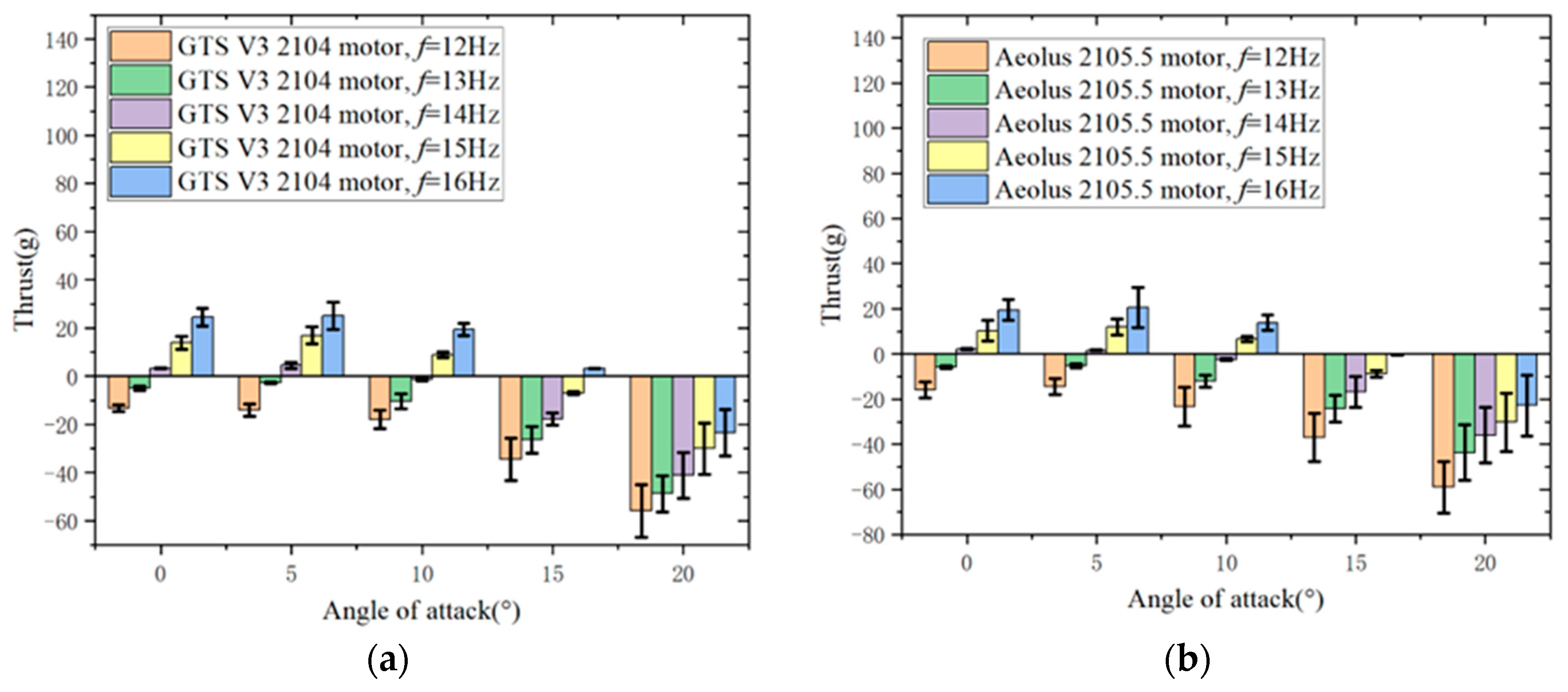
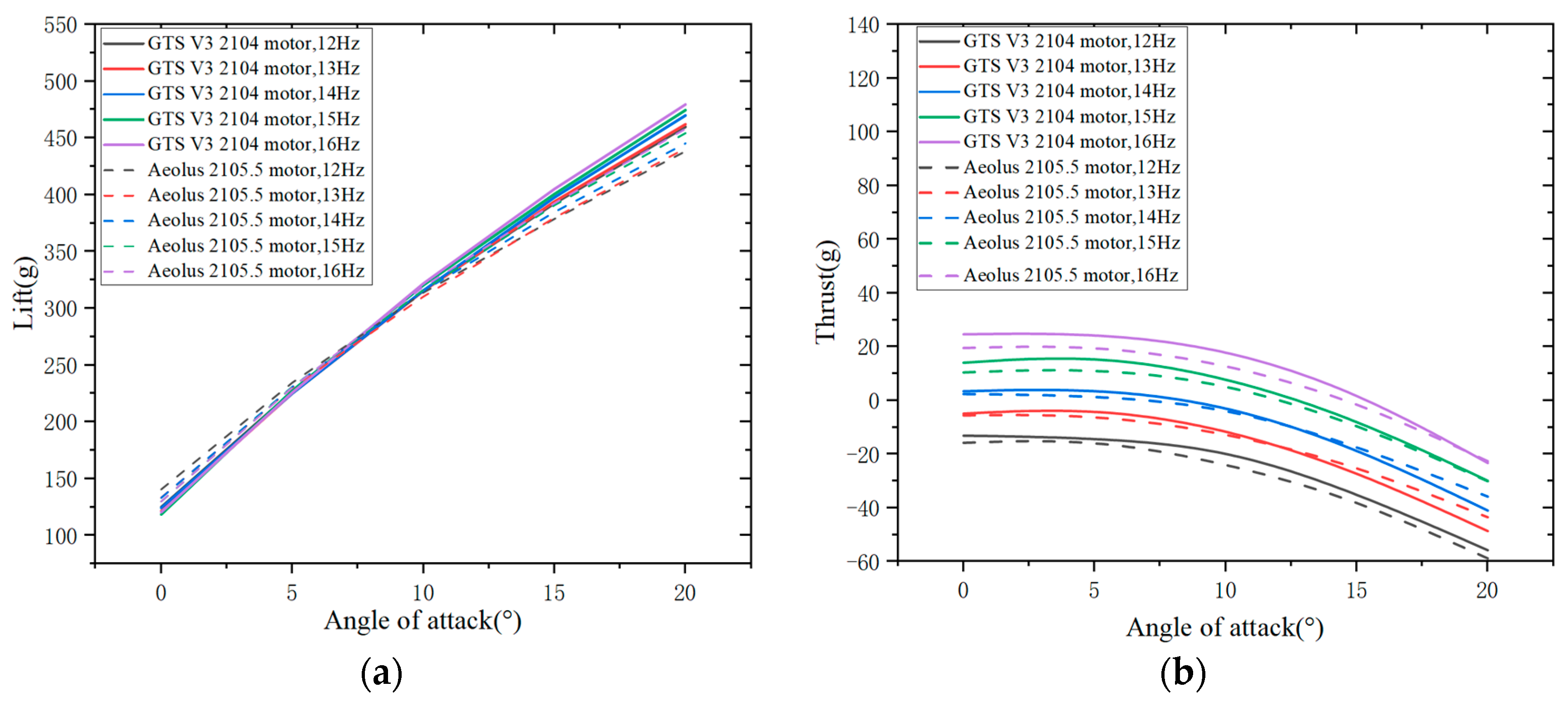
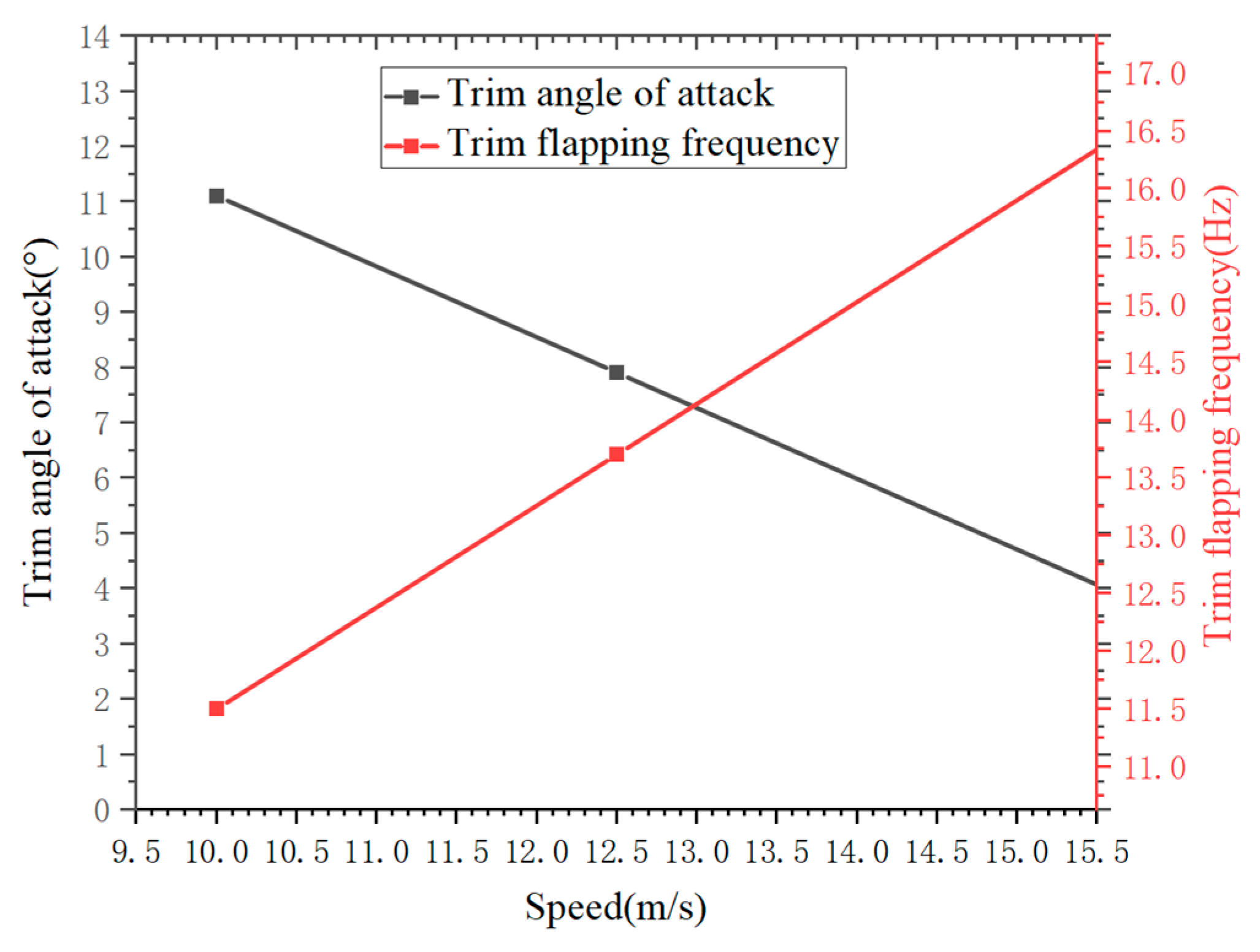
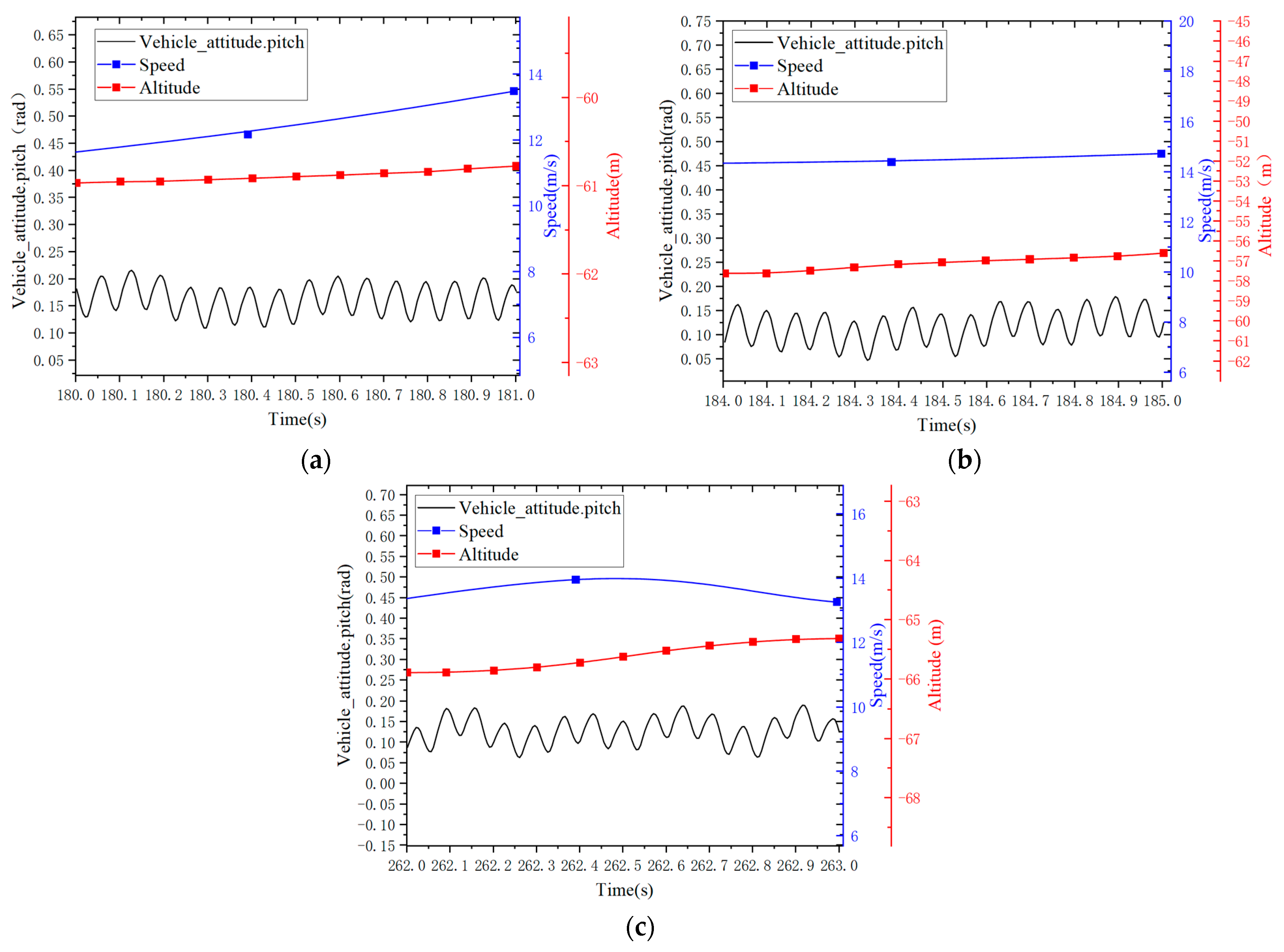
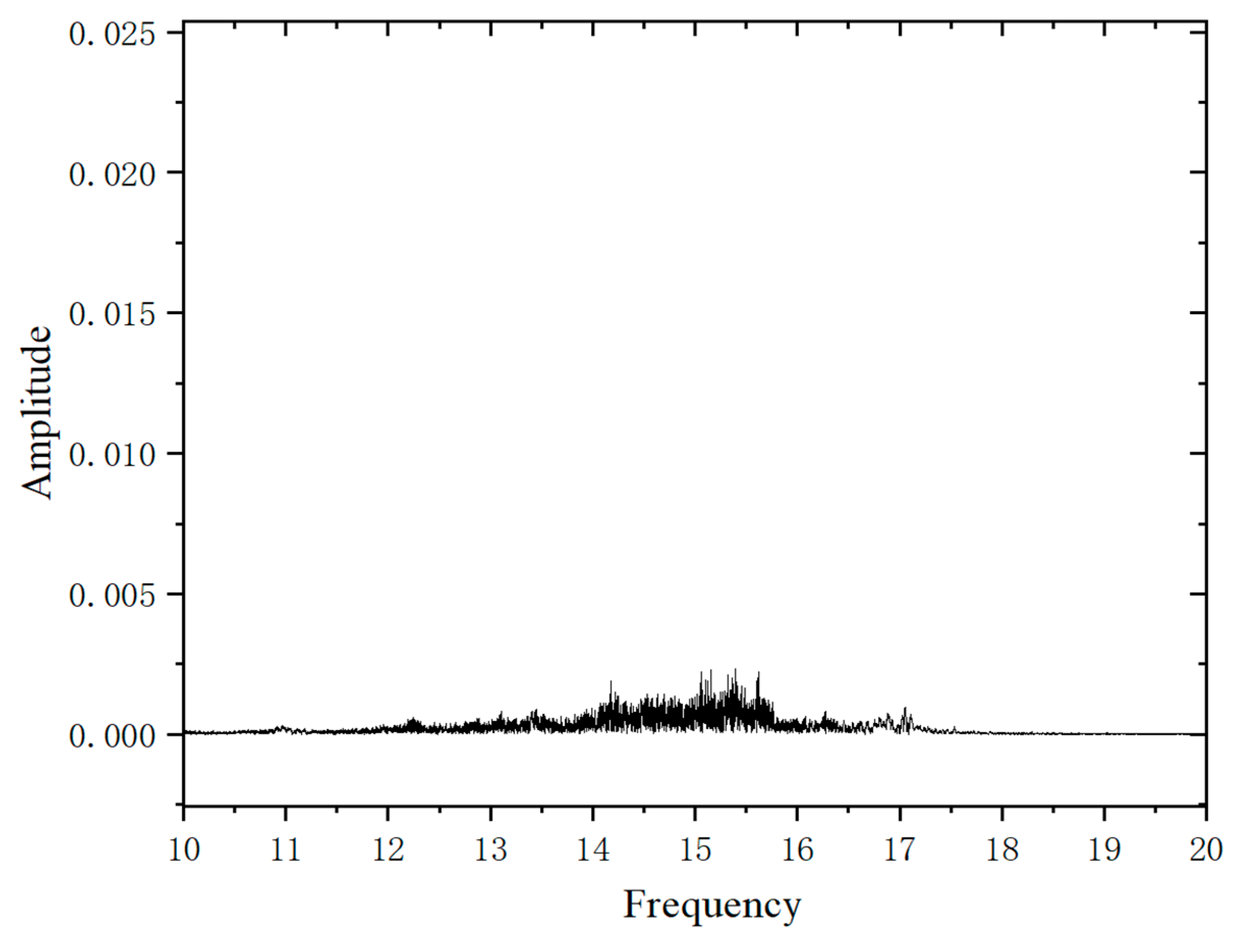
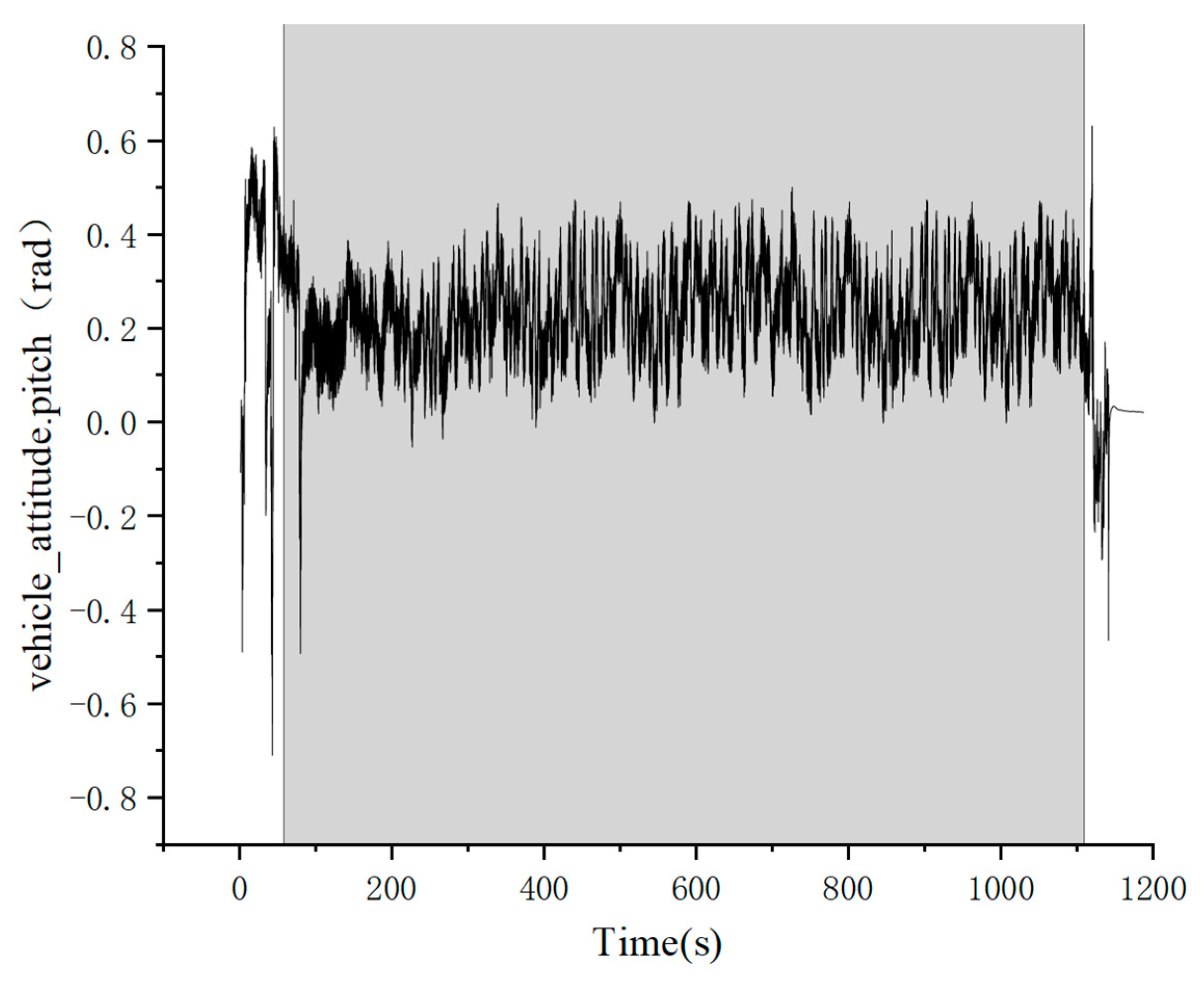
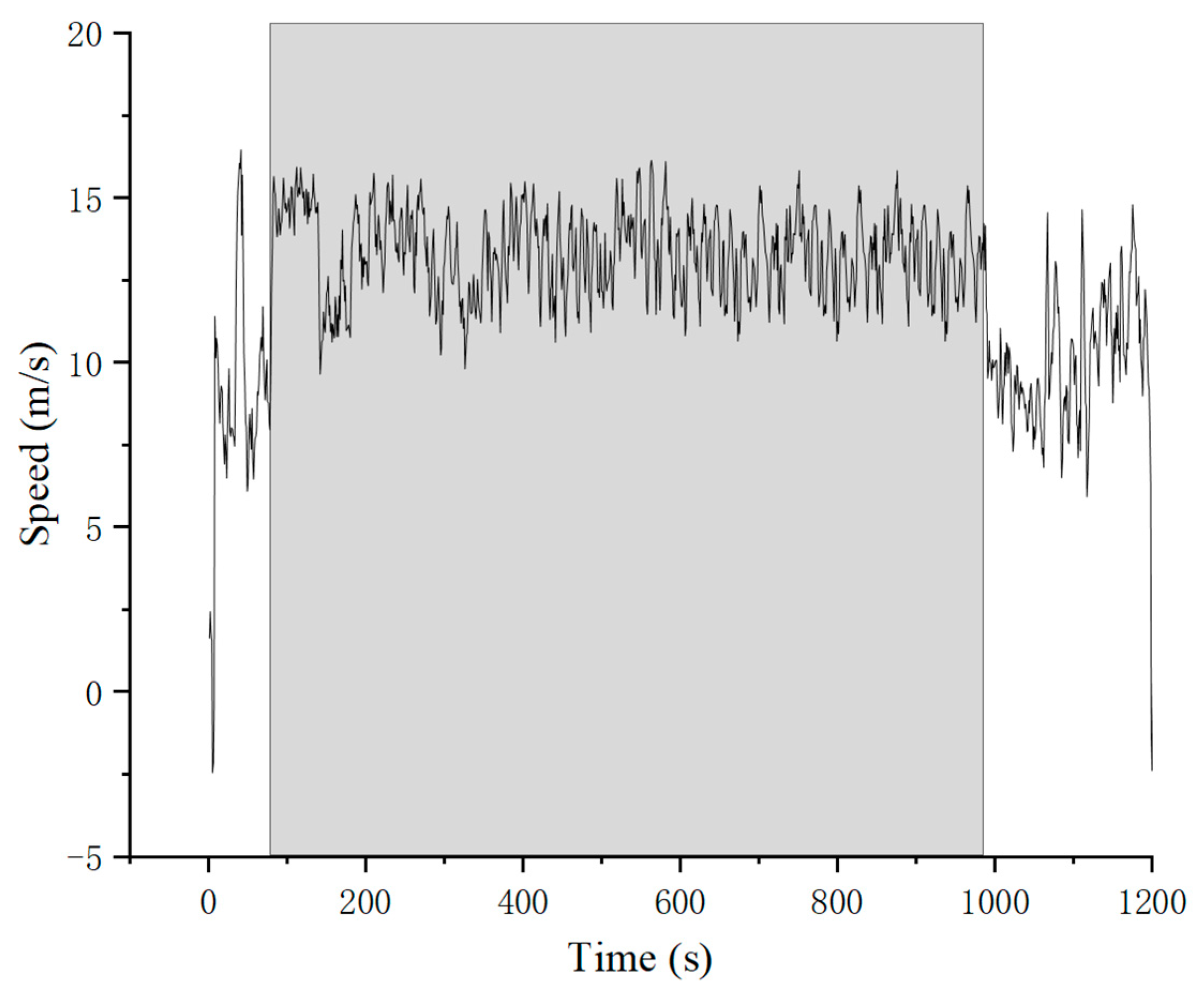
The flapping-wing ornithopter is an aircraft that imitates the flight of birds in nature. It has significant potential and value in various fields such as surveying, search and rescue, military reconnaissance, and unmanned warfare, due to its biomimetic stealth and high efficiency in low Reynolds number flight. However, the cruising speed of current flapping-wing ornithopters is generally lower than that of birds of the same size, which seriously affects biomimicry, mission capability, and wind resistance. Increasing the cruising speed can make the aircraft fly more like a bird, improve the efficiency of reconnaissance missions and wind resistance per unit time, and has important research significance. However, the methods to increase the cruising speed of flapping-wing ornithopters are currently lacking. Firstly, this paper presents improvements to the propulsion system based on the team’s “Dove” aircraft to meet the speed requirements. The actual flapping frequency and rocking arm end torque of the “Dove” aircraft under different voltages are tested. To select and match the motor and gearbox in the propulsion system, a method for matching and selection among the motor, gearbox, and load is proposed. Finally, wind tunnel experiments and flight validations are conducted on the improved flight prototype. The wind tunnel experiments show that the increase in flapping frequency has a significant impact on thrust. The trimmed states at different speeds are obtained. The flight validation demonstrates the sustained high-speed flight capability of the aircraft. At a flapping frequency of approximately 15 Hz, the average flight speed of the aircraft is 13.3 m/s within a 15 min duration, which is close to the actual flight speed of pigeons. The duration of high-speed flight is tripled compared to the initial duration. The speed improvement successfully enhances the biomimicry and efficiency of reconnaissance missions per unit time for the aircraft.
Keywords: micro flapping-wing aircraft; drive system design; wind tunnel experiments; flight tests micro flapping-wing aircraft; drive system design; wind tunnel experiments; flight tests