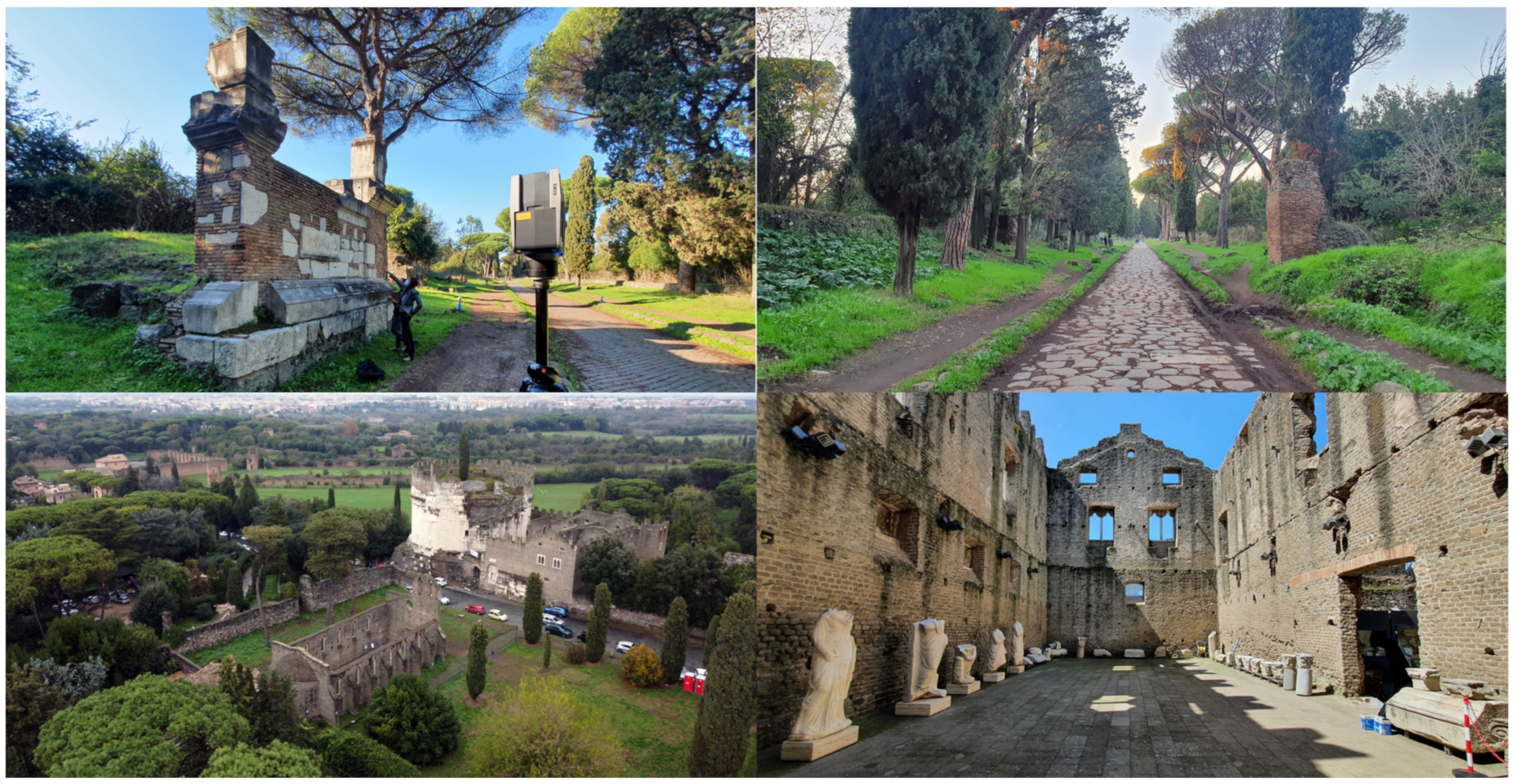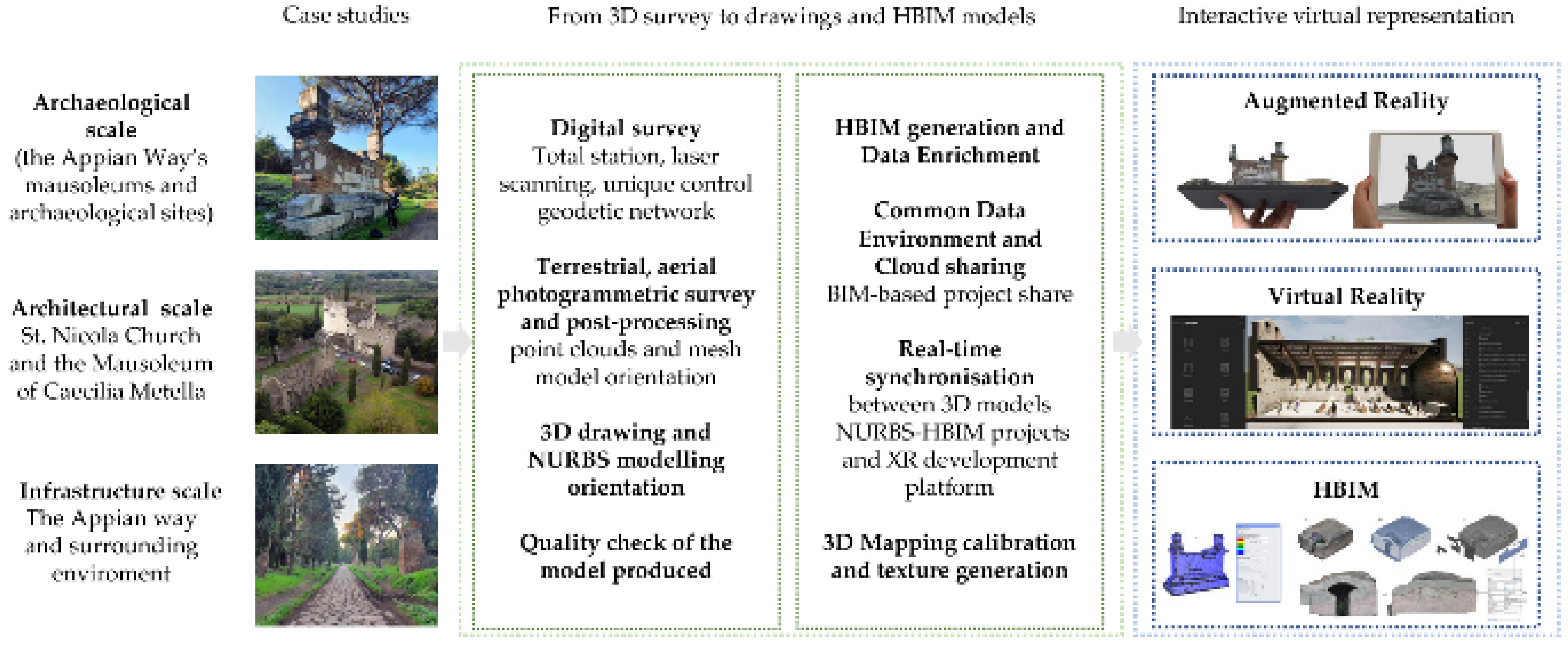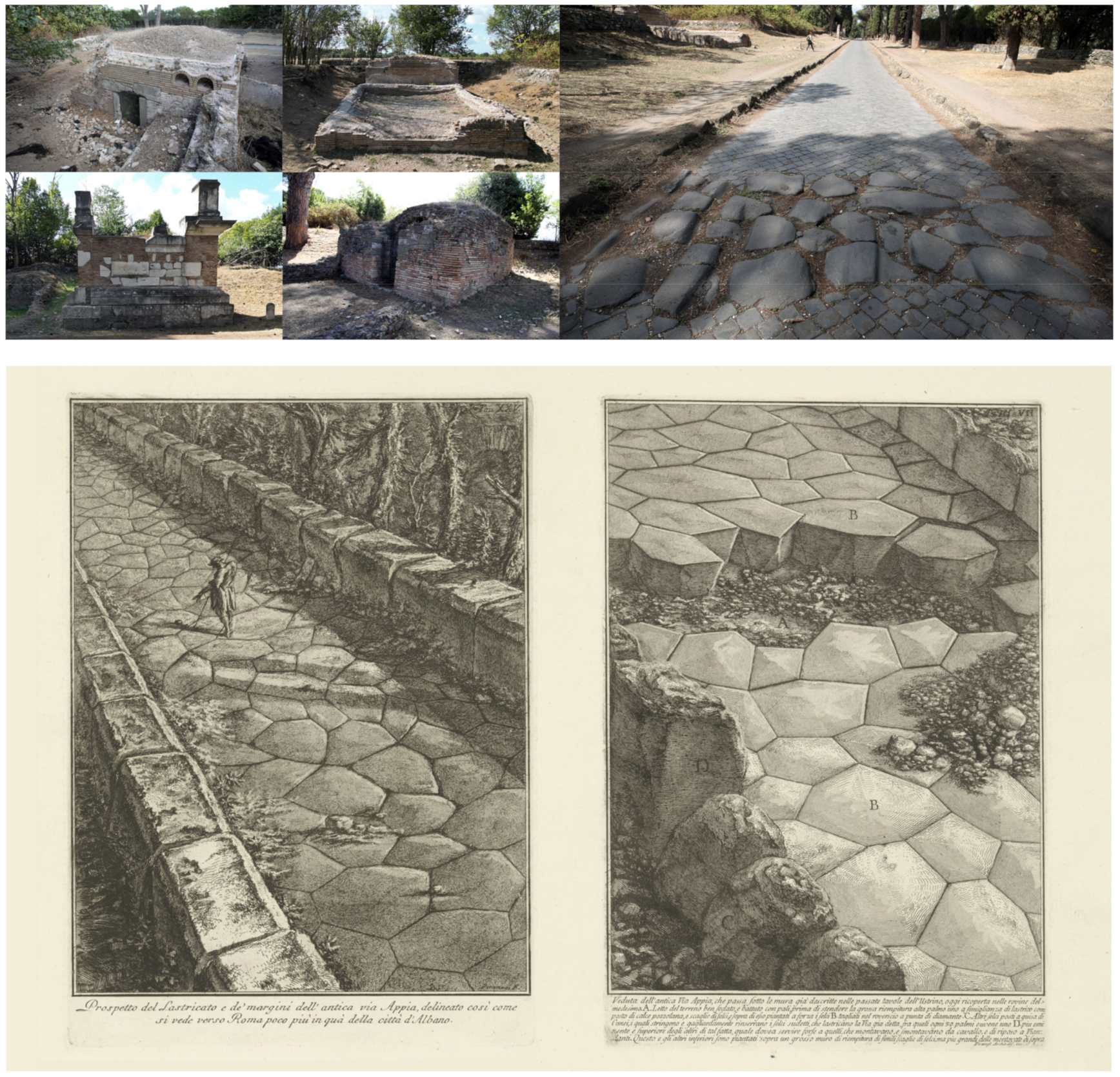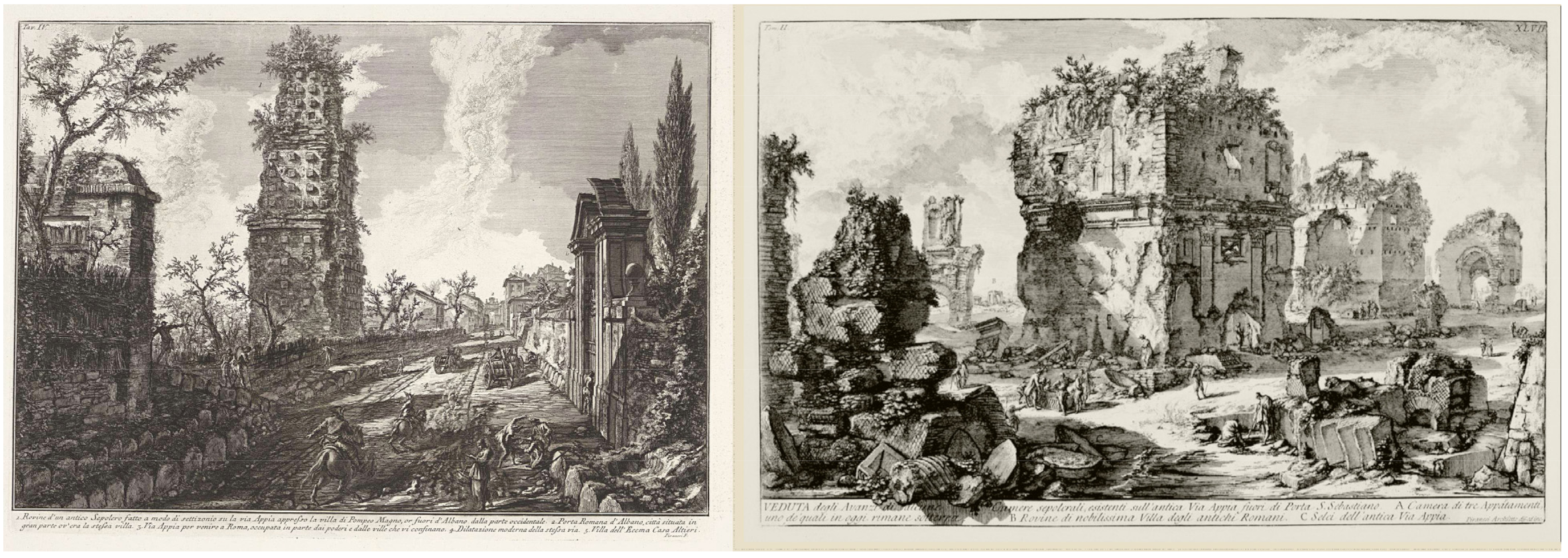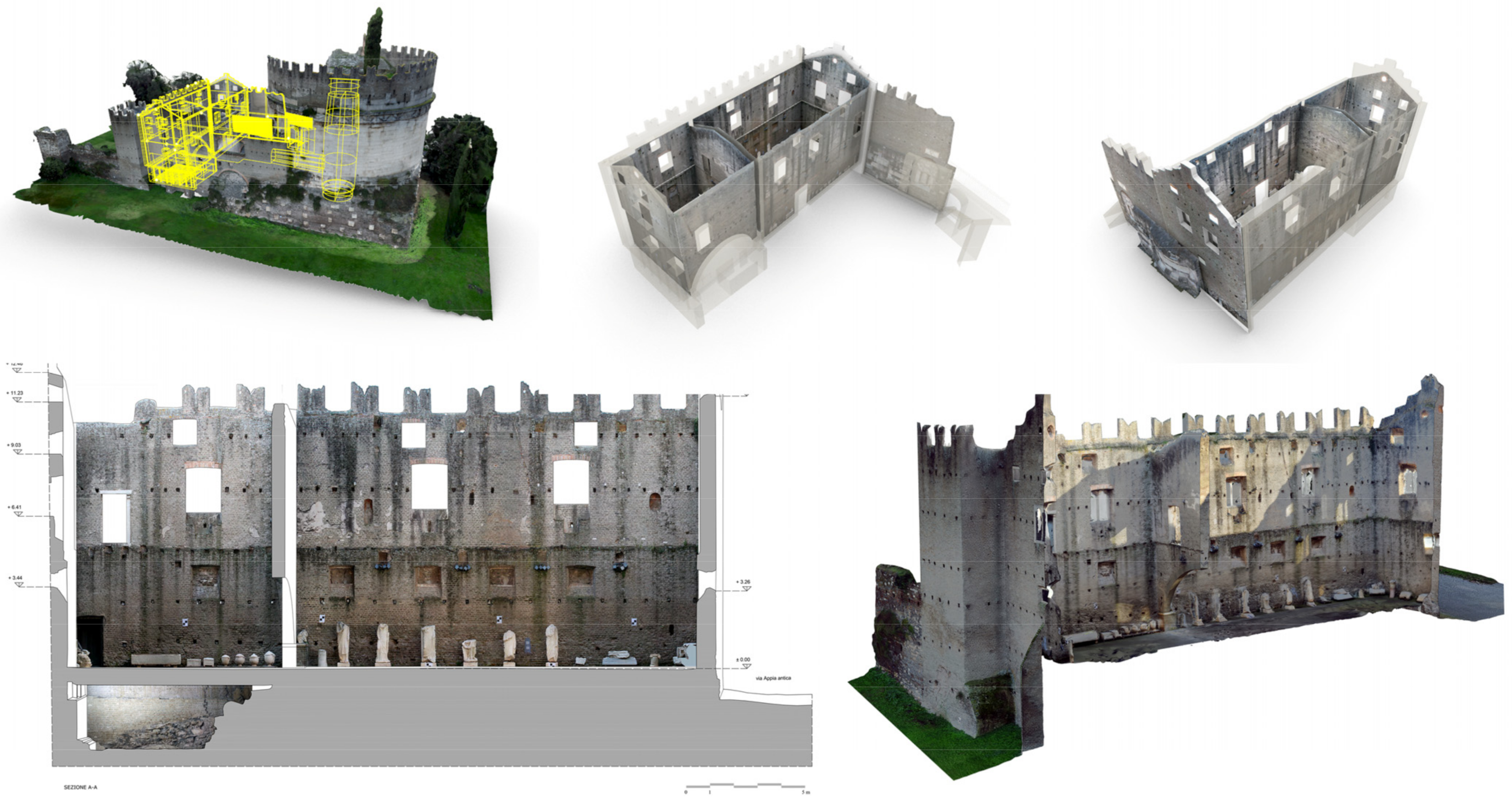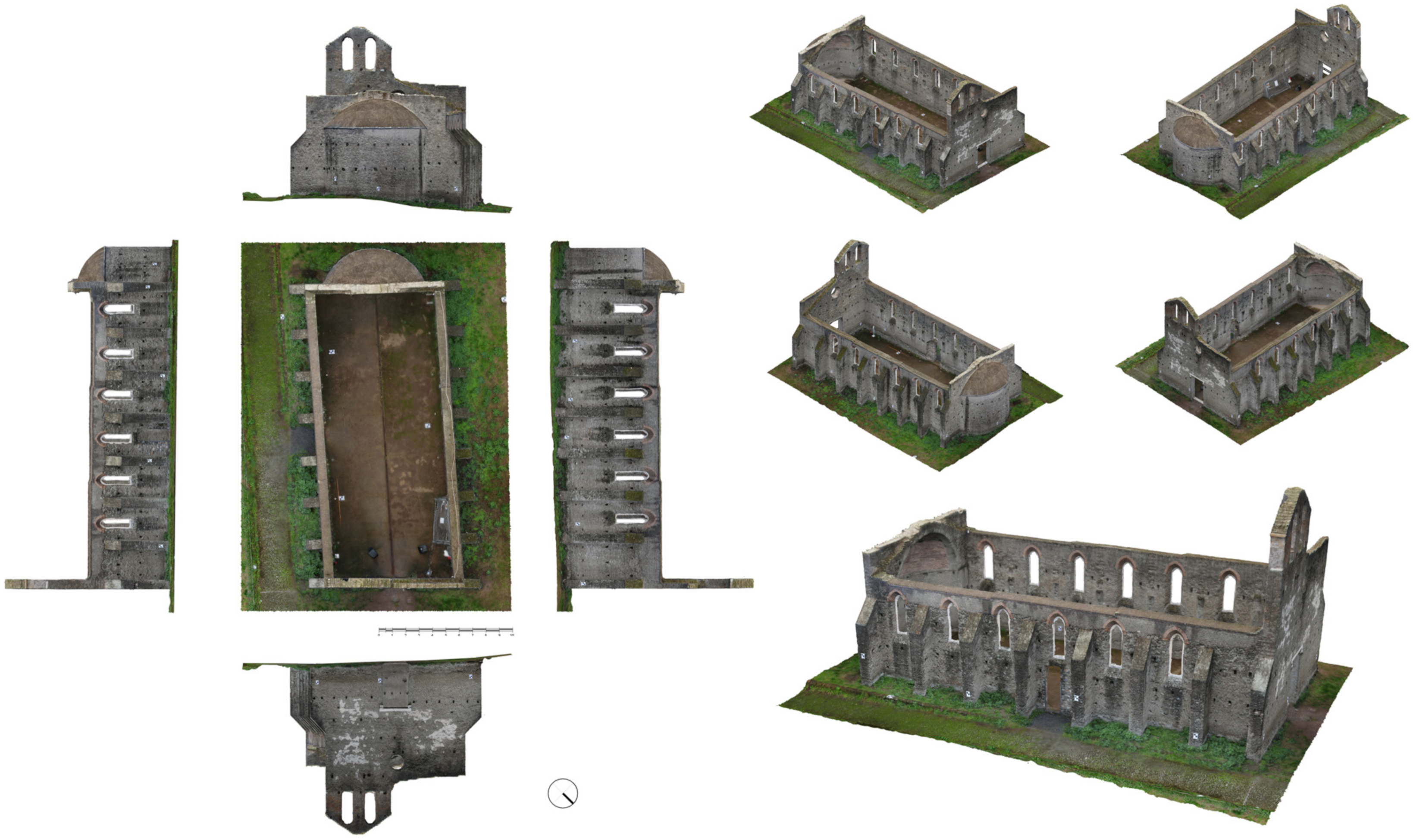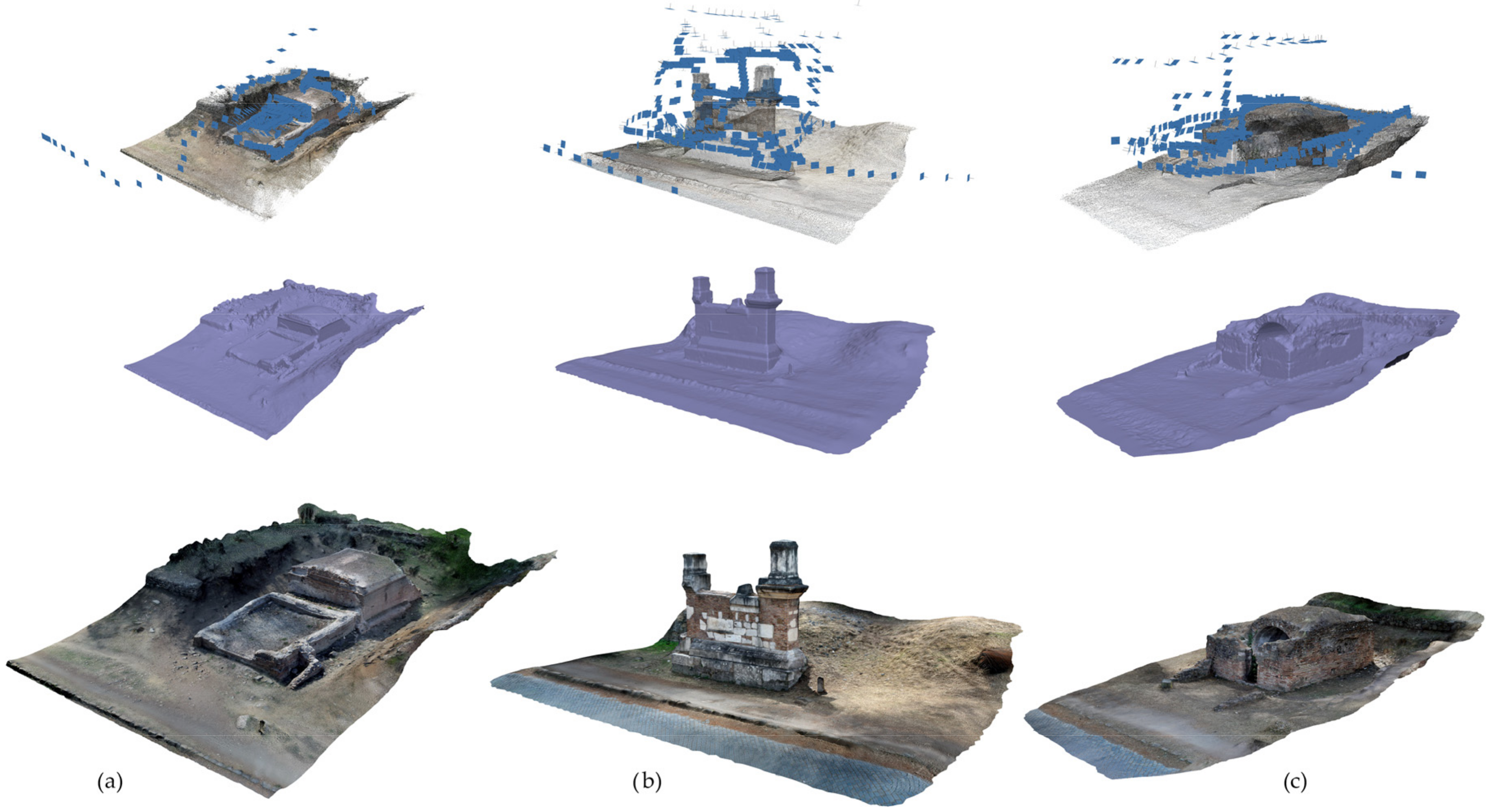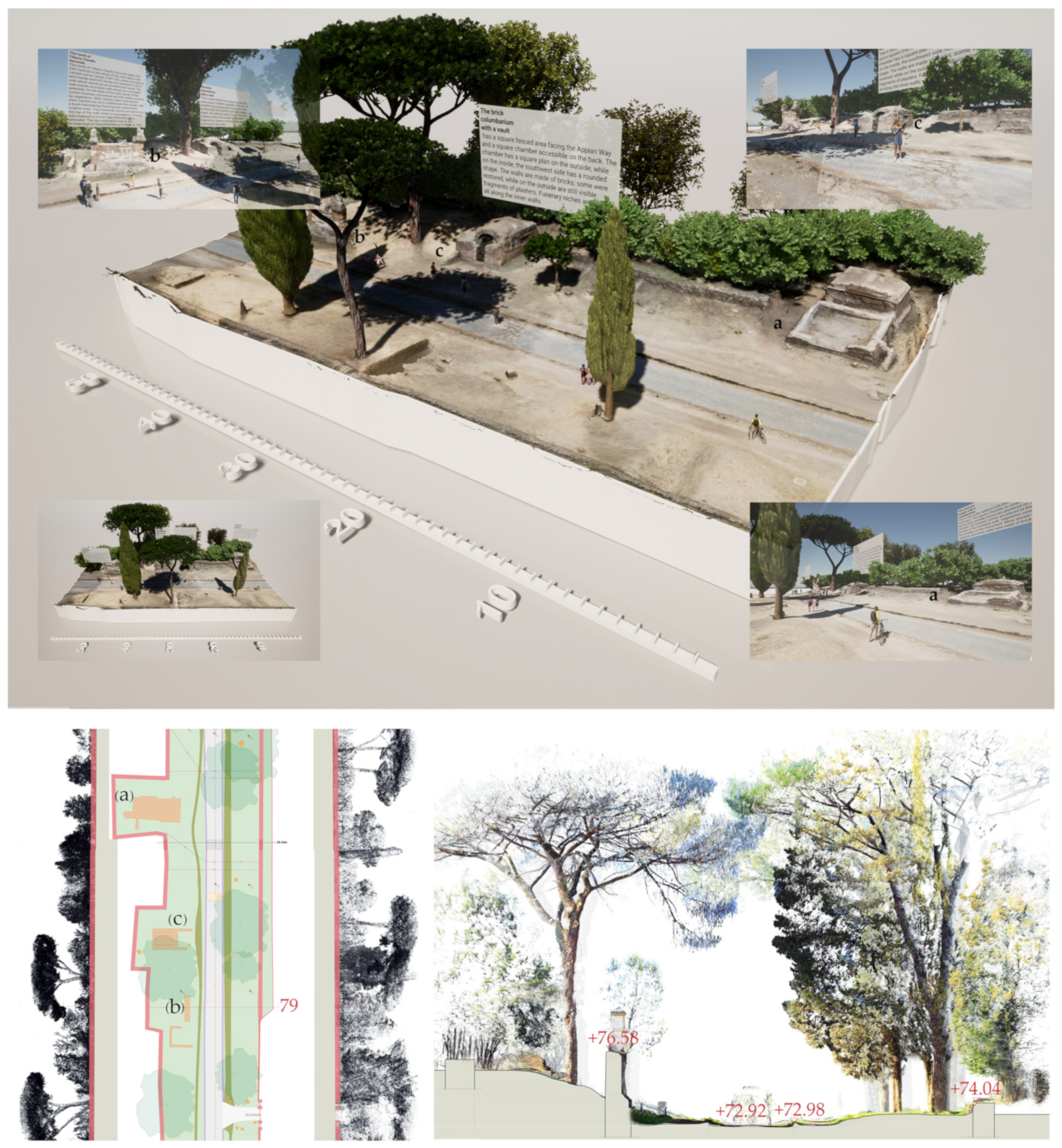

Narrating Ancient Roman Heritage through Drawings and Digital Architectural Representation: From Historical Archives, UAV and LIDAR to Virtual-Visual Storytelling and HBIM Projects



Abstract
Share and Cite
Banfi, F.; Roascio, S.; Mandelli, A.; Stanga, C. Narrating Ancient Roman Heritage through Drawings and Digital Architectural Representation: From Historical Archives, UAV and LIDAR to Virtual-Visual Storytelling and HBIM Projects. Drones 2023, 7, 51. https://doi.org/10.3390/drones7010051
Banfi F, Roascio S, Mandelli A, Stanga C. Narrating Ancient Roman Heritage through Drawings and Digital Architectural Representation: From Historical Archives, UAV and LIDAR to Virtual-Visual Storytelling and HBIM Projects. Drones. 2023; 7(1):51. https://doi.org/10.3390/drones7010051
Chicago/Turabian StyleBanfi, Fabrizio, Stefano Roascio, Alessandro Mandelli, and Chiara Stanga. 2023. "Narrating Ancient Roman Heritage through Drawings and Digital Architectural Representation: From Historical Archives, UAV and LIDAR to Virtual-Visual Storytelling and HBIM Projects" Drones 7, no. 1: 51. https://doi.org/10.3390/drones7010051
APA StyleBanfi, F., Roascio, S., Mandelli, A., & Stanga, C. (2023). Narrating Ancient Roman Heritage through Drawings and Digital Architectural Representation: From Historical Archives, UAV and LIDAR to Virtual-Visual Storytelling and HBIM Projects. Drones, 7(1), 51. https://doi.org/10.3390/drones7010051