Proceeding Paper

Thermosensitive Nasal In Situ Gels of Lipid-Based Nanosystems to Improve the Treatment of Alzheimer’s Disease †

1
UCIBIO/REQUIMTE, MEDTECH Laboratory of Pharmaceutical Technology, Department of Drug Sciences, Faculty of Pharmacy, University of Porto, 4050-313 Porto, Portugal
2
Faculty of Life Sciences and Medicine, Institute of Pharmaceutical Science, King’s College London, London SE1 9NH, UK
3
UFP Energy, Environment and Health Research Unit (FP ENAS), Fernando Pessoa University, 4249-004 Porto, Portugal
*
Author to whom correspondence should be addressed.
Presented at the 1st International Electronic Conference on Pharmaceutics, 1–15 December 2020; Available online: https://iecp2020.sciforum.net/.
Proceedings 2021, 78(1), 37; https://doi.org/10.3390/IECP2020-08648

Published: 1 December 2020
(This article belongs to the Proceedings of The 1st International Electronic Conference on Pharmaceutics)

Abstract

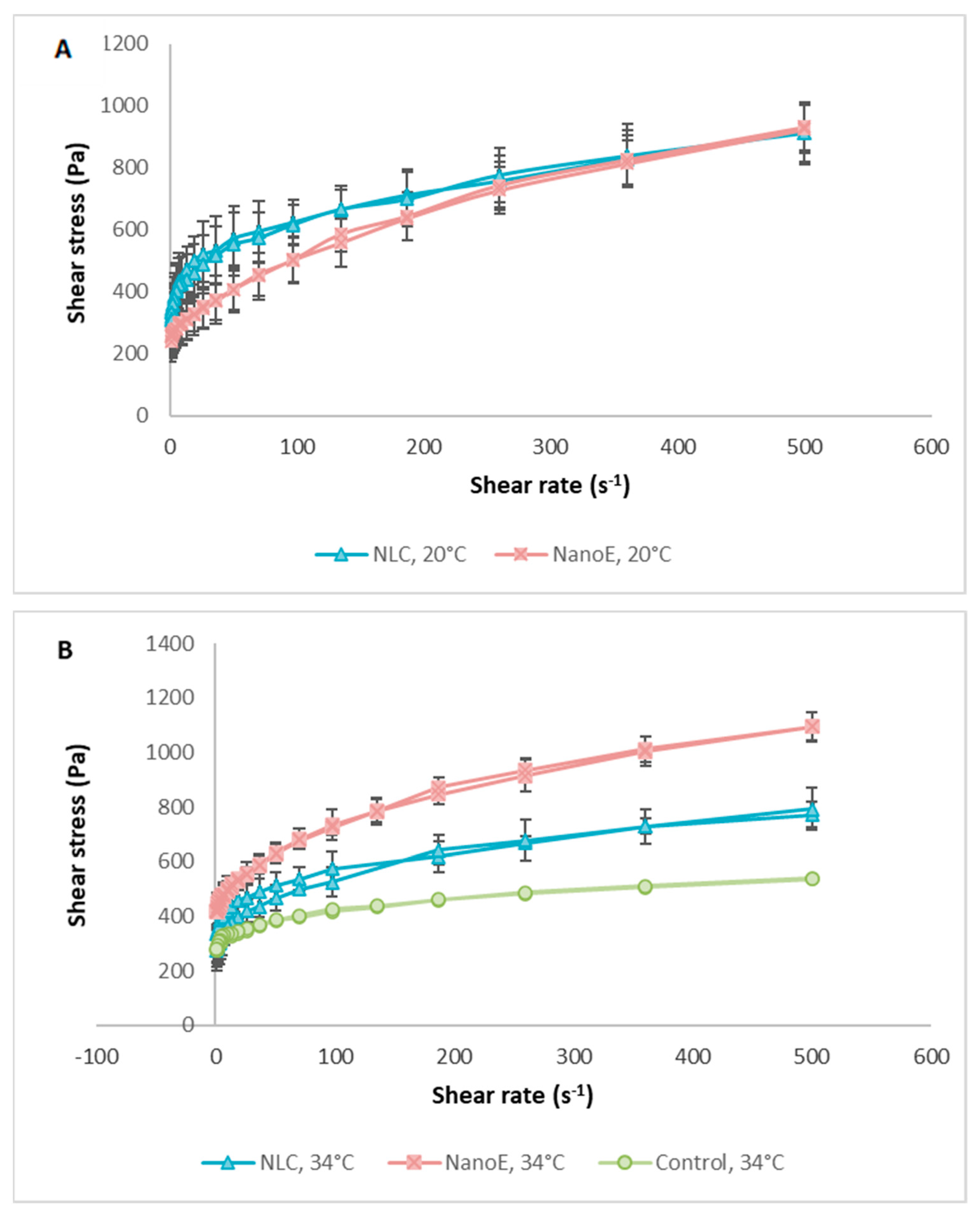
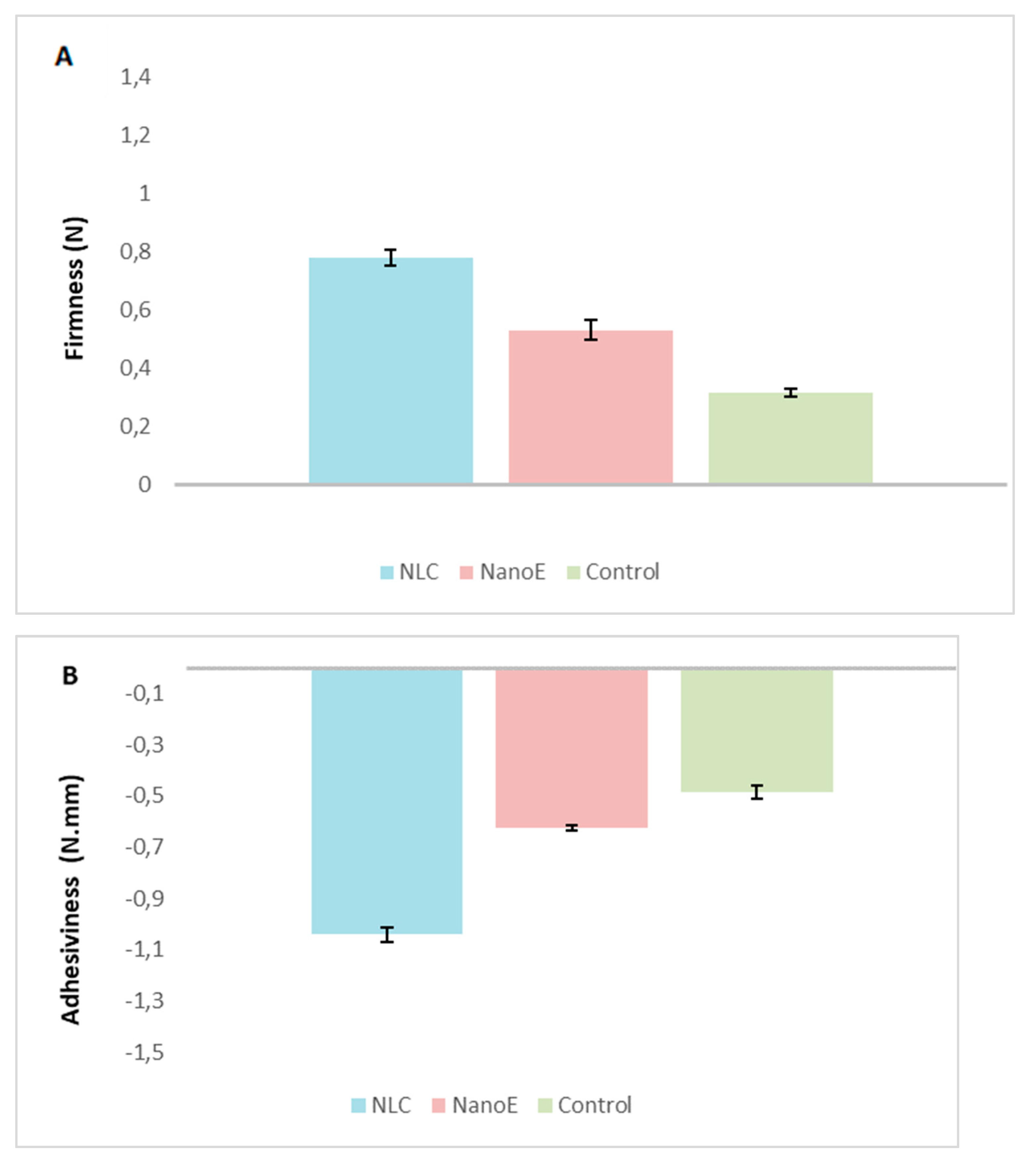
Thermosensitive in situ gels are promising formulations for the management of Alzheimer’s disease (AD), since they increase the residence time of lipid-based nanosystems in the nasal cavity, improving drug therapeutic efficacy. The purpose of this study is to prepare thermosensitive in situ gels with anticholinesterase inhibitor (RVG)-loaded nanostructured lipid carriers (NLC) and nanoemulsions to improve the residence time of the formulations in the nasal cavity. Different concentrations of thermosensitive polymers were added to the RVG-loaded NLC and to the RVG-loaded nanoemulsion to optimize the gelation temperature of the in situ gels; concentrations of 17% (%, w/w) of Kolliphor® P407 and 0.3% (%, w/w) of MethocelTM K4M were selected. The in situ gels of the RVG-loaded NLC and RVG-loaded nanoemulsion had a particle size, PDI, ZP, and pH of, respectively: 141.70 ± 0.40 nm and 146.10 ± 1.73 nm; 0.45 ± 0.00 and 0.43 ± 0.02; −4.06 ± 1.03 mV and −4.09 ± 0.71 mV, 6.60 ± 0.01 and 7.00 ± 0.02. In addition, these in situ gels showed a non-Newtonian plastic behavior, and the texture parameters presented desirable values for nasal administration. From these results, we concluded that the developed in situ gels can be used to improve the treatment of AD through the nose-to-brain route.
Keywords: Alzheimer’s disease; nose-to-brain delivery; lipid-based nanosystems; thermosensitive in situ gels Alzheimer’s disease; nose-to-brain delivery; lipid-based nanosystems; thermosensitive in situ gels