Proceeding Paper

An Integrated Framework for Users’ Well-Being †

ITC-CNR, Construction Technologies Institute- National Research Council of Italy, Lombardia Str., 49-20098 San Giuliano M.se, Italy
*
Author to whom correspondence should be addressed.
Presented at the 4th International Electronic Conference on Sensors and Applications, 15–30 November 2017; Available online: http://sciforum.net/conference/ecsa-4.
Proceedings 2018, 2(3), 114; https://doi.org/10.3390/ecsa-4-04908
Published: 14 November 2017

Abstract

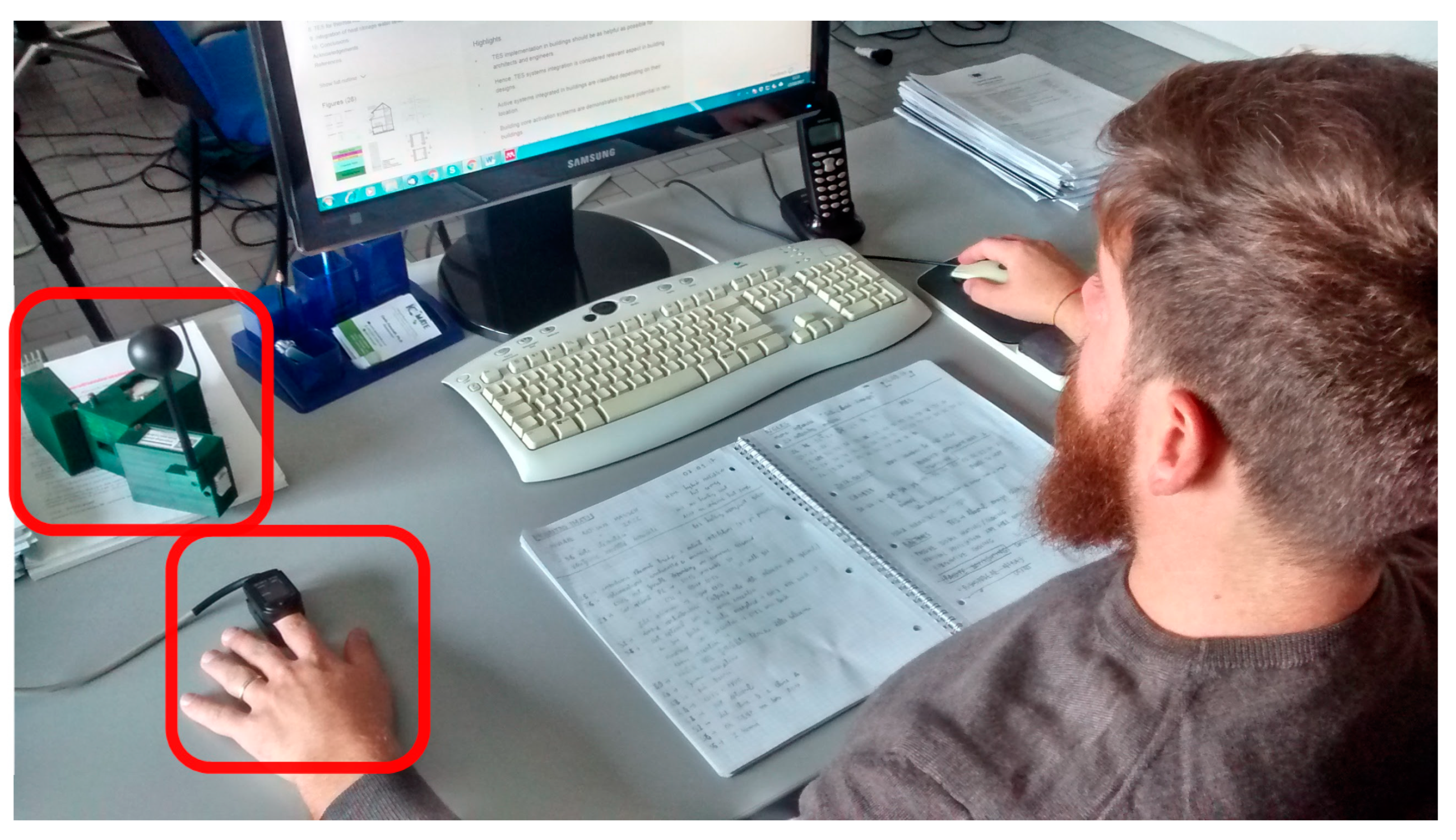
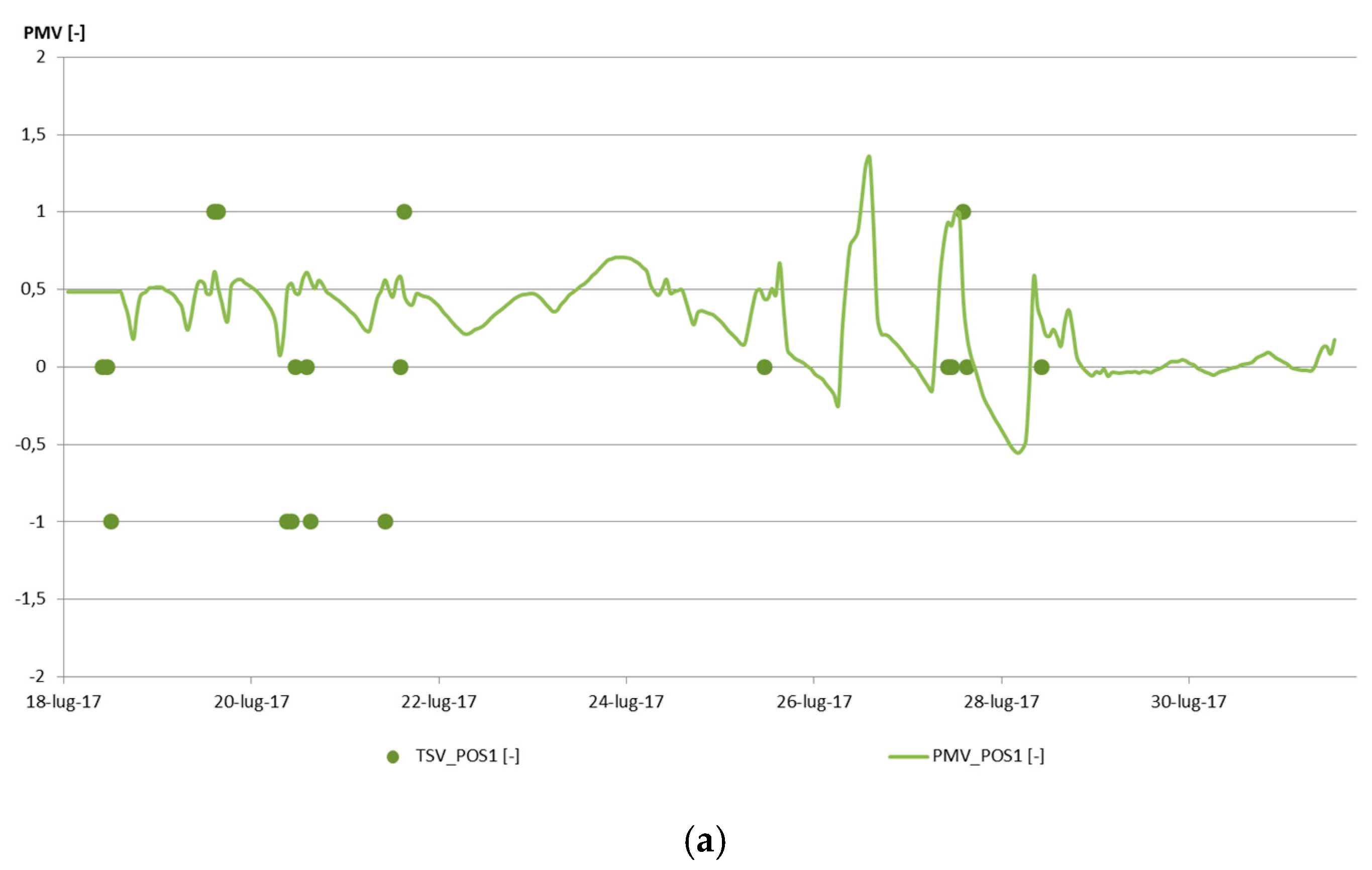
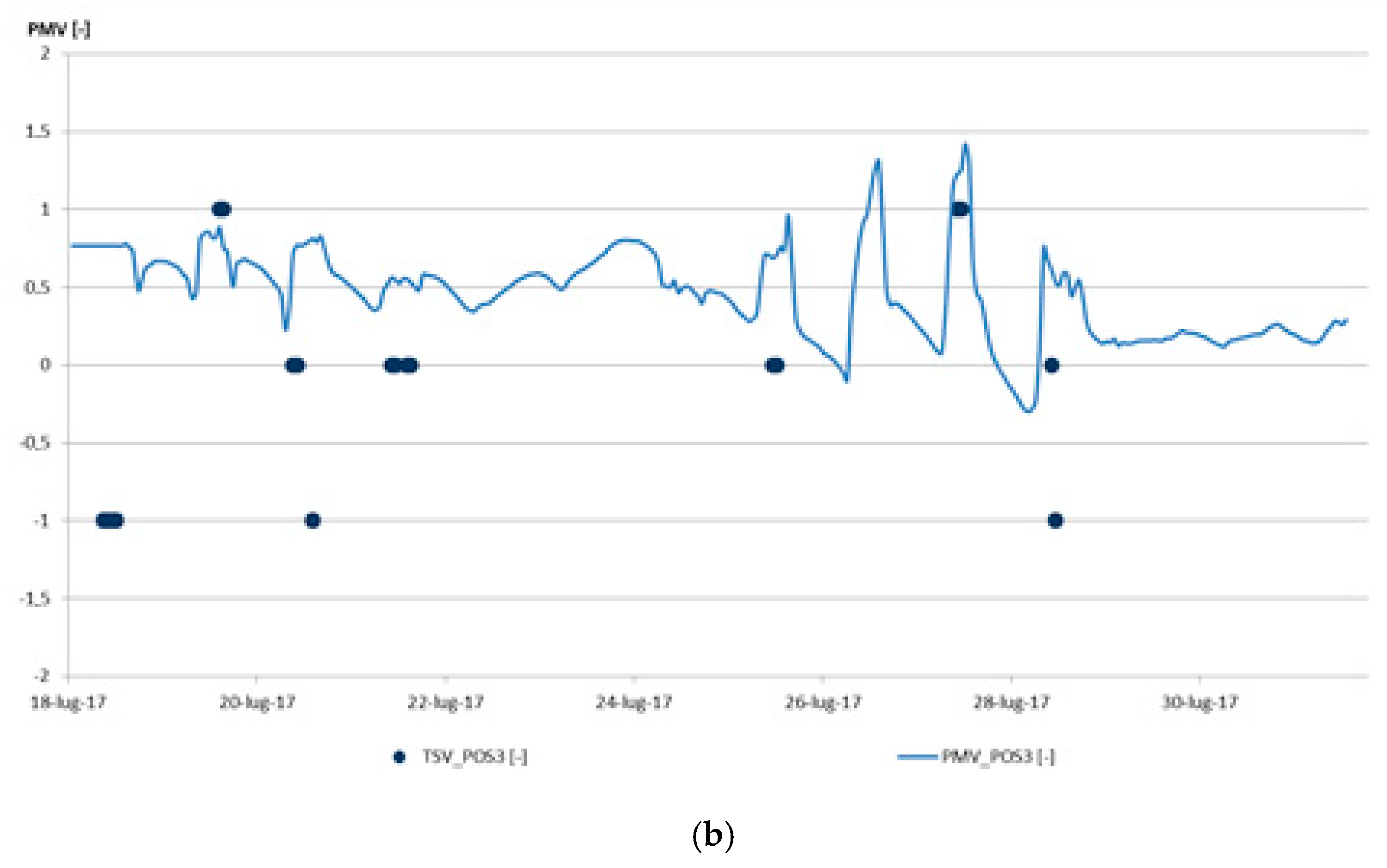
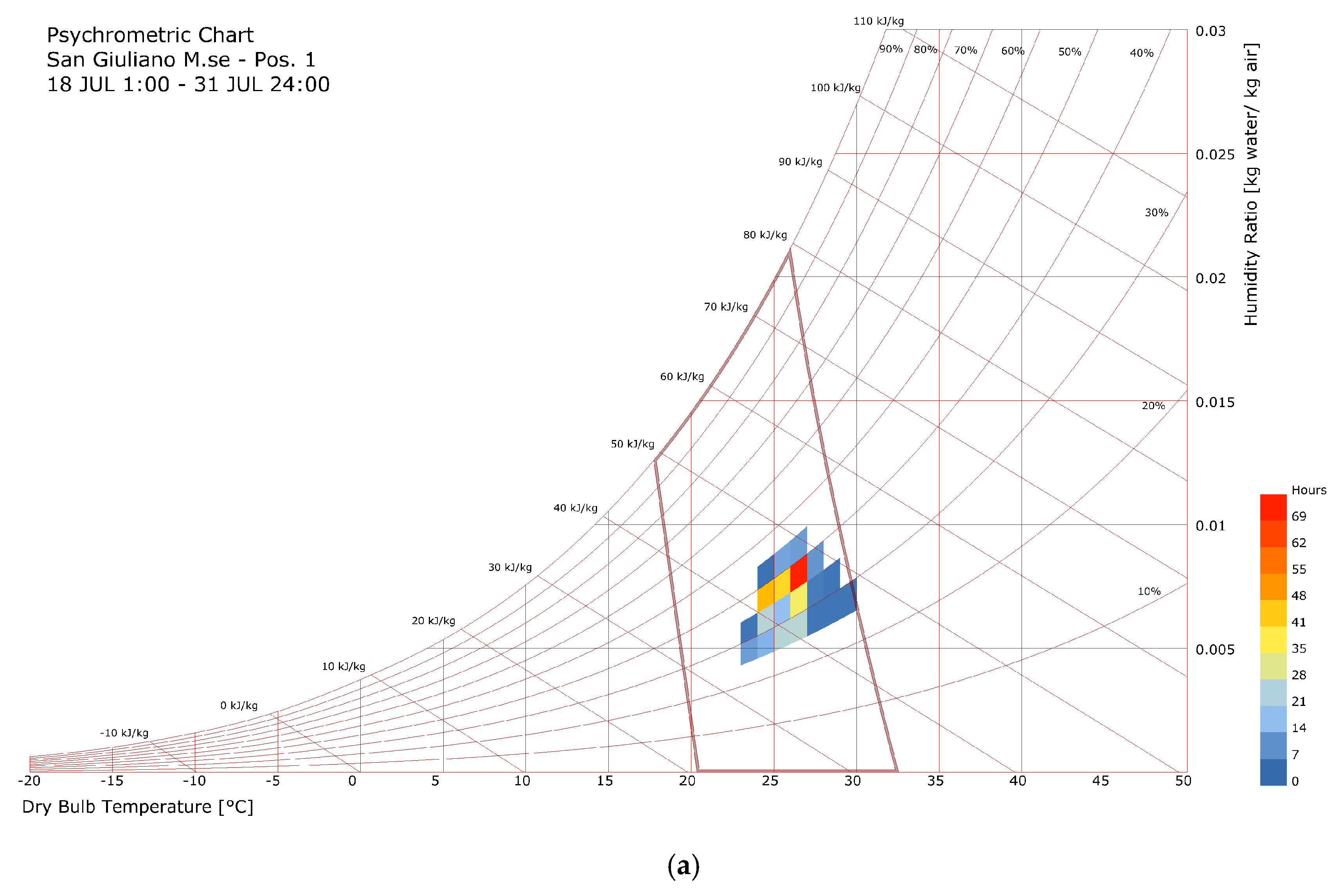
The hygro-thermal comfort (ICQ) is defined as the psychophysical state in which the subject expresses a condition of well-being with respect to environmental variables, a condition known as thermal neutrality. Furthermore, the ICQ represents one pillar of the holistic concept of the Indoor Environmental Quality (IEQ). The methods for the assessment of ICQ and recognized at international level are mainly two. The former, based on a steady-state approach, described by the EN ISO 7730:2005 and applied to Fully Mechanically Controlled buildings (FMC) equipped with an active conditioning system. The latter, based on an adaptive approach, as defined trough in field activities and described by the technical standard ASHRAE 55 and EN 15,251, instead, considers the users as active subjects that interact with surrounding environment and are influenced in their comfort perception by external conditions. In this case, the thermal comfort concept is not just defined depending on physical, but also psychological, social, economic and cultural aspects. The technical standards provides that this method could be applied in middle seasons when the control of comfort is handled by passive technological methods, i.e., in the so called Natural Ventilated or Free Running buildings (FR). In this approach, methodologies providing the direct involvement of the end user are consolidating, through the collection of physiological, psychological and behavioral personal data as to obtain the better assessment of the comfort conditions. Placing in this field, the article describes the results of a field investigation in an office aimed at defining a framework for the assessment of the thermal comfort based on the two approaches through the use of low cost technology solutions, parametric and freeware models.
Keywords: ICQ; IEQ; indoor comfort; low cost solutions; parametric models ICQ; IEQ; indoor comfort; low cost solutions; parametric models