Article

Metadata Suffices: Optimizer-Aware Fake Account Detection with Minimal Multimodal Input

1
Department of Computer Engineering, Istanbul Medipol University, 34810 Istanbul, Turkey
2
Department of Electrical and Electronics Engineering, Istanbul Medipol University, 34810 Istanbul, Turkey
3
Department of Computer Science, University of Calgary, 2500 University Drive NW, Calgary, AB T2N 1N4, Canada
4
Department of Health Informatics, University of Southern Denmark, 5230 Odense, Denmark
*
Authors to whom correspondence should be addressed.
Big Data Cogn. Comput. 2025, 9(12), 298; https://doi.org/10.3390/bdcc9120298
Submission received: 28 September 2025 / Revised: 13 November 2025 / Accepted: 15 November 2025 / Published: 21 November 2025
Abstract

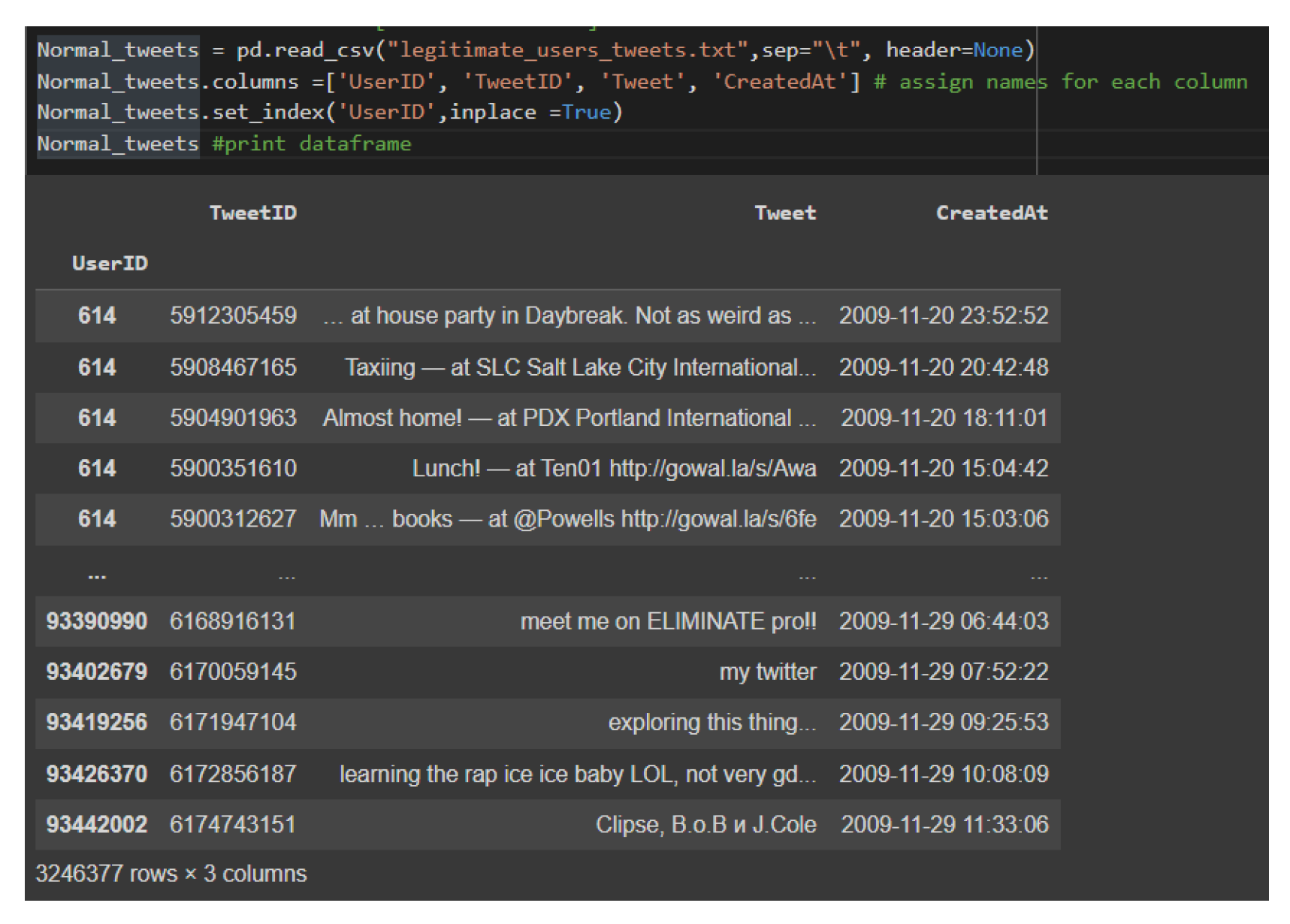
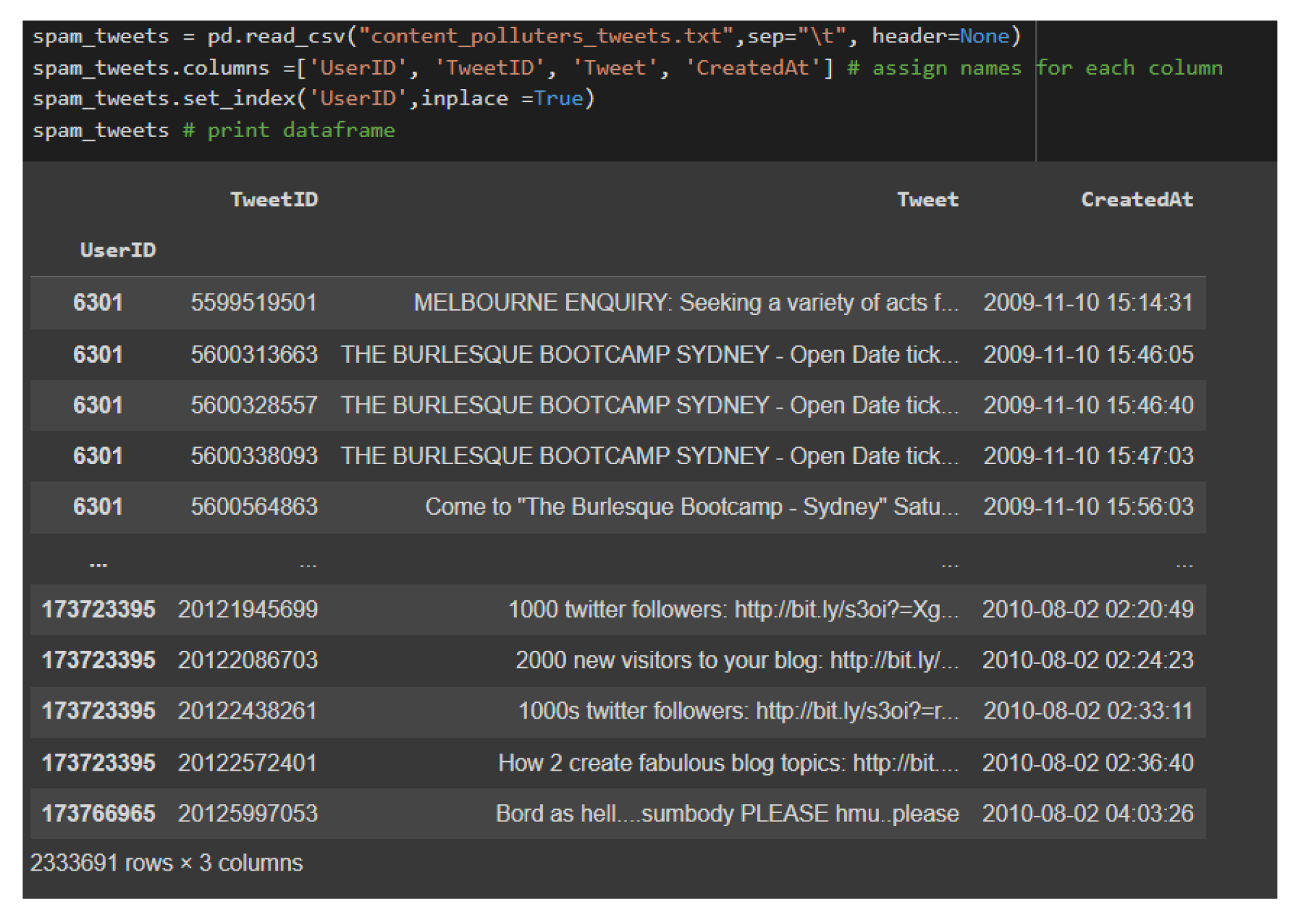
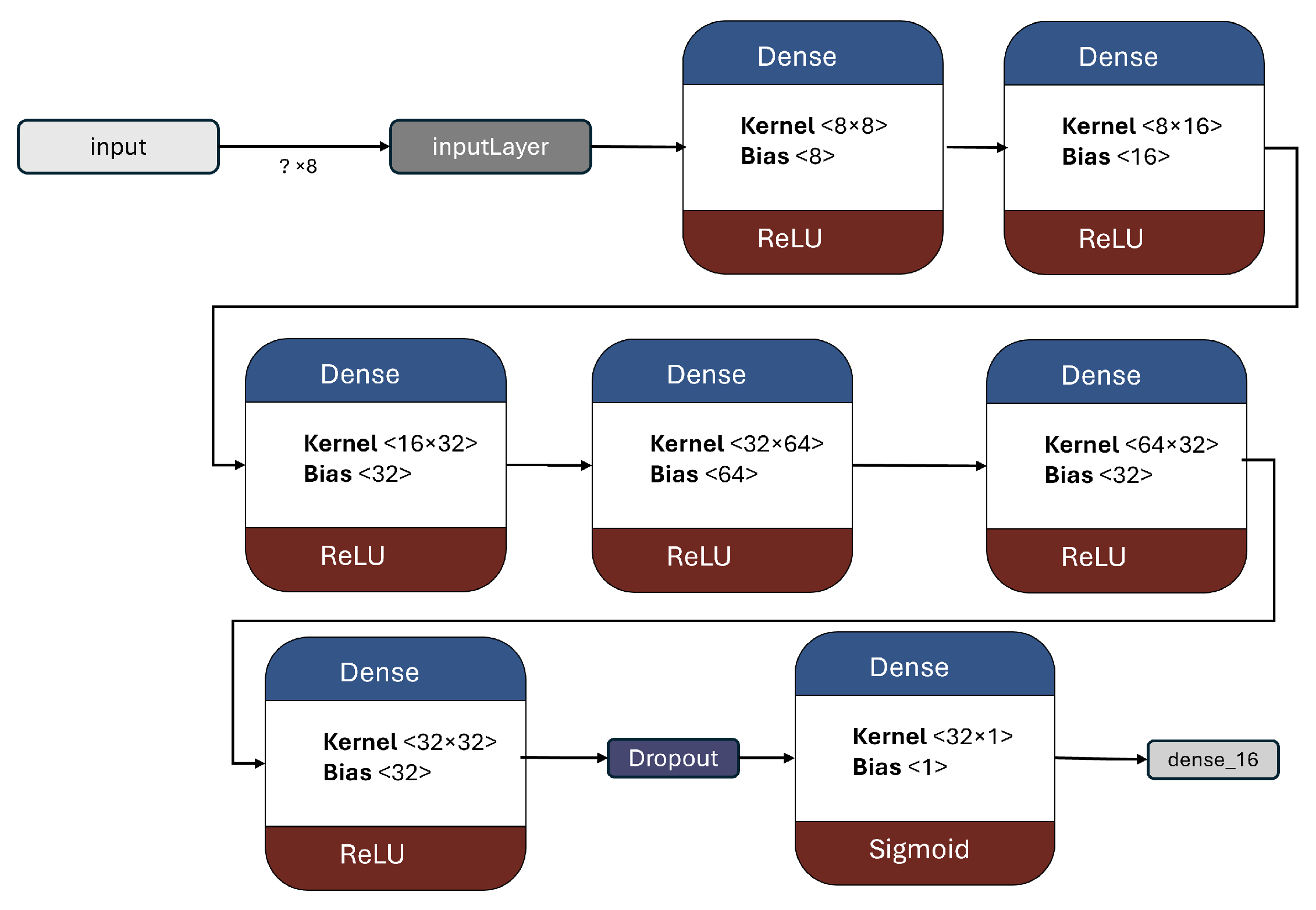
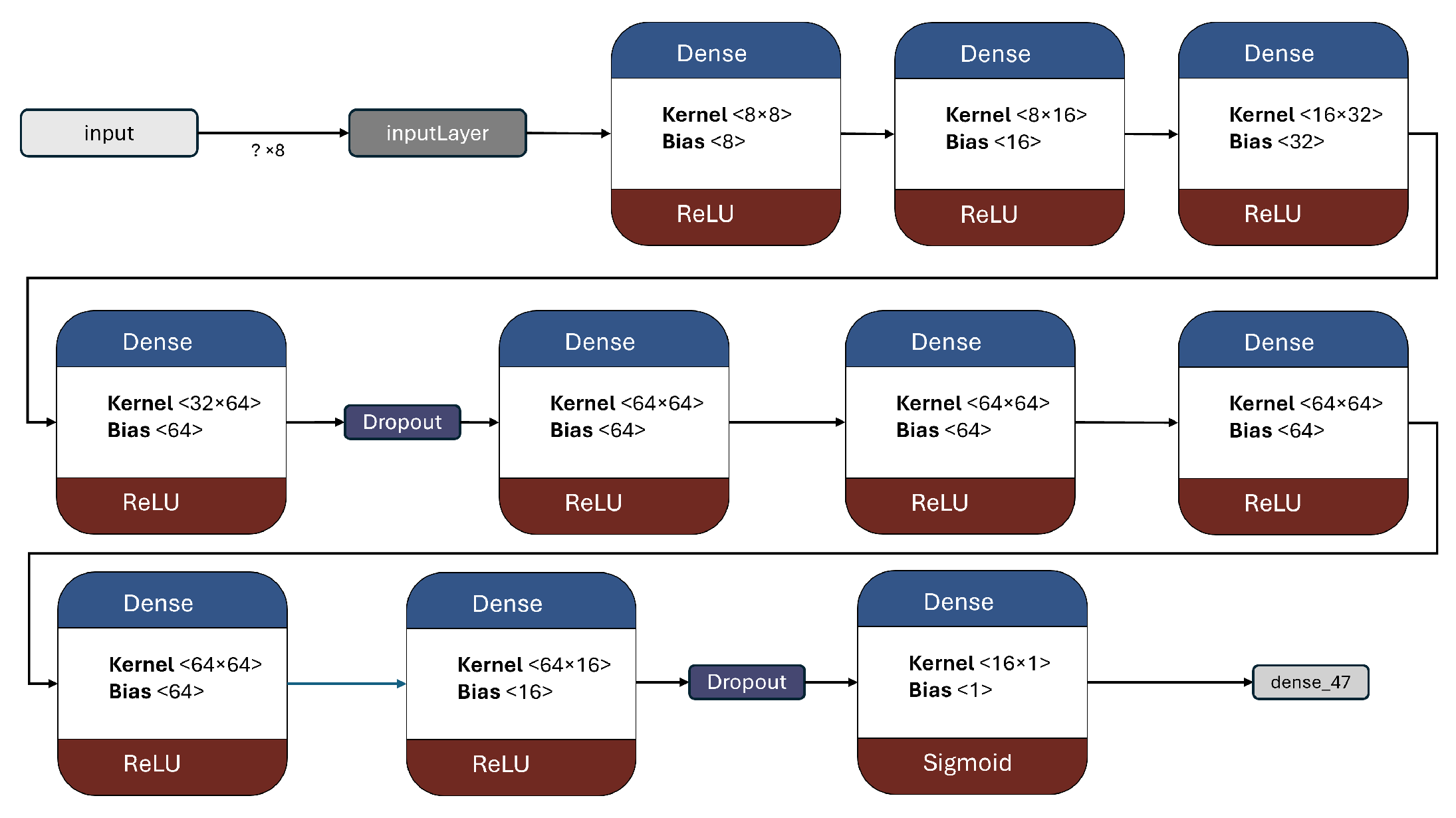
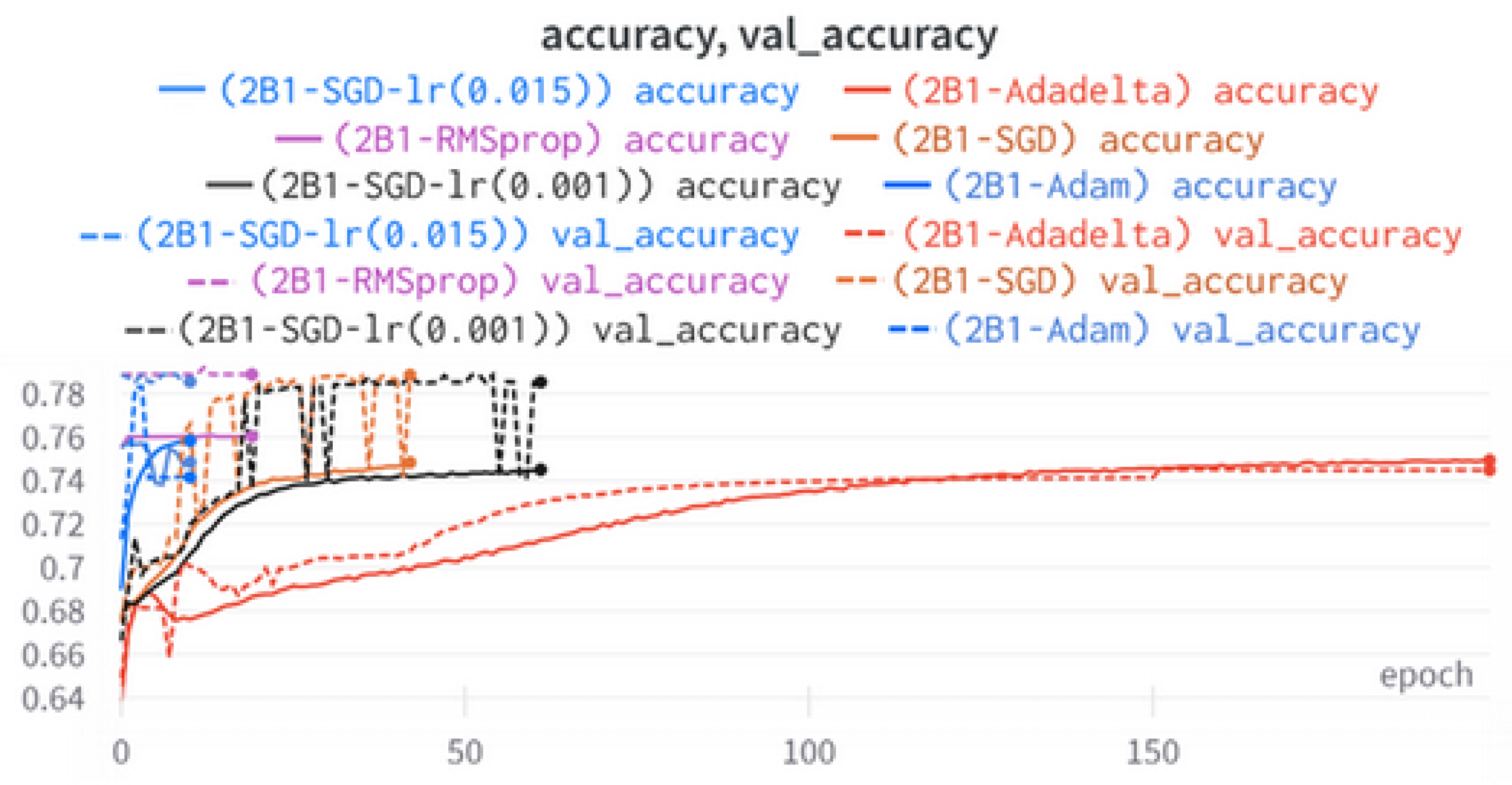
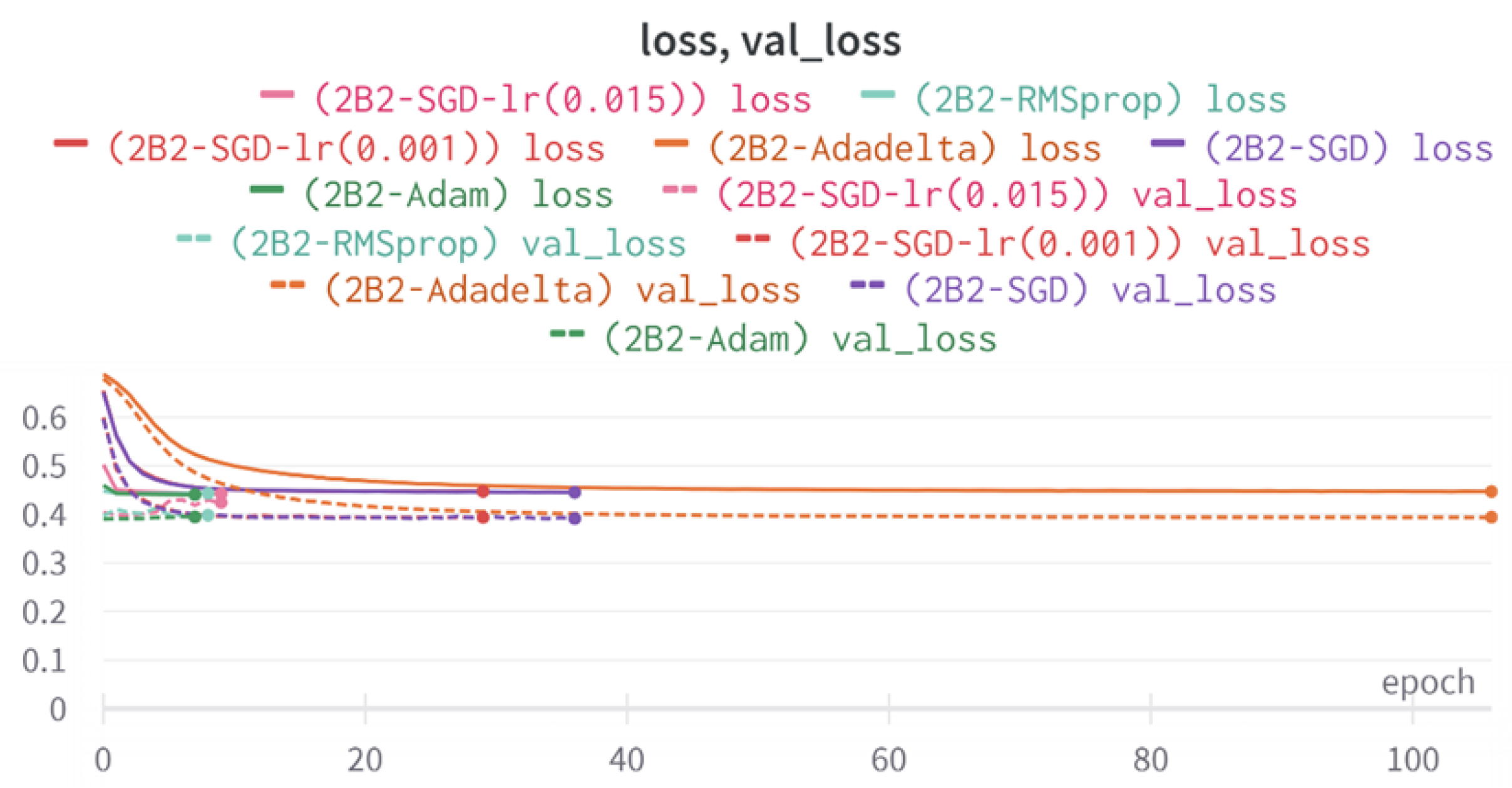
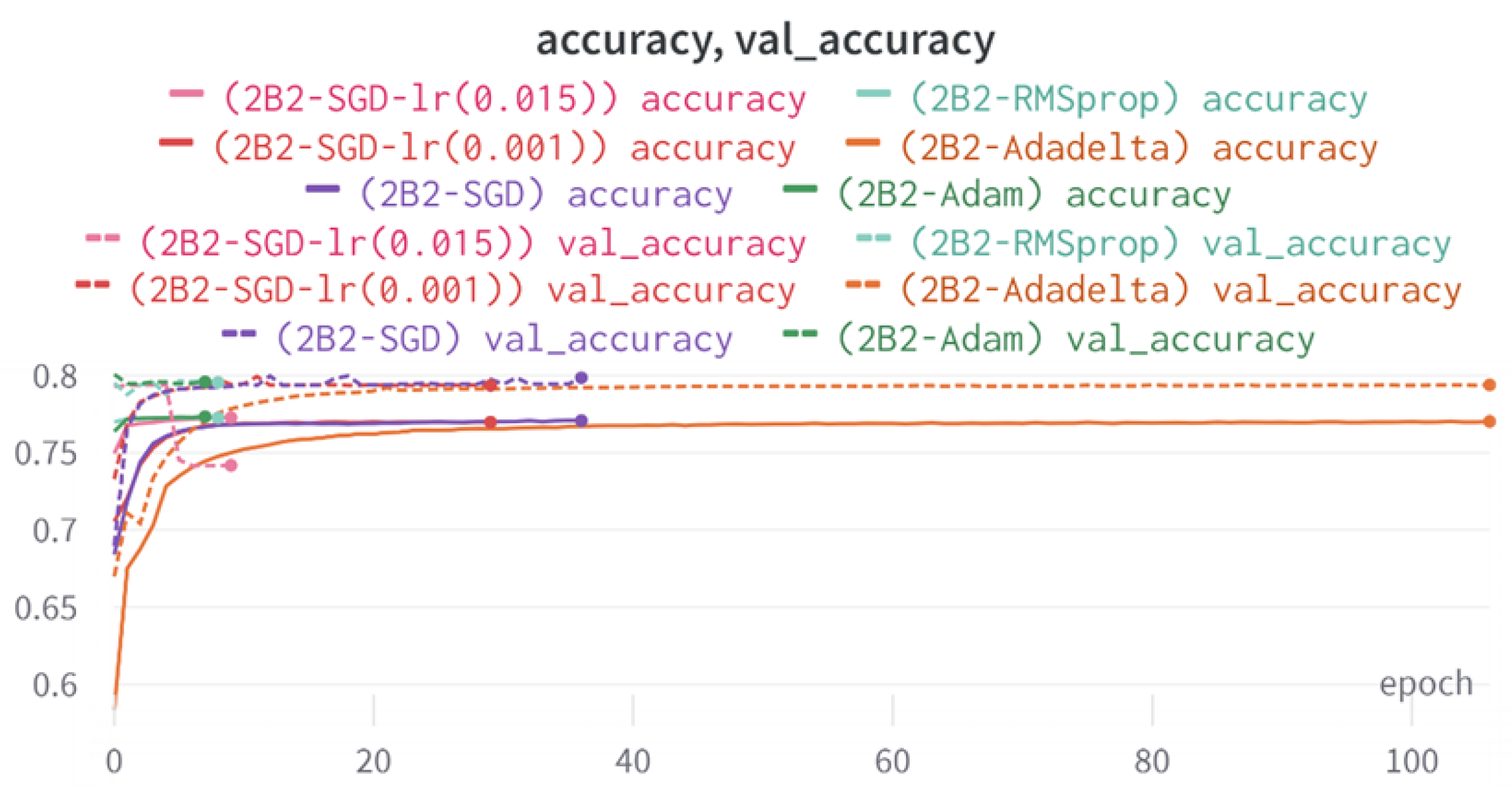
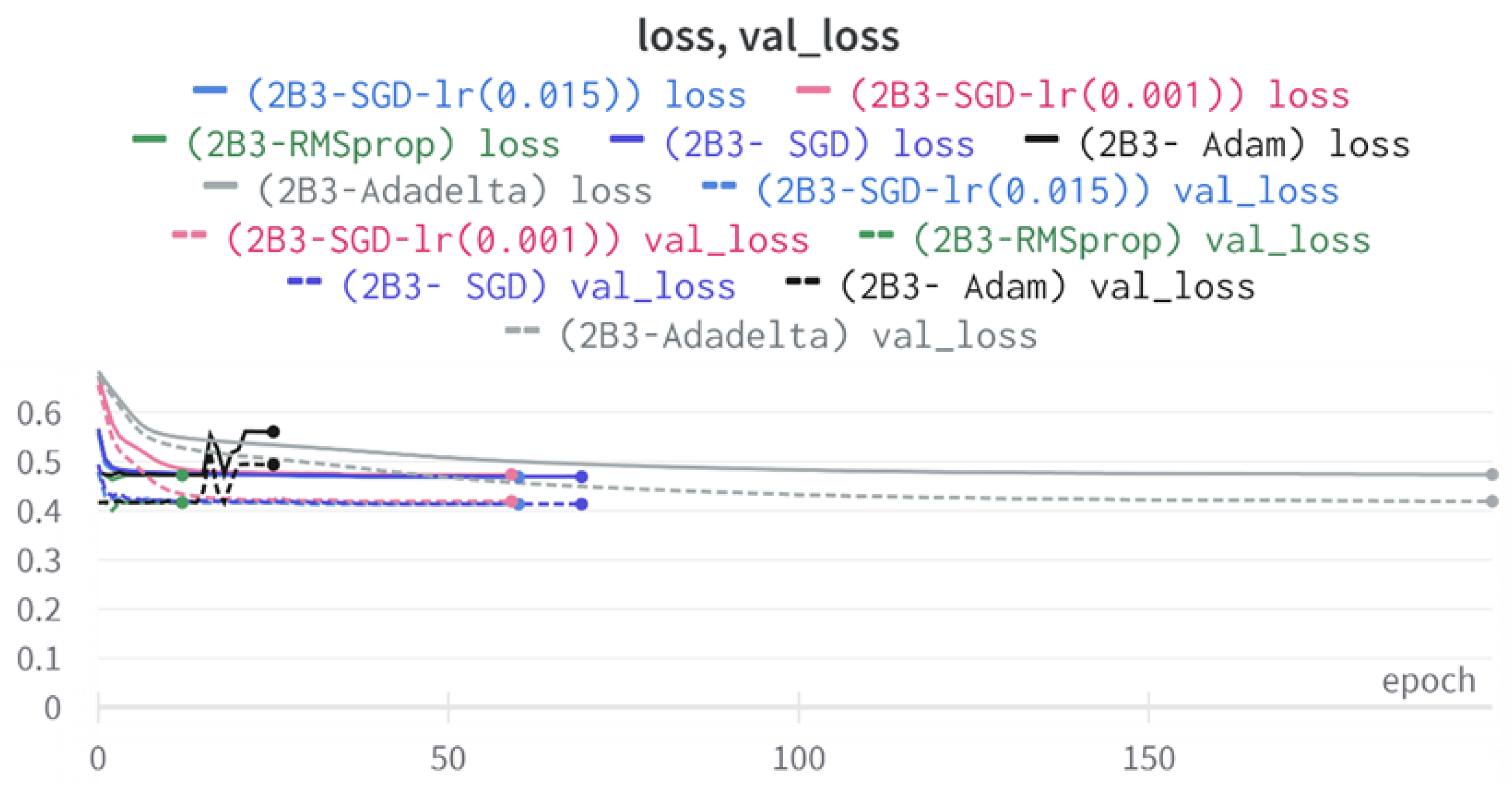
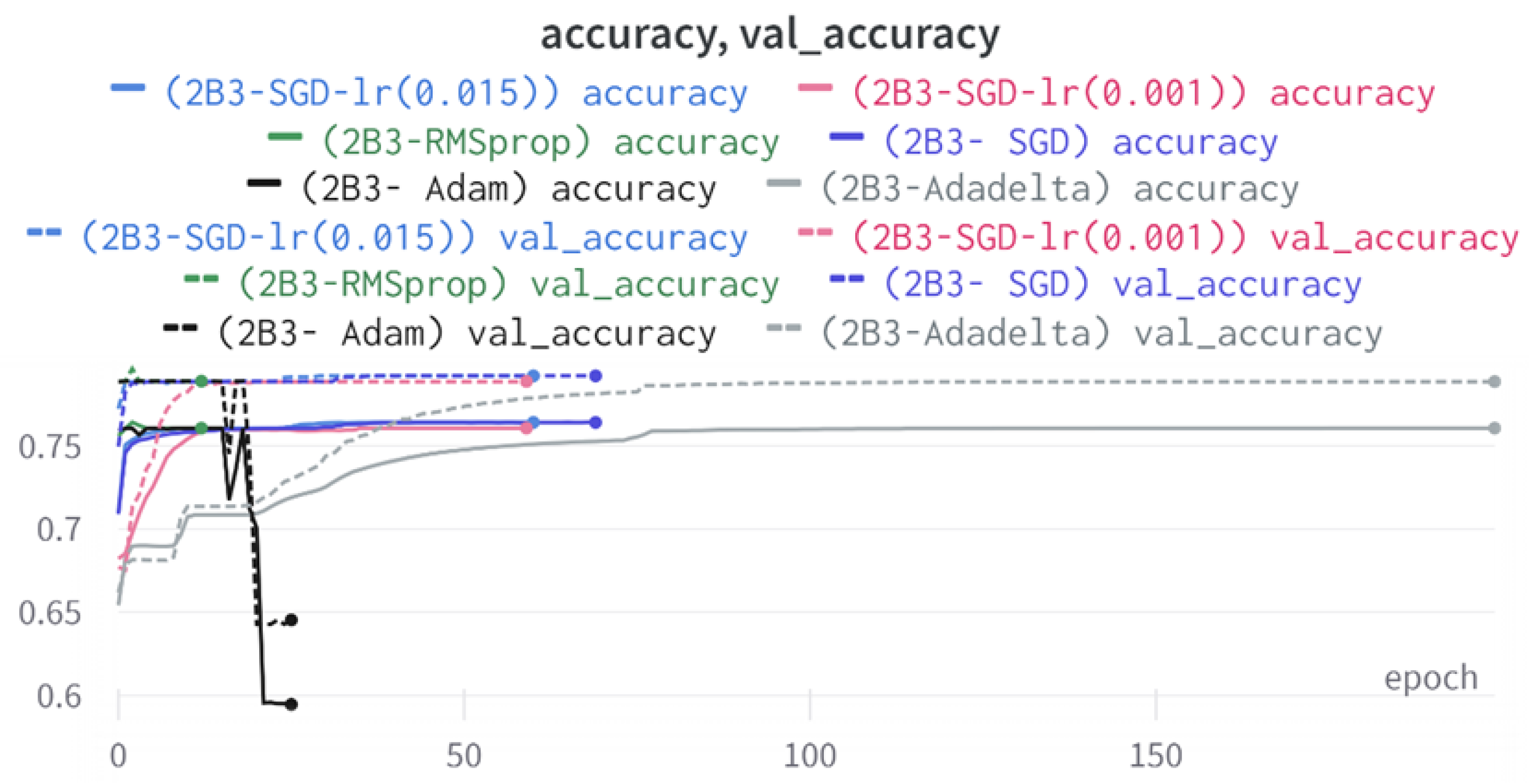
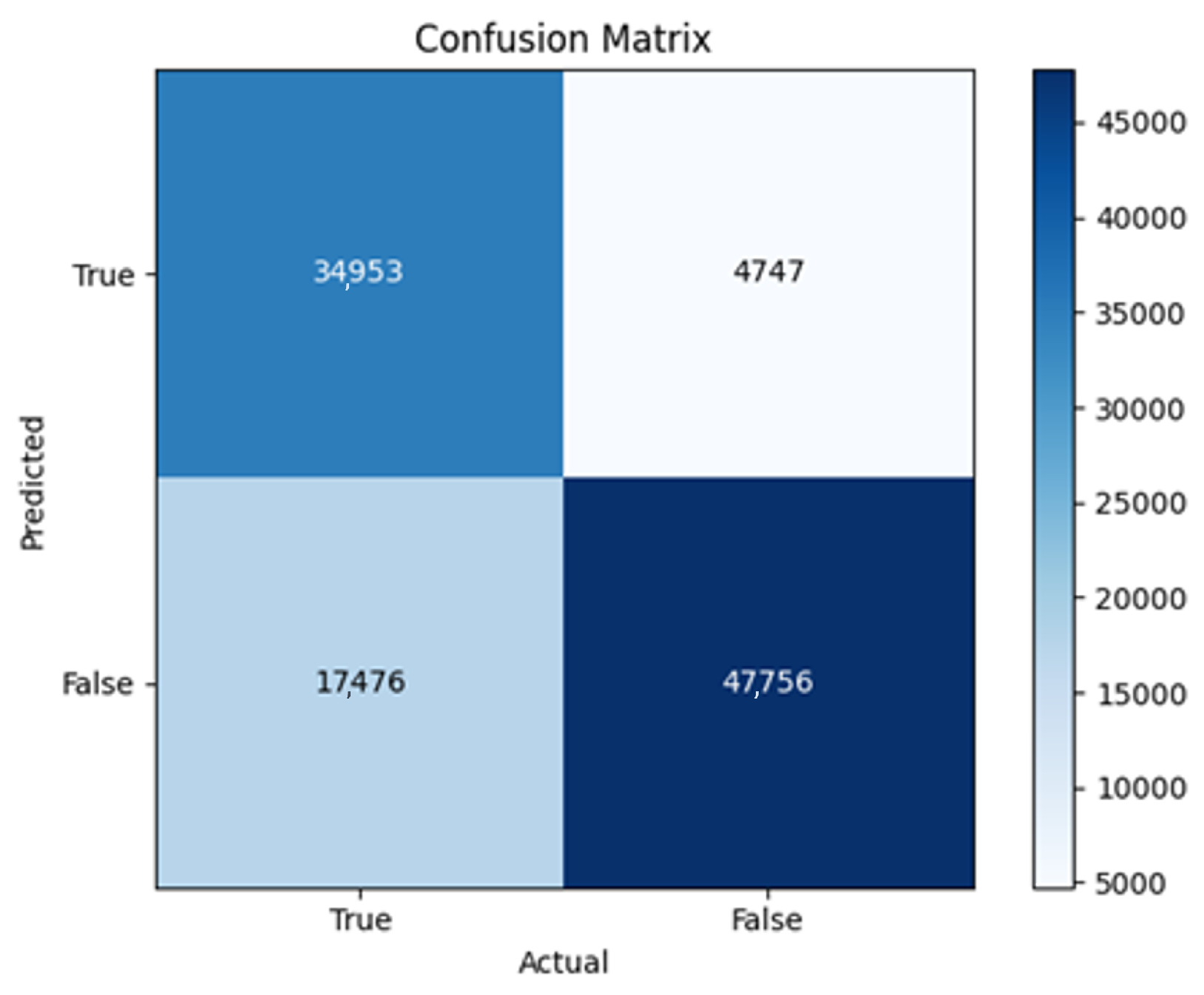
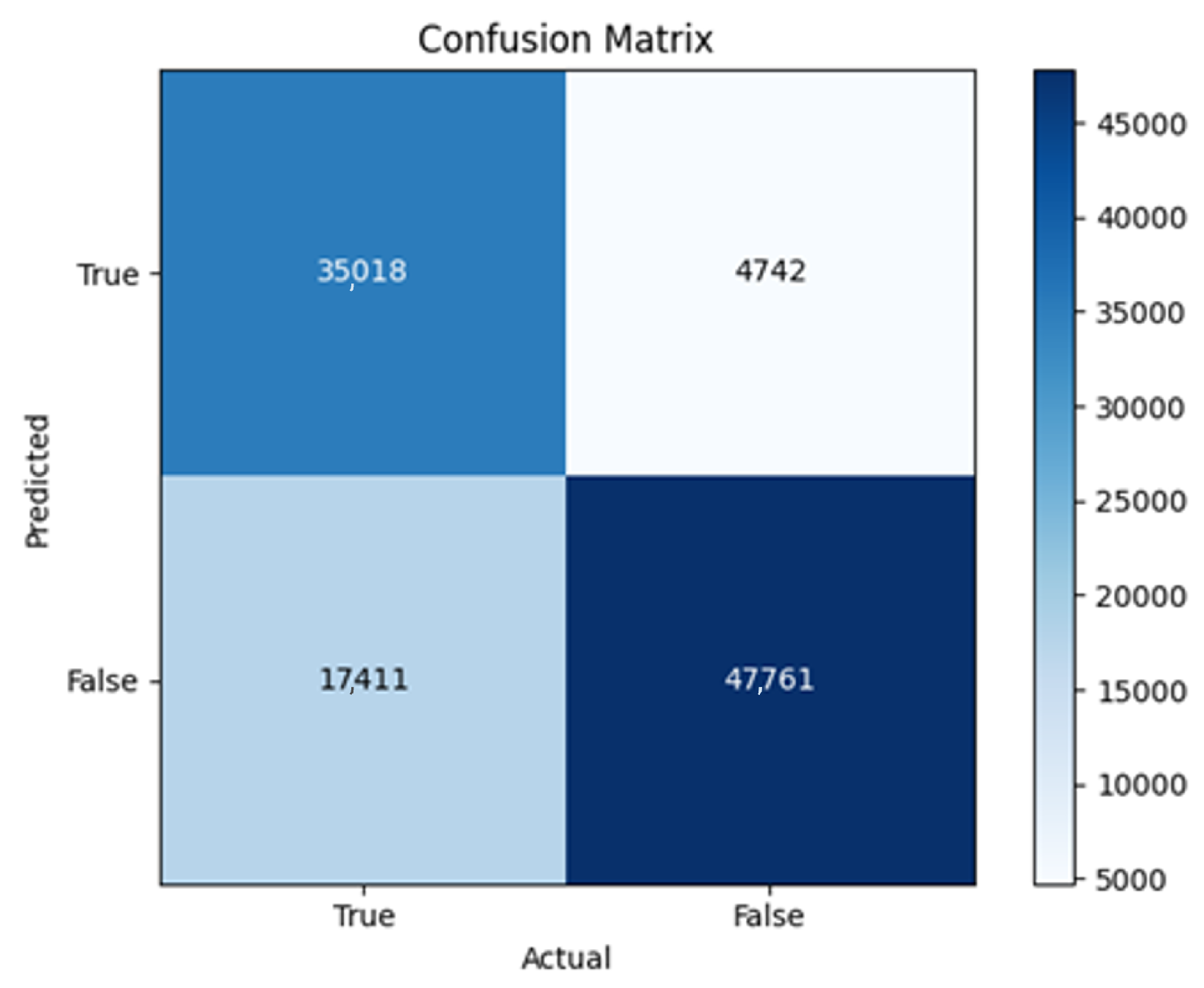
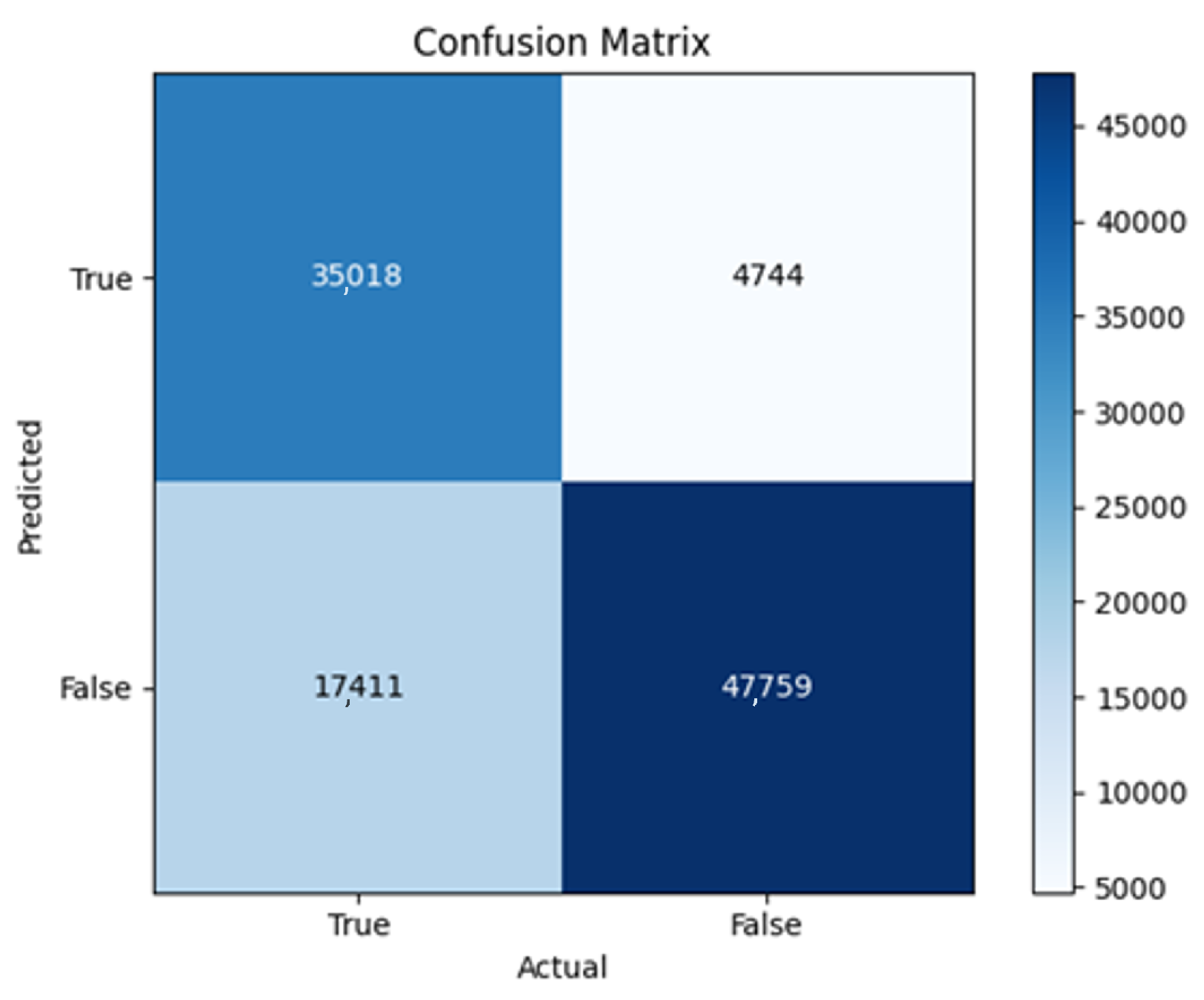
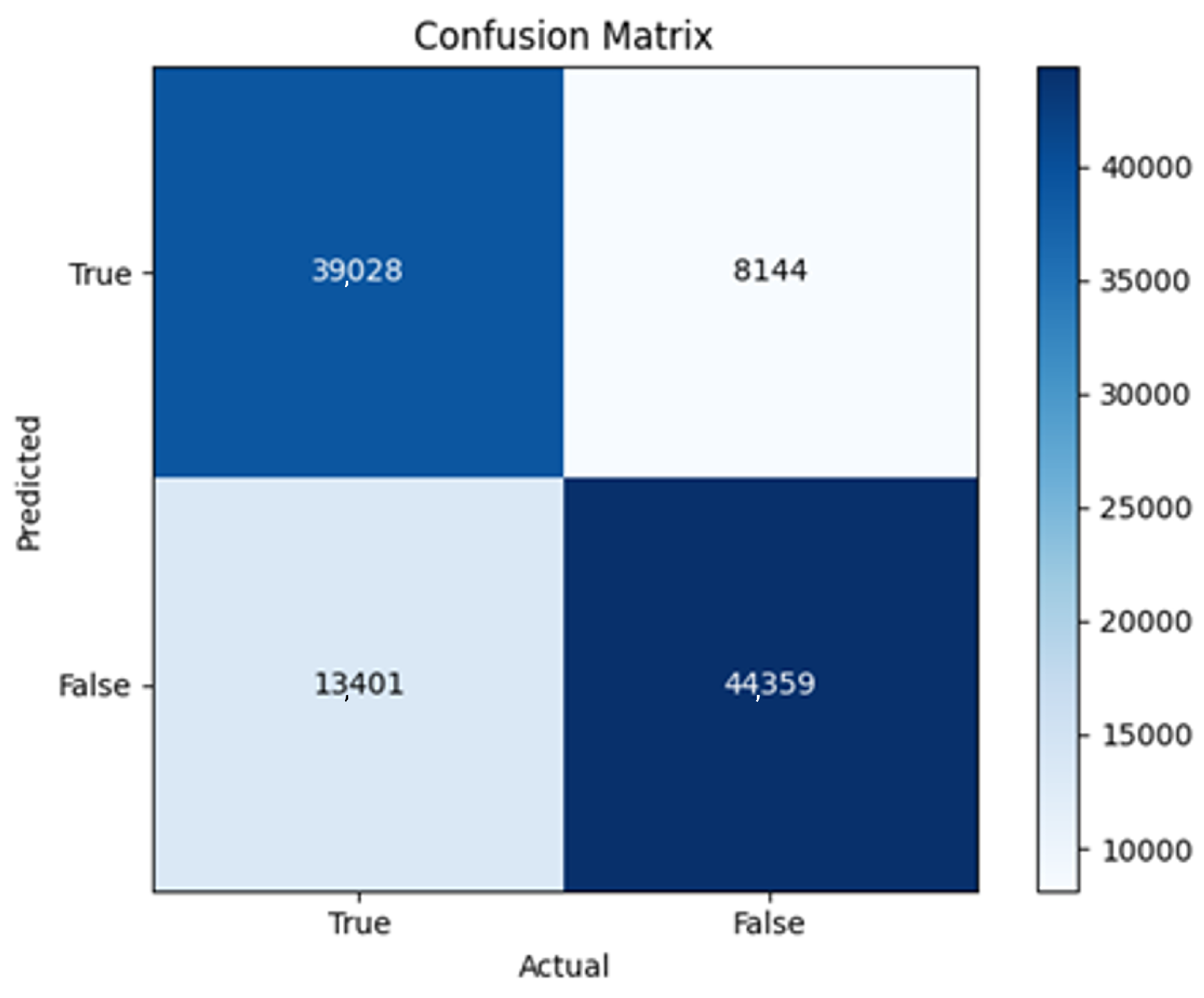
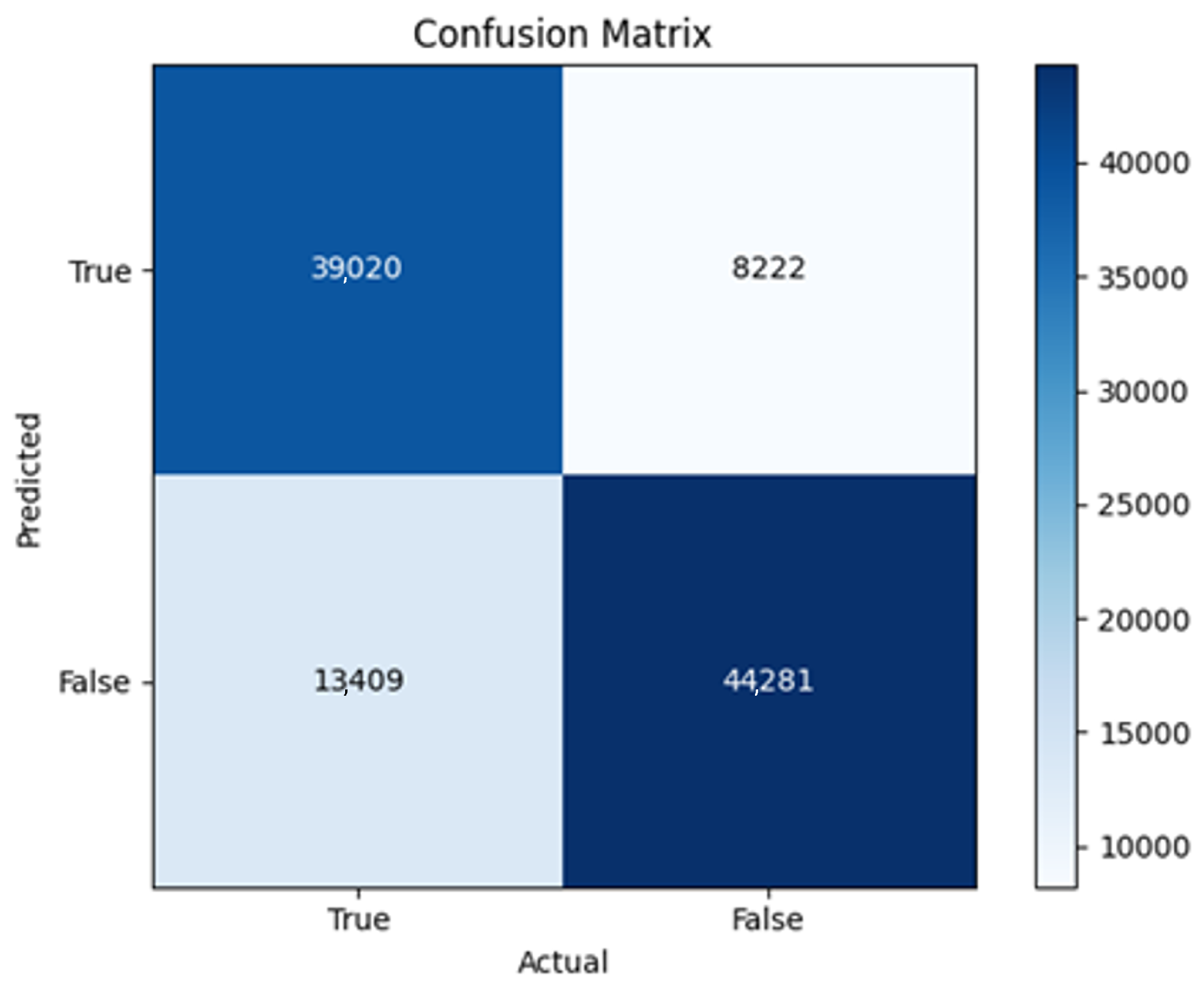
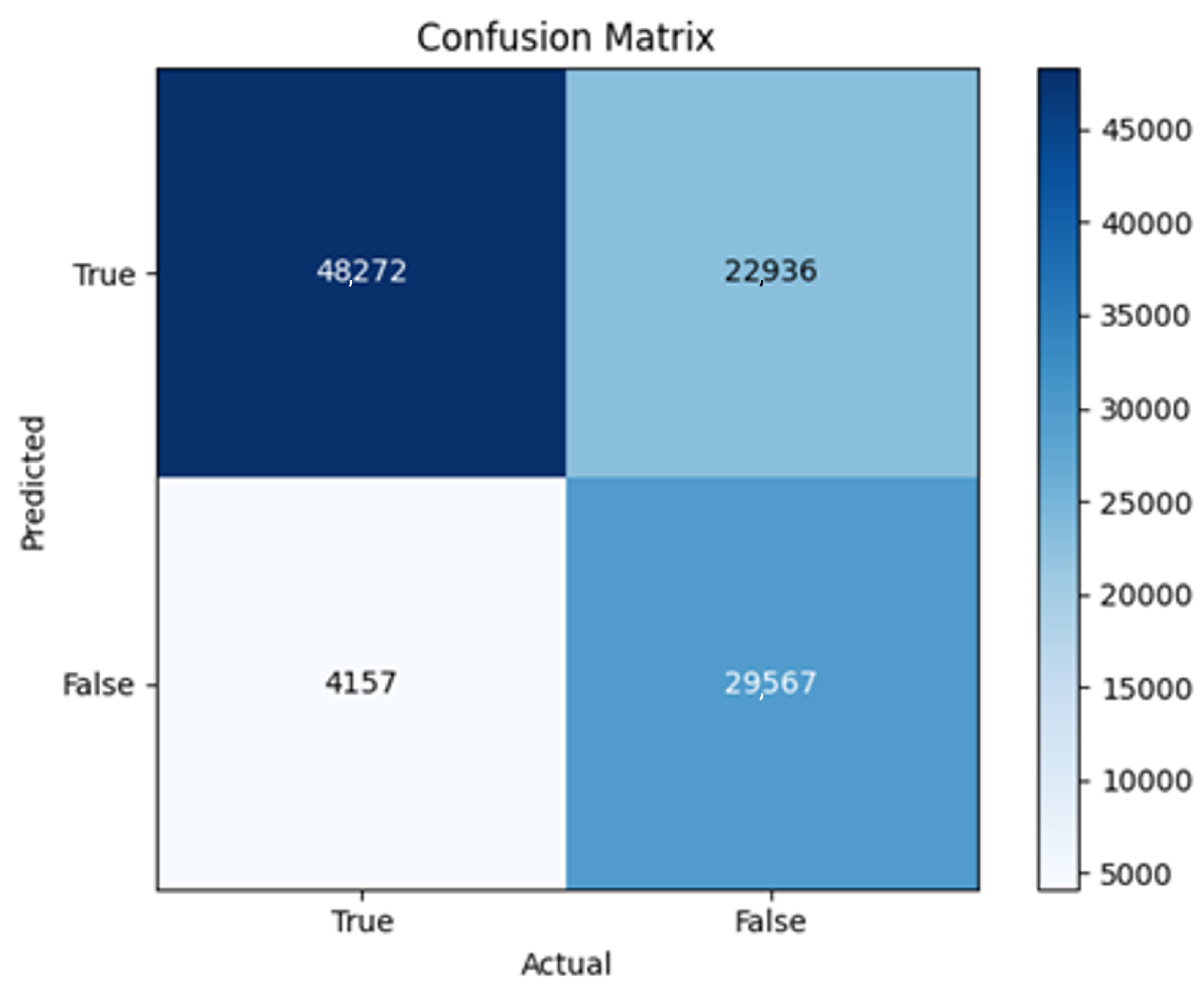
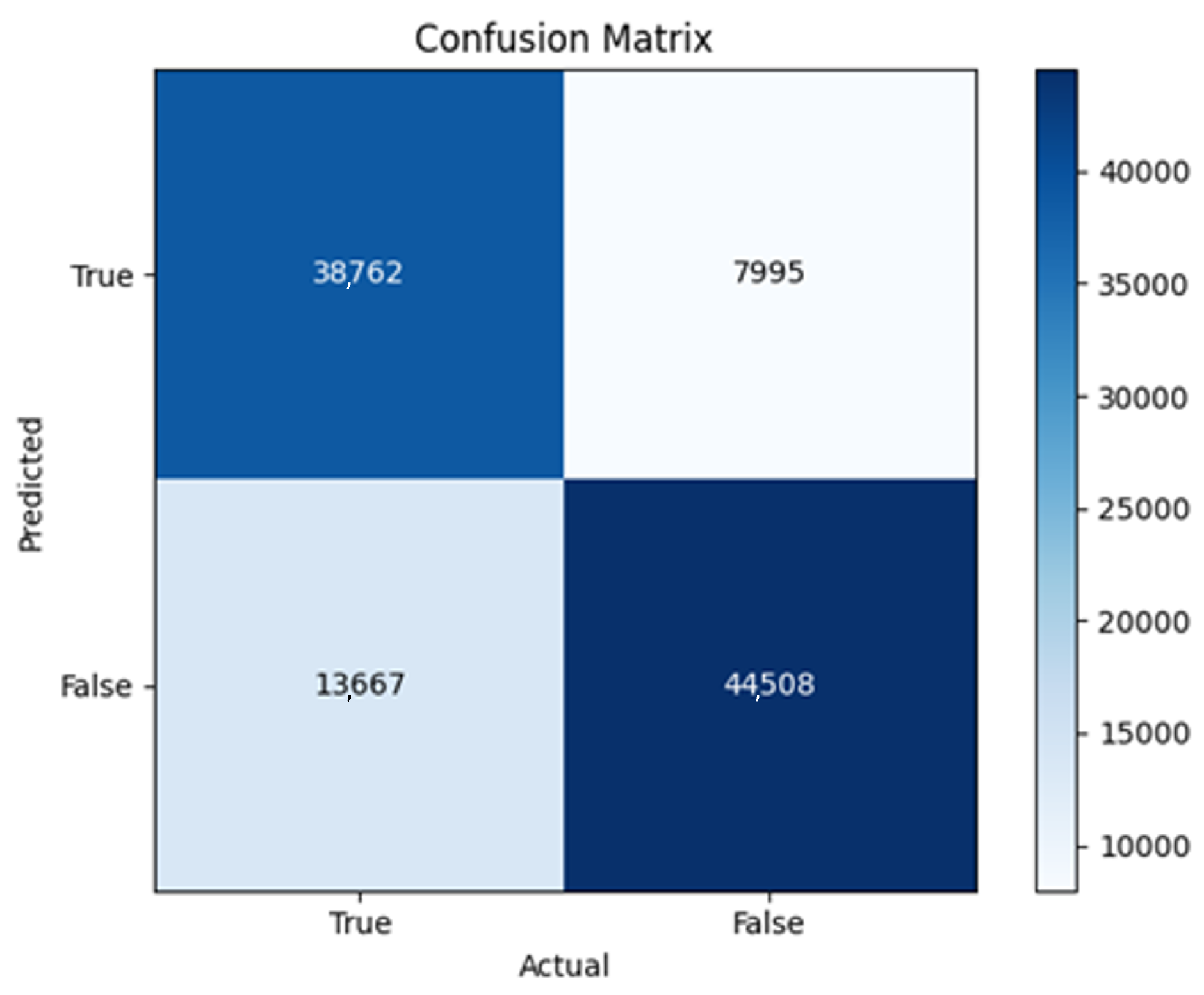
Social media platforms are currently confronted with a substantial problem concerning the presence of fake accounts, which pose a threat by spreading harmful content, spam, and misinformation. This study aims to address the problem by differentiating between fake and real X accounts (formerly Twitter). The need to mitigate the negative impact of fake accounts on online communities serves as the driving force for this work, with the goal of developing an effective method for identifying fake accounts and their fraudulent activities, such as posting harmful links, engaging in spamming behaviors, and disrupting online communities. The scope of this work focuses specifically on fake Twitter account detection. A comprehensive approach is taken, leveraging user information and tweets to discern between genuine and fake accounts. Various deep learning architectures are proposed and implemented, utilizing different optimizers and evaluating performance metrics. The models are trained and tested using a collected dataset, augmented to cover diverse real-life scenarios. The results show promising progress in distinguishing between fake and real accounts, revealing that the inclusion of tweet content along with user metadata does not significantly improve the classification of fake accounts. It also highlights the importance of selecting appropriate optimizers. The implications of this study are relevant to social media platforms, users, and researchers. The findings provide insights into combating fake accounts and their fraudulent activities, contributing to the enhancement of online community safety. While the research is specific to Twitter, the methodology and insights gained may be potentially generalizable to other social media platforms.
Keywords: social media platforms; misinformation; spamming behavior; combating fake accounts; fraudulent activities; multimodal analysis; deep learning social media platforms; misinformation; spamming behavior; combating fake accounts; fraudulent activities; multimodal analysis; deep learning