Article

Cavity Flow Instabilities in a Purged High-Pressure Turbine Stage †

by
Lorenzo Da Valle
1,2,*,
Bogdan Cezar Cernat
1 and
Sergio Lavagnoli
1
1
Turbomachinery and Propulsion Department, von Kàrmàn Institute for Fluid Dynamics, Chaussée de Waterloo 72, 1640 Rhode-St-Genèse, Belgium
2
Departement of Aerospace & Mechanical Engineering, University of Liège, Allée de la Découverte 9, 4000 Liège, Belgium
*
Author to whom correspondence should be addressed.
This manuscript is an extended version of the ETC2025-291 meeting paper published in the Proceedings of the 16th European Turbomachinery Conference, Hannover, Germany, 24–28 March 2025.
Int. J. Turbomach. Propuls. Power 2025, 10(3), 15; https://doi.org/10.3390/ijtpp10030015
Submission received: 8 April 2025 / Revised: 22 April 2025 / Accepted: 13 June 2025 / Published: 7 July 2025

Abstract

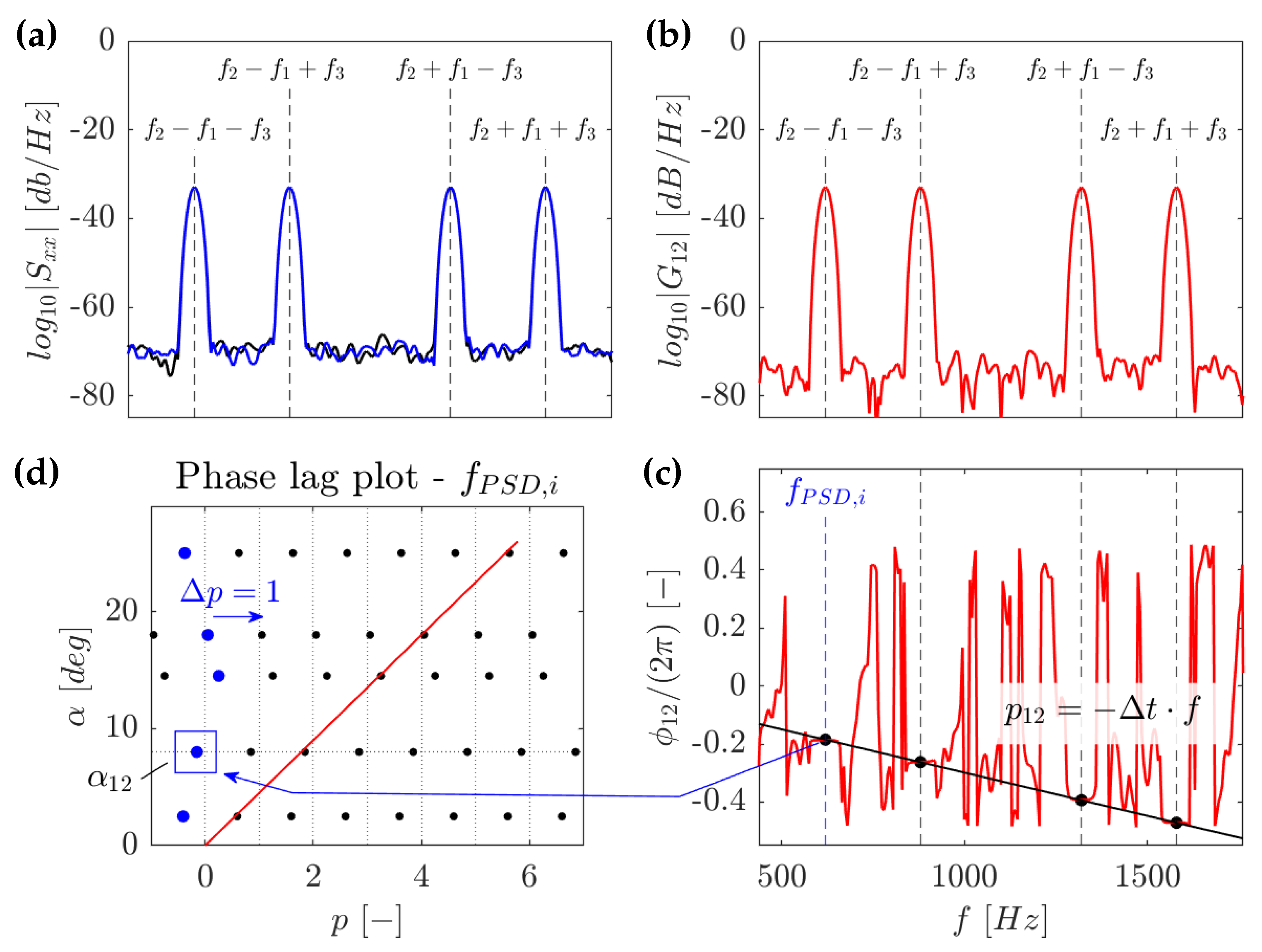
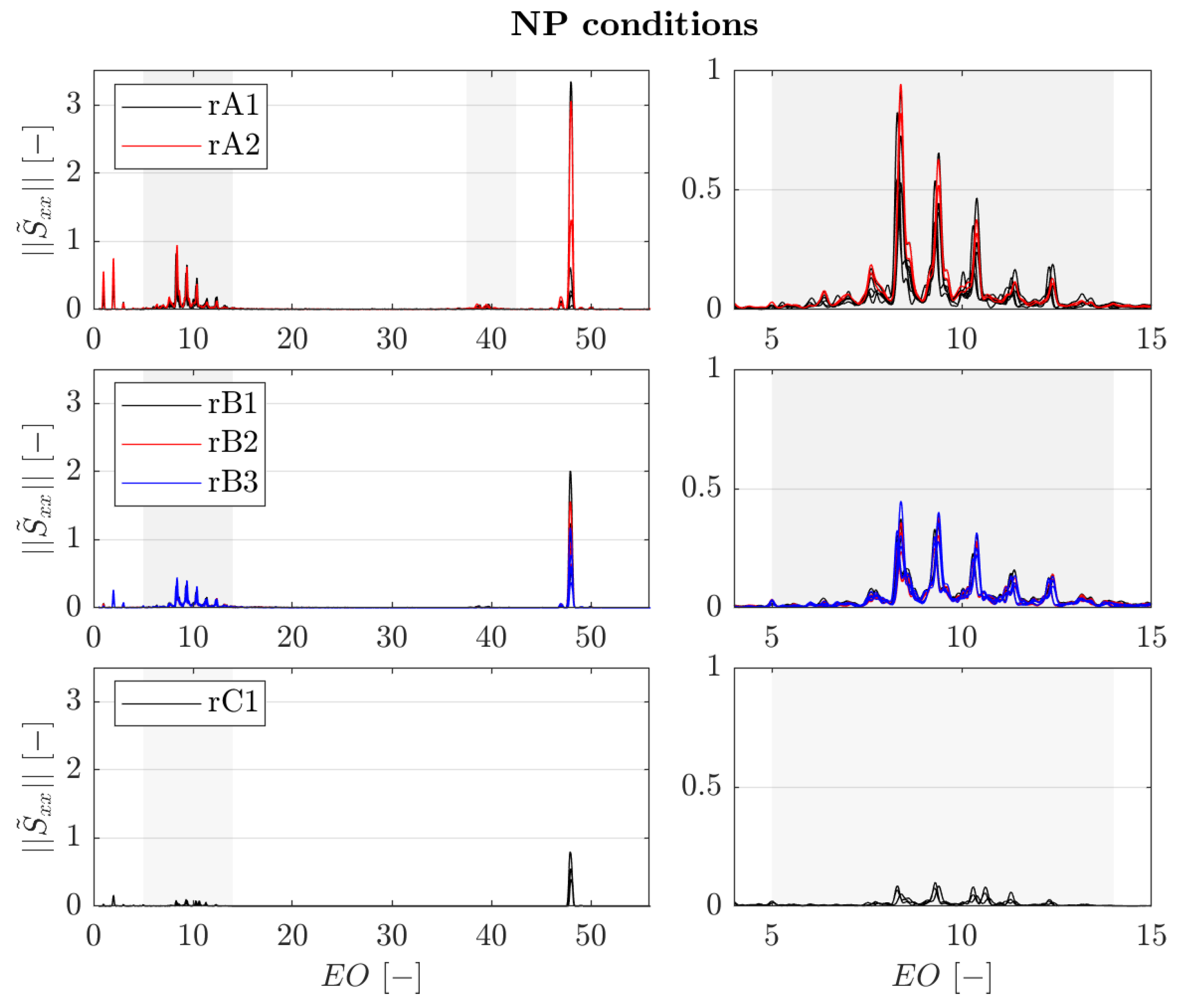
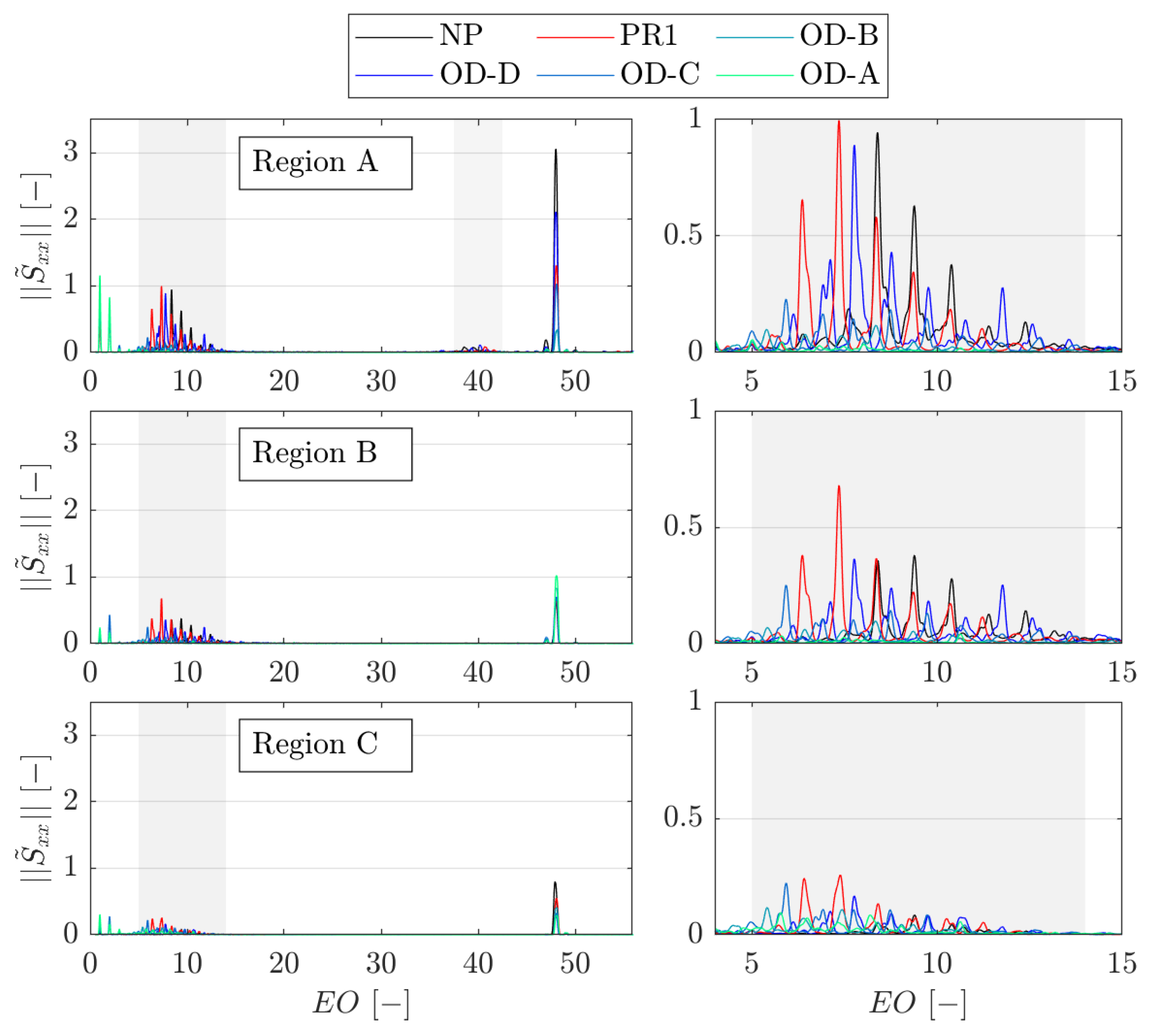
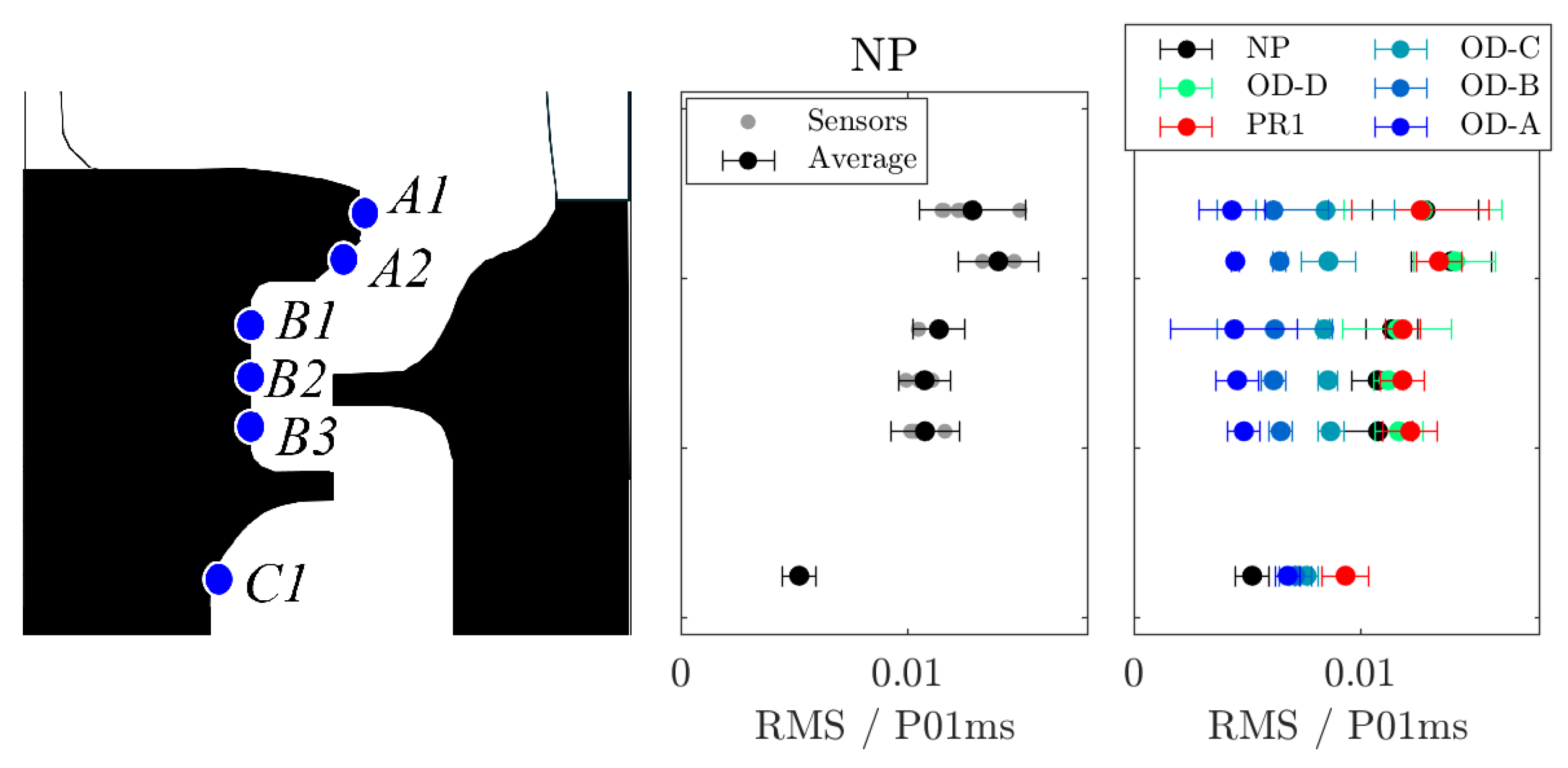
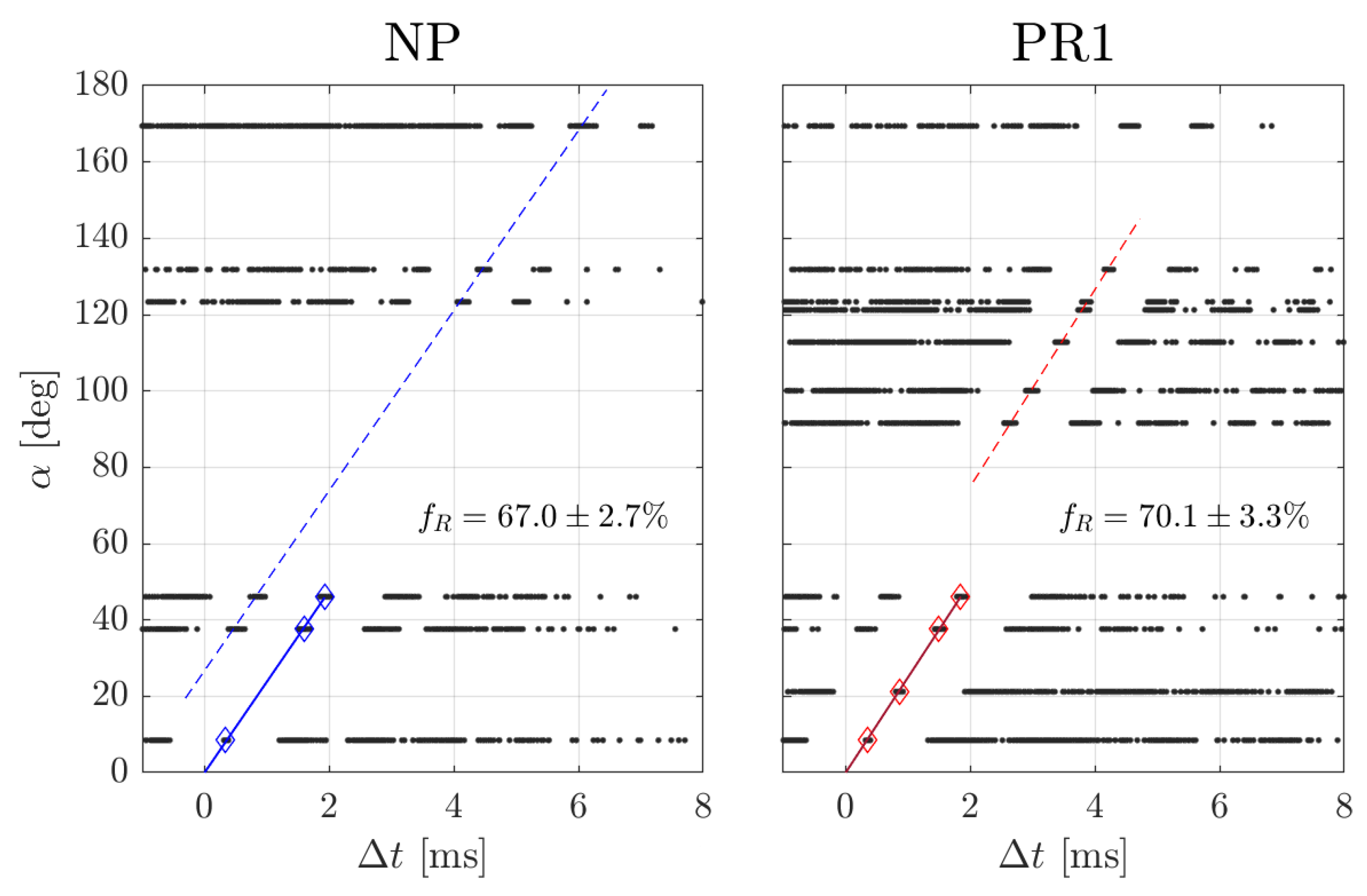
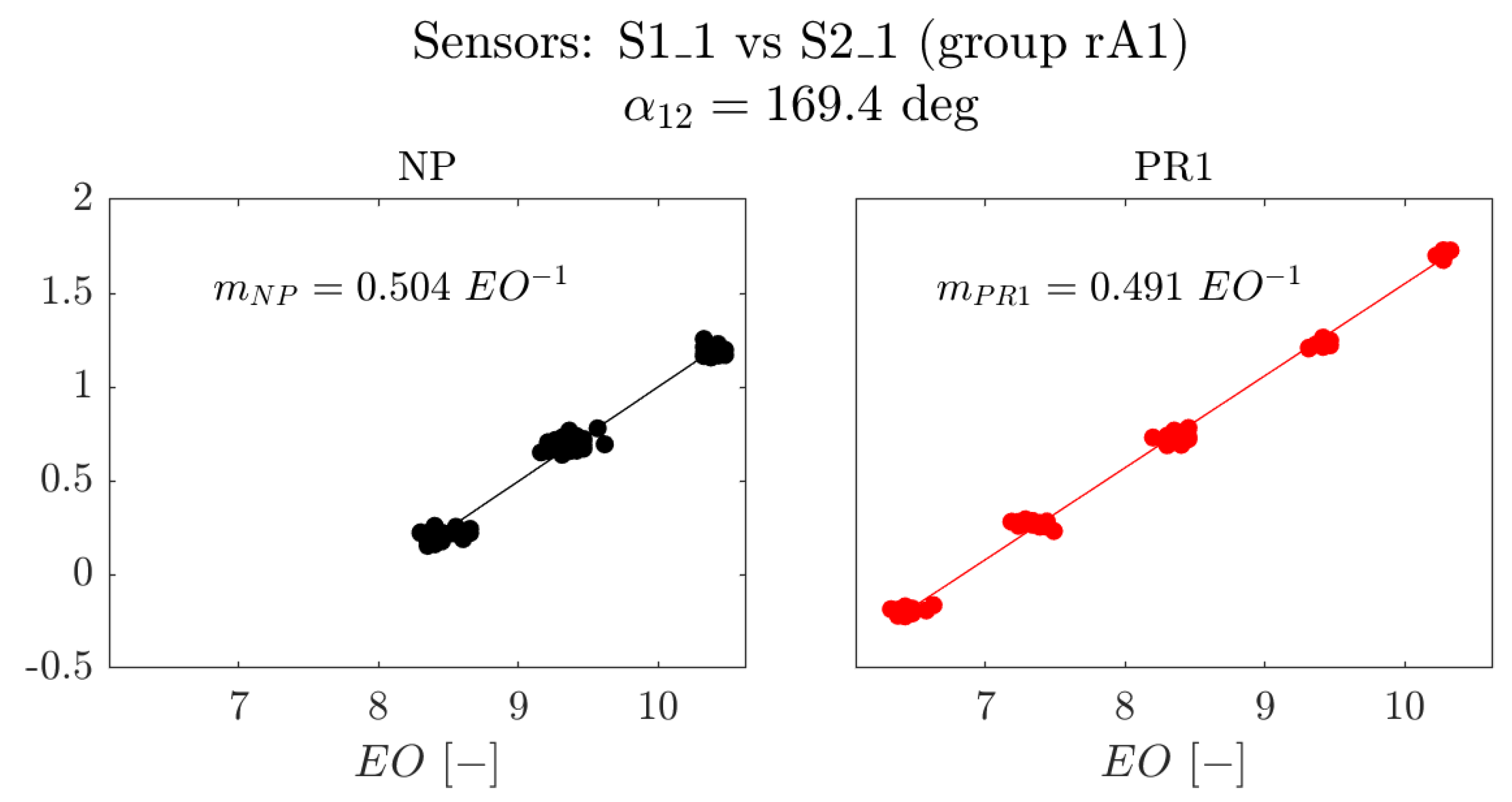
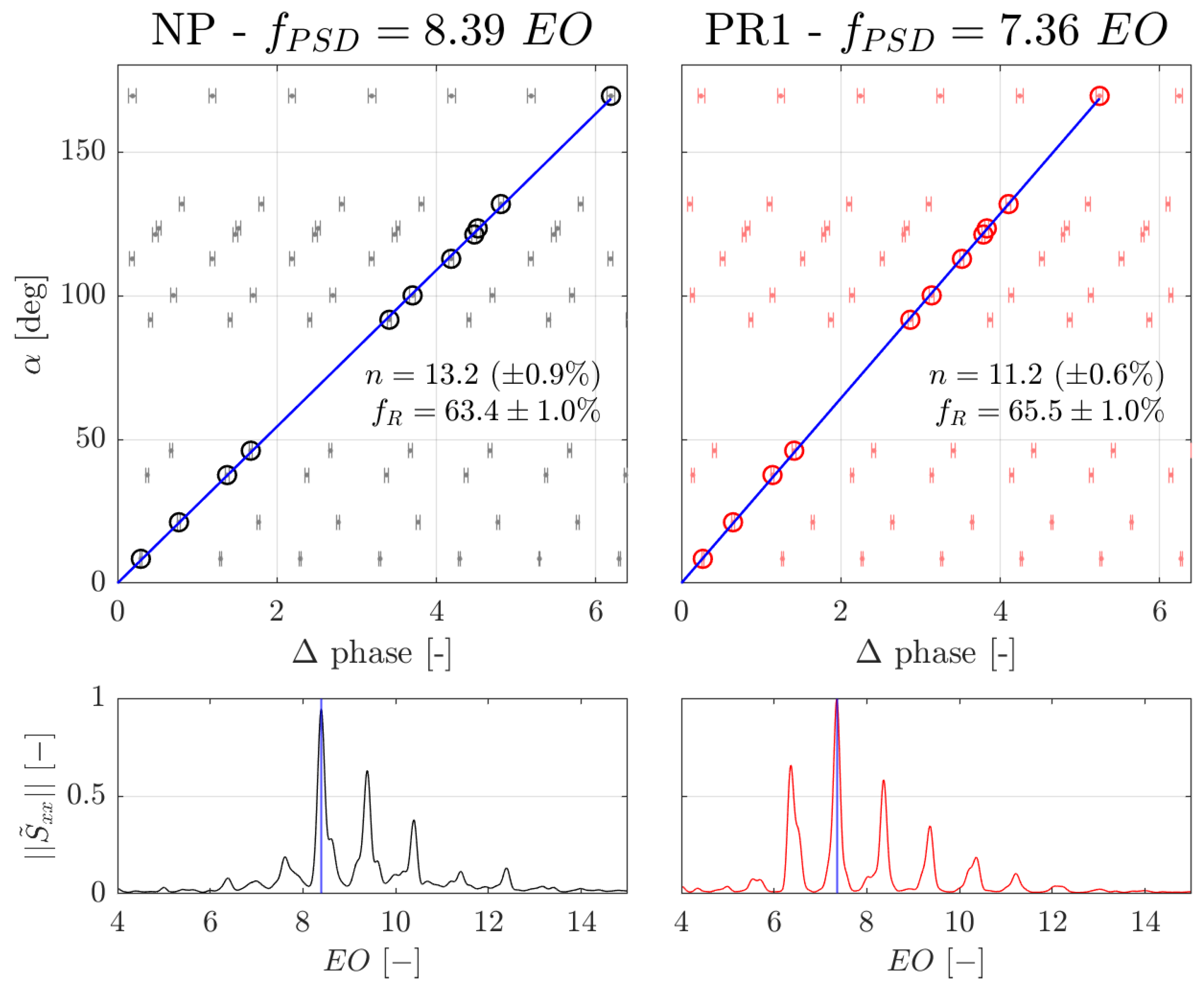
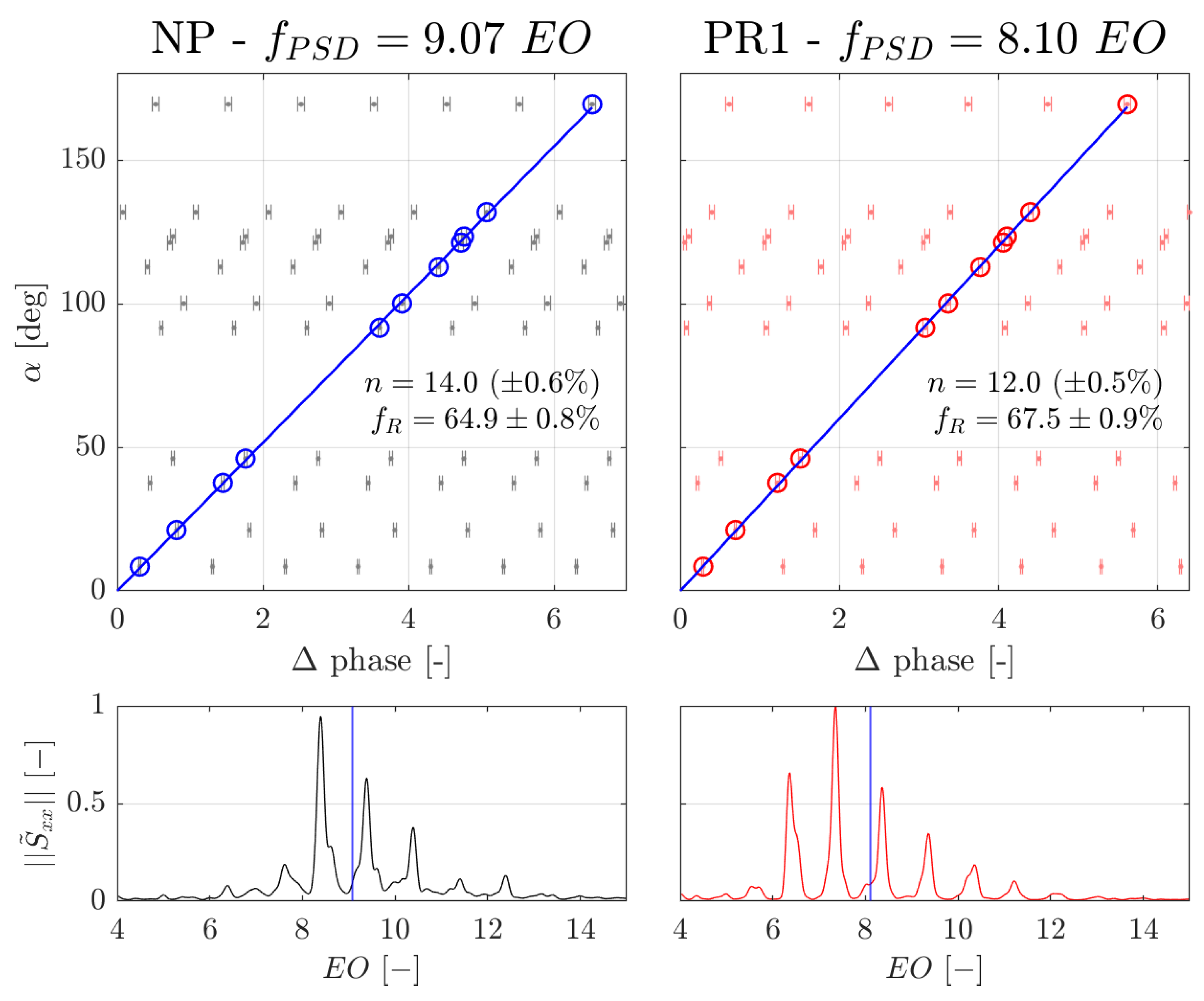
As designers push engine efficiency closer to thermodynamic limits, the analysis of flow instabilities developed in a high-pressure turbine (HPT) is crucial to minimizing aerodynamic losses and optimizing secondary air systems. Purge flow, while essential for protecting turbine components from thermal stress, significantly impacts the overall efficiency of the engine and is strictly connected to cavity modes and rim-seal instabilities. This paper presents an experimental investigation of these instabilities in an HPT stage, tested under engine-representative flow conditions in the short-duration turbine rig of the von Karman Institute. As operating conditions significantly influence instability behavior, this study provides valuable insight for future turbine design. Fast-response pressure measurements reveal asynchronous flow instabilities linked to ingress–egress mechanisms, with intensities modulated by the purge rate (PR). The maximum strength is reached at PR = 1.0%, with comparable intensities persisting for higher rates. For lower PRs, the instability diminishes as the cavity becomes unsealed. An analysis based on the cross-power spectral density is applied to quantify the characteristics of the rotating instabilities. The speed of the asynchronous structures exhibits minimal sensitivity to the PR, approximately 65% of the rotor speed. In contrast, the structures’ length scale shows considerable variation, ranging from 11–12 lobes at PR = 1.0% to 14 lobes for PR = 1.74%. The frequency domain analysis reveals a complex modulation of these instabilities and suggests a potential correlation with low-engine-order fluctuations.
Keywords: rim-seal instability; cavity modes; ingress–egress mechanisms; high-pressure turbine; high-speed turbine; fast-response pressure measurements rim-seal instability; cavity modes; ingress–egress mechanisms; high-pressure turbine; high-speed turbine; fast-response pressure measurements