Article

Multimodal Deep Learning Framework for Profiling Socio-Economic Indicators and Public Health Determinants in Urban Environments


1
Department of Computer Science, School of Information Communication Technology, College of Science and Technology, University of Rwanda, Kigali P.O. Box 4285, Rwanda
2
Research and Innovation Center, African Institute for Mathematical Sciences (AIMS), Kigali P.O. Box 6428, Rwanda
3
Department of Spatial Planning, School of Architecture and Built Environment, College of Science and Technology, University of Rwanda, Kigali P.O. Box 3900, Rwanda
4
African Center of Excellence in Internet of Things (ACEIoT), College of Science and Technology, University of Rwanda, Kigali P.O. Box 3900, Rwanda
*
Author to whom correspondence should be addressed.
Urban Sci. 2026, 10(4), 177; https://doi.org/10.3390/urbansci10040177

Submission received: 23 December 2025 / Revised: 9 February 2026 / Accepted: 6 March 2026 / Published: 25 March 2026
(This article belongs to the Topic Geospatial AI: Systems, Model, Methods, and Applications)

Abstract

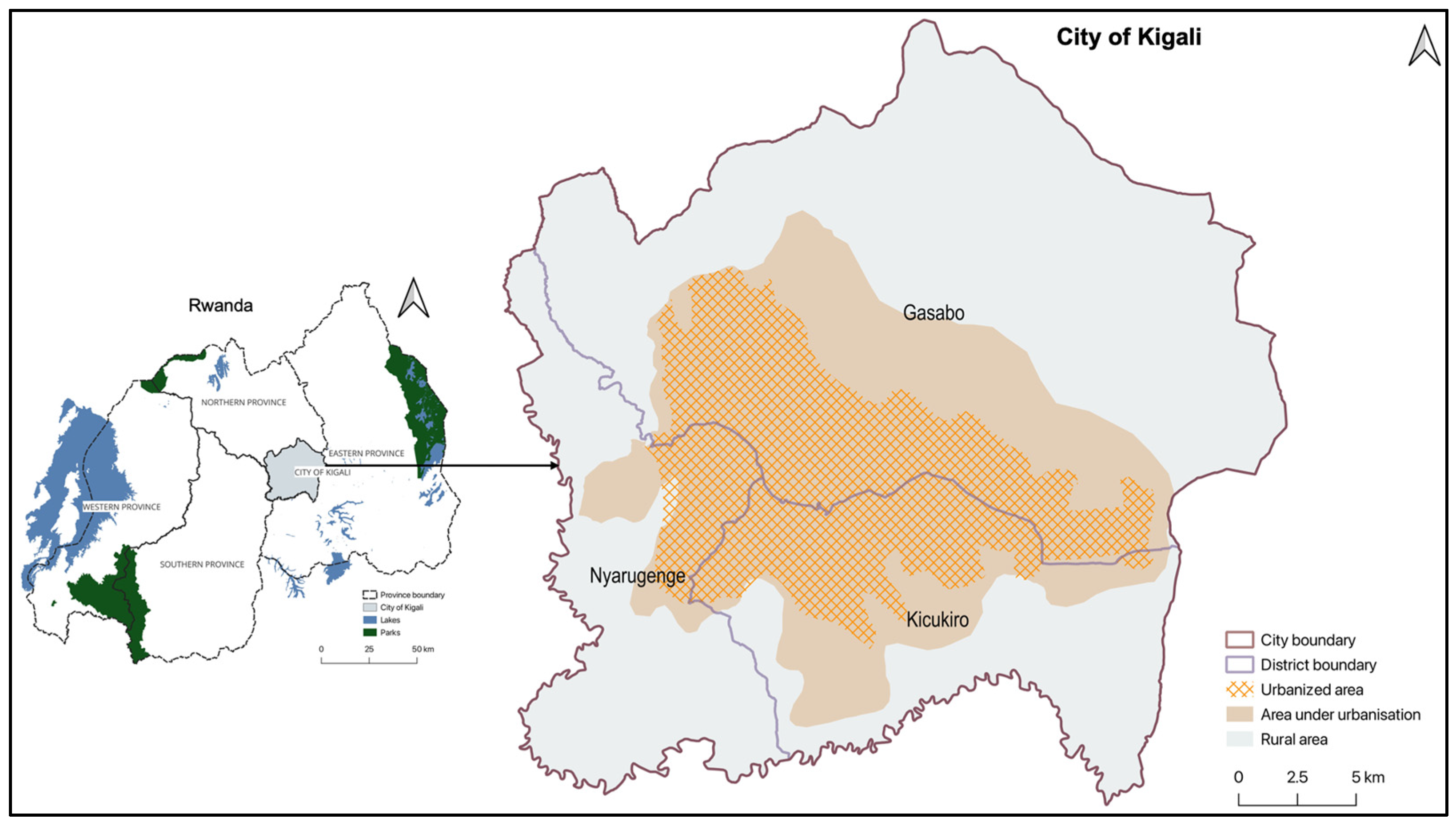
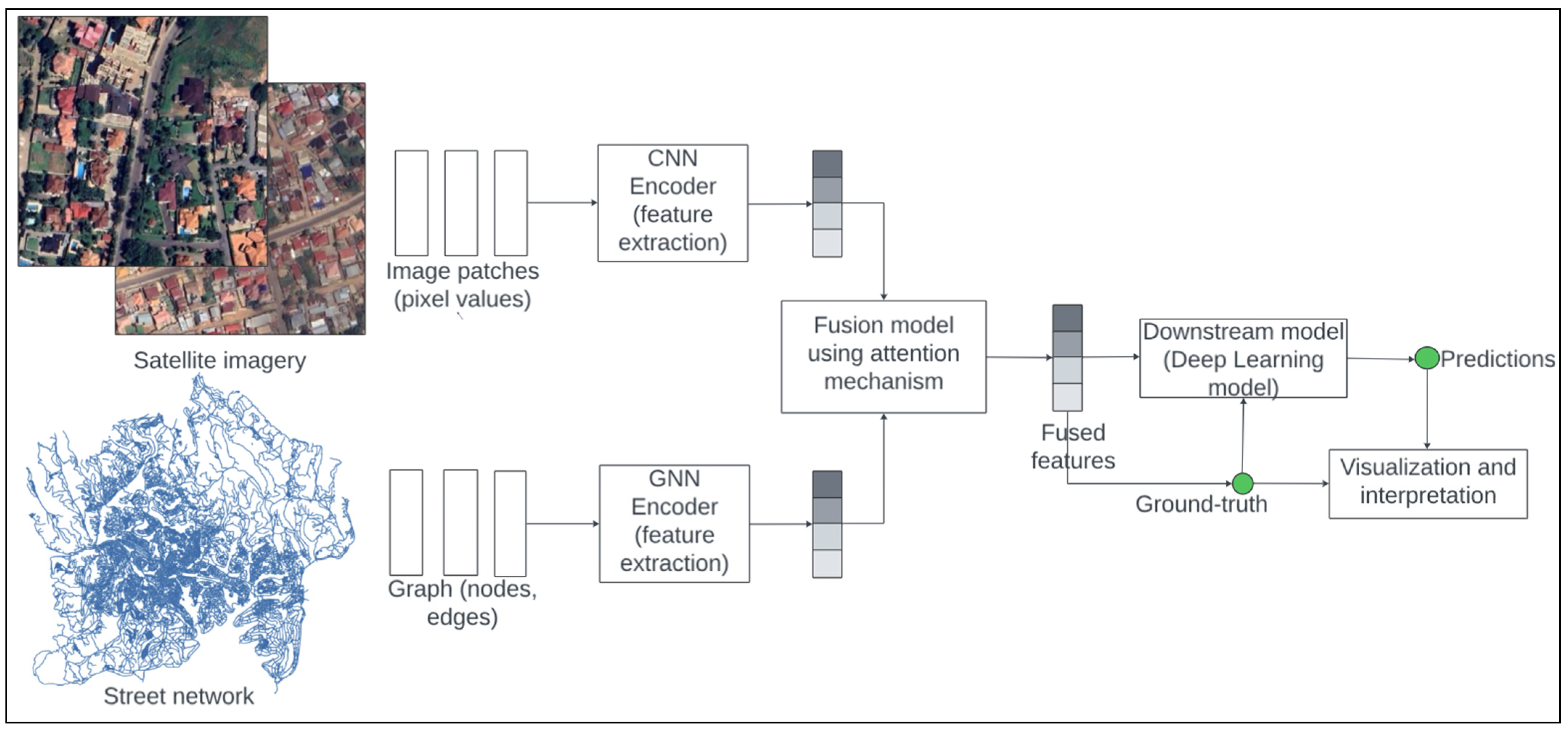
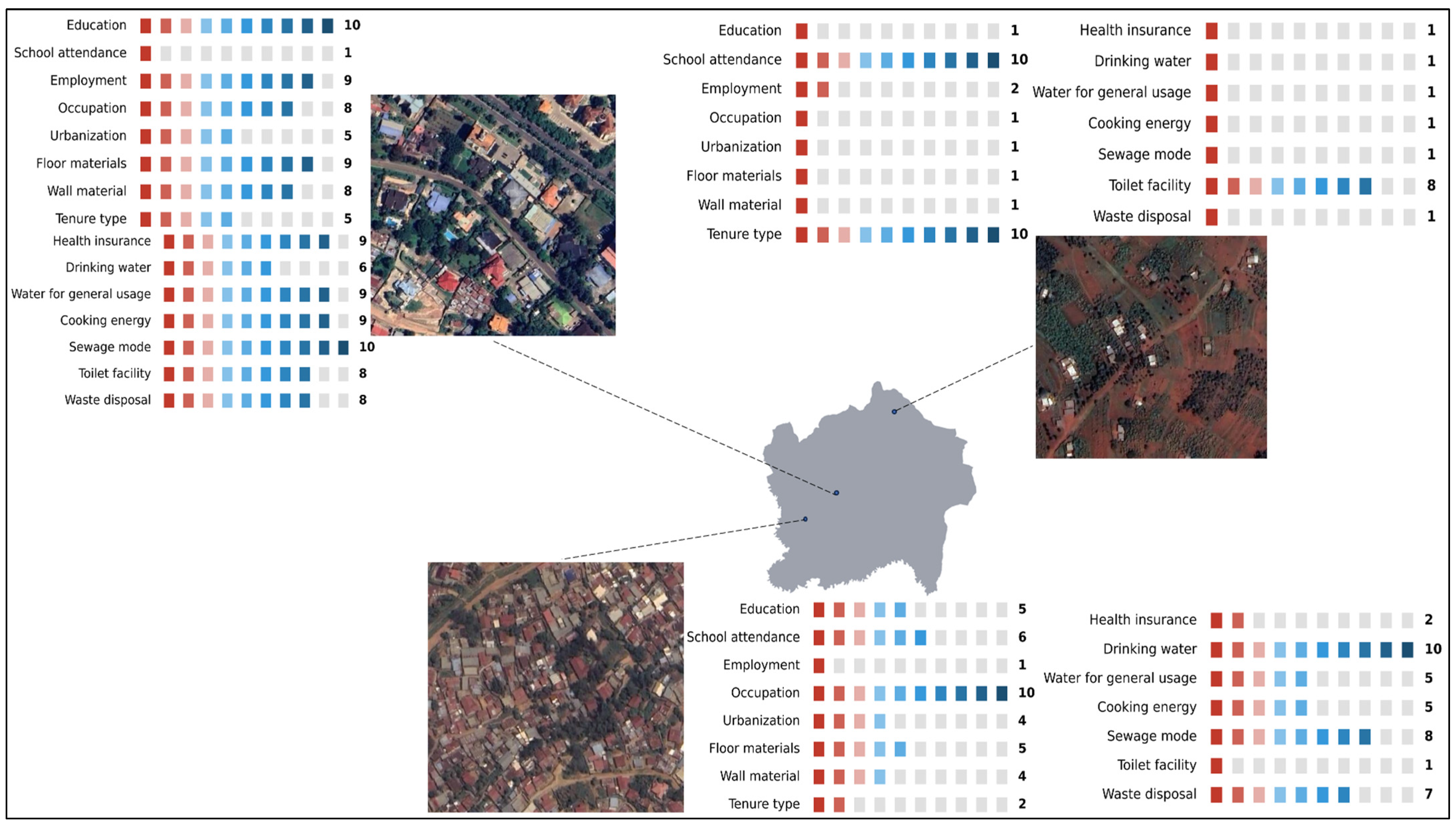
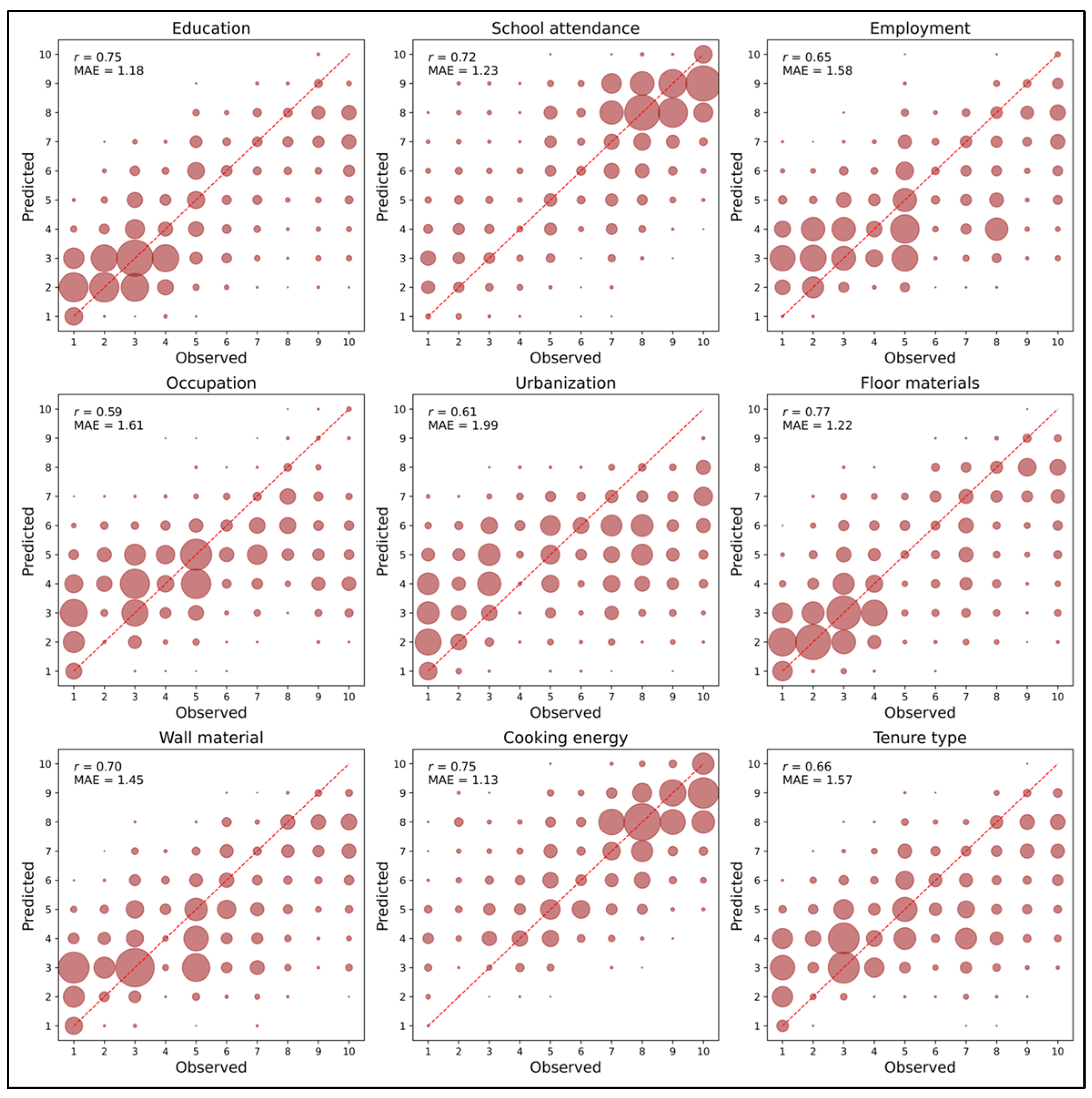
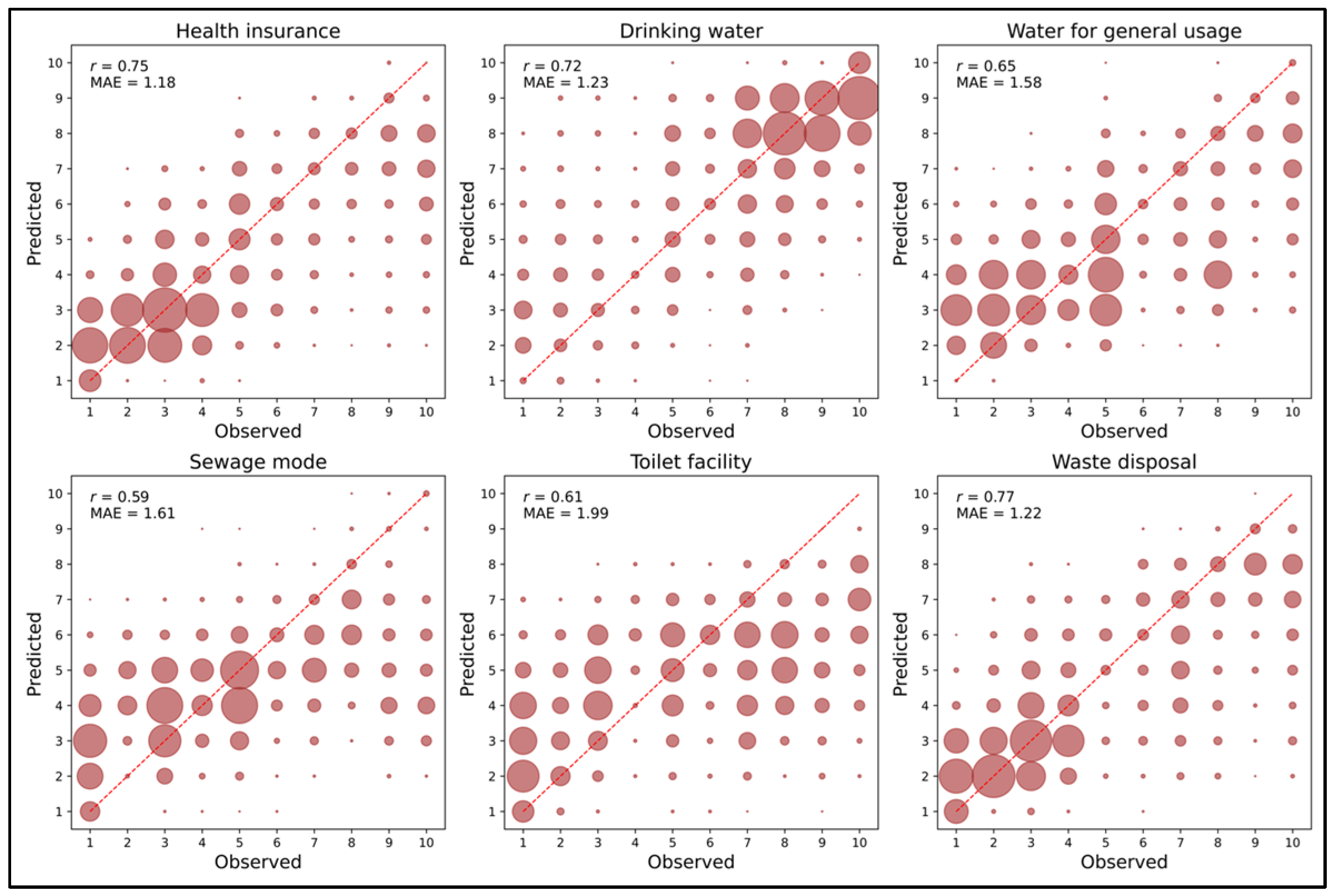
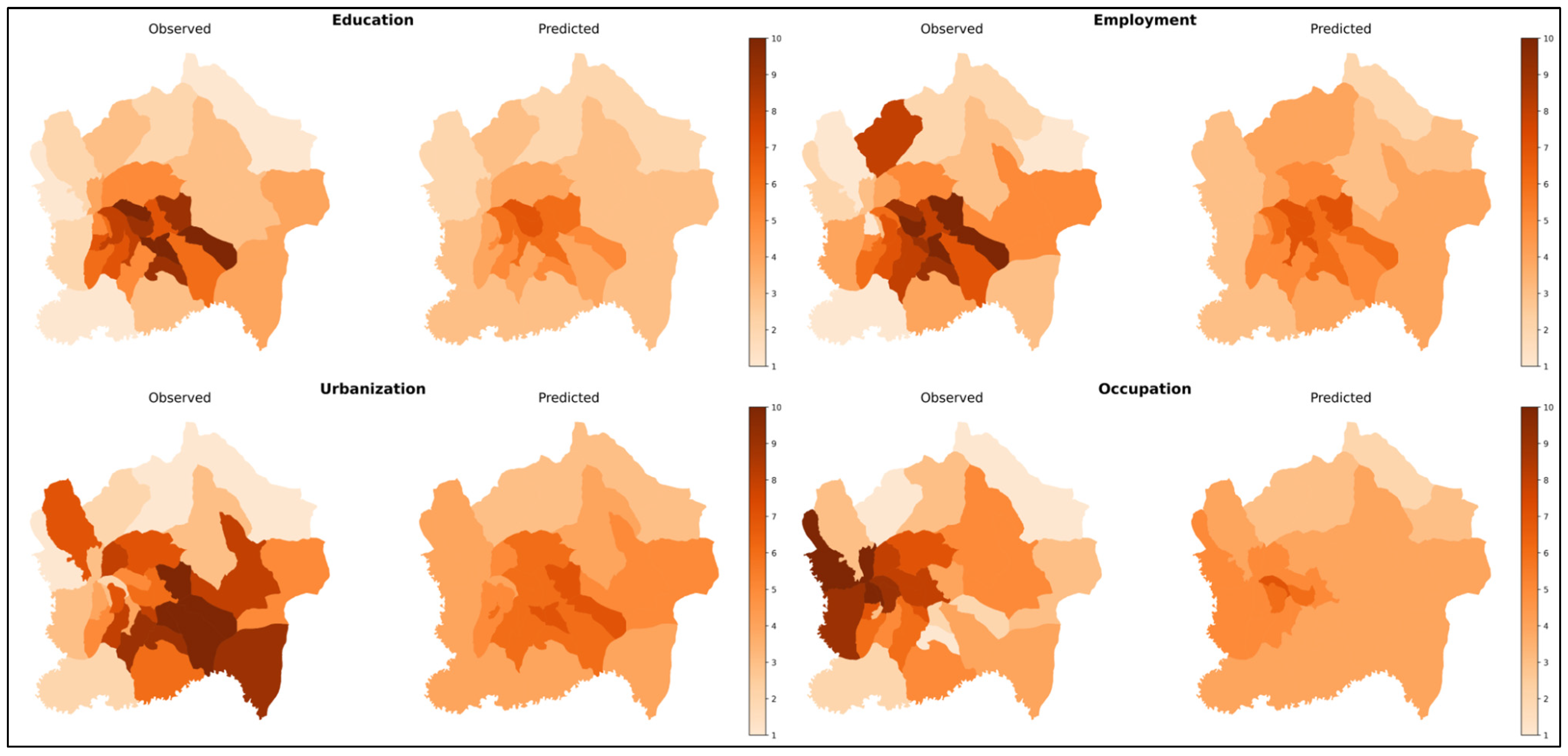
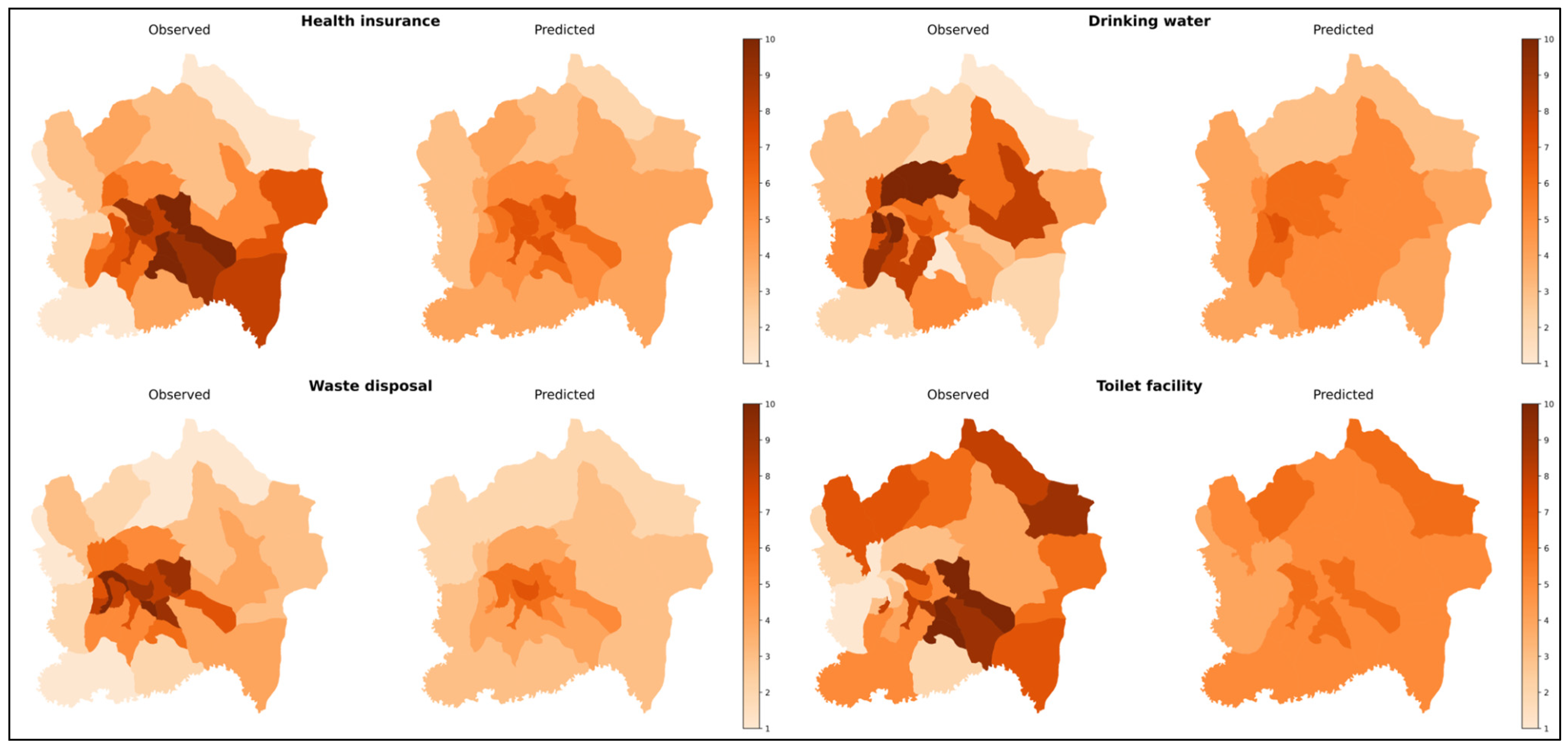
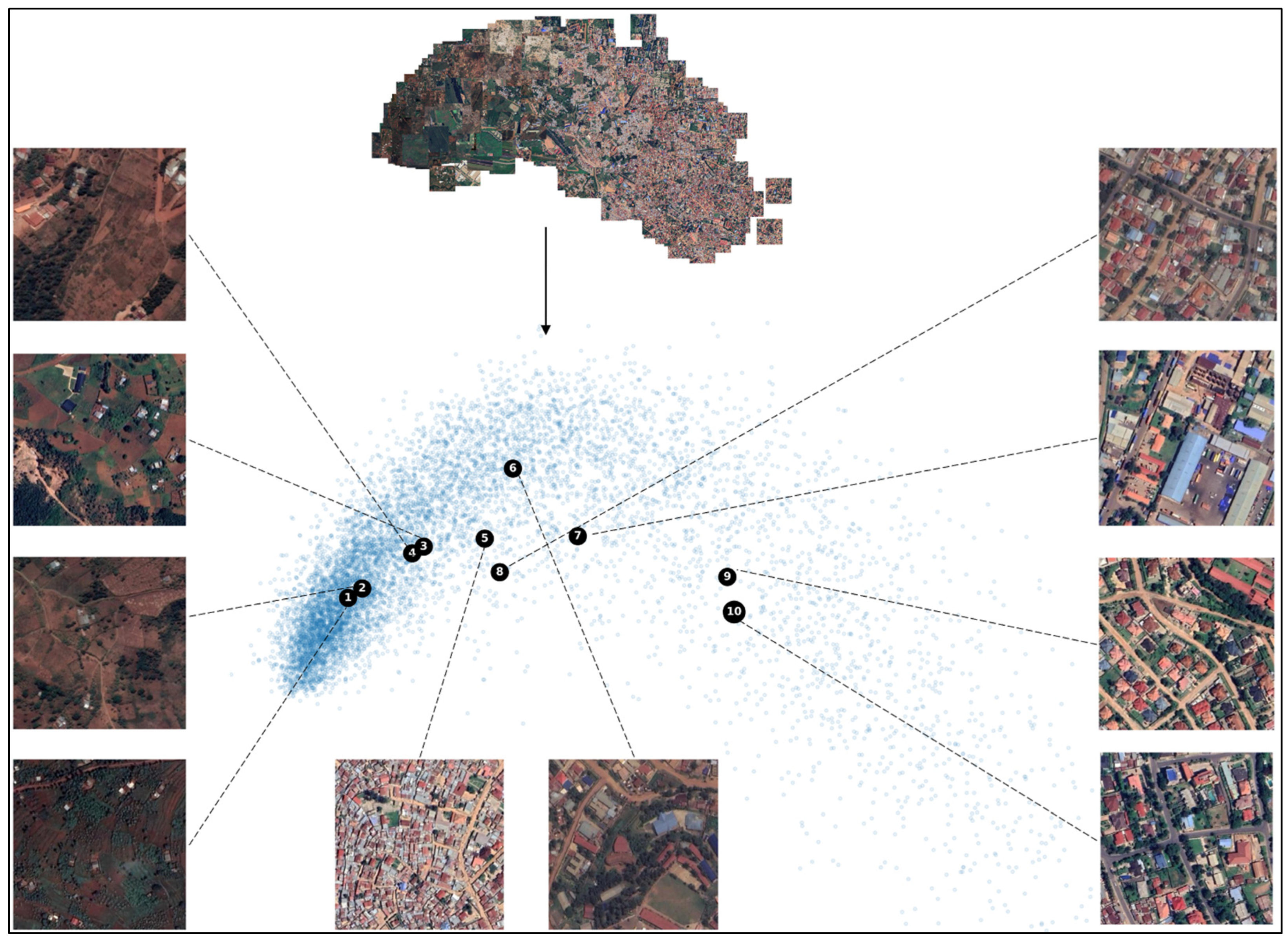
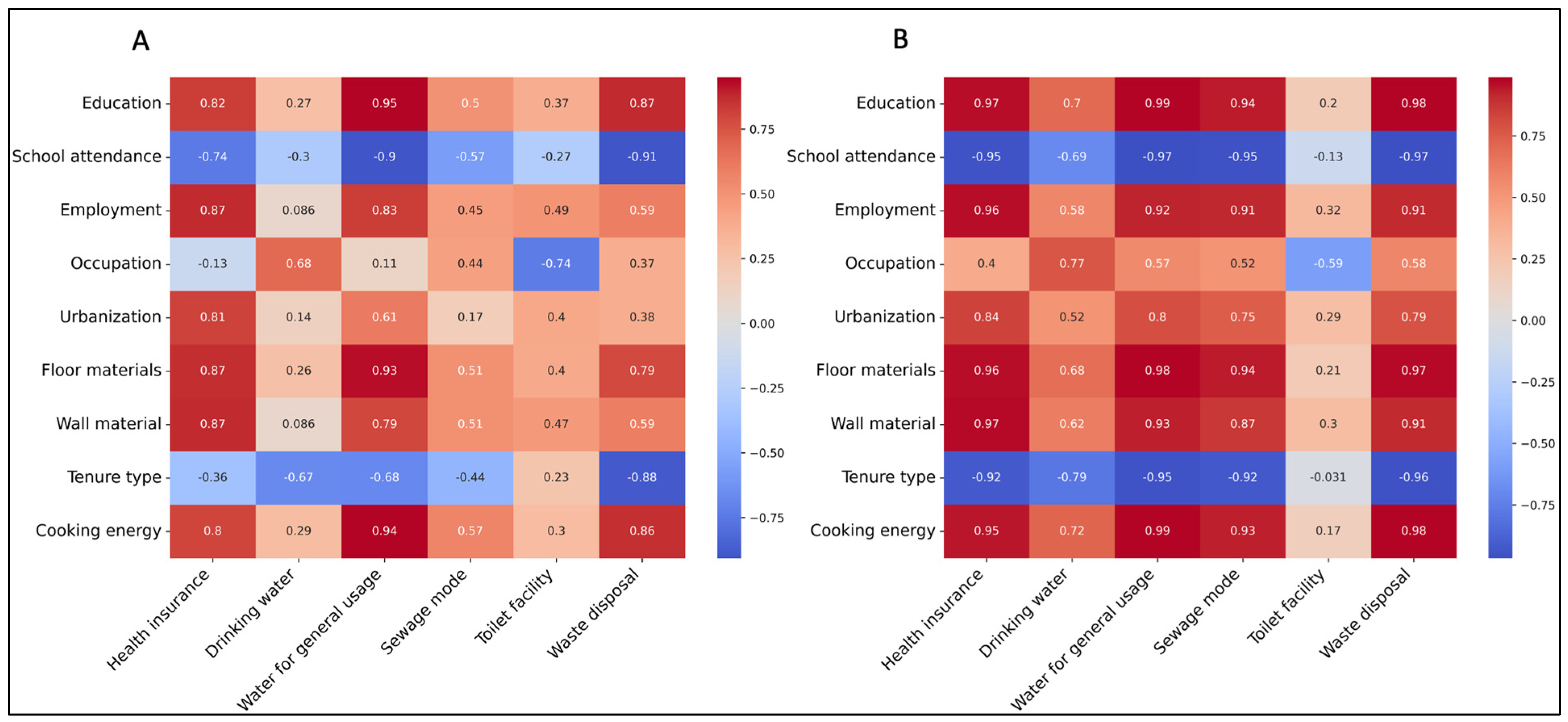
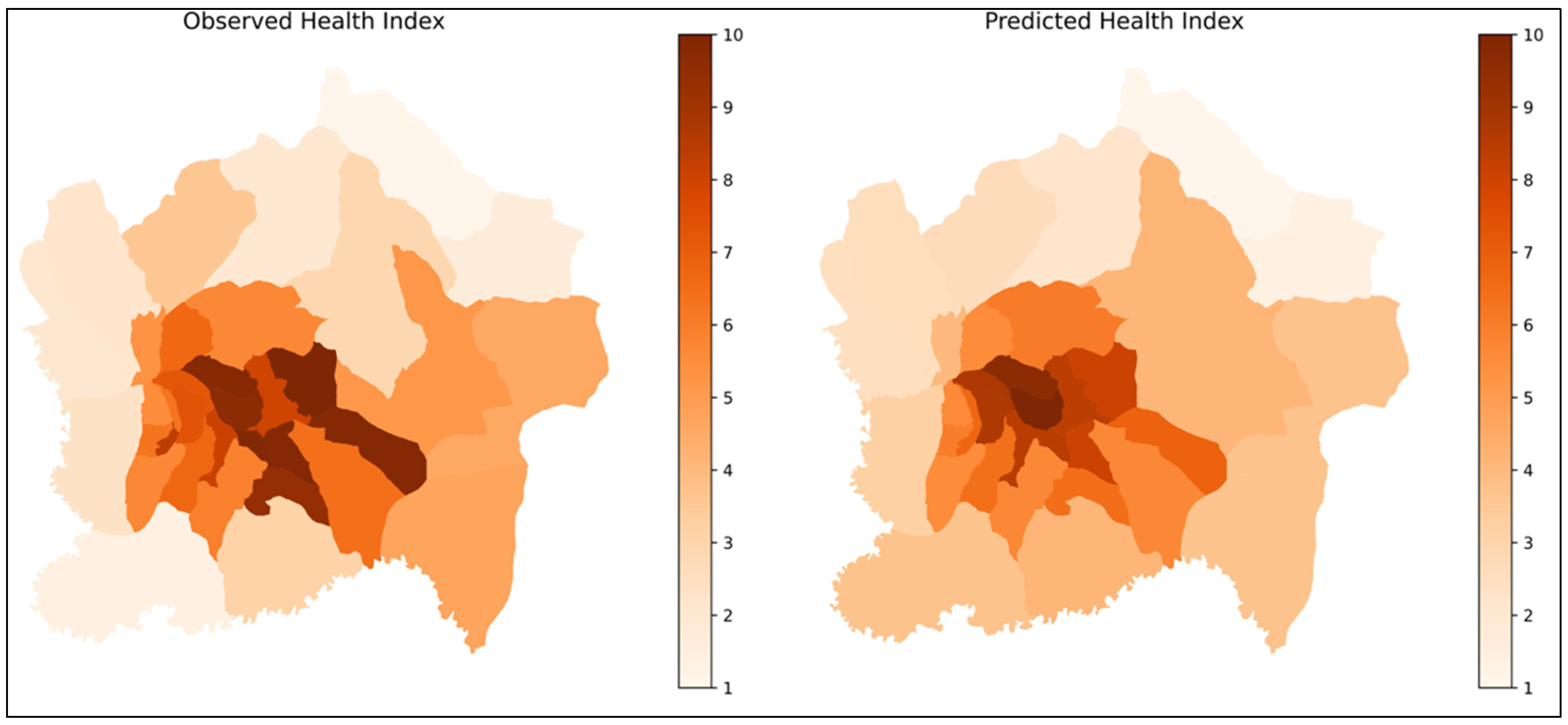
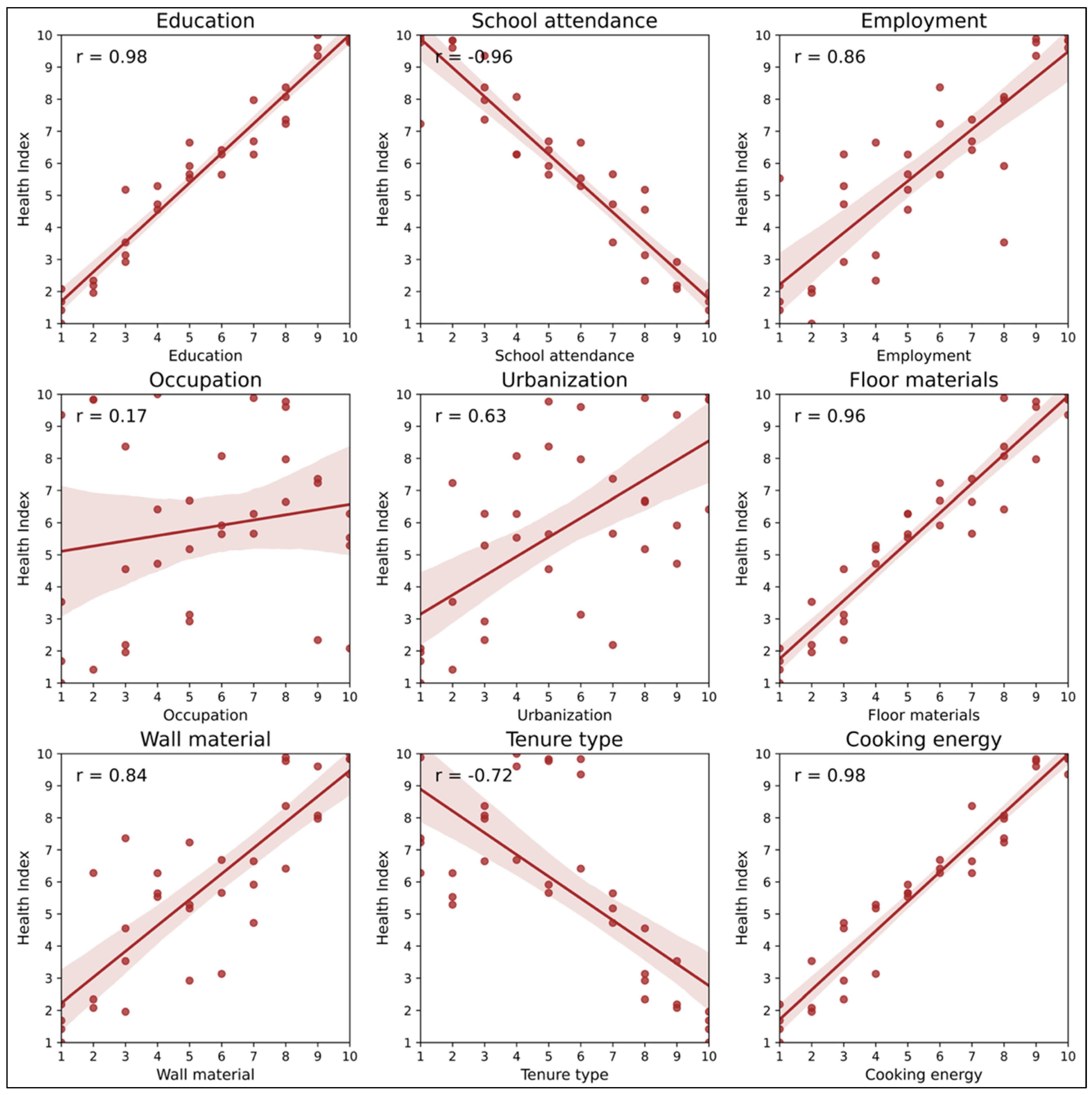
Urbanization significantly enhances socio-economic conditions, health, and well-being for many by improving access to services, education, and economic opportunities. However, socio-economic and public health disparities are also being exacerbated by urbanization. The reliable data required to monitor these conditions are often unavailable, outdated, or inconsistent. This study introduces a multimodal deep learning framework that integrates satellite imagery with street network datasets to predict urban socio-economic indicators and public health determinants at the sector level as a political administrative unit of public health planning in Rwanda. We extracted latent visual and topological embeddings of the urban built environment, using a Convolutional Neural Network (CNN) and Graph Neural Network (GNN). These embeddings were fused through an attentional mechanism to train a multi-task regression model that simultaneously predicts multiple socio-economic indicators and public health determinants. This framework was applied to the City of Kigali in Rwanda. Overall, the multimodal fusion model achieved the best average performance across targets, with an average correlation of 0.68 and MAE of 1.26 for socio-economic indicators, and 0.68 and 1.46 for public health determinants, demonstrating the benefit of integrating visual and topological information. The learned fused embedding space arranges socio-economic indicators and public health determinant deciles along a continuous morphological gradient from sparsely built rural settings to dense urban settings, demonstrating that the urban form encodes latent signals that capture socio-economic indicators and health determinants. Moreover, the study reveals a strong relationship between socio-economic indicators and the public health index, with education, cooking materials, and floor materials exhibiting a correlation above 0.96. This work demonstrates the utility of an integrated framework for socio-economic indicator profiling and public health planning in data-scarce urban contexts, offering a scalable approach for monitoring the indicators of Sustainable Development Goals in rapidly changing urban environments.
Keywords: multimodal deep learning; socio-economic indicators; public health; urban environment multimodal deep learning; socio-economic indicators; public health; urban environment