
Use of Iron in Modulation of Ferroptosis as Therapeutic Strategy in Breast Cancer: A Scoping Review

 , , , , ,
Abstract
1. Introduction
2. Materials and Methods
3. Results
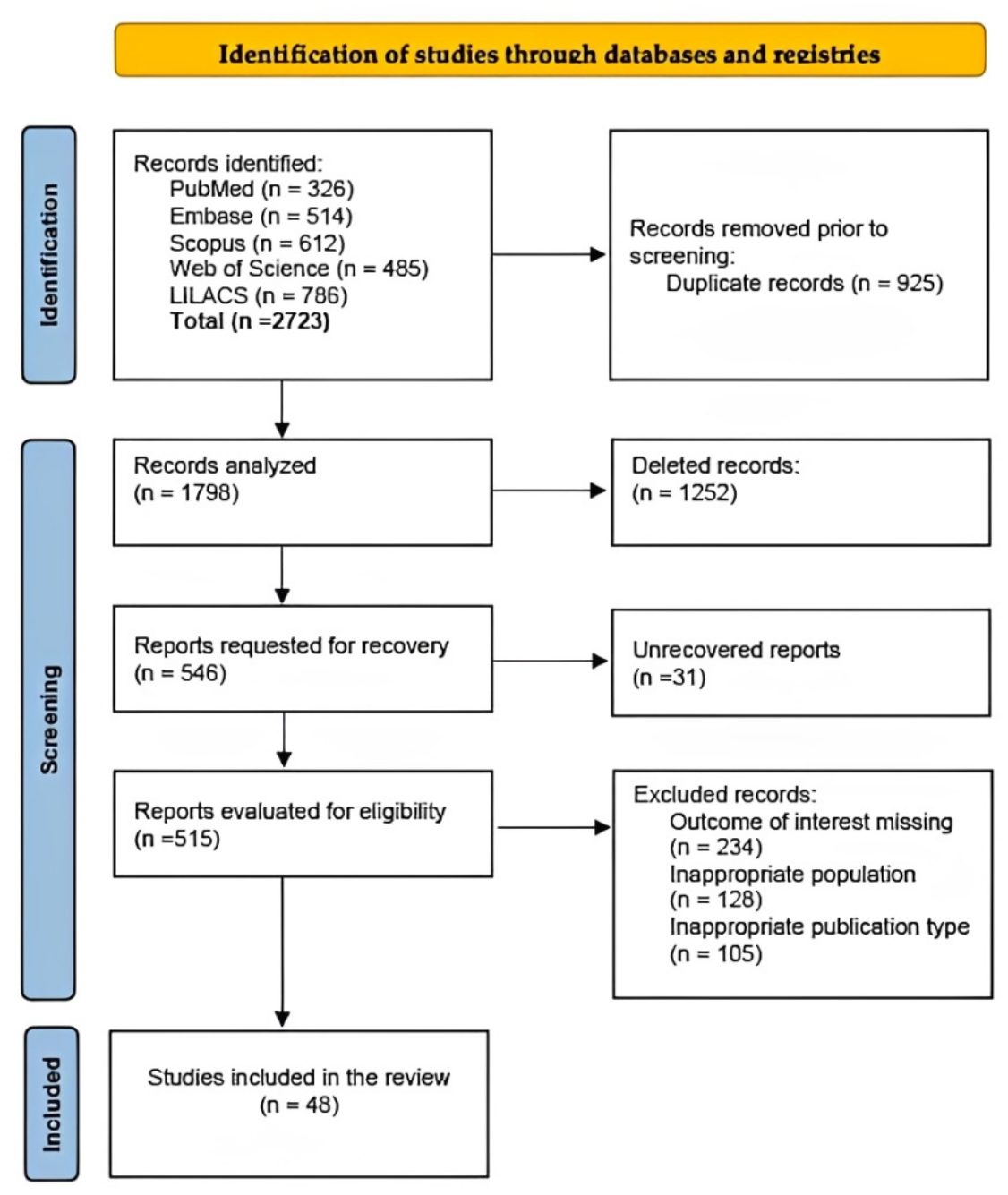
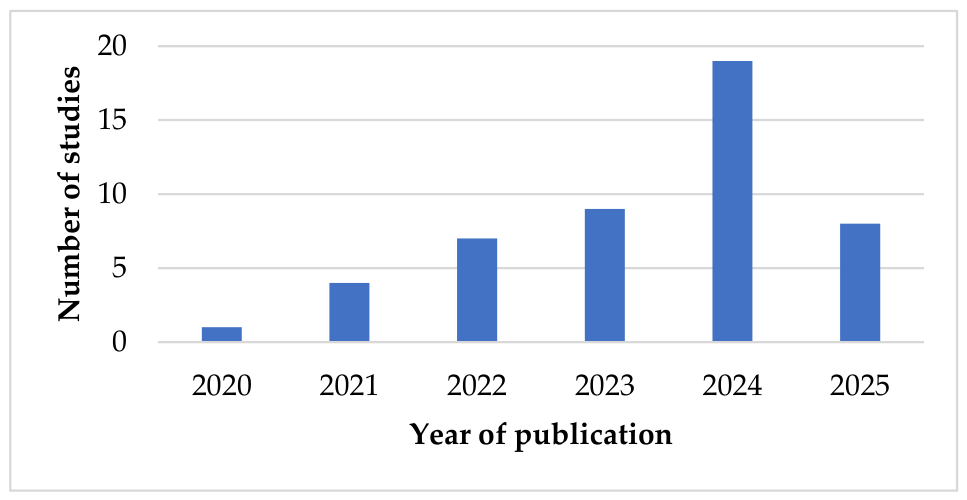
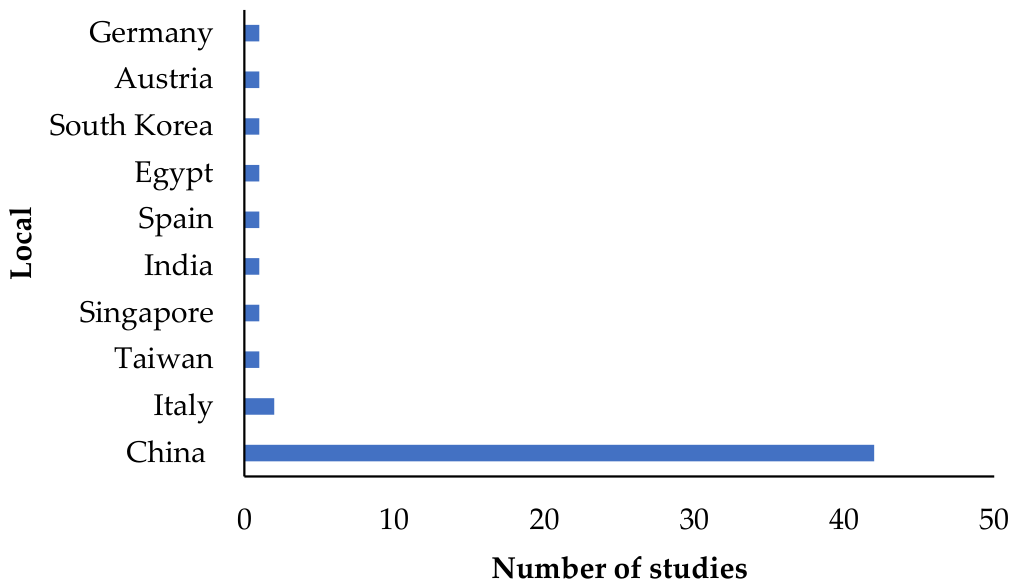
3.1. Study Selection and Bibliometric Analysis
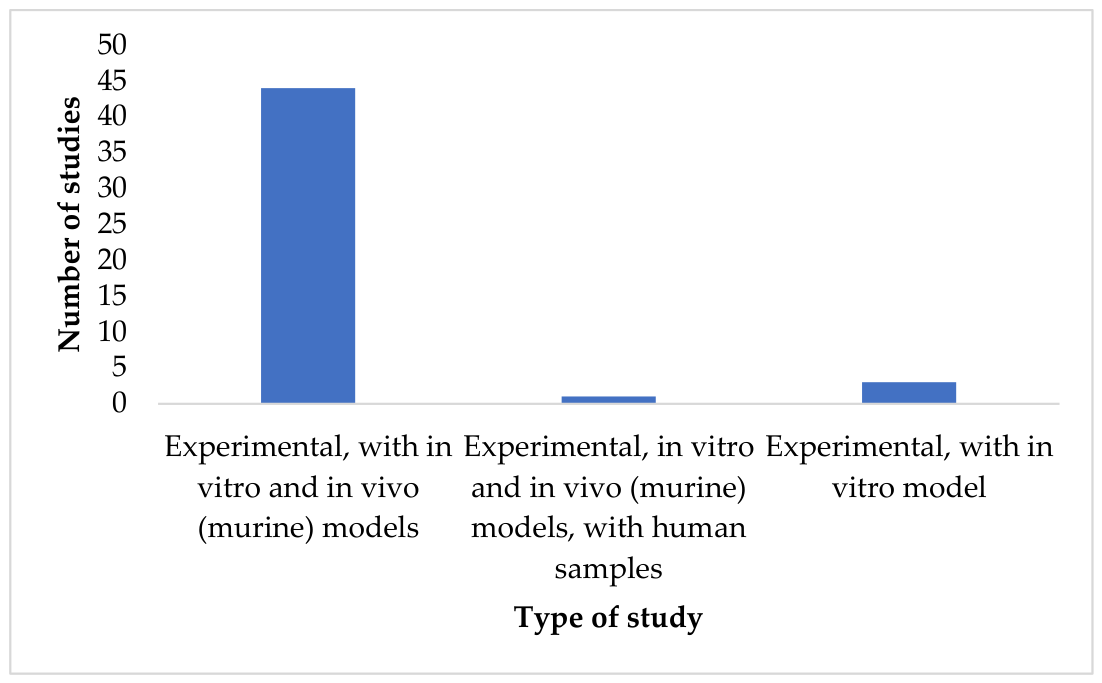
3.2. Methodologic Design and Experimental Models
3.3. Inductor Agents and Nanotechnological Platforms
3.4. Mechanisms of Action and Molecular Targets
4. Discussion
4.1. Analysis of Temporal and Geographic Distribution
4.2. Methodological Design
4.3. Nanosystems and Inductor Agents
4.4. Biological Mechanisms and the Overcoming of Tumoral Defenses
4.5. Study Limitations and Recommendations for Future Research
5. Conclusions
Supplementary Materials
Author Contributions
Funding
Data Availability Statement
Acknowledgments
Conflicts of Interest
Abbreviations
| ATP | Adenosine triphosphate |
| DAMPs | Damage-associated molecular patterns |
| DHODH | Dihydroorotate dehydrogenase |
| FSP1-CoQ10 | Ferroptosis suppressor protein 1-Coenzyme Q10 |
| GPX4 | Glutathione peroxidase 4 |
| GSH | Glutathione |
| HMGB1 | High mobility group box 1 |
| ICD | Immunogenic cell death |
| JBI | Joanna Briggs Institute |
| MDR | Multidrug resistance |
| MOFs | Metal–organic frameworks |
| MPNs | Metal–phenolic networks |
| MRI | Magnetic resonance imaging |
| Na2SeO3 | Sodium selenite |
| NIR | Near-infrared |
| ●OH | Hydroxyl radical |
| PDOs | Patient-derived organoids |
| PDX | Patient-derived xenografts |
| P-gp | P-glycoprotein |
| PUFAs | Polyunsaturated fatty acids |
| PRISMA-ScR | Preferred Reporting Items for Systematic reviews and Meta-Analyses extension for Scoping Reviews |
| PTT | Photothermal therapy |
| ROS | Reactive oxygen species |
| SDT | Sonodynamic therapy |
| siRNA | Small interfering RNA |
| SLC7A11 | Solute carrier family 7 member 11 |
| SPIONs | Superparamagnetic iron oxide nanoparticles |
| TME | Tumor microenvironment |
| TNBC | Triple-negative breast cancer |
| TrxR | Thioredoxin reductase |
References
- Dixon, S.J.; Lemberg, K.M.; Lamprecht, M.R.; Skouta, R.; Zaitsev, E.M.; Gleason, C.E.; Patel, D.N.; Bauer, A.J.; Cantley, A.M.; Yang, W.S.; et al. Ferroptosis: An iron-dependent form of nonapoptotic cell death. Cell 2012, 149, 1060–1072. [Google Scholar] [CrossRef]
- Qiao, Y.; Su, M.; Zhao, H.; Liu, H.; Wang, C.; Dai, X.; Liu, L.; Liu, G.; Sun, H.; Sun, M.; et al. Targeting FTO induces colorectal cancer ferroptotic cell death by decreasing SLC7A11/ GPX4 expression. J. Exp. Clin. Cancer Res. 2024, 43, 108. [Google Scholar] [CrossRef] [PubMed]
- Hirschhorn, T.; Stockwell, B.R. The development of the concept of ferroptosis. Free Radic. Biol. Med. 2019, 133, 130–143. [Google Scholar] [CrossRef]
- Tang, D.; Chen, X.; Kang, R.; Kroemer, G. Ferroptosis: Molecular mechanisms and health implications. Cell Res. 2021, 31, 107–125. [Google Scholar] [CrossRef]
- Xin, S.; Schick, J.A. PUFAs dictate the balance of power in ferroptosis. Cell Calcium 2023, 110, 102703. [Google Scholar] [CrossRef]
- Lin, Z.; Liu, J.; Kang, R.; Yang, M.; Tang, D. Lipid Metabolism in Ferroptosis. Adv. Biol. 2021, 5, 2100396. [Google Scholar] [CrossRef]
- Tricco, A.C.; Lillie, E.; Zarin, W.; O’Brien, K.K.; Colquhoun, H.; Levac, D.; Moher, D.; Peters, M.D.J.; Horsley, T.; Weeks, L.; et al. PRISMA extension for scoping reviews (PRISMA-ScR): Checklist and explanation. Ann. Intern. Med. 2018, 169, 467–473. [Google Scholar] [CrossRef]
- Peters, M.D.J.; Marnie, C.; Tricco, A.C.; Pollock, D.; Munn, Z.; Alexander, L.; McInerney, P.; Godfrey, C.M.; Khalil, H. Updated methodological guidance for the conduct of scoping reviews. JBI Evid. Synth. 2020, 18, 2119–2126. [Google Scholar] [CrossRef]
- Libório, É.; de Cássia Avellaneda Guimarães, R.; de Cássia Freitas, K. Use of Iron and Selenium in the Modulation of Ferroptosis in Breast Cancer: A Scoping Review. 2025. Available online: https://osf.io/pxb8w (accessed on 31 January 2026).
- Zhu, Y.; Deng, X.; Dai, Z.; Liu, Q.; Kuang, Y.; Liu, T.; Chen, H. A “ferroptosis-amplifier” hydrogel for eliminating refractory cancer stem cells post-lumpectomy. Nano Lett. 2024, 24, 8179–8188. [Google Scholar] [CrossRef] [PubMed]
- Pei, M.; Guan, X.; Hou, X.; Niu, Z.; Lyu, Q.; Wang, K.; Wang, S.; Zhang, J.; Ke, Y.; Zhhuang, S.; et al. A GSH-consuming polymeric nanoparticles drives ferroptosis amplification and combines chemotherapy to amplify breast cancer treatment. J. Nanobiotechnol. 2025, 23, 497. [Google Scholar] [CrossRef]
- Yang, J.; Xiong, W.; Huang, L.; Li, Z.; Fan, Q.; Hu, F.; Duan, X.; Fan, J.; Li, B.; Feng, J.; et al. A mesoporous superparamagnetic iron oxide nanoparticle as a generic drug delivery system for tumor ferroptosis therapy. J. Nanobiotechnol. 2024, 22, 204. [Google Scholar] [CrossRef] [PubMed]
- Zhu, X.; Xie, L.; Tian, J.; Jiang, Y.; Song, E.; Song, Y. A multi-mode Rhein-based nano-platform synergizing ferrotherapy/chemotherapy-induced immunotherapy for enhanced tumor therapy. Acta Biomater. 2024, 180, 383–393. [Google Scholar] [CrossRef]
- Yang, H.; Li, G.; Zhang, J.; Zhao, Y.; Wu, Y.; Sun, Z.; Song, S.; Zou, Z.; Han, X.; Deng, B.; et al. A novel hollow iron nanoparticle system loading PEG-Fe3O4 with C5a receptor antagonist for breast cancer treatment. Front. Immunol. 2024, 15, 1466180. [Google Scholar] [CrossRef] [PubMed]
- Ye, P.; Wang, C.; Wen, Y.; Fang, K.; Li, Q.; Zhang, X.; Yang, J.; Li, R.; Chen, M.; Tong, X.; et al. A positive-feedback loop suppresses TNBC tumour growth by remodeling tumour immune microenvironment and inducing ferroptosis. Biomaterials 2025, 315, 122960. [Google Scholar] [CrossRef] [PubMed]
- Han, T.; Sun, Y.; Jiang, X.; Gong, C.; Kong, F.; Luo, Y.; Ge, C.; Liu, C.; Liu, Y.; Mou, Y.; et al. Air bag-embedded MIL-101(Fe) metal-organic frameworks for an amplified tumor microenvironment activation loop through strategic delivery of iron ions and lentinan. Theranostics 2024, 14, 5883–5902. [Google Scholar] [CrossRef]
- Yang, T.; Liu, Z.; Fu, Z.; Zhang, X.; Cao, Y.; Liang, Q.; Miao, J.; Yang, H.; Zhang, T.; Hei, J.; et al. Albumin nanoassembly bi-directionally manipulated ferroptosis in tumor and CD8+ T cells for triple-negative breast cancer therapy. Asian J. Pharm. Sci. 2025, 20, 100970. [Google Scholar] [CrossRef] [PubMed]
- Wu, K.; Zhang, W.; Chen, H.; Wu, J.; Wang, X.; Yang, X.; Liang, X.; Zhang, J.; Liu, D. An iron oxyhydroxide-based nanosystem sensitizes ferroptosis by a “three-pronged” strategy in breast cancer stem cells. Acta Biomater. 2023, 160, 281–296. [Google Scholar] [CrossRef] [PubMed]
- Gao, J.; Ye, T.; Miao, H.; Liu, M.; Wen, L.; Tian, Y.; Fu, Z.; Sun, L.; Wang, L.; Wang, Y. Antibody-functionalized iron-based nanoplatform for ferroptosis-augmented targeted therapy of HER2-positive breast cancer. Bioact. Mater. 2025, 52, 702–718. [Google Scholar] [CrossRef]
- Abu-Serie, M.M.; Abdelfattah, E.Z.A. Anti-metastatic breast cancer potential of novel nanocomplexes of diethyldithiocarbamate and green chemically synthesized iron oxide nanoparticles. Int. J. Pharm. 2022, 627, 122208. [Google Scholar] [CrossRef]
- Wei, R.; Fu, G.; Li, Z.; Liu, Y.; Qi, L.; Liu, K.; Zhao, Z.; Xue, M. Au-Fe3O4 Janus nanoparticles for imaging-guided near infrared-enhanced ferroptosis therapy in triple-negative breast cancer. J. Colloid Interface Sci. 2024, 663, 644–655. [Google Scholar] [CrossRef] [PubMed]
- Guo, S.; Guan, T.; Ke, Y.; Lin, Y.; Tai, R.; Ye, J.; Deng, Z.; Deng, S.; Ou, C. Biologically logic-gated Trojan-horse strategy for personalized triple-negative breast cancer precise therapy by selective ferroptosis and STING pathway provoking. Biomaterials 2025, 315, 122905. [Google Scholar] [CrossRef] [PubMed]
- Du, Y.; Yang, C.; Li, F.; Liao, H.; Chen, Z.; Lin, P.; Wang, N.; Zhou, Y.; Lee, J.Y.; Ding, Q.; et al. Core–shell–satellite nanomaces as remotely controlled self-fueling Fenton reagents for imaging-guided triple-negative breast cancer-specific therapy. Small 2020, 16, 2002537. [Google Scholar] [CrossRef]
- Wang, Y.; Chu, Z.; Wang, P.; Li, T.; Jin, Y.; Wu, S.; Song, X.; Zhang, W.; Yang, M.; Zha, Z.; et al. Dual-ferroptosis induction-based microneedle patches for enhanced chemodynamic/photothermal combination therapy against triple-negative breast cancer. Acta Pharm. Sin. B 2025, 15, 4210–4224. [Google Scholar] [CrossRef] [PubMed]
- Favaron, C.; Gabano, E.; Zanellato, I.; Gaiaschi, L.; Casali, C.; Bottone, M.G.; Ravera, M. Effects of ferrocene and ferrocenium on MCF-7 breast cancer cells and interconnection with regulated cell death pathways. Molecules 2023, 28, 6469. [Google Scholar] [CrossRef]
- Zhu, L.; Wang, J.; Tang, X.; Zhang, C.; Wang, P.; Wu, L.; Gao, W.; Ding, W.; Zhang, G.; Tao, X. Efficient magnetic nanocatalyst-induced chemo- and ferroptosis-synergistic cancer therapy in combination with T1–T2 dual-mode magnetic resonance imaging through doxorubicin delivery. ACS Appl. Mater. Interfaces 2022, 14, 3621–3632. [Google Scholar] [CrossRef]
- Xue, P.; Zhuang, H.; Shao, S.; Bai, T.; Zeng, X.; Yan, S. Engineering biodegradable hollow silica/iron composite nanozymes for breast tumor treatment through activation of the “ferroptosis storm”. ACS Nano 2024, 18, 25795–25812. [Google Scholar] [CrossRef]
- Li, Z.; Wu, X.; Wang, W.; Gai, C.; Zhang, W.; Li, W.; Ding, D. Fe(II) and tannic acid-cloaked MOF as carrier of artemisinin for supply of ferrous ions to enhance treatment of triple-negative breast cancer. Nanoscale Res. Lett. 2021, 16, 37. [Google Scholar] [CrossRef]
- Xiang, Q.; Yang, X.; Zhang, Z.; Yang, J.; Li, Y.; Du, J.; Wang, J.; Fan, K.; Yuan, J.; Zhang, J.; et al. Fe/Mo-based lipid peroxidation nanoamplifier combined with adenosine immunometabolism regulation to augment anti-breast cancer immunity. Adv. Mater. 2025, 37, 2419120. [Google Scholar] [CrossRef]
- He, Y.J.; Liu, X.Y.; Xing, L.; Wan, X.; Chang, X.; Jian, H.L. Fenton reaction-independent ferroptosis therapy via glutathione and iron redox couple sequentially triggered lipid peroxide generator. Biomaterials 2020, 241, 119911. [Google Scholar] [CrossRef]
- Zhang, J.; Zhou, K.; Lim, J.; Yao, X.; Ju, D.; Zeng, X.; Pang, Z.; Yang, W. Ferroptosis-enhanced chemotherapy for triple-negative breast cancer with magnetic composite nanoparticles. Biomaterials 2023, 303, 122395. [Google Scholar] [CrossRef]
- Han, Y.; Dong, Z.; Wang, C.; Li, Q.; Hao, Y.; Yang, Z.; Zhu, W.; Zhang, Y.; Liu, Z.; Feng, L. Ferrous ions doped calcium carbonate nanoparticles potentiate chemotherapy by inducing ferroptosis. J. Control. Release 2022, 348, 346–356. [Google Scholar] [CrossRef]
- Zhao, H.; Zhang, M.; Zhang, J.; Sun, Z.; Chang, W.; Dong, W.; Cheng, C.; Yao, Y.; Li, K. Hinokitiol-iron complex is a ferroptosis inducer to inhibit triple-negative breast tumor growth. Cell Biosci. 2023, 13, 87. [Google Scholar] [CrossRef]
- Zhang, Z.; Lu, M.; Chen, C.; Tong, X.; Li, Y.; Yang, K.; Lv, H.; Xu, J.; Qin, L. Holo-lactoferrin: The link between ferroptosis and radiotherapy in triple-negative breast cancer. Theranostics 2021, 11, 3167–3182. [Google Scholar] [CrossRef]
- Chen, Y.; Li, X.; Luo, K.; Wang, T.; Liu, T.; Lu, E.; Wang, R.; Luo, Y.; Sha, X. Hyperthermia/glutathione-triggered ferritin nanoparticles amplify ferroptosis for synergistic tumor therapy. Mater. Today Bio 2024, 26, 101085. [Google Scholar] [CrossRef]
- Xue, P.; Zhuang, H.; Bai, T.; Zeng, X.; Deng, J.; Shao, S.; Yan, S. Iron(II)-based metal-organic framework nanozyme for boosting tumor ferroptosis through inhibiting DNA damage repair and system Xc−. J. Nanobiotechnol. 2024, 22, 228. [Google Scholar] [CrossRef] [PubMed]
- Liu, D.; Wang, Y.; Sun, Q.; Mei, D.; Wang, X.; Su, Y.; Zhang, J.; Huo, R.; Tian, Y.; Liu, S.; et al. Iron and siRNA co-encapsulated ferritin nanocages induce ferroptosis synergistically for cancer therapy. Acta Pharm. Sin. B 2025, 15, 526–541. [Google Scholar] [CrossRef] [PubMed]
- Rao, Z.; Xia, Y.; Jia, Q.; Zhu, Y.; Wang, L.; Liu, G.; Liu, X.; Yang, P.; Ning, P.; Zhang, R.; et al. Iron-based metal-organic framework co-loaded with buthionine sulfoximine and oxaliplatin for enhanced cancer chemo-ferrotherapy via sustainable glutathione elimination. J. Nanobiotechnol. 2023, 21, 265. [Google Scholar] [CrossRef] [PubMed]
- Lo, Y.; Ravula, V.; Yang, F.; Wang, Y.; Wang, L. Iron-chelated and GSH-responsive polymersome nanoreactors facilitating therapeutic cascade reactions in cooperative starvation-ferroptosis therapy. J. Drug Deliv. Sci. Technol. 2024, 98, 105916. [Google Scholar] [CrossRef]
- Li, J.; Zhou, Y.; Liu, J.; Yang, X.; Zhang, K.; Lei, L.; Hu, H.; Zhang, H.; Ouyang, L.; Gao, H. Metal-phenolic networks with ferroptosis to deliver NIR-responsive CO for synergistic therapy. J. Control. Release 2022, 352, 313–327. [Google Scholar] [CrossRef]
- Pan, W.; Tan, Y.; Meng, W.; Huang, N.H.; Zhao, Y.B.; Yu, Z.Q.; Huang, Z.; Chang, W.H.; Sun, B.; Chen, J.X. Microenvironment-driven sequential ferroptosis, photodynamic therapy, and chemotherapy for targeted breast cancer therapy by a cancer-cell-membrane-coated nanoscale metal-organic framework. Biomaterials 2022, 283, 121449. [Google Scholar] [CrossRef]
- Wang, D.; Fang, W.; Huang, C.; Chen, Z.; Nie, T.; Wang, J.; Luo, L.; Xiao, Z. MR imaging-guided iron-based nanoenzyme for synergistic ferroptosis–starvation therapy in triple-negative breast cancer. Smart Mater. Med. 2022, 3, 159–167. [Google Scholar] [CrossRef]
- Zhao, P.; Gong, L.; Du, H.; Geng, M.; Meng, S.; Dai, L. Multifunctional Fe-based coordination polymer nano-bomb modified with β-lapachone and CaO2 for targeted tumor dual chemodynamic therapy with enhanced ferroptosis and H2O2 self-supply. J. Nanobiotechnol. 2024, 22, 3. [Google Scholar] [CrossRef]
- He, M.; Du, C.; Xia, J.; Zhang, Z.; Dong, C. Multivalent polypeptide and tannic acid cooperatively iron-coordinated nanohybrids for synergistic cancer photothermal ferroptosis therapy. Biomacromolecules 2022, 23, 2655–2666. [Google Scholar] [CrossRef]
- Huang, Y.; Tang, K.; Zeng, G.; Yuan, H.; Xin, Q.; Zhao, Y.; Ou, T.; Yang, J.; Zeng, C.; Wu, X.; et al. Photothermal therapeutic effects and biosafety of negative breast cancer. RSC Adv. 2025, 15, 19665–19675. [Google Scholar] [CrossRef]
- Cao, C.; Zhan, D.B.; Sun, C.; Yang, N.; Tao, S.; Jiang, P.; Li, Y.L.; Zhang, Z.; Li, D.S.; Song, X.; et al. Photothermally enhanced ferroptotic chemotherapy enabled by ZIF-derived multizyme. J. Colloid Interface Sci. 2025, 683, 398–407. [Google Scholar] [CrossRef]
- Liu, S.; Liu, Y.; Chang, Q.; Celia, C.; Deng, X.; Xie, Y. pH-responsive sorafenib/iron co-loaded mesoporous polydopamine nanoparticles for synergistic ferroptosis and photothermal therapy. Biomacromolecules 2024, 25, 522–531. [Google Scholar] [CrossRef]
- Luo, J.; Li, Y.; Li, Y.; Chen, X.; Du, P.; Wang, Z.; Tian, A.; Zhao, Y. Reversing ferroptosis resistance in breast cancer via tailored lipid and iron presentation. ACS Nano 2023, 17, 25257–25268. [Google Scholar] [CrossRef]
- Xu, M.; Gao, X.; Yue, L.; Li, J.; Feng, X.; Huang, D.; Cai, H.; Qi, Y. Sensitivity of triple-negative breast cancer cells to ATM-dependent ferroptosis induced by sodium selenite. Exp. Cell Res. 2024, 442, 114222. [Google Scholar] [CrossRef] [PubMed]
- Pang, S.; Geng, C.; Fan, Z.; Hou, M.; Mao, H.; Tao, S.; Wang, J.; Wu, Y.; Wei, K.; Li, Y.; et al. Synergistic effect of layered double hydroxides nanodosage form to induce apoptosis and ferroptosis in breast cancer. Int. J. Nanomed. 2024, 19, 4199–4215. [Google Scholar] [CrossRef] [PubMed]
- Chen, S.; Yang, J.; Liang, Z.; Li, Z.; Xiong, W.; Fan, Q.; Shen, Z.; Liu, J.; Xu, Y. Synergistic functional nanomedicine enhances ferroptosis therapy for breast tumors by blocking the defensive redox system. ACS Appl. Mater. Interfaces 2023, 15, 2705–2713. [Google Scholar] [CrossRef]
- Nieto, C.; Vega, M.A.; Martín Del Valle, E.M. Tailored-made polydopamine nanoparticles to induce ferroptosis in breast cancer cells in combination with chemotherapy. Int. J. Mol. Sci. 2021, 22, 3161. [Google Scholar] [CrossRef]
- Cao, C.; Lu, Y.; Pan, X.; Lin, Y.; Fan, S.; Niu, Q.; Lin, S.; Tan, H.; Wang, Y.; Cui, S.; et al. Time- and space-dual blockade strategy for the highly invasive nature of triple-negative breast cancer in enhanced sonodynamic therapy based on Fe-MOF nanoplatforms. Adv. Healthc. Mater. 2024, 13, 2304249. [Google Scholar] [CrossRef] [PubMed]
- Tian, Y.; He, X.; Yuan, Y.; Zhang, S.; Wang, C.; Dong, J.; Liu, Z.; Jing, H. TME-responsive nanoplatform with glutathione depletion for enhanced tumor-specific mild photothermal/gene/ferroptosis synergistic therapy. Int. J. Nanomed. 2024, 19, 9145–9160. [Google Scholar] [CrossRef] [PubMed]
- Bernkop-Schnürch, A.D.; Hermann, M.; Leitner, D.; Talasz, H.; Descher, H.A.; Hohloch, S.; Gust, R.; Kircher, B. Transferrin receptor-mediated cellular uptake of fluorinated chlorido[N,N′-bis(salicylidene)-1,2-phenylenediamine]iron(III) complexes. ACS Omega 2024, 9, 35394–35407. [Google Scholar] [CrossRef] [PubMed]
- Cai, Z.; Huan, M.L.; Zhang, Y.W.; Zhao, T.T.; Han, T.Y.; He, W.; Zhou, S.Y.; Zhang, B.L. Tumor-targeted combination therapeutic system for the effective treatment of drug-resistant triple-negative breast cancer. Int. J. Pharm. 2023, 636, 122821. [Google Scholar] [CrossRef]
- Lu, Y.; Chen, Y.; Hou, G.; Lei, H.; Liu, L.; Huang, X.; Sun, S.; Liu, L.; Liu, X.; Na, J.; et al. Zinc–iron bimetallic peroxides modulate the tumor stromal microenvironment and enhance cell immunogenicity for enhanced breast cancer immunotherapy. ACS Nano 2024, 18, 10542–10556. [Google Scholar] [CrossRef]
- Joshi, M.J. Opportunities, Challenges and Pathways of Nano-Medicines: A Concise Review. J. Nanomed. Res. 2014, 1, 13. [Google Scholar] [CrossRef]
- Rahman, M.; Afzal, O.; Ullah, S.N.M.N.; Alshahrani, M.Y.; Alkhathami, A.G.; Altamimi, A.S.A.; Almujiri, S.S.; Almalki, W.H.; Shorog, E.M.; Alossaimi, M.A.; et al. Nanomedicine-Based Drug-Targeting in Breast Cancer: Pharmacokinetics, Clinical Progress, and Challenges. ACS Omega 2023, 8, 48625–48649. [Google Scholar] [CrossRef]
- Kayal, P.; Medhansh, D.M.; Pal, B.; Tamar, M.; Rahaman, R.; Jawahar, N. Nanotheranostics: Integrating Diagnosis and Therapy in Breast Cancer Management. In Next-Gen Nanomedicine for Breast Cancer: From Bench to Bedside and Beyond; Deep Science Publishing: Fresno, CA, USA, 2025. [Google Scholar]
- Cheng, R.Y.S.; Patel, N.L.; Back, T.; Basudhar, D.; Somasundaram, V.; Kalen, J.D.; Wink, D.A.; Ridnour, L.A. Studying Triple Negative Breast Cancer Using Orthotopic Breast Cancer Model. J. Vis. Exp. 2020, 157, 60316. [Google Scholar] [CrossRef]
- Liu, L.; Wang, L.; Xiao, Y.; Liu, Y.; Meng, X.; Shen, X. Natural flavonoids act as potent ferroptosis inhibitors and their potentials in the treatment of ferroptosis. Pharmacol. Res.-Mod. Chin. Med. 2024, 10, 100377. [Google Scholar] [CrossRef]
- Pinto, M.A.B.; Hupffer, H.M.; de Quevedo, D.M. Produtividade científica sobre nanotecnologia (2007–2019) [Scientific productivity on nanotechnology (2007–2019)]. Rev. ACB 2021, 26, 6. Available online: https://revistaacb.emnuvens.com.br/racb/article/view/1780 (accessed on 31 January 2026).
- Saeidnia, S.; Manayi, A.; Abdollahi, M. From In Vitro Experiments to In Vivo and Clinical Studies; Pros and Cons. Curr. Drug Discov. Technol. 2015, 12, 218–224. [Google Scholar] [CrossRef]
- Jain, M.; Goel, A. Current Insights in Murine Models for Breast Cancer: Present, Past and Future. Curr. Pharm. Des. 2024, 30, 2267–2275. [Google Scholar] [CrossRef]
- Tian, R.; Tang, S.; Zhao, J.; Hao, Y.; Zhao, L.; Han, X.; Wang, X.; Zhang, L.; Li, R.; Zhou, X. β-Hydroxybutyrate Protects Against Cisplatin-Induced Renal Damage via Regulating Ferroptosis. Ren. Fail. 2024, 46, 2291999. [Google Scholar] [CrossRef]
- Li, X.; Cheng, Y.; Yang, Z.; Ji, Q.; Huan, M.; Ye, W.; Liu, M.; Zhang, B.; Liu, D.; Zhou, S. Glioma-targeted oxaliplatin/ferritin clathrate reversing the immunosuppressive microenvironment through hijacking Fe2+ and boosting the Fenton reaction. J. Nanobiotechnol. 2024, 22, 93. [Google Scholar] [CrossRef] [PubMed]
- Antoniak, M.A.; Pązik, R.; Bazylińska, U.; Wiwatowski, K.; Tomaszewska, A.; Kulpa-Greszta, M.; Adamczyk-Grochala, J.; Wnuk, M.; Mackowski, S.; Lewinska, A.; et al. Multimodal polymer-encapsulated CdSe/Fe3O4 nanoplatform with improved biocompatibility for two-photon and temperature-stimulated bioapplications. Mater. Sci. Eng. C 2021, 127, 112222. [Google Scholar] [CrossRef]
- Yu, C.H.; Hermosa, G.C.; Sun, A.C.; Wu, C.W.K.; Gao, M.T.; Wu, C.; Wang, H.M.D. Monacolin-K loaded MIL-100(Fe) metal–organic framework induces ferroptosis on metastatic triple-negative breast cancer. Chem. Eng. J. 2024, 498, 154751. [Google Scholar] [CrossRef]
- Yang, C.; Li, S.; Wang, L. Engineered iron oxide nanoplatforms: Reprogramming immunosuppressive niches for precision cancer theranostics. Mol. Cancer 2025, 24, 225. [Google Scholar] [CrossRef] [PubMed]
- Guo, M.; Du, X.; Wang, X. Inhibition of ferroptosis: A new direction in the treatment of ulcerative colitis by traditional Chinese medicine. J. Ethnopharmacol. 2024, 324, 116987. [Google Scholar] [CrossRef]
- Vangijzegem, T.; Lecomte, V.; Ternad, I.; Van Leuven, L.; Muller, R.N.; Stanicki, D.; Laurent, S. Superparamagnetic iron oxide nanoparticles (SPIONs): From fundamentals to state-of-the-art innovative applications for cancer therapy. Pharmaceutics 2023, 15, 236. [Google Scholar] [CrossRef] [PubMed]
- Liu, X.; Peng, S.; Tang, G.; Xu, G.; Xie, Y.; Shen, D.; Zhu, M.; Huang, Y.; Wang, X.; Yu, H.; et al. Fasting-mimicking diet synergizes with ferroptosis against quiescent, chemotherapy-resistant cells. eBioMedicine 2023, 90, 104495. [Google Scholar] [CrossRef]
- Chen, X.; Liu, C.; Yu, R.; Gan, Z.; Zhang, Z.; Chen, Z.; Liu, Y.; Wu, D.; Yu, X.; Liu, C.; et al. Interaction between ferroptosis and TNF-α: Impact in obesity-related osteoporosis. FASEB J. 2023, 37, 6. [Google Scholar] [CrossRef]
- Lu, J.; Tang, Z.; Xu, M.; Lu, J.; Wang, F.; Ni, X.; Wang, C.; Yu, B. Skeletal muscle cystathionine γ-lyase deficiency promotes obesity and insulin resistance and results in hyperglycemia and skeletal muscle injury upon HFD in mice. Redox Rep. 2024, 29, 1. [Google Scholar] [CrossRef]
- Peng, H.; Yan, Y.; He, M.; Li, J.; Wang, L.; Jia, W.; Yang, L.; Jiang, J.; Chen, Y.; Li, F.; et al. SLC43A2 and NFκB signaling pathway regulate methionine/cystine restriction-induced ferroptosis in esophageal squamous cell carcinoma via a feedback loop. Cell Death Dis. 2023, 14, 6. [Google Scholar] [CrossRef] [PubMed]
- Chen, Y.; Zhang, H.; Li, Y.; Wang, T. Pterostilbene confers protection against diquat-induced intestinal damage with potential regulation of redox status and ferroptosis in broiler chickens. Oxid. Med. Cell. Longev. 2023, 2023, 8258354. [Google Scholar] [CrossRef] [PubMed]
- Yu, Y.; Jiang, L.; Wang, H.; Shen, Z.; Cheng, Q.; Zhang, P.; Wang, J.; Wu, Q.; Fang, X.; Duan, L.; et al. Hepatic transferrin plays a role in systemic iron homeostasis and liver ferroptosis. Blood 2020, 136, 726–739. [Google Scholar] [CrossRef] [PubMed]
- Mao, C.; Liu, X.; Zhang, Y.; Lei, G.; Yan, Y.; Lee, H.; Koppula, P.; Wu, S.; Zhuang, L.; Fang, B.; et al. DHODH-mediated ferroptosis defence is a targetable vulnerability in cancer. Nature 2021, 593, 586–590. [Google Scholar] [CrossRef] [PubMed]
- Yang, Y.; Zuo, S.; Li, L.; Kuang, X.; Li, J.; Sun, B.; Wang, S.; He, Z.; Sun, J. Iron-doxorubicin prodrug loaded liposome nanogenerator programs multimodal ferroptosis for efficient cancer therapy. Asian J. Pharm. Sci. 2021, 16, 784–794. [Google Scholar] [CrossRef] [PubMed]
- Cai, S.; Ding, Z.; Liu, X.; Zeng, J. Trabectedin induces ferroptosis via regulation of the HIF-1α/IRP1/TFR1 and Keap1/Nrf2/GPX4 axes in non-small cell lung cancer cells. Chem. Biol. Interact. 2023, 369, 110262. [Google Scholar] [CrossRef]
- Ye, L.; Zhu, J.; Wang, X.; Chen, N.; Sun, Y.; Zeng, X.; Liu, S.; Yan, S. Targeting cancer stem-like cells via cholesterol modulation and ferroptosis induction using a multifunctional nanoplatform to overcome drug resistance. J. Nanobiotechnol. 2025, 23, 722. [Google Scholar] [CrossRef] [PubMed]
- Caforio, M.; Iacovelli, S.; Locatelli, F.; Folgiero, V. Inducing ferroptosis to improve cancer therapy: A promising tool for enhancing immunotherapy. J. Exp. Clin. Cancer Res. 2025, 44, 10. [Google Scholar] [CrossRef] [PubMed]



| No. [Ref.] | Author (Year) | Nanoformulation | Platform Type | Size (nm) | Mechanism |
|---|---|---|---|---|---|
| 1 [10] | Zhu et al. (2024) | Thermosensitive hydrogel containing gallic acid-modified FeOOH nanospindles and Gallocyanine (Gallo&GFP @FC) | Thermosensitive hydrogel (SPION-loaded) | 156.0 | Fenton reaction; inhibition of the DKK1/SLC7A11/GPX4 signaling axis. |
| 2 [11] | Pei et al. (2025) | Polymeric nanoparticles co-encapsulating iron ions (Fe) and Doxorubicin (SSP-tHB@Fe/DOX) | Polymeric nanoparticle | 110.0 | Fe(III)-Fe(II) redox cycling; GSH depletion; chemotherapy (DOX). |
| 3 [12] | Yang et al. (2024) | Mesoporous superparamagnetic iron oxide nanoparticles (MSPIONs) loaded with Sorafenib (SFN) and/or Brequinar (BQR) (SFN/BQR@MSPION) | Mesoporous SPION (MSPION) | 70.0 | Fenton reaction; GPX4 inhibition (via SFN); DHODH inhibition (via BQR). |
| 4 [13] | Zhu et al. (2024) | Folic acid (FA)-targeted nanoparticles co-encapsulated with Fe3O4 and Rhein (MP-FA@R-F NPs) | Targeted SPION (FA-modified) | 138.0 | Fenton reaction; GSH depletion; photothermal therapy (PTT). |
| 5 [14] | Yang et al. (2024) | Iron oxide nanoparticles (PEG-Fe3O4) loaded with C5aRA (PEG-Fe3O4@C5aRA) | Surface-modified SPION (PEGylated) | 105.0 | Fenton reaction; C5aR1 antagonism; macrophage (TAM) reprogramming. |
| 6 [15] | Ye et al. (2024) | Fe3+-doped polydopamine nanoparticles (Fe-PDA) loaded with metformin (Met) (Fe-PDA-Met) | Polymeric nanoparticle (PDA-based) | 193.0 | Fenton reaction; SLC7A11 inhibition (via MET); Attenuation of T-cell exhaustion. |
| 7 [16] | Han et al. (2024) | MIL-101(Fe) metal–organic frameworks containing NaHCO3 (“airbag”), coated with lentinan (LNT) and camouflaged with hybrid membranes (HM/Ef/LNT-MoF) | Biomimetic MOF (MIL-101-based) | 195.4 | Fenton reaction; M1 macrophage polarization (via LNT). |
| 8 [17] | Yang et al. (2024) | Albumin nanoparticles co-assembled with hemin (iron source), linoleic acid-cystamine (La-Cys), and sulfosuccinimidyl oleate (SSO) (LHS NPs) | Protein-based nanoparticle (Albumin) | 135.2 | Fenton reaction; inhibition of fatty acid uptake via SSO-mediated CD36 blockade. |
| 9 [18] | Wu et al. (2023) | Iron oxide nanoparticles (FeOOH) loaded with siRNA against Prominin2 (Siprom2) and coated with hyaluronic acid (HA) (FeOOH/Siprom2@HA) | SPION (FeOOH-based) | 106.6 | Fenton reaction; GSH depletion; inhibition of iron efflux. |
| 10 [19] | Gao et al. (2025) | Iron-based metal–organic frameworks (Fe-MOF) loaded with Erastin and functionalized with Trastuzumab (Herceptin) (FEH) | Antibody-functionalized MOF | 104.9 | Fenton reaction; system Xc− inhibition (via Erastin); HER2 blockade. |
| 11 [20] | Abu-Serie et al. (2022) | Diethyldithiocarbamate (DDC) nanocomposites with iron oxide nanoparticles (FeO and Fe2O3) via green synthesis (olive leaf extract) (DFeO NPs and DFe2O3 NPs) | Green-synthesized SPION | 53.81/65.13 | Fenton reaction; ALDH inhibition; GSH depletion. |
| 12 [21] | Wei et al. (2024) | Gold–iron oxide (Au-Fe3O4) Janus nanoparticles modified with RGD peptide for tumor-targeting (GION@RGD) | Janus nanoparticle (Au-SPION) | 49.8 | Fenton reaction; PTT; integrin targeting. |
| 13 [22] | Guo et al. (2025) | Mesoporous organosilica nanoparticles (HMONs) containing zero-valent iron (Fe0) camouflaged with DNA fragment-loaded exosomes (Fe@HMON@DNA-Exo) | Biomimetic HMON | 64.9 ± 4.93 | Fenton reaction; STING pathway activation; GSH depletion. |
| 14 [23] | Du et al. (2021) | Core–shell-satellite “nanomaces” composed of a gold (Au) nanorod core, mesoporous silica shell (MSN), and iron oxide nanoparticle (IONP) satellites (Au@MSN@IONP) | Au@MSN-based SPION | 110.0 | Fenton reaction; NIR hyperthermia; inhibition of iron efflux. |
| 15 [24] | Wang et al. (2025) | Copper-doped Prussian Blue (Cu-PB) nanoparticles coated with polydopamine (PDA) delivered via a microneedle patch (Cu-PB@PDA) | Cu-doped Prussian Blue-based | 145.4 | Fenton reaction; direct GPX4 inhibition (via RSL3); PTT. |
| 16 [25] | Favaron et al. (2023) | Organometallic compounds: Ferrocene (Fc) and its oxidized form, the Ferrocenium ion ([Fc]+) | Organometallic complex | N/A | ROS production; lipid peroxidation; mitochondrial dysfunction. |
| 17 [26] | Zhu et al. (2022) | Gadolinium (Gd)-doped iron oxide nanoparticles loaded with Dox and functionalized with RGD peptide for targeting (ipGdIO-Dox) | Gd-doped SPION (Targeted) | 110.8 | Fenton reaction; chemotherapy (Dox); bioimaging. |
| 18 [27] | Xue et al. (2024) | Iron-doped hollow silica nanozymes (FeSHS) loaded with Brequinar (BQR) and Lificiguat (YC-1) (FeSHS/BQR/YC-1-PEG) | Hollow silica nanozyme | 156.4 | Fenton reaction; triple inhibition: GPX4 (via ROS), DHODH (via BQR), and FSP1 (via YC-1). |
| 19 [28] | Li et al. (2021) | ZIF-8 metal–organic frameworks loaded with Artemisinin (ART) and coated with Tannic Acid (TA) and ferrous ions (Fe2+) (TA-Fe/ART@ZIF) | Core–shell MOF (ZIF-8-based) | 184.2 | Fenton reaction; Endoperoxide bridge cleavage (via ART). |
| 20 [29] | Xiang et al. (2025) | Bimetallic oxide (Fe/Mo) nanoparticles (FMO@PNPs) | Bimetallic nanoamplifier | 114.3 | Fenton reaction; Russell mechanism (Mo); A2AR blockade. |
| 21 [30] | He et al. (2020) | Liposomes co-encapsulating Ferric Ammonium Citrate (FAC) and a γ-glutamylcysteine synthetase inhibitor (γ-GCSi) (LPOgener) | Liposome | 85.3 | Fenton-independent LPO induction; GSH depletion. |
| 22 [31] | Zhang et al. (2023) | Polyglutamic acid-stabilized Fe3O4 loaded with DHA (Fe3O4-PGA-DHA) and polyaspartic acid-stabilized Fe3O4 loaded with DOX (Fe3O4-PASP-DOX) | Polymer-stabilized SPION | 126.3/103.2 | Fenton reaction; GPX4 inhibition; DHA activation. |
| 23 [32] | Han et al. (2022) | Calcium carbonate (CaCO3) nanoparticles coated with a gallic acid–Fe2+ coordination polymer and loaded with a cisplatin prodrug (Pt(IV)-SA) (PGFCaCO3-PEG) | pH-responsive CaCO3 nanoparticle | 132.8 | Fenton reaction; chemotherapy; pH modulation. |
| 24 [33] | Zhao et al. (2023) | Hinokitiol–iron complex [Fe(hino)3] | Organometallic complex (iron ionophore) | N/A | Labile Iron Pool (LIP) expansion; direct lipid peroxidation. |
| 25 [34] | Zhang et al. (2021) | Holo-lactoferrin (hLF) | Protein-based nanoplatform (biomolecule) | N/A | Fenton reaction; radiosensitization; HIF-1α inhibition. |
| 26 [35] | Chen et al. (2024) | Polydopamine-coated iron oxide nanoparticles (I@P) conjugated to ferritin (FRT) via GSH-responsive disulfide bridges (I@P-ss-FRT) | Protein-conjugated SPION | 123.5 | Fenton reaction; PTT; GSH depletion. |
| 27 [36] | Xue et al. (2024) | Iron(III)-based metal–organic framework (MOF) assembled with disulfide bridging and loaded with Actinomycin D (ActD) (FessMOF/ActD-PEG) | Biodegradable Iron(II)-MOF | 102.5 | Fenton reaction; system Xc− inhibition; Ferritinophagy; DNA repair blockade. |
| 28 [37] | Liu et al. (2025) | Ferritin nanocages co-encapsulating ferrous ions (Fe2+) and siRNA (Fe/siGPX4-Fn) | Biomimetic Ferritin Nanocage | 36.5 | Fenton reaction; GPX4 gene silencing (via siRNA). |
| 29 [38] | Rao et al. (2023) | Iron-based metal–organic framework (MIL-101-NH2) loaded with Buthionine Sulfoximine (BSO) and Oxaliplatin (BSO/Oxa@MOF) | Iron-based MOF (MIL-101-NH2) | 148.5 | Fenton reaction; GPX4 gene silencing (via siRNA). |
| 30 [39] | Lo et al. (2024) | Polymersome nanoreactor containing ferric ions (Fe3+) and glucose oxidase (GOx) (FePSP@GOx) | Polymersome Nanoreactor | 132.3 | Fenton reaction; starvation therapy (via GOx); GSH depletion. |
| 31 [40] | Li et al. (2022) | Metal–phenolic networks (MPNs) composed of tannic acid (TA) and iron (Fe3+), loaded with a CO prodrug and the photothermal agent IR820 (FeCO-IR820@Fe(III)TA) | Metal-Phenolic Network (MPN) | 162.7 | Fenton reaction; cytochrome c oxidase inhibition (via CO); PTT. |
| 32 [41] | Pan et al. (2022) | Iron–Porphyrin NMOF (Fe-TCPP) loaded with Tirapazamine (TPZ) and coated with breast cancer cell (BCC) membranes (PFTT@BCCM) | Biomimetic NMOF | 201 | Fenton reaction; photodynamic therapy (PDT); hypoxia-activated chemotherapy (via TPZ); homologous targeting. |
| 33 [42] | Wang et al. (2022) | Iron-based metal–organic framework (Fe-MIL-101) loaded with glucose oxidase (GOx) (Fe-MIL-101-GOx) | Iron-based MOF (Nanozyme) | 145.4 ± 15.2 | Fenton reaction; starvation therapy (via GOx); MRI monitoring. |
| 34 [43] | Zhao et al. (2024) | Iron(III)-based coordination polymer (Fe-PVP) loaded with β-lapachone and calcium peroxide (CaO2), modified with Hyaluronic Acid (HA) (HCF@β-lap) | Organometallic Compound (Coordination Polymer) | 237 ± 5.2 | Fenton cascade reaction; H2O2 self-supply; Ca2+ overload. |
| 35 [44] | He et al. (2022) | Nanohybrids formed by the coordination of a polypeptide (PC-PR), tannic acid (TA), and iron ions (Fe3+) (PCFT) | Metal–phenolic network (MPN) | 158 ± 5 | Fenton reaction; PTT; GPX4 downregulation. |
| 36 [45] | Huang et al. (2025) | Iron(II)-carbon nanoparticle complex (CNSI-Fe) | Carbon-based nanoparticle | 208.2 ± 5.6 | Fenton reaction; PTT; lipid peroxidation. |
| 37 [46] | Cao et al. (2025) | ZIF-derived carbon nanomaterial (Fe-SAzyme) modified with Polyethylene glycol–thioacetal–Doxorubicin (PEG-TK-DOX) conjugate (SAzyme-DOX) | MOF-derived single-atom nanozyme (MOF) | 156.4 ± 4.3 | Multi-enzymatic activity (POD/OXD/CAT-like); Fenton reaction; PTT. |
| 38 [47] | Liu et al. (2024) | Iron-doped mesoporous polydopamine (mPDA) nanoparticles loaded with Sorafenib (SRF) and Triphenylphosphine (TPP) (Fe-mPDA@SRF-TPP) | Mesoporous polydopamine manoparticle (NPP) | 153.8 ± 3.8 | System Xc− inhibition (via SRF); Fenton reaction; Mitochondrial targeting. |
| 39 [48] | Luo et al. (2023) | Ferrocene (Fc)-containing polymer micelles loaded with Auranofin (Aur) and the pro-ferroptotic lipid PE-AA (Aur/PE-AA@M Fc) | Ferrocene-bearing polymeric micelle (NPP) | 136.0 ± 3.1 | Pro-ferroptotic lipid supplementation; TrxR inhibition; Fenton reaction. |
| 40 [49] | Xu et al. (2024) | Sodium Selenite (Na2SeO3) | Free molecule (Selenium-based) | N/A | ATM signaling; Increase in labile Fe2+; Lipid-ROS (L-ROS) generation. |
| 41 [50] | Pang et al. (2024) | Magnesium–iron layered double hydroxides (Mg-Fe LDHs) loaded with Simvastatin (SIM) (Mg-Fe LDH-SIM) | Layered double hydroxide (LDH) | 138.7 ± 1.5 | Fenton reaction; GSH depletion; Caspase activation. |
| 42 [51] | Chen et al. (2023) | Layered double hydroxides (LDH) co-loaded with iron oxide nanoparticles (IONs) and a DHODH inhibitor (Leflunomide/siR) (siR/IONs@LDH) | Layered double hydroxide (LDH) | 126.0 ± 12.3 | Mitochondrial defense blockade (via DHODH); Fenton reaction. |
| 43 [52] | Nieto; Vega; Martín del Valle (2021) | Iron (Fe3+)-doped polydopamine (PDA) nanoparticles loaded with Doxorubicin (DOX) (PDA-Fe-DOX) | Polymetic Nanoparticle (NPP) | 154.2 ± 28.5 | Fenton reaction; chemotherapy (Dox); redox defense depletion. |
| 44 [53] | Cao et al. (2023) | Iron-based metal–organic framework (Fe-TCPP MOF/FTM) loaded with a sonosensitizer (Ce6) and a radical initiator (AIPH), coated with cancer cell membranes (FTM@AM) | Biomimetic Metal–Organic framework (MOF) | 181.07 | Fenton reaction; Sonodynamic therapy (SDT); cytoskeletal targeting (F-actin). |
| 45 [54] | Tian et al. (2024) | Perfluorocarbon (PFC) nanodroplets loaded with anti-TRIM37 siRNA, coated with an Iron (Fe3+)-Tannic Acid (TA) network, and modified with Hyaluronic Acid (HA) (PTFTH) | Metal–phenolic network (MPN) | 196 | TRIM37 silencing; GSH depletion; Fenton reaction; PTT. |
| 46 [55] | Bernkop-Schnürch et al. (2024) | Fluorinated iron(III) [salophen] chloride complexes | Free molecule (organometallic complex) | N/A | Transferrin receptor (TfR1) pathway; Fenton reaction; Mitochondrial dysfunction. |
| 47 [56] | Cai et al. (2023) | Folic acid (FA)-modified polydopamine (PDA) nanoparticles co-loaded with Camptothecin (CPT) and Iron (Fe) (CPT/Fe@PDA-FA) | Polymeric nanoparticle (NPP) | 161.4 | Fenton reaction; Folate receptor targeting; chemotherapy (CPT). |
| 48 [57] | Yujie et al. (2024) | Hyaluronic acid-modified zinc–iron peroxide nanocomposites (Fe-ZnO2(a)HA/FZOH) | Peroxide nanocomposite | 134.7 | Fenton reaction; Extracellular matrix (ECM) degradation; immunotherapy. |
| No. [Ref.] | Author (Year) | Type | Cell Line | Animal Model | Breast Cancer Subtype |
|---|---|---|---|---|---|
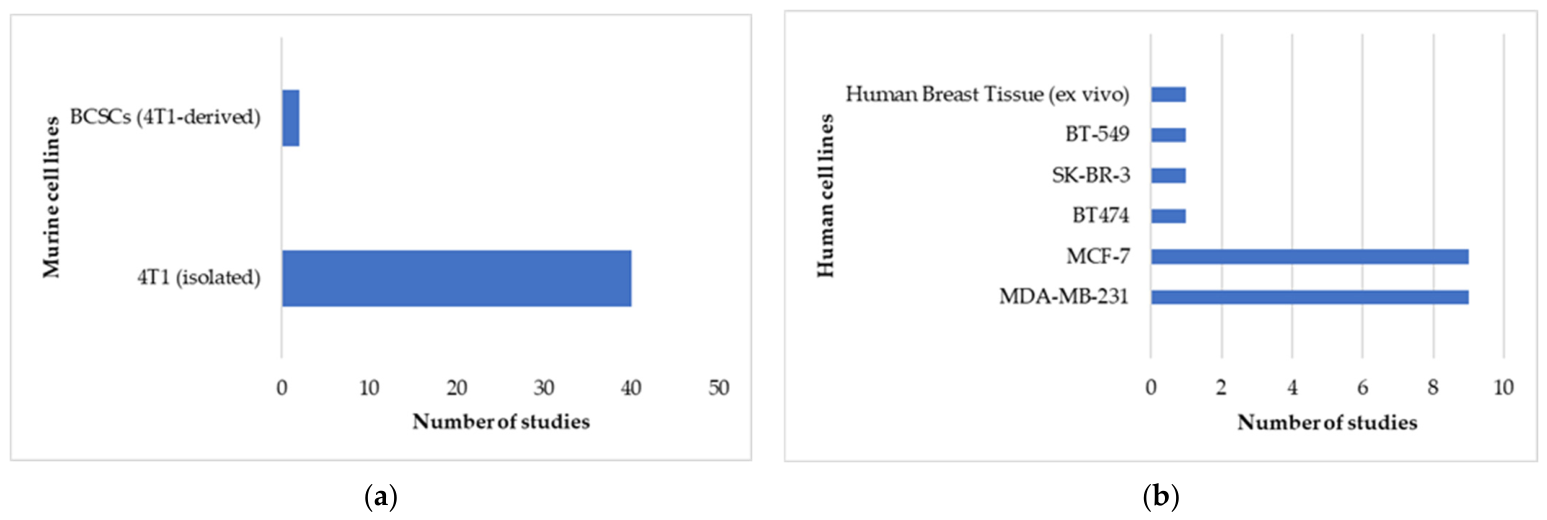
| 1 [10] | Zhu et al. (2024) | In vitro In vivo | 4T1/ 4T1-derived CSCs | Murine | TNBC (ER−/PR−/HER2−) |
| 2 [11] | Pei et al. (2025) | In vitro In vivo | 4T1 | Murine | TNBC (ER−/PR−/HER2−) |
| 3 [12] | Yang et al. (2024) | In vitro In vivo | 4T1 | Murine | TNBC (ER−/PR−/HER2−) |
| 4 [13] | Zhu et al. (2024) | In vitro In vivo | 4T1 | Murine | TNBC (ER−/PR−/HER2−) |
| 5 [14] | Yang et al. (2024) | In vitro In vivo Human samples | 4T1 | Murine | TNBC (ER−/PR−/HER2−) |
| Human Breast Cancer Tissue | Human | All subtypes (TMA) | |||
| 6 [15] | Ye et al. (2024) | In vitro In vivo | 4T1 | Murine | TNBC (ER−/PR−/HER2−) |
| 7 [16] | Han et al. (2024) | In vitro In vivo | 4T1 | Murine | TNBC (ER−/PR−/HER2−) |
| 8 [17] | Yang et al. (2024) | In vitro In vivo | 4T1 | Murine | TNBC (ER−/PR−/HER2−) |
| 9 [18] | Wu et al. (2023) | In vitro In vivo | BCSCs (4T1-derived) | Murine | TNBC (ER−/PR−/HER2−) |
| 10 [19] | Gao et al. (2025) | In vitro In vivo | BT474 | Human | Luminal B (ER+/PR+/HER2+) |
| SKBR3 | Human | HER2+ (ER−/PR−/HER2+) | |||
| 11 [20] | Abu-Serie et al. (2022) | In vitro In vivo | MCF-7 | Human | Luminal A (ER+/PR+/HER2−) |
| MDA-MB-231 (CSCs) | Human | TNBC (ER−/PR−/HER2−) | |||
| 12 [21] | Wei et al. (2024) | In vitro In vivo | 4T1 | Murine | TNBC (ER−/PR−/HER2−) |
| 13 [22] | Guo et al. (2025) | In vitro In vivo | 4T1 | Murine | TNBC (ER−/PR−/HER2−) |
| 14 [23] | Du et al. (2021) | In vitro In vivo | 4T1 | Murine | TNBC (ER−/PR−/HER2−) |
| MDA-MB-231 | Human | TNBC (ER−/PR−/HER2−) | |||
| 15 [24] | Wang et al. (2025) | In vitro In vivo | 4T1 | Murine | TNBC (ER−/PR−/HER2−) |
| 16 [25] | Favaron et al. (2023) | In vitro | MCF-7 | Human | Luminal A (ER+/PR+/HER2−) |
| 17 [26] | Zhu et al. (2022) | In vitro In vivo | 4T1 | Murine | TNBC (ER−/PR−/HER2−) |
| 18 [27] | Xue et al. (2024) | In vitro In vivo | 4T1/ | Murine | TNBC (ER−/PR−/HER2−) |
| MCF-7 | Human | Luminal A (ER+/PR+/HER2−) | |||
| 19 [28] | Li et al. (2021) | In vitro In vivo | 4T1 | Murine | TNBC (ER−/PR−/HER2−) |
| 20 [29] | Xiang et al. (2025) | In vitro In vivo | 4T1 | Murine | TNBC (ER−/PR−/HER2−) |
| 21 [30] | He et al. (2020) | In vitro In vivo | 4T1 | Murine | TNBC (ER−/PR−/HER2−) |
| 22 [31] | Zhang et al. (2023) | In vitro In vivo | 4T1 | Murine | TNBC (ER−/PR−/HER2−) |
| 23 [32] | Han et al. (2022) | In vitro In vivo | 4T1 | Murine | TNBC (ER−/PR−/HER2−) |
| 24 [33] | Zhao et al. (2023) | In vitro In vivo | 4T1 | Murine | TNBC (ER−/PR−/HER2−) |
| MDA-MB-231 | Human | TNBC (ER−/PR−/HER2−) | |||
| BT549 | Human | TNBC (ER−/PR−/HER2−) | |||
| 25 [34] | Zhang et al. (2021) | In vitro In vivo | 4T1 | Murine | TNBC (ER−/PR−/HER2−) |
| MDA-MB-231 | Human | TNBC (ER−/PR−/HER2−) | |||
| 26 [35] | Chen et al. (2024) | In vitro In vivo | 4T1 | Murine | TNBC (ER−/PR−/HER2−) |
| 27 [36] | Xue et al. (2024) | In vitro In vivo | 4T1 | Murine | TNBC (ER−/PR−/HER2−) |
| 28 [37] | Liu et al. (2025) | In vitro In vivo | 4T1 | Murine | TNBC (ER−/PR−/HER2−) |
| 29 [38] | Rao et al. (2023) | In vitro In vivo | 4T1 | Murine | TNBC (ER−/PR−/HER2−) |
| 30 [39] | Lo et al. (2024) | In vitro In vivo | 4T1 | Murine | TNBC (ER−/PR−/HER2−) |
| 31 [40] | Li et al. (2022) | In vitro In vivo | 4T1 | Murine | TNBC (ER−/PR−/HER2−) |
| 32 [41] | Pan et al. (2022) | In vitro In vivo | 4T1 | Murine | TNBC (ER−/PR−/HER2−) |
| 33 [42] | Wang et al. (2022) | In vitro In vivo | 4T1 | Murine | TNBC (ER−/PR−/HER2−) |
| 34 [43] | Zhao et al. (2024) | In vitro In vivo | 4T1 | Murine | TNBC (ER−/PR−/HER2−) |
| 35 [44] | He et al. (2022) | In vitro In vivo | 4T1 | Murine | TNBC (ER−/PR−/HER2−) |
| 36 [45] | Huang et al. (2025) | In vitro In vivo | 4T1 | Murine | TNBC (ER−/PR−/HER2−) |
| 37 [46] | Cao et al. (2025) | In vitro In vivo | 4T1 | Murine | TNBC (ER−/PR−/HER2−) |
| 38 [47] | Liu et al. (2024) | In vitro In vivo | 4T1 | Murine | TNBC (ER−/PR−/HER2−) |
| 39 [48] | Luo et al. (2023) | In vitro In vivo | 4T1/ | Murine | TNBC (ER−/PR−/HER2−) |
| MCF-7 | Human | Luminal A (ER+/PR+/HER2−) | |||
| 40 [49] | Xu et al. (2024) | In vitro In vivo | MDA-MB-231 | Human | TNBC (ER−/PR−/HER2−) |
| MCF-7 | Human | Luminal A (ER+/PR+/HER2−) | |||
| 41 [50] | Pang et al. (2024) | In vitro In vivo | MDA-MB-231 | Human | TNBC (ER−/PR−/HER2−) |
| MCF-7 | Human | Luminal A (ER+/PR+/HER2−) | |||
| 42 [51] | Chen et al. (2023) | In vitro In vivo | 4T1 | Murine | TNBC (ER−/PR−/HER2−) |
| 43 [52] | Nieto; Vega; Martín del Valle (2021) | In vitro | MDA-MB-231 | Human | TNBC (ER−/PR−/HER2−) |
| MCF-7 | Human | Luminal A (ER+/PR+/HER2−) | |||
| 44 [53] | Cao et al. (2023) | In vitro In vivo | 4T1 | Murine | TNBC (ER−/PR−/HER2−) |
| 45 [54] | Tian et al. (2024) | In vitro In vivo | 4T1 | Murine | TNBC (ER−/PR−/HER2−) |
| 46 [55] | Bernkop-Schnürch et al. (2024) | In vitro | MDA-MB-231 | Human | TNBC (ER−/PR−/HER2−) |
| MCF-7 | Human | Luminal A (ER+/PR+/HER2−) | |||
| 47 [56] | Cai et al. (2023) | In vitro In vivo | MDA-MB-231 | Human | TNBC (ER−/PR−/HER2−) |
| MCF-7/ADR | Human | Luminal A (ER+/PR+/HER2−) | |||
| 48 [57] | Yujie et al. (2024) | In vitro In vivo | 4T1 | Murine | TNBC (ER−/PR−/HER2−) |
| Primary Platform (Group) | Combined Chemotherapy | Multimodal Therapy (PTT/SDT/RT) | Immunotherapy | Adjuvant Gene Therapy/(Post-Surgical) |
|---|---|---|---|---|
| 1. MOFs/Nanozymes | 5 | 7 | 2 | 0 |
| 2. Iron Oxides/SPIONs | 4 | 3 | 2 | 1 |
| 3. Polymeric Nanoparticles/Micelles | 4 | 2 | 1 | 1 |
| 4. Polydopamine (PDA)/MPNs | 2 | 4 | 2 | 0 |
| 5. Biological Base (Exosomes/Membranes) | 2 | 1 | 1 | 0 |
| 6. Other Inorganics (LDH, Carbon, Se) | 1 | 2 | 1 | 0 |
| Total (n = 48) | 18 (37.5%) | 19 (39.6%) | 9 (18.7%) | 2 (4.2%) |
Disclaimer/Publisher’s Note: The statements, opinions and data contained in all publications are solely those of the individual author(s) and contributor(s) and not of MDPI and/or the editor(s). MDPI and/or the editor(s) disclaim responsibility for any injury to people or property resulting from any ideas, methods, instructions or products referred to in the content. |
© 2026 by the authors. Licensee MDPI, Basel, Switzerland. This article is an open access article distributed under the terms and conditions of the Creative Commons Attribution (CC BY) license.
Share and Cite
Libório, É.L.F.; Freitas, K.d.C.; Pott, A.; Ferreira, R.d.S.; Inada, A.C.; Hiane, P.A.; Donadon, J.R.; Nascimento, V.A.d.; Guimarães, R.d.C.A. Use of Iron in Modulation of Ferroptosis as Therapeutic Strategy in Breast Cancer: A Scoping Review. Sci 2026, 8, 130. https://doi.org/10.3390/sci8060130
Libório ÉLF, Freitas KdC, Pott A, Ferreira RdS, Inada AC, Hiane PA, Donadon JR, Nascimento VAd, Guimarães RdCA. Use of Iron in Modulation of Ferroptosis as Therapeutic Strategy in Breast Cancer: A Scoping Review. Sci. 2026; 8(6):130. https://doi.org/10.3390/sci8060130
Chicago/Turabian StyleLibório, Érika Leite Ferraz, Karine de Cássia Freitas, Arnildo Pott, Rosângela dos Santos Ferreira, Aline Carla Inada, Priscila Aiko Hiane, Juliana Rodrigues Donadon, Valter Aragão do Nascimento, and Rita de Cássia Avellaneda Guimarães. 2026. "Use of Iron in Modulation of Ferroptosis as Therapeutic Strategy in Breast Cancer: A Scoping Review" Sci 8, no. 6: 130. https://doi.org/10.3390/sci8060130
APA StyleLibório, É. L. F., Freitas, K. d. C., Pott, A., Ferreira, R. d. S., Inada, A. C., Hiane, P. A., Donadon, J. R., Nascimento, V. A. d., & Guimarães, R. d. C. A. (2026). Use of Iron in Modulation of Ferroptosis as Therapeutic Strategy in Breast Cancer: A Scoping Review. Sci, 8(6), 130. https://doi.org/10.3390/sci8060130