
Article

Drivers’ Steering Behavior in Curve by Means of New Indicators
Department of Engineering, University of Messina, Vill. S. Agata, C.da Di Dio, 98166 Messina, Italy
*
Author to whom correspondence should be addressed.
Infrastructures 2024, 9(3), 43; https://doi.org/10.3390/infrastructures9030043

Submission received: 30 January 2024 / Revised: 23 February 2024 / Accepted: 27 February 2024 / Published: 28 February 2024
(This article belongs to the Special Issue Road Systems and Engineering)

Abstract

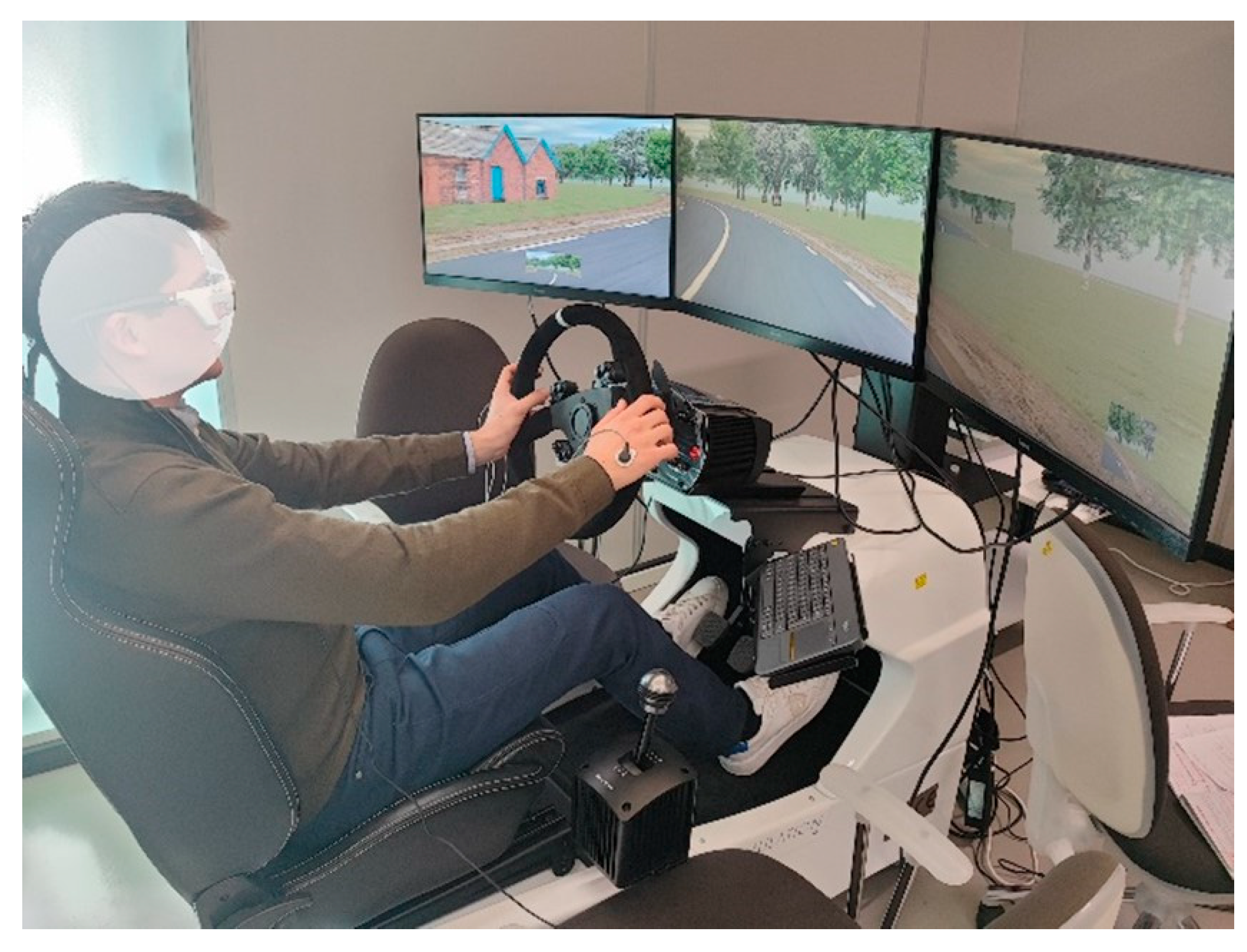
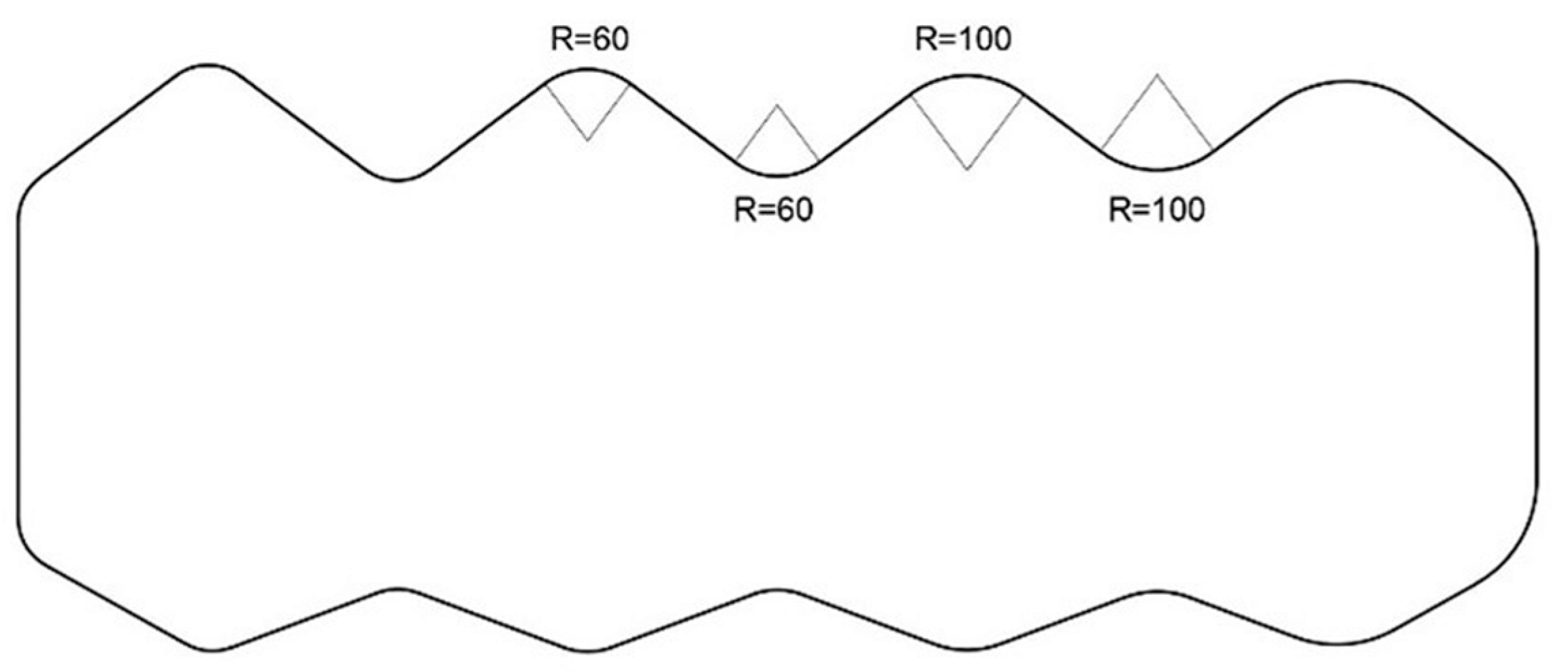
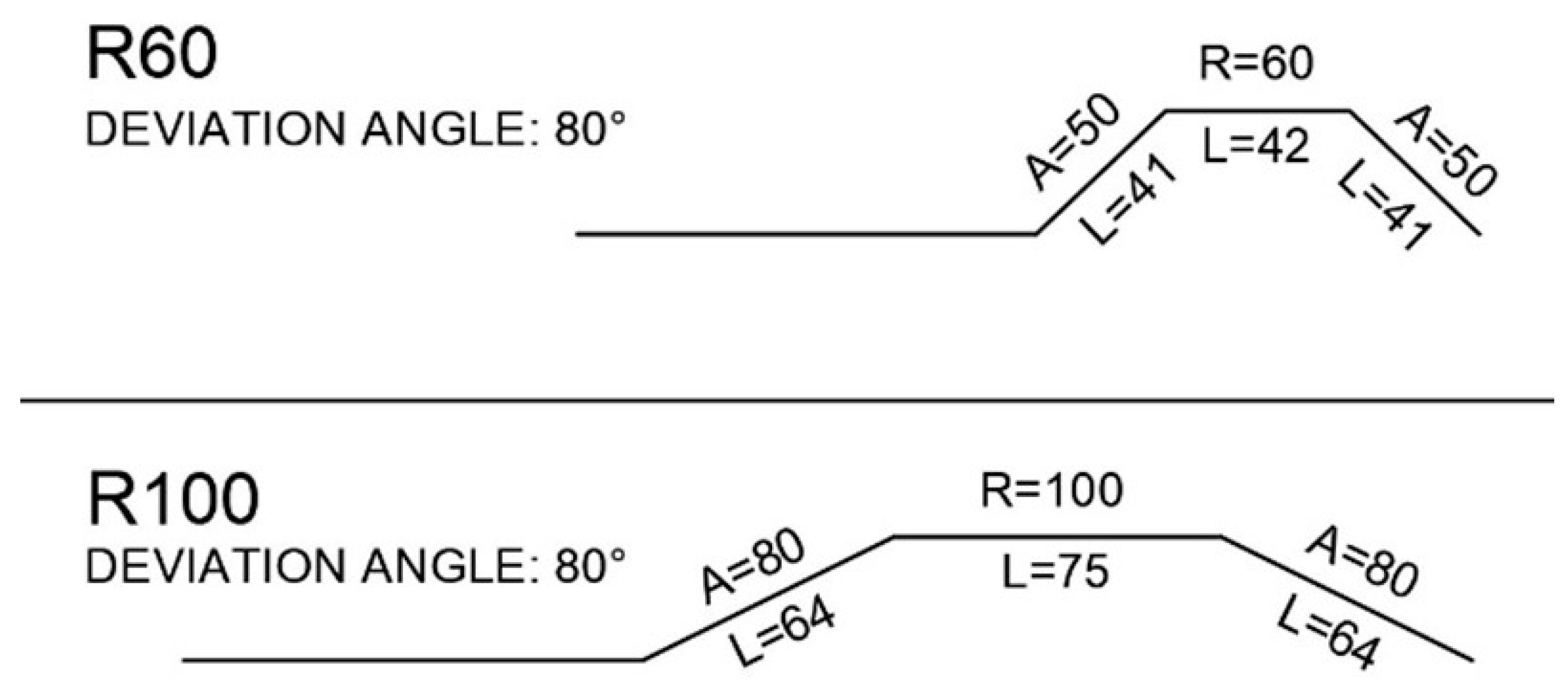
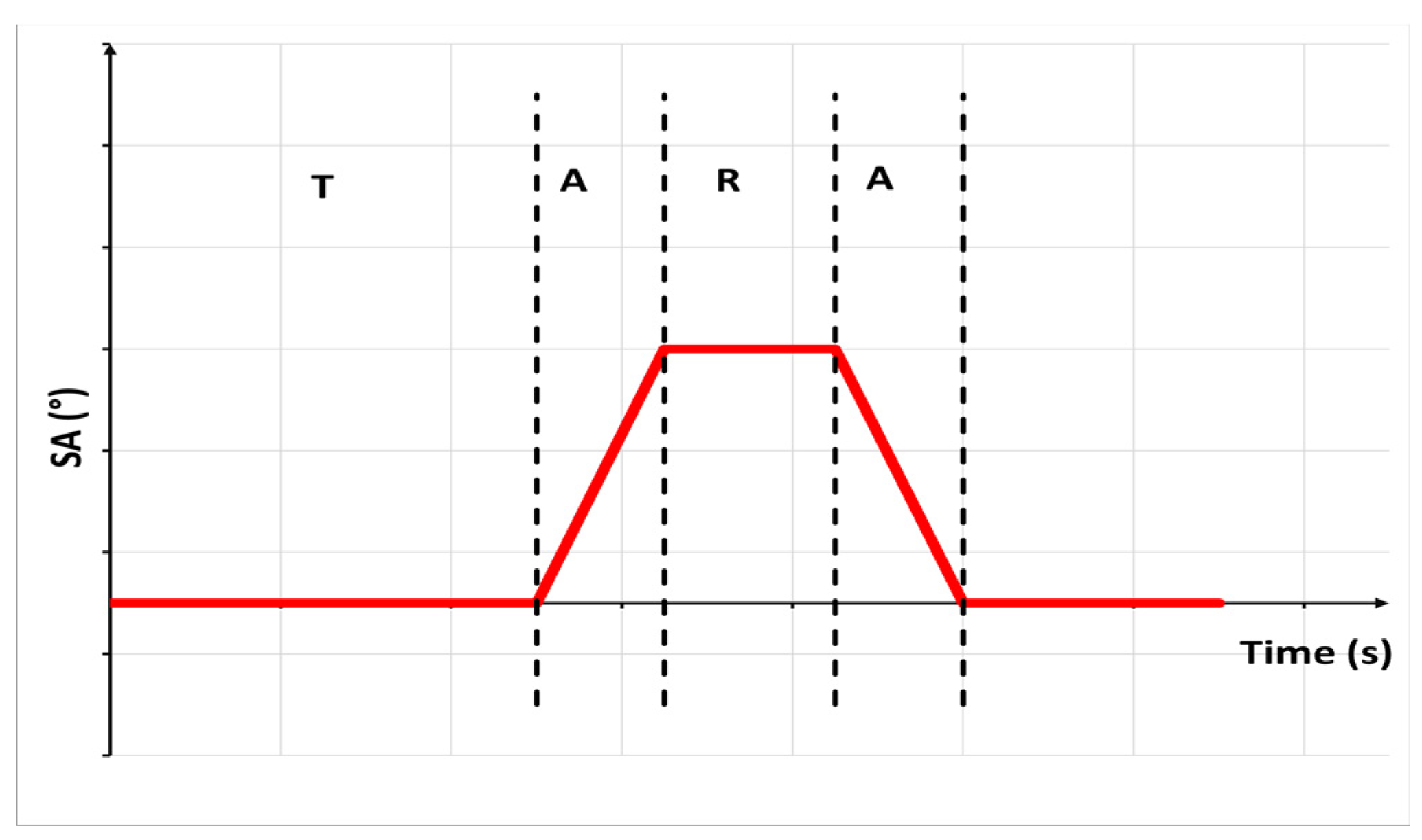
The design of road geometry is based on a rather elementary assumption that the user strictly follows the lane axis. Based on this hypothesis, the ideal trend of some factors related to the driver’s performance, such as steering angle and speed, can be derived to optimize the most appropriate design choices. In practice, driving behavior differs from the assumed one and produces trends in these variables, which are very different from the ideal functions. The purpose of this research is therefore to propose synthetic performance indicators useful for highlighting the real characteristics of users’ driving behavior during road travel. Toward this aim, some driving experiments along four different curves in a simulated environment were studied in order to evidence possible criticisms. The proposed indicators showed a remarkable ability to represent and synthesize even very complex performance function trends. The proposed performance indicators can have multiple uses, such as, for example, in statistical analyses—which are generally carried out at a later stage—or constitute sufficient information to guide the decisions of infrastructure managers. In the long term, in a “smart road” perspective, they can be used by road administrators for information exchange among users (with each other and with the infrastructure) to improve road operation and safety.
Keywords: performance measures; steering wheel; road safety; driving simulator performance measures; steering wheel; road safety; driving simulator