Article

Vehicle Driving Safety of Underground Interchanges Using a Driving Simulator and Data Mining Analysis


1
Department of Roadway Engineering, School of Transportation, Southeast University, Nanjing 211189, China
2
BYD Company Limited (Headquarter), Shenzhen 518118, China
*
Author to whom correspondence should be addressed.
Infrastructures 2024, 9(2), 28; https://doi.org/10.3390/infrastructures9020028

Submission received: 4 December 2023 / Revised: 26 January 2024 / Accepted: 29 January 2024 / Published: 2 February 2024
(This article belongs to the Special Issue Recent Progress in Transportation Infrastructures)

Abstract

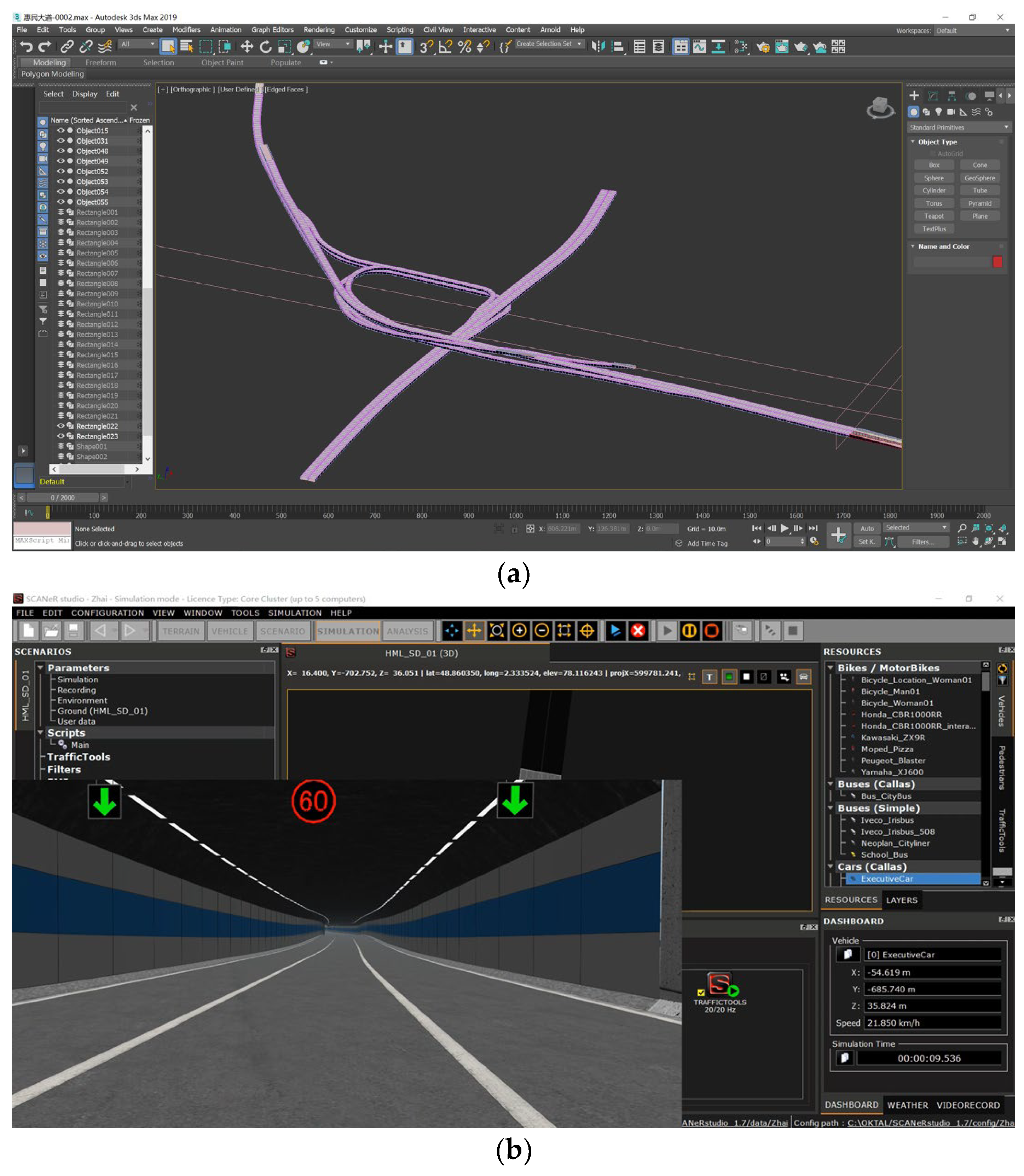
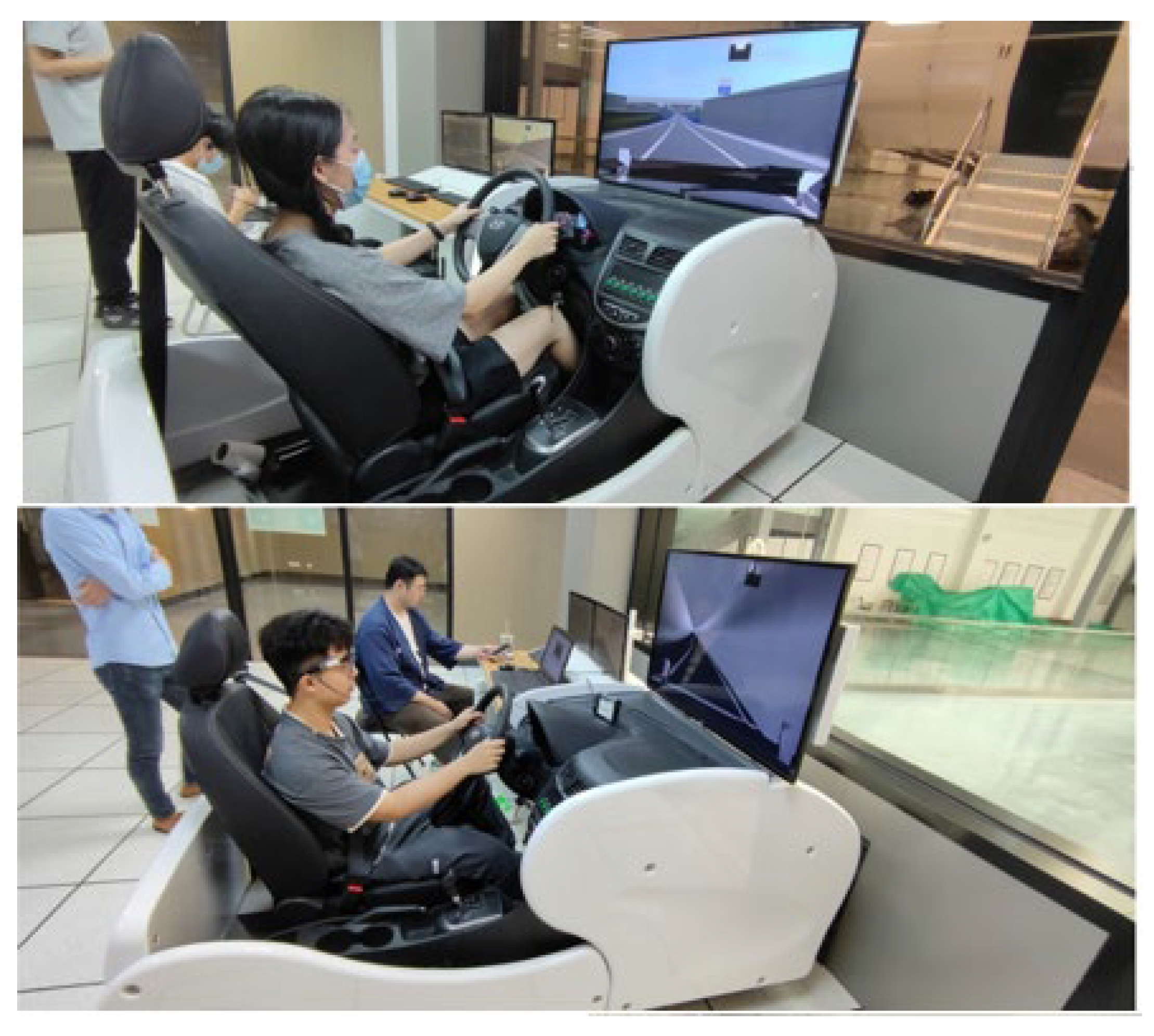
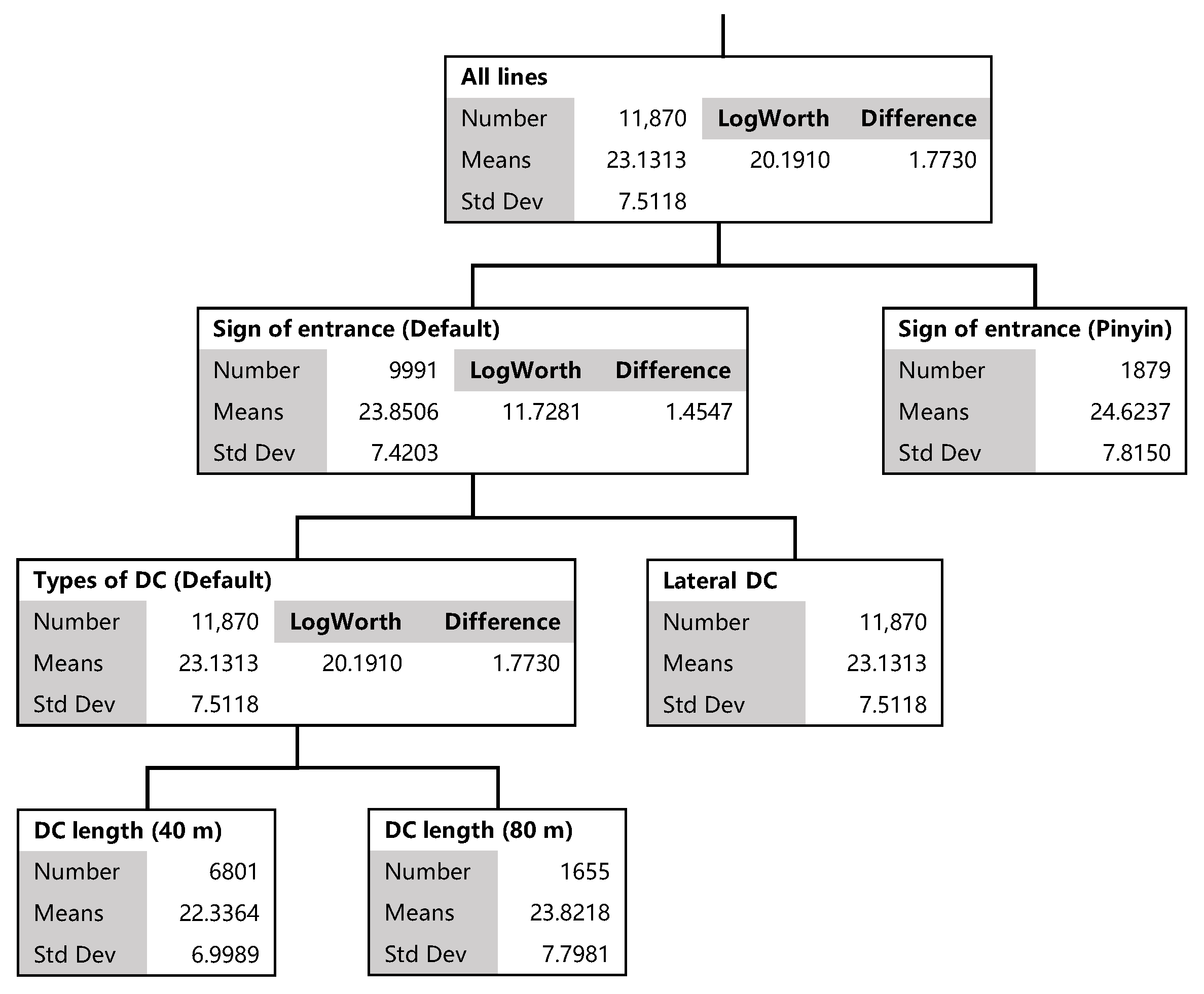
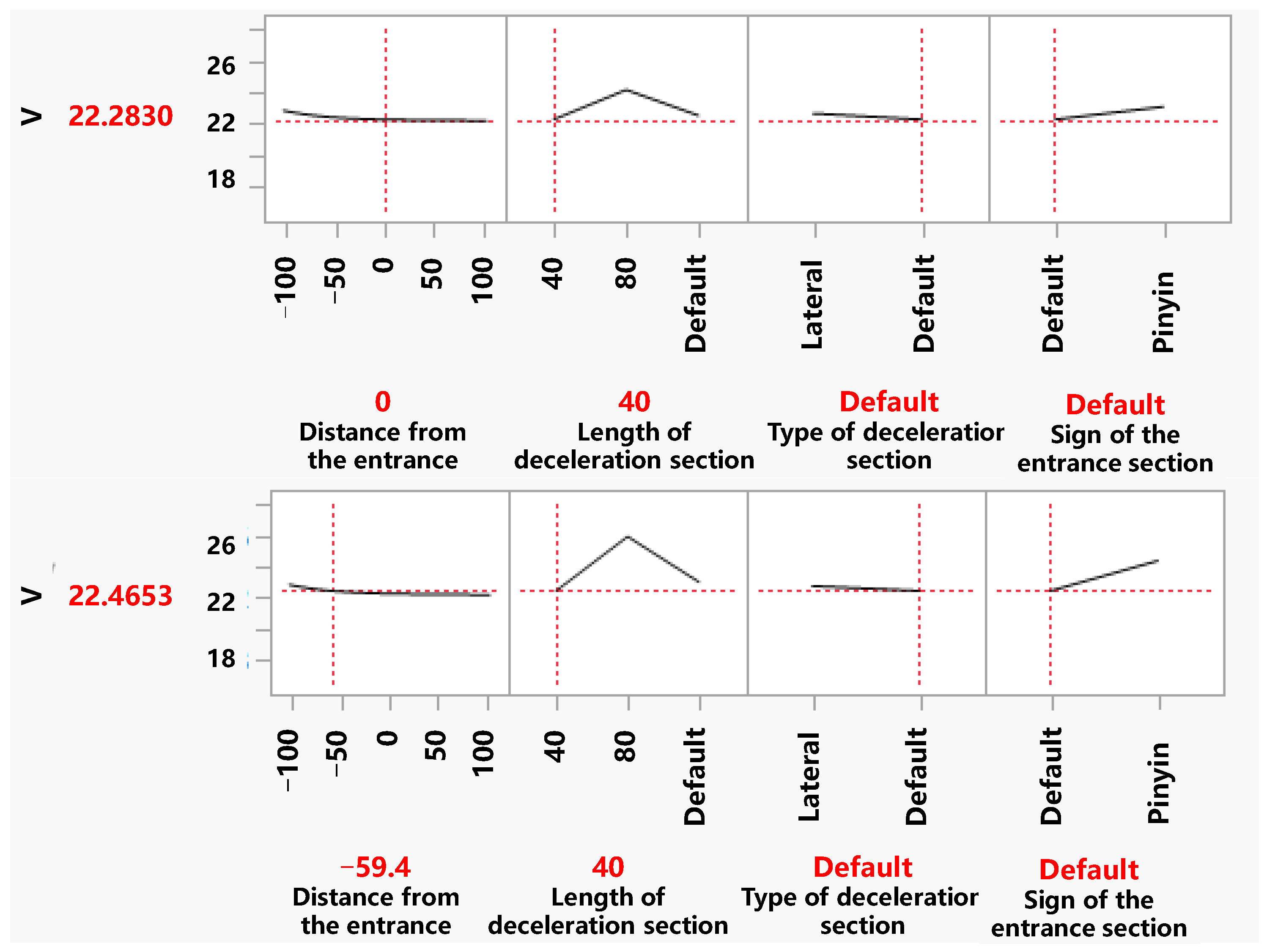
In the process of driving in an underground interchange, drivers are faced with many challenges, such as being in a closed space, visual changes alternating between light and dark conditions, complex road conditions in the confluence section, and dense signage, which directly affect the safety and comfort of drivers in an underground interchange. Thus, driving simulation, building information modeling (BIM), and data mining were used to analyze the impact of underground interchange safety facilities on driving safety and comfort. Acceleration disturbance and steering wheel comfort loss values were used to assist the comfort analysis. The CART algorithm, classification decision trees, and neural networks were used for data mining, which uses a dichotomous recursive partitioning technique where multiple layers of neurons are superimposed to fit and replace very complex nonlinear mapping relationships. Ten different scenarios were designed for comparison. Multiple linear regression combined with ANOVA was used to calculate the significance of the control variables for each scenario on the evaluation index. The results show that appropriately reducing the length of the deceleration section can improve driving comfort, setting reasonable reminder signs at the merge junction can improve driving safety, and an appropriate wall color can reduce speed oscillation. This study indicates that the placement of traffic safety facilities significantly influences the safety and comfort of driving in underground interchanges. This study may provide support for the optimization of the design of underground interchange construction and internal traffic safety facilities.
Keywords: vehicle safety; driving simulation; underground interchange; data mining; BIM vehicle safety; driving simulation; underground interchange; data mining; BIM