
Micro Breakage-Induced Contact Network Evolution and Performance Degradation of Graded Aggregates Under Cyclic Loading

Abstract
1. Introduction
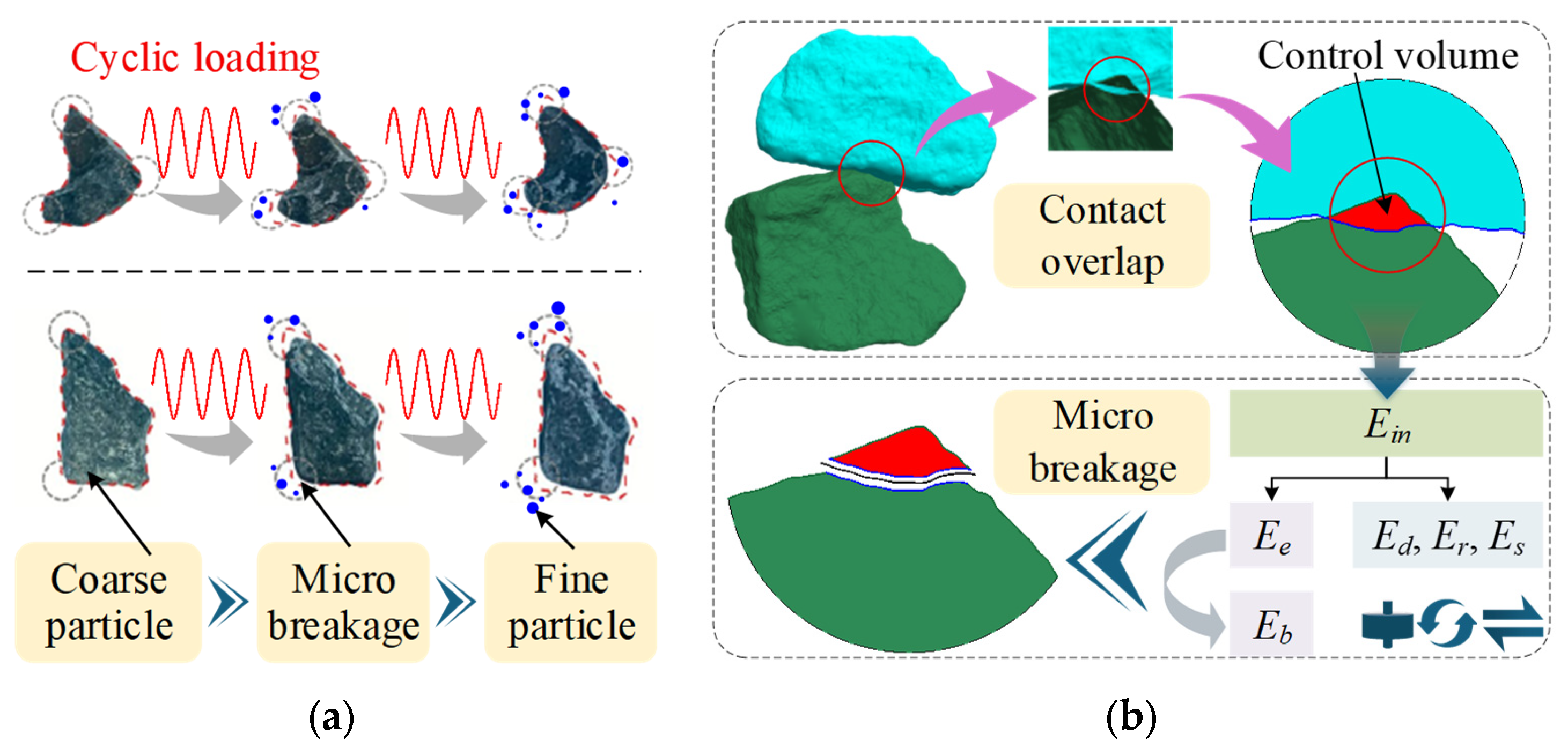
2. Energy-Driven Micro Breakage Method
2.1. Energy-Based Criterion
2.2. Shape Representation and Update Strategy
- Calculation of overlap-region parameters
- Calculation of associated with the Ball radius
- Calculation of (n ≥ 1) associated with local shape
3. Numerical Model
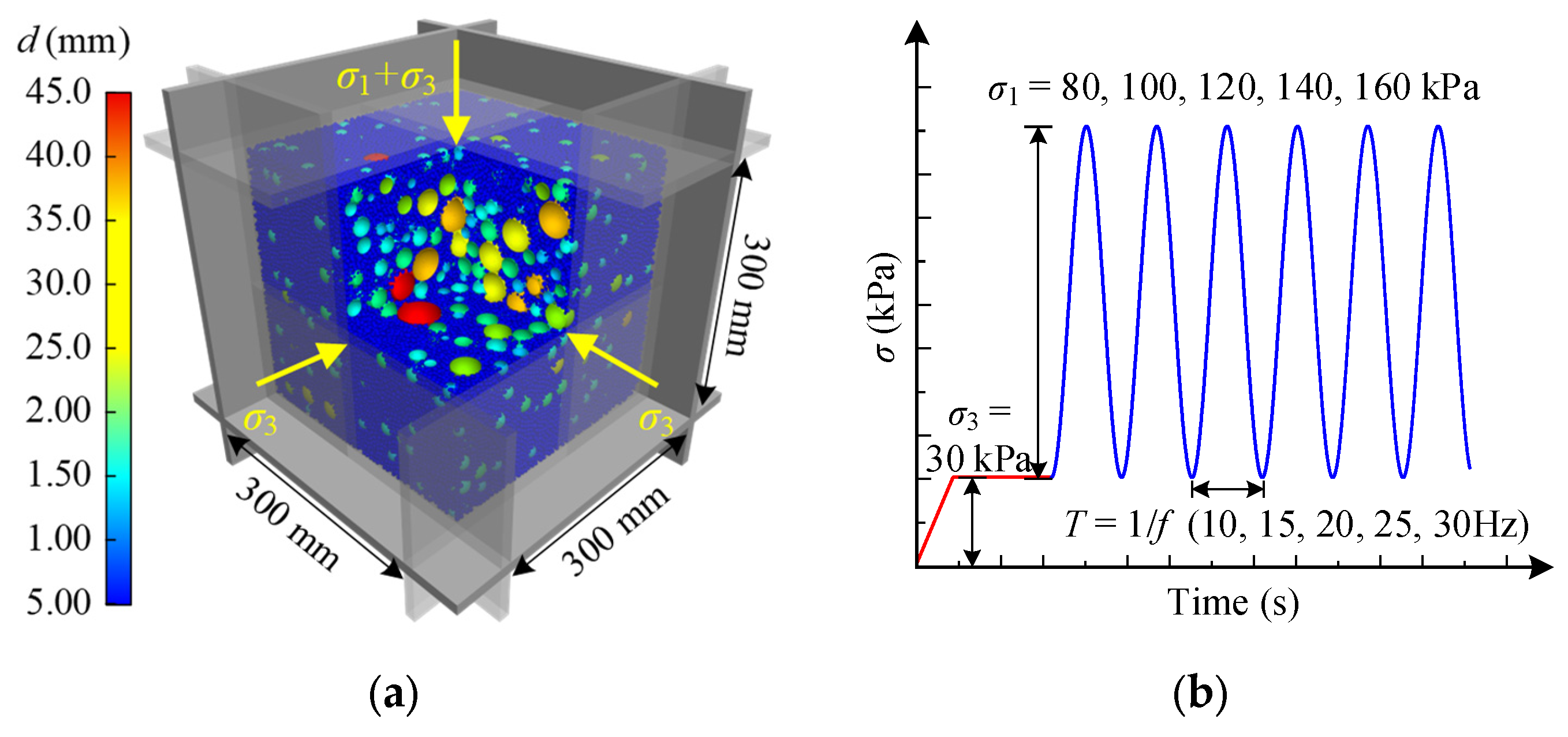
3.1. Dynamic Triaxial Setup
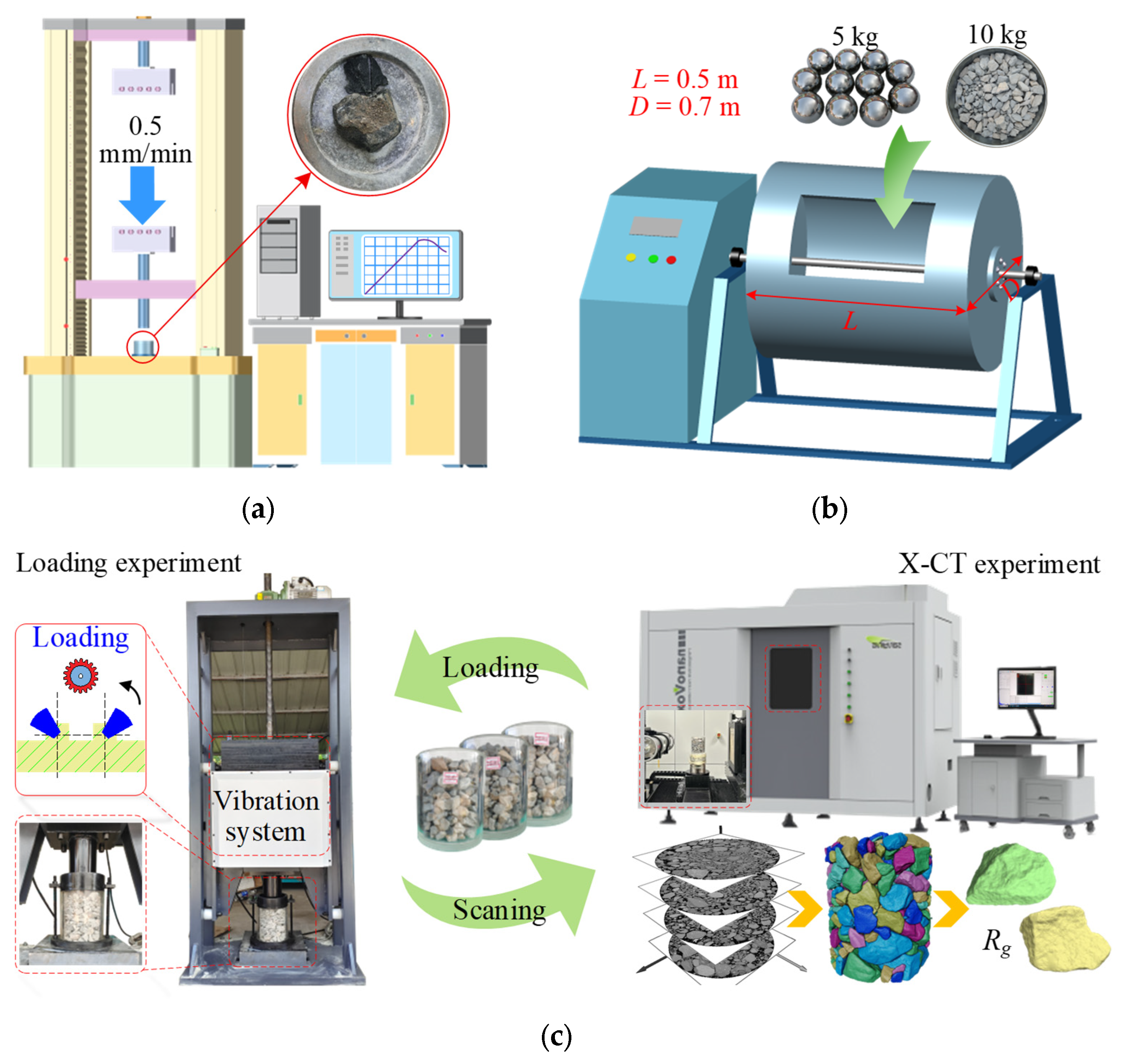
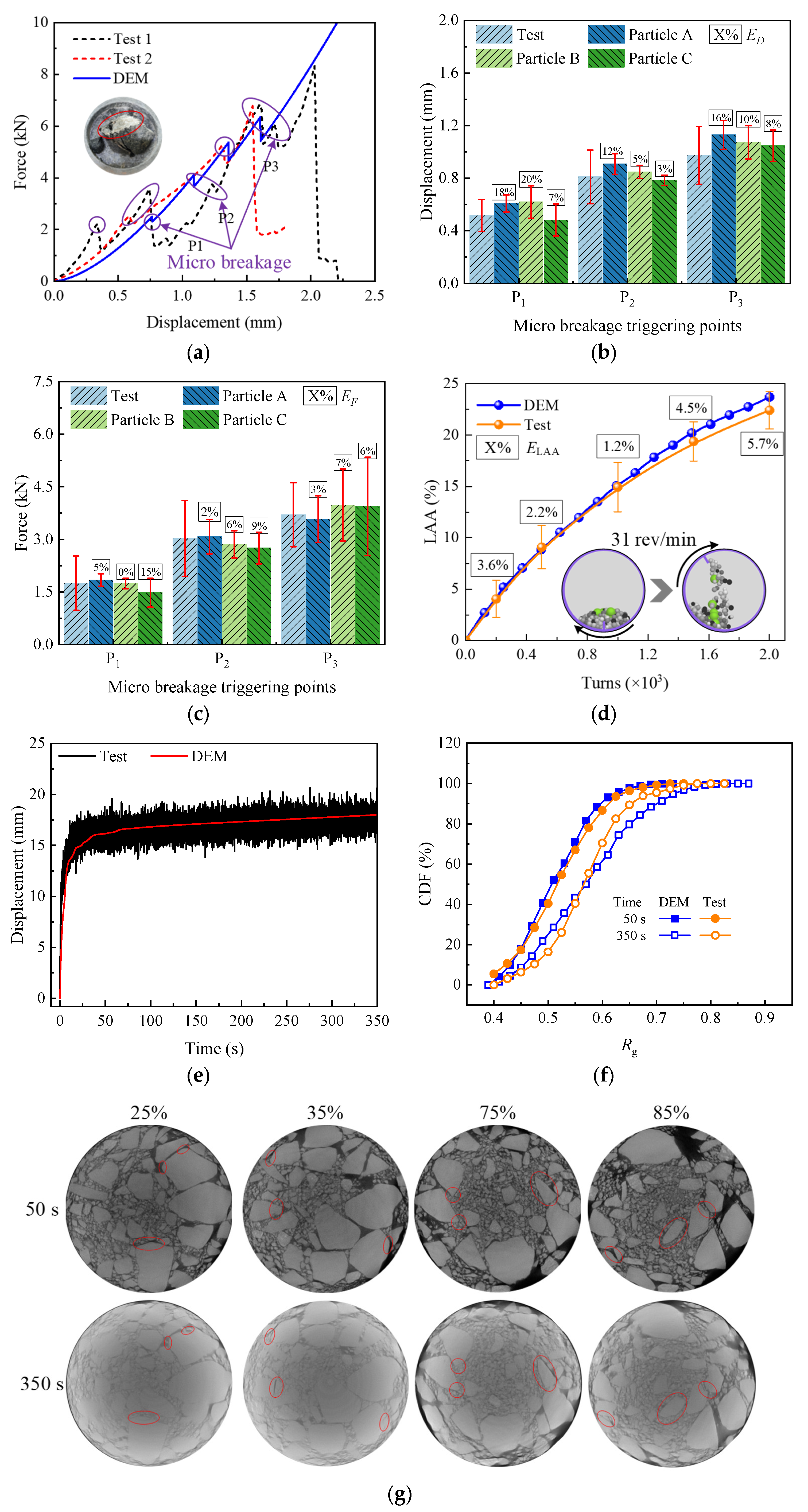
3.2. Verification of the Breakage Method
4. Results and Analysis
4.1. Micro Breakage Characteristics
4.2. Mechanical Coordination Number
4.3. Contact Force
4.4. Macroscopic Response
5. Discussion
6. Conclusions
- (1)
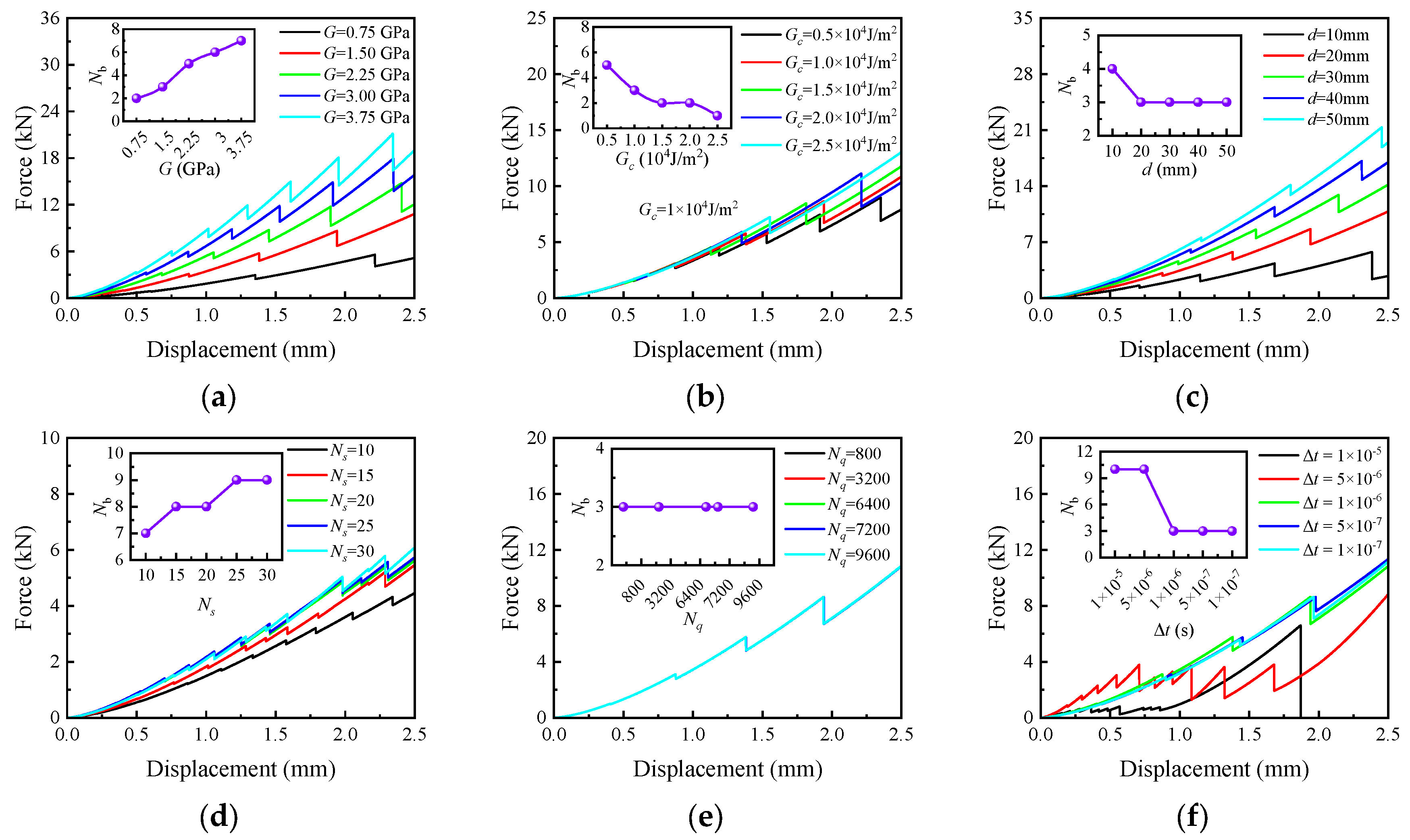
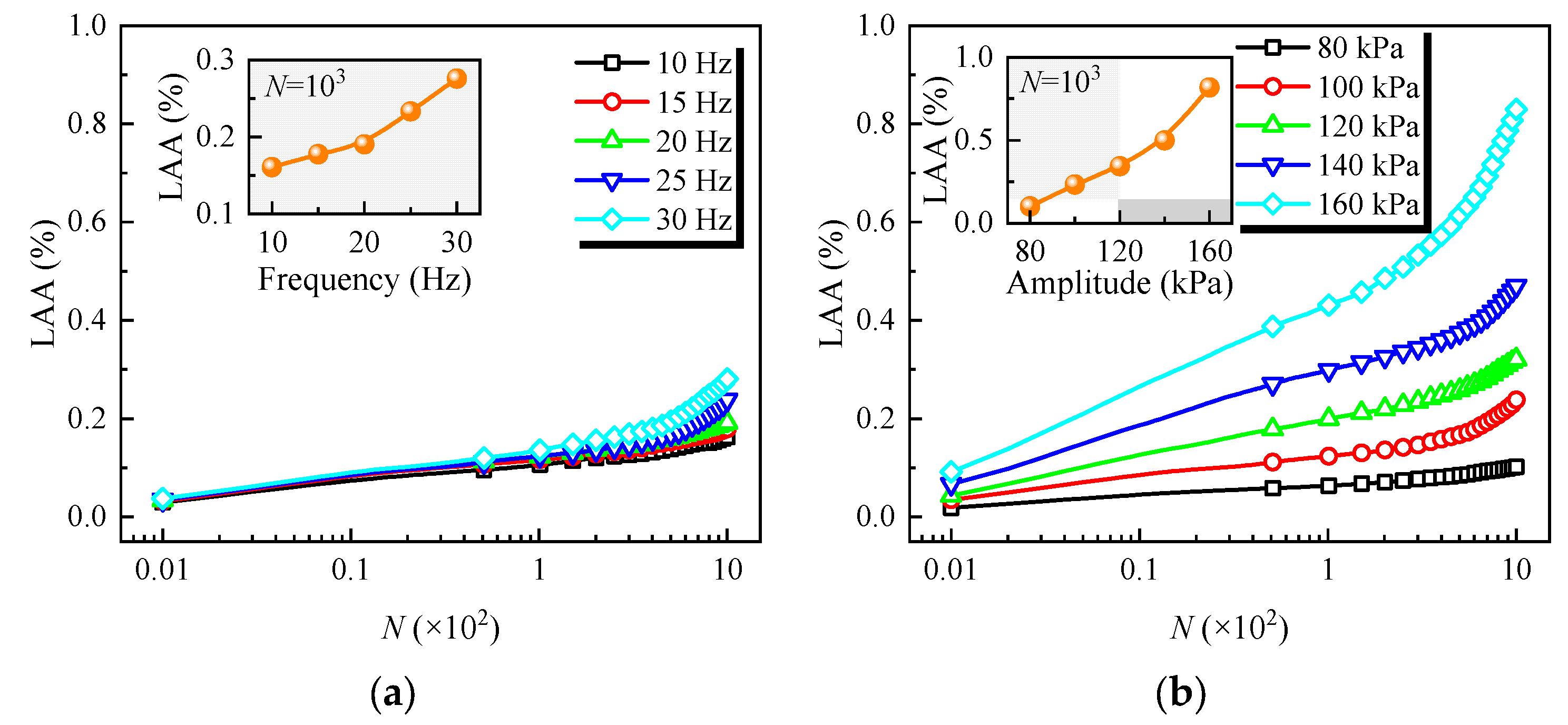
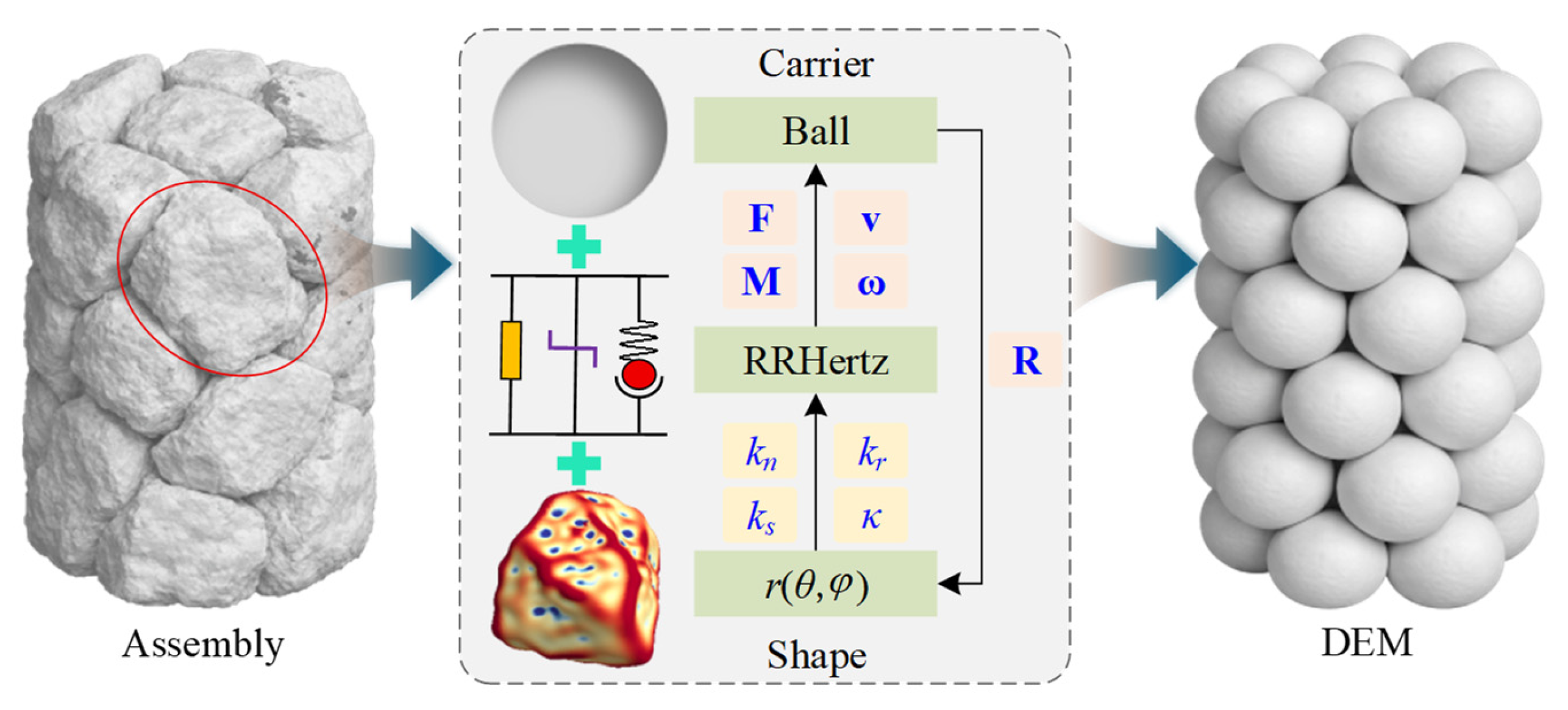
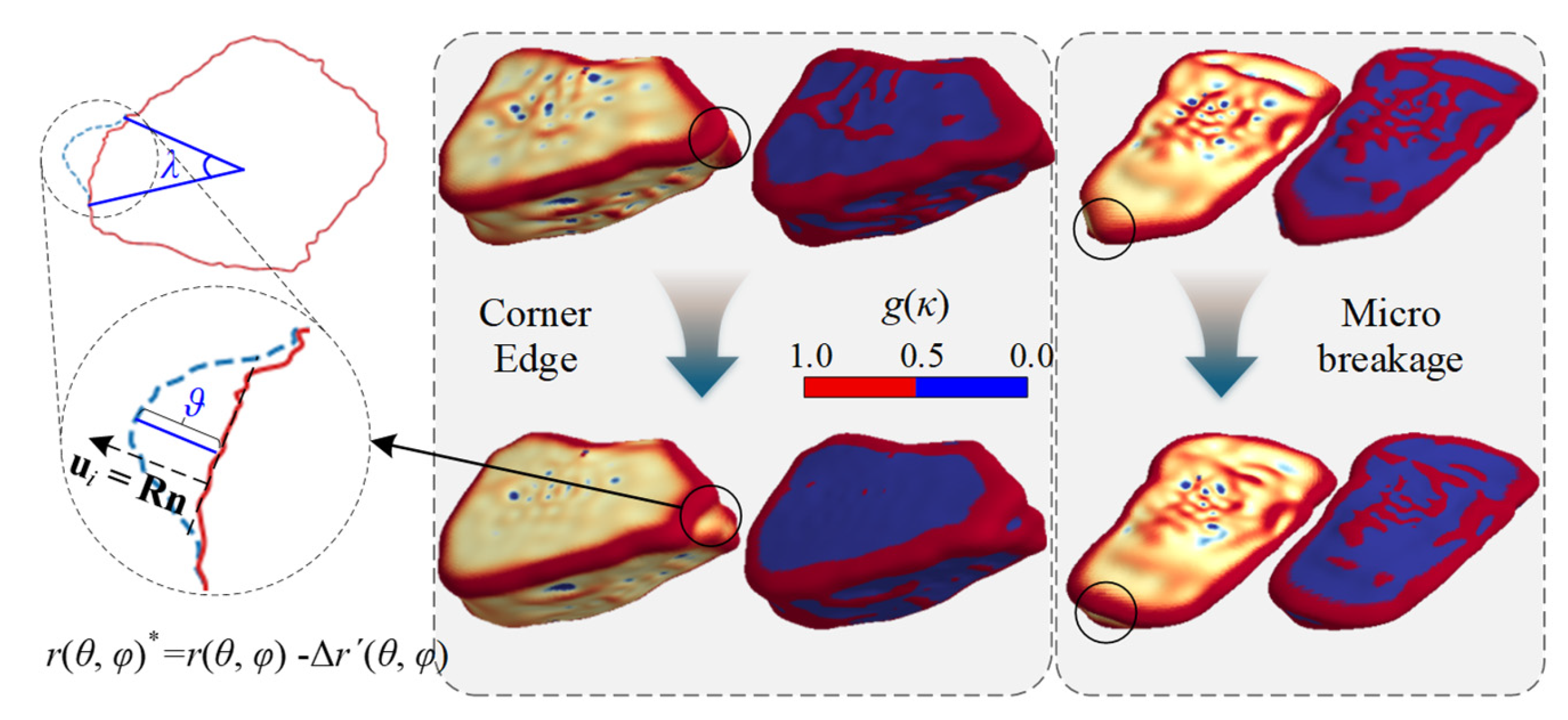
- An energy-driven micro breakage method applicable to irregular particles is proposed based on the energy balance and radial function r(θ, φ). The results of the single-particle test, Los Angeles abrasion test, and cyclic loading test indicate that the proposed method can reasonably reproduce the force–displacement response, representative micro breakage triggering behavior, LAA evolution, Rg evolution, and sample deformation.
- (2)
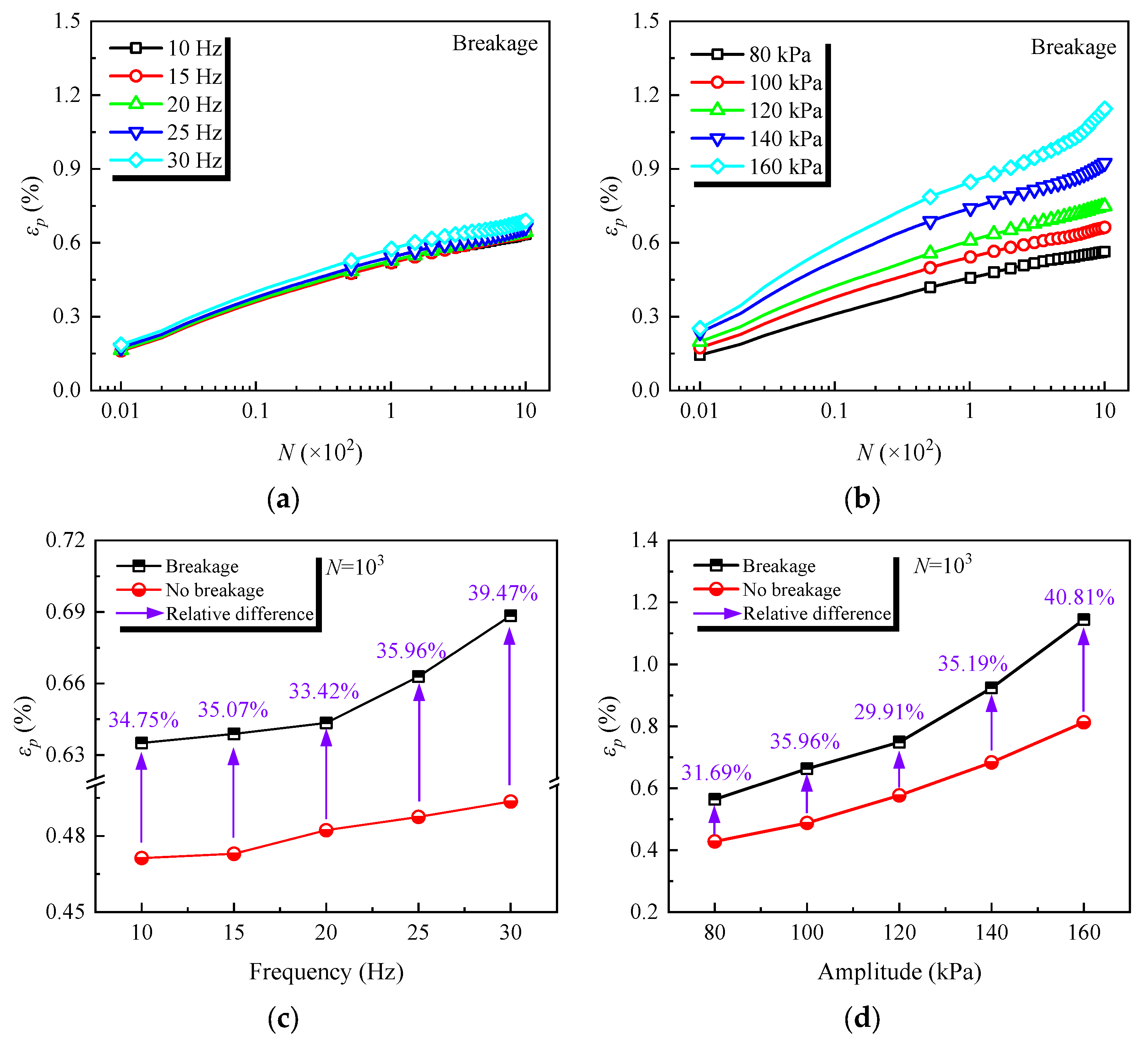
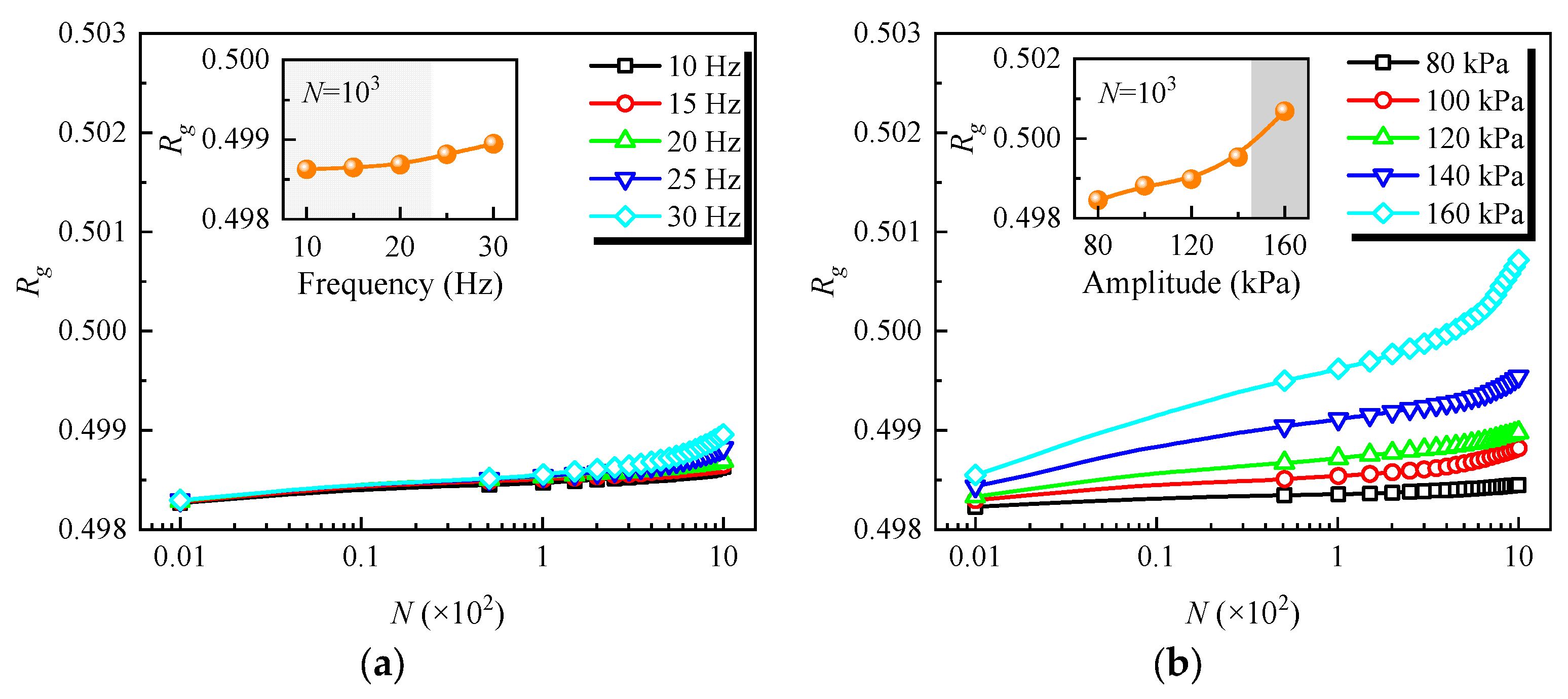
- The dynamic triaxial results indicate that micro breakage in graded aggregates exhibits a cumulative characteristic, with both LAA and Rg increasing with loading cycles N. Both higher loading frequency and amplitude promote micro breakage, while amplitude exerts a stronger effect. A larger amplitude mainly increases the instantaneous elastic energy in the contact, whereas a higher frequency mainly accelerates the accumulation of the cumulative breakage factor ℓ.
- (3)
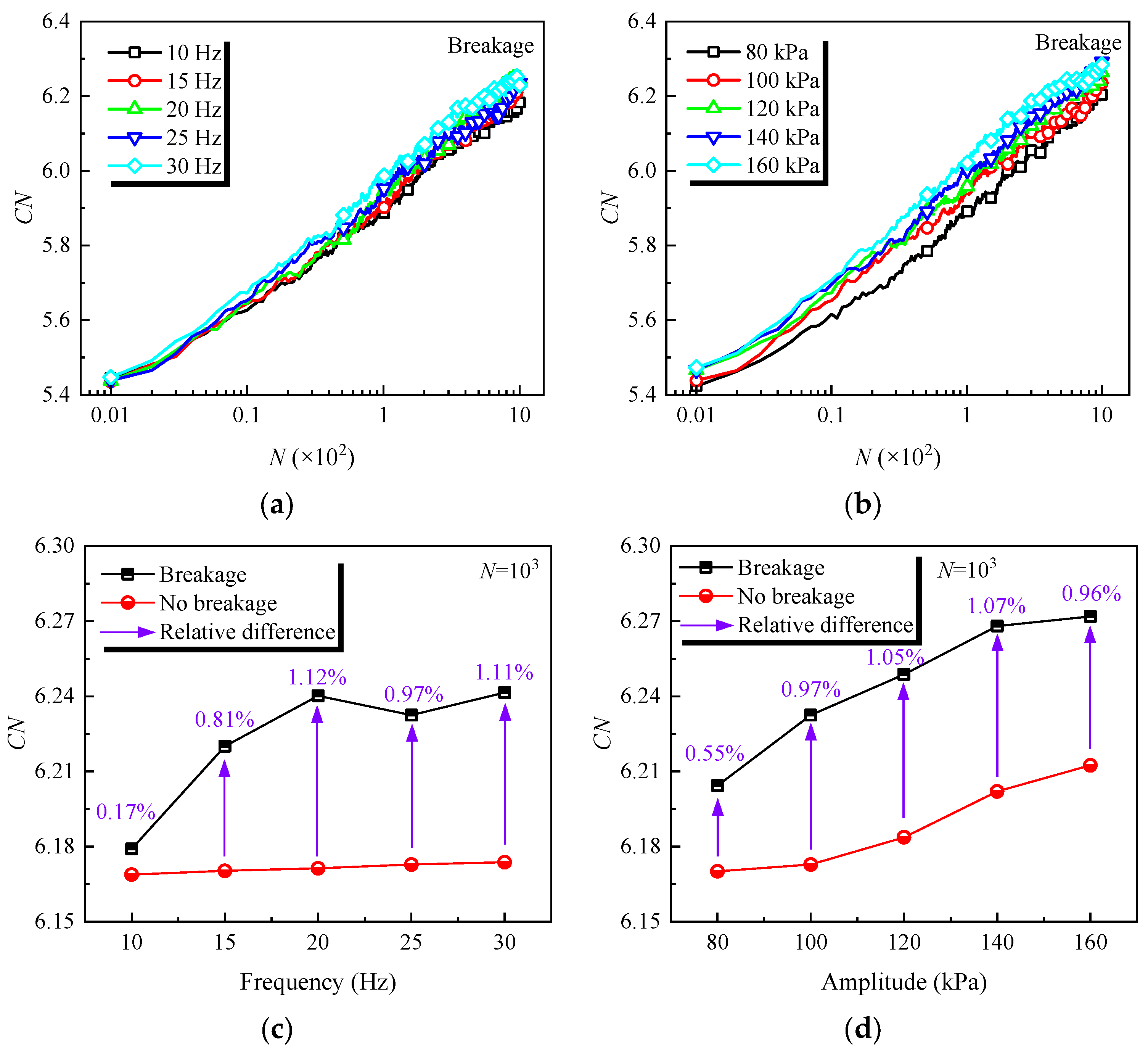
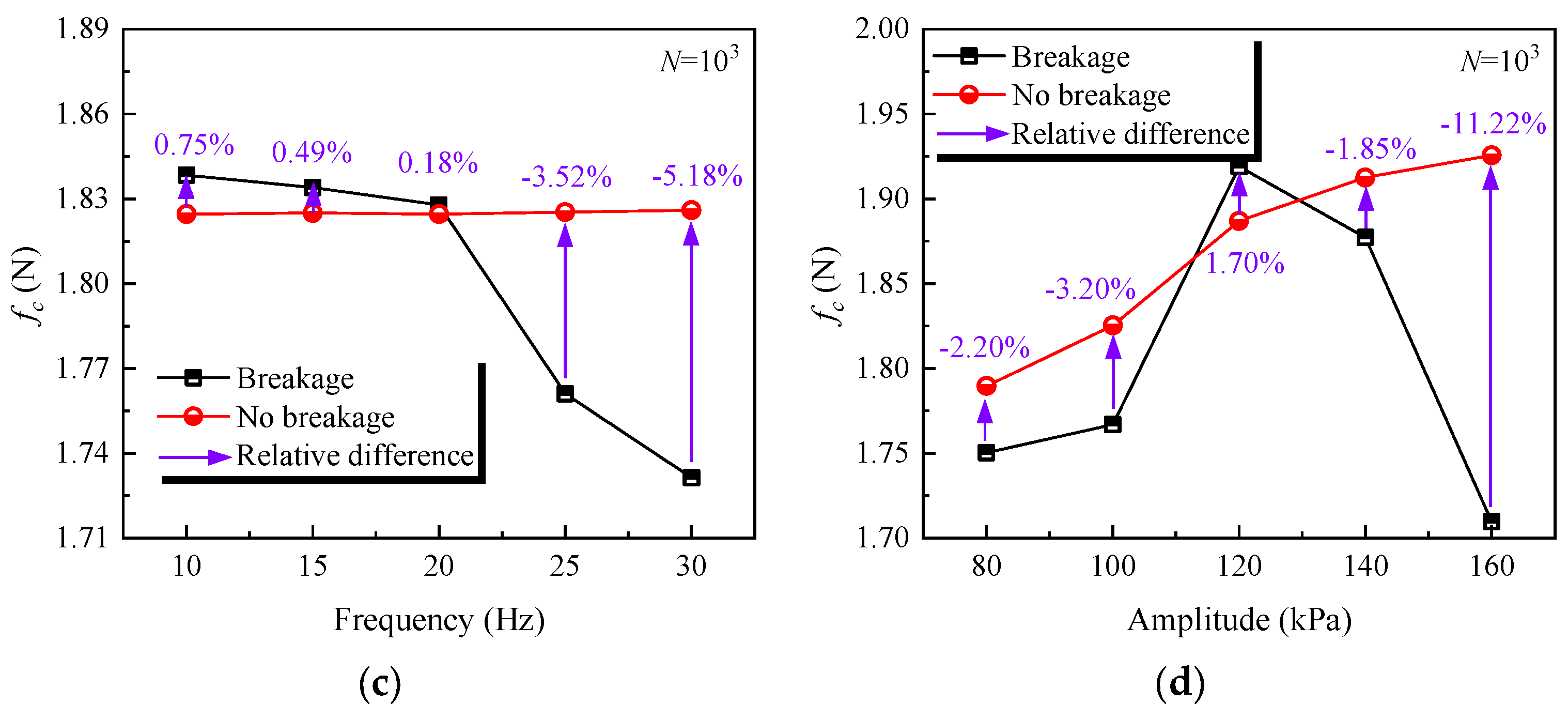
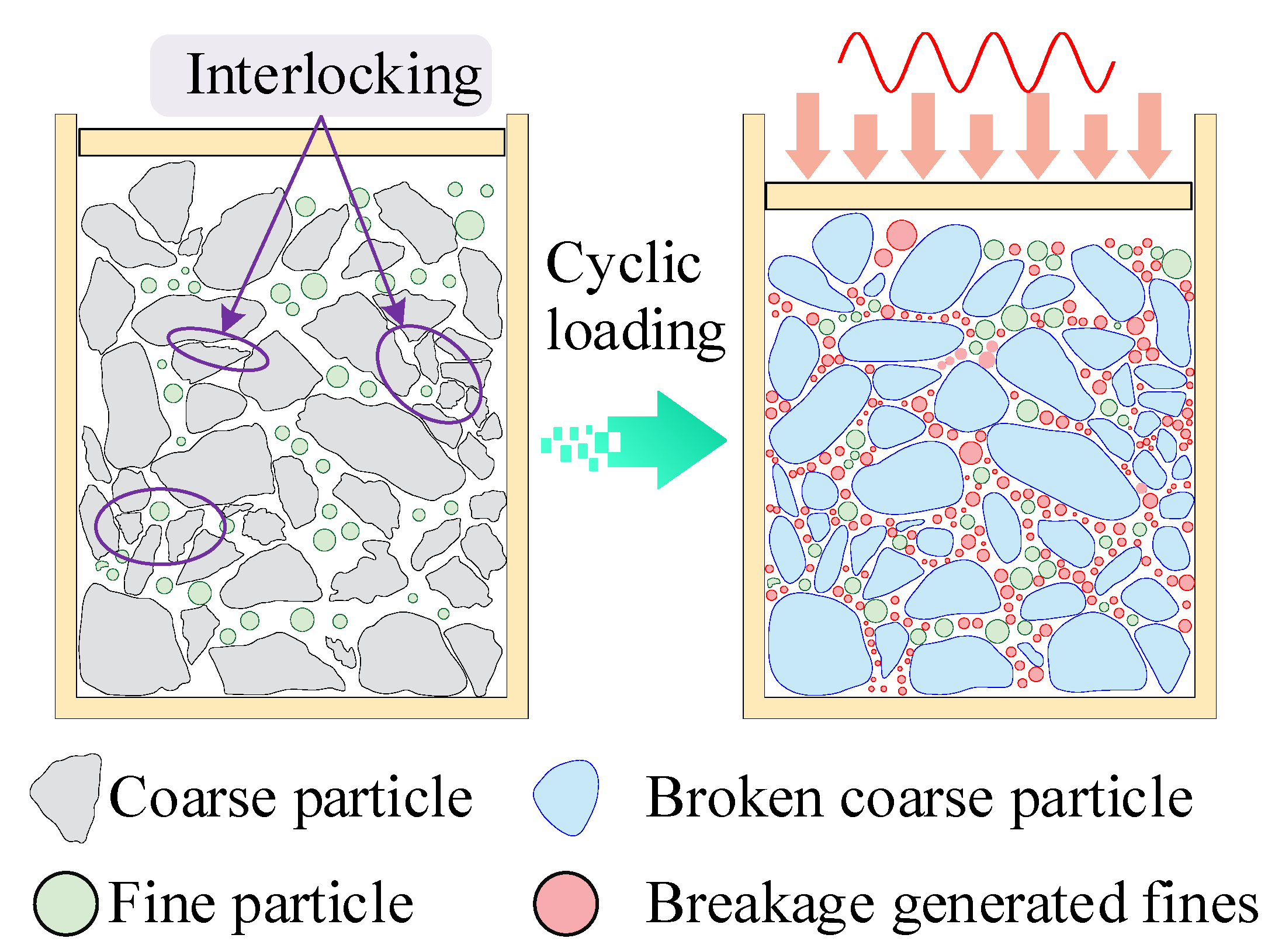
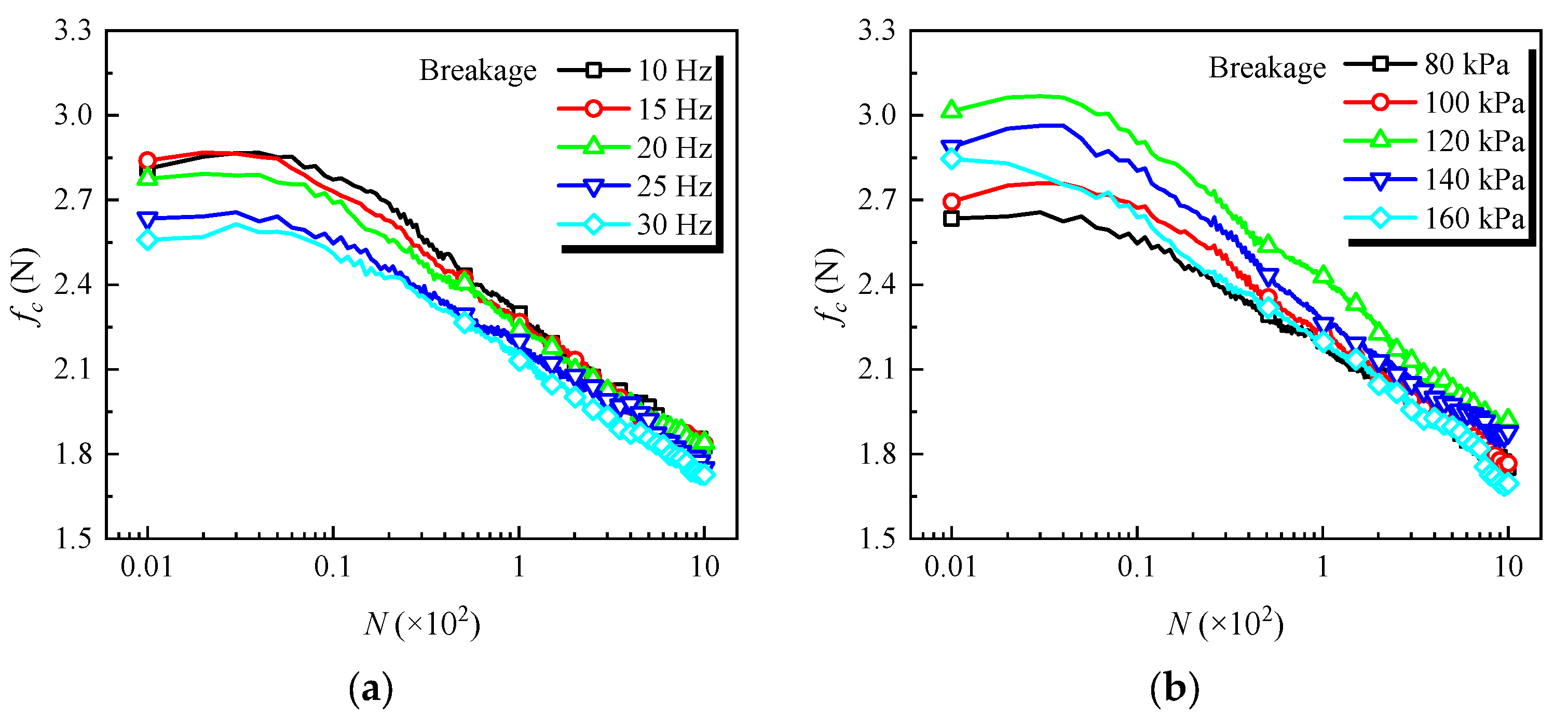
- Micro breakage promotes particle rearrangement and new contact formation, while inducing skeleton densification and force-chain weakening in graded aggregates. This is reflected by the increase in coordination number CN and the decrease in average contact force fc. This mesoscopic evolution further increases plastic deformation accumulation and reduces the structural stability of graded aggregates during the simulated cyclic-loading stage.
- (4)
- Under the conditions considered in this study, 20 Hz is a critical frequency at which micro breakage in graded aggregates becomes significantly enhanced. When the frequency exceeds 20 Hz, the dynamic response of the sample increases significantly, resulting in greater plastic deformation. Accordingly, as train operating speeds increase, micro breakage may exert a greater influence on the cyclic degradation of graded aggregates.
Author Contributions
Funding
Data Availability Statement
Conflicts of Interest
Appendix A. Numerical Implementation of Coefficient Update (Discrete Quadrature and Projection)
References
- Rondón-Quintana, H.A.; Bastidas-Martínez, J.G.; Reyes-Lizcano, F.A. Permanent deformation of unbound granular materials: A review. J. Traffic Transp. Eng. Engl. Ed. 2025, 12, 1228–1253. [Google Scholar] [CrossRef] [Scilit]
- Ye, Y.; Cai, D.; Yao, J.; Wei, S.; Yan, H.; Chen, F. Review on dynamic modulus of coarse-grained soil filling for high-speed railway subgrade. Transp. Geotech. 2021, 27, 100421. [Google Scholar] [CrossRef] [Scilit]
- Zhang, F.; Wang, T.; Bu, J.; Yin, Z. Dynamic behaviors of coarse granular aggregates in high-speed railway subgrades. Soil Dyn. Earthq. Eng. 2022, 152, 107046. [Google Scholar] [CrossRef] [Scilit]
- Shi, C.; Fan, Z.; Connolly, D.P.; Jing, G.; Markine, V.; Guo, Y. Railway ballast performance: Recent advances in the understanding of geometry, distribution and degradation. Transp. Geotech. 2023, 41, 101042. [Google Scholar] [CrossRef] [Scilit]
- Indraratna, B.; Lackenby, J.; Christie, D. Effect of confining pressure on the degradation of ballast under cyclic loading. Géotechnique 2005, 55, 325–328. [Google Scholar] [CrossRef]
- Chen, J.; Vinod, J.S.; Indraratna, B.; Ngo, N.T.; Gao, R.; Liu, Y. A discrete element study on the deformation and degradation of coal-fouled ballast. Acta Geotech. 2022, 17, 3977–3993. [Google Scholar] [CrossRef] [Scilit]
- Cui, G.Y.; Zou, D.G.; Ning, F.W.; Liu, J.M.; Li, D.; Tian, S.L.; Han, M.S. Coupled effect of particle shape and particle breakage on strength-dilatancy and critical state behaviors of coarse-grained soils. Acta Geotech. 2025, 21, 2099–2114. [Google Scholar] [CrossRef] [Scilit]
- Krengel, D.; Jiang, H.R.; Chen, J.; Matsushima, T. The combined effect of particle angularity and inter-particle friction on micro- and macroscopic properties of granular assemblies. Comput. Geotech. 2025, 177, 106850. [Google Scholar] [CrossRef] [Scilit]
- Chen, J.; Indraratna, B.; Vinod, J.S.; Ngo, T.; Liu, Y. Discrete element modelling of the effects of particle angularity on the deformation and degradation behaviour of railway ballast. Transp. Geotech. 2023, 43, 101154. [Google Scholar] [CrossRef] [Scilit]
- Xiao, X.P.; Xie, K.; Li, X.Z.; Hao, Z.R.; Li, T.F.; Deng, Z.X. Macro- and micro-deterioration mechanism of high-speed railway graded gravel filler during vibratory compaction. Constr. Build. Mater. 2023, 409, 134043. [Google Scholar] [CrossRef] [Scilit]
- Ding, H.; Han, Z.; Li, Y.; Xie, W.; Fu, B.; Li, C.; Zhao, L. Particle breakage and its mechanical response in granular soils: A review and prospect. Constr. Build. Mater. 2023, 409, 133948. [Google Scholar] [CrossRef] [Scilit]
- Altuhafi, F.N.; Coop, M.R. Changes to particle characteristics associated with the compression of sands. Géotechnique 2011, 61, 459–471. [Google Scholar] [CrossRef] [Scilit]
- Sadrekarimi, A.; Olson, S.M. Particle damage observed in ring shear tests on sands. Can. Geotech. J. 2010, 47, 497–515. [Google Scholar] [CrossRef] [Scilit]
- Qian, Y.; Boler, H.; Moaveni, M.; Tutumluer, E.; Hashash, Y.M.A.; Ghaboussi, J. Degradation-related changes in ballast gradation and aggregate particle morphology. J. Geotech. Geoenviron. Eng. 2017, 143, 04017032. [Google Scholar] [CrossRef] [Scilit]
- Sun, Y.; Zheng, C. Breakage and shape analysis of ballast aggregates with different size distributions. Particuology 2017, 35, 84–92. [Google Scholar] [CrossRef] [Scilit]
- Indraratna, B.; Ngo, T.; Rujikiatkamjorn, C. Performance of ballast influenced by deformation and degradation: Laboratory testing and numerical modeling. Int. J. Geomech. 2020, 20, 04019138. [Google Scholar] [CrossRef] [Scilit]
- Deiros Quintanilla, I.; Combe, G.; Emeriault, F.; Voivret, C.; Ferellec, J.F. X-ray CT analysis of the evolution of ballast grain morphology along a Micro-Deval test: Key role of the asperity scale. Granul. Matter 2019, 21, 30. [Google Scholar] [CrossRef] [Scilit]
- Bian, X.; Shi, K.; Li, W.; Luo, X.; Tutumluer, E.; Chen, Y. Quantification of railway ballast degradation by abrasion testing and computer-aided morphology analysis. J. Mater. Civ. Eng. 2021, 33, 04020411. [Google Scholar] [CrossRef] [Scilit]
- Wang, J.Q.; Zhang, T.Y.; Dong, C.F.; Tang, Y. Quantifying railway ballast degradation through repeated large-scale direct shear tests and three-dimensional morphological analysis. Int. J. Geomech. 2025, 25, 04025017. [Google Scholar] [CrossRef] [Scilit]
- Xiao, X.P.; Xie, K.; Li, X.Z.; Li, T.F.; Deng, Z.X.; Hao, Z.R.; Huang, Y.S. Deterioration micro-mechanism of graded aggregates with different gradations under vibratory compaction using X-CT testing. Measurement 2024, 235, 114938. [Google Scholar] [CrossRef] [Scilit]
- Xie, K.; Li, T.F.; Zhao, Y.M.; Chen, X.B.; Zhang, Q.L. Microstructure evolution of coarse-grained soil fillers during subgrade compaction-operation period based on CT technology. Transp. Geotech. 2024, 47, 101279. [Google Scholar] [CrossRef] [Scilit]
- Qu, T.; Wang, M.; Feng, Y. Applicability of discrete element method with spherical and clumped particles for constitutive study of granular materials. J. Rock Mech. Geotech. Eng. 2022, 14, 240–251. [Google Scholar] [CrossRef] [Scilit]
- Guo, N.; Zhao, J. The signature of shear-induced anisotropy in granular media. Comput. Geotech. 2013, 47, 1–15. [Google Scholar] [CrossRef] [Scilit]
- Kruyt, N.P. On weak and strong contact force networks in granular materials. Int. J. Solids Struct. 2016, 92–93, 135–140. [Google Scholar] [CrossRef] [Scilit]
- Aela, P.; Powrie, W.; Harkness, J.; Jing, G. Discrete element modelling of railway ballast problems: An overview. Arch. Comput. Methods Eng. 2025, 32, 2149–2185. [Google Scholar] [CrossRef] [Scilit]
- Ngo, T.; Indraratna, B.; Coop, M.; Qi, Y. Behaviour of ballast stabilised with recycled rubber mat under impact loading. Géotechnique 2025, 75, 192–212. [Google Scholar] [CrossRef] [Scilit]
- Chen, J.; Indraratna, B.; Coop, M.R.; Ngo, T.; Kelly, R. Impact of particle degradation on repose angle of railway ballast: Insights from experimental and DEM analysis. Géotechnique 2025, 76, 273–289. [Google Scholar] [CrossRef] [Scilit]
- Guo, Y.L.; Markine, V.; Song, J.N.; Jing, G.Q. Ballast degradation: Effect of particle size and shape using Los Angeles Abrasion test and image analysis. Constr. Build. Mater. 2018, 169, 414–424. [Google Scholar] [CrossRef] [Scilit]
- Zhang, Z.T.; Gao, W.H.; Wang, X.; Zhang, J.Q.; Tang, X.Y. Degradation-induced evolution of particle roundness and its effect on the shear behaviour of railway ballast. Transp. Geotech. 2020, 24, 100388. [Google Scholar] [CrossRef] [Scilit]
- de Bono, J.; McDowell, G. Particle breakage criteria in discrete-element modelling. Géotechnique 2016, 66, 1014–1027. [Google Scholar] [CrossRef] [Scilit]
- Harmon, J.M.; Arthur, D.; Andrade, J.E. Level set splitting in DEM for modeling breakage mechanics. Comput. Methods Appl. Mech. Eng. 2020, 365, 112961. [Google Scholar] [CrossRef] [Scilit]
- Cheng, Y.P.; Nakata, Y.; Bolton, M.D. Discrete element simulation of crushable soil. Géotechnique 2003, 53, 633–641. [Google Scholar] [CrossRef]
- Liu, Y.; Liu, H.; Mao, H. DEM investigation of the effect of intermediate principle stress on particle breakage of granular materials. Comput. Geotech. 2017, 84, 58–67. [Google Scholar] [CrossRef] [Scilit]
- Zhou, W.; Wang, D.; Ma, G.; Cao, X.; Hu, C.; Wu, W. Discrete element modeling of particle breakage considering different fragment replacement modes. Powder Technol. 2020, 360, 312–323. [Google Scholar] [CrossRef] [Scilit]
- Tavares, L.M.; das Chagas, A.S. A stochastic particle replacement strategy for simulating breakage in DEM. Powder Technol. 2021, 377, 222–232. [Google Scholar] [CrossRef] [Scilit]
- Kalman, H.; Rodnianski, V.; Haim, M. A new method to implement comminution functions into DEM simulation of a size reduction system due to particle-wall collisions. Granul. Matter 2009, 11, 253–266. [Google Scholar] [CrossRef] [Scilit]
- de Bono, J.; Li, H.; McDowell, G. A new abrasive wear model for railway ballast. Soils Found. 2020, 60, 714–721. [Google Scholar] [CrossRef] [Scilit]
- Xiao, Y.; Tan, P.; Wang, M.; Hua, W.; Wang, X.; Peng, Y. A novel energy-based particle breakage criterion considering coordination number effect in discrete element modeling. Comput. Geotech. 2024, 173, 106488. [Google Scholar] [CrossRef] [Scilit]
- Wu, Y.; Yamamoto, H.; Cui, J.; Cheng, H. Influence of load mode on particle crushing characteristics of silica sand at high stresses. Int. J. Geomech. 2020, 20, 04019194. [Google Scholar] [CrossRef] [Scilit]
- Xie, C.H.; Ma, H.Q.; Zhao, Y.Z. Investigation of modeling non-spherical particles by using spherical discrete element model with rolling friction. Eng. Anal. Bound. Elem. 2019, 105, 207–220. [Google Scholar] [CrossRef] [Scilit]
- Wensrich, C.M.; Katterfeld, A. Rolling friction as a technique for modelling particle shape in DEM. Powder Technol. 2012, 217, 409–417. [Google Scholar] [CrossRef] [Scilit]
- Soltanbeigi, B.; Podlozhnyuk, A.; Kloss, C.; Pirker, S.; Ooi, J.Y.; Papanicolopulos, S.A. Influence of various DEM shape representation methods on packing and shearing of granular assemblies. Granul. Matter 2021, 23, 26. [Google Scholar] [CrossRef] [Scilit]
- Ali, U.; Kikumoto, M. Rolling resistance as a surrogate for angularity in DEM: Macromechanical potentials and micromechanical limitations. Comput. Geotech. 2026, 192, 107919. [Google Scholar] [CrossRef] [Scilit]
- Wang, X.; Yin, Z.Y.; Xiong, H.; Su, D.; Feng, Y.T. A spherical-harmonic-based approach to discrete element modeling of 3D irregular particles. Int. J. Numer. Methods Eng. 2021, 122, 5626–5655. [Google Scholar] [CrossRef] [Scilit]
- Capozza, R.; Hanley, K.J. A hierarchical, spherical harmonic-based approach to simulate abradable, irregularly shaped particles in DEM. Powder Technol. 2021, 378, 528–537. [Google Scholar] [CrossRef] [Scilit]
- Gao, J.B.; Ling, D.S.; Tu, F.B. Simulation of brittle particle breakage using a spherical harmonic-based discrete element method. Comput. Geotech. 2026, 193, 107972. [Google Scholar] [CrossRef] [Scilit]
- Gurtin, M.E.; Fried, E.; Anand, L. The Mechanics and Thermodynamics of Continua; Cambridge University Press: Cambridge, UK, 2010. [Google Scholar] [CrossRef] [Scilit]
- Xiao, X.P.; Zhang, H.C.; Xie, K.; Cheng, Z.B.; Zhang, Q.; Li, T.F.; Zheng, J.Y. Investigation of morphology-dependent breakage behavior in graded aggregates under traffic loading via DEM. Comput. Geotech. 2026, 191, 107843. [Google Scholar] [CrossRef] [Scilit]
- Griffith, A.A. The phenomena of rupture and flow in solids. Philos. Trans. R. Soc. Lond. Ser. A 1921, 221, 163–198. [Google Scholar] [CrossRef] [Scilit]
- Lu, G.; Third, J.R.; Müller, C.R. Discrete element models for non-spherical particle systems: From theoretical developments to applications. Chem. Eng. Sci. 2015, 127, 425–465. [Google Scholar] [CrossRef] [Scilit]
- Ferellec, J.F.; McDowell, G.R. A method to model realistic particle shape and inertia in DEM. Granul. Matter 2010, 12, 459–467. [Google Scholar] [CrossRef] [Scilit]
- Zhan, L.; Peng, C.; Zhang, B.; Wu, W. A surface mesh represented discrete element method (SMR-DEM) for particles of arbitrary shape. Powder Technol. 2021, 377, 760–779. [Google Scholar] [CrossRef] [Scilit]
- Cundall, P.A.; Strack, O.D.L. A discrete numerical model for granular assemblies. Géotechnique 1979, 29, 47–65. [Google Scholar] [CrossRef] [Scilit]
- Johnson, K.L. Contact Mechanics; Cambridge University Press: Cambridge, UK, 1985. [Google Scholar] [CrossRef] [Scilit]
- Ai, J.; Chen, J.F.; Rotter, J.M.; Ooi, J.Y. Assessment of rolling resistance models in discrete element simulations. Powder Technol. 2011, 206, 269–282. [Google Scholar] [CrossRef] [Scilit]
- Colombo, A.; Cusano, C.; Schettini, R. 3D face detection using curvature analysis. Pattern Recognit. 2006, 39, 444–455. [Google Scholar] [CrossRef] [Scilit]
- Banchoff, T.F.; Lovett, S.T. Differential Geometry of Curves and Surfaces, 2nd ed.; Chapman and Hall/CRC: Boca Raton, FL, USA, 2016. [Google Scholar] [CrossRef] [Scilit]
- Zhou, B.; Wang, J.; Wang, H. Three-dimensional sphericity, roundness and fractal dimension of sand particles. Géotechnique 2018, 68, 18–30. [Google Scholar] [CrossRef] [Scilit]
- Chen, Y.; Zhang, L.; Xu, L.; Zhou, S.; Zhang, P.; Chen, Z. Investigation on crushing behavior and cumulative deformation prediction of slag under cyclic loading. Transp. Geotech. 2023, 41, 100994. [Google Scholar] [CrossRef] [Scilit]
- Wang, T.; Wautier, A.; Tang, C.S.; Nicot, F. 3D DEM simulations of cyclic loading-induced densification and critical state convergence in granular soils. Comput. Geotech. 2024, 173, 106559. [Google Scholar] [CrossRef] [Scilit]
- Chen, W.B.; Yin, J.H.; Feng, W.Q.; Borana, L.; Chen, R.P. Accumulated permanent axial strain of a subgrade fill under cyclic high-speed railway loading. Int. J. Geomech. 2018, 18, 04018018. [Google Scholar] [CrossRef] [Scilit]
- Li, X.Z.; Xiao, X.P.; Xie, K.; Yang, H.F.; Xu, L.; Li, T.F. A generalizable parameter calibration framework for discrete element method and application in the compaction of red-bed soft rocks. Constr. Build. Mater. 2024, 444, 137734. [Google Scholar] [CrossRef] [Scilit]
- Indraratna, B.; Thakur, P.K.; Vinod, J.S. Experimental and numerical study of railway ballast behavior under cyclic loading. Int. J. Geomech. 2010, 10, 136–144. [Google Scholar] [CrossRef] [Scilit]
- Sun, Q.D.; Indraratna, B.; Nimbalkar, S. Effect of cyclic loading frequency on the permanent deformation and degradation of railway ballast. Géotechnique 2014, 64, 746–751. [Google Scholar] [CrossRef] [Scilit]







| No. | Indicators | ||||
|---|---|---|---|---|---|
| Shape | κmax | g(κ) | |||
| 1 | Real |  |  |  |  |
| r(θ, φ) |  |  | 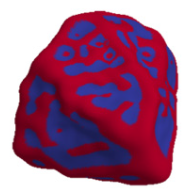 | ||
| 2 | Real |  | 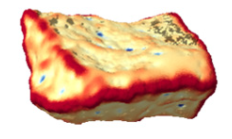 | 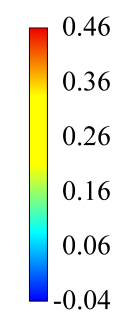 | 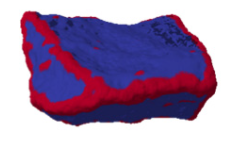 |
| r(θ, φ) |  | 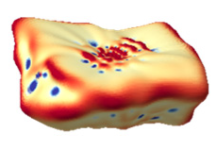 |  | ||
| 3 | Real |  | 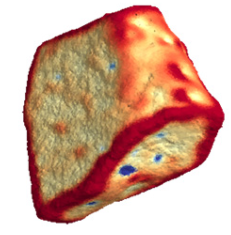 |  |  |
| r(θ, φ) |  |  |  | ||
| 4 | Real |  | 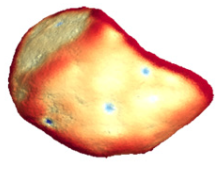 |  | 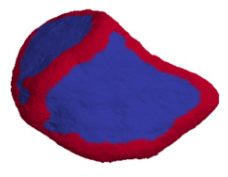 |
| r(θ, φ) | 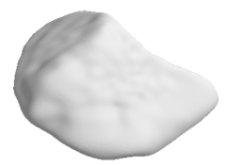 |  | 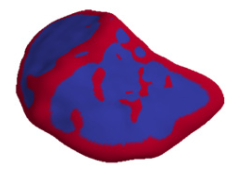 | ||
| 5 | Real |  | 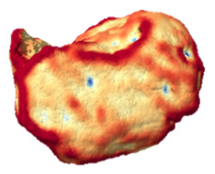 | 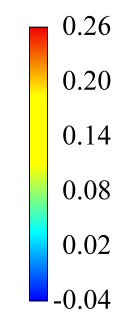 |  |
| r(θ, φ) |  |  |  | ||
| Type | Parameter | Symbol | Value | Unit | Source | |
|---|---|---|---|---|---|---|
| Global | Particle | Density | ρ | 2750 | kg/m3 | Material test |
| Damp | Da | 0.5 | — | Numerical calibration | ||
| Numerical setting | Time step | Δt | 1 × 10⁻⁶ | s | Stability analysis | |
| Contact | Particle to particle (RRHertz) | Shear modulus | G | 5 × 10⁸ | Pa | Single-particle and triaxial tests |
| Poisson’s ratio | ν | 0.25 | — | Material property | ||
| Friction coefficient | f | 0.5 | — | Repose angle tests | ||
| Rolling resistance coefficient | fr | 0.2 | — | |||
| Normal damping ratio | dp,n | 0.27 | — | Ball drop test | ||
| Shear damping ratio | dp,s | 0.27 | — | |||
| Particle to boundary (Linear) | Normal stiffness | kn | 1 × 10⁸ | Pa | Boundary material property | |
| Tangential stiffness | ks | 0.85 × 10⁸ | Pa | |||
| Friction coefficient | fw | 0.21 | — | Inclined plane test | ||
| Normal damping ratio | βnw | 0.62 | — | Ball drop test | ||
| Tangential damping ratio | βsw | 0.62 | — | |||
| Micro breakage | SH truncation order | Ns | 20 | — | Reconstruction accuracy | |
| Discrete quadrature points | Nq | 3200 | — | Convergence analysis | ||
| SH coefficients | — | — | Reconstructed geometries | |||
| Critical breakage energy per unit area | Gc | 1.0 × 10⁴ | J/m2 | Single-particle test | ||
| Minimum breakable radius | rb,min | 2 | mm | |||
| Initial cumulative breakage factor | ℓ0 | 0 | — | Initial condition | ||
Disclaimer/Publisher’s Note: The statements, opinions and data contained in all publications are solely those of the individual author(s) and contributor(s) and not of MDPI and/or the editor(s). MDPI and/or the editor(s) disclaim responsibility for any injury to people or property resulting from any ideas, methods, instructions or products referred to in the content. |
© 2026 by the authors. Licensee MDPI, Basel, Switzerland. This article is an open access article distributed under the terms and conditions of the Creative Commons Attribution (CC BY) license.
Share and Cite
Xiao, X.; Zhang, Q.; Wang, K.; Xie, K.; Zhang, S.; Ding, T.; Zhang, S. Micro Breakage-Induced Contact Network Evolution and Performance Degradation of Graded Aggregates Under Cyclic Loading. Infrastructures 2026, 11, 264. https://doi.org/10.3390/infrastructures11080264
Xiao X, Zhang Q, Wang K, Xie K, Zhang S, Ding T, Zhang S. Micro Breakage-Induced Contact Network Evolution and Performance Degradation of Graded Aggregates Under Cyclic Loading. Infrastructures. 2026; 11(8):264. https://doi.org/10.3390/infrastructures11080264
Chicago/Turabian StyleXiao, Xianpu, Qian Zhang, Kang Wang, Kang Xie, Shengjun Zhang, Tao Ding, and Shiqiang Zhang. 2026. "Micro Breakage-Induced Contact Network Evolution and Performance Degradation of Graded Aggregates Under Cyclic Loading" Infrastructures 11, no. 8: 264. https://doi.org/10.3390/infrastructures11080264
APA StyleXiao, X., Zhang, Q., Wang, K., Xie, K., Zhang, S., Ding, T., & Zhang, S. (2026). Micro Breakage-Induced Contact Network Evolution and Performance Degradation of Graded Aggregates Under Cyclic Loading. Infrastructures, 11(8), 264. https://doi.org/10.3390/infrastructures11080264