1. Introduction
The construction industry worldwide is experiencing a paradigm shift toward resource-efficient and low-impact material systems, with growing environmental limitations, resource depletion, and performance requirements of the contemporary infrastructure [
1,
2,
3]. Traditional substances that use Portland cement are still considered to be among the most energy-consuming construction products, which also leads to a substantial contribution to global carbon emissions and the exhaustion of natural resources [
2,
4,
5]. These challenges have increased research on alternative binder systems that would provide high mechanical performance with minimum environmental burdens [
6,
7].
Alkali-activated materials have been considered an exciting category of cementitious composites since they can use industrial by-products like slag and fly ash as the main precursors [
8,
9,
10].
In this study, alkali-activated composites refer to mortar-scale systems designed to isolate and quantify binder synergy and nano-silica modification effects under controlled conditions. The use of mortar mixtures enables systematic evaluation of fresh-state behavior and mechanical performance without the additional variability introduced by coarse aggregates while providing a rational basis for subsequent extension to concrete-scale applications.
Alkali-activated composites have significantly lower carbon footprints, greater chemical performance, and superior durability in hostile conditions compared to normal Portland cement systems [
2,
11]. Alkali-activated materials are frequently associated with reduced environmental impact relative to Portland cement-based systems; however, such advantages are highly formulation-dependent. In particular, the use of sodium silicate activators can significantly influence the overall carbon footprint, and not all alkali-activated systems necessarily outperform conventional cementitious materials from a life-cycle perspective. As demonstrated by Ouellet-Plamondon and Habert [
12], substantially lower carbon footprints are consistently achieved only for specific formulations, such as one-part alkali-activated systems without sodium silicate. Since the present study does not include a life-cycle assessment (LCA), sustainability-related discussions are framed in terms of material efficiency and performance optimization rather than quantified environmental impact. The fact that they are versatile in the sense of adapting to various sources of aluminosilicate further increases their applicability to the practice of constructing resources efficiently [
7]. The behavior of alkali-activated systems is, however, quite sensitive to the binder chemistry, precursor activity, and microstructural growth, which requires special attention to the optimization of the mixture [
13].
The role of fly ash in alkali-activated composites is important because of its aluminosilicate composition and the morphology of the particles in the form of a sphere [
14,
15]. The chemical and mineralogical properties of fly ash, most notably the content of calcium, affect the kinetics of the reaction, as well as mechanical performance, to a significant extent [
16,
17]. The early-age reactivity of a high-calcium fly ash is generally higher, and these fly ashes assist in the creation of products rich in calcium, contributing to higher rates of strength development, whereas fly ashes with low calcium levels can enhance the base of polymerization-related processes that help to enhance stability over time [
18,
19,
20]. Although fly ash tends to be used as a precursor to a binding agent, its application in the form of a partial fine aggregate replacement has been of interest recently because it could enhance the properties of particle packing and minimize the use of natural sand resources [
16,
21].
Although these are the benefits, the balancing of the binder synergy in alkali-activated slag fly ash systems is still not easy to achieve [
7,
22]. Over-incorporation can cause dilution effects, low load-bearing capability, and deteriorated fresh-state properties, and, under incarceration, can restrict sustainability advantages [
23,
24]. Additionally, it has been established that alkali-activated systems are sensitive to the parameters of the mixture, like water demand, activator concentration, and size distribution, which have a direct influence on the workability and development of strength [
7,
25]. To overcome these issues, advanced modifiers that can be used to refine the microstructure and increase reaction efficiency to the detriment of fresh-state performance are necessary.
Nano-silica has also drawn much interest as a nano-scale cementitious and alkali-activated system nano-additive because of its tremendously high specific surface area and chemical reactivity [
26,
27,
28]. As a physical filler and a chemically active nucleation agent, nano-silica can hasten reaction kinetics and enhance the development of extra binding phases, as well as refit pore structure [
9,
28]. With alkali-activated composites, nano-silica has also been cited to help in increasing the interfacial transition zone, better packing density of particles, and raising the degree of polymerization, which results in better mechanical performance [
29,
30]. Nevertheless, nano-silica is highly dosage-sensitive, and its over-incorporation can lead to particle agglomeration, an increase in water requirement, and low workability [
26,
31].
Recent multiscale investigations have further highlighted that the performance of nano-silica-modified alkali-activated systems is highly sensitive to dispersion quality. Proper dispersion governs nano-silica participation in nucleation processes, microstructural refinement, and stress transfer efficiency, whereas inadequate dispersion promotes agglomeration and localized heterogeneities that limit mechanical performance gains [
24,
29]. These findings emphasize the importance of controlled dispersion strategies when evaluating nano-scale modifiers in alkali-activated composites.
Although many research works have analyzed nano-silica-modified cementitious and alkali-activated systems, most tests have been largely based on compressive strength as the key outcome of performance [
10]. This method will give little information on tensile and flexural behavior, which will be critical in determining cracking resistance, redistribution of stress, and the overall structural reliability [
12,
30]. Furthermore, the interplay of nano-silica and various types of fly ash, under regulated alkali-activated circumstances, has not been assessed in systematic appraisals of combined performance-based systems [
9].
Recently, it has been highlighted that there is a necessity to have a multi-indexed performance measurement system that goes beyond compressive strength to reflect the intricate mechanical action of advanced cementitious composites [
31,
32]. Normalized performance indices consisting of tensile and flexural performances give a better measure of material efficiency, particularly under systems where microstructural refinement and interface bonding are of primary importance [
12]. The use of fresh-state performance measures combined with mechanical indexes also increases the trustworthiness of mixture optimization, as it ensures constructability as well as mechanical efficiency [
33].
From an infrastructure engineering perspective, these performance-based evaluation systems are becoming increasingly demanded to ensure that advanced cementitious composites not only meet the strength requirements but also meet the constructability, crack resistance, and long-term service performance requirements under a realistic loading environment [
34,
35,
36,
37].
In recent infrastructure usage, complex stress conditions, time-dependent loading and aggressive service conditions to which materials are commonly subjected make durability and mechanical reliability equally important. As a result, assessment systems that combine fresh-state behavior and multi-directional mechanical performance give a more realistic assessment of in-service behavior when compared to strength-based measures alone. With these approaches, careful selection of materials, and optimization of mixtures can be made in a way that addresses the needs of infrastructure systems where consistency in performance, resilience, and sustainability are critical design goals.
Despite extensive research on nano-silica-modified alkali-activated materials, existing studies predominantly assess performance using isolated mechanical metrics, most commonly compressive strength, without integrating fresh-state constructability and multi-directional mechanical response within a unified evaluation framework. Furthermore, the combined influence of nano-silica dosage and fly ash calcium content under controlled activator and mixture conditions remains insufficiently explored. The present study addresses these gaps by proposing a holistic multi-index performance framework that simultaneously evaluates fresh-state flow behavior and normalized compressive, tensile, and flexural performance, enabling a rational assessment of binder synergy and optimal nano-silica dosage for infrastructure-oriented applications.
In line with this, the current study aims to examine the synergistic effect of nano-silica to control the interaction between the binder and the development of the resource-efficient alkali-activated composite using a holistic multi-index performance platform, which is based on the Strength Activity Index (SAI) as a reference index according to ASTM C618 [
38].
In the context of this study, binder synergy is defined as the simultaneous enhancement in compressive, tensile, and flexural performance indices while maintaining acceptable fresh-state flowability and workability retention. This synergy is evaluated through integrated performance indices, correlation analysis, and supporting mineralogical and microstructural evidence.
The composites were prepared with slag and fly ash as alkali-activated slag and with low-calcium and high-calcium fly ash, with a fixed degree of fine aggregate replacement, and nano-silica added at different dosages. Flow-based indices were used to measure fresh-state behavior, and normalized compressive-, tensile-, and flexural-based indices were used to measure mechanical performance. An integration of these indicators provides this study with the complete perspective of nano-silica-enhanced synergy and establishes a rational base for the creation of high-performance, resource-effective alkali-activated composite systems with clear perspectives in terms of sustainable infrastructure applications.
It is essential to note that the proposed framework is intended to be a performance-integration methodology, rather than a mechanistic approach or a predictive modeling approach. Unlike the classical study of compressive strength as the selection of a performance metric, the current study involves an integrative multi-index design that integrates fresh-state indices (IFI, FRI) and normalized hardened-state indices (SAI, TSI, and FSI). To make such a performance-based measure, mineralogical (XRD) and microstructural (SEM) characterizations are given to decode the phase evolution, amorphous phase, and microstructural refinements of the evident fresh-state and mechanical performance of the identified materials.
While durability is a critical requirement for infrastructure materials, the present study focuses on establishing a performance-based framework integrating fresh-state and mechanical indicators; direct durability testing was not included and is therefore beyond the scope of the current investigation.
Durability related indicators such as shrinkage, permeability, chemical resistance, and long-term deformation are therefore recognized as essential extensions of the proposed framework and are identified as priority directions for future investigations.
The experimental and characterization methodology facilitates the study of the alkali-activated slag fly ash composites more comprehensively and in a performance-based way, particularly systems where constructability and mechanical response are highly conditional on the nano-scale adjustment and interaction of binders.
The novelty of this work lies in the development of a unified normalized indicator system integrating fresh-state flow behavior with multi-directional mechanical performance, the controlled comparative assessment of high-calcium and low-calcium fly ash-based systems under identical mixture and activator conditions, and the identification of an optimal nano-silica dosage supported by consistent trends across flowability, compressive, tensile, and flexural performance.
2. Experimental Program and Methodology
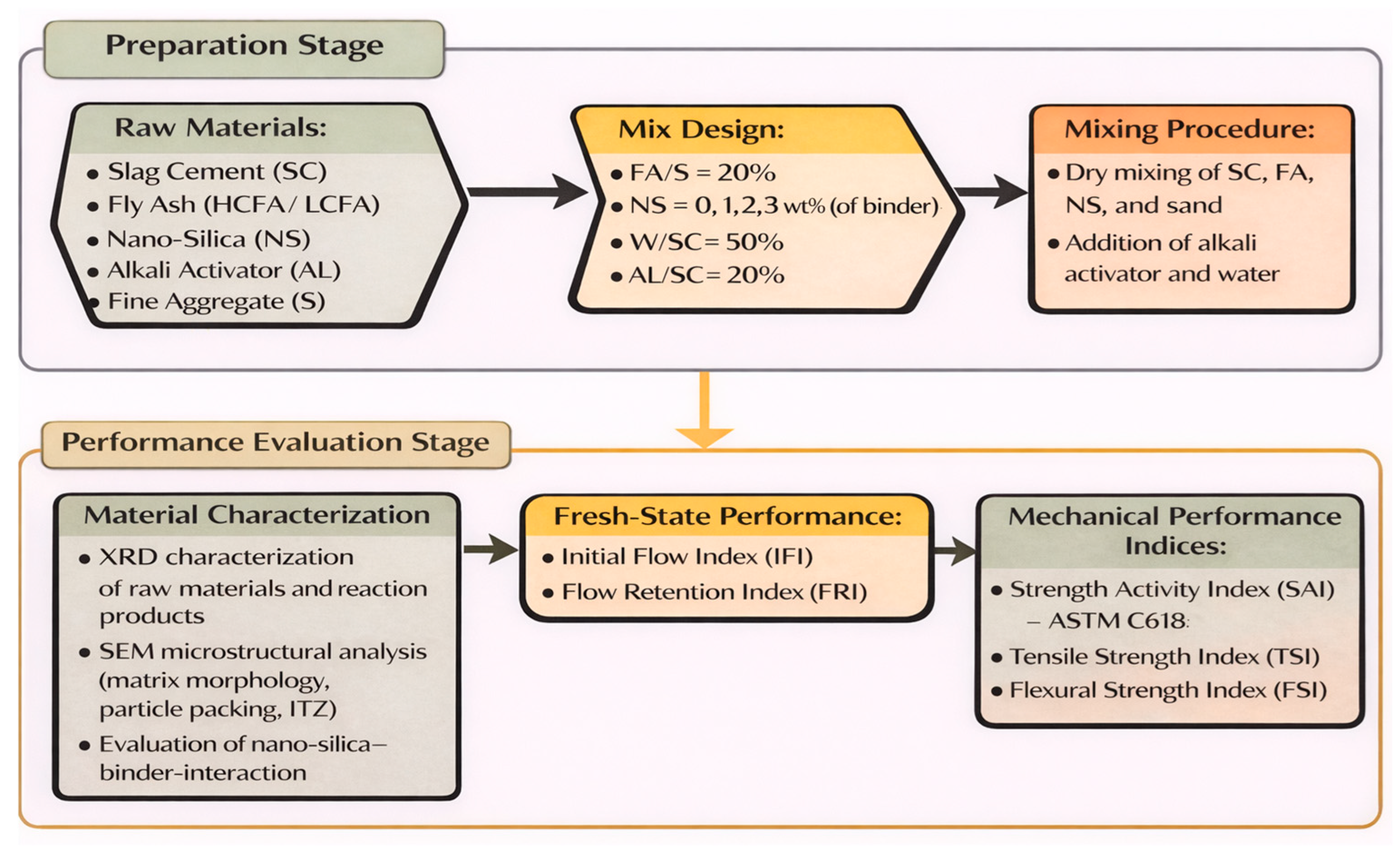
As depicted in
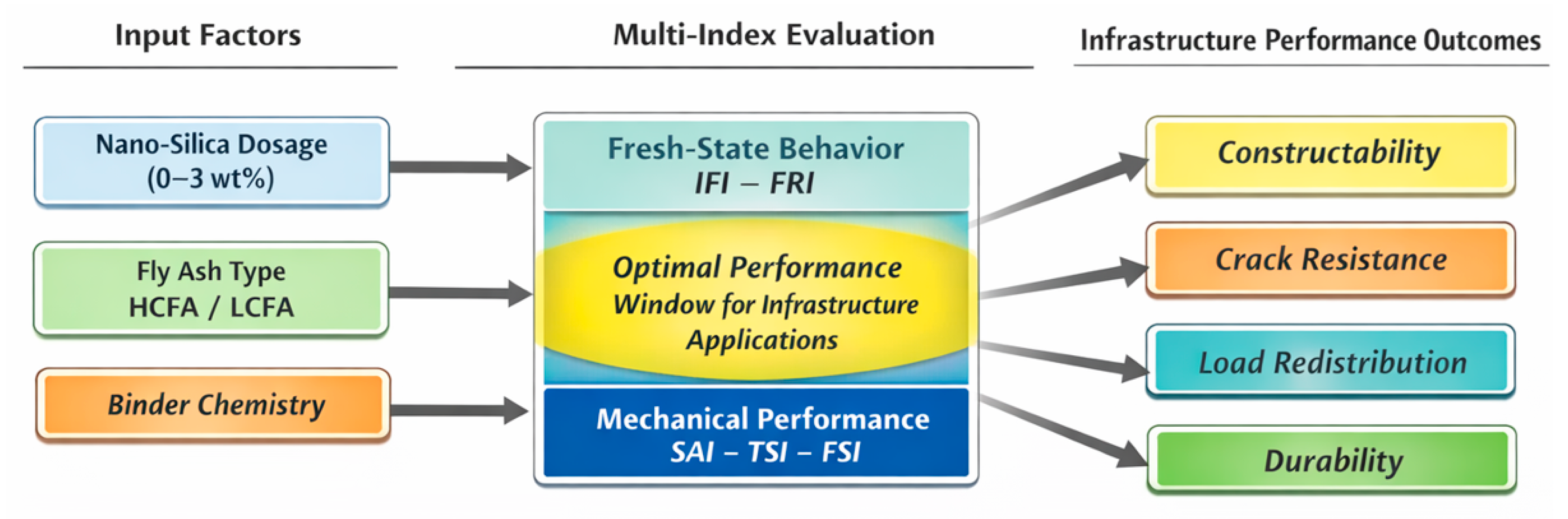
Figure 1, the sequence of actions followed in the experimental outline applied in this study includes the selection of raw materials and mix proportions prior to the testing procedure, which was conducted with the aim of studying nano-silica adjusted synergy in alkali-activated, resource-saving composites.
The framework also involves the mineralogical and microstructural characterization using X-ray diffraction (XRD) and scanning electron microscopy (SEM) to give a fundamental insight into the mechanics of the interaction between the binder system and nano-silica incorporation. This combined description allows for relating phase composition and microstructural refinement with reaction kinetics, matrix densification and fresh-state and mechanical performance of alkali-activated composites.
The workability and flowability retention properties were quantitatively measured by the use of the Initial Flow Index (IFI) and Flow Retention Index (FRI) in assessing fresh-state quantitative performance.
Mechanical performance was measured using a multi-index of the Strength Activity Index (SAI), which is defined in ASTM C618 [
38] and complemented by tensile-based and flexural-based indices, the Tensile Strength Index (TSI) and Flexural Strength Index (FSI). The synergistic method enables the comprehensive evaluation of the influence of nano-silica inclusion on fresh and hardened properties that act as a performance-driven basis to the knowledge of the synergy of the role of binder and mixture optimization in the alkali-activated composite systems.
2.1. Materials and Constituent Properties
Slag cement (SC), high-calcium fly ash (HCFA), low-calcium fly ash (LCFA), nano-silica (NS), an alkaline activator (AL), and fine aggregate (S) were used as the main constituents of this study. Their combination in the simultaneous application permitted the performance of the systematic analysis of the synergetic effect of slag binders, alkali-activated fly ash, and nano-silica activeness on the formation of resource-efficient alkali-activated composite systems.
The slag cement (SC) is a by-product of municipal waste, and it contains high proportions of amorphous materials. It was selected as a green option since it can minimize the environmental impact that is usually associated with the production of Portland cement.
The sources of the high-calcium fly ash (HCFA) and low-calcium fly ash (LCFA) were coal power plants, which utilize a wide variety of fuels. The HCFA is rich in CaO, and LCFA is rich in amorphous silica and alumina.
The nano-silica (NS) is recycled waste glass as a nano-scale modifier to bring synergy in binders and micro-structure fineness in the alkali-activated system. The nano-silica is largely amorphous, as shown by its chemical composition and physical characteristics (
Table 1 and
Table 2) and a very small particle size and very high specific surface area.
These properties make nano-silica a useful physical filler and chemically active moiety, inducing nucleation of reaction products and increasing the density of particle packing and the interfacial bonding of the alkali-activated matrix.
This paper used nano-silica in the percentage of total binder to provide a systematic assessment of the dosage-related impact of the nano-silica and fly ash types on the fresh-state behavior and hardened mechanical performance.
Although fly ash was incorporated as a partial replacement for fine aggregate, its partial reactivity under the applied alkaline activation conditions cannot be neglected. Accordingly, the binder system in this study should be considered as a composite of slag and reactive fly ash phases, rather than a purely slag-based binder, and mixture proportions are interpreted within this composite binder context.
Mixed care was taken to eliminate agglomeration of nano-silica and to achieve even distribution of the nano-silica so that its full involvement in the alkali-activation process could be achieved.
Due to the potential health risks associated with nanoparticle exposure, specific safety and handling procedures were adopted during nano-silica preparation and mixing. Nano-silica was handled in well-ventilated laboratory conditions, and appropriate personal protective equipment (PPE), including gloves and protective masks, was used throughout weighing and mixing operations. Measures were taken to minimize airborne particle release during handling. These precautions are consistent with established recommendations on nanoparticle toxicity and occupational exposure control [
39,
40].
The alkaline activator (AL) is sodium silicate (Na2SiO3) with a molar ratio of SiO2/Na2O = 1.0 (50% SiO2 and 50% Na2O), which was chosen as an activator of slag-fly ash binders. Activation dosage was kept unchanged in all mixtures (AL/SC = 20% by mass) in order to isolate the effect of the addition of nano-silica.
The fine aggregate (S) was used in the aggregate phase and consisted of crushed sandstone with specific gravity of 2.58 and fineness modulus of 2.83; fly ash (FA/S = 20% by weight) was incorporated in the aggregate phase to partially substitute the fine aggregate, enhancing the ability of the particle to pack efficiently and decreasing the use of natural sand.
X-ray fluorescence (XRF) analysis was used to establish the chemical composition of slag cement, types of fly ash, and nano-silica, and loss on ignition (LOI) was determined according to the standard procedures. The specific surface area and particle size distribution of slag cement and fly ash were calculated using the Blaine permeability technique and laser diffraction method, respectively. Conversely, the Brunauer–Emmett–Teller (BET) method was used to determine the specific surface area of nano-silica because it is nano-scale in nature.
Table 1 shows the chemical compositions of slag cement (SC), high-calcium fly ash (HCFA), low-calcium fly ash (LCFA), and nano-silica (NS), whereas
Table 2 presents the physical properties of these materials in a summary.
These characterizations form the requisite background on understanding the effect of nano-silica on the interaction of binders, the fresh-state behavior and the mechanical performance of the alkali-activated composites.
2.2. Mixture Design and Proportioning
The experimental program was intentionally conducted at the mortar scale to allow for an accurate assessment of nano-silica dosage effects and binder interactions under controlled conditions. While coarse aggregates were not incorporated, this approach enables isolation of binder chemistry and nano-scale modification effects without additional variability. The resulting insights provide a fundamental understanding of material behavior that can be transferred to alkali-activated concrete systems through appropriate adjustment of aggregate grading and mixture proportions.
Table 3 summarizes the mix proportions used in this work. Each of the alkali-activated composite mixtures was prepared to examine the effects of the incorporation of nano-silica and fly ash types on binder synergy and performance at constant baseline mixture parameters. The primary binder in all mixtures was slag cement (SC) and fly ash was added as a partial replacement of fine aggregates in all mixtures at a 20% fly ash–sand (FA/S) proportion by weight. High-calcium fly ash (HCFA) and low-calcium fly ash (LCFA) were used to investigate the relationship between fly ash types and nano-silica dosage.
Despite its use as a fine aggregate replacement, fly ash exhibits partial reactivity under alkaline activation, and thus contributes to the effective binder phase alongside slag cement.
To determine the impact of nano-silica and fly ash types, the water-to-slag ratio (W/SC), alkali activator-to-slag ratio (AL/SC) were kept constant throughout the mixtures at 50% and 20%, respectively. The experimental program was conducted using a single alkaline activator formulation and a fixed activator dosage to isolate the effects of nano-silica addition and fly ash type under controlled conditions. While this approach enables direct comparison among mixtures, the resulting performance trends are inherently specific to the selected activator chemistry and curing regime. Nano-silica was added in 0, 1, 2, and 3 wt% to the total binder content. The selected nano-silica dosage range (0–3 wt% of binder) was chosen based on prior studies reporting effective dispersion and performance enhancement at low-to-moderate nano-silica contents while also highlighting agglomeration tendencies and diminishing mechanical returns at higher dosages. This range enables identification of an optimal nano-silica content that balances microstructural refinement and fresh-state stability without introducing excessive surface area demand or dispersion inefficiencies. The reference mixtures containing no nano-silica (NS = 0%) were used as control mixes to normalize the performance and make a comparative evaluation.
Fine aggregate was a mixture of crushed sandstone, which was controlled in terms of grading and was partially substituted by fly ash to increase the efficiency of particle packing and minimize the use of natural sand. To compare reliably and consistently different dosages of nano-silica and fly ash types, the mixtures were prepared under the same conditions in terms of mixing, casting, and curing conditions.
Nano-silica was incorporated following a controlled mixing sequence to promote uniform dispersion and minimize particle agglomeration. The nano-silica was gradually introduced during mixing under continuous shear to ensure homogeneous distribution within the binder matrix. Although no chemical dispersants were employed, careful control of mixing time and sequence was adopted to reduce particle clustering. It is acknowledged that dispersion efficiency remains a critical factor influencing nano-silica performance and may affect the generalization of the identified optimal dosage.
2.3. Experimental Procedures and Testing
The mineralogical properties, fresh-state behavior and mechanical performance of nano-silica-modified alkali-activated composites were compared through an organized experimental program that was carried out under controlled and consistent testing conditions. The experimental processes were planned to allow for the comparison of the various nano-silica dosages and fly ash types to be made in a reliable way so that they are relevant to the infrastructure-based performance assessment.
2.3.1. Mineralogical Characteristics of Constituent Materials
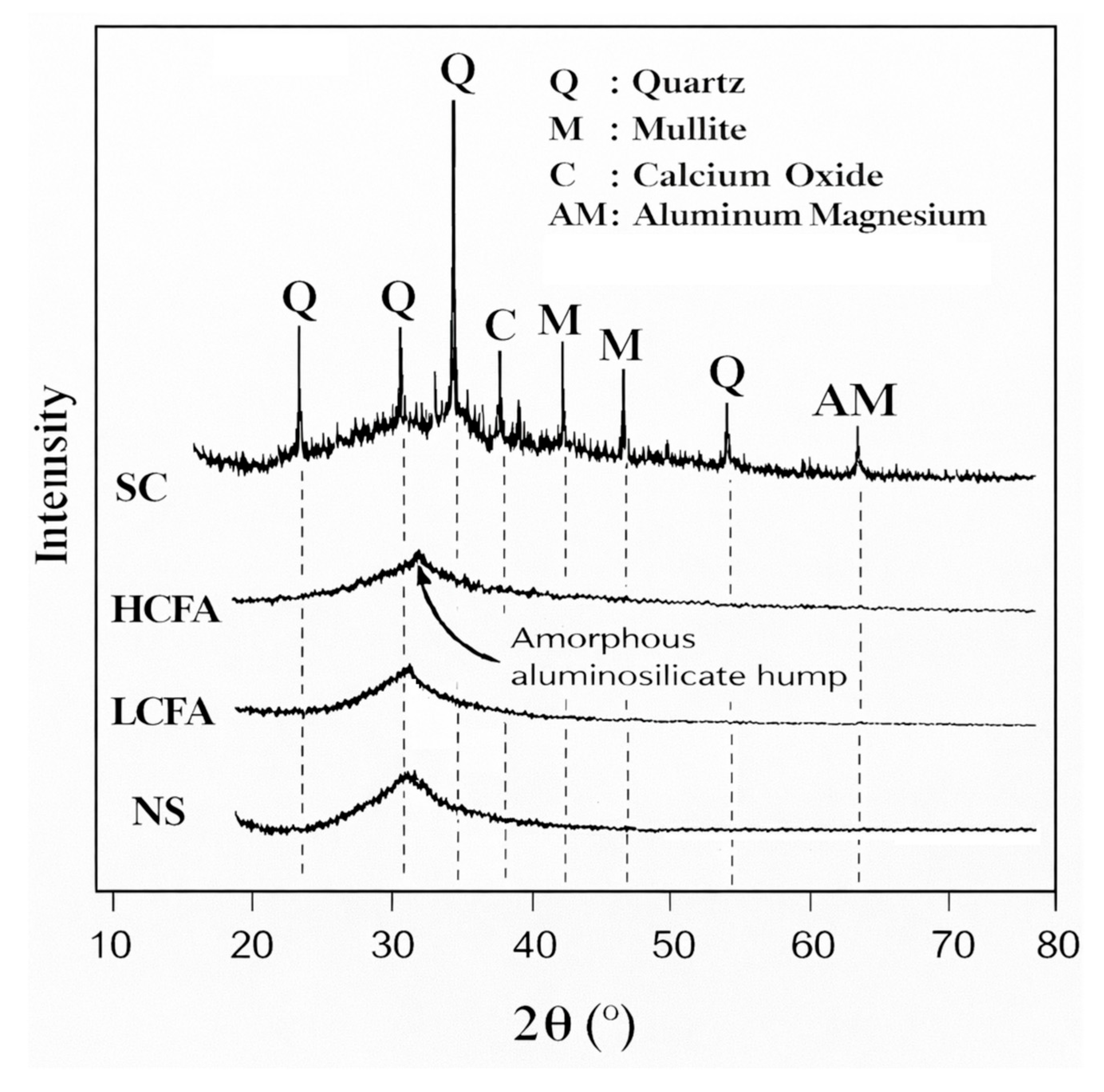
Mineralogical characterization of the raw materials was made to provide a basic platform on which the reactivity and interaction mechanisms of the raw materials in the nano-silica-modified alkali-activated composite system could be understood. The analysis by X-ray diffraction (XRD) was used to determine crystalline and amorphous phases in slag cement (SC), high-calcium fly ash (HCFA), low-calcium fly ash (LCFA), and nano-silica (NS). The resulting patterns of diffraction were qualitatively evaluated to determine the presence of crystalline phases containing calcium and amorphous aluminosilicate components, which are important in regulating reactivity and reaction between alkali activation and other components.
2.3.2. Fresh-State Flow Assessment
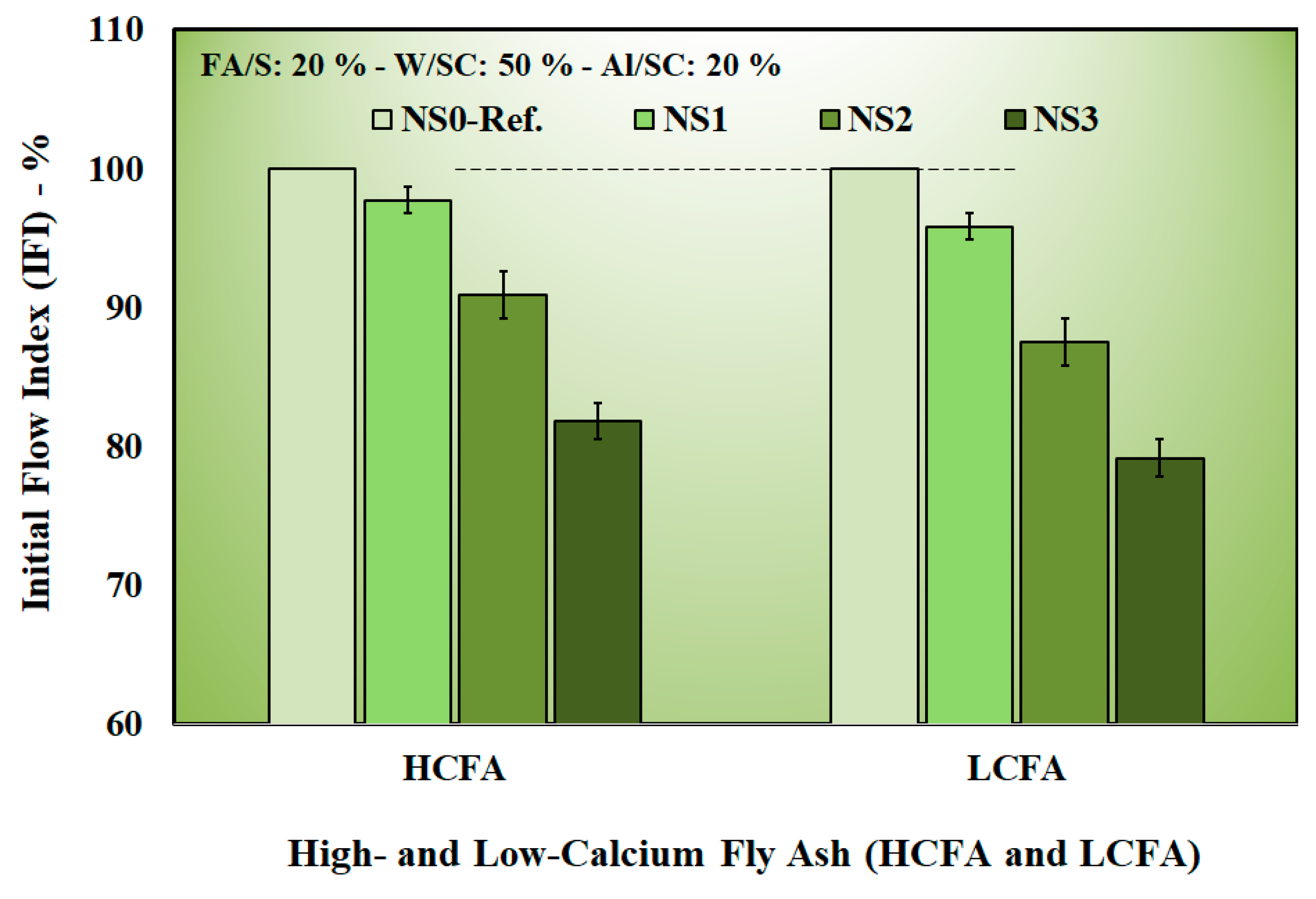
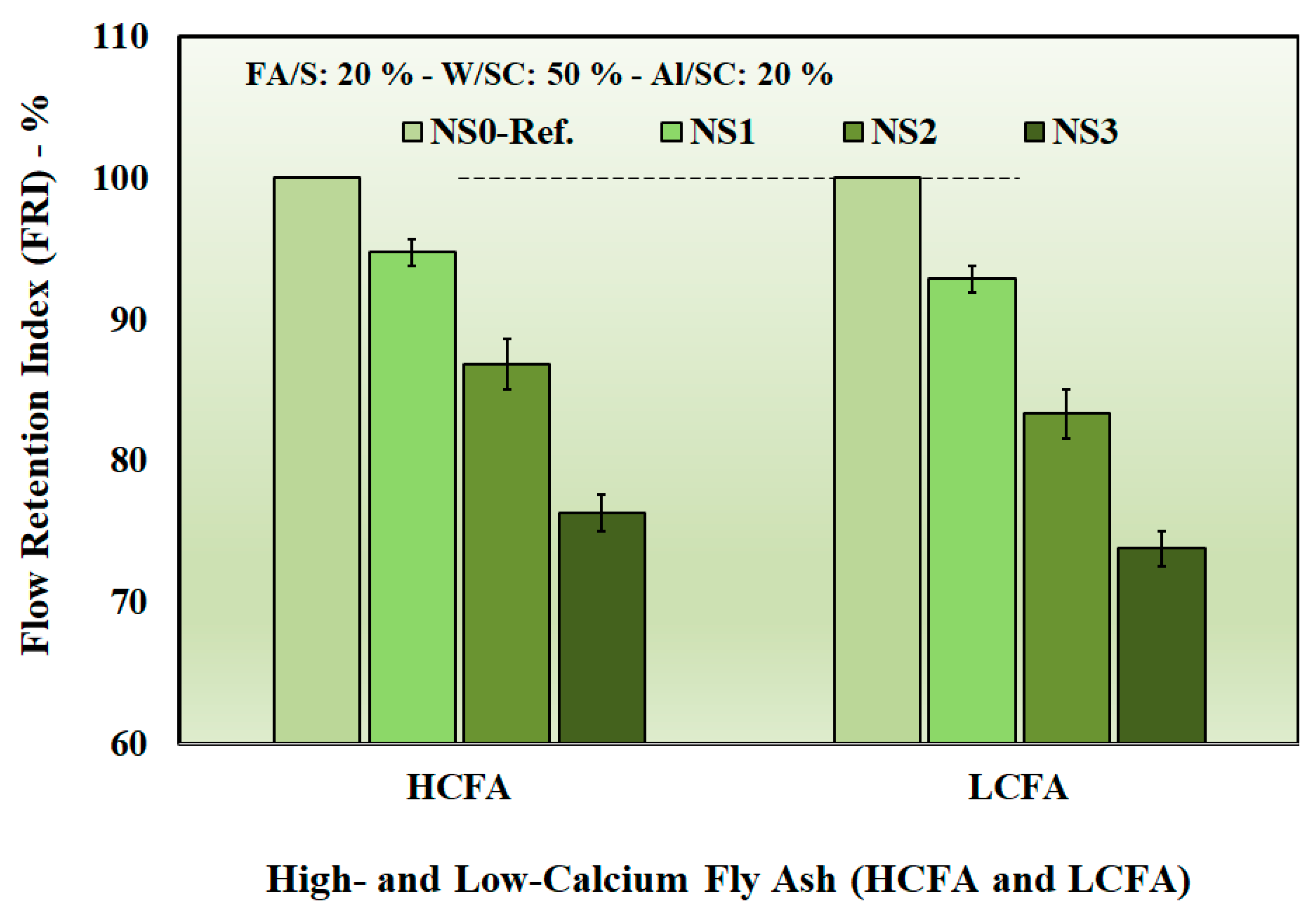
Flow-based indices were used to quantify the fresh-state performance of nano-silica-modified alkali-activated composites to measure flowability and the retention of workability. Immediately after mixing, the Initial Flow Index (IFI) was obtained in a standard flow-table test following the guidelines of JIS A1150-JSA 2014 [
41], wherein the spread diameter of each mixture was normalized against the respective reference mixture devoid of nano-silica (NS = 0%). Flow Retention Index (FRI) was established after casting for 15 min to evaluate the potential of the mixtures to retain their flowability. The measures of both indices were based on standardized procedures that made it possible to compare mixtures with varying nano-silica dosages and types of fly ash.
2.3.3. Mechanical Performance Evaluation
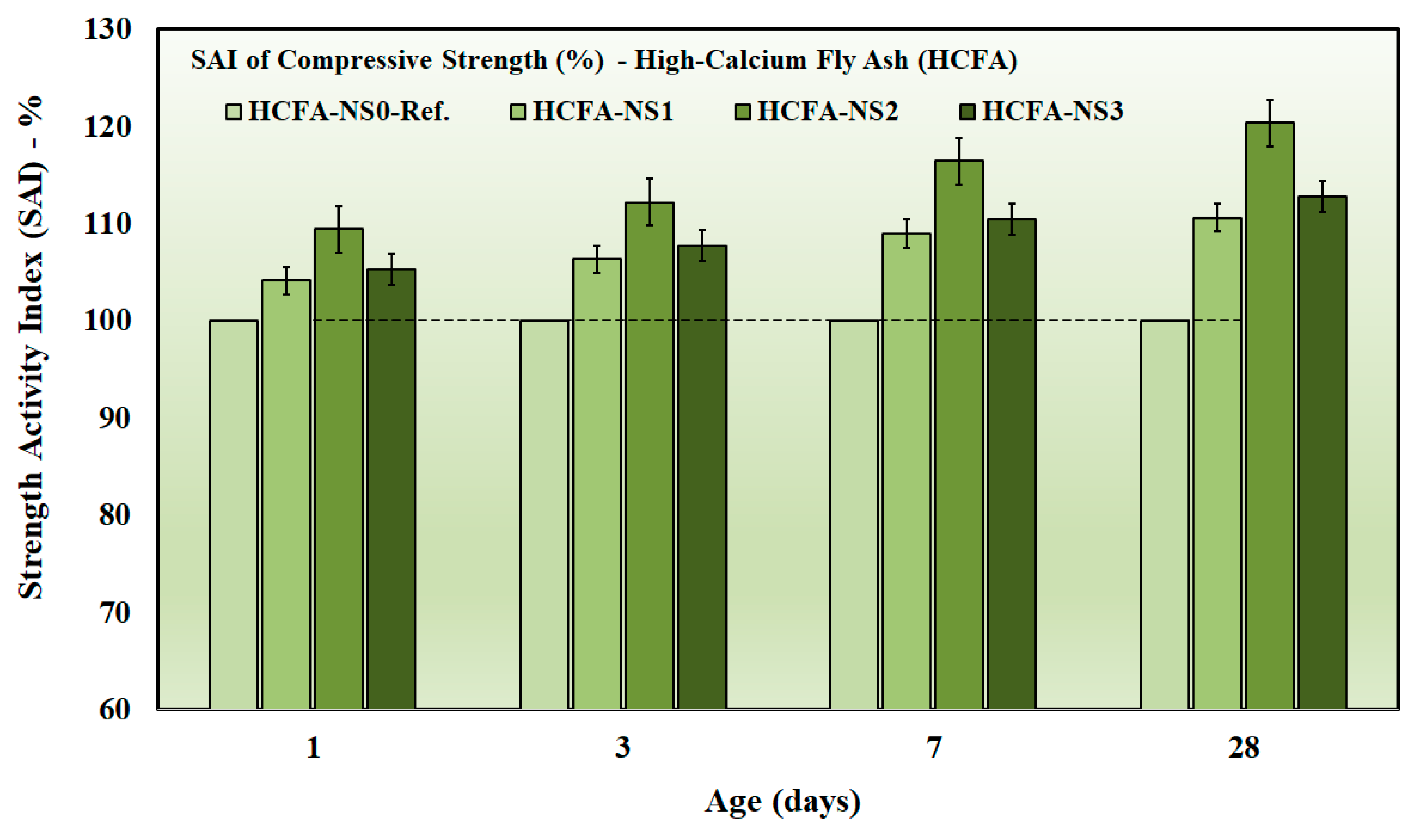
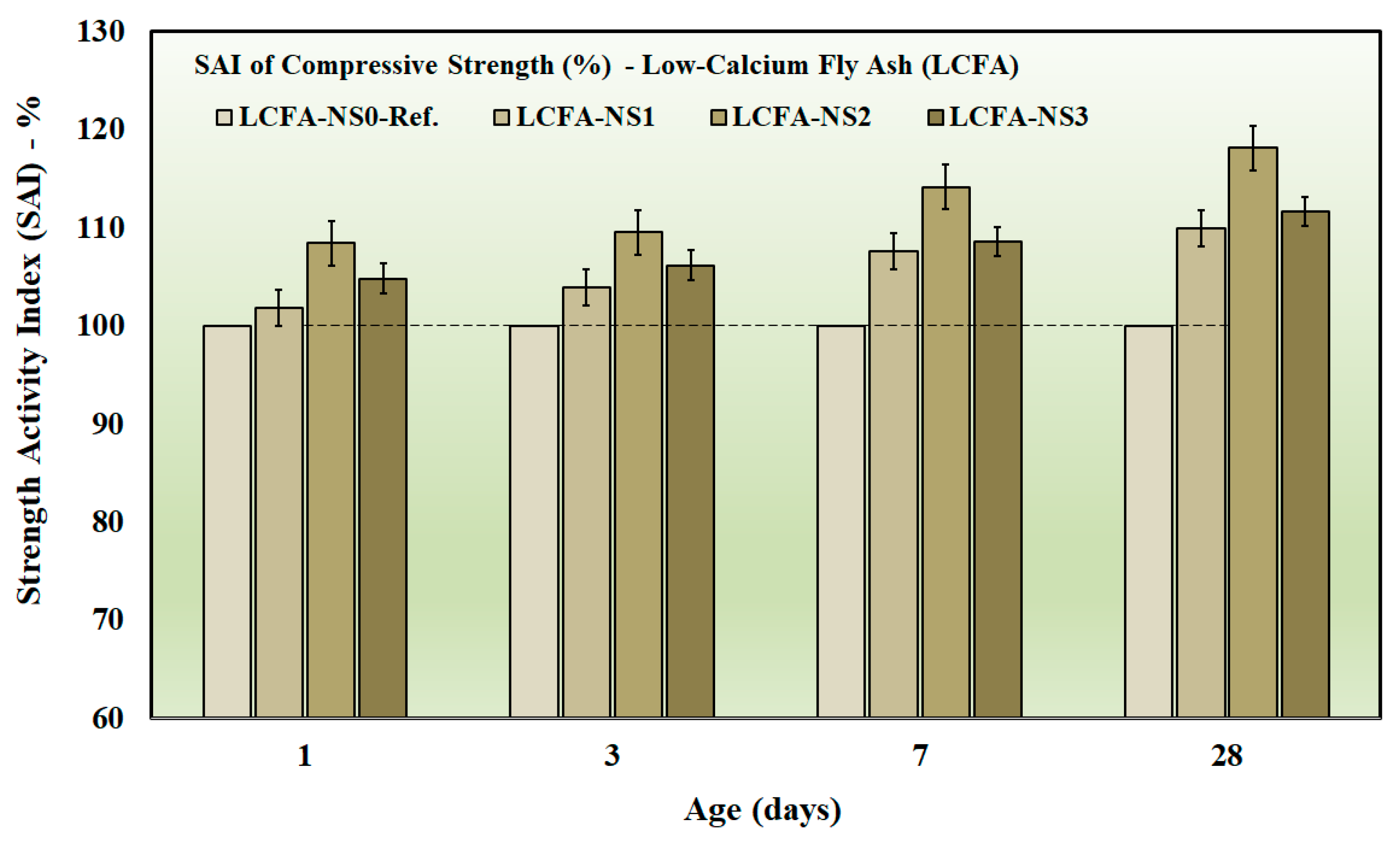
The nano-silica-modified alkali-activated composites were tested in mechanical performance with respect to compressive, splitting tensile, and flexural strength. A multi-index methodology was used to assess mechanical performance. The compressive strength was measured in terms of Strength Activity Index (SAI), which, according to ASTM C618 [
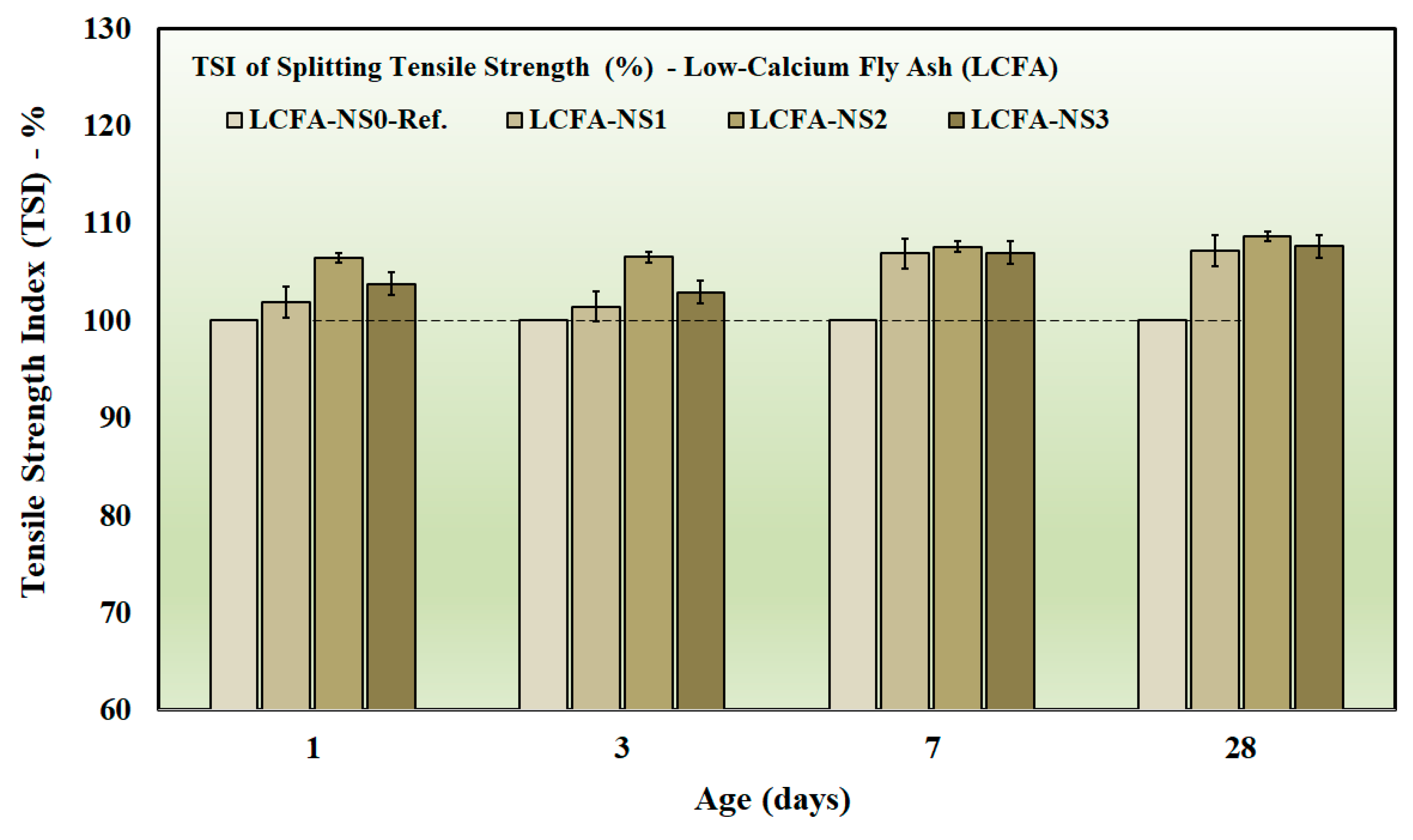
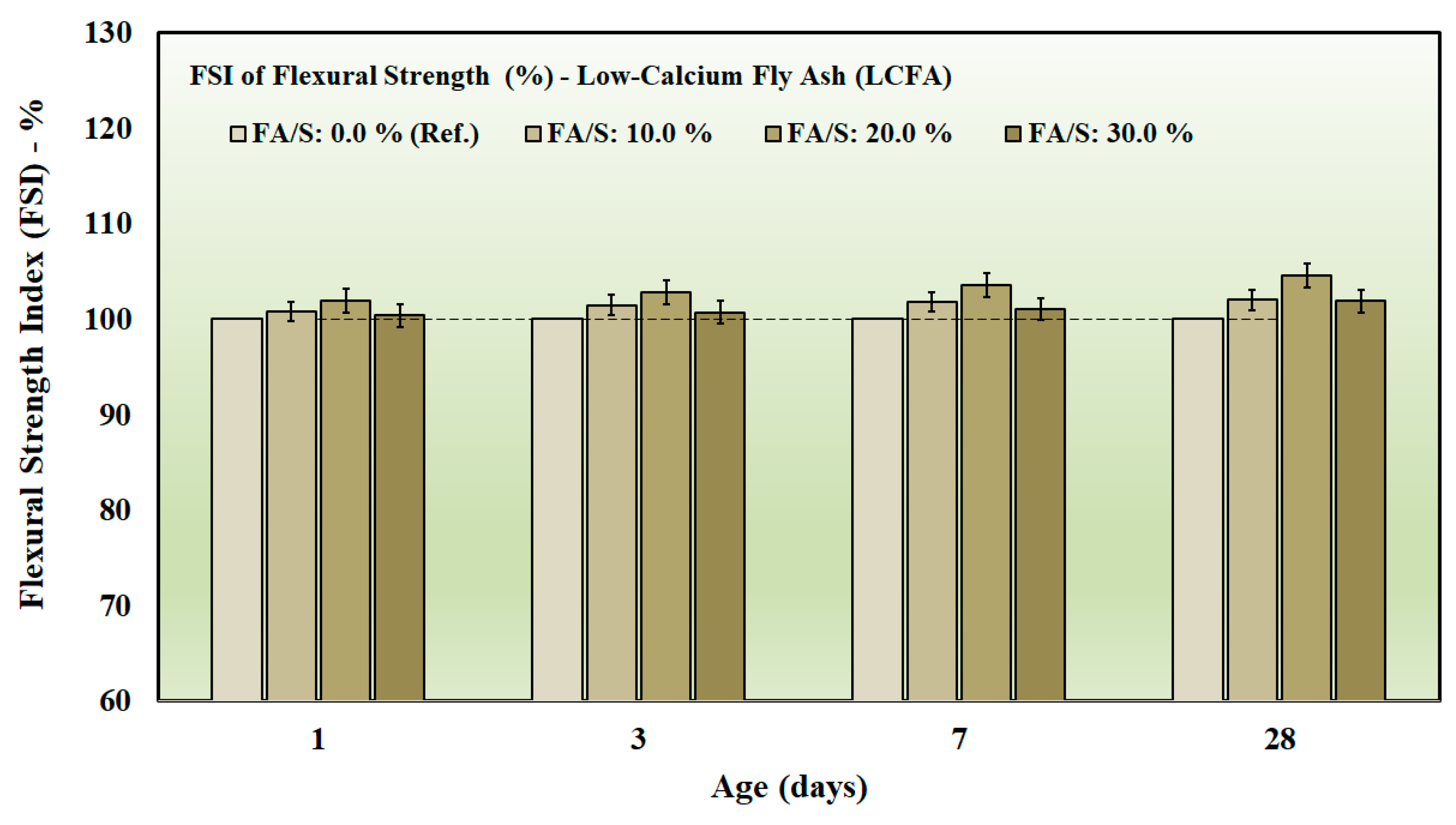
38], is determined as the ratio of compressive strength of the nano-silica-modified mixtures to the compressive strength of the corresponding reference mixtures without nano-silica (NS = 0%). Although SAI was originally defined for Portland cement-based systems, it is adopted here strictly as a normalized comparative indicator rather than a compliance metric, enabling consistent evaluation of relative compressive strength development under identical binder chemistry and mixture parameters. The tensile and flexural performance was determined by testing in terms of Tensile Strength Index (TSI) and Flexural Strength Index (FSI), respectively. Both indices were determined by dividing a measured splitting tensile and flexural strength of each mixture by the relevant reference mixtures, using the same normalization strategy as SAI. Compressive, splitting tensile and flexural strength tests were performed based on JIS A1108-JSA 2006a [
42], JIS A1113-JSA 2006c [
43], and JIS A1106-JSA 2006b [
44], respectively. All of the tests were conducted at curing ages of 1, 3, 7 and 28 days of specimens exposed to a controlled steam-curing regime.
All specimens were subjected to a controlled steam-curing regime to ensure consistent alkali activation and early-age strength development. Steam curing was applied at a constant temperature under saturated humidity conditions for a fixed duration, after which specimens were demolded and stored under controlled laboratory conditions until the designated testing ages. This curing protocol was applied uniformly to all mixtures to isolate the effects of nano-silica dosage and fly ash type on fresh-state behavior and mechanical performance. Cylindrical specimens (50 × 100 mm) were used to measure compressive as well as splitting tensile strengths, and prismatic specimens (40 × 40 × 160 mm) were used to measure flexural strength. Each mixture was tested on three specimens at each curing age.
2.3.4. Microstructural Characterization (SEM)
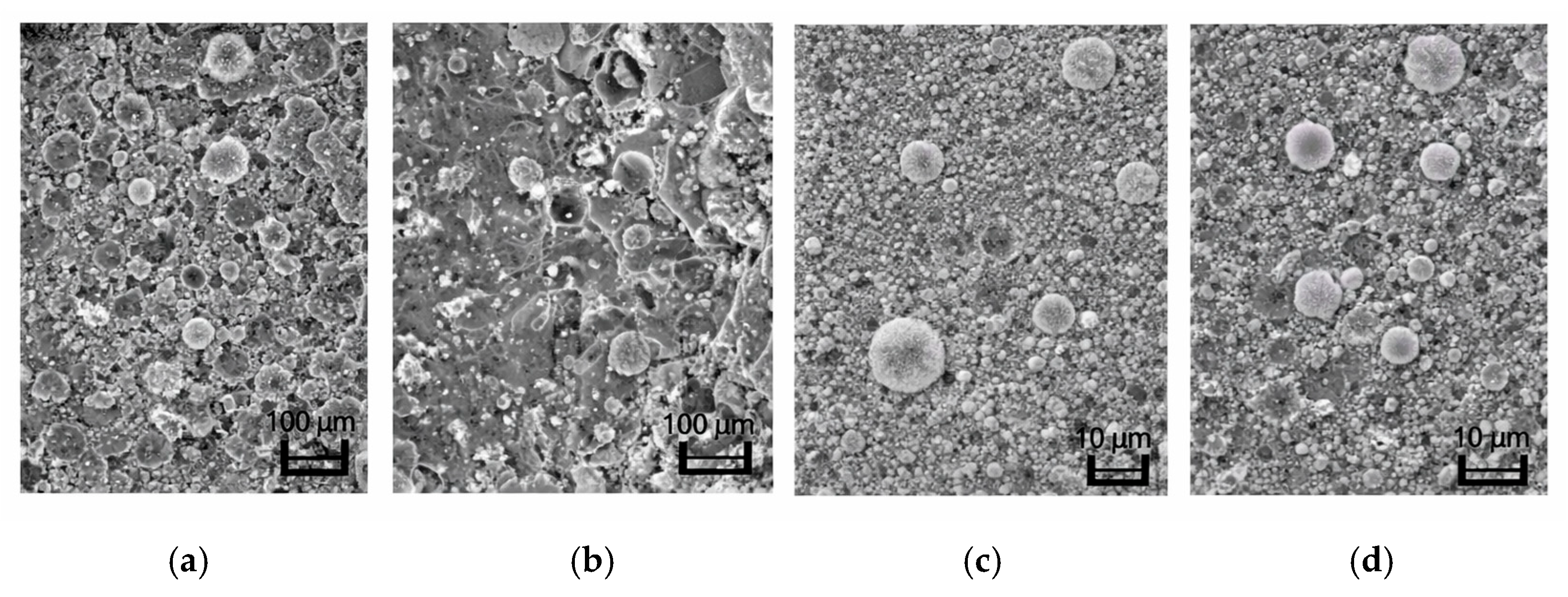
To support the interpretation of the trends of fresh-state and mechanical performance, scanning electron microscopy (SEM) was used to scan the microstructural characteristics of the chosen alkali-activated composites. At 28 days of curing, representative specimens were made of reference mixtures and mixtures containing nano-silica. The morphology of the matrices, the distribution of the particles, the structure of the pore, and the relationship between the product of the reactions and the particles that had not reacted were observed using SEM.
4. Discussion
The results of the experiment demonstrate the need to consider a performance-based approach to the assessment of nano-silica-modified alkali-activated composites. Instead of relying upon the measures of isolated strength, the current results indicate that the relationship between fresh-state behavior, binder chemistry, and multi-directional mechanical response dictates the overall efficiency of nano-scale modification.
This supports the assumption that compressive strength alone cannot be used to characterize the functional performance of alkali-activated systems, especially systems that use nano-sized modifiers and heterogeneous precursors.
The gradual decrease in flowability and workability retention with the rise in nano-silica is evidence of the dual physical and chemical functions of nano-silica in alkali-activated matrices.
Physically, the high specific surface area of nano-silica is very high and thus promotes internal friction and water demand, which restricts the mobility of the particles in the fresh state. In chemistry, nano-silica enhances reaction kinetics at the early-stages of reaction because it offers large nucleation sites, which creates gels quickly and stiffens rapidly. These effects are also exacerbated by constant water-to-slag and activator-to-slag ratios and, thus, the constraints of mixture design appear to be of paramount importance in the regulation of fresh-state performance at high nano-silica dosage.
The relative enhanced flow stability of low-calcium fly ash systems demonstrates that the decreased reactivity at early ages can be partially compensated by the nano-silica effect on the stiffening propensity, and the controlling factor is the availability of calcium in fresh-state.
This progressive decrease in flowability and workability retention as the nano-silica content increases is indicative of the two physical and chemical functions of nano-silica in alkali-activated matrices. Physically, nano-silica, due to its extremely high specific surface area, causes internal friction and water demand, thus restricting the mobility of the particles in the fresh state. At the molecular level, nano-silica enhances the kinetics of the initial reaction by offering sufficient sites of nucleation, which allows for rapid gel formation and fast stiffening. When fixed water-to-slag and activator-to-slag ratios are used, these effects are intensified, which indicates that the limitations of mixture design are of vital importance to regulate fresh-state performance at high doses of the nano-silica. The comparatively higher stability of the flow of low-calcium fly ash systems transports the idea that the reduced reactivity at early ages may be offset to some extent by the tendency to stiffening of nano-silica, which emphasizes the dominating influence of calcium supply in fresh-state formation.
The relative performance of the high-calcium fly ash systems and low-calcium fly ash systems further demonstrates the sensitivity of the performance of nano-silica to the binder chemistry. Agreement systems with a high calcium content have a faster strength curve and are stiffer in early ages, which can be beneficial in early load-bearing applications but can cause microstructural heterogeneity and localized crack behavior. In comparison, the low-calcium systems promote slower reaction pathways dominating the system with the formation of aluminosilicate gels that contribute to the increased storage and homogenization of mechanical response. There is a higher interrelationship between compressive and tensile and flexural indices in low-calcium systems, indicating a more coherent load-transfer network, indicating that reaction kinetics rule the mechanical synergy.
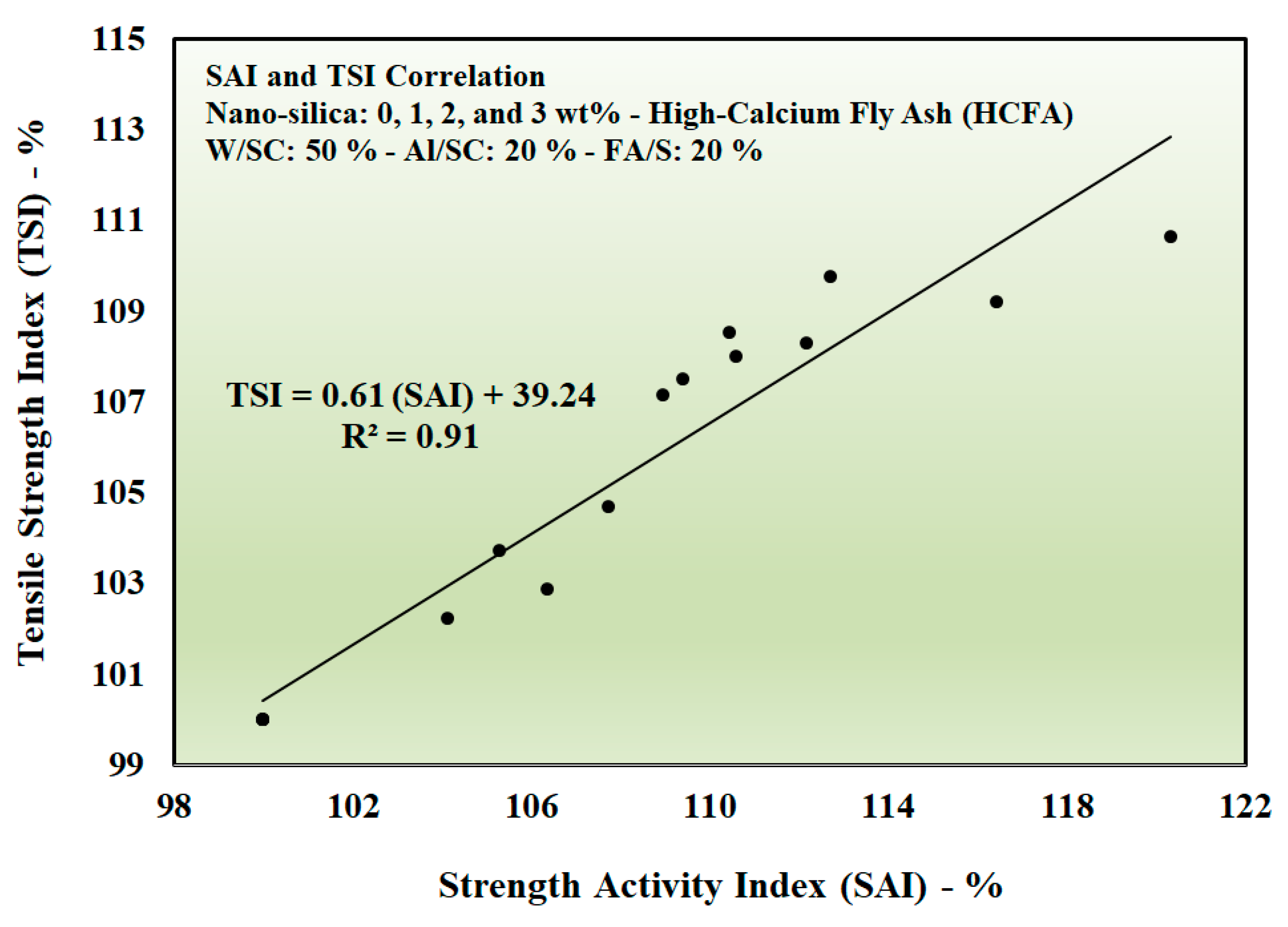
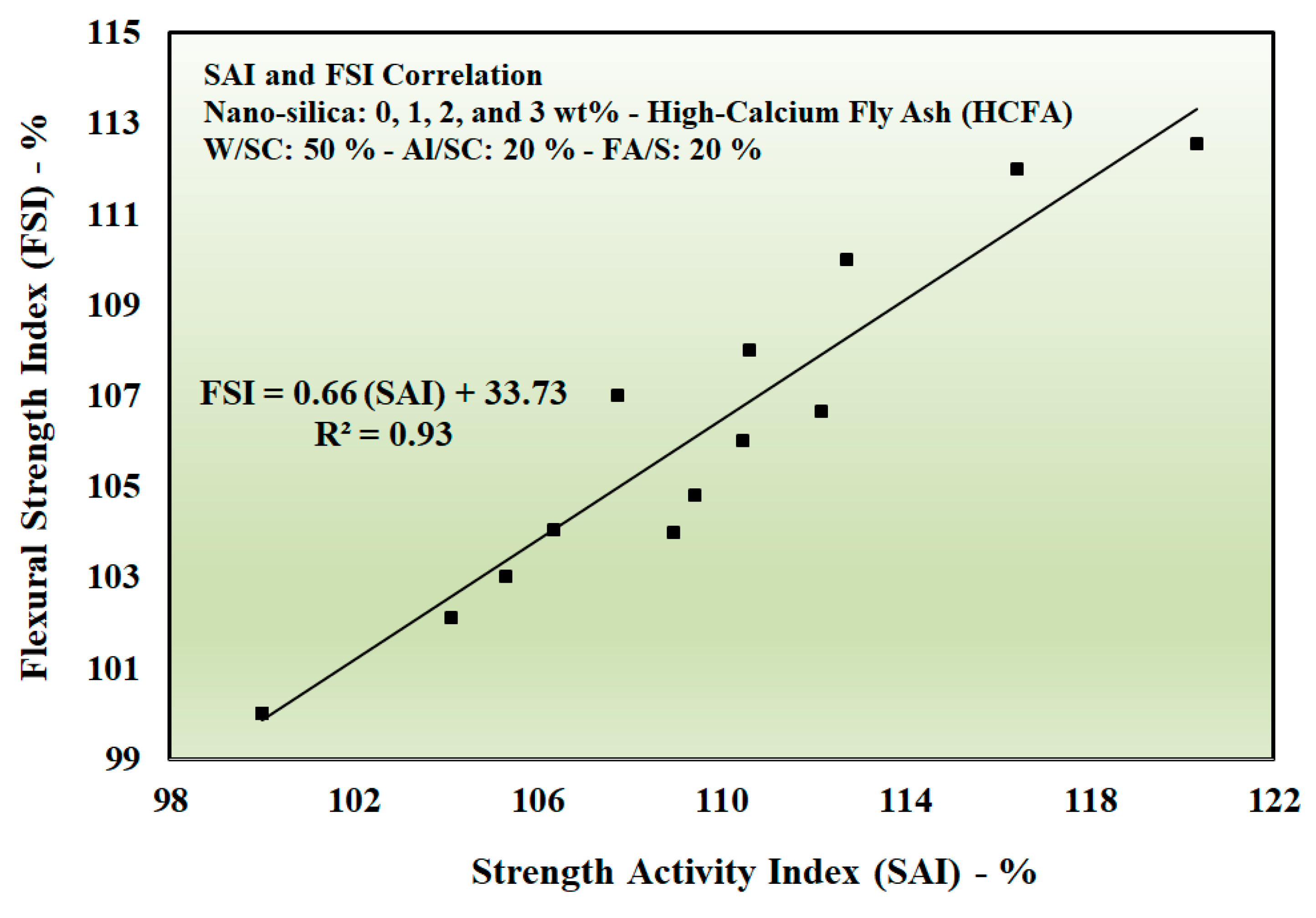
The multi-index structure used in this study offers a powerful way of measuring these interactions with fresh-state indicators and normalized mechanical indices. The assessment using correlation indicates that compressive performance gains do not always result in proportional tensile or flexural gains, especially in a system where there are varying reaction mechanisms. This observation has been consistent with the larger observations in more complex cementitious materials in which crack resistance and flexural strength is more sensitive to microstructural continuity and interfacial quality compared to compressive strength of the bulk. The framework achieves this by focusing on the progression of relative performance, but not on absolute levels of strength, allowing for a useful comparison between material systems, taking into consideration inherent variations in precursor reactivity.
In spite of these insights, there are a few shortcomings that are worth considering. The experiment was carried out on a mortar scale with one alkaline activator formulation and constant proportions of mixture, and this limits the extrapolation of the results to concrete-scale applications. Moreover, there were no experimentally investigated properties of durability, and it has not been established that long-term performance is also experimental when subjected to aggressive exposure conditions. Although the suggested scheme offers a logical foundation to material optimization, the ultimate applicability on the infrastructure systems would be on the premise of validation by durability testing, other activator chemistries, and field-relevant curing regimes.
5. Conclusions
This study revealed that the proposed multi-index performance is a comprehensive and systematic framework through foundational measurements of the synergies of nano-silica incorporation into the resource-efficient alkali-activated composites. The proposed framework facilitates the use of performance-based assessment, integrating the fresh-state flow indicators and strength-based mechanical indicators, thereby providing material assessment other than the conventional compressive strength-based techniques.
The performance of fresh-state systems based on the Initial Flow Index (IFI) and the Flow Retention Index (FRI) gradually declined as the dosage of the nano-silica increased in both HCFA-based systems and LCFA-based systems. This behavior is attributed to the increase in the surface area and the rate of reaction in the initial stage. Nevertheless, LCFA systems never showed limited flow retention or fresh-state stability as compared to HCFA systems because of the influence of low calcium concentrations and low reaction rates in inhibiting quick stiffening.
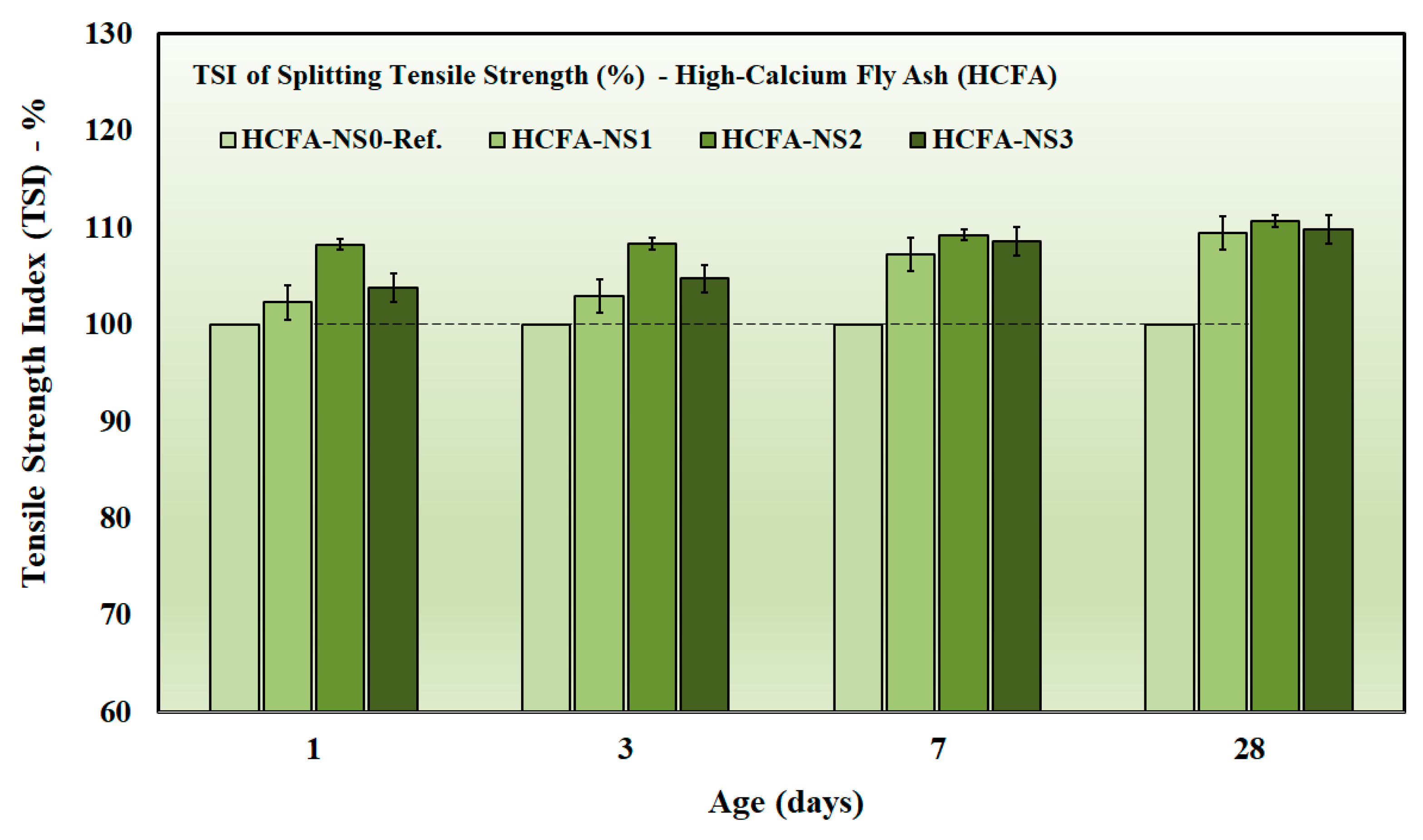
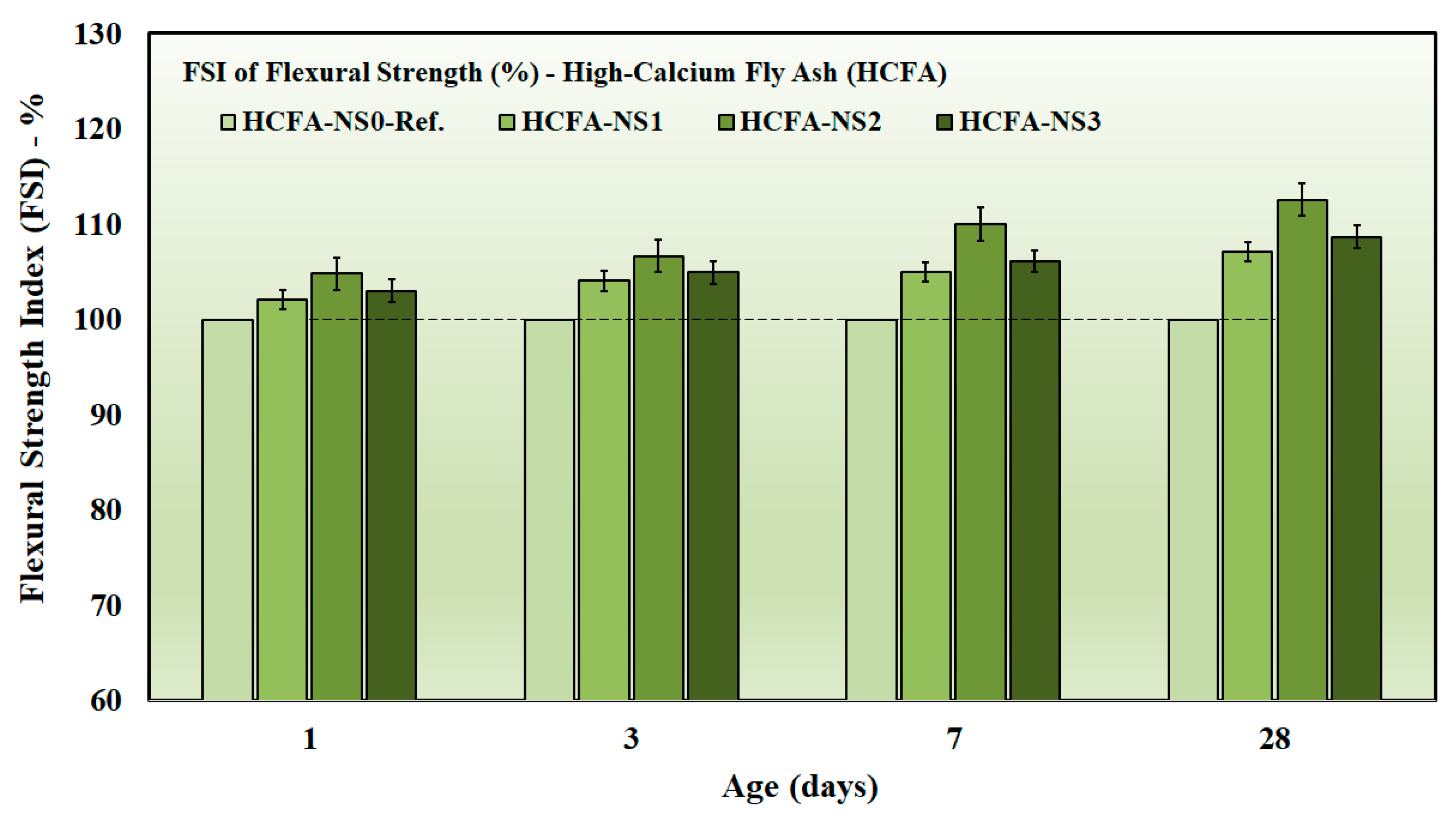
An intermediate nano-silica dosage of about 2 wt% was optimum, yielding the enhanced compressive, tensile, and flexural response with both fly ash systems. At this dosage concentration, the Strength Activity Index (SAI), Tensile Strength Index (TSI) and Flexural Strength Index (FSI) showed improved development of strength. An increase in the nano-silica content led to a decrease in the performance gains, and the results illustrated the need to optimize dosage to prevent the negative effects of excessive fineness and particle agglomeration.
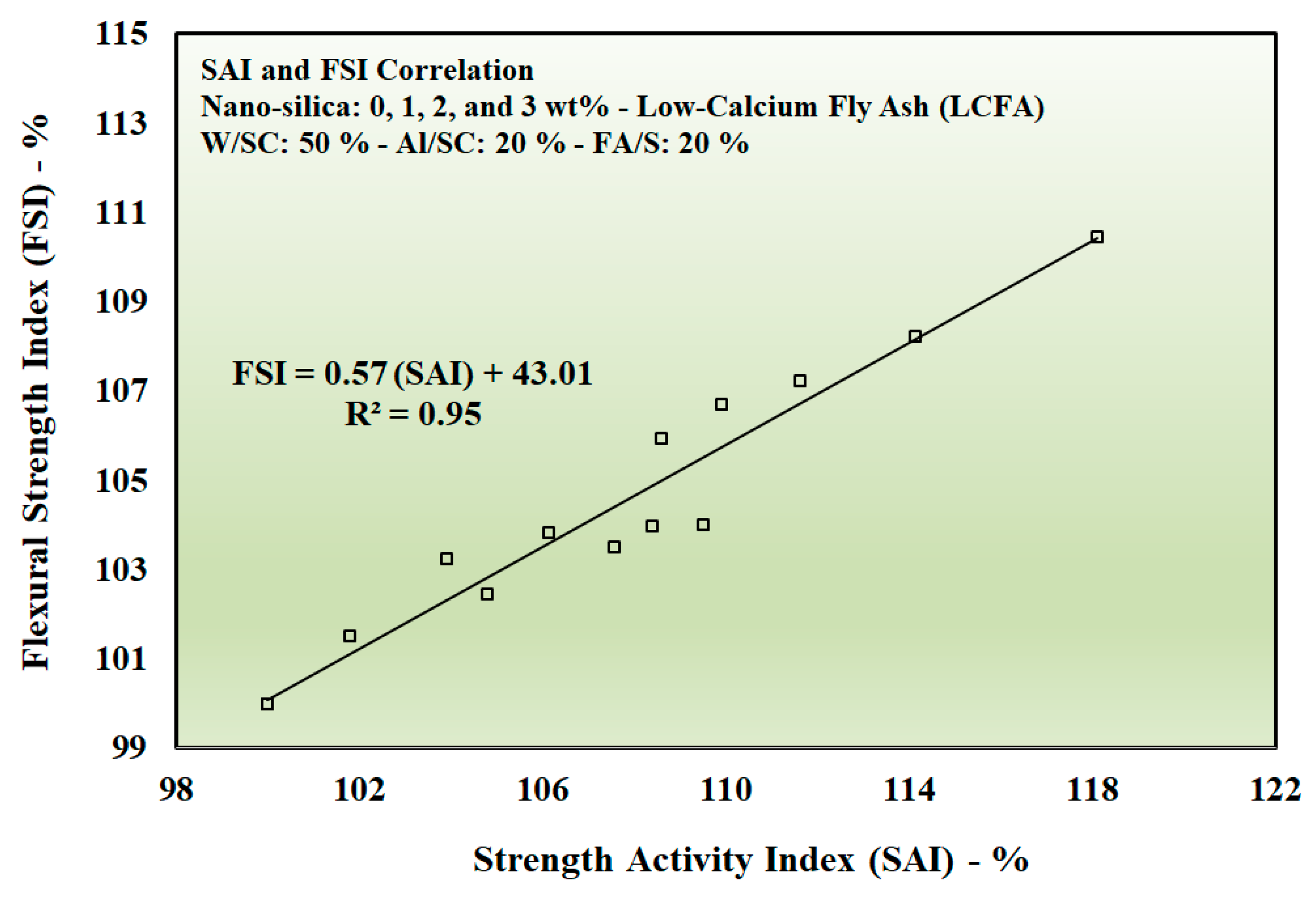
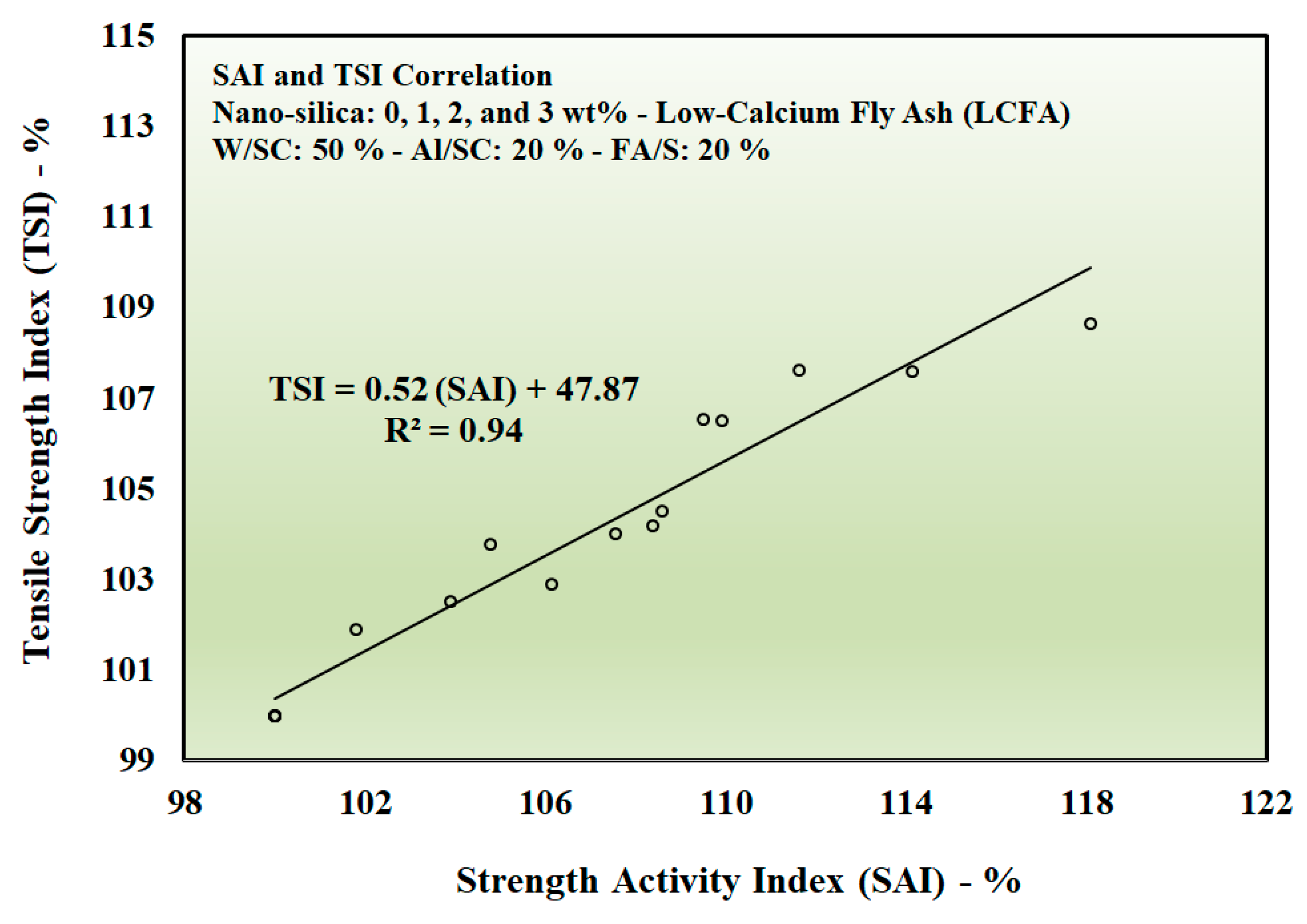
Correlation analyses of Strength Activity Index (SAI) and Tensile and Flexural Strength Index (TSI and FSI) revealed that it is not possible to reliably estimate tensile and flexural performance based only on compressive performance, particularly in nano-silica, fly ash, and alkali-activated composites, which react in different ways. Such findings suggest that mechanical synergy and the load-transfer properties of alkali-activated composites require a multi-index evaluation.
Mineralogical and microstructural analyses (XRD and SEM) revealed that the effectiveness of the reaction, as well as the densification of the matrix and stress transfer, is determined by the interaction of amorphous aluminosilicate components, the availability of calcium, and the reactivity of nano-silica. An intermediate dosage of nano-silica (2 wt%) was favorable to balance the nucleation and refinement of the microstructure, but a high dosage favored agglomeration, non-homogeneous nucleation, and low performance. These values agree with the experimentally determined patterns of fresh-state behavior and mechanical performance.
Collectively, the results endorse that the proposed multi-index framework is an effective methodological approach in the optimization of nano-silica dosage and directing the design of resource-efficient alkali-activated composites, which have proven to be relevant in sustainable infrastructure applications.
Although the proposed multi-index framework has its benefits, this study has its constraints because it was carried out on mortar-scale systems, and its formulation used only a single activator and did not involve direct testing of durability. More research is recommended to check how well the framework works with different types of activators, curing conditions, and mixture recipes to see if it can be used more broadly. It will be extended to concrete-level systems using coarse aggregates, will include durability parameters like shrinkage, permeability, and chemical resistance, and will also be tested under field-relevant exposure parameters to support the practical applications. Also, the issue of sustainability here is talked about in qualitative terms; environmental assessment and the LCA of activator chemistry should be added to the proposed multi-index in the future to support and enhance the suggested framework.