

Design–Engineering Synergy in Healthcare: Developing a Human-Centered Self-Injection System for Infertility Treatment

 , , , , , and
Abstract
1. Introduction
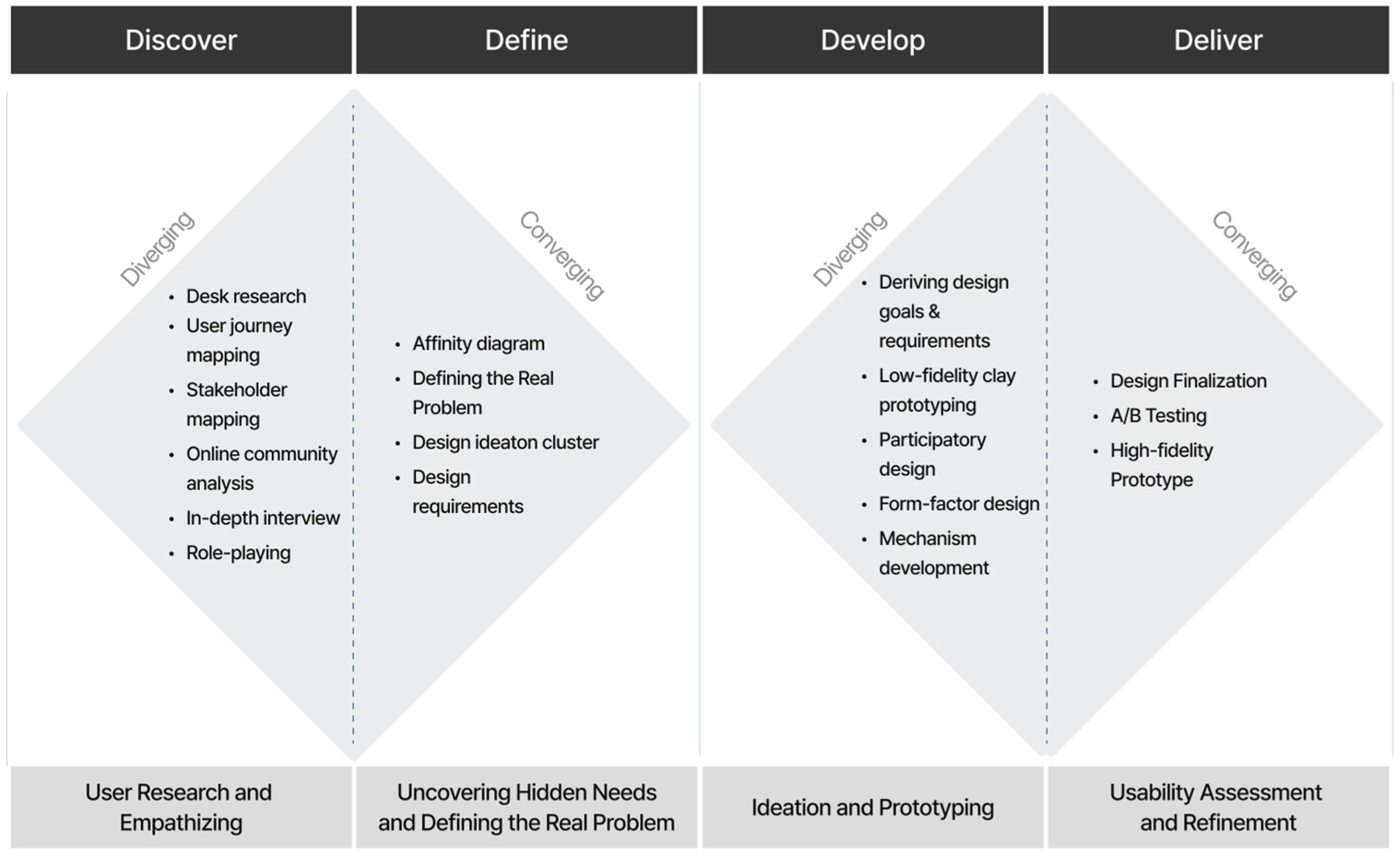
1.1. Our Process
- Discover/Define: Qualitative research and task analysis were conducted to identify user needs and constraints, leading to the derivation of key human factor (HF) requirements.
- Develop: Based on these findings, iterative product design and prototyping were carried out, with design alternatives evaluated from usability and safety perspectives.
- Deliver: The final stage involved performance and usability validation using functional prototypes, converging the outcomes toward a product-ready solution suitable for real-world implementation.
1.2. Current Status of Self-Injection Devices
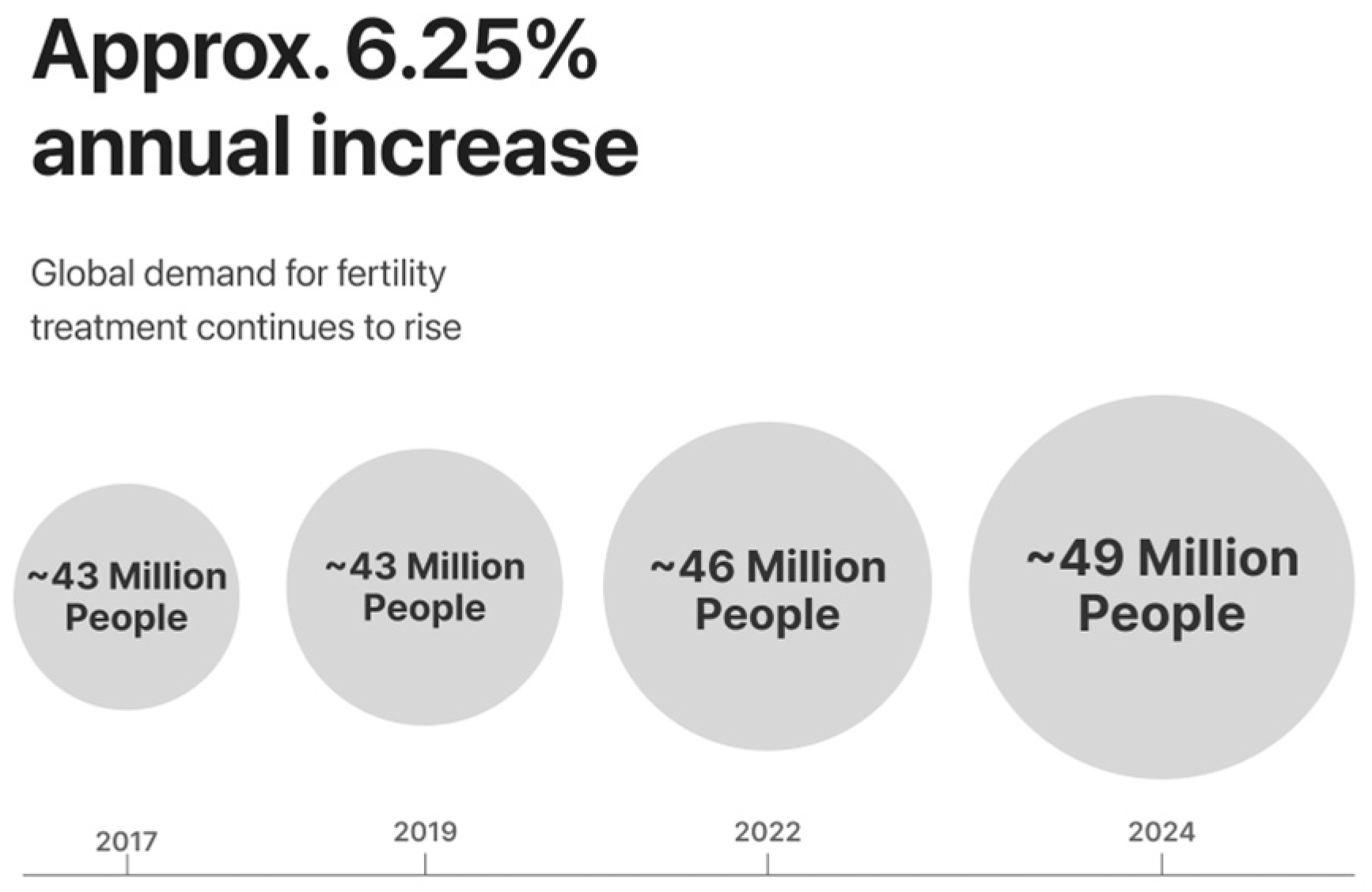
1.3. Lack of Solutions to the Emotional and Procedural Burdens of Infertility Treatment

| Previous Studies | Regular Style Pen-Type Syringe | Auto Syringe Patch Type |
|---|---|---|
| Brady et al., 2020 [22] | Adopting a self-management-oriented approach can enhance the woman’s sense of autonomy and locus of control, broaden their scope of choice, and contribute to reducing the overall burden on healthcare systems. | Self-management interventions can contribute to alleviating healthcare resource constraints by decreasing the need for frequent clinical visits. |
| Brew et al., 2023 [23] | The average cost of a single in vitro fertilization (IVF) cycle is estimated at USD 15,000–20,000, with repeated attempts often exceeding USD 40,000. Due to limited insurance coverage, infertility treatment remains financially inaccessible for low-income or uninsured individuals. | Within the United States, the combination of high treatment costs and limited accessibility serves as a significant barrier to care for many individuals and families affected by infertility. |
| Domar et al., 2018 [24] | Approximately 65% of patients undergoing IVF discontinue treatment before achieving a live birth, underscoring the importance of identifying the factors that lead insured women to terminate in vitro fertilization (IVF) therapy prematurely. | The psychological burden, or the so-called “burden of care,” has been identified as the leading cause of treatment discontinuation, irrespective of insurance status. Moreover, discontinuation of IVF treatment appears to be influenced more by cumulative mental and emotional fatigue than by economic limitations. |
| Verhaak et al., 2007 [25] | Symptoms of anxiety and depression commonly emerge during patients’ adaptation to in vitro fertilization (IVF) treatment. | There is a clear need to reduce the psychological burden experienced by patients. |
| Gameiro et al., 2012 [26] | The primary reasons for treatment discontinuation include delays in scheduling and the psychological and physical burdens experienced during treatment. | Simplification of treatment procedures and enhancement of usability are required. |
| McLenon and Rogers, 2019 [21] | Injection-related fear is reported in approximately 20–30% of the adult population. | There is a need for needle concealment and simplification of the injection procedure. |
2. Methods
2.1. Discover Phase
2.1.1. Conducting Desk Research
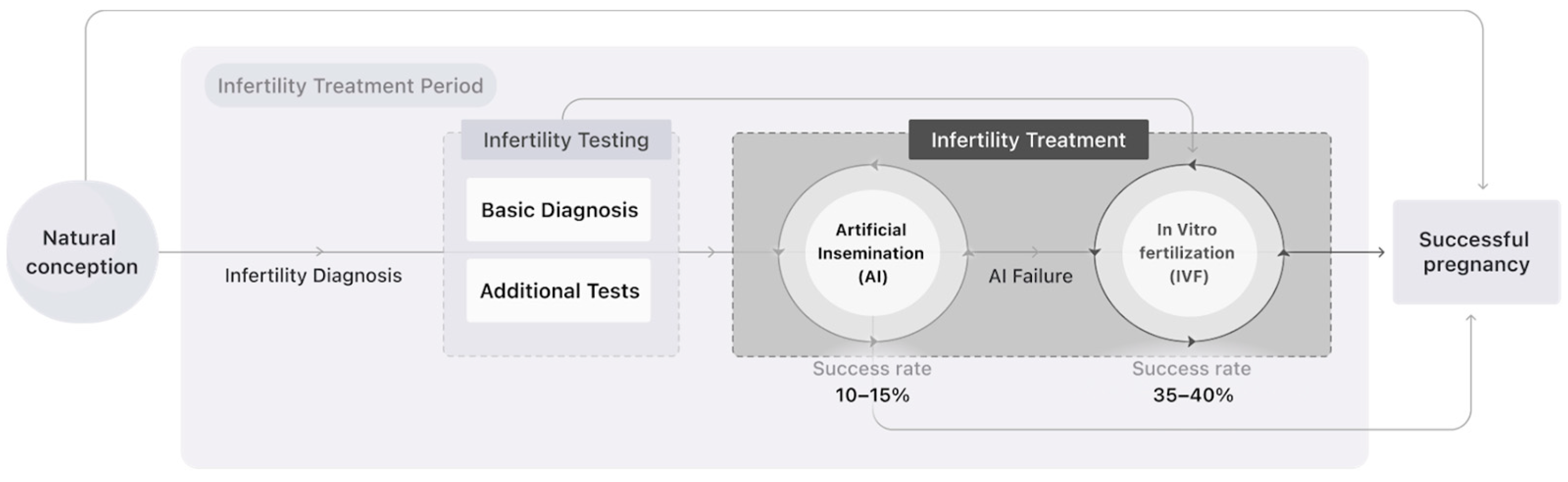
2.1.2. Mapping the User Journey
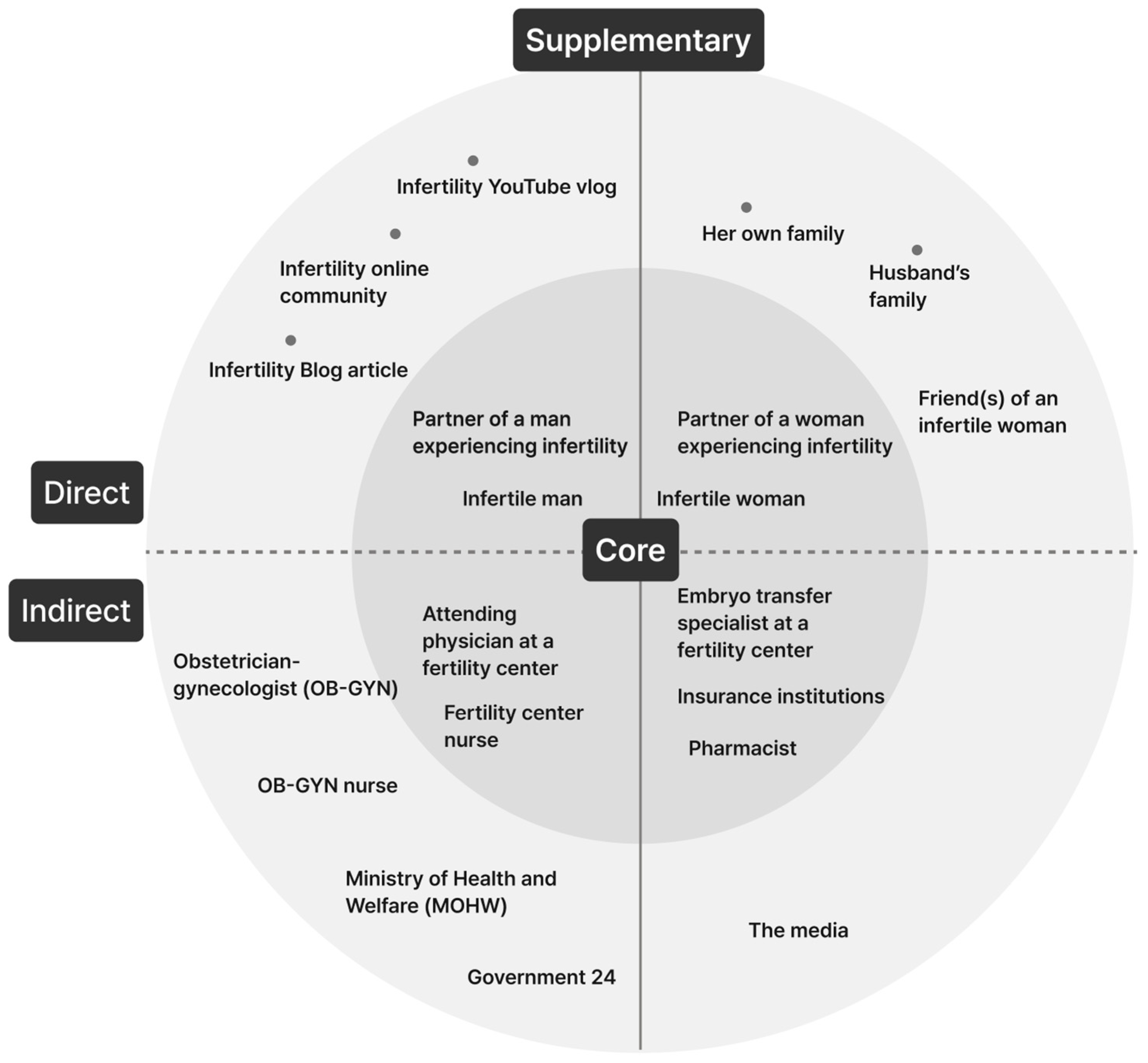
2.1.3. Mapping Key Stakeholders
2.1.4. Analyzing Online Patient Communities
2.1.5. Conducting In-Depth Interviews
- Treatment Experience: “Can you describe any memorable difficulties or discomfort you experienced during infertility procedures, medication intake, or diagnostic tests?”
- Medical Device Usability: “Have you ever felt that the instructions or operation methods of medical devices (e.g., injection devices) were unclear or insufficient?”
- Self-Injection Experience: “When performing self-injections, have you experienced confusion about dosage, medication type, or injection procedures? Can you describe that moment?”
- Information Delivery: “Did you feel that the information provided by hospitals or pharmacies (e.g., dosage, order, duration) was sufficient and easy to understand?”
- Personal Coping Strategies: “Have you developed any personal strategies to reduce pain, anxiety, or mistakes during injections (e.g., changing needles, labeling medications)?”
- Time and Schedule Conflicts: “Have you ever had to modify or cancel work, appointments, or travel plans due to treatment schedules?”
- Public or Workplace Context: “Have you experienced discomfort or anxiety when administering medication (e.g., injections or vaginal suppositories) outside the home, such as at work or in public places?”
- Storage and Portability: “How do you usually store your medications, especially those requiring refrigeration? Have you experienced inconvenience when carrying medication outside the home?”
- Disposal Routine: “How do you dispose of used needles and syringes? Have you ever experienced uncertainty, inconvenience, or safety concerns related to disposal?”
- Overall Improvement Needs: “If you could improve any aspect of the current treatment or self-injection process, what would you change?”
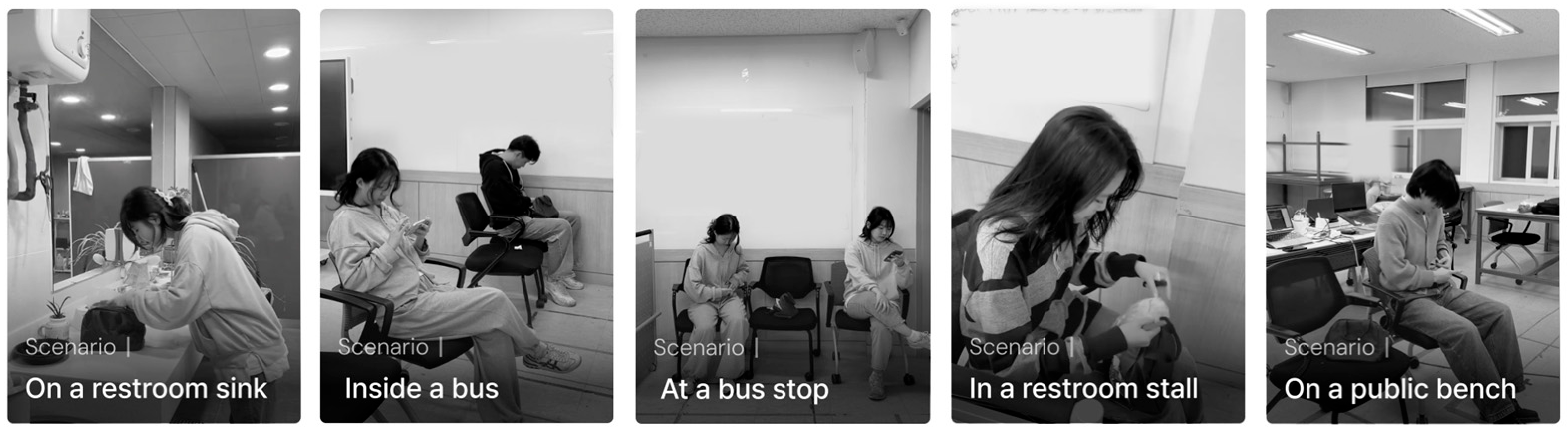
2.1.6. Performing Role-Playing Simulations
2.2. Define Phase
2.2.1. Identifying Key User Pain Points
- Pain and anxiety from repeated injections: Daily injections cause physical pain and psychological anxiety, undermining patients’ ability to maintain treatment adherence.
- Fatigue from hospital visits: The entire hospital process (including scheduling, waiting, and consultation) is perceived as highly challenging and, when combined with the self-injection routine, amplifies overall treatment fatigue.
- Disposal after use: A lack of clear information regarding the timing and method of disposal leads to confusion, and some patients express concern that the drugs or syringes might be mistaken for controlled substances.
- Persistent uncertainty: The waiting period for pregnancy results after each treatment cycle generates tension and frustration, causing patients to perceive the entire treatment as an anxiety-inducing and distressing experience.
- Stigma and diminished self-perception: Due to social stigma surrounding infertility, patients often attempt to conceal their injection behavior, leading to decreased self-efficacy and withdrawal from social interactions.
- Disruption of daily routine: Requirements such as refrigerated storage, transportation, and time management for injections disrupt daily patterns, creating a sense of separation between everyday life and treatment.
- Procedural and cognitive burden: Complex steps such as drug mixing, dosage adjustment, and injection angle management are challenging for non-experts, leading to heightened anxiety during administration.
- Unhygienic and confined injection environments: Patients frequently need to self-inject in confined or unsuitable spaces such as restrooms or vehicles during daily activities, causing both hygiene concerns and physical discomfort.
2.2.2. Redefining the Core Problem
2.2.3. Clustering and Refining Design Ideas
- Intuitiveness and safety in preparation: Minimizing user burden through automation of drug mixing and setup, combined with an injection site design that reduces visual exposure.
- Resolution of disposal and hygiene issues: Ensuring safety and hygiene with a compact, modular disposal system, a disguised outer case, and a secure sealing structure.
- Enhanced routine compatibility: Improving ease of execution in daily contexts through a structure that allows one-handed administration anywhere.
- Reduction in uncertainty during injection: Providing users with a sense of confidence through multimodal feedback that indicates progress and completion, as well as emotional support elements.
- Exploration of alternative delivery methods: Examining the potential of non-injection drug delivery approaches, such as transdermal patches and microneedle systems.
2.2.4. Deriving Design Requirements
- A self-injection process operable with one hand;
- A needle-concealed structure;
- An integrated cooling module with intuitive temperature visibility;
- Sensory feedback indicating injection completion;
- A user environment that shields external visibility.
2.3. Develop Phase
2.3.1. Establishing Design Goals
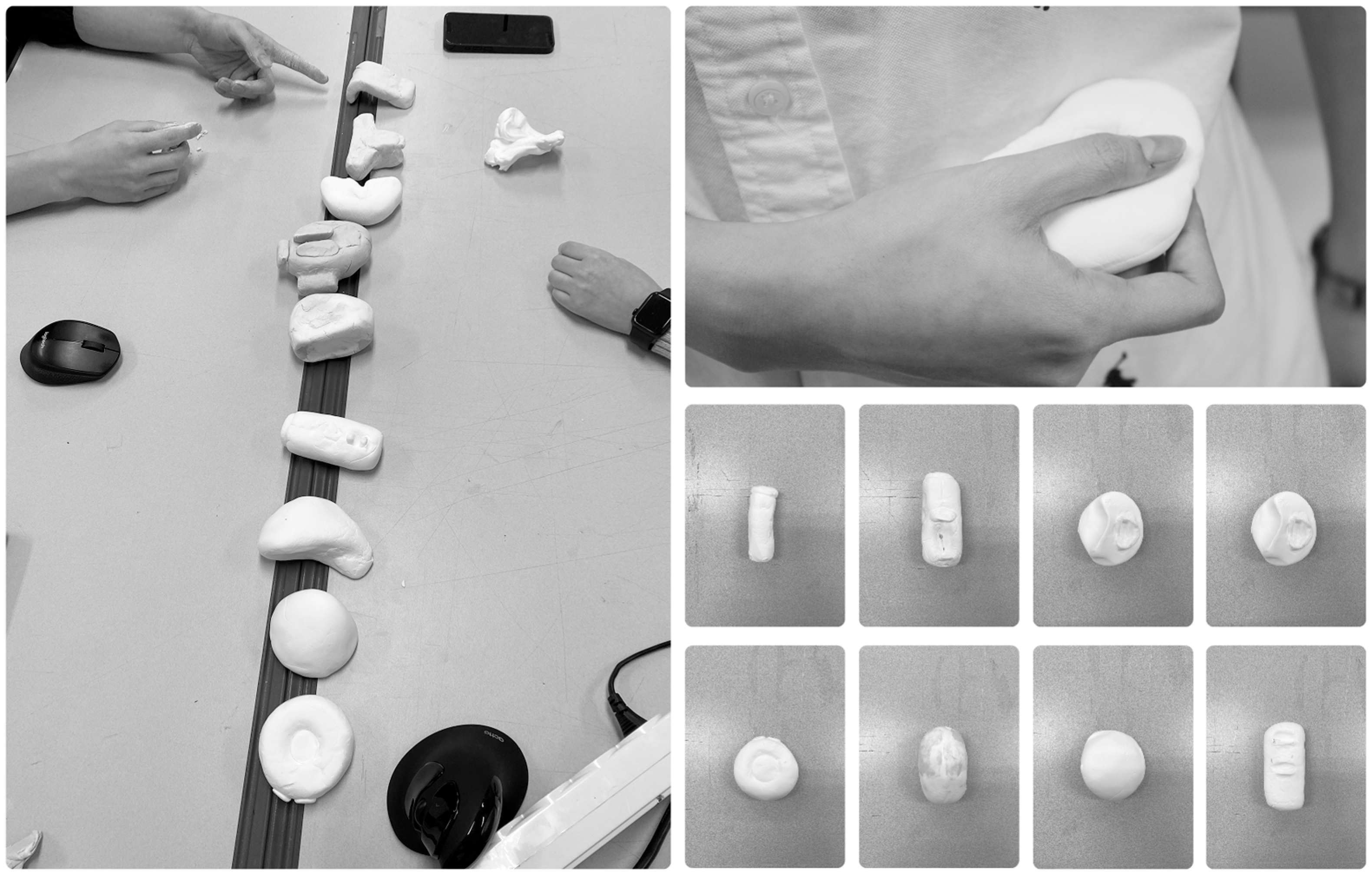
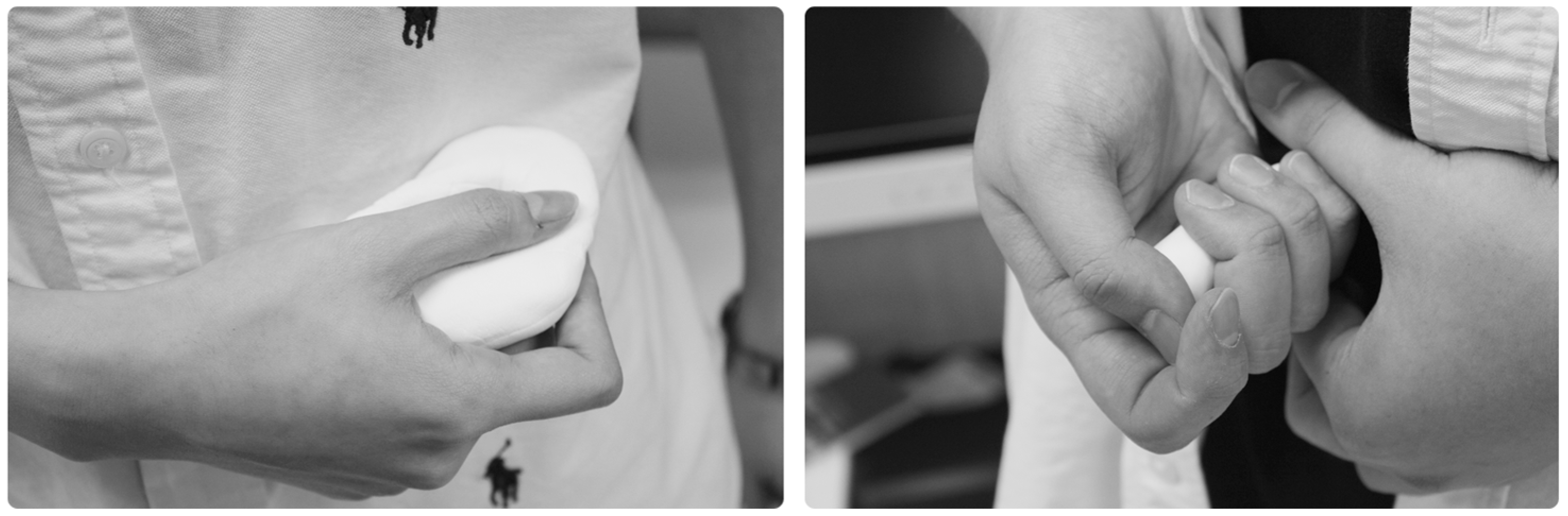
2.3.2. Developing Low-Fidelity Clay Prototypes
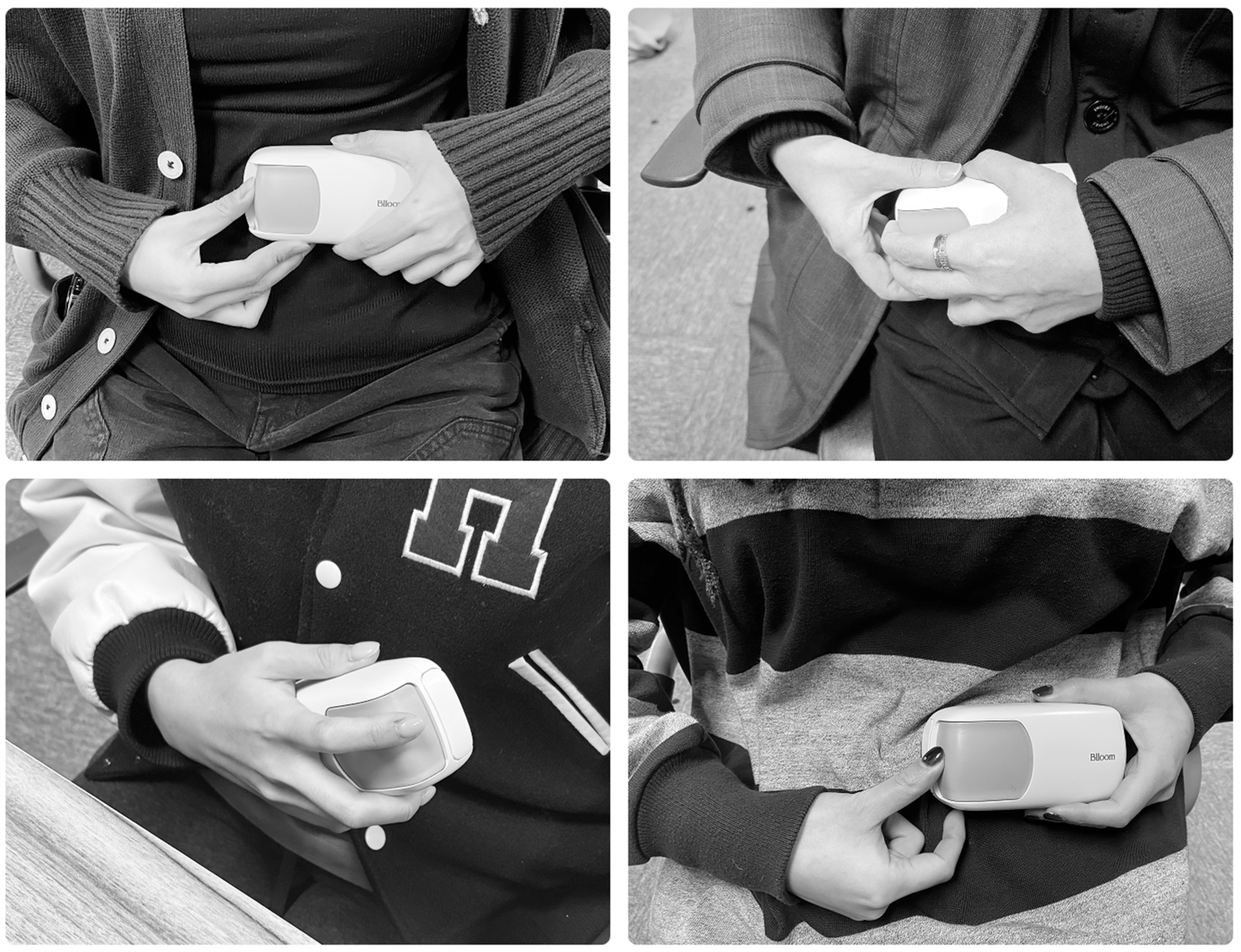
2.3.3. Conducting Participatory Design Sessions
- Dose tracking: Reflecting the nurses’ feedback that “unlike insulin, infertility injections require remembering how many doses have been administered,” the need for a transparent cylinder and a dosage-tracking window was identified.
- Portability: The infertility patient emphasized that “a device meant to be used only at home is unrealistic,” highlighting the importance of compact sizing comparable to a pencil case.
- Hygiene procedure: All participants agreed that skin disinfection is essential and reached a consensus that this step should remain user-initiated.
- Feedback: Based on the comment that “I need feedback confirming that the medication has been fully delivered,” a mechanical feedback structure at the end of the plunger was proposed.
3. Results
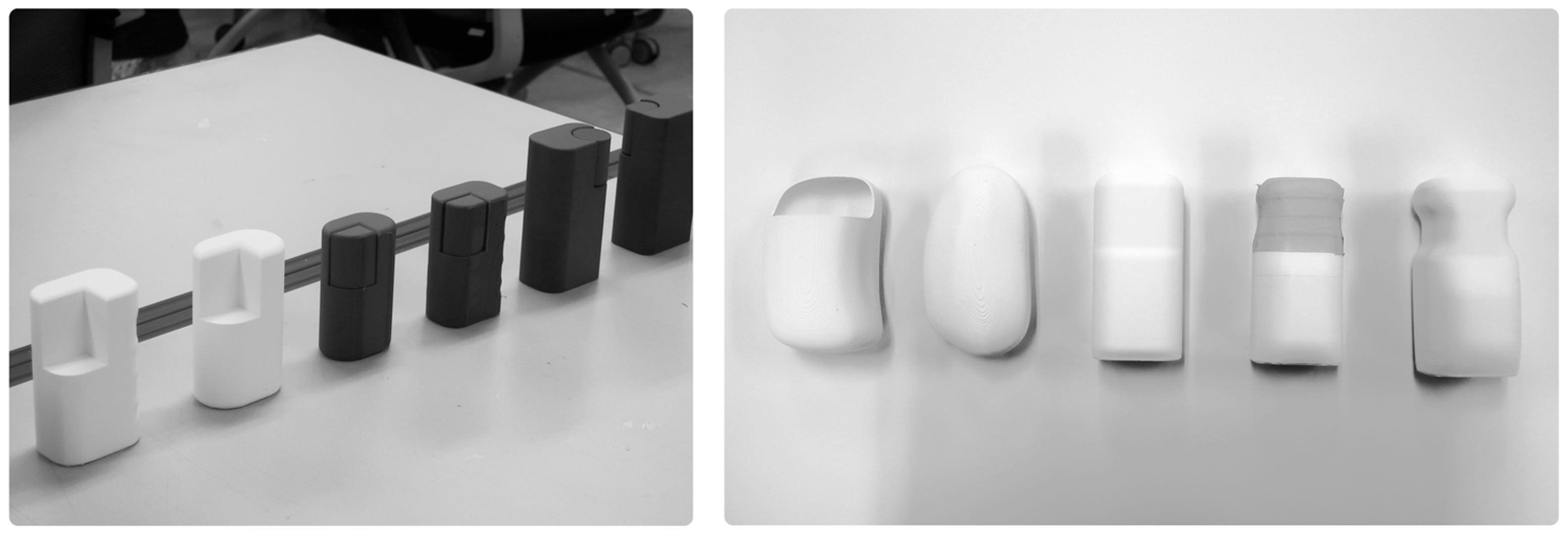
3.1. Refining the Form Factor and Engineering the Mechanism
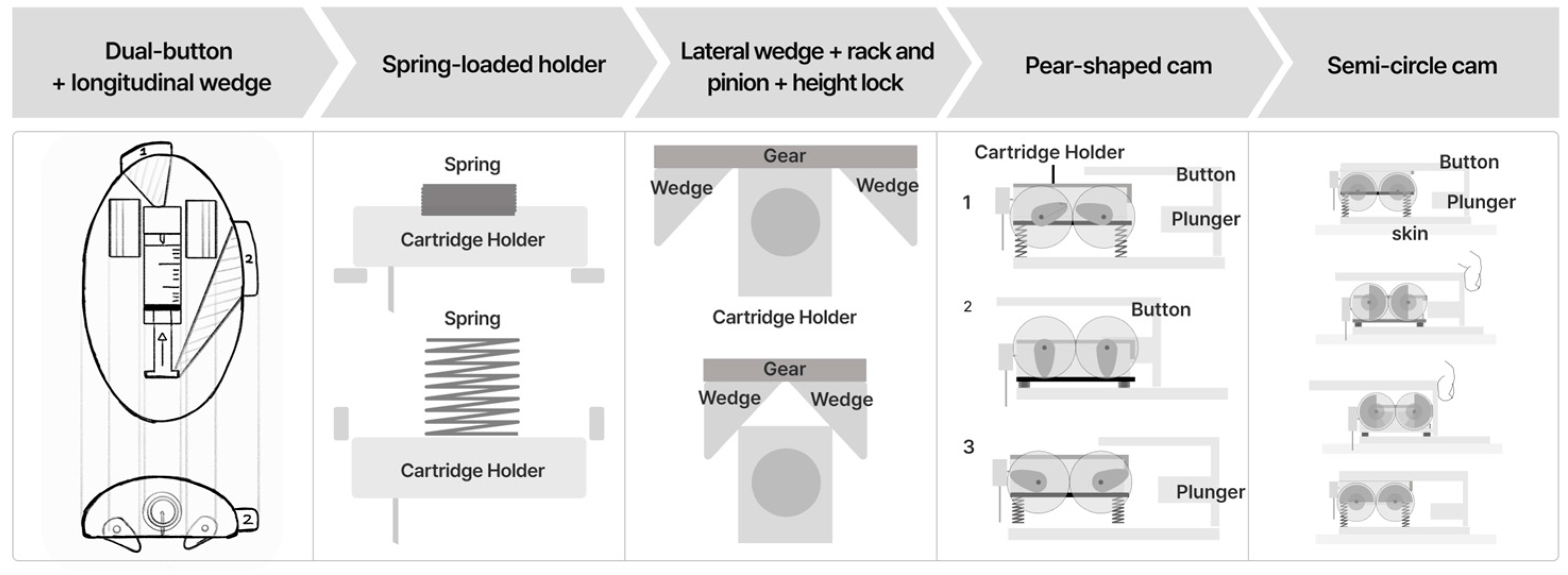
- Dual button + longitudinal wedge: In this mechanism, two buttons are pressed sequentially to move the wedge, which then positions and fixes the cartridge at the injection height. Safety can be improved by separating the insertion and injection steps; however, the multi-step operation introduces complexity, making intuitiveness a key challenge.
- Spring-loaded holder: This mechanism uses stored spring energy to insert the needle, allowing the user to inject the medication with a single button press once the spring is activated. However, recompressing the spring via button movement adds structural complexity.
- Lateral wedge + rack and pinion + height lock: This design combines lateral wedges with a rack-and-pinion mechanism to maintain a constant needle angle. Adding a height lock system enhances needle stability during repeated use. Nevertheless, improved stability increases structural complexity, manufacturing difficulty, and potentially enlarges the overall product size.
- Pear-shaped cam: In this configuration, four pear-shaped cams rotate to move the cartridge downward. The cams enable stable needle descent as they rotate from 0° to 90°, but once the cartridge reaches its lowest position, it cannot maintain height if the cam rotates further due to a single peak distance. Consequently, a new cam design was required to sustain the needle position during injection.
- Semi-circle cam: This mechanism uses a semi-circular cam to lower the cartridge to its minimum position and maintain that height throughout the injection process. Because insertion and injection occur in a single motion, usability is significantly improved. However, potential wear from repeated use must be considered.
3.2. Validating the Prototype Through Subject Matter Expert Review
- The device should be classified as a composite medical device integrating storage and administration functions, not a simple injector.
- A 2 mL dose capacity with compatibility for multiple infertility medications was identified as clinically appropriate.
- While manual skin pinching is standard practice, an automated lifting mechanism could enhance injection accuracy and user safety.
3.3. Evaluating Usability Through a Design Thinking Workshop
3.4. Proposing the Final Blloom Self-Injection System
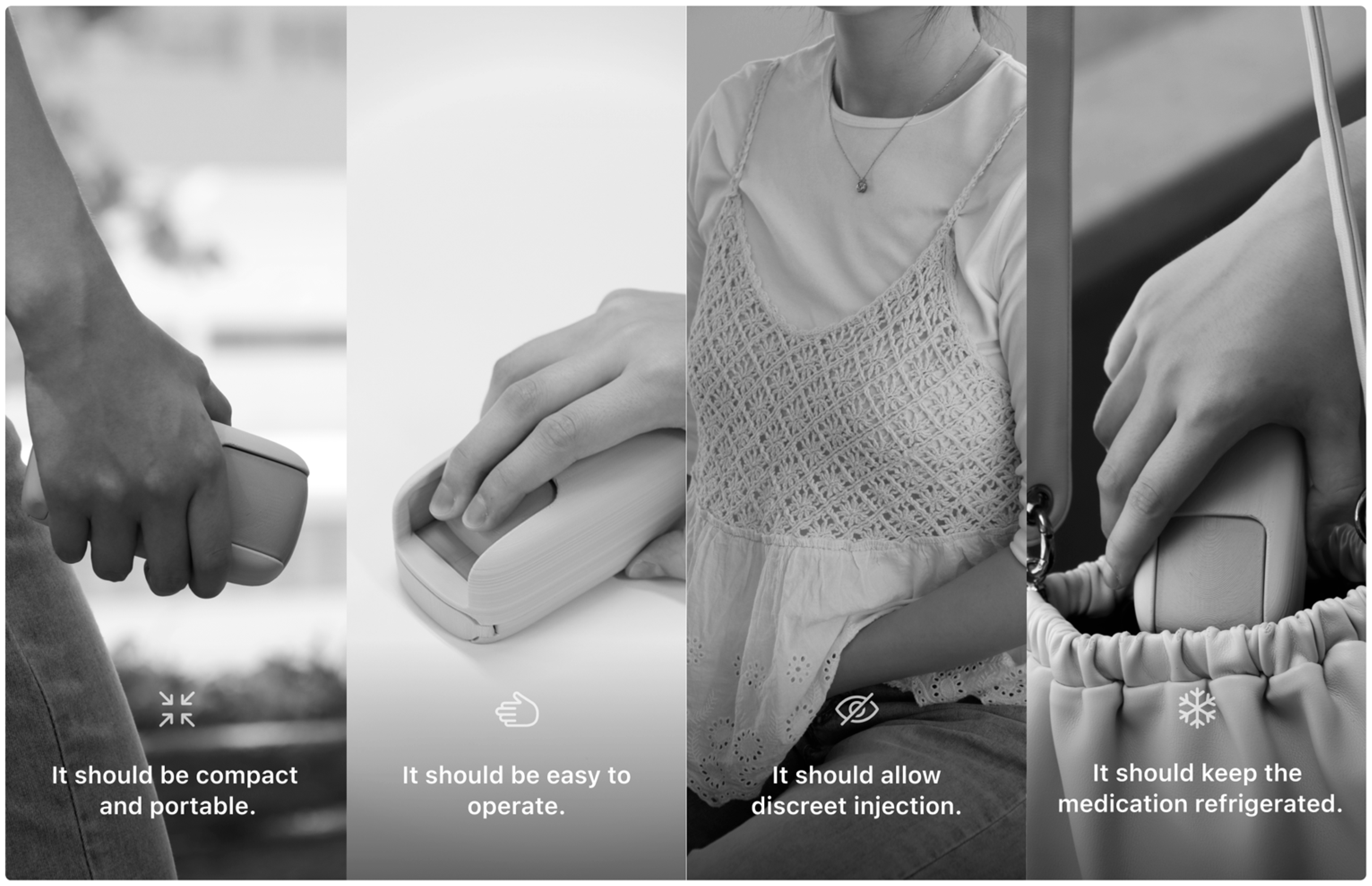
- Enhanced portability: The device adopts a thin, flat form factor that fits easily into a bag or pouch, reducing the total volume of supplies carried during treatment-related outings by approximately 85%.
- Simplified, one-handed operation: A button-based, single-action mechanism enables injections without multi-step preparation. An integrated plunger with tissue-grip functionality supports stable, intuitive one-handed use.
- Discreet, safe use in everyday contexts: The device is designed for natural, unobtrusive administration under clothing (e.g., lower abdomen/waistline), allowing patients to inject without drawing attention in public settings.
- Built-in insulated storage: An internal cooling module maintains medication within the recommended temperature range (2–8 °C) for up to 8 h, enabling safe transport and storage without a separate cooler bag.
4. Discussion
4.1. Evaluating Blloom’s Contribution to the Medical Device Market
4.2. Analyzing Designer–Engineer Collaboration Within the Double Diamond Framework
4.3. Addressing Study Limitations
5. Conclusions and Future Directions
6. Patents
Author Contributions
Funding
Informed Consent Statement
Data Availability Statement
Conflicts of Interest
References
- Society at a Glance 2024. Available online: https://www.oecd.org/en/publications/society-at-a-glance-2024_918d8db3-en.html (accessed on 2 December 2025).
- 1 in 6 People Globally Affected by Infertility: WHO. Available online: https://www.who.int/news/item/04-04-2023-1-in-6-people-globally-affected-by-infertility (accessed on 2 December 2025).
- Remarkable Photo of Newborn Surrounded by 1616 IVF Needles Captures Couple’s Fertility Struggle. Available online: https://www.independent.co.uk/life-style/ivf-baby-photo-syringe-heart-infertility-fertility-packer-family-photography-a8499521.html (accessed on 2 December 2025).
- Formicola, R.; Amici, C.; Mor, M.; Bissolotti, L.; Borboni, A. Design of Medical Devices with Usability in Mind: A Theoretical Proposal and Experimental Case Study Using the LEPRE Device. Designs 2023, 7, 9. [Google Scholar] [CrossRef]
- Kwon, J.; Choi, Y.; Hwang, Y. Enterprise Design Thinking: An Investigation on User-Centered Design Processes in Large Corporations. Designs 2021, 5, 43. [Google Scholar] [CrossRef]
- Arandia, N.; Garate, J.I.; Mabe, J. Medical Devices with Embedded Sensor Systems: Design and Development Methodology for Start-Ups. Sensors 2023, 23, 2578. [Google Scholar] [CrossRef] [PubMed]
- Vannelli, S.; Visintin, F.; Dosi, C.; Fiorini, L.; Rovini, E.; Cavallo, F. A Framework for the Human-Centered Design of Service Processes Enabled by Medical Devices: A Case Study of Wearable Devices for Parkinson’s Disease. Int. J. Environ. Res. Public Health 2024, 21, 1367. [Google Scholar] [CrossRef]
- Kim, M. A study of dignity as a principle of service design. Int. J. Des. 2021, 15, 87–100. [Google Scholar]
- Dalsgaard, P. Pragmatism and Design Thinking. Int. J. Des. 2014, 8, 143–155. [Google Scholar]
- Framework for Innovation—Design Council. Available online: https://www.designcouncil.org.uk/our-resources/framework-for-innovation/ (accessed on 2 December 2025).
- Brown, T. Design Thinking. Harvard Business Review. June 2008. Available online: https://hbr.org/2008/06/design-thinking (accessed on 27 February 2026).
- Brown, T. Change by Design: How Design Thinking Creates New Alternatives for Business and Society; Harvard Business Press: Cambridge, CA, USA, 2014. [Google Scholar]
- Cross, N. Understanding Design Thinking. In Notes on Doctoral Re-Search in Design: Contributions from the Politecnico di Milano; Guerrini, L., Ed.; FrancoAngeli: Milan, Italy, 2010; pp. 19–38. ISBN 978-88-568-3513-7. [Google Scholar]
- What Is Design Thinking?—Updated 2025. Available online: https://www.interaction-design.org/literature/topics/design-thinking (accessed on 2 December 2025).
- Lee, J.-J. Frame failures and reframing dialogues in the public sector design projects. Int. J. Des. 2020, 14, 81–94. [Google Scholar]
- Kleinsmann, M.; Rianne, V.; Janneke, S. Capturing the value of design thinking in different innovation practices. Int. J. Des. 2017, 11, 25–40. [Google Scholar]
- Needle-Based Injection Systems for Medical Use—Requirements and Test Methods—Part 1: Needle-Based Injection Systems. International Organization for Standardization: Geneva, Switzerland. Available online: https://www.iso.org/obp/ui/en/#iso:std:iso:11608:-1:ed-4:v1:en (accessed on 2 December 2025).
- Baran, B.; Yaci, Ş.N.; Öcal, M.; Siyez, D. Design Considerations of “Online Infertility Prevention Training”: Development and Evaluation. J. Educ. Sci. Environ. Health 2022, 8, 37–54. [Google Scholar] [CrossRef]
- Yi, J.-S.; Kim, S.; Cho, N.; Baek, H. A study on infertility prevention for married women through service design that Raising awareness of fertility. J. Korea Des. Forum 2022, 27, 163–172. [Google Scholar] [CrossRef]
- Sivaprasad, A.; Reiter, E.; McLernon, D.; Tintarev, N.; Bhattacharya, S.; Oren, N. Patient-Centred Explainability in IVF Outcome Prediction 2025. Available online: https://link.springer.com/chapter/10.1007/978-3-032-00656-1_7 (accessed on 27 February 2026).
- McLenon, J.; Rogers, M.A.M. The Fear of Needles: A Systematic Review and Meta-analysis. J. Adv. Nurs. 2019, 75, 30–42. [Google Scholar] [CrossRef]
- Brady, M.; Drake, J.K.; Namagembe, A.; Cover, J. Self-Care Provision of Contraception: Evidence and Insights from Contraceptive Injectable Self-Administration. Best Pract. Res. Clin. Obstet. Gynaecol. 2020, 66, 95–106. [Google Scholar] [CrossRef]
- Brew, B.K.; Donnolley, N.; Fitzgerald, O.; Molloy, D.; Chambers, G.M. Does a Public Online IVF Prediction Tool Help Set Patient Expectations? A Mixed Methods Evaluation Study. Hum. Reprod. 2023, 38, 1761–1768. [Google Scholar] [CrossRef]
- Domar, A.D.; Rooney, K.; Hacker, M.R.; Sakkas, D.; Dodge, L.E. Burden of Care Is the Primary Reason Why Insured Women Terminate in Vitro Fertilization Treatment. Fertil. Steril. 2018, 109, 1121–1126. [Google Scholar] [CrossRef]
- Verhaak, C.M.; Smeenk, J.M.J.; Evers, A.W.M.; Kremer, J.a.M.; Kraaimaat, F.W.; Braat, D.D.M. Women’s Emotional Adjustment to IVF: A Systematic Review of 25 Years of Research. Hum. Reprod. Update 2007, 13, 27–36. [Google Scholar] [CrossRef] [PubMed]
- Gameiro, S.; Boivin, J.; Peronace, L.; Verhaak, C.M. Why Do Patients Discontinue Fertility Treatment? A Systematic Review of Reasons and Predictors of Discontinuation in Fertility Treatment. Hum. Reprod. Update 2012, 18, 652–669. [Google Scholar] [CrossRef]
- Lange, J.; Richard, P.; Bradley, N. Usability of Devices for Self-Injection: Results of a Formative Study on a New Disposable Pen Injector. Med. Devices Evid. Res. 2014, 7, 195–203. [Google Scholar] [CrossRef]
- Elkefi, S.; Foo, E.; Shen, J. Autoinjector Design Parameters: A Human Factors Perspective. Proc. Int. Symp. Hum. Factors Ergon. Health Care 2023, 12, 184–190. [Google Scholar] [CrossRef]
- Size Korea: Human Body Measurement Search (Ergonomic Standards). Available online: https://sizekorea.kr/human-meas-search/ergo-std/item (accessed on 2 December 2025).
- Subject Matter Expert (SME) | Definition of Subject Matter Expert (SME) by Scrum Dictionary. Scrum Dictionary. Available online: https://scrumdictionary.com/term/subject-matter-expert-sme/ (accessed on 27 February 2026).
- Weinhold, T.; Del Zotto, M.; Rochat, J.; Schiro, J.; Pelayo, S.; Marcilly, R. Improving the safety of disposable auto-injection devices: A systematic review of use errors. AAPS Open 2018, 4, 7. [Google Scholar] [CrossRef]
- Akhtar, S.; Wernersson, A.S.; Berg, B.; Comins, J.D.; Jessen, A.-M.B.; Kjeldsen, B.G.; Kopic, S.; Rasmussen, N.K.; Rundell, E.; Ter-Borch, G.; et al. Ease of Use of the Reusable DuraTouch Pen Injector in Individuals with Diabetes with and Without Previous Pen Injector Experience: A Handling Study. Diabetes Technol. Ther. 2026, 28, 68–72. [Google Scholar] [CrossRef]
- Dorst, K.; Cross, N. Creativity in the design process: Co-evolution of problem and solution. Des. Stud. 2001, 22, 425–437. [Google Scholar] [CrossRef]
- Kleinsmann, M.; Valkenburg, R. Barriers and enablers for creating shared understanding in co-design projects. Des. Stud. 2008, 29, 369–386. [Google Scholar] [CrossRef]
- McDonnell, J.; Lloyd, P. (Eds.) About: Designing. Analysing Design Meetings; CRC Press: Boca Raton, FL, USA, 2009. [Google Scholar] [CrossRef]


| Regular Style | Pen-Type Syringe | Auto Syringe | Patch Type | |
|---|---|---|---|---|
| Syringe |  Image retrieved from http://tradeindia.com/products/premium-quality-glass-and-plastic-syringes-with-needles-8497648.html (accessed on 27 February 2026) |  Image retrieved from https://handok.co.kr/product/detail?idx=249 (accessed on 27 February 2026) |  Image retrieved from https://www.druginfo.co.kr/detail/sideEffect.aspx?pid=215833 (accessed on 27 February 2026) |  Image retrieved from https://eopatch.com/main/main.html (accessed on 27 February 2026) |
| Product Features | Manual medication transfer required. | Cartridge-based medication with button dial operation. | Built-in automatic injection mechanism. | Adheres to skin for slow, automatic drug delivery. |
| Why it is Unsuitable for Infertility Treatment | Poor portability; needs refrigeration. Complex injection process; requires skill. Hygiene and exposure concerns outdoors. | Vertical injection prone to shaking and creates risk of bruising. Exposure and privacy concerns during outdoor use. Requires separate cooler for medication storage and transport. | Potential mechanical failures and high cost. Typically large and heavy, limiting portability. | Continuous delivery limits immediate injection. Limited attachment sites; discomfort with long wear. |
| Participant No. | Age | Interview Method | No. of Treatment Cycles | Current Status |
|---|---|---|---|---|
| 1 | 41~45 | Phone | 33 IVF | Unsuccessful |
| 2 | 41~45 | Video call | 11 IVF | Successful |
| 3 | 31~35 | In-person | 3 AI; 1 IVF | Successful |
| 4 | 36~40 | Questionnaire | 5 IVF | Successful |
| 5 | 31~35 | Questionnaire | 8 IVF | Successful |
| 6 | 36~40 | In-person | 9 IVF | In treatment |
| 7 | 31~35 | In-person | 2 IVF | Successful |
| 8 | 36~40 | Phone | 2 IVF | In treatment |
| 9 | 31~35 | In-person | 3 AI; 2 IVF | Successful |
| Participant No. | Participant Group | Domain Background | Expertise Type |
|---|---|---|---|
| 1 | Individual with infertility experience | Engineering | Academic |
| 2 | Engineering faculty | Engineering | Clinical |
| 3 | Nursing professional | Healthcare | Clinical |
| 4 | Nursing professional | Healthcare | Student |
| 5 | Engineering student | Engineering | Student |
| 6 | Engineering student | Engineering | Student |
| 7 | Design student | Design | Student |
| 8 | Engineering student | Design | Student |
| Timeline in Double Diamond | Basis for Trade-Off | |
|---|---|---|
| Discover Designer-initiated convergence | Conducted comprehensive identification of infertility patients’ pain points through desk research and online community analysis. | Actual user voices collected through user research. Real pain points of infertility patients identified from online sources such as mom communities, KakaoTalk open chats, YouTube vlogs, and blogs. |
| Significant time was required to reach a compromise on which of the two major pain points identified through user research should be prioritized. | The designer acknowledged an initial lack of understanding of engineering capabilities. Through continuous learning and technical review, both sides reached mutual understanding and consensus. A collaborative attitude was established through deep dialog and empathy between designers and engineers. | |
| Define Designer-initiated convergence | Visualized various issues and user needs related to infertility patients’ injection experiences through an ideation board. Among multiple pain points, discussions focused on key challenges, such as “being able to inject without worrying about others’ gaze” and “storing medication without a cooler bag.” | The problem definition eventually converged on “concealment and simplification of injection” and “improvement of storage and portability” → the engineer proposed feasible technical solutions → the team agreed on pain points that could be realized in a working prototype. Based on repeatedly confirmed user needs—such as injection concealment, reduced refrigeration burden, and hygienic simplicity—the team finalized key pain points. |
| After the Define phase, designers generated a wide range of conceptual ideas. | Rather than relying solely on external validation, the team maintained an open and receptive mindset, finding a balance between ideation and practical convergence → result: a repetitive cycle of divergence, validation, and convergence throughout collaboration. | |
| Develop Reciprocal negotiation phase | During the prototyping process, the inclusion of a cooling function emerged as a central point of debate. | Expert consultation provided additional justification for the need for a cooling function. During prototyping, the team restructured the internal layout to secure space for the cooling module, resolving technical constraints. Consequently, the cooling function was successfully integrated, becoming a defining key feature of the product. |
| In the same phase, engineers proposed a design operating with two buttons, which became a topic of contention. | User research data ultimately served as the decisive basis for design decisions, leading to consensus on prioritizing user needs. The number of buttons was finalized based on human factor guidelines. | |
| Designers sought to reduce the product’s size, while engineers preferred to increase its dimensions for structural feasibility. | The product size was determined according to average female hand dimensions referenced from human factor standards. | |
| Deliver Reciprocal negotiation phase | At the final output stage, defining the criteria for product completeness became a key discussion point. | Through the collaboration process, the team recognized a multi-layered definition of completeness, balancing design refinement and engineering robustness. This cross-disciplinary coordination resulted in a shared understanding of completeness as the alignment of UX and performance standards. |
Disclaimer/Publisher’s Note: The statements, opinions and data contained in all publications are solely those of the individual author(s) and contributor(s) and not of MDPI and/or the editor(s). MDPI and/or the editor(s) disclaim responsibility for any injury to people or property resulting from any ideas, methods, instructions or products referred to in the content. |
© 2026 by the authors. Licensee MDPI, Basel, Switzerland. This article is an open access article distributed under the terms and conditions of the Creative Commons Attribution (CC BY) license.
Share and Cite
Kim, S.; Jang, Y.; Kim, H.; Kim, J.; Lee, S.; Yim, H.; Lim, D. Design–Engineering Synergy in Healthcare: Developing a Human-Centered Self-Injection System for Infertility Treatment. Designs 2026, 10, 29. https://doi.org/10.3390/designs10020029
Kim S, Jang Y, Kim H, Kim J, Lee S, Yim H, Lim D. Design–Engineering Synergy in Healthcare: Developing a Human-Centered Self-Injection System for Infertility Treatment. Designs. 2026; 10(2):29. https://doi.org/10.3390/designs10020029
Chicago/Turabian StyleKim, Seoyeon, Yoonjung Jang, Heejin Kim, Junhyung Kim, Sungbeen Lee, HyunJune Yim, and Dokshin Lim. 2026. "Design–Engineering Synergy in Healthcare: Developing a Human-Centered Self-Injection System for Infertility Treatment" Designs 10, no. 2: 29. https://doi.org/10.3390/designs10020029
APA StyleKim, S., Jang, Y., Kim, H., Kim, J., Lee, S., Yim, H., & Lim, D. (2026). Design–Engineering Synergy in Healthcare: Developing a Human-Centered Self-Injection System for Infertility Treatment. Designs, 10(2), 29. https://doi.org/10.3390/designs10020029