Article

Structural Feasibility and Compliance Assessment of Container vs. Cold-Formed Steel for a Sustainable 3D Printing Micro-Factory

School of Civil, Mining, Environmental and Architectural Engineering, University of Wollongong, Wollongong, NSW 2500, Australia
*
Author to whom correspondence should be addressed.
Designs 2026, 10(1), 7; https://doi.org/10.3390/designs10010007
Submission received: 10 December 2025 / Revised: 12 January 2026 / Accepted: 13 January 2026 / Published: 19 January 2026

Abstract

This paper addresses critical issues related to the structural design of a micro-factory housing a mobile 3D printing system for plastic recycling. Rather than a simple comparison, it quantifies the “modification penalty”, the structural and economic cost of retrofitting a repurposed ISO shipping container (ISCC) versus deploying a purpose-built cold-formed steel (CFS) volumetric structure. Finite Element Analysis of a standard 20-foot shipping container revealed a serviceability failure in its roof under standard imposed loads. Concurrently, an initial analysis of an equivalent CFS structure also indicated non-compliance, with significant floor and roof deflections. Both platforms were subsequently redesigned with structural reinforcements to achieve full compliance with Australian Standards. The comparative evaluation moves beyond static analysis to incorporate critical performance metrics. While the CFS structure proved to be 575 kg lighter with a lifespan 300–400% longer, the modified ISCC was 47% cheaper in initial capital outlay ($7161 vs. $13,549). However, when considering the totality of performance factors, specifically the ISCC’s inherent vulnerability to resonance (8–18 Hz), which overlaps with transport frequencies, and the logistical burden of losing CSC certification upon modification, the CFS platform is conclusively identified as the superior engineering solution. Its design flexibility, predictable performance, and amenability to purpose-built optimization make it a more reliable and operationally secure platform for this specialized application.

1. Introduction

The Emergence of Mobile Micro-Factories in the Circular Economy

The shift toward distributed manufacturing has accelerated the demand for mobile industrial units [1]. Recent studies (e.g., [2,3,4]) highlight the critical role of ‘Micro-factories’ in the circular economy, particularly for localized plastic recycling. This transition is driven by the need for more resilient and resource-efficient production methods, a challenge actively being explored by initiatives such as the CSIRO’s work on sustainable materials [5] and earlier foundational calls for decentralized systems [6]. Within this context, the concept of the ‘micro-factory’ has emerged as a key enabler of this new industrial vision [7]. As a decentralized, agile, and highly automated manufacturing unit, the micro-factory embodies the principles of Industry 4.0, offering the potential to transform waste streams into high-value products at a local level. By upcycling post-consumer plastic waste using additive manufacturing (3D printing), these facilities can address the environmental challenge of plastic pollution while simultaneously creating localized, demand-driven production cycles.
To fully operationalize this concept, the mobile micro-factory, often conceptualized as a “Factory-In-a-Box” [8], has been identified as a critical technology. By deploying these compact, transportable facilities directly within communities or near sources of waste, it is possible to drastically shorten supply chains, reduce the carbon footprint associated with logistics, and create resilient, localized economies [9]. The strategic value of such mobile systems lies in their ability to function as nomadic, responsive nodes within a distributed manufacturing network [10], as demonstrated by modular laboratory projects and conceptual designs for additive manufacturing containers [11,12].
However, the realization of a mobile micro-factory presents a central engineering challenge that lies at the intersection of structural dynamics, materials science, and precision manufacturing. The structural platform for such a facility must satisfy two distinct and often conflicting performance mandates. First, it must possess exceptional robustness to withstand the dynamic loads inherent to transport. Second, it must provide a highly stable, non-resonant, and climate-controlled environment to ensure the operational integrity of sensitive equipment, such as the industrial-scale Gigabot 3D printers [13]. While Lacey et al. [14] established static performance baselines for modular housing, they failed to address the dynamic constraints of mobile manufacturing equipment, leaving a gap in the structural standardization of these units. This inherent conflict between the requirements for mobility and precision, the need for the structure to be both a rugged vehicle and a stable laboratory, defines the core problem this research seeks to address.
In the search for a suitable structural platform, two primary candidates emerge: the repurposed ISO shipping container (ISCC) and the purpose-built cold-formed steel (CFS) modular structure. The use of ISCCs has gained significant popularity in alternative architecture due to their global availability, standardized dimensions [15], and perceived low initial cost [16,17]. Their inherent robustness for freight has led to their adoption in various applications, from simple housing to complex mobile systems [18,19]. However, transforming a freight unit into a functional building envelope is not trivial. The structural integrity of a container relies heavily on its monocoque design, and any modification, such as adding doors or windows [20], requires significant and costly reinforcement to avoid compromising its strength [21,22]. Furthermore, their thermal performance in hot climates is a known challenge [23], and their long-term lifecycle assessment presents a complex picture [24].
The alternative is a purpose-built CFS volumetric structure. CFS offers one of the highest strength-to-weight ratios of any common construction material, providing significant structural advantages [25]. This allows for the creation of strong, lightweight, and highly durable structures with an expected lifespan of over 100 years [26]. The design flexibility of CFS is a key benefit, allowing for the creation of optimized modular units, as seen in the growing market for tiny homes and custom frames [27,28]. This “design-for-purpose” approach, guided by established standards [29], allows structural systems to be engineered from first principles to meet specific operational requirements, rather than forcing operations to conform to the constraints of a pre-existing structure.
Despite the growing interest in both container architecture and modular construction, a significant gap remains in the literature. While many studies have explored the feasibility of containers for residential or low-load applications [30,31], there is a lack of rigorous, compliant structural analysis comparing these platforms for specialized, mobile industrial use. Rather than a direct optimization contest between two disparate systems, this study frames the comparison as an evaluation of the “modification penalty”. This concept quantifies the structural and economic interventions required to adapt a standardized freight module (ISCC) to meet the same functional baseline as a purpose-built Cold-Formed Steel (CFS) unit. This approach builds on established reinforcement strategies, such as the steel box frames described by Giriunas et al. [21], to determine if the logistical benefits of a container outweigh the cost of restoring its structural integrity.
This paper aims to fill this gap by conducting a multi-criteria structural feasibility and compliance assessment of the ISCC and CFS platforms. The objective is to move beyond a simple comparison of static strength and initial cost to deliver a holistic evaluation that incorporates dynamic performance, thermal efficiency, modification complexity, and lifecycle economics. Through a rigorous methodology combining code-based load calculations [32,33] with Finite Element Analysis in Autodesk Fusion 360 [34,35] and frame analysis in SpaceGass [36,37], this research provides a definitive, evidence-based recommendation for the optimal structural system for a mobile micro-factory.

2. Structural Analysis and Design Compliance

A rigorous structural analysis was conducted on both the ISCC and CFS platforms to assess their ability to meet the required performance standards under realistic loading conditions. The methodology combined volumetric Finite Element Analysis (FEA) for the complex container surfaces with 1D beam-element frame analysis for the CFS structure. Autodesk Fusion 360 was selected for the ISCC model due to its robust 3D modeling capabilities, while SpaceGass was chosen for the CFS structure due to its extensive material libraries and built-in design tools for Australian standards (AS 4100, AS/NZS 4600). To overcome software limitations in analyzing the entire complex container structure simultaneously, an isolated-surface analysis protocol was adopted, where critical components (roof, floor, walls) were modeled and analyzed individually under their most critical loading scenarios. Despite the use of differing simulation engines, the results are comparable as both simulations solved for linear elastic response under identical load cases defined by AS/NZS 1170, and both were evaluated against the same compliance criteria (Yield Stress and L/Span deflection limits).

2.1. Design Loads and Action Combinations

The structural models were subjected to a series of load cases derived from Australian Standards to ensure compliance with ultimate and serviceability limit states. Permanent actions (dead loads, G) and imposed actions (live loads, Q) were calculated in accordance with AS/NZS 1170.1. The selection of the strict L/500 deflection limit was governed by the operational tolerances of large-format fused granule fabrication (FGF) systems, such as the Gigabot X. Manufacturer specifications [13] indicate that gantry misalignment exceeding 0.5 mm per meter can lead to layer adhesion failure. Consequently, the standard building serviceability limit of L/300 was deemed insufficient to prevent print bed distortion during operation. The total permanent action was determined to be G = 2.55 kPa, which includes the container’s self-weight of 1.55 kPa (from a 2350 kg mass) and a conservative 1.0 kPa allowance for modifications and finishes. The imposed action for the floor was taken as Q = 5.0 kPa, consistent with its use as a workshop space, and the imposed action for the roof was Q = 1.5 kPa, accounting for general access and the weight of a solar panel array. Wind actions (Wu) were calculated according to AS/NZS 1170.2 for a site in Wollongong, Australia (Wind Region A2). These actions were combined using the load combinations specified in AS/NZS 1170.0, with the analysis focusing on the most critical combinations to determine maximum design actions. The critical design load actions used for the analysis are summarized in Table 1.

2.2. Finite Element Analysis of the ISCC Platform

A detailed 3D model of a standard 20-foot shipping container was developed in Autodesk Fusion 360 to perform the FEA. The analysis was conducted against two primary criteria: maximum Von Mises stress had to remain below half the 345 MPa yield stress of Corten steel (Young’s Modulus E = 200 GPa, Poisson’s Ratio ν = 0.3 ), and maximum deflection could not exceed the span/500 (L/500) limit as per AS4100 Table B1. To ensure numerical accuracy, the model utilized parabolic tetrahedral elements with an adaptive mesh refinement protocol, where element sizes were reduced in 10% increments until stress results converged within a 5% tolerance. Consistent with the isolated-surface analysis protocol, boundary conditions were defined as fixed constraints along the perimeter edges of the analyzed panels, simulating the rigid support provided by the container’s top rails, bottom rails, and corner posts.

2.2.1. Analysis of the Unmodified Model

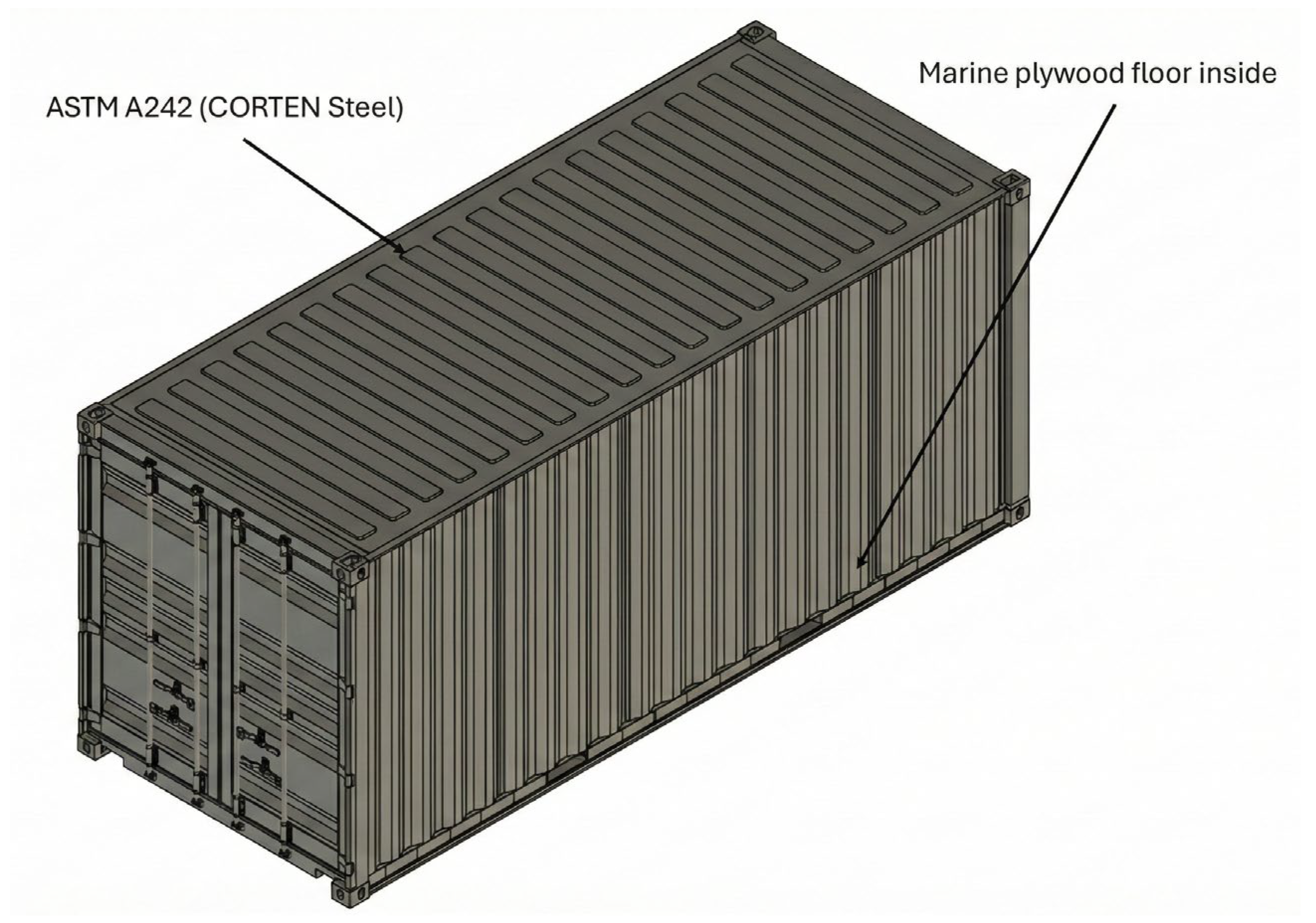
The initial analysis of the unmodified container model (Figure 1) indicated that while the walls and floor performed satisfactorily, the roof exhibited a significant serviceability failure (see Appendix A). Under the imposed load of 2.25 kPa, the roof experienced a maximum deflection of 15.90 mm. This value exceeded the permissible deflection limit of 12.19 mm by approximately 30%, confirming that an ISCC is not designed to function as a building envelope without significant retrofitting.

2.2.2. Analysis of the Modified Model

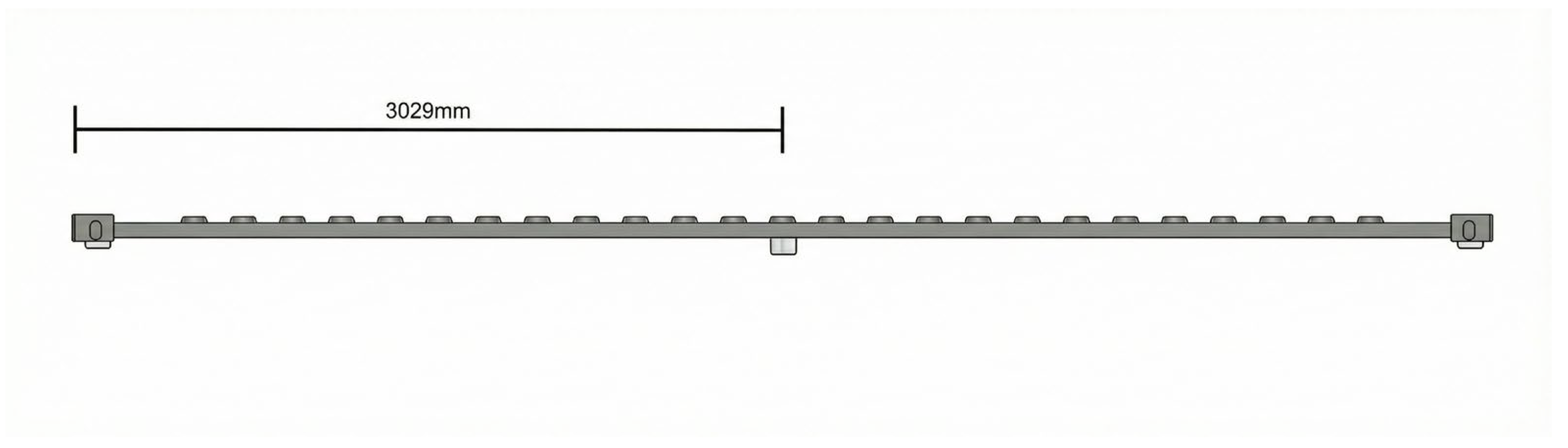
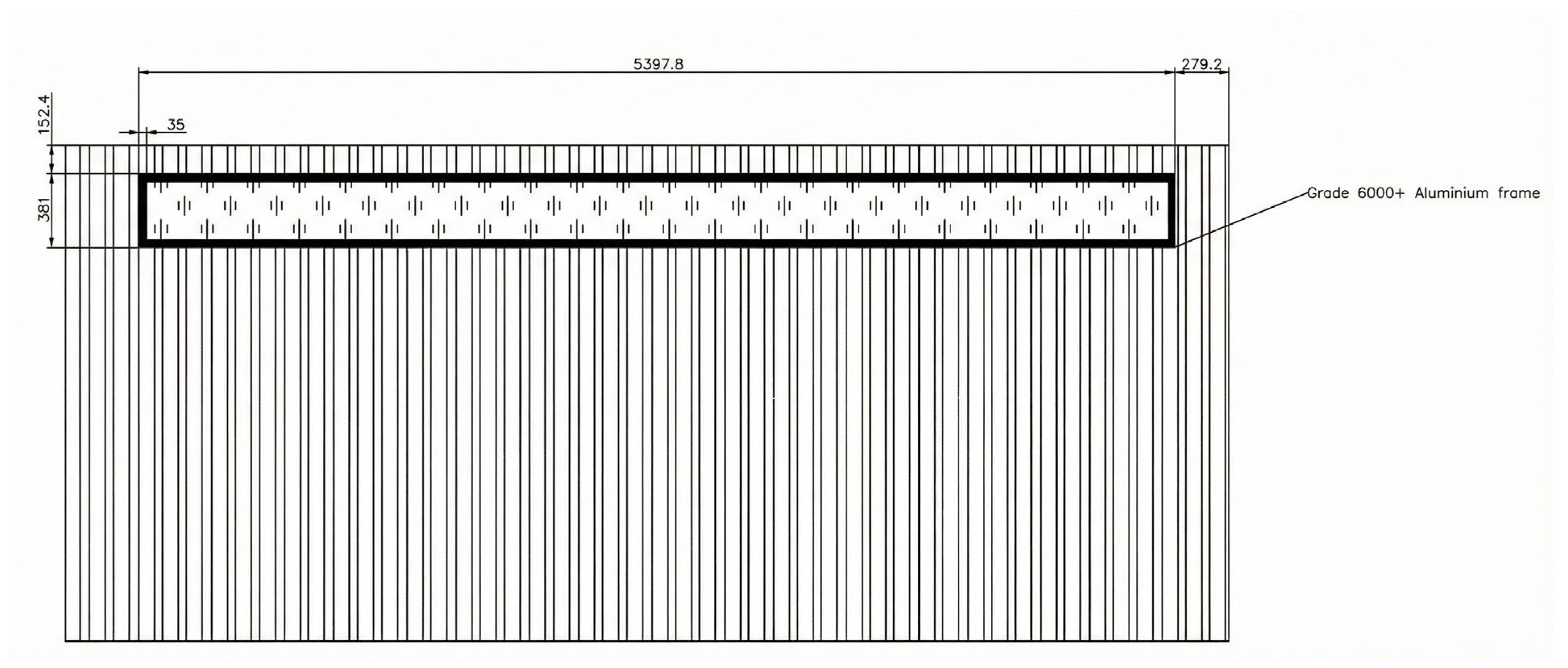
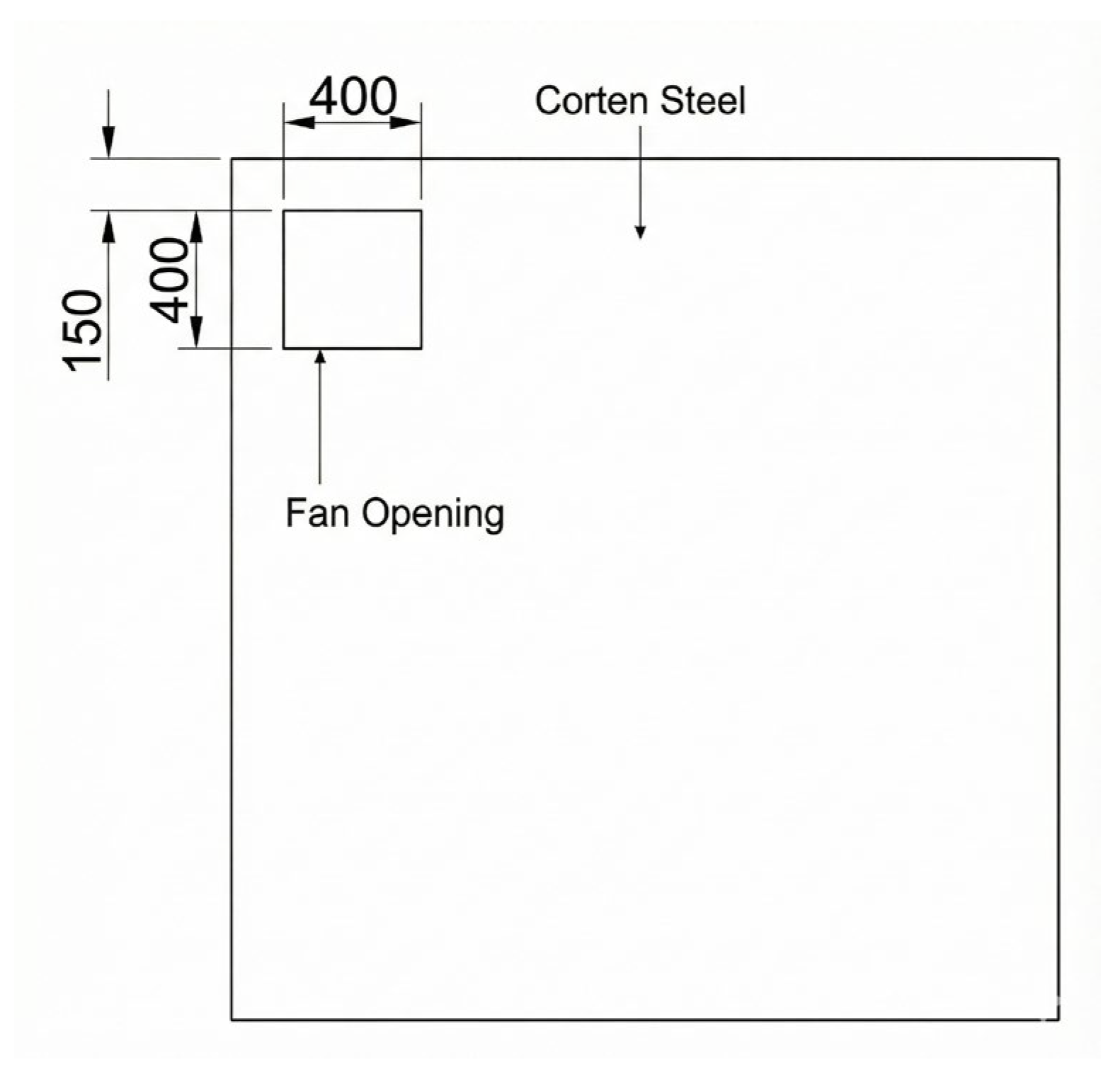
To rectify the roof’s non-compliance, a 45 × 120 mm Corten steel member was added at the roof’s midspan (Figure 2), and reinforced openings for clerestory windows (Figure 3) and an exhaust fan (Figure 4) were introduced. Re-analysis of the modified model demonstrated that all structural elements achieved compliance (see Appendix C). Most notably, the midspan beam reduced the maximum roof deflection by 54% to a value of 7.24 mm, well within the allowable limit.

2.3. Analysis of the CFS Volumetric Structure

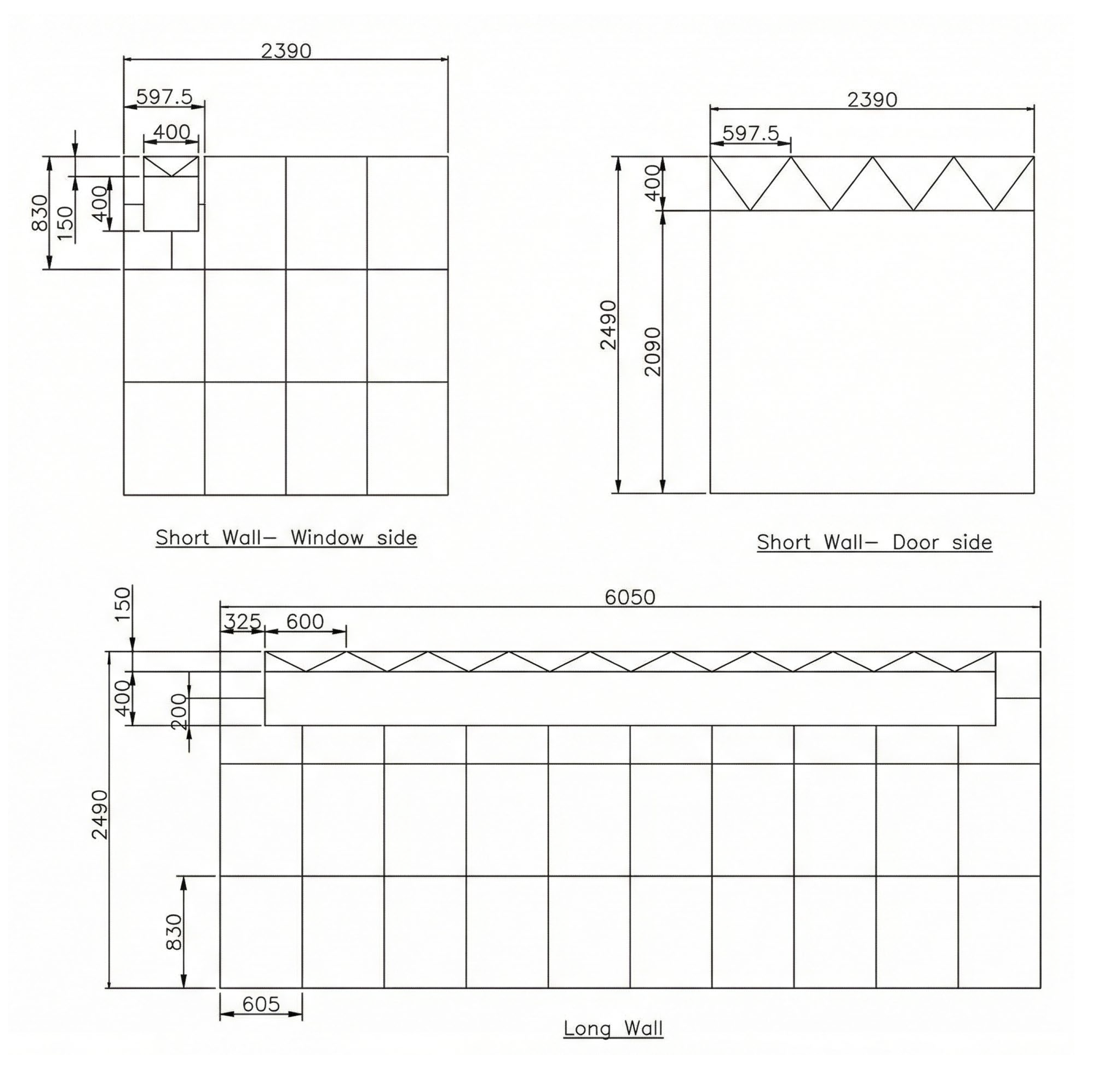
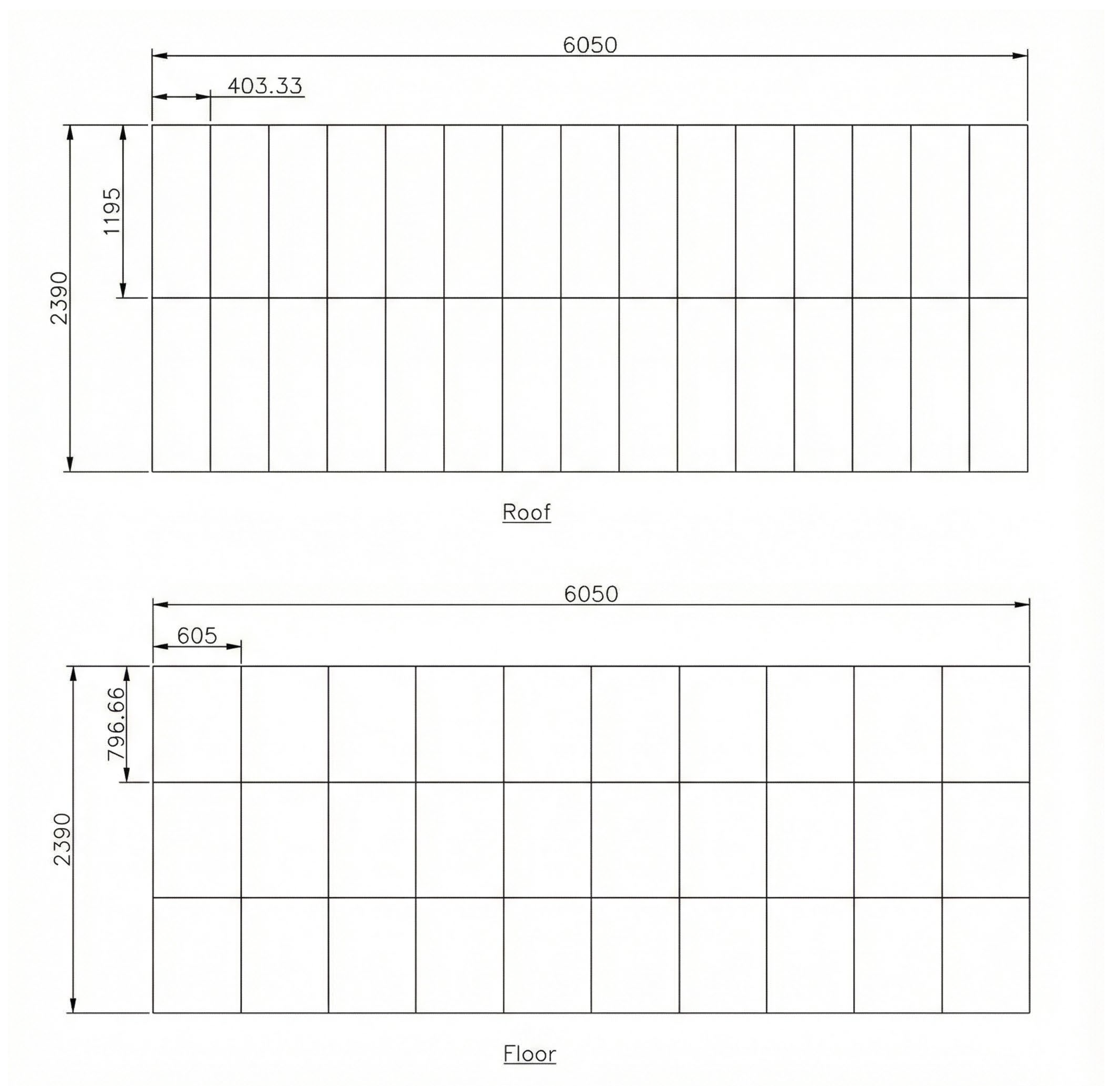
An equivalent volumetric structure was designed using CFS members and analyzed iteratively in SpaceGass. The initial conceptual design utilized C-sections from the LYSAGHT library (Figure 5 and Figure 6), with member fixities informed by rotational stiffness calculations.

2.3.1. Analysis of the Initial Design

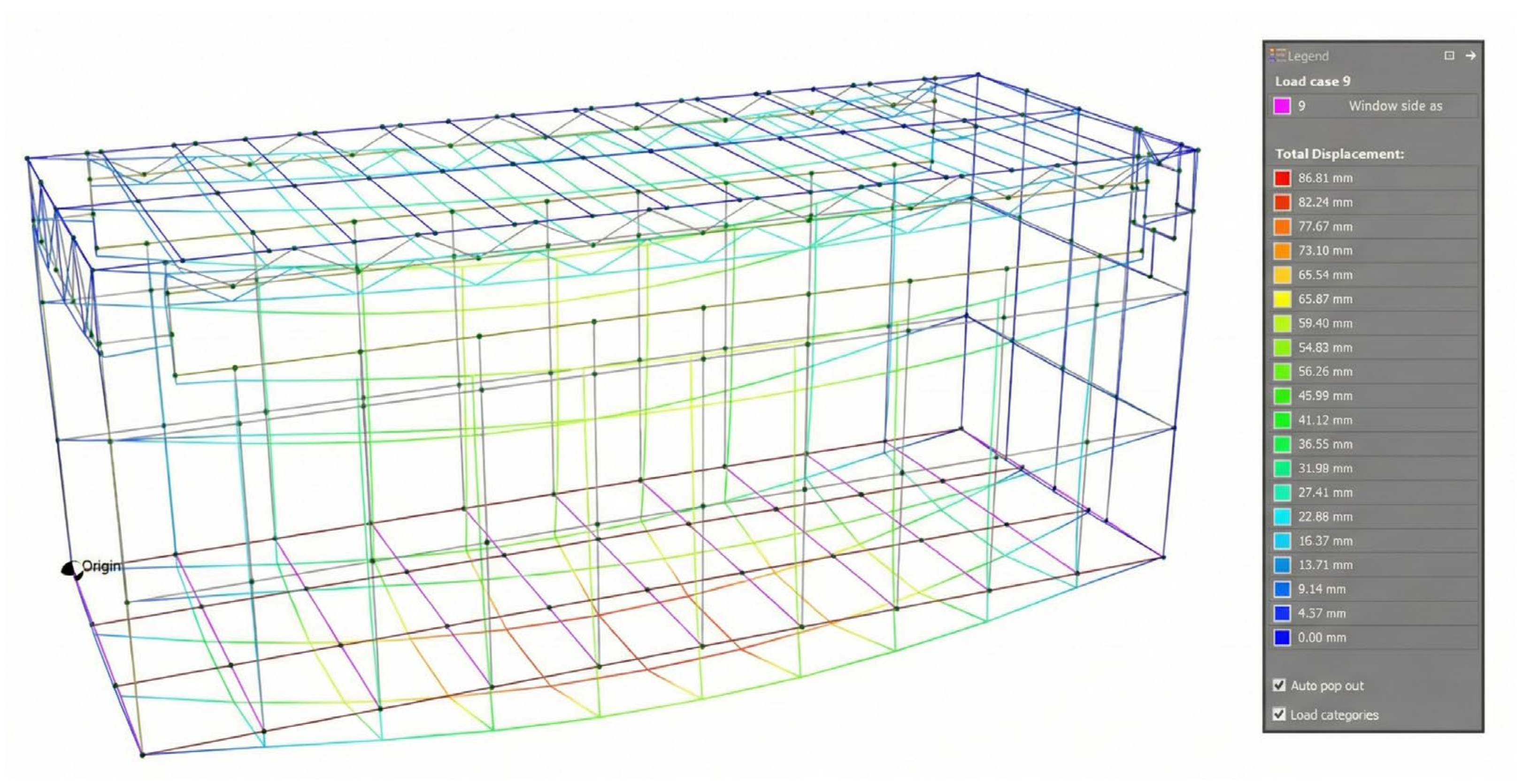
When subjected to the design loads, the initial, unoptimized model exhibited drastic serviceability failures. The linear static analysis revealed a maximum floor deflection of 86.81 mm and a roof deflection of 27.41 mm, both far exceeding their respective deflection limits. This outcome demonstrates that standard framing practices are insufficient for the substantial loads of an industrial micro-factory.

2.3.2. Analysis of the Final Compliant Design

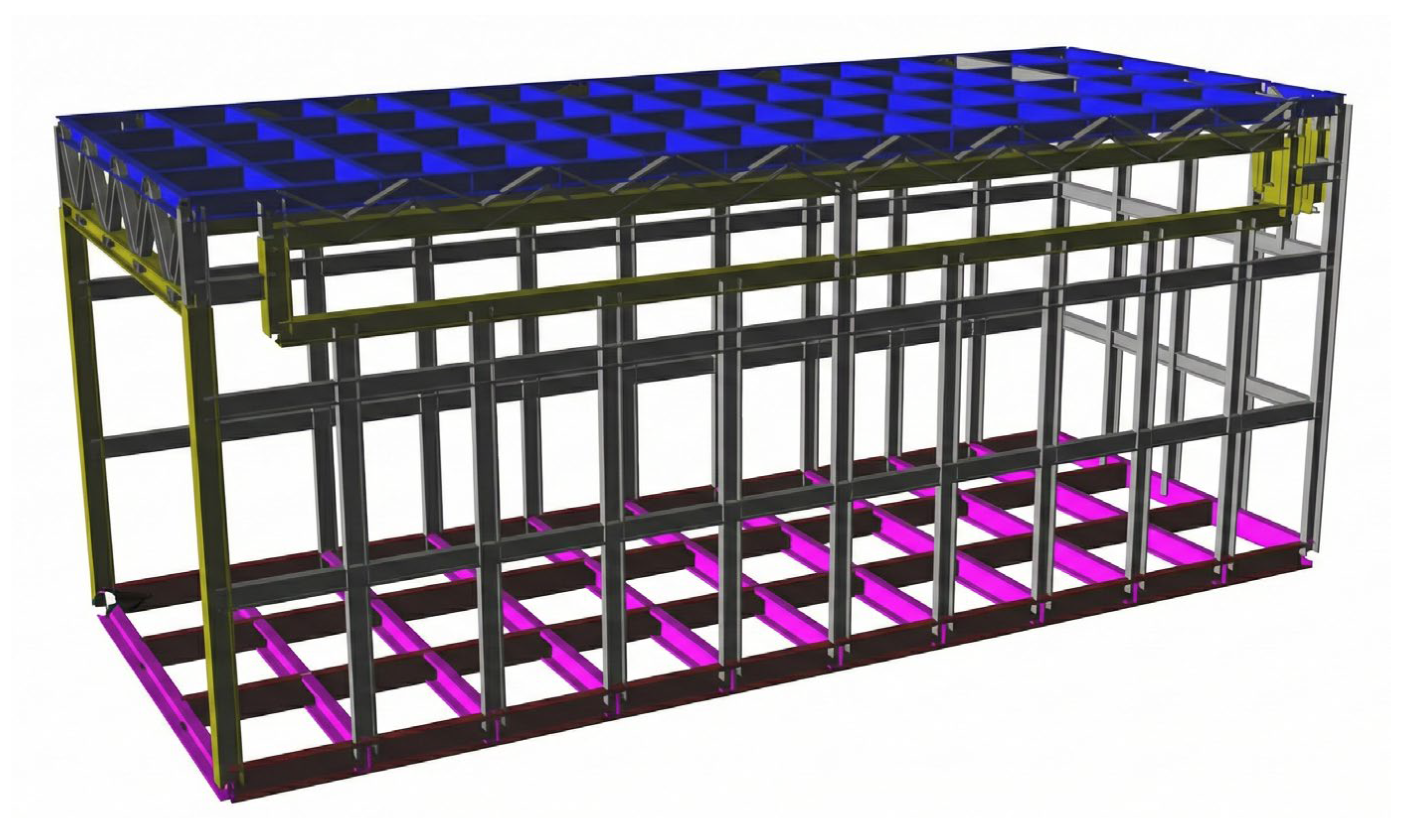
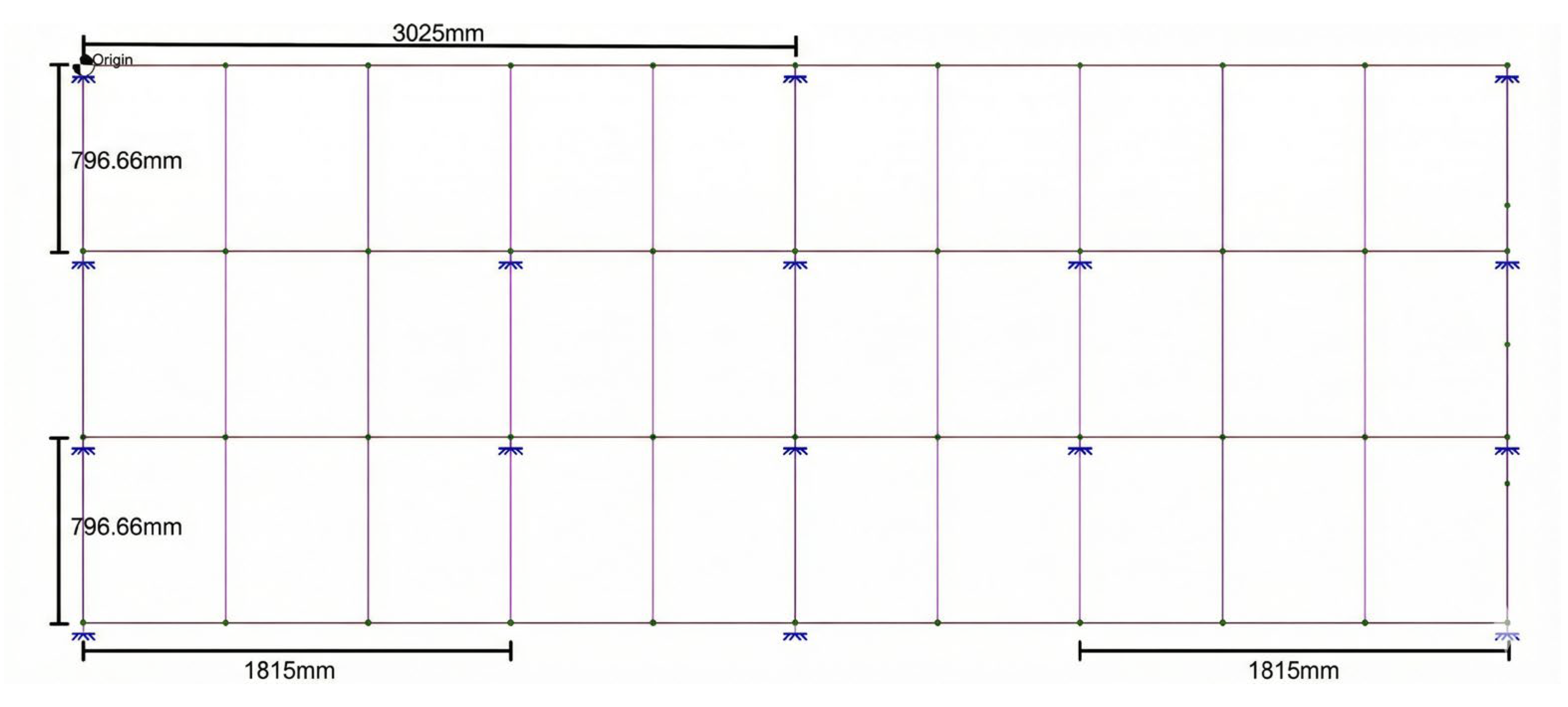
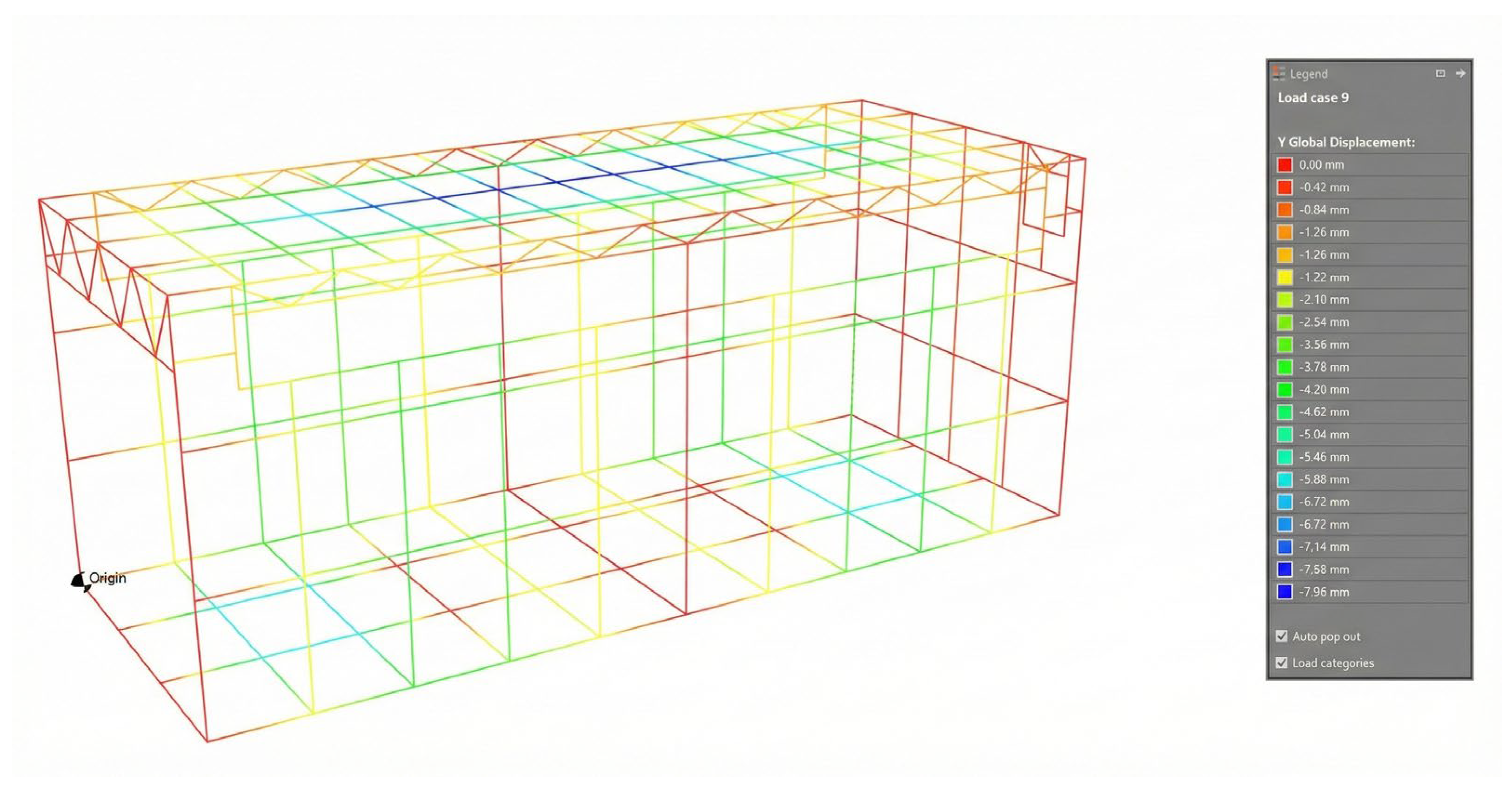
The CFS structure was systematically redesigned by adding floor stumps (modeled as fixed constraints), incorporating two additional roof beams, and including a vertical brace at the window opening (Figure 7). Additionally, floor stumps were modelled as fixed constraints (Figure 8) to reduce effective span lengths. The SpaceGass v14.2 design tool was then used to optimize member sizing, notably upgrading the floor joists and beams to L-SC15024 sections. The final, reanalyzed model satisfied all serviceability and ultimate limit state requirements under AS4100 and AS/NZS 4600, with a final critical deflection of 7.98 mm.

3. Results

This section presents the primary outcomes of the structural analysis, beginning with the initial assessment of the unmodified container, followed by the results for the compliant modified designs, and concluding with a quantitative comparison of the key metrics for each platform.

3.1. Unmodified Container Analysis and Initial Failure

The initial static stress analysis of the unmodified 20-foot shipping container in Fusion 360 confirmed that all structural surfaces complied with the material stress criteria, with maximum stress values remaining well below the 345 MPa yield stress for Corten steel. However, the analysis revealed a critical serviceability failure in the roof. The roof’s maximum deflection under the design-imposed load was 15.90 mm, which exceeded the established L/500 limit of 12.19 mm (as per AS4100) by approximately 30%. This finding confirmed that the container roof is structurally inadequate for permanent static loads without reinforcement.

3.2. Compliant Modified Designs

Following the initial analyses, both the ISCC and CFS structures were redesigned to ensure full compliance with Australian Standards.
The modified container, which included a 45 × 120 × 45 Corten steel mid-span roof beam (Figure 4), successfully passed re-analysis (see Appendix B). The reinforcement reduced the maximum roof deflection by 54% to 7.24 mm, achieving full compliance with the L/500 limit. The integration of large clerestory windows and a fan opening also resulted in compliant stress and deflection values for the walls, demonstrating the robustness of the frame once correctly reinforced.
The initial CFS structure exhibited a drastic serviceability failure, with critical deflections of 86.81 mm in the floor and 27.41 mm in the roof under the design load combination (Figure 9). Through iterative redesign, including additional braces, foundation stumps, and upgraded floor joists (L-SC15024 sections), the final model satisfied all serviceability and ultimate limit state requirements. The final compliant CFS structure achieved a critical deflection of just 7.98 mm (Figure 10). A detailed comparison of the initial and final member sections is provided in Appendix D.

3.3. Comparative Metrics

A final comparison of the two compliant designs yielded the following key operational trade-offs:
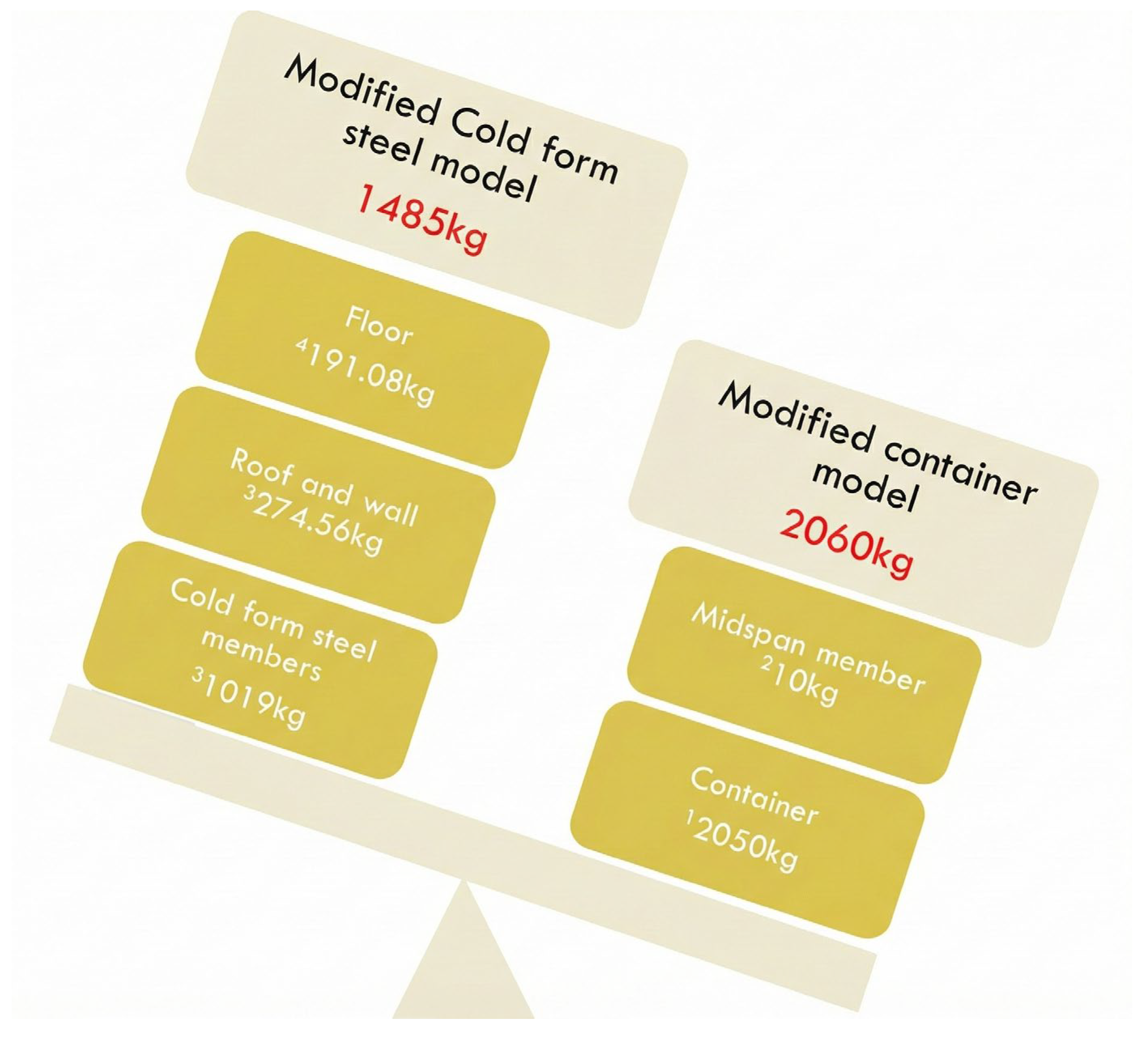
Weight: The cold-formed steel structure, with a total mass of 1485 kg, was approximately 575 kg lighter than the modified container structure (2060 kg) (Figure 11).
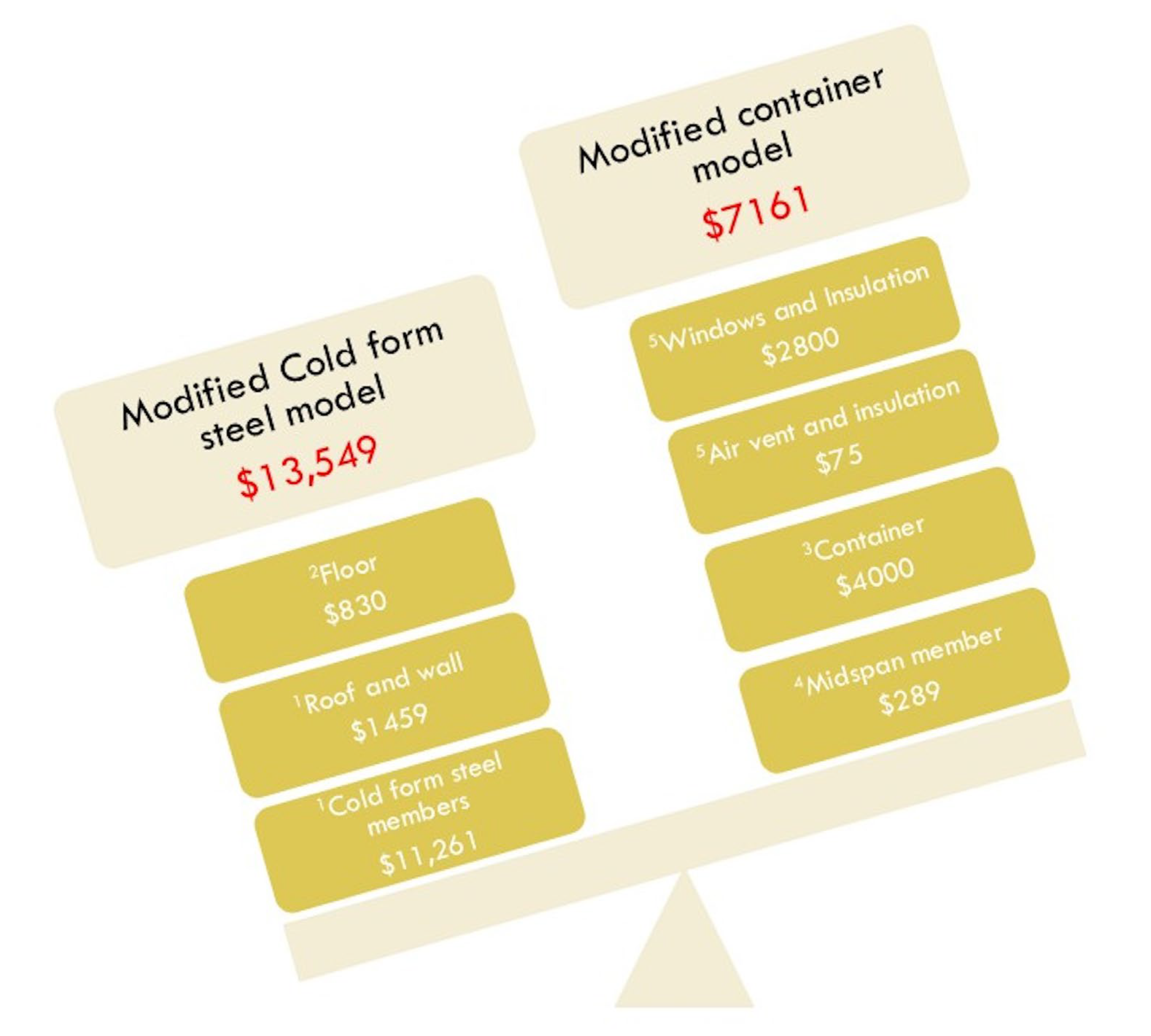
Cost: The modified container structure was substantially more cost-effective. Its total estimated cost of $7160 was approximately 47% cheaper than the estimated $13,548 for the CFS structure (Figure 12). A detailed breakdown of these mass and cost calculations is provided in Appendix E.
Longevity: The CFS structure offered a significantly longer projected lifespan of over 100 years, compared to the 25 to 30-year lifespan of a modified shipping container.

4. Discussion

The structural analyses confirmed that both an ISCC and a CFS structure can be engineered to comply with Australian Standards. However, the results reveal critical differences in performance, adaptability, and lifecycle viability that extend far beyond static load capacity. This discussion interprets these findings across several key domains, moving from structural efficiency to the decisive non-structural factors of dynamic performance, thermal efficiency, and regulatory compliance.

4.1. Structural Integrity and the “Modification Penalty”

While both platforms ultimately achieved compliance, the engineering pathways were fundamentally different. The ISCC required corrective action to overcome an inherent design flaw—its non-load-bearing roof. This process can be termed paying a “modification penalty”. The need to add a substantial midspan beam to rectify a 30% over-deflection underscores that the container is not a ready-made building envelope. Furthermore, every opening cut into its corrugated walls compromises the monocoque structure’s shear rigidity, mandating extensive and costly reinforcement with welded steel frames to restore integrity [21]. This process is labor-intensive, requires specialized expertise, and adds significant weight and cost.
In contrast, the CFS structure’s initial failure was a matter of design optimization, not a fundamental flaw. The system, designed from first principles as a load-bearing frame, was iteratively improved by adding members and adjusting sections—a standard engineering design process. Openings in the CFS platform are not a structural liability but a planned design feature, accommodated by standard components like headers and jambs, thus avoiding the significant “modification penalty” associated with repurposing an ISCC.

4.2. Dynamic Performance and Operational Risk

Perhaps the most critical differentiator for a mobile platform housing precision equipment is its dynamic performance. Here, the analysis reveals a profound and mission-critical vulnerability in the ISCC platform. The geometry of shipping containers creates a structure with distinct natural resonant frequencies, typically in the range of 8.4 to 18.2 Hz [44]. This frequency range dangerously overlaps with the typical vibration spectrum produced by road and rail transport. When an external vibration frequency matches the container’s natural frequency, resonance occurs, leading to dramatic vibration amplification. Studies have measured transmissibility amplification ratios as high as 6.7 in such scenarios [44].
The susceptibility of the ISCC to resonance is a critical operational risk. Equipment sensitivity analysis confirms that 3D printer gantries are vulnerable to accelerations in the 5–20 Hz range, which directly overlaps with the natural frequency of a standard shipping container [44]. Without complex decoupling, transport-induced vibration in this range can exceed the printer’s maximum non-operating shock limit of 2G [13]. While this risk could be mitigated by recalibrating the equipment after delivery, such a requirement imposes a significant operational headache for a mobile micro-factory intended for frequent relocation. Consequently, the application necessitates a chassis stiffness that can be tuned away from these frequencies, a flexibility inherent to the CFS design but absent in the ISCC.
It is acknowledged that the FEA scope in this study prioritized static compliance with AS/NZS 1170 for the facility’s operational state. Dynamic transport loads and lifting stresses were not explicitly modeled in the simulation, as the resonant frequency overlap identified in the literature served as a disqualifying ‘fatal flaw’ indicator regardless of the static structural capacity.

4.3. Thermal Envelope and Lifecycle Energy Costs

The micro-factory’s requirement for a stable, climate-controlled environment makes the thermal performance of the building envelope a key determinant of long-term operational cost, particularly when processing temperature-sensitive sustainable feedstocks [45]. Thermal efficiency is dictated by the ‘Geometric Thermal Potential’ of the wall section. The corrugated profile of the ISCC restricts continuous insulation thickness, often requiring spray foam that entails a high Global Warming Potential (GWP) blowing agent. Conversely, the 90 mm cavity of the CFS frame accommodates standard mineral wool batts ( R 2.5 ), allowing the envelope to meet energy efficiency standards without the internal volume loss or embodied carbon penalty associated with container retrofits.

4.4. Logistical and Regulatory Feasibility

A primary argument for using an ISCC is its perceived advantage in global logistics, but this is largely nullified by the regulatory implications of modification. Specifically, the logistical advantage of the ISCC is nullified by the loss of its CSC (Convention for Safe Containers) certification upon modification. As detailed in recent regulatory guides (e.g., ISO 1496 compliance notes), restoring legal transport status requires enrollment in an Approved Continuous Examination Program (ACEP) or individual post-modification racking tests. This recurring inspection burden transforms the unit from a ‘standard intermodal asset’ into a ‘specialized engineered enclosure,’ eliminating the primary economic rationale for using a container. In contrast, the CFS modular unit, engineered as transportable equipment, bypasses this entire regulatory framework, offering a structurally and legally cleaner solution.

4.5. Synthesis of Techno-Economic Factors

While the Comparative Material and Fabrication Cost (CapEx) analysis suggests a 47% initial advantage for the ISCC, this figure is deceptive when viewed through the lens of Total Cost of Ownership (TCO). A holistic analysis must account for the significant “hidden costs” associated with the ISCC platform, effectively the financial component of the “modification penalty.” These include high labor costs for specialized welding to restore structural integrity, the added expense of robust vibration isolation systems to mitigate resonance risks, higher lifecycle energy costs due to thermal bridging, and the recurring administrative and inspection costs for CSC re-certification. Consequently, if labor rates for the specialized welding were explicitly included, the cost disparity would likely widen further in favor of the CFS assembly.
Furthermore, durability analysis supports the superior longevity of the CFS option. While Corten steel relies on a stable oxidation layer, cutting and welding disrupt this layer, accelerating corrosion rates to 0.5 mm/year in marine environments if protective coatings fail. In contrast, the CFS structure utilizes Z275 hot-dipped galvanized steel, which provides self-healing cathodic protection. Industry data projects a lifespan exceeding 50 years for Z275 steel in C3 (medium) corrosive environments [46], compared to the 15–25 year functional life often cited for repurposed, modified containers.
The CFS platform, therefore, while having a higher initial capital cost, offers superior operational performance and avoids the regulatory penalties and dynamic risks inherent to the modified ISCC. This synthesis of factors is summarized in the comparative matrix in Table 2.

4.6. Limitations and Future Research

While this study provides a robust comparative baseline, it is acknowledged that the FEA scope was prioritized for static compliance with AS/NZS 1170 to ensure the facility’s operational safety. Dynamic transport loads and lifting stresses were not explicitly modeled in the simulation, as the resonant frequency overlap identified in the literature served as a disqualifying “fatal flaw” indicator regardless of the static structural capacity.
Furthermore, the analysis presented here is deterministic. However, recent literature emphasizes the stochastic nature of wind loads on low-rise structures [47,48]. Future research should incorporate probabilistic sensitivity analysis, as proposed by Yang et al. [49], to examine how variations in manufacturing tolerances, fluctuating wind pressure coefficients, and peak load factors [50,51] might affect the compliance margins of the CFS design under extreme events. Finally, experimental validation of the CFS structure’s dynamic response to road excitation profiles is recommended, alongside physical testing of the reinforced container sections to validate the strengthening effects of the welded frames against theoretical FEA predictions.

5. Conclusions

This paper set out to identify and resolve the critical structural issues for a mobile 3D printing micro-factory by comparing a repurposed ISO shipping container (ISCC) with a purpose-built cold-formed steel (CFS) structure. The analysis confirms that while both platforms can be engineered to meet static load requirements under Australian Standards, they are not equally suited for this specialized, high-performance application. The structural analysis demonstrated that the unmodified ISCC is fundamentally inadequate, exhibiting a critical serviceability failure in its roof that highlights the significant “modification penalty” incurred when repurposing a structure for a role it was not designed for.
However, the decisive factors in this comparison extend beyond static compliance. The ISCC platform’s inherent vulnerability to resonant vibration during transport, with the potential to amplify shocks by a factor of up to 6.7, presents an unacceptable operational risk to the sensitive 3D printing equipment housed within. Furthermore, the voiding of the Convention for Safe Containers (CSC) certification upon modification introduces significant and recurring logistical and regulatory burdens, effectively nullifying the container’s primary appeal of seamless global mobility.
In contrast, the CFS modular system is conclusively identified as the superior engineering platform. Its “design-for-purpose” approach avoids the structural, dynamic, and regulatory penalties inherent to the ISCC pathway. While the Comparative Material and Fabrication Cost (CapEx) of the CFS structure is initially higher, a holistic view of Total Cost of Ownership (TCO) indicates it is the more economically sound investment. By eliminating the high labor costs of modification and ensuring a projected lifespan of over 100 years—compared to the 25–30 years of a modified container, the CFS system offers greater operational reliability and asset value retention.
The broader implications of this research suggest that for complex, high-performance applications, the allure of repurposing may be misleading. Purpose-built modular systems, like those using CFS, offer a more robust, efficient, and ultimately more sustainable pathway by enabling the creation of highly optimized structures that align with the principles of a circular economy—not through ad hoc reuse, but through intentional design for performance, longevity, and adaptability.

Author Contributions

Conceptualization, A.A.; methodology, AA. and M.N.C.; software, A.A.; validation, AA. and M.N.C.; formal analysis, M.N.C.; investigation, AA. and M.N.C.; resources, A.A.; data curation, AA. and M.N.C.; writing—original draft preparation, M.N.C.; writing—review and editing, A.A.; visualization, AA. and M.N.C.; supervision, A.A.; project administration, A.A.; funding acquisition, A.A. All authors have read and agreed to the published version of the manuscript.

Funding

This research was supported by the CSIRO under the NSF Convergence Accelerator Program, Phases 1 and 2 (Funding Agreement Reference Numbers C038435 and C044928), in collaboration with re:3D Inc., Austin Habitat for Humanity, The University of Texas at Austin, Georgia Institute of Technology, the University of Wollongong, and Western Sydney University.

Data Availability Statement

Data will be made available from the corresponding author upon reasonable request.

Acknowledgments

The authors express their sincere gratitude to the ReCreateIt Team, specifically Samantha Snabes and Charlotte Craff for their invaluable support throughout this study.

Conflicts of Interest

The authors declare no conflict of interest.

Appendix A. Detailed FEA Results for Unmodified ISCC Platform

SurfaceLoad (Pa)Max. Von Mises Stress (MPa)Max. Deflection (mm)Deflection Limit (L/500) (mm)Status
Roof2250127.915.912.19Fail
Floor10,56043.240.5912.19Pass
Windward Wall668.17120.51.615.18Pass
Leeward Wall334.0960.260.85.18Pass
Sidewall434.3246.960.7712.19Pass
Note 1: The yield stress for the container material (Corten Steel ASTM A242) is 345 MPa. All Von Mises stress values were found to be well within allowable limits. Note 2: The roof failed the serviceability criterion as its maximum deflection of 15.90 mm exceeded the allowable L/500 limit of 12.19 mm by approximately 30%.

Appendix B. Before-and-After FEA Results for ISCC Roof Modification

Roof DesignMax. Von Mises Stress (MPa)Max. Deflection (mm)Deflection Limit (L/500)StatusChange in Deflection
Unmodified127.915.912.19 mmFail-
Modified156.57.2412.19 mmPass−54%
Note: The analysis confirms the midspan beam was highly effective, reducing the roof’s maximum deflection by 54% and successfully rectifying the initial serviceability failure. While the maximum stress increased, it remained well within allowable material limits.

Appendix C. FEA Results for Modified Walls with Openings

Wall Section and StateMax. Von Mises Stress (MPa)Max. Deflection (mm)Deflection Limit (L/500)Status
Sidewall with Clerestory Window
Unmodified Sidewall46.960.7712.19 mmPass
Modified Sidewall218.94.5312.19 mmPass
End Walls with Fan Opening
Unmodified Windward Wall120.51.615.18 mmPass
Modified Windward Wall86.391.545.18 mmPass
Unmodified Leeward Wall60.260.85.18 mmPass
Modified Leeward Wall43.190.775.18 mmPass
Note: While cutting the large window opening significantly increased local stresses on the sidewall, the values remained safely below the material’s yield limit of 345 MPa. All deflections for the modified walls were well within allowable serviceability limits, confirming the adequacy of the reinforced designs.

Appendix D. Initial vs. Final CFS Member Sections

Member GroupInitial SectionFinal SectionChange and Rationale
Studs, Noggins, BracingLC10019LC10019No Change. The initial section was found to be adequate.
Roof Joists & BeamsLC10230LC10230No Change. The initial section was adequate after adding two auxiliary beams.
Floor JoistsLC12730L-SC15024Increased. Section size was significantly upgraded to rectify the drastic 86.81 mm deflection failure.
Floor BeamsLC15230L-SC15024Changed. Section was optimized to work with the upgraded joists and new floor supports to resolve the failure.
Perimeter FramesL-B2B-C10019L-B2B-C10010Decreased. Section was optimized to a smaller, lighter profile as the analysis showed lower stress in these members.
Note: The most significant changes were made to the floor system (joists and beams), which were substantially upgraded to handle the heavy imposed loads. Other areas, such as the perimeter frames, were optimized for material efficiency where the analysis showed they were initially over-specified.

Appendix E. Detailed Mass and Cost Breakdown

PlatformComponent/MaterialMass (kg)Cost ($)Source
Modified ISCC Platform
Standard 20-foot Container20504000
Midspan Reinforcement Member10285.56
Window Installation (×4)-2800
Air Vent Installation-75
Subtotal (ISCC) 20607160
CFS Platform
Frame Members (Various Sections)101911,261.08
Roof & Wall Cladding (Spandek)274.561458.54
Flooring (18 mm Marine Plywood)191.08829.96
Subtotal (CFS) 1484.6413,548
Total Difference CFS is 575.36 kg lighterISCC is $6388 cheaper
Note: All costs are material and fabrication estimates based on supplier pricing at the time of research (2023) and are presented in AUD. They do not include costs for labor, transport, foundations, or internal fit-out. Sources: (a) Duncan (2023) [16]; (b) Lump Sculpture Studio (2023) [42]; (c) Ingenious Outdoor Storage Inc. (2023) [43]; (d) Roofing Supermarket (2023) [41]; (e) Trademaster (2023) [40].

References

  1. Srai, J.S.; Kumar, M.; Graham, G.; Phillips, W.; Tooze, J.; Ford, S.; Beecher, P.; Raj, B.; Gregory, M.; Tiwari, M.K.; et al. Distributed manufacturing: Scope, challenges and opportunities. Int. J. Prod. Res. 2016, 54, 6917–6935. [Google Scholar] [CrossRef]
  2. Ahmed, A. A Community-Driven 3D Printing Micro-Factory Aims to Democratize Plastic Recycling [Poster], CSIRO Ending Plastic Waste Symposium 2023. 2023. Available online: https://wp.csiro.au/epws23/files/2023/08/Pitch-3-Circular-Economy-Aziz-Ahmed-2.pdf (accessed on 10 January 2026).
  3. Awan, U.; Sroufe, R.; Shahbaz, M. Industry 4.0 and the circular economy: A literature review and recommendations for future research. Bus. Strategy Environ. 2021, 30, 2038–2060. [Google Scholar] [CrossRef]
  4. Rauch, E.; Dallasega, P.; Matt, D.T. Sustainable production in emerging markets through Distributed Manufacturing Systems (DMS). J. Clean. Prod. 2016, 135, 127–138. [Google Scholar] [CrossRef]
  5. CSIRO. Sustainable Materials Development. 2025. Available online: https://www.csiro.au/en/research/production/materials/SustainableMaterials (accessed on 15 November 2025).
  6. National Research Council. Visionary Manufacturing Challenges for 2020; National Academy Press: Washington, DC, USA, 1998. [Google Scholar]
  7. CEM MICROFACTORY. Microfactory, Circular Economy Manufacturing. 2022. Available online: https://www.circulareconomymfg.com/microfactory (accessed on 14 March 2023).
  8. Jackson, M.; Zaman, A. Factory-In-a-Box- Mobile Production Capacity on Demand. Int. J. Mod. Eng. 2007, 8, 12–26. [Google Scholar]
  9. Barango, N. Transforming Shipping Containers into Ice Factories. Boxhub. 2022. Available online: https://boxhub.com/blog/relocalize-transforming-shipping-containers-into-ice-factories/ (accessed on 15 March 2023).
  10. Tsolakis, N.; Harrington, T.S.; Srai, J.S. Digital supply network design: A Circular Economy 4.0 decision-making system for real-world challenges. Prod. Plan. Control 2023, 34, 941–966. [Google Scholar] [CrossRef]
  11. Bridges, D.J.; Colborn, J.; Chan, A.S.T.; Winters, A.M.; Dengala, D.; Fornadel, C.M.; Kosloff, B. Modular Laboratories—Cost-effective and sustainable infrastructure for resource-limited settings. Am. J. Trop. Med. Hyg. 2014, 91, 1074–1078. [Google Scholar] [CrossRef] [PubMed]
  12. Sidenvall, V. Conceptual Design of AM Container for 3D-Printer Cloud Close to Customer Site. Master’s Thesis, Linköping University, Linköping, Sweden, 2016. [Google Scholar]
  13. re:3D. Gigabot and Terabot Dimensions. re:3d. 2023. Available online: https://re3d.zendesk.com/hc/en-us/articles/360053279091-Gigabot-and-Terabot-Dimensions (accessed on 6 May 2023).
  14. Lacey, A.W.; Chen, W.; Hao, H.; Bi, K. Structural response of modular buildings—An overview. J. Build. Eng. 2018, 16, 45–56. [Google Scholar] [CrossRef]
  15. Container Container. Shipping Container Dimensions. 2019. Available online: https://www.containercontainer.com/shipping-container-%20dimensions/ (accessed on 21 March 2023).
  16. Duncan, A. How Much Does a Shipping Container Cost? Canstar. 2023. Available online: https://www.canstar.com.au/home-loans/shipping-container-cost/ (accessed on 10 October 2023).
  17. Swinkin, H. Choose the Right Shipping Container. Boxhub. 2023. Available online: https://boxhub.com/blog/choosing-the-right-shipping-container/ (accessed on 15 March 2023).
  18. Cassa Mobile Project. Cassa Mobile. 2013. Available online: https://www.cassamobile.eu/ (accessed on 13 March 2023).
  19. Martinez-Garcia, M. Alternative Housing: The Shipping Container Home. White Paper, Center for Realtor Technology. 2014. Available online: https://www.scribd.com/document/317703923/shipping-container-homes-white-paper-2014-12-10-pdf (accessed on 25 March 2023).
  20. ContainerSpace. How to Fit an Access Door to Shipping Containers. 2019. Available online: https://www.containerspace.com.au/fitting-access-door-into-container/ (accessed on 25 March 2023).
  21. Giriunas, K.; Sezen, H.; Dupaix, R.B. Evaluation, modelling, and analysis of shipping container building structures. Eng. Struct. 2012, 43, 48–57. [Google Scholar] [CrossRef]
  22. Rose, G. How to Reinforce a Shipping Container Home: 5 Important Steps to Consider. Container Home Hub. 2023. Available online: https://containerhomehub.com/how-to-reinforce-a-shipping-container-home/ (accessed on 3 April 2023).
  23. Elrayies, G.M. Thermal Performance Assessment of Shipping Container Architecture in Hot and Humid Climates. Int. J. Adv. Sci. Eng. Inf. Technol. 2017, 7, 1114. [Google Scholar]
  24. Islam, H.; Zhang, G.; Setunge, S.; Bhuiyan, M.A. Life cycle assessment of shipping container home: A sustainable construction. Energy Build. 2016, 128, 673–685. [Google Scholar] [CrossRef]
  25. Carigliano, S. Benefits of Different Steel Sections. SkyCiv Cloud Structural Analysis Software. 2019. Available online: https://skyciv.com/technical/benefits-of-different-steel-sections/ (accessed on 14 May 2023).
  26. Andrews, K. 5-Minute Crash Course on Metal Framing. Steel Network. 2022. Available online: https://steelnetwork.com/5-minute-crash-course-on-metal-framing/ (accessed on 14 May 2023).
  27. Metframe Australia. Tiny House Steel Frame Kits. 2023. Available online: https://metframe.au/tiny-house-steel-frame-kits/ (accessed on 15 September 2023).
  28. Steel Frame Solutions. Tiny Home Plans. 2022. Available online: https://steelframesolutions.co.nz/tiny-homes/plans-designs/ (accessed on 15 September 2023).
  29. Steel.org.au. Light Gauge Steel Design Standard. 2023. Available online: https://www.steel.org.au/what-we-do/focus-areas/cold-formed-light-gauge-steel/standards-and-design/ (accessed on 14 May 2023).
  30. Mammadov, T. Feasibility Study of An Alternative Approach to Recycle Shipping Containers. Master’s Thesis, Illinois State University, Normal, IL, USA, 2015. Available online: https://ir.library.illinoisstate.edu/cgi/viewcontent.cgi?article=1432&context=etd (accessed on 25 March 2023).
  31. Reitz, L. Planning and Visualization of Energy-Efficient Container Buildings for Residential Purposes Under Three Climatic Conditions. Master’s Thesis, Dalarna University, Falun, Sweden, 2019. [Google Scholar]
  32. Cornell Engineers. Structural Engineers: Design Guides for Structural Engineers and Engineering Students. 2022. Available online: https://cornellengineers.com.au/design-guides/ (accessed on 20 March 2023).
  33. Garcia, P. AS/NZS 1170.2 Wind Load Calculation Example. SkyCiv. 2019. Available online: https://skyciv.com/docs/tech-notes/loading/asnzs-1170-2-wind-load-calculation-example/ (accessed on 3 May 2023).
  34. Song, P.P.; Qi, Y.M.; Cai, D.C. Research and application of Autodesk Fusion 360 in Industrial Design. IOP Conf. Ser. Mater. Sci. Eng. 2018, 359, 012037. [Google Scholar] [CrossRef]
  35. Fusion 360. AutoDesk. 2023. Available online: https://www.autodesk.com.au/products/fusion-360/overview (accessed on 18 March 2023).
  36. Palliaguru, N. Alternative Structural Design Strategies for Bridge Decks in Low Traffic Volume Roads. Doctoral Dissertation, Queensland University of Technology, Brisbane, Australia, 2013. [Google Scholar]
  37. Space GASS. World Class Structural Engineering Software. 2023. Available online: https://www.spacegass.com/ (accessed on 18 March 2023).
  38. Wermac. Steel Pipe Dimensions and Weights. 2023. Available online: https://www.wermac.org/pipes/submenu_pipes.html (accessed on 15 May 2023).
  39. Lysaght. SPANDEK®, Lysaght Professionals. 2023. Available online: https://professionals.lysaght.com/products/spandek (accessed on 10 October 2023).
  40. Trademaster. Marine Plywood 18 mm × 2400 × 1200. 2023. Available online: https://trademaster.au/products/marine-plywood-2400x1200x18mm (accessed on 10 October 2023).
  41. Roofing Supermarket. Steel Roofing Materials Supplies in Sydney. 2023. Available online: https://www.roofingsupermarket.com.au (accessed on 10 October 2023).
  42. Lump Sculpture Studio. Weathering Steel—Square Hollow Section. 2023. Available online: https://www.lump.com.au/residential/corten-square-hollow-section/ (accessed on 10 October 2023).
  43. Ingenious Outdoor Storage Inc. Container Modifications—Basic Price List for Guidance. 2023. Available online: https://shop.ingeniousstorage.com/pages/container-modifications-basic-price-list-for-guidance (accessed on 11 October 2023).
  44. Godshall, W.D. Frequency Response, Damping, and Transmissibility Characteristics of Top-Loaded Corrugated Containers; US Department of Agriculture, Forest Service, Forest Products Laboratory: Madison, WI, USA, 1917; Volume 160. [Google Scholar]
  45. Kempton, L.; Ahmed, A. Energy Analysis and Lifecycle Impact of a Net Zero Shipping Container Based Micro-Factory Facility. Sustain. Cities Soc. Adv. 2025, 2, 100021. [Google Scholar] [CrossRef]
  46. NS200; Standard for Residential and Low-Rise Steel Framing, Part 2: Design Solutions. National Association of Steel Housing: Hartwell, Australia, 2020.
  47. Kumar, K.S.K.; Stathopoulos, T. Wind loads on low building roofs: A stochastic perspective. J. Struct. Eng. 2000, 126, 944–953. [Google Scholar] [CrossRef]
  48. Rizzo, F.; Barbato, M.; Sepe, V. Shape dependence of wind pressure peak factor statistics in hyperbolic paraboloid roofs. J. Build. Eng. 2021, 44, 103203. [Google Scholar] [CrossRef]
  49. Yang, L.; Gurley, K.R.; Prevatt, D.O. Probabilistic modeling of wind pressure on low-rise buildings. J. Wind. Eng. Ind. Aerodyn. 2013, 114, 64–78. [Google Scholar] [CrossRef]
  50. Peng, X.; Yang, L.; Gavanski, E.; Gurley, K.; Prevatt, D. A comparison of methods to estimate peak wind loads on buildings. J. Wind. Eng. Ind. Aerodyn. 2014, 125, 39–52. [Google Scholar] [CrossRef]
  51. American Society of Civil Engineers. Minimum Design Loads and Associated Criteria for Buildings and Other Structures; American Society of Civil Engineers: Reston, VA, USA, 2017. [Google Scholar]
Figure 1. Fusion 360 Unmodified Container Model. (Dimensions: 6.058 m × 2.438 m × 2.591 m).
Designs 10 00007 g001
Figure 2. Middle Span modification design (All dimensions in mm).
Designs 10 00007 g002
Figure 3. Window design, produced in AutoCAD 2023 (All dimensions in mm).
Designs 10 00007 g003
Figure 4. Fan opening details for modified container model (All dimensions in mm).
Designs 10 00007 g004
Figure 5. Cold form steel structure concept design—walls (All dimensions in mm).
Designs 10 00007 g005
Figure 6. Cold form steel structure concept design—Roof and Floors (All dimensions in mm).
Designs 10 00007 g006
Figure 7. Rendered final SpaceGass design. Colors distinguish member groups: Blue indicates roof framing, Pink indicates floor framing, and Grey indicates wall studs.
Designs 10 00007 g007
Figure 8. Fixed constraints in final SpaceGass design (All dimensions in mm).
Designs 10 00007 g008
Figure 9. Initial SpaceGass Model Deflection Diagram. The color gradient indicates total displacement magnitude, where Red represents the critical failure deflection (86.81 mm).
Designs 10 00007 g009
Figure 10. Global displacement in the Y direction for the final SpaceGass model. The color gradient represents vertical displacement, where Blue indicates the maximum downward deflection.
Designs 10 00007 g010
Figure 11. Empty mass comparison of modified shipping container vs. cold-formed steel model. Sources: (1) Container Container [15]; (2) Wermac [38]; (3) Lysaght [39]; (4) Trademaster [40].
Designs 10 00007 g011
Figure 12. Cost comparison of modified shipping container vs. cold-formed steel model. Sources: (1) Roofing Supermarket [41]; (2) Trademaster [40]; (3) Duncan [16]; (4) Lump Sculpture Studio [42]; (5) Ingenious Outdoor Storage Inc. [43].
Designs 10 00007 g012
Table 1. Critical Design Load Actions.
SurfaceCritical Load CombinationLoad (Pa)Direction
Floor1.2G + 1.5Q10,560Downward (-Y)
Roof1.5Q2250Downward (-Y)
Windward WallWu668Towards Surface
Leeward WallWu334Away from Surface
Sidewall (<2.59 m from edge)Wu434Away from Surface
Note: All load actions and combinations are derived from the Australian Standards (AS/NZS 1170) series to ensure compliance with both ultimate and serviceability limit states. Wind loads calculated for AS1170.2 Region A2.
Table 2. Multi-Criteria Comparative Performance Matrix.
Performance MetricISO Shipping Container (ISCC)Cold-Formed Steel (CFS) ModularSuitability for Micro-Factory
Structural ModificationLow. Costly, labor-intensive retrofitting required to overcome inherent flaws.High. Design is inherently flexible; openings and reinforcements are integrated.CFS allows for optimal layout and avoids the “modification penalty.”
Dynamic StabilityPoor. Highly prone to resonant vibration amplification (up to 6.7×), posing severe risk to equipment.Excellent. Allows for structural decoupling and dampening to be engineered from the outset.CFS is critical for equipment longevity and operational reliability.
Thermal PerformanceConstrained. Requires expensive, volume-reducing insulation, leading to higher lifecycle energy costs.Superior. Deep wall cavities accommodate optimal insulation without sacrificing internal volume.CFS provides lower long-term energy costs and maximizes operational space.
Regulatory ComplianceComplex. CSC certification is voided by modification, requiring costly re-inspections for legal transport.Simple. Designed as a custom unit, bypassing the complex CSC framework.CFS is structurally and legally cleaner for a highly modified mobile unit.
Comparative Material & Fabrication Cost (CapEx)Deceptively High. Low initial cost is offset by high modification, mitigation, energy, and regulatory costs.Lower TCO. Higher initial cost is balanced by superior operational efficiency and avoidance of hidden lifecycle costs.CFS offers a stronger long-term return on investment.
Note: This matrix synthesizes the quantitative and qualitative findings from the structural analysis and techno-economic evaluation detailed in this paper. The ISCC’s vulnerability to resonant vibration (up to 6.7× amplification) and the voiding of its CSC certification were the decisive factors.
Disclaimer/Publisher’s Note: The statements, opinions and data contained in all publications are solely those of the individual author(s) and contributor(s) and not of MDPI and/or the editor(s). MDPI and/or the editor(s) disclaim responsibility for any injury to people or property resulting from any ideas, methods, instructions or products referred to in the content.