1. Introduction
Cerebral palsy (CP) is a neurological disorder that affects posture and motor control, typically diagnosed in early childhood. Children with spastic CP often exhibit muscle stiffness and gait abnormalities that require assistive devices such as ankle–foot orthoses (AFOs). These orthoses stabilize the ankle joint, improve walking function, and reduce the risk of deformities. However, conventional AFOs are frequently criticized for long production time, discomfort due to poor anatomical fit, and limited adaptability to the changing needs of growingchildren [
1]. Recent studies highlight the importance of patient-specific orthoses in improving gait efficiency and comfort [
2]. More than 80% of children with spastic CP benefit from AFO use in terms of walking stability and energy efficiency [
3]. Traditional fabrication methods such as manual molding and thermoplastic forming struggle to accommodate pediatric anatomical variations, resulting in limited customization, time-consuming production, and discomfort due to stiffness and suboptimal fit [
4].
Digital manufacturing technologies—including 3D scanning, computer-aided design (CAD), and additive manufacturing—have transformed orthotic production by enabling faster fabrication, improved precision, and fully customized anatomical conformity [
5].
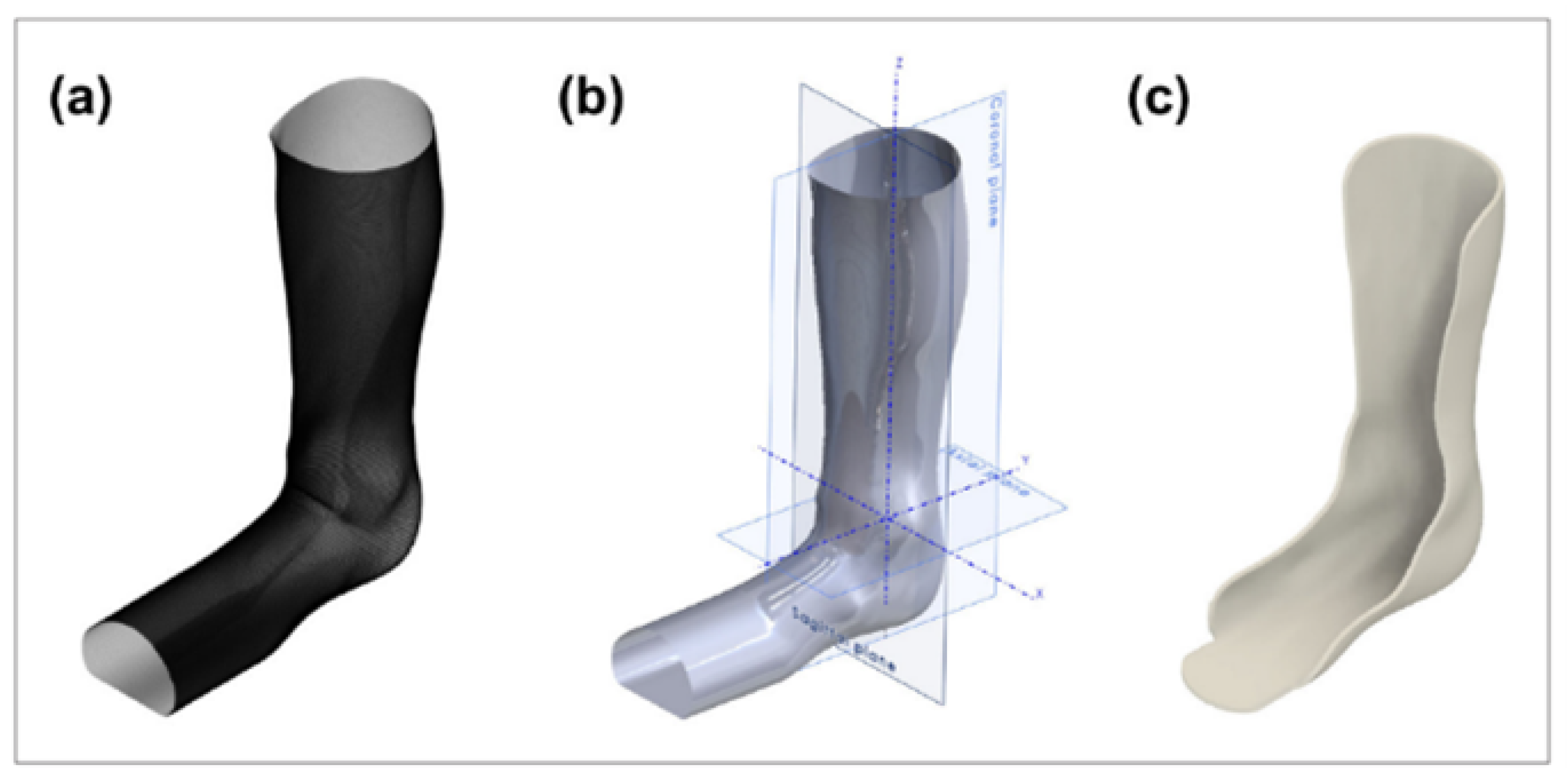
Figure 1 illustrates CAD-generated models used for developing patient-specific 3D-printed AFOs.
Beyond orthotic applications, additive manufacturing (AM) has gained increasing prominence across the broader medical device field. Standardized terminology and guidelines established under ISO/ASTM frameworks underscore the expanding role of 3D printing in biomedical engineering and its importance for ensuring reproducibility, quality, and clinical reliability [
6]. In parallel, recent reviews in orthopedic and prosthetic development highlight how AM enables complex geometries, individualized anatomical conformity, and improved design flexibility for various assistive and implantabledevices [
7]. These capabilities align with the growing shift toward personalized medicine, in which digital fabrication tools facilitate patient-specific medical solutions tailored to functional and morphological requirements [
8]. Numerical and experimental investigations further demonstrate that AM allows mechanical tuning, reduced structural weight, and enhanced adaptability—characteristics that directly support the development of optimized lower-limb orthoses and related rehabilitative technologies [
9,
10].
Figure 1.
CAD models of 3D-printed Ankle–Foot Orthoses (AFOs). (
a) Surace mesh of the foot and leg from scanning. (
b) Reconstructed smooth surface of the foot and leg. (
c) Baseline rigid ankle-foot orthosis (AFO) [
9].
Figure 1.
CAD models of 3D-printed Ankle–Foot Orthoses (AFOs). (
a) Surace mesh of the foot and leg from scanning. (
b) Reconstructed smooth surface of the foot and leg. (
c) Baseline rigid ankle-foot orthosis (AFO) [
9].
Material selection plays a critical role in ensuring mechanical reliability and user comfort. Layered fiber fabric filaments have demonstrated higher strength and anatomical conformity compared to polypropylene [
4]. Composite PLA–TPU filaments combine the stiffness needed for structural support with elasticity suitable for pediatric gait [
11]. Flexural fatigue testing has identified VarioShore TPU as a promising candidate for cyclic load-bearing orthoses [
12]. These findings emphasize that optimizing both material composition and printing parameters is essential for achieving flexibility, durability, and comfort.
Advances in digital design and simulation further enhance orthotic engineering. Structured CAD workflows have been developed to streamline AFO modeling [
13], while standardization under ISO/ASTM guidelines improves reproducibility in biomedical additive manufacturing [
6]. Finite Element Analysis (FEA) has been widely applied to predict stress distribution and optimize structural performance, with numerical studies demonstrating up to 60% weight reduction while maintaining mechanical integrity [
9,
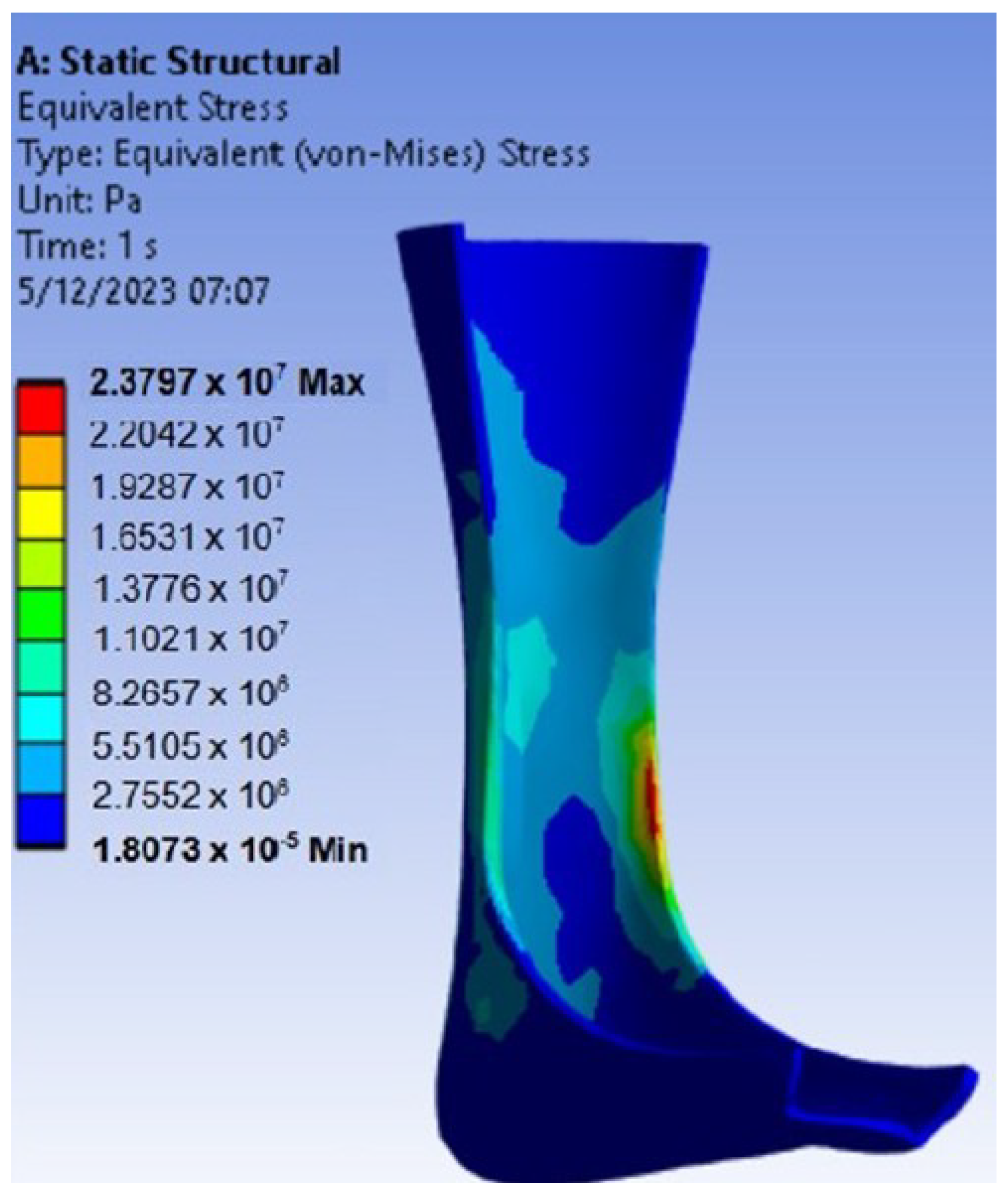
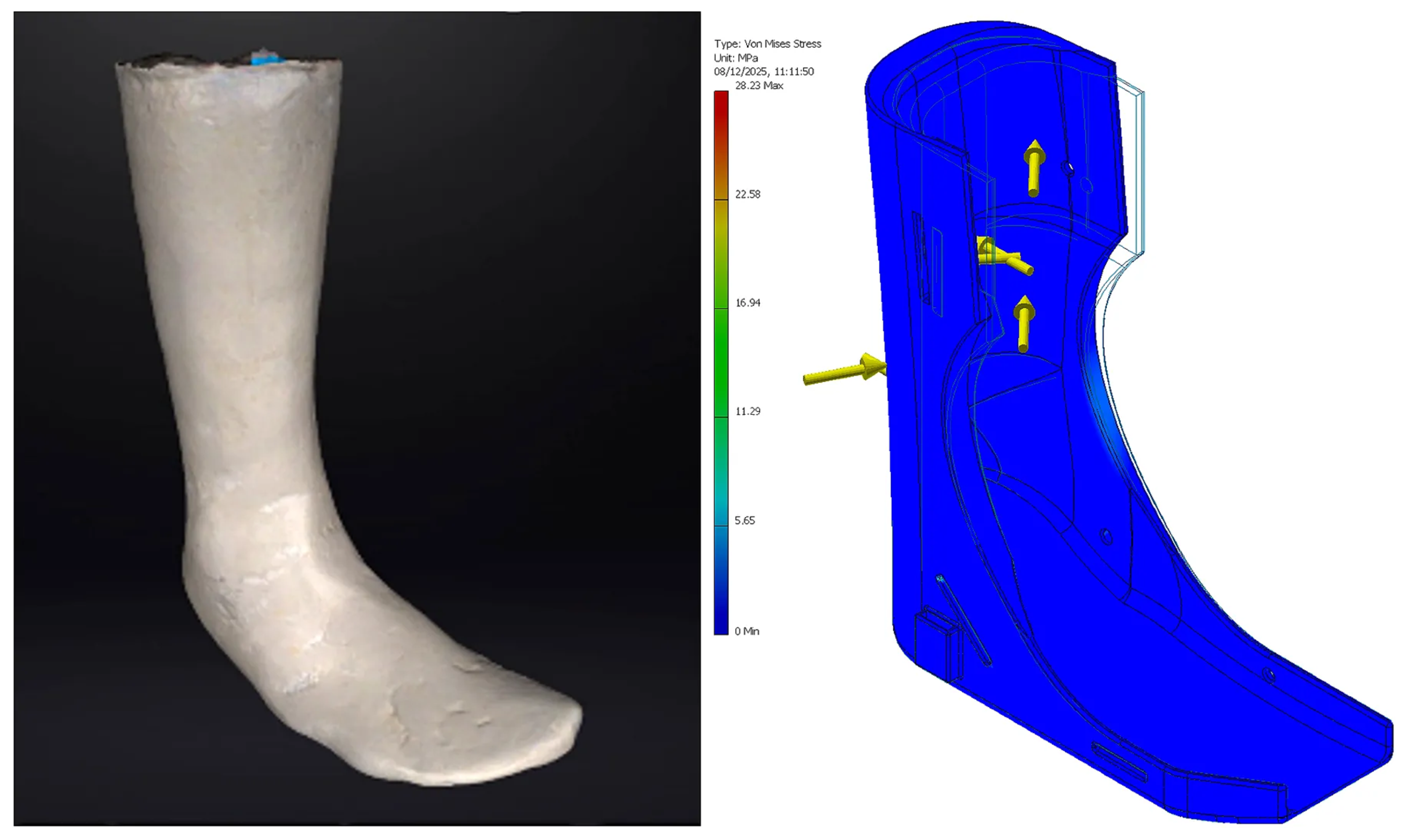
10]. An example of FEA-based structural evaluation is shown in
Figure 2.
Performance evaluation methods have also evolved from conventional mechanical testing toward integrated frameworks that combine experimentation and numerical simulation. A Taguchi-based Design of Experiment (DOE) approach has been applied for orthotic optimization [
14], and subsequent studies expanded this method by incorporating FEA-assisted stress prediction to minimize design errors and enhance structural reliability [
15].
Figure 2.
Finite Element Analysis (FEA) of 3D-printed AFOs [
15].
Figure 2.
Finite Element Analysis (FEA) of 3D-printed AFOs [
15].
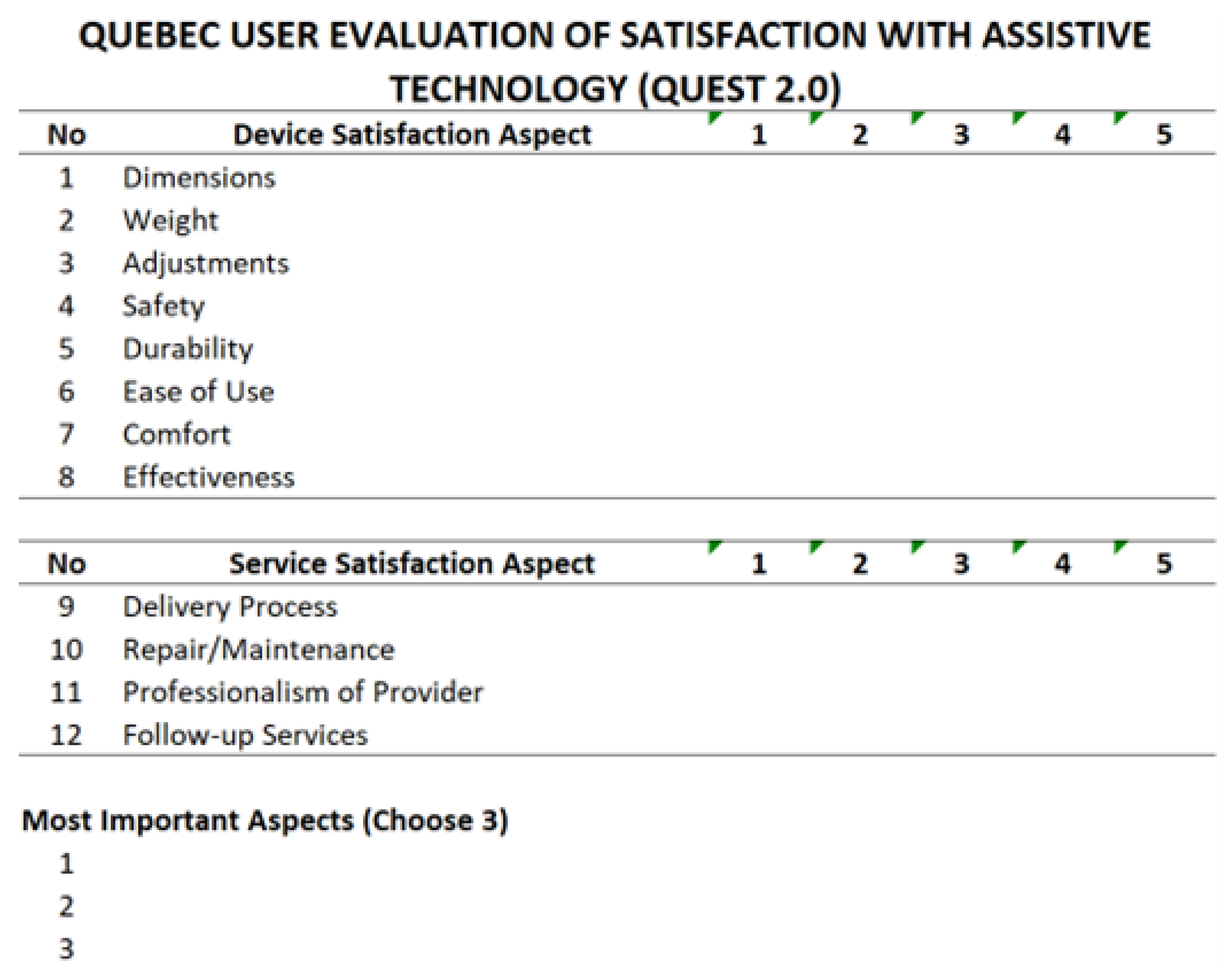
User-centered assessment tools such as the Quebec User Evaluation of Satisfaction with Assistive Technology (QUEST) ensure that technical improvements translate into real-world usability and comfort [
16,
17].
Figure 3 illustrates the structure of the QUEST evaluation system.
Previous studies have examined rapid prototyping, clinical performance, or material optimization independently [
18,
19,
20,
21,
22]. Comprehensive reviews indicate growing interest in integrating biomechanics, materials science, and additive manufacturing for improved pediatric orthotic design [
7,
8,
23,
24]. Despite these advancements, a significant research gap remains in unifying three essential dimensions of orthotic development: (1) design decision-making through the Analytical Hierarchy Process (AHP); (2) mechanical performance validation through tensile testing and FEA; and (3) clinical usability evaluation through QUEST. This study addresses this gap by proposing an integrated design–evaluation framework that incorporates DOE-based material optimization, AHP-based design selection, FEA-driven structural analysis, and patient-centered usability assessment. The objective is to develop a clinically validated, structurally optimized, and patient-specific 3D-printed AFO that enhances comfort and reliability for children with spastic CP.
To further clarify the contribution of this work within the existing literature, the novelty of the proposed approach is explicitly articulated as follows. To the best of the authors’ knowledge, no prior study has integrated DOE-based printing parameter optimization, AHP-guided design decision-making, FEA-driven structural assessment, and clinical usability evaluation using QUEST into a single unified workflow for pediatric AFO development. This multi-layered framework provides a comprehensive pathway that links material optimization, structural validation, and patient-centered assessment, representing a methodological advancement over previous isolated approaches.
2. Materials and Methods
This study was designed to develop and validate a 3D-printed Ankle Foot Orthosis (AFO) for children with spastic cerebral palsy (CP) through an integrated and systematic workflow. The methodology combines experimental optimization, computational modeling, and user-centered evaluation to ensure that the resulting orthosis meets both biomechanical and clinical requirements. All experimental data, design parameters, and evaluation procedures are fully documented to support reproducibility. Ethical approval was granted by the Bina Nusantara University Ethics Committee under reference number 082/IEC/2025.
2.1. Research Stages
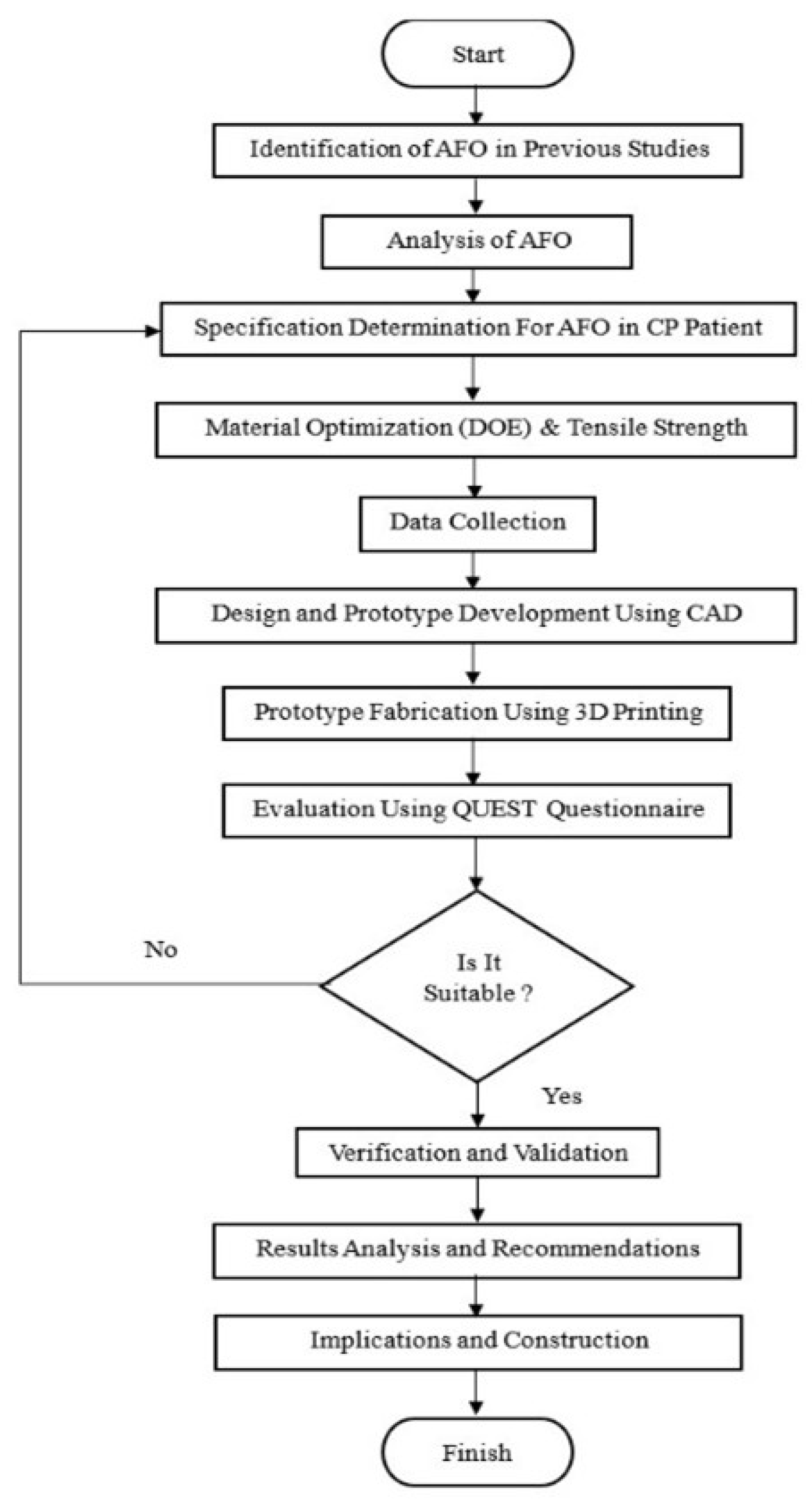
The research followed a structured, multidisciplinary approach encompassing design engineering, additive manufacturing, mechanical testing, and patient-centered assessment. The overall workflow is illustrated in
Figure 4.
The study began by identifying issues commonly experienced by CP patients—such as discomfort, poor anatomical fit, and limited durability—associated with traditional polypropylene AFOs. A literature review was then conducted to determine the biomechanical requirements of pediatric CP patients and to identify suitable thermoplastic materials for 3D printing, particularly PLA, PETG, and TPU.
Material optimization was performed using the Design of Experiment (DOE) framework with the Taguchi method to determine the best combination of printing parameters: layer thickness, infill density, and material type. Tensile testing was used to validate mechanical performance and identify the optimal configuration. The patient’s foot and lower-limb geometry were then captured using a 3D scanner to develop an anatomically accurate CAD model. Multiple design alternatives were generated and subsequently analyzed using Finite Element Analysis (FEA) to simulate stress and deformation under physiological loading.
This DOE approach is appropriate for orthotic development because it systematically identifies the optimal combination of printing parameters that influence strength, flexibility, and manufacturability—factors that are critical for ensuring safe and reliable AFO performance. The optimized parameter set obtained from this stage then served as input for selecting the most suitable design configuration using the Analytical Hierarchy Process (AHP).
2.2. Experimental Design and Data Analysis
The Taguchi DOE framework was applied to evaluate the influence of material type, infill density, and layer thickness on mechanical performance.
Table 1 shows the factors and levels considered.
The selection of infill densities (22%, 33%, and 50%) was based on previous findings on polymer-based additive manufacturing for orthotic and biomedical applications. Studies have demonstrated that infill density strongly influences the mass–stiffness performance of 3D-printed AFOs, with practical and mechanically effective ranges typically falling between 20% and 50%. Infill values below 20% often result in insufficient rigidity for load-bearing orthotic use, whereas densities exceeding 50% substantially increase weight and fabrication time without proportional improvements in mechanical strength. Therefore, the selected levels represent low, medium, and high infill conditions that are both mechanically relevant and aligned with established optimization practices in orthotic design.
In addition to infill density, the selection of layer thickness levels (0.10, 0.15, and 0.20 mm) followed established optimization ranges reported in previous Taguchi-based analyses of polymer 3D printing. Prior research has shown that layer heights within the 0.10–0.20 mm interval provide an effective balance between interlayer bonding quality, mechanical performance, and fabrication time for load-bearing components. Thicknesses below 0.10 mm significantly increase printing duration without offering substantial mechanical benefits, whereas values above 0.20 mm tend to reduce interlayer bonding integrity and dimensional accuracy. Accordingly, this range was chosen as the practical minimum and maximum layer thickness suitable for orthotic fabrication.
The Taguchi L9 orthogonal array tested nine combinations of parameters (
Table 2). Specimens were fabricated and subjected to tensile testing according to ASTM D638 Type IV.
The mechanical testing results were used to determine the optimal parameter combination yielding the highest performance-to-weight ratio. These results then served as input for AHP-based design selection.
2.3. Finite Element Analysis (FEA) and Structural Evaluation
The optimized AFO geometry was imported into ANSYS Workbench 2022 R2 for structural evaluation. A tetrahedral mesh with an average element size of 3 mm was generated to capture the detailed curvature of the ankle and foot sections. Boundary conditions were applied by fully constraining the plantar surface to represent a fixed support during standing (
Figure 5).
A static load of 600 N was applied to the posterior strap region to replicate the vertical ground-reaction force experienced during upright stance. The analysis workflow included material assignment based on PETG properties, mesh verification, and structural assessment focusing on regions typically subjected to bending and torsional loads. This FEA procedure was used to evaluate stress distribution patterns and inform subsequent design refinements prior to fabrication.
2.4. Design Evaluation Using Analytical Hierarchy Process (AHP)
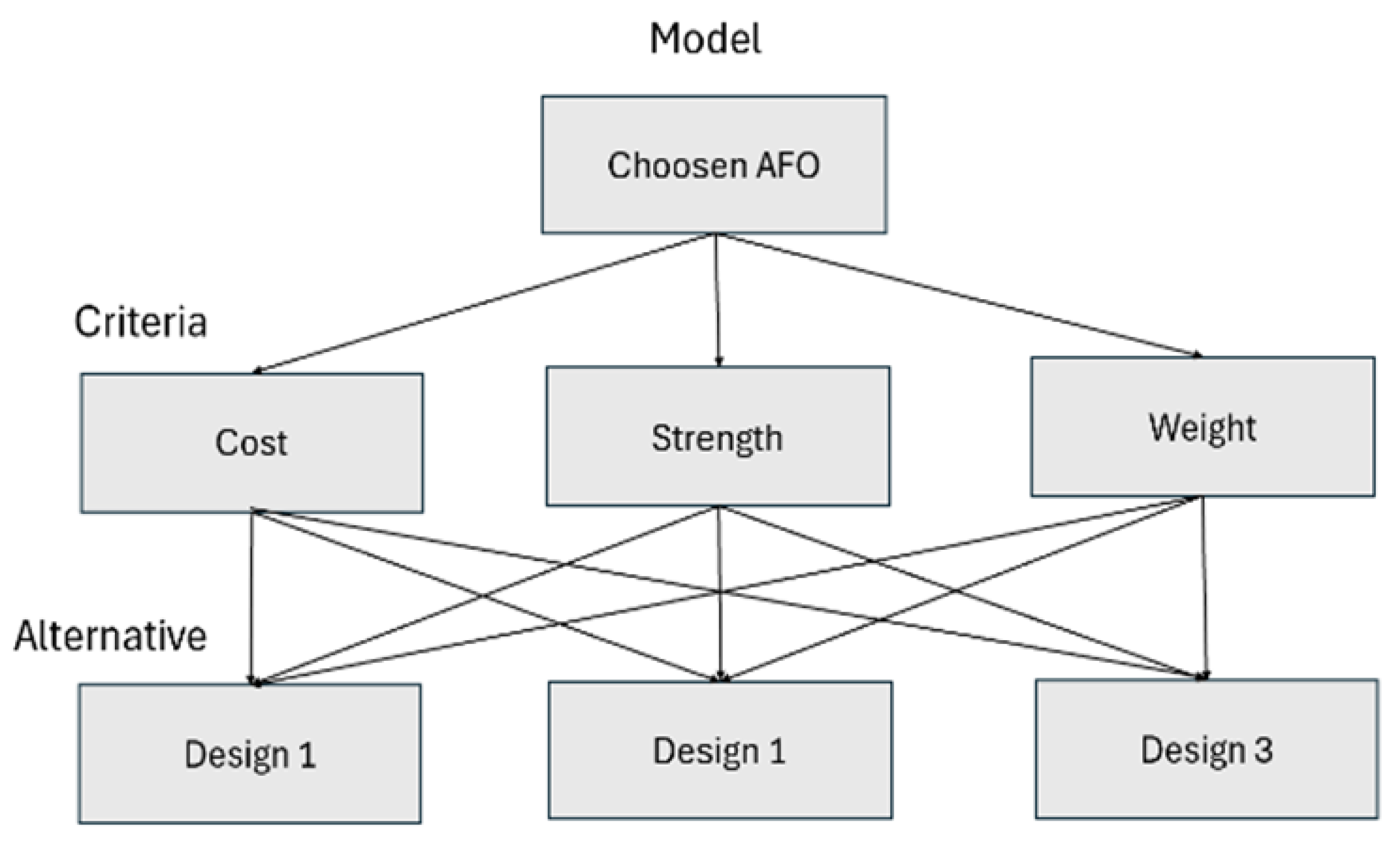
For the decision-making process in AHP, the criteria were refined to strength, weight, and cost based on expert discussion. Comfort was not included as an AHP criterion because it was evaluated separately through the QUEST usability assessment. Expert judgement was provided by three professionals: the founder of an orthotic and prosthetic clinic, a pediatric rehabilitation therapist, and an orthotic technician, each contributing independent pairwise ratings to ensure objective weighting (
Figure 6).
Based on priority weight results, the PETG configuration with 33% infill density and 0.15 mm layer thickness achieved the highest score. This configuration provided the best balance between structural strength, material efficiency, and user comfort.
2.5. User Evaluation and Data Collection
The final AFO prototype was fabricated using the optimized parameters and trialed by a pediatric CP patient. The participant was a 2-year-old male diagnosed with spastic cerebral palsy with unilateral lower-limb involvement, using the AFO on the affected side, while the contralateral limb had previously undergone amputation. User satisfaction was assessed using the QUEST 2.0 questionnaire, which evaluates eight dimensions on a 5-point scale. As the participant was a young pediatric user, the questionnaire was completed by the parent based on structured interview responses to ensure that feedback accurately reflected the child’s real experience during assisted standing and gait training. This approach is consistent with recommended practice for usability evaluation in non-verbal or early-stage pediatric assistive device users.
The clinical evaluation demonstrated improvements in comfort, stability, and overall satisfaction compared with the patient’s previous conventional AFO, confirming that the optimized design meets both structural and user-centered requirements for daily use. As this trial represents an early-stage prototype assessment, it should be noted that the QUEST evaluation involved a single pediatric user. Consequently, the results are indicative rather than statistically generalizable and are intended to provide preliminary insights into usability and user experience.
3. Results
This section presents the experimental and computational findings that guided the optimization and validation of the 3D-printed Ankle-Foot Orthosis (AFO). The results are organized into the Design of Experiment (DOE), mechanical characterization, Finite Element Analysis (FEA), Analytical Hierarchy Process (AHP), and user evaluation using the Quebec User Evaluation of Satisfaction with Assistive Technology (QUEST) (
Figure 7).
3.1. Design of Experiment
To identify the optimal material and 3D-printing parameters, the Taguchi method was applied using three materials—PLA, PETG, and TPU—combined with infill densities of 22%, 33%, and 50%, and layer thicknesses of 0.10, 0.15, and 0.20 mm. The L9 orthogonal array produced nine configurations. Mechanical testing followed ASTM D638-22, evaluating tensile modulus, tensile strength, and strain at break.
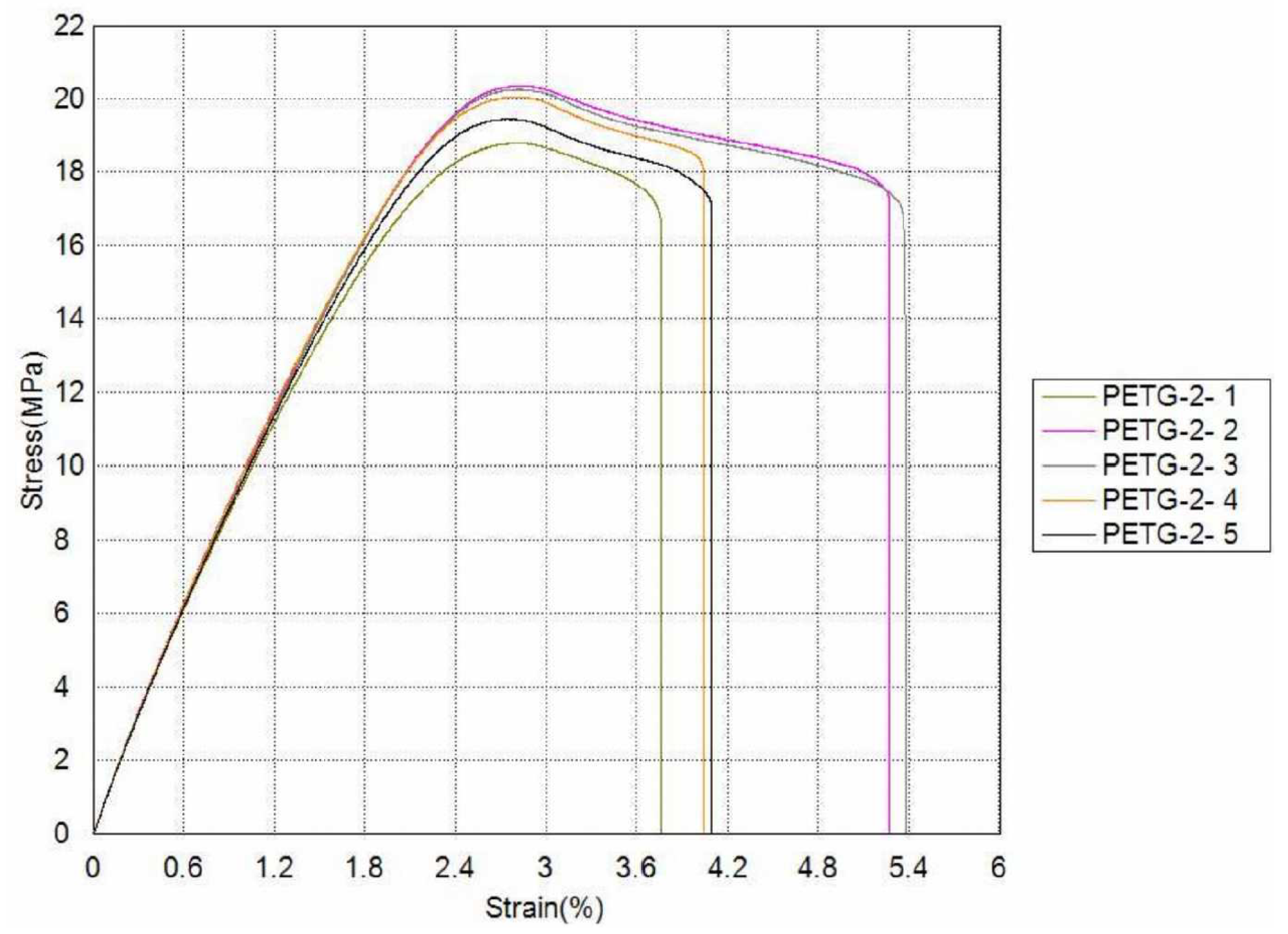
The mechanical behavior of the printed specimens is presented in
Table 3, which shows clear differences in stiffness, strength, and ductility across PETG, PLA, and TPU. PETG exhibited a balanced combination of tensile modulus and strength, while PLA showed higher stiffness but lower strength, and TPU demonstrated extreme ductility with substantially lower modulus. These trends support the subsequent selection of PETG for structural optimization and AFO fabrication.
Speciment 2 (PETG, 33% infill, 0.15 mm layer) provided the most balanced performance, with tensile strength of 19.78 MPa, modulus of 1048.05 MPa, and strain at break of 4.51%. PETG offered an optimal combination of stiffness and ductility compared with PLA (stiffer but brittle) and TPU (flexible but insufficient for support) (
Figure 8). Thus, PETG was selected for subsequent analyses.
A subset comparison between selected PLA and PETG specimens indicated that those manufactured with 0.10–0.15 mm layer thickness exhibited the highest stiffness and strength. This confirms the suitability of the optimized PETG configuration for the structural requirements of an AFO device.
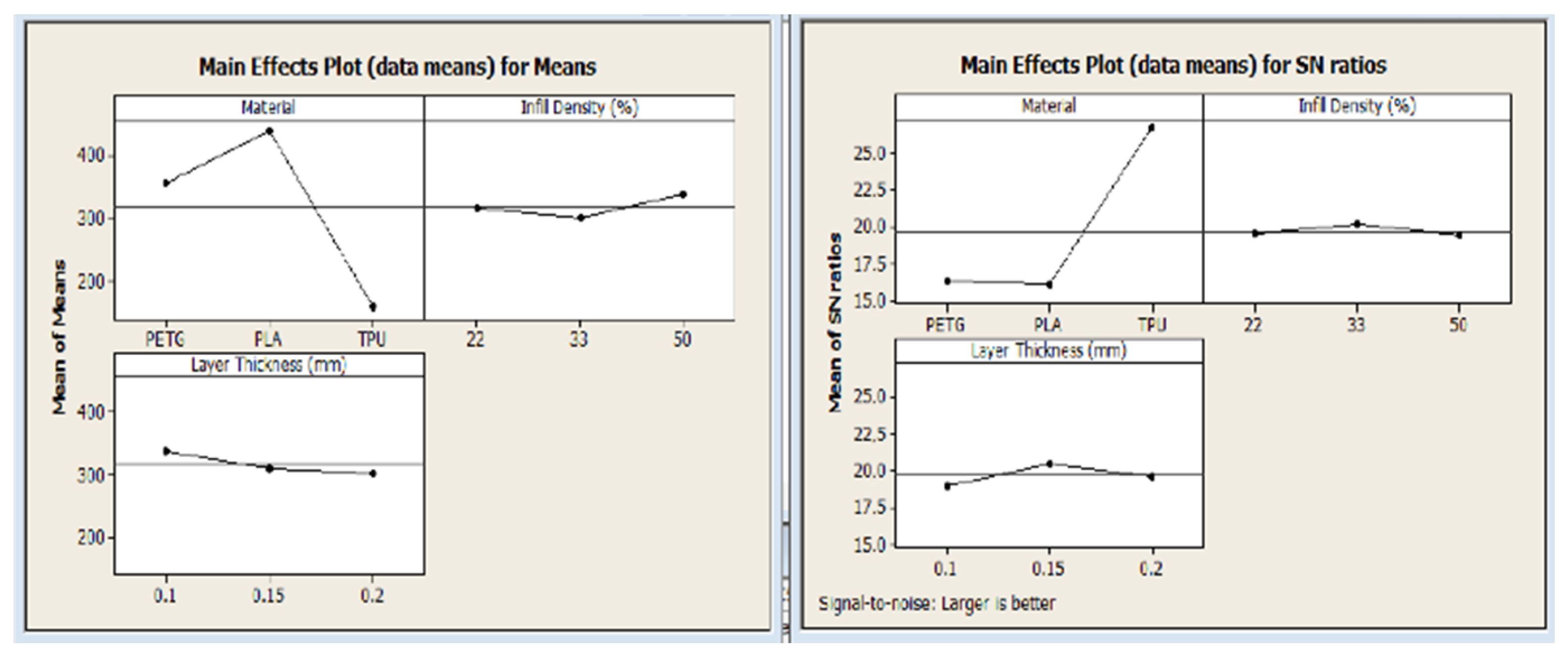
The Taguchi main-effects plots in
Figure 9 show that material type has the most significant effect on tensile performance, as indicated by the steep slope between materials. PETG exhibits considerably higher mean and S/N ratio values compared with PLA and TPU, demonstrating superior mechanical strength and lower sensitivity to process variation. Infill density shows a moderate upward trend, with 33% providing the best balance between strength and weight. Layer thickness has the least influence, although a thickness of 0.15 mm slightly improves performance relative to 0.10 mm and 0.20 mm. Overall, the optimal combination determined from the Taguchi response curves is PETG material, 33% infill, and 0.15 mm layer thickness, providing improved strength and robustness while maintaining manageable weight.
3.2. Finite Element Analysis
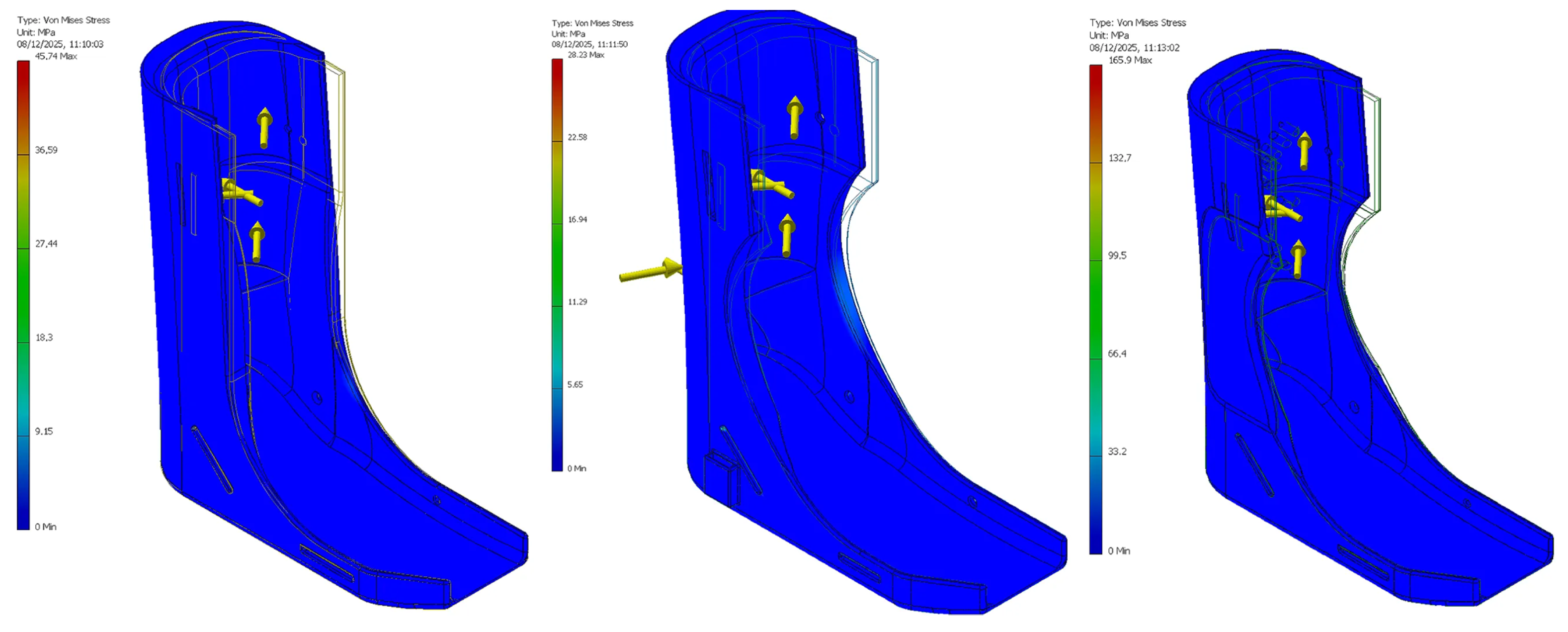
Finite Element Analysis was performed on three AFO design variants using consistent PETG properties to isolate geometric effects. Constraints were applied at the foot sole, and loads representing stance-phase forces were applied to the heel and strap regions.
As shown in
Figure 10, stress was concentrated near the ankle curve and strap interface—locations associated with high bending and tension. Design 2 exhibited the lowest maximum stress (60.26 MPa), while Designs 1 and 3 reached up to 165.6 MPa. These results indicate that Design 2 offers superior load distribution and structural efficiency.
Table 4 summarizes the quantitative evaluation of the three AFO design alternatives. Design 2 demonstrated the lowest structural stress (40.62 MPa), indicating superior load-bearing performance compared with Design 1 and Design 3. Although Design 2 had a slightly higher manufacturing cost and weight compared with Design 1, the structural advantages justify the trade-off, supporting its selection as the optimal configuration.
3.3. Analytical Hierarchy Process
The Analytical Hierarchy Process was used to rank the three design alternatives using weighted criteria for strength (0.54), weight (0.30), and cost (0.16). Pairwise comparisons were analyzed using SuperDecisions software (
Table 5).
These values represent the weighted local priorities for each design alternative with respect to each criterion, calculated from the geometric mean of expert judgements using the SuperDecisions software. The final score in
Table 6 is obtained by multiplying each criterion priority by the corresponding alternative score and summing the results across all criteria.
Design 2 achieved the highest overall score (0.2860) and was selected for fabrication and user evaluation.
3.4. User Evaluation (QUEST)
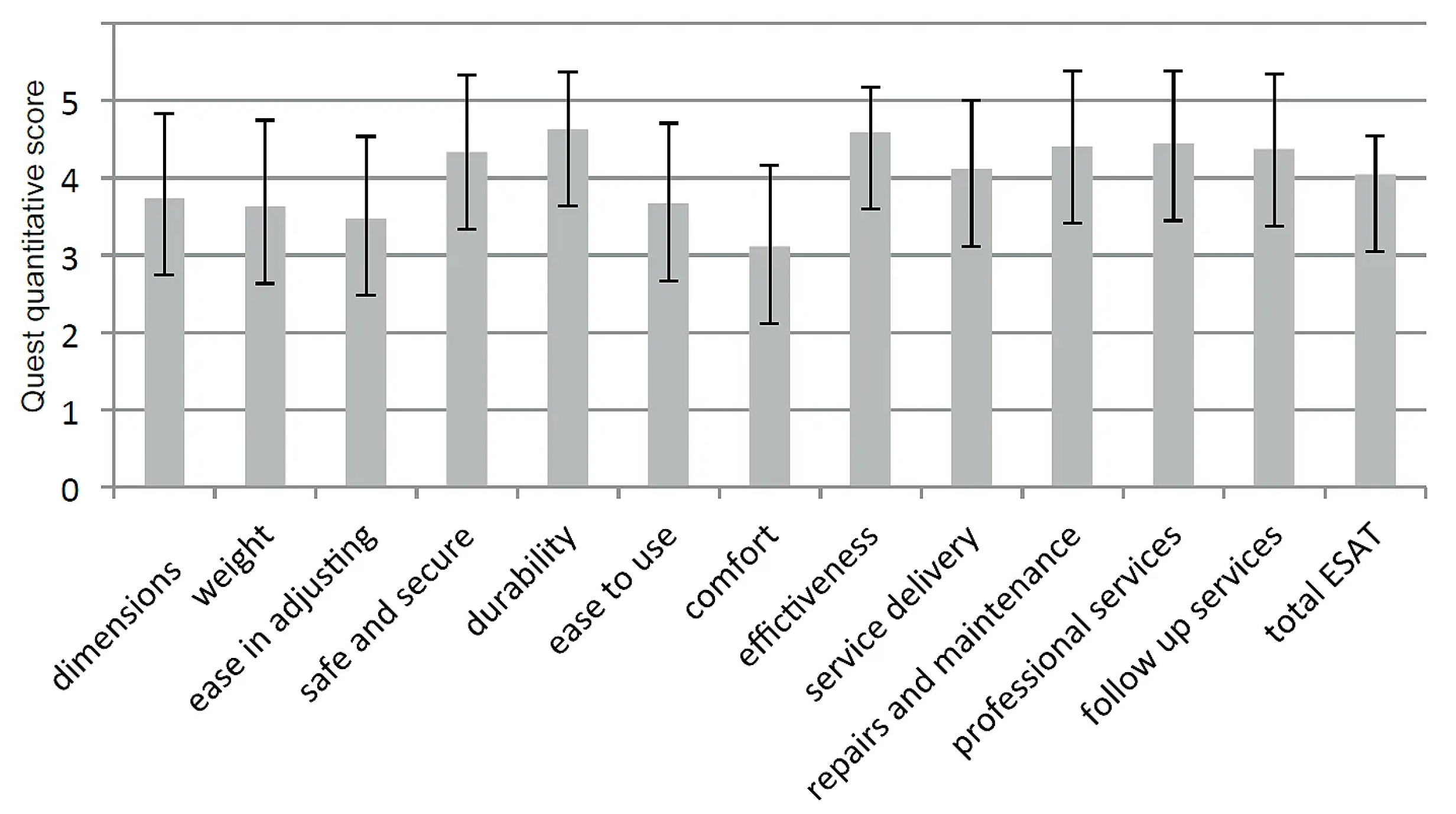
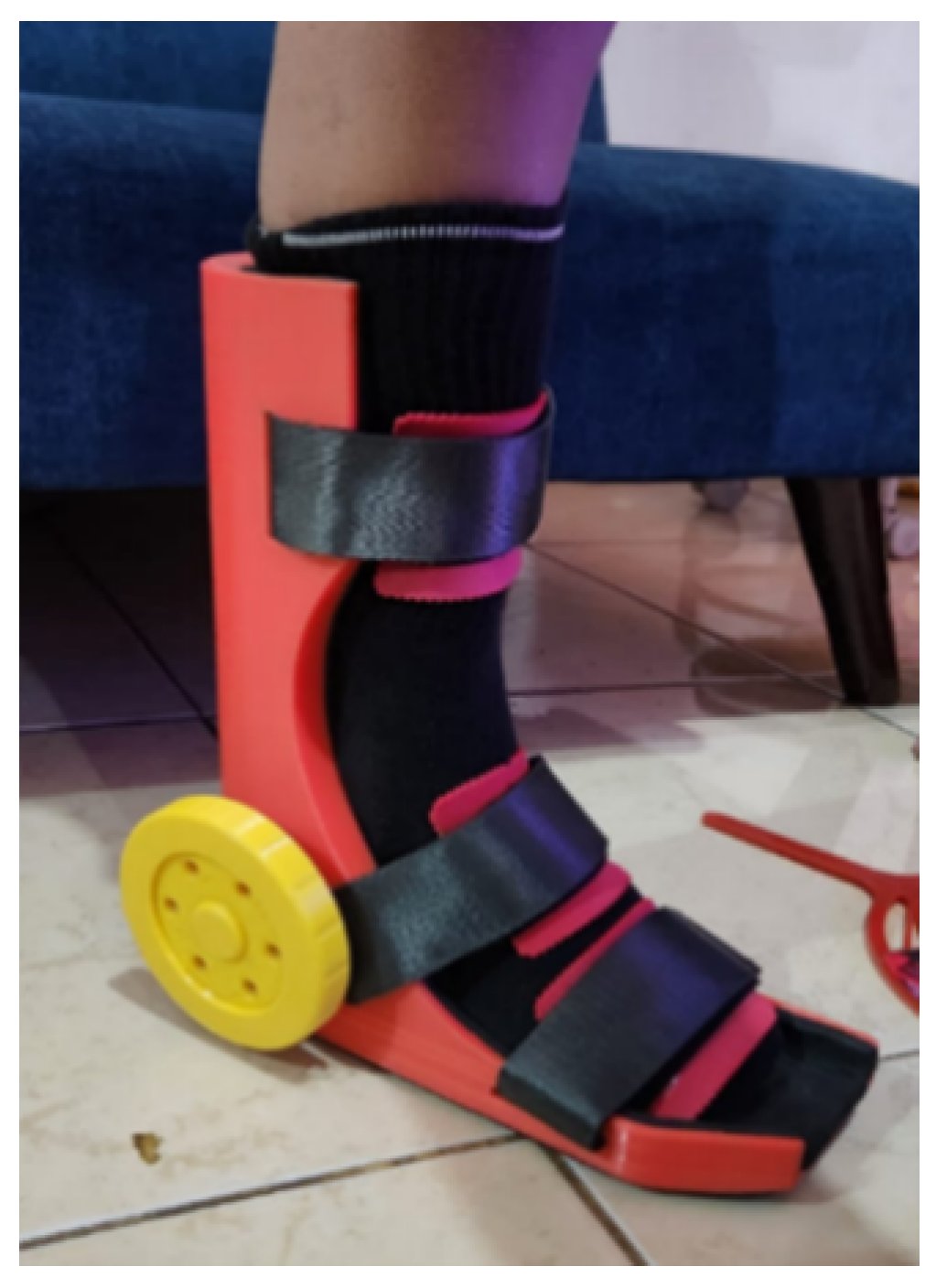
User evaluation was conducted using QUEST 2.0 on an 8-year-old child with spastic CP (
Figure 11). Both the 3D-printed PETG AFO and the patient’s conventional polypropylene AFO were assessed (
Table 7).
The 3D-printed AFO outperformed the conventional device in six of eight categories, with overall satisfaction of 4.63 versus 4.30. Safety, comfort, and durability were identified as the most important features. As this evaluation involved a single user, the findings are qualitative and indicative, intended to demonstrate feasibility rather than statistical generalization.
4. Discussion
The results of this study indicate that PETG with 33% infill and a 0.15 mm layer thickness offers a favorable balance of stiffness, ductility, and weight for pediatric AFO fabrication. This is consistent with previous work showing that PETG provides superior toughness and interlayer bonding compared with PLA and TPU, particularly under repetitive gait-induced loading. However, the tensile tests conducted here represent only uniaxial loading and do not fully capture the multi-axial and cyclic stresses experienced during walking. Future studies should incorporate bending, torsional, and fatigue testing to better represent functional loading conditions.
The numerical simulation strengthened the mechanical findings by showing that stress concentrations consistently occur near the ankle curvature, a region frequently reported as critical in prior orthotic FEA studies. Although all peak stresses remained below the material yield limit, the static loading model does not account for creep, fatigue, or dynamic gait effects. Incorporating gait-cycle loading, contact interactions, and fatigue failure criteria would further improve the accuracy of structural predictions and support more refined geometric optimization.
The AHP analysis provided a systematic framework for balancing mechanical performance, weight, and production cost, reflecting current trends in multi-criteria orthotic design. Nonetheless, the weighting of criteria is dependent on expert judgement, and clinical priorities may vary across practitioners. Broader expert input and inclusion of patient-specific functional metrics may enhance the robustness of future decision-making models.
Cost considerations also play an essential role in orthotic implementation. The production cost of the optimized 3D-printed AFO was lower than that typically associated with conventional polypropylene devices. Traditional fabrication methods require multi-step plaster casting, thermoplastic molding, and manual trimming, contributing to higher material use and labor intensity. In contrast, the additive manufacturing workflow used in this study minimizes tooling requirements and eliminates casting steps, enabling a more efficient and cost-effective process—an advantage particularly relevant for pediatric users who require frequent orthosis replacement.
User feedback obtained through the QUEST evaluation demonstrated notable improvements in comfort, stability, and overall satisfaction compared with the participant’s previous polypropylene AFO. These findings align with reports that custom 3D-printed orthoses provide improved anatomical conformity and reduced pressure points. Nevertheless, the evaluation was limited to a single pediatric participant, and subjective reporting introduces potential bias. Larger cohorts, combined with objective gait analysis and long-term monitoring, will be required to confirm the durability and functional benefits suggested by these preliminary findings.
Taken together, the mechanical testing, numerical simulation, cost analysis, and user evaluation indicate that the integrated optimization approach used in this study has strong potential to enhance AFO performance. Continued refinement through expanded mechanical testing, more realistic biomechanical simulation, and broader clinical evaluation will be essential to ensure reliable translation to routine pediatric orthotic care.
5. Conclusions
This study successfully developed a personalized 3D-printed AFO for children with spastic cerebral palsy by integrating material optimization using the Taguchi method, mechanical validation through tensile testing and FEA, and decision prioritization using AHP. Among the tested specimens, PETG with 33% infill and 0.15 mm layer thickness (Specimen No. 2) demonstrated the most balanced mechanical performance, while Design 2 was identified as the optimal configuration when considering strength, weight, and manufacturing cost.
The finalized prototype was evaluated with a pediatric patient, and usability feedback through the QUEST assessment indicated improved comfort, stability, and overall satisfaction compared with the conventional polypropylene AFO (4.63 vs. 4.30). These findings support the potential of 3D printing as an effective and economical method for patient-specific orthotic fabrication. Future work will involve expanding clinical testing, long-term durability evaluation, and exploring smart-sensing integration for improved therapeutic outcomes.
Author Contributions
Conceptualization: S.G.H., C.H., and P.A.P.; Methodology: S.G.H., E.S., C.H., and P.A.P.; Visualization: P.A.P.; Writing—Review & Editing: S.G.H., C.H., E.S., S.A.A., and P.A.P.; Supervision: C.H.; Validation: E.S., S.A.A., and C.C.L.T.; Reseources: C.C.L.T.; Funding acquisition: S.G.H. All authors have read and agreed to the published version of the manuscript.
Funding
This research was funded by the Kementerian Pendidikan Tinggi, Sains dan Teknologi (Kemdiktisaintek) Republik Indonesia through the Penelitian Fundamental—Reguler 2025.
Institutional Review Board Statement
The study was conducted in accordance with the Declaration of Helsinki, and approved by the Komisi Etik Penelitian Kesehatan, Fakultas Kedokteran, Universitas Trisakti, Jakarta, Indonesia (Ethical Clearance No: 042/KER/FK/08/2025).
Informed Consent Statement
Written informed consent was obtained from the patient involved in the study.
Data Availability Statement
Acknowledgments
The authors would like to thank Dare Orthotic & Prosthetic Clinic, Tambun, Bekasi Regency, Indonesia, for their collaboration and support throughout this research.
Conflicts of Interest
Author Cokisela Christian Lumban Tombing was employed by the company Dare Prosthetic & Orthotic Service, Bekasi, Indonesia 17147. The remaining authors declare that the research was conducted in the absence of any commercial or financial relationships that could be construed as a potential conflict of interest.
References
- Nouri, A.; Wang, L.; Li, Y.; Wen, C. Materials and manufacturing for ankle–foot orthoses: A review. Adv. Eng. Mater. 2023, 25, 2300238. [Google Scholar] [CrossRef]
- Graham, H.K.; Rosenbaum, P.; Paneth, N.; Dan, B.; Lin, J.-P.; Damiano, D.L.; Becher, J.G.; Gaebler-Spira, D.; Colver, A.; Reddihough, D.S.; et al. Cerebral palsy. Nat. Rev. Dis. Primers 2016, 2, 15082. [Google Scholar] [CrossRef] [PubMed]
- Miccinilli, S.; Santacaterina, F.; Della Rocca, R.; Sterzi, S.; Bressi, F.; Bravi, M. Efficacy of lower limb orthoses in the rehabilitation of children affected by cerebral palsy: A systematic review. Children 2024, 11, 212. [Google Scholar] [CrossRef]
- Alauddin, M.F.; Susmartini, S.; Herdiman, L. Study of 3D printing layered fiber fabric filaments as an alternative to polypropylene materials in ankle foot orthosis for children with cerebral palsy. J. Ilm. Tek. Ind. 2023, 22, 161–170. [Google Scholar] [CrossRef]
- Lin, Y.C.; Huang, L.Y.; Chen, C.S. Strength evaluation and modification of a 3D printed anterior ankle foot orthoses. Appl. Sci. 2020, 10, 7289. [Google Scholar] [CrossRef]
- Alexander, A.E.; Wake, N.; Chepelev, L.; Brantner, P.; Ryan, J.; Wang, K.C. A guideline for 3D printing terminology in biomedical research utilizing ISO/ASTM standards. 3D Print. Med. 2021, 7, 8. [Google Scholar] [CrossRef]
- Gupta, R.; Grove, K.; Wei, A.; Lee, J.; Akkouch, A. Ankle and foot arthroplasty and prosthesis: A review of current and upcoming designs and manufacturing. Micromachines 2023, 14, 2081. [Google Scholar] [CrossRef]
- Zhou, C.; Yang, Z.; Li, K.; Ye, X. Research and development of ankle-foot orthoses: A review. Sensors 2022, 22, 6596. [Google Scholar] [CrossRef]
- Peng, C.; Tran, P.; Lalor, S.; Tirosh, O.; Rutz, E. Tuning the mechanical responses of 3D-printed ankle–foot orthoses: A numerical study. Int. J. Bioprint. 2024, 10, 519–531. [Google Scholar] [CrossRef]
- Raj, R.; Dixit, A.R.; Łukaszewski, K.; Wichniarek, R.; Rybarczyk, J.; Kuczko, W.; Górski, F. Numerical and experimental mechanical analysis of additively manufactured ankle-foot orthoses. Materials 2022, 15, 6130. [Google Scholar] [CrossRef] [PubMed]
- Tao, Y.; Shao, J.; Li, P.; Shi, S.Q. Application of a thermoplastic polyurethane/polylactic acid composite filament for 3D-printed personalized orthosis. Mater. Tehnol. 2019, 53, 71–76. [Google Scholar] [CrossRef]
- Iacob, M.C.; Popescu, D.; Petcu, D.; Marinescu, R. Assessment of the flexural fatigue performance of 3D-printed foot orthoses made from different thermoplastic polyurethanes. Appl. Sci. 2023, 13, 12149. [Google Scholar] [CrossRef]
- Dal Maso, A.; Cosmi, F. 3D-printed ankle-foot orthosis: A design method. Mater. Today Proc. 2019, 12, 252–261. [Google Scholar] [CrossRef]
- Kafshgar, A.R.; Rostami, S.; Aliha, M.R.M.; Berto, F. Optimization of properties for 3D printed PLA material using Taguchi, ANOVA and multi-objective methodologies. Procedia Struct. Integr. 2021, 34, 71–77. [Google Scholar] [CrossRef]
- Hernandez, A.; Huarcaya, V.; Acuna, I.; Marcos, G.; Ccama, G.; Ochoa, E.; Molina, A.R. Additive manufacturing of a customized printed ankle-foot orthosis: Design, manufacturing, and mechanical evaluation. Eng. Proc. 2025, 83, 24. [Google Scholar] [CrossRef]
- Wahid, A.M.A.; Tardan, G.; Pangesty, A.I.; Rashid, H.; Abdullah, A.H. Development of ankle–foot orthosis with the integration of IoT controller. Int. J. Emerg. Technol. Adv. Eng. 2022, 12, 49–55. [Google Scholar] [CrossRef] [PubMed]
- Requier, B.; Bensoussan, L.; Mancini, J.; Delarque, A.; Viton, J.M.; Kerzoncuf, M. Knee-ankle-foot orthoses for treating posterior knee pain resulting from genu recurvatum: Efficiency, patients’ tolerance, and satisfaction. J. Rehabil. Med. 2018, 50, 451–456. [Google Scholar] [CrossRef]
- Faustini, M.C.; Neptune, R.R.; Crawford, R.H.; Stanhope, S.J. Selective laser sintering of passive dynamic ankle-foot orthoses. In Proceedings of the 2006 International Solid Freeform Fabrication Symposium, Austin, TX, USA, 14–16 August 2006. [Google Scholar]
- Telfer, S.; Pallari, J.; Munguia, J.; Dalgarno, K.; McGeough, M.; Woodburn, J. Embracing additive manufacture: Implications for foot and ankle orthosis design. Prosthet. Orthot. Int. 2012, 13, 84. [Google Scholar] [CrossRef] [PubMed]
- Zhou, A.Y.; Li, H. Effects of ankle–foot orthosis on gait characteristic in children with spastic cerebral palsy. J. Clin. Rehabil. Tissue Eng. Res. 2010, 14, 3127–3130. [Google Scholar]
- Jatti, V.S.; Tamboli, S.; Shaikh, S.; Solke, N.S.; Gulia, V.; Jatti, V.S.; Khedkar, N.K.; Salunkhe, S.; Pagáč, M.; Abouel Nasr, E.S. Optimization of tensile strength in 3D printed PLA parts via meta-heuristic approaches: A comparative study. Front. Mater. 2024, 10, 1336837. [Google Scholar] [CrossRef]
- Demir, S.; Temiz, A.; Pehlivan, F. Investigation of printing parameters effect on tensile characteristics for triply periodic minimal surface designs by Taguchi. Polym. Eng. Sci. 2024, 64, 1209–1221. [Google Scholar] [CrossRef]
- Otepbergenov, T.; Smagulov, Z.; Abilgaziyev, A.; Kurokawa, S.; Ali, M.H. Numerical and experimental analysis of the 3D printed multi-material ankle–foot orthosis. J. Phys. Conf. Ser. 2020, 1510, 012012. [Google Scholar] [CrossRef]
- Kerkum, Y.L.; Harlaar, J.; Buizer, A.I.; Van Den Noort, J.C.; Becher, J.G.; Brehm, M.A. Optimising ankle-foot orthoses for children with cerebral palsy walking with excessive knee flexion: Protocol of the AFO-CP study. BMC Pediatr. 2013, 13, 17. [Google Scholar] [CrossRef][Green Version]
| Disclaimer/Publisher’s Note: The statements, opinions and data contained in all publications are solely those of the individual author(s) and contributor(s) and not of MDPI and/or the editor(s). MDPI and/or the editor(s) disclaim responsibility for any injury to people or property resulting from any ideas, methods, instructions or products referred to in the content. |





 ,
,