Article

Suppression of Quantum-Mechanical Collapse in Bosonic Gases with Intrinsic Repulsion: A Brief Review


Department of Physical Electronics, School of Electrical Engineering, Faculty of Engineering, Tel Aviv University, Tel Aviv 69978, Israel
Condens. Matter 2018, 3(2), 15; https://doi.org/10.3390/condmat3020015

Submission received: 12 March 2018 / Revised: 16 April 2018 / Accepted: 18 April 2018 / Published: 23 April 2018
(This article belongs to the Special Issue SuperFluctuations)

Abstract

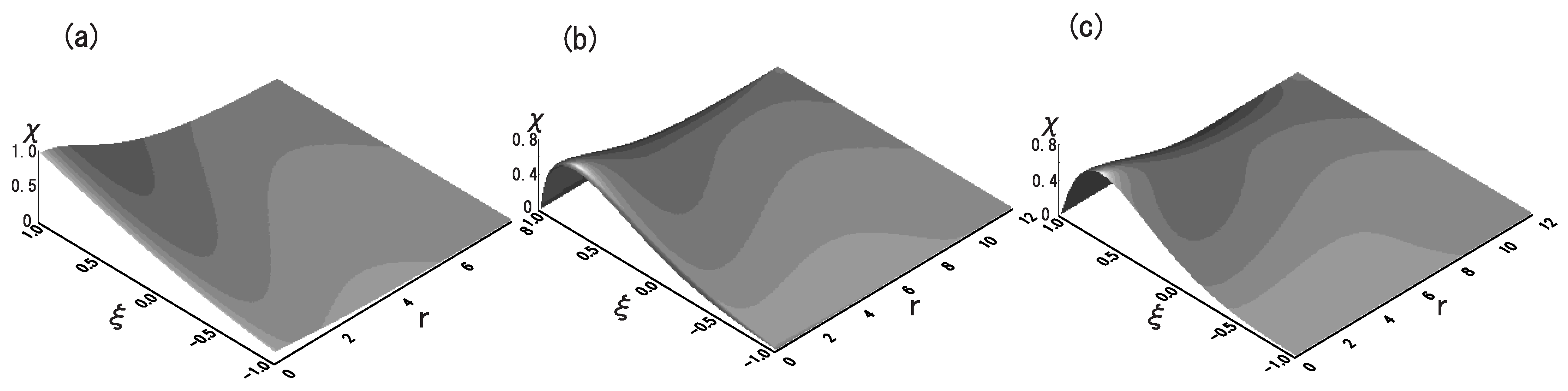
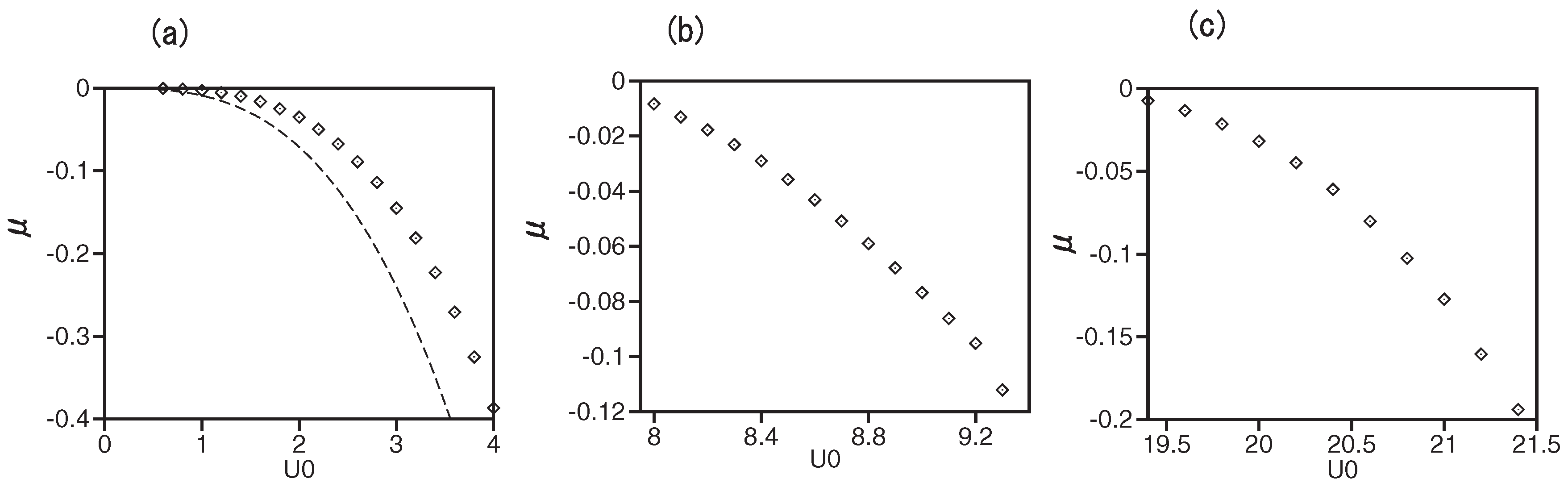
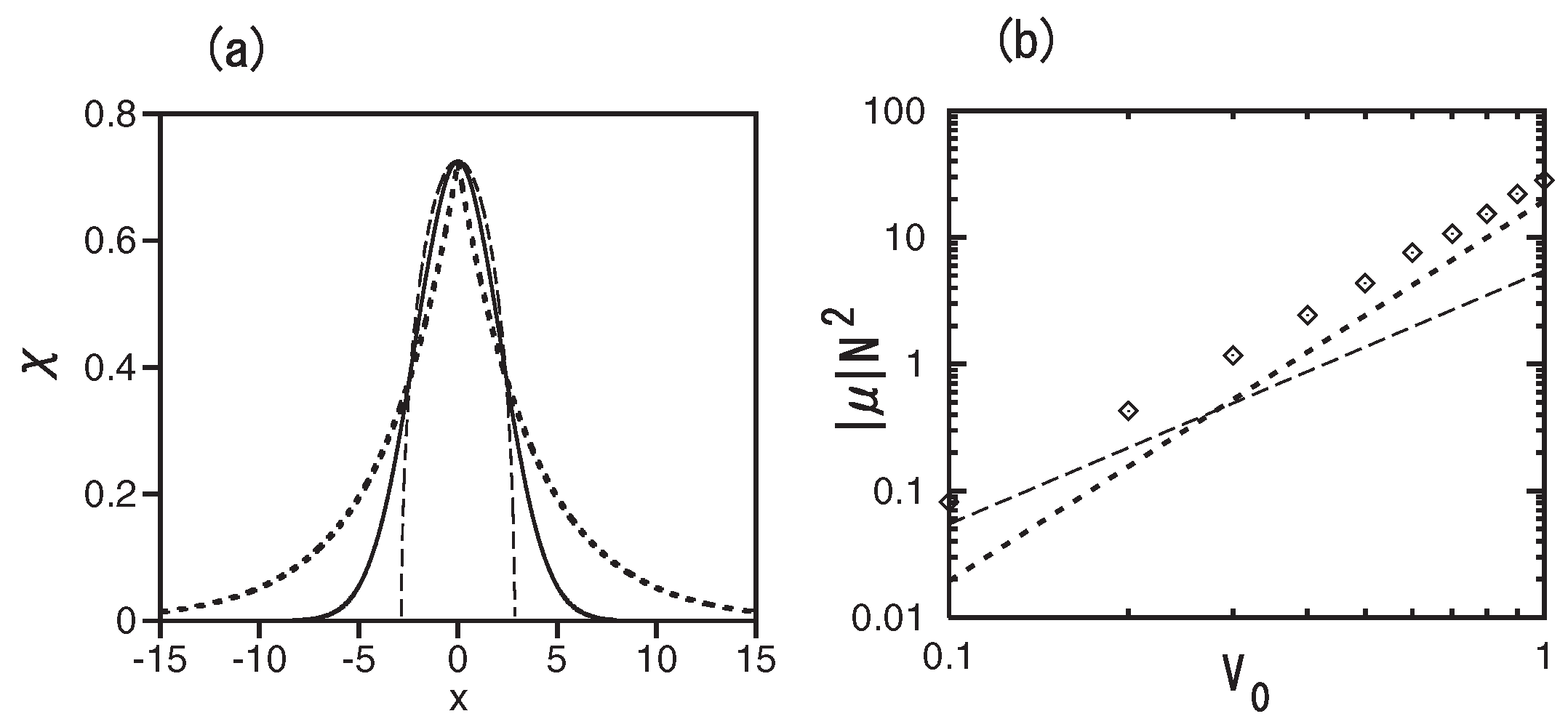
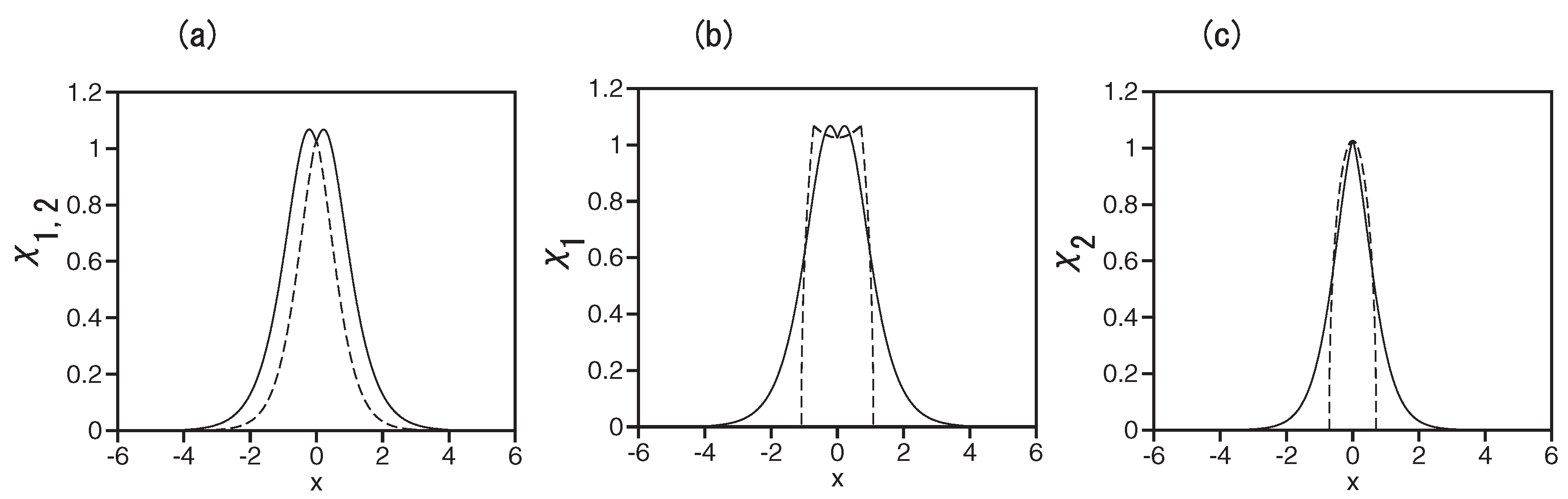
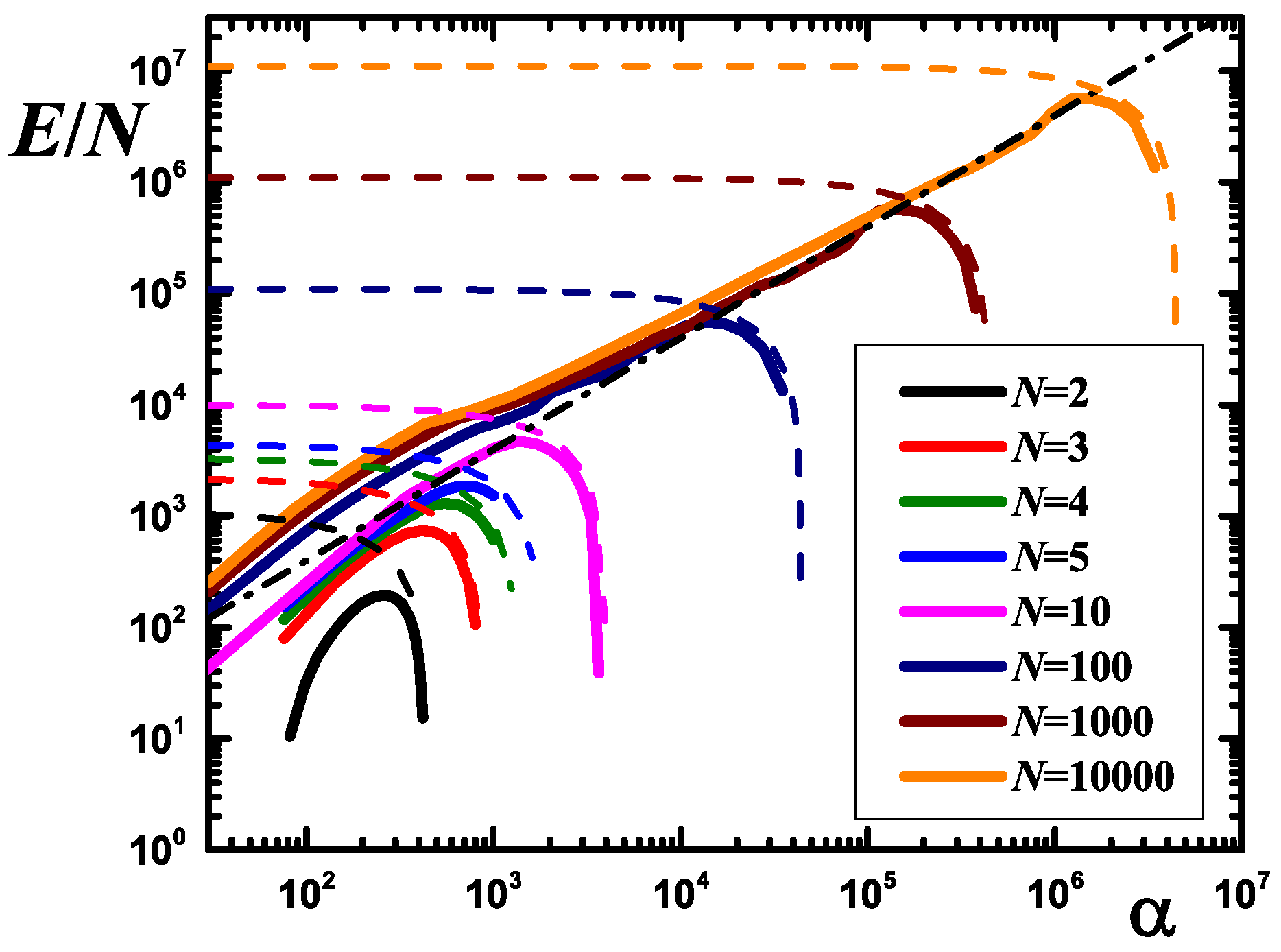
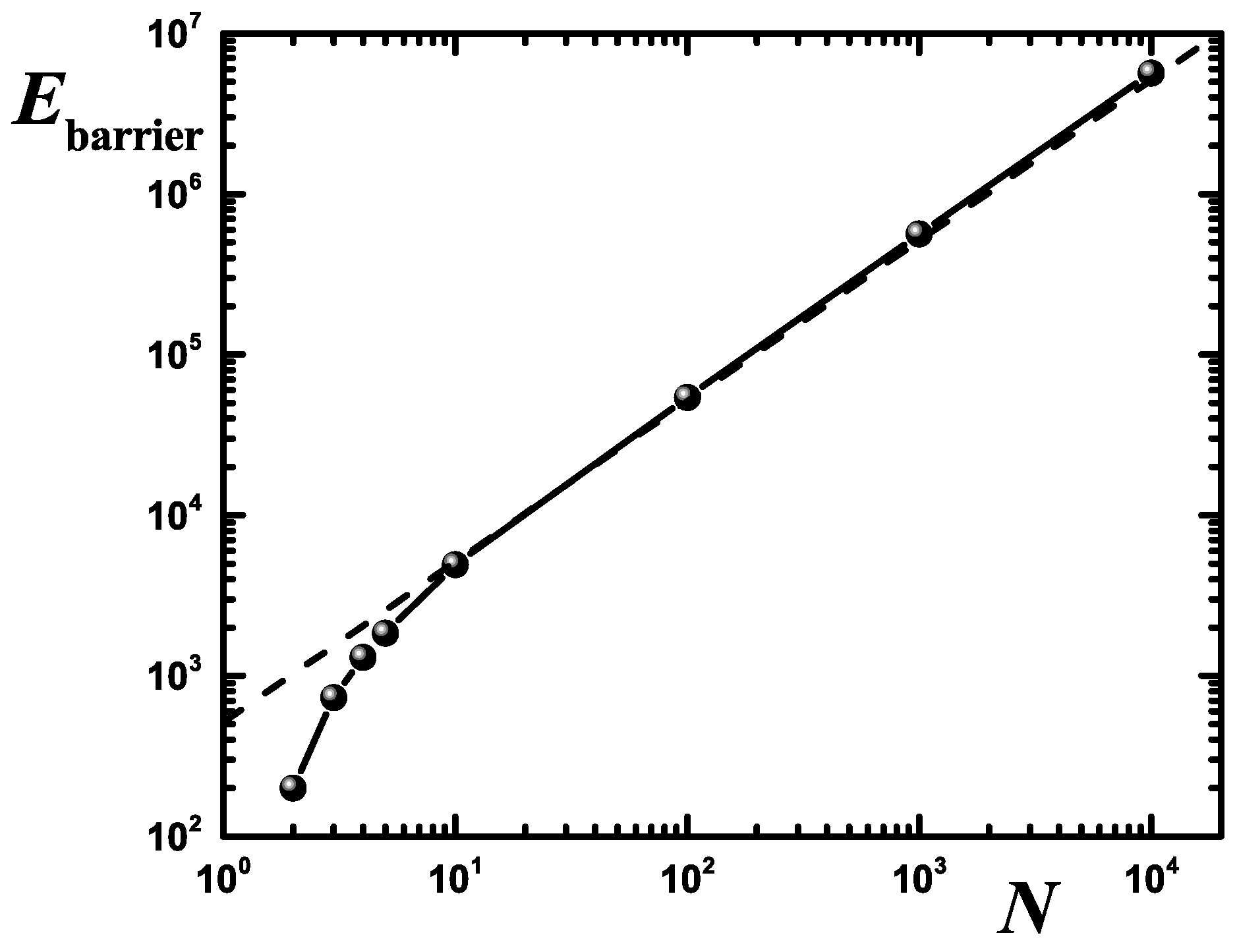
It is known that attractive potential ~ 1 / r 2 gives rise to the critical quantum collapse in the framework of the three-dimensional (3D) linear Schrödinger equation. This article summarizes theoretical analysis, chiefly published in several original papers, which demonstrates suppression of the collapse caused by this potential, and the creation of the otherwise missing ground state in a 3D gas of bosonic dipoles pulled by the same potential to the central charge, with repulsive contact interactions between them, represented by the cubic term in the respective Gross–Pitaevskii equation (GPE). In two dimensions (2D), quintic self-repulsion is necessary for the suppression of the collapse; alternatively, this may be provided by the effective quartic repulsion produced by the Lee–Huang–Yang correction to the GPE. 3D states carrying angular momentum are constructed in the model with the symmetry reduced from spherical to cylindrical by an external polarizing field. Interplay of the collapse suppression and miscibility–immiscibility transition is considered in a binary condensate. The consideration of the 3D setting in the form of the many-body quantum system, with the help of the Monte Carlo method, demonstrates that, although the quantum collapse cannot be fully suppressed, the self-trapped states predicted by the GPE exist in the many-body setting as metastable modes protected against the collapse by a tall potential barrier.
Keywords: quantum anomaly; ground state; self-trapping; Bose–Einstein condensate; Gross–Pitaevskii equation; Thomas–Fermi approximation; mean-field approximation; quantum phase transitions; Monte–Carlo method quantum anomaly; ground state; self-trapping; Bose–Einstein condensate; Gross–Pitaevskii equation; Thomas–Fermi approximation; mean-field approximation; quantum phase transitions; Monte–Carlo method