Article

Comparison of Immune Response of Litopenaeus vannamei Shrimp Naturally Infected with Vibrio Species, and after Being Fed with Florfenicol

by
Medhat S. Shakweer
1,
Gehad E. Elshopakey
2,
Abdelwahab A. Abdelwarith
3,
Elsayed M. Younis
3,
Simon John Davies
4 and
Samia Elbahnaswy
1,*
1
Department of Internal Medicine, Infectious and Fish Diseases, Faculty of Veterinary Medicine, Mansoura University, Mansoura 35516, Egypt
2
Department of Clinical Pathology, Faculty of Veterinary Medicine, Mansoura University, Mansoura 35516, Egypt
3
Department of Zoology, College of Science, King Saud University, P.O. Box 2455, Riyadh 11451, Saudi Arabia
4
College of Science and Engineering, University of Galway, H91 TK33 Galway, Ireland
*
Author to whom correspondence should be addressed.
Fishes 2023, 8(3), 148; https://doi.org/10.3390/fishes8030148

Submission received: 4 January 2023 / Revised: 12 February 2023 / Accepted: 27 February 2023 / Published: 2 March 2023
(This article belongs to the Section Nutrition and Feeding)

Abstract

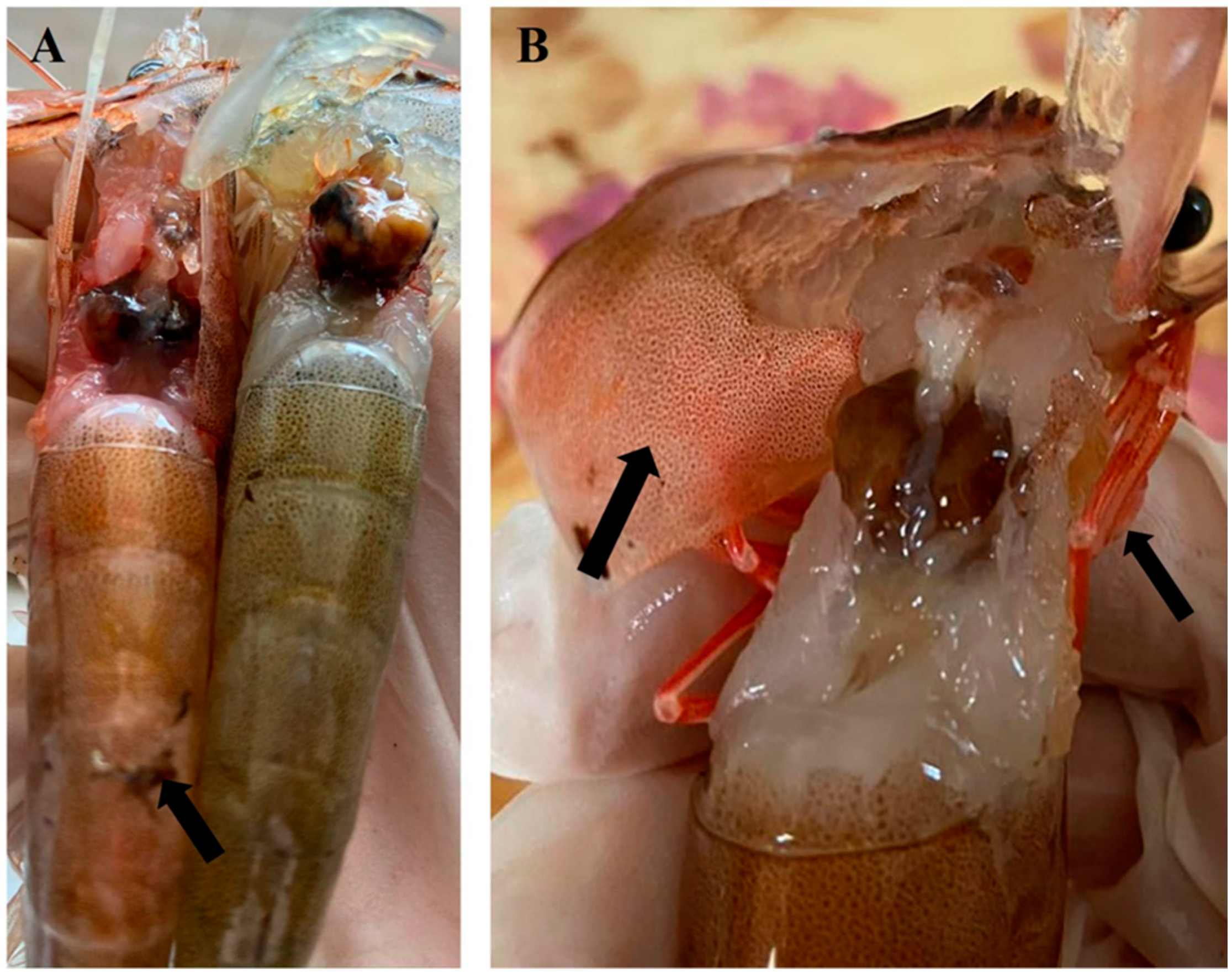
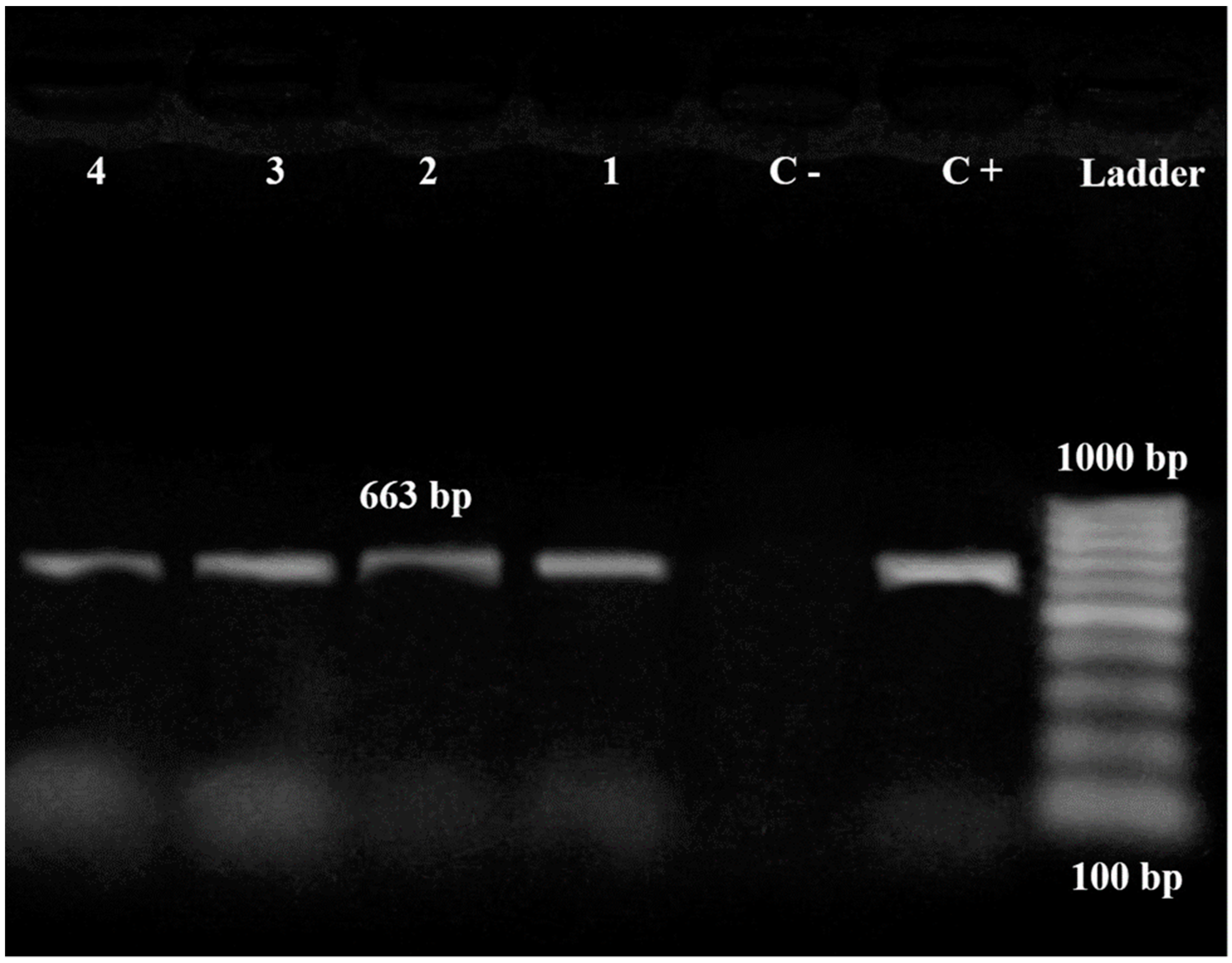
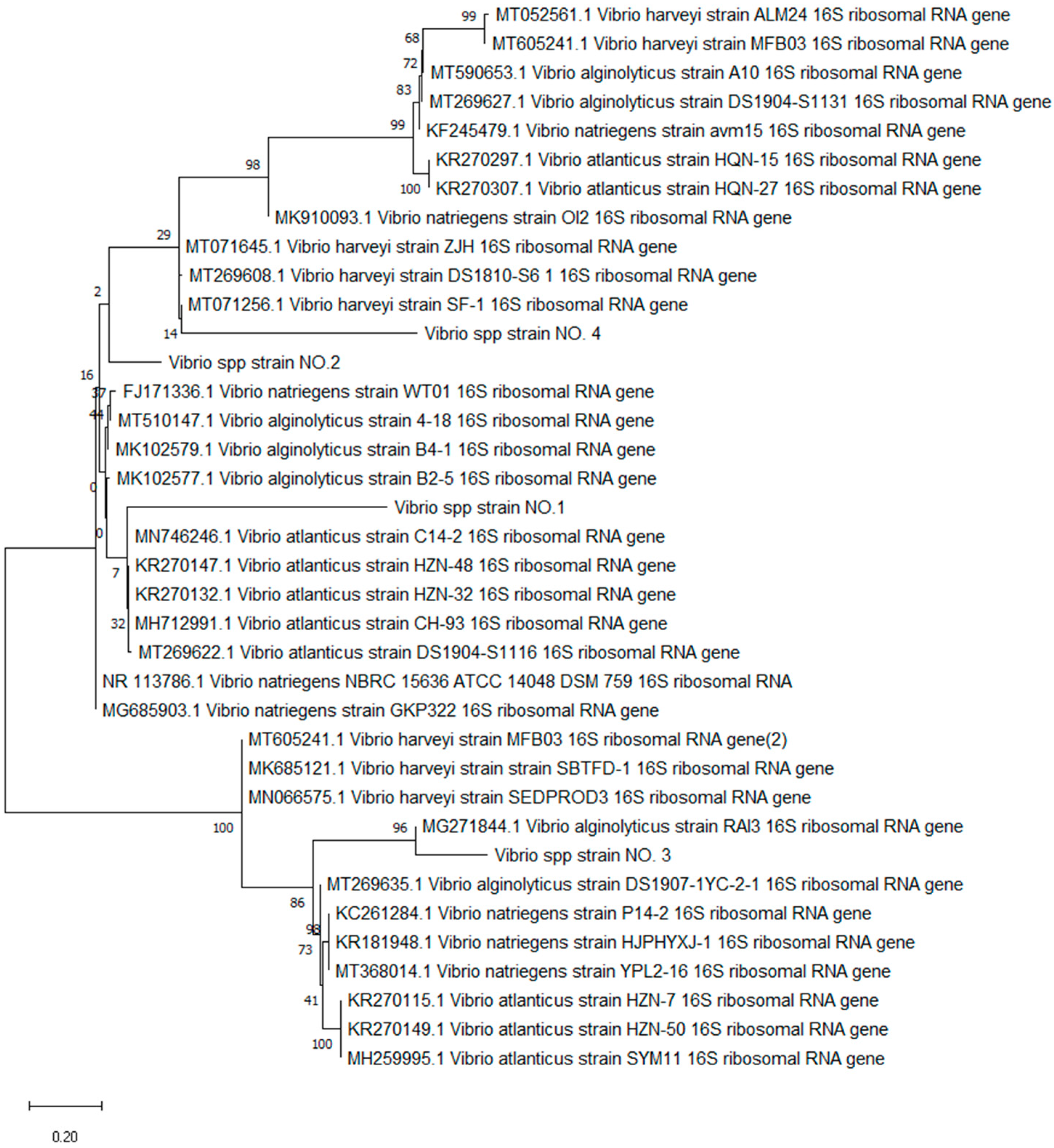
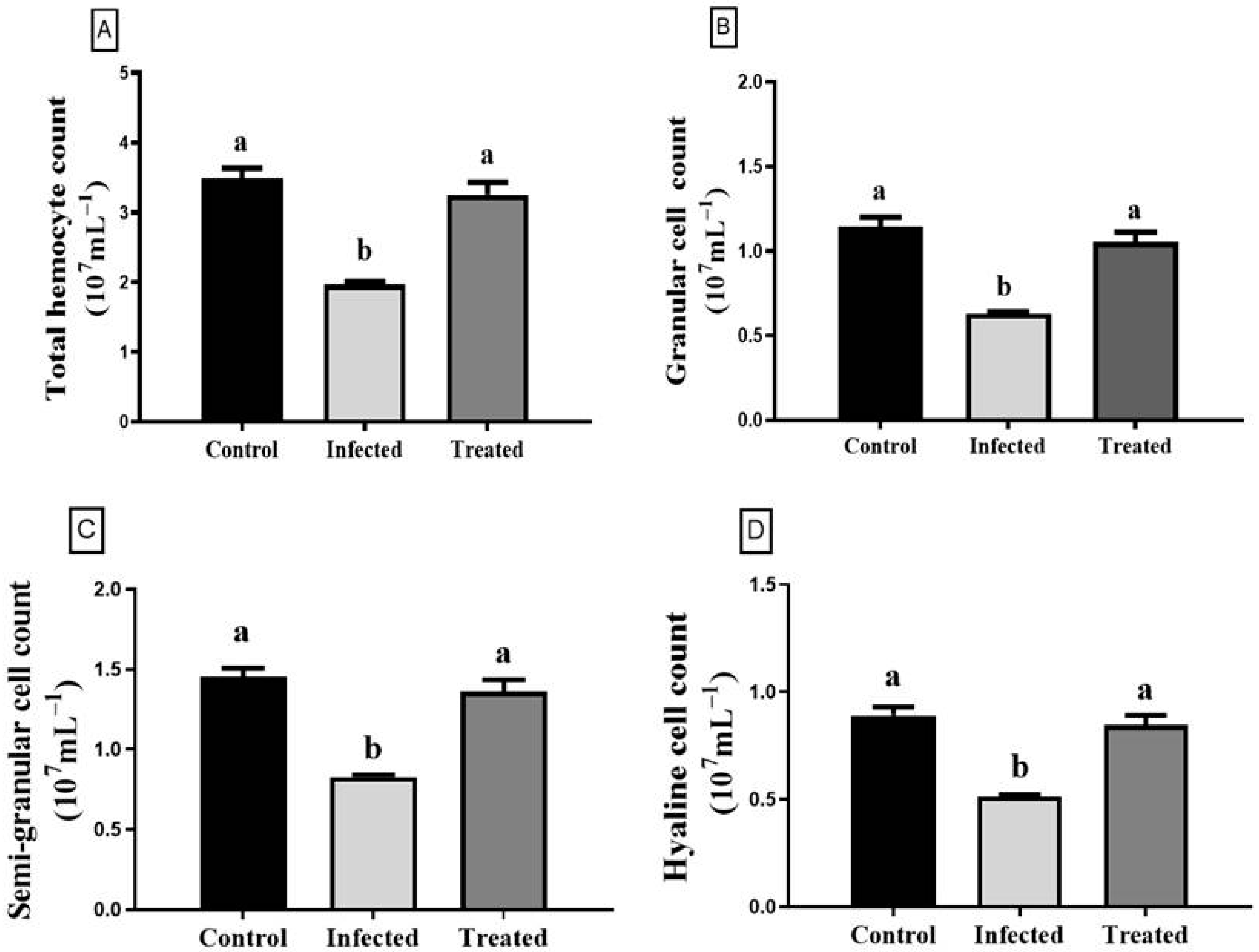
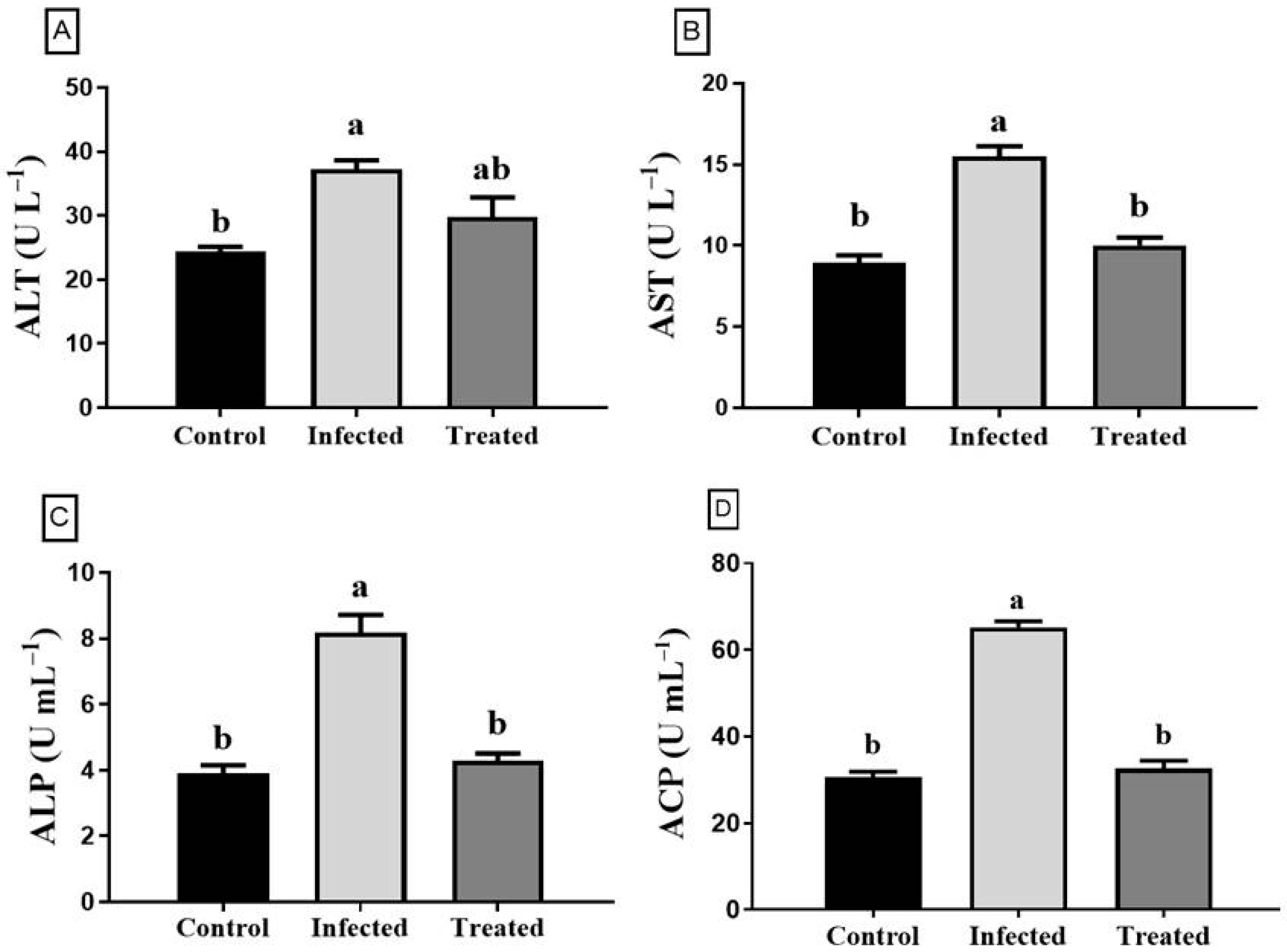
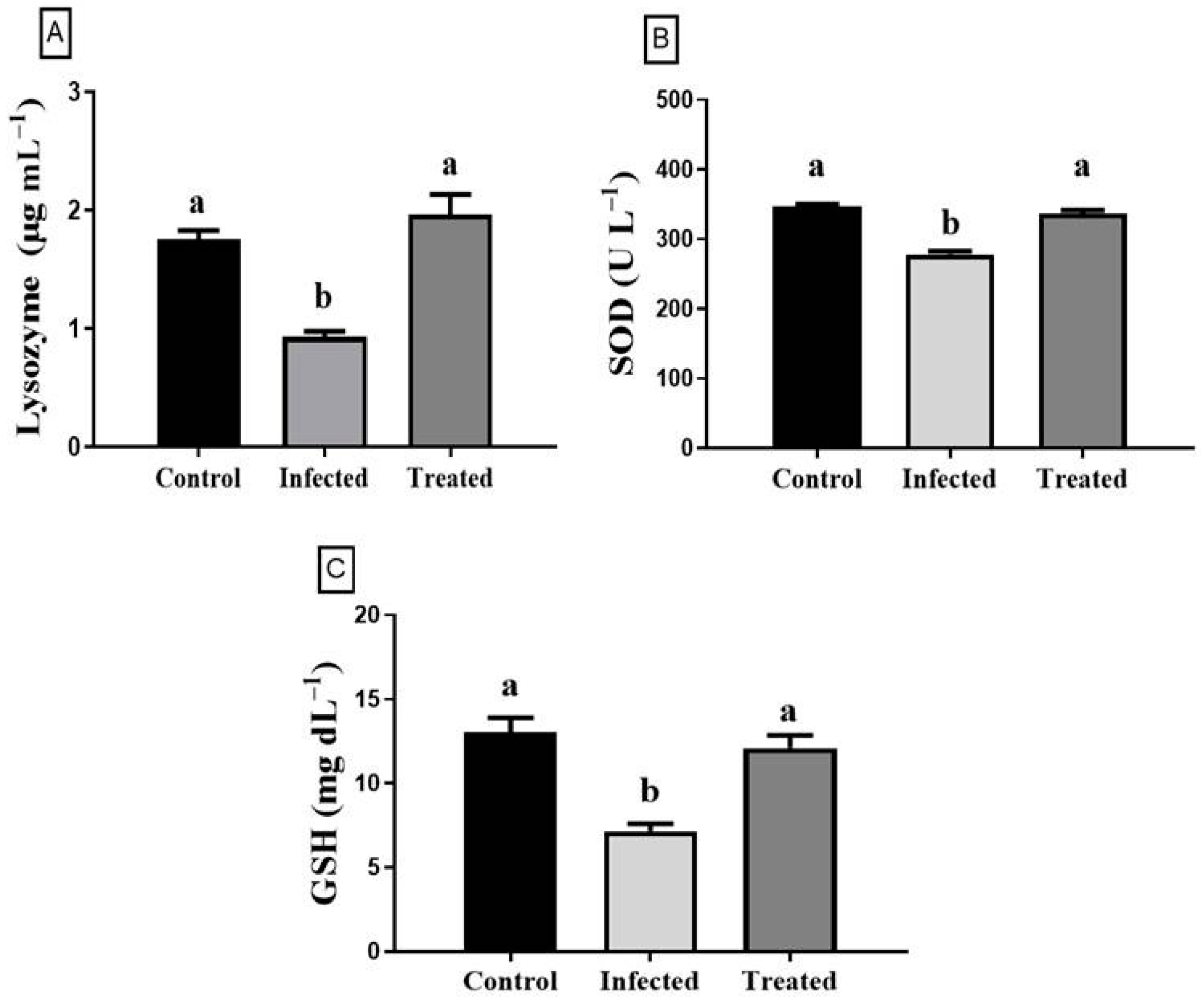
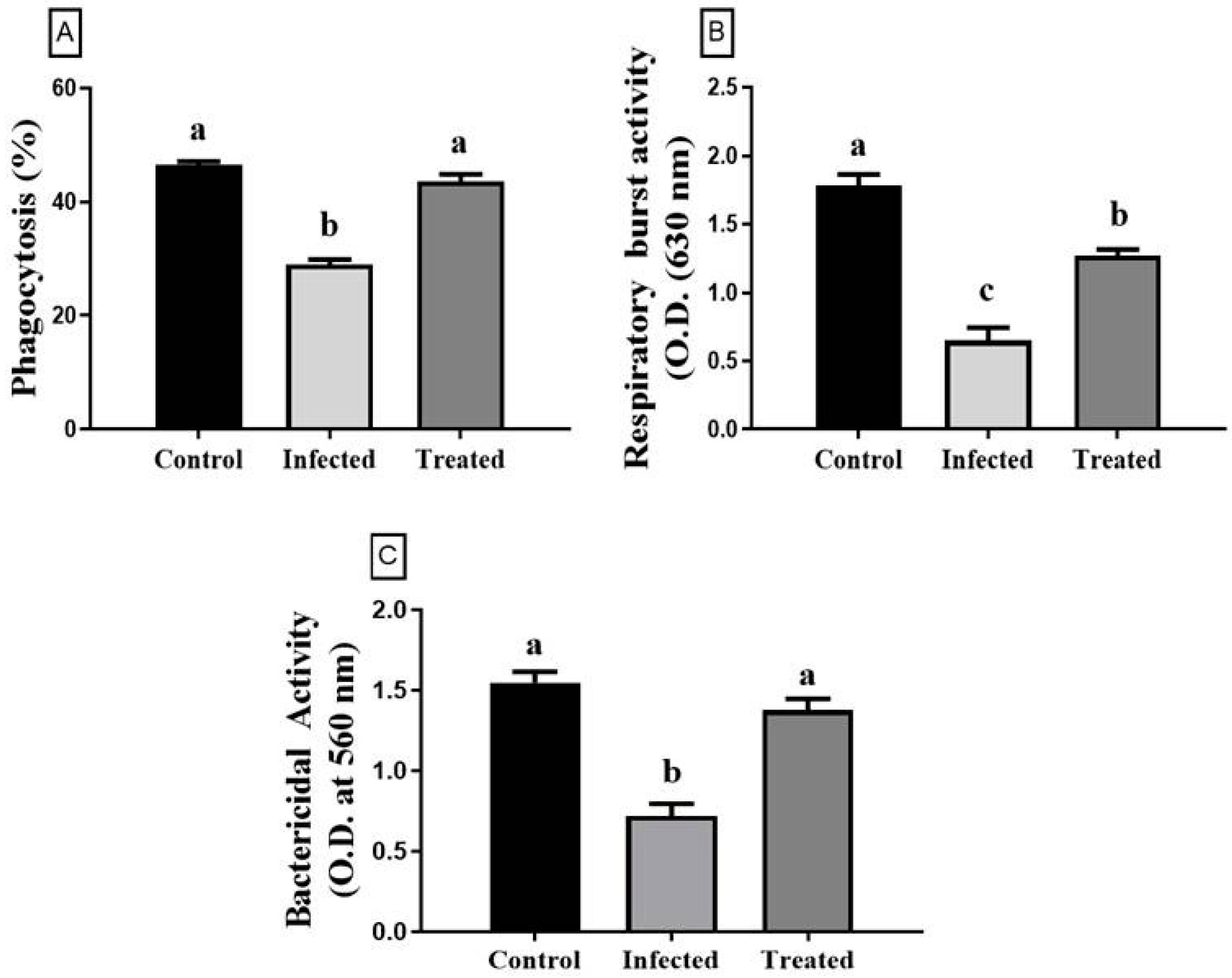
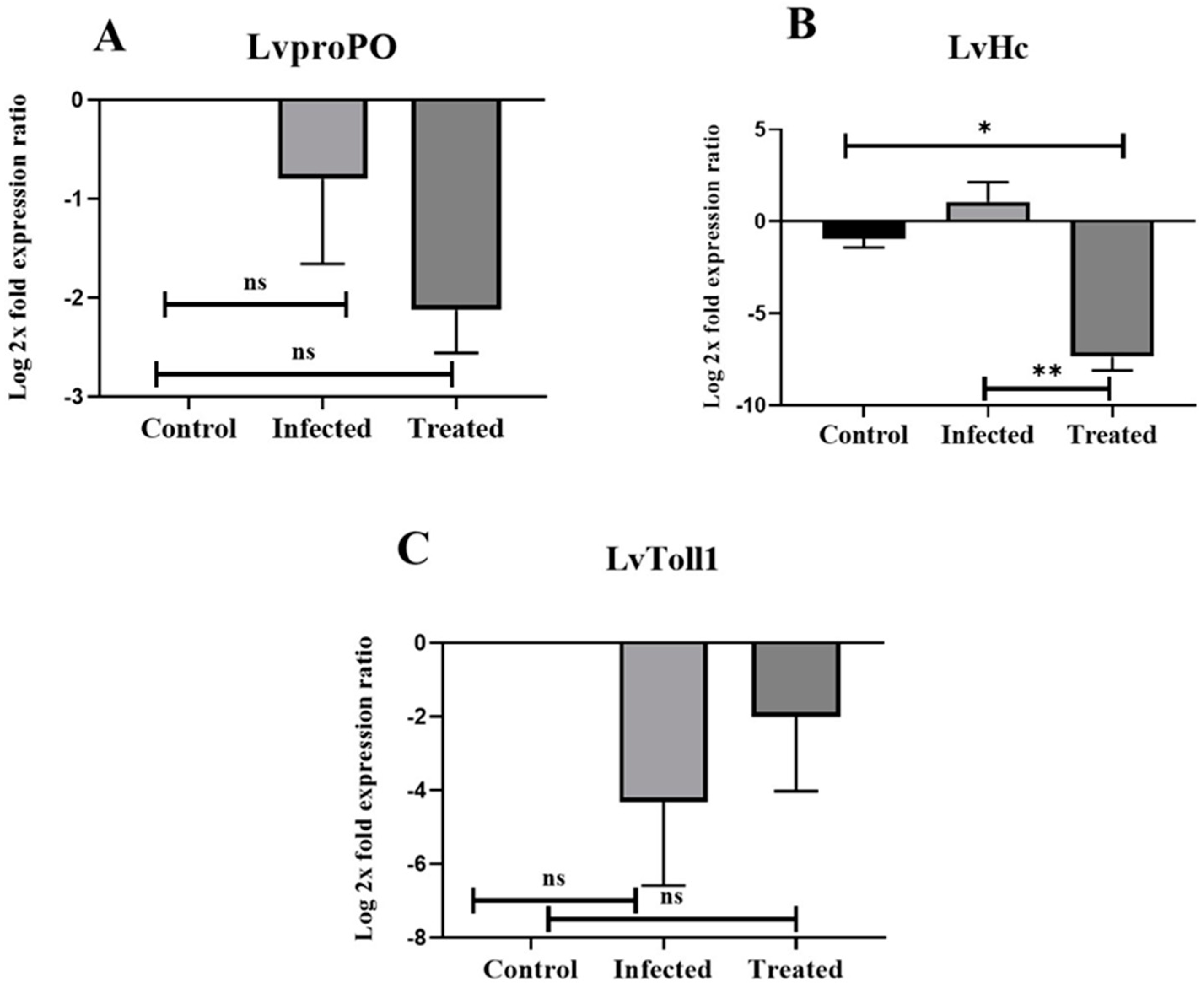
The outbreaks caused by Vibrio spp. are a notable threat to the potential growth of the economy of penaeid culture, which is still controlled by the administration of antibiotics. At first, the infected group was subjected to phenotypic bacteriological examination with subsequent molecular identification via 16S rRNA gene sequencing, which confirmed four strains of Vibrio spp., V. atlanticus, V. natriegens, V. alginolyticus, and V. harveyi, from moribund-infected shrimp during mortality events in an Egyptian hatchery. To better understand the defense mechanism of the most effective antibiotic against Vibrio strains, the immune responses were compared and evaluated in infected Litopenaeus vannamei broodstock after being fed 5 mg kg−1 of florfenicol antibiotic, which was first determined through in vitro antibiogram tests. Therefore, our study aimed to determine the immune response of L. vannamei during Vibrio spp. infection in Egyptian hatcheries and after antibiotic medication. The parameters assessed were the total and differential hemocyte count (THC), granular cells (GC), semi-granular cells (SGC), and hyaline cells (HC). As well as the metabolic and immune enzymes: alanine aminotransferases (ALT), aspartate aminotransferases (AST), alkaline phosphatase (ALP), acid phosphatase (ACP), and lysozyme activity; an antioxidant index, such as superoxide dismutase (SOD) and glutathione (GSH); a phagocytic assay; changes in reactive oxygen species (ROS); and bactericidal activity in the hemolymph of the control, infected, and treated groups. Further evaluation of the mRNA expression levels of the prophenoloxidase (LvproPO), toll-like receptor 1 (LvToll1), and haemocyanin (LvHc) genes were performed in the hepatopancreas of the same groups. A significant drop in the THC, GC, SGC, and HC counts, as well as lysozyme and bactericidal activities, phagocytic assay, ROS, SOD, and GSH index, were represented in infected shrimp compared to control shrimp; however, a marked increase in the activity of ALT, AST, ALP, and ACP was observed. These activities were significantly restored in the treated shrimp compared to the infected shrimp. Nevertheless, no significant changes were noted in the transcriptional levels of the LvproPO and LvToll1 genes in the treated shrimp when compared to the infected shrimp; however, a significant suppression of the LvHc gene was noted. Our study aimed to determine the immune response of L. vannamei during Vibrio spp. infection in Egyptian hatcheries and after antibiotic medication. We concluded that florfenicol in medicated feed could be effective in controlling vibriosis and ameliorating the immune response of shrimp.
Keywords: Litopenaeus vannamei; vibriosis; 16S rRNA sequencing; hematology; immune response; gene expression Litopenaeus vannamei; vibriosis; 16S rRNA sequencing; hematology; immune response; gene expression