
Article

Preliminary Study on Broodstock Management, Inducing Natural Spawning and Larval Rearing of Silver Pomfret, Pampus argenteus
1
Biotechnology Research Division, National Institute of Fisheries Science, Busan 46083, Republic of Korea
2
Inland Fisheries Research Institute, National Institute of Fisheries Science, Geumsan 32762, Republic of Korea
*
Author to whom correspondence should be addressed.
Fishes 2026, 11(4), 250; https://doi.org/10.3390/fishes11040250
Submission received: 27 February 2026 / Revised: 16 April 2026 / Accepted: 17 April 2026 / Published: 19 April 2026

Abstract

Silver pomfret (Pampus argenteus, family Stromateidae) is a highly valuable marine fish species with significant commercial demand; however, its aquaculture remains undeveloped due to limited knowledge of captive breeding and seed production. To our knowledge, this is the first successful report on the induction of maturation, natural spawning, and larval rearing of silver pomfret under captive conditions in Korea. Wild broodstock (33 individuals in 2020; 250 individuals in 2021) were collected from the southern coastal waters of Korea using set nets. In the first year, water temperature management alone successfully induced gonadal maturation, as evidenced by a significant increase in the gonadosomatic index (GSI) and the presence of vitellogenic oocytes (400–500 μm) in April. In the second year, natural spawning was observed on fifteen occasions from May to September 2022, yielding a total number of 157,050 eggs. Fertilized eggs were spherical, transparent, and pelagic, with diameters ranging from 1.29 to 1.37 mm. Hatched larvae (total length: 4.85 ± 0.22 mm) exhibited poor feeding responses to rotifers and high early mortality within two weeks post-hatching, with the maximum rearing period reaching 24 days post-hatching. These findings demonstrate that water temperature management alone is sufficient to induce maturation and natural spawning of silver pomfret, and highlight the critical need for optimizing larval feeds, improving broodstock nutritional management, and conducting endocrine profiling during reproduction to establish a complete aquaculture protocol for this species.
Key Contribution: This study represents the first successful report of natural spawning of silver pomfret under captive breeding conditions in Korea, providing a critical foundation for establishing aquaculture for this commercially valuable species.

1. Introduction

Sexual maturation in teleost fish is governed by the hypothalamic–pituitary–gonadal (HPG) axis, which integrates environmental information into endocrine signals that drive gonadal growth and gametogenesis [1]. This system regulates the interactions among these organs including the gonads, coordinating the release of hormones that control various aspects of reproduction, such as gametogenesis, sexual maturation, and reproductive behavior [2]. In addition, this process is strongly influenced by environmental factors such as water temperature, photoperiod and so on [1]. Water temperature is a fundamental environmental factor affecting sexual maturation, acting as a proximate regulator of physiological processes [2]. In many species, water temperature not only modulates the rate of maturation but can also affect sex differentiation, with elevated temperatures inducing masculinization in some fish with environmentally sensitive sex determination systems [3]. Moreover, temperature interacts with photoperiod to regulate reproductive timing, particularly in temperate species where photoperiod sets the seasonal framework and temperature adjusts the pace of maturation and spawning [3].
Silver pomfret (Pampus argenteus) belongs to the family Stromateidae and the order Scombriformes. It is widely distributed from the Persian Gulf and Indian Ocean to the western Pacific, including the coastal waters of Korea, and is commercially exploited across major production regions spanning the Middle East, South Asia, and East Asia [4,5]. This species is one of the most valuable fish species worldwide because of its favorable taste and high market demand [6,7]. However, the commercial catch of this species has decreased owing to overfishing and changes in natural habitats [8]. Commercial aquaculture remains unavailable to date, although previous studies have been conducted on its fundamental biological characteristics such as feeding behavior and growth under tank culture conditions, artificial breeding and larval rearing under hatchery conditions [9,10,11,12,13,14]. Additionally, studies on captive breeding and seed production of silver pomfret are ongoing [15,16].
Over the past decade, increases in seawater temperature associated with global warming have led to mass mortality and increased economic damage in the aquaculture industry of South Korea [17]. To overcome this crisis, it is necessary to develop new aquaculture species that can survive under high water temperature conditions and offer high market value. Silver pomfret is naturally distributed across subtropical to temperate marine environments [4], suggesting its potential adaptability to warming ocean conditions. Furthermore, the species possesses high commercial value, making it a potentially important candidate for aquaculture diversification in Korea [6]. In the present study, we report the results of captive breeding, induction of maturation, natural spawning, production of fertilized eggs and hatched larvae of silver pomfret as a new candidate aquaculture species in Korea.

2. Materials and Methods

2.1. Collection of Wild Broodstock

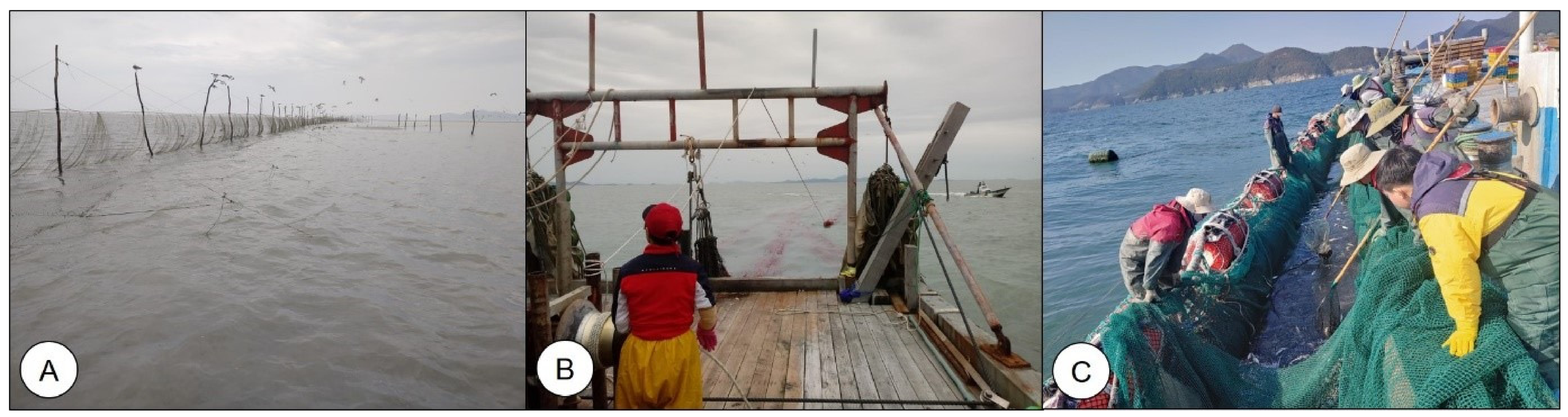
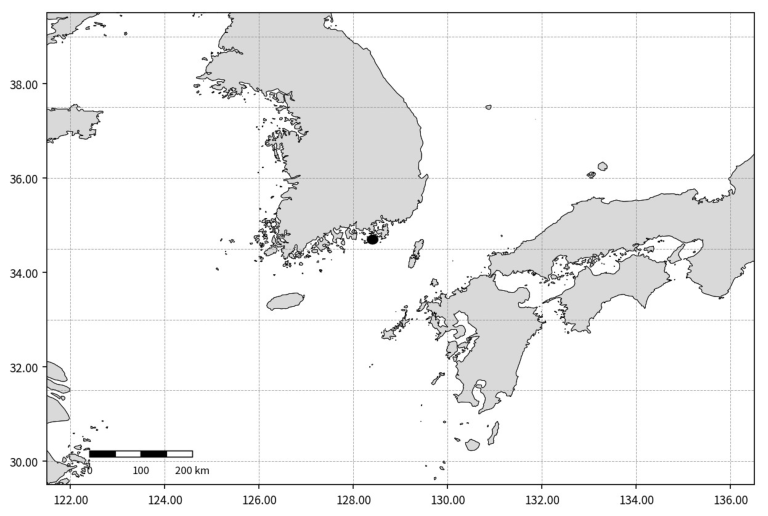
Wild broodstock originating from Tongyeong, Gyeongsangnam-do Province (Figure 1), located in the southern coastal waters of Korea, were collected using a set net in August 2020 and September 2021. Prior to collection by set net, other fishing gears such as stow nets and fence nets were also tested and the set net was chosen based on the highest survival rates of collected fish (Figure 2 and Table 1). After collection, the fish were transported to a net cage (7 m × 7 m × 7 m) located offshore under natural photoperiod and water temperature for three days. After acclimation in the net cage, the surviving fish were transported to an indoor tank for the induction of maturation.

2.2. Broodstock Management and Maturation Induction During 2020–2021

We aimed to induce maturation of wild broodstock under indoor tank conditions with water temperature regulation. In 2020, 33 fish survived after acclimation in the net cages. After transfer into the indoor tank (10 m3), fish were acclimatized for 4 weeks at a stocking density of approximately 3.3 fish/m3. Salinity was gradually acclimated from ambient seawater to the experimental salinity (29–30 psu) over the first week of indoor rearing. During acclimatization, the fish were fed frozen mysids under a natural photoperiod regime. Natural photoperiod conditions were maintained throughout the rearing period by housing the indoor tanks in a facility equipped with transparent polycarbonate skylight panels installed in the roof, which allowed natural sunlight to penetrate directly into the tank area without artificial photoperiod manipulation. The water temperature was regulated using a commercial heat pump (heating capacity: 10 kW) supplemented by titanium electric immersion heaters (3 kW × 2 units) controlled by an automatic thermoregulator (accuracy: ±0.1 °C).
The water temperature was maintained at 16.51 ± 1.09 °C in December 2020 and was increased gradually by 0.5 °C every 2 weeks until April 2021. During the rearing period, the fish were fed chopped frozen oysters, squids, and mysids (ratio of 2:1:1) to apparent satiation, approximately 3–5% of their body weight, twice daily at 10:00 and 17:00 h. Frozen diets were thawed in filtered seawater immediately before feeding; no chemical disinfection of feed was applied. The water temperature, salinity, and dissolved oxygen were measured twice daily. The water flow rate was 1 t/h.
Five to eight fish were randomly sampled once per month (on a fixed sampling day). Sex was determined by visual inspection of the gonads following abdominal dissection under anesthesia. This sample size (5–8 fish per month) was determined by the limited total number of surviving broodstock (33 individuals); sampling was restricted to approximately 15–24% of the remaining stock per month to avoid over-depletion through destructive sampling. A fixed, larger sample size per month was not feasible given this constraint.
The fish were anesthetized with 0.1% 2-phenoxyethanol. The total length (cm), body length (cm), and body weight (g) were measured. The gonads were dissected and weighed to calculate the gonadosomatic index (GSI) according to the formula (i.e., GSI = gonad weight/body weight × 100). For histological observation of the gonads, sampled ovaries were fixed in Bouin’s solution for 24 h and subsequently transferred to 70% ethanol. The fixed specimens were dehydrated in a graded series of ethanol, embedded in paraffin, and cut into 5-μm cross-sections. The slides were stained with hematoxylin and eosin (HE) for the observation of oocyte development. Gonadal developmental stages were classified according to the previous study [18]. The oocytes were observed under a light microscope (BX50, Olympus, Japan).

2.3. Induction of Natural Spawning in the Indoor Tank During 2021–2022

The temperature protocol applied in the second year was intentionally modified to provide a stronger thermal stimulus than that used in the first year based on the outcomes of the first year. The first year served as a single-group feasibility study to confirm that gonadal maturation was achievable under indoor captive conditions; the limited surviving stock of 33 individuals precluded simultaneous testing of multiple temperature regimens. Following confirmed gonadal maturation in the first year (elevated GSI and vitellogenic oocytes in April 2021), the second year protocol was designed with a lower starting temperature (15.14 ± 0.46 °C vs. 16.51 ± 1.09 °C in the first year) and a faster rate of temperature increase (1 °C per 2 weeks vs. 0.5 °C per 2 weeks), to more effectively mimic the natural spring warming and maximize the reproductive stimulus.
In September 2021, the 250 collected and surviving fish were transported to four indoor tanks, and the acclimation conditions in the indoor tanks were revised for a stronger stimulation of water temperature change compared to those applied in 2020. The water temperature was maintained at 15.14 ± 0.46 °C in December 2021. Water temperature was increased gradually by 1 °C every 2 weeks and then maintained at this rate until it reached at 24 °C. During the rearing period, the feeding regime and water quality measurements were the same as those described above. A total of 12–29 fish were randomly sampled each month until natural spawning was observed. The variable monthly sample size in the second year (12–29 fish) reflects both the availability of a larger broodstock (250 individuals) and the need for sex-stratified sampling: in months with skewed sex ratios, additional fish were sampled to ensure adequate representation of both males and females for histological analysis. We acknowledge this variability as a limitation and recommend standardized sampling protocols in future studies. The measurements and procedures for histological observation of gonads were also the same as described above.
A net (φ 70 × H 50 cm, mesh size 800 μm) was placed to collect fertilized eggs, which were discharged from the broodstock rearing tank through the drainage pipe. Fertilized egg-collecting nets were checked daily at 9:00 am. The total number of eggs from each spawning event was determined using the method described in the previous study [19]. The collected fertilized eggs were washed several times with filtered seawater and placed in a 5 L beaker with a large surface area to separate the floating eggs, which were then transferred to the hatching tank (circular 2 t). During incubation, water temperature, salinity, dissolved oxygen, and pH in the hatching tank were maintained at 20.01 ± 0.39 °C, 30.8 ± 0.39 psu, 6.82 ± 0.80 mg/L, and 7.65 ± 0.23, respectively, under gentle aeration and natural photoperiod. The eggs were observed under a light microscope to evaluate their morphology, fertilization rate, and embryological stages. Egg diameter (ED, ±0.01 mm) and oil droplet diameter (OD, ±0.01 mm) were measured according to the previous study [20]. The fertilization rate (FR) was calculated according to the following formula (i.e., FR = the number of fertilized eggs/the number of total eggs × 100).

2.4. Rearing of Hatched Larvae

The collected fertilized eggs were then transported to a hatchery tank. In the hatchery tank, water temperature, salinity, DO, and pH were maintained at 20.01 ± 0.39 °C, 30.8 ± 0.39, 6.82 ± 0.80 mg/L, and 7.65 ± 0.23, respectively. After 44–48 h, the larvae hatched. The hatching rate (HR) was calculated according to the formula (i.e., HR = number of hatched larvae/number of fertilized eggs × 100). The hatched larvae were kept in static water until five days post-hatching (DPH). Water exchange was 30% per day until 7 DPH and was gradually increased to reach 100% per day at 10 DPH.
Hatched larvae were reared using green water with the addition of Chlorella sp. live foods, including rotifers and Artemia, which were supplied according to the previous study [9]. Morphological characteristics, such as total length, body height, and optic vesicle length, were measured weekly using a light microscope (BX50, Olympus, Japan).
Parasitic and fungal diseases were examined by microscopic observation of body surface mucus and gill tissues. Bacterial diseases were investigated through bacterial isolation using brain heart infusion agar or tryptic soy agar, followed by identification based on 16S rDNA sequence analysis. Viral diseases were analyzed by a polymerase chain reaction (PCR) targeting viral hemorrhagic septicemia (VHS), red sea bream iridoviral disease (RSIV), and hirame rhabdoviral disease (HRV) [21]. For the analysis of pathogen genetic characteristics, the virulence array protein (vapA) gene of Aeromonas spp. and the 18S rDNA gene sequences of Trichodina spp. were obtained and subjected to phylogenetic analysis [22].

2.5. Statistics

Data were expressed as the means ± standard error of the mean and were checked using the Kolmogorov–Smirnov tests to verify normality. Differences between groups were analyzed using the Kruskal–Wallis test since the data were not normally distributed, followed by Bonferroni correction. A p-value of <0.05 was considered statistically significant. Analyses were performed using SPSS ver. 21.0 (IBM, Armonk, NY, USA).

3. Results

3.1. Gonadal Maturation Under Captive Conditions in 2021

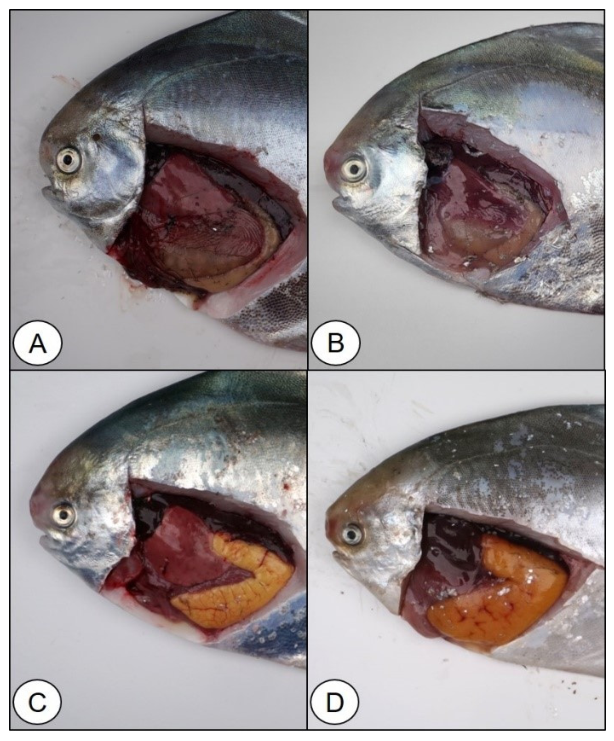
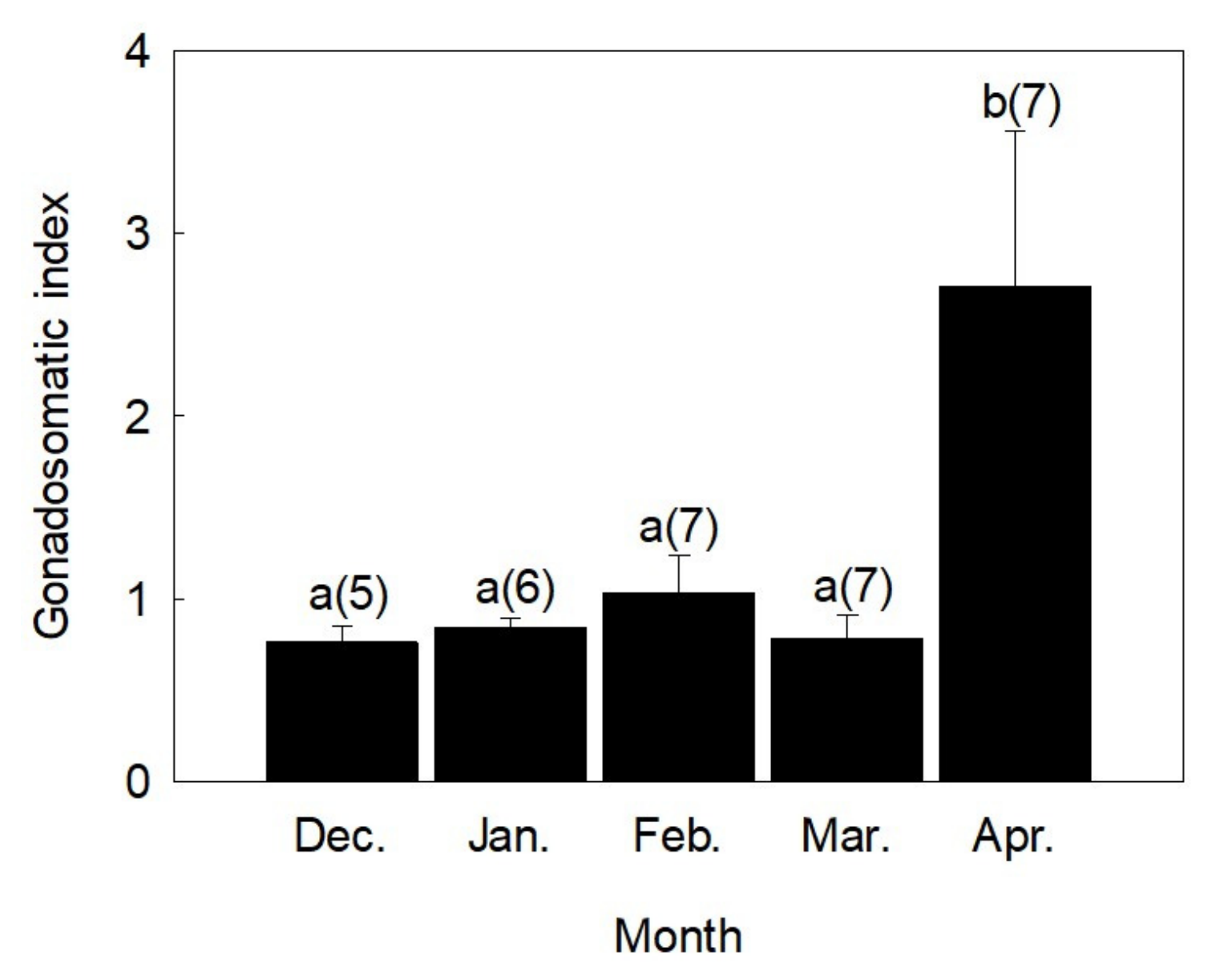
From December 2020 to April 2021, 33 fish were reared under captive conditions with water temperature management. The measured water temperature, salinity, DO, and pH values are summarized in Table 2. Among the 33 fish, only one was identified as a male (sampled in April). Monthly microscopic observations of the ovaries revealed immature ovaries with a light pink color from December 2020 to March 2021 (Figure 3A,B). In April, the ovaries were orange in color, thicker than those in the earlier period, and had begun to fill the abdominal cavity (Figure 3C,D). In the monthly changes in GSI, the female GSI ranged from 0.76 ± 0.09 to 1.04 ± 0.14 from December 2020 to March 2021 (Figure 4); however, it increased sharply in April (2.71 ± 0.73).
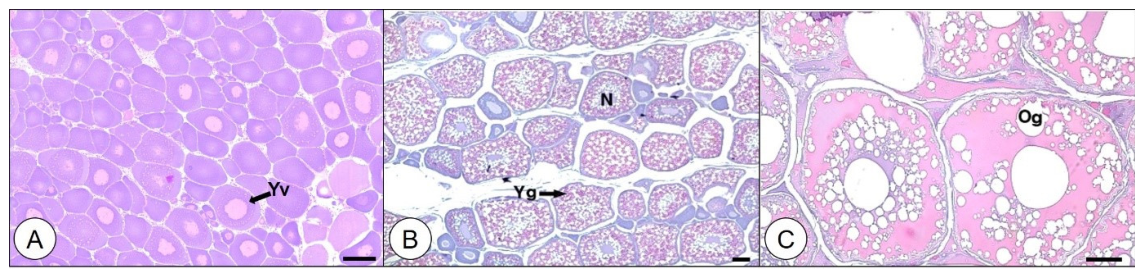
Histological observation of the ovary showed that most oocytes in the ovary were at the perinuclear stage with an oocyte diameter of less than 120 μm and at the early yolk vesicle stage with an oocyte diameter 120–150 μm until March 2021 (Figure 5A). In April, vitellogenic oocytes measuring 400–450 μm in diameter with accumulation of yolk granules in the cytoplasm were observed (Figure 5B). In the ovary with the highest GSI (8.25) in April, more developed oocytes (450–500 μm diameter) with a single large oil droplet near the germinal vesicle were observed (Figure 5C).

3.2. Production of Fertilized Eggs from Natural Spawning in 2022

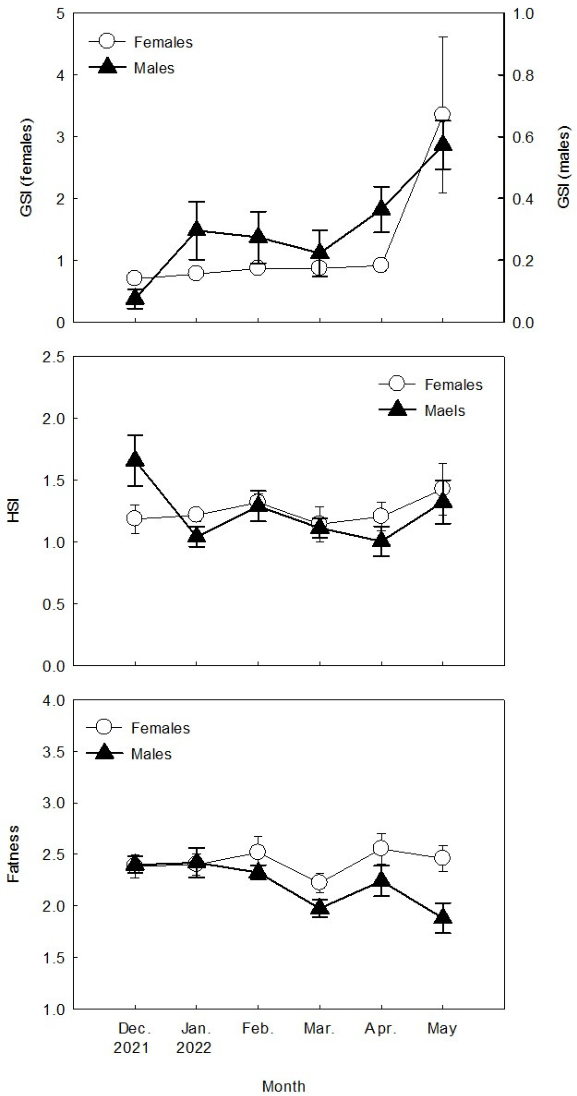
From December 2021 to May 2022, 250 fish were reared under captive conditions with water temperature management. The measured water temperature, salinity, DO, and pH values are summarized in Table 3. In monthly measurements of the sampled fish, the body length of females was larger than that of males (Table 4). The sex ratio was 1:0.73. In the monthly changes in GSI, female GSI ranged from 0.70 ± 0.02 to 0.91 ± 0.10 until April 2022 (Figure 6); however, it increased sharply in May to 3.35 ± 0.89. Male GSI was 0.08 ± 0.03 in December 2021 and increased to 0.30 ± 0.09 in January 2022. It then decreased until March with a range of 0.22 ± 0.08–0.27 ± 0.08. From April, it began to increase and peaked in May at 0.57 ± 0.08.
The body length of broodstock collected in 2021 ranged from approximately 14.4 to 19.4 cm (mean body length of females: 17.07 ± 1.12 cm; males: 16.38 ± 0.94 cm; Table 4), which exceeds the published size at 50% sexual maturity for this species [8,23,24]. Based on the body lengths documented and published length-at-age data for silver pomfret in Korean coastal waters [18], the collected individuals are estimated to have been sexually mature adults of at least 2 years of age.
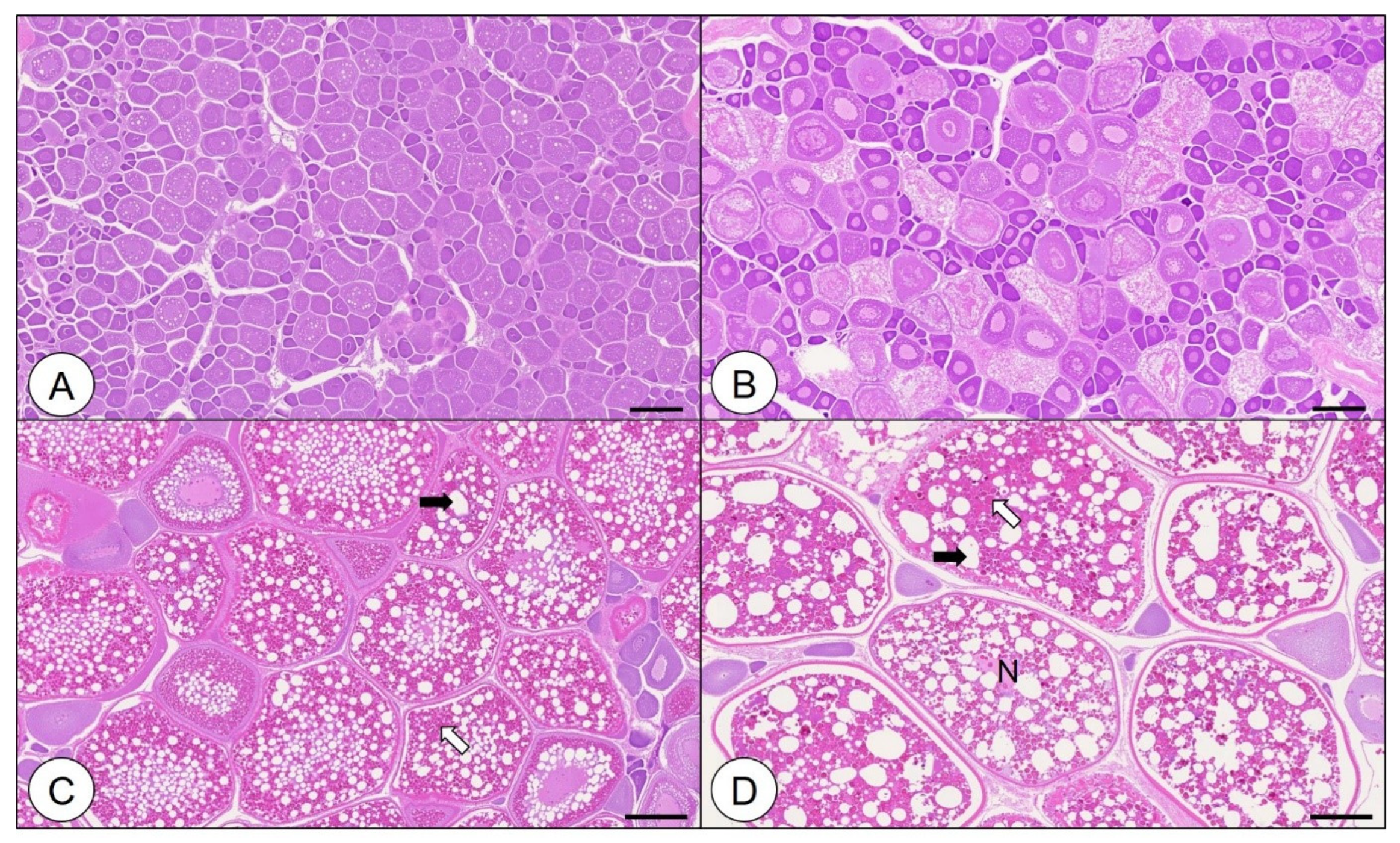
In histological observations of the ovary, ovarian specimens contained perinuclear-stage oocytes with diameters of less than 100 μm in diameter and yolk vesicle-stage oocytes with diameters of 150–200 μm until April 2022 (Figure 7A,B). In May, vitellogenic oocytes measuring 400–500 μm in oocyte diameter with accumulation of yolk granules in the cytoplasm (Figure 7C) and separated larger oil globules in the cytoplasm were also observed (Figure 7D).
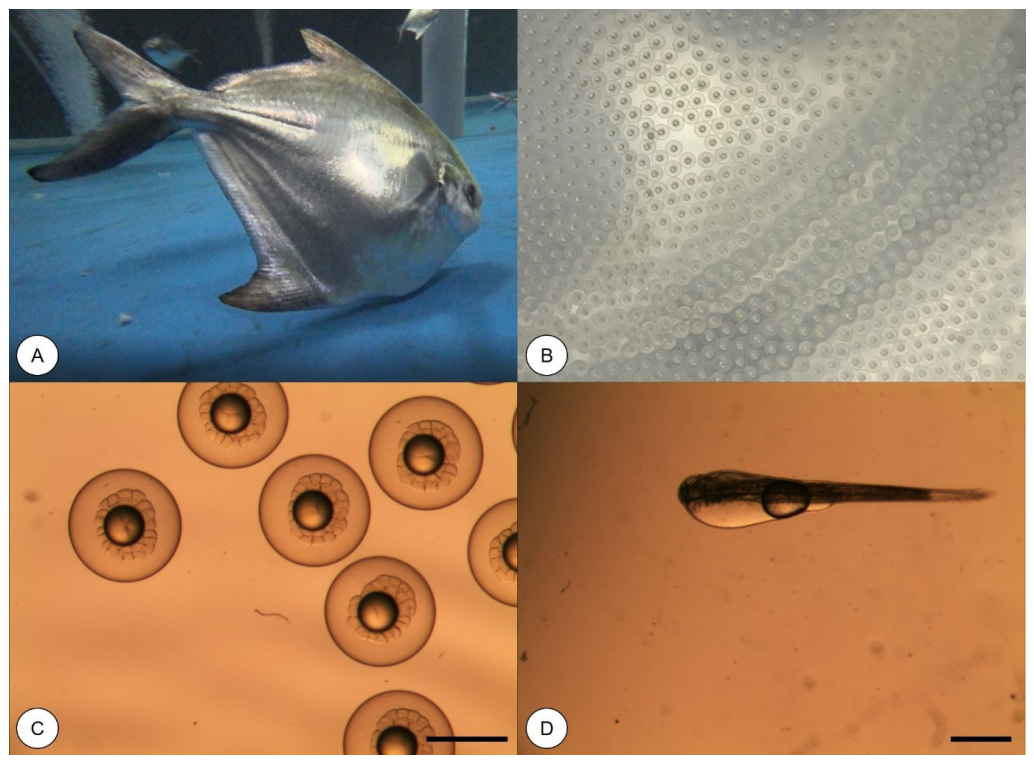
On 13th May 2022, fertilized eggs were found in the collecting net (Figure 8B). The collected fertilized eggs were spherical, transparent, and pelagic and were at the 32-cell stage (Figure 8C) and the egg diameter ranged from 1.29 to 1.37 mm. Natural spawning was observed on fifteen occasions until 15th September (Table 5). The total number of collected eggs was 157,050, and the average floating rate, fertilization rate, and hatching rate were 60.87 ± 9.67%, 76.19 ± 8.58%, and 44.57 ± 6.85%, respectively. In terms of spawning dates, spawning in May and June coincided with the new and full moons. However, this lunar rhythm in accordance with the circalunar period was not strictly observed from July onward (Table 5).

3.3. Larval Rearing

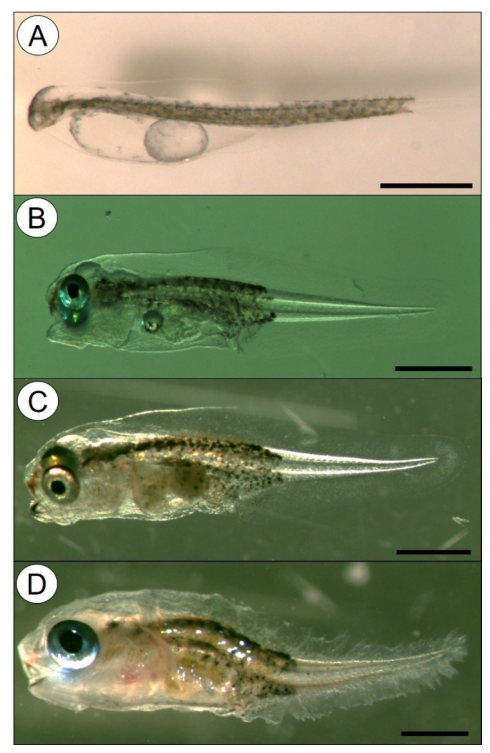
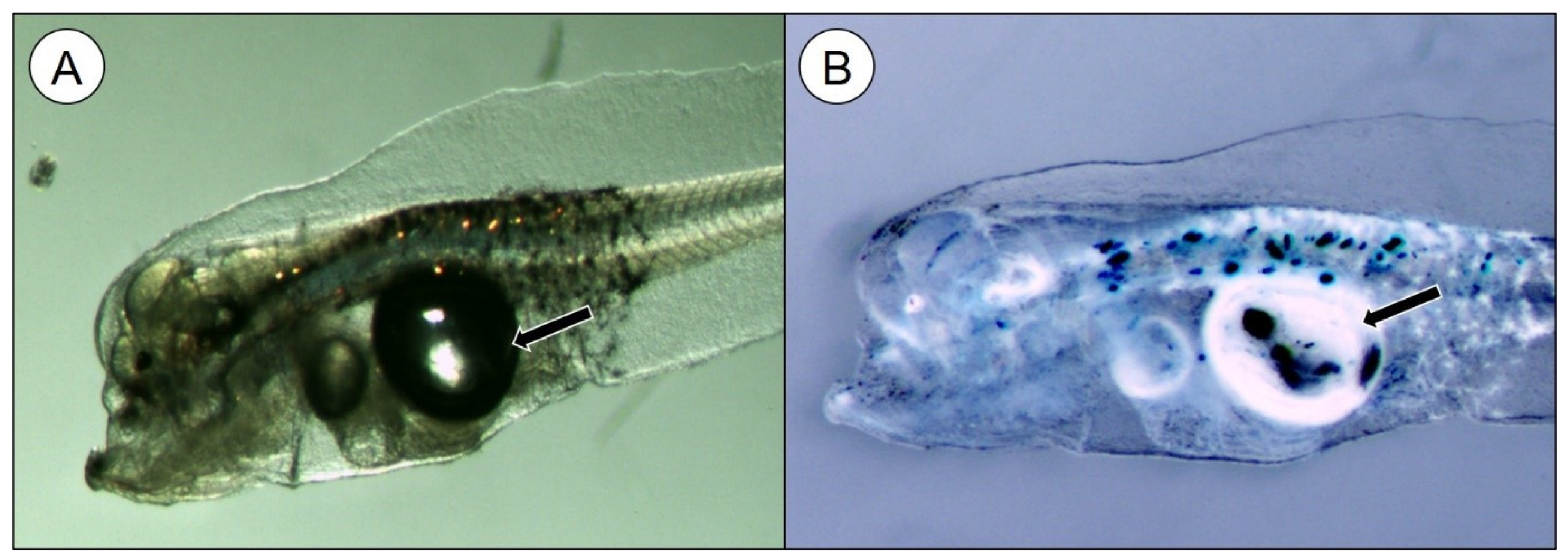
After 44 h of incubation following the transfer of fertilized eggs to the hatching tank, newly hatched larvae were observed. The total length and body height of hatched larvae were 4.85 ± 0.22 mm and 0.59 ± 0.05 mm, respectively (Table 6, Figure 9). The mouth was not yet developed, and the yolk sac was ellipsoid and elongated in shape. Yolk absorption was completed by 48 h after hatching. At 2 days after hatching (DAH), prior to complete absorption of the yolk, rotifers were supplied as live feed. In weekly measurements of total length, the larvae had reached 6.73 ± 0.59 mm at 21 DAH after hatching (Table 6, Figure 9). The body height of larvae increased sharply, relative to total length, reaching 1.38 ± 0.08 mm at 21 DAH. During the rearing period, some larvae that had ingested air bubbles were observed (Figure 10). These larvae floated at the surface and exhibited loss of equilibrium in the rearing tank. The longest larval rearing period was terminated at 24 DAH, although most hatched larvae died within 2 weeks after hatching.

4. Discussion

In this study, we attempted to induce maturation of broodstock with water temperature management and achieved successful maturation under captive culture conditions in the first year of this study. The spawning period of silver pomfret in the coastal waters of Korea was reported to occur from May to July [18]. In the present study, the GSI of females increased significantly in April and maturing ovaries were observed, although natural spawning was not achieved due to the limited number of broodstock available in the first year. The maturation induction conditions were accordingly revised and scaled up in the subsequent year.
Interestingly, the sex ratio was extremely skewed, with only one male identified among the 33 fish, with females predominating. In the previous study, the sex ratio of silver pomfret was female dominant in northern Indonesia and India [25,26], although male dominance was reported in the Northwest Persian Gulf and Iraq [27,28]. Sex ratio patterns may fluctuate throughout the year, particularly in relation to reproductive cycles [8]. In addition, discrepancies in the sex ratio of silver pomfret have also been reported in Kuwait waters, and this would be due to whether the collecting site coincided with spawning habitats or not [8,29]. Consequently, we collected as many specimens as possible in following year because we could not monitor specific spawning habitats in Korea and we could not control the number of fish collected alive.
In the second year of this study, we observed natural spawning with temperature management under captive culture conditions. Spawning events occurred a total of fifteen times from May to September. To our knowledge, this is the first documented natural spawning of P. argenteus under captive conditions to be reported in Korea. The body length range (Table 3) was sufficient for sexual maturity according to the previous study [18]. In other countries, the size at sexual maturity was estimated to be 16.3 and 14.5 cm in Bangladesh [23], 17 and 15 cm in India [24], and 16.5 and 12.7 cm in Kuwait [8] for females and males, respectively. In addition, the fecundity range was 39,906–60,654 for individuals with body lengths of 15.1–18.0 cm. The total number of spawned eggs in the present study was 157,050, and this result suggests that two or three females spawned under captive conditions.
In June, two batches of spawned eggs (from the second and 27th days) were negatively buoyant (sunken), and the reason for this is still unknown. However, three days later, the number of spawned eggs, floating rate, and fertilization rate were higher than those of the two preceding spawning events. We suspect that the release of over-ripe eggs was a primary cause. Over-ripe eggs refer to the phenomenon of poor egg quality and reduced reproductive efficiency due to the elapsed optimal spawning time. This phenomenon could be caused by a variety of factors, including environmental cues, stress, poor nutritional status, or abnormal hormonal control system [30]. In the present study, we regulated water temperature and supplied a mixture of chopped frozen oysters, squids and mysids as feed. The increased water temperature likely acted as a maturation-inducing factor, although the supplied feed may have been depleted of essential nutrients such as vitamins, minerals and trace elements. In wild broodstock, partially spawned females migrate to the feeding habitats until they mature again and then migrate to the spawning habitats [31]. Taken together, we supposed that sufficient food ingestion during the spawning period is a critical factor for the re-maturation of silver pomfret. In addition, the last natural spawning occurred in September 2022, and the spawning performance was not satisfactory in terms of hatching, though the floating and fertilization rates were relatively high. These poor hatching performances may also reflect energy depletion or insufficient nutrient reserves for spawning, although we have no data for proximate and biochemical compositions of the muscle or gonad.
As a secondary hypothesis, the negatively buoyant eggs may have originated from immature females or may reflect endocrine dysregulation during the maturation process; however, no hormonal data were collected in the present study to verify this. In fish, puberty refers to the developmental period during which an individual reaches sexual maturation for the first time in its life and also indicates the functional competence of the endocrine system involving the hypothalamus–pituitary–gonad axis [32]. In the recent study, more than half of the cultured silver pomfret broodstocks had matured within a body length range of 4.42–16.60 cm [16]. In addition, the monthly peaks for GSI, plasma FSH, and LH were recorded in May, April, and May, respectively. The body length range of broodstock in the present study was larger than that of the previous study [16]. Future studies involving quantification of progestins as maturation-inducing steroids such as 17α and 20β-dihydroxy-4-pregnen-3-one as well as FSH and LH levels during the spawning period should be conducted. Endocrine profiling during the full reproductive cycle—including the measurement of plasma FSH, LH, estradiol, and maturation-inducing steroids—in relation to the temperature and photoperiod management protocol described here will be essential to fully elucidate the neuroendocrine mechanisms of reproductive induction in captive silver pomfret and to optimize future broodstock management protocols. In addition, Qiao and colleagues reported that early maturation in cultured silver pomfrets with suppressed somatic growth was prevalent [7]. Future studies should also examine the maturity of reared populations under captive breeding conditions compared to wild broodstock.
In the present study, we only managed water temperature, while photoperiod was dependent on natural conditions for inducing maturation and natural spawning under captive conditions. In a recent study, extended photoperiod could induce growth and early maturation of this species; the authors demonstrated that all individuals in the long photoperiod (L:D = 18:6) group matured [15]. Changes in water temperature and photoperiod act as a primary triggers for the reproductive process, particularly with respect to spawning in many species [33,34]. In the present study, we succeeded in inducing maturation and natural spawning in an indoor tank in less than one year, although wild broodstock under captive conditions did not spawn within one year in the previous study [6]. We hypothesized that low-water temperature treatment, mimicking the winter period, would act as a proximate factor stimulating maturation during rearing, regardless of photoperiod. The initiation of gametogenesis and maturation depends on a decline in both photoperiod and a decrease in water temperature; the authors demonstrated that the absolute length of the photoperiod is not the critical variable; rather, it is the decrease in photoperiod [35]. Since an extended photoperiod condition could induce maturation as mentioned above, the combined regulation of water temperature and photoperiod would enhance the efficiency of maturation of silver pomfret under captive conditions. In addition, the effect of extended photoperiod conditions on spawning, after final oocyte maturation, should be investigated in the future study.
In addition, we found that natural spawning coincided with circalunar rhythmicity through June, as noted above. The spawning rhythmicity of silver pomfret was previously reported as semilunar, coinciding with the first and third quarters of the moon phase in Kuwait [8]. However, we identified it as circalunar spawning coinciding with the new and full moon phases in May and June. This difference may have been caused by geographical differences, such as differences between subtropical and temperate regions. The previous studies reported that the lunar cycle is associated primarily with changes in moonlight intensity and geomagnetic fields, while the semilunar cycle is associated with gravitational pull and tidal amplitude in Japanese eel, anemone fish, and rabbitfish [36,37]. In addition, changes in moonlight intensity could act as a possible inducer of gonadal development and spawning during selected periods of the lunar phase [38]. In the present study, we conclude that water temperature management alone was sufficient to induce maturation and spawning without photoperiod manipulation although the spawning rhythmicity of silver pomfret was consistent with a circalunar pattern coinciding with new and full moon phases in May and June.
However, the spawning rhythmicity was not aligned with the moon phase from July to September although the spawning rhythmicity was circalunar in May and June as mentioned above. The mechanistic basis for this change in spawning rhythmicity is not fully understood, and we propose two hypotheses based on available evidence. First, the loss of lunar synchrony may reflect precocious maturation under captive conditions, as previously reported in this species [7]. Second, we hypothesize that photoperiod changes following the summer solstice may have contributed to a shift in spawning timing; however, direct evidence for this mechanism is lacking in the present study. Specifically, the possibility of delayed or advanced spawning following the summer solstice (21 June 2022), which marks the shortest night of the year, cannot be excluded. In general, fish reproduction is dependent on annual changes in photoperiod, with the summer solstice marking the peak of photo-stimulatory conditions [39,40]. During this period, water temperatures reach optimal ranges for spawning activities, typically coinciding with the peak-spawning season for many temperate fish species [41,42]. The extended daylight hours around the summer solstice significantly influence endocrine signals such as melatonin production patterns and coordinate reproductive timing with both annual and monthly environmental cycles in fish [43]. A future study involving endocrine profiling during maturation and the spawning period in relation to changes in moon phases would provide critical information on the reproductive characteristics of silver pomfret.
The external morphology of normal fertilized eggs was spherical, transparent and pelagic, although the sunken eggs were opaque. In the present study, natural spawning occurred fifteen times under captive breeding conditions, and the total number of collected eggs was 157,050 (Table 5). In the previous study of Kuwait, the hatching rate from natural spawning ranged from 12.3 to 21.4%, and the total number of spawned eggs was 54,720–90,800. The spawning performance, including floating rate and hatching rate, in the present study was better than that of the previous study [5]. The higher total number of spawned eggs in the previous study was likely attributed to the use of domesticated broodstock.
Unfortunately, larval rearing resulted in high early mortality and poor growth. Multiple potential causes were considered. Inadequate first feed is considered the most likely primary factor: rotifers were offered from 2 days post-hatching [10], but the larvae fed poorly on them in every spawning event. Although disease was investigated as a potential contributing factor—screening for parasitic, bacterial, and viral pathogens including RSIV was conducted and all results were negative—starvation is considered the primary cause of early mortality rather than infectious disease. The most important and fundamental solution for this problem would be the identification of an optimized feed for hatched larvae. In the previous study, a low survival rate of hatched larvae from captive broodstock was also reported; the longest-surviving hatched larvae reached 56 DPH, and the authors hypothesized that poor egg or milt quality may have been related to the low survival rate of hatched larvae [2]. The present study also demonstrated similar results of early mortality, and future studies should investigate suitable feeds for captive broodstock to improve gamete quality. Another potential reason for early mortality was air bubble inhalation by larvae in the rearing tank [2]. We also observed that the larvae swallowed air bubbles and became positively buoyant, becoming imbalanced and unable to feed. However, since only a few individuals showed this behavior, air bubble inhalation is regarded as a secondary contributor to mortality rather than the primary cause. High early mortality in larval P. argenteus has been consistently reported across studies [5,7], and has been attributed to a combination of inadequate feed, poor gamete quality associated with captive broodstock management, and physical stressors. The present study corroborates these findings and confirms that resolving first-feed optimization for this species remains the most critical and urgent priority for advancing its aquaculture development.

5. Conclusions

In this study, we successfully induced maturation and natural spawning of captive silver pomfret broodstock through water temperature management alone, representing the first report in Korea. Spawning exhibited a circalunar rhythm coinciding with new and full moon phases in May and June; however, this synchrony with lunar phases was not maintained from July to September, which may be attributable to precocious maturation under captive breeding conditions or a shift in spawning timing driven by changes in photoperiod following the summer solstice. Hatched larvae exhibited poor feeding responses to rotifers and high mortality within two weeks post-hatching. These findings indicate that the most critical limiting factor for establishing a complete aquaculture technology for silver pomfret is the development of suitable first feeds for larvae, followed by improvement of broodstock nutritional management and endocrine profiling during maturation and spawning in relation to lunar phase changes.

Author Contributions

I.J.H.: Conceptualization, Data Curation, Investigation, Writing—Original Draft, Visualization, Writing—Review and Editing, Project Administration. J.C.H.: Methodology, Data Curation, Investigation, Writing—Review and Editing. All authors have read and agreed to the published version of the manuscript.

Funding

This work was supported by a grant from the National Institute of Fisheries Science (R2026019), Republic of Korea.

Institutional Review Board Statement

The study was conducted in accordance with the Declaration of Helsinki and approved by Institutional Animal Care and Use Committee of National Institute of Fisheries Science (protocol code 2022-NIFS-IACUC-48 and approval date: 1 July 2021).

Informed Consent Statement

Not applicable.

Data Availability Statement

The datasets generated during and/or analyzed during the current study are available from the corresponding author on reasonable request.

Acknowledgments

The authors would like to thank Hee Woong Kang for his valuable comments in the study and Yeon Min Jeong (Gyeongsangnamdo Fisheries Resources Research Institute) for technical assistance in fish collection.

Conflicts of Interest

The authors declare no conflicts of interest.

References

  1. Nagahama, Y.; Yoshikuni, M.; Yamashita, M.; Tokumoto, T.; Katsu, Y. Regulation of oocyte growth and maturation in fish. Curr. Top. Dev. Biol. 1995, 30, 103–145. [Google Scholar]
  2. Patiño, R.; Thomas, P.; Yoshizaki, G. Ovarian follicle maturation and ovulation: An integrated perspective. Fish Physiol. Biochem. 2003, 28, 305–308. [Google Scholar] [CrossRef]
  3. Diaz, N.; Piferrer, F. Lasting effects of early exposure to temperature on the gonadal transcriptome at the time of sex differentiation in the European sea bass, a fish with mixed genetic and environmental sex determination. BMC Genom. 2015, 16, 679. [Google Scholar] [CrossRef]
  4. Gupta, S. Reviews on the biology and culture of silver pomfret, Pampus argenteus (Euphrasen, 1788). Int. J. Aquat. Biol. 2020, 8, 228–245. [Google Scholar]
  5. Al-Abdul-Elah, K.; Hossain, M.A.; Akatsu, S. Recent advances in artificial breeding and larval rearing of silver pomfret Pampus argenteus (Euphrasen 1788) in Kuwait. Saudi J. Biol. Sci. 2021, 28, 5808–5815. [Google Scholar] [CrossRef] [PubMed]
  6. James, C.M.; Almatar, S.M. Potential of silver pomfret (Pampus argenteus) as a new candidate species for aquaculture. Aquacult. Asia 2008, 13, 49–50. [Google Scholar]
  7. Qiao, G.; Li, B.; Ke, Q.; Tao, S.; Xu, W.; Wang, Y.; Peng, S. Silver pomfret (Pampus argenteus) aquaculture: Advances, bottlenecks, and future strategies. Animals 2025, 15, 3347. [Google Scholar] [CrossRef]
  8. Almatar, S.M.; Lone, K.P.; Abu-Rezq, T.S.; Yousef, A.A. Spawning frequency, fecundity, egg weight and spawning type of silver pomfret, Pampus argenteus (Euphrasen) (Stromateidae), in Kuwait waters. J. Appl. Ichthyol. 2004, 20, 176–188. [Google Scholar] [CrossRef]
  9. Al-Abdul-Elah, K.M.; Almatar, S.; Abu-Rezq, T.S.; James, C.M.; El-Dakour, S. Development of hatchery techniques for the silver pomfret Pampus argenteus (Euphrasen). Asian Fish. Sci. 2002, 15, 107–121. [Google Scholar] [CrossRef]
  10. Al-Abdul-Elah, K.M.; Almatar, S.; Abu-Rezq, T.; James, C.M. Development of hatchery technology for the silver pomfret Pampus argenteus (Euphrasen): Effect of microalgal species on larval survival. Aquacult. Res. 2008, 32, 849–860. [Google Scholar] [CrossRef]
  11. Cruz, E.M.; Almatar, S.M.; Abdul-Elah, K.; Al-Yaqout, A. Preliminary studies on the performance and feeding behavior of silver pomfret (Pampus argenteus Euphrasen) fingerlings fed with commercial feed and reared in fibreglass tanks. Asian Fish. Sci. 2000, 13, 191–199. [Google Scholar] [CrossRef]
  12. Cruz, E.M.; Almatar, S.M.; Al-Sabbah, I. Preliminary Studies on the Growth Performance and Feeding Behavior of Zobaidy Reared in Tanks. In Culture of Zobaidy, Pampus argenteus, in Kuwait; Phase-I; Final Report KISR 6910; Kuwait Institute for Scientific Research: Kuwait City, Kuwait, 2003. [Google Scholar]
  13. Almatar, S.M.; James, C.M. Performance of different types of commercial feeds on the growth of juvenile silver pomfret, Pampus argenteus, under tank culture conditions. J. World Aquacult. Soc. 2007, 38, 550–556. [Google Scholar] [CrossRef]
  14. Azad, I.S.; Al-Marzouk, A.; James, C.M.; Almatar, S.; Al-Gharabally, H. Scuticociliatosis-associated mortalities and histopathology of natural infection in cultured silver pomfret (Pampus argenteus Euphrasen) in Kuwait. Aquaculture 2007, 262, 202–210. [Google Scholar] [CrossRef]
  15. Wang, X.; Li, Y.; Hu, J.; Zhang, Y.; Zhang, M.; Wang, G.; Jiang, H.; Sun, J.; Guo, C.; Xu, S.; et al. Effects of different photoperiods on growth and ovarian development and maturation of silver pomfret Pampus argenteus. J. Fish Biol. 2023, 103, 59–72. [Google Scholar] [CrossRef]
  16. Zhang, D.; Xu, S.; Wang, Y.; Wang, Y.; Ruan, Z.; Zhang, C.; Ren, A.; Xue, B.; Chai, X. The development of gonads and changes of gonadotropin in silver pomfret Pampus argenteus. Int. J. Mar. Sci. 2024, 40, 91–100. [Google Scholar] [CrossRef]
  17. Kim, M.J.; Han, I.S.; Lee, J.S.; Kim, D.H. A climate change risk assessment in aquaculture in Korea. Clim. Change 2024, 177, 93. [Google Scholar] [CrossRef]
  18. Chung, E.Y.; Bae, J.S.; Kang, H.W.; Lee, H.B.; Lee, K.Y. Reproductive ecology of the silver pomfret Pampus argenteus on the west coast of Korea. Dev. Reprod. 2008, 12, 169–181. [Google Scholar]
  19. Ranjan, R.; Megarajan, S.; Xavier, B.; Ghosh, S.; Santhosh, B.; Gopalakrishnan, A. Broodstock development, induced breeding and larval rearing of Indian pompano, Trachinotus mookalee, (Cuvier, 1832)—A new candidate species for aquaculture. Aquaculture 2018, 495, 550–557. [Google Scholar] [CrossRef]
  20. Hwang, I.J.; Kang, H.W. Morphometric assessment of egg quality for second generation of cultured small yellow croaker, Larimichthys polyactis broodstock. Dev. Reprod. 2025, 29, 13–18. [Google Scholar] [CrossRef] [PubMed]
  21. Hwang, S.D.; Lee, D.W.; Chun, W.J.; Kim, D.J.; Hwang, J.Y.; Seo, J.S.; Kwon, M.G.; Ji, H.S.; Kim, J.N.; Jee, B.Y. Disease monitoring of wild marine fish and crustacean caught from inshore and offshore Korea in 2018. Korean J. Environ. Biol. 2019, 37, 474–482. [Google Scholar] [CrossRef]
  22. Emmenegger, E.J.; Meyers, T.R.; Burton, T.O.; Kurath, G. Genetic diversity and epidemiology of infectious hematopoietic necrosis virus in Alaska. Dis. Aquat. Org. 2000, 40, 163–176. [Google Scholar] [CrossRef]
  23. Al-Mamun, M.A.; Mohanta, S.K.; Tazim, M.F.; Parvej, M.R.; Uddin, M.S.; Barua, S.; Qun, L. Estimation of peak spawning season, length at maturity (Lm) and sex ratio of silver pomfret (Pampus argenteus) in the Bay of Bengal, Bangladesh. Pak. J. Zool. 2023, 55, 2001–2500. [Google Scholar] [CrossRef]
  24. Pati, S. Studies on the maturation spawning and migration of silver pomfret, Pampus argenteus (Euphrasen) from Bay of Bengal. Matsya 1982, 8, 12–22. [Google Scholar]
  25. Ghosh, S.; Mohanraj, G.; Asokan, P.K.; Dhokia, H.K.; Zala, M.S.; Bhint, H.M. Fishery and stock estimates of the silver pomfret, Pampus argenteus (Euphrasen), landed by gill netters at Veraval. Indian J. Fish. 2009, 56, 177–182. [Google Scholar]
  26. Prihatriningsih, P.; Lestari, P.; Chodrijah, U. Reproductive biology, growth and mortality of silver pomfret (Pampus argenteus) in Tarakan waters, North Kalimantan. IOP Conf. Ser. Earth Environ. Sci. 2020, 584, 012038. [Google Scholar] [CrossRef]
  27. Narges, A.; Preetha, K.; Jasem, M.; Gholam-reza, E.; Vahid, Y. Spawning season of Pampus argenteus (Euphrasen, 1788) in the northwest of the Persian Gulf and its implications for management. Pak. J. Biol. Sci. 2007, 10, 4551–4554. [Google Scholar] [CrossRef]
  28. Nasir, N.A. Distribution of silver pomfret (Pampus argenteus) in Iraqi marine water. Mesop. Environ. J. 2016, 2, 67–77. [Google Scholar]
  29. Dadzie, S.; Abou-Seedo, F.; Al-Shallal, T. Reproductive biology of the silver pomfret, Pampus argenteus (Euphrasen), in Kuwait waters. J. Appl. Ichthyol. 2000, 16, 247–253. [Google Scholar] [CrossRef]
  30. Samarin, A.M.; Samarin, A.M.; Policar, T. Cellular and molecular changes associated with fish oocyte ageing. Rev. Aquacult. 2019, 11, 619–630. [Google Scholar] [CrossRef]
  31. Dadzie, S.; Abou-Seedo, F.; Al-Qattan, E. The food and feeding habits of the silver pomfret, Pampus argenteus (Euphrasen), in Kuwait waters. J. Appl. Ichthyol. 2000, 16, 61–67. [Google Scholar] [CrossRef]
  32. Taranger, G.L.; Carillo, M.; Schultz, R.W.; Fontaine, P.; Zanuy, S.; Felip, A.; Weltzien, F.A.; Dufour, S.; Karlsen, O.; Norberg, B.; et al. Control of puberty in farmed fish. Gen. Comp. Endocrinol. 2010, 165, 483–515. [Google Scholar] [CrossRef]
  33. Devauchelle, N.; Alexandre, J.C.; Le Corre, N.; Letty, Y. Spawning of turbot (Scophthalmus maximus) in captivity. Aquaculture 1988, 69, 159–184. [Google Scholar] [CrossRef]
  34. Brown, N.P.; Shields, R.J.; Bromage, N.R. The influence of water temperature on spawning patterns and egg quality in the Atlantic halibut (Hippoglossus hippoglossus L.). Aquaculture 2006, 261, 993–1002. [Google Scholar] [CrossRef]
  35. Wang, N.; Gardeur, J.N.; Henrotte, E.; Marie, M.; Kestemont, P.; Fontaine, P. Determinism of the induction of the reproductive cycle in female Eurasian perch, Perca fluviatilis: Identification of environmental cues and permissive factors. Aquaculture 2006, 261, 706–714. [Google Scholar] [CrossRef]
  36. Ikegami, T.; Takeuchi, Y.; Hur, S.; Takemura, A. Impacts of moonlight on fish reproduction. Mar. Genom. 2014, 14, 59–66. [Google Scholar] [CrossRef]
  37. Häfker, N.S.; Andreatta, G.; Manzotti, A.; Falciatore, A.; Raible, F.; Tessmar-Raible, K. Rhythms and clocks in marine organisms. Annu. Rev. Mar. Sci. 2023, 15, 509–538. [Google Scholar] [CrossRef] [PubMed]
  38. Takemura, A.; Rahman, M.S.; Park, Y.J. External and internal controls of lunar related reproductive rhythms in fishes. J. Fish Biol. 2010, 76, 7–26. [Google Scholar] [CrossRef]
  39. Randall, C.F.; Bromage, N.R.; Duston, J.; Symes, J. Photoperiod-induced phase-shifts of the endogenous clock controlling reproduction in the rainbow trout: A circannual phase-response curve. J. Reprod. Fertil. 1998, 112, 399–405. [Google Scholar] [CrossRef] [PubMed]
  40. Kwon, J.Y.; Kim, J.H.; Kim, B.K. The effect of day length and lunar phases on the spawning activity in the Nile tilapia Oreochromis niloticus. Dev. Reprod. 2010, 14, 21–25. [Google Scholar]
  41. Goroda, A.; Carreras, G. Determination of temporal spawning patterns and hatching time in response to temperature of Atlantic bluefin tuna (Thunnus thynnus) in the western Mediterranean. PLoS ONE 2014, 9, e90691. [Google Scholar] [CrossRef]
  42. Slesinger, E.; Jensen, O.P.; Saba, G. Spawning phenology of a rapidly shifting marine fish species throughout its range. ICES J. Mar. Sci. 2021, 78, 1010–1022. [Google Scholar] [CrossRef]
  43. Vera, L.M.; Oliveira, C.D.; Lopez-Olmeda, J.F.; Romos, J.; Mananos, E.; Madrid, J.A.; Sanchez-Vazquez, F.J. Seasonal and daily plasma melatonin rhythms and reproduction in Senegal sole kept under natural photoperiod and natural or controlled water temperature. J. Pineal Res. 2007, 43, 50–55. [Google Scholar] [CrossRef] [PubMed]
Figure 1. Location (solid dot) of the collection of silver pomfret.
Fishes 11 00250 g001
Figure 2. Three fishing gears used for collecting wild broodstock of silver ponfret. (A) Fence net; (B) Stow net; (C) Set net.
Fishes 11 00250 g002
Figure 3. Morphological changes in ovaries from female P. argenteus from December 2020 to April 2021. (A,B) Ovaries from December 2020 to March 2021; (C,D) Ovaries from April 2021.
Fishes 11 00250 g003
Figure 4. Changes in gonadosomatic index for female P. argenteus from December 2020 to April 2021. Values are mean ± SEM of the each monthly measurement. Different alphabetical superscript indicates significant difference among values (p < 0.05). Numerical superscripts indicate number of samples of each month.
Fishes 11 00250 g004
Figure 5. Histological observations of ovarian development under captive breeding of P. argenteus. (A,B) Ovaries from December 2020 to March 2021; (C) Ovary from April 2021.; N, nucleus; Yg, yolk globule; Yv, yolk vesicle; Og, oil globule. Scale bar = 100 μm.
Fishes 11 00250 g005
Figure 6. Monthly changes in GSI, HSI and fatness under captive breeding of P. argenteus. from January to June 2022. Values are mean ± SEM of the each monthly measurement.
Fishes 11 00250 g006
Figure 7. Histological observations of ovarian development under captive breeding of P. argenteus. (A) Ovary from December 2021 to April 2022; (B) Ovary from May 2022; (C,D) Ovaries from June 2022. N, nucleus; solid arrow, oil globule; transparent arrow, yolk granule. Scale bar = 200 μm.
Fishes 11 00250 g007
Figure 8. Natural spawning from captive breeding of P. argenteus. (A) Mature female; (B,C) Fertilized eggs after natural spawning in indoor tank; (D) Hatched larvae. Scale bars are 1 mm.
Fishes 11 00250 g008
Figure 9. Hatched larvae of silver pomfret. (A) Newly hatched larva; (B) 1 WPH; (C) 2 WPH; (D) 3 WPH. Scale bars are 1 mm.
Fishes 11 00250 g009
Figure 10. Larva which ingested an air bubble from the rearing tank. (A) Microscopic figure of air bubble in the gut of larvae; (B) A reverse image of A. Arrows indicate the ingested air bubble in the intestine of the larva.
Fishes 11 00250 g010
Table 1. Comparison of survival rates from collected wild broodstock of silver pomfret with different fishing gear.
Fishing GearNumber of Collected FishTransportation Time (h)Survival Rate (%)
Fence net20.5–0.70
1260
Stow net2340
Set net15660.0
8662.5
36630.6
Table 2. Environmental condition of captive breeding from December 2020 to April 2021. Values are mean ± SEM of the each monthly measurement.
20202021
DecemberJanuaryFebruaryMarchAprilMay
Water temperature (°C)15.14 ± 0.4615.38 ± 0.3318.04 ± 1.2822.07 ± 1.3024.26 ± 0.2224.41 ± 0.44
Salinity (psu)29.64 ± 2.0930.13 ± 0.1330.32 ± 0.0730.36 ± 0.0730.19 ± 0.1929.94 ± 0.19
Dissolved oxygen (mg/L)7.63 ± 0.167.33 ± 0.146.69 ± 0.476.26 ± 0.145.02 ± 0.475.52 ± 0.19
pH7.82 ± 0.027.78 ± 0.077.75 ± 0.097.98 ± 0.057.83 ± 0.057.98 ± 0.12
Table 3. Environmental condition of captive breeding from January to June 2022. Values are mean ± SEM of the each monthly measurement.
20212022
DecemberJanuaryFebruaryMarchAprilMay
Water temperature (℃)15.14 ± 0.4615.38 ± 0.3318.04 ± 1.2822.07 ± 1.3024.26 ± 0.2224.41 ± 0.44
Salinity (psu)29.64 ± 2.0930.13 ± 0.1330.32 ± 0.0730.36 ± 0.0730.19 ± 0.1929.94 ± 0.19
Dissolved oxygen (mg/L)7.63 ± 0.167.33 ± 0.146.69 ± 0.476.26 ± 0.145.02 ± 0.475.52 ± 0.19
pH7.82 ± 0.027.78 ± 0.077.75 ± 0.097.98 ± 0.057.83 ± 0.057.98 ± 0.12
Table 4. Monthly measurement of body length and calculation of sex ratio of captive breeding from January to June 2022. Values are mean ± SEM of each monthly measurement.
MonthFemalesMalesRatio
(Female:Male)
Body Length (cm)Sample SizeBody Length (cm)Sample Size
December16.81 ± 0.841016.10 ± 0.8531:0.30
January16.76 ± 1.011316.45 ± 0.79111:0.85
February16.55 ± 1.241215.90 ± 0.74131:1.08
March17.42 ± 1.061216.51 ± 0.9081:0.67
April17.25 ± 1.331416.29 ± 1.02151:1.07
May17.95 ± 0.521617.32 ± 1.0061:0.38
Total17.07 ± 1.127716.38 ± 0.94561:0.73
Table 5. Summary of the natural spawning including floating rate, fertilization rate and hatching rate.
Eggs CollectionFloated EggsFertilized EggsHatching
MonthDayMoon PhaseNumber of EggsNumber of EggsRate (%)Number of EggsRate (%)Number of LarvaeRate (%)
May13 2250180080.090050.0819.0
14 6750630093.3585092.9315053.8
15 22,50022,05098.018,00081.6900050.0
16New22,50021,15094.018,90089.4900047.6
17 13,50012,69794.112,15095.710,80088.9
18 9000720080.0630087.5360057.1
June1Full6750641395.0634598.9270042.6
2 6750000000
27 2250000000
30Full13,50012,60093.311,25089.3540048.0
July23 18,000405022.54050100.0270066.7
24 10,350360034.8315087.590028.6
Aug.2 540090016.781090.054066.7
3 11,250450040.04500100.0292565.0
Sep.15 6300450071.4360080.000
Sum 157,050107,760-95,805-50,796-
Table 6. Changes in total length and body height of hatched larva of silver pomfret. Values are mean ± SEM of the each weekly measurement.
Days Post-HatchingTotal Length (mm)Body Height (mm)
04.85 ± 0.220.59 ± 0.05
75.33 ± 0.120.91 ± 0.15
145.97 ± 0.181.14 ± 0.17
216.73 ± 0.591.38 ± 0.08
Disclaimer/Publisher’s Note: The statements, opinions and data contained in all publications are solely those of the individual author(s) and contributor(s) and not of MDPI and/or the editor(s). MDPI and/or the editor(s) disclaim responsibility for any injury to people or property resulting from any ideas, methods, instructions or products referred to in the content.