
Article

Pectin of Olecranon Honey Peach Effects on Intestinal Health and the Mechanisms Involved in Hybrid Grouper (Epinephelus lanceolatus♂ × Epinephelus fuscoguttatus♀)

1
Guangdong Provincial Agricultural Technology Extension Center, Huizhou 516081, China
2
Guangzhou Key Laboratory of Aquatic Animal Diseases and Waterfowl Breeding, Guangdong Provincial Water Environment and Aquatic Products Security Engineering Technology Research Center, Zhongkai University of Agriculture and Engineering, Guangzhou 510225, China
3
Guangdong Key Laboratory of Science and Technology of Lingnan Specialty Food, Zhongkai University of Agriculture and Engineering, Guangzhou 510225, China
*
Authors to whom correspondence should be addressed.
Fishes 2026, 11(4), 197; https://doi.org/10.3390/fishes11040197
Submission received: 23 January 2026 / Revised: 9 March 2026 / Accepted: 13 March 2026 / Published: 26 March 2026

Abstract

Water-soluble pectin (WSP) is a soluble dietary fiber with a high esterification degree and certain viscosity and emulsifying properties. It has diverse bioactivities—including antioxidant, anticancer, and anti-inflammatory properties. This study aimed to investigate the in vitro antioxidant mechanisms of water-soluble pectin, and the in vivo effects of intestinal antioxidant capacity and gut microbiota composition in hybrid grouper (Epinephelus lanceolatus♂ × Epinephelus fuscoguttatus♀). In an experiment involving feeding fish with WSP added to the diet, the addition of 600 mg/kg WSP promoted the activities of CAT, SOD, and GSH-Px in the grouper intestinal tract, thereby enhancing the antioxidant properties. At the phylum level, the relative abundance of Actinomycetes and Armatimonadetes decreased significantly. At the genus level, the relative abundance of Vibrio and Subdoligranulum increased significantly. In addition, antioxidant genes, inflammatory factor genes, immune genes, apoptosis genes, and genes of specific transmembrane proteins may participate in the regulation and improvement of the hybrid grouper intestinal tract. (CAT, MnSOD, and GPX), (TNF-α, IL-β, IL-6, and TGF-β), (MHC2, TLR3, KEAP1, and IKK-α), (C3, C8, C9, and P53), and (Claudin-3a, Occludin, ZO-1, and ZO-3) may regulate the intestinal function of hybrid grouper. Therefore, adding an appropriate volume of WSP to the diet is beneficial for the intestinal health of hybrid groupers.
Key Contribution: Hybrid grouper is an important food resource grown in suboptimal environments. Waste local fruit, olecranon honey peach can be used to make pectin (WSP). This pectin can improve fish immunity and intestinal health of hybrid grouper. Moderate levels of WSP enhance the expression of genes related to oxidative stress, inflammation, and apoptosis. Moderate levels of WSP improve intestinal morphology and microbial community structure, thereby enhancing overall gut health.

1. Introduction

Aquaculture has been growing globally in recent years [1], with global fish production reaching 179 million tons in 2018 (FAO). The hybrid grouper (Epinephelus lanceolatus♂ × Epinephelus fuscoguttatus♀) is recognized for its fast growth [1,2], robust disease resistance [3], and notable nutritional [4] and economic importance [5]. It is extensively farmed in several provinces of China, including Guangdong and Hainan [6,7]. Nevertheless, intensive farming practices such as overcrowding and excessive feeding often result in poor water quality [8], which can compromise the immune function of the fish. The intestine is indispensable for nutrient absorption [9] and crucially shapes fish health and development [10]. Nutrients and additives, such as amino acids [11], prebiotics [8], and plant extracts [12], are added to feed to regulate fish health [10]. The intestinal tract is one of the most important functional organs involved with fish feeding. Therefore, dietary composition is very important for fish intestinal health.
Beyond serving as an emulsifier, thickener, and stabilizer in food and cosmetic industries [13,14], pectin also acts as a biomedical material for applications such as drug delivery, tissue regeneration, and wound healing [15]. Recently, its diverse bioactivities—including antioxidant, anticancer, and anti-inflammatory properties—and its role in enhancing beneficial gut microbiota have gained significant research interest [15,16]. Consequently, evaluating the inclusion of pectin in aquafeeds holds substantial practical relevance.
The olecranon honey peach is an iconic green fruit of Heyuan (Guangdong, China), as it is rich in vitamins, polysaccharides, and other nutrients. In this study, the secondary fruit of the olecranon peach was used as the raw material for water-soluble pectin (WSP). The pectin was prepared using a water extraction method. We investigated the in vitro antioxidant mechanisms of water-soluble pectin. We also investigated the in vivo effects on grouper intestinal morphology, intestinal-related enzyme activities, intestinal-related gene expression, and changes in intestinal microbiota. This research not only promotes the utilization of olecranon honey peach, but also promotes the utilization of plant-derived feed in grouper farming.

2. Materials and Methods

2.1. Isolation and Purification of Pectin

Olecranon honey peaches used in this study were collected from Shangping Town, Liping County, China. Water-soluble pectin was extracted according to Houben, K. et al. [17]. As follows: The peach fruit was transported to the laboratory. The peach was sliced by cutting the core and put into the oven at 110 °C for 10 min. The cooked sample was dried at 70 °C, and then, powdered. We then homogenized 30 g of the peach powder with 96 mL of 95% ethanol and filtered the sample. The residue was re-homogenized in 96 mL of acetone before a final filtration, followed by drying at 40 °C for 24 h. Finally, 60 mL of water was added to the peach powder. The sample was then placed in a water bath at 80 °C for 2 h and subsequently centrifuged. The filtrate was collected after centrifuging at 8000 rpm for 10 min at room temperature. This supernatant was then concentrated and lyophilized to obtain water-soluble pectin (WSP).

2.2. Pectin Characterization

The concentration of galacturonic acid was determined using a colorimetric assay at 520 nm based on the m-hydroxydiphenyl method modified from Mosayebi and Tabatabaei Yazdi [18] with an ELISA spectrophotometer. The color of the pectin powder was measured using a colorimeter (CS-260; CHNSpec Technology Co., Ltd., Hangzhou, China). The degree of esterification (DE) for the WSP was determined by titration with sodium hydroxide prior to saponification, followed by back-titration using hydrochloric acid as described by Pagana et al. [19]. The total sugar concentration was quantified by the phenol-sulfuric acid procedure [20] with glucose as a reference standard. Protein levels were analyzed via the Coomassie brilliant blue method according to Chen et al. [21]. The pH of a 2.5% (w/v) pectin solution at 25 °C was recorded using a pH meter (PHS-25, LEICI, China). Emulsifying activity index (EAI) and emulsion stability index (ESI) were evaluated based on the method of Shi et al. [22]. The viscosity of the extracted pectin was assessed using a digital rotary viscometer (NDJ-8S).

2.3. Determination of Antioxidant Activity in Pectin In Vitro

2.3.1. Scavenging Activity Against DPPH Free Radicals

The DPPH radical scavenging activity of pectin was assessed according to the method reported by Liu et al. [23], with slight modifications. Pectin solutions (0–8 mg mL−1, 2 mL each) were combined with 2 mL of 0.2 mM DPPH solution. The reaction mixtures were incubated in the dark for 30 min. Absorbance was recorded at 517 nm using 95% (v/v) ethanol as the blank. Results were presented as the mean percentage of scavenging activity from three replicates, calculated as follows:
Scavenging rate (%) = [1 − (A1 − A2)/A0] × 100
where A0 = the absorbance of 4 mL of 0.2 mM DPPH in 1 mL ethanol; A1 = the absorbance of 4 mL of 0.2 mM DPPH in the pectin; and A2 = the absorbance of 4 mL ethanol in 1 mL ethanol.

2.3.2. Superoxide Radical Scavenging Activity

A plugged colorimetric tube was prepared by adding 4.5 mL of Tris-HCl buffer (pH 8.2) and 1.0 mL of distilled water. The mixture was thoroughly shaken and incubated in a water bath at 25 °C for 20 min. Separately, pyrogallol solution (25 mmol/L) was prewarmed at 25 °C. Subsequently, 1 mL of the pectin sample solution (0–8 mg mL−1) was mixed with 5 mL of the preheated pyrogallol solution. After mixing for 5 min, the reaction was terminated by adding three drops of 8 mol/L HCl (the blank contained only buffer). The absorbance was recorded at 320 nm. Results were reported as the mean percentage of scavenging activity from three replicates, calculated as follows:
The scavenging rate (%) = [1 − (A1 − A2)/A0] × 100%.
In this calculation, A0 represents the absorbance measured with pyrogallol but without the sample solution; A1 denotes the absorbance with both pyrogallol and the sample present; and A2 corresponds to the absorbance with the sample solution only, in the absence of pyrogallol.

2.3.3. Determination of Total Antioxidant Capacity

The total antioxidant capacity (T-AOC) of pectin was evaluated using a commercial T-AOC assay kit (Beijing Solarbio Science & Technology Co., Ltd., Beijing, China [24]) to analyze the relative differences in antioxidant activity among the samples. Therefore, standard antioxidants such as Trolox and ascorbic acid were not used. However, this approach may limit external comparability and has certain limitations. In brief, according to the principles of the FRAP assay, under acidic conditions, antioxidants reduce ferric ions to ferrous ions, forming a blue ferrous–tripyridyl triazine (Fe2+-TPTZ) complex, which shows maximum absorbance at 593 nm [25].

2.4. In Vivo Experiments

2.4.1. Diet Preparation

The composition and chemical analysis of the basic experimental diet was described in our previous research [24]. Five experimental diets were prepared with WSP supplement levels of 0, 150, 300, 600, and 1200 mg/kg. All diets were air-dried at 25–30 °C and stored at −20 °C until required.

2.4.2. Fish Preparation and Experimental Design

Hybrid groupers with an average initial body weight of 15 ± 0.76 g were sourced from the Marine Fisheries Development Center of Guangdong Province (Huizhou, China). The fish were acclimated in experimental ponds (10 m × 3 m × 1 m) for two weeks under a recirculating aquaculture system maintained at 27 ± 2 °C and pH 8.0–8.2. During the eight-week feeding trial, the fish were fed twice daily at 08:30 and 16:30. Feed intake, as well as mortality and the body weight of any dead individuals, was recorded daily.
Upon completion of the feeding trial, fish were subjected to a 24 h fasting period before sample collection. Subsequently, the fish were anesthetized with MS-222 at a dosage of 100 mg L−1 prior to sampling. The intestinal histology (hematoxylin and eosin staining) and antioxidant enzyme tests were performed. We collected six fish intestinal tissues from each floating cage (temporary holding of fish requiring sampling). Collected tissues were rapidly snap-frozen in liquid nitrogen and subsequently stored at –80 °C until further analysis.

2.4.3. Preparation and Observation of Intestinal Tissue Sections

Intestinal tissue sections were prepared following the methods of Ren et al. [5]. In brief, intestinal samples were fixed, embedded in paraffin, and sectioned for hematoxylin and eosin (H&E) staining. Images of the midgut regions were captured at 200× magnification using a light microscope as described by Torrecillas et al. [26].

2.4.4. Intestinal Antioxidant Analysis

The intestinal tissue was homogenized with PBS (pH 7.4) at 2–8 °C, centrifuged for 20 min (200–300 rad/min), and the supernatant was collected to detect the activities of CAT, GSH-Px, and SOD. The detection method was performed following the steps provided in the Kit.

2.4.5. Gene Expression Analysis

Total RNA was isolated from intestinal tissues using TRIZOL reagent according to the manufacturer’s instructions (Invitrogen, Carlsbad, CA, USA) and reverse-transcribed into cDNA using the EasyScript First-Strand cDNA Synthesis SuperMix (TransGen Biotech, Beijing, China). Quantitative reverse transcription PCR (RT-qPCR) was conducted with the gene-specific primers listed in Table 1. Each reaction (20 μL) contained 1× Power SYBR Green PCR Master Mix (ABI, Foster City, CA, USA) and was run on a StepOne PCR system (ABI, USA). The thermal cycling conditions were: initial denaturation at 94 °C for 1 min, followed by 40 cycles of 94 °C for 10 s, 60 °C for 20 s, and 72 °C for 30 s. All samples were analyzed in triplicate. Relative gene expression levels were calculated using the comparative Ct (2−ΔΔCt) [27].

2.4.6. 16S rDNA Analysis of Intestinal Microbiota

The intestinal microbiota was profiled by 16S rRNA gene sequencing following the procedure described by Miao et al. [28]. Total genomic DNA was extracted from intestinal samples using the E.Z.N.A.® Stool DNA Kit. The V3–V4 hypervariable regions of the 16S rRNA gene were amplified by PCR as outlined by Walters et al. [29]. Sequencing was carried out on an Illumina MiSeq PE250 platform. Raw sequencing reads were processed with FLASH (v1.2.11) to generate high-quality clean reads through overlapping paired-end reads. Amplicon sequence variants (ASVs) were identified using the Divisive Amplicon Denoising Algorithm (DADA2) as per Callahan et al. [30], with reference to the OTU clustering concept from Blaxter et al. [31]. Alpha diversity metrics, including Chao1, Observed species, Goods Coverage, Shannon, and Simpson indices, were calculated with QIIME2 to assess the species richness and diversity within the samples.

2.5. Analyses of the Data

All statistical analyses were performed with SPSS software version 17.0 (SPSS Inc., Chicago, IL, USA). Data visualization and figure plotting were conducted using the R programming environment (version 3.5.2). Differences were considered statistically significant at p < 0.05.

3. Results and Discussion

3.1. Characterization of the Pectin

To obtain WSP, we successfully extracted pectin from inferior odorless fruit with a yellowish-brown color. The yield of the extraction was 5.66 ± 0.41%. Water-soluble pectin (WSP) primarily refers to pectin fractions weakly associated with the plant cell wall through non-covalent and non-ionic interactions [32]. The characterization of the WSP is provided in Table 2. The galacturonic acid (GalA) content of WSP was measured at 29.14 ± 0.84%, which is comparatively low and likely attributable to the coexistence of other monosaccharide residues [18]. The degree of esterification (DE) was determined to be 75.39 ± 1.08%, which aligns closely with the DE reported for pectin extracted by Lyu et al. [33]. The EAI and ESI of WSP were 0.16 and 44.83, respectively, which indicated that the WSP had emulsification. The emulsifying activity (EA) and emulsion stability (ES) are two basic properties that determine the emulsifying effect of pectin [32]. The results show that it is a pectin with a high degree of esterification with viscosity and significant emulsifying properties.

3.2. Antioxidant Mechanisms of Pectin In Vitro

3.2.1. Effect of Pectin on Antioxidant Activity In Vitro

DPPH Radical Scavenging Rate
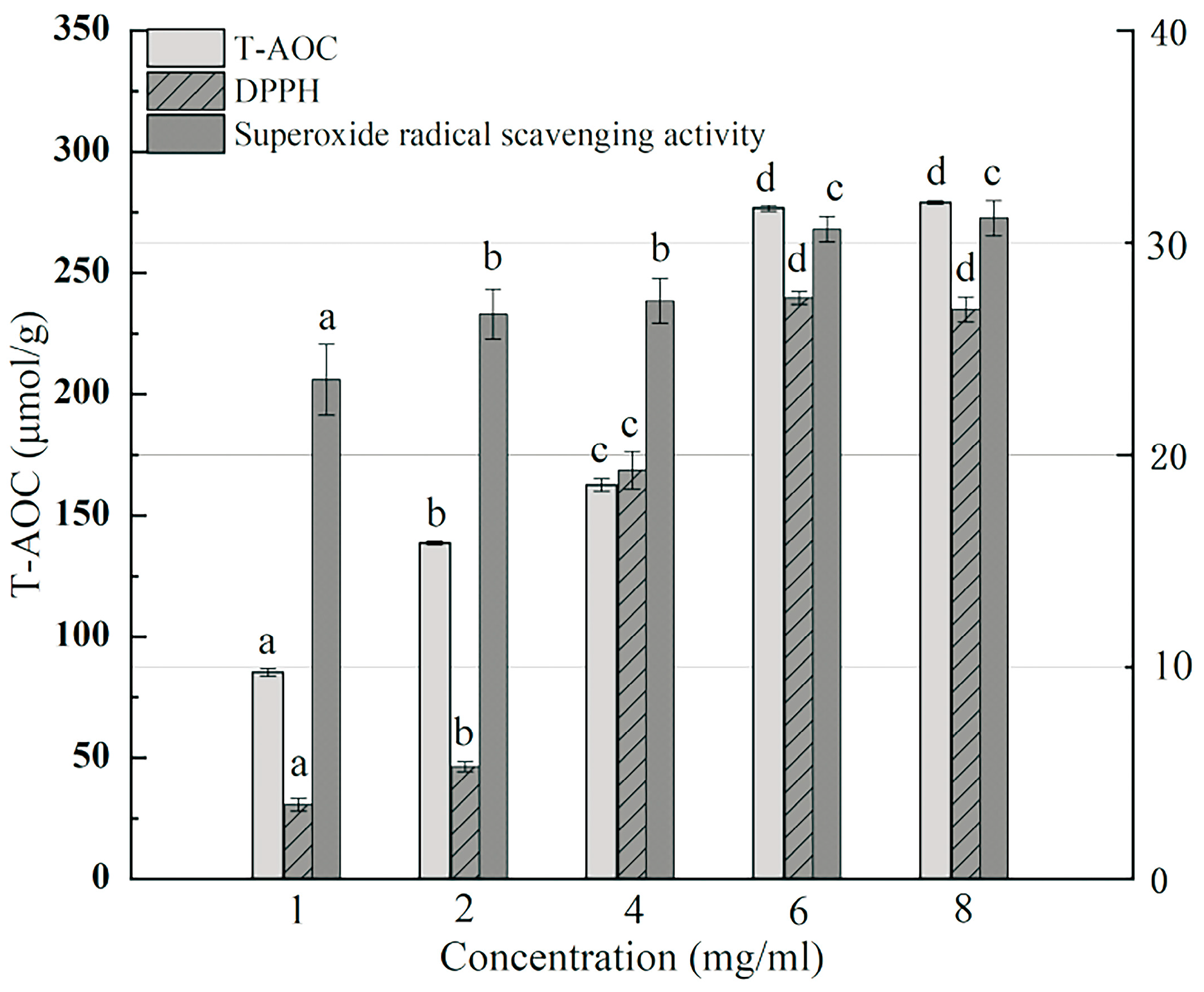
The DPPH is a rare radical compound that is stable in the natural environment [34]. This assay is commonly employed to assess the free radical scavenging capacity of diverse natural compounds. In the present study, the DPPH scavenging activity of WSP showed a concentration-dependent increase, reaching its highest value of 27.40% at 6 mg/mL (Figure 1). A further increase in WSP concentration did not significantly improve its ability to scavenge free radicals (p < 0.05). The DPPH clearance is concentration dependent, which is a common phenomenon of biological macromolecules [35]. This may be related to the proportion of glucose in the glycoside structure [35].
Superoxide Radical Scavenging Activity
Superoxide radicals, as reactive oxygen species commonly generated in organisms, contribute to lipid peroxidation [34]. The scavenging capacity of WSP against superoxide radicals rose proportionally with concentration, reaching a maximum of 31.16% at 8 mg/mL (Figure 1). No significant enhancement was observed at 6 mg/mL (p < 0.05). This activity may be attributed to the electrophilic sites within the pectin molecule, where hydroxyl groups donate hydrogen atoms or electrons to neutralize radicals and suppress radical chain reactions [34,35].
Total Antioxidant Capacity (T-AOC)
The total antioxidant capacity (T-AOC) is typically assessed based on the reduction of Fe3+ to Fe2+, resulting in a blue-colored complex [34]. As illustrated in Figure 1, the T-AOC of WSP exhibited a positive correlation with concentration, increasing progressively and peaking at 276.67 μmol/g at 6 mg/mL, beyond which no significant further increase was observed (p < 0.05). Therefore, the T-AOC was concentration-dependent within a certain concentration range. This result is consistent with Mirzadeh et al. [35].

3.3. In Vivo

3.3.1. Effect of Dietary WSP on Intestinal Histology

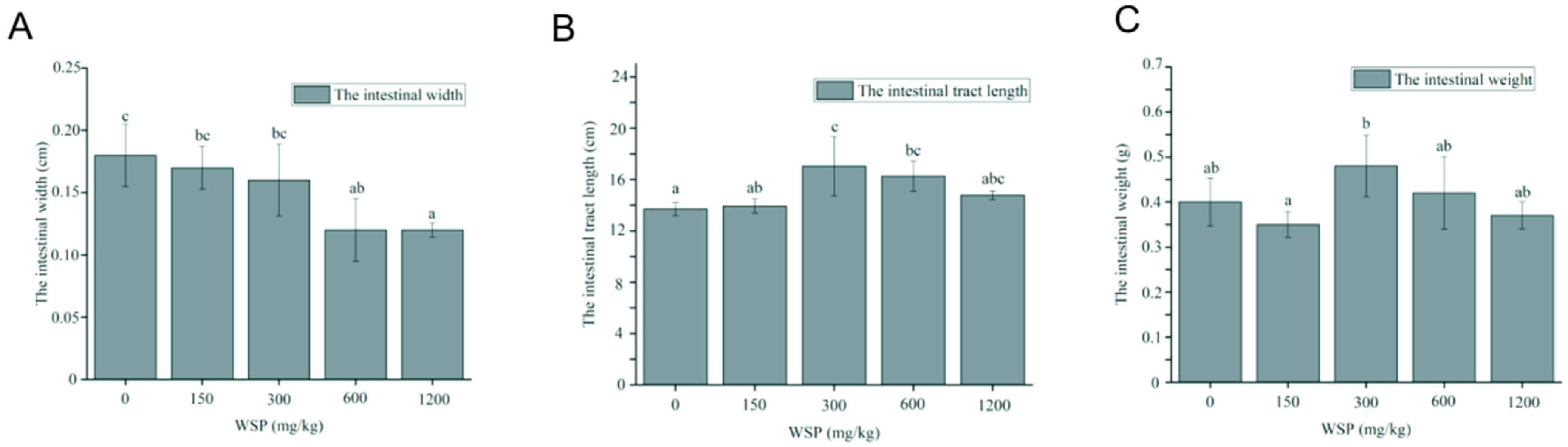
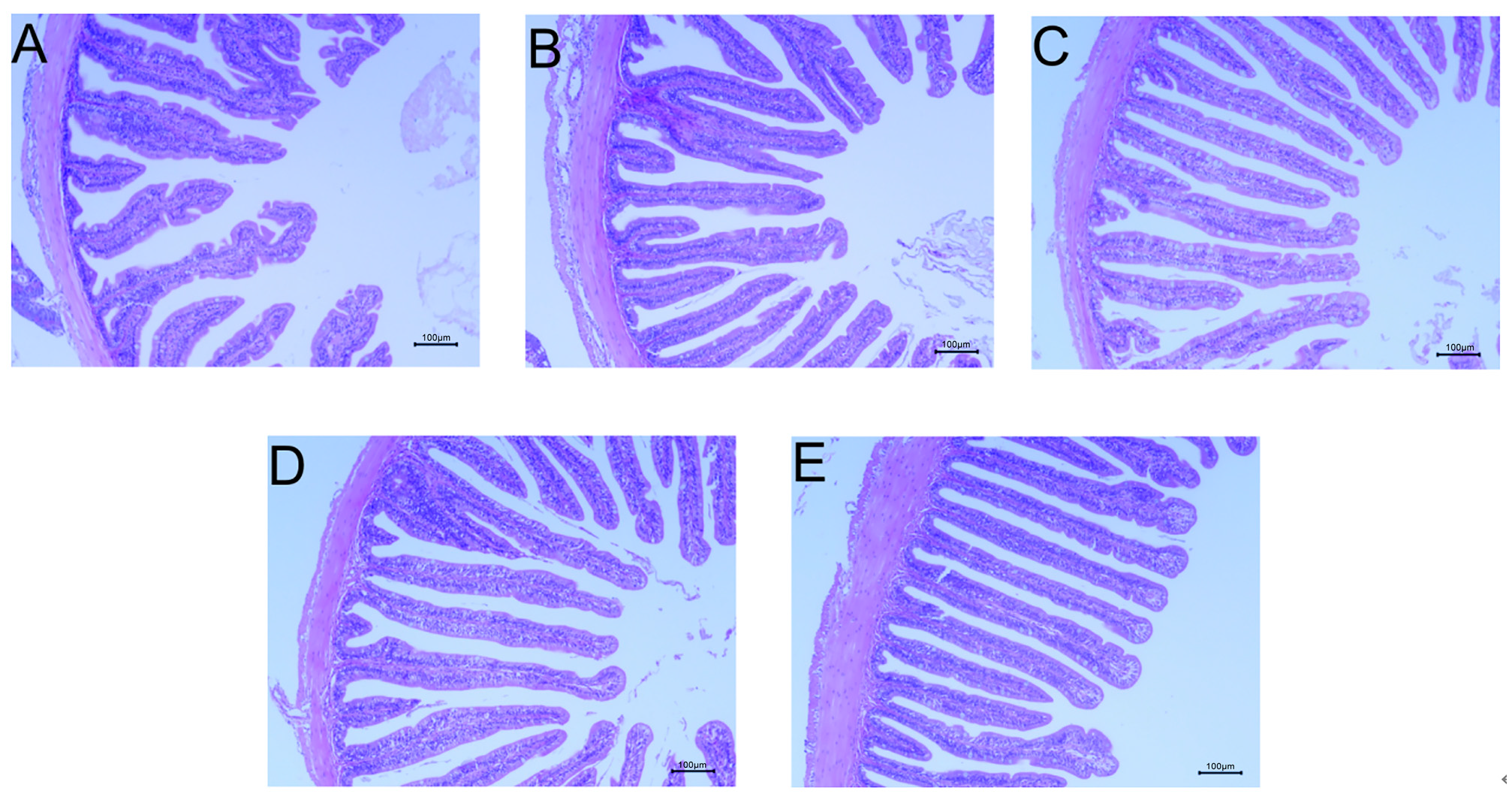
The intestinal tract in animals not only digests and absorbs nutrients, but is also an important indicator of animal health [36]. The impact of dietary WSP supplementation on the intestinal indices and morphology of hybrid grouper is illustrated in Figure 2. As shown in Figure 2A, intestinal width decreased progressively with higher dietary WSP levels. Both intestinal length and weight initially rose and then declined as WSP levels increased, reaching maximum values at 300 mg/kg, which were significantly higher than those of the control group (p < 0.05) (Figure 2B,C). Figure 3 histological observations indicate that adding WSP to feed improves the villus morphology and muscular layer structure of hybrid grouper intestines, promoting intestinal development. The level of WSP supplementation influences intestinal morphogenesis, thereby regulating digestive and absorptive functions. Optimizing intestinal morphology and structure enhances digestive efficiency and nutrient absorption capacity in aquatic organisms [37].

3.3.2. Analysis of Intestinal Antioxidant Results

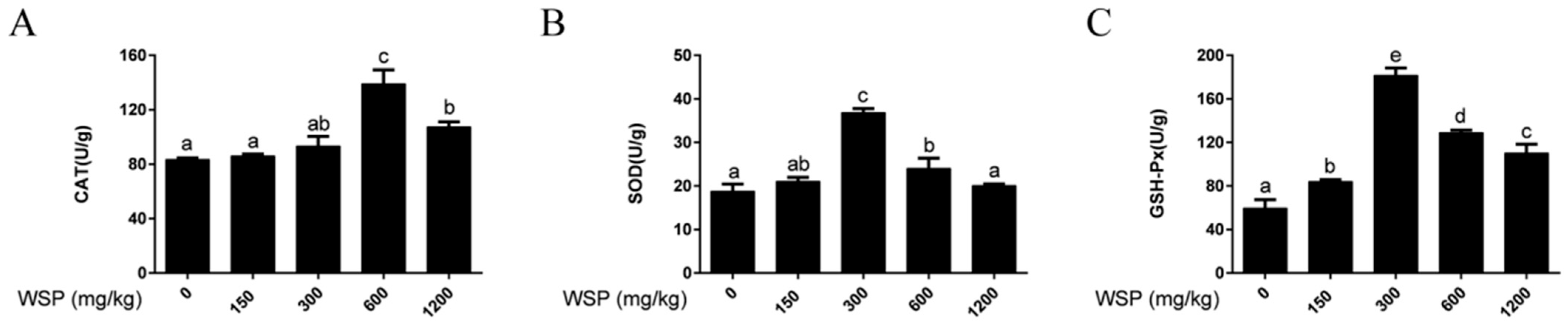
The antioxidant defense system in aerobic organisms neutralizes reactive oxygen species (ROS) and mitigates tissue peroxidative damage, thereby supporting phagocyte function and overall immune response [38]. Key antioxidant enzymes such as SOD, CAT, and GSH-Px serve as the primary defense line against oxidative stress [38,39]. As depicted in Figure 4, the intestinal antioxidant capacity of hybrid grouper was markedly influenced by dietary WSP supplementation. Relative to the control, CAT, SOD, and GSH-Px activities initially increased and subsequently declined with higher WSP levels. Notably, CAT activity peaked significantly (p < 0.05) at a WSP level of 600 mg/kg (Figure 4A), whereas SOD and GSH-Px activities were significantly elevated at 300 mg/kg (Figure 4B,C). These findings suggest that dietary WSP enhances intestinal CAT, SOD, and GSH-Px activities; WSP may enhance the body’s antioxidant capacity. In summary, appropriate WSP inclusion in the diet can boost the activities of these antioxidant enzymes, facilitating the elimination of ROS [40] and minimizing the harmful effects of free radicals, thereby safeguarding hybrid grouper from oxidative damage [41].

3.3.3. Intestinal Microbiota 16S rDNA Amplicon Sequencing Test

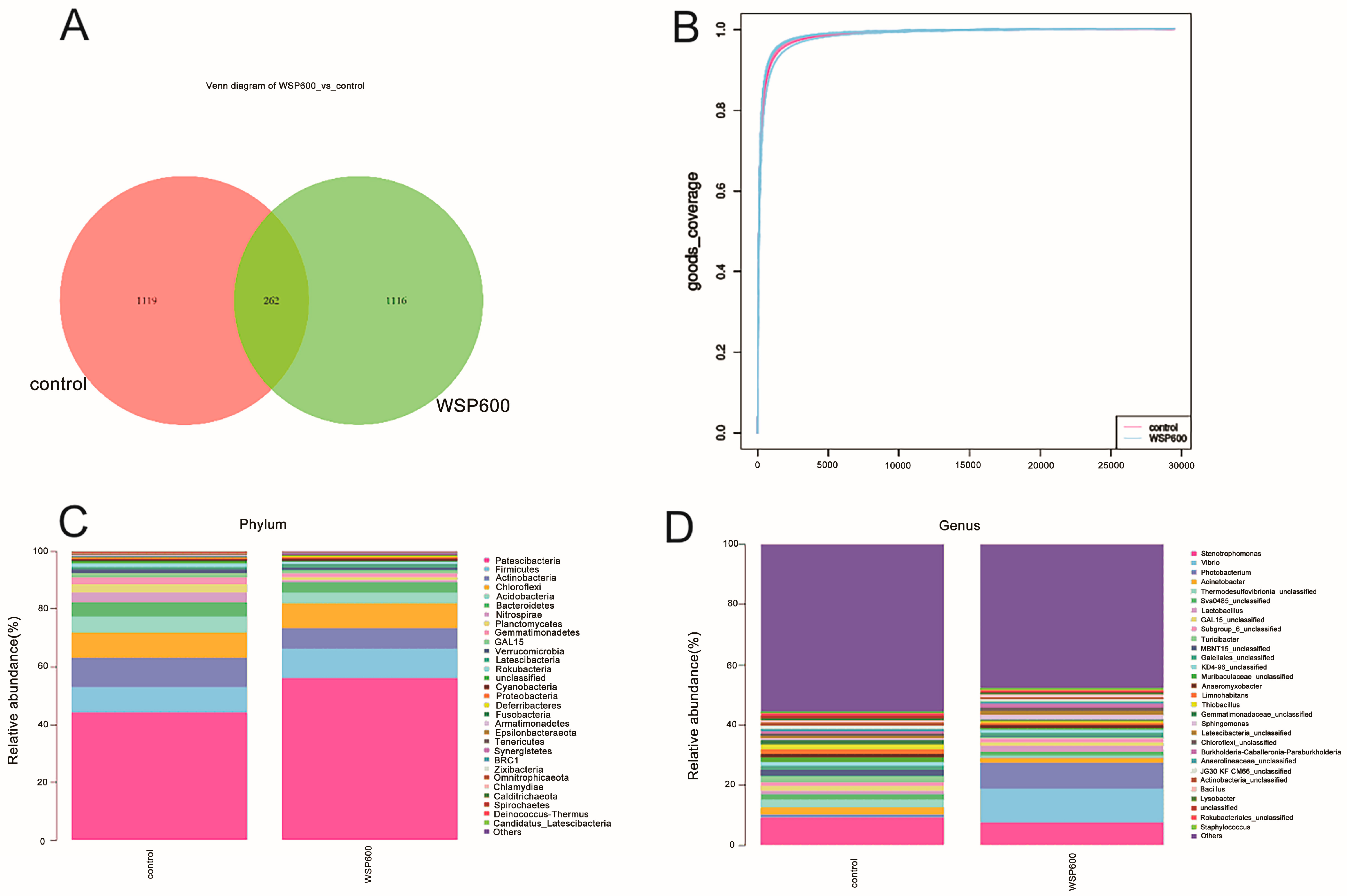
The intestinal tract is a complex ecological microenvironment with a diverse array of microorganisms. The microbiome affects intestinal health. The various bacteria in the microbiome play an important role in food digestion and decomposition [42], physiological metabolism, host nutrition, immune enhancement, and pathogen defense [43]. The bacteria in the grouper intestinal tract were analyzed using a 16S rDNA amplicon sequencing test. High-throughput sequencing generated a total number of 671,456 sequences. After quality filtering, the sequencing of 12 samples generated 842,808 high-quality clean tags with an average of 70,234 valid tags per sample. A total of 3862 feature tables were obtained after removing the replicates and chimeric sequences from all 12 samples. A total of 1119 and 1116 feature tables were unique to the control and WSP600, respectively (Figure 5A). The Good’s coverage rarefaction curves showed that all samples reached a plateau close to 1 (Figure 5B), indicating that sufficient sequencing coverage was achieved.

3.3.4. Analysis of Community Composition and Relative Abundance of Intestinal Microbiota in Hybrid Grouper

At the phylum level, Proteobacteria exhibited the highest relative abundance in the intestinal microbiota of both grouper groups, followed by Firmicutes, Actinobacteria, and Chloroflexi (Figure 5C). Proteobacteria, a predominant Gram-negative phylum commonly found in the guts of various marine fish species [44], constituted 44.30% in the control group and increased to 56.21% in the WSP600 group, respectively. Firmicutes, Proteobacteria, and Bacteroidetes dominate the intestinal tracts of diverse fish species, collectively constituting approximately 90% of the gut microbiota. These key bacterial phyla are intrinsically linked to polysaccharide fermentation processes, thereby driving enhanced nutrient absorption from the diet [44,45]. Unfortunately, Bacteroides has a strong correlation with enteritis responses in humans. In the WSP-supplemented group, Firmicutes showed an elevated relative abundance, whereas Bacteroidetes exhibited a reduction (Table 3), though this difference did not reach statistical significance. This result closely aligns with our previous research on Dendrobium polysaccharides in the intestinal health of mice [46]. Actinobacteria and Armatimonadetes relative abundance significantly decreased (p < 0.05) in the WSP600 group (Table 3). The relative abundance of Actinobacteria demonstrated a positive correlation with fat content but a negative correlation with dietary fiber [17], and Armatimonadetes may also be related to protein [47]. Pectin is a soluble dietary fiber, belonging to polysaccharides. Therefore, the addition of WSP in the feed is beneficial for increasing polysaccharide fermentation microbiota.
At the genus level, the relative abundance distribution of the top 30 genera is depicted as a stacked bar chart in Figure 5D, with significance analyses summarized in Table S1. In the control group, Stenotrophomonas exhibited the highest relative abundance at 9.24%, whereas Vibrio dominated the WSP group at 11.22% (Figure 5D). The genus Vibrio is recognized as one of the most prevalent and significant bacterial taxa in aquaculture systems [36], with certain species known to be major fish pathogens [48] Stenotrophomonas has been reported to cause chronic infectious enteritis [49]. Vibrio significantly increased (p < 0.05) in the WSP600 group (Table S1), suggesting it may be responsible for the increased activity in the immune-related enzymes observed in this group. The significance analysis indicated (Table S1) that Subdoligranulum significantly increased (p < 0.05) in the WSP600 group. Similarly, Subdoligranulum was ubiquitous in Korean samples and was reduced in metabolic syndrome patients [50]. This may be due to WSP effects on the digestive tract, such as reducing glucose absorption and delaying gastric emptying [51]. These results indicated that WSP influences the digestive tract of fish, but whether it can reduce metabolic syndrome requires further verification.

3.3.5. mRNA Expression in the Intestine

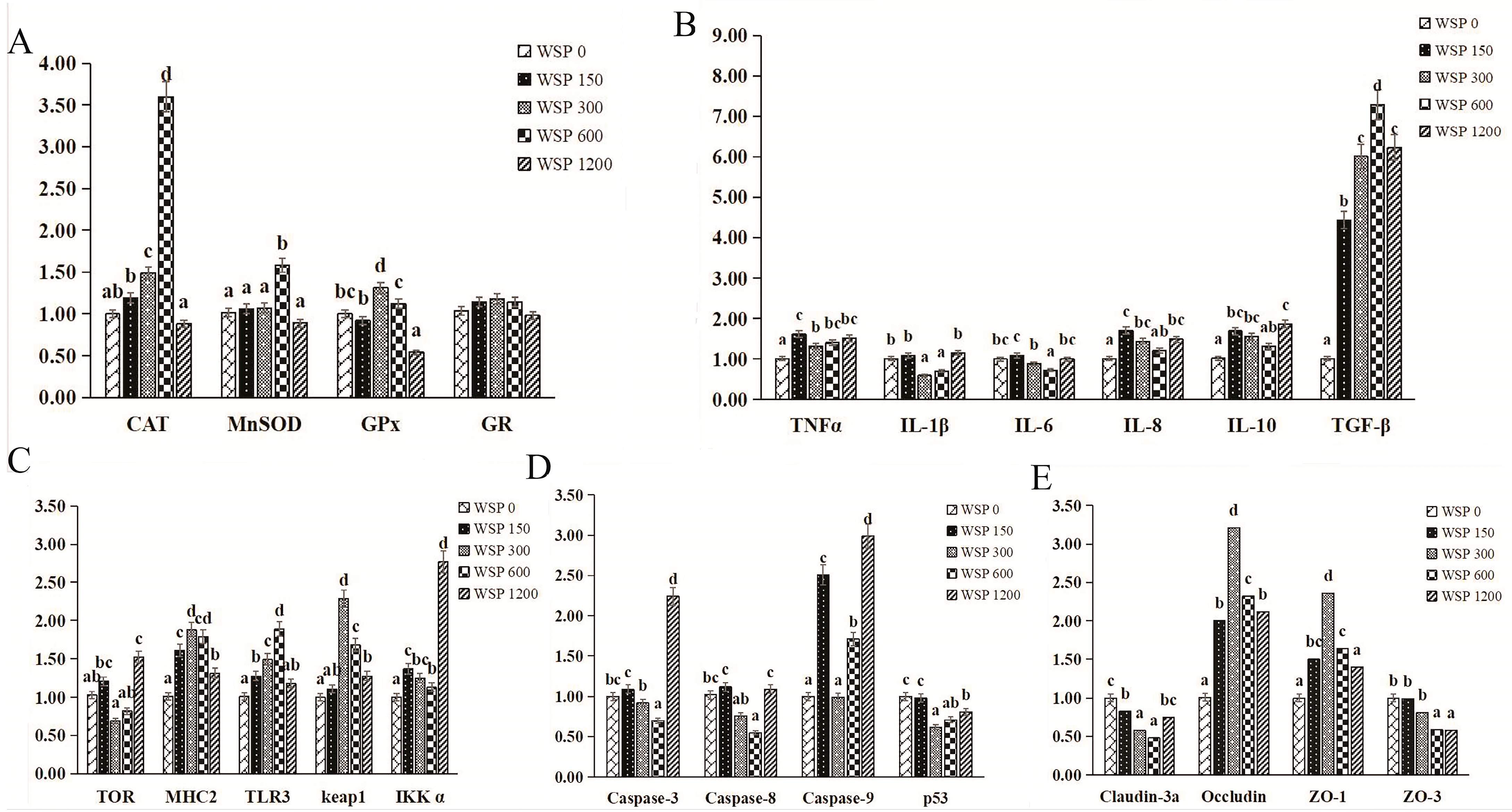
The expression levels of antioxidant-related genes in the intestine are illustrated in Figure 6A. CAT mRNA expression was significantly upregulated with dietary supplementation of 0–600 mg/kg WSP (p < 0.05) but declined markedly at higher inclusion levels (p < 0.05). Similarly, intestinal MnSOD mRNA levels showed a substantial increase with WSP supplementation up to 600 mg/kg (p < 0.05). GRX mRNA expression exhibited an initial increase followed by a decline as dietary WSP levels rose. The highest GRX transcript level was detected at 300 mg/kg WSP, which was significantly greater than that in fish without WSP supplementation (p < 0.05). In contrast, GR expression did not differ significantly among the experimental groups (p > 0.05).
Oxidative stress can make fish susceptible to disease when the balance of reactive oxygen species (ROS) is disrupted [52]. In fish, enzymes (SOD, CAT, and GPX) effectively combat oxidative stress [38]. In this study, the expression levels of MnSOD and CAT in WSP600 were the highest, and fish in this group also had the highest CAT activity levels. The findings indicate that both SOD and CAT play key roles in mitigating oxygen-derived oxidative stress. This is further corroborated by the notably elevated SOD and GSH-Px activities detected in fish receiving WSP600. Collectively, these results imply that the SOD-CAT system functions as the primary defense mechanism against oxidative damage. This is similar to the results obtained in juvenile Jian carp [38]. Therefore, feeding with the appropriate WSP level may reduce oxidation stress and oxidation responses in grouper.
In aquaculture species, inflammatory responses are vital components of the intestinal immune system and are predominantly regulated by cytokines, including IL-1β, IL-6, IL-8, IL-10, TGF-β, and TNF-α [28,38]. Figure 6B presents the gene expression profiles of these inflammatory markers across different dietary groups. TNF-α, IL-8, IL-10, and TGF-β mRNA levels were significantly elevated in fish receiving 150 mg/kg or 1200 mg/kg WSP compared to fish fed without WSP supplementation (p < 0.05). Previous studies have indicated that increased expression of pro-inflammatory genes such as IL-1β, TNF-α, IL-2, and IL-8 may signal immune dysregulation [39]. Therefore, high levels of feeding with WSP can induce an inflammatory response, thereby activating phagocytes to release cytokines [53]. TNF-α and TGF-β gene expression levels were significantly upregulated in fish receiving diets containing 300–600 mg/kg WSP (p < 0.05) compared to those without WSP inclusion. Notably, the WSP600 group exhibited the highest TGF-β expression. In contrast, the IL-1β and IL-6 transcripts were significantly downregulated in fish fed diets supplemented with up to 600 mg/kg WSP relative to the control group (p < 0.05). Previous studies have shown that IL-10 and TGF-β serve as key anti-inflammatory cytokines [53]. In this study, TGF-β mRNA expression was significantly elevated in the WSP600 group. In contrast, IL-10 expression showed no significant difference between WSP600 and WSP0. These findings suggest that incorporating an appropriate amount of WSP into the diet enhances TGF-β production, which may suppress pro-inflammatory cytokine expression and mitigate intestinal inflammation [5].
Intestinal mRNA levels of immunity-related genes are provided in Figure 6C. The expression levels of MHC2, TLR3, and keap1 initially increased and then decreased. The MHC2 and keap1 mRNA levels peaked when the dietary WSP level was 300 mg/kg. The TLR3 mRNA level peaked when the dietary WSP level was 600 mg/kg. All peaks in intestinal mRNA levels were significantly higher than the levels in fish fed a diet without WSP supplementation (p < 0.05). MHC2 and TLR3 molecules play roles in the fish immune system. MHC2 molecules facilitate B cell activation by presenting microbial antigens, while TLR3 is involved in recognizing pathogens and triggering innate immune responses [24]. Prior studies have demonstrated that dietary ginkgo biloba extract can markedly upregulate MHC2 and TLR3 mRNA expression in hybrid grouper [12]. Consistently, the current study found that fish fed with WSP600 exhibited significantly higher MHC2 and TLR3 transcript levels. Keap1 (an endogenous inhibitor) functions as an intracellular defense mechanism to counteract oxidative stress [54]. In this study, the Keap1 gene was up-regulated by an appropriate level of WSP in the diet. TOR and IKK-α gene expression levels exhibited an initial decline followed by an increase as dietary WSP levels rose. Notably, TOR expression was lowest in the WSP300 group, with no significant difference observed between WSP0 and WSP600 (p < 0.05). IKK-α influences the inflammatory response and malignant diseases [5].
Apoptosis is one of the homeostasis mechanisms in the body [55]. Caspase activity is a key indicator of stress-induced apoptosis, while the transcription factor p53 plays a pivotal role in regulating apoptotic pathways [5]. Figure 6D shows the expression profiles of pro-apoptotic genes, including Caspase-3, Caspase-8, Caspase-9, and p53, across different treatment groups. Caspase-3 and Caspase-8 expression levels were significantly downregulated in fish receiving 150–600 mg/kg dietary WSP, with a marked decline observed at higher supplementation levels compared to fish without WSP in their diet (p < 0.05). Caspase-9 expression levels were significantly elevated in fish receiving 150, 600, and 1200 mg/kg WSP diets compared to those fed 300 mg/kg WSP or the control diet without WSP (p < 0.05). In contrast, P53 gene expression was significantly reduced in the WSP-supplemented groups (300, 600, and 1200 mg/kg), with the lowest level detected in fish fed 300 mg/kg WSP. Caspase 3 is an indicator of the initiation of apoptosis [56]. Caspase 9 is a key mediator involved in mitochondrial pathway related apoptosis signaling [55]. Therefore, our study demonstrates that a high content of WSP can promote inflammation, thereby promoting the expression of apoptotic genes.
Specific transmembrane proteins such as Claudin, ZO-1, and Occludin play crucial roles in preserving intestinal barrier integrity, serving as the primary defense against pathogenic invasion [57]. In this study, RT-qPCR was employed to assess the gene expression of Claudin-3a, Occludin, ZO-1, and ZO-3. The expression levels of Claudin-3a and ZO-3 initially significantly decreased and then increased or stabilized with the addition of WSP (p < 0.05). However, Occludin and ZO-1 gene expression levels showed an initial rise followed by a decline as dietary WSP concentrations increased. The highest mRNA levels for Occludin and ZO-1 were observed in fish receiving 300 mg/kg WSP. These findings suggest that an optimal inclusion of WSP may help maintain the integrity of the intestinal villus epithelium by regulating key tight junction genes such as Occludin and ZO-1 [57].

4. Conclusions

WSP is a polysaccharide with a high degree of esterification, certain viscosity, and remarkable emulsifying properties [58]. WSP has a certain antioxidant effect in vitro [59]. WSP can be degraded by gut microbiota, promoting the growth of probiotics and inhibiting pathogenic bacteria, thereby enhancing intestinal motility and nutrient absorption. High concentrations of WSP supplementation may promote oxidative stress, inflammation, apoptosis, and the expression of specific transmembrane proteins in the intestines of hybrid grouper. Therefore, moderate dietary supplementation with WSP can improve oxidative stress, inflammation, apoptosis, and the expression of specific transmembrane proteins in the intestines of hybrid grouper. In addition, dietary appropriate WSP supplementation can promote the activities and gene expression of CAT, GSH-Px in the intestinal tract, helping to enhance the antioxidant capacity of the intestine. The same dose also affects the growth of intestinal morphology and changes fish intestinal microbiota, improving the digestion and absorption function in hybrid grouper. However, the abundance of vibrio bacteria has increased. While normal levels of vibrio are low, ours were higher than those of the control group. We will conduct follow-up studies to verify the specific circumstances regarding vibrio bacteria. Therefore, adding an appropriate amount of WSP may help maintain the intestinal health of grouper, while excessive WSP supplementation could potentially have adverse effects on their intestinal health.

Supplementary Materials

The following supporting information can be downloaded at: https://www.mdpi.com/article/10.3390/fishes11040197/s1, Supplemental Table S1: The analysis of all gut microbiota genera within hybrid grouper intestines in a WSP-treatment group (WSP600) and control group (control).

Author Contributions

Methodology, Z.Q.; validation, T.L.; formal analysis, F.H. and X.Z.; investigation, F.S.; resources, L.L.; writing—original draft, J.W.; writing—review & editing, C.Z. and Q.S.; project administration, H.L. All authors have read and agreed to the published version of the manuscript.

Funding

This research was funded by grants from the Provincial organization and implementation project of provincial rural revitalization strategy in 2024, Guangdong “Climbing” Program [pdjh2022a0247], National Natural Science Foundation of China [4210061024].

Institutional Review Board Statement

The animal study protocol was approved by the Laboratory Animal Ethics Committee of Zhongkai University of Agriculture and Engineering (protocol code ZK20200812; approval date: 5 August 2020).

Data Availability Statement

The original contributions presented in this study are included in the article/Supplementary Materials. Further inquiries can be directed to the corresponding authors.

Conflicts of Interest

The authors declare no conflicts of interest.

References

  1. Zhang, W.; Tan, B.; Ye, G.; Wang, J.; Dong, X.; Yang, Q.; Chi, S.; Liu, H.; Zhang, S.; Zhang, H. Identification of potential biomarkers for soybean meal-induced enteritis in juvenile pearl gentian grouper, Epinephelus lanceolatus♂ × Epinephelus fuscoguttatus♀. Aquaculture 2019, 512, 734337. [Google Scholar] [CrossRef]
  2. Sun, Y.-Z.; Yang, H.-L.; Ma, R.-L.; Lin, W.-Y. Probiotic applications of two dominant gut Bacillus strains with antagonistic activity improved the growth performance and immune responses of grouper Epinephelus coioides. Fish Shellfish. Immunol. 2010, 29, 803–809. [Google Scholar] [CrossRef]
  3. Bunlipatanon, P.; U-Taynapun, K. Growth performance and disease resistance against Vibrio vulnificus infection of novel hybrid grouper (Epinephelus lanceolatus × Epinephelus fuscoguttatus). Aquac. Res. 2016, 48, 1711–1723. [Google Scholar] [CrossRef]
  4. Jiang, S.; Wu, X.; Li, W.; Wu, M.; Luo, Y.; Lu, S.; Lin, H. Effects of dietary protein and lipid levels on growth, feed utilization, body and plasma biochemical compositions of hybrid grouper (Epinephelus lanceolatus ♂ × Epinephelus fuscoguttatus ♀) juveniles. Aquaculture 2015, 446, 148–155. [Google Scholar] [CrossRef]
  5. Ren, Z.; Wang, S.; Cai, Y.; Wu, Y.; Tian, L.; Wang, S.; Jiang, L.; Guo, W.; Sun, Y.; Zhou, Y. Effects of dietary mannan oligosaccharide supplementation on growth performance, antioxidant capacity, non-specific immunity and immune-related gene expression of juvenile hybrid grouper (Epinephelus lanceolatus♂ × Epinephelus fuscoguttatus♀). Aquaculture 2020, 523, 735195. [Google Scholar] [CrossRef]
  6. Sun, Y.; Guo, C.-Y.; Wang, D.-D.; Li, X.F.; Xiao, L.; Zhang, X.; You, X.; Shi, Q.; Hu, G.-J.; Fang, C.; et al. Transcriptome analysis reveals the molecular mechanisms underlying growth superiority in a novel grouper hybrid (Epinephelus fuscogutatus♀ × E. lanceolatus♂). BMC Genet. 2016, 17, 24. [Google Scholar] [CrossRef]
  7. Yin, B.; Liu, H.; Tan, B.; Dong, X.; Chi, S.; Yang, Q.; Zhang, S. Preliminary study of mechanisms of intestinal inflammation induced by plant proteins in juvenile hybrid groupers (♀Epinephelus fuscoguttatus × ♂E. lanceolatu). Fish Shellfish. Immunol. 2020, 106, 341–356. [Google Scholar] [CrossRef]
  8. Adeoye, A.A.; Yomla, R.; Jaramillo-Torres, A.; Rodiles, A.; Merrifield, D.L.; Davies, S.J. Combined effects of exogenous enzymes and probiotic on Nile tilapia (Oreochromis niloticus) growth, intestinal morphology and microbiome. Aquaculture 2016, 463, 61–70. [Google Scholar] [CrossRef]
  9. Özel, O.T.; Coşkun, I.; Çakmak, E. Intestine Villi Morphology of Black Sea Trout (Salmo labrax Pallas, 1814). J. Limnol. Freshw. Fish. Res. 2018, 4, 42–46. [Google Scholar] [CrossRef]
  10. Liang, D.; Yang, Q.; Tan, B.; Dong, X.; Chi, S.; Liu, H.; Zhang, S. Dietary vitamin A deficiency reduces growth performance, immune function of intestine, and alters tight junction proteins of intestine for juvenile hybrid grouper (Epinephelus fuscoguttatus ♀ × Epinephelus lanceolatus ♂). Fish Shellfish. Immunol. 2020, 107, 346–356. [Google Scholar] [CrossRef] [PubMed]
  11. Li, Y.; Yang, P.; Zhang, Y.; Ai, Q.; Xu, W.; Zhang, W.; Zhang, Y.; Hu, H.; Liu, J.; Mai, K. Effects of dietary glycinin on the growth performance, digestion, intestinal morphology and bacterial community of juvenile turbot, Scophthalmus maximus L. Aquaculture 2017, 479, 125–133. [Google Scholar] [CrossRef]
  12. Tan, X.; Sun, Z.; Ye, C. Dietary Ginkgo biloba leaf extracts supplementation improved immunity and intestinal morphology, antioxidant ability and tight junction proteins mRNA expression of hybrid groupers (Epinephelus lanceolatus ♂ × Epinephelus fuscoguttatus ♀) fed high lipid diets. Fish Shellfish. Immunol. 2020, 98, 611–618. [Google Scholar] [CrossRef]
  13. Mohnen, D. Pectin structure and biosynthesis. Curr. Opin. Plant Biol. 2008, 11, 266–277. [Google Scholar] [CrossRef]
  14. Dranca, F.; Vargas, M.; Oroian, M. Physicochemical properties of pectin from Malus domestica ‘Fălticeni’ apple pomace as affected by non-conventional extraction techniques. Food Hydrocoll. 2020, 100, 105383. [Google Scholar] [CrossRef]
  15. Wathoni, N.; Shan, C.Y.; Shan, W.Y.; Rostinawati, T.; Indradi, R.B.; Pratiwi, R.; Muchtaridi, M. Characterization and antioxidant activity of pectin from Indonesian mangosteen (Garcinia mangostana L.) rind. Heliyon 2019, 5, e02299. [Google Scholar] [CrossRef] [PubMed]
  16. Wang, C.; Qiu, W.-Y.; Chen, T.-T.; Yan, J.-K. Effects of structural and conformational characteristics of citrus pectin on its functional properties. Food Chem. 2021, 339, 128064. [Google Scholar] [CrossRef]
  17. Houben, K.; Jolie, R.P.; Fraeye, I.; Van Loey, A.M.; Hendrickx, M.E. Comparative study of the cell wall composition of broccoli, carrot, and tomato: Structural characterization of the extractable pectins and hemicelluloses. Carbohydr. Res. 2011, 346, 1105–1111. [Google Scholar] [CrossRef]
  18. Mosayebi, V.; Tabatabaei Yazdi, F. Optimization of microwave assisted extraction (MAE) of pectin from black mulberry (Morus nigra L.) pomace. J. Food Bioprocess Eng. 2018, 1, 57–66. [Google Scholar]
  19. Pagán, J.; Ibarz, A.; Llorca, M.; Pagán, A.; Barbosa-Cánovas, G. Extraction and characterization of pectin from stored peach pomace. Food Res. Int. 2001, 34, 605–612. [Google Scholar] [CrossRef]
  20. Wang, M.; Huang, B.; Fan, C.; Zhao, K.; Hu, H.; Xu, X.; Pan, S.; Liu, F. Characterization and functional properties of mango peel pectin extracted by ultrasound assisted citric acid. Int. J. Biol. Macromol. 2016, 91, 794–803. [Google Scholar] [CrossRef] [PubMed]
  21. Chen, H.; Qiu, S.; Liu, Y.; Zhu, Q.; Yin, L. Emulsifying properties and functional compositions of sugar beet pectins extracted under different conditions. J. Dispers. Sci. Technol. 2018, 39, 484–490. [Google Scholar] [CrossRef]
  22. Shi, J.-J.; Zhang, J.-G.; Sun, Y.-H.; Qu, J.; Li, L.; Prasad, C.; Wei, Z.-J. Physicochemical properties and antioxidant activities of polysaccharides sequentially extracted from peony seed dreg. Int. J. Biol. Macromol. 2016, 91, 23–30. [Google Scholar] [CrossRef]
  23. Liu, H.; Zeng, X.; Huang, J.; Yuan, X.; Wang, Q.; Ma, L. Dietary fiber extracted from pomelo fruitlets promotes intestinal functions, both in vitro and in vivo. Carbohydr. Polym. 2021, 252, 117186. [Google Scholar] [CrossRef]
  24. Zou, C.; Su, N.; Wu, J.; Xu, M.; Sun, Z.; Liu, Q.; Chen, L.; Zhou, Y.; Wang, A.; Ye, C. Dietary Radix Bupleuri extracts improves hepatic lipid accumulation and immune response of hybrid grouper (Epinephelus lanceolatus♂ × Epinephelus fuscoguttatus♀). Fish Shellfish. Immunol. 2019, 88, 496–507. [Google Scholar] [CrossRef]
  25. Teimouri, M.; Yeganeh, S.; Mianji, G.R.; Najafi, M.; Mahjoub, S. The effect of Spirulina platensis meal on antioxidant gene expression, total antioxidant capacity, and lipid peroxidation of rainbow trout (Oncorhynchus mykiss). Fish Physiol. Biochem. 2019, 45, 977–986. [Google Scholar] [CrossRef]
  26. Torrecillas, S.; Makol, A.; Caballero, M.J.; Montero, D.; Robaina, L.; Real, F.; Sweetman, J.; Tort, L.; Izquierdo, M.S. Immune stimulation and improved infection resistance in European sea bass (Dicentrarchus labrax) fed mannan oligosaccharides. Fish Shellfish. Immunol. 2007, 23, 969–981. [Google Scholar] [CrossRef]
  27. Schmittgen, T.D.; Livak, K.J. Analysis of relative gene expression data using real-time quantitative PCR and the 2(-Delta Delta C(T)) Method. Methods 2001, 25, 402–408. [Google Scholar]
  28. Miao, S.; Zhao, C.; Zhu, J.; Hu, J.; Dong, X.; Sun, L. Dietary soybean meal affects intestinal homoeostasis by altering the microbiota, morphology and inflammatory cytokine gene expression in northern snakehead. Sci. Rep. 2018, 8, 113. [Google Scholar] [CrossRef] [PubMed]
  29. Walters, W.; Hyde, E.R.; Berg-Lyons, D.; Ackermann, G.; Humphrey, G.; Parada, A.; Gilbert, J.A.; Jansson, J.K.; Caporaso, J.G.; Fuhrman, J.A.; et al. Improved Bacterial 16S rRNA Gene (V4 and V4-5) and Fungal Internal Transcribed Spacer Marker Gene Primers for Microbial Community Surveys. mSystems 2016, 1, e00009-15. [Google Scholar] [CrossRef]
  30. Callahan, B.J.; Mcmurdie, P.J.; Rosen, M.J.; Han, A.W.; Johnson, A.J.A.; Holmes, S.P. DADA2: High-resolution sample inference from Illumina amplicon data. Nat. Methods 2016, 13, 581–583. [Google Scholar] [CrossRef] [PubMed]
  31. Blaxter, M.; Mann, J.; Chapman, T.; Thomas, F.; Whitton, C.; Floyd, R.; Abebe, E. Defining operational taxonomic units using DNA barcode data. Philos. Trans. R. Soc. B Biol. Sci. 2005, 360, 1935–1943. [Google Scholar] [CrossRef]
  32. Liu, J.; Bi, J.; McClements, D.J.; Liu, X.; Yi, J.; Lyu, J.; Zhou, M.; Verkerk, R.; Dekker, M.; Wu, X.; et al. Impacts of thermal and non-thermal processing on structure and functionality of pectin in fruit- and vegetable- based products: A review. Carbohydr. Polym. 2020, 250, 116890. [Google Scholar] [CrossRef]
  33. Lyu, J.; Bi, J.; Liu, X.; Zhou, M.; Chen, Q. Characterization of water status and water soluble pectin from peaches under the combined drying processing. Int. J. Biol. Macromol. 2019, 123, 1172–1179. [Google Scholar] [CrossRef] [PubMed]
  34. Fakhfakh, J.; Athmouni, K.; Mallek-Fakhfakh, H.; Ayedi, H.; Allouche, N. Polysaccharide from Lycium arabicum: Structural Features, in Vitro Antioxidant Activities and Protective Effect against Oxidative Damage in Human Erythrocytes. Chem. Biodivers. 2020, 17, e2000614. [Google Scholar] [CrossRef] [PubMed]
  35. Mirzadeh, M.; Arianejad, M.R.; Khedmat, L. Antioxidant, antiradical, and antimicrobial activities of polysaccharides obtained by microwave-assisted extraction method: A review. Carbohydr. Polym. 2020, 229, 115421. [Google Scholar] [CrossRef] [PubMed]
  36. Xia, Y.; Lu, M.; Chen, G.; Cao, J.; Gao, F.; Wang, M.; Liu, Z.; Zhang, D.; Zhu, H.; Yi, M. Effects of dietary Lactobacillus rhamnosus JCM1136 and Lactococcus lactis subsp. lactis JCM5805 on the growth, intestinal microbiota, morphology, immune response and disease resistance of juvenile Nile tilapia, Oreochromis niloticus. Fish Shellfish. Immunol. 2018, 76, 368–379. [Google Scholar] [CrossRef]
  37. Yuan, X.-Y.; Jiang, G.-Z.; Wang, C.-C.; Abasubong, K.P.; Zou, Q.; Zhou, Y.-Y.; Liu, W.-B. Effects of partial replacement of fish meal by yeast hydrolysate on antioxidant capability, intestinal morphology, and inflammation-related gene expression of juvenile Jian carp (Cyprinus carpio var. Jian). Fish Physiol. Biochem. 2018, 45, 187–197. [Google Scholar] [CrossRef]
  38. Wang, J.; Liang, D.; Yang, Q.; Tan, B.; Dong, X.; Chi, S.; Liu, H.; Zhang, S. The effect of partial replacement of fish meal by soy protein concentrate on growth performance, immune responses, gut morphology and intestinal inflammation for juvenile hybrid grouper (Epinephelus fuscoguttatus ♀ × Epinephelus lanceolatus ♂). Fish Shellfish. Immunol. 2020, 98, 619–631. [Google Scholar] [CrossRef]
  39. Zou, C.; Tan, X.; Ye, H.; Sun, Z.; Chen, S.; Liu, Q.; Xu, M.; Ye, C.; Wang, A. The hepatoprotective effects of Radix Bupleuri extracts against D-galactosamine/lipopolysaccharide induced liver injury in hybrid grouper (Epinephelus lanceolatus♂ × Epinephelus fuscoguttatus♀). Fish Shellfish. Immunol. 2018, 83, 8–17. [Google Scholar] [CrossRef]
  40. Li, Z.-H.; Xie, S.; Wang, J.-X.; Sales, J.; Li, P.; Chen, D.-Q. Effect of intermittent starvation on growth and some antioxidant indexes of Macrobrachium nipponense (De Haan). Aquac. Res. 2009, 40, 526–532. [Google Scholar] [CrossRef]
  41. Ganguly, S.; Prasad, A. Microflora in fish digestive tract plays significant role in digestion and metabolism. Rev. Fish Biol. Fish. 2011, 22, 11–16. [Google Scholar] [CrossRef]
  42. Ni, J.; Yan, Q.; Yu, Y.; Zhang, T. Factors influencing the grass carp gut microbiome and its effect on metabolism. FEMS Microbiol. Ecol. 2013, 87, 704–714. [Google Scholar] [CrossRef]
  43. Joe, J.T.X.; Chiou, P.P.; Kuo, C.-Y.; Lin, J.H.J.; Wu, J.-L.; Lu, M.-W. The microbiota profile and transcriptome analysis of immune response during metamorphosis stages in orange spotted grouper (Epinephelus coioides). Fish Shellfish. Immunol. 2019, 90, 141–149. [Google Scholar] [CrossRef]
  44. He, Y.; Guo, X.; Tan, B.; Dong, X.; Yang, Q.; Liu, H.; Zhang, S.; Chi, S. Replacing fish meal with fermented rice protein in diets for hybrid groupers (Epinephelus fuscoguttatus♀× Epinephelus lanceolatus♂): Effects on growth, digestive and absorption capacities, inflammatory-related gene expression, and intestinal microbiota. Aquac. Rep. 2021, 19, 100603. [Google Scholar] [CrossRef]
  45. Liu, H.; Wu, H.; Wang, Q. Health-promoting effects of dietary polysaccharide extracted from Dendrobium aphyllum on mice colon, including microbiota and immune modulation. Int. J. Food Sci. Technol. 2018, 54, 1684–1696. [Google Scholar] [CrossRef]
  46. Xie, Y.; Zhao, P.; Han, Z.; Li, W.; Shi, D.; Xu, L.; Yi, Q. Supplement of High Protein-Enriched Diet Modulates the Diversity of Gut Microbiota in WT or PD-1H-Depleted Mice. J. Microbiol. Biotechnol. 2020, 31, 207–216. [Google Scholar] [CrossRef]
  47. Al Daccache, M.; Koubaa, M.; Maroun, R.G.; Salameh, D.; Louka, N.; Vorobiev, E. Impact of the Physicochemical Composition and Microbial Diversity in Apple Juice Fermentation Process: A Review. Molecules 2020, 25, 3698. [Google Scholar] [CrossRef] [PubMed]
  48. Hellmig, S.; Ott, S.; Musfeldt, M.; Kosmahl, M.; Rosenstiel, P.; Stüber, E.; Hampe, J.; Fölsch, U.R.; Schreiber, S. Life-Threatening Chronic Enteritis Due to Colonization of the Small Bowel with Stenotrophomonas maltophilia. Gastroenterology 2005, 129, 706–712. [Google Scholar] [CrossRef] [PubMed]
  49. Kushugulova, A.; Forslund, S.K.; Costea, P.I.; Kozhakhmetov, S.; Khassenbekova, Z.; Urazova, M.; Nurgozhin, T.; Zhumadilov, Z.; Benberin, V.; Driessen, M.; et al. Metagenomic analysis of gut microbial communities from a Central Asian population. BMJ Open 2018, 8, e021682. [Google Scholar] [CrossRef] [PubMed]
  50. Van Doan, H.; Hoseinifar, S.H.; Elumalai, P.; Tongsiri, S.; Chitmanat, C.; Jaturasitha, S.; Doolgindachbaporn, S. Effects of orange peels derived pectin on innate immune response, disease resistance and growth performance of Nile tilapia (Oreochromis niloticus) cultured under indoor biofloc system. Fish Shellfish. Immunol. 2018, 80, 56–62. [Google Scholar] [CrossRef]
  51. Wang, L.-N.; Liu, W.-B.; Lu, K.-L.; Xu, W.-N.; Cai, D.-S.; Zhang, C.-N.; Qian, Y. Effects of dietary carbohydrate/lipid ratios on non-specific immune responses, oxidative status and liver histology of juvenile yellow catfish Pelteobagrus fulvidraco. Aquaculture 2014, 426–427, 41–48. [Google Scholar] [CrossRef]
  52. Ye, G.; Dong, X.; Yang, Q.; Chi, S.; Liu, H.; Zhang, H.; Tan, B.; Zhang, S. A formulated diet improved digestive capacity, immune function and intestinal microbiota structure of juvenile hybrid grouper (Epinephelus fuscoguttatus ♀ × Epinephelus lanceolatus ♂) when compared with chilled trash fish. Aquaculture 2020, 523, 735230. [Google Scholar] [CrossRef]
  53. Bellezza, I.; Giambanco, I.; Minelli, A.; Donato, R. Nrf2-Keap1 signaling in oxidative and reductive stress. Biochim. Biophys. Acta (BBA)-Mol. Cell Res. 2018, 1865, 721–733. [Google Scholar] [CrossRef] [PubMed]
  54. Liu, H.; Fang, Y.; Zou, C. Pomelo polysaccharide extract inhibits oxidative stress, inflammation, and mitochondrial apoptosis of Epinephelus coioides. Aquaculture 2021, 544, 737040. [Google Scholar] [CrossRef]
  55. Yu, H.-H.; Qiu, Y.-X.; Li, B.; Peng, C.-Y.; Zeng, R.; Wang, W. Kadsura heteroclita stem ethanol extract protects against carbon tetrachloride-induced liver injury in mice via suppression of oxidative stress, inflammation, and apoptosis. J. Ethnopharmacol. 2021, 267, 113496. [Google Scholar] [CrossRef]
  56. Kaur, H.; Gupta, T.; Kapila, S.; Kapila, R. Protective effects of potential probiotic Lactobacillus rhamnosus (MTCC-5897) fermented whey on reinforcement of intestinal epithelial barrier function in a colitis-induced murine model. Food Funct. 2021, 12, 6102–6116. [Google Scholar] [CrossRef]
  57. Fei, C.X.; Fu, M.L.; Zhang, D.; Li, D.L.; Xiu, H.Y. Extraction, physiological functions and application research progress of pectin. Food Mach. 2024, 40, 233–240. [Google Scholar] [CrossRef]
  58. Dong, Y.P.; Li, T.P. Antioxidant activity of hawthorn pectin. Food Sci. 2014, 35, 29–32. [Google Scholar]
  59. Jiang, T.; Gao, X.; Wu, C.; Tian, F.; Lei, Q.; Bi, J.; Xie, B.; Wang, H.Y.; Chen, S.; Wang, X. Apple-Derived Pectin Modulates Gut Microbiota, Improves Gut Barrier Function, and Attenuates Metabolic Endotoxemia in Rats with Diet-Induced Obesity. Nutrients 2016, 8, 126. [Google Scholar] [CrossRef]
Figure 1. DPPH scavenging activities, total antioxidant capacity, and superoxide radical scavenging activities. n = 3. Values are expressed as mean with SD. Different letters above the bar indicate significant differences between groups (p < 0.05).
Fishes 11 00197 g001
Figure 2. The effects of dietary WSP on intestinal index and morphology in hybrid grouper. The intestinal width (A), tract length (B), and weight (C) of grouper fed with varying volumes of WSP. n = 3. Values are expressed as mean with SD. Different letters above the bar indicate significant differences between groups (p < 0.05).
Fishes 11 00197 g002
Figure 3. Light microscopy (×10) observation of the intestinal morphology of hybrid grouper fed 0 WSP (A), 150 WSP (B), 300 WSP (C), 600 WSP (D), and 1200 WSP (E) diets. The scale is 100 μm.
Fishes 11 00197 g003
Figure 4. Effects of WSP on intestinal antioxidant enzymes CAT, SOD, and GSH-Px in hybrid grouper. (A) Measurement of CAT activity (B) Measurement of SOD activity (C) Measurement of GSH-Px activity = 3. Values are expressed as mean with SD. Different letters above the bar indicate significant differences between groups (p < 0.05).
Fishes 11 00197 g004
Figure 5. A 16S rDNA sequencing analysis of a WSP-treatment (WSP600) and control group (control). (A) Quantitative analysis of the common features of the grouper intestinal microbiota. (B) Good’s coverage rarefaction curves. A stacked bar chart of microbiota relative abundance at phylum (C) and genus (D) levels within the hybrid grouper gut microbiota.
Fishes 11 00197 g005
Figure 6. Effects of WSP on mRNA expression in the hybrid grouper intestine. (A) Analysis of genes associated with antioxidant activity. (B) Analysis of genes associated with inflammatory factors. (C) Analysis of genes associated with anti-inflammatory activity. (D) Analysis of genes associated with apoptosis. (E) Analysis of genes associated with the intestinal barrier. Bars of the same gene bearing the same letters show significant differences in Tukey’s test (p < 0.05).
Fishes 11 00197 g006
Table 1. The sequences of the primers used in this study.
PrimersqPCR Primers, Forward/Reverse (5′ to 3′)
CATF: GCGTTTGGTTACTTTGAGGTGA
R: GAGAAGCGGACAGCAATAGGT
MnSODF: TACGAGAAGGAGAGCGGAAGA
R: ATACCGAGGAGGGGGATGA
GPxF: TACCCTACCAAGTCCTCCAACC
R: AACAAACACCCGACACCCA
GRF: CTTTCACTCCGATGTATCACGC
R: GCTTTGGTAGCACCCATTTTG
TNF-αF: TACCATTCAACAAAAAGCCC
R: TTCCCCCAAATAACCCTG
IL-1βF: TACGATGCCTATGTGGTC
R: CTCTGCTTTATGCTGTCC
IL-6F: CATACTTCTTCCCCCCCATC
R: AGCCTCTTCCCTCTCCTCAG
IL-8F: AGTCATTGTCATCTCCATTGCG
R: AAACTTCTTGGCCTGTCCTTTT
IL-10F: TTCGACGAGCTCAAGAGTGAG
R: TGCCGTTTAGAAGCCAGATACA
TGF-β1F: AACATCCCGCTACCTCGCTT
R: TCCGCTCATCCTCATTCCCT
TORF: CCACTCTTTCTTTGCGGCTT
R: GGGTTCTCGTCCCTCACTTG
MHC2F: CCACCCGAACAAACAGACC
R: TGATGCCCCCTCCAACACT
TLR3F: TCTCCATTCCGTCACCTTCC
R: TCATCCAGCCCGTTACTATCC
Keap1F: CCAGAAGGAATGTGTGGCTAAA
R: TGGTTGGTCATCGGGTTGTA
IKKαF: ACACCGACACAACGGCTCAT
R: CCAGACGGCACAGTTTCACAG
Caspase-3F: CGCAAAGAGTAGCGACGGA
R: CGATGCTGGGGAAATTCAGAC
Caspase-8F: TGCTTCTTGTGTCGTGATGTTG
R: GCGTCGGTCTCTTCTGGTTG
Caspase-9F: TTTTCCTGGTTATGTTTCGTGG
R: TTGCTTGTAGAGCCCTTTTGC
p53F: GGCACCAAACAAACCAAAAAAC
R: GTCAAGCAACTCCAGACCATCA
Claudin-3aF: ACTCTATGCTCGCCCTCTCT
R: TGGATGCCTCGTCGTCA
OccludinF: TCAGAACATCCAGGGCAATC
R: CCACCATCAGACCCAAAACT
ZO-1F: ACCTGCCAGTCAGTCCCTCT
R: CGCCTCCTCTCGGATTATG
ZO-3F: GAGCCAATCTACTCCCTTCC
R: CTGGTCTCCCTCTTTCATCC
β-ActinF: TACGAGCTGCCTGACGGACA
R: GGCTGTGATCTCCTTCTGC
Table 2. Physical and chemical properties of water-soluble pectin (WSP) in the olecranon honey peach.
ProjectWSP
Galacturonic acid (%)29.14 ± 0.84
Total sugar (%)69.71 ± 0.98
EAI (Emulsifying activity)0.16 ± 0.00
ESI (Emulsion stability)44.83 ± 1.48
Viscosity mPa·s112.00 ± 2.00
Protein (%)0.34 ± 0.04
DE (esterification) (%)75.39 ± 1.08
PH5.50 ± 0.41
Table 3. The significant difference in the gut microbiota (at the phylum level) in grouper with or without WSP-treatment.
Phylumlog2FCp_Valueq_ValueSignificanceRegulationMean
p__Actinobacteria−0.550.010.40yesdown8.65
p__Armatimonadetes−3.660.030.62yesdown0.27
p__Nitrospirae−2.140.080.75nodown2.09
p__Proteobacteria0.340.110.75noup50.25
p__Planctomycetes−1.440.130.75nodown1.93
p__SynergistetesInf0.140.75noup0.16
p__Zixibacteria2.890.220.75noup0.09
p__Calditrichaeota−Inf0.320.75nodown0.08
p__Candidatus_Latescibacteria−Inf0.320.75nodown0.04
p__Acidobacteria−0.540.340.75nodown4.58
p__Deinococcus-Thermus−2.810.400.80nodown0.05
p__Cyanobacteria0.690.520.89noup0.62
p__Spirochaetes−0.880.530.89nodown0.07
p__Epsilonbacteraeota−0.680.620.89nodown0.19
p__Rokubacteria−0.490.670.89nodown1.01
p__Chlamydiae−3.250.670.89nodown0.08
p__Omnitrophicaeota2.610.670.89noup0.09
p__Fusobacteria−1.310.720.89nodown0.30
p__Tenericutes−0.230.720.89nodown0.17
p__GAL15−0.500.740.89nodown1.36
p__unclassified−1.540.750.89nodown0.65
p__Bacteroidetes−0.510.750.89nodown4.25
p__Firmicutes0.220.750.89noup9.44
p__Verrucomicrobia−0.780.750.89nodown1.09
p__BRC10.510.860.94noup0.12
p__Chloroflexi0.010.870.94noup8.57
p__Deferribacteres1.620.900.94noup0.38
p__Gemmatimonadetes−0.810.940.94nodown1.81
p__Latescibacteria0.640.940.94noup1.01
p__Patescibacteria0.100.940.94noup0.45
Disclaimer/Publisher’s Note: The statements, opinions and data contained in all publications are solely those of the individual author(s) and contributor(s) and not of MDPI and/or the editor(s). MDPI and/or the editor(s) disclaim responsibility for any injury to people or property resulting from any ideas, methods, instructions or products referred to in the content.