
Promoting Aquatic Animal Health and Water Quality: A Systematic Review on Probiotics, Prebiotics and Synbiotics in Aquaculture

Abstract
1. Introduction
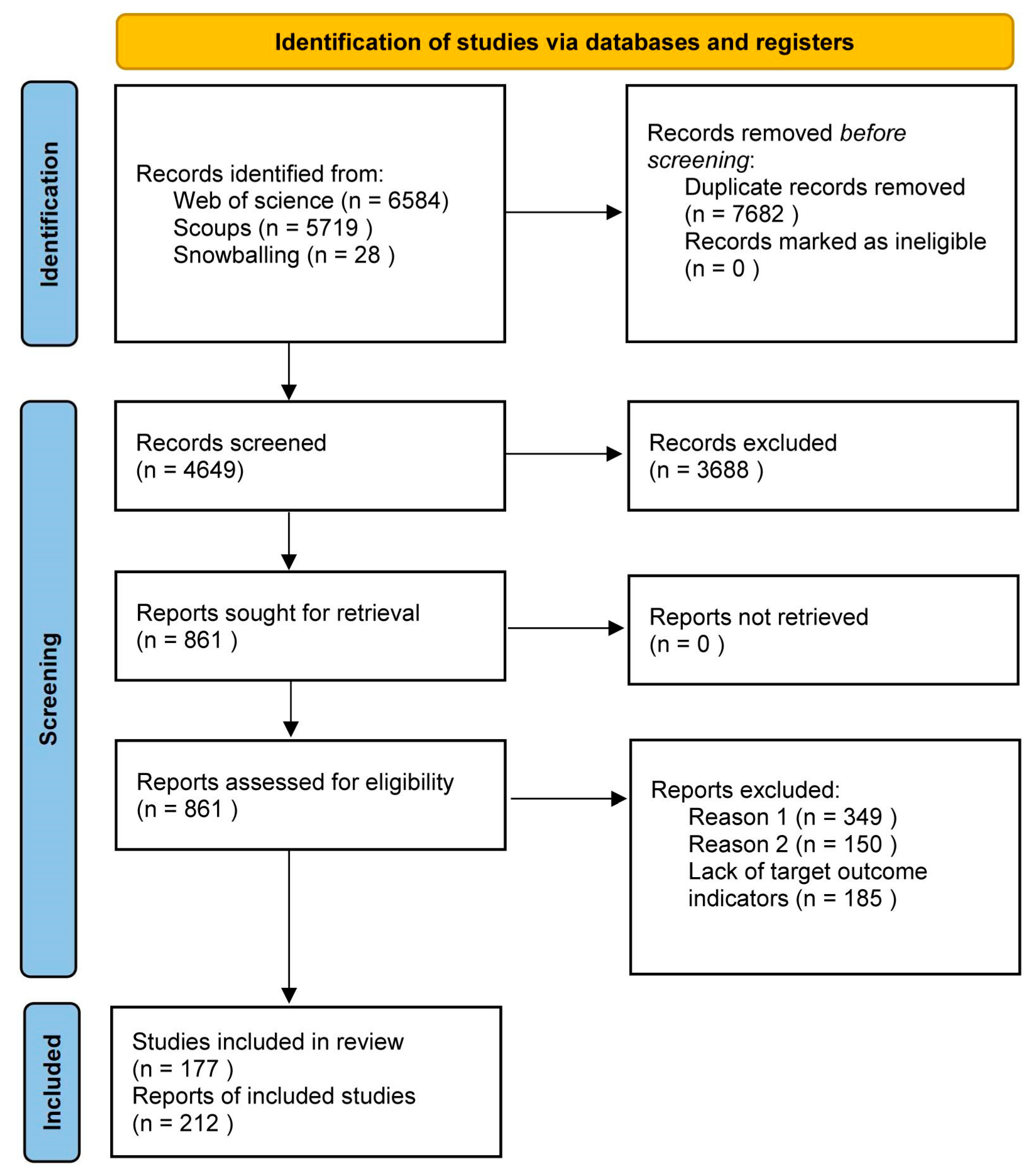
2. Materials and Methods
2.1. Literature Search and Databases
2.2. Inclusion and Exclusion Criteria
2.3. Screening and Selection
2.4. Included Studies
3. Probiotics, Prebiotics, and Synbiotics
3.1. Probiotics
3.1.1. Monospecies Probiotics or Multi-Strain Probiotics
3.1.2. Live/Inactivated Microorganisms or Microbial Metabolic Byproducts
3.2. Prebiotics
3.3. Synbiotics
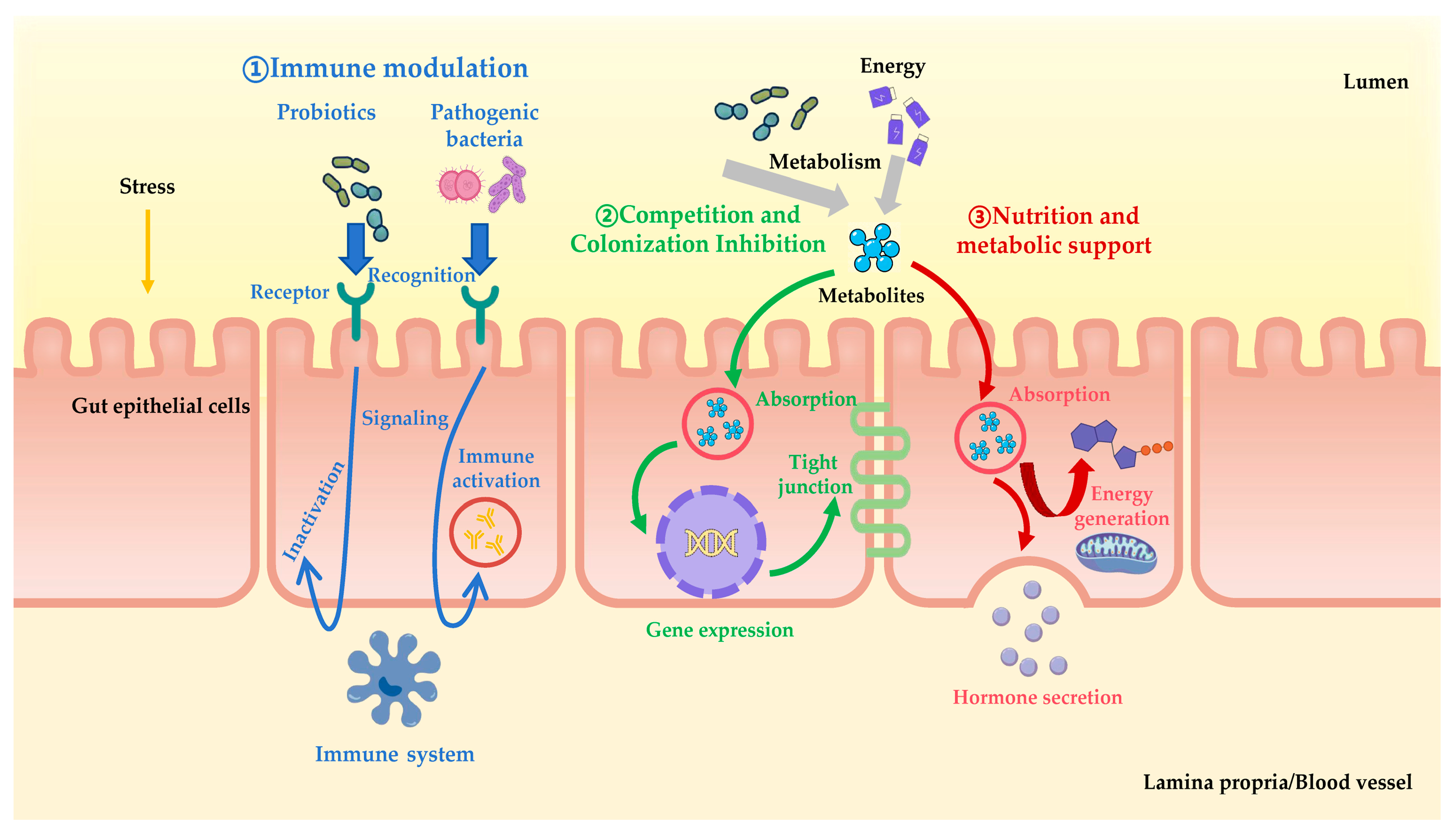
4. Probiotic Mode of Action
5. Probiotics for Sustainable Aquaculture
5.1. Probiotics as Water Additive Agents
5.2. Probiotics as Fermented Feed Additives
5.2.1. Effects of Probiotic Fermentation on Anti-Nutritional Factors in Feed Ingredients
- Protease inhibitors: Interfere with protein digestion [157];
- Phytates: Binds minerals such as Ca, Fe, Zn, and Mg, thereby reducing their bioavailability [158];
- Lectins: Interfere with nutrient catabolism and absorption by reversibly binding to sugars and/or glycoproteins on the surface cells of the intestinal wall [159];
- Tannins: Interfere with the digestive process by binding to enzymes or to feed ingredients such as proteins or minerals [160];
- Oligosaccharides: May lead to indigestion and intestinal gas buildup [161].
5.2.2. Effects of Probiotic Fermentation on Nutrient Utilization
5.2.3. Effects of Probiotic Fermentation on Microbial Contamination
6. Probiotic Effects on the Farming Environment
7. Conclusions and Future Perspectives
- Optimizing strain combinations to maximize synergistic effects;
- Deepening the understanding of probiotic mechanisms, particularly their immunomodulatory and microenvironment-regulating functions;
- Refining and standardizing fermentation processes and production workflows;
- Quantifying the environmental benefits of probiotics in aquaculture and establishing robust environmental footprint assessment systems to support green certification;
- Strengthening safety evaluations to ensure safe and broad application.
Author Contributions
Funding
Institutional Review Board Statement
Informed Consent Statement
Data Availability Statement
Conflicts of Interest
References
- Verdegem, M.; Buschmann, A.H.; Latt, U.W.; Dalsgaard, A.J.T.; Lovatelli, A. The contribution of aquaculture systems to global aquaculture production. J. World Aquac. Soc. 2023, 54, 206–250. [Google Scholar] [CrossRef]
- Tufail, T.; Bader Ul Ain, H.; Ashraf, J.; Mahmood, S.; Noreen, S.; Ijaz, A.; ikram, A.; Arshad, M.T.; Abdullahi, M.A. Bioactive Compounds in Seafood: Implications for Health and Nutrition. Food Sci. Nutr. 2025, 13, e70181. [Google Scholar] [CrossRef]
- Ramasubburayan, R.; Prakash, S.; Immanuel, G.; Mubarakali, D.; Rajakumar, G.; Thirumurugan, D.; Palavesam, A. The Transformative Role of Prebiotics, Probiotics, and Microbiomes in Biofloc Systems for Sustainable Aquaculture: A Comprehensive Review. Rev. Aquac. 2024, 17, e13000. [Google Scholar] [CrossRef]
- Hossen, S.; Zhang, M.; Chao, B.; Yuan, Y.; Waqas, W.; Nag, S.K.; Ikhwanuddin, M.; Ma, H. Reproductive Biology of Crabs: Molecular and Physiological Insights and Implications for Aquaculture. Rev. Aquac. 2025, 18, e70113. [Google Scholar] [CrossRef]
- FAO. The State of World Fisheries and Aquaculture 2024; FAO: Rome, Italy, 2024; p. 264. [Google Scholar]
- Granada, L.; Sousa, N.; Lopes, S.; Lemos, M.F.L. Is integrated multitrophic aquaculture the solution to the sectors’ major challenges?—A review. Rev. Aquac. 2015, 8, 283–300. [Google Scholar] [CrossRef]
- Zhang, Z.; Lv, Z.M.; Zhang, W.W.; Shao, Y.N.; Zhao, X.L.; Guo, M.; Li, C.H. Comparative analysis of midgut bacterial community under Vibrio splendidus infection in Apostichopus japonicus with hindgut as a reference. Aquaculture 2019, 513, 734427. [Google Scholar] [CrossRef]
- Bondad-Reantaso, M.G.; MacKinnon, B.; Karunasagar, I.; Fridman, S.; Alday-Sanz, V.; Brun, E.; Le Groumellec, M.; Li, A.; Surachetpong, W.; Karunasagar, I.; et al. Review of alternatives to antibiotic use in aquaculture. Rev. Aquac. 2023, 15, 1421–1451. [Google Scholar] [CrossRef]
- Chen, J.M.; Sun, R.X.; Pan, C.G.; Sun, Y.; Mai, B.X.; Li, Q.X. Antibiotics and Food Safety in Aquaculture. J. Agric. Food Chem. 2020, 68, 11908–11919. [Google Scholar] [CrossRef] [PubMed]
- Food and Agriculture Organization of the United Nations; World Health Organization. Probiotics in Food: Health and Nutritional Properties and Guidelines for Evaluation; Food and Agriculture Organization of the United Nations: Rome, Italy; World Health Organization: Rome, Italy, 2006. [Google Scholar]
- Sam-on, M.F.S.; Mustafa, S.; Mohd Hashim, A.; Wan Mustapha, W.A.; Yusof, M.T.; Mohd Zaini, N.A.; Mohamed Nazir, M.Y. Bibliometric mapping on the probiotic trends in managing aquaculture pathogens. Food Biosci. 2025, 68, 106372. [Google Scholar] [CrossRef]
- Sharna, S.N.; Nur, K.F.; Rahman, A.; Das, N.C.; Akter, J.; Khatun, M.H.; Chowdhury, S.M.; Islam, S.M.M.; Hossain, M.T.; Siddique, M.P.; et al. Multi-strain Native Probiotics from the Asian Stinging Catfish (Heteropneustes fossilis) Enhance Growth, Blood Health, and Organ Morphology in the Host. Probiotics Antimicrob. Proteins 2025, 17, 2476–2499. [Google Scholar] [CrossRef]
- Thaimuangphol, W.; Sukkum, R.; Wang, Z.; Saejung, C. Evaluating the potential of Rhodopseudomonas faecalis PA2 as a probiotic and biofloc supplement for Nile tilapia (Oreochromis niloticus). Aquac. Rep. 2025, 45, 103201. [Google Scholar] [CrossRef]
- Lyu, S.; Lei, X.; Lou, M.; Zhou, H.; Sheng, Q.; Liu, Y.; Zhang, Y.; Zhang, R. Effects of aerobic denitrifying Rhizobium pusense strain N7 on water quality, biofilm, and zebrafish gut microbiota in recirculating aquaculture systems. J. Water Process Eng. 2025, 78, 108771. [Google Scholar] [CrossRef]
- Sathishkumar, G.; Felix, N.; Ranjan, A.; Uma, A.; Rajalakshmi, K. Exploring the Impact of Selected Functional Feed Additives on Growth Performance, Nutrient Utilization, Enzyme Activities and Immune Gene Expression of Striped Murrel (Channa striata) Juveniles. Probiotics Antimicrob. Proteins 2025. [Google Scholar] [CrossRef]
- Xu, M.; Qin, X.; Zhen, H.; Tan, C. Recent advances in prebiotic-based delivery systems for probiotics: Encapsulation, protection, and gut microbiota modulation. Food Biosci. 2026, 77, 108392. [Google Scholar] [CrossRef]
- Nayan, M.N.I.; Faraji, M.S.; Hasan, M.Z.; Abony, I.H.; Saiyara, U.; Islam, M.S.; Seong Wei, L. Enhanced Efficacy of Synbiotics Compared to Antibiotics in Promoting Growth, Intestinal Health, and Immune Response in Stinging Catfish. Aquacult Nutr. 2026, 2026, 2158993. [Google Scholar] [CrossRef]
- Linda, S.S.; Islam, M.J.; Mou, S.A.; Islam, M.H.; Shahjahan, M.; Islam, M.S.; Bailey, C. Synbiotic Supplementation Boosts Growth, Gut Health, and Immunity in Asian Fossil Catfish (Heteropneustes fossilis). Aquac. Res. 2025, 2025, 4542077. [Google Scholar] [CrossRef]
- Mugwanya, M.; Dawood, M.A.O.; Kimera, F.; Sewilam, H. Updating the Role of Probiotics, Prebiotics, and Synbiotics for Tilapia Aquaculture as Leading Candidates for Food Sustainability: A Review. Probiotics Antimicrob. Proteins 2021, 14, 130–157. [Google Scholar] [CrossRef] [PubMed]
- El-Son, M.A.M.; Elbahnaswy, S.; Khormi, M.A.; Aborasain, A.M.; Abdelhaffez, H.H.; Zahran, E. Harnessing the fish gut microbiome and immune system to enhance disease resistance in aquaculture. Fish Shellfish. Immunol. 2025, 163, 110394. [Google Scholar] [CrossRef]
- Ghosh, T. Recent advances in the probiotic application of the Bacillus as a potential candidate in the sustainable development of aquaculture. Aquaculture 2025, 594, 741432. [Google Scholar] [CrossRef]
- Bakky, M.A.H.; Tran, N.T.; Zhang, M.; Wang, S.; Zhang, Y.; Li, S. Synergistic effects of butyrate-producing bacteria (Clostridium senegalense I5 or Paraclostridium benzoelyticum G5) and Gracilaria lemaneiformis-originated polysaccharides on the growth and immunity of rabbitfish. Int. J. Biol. Macromol. 2025, 291, 138683. [Google Scholar] [CrossRef]
- Yilmaz, S.; Yilmaz, E.; Dawood, M.A.O.; Ringø, E.; Ahmadifar, E.; Abdel-Latif, H.M.R. Probiotics, prebiotics, and synbiotics used to control vibriosis in fish: A review. Aquaculture 2022, 547, 737514. [Google Scholar] [CrossRef]
- Chang, T.; Lu, K.; Han, F.; Xu, C.; Li, E. Effects of β-glucan combined with the gut probiotic Klebsiella sp. E26 on growth, energy metabolism, and immune response in pacific white shrimp (Penaeus vannamei) under low salinity stress. Aquaculture 2025, 600, 742223. [Google Scholar] [CrossRef]
- del Valle, J.C.; Bonadero, M.C.; Fernández-Gimenez, A.V. Saccharomyces cerevisiae as probiotic, prebiotic, synbiotic, postbiotics and parabiotics in aquaculture: An overview. Aquaculture 2023, 569, 739342. [Google Scholar] [CrossRef]
- Mohan, K.; Ravichandran, S.; Muralisankar, T.; Uthayakumar, V.; Chandirasekar, R.; Seedevi, P.; Rajan, D.K. Potential uses of fungal polysaccharides as immunostimulants in fish and shrimp aquaculture: A review. Aquaculture 2019, 500, 250–263. [Google Scholar] [CrossRef]
- Rohani, M.F.; Islam, S.M.M.; Hossain, M.K.; Ferdous, Z.; Siddik, M.A.B.; Nuruzzaman, M.; Padeniya, U.; Brown, C.; Shahjahan, M. Probiotics, prebiotics and synbiotics improved the functionality of aquafeed: Upgrading growth, reproduction, immunity and disease resistance in fish. Fish Shellfish Immunol. 2022, 120, 569–589. [Google Scholar] [CrossRef]
- Page, M.J.; McKenzie, J.E.; Bossuyt, P.M.; Boutron, I.; Hoffmann, T.C.; Mulrow, C.D.; Shamseer, L.; Tetzlaff, J.M.; Akl, E.A.; Brennan, S.E.; et al. The PRISMA 2020 statement: An updated guideline for reporting systematic reviews. BMJ 2021, 372, n71. [Google Scholar] [CrossRef]
- Rahimi, R.; Mirahmadi, S.A.; Hajirezaee, S.; Fallah, A.A. How probiotics impact on immunological parameters in rainbow trout (Oncorhynchus mykiss)? A systematic review and meta-analysis. Rev. Aquac. 2021, 14, 27–53. [Google Scholar] [CrossRef]
- Tran, N.T.; Yang, W.; Nguyen, X.T.; Zhang, M.; Ma, H.; Zheng, H.; Zhang, Y.; Chan, K.-G.; Li, S. Application of heat-killed probiotics in aquaculture. Aquaculture 2022, 548, 737700. [Google Scholar] [CrossRef]
- Soltani, M.; Ghosh, K.; Hoseinifar, S.H.; Kumar, V.; Lymbery, A.J.; Roy, S.; Ringø, E. Genus bacillus, promising probiotics in aquaculture: Aquatic animal origin, bio-active components, bioremediation and efficacy in fish and shellfish. Rev. Fish. Sci. Aquac. 2019, 27, 331–379. [Google Scholar] [CrossRef]
- Feng, J.; Liu, S.; Zhu, C.; Cai, Z.; Cui, W.; Chang, X.; Yan, X.; Qin, C.; Zhang, J.; Nie, G. The effects of dietary Lactococcus spp. on growth performance, glucose absorption and metabolism of common carp, Cyprinus carpio L. Aquaculture 2022, 546, 737394. [Google Scholar] [CrossRef]
- Naiel, M.A.E.; Farag, M.R.; Gewida, A.G.A.; Elnakeeb, M.A.; Amer, M.S.; Alagawany, M. Using lactic acid bacteria as an immunostimulants in cultured shrimp with special reference to Lactobacillus spp. Aquac. Int. 2020, 29, 219–231. [Google Scholar] [CrossRef]
- Cizeikiene, D.; Jagelaviciute, J. Investigation of Antibacterial Activity and Probiotic Properties of Strains Belonging to Lactobacillus and Bifidobacterium Genera for Their Potential Application in Functional Food and Feed Products. Probiotics Antimicrob. Proteins 2021, 13, 1387–1403. [Google Scholar] [CrossRef]
- Hai, N.V. The use of probiotics in aquaculture. J. Appl. Microbiol. 2015, 119, 917–935. [Google Scholar] [CrossRef] [PubMed]
- Liu, L.; Liu, Y.; Qin, G.; Wei, C.; Li, Y.; Cui, L.; Tian, X. Evaluation of regulatory capacity of three lactic acid bacteria on the growth performance, non-specific immunity, and intestinal microbiota of the sea cucumber Apostichopus japonicus. Aquaculture 2024, 579, 740156. [Google Scholar] [CrossRef]
- Zheng, L.; Xie, S.; Zhuang, Z.; Liu, Y.; Tian, L.; Niu, J. Effects of yeast and yeast extract on growth performance, antioxidant ability and intestinal microbiota of juvenile Pacific white shrimp (Litopenaeus vannamei). Aquaculture 2021, 530, 735941. [Google Scholar] [CrossRef]
- Puvanasundram, P.; Chong, C.M.; Sabri, S.; Yusoff, M.S.; Karim, M. Multi-strain probiotics: Functions, effectiveness and formulations for aquaculture applications. Aquac. Rep. 2021, 21, 100905. [Google Scholar] [CrossRef]
- Ouwehand, A.C.; Invernici, M.M.; Furlaneto, F.A.C.; Messora, M.R. Effectiveness of Multi-strain Versus Single-strain Probiotics. J. Clin. Gastroenterol. 2018, 52, S35–S40. [Google Scholar] [CrossRef] [PubMed]
- Pillinger, M.; Weber, B.; Standen, B.; Schmid, M.C.; Kesselring, J.C. Multi-strain probiotics show increased protection of intestinal epithelial cells against pathogens in rainbow trout (Oncorhynchus mykiss). Aquaculture 2022, 560, 738487. [Google Scholar] [CrossRef]
- Mohammadi, G.; Rafiee, G.; Tavabe, K.R.; Abdel-Latif, H.M.R.; Dawood, M.A.O. The enrichment of diet with beneficial bacteria (single- or multi- strain) in biofloc system enhanced the water quality, growth performance, immune responses, and disease resistance of Nile tilapia (Oreochromis niloticus). Aquaculture 2021, 539, 736640. [Google Scholar] [CrossRef]
- Kong, Y.; Li, M.; Chu, G.; Liu, H.; Shan, X.; Wang, G.; Han, G. The positive effects of single or conjoint administration of lactic acid bacteria on Channa argus: Digestive enzyme activity, antioxidant capacity, intestinal microbiota and morphology. Aquaculture 2021, 531, 735852. [Google Scholar] [CrossRef]
- Merrifield, D.L.; Dimitroglou, A.; Foey, A.; Davies, S.J.; Baker, R.T.M.; Bøgwald, J.; Castex, M.; Ringø, E. The current status and future focus of probiotic and prebiotic applications for salmonids. Aquaculture 2010, 302, 1–18. [Google Scholar] [CrossRef]
- Selim, K.M.; El-Sayed, H.M.; El-Hady, M.A.; Reda, R.M. In vitro evaluation of the probiotic candidates isolated from the gut of Clarias gariepinus with special reference to the in vivo assessment of live and heat-inactivated Leuconostoc mesenteroides and Edwardsiella sp. Aquac. Int. 2018, 27, 33–51. [Google Scholar] [CrossRef]
- Giri, S.S.; Jun, J.W.; Yun, S.; Kim, H.J.; Kim, S.G.; Kim, S.W.; Woo, K.J.; Han, S.J.; Oh, W.T.; Kwon, J.; et al. Effects of dietary heat-killed Pseudomonas aeruginosa strain VSG2 on immune functions, antioxidant efficacy, and disease resistance in Cyprinus carpio. Aquaculture 2020, 514, 734489. [Google Scholar] [CrossRef]
- Knipe, H.; Temperton, B.; Lange, A.; Bass, D.; Tyler, C.R. Probiotics and competitive exclusion of pathogens in shrimp aquaculture. Rev. Aquac. 2020, 13, 324–352. [Google Scholar] [CrossRef]
- Xu, H.-M.; Rong, Y.-J.; Zhao, M.-X.; Song, B.; Chi, Z.-M. Antibacterial activity of the lipopetides produced by Bacillus amyloliquefaciens M1 against multidrug-resistant Vibrio spp. isolated from diseased marine animals. Appl. Microbiol. Biotechnol. 2013, 98, 127–136. [Google Scholar] [CrossRef]
- Gao, X.-Y.; Liu, Y.; Miao, L.-L.; Li, E.-W.; Hou, T.-T.; Liu, Z.-P. Mechanism of anti-Vibrio activity of marine probiotic strain Bacillus pumilus H2, and characterization of the active substance. AMB Express 2017, 7, 23. [Google Scholar] [CrossRef]
- Siciliano, R.A.; Reale, A.; Mazzeo, M.F.; Morandi, S.; Silvetti, T.; Brasca, M. Paraprobiotics: A New Perspective for Functional Foods and Nutraceuticals. Nutrients 2021, 13, 1225. [Google Scholar] [CrossRef]
- Muñoz-Atienza, E.; Gómez-Sala, B.; Araújo, C.; Campanero, C.; del Campo, R.; Hernández, P.E.; Herranz, C.; Cintas, L.M. Antimicrobial activity, antibiotic susceptibility and virulence factors of Lactic Acid Bacteria of aquatic origin intended for use as probiotics in aquaculture. BMC Microbiol. 2013, 13, 15. [Google Scholar] [CrossRef]
- Choudhury, T.G.; Kamilya, D. Paraprobiotics: An aquaculture perspective. Rev. Aquac. 2018, 11, 1258–1270. [Google Scholar] [CrossRef]
- Cuevas-González, P.F.; Liceaga, A.M.; Aguilar-Toalá, J.E. Postbiotics and paraprobiotics: From concepts to applications. Food Res. Int. 2020, 136, 109502. [Google Scholar] [CrossRef]
- Aguilar-Toalá, J.E.; Garcia-Varela, R.; Garcia, H.S.; Mata-Haro, V.; González-Córdova, A.F.; Vallejo-Cordoba, B.; Hernández-Mendoza, A. Postbiotics: An evolving term within the functional foods field. Trends Food Sci. Technol. 2018, 75, 105–114. [Google Scholar] [CrossRef]
- Seabkongseng, T.; Limkul, S.; Sriphuttha, C.; Phiwthong, T.; Aunkam, P.; Suwannathit, R.; Jaree, P.; Somboonwiwat, K.; Tittabutr, P.; Teaumroong, N.; et al. Supplementation of Bacillus velezensis S141 in feed as a probiotic enhances growth performance, pathogenic tolerances, and immune system in shrimp. Aquaculture 2025, 604, 742448. [Google Scholar] [CrossRef]
- Zhu, X.-K.; Hu, R.-G.; Cong, W.; Kang, Y.-H.; Wang, L.-Y.; Yang, T.; Li, S. Isolation and characterization of a marine strain: Bacillus inaquosorum, and its feeding effects on Sebastes schlegelii as feed additive. Aquaculture 2025, 606, 742556. [Google Scholar] [CrossRef]
- Thasreefa, K.; Puthumana, J.; Singh, I.S.B.; Valsamma, J. Chitosan-flocculated Picochlorum maculatum MACC3 as a functional feed for improved growth and health in guppies (Poecilia reticulata). Algal Res. 2025, 86, 103968. [Google Scholar] [CrossRef]
- Sultana, R.; Joseph, I. Protease-producing Bacillus strains from Kochi and their effects on growth and digestive enzyme activity of juvenile Snubnose pompano. Reg. Stud. Mar. Sci. 2026, 93, 104681. [Google Scholar] [CrossRef]
- Sleman, H.D.; Abdulrahman, N.M. Probiotic Feed Additive from Indigenous Bacillus subtilis Enhances Growth and Health in Common Carp (Cyprinus carpio). DNA Cell Biol. 2025, 44, 628–638. [Google Scholar] [CrossRef] [PubMed]
- El-Raghi, A.A.; El-Mezayen, M.M.; Areda, H.A. Potential effects of probiotics (immunobacteryne; IMB) on growth performance, feed efficacy, blood biochemical, redox balance, nonspecific immunity and heat-shock protein expression of Nile tilapia (Oreochromis niloticus) fingerlings. J. Anim. Physiol. Anim. Nutr. 2024, 108, 691–699. [Google Scholar] [CrossRef]
- Oliveira, B.P.N.; Padeniya, U.; Bledsoe, J.W.; Davis, D.A.; Liles, M.R.; Hussain, A.S.; Wells, D.E.; Bruce, T.J.; El Basuini, M. Evaluation of Probiotic Effects on the Growth Performance and Microbiome of Nile Tilapia (Oreochromis niloticus) in a High-Density Biofloc System. Aquac. Nutr. 2025, 2025, 5868806. [Google Scholar] [CrossRef] [PubMed]
- Díaz, R.; Carrasco, D.; Quiñones, J.; Martínez, A.; Sepúlveda, G.; Pérez-Núñez, I.; Huaiquipán, R.; Cancino-Baier, D.; Beltrán, J.F.; Farías, J.G.; et al. The Probiotic Pediococcus acidilactici in the Feed of Salmonids: A Strategy to Improve Reproductive Parameters. Animals 2025, 15, 1659. [Google Scholar] [CrossRef] [PubMed]
- Paramashivan, B.; Thamarai, R.; Subramaniam, K.; Kamaraj, C.; Al-Ghanim, K.A.; Vetrivel, C. Synergistic effect of Agrococcus and Rossellomorea Marisflavi species assisted probiotic functional feed on Vibrio affected Nile tilapia fish. Sci. Rep. 2025, 15, 21866. [Google Scholar] [CrossRef] [PubMed]
- Akbari Nargesi, E.; Sajjadi, M.M.; Falahatkar, B. Effect of multi-species probiotic as a functional feed additive on immune response, health status, and offspring quality of female rainbow trout(Oncorhynchus mykiss) breeders. Anim. Feed Sci. Technol. 2025, 327, 116403. [Google Scholar] [CrossRef]
- Lalitha, N.; Ambasankar, K.; Thirugnanamurthy, S.; Tomy, S.; Suganya, P.N.; Raja, R.A.; Kumar, S.; Nanthini, R.; Lunghar, O. Effect of dietary supplementation of Lactiplantibacillus plantarum probiotics as functional feed additive in Pacific white shrimp (Peneaus vannamei). Aquac. Int. 2025, 33, 348. [Google Scholar] [CrossRef]
- Dawood, M.A.O.; Koshio, S. Recent advances in the role of probiotics and prebiotics in carp aquaculture: A review. Aquaculture 2016, 454, 243–251. [Google Scholar] [CrossRef]
- Collins, S.; Reid, G. Distant Site Effects of Ingested Prebiotics. Nutrients 2016, 8, 523. [Google Scholar] [CrossRef]
- Wong, J.M.W.; de Souza, R.; Kendall, C.W.C.; Emam, A.; Jenkins, D.J.A. Colonic Health: Fermentation and Short Chain Fatty Acids. J. Clin. Gastroenterol. 2006, 40, 235–243. [Google Scholar] [CrossRef]
- Abdelqader, A.; Al-Fataftah, A.-R. Effect of dietary butyric acid on performance, intestinal morphology, microflora composition and intestinal recovery of heat-stressed broilers. Livest. Sci. 2016, 183, 78–83. [Google Scholar] [CrossRef]
- Laszczyńska, M.; Sipak, O.; Walczakiewicz, K.; Mizerski, A.; Rył, A.; Ratajczak, W. Immunomodulatory potential of gut microbiome-derived short-chain fatty acids (SCFAs). Acta Biochim. Pol. 2019, 66, 1–12. [Google Scholar]
- Castillo, S.; Rosales, M.; Pohlenz, C.; Gatlin, D.M. Effects of organic acids on growth performance and digestive enzyme activities of juvenile red drum Sciaenops ocellatus. Aquaculture 2014, 433, 6–12. [Google Scholar] [CrossRef]
- Dai, J.; Li, Y.; Yang, P.; Liu, Y.; Chen, Z.; Ou, W.; Ai, Q.; Zhang, W.; Zhang, Y.; Mai, K. Citric acid as a functional supplement in diets for juvenile turbot, Scophthalmus maximus L.: Effects on phosphorus discharge, growth performance, and intestinal health. Aquaculture 2018, 495, 643–653. [Google Scholar] [CrossRef]
- Gibson, G.R.; Hutkins, R.; Sanders, M.E.; Prescott, S.L.; Reimer, R.A.; Salminen, S.J.; Scott, K.; Stanton, C.; Swanson, K.S.; Cani, P.D.; et al. Expert consensus document: The International Scientific Association for Probiotics and Prebiotics (ISAPP) consensus statement on the definition and scope of prebiotics. Nat. Rev. Gastroenterol. Hepatol. 2017, 14, 491–502. [Google Scholar] [CrossRef]
- Wang, M.W.; Chen, X.Y.; Zhou, L.Y.; Li, Y.; Yang, J.; Ji, N.; Xiong, L.; Sun, Q.J. Prebiotic effects of resistant starch nanoparticles on growth and proliferation of the probiotic Lactiplantibacillus plantarum subsp. plantarum. Lwt-Food Sci. Technol. 2022, 154, 112572. [Google Scholar] [CrossRef]
- Peng, M.; Tabashsum, Z.; Anderson, M.; Truong, A.; Houser, A.K.; Padilla, J.; Akmel, A.; Bhatti, J.; Rahaman, S.O.; Biswas, D. Effectiveness of probiotics, prebiotics, and prebiotic-like components in common functional foods. Compr. Rev. Food Sci. Food Saf. 2020, 19, 1908–1933. [Google Scholar] [CrossRef]
- Vijay, A.; Astbury, S.; Le Roy, C.; Spector, T.D.; Valdes, A.M. The prebiotic effects of omega-3 fatty acid supplementation: A six-week randomised intervention trial. Gut Microbes 2020, 13, 1863133. [Google Scholar] [CrossRef]
- Quiroz-Guzmán, E.; Morreeuw, Z.P.; Peña-Rodríguez, A.; Barajas-Sandoval, D.R.; Magallón-Servín, P.; Mejía, A.; Reyes, A.G. Flavonoid-enriched extract of Agave lechuguilla bagasse as a feed supplement to prevent vibriosis in Pacific white shrimp Penaeus vannamei. Aquaculture 2023, 562, 738867. [Google Scholar] [CrossRef]
- Huang, K.-C.; Lee, J.-W.; Hu, Y.-F.; Ballantyne, R.; Liu, C.-H. Effects of Aspergillus-meal prebiotic diet on the growth performance, health status and gut microbiota of Asian seabass, Lates calcarifer. Fish Shellfish Immunol. 2023, 136, 108696. [Google Scholar] [CrossRef]
- Shehata, A.I.; El Basuini, M.F.; Elmaghraby, A.M.; Alhoshy, M.; Soliman, A.A.; Amer, A.A.; Ibrahim, N.A.; Habib, Y.J.; Gewaily, M.S.; Teiba, I.I.; et al. Dietary prebiotic-stevioside modulates the growth, antioxidant enzymes, and immune response in thinlip mullets (Liza ramada) subjected to chronic cold stress. BMC Vet. Res. 2025, 21, 365. [Google Scholar] [CrossRef] [PubMed]
- Kattakdad, S.; Phungam, N.; Pongket, U.; Muangmala, W.; Udduang, S.; Aripin, S.A.; Yuangsoi, B. Microencapsulated inulin as a prebiotic: Enhancing growth, digestive enzyme activity, and immune response in striped catfish (Pangasianodon hypophthalmus). Aquac. Rep. 2025, 43, 102986. [Google Scholar] [CrossRef]
- Defaix, R.; Lokesh, J.; Frohn, L.; Le Bechec, M.; Pigot, T.; Véron, V.; Surget, A.; Biasutti, S.; Terrier, F.; Skiba-Cassy, S.; et al. Exploring the effects of dietary inulin in rainbow trout fed a high-starch, 100% plant-based diet. J. Anim. Sci. Biotechnol. 2024, 15, 6. [Google Scholar] [CrossRef] [PubMed]
- Rosales-Leija, M.; Gatlin, D.M., III; Holt, J.P.; Lawrence, A.L. Effect of prebiotics added to the culture water on the bacterial profiles of biofloc and the gills, hepatopancreas, and intestine of Penaeus vannamei. Comp. Biochem. Physiol. Part B Biochem. Mol. Biol. 2025, 278, 111097. [Google Scholar] [CrossRef]
- Prabu, E.; Chidambaram, P.; Felix, N.; Uma, A.; Thangarani, A.J.; Thiruvasagam, T.; Vijay Sundar Deva, G. Immunostimulation of Pacific white shrimp (Penaeus vannamei) through dietary NagroWall enhances resistance to Vibrio parahaemolyticus infection. J. Invertebr. Pathol. 2026, 215, 108523. [Google Scholar] [CrossRef]
- Castro-Zambrano, L.A.; de Almeida Bicudo, Á.J.; Sado, R.Y. Mannanoligosaccharides and β-glucans modulate innate immunity and intestinal integrity in Nile tilapia exposed to chronic hypothermia. Aquac. Int. 2025, 33, 686. [Google Scholar] [CrossRef]
- Zhou, S.; Qin, H.; Long, Z.; Kong, L.; Ma, J.; Lin, Y.; Lin, H.; Huang, Z.; Li, Z. Effects of laminarin on antioxidant capacity and non-specific immunity of spotted sea bass (Lateolabrax maculatus). Aquac. Rep. 2025, 40, 102549. [Google Scholar] [CrossRef]
- Kazuń, B.; Kazuń, K.; Małaczewska, J.; Kamiński, R.; Adamek-Urbańska, D.; Sikorska, J.; Wolnicki, J.; Szudrowicz, H. Effects of long-term administration of various dietary prebiotic supplements on the growth, immune cell activity and digestive tract histology of juvenile vimba (Vimba vimba). J. Vet. Res. 2023, 67, 233–241. [Google Scholar] [CrossRef] [PubMed]
- do Nascimento Veiga, P.T.; Rodrigues, T.A.R.; Fantini-Hoag, L.; Rodrigues, R.A.; Pilarski, F.; Owatari, M.S.; Martins, M.L.; de Campos, C.M. Inulin dietary supplementation attenuates the stress induced by pursuit/capture/atmospheric exposure and improves innate immune response in hybrid catfish (Pseudoplatystoma reticulatum ♀ × Leiarius marmoratus ♂) after exposure to Aeromonas hydrophila. Aquac. Int. 2023, 32, 1771–1784. [Google Scholar] [CrossRef]
- Wang, Q.; Lin, Y.; Zhang, H.; Fan, W.; Li, S.; Ruan, G.; Fang, L. Positive impacts of dietary prebiotic inulin on growth performance, antioxidant capacity, immunity, and intestinal microbiota of red swamp crayfish (Procambarus clarkii). Aquac. Int. 2023, 32, 775–794. [Google Scholar] [CrossRef]
- Swanson, K.S.; Gibson, G.R.; Hutkins, R.; Reimer, R.A.; Reid, G.; Verbeke, K.; Scott, K.P.; Holscher, H.D.; Azad, M.B.; Delzenne, N.M.; et al. The International Scientific Association for Probiotics and Prebiotics (ISAPP) consensus statement on the definition and scope of synbiotics. Nat. Rev. Gastroenterol. Hepatol. 2020, 17, 687–701. [Google Scholar] [CrossRef] [PubMed]
- Cadangin, J.; Lee, J.-H.; Jeon, C.-Y.; Lee, E.-S.; Moon, J.-S.; Park, S.-J.; Hur, S.-W.; Jang, W.-J.; Choi, Y.-H. Effects of dietary supplementation of Bacillus, β-glucooligosaccharide and their synbiotic on the growth, digestion, immunity, and gut microbiota profile of abalone, Haliotis discus hannai. Aquac. Rep. 2024, 35, 102027. [Google Scholar] [CrossRef]
- Ajdari, A.; Ghafarifarsani, H.; Hoseinifar, S.H.; Javahery, S.; Narimanizad, F.; Gatphayak, K.; Van Doan, H.; Li, E. Effects of Dietary Supplementation of PrimaLac, Inulin, and Biomin Imbo on Growth Performance, Antioxidant, and Innate Immune Responses of Common Carp (Cyprinus carpio). Aquac. Nutr. 2022, 2022, 8297479. [Google Scholar] [CrossRef]
- Say, P.; Nimitkul, S.; Bunnoy, A.; Na-Nakorn, U.; Srisapoome, P. Effects of the combination of chitosan and Acinetobacter KU011TH on the growth and health performances and disease resistance of juvenile hybrid catfish (Clarias gariepinus × C. Macrocephalus). Fish Shellfish Immunol. 2023, 142, 109177. [Google Scholar] [CrossRef] [PubMed]
- Morgan, A.N.; Fogelson, S.B.; Wills, P.S.; Mincer, T.; Mejri, S.; Page, A. Hematological changes in Florida pompano (Trachinotus carolinus) supplemented with β-glucan and Pediococcus acidilactici synbiotic. J. Fish Biol. 2024, 104, 1091–1111. [Google Scholar] [CrossRef]
- Wang, X.; Sun, Y.; Wang, L.; Li, X.; Qu, K.; Xu, Y. Synbiotic dietary supplement affects growth, immune responses and intestinal microbiota of Apostichopus japonicus. Fish Shellfish Immunol. 2017, 68, 232–242. [Google Scholar] [CrossRef] [PubMed]
- Singh, S.K.; Tiwari, V.K.; Chadha, N.K.; Munilkumar, S.; Prakash, C.; Pawar, N.A. Effect of dietary synbiotic supplementation on growth, immune and physiological status of Labeo rohita juveniles exposed to low pH stress. Fish Shellfish Immunol. 2019, 91, 358–368. [Google Scholar] [CrossRef]
- Kuo, H.-W.; Chang, C.-C.; Cheng, W. Synbiotic combination of prebiotic, cacao pod husk pectin and probiotic, Lactobacillus plantarum, improve the immunocompetence and growth of Litopenaeus vannamei. Fish Shellfish Immunol. 2021, 118, 333–342. [Google Scholar] [CrossRef]
- Siddik, M.A.B.; Howieson, J.; Islam, S.M.M.; Fotedar, R. Synbiotic feed supplementation improves antioxidant response and innate immunity of juvenile barramundi, Lates calcarifer subjected to bacterial infection. Aquaculture 2022, 552, 737965. [Google Scholar] [CrossRef]
- Dawood, M.A.O.; Eweedah, N.M.; Moustafa, E.M.; Shahin, M.G. Synbiotic Effects of Aspergillus oryzae and β-Glucan on Growth and Oxidative and Immune Responses of Nile Tilapia, Oreochromis niloticus. Probiotics Antimicrob. Proteins 2019, 12, 172–183. [Google Scholar] [CrossRef] [PubMed]
- Mohammadi, G.; Hafezieh, M.; Karimi, A.A.; Azra, M.N.; Van Doan, H.; Tapingkae, W.; Abdelrahman, H.A.; Dawood, M.A.O. The synergistic effects of plant polysaccharide and Pediococcus acidilactici as a synbiotic additive on growth, antioxidant status, immune response, and resistance of Nile tilapia (Oreochromis niloticus) against Aeromonas hydrophila. Fish Shellfish Immunol. 2022, 120, 304–313. [Google Scholar] [CrossRef]
- Wan, J.-J.; Pan, J.-l.; Shen, M.-F.; Xue, H.; Sun, M.-l.; Zhang, M.-Q.; Zhu, X.-H.; Ma, X.-k. Changes in the growth performance, antioxidant enzymes and stress resistance caused by dietary administration of synbiotic (fructooligosaccharide and probiotics) in juvenile Chinese Mitten Crab, Eriocheir sinensis. Aquac. Int. 2021, 30, 467–481. [Google Scholar] [CrossRef]
- Chin, Y.K.; Azzam-Sayuti, M.; Mohammad, A.; Nazarudin, M.F.; Salleh, A.; Abu Bakar Radin, M.A.; Ina-Salwany, M.Y. Synergistic of Lactobacillus plantarum L20 and Sargassum polycystum hydrolysate enhances growth, immunity, and disease resistance against necrotizing hepatopancreatitis-like diseases-causing Aeromonas veronii in giant freshwater prawn (Macrobrachium rosenbergii). Dev. Comp. Immunol. 2025, 169, 105412. [Google Scholar] [PubMed]
- Sukul, T.; Ghosh, K. Combined application of pectin and Bacillus spp. in the diets of rohu, Labeo rohita (Hamilton): Effects on growth, feed utilization, immunity, haemato-biochemical profile and pathogen resistance. Aquac. Rep. 2025, 43, 102885. [Google Scholar] [CrossRef]
- Yousefi, M.; Farsani, M.N.; Afzali-Kordmahalleh, A.; Ghafarifarsani, H. Effects of dietary synbiotic supplementation on growth performance, digestive enzyme activities, and physiological resistance against high stocking density in rainbow trout (Oncorhynchus mykiss). Aquac. Int. 2023, 32, 3295–3315. [Google Scholar] [CrossRef]
- Choudhray, P.; Gm, S.; Debbarma, J.; Muduli, C. Dietary supplementation of Bacillus amyloliquefaciens and β-glucan, both individually and in conjunction effected growth performance, skin mucosal immunity, mRNA expression, and disease protection against Aeromonas hydrophila in striped snakehead, Channa striata (Bloch 1793). Fish Shellfish Immunol. 2026, 169, 111063. [Google Scholar]
- Das, S.P.; Abidin, Z.; Huang, H.-T.; Lin, Y.-R.; Huang, C.-Y.; Wu, Y.-S.; Hu, Y.-F.; Nan, F.-H. Deciphering the influence of dietary synbiotics in white shrimp gut and its effects in regulating immune signaling pathways. Front. Mar. Sci. 2024, 10, 1342708. [Google Scholar] [CrossRef]
- Tangal, J.K.; Uchuwittayakul, A.; Satapornvanit, K.; Srisapoome, P. Synergistic Effects of Silica Nanoparticles, Chitosan and Bacillus velezensis AAHM-BV2301 on the Growth, Immunity, Gut Microbiota and Disease Resistance of Asian Seabass (Lates calcarifer). Biomolecules 2026, 16, 88. [Google Scholar] [CrossRef]
- Latif, A.; Shehzad, A.; Niazi, S.; Zahid, A.; Ashraf, W.; Iqbal, M.W.; Rehman, A.; Riaz, T.; Aadil, R.M.; Khan, I.M.; et al. Probiotics: Mechanism of action, health benefits and their application in food industries. Front. Microbiol. 2023, 14, 1216674. [Google Scholar] [CrossRef]
- Talukder Shefat, S.H. Probiotic Strains Used in Aquaculture. Int. Res. J. Microbiol. 2018, 7, 43–55. [Google Scholar] [CrossRef]
- Mousavi Khaneghah, A.; Abhari, K.; Eş, I.; Soares, M.B.; Oliveira, R.B.A.; Hosseini, H.; Rezaei, M.; Balthazar, C.F.; Silva, R.; Cruz, A.G.; et al. Interactions between probiotics and pathogenic microorganisms in hosts and foods: A review. Trends Food Sci. Technol. 2020, 95, 205–218. [Google Scholar] [CrossRef]
- Ibrahem, M.D. Evolution of probiotics in aquatic world: Potential effects, the current status in Egypt and recent prospectives. J. Adv. Res. 2015, 6, 765–791. [Google Scholar] [CrossRef]
- Zhang, M.; Shan, C.; Tan, F.; Limbu, S.M.; Chen, L.; Du, Z.-Y. Gnotobiotic models: Powerful tools for deeply understanding intestinal microbiota-host interactions in aquaculture. Aquaculture 2020, 517, 734800. [Google Scholar] [CrossRef]
- Zorriehzahra, M.J.; Delshad, S.T.; Adel, M.; Tiwari, R.; Karthik, K.; Dhama, K.; Lazado, C.C. Probiotics as beneficial microbes in aquaculture: An update on their multiple modes of action: A review. Vet. Q. 2016, 36, 228–241. [Google Scholar] [CrossRef] [PubMed]
- Ghoul, M.; Mitri, S. The Ecology and Evolution of Microbial Competition. Trends Microbiol. 2016, 24, 833–845. [Google Scholar] [CrossRef] [PubMed]
- Du, Y.; Li, H.; Xu, W.; Hu, X.; Wu, T.; Chen, J. Cell surface-associated protein elongation factor Tu interacts with fibronectin mediating the adhesion of Lactobacillus plantarum HC-2 to Penaeus vannamei intestinal epithelium and inhibiting the apoptosis induced by LPS and pathogen in Caco-2 cells. Int. J. Biol. Macromol. 2023, 224, 32–47. [Google Scholar] [CrossRef]
- Liu, W.; Wang, Z.; Wang, S.; Liu, M.; Zhang, J.; Li, X.; Wang, H.; Feng, J. Identification of moonlighting adhesins of highly-adhesive Lactobacillus plantarum PO23 isolated from the intestine of Paralichthys olivaceus. Aquaculture 2024, 590, 741044. [Google Scholar] [CrossRef]
- Wan, M.L.Y.; Forsythe, S.J.; El-Nezami, H. Probiotics interaction with foodborne pathogens: A potential alternative to antibiotics and future challenges. Crit. Rev. Food Sci. 2018, 59, 3320–3333. [Google Scholar] [CrossRef]
- Schluter, J.; Nadell, C.D.; Bassler, B.L.; Foster, K.R. Adhesion as a weapon in microbial competition. ISME J. 2015, 9, 139–149. [Google Scholar] [CrossRef] [PubMed]
- Chino de la Cruz, C.M.; Cornejo-Granados, F.; Gallardo-Becerra, L.; Rodríguez-Alegría, M.E.; Ochoa-Leyva, A.; López Munguía, A. Complete genome sequence and characterization of a novel Enterococcus faecium with probiotic potential isolated from the gut of Litopenaeus vannamei. Microb. Genom. 2023, 9, 000938. [Google Scholar] [CrossRef]
- Kanmani, P.; Satish Kumar, R.; Yuvaraj, N.; Paari, K.A.; Pattukumar, V.; Arul, V. Probiotics and Its Functionally Valuable Products—A Review. Crit. Rev. Food Sci. 2013, 53, 641–658. [Google Scholar] [CrossRef]
- Hoffmann, M.; Mück, D.; Grossmann, L.; Greiner, L.; Klausmann, P.; Henkel, M.; Lilge, L.; Weiss, J.; Hausmann, R. Surfactin from Bacillus subtilis displays promising characteristics as O/W-emulsifier for food formulations. Colloids Surf. B Biointerfaces 2021, 203, 111749. [Google Scholar] [CrossRef]
- Petit, C.; Caudal, F.; Taupin, L.; Dufour, A.; Le Ker, C.; Giudicelli, F.; Rodrigues, S.; Bazire, A. Antibiofilm Activity of the Marine Probiotic Bacillus subtilis C3 Against the Aquaculture-Relevant Pathogen Vibrio harveyi. Probiotics Antimicrob. Proteins 2024, 17, 1551–1562. [Google Scholar] [CrossRef]
- Aonofriesei, F. Surfactants’ Interplay with Biofilm Development in Staphylococcus and Candida. Pharmaceutics 2024, 16, 657. [Google Scholar] [CrossRef]
- Arena, M.P.; Silvain, A.; Normanno, G.; Grieco, F.; Drider, D.; Spano, G.; Fiocco, D. Use of Lactobacillus plantarum Strains as a Bio-Control Strategy against Food-Borne Pathogenic Microorganisms. Front. Microbiol. 2016, 7, 464. [Google Scholar] [CrossRef]
- Simón, R.; Docando, F.; Nuñez-Ortiz, N.; Tafalla, C.; Díaz-Rosales, P. Mechanisms Used by Probiotics to Confer Pathogen Resistance to Teleost Fish. Front. Immunol. 2021, 12, 653025. [Google Scholar] [CrossRef] [PubMed]
- Sha, Y.; Wang, L.; Liu, M.; Jiang, K.; Xin, F.; Wang, B. Effects of lactic acid bacteria and the corresponding supernatant on the survival, growth performance, immune response and disease resistance of Litopenaeus vannamei. Aquaculture 2016, 452, 28–36. [Google Scholar] [CrossRef]
- Collado, M.C.; Meriluoto, J.; Salminen, S. In vitro analysis of probiotic strain combinations to inhibit pathogen adhesion to human intestinal mucus. Food Res. Int. 2007, 40, 629–636. [Google Scholar] [CrossRef]
- Liao, J.; Cai, Y.; Wang, X.; Shang, C.; Zhang, Q.; Shi, H.; Wang, S.; Zhang, D.; Zhou, Y. Effects of a Potential Host Gut-Derived Probiotic, Bacillus subtilis 6-3-1, on the Growth, Non-specific Immune Response and Disease Resistance of Hybrid Grouper (Epinephelus fuscoguttatus ♀ × Epinephelus lanceolatus ♂). Probiotics Antimicrob. Proteins 2021, 13, 1119–1137. [Google Scholar] [CrossRef] [PubMed]
- Feng, Z.F.; Song, X.J.; Zhao, L.T.; Zhu, W. Isolation of probiotics and their effects on growth, antioxidant and non-specific immunity of sea cucumber Apostichopus japonicus. Fish Shellfish Immunol. 2020, 106, 1087–1094. [Google Scholar] [CrossRef]
- Duan, Y.; Liu, P.; Li, J.; Wang, Y.; Li, J.; Chen, P. Molecular responses of calreticulin gene to Vibrio anguillarum and WSSV challenge in the ridgetail white prawn Exopalaemon carinicauda. Fish Shellfish Immunol. 2014, 36, 164–171. [Google Scholar] [CrossRef] [PubMed]
- Tran, N.T.; Li, Z.; Ma, H.; Zhang, Y.; Zheng, H.; Gong, Y.; Li, S. Clostridium butyricum: A promising probiotic confers positive health benefits in aquatic animals. Rev. Aquac. 2020, 12, 2573–2589. [Google Scholar] [CrossRef]
- Shao, H.; Min, F.; Huang, M.; Wang, Z.; Bai, T.; Lin, M.; Li, X.; Chen, H. Novel perspective on the regulation of food allergy by probiotic: The potential of its structural components. Crit. Rev. Food Sci. 2022, 64, 172–186. [Google Scholar] [CrossRef]
- Lebeer, S.; Vanderleyden, J.; De Keersmaecker, S.C.J. Host interactions of probiotic bacterial surface molecules: Comparison with commensals and pathogens. Nat. Rev. Microbiol. 2010, 8, 171–184. [Google Scholar] [CrossRef]
- Sahoo, B.R. Structure of fish Toll-like receptors (TLR) and NOD-like receptors (NLR). Int. J. Biol. Macromol. 2020, 161, 1602–1617. [Google Scholar] [CrossRef]
- Ghani, M.U.; Chen, J.; Khosravi, Z.; Wu, Q.; Liu, Y.; Zhou, J.; Zhong, L.; Cui, H. Unveiling the multifaceted role of toll-like receptors in immunity of aquatic animals: Pioneering strategies for disease management. Front. Immunol. 2024, 15, 1378111. [Google Scholar] [CrossRef] [PubMed]
- Jafarzadeh, F.; Roomiani, L.; Dezfoulnejad, M.C.; Baboli, M.J.; Sary, A.A. Harnessing paraprobiotics and postbiotics for enhanced immune function in Asian seabass (Lates calcarifer): Insights into pattern recognition receptor signaling. Fish Shellfish Immunol. 2024, 151, 109725. [Google Scholar] [CrossRef]
- Modak, T.H.; Gomez-Chiarri, M. Contrasting Immunomodulatory Effects of Probiotic and Pathogenic Bacteria on Eastern Oyster, Crassostrea Virginica, Larvae. Vaccines 2020, 8, 588. [Google Scholar] [CrossRef]
- Naiel, M.A.E.; Abdelghany, M.F.; Khames, D.K.; Abd El-hameed, S.A.A.; Mansour, E.M.G.; El-Nadi, A.S.M.; Shoukry, A.A. Administration of some probiotic strains in the rearing water enhances the water quality, performance, body chemical analysis, antioxidant and immune responses of Nile tilapia, Oreochromis niloticus. Appl. Water Sci. 2022, 12, 209. [Google Scholar] [CrossRef]
- Hendam, B.M.; Munir, M.B.; Eissa, M.E.H.; El-Haroun, E.; van Doan, H.; Chung, T.H.; Eissa, E.-S.H. Effects of water additive probiotic, Pediococcus acidilactici on growth performance, feed utilization, hematology, gene expression and disease resistance against Aspergillus flavus of Nile tilapia (Oreochromis niloticus). Anim. Feed Sci. Technol. 2023, 303, 115696. [Google Scholar] [CrossRef]
- Eissa, E.-S.H.; Okon, E.M.; Abdel-Warith, A.-W.A.; Younis, E.M.; Dowidar, H.A.; Elbahnaswy, S.; Ezzo, O.H.; Munir, M.B.; Chowdhury, A.J.K.; Abd Elghany, N.A.; et al. In-water Bacillus species probiotic improved water quality, growth, hemato-biochemical profile, immune regulatory genes and resistance of Nile tilapia to Aspergillus flavus infection. Aquac. Int. 2024, 32, 7087–7102. [Google Scholar] [CrossRef]
- Kim, S.; Jeon, H.; Bai, S.C.; Hur, J.-W.; Han, H.-S. Evaluation of Salipiger thiooxidans and Exiguobacterium aestuarii from the Saemangeum Reservoir as Potential Probiotics for Pacific White Shrimp (Litopenaeus vannamei). Microorganisms 2022, 10, 1113. [Google Scholar] [CrossRef]
- Jahangiri, L.; Esteban, M.Á. Administration of Probiotics in the Water in Finfish Aquaculture Systems: A Review. Fishes 2018, 3, 33. [Google Scholar] [CrossRef]
- Kord, M.I.; Maulu, S.; Srour, T.M.; Omar, E.A.; Farag, A.A.; Nour, A.A.M.; Hasimuna, O.J.; Abdel-Tawwab, M.; Khalil, H.S. Impacts of water additives on water quality, production efficiency, intestinal morphology, gut microbiota, and immunological responses of Nile tilapia fingerlings under a zero-water-exchange system. Aquaculture 2022, 547, 737503. [Google Scholar] [CrossRef]
- Huang, J.; Amenyogbe, E.; Ou, G.; Li, Y.; Wen, Z.; Jiang, X.; Chen, G. Effects of Bacillus sp. and Lactobacillus sp. combination as a water additive on the culture pond water and growth performance of hybrid grouper (Epinephelus fuscoguttatus × Epinephelus polyphekadion). Front. Mar. Sci. 2022, 9, 1068997. [Google Scholar] [CrossRef]
- Bu, X.; Li, Y.; Lai, W.; Yao, C.; Liu, Y.; Wang, Z.; Zhao, Z.; Han, S.; Du, J.; Yao, X.; et al. Innovation and development of the aquaculture nutrition research and feed industry in China. Rev. Aquac. 2023, 16, 759–774. [Google Scholar] [CrossRef]
- van Riel, A.J.; Nederlof, M.A.J.; Chary, K.; Wiegertjes, G.F.; de Boer, I.J.M. Feed-food competition in global aquaculture: Current trends and prospects. Rev. Aquac. 2023, 15, 1142–1158. [Google Scholar] [CrossRef]
- Siddik, M.A.B.; Julien, B.B.; Islam, S.M.M.; Francis, D.S. Fermentation in aquafeed processing: Achieving sustainability in feeds for global aquaculture production. Rev. Aquac. 2024, 16, 1244–1265. [Google Scholar] [CrossRef]
- Yang, L.; Zeng, X.; Qiao, S. Advances in research on solid-state fermented feed and its utilization: The pioneer of private customization for intestinal microorganisms. Anim. Nutr. 2021, 7, 905–916. [Google Scholar] [CrossRef]
- Wang, J.H.; Guo, H.; Zhang, T.R.; Wang, H.; Liu, B.N.; Xiao, S. Growth performance and digestion improvement of juvenile sea cucumber Apostichopus japonicus fed by solid-state fermentation diet. Aquacult Nutr. 2017, 23, 1191–1499. [Google Scholar] [CrossRef]
- Zou, W.; Deng, L.; Wu, H.; Liu, Z.; Lu, W.; He, Y. Untargeted Metabolomics Profiling Reveals Beneficial Changes in Milk of Sows Supplemented with Fermented Compound Chinese Medicine Feed Additive. Animals 2022, 12, 2879. [Google Scholar] [CrossRef]
- KAROVIČOVÁ, Z.K.J. Fermentation of cereals for specific purpose. J. Food Nutr. Res. 2007, 46, 51–57. [Google Scholar]
- Yang, R.; Chen, Z.; Hu, P.; Zhang, S.; Luo, G. Two-stage fermentation enhanced single-cell protein production by Yarrowia lipolytica from food waste. Bioresour. Technol. 2022, 361, 127677. [Google Scholar] [CrossRef] [PubMed]
- Jin, W.; Zhang, Z.; Zhu, K.; Xue, Y.; Xie, F.; Mao, S. Comprehensive Understanding of the Bacterial Populations and Metabolites Profile of Fermented Feed by 16S rRNA Gene Sequencing and Liquid Chromatography–Mass Spectrometry. Metabolites 2019, 9, 239. [Google Scholar] [CrossRef]
- Arbab Sakandar, H.; Chen, Y.; Peng, C.; Chen, X.; Imran, M.; Zhang, H. Impact of Fermentation on Antinutritional Factors and Protein Degradation of Legume Seeds: A Review. Food Rev. Int. 2021, 39, 1227–1249. [Google Scholar] [CrossRef]
- Lin, Y.-H.; Chen, Y.-T. Lactobacillus spp. fermented soybean meal partially substitution to fish meal enhances innate immune responses and nutrient digestibility of white shrimp (Litopenaeus vannamei) fed diet with low fish meal. Aquaculture 2022, 548, 737634. [Google Scholar] [CrossRef]
- Lian, X.; Shi, M.; Liang, Y.; Lin, Q.; Zhang, L. The Effects of Unconventional Feed Fermentation on Intestinal Oxidative Stress in Animals. Antioxidants 2024, 13, 305. [Google Scholar] [CrossRef]
- Dawood, M.A.O.; Koshio, S. Application of fermentation strategy in aquafeed for sustainable aquaculture. Rev. Aquac. 2020, 12, 987–1002. [Google Scholar] [CrossRef]
- Kokou, F.; Fountoulaki, E. Aquaculture waste production associated with antinutrient presence in common fish feed plant ingredients. Aquaculture 2018, 495, 295–310. [Google Scholar] [CrossRef]
- Adiamo, O.Q.; Netzel, M.E.; Hoffman, L.C.; Gidley, M.J.; Osborne, S.; Sultanbawa, Y. Nutritional and techno-functional properties of Australian Acacia seed flour: Effects of roasting on chemical composition, physicochemical properties, and in vitro digestibility and intestinal iron absorption. Food Res. Int. 2023, 164, 112336. [Google Scholar] [CrossRef] [PubMed]
- Guo, J.; Bian, Y.-Y.; Zhu, K.-X.; Guo, X.-N.; Peng, W.; Zhou, H.-M. Activation of Endogenous Phytase and Degradation of Phytate in Wheat Bran. J. Agric. Food Chem. 2015, 63, 1082–1087. [Google Scholar] [CrossRef] [PubMed]
- Manzanilla-Valdez, M.L.; Ma, Z.; Mondor, M.; Hernández-Álvarez, A.J. Decoding the Duality of Antinutrients: Assessing the Impact of Protein Extraction Methods on Plant-Based Protein Sources. J. Agric. Food Chem. 2024, 72, 12319–12339. [Google Scholar] [CrossRef]
- Francis, G.; Makkar, H.P.; Becker, K. Antinutritional factors present in plant-derived alternate fish feed ingredients and their effects in fish. Aquaculture 2001, 199, 197–227. [Google Scholar] [CrossRef]
- Fritsch, C.; Vogel, R.F.; Toelstede, S. Fermentation performance of lactic acid bacteria in different lupin substrates-influence and degradation ability of antinutritives and secondary plant metabolites. J. Appl. Microbiol. 2015, 119, 1075–1088. [Google Scholar] [CrossRef]
- de Oliveira Simas, A.L.; de Alencar Guimarães, N.C.; Glienke, N.N.; Galeano, R.M.S.; de Sá Teles, J.S.; Kiefer, C.; de Souza Nascimento, K.M.R.; Masui, D.C.; Zanoelo, F.F.; Giannesi, G.C. Production of Phytase, Protease and Xylanase by Aspergillus niveus with Rice Husk as a Carbon Source and Application of the Enzymes in Animal Feed. Waste Biomass Valorization 2024, 15, 3939–3951. [Google Scholar] [CrossRef]
- Romero-Espinoza, A.M.; Serna-Saldivar, S.O.; Vintimilla-Alvarez, M.C.; Briones-García, M.; Lazo-Vélez, M.A. Effects of fermentation with probiotics on anti-nutritional factors and proximate composition of lupin (Lupinus mutabilis sweet). Lwt 2020, 130, 109658. [Google Scholar] [CrossRef]
- Chen, W.; Ai, Q.; Mai, K.; Xu, W.; Liufu, Z.; Zhang, W.; Cai, Y. Effects of dietary soybean saponins on feed intake, growth performance, digestibility and intestinal structure in juvenile Japanese flounder (Paralichthys olivaceus). Aquaculture 2011, 318, 95–100. [Google Scholar] [CrossRef]
- Hassaan, M.S.; Soltan, M.A.; Mohammady, E.Y.; Elashry, M.A.; El-Haroun, E.R.; Davies, S.J. Growth and physiological responses of Nile tilapia, Oreochromis niloticus fed dietary fermented sunflower meal inoculated with Saccharomyces cerevisiae and Bacillus subtilis. Aquaculture 2018, 495, 592–601. [Google Scholar] [CrossRef]
- Zhang, C.; Rahimnejad, S.; Wang, Y.-r.; Lu, K.; Song, K.; Wang, L.; Mai, K. Substituting fish meal with soybean meal in diets for Japanese seabass (Lateolabrax japonicus): Effects on growth, digestive enzymes activity, gut histology, and expression of gut inflammatory and transporter genes. Aquaculture 2018, 483, 173–182. [Google Scholar] [CrossRef]
- Rombenso, A.N.; Blyth, D.; James, A.T.; Nikolaou, T.; Simon, C.J. Lipoxygenase Enzymes, Oligosaccharides (Raffinose and Stachyose) and 11sA4 and A5 Globulins of Glycinin Present in Soybean Meal Are Not Drivers of Enteritis in Juvenile Atlantic Salmon (Salmo salar). Appl. Sci. 2021, 11, 9327. [Google Scholar] [CrossRef]
- Wang, Z.; Dong, W.X.; Qiao, F.; Du, Z.Y.; Zhang, M.L. Comparison of Pediococcus pentosaceus YC64-fermented soybean meal and raw soybean meal in diets for Nile tilapia: Growth performance, feed utilization, and intestine health. Aquac. Rep. 2024, 38, 102321. [Google Scholar] [CrossRef]
- Cui, J.R.; Tan, X.F.; Xu, Z.X.; Sun, X.Y.; Wang, L.; Zhan, H.L.; Liu, Y.J.; Li, Y.; Liu, B.N. Evaluation of growth, immune characteristics and gut microbiota of juvenile sea cucumber Apostichopus japonicus fed with fermented feed from Corynebacterium glutamicum. Aquac. Int. 2024, 32, 6827–6843. [Google Scholar] [CrossRef]
- Wu, Y.; Xiao, Y.; Xiao, Z.; Li, W.; Li, J. Exploration and origin studies of high levels of β-glucosidase in carnivorous fishes spotted knifejaw (Oplegnathus punctatus). Int. J. Biol. Macromol. 2024, 273, 132929. [Google Scholar] [CrossRef]
- Wang, X.; Wang, L.; Che, J.; Li, Z.; Zhang, J.; Li, X.; Hu, W.; Xu, Y. Improving the quality of Laminaria japonica-based diet for Apostichopus japonicus through degradation of its algin content with Bacillus amyloliquefaciens WB1. Appl. Microbiol. Biotechnol. 2015, 99, 5843–5853. [Google Scholar] [CrossRef] [PubMed]
- Hamza, A.A.; Abaci Gunyar, O. Nutritional value of commercial broiler feed supplemented with olive mill waste fermented with probiotic Rhizopus oryzae strains. J. Appl. Microbiol. 2022, 133, 1872–1881. [Google Scholar] [CrossRef] [PubMed]
- Yang, Z.; Liu, P.; Kong, Q.; Deng, Y.; Zhang, W.; Xu, G.; Tang, H. Effects of Co-Fermented Feed Using Lactobacillus acidophilus, Limosilactobacillus reuteri and Lactiplantibacillus plantarum on Growth, Antioxidant Capacity, Fatty Acids and Gut Microbiota of Largemouth Bass (Micropterus salmoides). Fishes 2023, 8, 433. [Google Scholar] [CrossRef]
- Wang, G.; Meng, Z.; Chen, L.; Jiang, J.; Feng, Y.; Zhang, B. Effects of kelp residues fermented with probiotics on the culture of sea cucumber, Apostichopus japonicus. Aquac. Res. 2019, 51, 1133–1142. [Google Scholar] [CrossRef]
- Zhang, M.Z.; Pan, L.Q.; Fan, D.P.; He, J.J.; Su, C.; Gao, S.; Zhang, M.Y. Study of fermented feed by mixed strains and their effects on the survival, growth, digestive enzyme activity and intestinal flora of Penaeus vannamei. Aquaculture 2021, 530, 735703. [Google Scholar] [CrossRef]
- Chen, Q.; Wang, Y.; Yin, N.; Wang, R.; Zheng, Y.; Yang, Y.; An, X.; Qi, J. Polysaccharides from fermented wheat bran enhanced the growth performance of zebrafish (Danio rerio) through improving gut microflora and antioxidant status. Aquac. Rep. 2022, 25, 101188. [Google Scholar] [CrossRef]
- Siddik, M.A.B.; Francis, D.S.; Islam, S.M.M.; Salini, M.J.; Fotedar, R. Fermentation and fortification of Sargassum linearifolium with multi-strain probiotics improves mucosal barrier status, inflammatory response and resistance to Vibrio harveyi infection in barramundi Lates calcarifer. Aquaculture 2025, 595, 741502. [Google Scholar] [CrossRef]
- Agriopoulou, S.; Stamatelopoulou, E.; Sachadyn-Król, M.; Varzakas, T. Lactic Acid Bacteria as Antibacterial Agents to Extend the Shelf Life of Fresh and Minimally Processed Fruits and Vegetables: Quality and Safety Aspects. Microorganisms 2020, 8, 952. [Google Scholar] [CrossRef] [PubMed]
- Campana, R.; Federici, S.; Ciandrini, E.; Manti, A.; Baffone, W. Lactobacillus spp. inhibit the growth of Cronobacter sakazakii ATCC 29544 by altering its membrane integrity. J. Food Sci. Technol. 2019, 56, 3962–3967. [Google Scholar] [CrossRef]
- Suganthi, S.; Vignesh, S.; Kalyana Sundar, J.; Raj, V. Fabrication of PVA polymer films with improved antibacterial activity by fine-tuning via organic acids for food packaging applications. Appl. Water Sci. 2020, 10, 100. [Google Scholar] [CrossRef]
- Gao, Z.; Daliri, E.B.-M.; Wang, J.; Liu, D.; Chen, S.; Ye, X.; Ding, T. Inhibitory Effect of Lactic Acid Bacteria on Foodborne Pathogens: A Review. J. Food Prot. 2019, 82, 441–453. [Google Scholar] [CrossRef]
- Little, C.; Cruz-Martínez, V.; St. Fort, D.P.; Pagán-Medina, C.; Page, C.A.; Perez-Perez, Y.; Taveirne, M.E.; Lee, A.M.; Arroyo-González, N.; Santiago-Ortiz, C.; et al. Vegetable fermentations brined with low salt for reclaiming food waste. J. Food Sci. 2022, 87, 2121–2132. [Google Scholar] [CrossRef]
- Guan, Y.; Lv, H.; Wu, G.; Chen, J.; Wang, M.; Zhang, M.; Pang, H.; Duan, Y.; Wang, L.; Tan, Z. Effects of Lactic Acid Bacteria Reducing the Content of Harmful Fungi and Mycotoxins on the Quality of Mixed Fermented Feed. Toxins 2023, 15, 226. [Google Scholar] [CrossRef] [PubMed]
- Wolna-Maruwka, A.; Dach, J.; Rafaela, C.; Czekała, W.; Niewiadomska, A.; Janczak, D.; Budka, A. An effective method of utilizing vegetable waste in the form of carriers for Trichoderma strains with phytosanitary properties. Sci. Total Environ. 2019, 671, 795–804. [Google Scholar] [CrossRef]
- Ren, H.; Feng, Y.; Pei, J.; Li, J.; Wang, Z.; Fu, S.; Zheng, Y.; Li, Z.; Peng, Z. Effects of Lactobacillus plantarum additive and temperature on the ensiling quality and microbial community dynamics of cauliflower leaf silages. Bioresour. Technol. 2020, 307, 123238. [Google Scholar] [CrossRef]
- Du, G.; Shi, J.; Zhang, J.; Ma, Z.; Liu, X.; Yuan, C.; Zhang, B.; Zhang, Z.; Harrison, M.D. Exogenous Probiotics Improve Fermentation Quality, Microflora Phenotypes, and Trophic Modes of Fermented Vegetable Waste for Animal Feed. Microorganisms 2021, 9, 644. [Google Scholar] [CrossRef] [PubMed]
- Martínez Cruz, P.; Ibáñez, A.L.; Monroy Hermosillo, O.A.; Ramírez Saad, H.C. Use of Probiotics in Aquaculture. ISRN Microbiol. 2012, 2012, 916845. [Google Scholar] [CrossRef]
- Badiola, M.; Mendiola, D.; Bostock, J. Recirculating Aquaculture Systems (RAS) analysis: Main issues on management and future challenges. Aquac. Eng. 2012, 51, 26–35. [Google Scholar] [CrossRef]
- Zhou, Z.; Li, H.; Song, C.; Cao, X.; Zhou, Y. Prevalence of ammonia-oxidizing bacteria over ammonia-oxidizing archaea in sediments as related to nutrient loading in Chinese aquaculture ponds. J. Soils Sediments 2017, 17, 1928–1938. [Google Scholar] [CrossRef]
- Jin, W.; Jiang, L.; Hu, S.; Zhu, A. Effects of Lactobacillus plantarum and Bacillus subtilis on growth, immunity and intestinal flora of largemouth bass(Micropterus salmoides). Aquaculture 2024, 583, 740581. [Google Scholar] [CrossRef]
- Hu, X.; Xu, Y.; Su, H.; Xu, W.; Wen, G.; Xu, C.; Yang, K.; Zhang, S.; Cao, Y. Effect of a Bacillus Probiotic Compound on Penaeus vannamei Survival, Water Quality, and Microbial Communities. Fishes 2023, 8, 362. [Google Scholar] [CrossRef]
- Wang, R.; Guo, Z.; Tang, Y.; Kuang, J.; Duan, Y.; Lin, H.; Jiang, S.; Shu, H.; Huang, J. Effects on development and microbial community of shrimp Litopenaeus vannamei larvae with probiotics treatment. AMB Express 2020, 10, 109. [Google Scholar] [CrossRef] [PubMed]
- Hu, X.; Cao, Y.; Wen, G.; Zhang, X.; Xu, Y.; Xu, W.; Xu, Y.; Li, Z. Effect of combined use of Bacillus and molasses on microbial communities in shrimp cultural enclosure systems. Aquac. Res. 2017, 48, 2691–2705. [Google Scholar] [CrossRef]
- Mang, Q.; Gao, J.; Li, Q.; Sun, Y.; Xu, G.; Xu, P. Metagenomic Insight into the Effect of Probiotics on Nitrogen Cycle in the Coilia nasus Aquaculture Pond Water. Microorganisms 2024, 12, 627. [Google Scholar] [CrossRef]
- Yu, J.; Chen, S.; Zhang, T.; Zhu, J.; Chang, Q.; Bian, L. Vertical transmission of core microbiota from maternal tissues to early developmental stages in the golden cuttlefish Sepia esculenta. Aquaculture 2026, 615, 743674. [Google Scholar] [CrossRef]
- Jurado, J.; Villasanta-González, A.; Tapia-Paniagua, S.T.; Balebona, M.C.; García de la Banda, I.; Moríñigo, M.Á.; Prieto-Álamo, M.-J. Dietary administration of the probiotic Shewanella putrefaciens Pdp11 promotes transcriptional changes of genes involved in growth and immunity in Solea senegalensis larvae. Fish Shellfish Immunol. 2018, 77, 350–363. [Google Scholar] [CrossRef]
- Lee, S.J.; Lee, Y.S.; Kim, Y.R.; Jeon, M.H.; Noh, D.I.; Jeong, S.M.; Kim, K.W.; Lee, E.W.; Jang, W.J. Development of Novel Host-Associated Low-Temperature Probiotics (HALP) Tailored to Aquaculture Applications. Probiotics Antimicrob Proteins 2025. [Google Scholar] [CrossRef]
- Duan, Y.; Zhang, Y.; Dong, H.; Wang, Y.; Zhang, J. Effect of the dietary probiotic Clostridium butyricum on growth, intestine antioxidant capacity and resistance to high temperature stress in kuruma shrimp Marsupenaeus japonicus. J. Therm. Biol. 2017, 66, 93–100. [Google Scholar] [CrossRef] [PubMed]
- Yan, C.; Chen, M.; Jin, J.; Liu, X.; Wang, Z.; Luo, Y.; Zhang, D. Bacillus subtilis 2118 exhibits bactericidal activity due to an inserted fish cDNA library. Aquaculture 2024, 593, 741300. [Google Scholar] [CrossRef]
- Iorizzo, M.; Albanese, G.; Letizia, F.; Testa, B.; Tremonte, P.; Vergalito, F.; Lombardi, S.J.; Succi, M.; Coppola, R.; Sorrentino, E. Probiotic Potentiality from Versatile Lactiplantibacillus plantarum Strains as Resource to Enhance Freshwater Fish Health. Microorganisms 2022, 10, 463. [Google Scholar] [CrossRef]
- Gao, Y.; Qiang, L.; Wu, N.; Tan, R.; Sun, Y.; Li, Z.; Shen, X.; Cai, Y.; Ng, W.-K. Study on the Potential Probiotics Isolated from Marine Aquaculture System and Evaluation for Aquaculture Application. Aquac. Res. 2024, 2024, 9555271. [Google Scholar] [CrossRef]
- Jamil, H.; Ghaffar, A.; Afzal, F.; Ahmad, H.; Abbas, G.; Fouad, D.; Ataya, F.S.; Li, K. Attenuation of salinity-induced stress and improvement of brackish water aquaculture of Labeo rohita through dietary interventions of multi-species probiotics. Appl. Water Sci. 2025, 15, 119. [Google Scholar] [CrossRef]



| S/N | PICO Theme | Keywords | Synonyms |
|---|---|---|---|
| 1 | Population | Fish, shrimp, crustaceans, Echinoderm | Shellfish, mollusk, aquatic species, marine fish, freshwater fish |
| 2 | Intervention | Dietary supplementation, water additive, fermented feed ingredients | Probiotic, prebiotic, synbiotic, paraprobiotics, postbiotics, beneficial microorganism, Lactobacillus, Bacillus, yeast |
| 3 | Comparator | Control/basal diet | No probiotic diet, conventional diet |
| 4 | Outcome | Growth performance and feed efficiency | Growth performance, feed efficiency, weight gain, specific growth rate, feed conversion ratio |
| Disease resistance and immune response | Disease resistance, immune response, immunity, survival rate, challenge test | ||
| Gut microbiota and digestive health | Gut microbiota, intestinal microflora, microbiome, digestive enzyme | ||
| Water quality | Water quality, ammonia, nitrite |
| Probiotic | Dosage/ Method | Period/Condition | Target Aquatic Organism | Effects | Reference |
|---|---|---|---|---|---|
| Bacillus velezensis S141 | 106 CFU/g diet | 56 d | Litopenaeus vannamei | Growth performance (WG, ADG, SGR) (↑) * Survival rate post-WSSV infection (↑) Survival rate (↑) and WSSV copy numbers in co-infection with WSSV and VPAHPND 1 (↓) * Toll/IMD and JAK/STAT pathway genes (STAT, PITH, Vago, Vago4, Vago5, Relish, NF-κB, RPX, DOME) in gills (↑) | [54] |
| Sebastes schlegelii M1 | 1 × 10⁶ and 1 × 10⁸ CFU/g of inactivated/active M1, dietary | 56 d | Liza ramada juveniles | Growth rate, feed efficiency (↑) Intestinal digestive enzyme activity (↑) Intestinal structure improvements (↑) Immune and antioxidant enzyme activity (↑) IL-2, IFN-γ levels (↑); IL-1β, TNF-α, IL-10 levels (↓) Resistance to V. harveyi infection, protection rate up to 73.33% (↑) | [55] |
| Pavlova maculatum MACC3 | 10% chitosan-flocculated, freeze-dried algal biomass supplementation | 120 d/Aeromonas salmonicida challenge | Guppies (Poecilia reticulata) | Growth, survival, and proteases, amylases, lipases (↑) Resistance to A. salmonicida challenge, survival rate (↑) Immunological markers (total protein, ig, AKP, protease, bactericidal activity) (↑) Skin pigmentation and ornamentation (↑), carotenoid, pteridine, melanin levels (↑), csf1ra gene expression (↑) Intestinal beneficial genera abundance (↑), pathogenic genera abundance (↓) Bacteroidetes to Firmicutes ratio (↓) | [56] |
| Probiotic consortium (Bacillus aerius, B. altitudinis, B. pumilus) | 1 × 10⁷ CFU/g diet | 42 d | Juvenile snubnose pompano (Trachinotus blochii) | Growth performance (WG%, SGR, PER, FCR) (↑) Digestive protease activity (↑) | [57] |
| Indigenous Bacillus subtilis | 1, 10, 100 mg/kg diet (optimal at 10 mg/kg) | 8 weeks | Common carp (Cyprinus carpio) | Growth performance (WG, SGR, RGR, FCR, FER, PER) (↑) (10 mg/kg) Innate immunity: neutrophilia, neutrophil-to-lymphocyte ratio (↑) Hepatic integrity: ALT, AST levels (↓) Intestinal histology: mucosal fold hypertrophy (↑) (10 mg/kg); epithelial sloughing and inflammation (↓) (100 mg/kg) | [58] |
| Immunobacteryne (IMB, from two Bacillus spp.) | 0, 0.5, 1, 1.5 g/kg diet (optimal at 1–1.5 g/kg) | 60 d | Nile tilapia (Oreochromis niloticus) | Growth performance, growth hormone secretion (↑) (1.5 g/kg) Phagocytic activity, innate immune response (↑) (1–1.5 g/kg) Serum total protein, total cholesterol, triglycerides, glucose (↑) (1–1.5 g/kg) Uric acid, creatinine, liver enzymes (AST, ALT), cortisol (↓) (1–1.5 g/kg) IGF-1 gene expression (↑); HSP70 transcription (↓) | [59] |
| Bacillus velezensis AP193 BioWiSH Feedbuilder Syn3 (BW) | Trial A: AP193 at 1 × 10⁷ CFU/g; BW at 3.6 × 10⁴ CFU/g Trial B: BW×1 at 3.6 × 10⁴ CFU/g; BW×2 at 7.2 × 10⁴ CFU/g (dietary, top-coated) | 26-day recirculating biofloc system (Trial A) 42-day biofloc system (Trial B) | Nile tilapia (Oreochromis niloticus) | Growth performance: (→) * (except FCR in Trial B) Survival, water quality, solids management (↑) (BWx1, BWx2) Water and fecal bacterial composition (↑) (BWx1, BWx2) | [60] |
| Pediococcus acidilactici | 106 CFU/g | 60 d, 120 d | Male Atlantic salmon (Salmo salar) | Gonad weight, GSI, sperm concentration (↑) (120 d) Bilirubin, ALT levels (↓) (120 d, within normal range) Sperm quality (membrane integrity, motility): (→) Fertility, embryo viability (↑) Embryonic malformation, mortality (↓) | [61] |
| PFF2 (Rossellomorea marisflavi spp. DAS-SCF02), PFF3 (Agrococcus spp. RKDAS1), PFF4 (DAS-SCF02 + RKDAS1 | PFF2 (1 × 10⁴ CFU/g), PFF3 (1 × 10⁶ CFU/g), PFF4 (1 × 10⁴ + 1 × 10⁷ CFU/g); | 8 weeks/V. parahaemolyticus challenge | Nile tilapia (Oreochromis niloticus) juveniles | Hematology (WBC, Hb, RBC, Htc, BP) (↑) Hepatic enzymes (AST, ALT) (↓); protein profile (TP, albumin, globulin) (↑) Metabolites (glucose, TC, TG) (↑) Immune enzymes (lysozyme, MPO) and oxidative response (O2−, RNS) (↑) Immune gene expression (HSP70, IL-1β, C3, IFN-α, IFN-γ, GF1, GH, IL-1, Lyz) (↑) Post-challenge survival (↑) | [62] |
| Pediococcus acidilactici, Enterococcus faecium, B. subtilis, L. acidophilus, L. plantarum, L. casei, L. rhamnosus, B. bifidum, and S. cerevisiae | 0 (P0), 1 × 10⁹ (P1), 2 × 10⁹ (P2), 4 × 10⁹ (P4) CFU/kg diet (4 × 10⁹ CFU/kg as optimal) | 8 weeks/flow-through water system | Female rainbow trout (Oncorhynchus mykiss) breeders | Complement component 3, complement component 4, immunoglobulin M concentrations (↑) (P4 vs. P0) Plasma enzyme activity (↓) (P2, P1 vs. P0) Stress indicators: cortisol and glucose levels (↓) (P4 vs. P0) Yolk sac resorption defects (↓) and total malformations (↓) in offspring (P2, P4) | [63] |
| Live Lactiplantibacillus plantarum (LLP) Dead L. plantarum (DLP) | LLP: 1 × 10¹¹ CFU/kg feed; DLP: dead bacteria | 45 d/Vibrio campbellii challenge | Whiteleg shrimp (Penaeus vannamei) juveniles | WG, SGR, PER, survival: LLP (→); PPV (↑) Total hemocyte count, differential hemocyte counts (↑) (LLP) PPO (↑) (LLP, DLP) hsp70 (↑) (LLP, DLP) Amylase, LAP (↑) (LLP) Midgut histomorphology (↑) (LLP) Gut-beneficial bacteria (↑) (LLP) Post-challenge cumulative mortality (↓) (LLP); immune gene expression (↑) (LLP) | [64] |
| Prebiotic | Dosage | Period/Condition | Target Aquatic Organism | Effects | Reference |
|---|---|---|---|---|---|
| Aspergillus meal prebiotic | 0.3% diet | 56 d | Asian seabass (Lates calcarifer) | Growth performance, composition of dorsal fish muscle (→) * RBs, SOD, PA, and LYZ activity (↑) * Mx, C3, TNF, TGF-β1 (↑) Survival post-V. alginolyticus challenge (↑) | [77] |
| Dietary prebiotic—stevioside | 300–500 mg/kg | 60 d/cold stress | Liza ramada juveniles | Growth performance, feed efficiency, antioxidant enzymes, and immune function (↑) Intestinal villus structure and absorptive area (↑) | [78] |
| Dietary microencapsulated inulin | 0.8% diet | 8 weeks | Striped catfish (Pangasianodon hypophthalmus) | Growth performance, feed efficiency (↑) Cellulase activity, SOD, GPx, immunoglobulin, and lysozyme levels (↑) | [79] |
| Inulin | 2% in 100% plant-based diet | 12 weeks | Rainbow trout | Intestinal microbiota, expression of plasma immune markers (→) Growth performance (↓) | [80] |
| FOS, GOS, INU, MOS, SUC, and WSt 1 | 3% diet, added to culture water | 26 d/biofloc technology system | Penaeus vannamei | Growth performance, nutrient composition of biofloc, nutrient composition of shrimp muscle (→) Significant changes in the bacterial composition of biofloc and shrimp gills and hepatopancreas tissue | [81] |
| Prebiotic compounds (mannan-oligosaccharides, β-glucans, nucleotides, and nucleosides) | 2 g/100 g | 60 d | Pacific white shrimp (Penaeus vannamei) | FCR, enzyme activity, and protein retention (↑) Mortality after Vibrio infection (↓) * | [82] |
| Mannanoligosaccharides (MOS), β-glucans (BG), MOS + BG | 0.2% MOS, 0.1% MOS + 0.1% BG | 90 d/chronic hypothermia stress | Nile tilapia | Growth performance, blood biochemistry (→) Serum lysozyme (MOS: ↑) Mucus lysozyme (MOS, MOS + BG: ↑) Leukocyte respiratory activity (MOS + BG: ↑) Leukocyte phagocytic function, intestinal integrity (↑) Neutrophil/lymphocyte ratio (↑) | [83] |
| Laminarin | 0.8%, diet | 56 d | Spotted sea bass (Lateolabrax maculatus) | Serum T-AOC, GSH, SOD, ACP, AKP, LZM, IgM (↑) Spleen T-AOC, CAT, LZM (↑), MDA (↓) Head kidney GSH, LZM, and immune-related gene expression (↑) | [84] |
| Commercial prebiotics (Saccharomyces cerevisiae-derived β-glucans and one including inulin) | 0.02% BS, 0.20% MB, 0.30% CE, 1.00% IN | 55 d | Juvenile vimba (Vimba vimba) | Final growth parameters (BS: ↓) Feed conversion ratio (BS: ↑) Respiratory burst activity of head kidney phagocytes (all prebiotic groups: ↓) Proliferative response of head kidney lymphocytes (BS: ↓) | [85] |
| Inulin | 0.25%, 0.50%, 0.75% diet | 31 d/pursuit/capture/atmospheric exposure stress + Aeromonas hydrophila challenge | Hybrid catfish (Pseudoplatystoma reticulatum ♀ × Leiarius marmoratus ♂) | 0.25% and 0.75% groups: cortisol homeostasis (↑) Stress induced by pursuit/capture/atmospheric exposure (↓) 0.50% group: serum lysozyme activity, innate immune system function (↑) | [86] |
| Inulin | 0.6% diet | 42 d | Red swamp crayfish (Procambarus clarkii) | Weight gain, SGR, FCR (↑) SOD/CAT/GSH-Px/GSH (↑), MDA (↓) LZM/ACP/AKP/C3/C4 (↑) Microbiota diversity, intestinal beneficial bacteria (↑) Pathogenic bacteria inhibition (↓) | [87] |
| Synbiotic (Probiotic/Prebiotic) | Target Aquatic Organism | Effects | Reference |
|---|---|---|---|
| Bacillus spp./β-gluco-oligosaccharide | Abalone (Haliotis discus hannai) | Growth performance, immunity, antioxidants, digestive function (↑) * Beneficial gut commensal bacteria (↑) | [89] |
| Lactic acid bacteria + Bifidobacterium spp./inulin | Common carp (Cyprinus carpio) | Growth, survival (↑) Innate immunity and mucosal immunity (↑) Oxidative stress resistance, digestive ability (↑) | [90] |
| Acinetobacter KU011TH/chitosan | Catfish (Clarias gariepinus × C. macrocephalus) | Growth performance (→) * Immune function, tissue morphology, disease resistance (↑) | [91] |
| Pediococcus acidilactici/β-glucan | Florida pompano (Trachinotus carolinus) | Growth performance (→) Blood urea nitrogen and carbon dioxide (↓) * | [92] |
| Bacillus lincheniformis WS-2/alginate oligosaccharides | Apostichopus japonicus | Growth, digestion, non-specific immunity, disease resistance (↑) Beneficial gut commensal bacteria (↑) | [93] |
| Bacillus circulans PB7/fructo-oligosaccharide | Labeo rohita | Growth performance, digestive enzyme activity, non-specific immune ability, disease resistance (↑) Beneficial gut commensal bacteria (↑) | [94] |
| Lactobacillus plantarum/cacao pod husk pectin | Litopenaeus vannamei | Growth performance, immunity, disease resistance, and stress resistance ability (↑) Beneficial gut commensal bacteria (↑) | [95] |
| Lactobacillus casei/garlic | Barramundi (Lates calcarifer) | Growth performance, immunity, disease resistance, and stress resistance ability (↑) | [96] |
| Aspergillus oryzae/β-glucan | Nile tilapia (Oreochromis niloticus) | Growth performance, immunity, disease resistance, stress resistance ability (↑) Intestinal surface area, villus length (↑) | [97] |
| Pediococcus acidilactici/pistachio hull-derived polysaccharide | Nile tilapia (Oreochromis niloticus) | Growth performance, digestion, immune response, disease and stress resistance (↑) | [98] |
| Lactobacillus acidophilus + Bacillus subtilis + Saccharomyces cerevisiae/fructo-oligosaccharide | Chinese mitten crab (Eriocheir sinensis) | Growth performance, liver and pancreas antioxidant capacity (↑) Mortality rate after transportation stress (↓) | [99] |
| Synergistic Lactobacillus plantarum L20/Sargassum polycystum hydrolysate | Giant freshwater prawn (Macrobrachium rosenbergii) | Growth performance, innate immune response, and resistance of M. rosenbergii against A. veronii-induced necrotizing hepatopancreatitis (↑) | [100] |
| Bacillus safensis and Bacillus amyloliquifaciens/pectin | Rohu (Labeo rohita) | Weight gain and feed efficiency (↑) Digestive and glycolytic enzymes (↑) Immune parameters, erythrocytes, hemoglobin, serum protein (↑) Post-challenge survival rate against Aeromonas sobria (↑) | [101] |
Disclaimer/Publisher’s Note: The statements, opinions and data contained in all publications are solely those of the individual author(s) and contributor(s) and not of MDPI and/or the editor(s). MDPI and/or the editor(s) disclaim responsibility for any injury to people or property resulting from any ideas, methods, instructions or products referred to in the content. |
© 2026 by the authors. Licensee MDPI, Basel, Switzerland. This article is an open access article distributed under the terms and conditions of the Creative Commons Attribution (CC BY) license.
Share and Cite
Wen, Y.; Wang, M.; Wang, H.; Liu, S.; Xing, R.; Zhang, H.; Chen, L.; Li, R.; Yu, Z. Promoting Aquatic Animal Health and Water Quality: A Systematic Review on Probiotics, Prebiotics and Synbiotics in Aquaculture. Fishes 2026, 11, 174. https://doi.org/10.3390/fishes11030174
Wen Y, Wang M, Wang H, Liu S, Xing R, Zhang H, Chen L, Li R, Yu Z. Promoting Aquatic Animal Health and Water Quality: A Systematic Review on Probiotics, Prebiotics and Synbiotics in Aquaculture. Fishes. 2026; 11(3):174. https://doi.org/10.3390/fishes11030174
Chicago/Turabian StyleWen, Yaxin, Miao Wang, Haoran Wang, Shilin Liu, Ronglian Xing, Hongxia Zhang, Lihong Chen, Rui Li, and Zhen Yu. 2026. "Promoting Aquatic Animal Health and Water Quality: A Systematic Review on Probiotics, Prebiotics and Synbiotics in Aquaculture" Fishes 11, no. 3: 174. https://doi.org/10.3390/fishes11030174
APA StyleWen, Y., Wang, M., Wang, H., Liu, S., Xing, R., Zhang, H., Chen, L., Li, R., & Yu, Z. (2026). Promoting Aquatic Animal Health and Water Quality: A Systematic Review on Probiotics, Prebiotics and Synbiotics in Aquaculture. Fishes, 11(3), 174. https://doi.org/10.3390/fishes11030174