Review

Precision, Reproducibility, and Validation in Zebrafish Genome Editing: A Critical Review of CRISPR, Base, and Prime Editing Technologies


1
Key Laboratory of Exploration and Utilization of Aquatic Genetic Resources, Ministry of Education, Shanghai Ocean University, Shanghai 201306, China
2
International Research Center for Marine Biosciences, Ministry of Science and Technology, Shanghai Ocean University, Shanghai 201306, China
3
Department of Organismal Biology and Anatomy, The University of Chicago, Chicago, IL 60637, USA
*
Authors to whom correspondence should be addressed.
Fishes 2026, 11(1), 41; https://doi.org/10.3390/fishes11010041

Submission received: 24 October 2025 / Revised: 2 January 2026 / Accepted: 2 January 2026 / Published: 9 January 2026
(This article belongs to the Section Genetics and Biotechnology)

Abstract

The rapid evolution of CRISPR/Cas technology has transformed genome editing across biological systems in which zebrafish have emerged as a powerful vertebrate model for functional genomics and disease research. Due to its transparency, genetic similarity to humans, and suitability for large-scale screening, zebrafish is an appropriate system for translating molecular discoveries into biomedical and environmental applications. Thereby, this review highlights the recent progress in zebrafish gene editing, targeting innovations in ribonucleoprotein delivery, PAM-flexible Cas variants, and precision editors. These approaches have greatly improved editing accuracy, reduced mosaicism, and enabled efficient F0 phenotyping. In the near future, automated microinjections, optimized guide RNA design, and multi-omics validation pipelines are expected to enhance reproducibility and scalability. Although recent innovations such as ribonucleoprotein delivery, PAM-flexible Cas variants, and precision editors have expanded the zebrafish genome-editing toolkit, their benefits are often incremental and context-dependent. Mosaicism, allele complexity, and variable germline transmission remain common, particularly in F0 embryos. Precision editors enable defined nucleotide changes but typically exhibit modest efficiencies and locus-specific constraints in zebrafish. Consequently, rigorous validation, standardized workflows, and careful interpretation of F0 phenotypes remain essential. This review critically examines both the capabilities and limitations of current zebrafish gene-editing technologies, emphasizing experimental trade-offs, reproducibility challenges, and realistic use cases.
Key Contribution: Zebrafish is a powerful model for functional genomics and disease modeling. ZFNs and TALENs enabled targeted mutagenesis in zebrafish but were hindered by complexity and off-target effects. The advent of CRISPR-Cas9 transformed zebrafish genetics through its simplicity, precision, and high efficiency. Mutagenesis in zebrafish is relatively inefficient and results in somatic mosaicism. Emerging base and prime editing now allow precise, break-free nucleotide modifications, advancing zebrafish genome engineering.

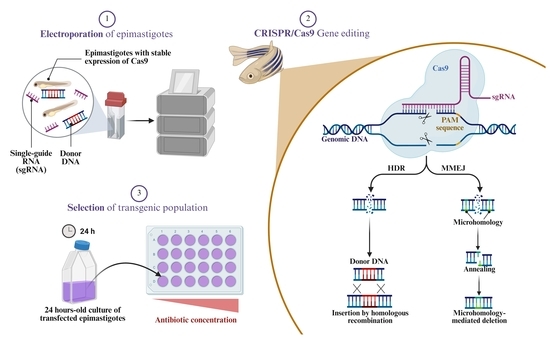
Graphical Abstract

1. Introduction

Zebrafish (Danio rerio) is a widely used vertebrate model for functional genomics because it combines rapid external development, optical transparency, and genetic tractability with relatively low experimental costs [1]. Rather than reiterating its historical adoption, the relevance of zebrafish to genome editing lies in how its biological features directly shape experimental outcomes, particularly for CRISPR-based technologies. In the 1990s, an ample number of mutant phenotypes were generated through a highly efficient N-ethyl-N-nitrosourea (ENU) mutagenesis; the first time such a large-scale genetic screening had been performed in vertebrates [2]. Since then, the community of zebrafish has kept growing to such an extent that over 300 laboratories are now using this model in the field of genetics, development, toxicology, pharmacology, disease modeling, neuroscience, cancer research, cardiovascular biology, behavioral studies, regenerative medicine, and drug discovery [3]. These features include early embryonic cleavage dynamics, frequent reliance on F0 phenotyping, a teleost-specific whole-genome duplication, and a pronounced capacity for genetic compensation. Genetic compensation refers to a transcriptional adaptation whereby deleterious mutations trigger the upregulation of related genes, often masking expected loss-of-function phenotypes in stable mutants [4].
From a genome-editing perspective, zebrafish embryos are uniquely accessible to microinjection at the one-cell stage, enabling the rapid delivery of nucleases, ribonucleoproteins, or donor templates. This accessibility supports high-throughput mutagenesis and screening but also contributes to somatic and germline mosaicism, which complicates genotype–phenotype interpretation [5]. Reported editing efficiencies, off-target rates, and germline transmission frequencies vary widely across studies and are highly dependent on the experimental context, including delivery format (RNP vs. mRNA), guide design tools, target locus, and the sensitivity of detection methods used. Consequently, quantitative values reported in the literature should not be interpreted as universal benchmarks but as protocol- and locus-specific outcomes. A biological factor often underappreciated in zebrafish gene-editing studies is genetic compensation, which has been repeatedly documented and linked to discrepancies between transient knockdown approaches and stable knockouts. This phenomenon is particularly relevant because of the zebrafish’s teleost-specific whole-genome duplication, which produces many paralogous gene pairs with overlapping or context-dependent functions, meaning that single-gene knockouts may yield weak or absent phenotypes unless paralogs are co-targeted.
The long-standing morpholino versus CRISPR controversy further illustrates the importance of critical interpretation. Morpholino-based knockdowns often produce strong and reproducible early phenotypes, yet many of these fail to recapitulate in CRISPR-generated mutants, largely due to genetic compensation, off-target toxicity, or dosage effects [6,7,8]. While CRISPR-based mutagenesis offers heritable and sequence-defined alleles, it is not immune to artifacts, including mosaicism, large on-target rearrangements, and incomplete functional loss in early development. As a result, neither approach can be considered universally superior; instead, their limitations necessitate complementary use and rigorous validation. Thus, the value of zebrafish as a genome-editing model does not stem from uniformly high efficiency or reproducibility, but from its suitability for iterative experimental design, in which rapid screening, stable line validation, and multi-level phenotypic analysis are combined [9,10,11,12,13]. This review focuses not on cataloguing gene-editing tools but on critically examining how zebrafish-specific biological constraints—mosaicism, genetic compensation, and gene duplication—interact with CRISPR, base editing, and prime editing technologies to shape experimental reliability and interpretability [14].
In terms of gene editing, the zebrafish model also has some disadvantages. For example, mutagenesis in zebrafish is relatively inefficient and results in somatic mosaicism. Specifically, adult zebrafish are mosaic in their germ cells and 26% of their offspring carry an off-target mutation and 9% carry structural variants, raising concerns about unintended genetic alterations that can be transmitted to subsequent generations [7]. An average germline transmission rate of 28% indicates that a significant portion of edited embryos may not contribute to heritable genetic modifications, requiring larger breeding efforts and extended timelines to establish stable knockout lines [15]. As a result, these genetic limitations require rigorous experimental design, comprehensive validation strategies, and complementary approaches; yet, zebrafish is a powerful vertebrate model for genome editing research until such time.
While zebrafish gene editing has been reviewed extensively, much of the literature still tends to treat technologies as a linear historical progression (ZFNs → TALENs → CRISPR) or as separate “tool categories” without explicitly linking them to the constraints that dominate zebrafish experiments [16]. In practice, zebrafish editing outcomes are disproportionately shaped by embryo-stage timing, rapid early cleavage cycles, mosaicism in somatic and germline compartments, and the frequent reliance on F0 phenotyping rather than multi-generation line establishment. These realities create a recurring design problem: investigators must select an editing strategy that balances speed (F0 readouts), precision (variant-level edits), scalability (throughput and automation), and confidence (validation burden and artifact control). Therefore, beyond compiling available systems, this review synthesizes gene-editing technologies through a zebrafish-centered framework as follows: (i) DSB-based nucleases optimized for robust knockout and screening; (ii) precision editors (base and prime editors) for allele-specific modeling; and (iii) delivery and validation pipelines that reduce mosaicism, minimize unintended structural outcomes, and improve reproducibility. A critical appraisal is increasingly necessary because “successful editing” in zebrafish can mask important failure modes. First, phenotypes observed in crispants may reflect heterogeneous allele mixtures, genetic compensation, or unintended edits rather than the intended genotype. Second, both on-target and off-target outcomes can include larger structural variants, complex indels, or unintended donor integrations that are not captured by simple short-amplicon genotyping. Third, efficiencies reported across studies often depend strongly on delivery format (RNP vs. mRNA/plasmid), reagent stability, embryo handling, and locus-specific repair behavior. Consequently, a practical review must not only describe platforms but also discuss trade-offs, validation standards, and decision points that determine whether an approach is appropriate for F0 screening, stable line generation, or precise disease-variant modeling.
The present review aims to add value in three specific ways. First, rather than presenting gene-editing systems as a catalog, we synthesize them through a zebrafish-centered framework that links experimental constraints (mosaicism, embryo-stage timing, and validation burden) to technology selection (nuclease vs. base vs. prime editing; RNP vs. mRNA/plasmid delivery; PAM-flexible and high-fidelity variants) and to the practical decision of F0 phenotyping versus stable line generation. Second, we emphasize recent enabling developments, particularly pre-assembled RNP delivery, PAM-flexible Cas variants, and precision editors, as a convergent set of solutions that increasingly make robust F0 studies feasible while improving specificity and interpretability. Third, we extend beyond molecular tools to discuss reproducibility infrastructure (automation, microinjection standardization, microfluidics, and multi-omics validation pipelines) that is actively changing what is scalable and repeatable across laboratories. Collectively, these elements position the manuscript as a critical, design-oriented resource for selecting, implementing, and validating zebrafish gene-editing strategies.

2. Evolution of Gene Editing Technologies in Zebrafish

A.
Early Genome Editing Tools: ZFNs and TALENs
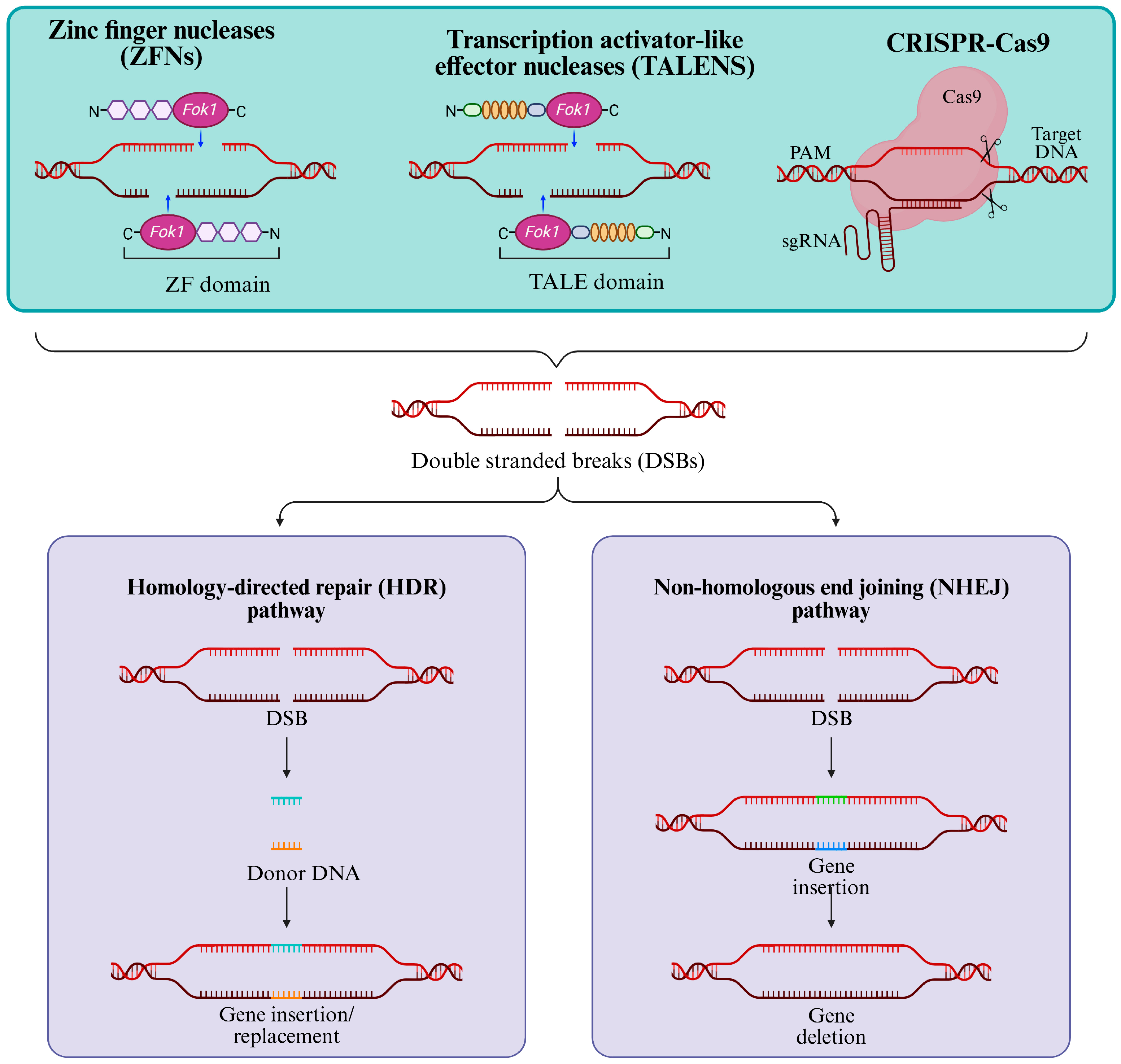
Zinc finger nucleases (ZFNs) [17] were the first programmable nucleases successfully applied in zebrafish and played a foundational role in establishing targeted genome editing in vertebrate models. Conceptually, ZFNs introduced the key principle of coupling a customizable DNA-binding module to a non-specific nuclease domain to induce site-specific double-strand breaks. This framework was later refined by transcription activator-like effector nucleases (TALENs), which improved target predictability through modular, one-to-one DNA recognition. Despite their historical importance, both ZFNs and TALENs are now largely obsolete in zebrafish genome editing (Figure 1). Their practical limitations include labor-intensive protein engineering, context-dependent target specificity, variable off-target activity, and limited scalability for multiplex or high-throughput applications. In addition, dependence on the FokI nuclease dimerization and reduced activity on methylated DNA further constrained their efficiency and reproducibility. As a result, these platforms primarily serve as conceptual predecessors that paved the way for RNA-guided CRISPR systems, which overcome many of these constraints through simplified design, greater flexibility, and improved experimental throughput [11].
B.
CRISPR-Cas9: A Revolution in Precision Genome Editing
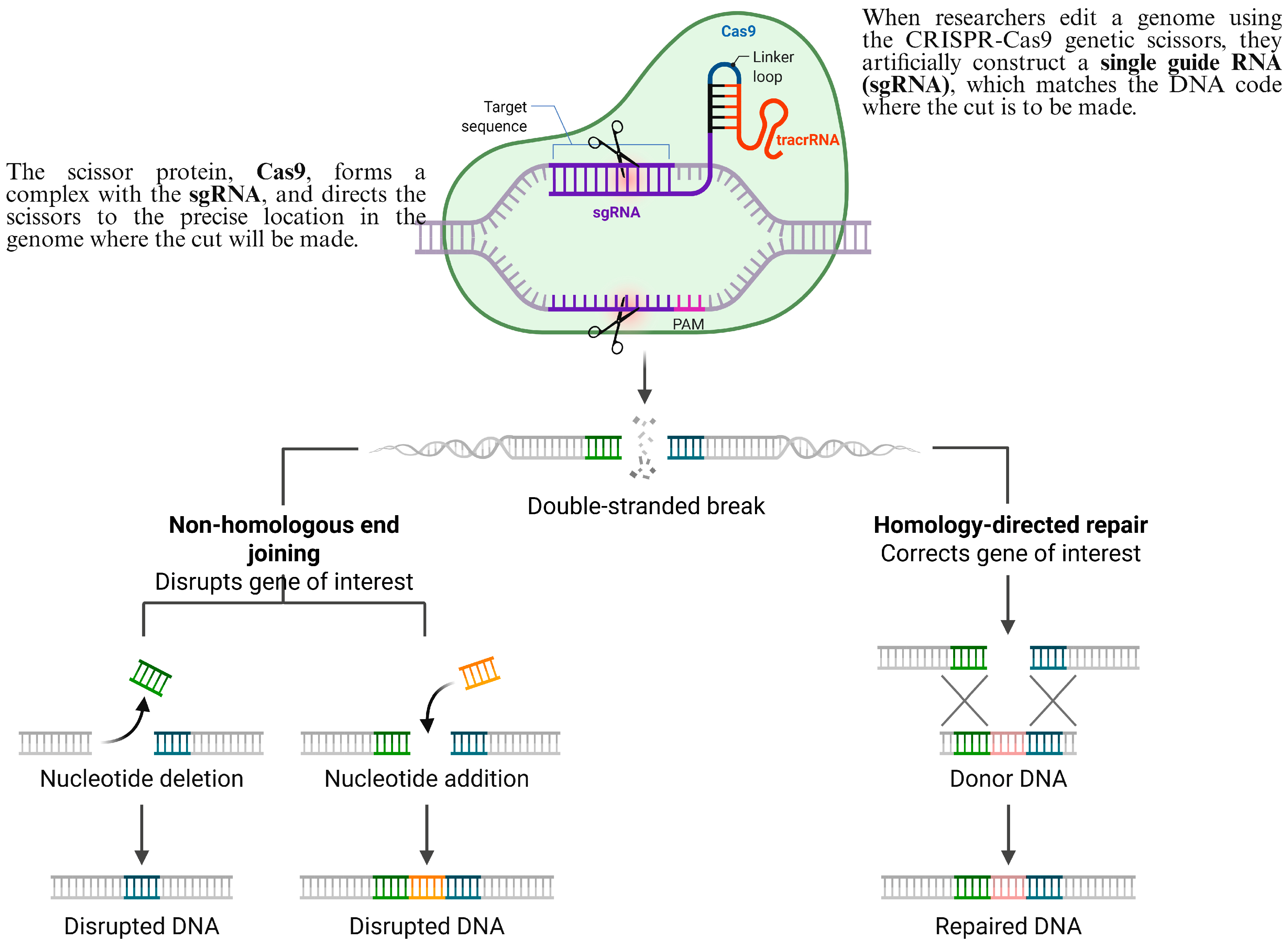
Despite the gene editing potential of traditional tools, including ZFNs and TALENs in zebrafish, the CRISPR-Cas (clustered regularly interspaced short palindromic repeats-CRISPR associated systems) system replaced them in 2012 when it was discovered as a bacterial defense mechanism against foreign nucleic acids (Figure 1). Soon, it became the most inevitably efficient gene knockout system in zebrafish and other model organisms due to its ease and simplicity of design/assembly, cost-effectiveness, reduced probability of generating off-targets, and increased efficiency of generating mutant generations [18]. In this method, CRISPR-associated system 9 or Cas9 is widely used as a nuclease to cleave the targeting sequence once the complex of CRISPR RNA (crRNA), trans-activating crRNA (tracrRNA), Cas9, and DNA is formed. Further improvements were later made to this system and thus a single guide RNA (sgRNA) was formed derived by the fusion of crRNA and tracrRNA. sgRNA has two main parts: a 20-nucleotide sequence at its 5′ end that is complementary to the target DNA and a Cas9-interaction interface at its 3′ end derived from the tracrRNA [19]. The purpose is to easily customize the sgRNA by replacing the 20-nucleotide targeting sequence with the sequence of interest. Once the customized sgRNA is transcribed, it binds to its complementary site in the genome and guides Cas9 to that specific location for cleavage. In early 2013, Hwang and Fu [16] firstly altered >80% of tested sites in zebrafish embryos using an engineered Cas9 mRNA and customizable ~100-nt sgRNAs. Targeted indels were successfully induced at the fh gene, and, among ten sgRNAs, eight achieved high mutation frequencies (24.1–59.4%), including in gsk3b and drd3 genes that were previously resistant to TALENs. Recently, a stable knockout line of zebrafish was established when Yin and Zhang [20] designed 3–5 sgRNA targets against the first exon of the ehd3 gene and used CRISPR/Cas9, which subsequently induced a 4-bp frameshift indel in 13 of 15 F0 fish (86.6%) and caused efficient premature termination. In another study, a 13-bp insertion was introduced in targeted exon 4 using CRISPR-Cas9, and fech knockout zebrafish (fech−/−) was generated, which produced a premature stop codon and truncated key protein domains, including the [2Fe-2S] binding motif [21]. The whole editing system was further modified specific to zebrafish when Ye and Lin [22] constructed a zebrafish U6 promoter-driven sgRNA (ZFU6-tyr) and co-injected it with Cas9 mRNA into embryos, which generated at least five tyr gene mutation types. They further built an all-in-one vector (ZFU6-LentiCRISPRV2) and confirmed its ability to induce ctgfa gene mutations in PAC2 cells. However, the sgRNA design requires that the target DNA must contain a three-nucleotide protospacer adjacent motif (PAM) sequence immediately downstream of the target region [23]. The most used Cas9 from Streptococcus pyogenes recognizes NGG and NAG as the PAM sequence. Since the typical target sites follow a N21-GG pattern, Cas9 cuts the DNA just upstream of the PAM sequence and generates DSBs [24]. However, Liu and Liang [25] also achieved efficient gene edits with ScCas9 in zebrafish at relaxed NNG PAM sites, showing strongest activity at NAG (up to 95.8%), moderate at NCG (up to 76.2%), and limited at NTG (50%). The chemically modified duplex guide RNAs (mdgRNPs) having 2′-O-methyl and 3′ phosphorothioate at both ends improved the editing efficiency up to 88.9% over unmodified guides. Similarly, when CRISPR-Cas9 was modified with sgRNAs containing extended PAM sequences, the in vitro and in vivo efficiency of genome editing was enhanced by 88.33% in sox9a and akirin2 genes compared with 72.87% with unmodified sgRNAs, and enabled efficient germline transmission with frequent bi-allelic edits [26]. The off-target mutations in zebrafish were reduced by combining CRISPR-Cas9 and low-temperature (LT) treatment while targeting the ywhaqa gene and its seven potential off-target sites. As a result, specificity of the editing system was enhanced where on-target mutagenesis of ywhaqa remained nearly 100% [27]. Like ZFNs and TALENs, CRISPR-Cas9 also takes advantage of the intrinsic cellular mechanisms to repair DSBs for both gene knockout (via NHEJ) and precise gene insertion (HDR).
i.
NHEJ (non-homologous end joining) is the predominant repair pathway in mammalian cells active during G1 and early S phases. It involves several key proteins including the Ku70/Ku80 heterodimer, which rapidly binds to the broken DNA ends and protects them from degradation. A DNA-dependent protein kinase catalytic subunit (DNA-PKcs) is then recruited to form the DNA-PK holoenzyme complex [28]. DNA ligase IV along with its cofactors XRCC4 and XLF (NHEJ1) then ligates the processed ends together. Because NHEJ does not require extensive homology between the broken ends, it frequently introduces small insertions or deletions (indels) of 1–50 base pairs at the repair junction. These indels subsequently disrupt the reading frame of protein-coding genes and create frameshift mutations that result in premature stop codons and gene knockout [29,30]. Carrara and Gaillard [31] investigated CRISPR/Cas9-induced DSB repair through the cNHEJ pathway in zebrafish embryos by generating lig4 mutants and found higher mutation frequency at most sites (over 95%). However, the typical 1-nucleotide insertions/deletions of cNHEJ largely remained preserved, indicating that Lig4 loss only mildly affected DSB repair at a few loci.
ii.
HDR (homology-directed repair) is less frequent than NHEJ but provides high-fidelity repair. This pathway is most active during S and G2 phases when sister chromatids are available as homologous templates. HDR begins with 5′ to 3′ resection of the broken DNA ends by nucleases, including the MRN complex (MRE11-RAD50-NBS1) and CtIP, which create single-strand DNA overhangs [32]. These overhangs are coated by RAD51 recombinase with the help of BRCA2 and other mediator proteins to form nucleoprotein filaments that search for homologous DNA sequences. When a homologous template is found, strand invasion occurs, followed by DNA synthesis to fill gaps and resolution of recombination intermediates [33]. In CRISPR applications, HDR can be provided with an exogenous donor template containing desired sequences flanked by homology arms matching the target locus to enable precise gene editing, knock-ins, or sequence corrections [34]. For instance, Oikemus and Hu [35] found that the use of homology-matched HDR templates significantly improved precise knock-in efficiency up to a five-fold increase and enabled robust germline transmission (>20% of founders) in CRISPR-mediated zebrafish knock-ins. Similarly, Krueger and Morris [36] used CRISPR-Cas9 to target the 5′UTR of zebrafish sox11a and insert an MYC epitope via five different HDR donor templates. Only two donors (Donor A and Donor E) achieved perfect integration, with 88% on-target HDR and over 50% germline transmission without any significant off-target HDR events.
However, the precise optimization of donor templates and repair pathways that is required to achieve highly efficient and precise knock-ins is what limits the potential of the whole editing system.
Although NHEJ and HDR are often described mechanistically, their practical applicability in zebrafish differs substantially. NHEJ predominates in early embryos and is highly efficient but inherently variable, frequently generating mosaic and heterogeneous alleles. In contrast, HDR occurs at low and inconsistent frequencies during early zebrafish development, largely due to rapid cell cycling, limited availability of homologous templates, and competition with NHEJ. Consequently, routine HDR-mediated knock-ins remain unreliable outside highly optimized experimental settings, and many reported successes require extensive screening, large sample sizes, or specialized donor designs. These constraints are often underrepresented in the literature, contributing to unrealistic expectations regarding precision editing in zebrafish.
C.
Advanced CRISPR-based Technologies
Off-target DSB formations, undesired indels, and reliance largely on error-prone NHEJ repair make CRISPR difficult to achieve precise editing outcomes. However, DNA-base editing mediated by CRISPR-Cas9 is evolving to bypass these challenges, where base editors induce direct chemical conversion of one base to another, while prime editors can insert, delete, or replace sequences up to several dozen base pairs through a reverse transcription mechanism without creating DSBs.
From “cut-and-repair” to programmable outcomes: a zebrafish decision framework.
CRISPR technologies can be most useful compared with the type of genomic outcome they program and the experimental burdens they impose on zebrafish. Base nucleases are generally the fastest route to loss-of-function alleles and remain dominant for high-throughput F0 screens, but they also amplify zebrafish-specific challenges: allele heterogeneity, mosaicism, and complex repair products. By contrast, base editors and prime editors shift the goal from “cut-and-repair” to “programmable outcomes”, enabling variant-level disease modeling and functional annotation of single-nucleotide changes. However, in zebrafish embryos, these precision systems often trade speed and simplicity for additional optimization needs (editor choice, pegRNA architecture, editing window constraints, and locus dependence) and a heavier requirement for sequencing-based validation. Accordingly, an effective zebrafish strategy is not defined by using the “newest” editor but by matching modality to question type: (i) nuclease knockout is typically preferred for rapid pathway discovery, epistasis testing, and phenotype-first screens, particularly when combined with RNP delivery and strong founder screening; (ii) base editing is best aligned with modeling pathogenic transitions or creating defined allelic series when a single substitution is sufficient and bystander edits can be controlled; and (iii) prime editing is conceptually the most versatile for short insertions/deletions and multi-base substitutions, but currently requires careful pegRNA optimization and realistic expectations about embryo-stage efficiencies. This review therefore emphasizes not only what each technology can perform, but also what it reliably performs in zebrafish, what failure modes are most common, and which validation steps are essential for interpretation [37,38]. While ribonucleoprotein delivery and an optimized guide design can reduce delayed nuclease activity and thereby limit mosaicism, substantial mosaic outcomes remain common in zebrafish embryos. Reported reductions in mosaicism are typically relative, not absolute, and often vary by locus, reagent concentration, and injection timing. Similarly, base and prime editors improve nucleotide-level precision by avoiding double-strand breaks, but in zebrafish their editing efficiencies frequently remain below those observed in mammalian cell culture and exhibit strong locus dependence. Bystander edits, incomplete editing, and variable germline transmission continue to constrain their routine application for precise disease modeling.
  • Base Editing (BE)
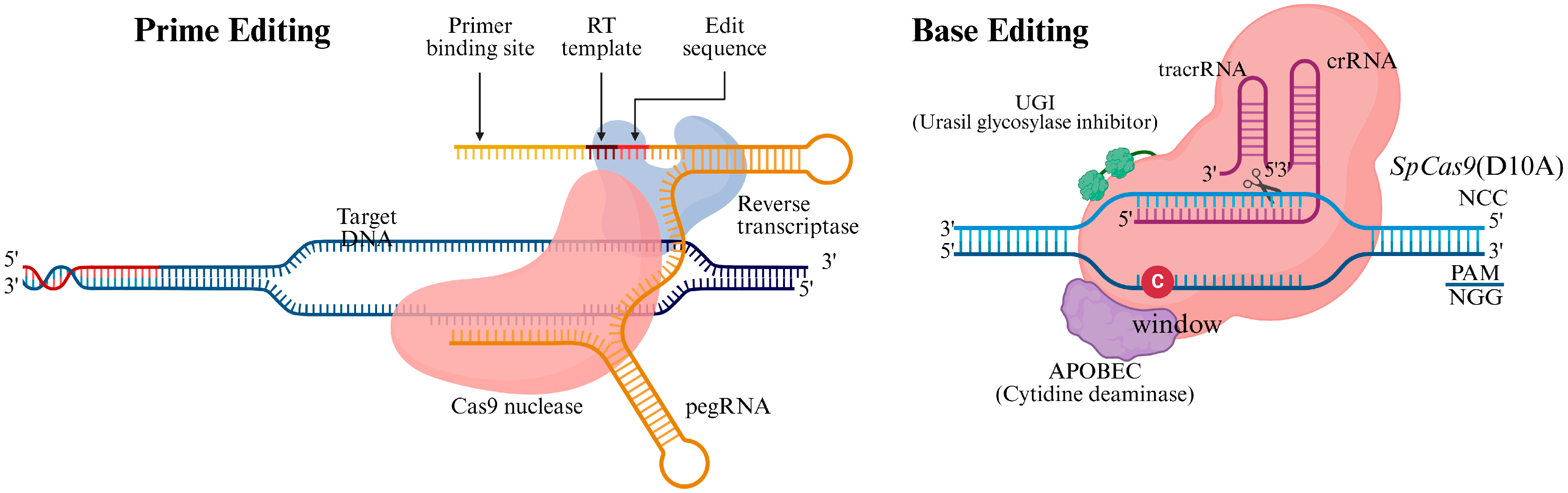
Base editing utilizes a catalytically impaired Cas9 protein (dCas9 or nickase Cas9) fused to a cytidine or adenine deaminase enzyme to achieve precise single nucleotide changes. In cytosine base editing (CBE) (Figure 2), the most common system uses APOBEC (apolipoprotein B mRNA editing enzyme, catalytic polypeptide-like) or AID (activation-induced cytidine deaminase) family enzymes fused to Cas9 nickase (Cas9n), which retains nuclease activity in only one domain [39]. The sgRNA guides this fusion protein to the target locus where the deaminase converts cytosine bases to uracil within a specific editing window, typically positions 4–8 upstream of the PAM sequence. The uracil/guanine mismatch is recognized by uracil DNA glycosylase (UNG), which removes the uracil base and thus creates an abasic site [40]. zevoCDA1-BE4max, an optimized cytosine base editor, edits cytosines across all sequence contexts (TC, AC, CC, GC) at 21 sites in 20 zebrafish genes following the main editing window at 1–9 positions from the PAM-distal end, while the truncated zevoCDA1-198 narrows the editing window (1–5) and cut off-targets to 0.04–6.04% [41]. The base excision repair (BER) pathway subsequently fills this gap, and, during DNA replication or repair synthesis, the uracil is read as thymine, resulting in a permanent C-to-T transition mutation. Zhong and Hu [42] utilized CRISPR-based zhyA3A-CBE5 as a cytosine base editor in zebrafish and found higher C-to-T conversion efficiencies (18.9% to 62.3%) across 12 target genes within the canonical window (C3–C11). This optimized base editing generated low indel rates (3%), showed clear motif preferences (mainly TC and CC) and preserved high specificity with negligible off-target substitutions. To prevent the uracil from being reverted back to cytosine, some base editors include a uracil glycosylase inhibitor (UGI) protein to block UNG activity [43]. Cas9 nickase creates a single-strand break in the non-edited strand to bias repair toward incorporating the edited base rather than the original base. Adenine base editors work similarly but use engineered adenine deaminases (such as TadA variants) to convert adenine to inosine, which is read as guanine during replication, resulting in A-to-G transitions [44]. The editing window, efficiency, and specificity can be modulated by choosing different deaminase enzymes, Cas9 variants, and sgRNA designs. For instance, Qin and Lin [45] achieved the highest C-to-T editing efficiency up to 79.12% at target loci with TadCBE in zebrafish. Its PAM-flexible variant, zTadCBE-SpRY, further expanded the target scope and maintained reliable germline transmission (60%) efficiency. In combination with BE4max, TadA-derived CBEs achieved consistently high editing efficiencies up to 99.33% at GC sites and 84.33% at CC sites in 22 out of 25 zebrafish loci [46]. Despite this, multi-generation phenotypic assessments remain insufficiently addressed as standardized in vivo safety benchmarks, and functional validation is essential before considering translational or clinical use.
2.
Prime Editing (PE)
Prime editing also takes advantage of a modified Cas9 enzyme called prime editor (PE) (Figure 2), which consists of a catalytically impaired Cas9 nickase (typically H840A mutant) fused to an engineered reverse transcriptase domain derived from the Moloney murine leukemia virus (M-MLV) RT. When five PEs from PE2, PE6b, PE6c, PEmax, to PE7 were compared in terms of introducing pure edits in zebrafish, PEmax achieved the highest efficiency up to 15.34% across four of five tested missense mutation sites [47]. However, nickase-based PE2 in another study achieved higher efficiency in precise nucleotide substitutions in the crbn zebrafish gene. For insertions, PEn with pegRNA demonstrated 10.3% efficiency for a 3 bp stop codon in ror2, 27.3% efficiency for a 3 bp insertion in adgrf3b and 8.5% efficiency for a 30 bp nuclear localization signal insertion into a reporter transgene [48]. The pegRNA consists of the standard 20-nucleotide spacer sequence for target recognition, a scaffold region for Cas9 binding, and a 3′ extension that includes a primer binding site (PBS) and a reverse transcription template (RTT) [49]. It has been found that pegRNA refolding and RTT mutations improved prime editing efficiency in zebrafish by 24.7-fold for substitutions, 4.6-fold for insertions, and 6.7-fold with RTT changes [50]. The pegRNA directs the PE complex to the target genomic site through standard Watson–Crick base pairing of the spacer sequence with the target DNA. Table 1 below shows the further comparison of base and prime editing in zebrafish, highlighting not only reported efficiencies but also key limitations, reproducibility constraints, and practical feasibility. Upon binding, the Cas9 nickase domain creates a single-strand break (nick) in the non-target strand, specifically cutting three base pairs upstream of the PAM sequence [51]. When CRISPR-based PE7 was combined with La-accessible pegRNAs, Qin and Lin [52] achieved the highest prime editing efficiency in zebrafish at cacng2b (2.75-fold over PE2), and precise indels of 13.18% insertions and 16.6% deletions. The free 3′-hydroxyl group generated by this nick serves as a primer for the reverse transcriptase domain. The RTT region of the pegRNA, which contains the desired edit flanked by sequences homologous to the target site, then hybridizes to the nicked DNA strand through the PBS region (typically 10–13 nucleotides long) [53]. The reverse transcriptase then synthesizes a new DNA strand using the RTT as a guide and incorporates the desired nucleotide changes, insertions, or deletions directly into the genomic DNA. This process creates a heteroduplex structure with one edited strand and one unedited strand. The cellular mismatch repair and replication mechanisms resolve the heteroduplex to produce the final edited product [54]. Petri and Zhang [55] investigated CRISPR-based prime editing in zebrafish and achieved precise prime edit rates up to 4.01% for point mutations, 33.61% for deletions, and 18.00% for insertions, along with a significant germline transmission potential. This continuous innovation reflects a clear trajectory towards achieving higher precision, reduced unintended consequences, and, ultimately, more accurate and reliable genetic manipulation for both fundamental research and therapeutic applications.

3. Methodologies and Experimental Workflow

The successful application of gene editing in zebrafish involves a thorough experimental workflow including the precise designing of editing components, efficient delivery into embryos, and rigorous post-editing procedures for accurate screening and characterization.
A.
Design of Gene Editing Components
  • gRNA Design Principles
gRNA design is frequently presented as a deterministic step governed by computational scoring; however, in silico predictions show only partial agreement with in vivo performance, particularly in teleost genomes. Most gRNA design algorithms are trained on mammalian datasets and assume chromatin accessibility, repair kinetics, and transcriptional contexts that may not fully apply to zebrafish embryos. As a result, guides ranked highly by one algorithm may perform poorly in vivo, while low-scoring guides may yield robust mutagenesis. Discrepancies among prediction tools are common, as different algorithms weight GC content, PAM proximity, mismatch tolerance, and thermodynamic features differently. Importantly, no single tool reliably predicts both cutting efficiency and phenotypic penetrance, and agreement between tools does not guarantee biological relevance. Moreover, computational models do not account for the developmental timing of Cas activity, mosaicism, or locus-specific DNA repair biases, all of which strongly influence mutational outcomes in zebrafish. From a practical perspective, gRNA selection should therefore prioritize empirical robustness rather than maximally predicted scores. Conservative off-target filtering, the use of multiple independent gRNAs per locus, and early validation of mutagenesis efficiency in vivo are more reliable than reliance on a single prediction algorithm. For genes arising from post-teleost genome duplication, paralog compensation further complicates interpretation and often necessitates multiplex targeting strategies.
Successful CRISPR-based gene editing requires a carefully designed gRNA due to its role in determining the precise genomic location for Cas protein to ensure target cleavage. A highly precise and targeted gRNA design is also important to enhance editing efficiency and reduces dangerous off-target effects [58]. In terms of a manual gRNA design, the target sequence must be immediately upstream of a PAM to facilitate the binding and cleavage of Cas protein. It has been established that SpCas9 is highly efficient at NGG PAMs but largely remains inactive at non-NGG sites. However, Vicencio and Sánchez-Bolaños [59] broadens this editing scope by engineering variants SpG and SpRY. In zebrafish embryos, SpG achieved high activity at 6/15 NGH targets and SpRY edited 3/8 NAN targets, with an efficiency of 91.5% and 68.55, respectively, showing that placing the target sequence immediately upstream of respective PAMs is critical. The gRNA should be 20 nucleotides long and should ideally have 40–60% GC content for optimal binding specificity and cutting efficiency [60]. Liu and Yang [61] showed that Cas9-mediated DNA cleavage with the canonical 20-nt sgRNA achieved the highest efficiency up to 25% and the fastest in vitro cleavage. In contrast, sgRNAs having 21-nt, 22-nt, 23-nt, and 17-nt showed compromised editing with 16.8%, 13.39%, 13%, and 4.5% efficiencies, respectively. A sequence of four or more identical nucleotides, particularly poly-T stretches, should be avoided. A modified gRNA scaffold showed maximum editing efficiency and prevented premature Pol III transcription termination when its 4T sequences were replaced with 3TC, especially under limited vector conditions and across Cas9 variants (SpCas9, SaCas9, ABEmax) [62]. For gene knockout applications, early exons or critical functional domains should be targeted to ensure loss of protein function. Similarly, targeting specific sequences that encode the N-terminus or first half of functional protein domains produces more robust phenotypes and higher penetrance compared with C-terminal regions [63]. Optimized gRNAs directed at the first half of the functional protein domains produced over 80% strong phenotype penetrance in F0 zebrafish knockouts, whereas targeting C-terminal regions exhibited highly variable penetrance [64].
Various computational tools have also simplified the process of designing gRNAs to achieve precise edits and predict off-targets. Schmidt and Zhang [65] presented GuideScan2 as a genome-wide gRNA design tool that reduces confounding low-specificity gRNAs in CRISPRko/CRISPRi screens and allows allele-specific targeting while also supporting different gRNA lengths, PAMs, and bulges. Ideally, an optimal gRNA design requires balanced on-target efficiency and minimal off-target effects that CRISPRon and CRISPRoff provide. For instance, CRISPRon selects gRNAs based on cleavage efficiency and target regions while CRISPRoff evaluates off-target potential with a specificity score (CRISPRspec) to recommend target regions for knockout, activation, or repression [66]. Moreover, Poudel and Rodriguez [67] employed GuideMaker as a gRNA design tool, which rapidly identifies potential targets and applies stringent filtering to ensure specificity. Across multiple organisms, it generates guides with an average efficiency of 96.8% sequence identity. Various computational tools are effective in improving gRNA design and enhancing editing efficiency despite sequence complexity. According to Develtere and Waegneer [68], gRNAs designed by SMAP design achieved maximum retention across 11 genomes without any notable off-target activity. SMAP design also ranks candidates by efficiency and specificity scores, which further simplifies the selection of the most functional gRNA. Recently, tools like PathoGD, CRISPRware, CRIBAR, and Crackling Cloud have also been introduced to precisely design gRNAs to ultimately induce targeted edits. Besides the gRNA design, the on-target editing efficiency of a gRNA can also be predicted computationally. CRISPR-OTE predicted gRNA efficiency on the basis of DNA sequence patterns and physicochemical features (melting temperature, gRNA secondary structures), with a consistent efficiency gain of 3–4% over existing deep learning tools [69]. Beyond gRNA designs, gRNA concentration and the use of synthetic gRNAs over in vitro transcribed gRNAs or chemically modified gRNAs are critical for optimizing the CRISPR-mediated editing efficiency in zebrafish [70].
2.
Plasmid Construction and mRNA Synthesis
After designing and constructing CRISPR components, the synthesis of expression vectors or in vitro mRNA is required to deliver the editing components into zebrafish embryos. Plasmid vectors are versatile tools that serve such editing applications from DSB generation, homology-directed repair to nicking, prime editing, base editing, and transcriptional regulation [71]. The two primary methods are preferred for the expression of target-specific gRNAs, which involve in vitro transcription (IVT) from DNA templates: cloning the target sequence into a vector having a T7 or SP6 promoter along with the constant 3′ region of the gRNA or using fill-in PCR to generate a template directly from oligonucleotides. The fill-in PCR method requires a 52-nucleotide forward oligonucleotide with a T7 promoter sequence, the 20-nucleotide target-specific spacer sequence, a 15-nucleotide tail for annealing, and an 80-nucleotide reverse primer that adds the gRNA invariable 3′ end to generate a 117 bp PCR product suitable for IVT [72]. The mMESSAGE mMACHINE T7 transcription kit is widely in use for in vitro transcription to synthesize both Cas9 mRNA from linearized plasmid DNA and gRNA from PCR-generated templates [73]. For gRNA expression vectors, Barrientos, Shoppell [74] designed a pT7-gRNA plasmid to drive the expression of the gRNA scaffold and allow simple cloning of different target sequences to be injected in zebrafish embryos. Similarly, Martin-Valiente and Du [75] synthesized zebrafish codon-optimized Cas9 constructs like pT3TS-zCas9 for mRNA synthesis, in which nuclear localization signals (NLS) were included to direct the Cas9 protein to the nucleus in eukaryotic cells. Researchers have also largely suggested modified methods of constructing gRNA expression vectors to improve the efficiency of CRISPR-mediated editing. For instance, Carpenter and Law [76] engineered an optimized gRNA expression vector, pLentiCRISPR1000, having a modified gRNA sequence to prevent premature termination and incorporating loxP sites for the Cre-mediated removal of Cas9/gRNA cassettes. As a result, the system facilitated the efficient cloning of target gRNAs and achieved precise deletion of large regions such as the 29.5 kbp A3B locus and produced near 100% knockout efficiency for MSH2. Moreover, Breunig and Durovic [77] presented the STAgR method for the one-step synthesis of multiplex gRNA expression vectors, with up to 34% efficiency and >90% accuracy. The resulted plasmids functioned as effectively as sgRNA vectors and allowed the successful knockout of GFP and Sox2 in adult zebrafish brains. Recent advances increasingly focus on the delivery of pre-assembled Cas9 RNPs, high-fidelity/base/prime editors, and streamlined multiplex gRNA assemblies to improve precision and speed while reducing plasmid-associated toxicity and following optimized delivery protocols.
B.
Delivery Methods
  • Microinjection
Microinjection is the most direct and physical approach of delivering CRISPR components into the nucleus of embryos for knockout applications. Researchers take advantage of this method to deliver Cas9 and sgRNAs of any size and weight into the fast-dividing cells without considering the cytoplasmic or extracellular barriers [78]. Injecting CRISPR components into the zebrafish requires one- to two-cell stage embryos in a Petri dish, injecting solutions such as DNA, RNA, or dye using fine glass pipets. Under a dissecting microscope, the pipet is guided into the embryonic cytoplasm, after which embryos are transferred to fresh medium, incubated, monitored for survival, and prepared for downstream analyses [79]. Kobayashi and Jamieson-Lucy [80] injected CRISPR-related materials into stage I zebrafish oocytes using fine-tipped needles and achieved successful delivery of 50 oocytes per hour and a high survival rate of injected oocytes. However, this much manual interference and the procedural technicality make this delivery method low throughput. To overcome this challenge, Chen and Jiao [81] developed a robotic microinjection system and delivered CRISPR/Cas9 components into 1500 cells and zebrafish embryos per hour with >95% post-injection viability. Furthermore, Abdelrahman and Hasan [82] standardized the zebrafish CRISPR delivery through calibrated microinjection system at the one-cell stage to deliver ≤4.2 nL volumes with droplet sizes precisely controlled by injection time and pressure using slant-cut needles with 0.5 µm tips. Recently, Guo and Zhao [83] integrated a microfluidic chip, vision algorithms (YOLOX and MMPOSE), and a micro-force sensor for the precise delivery of CRISPR. In this method, zebrafish embryos at the 1–4 cell stage were injected with 2 nL of PCS2 vector (150 ng/μL), with an injection efficiency of 20 s per cell and a puncture success rate of 100%. Furthermore, this automated method improved embryo survival to 84% and reduced operator-dependent variability compared with manual injection (53 s/cell, 66% survival). Though this automated method reduces manual intervention, it requires specific instruments and setup skills. Similarly, the damage to zebrafish embryos and their inability to hatch after microinjection is still a concern.
2.
RNP Injection
The independent delivery of CRISPR components as it occurs in microinjection involves the intracellular expression of protein and RNA entities. In contrast, ribonucleoprotein (RNP) injection inoculates the Cas9/sgRNA complex as a single cargo into the cell and minimizes the chances of DNA integration into the genome, as well as the subsequent off-target events [84]. This technique takes advantage of the electrostatic interaction between the positively charged Cas9 protein and the negatively charged sgRNA to form a complex during incubation. Hence, this complex eliminates the need for intracellular transcription/translation and directly initiates gene editing once the complex is translocated into the nucleus [85]. The procedure involves purification of the Cas9 protein and synthesis of sgRNA (through in vitro transcription or commercial sources) to form an RNP complex in a buffer. A single-stranded DNA donor with optimized homology can also be introduced for precise edits. The RNP mixture is then injected into cultured cells [86,87]. For instance, Lu and Leach [88] prepared RNPs by annealing crRNA:tracrRNA with Cas9 and injected into one-cell zebrafish embryos. As a result, 98% knockdown in genotyped larvae and 85% in pooled larvae were detected, along with minimal embryo mortality rate. Similarly, Davis and Castranova [89] achieved targeted editing of zebrafish slc45a2, chrna1, and plxnd1 genes using crRNA:tracrRNA–Cas9 complexes in combination with dgRNP. Quadruple dgRNP injections in transgenic lines subsequently yielded pigment-free, immobilized embryos with efficiency up to 90%. When the zebrafish rpe65a gene was targeted, CRISPR/Cas9 RNPs were microinjected at the one- to four-cell stage and achieved strong in vitro activity. After microinjection, 30% abnormal embryos with indels were observed, with 31.7% overall editing efficiency [90]. The chemical modification of Cas9 and sgRNA can improve this RNP-mediated editing by enhancing their intracellular molecular stability. For instance, Qin and Lin [52] modified pegRNAs at their 5′/3′ ends and further optimized into La-accessible pegRNAs with a polyU-tail modification prior to injecting RNPs into zebrafish embryos as prime editors. These modifications enabled PE7 to achieve 6.98–11.46-fold higher efficiency than the unmodified version and induced precise insertions of 6 bp and deletions of 10 bp. Vrieze and Bruijn [91] also achieved successful knock-ins when an RNP complex of Cas9-sgRNA in combination with a symmetric antisense HDR template was injected into zebrafish zygotes. As a result, 100% of the injected embryos demonstrated editing activity, low toxicity, stable germline transmission, and no off-target events. Nonetheless, efficient HDR-mediated knock-ins, mosaicism and scalability, and tissue-specific delivery remain major challenges that still limit its broad applicability.
3.
Plasmid Delivery
Delivering the CRISPR editing system through plasmid DNA is a cost-effective, simple and the most conventional method. When the plasmid encoding Cas9 and gRNA translocated into the nucleus of the target cell, the transcription and translation of the CRISPR editing components is facilitated via cellular machinery [92]. Thereby, plasmid DNA provides sustained Cas9 expression in the cell and facilitates the generation of stable lines when extended editing activity is needed [93]. For instance, when Cas9-U6sgRNA-based plasmids were delivered by transfection into medaka embryos, Zhang and Wang [94] achieved knockout and knock-in events both in vitro and in vivo with higher indel rates (from 31.2% to 93.7%). Similarly, Escobar-Aguirre and Arancibia [95] developed LcU6ZF plasmid by modifying the LentiCRISPR Puro V2 vector with an mCherry reporter and a zebrafish U6 promoter for sgRNA expression. As a result, the plasmid delivered Cas9/sgRNAs successfully and achieved 10% editing efficiency in CHSE/F fish cells and over 90% transfection efficiency in HEK293-T human cells. In zebrafish, Ablain and Durand [96] injected plasmid DNA in combination with Tol2 mRNA and achieved efficient gene disruption, with mutation rates of about 25–43% in F0 embryos and up to 70% in stable F1 transgenics. Stable knock-ins and increased germline rates were also observed in zebrafish embryos when injected with donor plasmids carrying bait sequences, and hsp70 promoter genes due to genomic integration through homology-independent repair and the subsequent forward and reverse orientations producing expression [97]. Ota and Taimatsu [98] also achieved 40% indel frequency by synthesizing gRNAs from a pDR274 vector and Cas9 mRNA from a pCS2-hSpCas9 plasmid and co-injecting them into one-cell zebrafish embryos. As a result, a stable Tg[pax2a-hs: eGFP] line of zebrafish strain was developed in which the eGFP reporter gene has been permanently integrated at the pax2a locus and is heritably transmitted across generations. However, this plasmid-based CRISPR delivery is not widely used nowadays for gene editing applications in zebrafish owing to the higher off-target event rates. Moreover, the plasmid-mediated CRISPR delivery requires a long time for transcription and translation to initiate gene editing [99].
4.
Electroporation
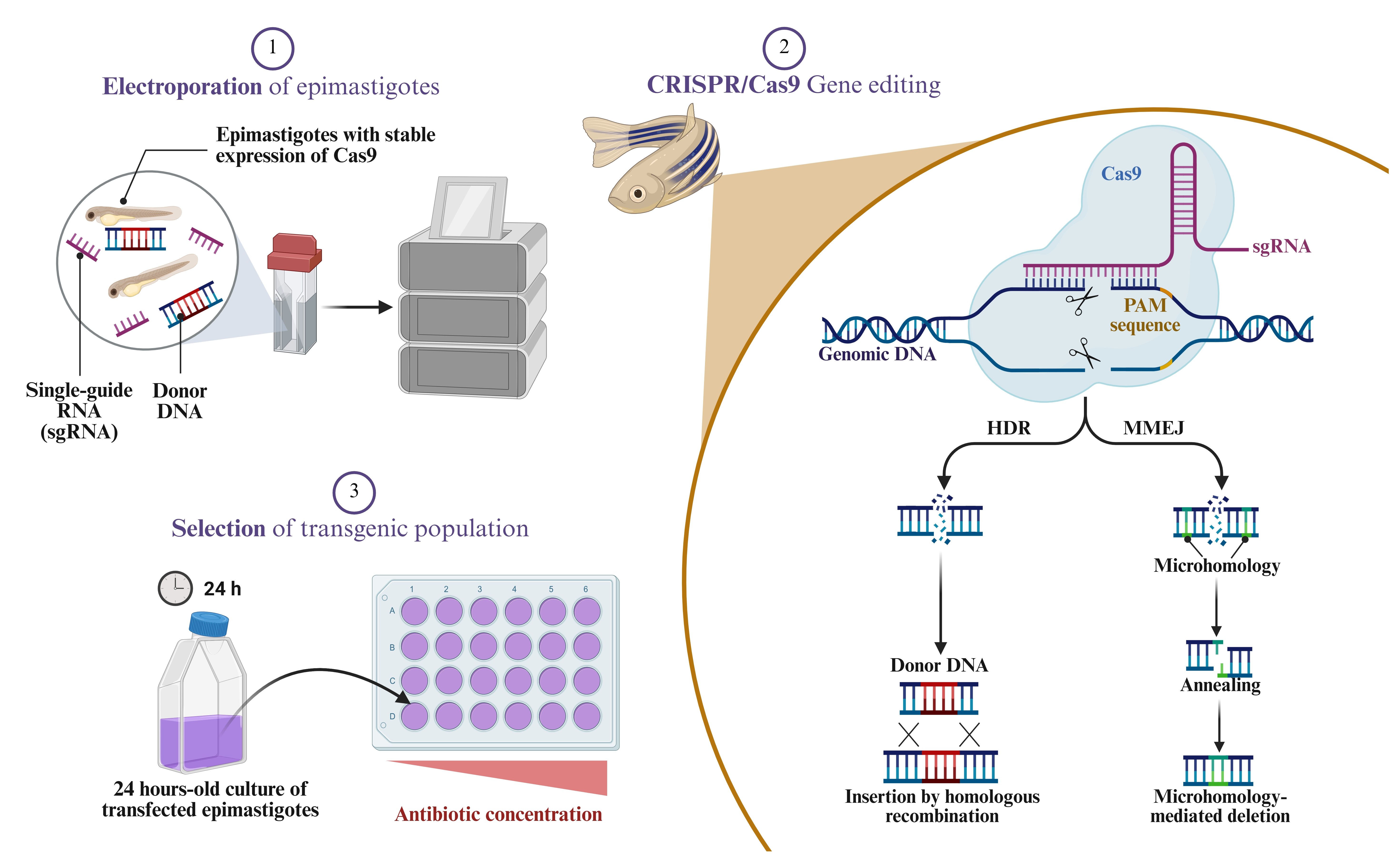
Electroporation is another widely applicable physical mode of delivering CRISPR components into the later-stage embryos and tissues. This method bypasses the complex procedures of generating viral vectors and modifying cargo editors prior to their delivery to the embryo [100]. A pulsed electric field is applied during electroporation to create wide temporary micropores in the extracellular membranes, which ultimately facilitates an increased exchange of cargos into the cell. This transiently reversed cellular permeability is beneficial for the absorption of editors and returns to its normality once the electric field is canceled, leaving no impact on the cell [101]. In zebrafish, electroporation is used to deliver plasmid mixtures or CRISPR constructs, including Cas9, sgRNAs, and fluorescent markers combined with a Tol2 transposon backbone to improve integration. Anesthetized fish given a subcutaneous injection of plasmid mix are exposed to controlled electric pulses across the injection site to facilitate DNA uptake [102]. Hendricks and Jesuthasan [103] found that the target brain regions of zebrafish yielded the highest plasmid DNA uptake, followed by five 30 V, 1 ms pulses, after which about 60% of cells co-expressed dual reporters and up to 100 embryos were processed per hour with low lethality. In contrast with other physical delivery methods, electroporation is efficient for multiple stages of embryo development. For instance, Zhang and Ren [104] successfully delivered CRISPR into zebrafish when embryos at 8–16 cell stages were exposed to plasmid DNA under electric pulses, producing eGFP expression in 37% embryos. Specifically, Cas9 RNP electroporation targeted the slc45a2 gene, which subsequently induced pigmentation loss in 11.2% larvae and near-complete albino phenotypes in 4.2%. Furthermore, Callahan and Tepan [105] targeted the rb1 gene through the TEAZ electroporation method, which led to melanoma formation in 8 of 9 adult zebrafish, showing faster tumor development within 3–7 weeks and producing stable transgene expression for up to 8 months. This modified method allowed precise, localized somatic integration of multiple stages with 100% co-expression efficiency without transposase mRNA. However, the higher rate of cellular mortality and reduced editing efficiency under a standard electroporation protocol is still rendering this method to not be used widely.
C.
Post-Editing Procedures
Phenotypic assessment in zebrafish genome editing is frequently biased toward early developmental stages, where throughput is high but biological complexity is limited. F0 phenotyping is particularly vulnerable to false positives, as mosaicism, transient developmental disruption, and stress-induced effects can mimic gene-specific phenotypes that fail to reproduce in stable lines. Numerous studies have shown that phenotypes observed in crispants do not consistently persist in germline-transmitted mutants.
Reproducibility is further compromised by genetic background effects, facility-specific husbandry conditions, and differences in phenotyping thresholds. Importantly, negative or non-reproducible outcomes are rarely reported, contributing to publication bias and inflated expectations of robustness. High-throughput sequencing has revealed that on-target editing can generate complex structural variants not captured by standard genotyping assays, further complicating interpretation.
  • Husbandry and Rearing
The maintenance of healthy zebrafish stock and the consistent production of high-quality embryos for successful gene editing experiments demand strict adherence to optimal husbandry practices. Effective husbandry replicates the natural ecological conditions where zebrafish thrive, in shallow, slow-moving water, sandy substrates, and vegetated floodplains. Recently, Hillman and Fontana [106] suggested tank density, sex ratios, water parameters (pH, temperature), type of racks, lighting, noise and vibration levels, diet, tank size relative to testing tanks, group housing conditions, and transport to testing rooms as standard husbandry factors to ultimately achieve standardized outcomes. Thereby, abiotic parameters are tightly controlled in laboratory facilities [14]. For instance, 28.5 °C is maintained as an optimal temperature for healthy embryonic and adult zebrafish physiology. In addition, vigorous water quality management is an essential part of these husbandry practices, where water chemistry is balanced with pH between 7 and 8, alkalinity at 50–75 ppm, and hardness between 75 and 200 ppm to ensure stability and ion availability. Conductivity ranges from 200 to 3000 µS/cm with regulated salt addition, and dissolved oxygen levels remain at 6–8 mg/L, which suppress the stress and mortality rates [107]. Meanwhile, biological filtration minimizes the nitrogenous waste and keeps converting ammonia into nitrate, supported by mechanical and chemical filtration and UV sterilization in recirculating systems. Optimal spawning is ensured by setting the photoperiod at 12:12 or 14:10 light–dark cycle, with uniform illumination around 300 lux [108]. A thoughtful nutrition strategy combines live prey (rotifers, paramecia, Artemia) and defined formulated diets tailored to life stages in the form of frequent small feedings to enhance growth and reproductive fitness. In terms of biotic management, facilities maintain group housing at 4–10 adults per liter to preserve shoaling behavior [109]. Shirong and Ye [110] maintained two-month-old zebrafish in 3 L tanks (20 fish/tank) at the Wuhan Zebrafish Center. As a result of an optimized mixed diet combining Artemia and pellets, spawning, fertilization, and hatching were significantly improved. Similarly, breeding strategies avoid full-sib mating to prevent inbreeding depression and maximize genetic diversity. The quality of mutant and transgenic lines is ensured by heterozygous outcrossing followed by controlled in-crosses, after which the embryos are constantly screened to maintain desired genotypes [111]. Under ideal rearing conditions of embryo medium, temperature, nutrition, tank density, recirculation, and light–dark cycle, zebrafish embryos showed high survival rates up to 100% and timely development into metamorphic stages [112]. After delivering the CRISPR constructs, embryos are incubated at 28.5 °C in Petri dishes with defined embryo medium. The regular transferring of hatched larvae to nursery tanks at appropriate densities is also considered. Early rearing requires frequent feeding and careful monitoring to ensure uniform growth and high survival into the juvenile stage [113]. Recently, Sadamitsu and Velilla [114] maintained zebrafish by sib pair or mass mating in combination with selective breeding. Embryos were reared at <50–100 per dish with daily water changes, fed rotifers and brine shrimp, and then moved to circulation systems. Post-CRISPR injections at the 1-cell stage, embryos showed 87–92% survival and efficient editing. Stemerdink and Broekman [115] generated CRISPR-mediated stable mutant adgrv1 zebrafish lines under standard husbandry conditions and reared injected embryos at the single-cell stage at 28.5 °C in E3 embryo medium and achieved viable homozygous adgrv1rmc22 mutants of high quality. Similarly, the onset of pathogen transmission is reduced through regular quarantining of new stocks, bleaching of embryos, and routine sanitation of tanks and equipment. Owing to all these recommended husbandry practices, zebrafish facilities are designed with compartmentalized spaces for quarantine, nursery, and adult housing made of impermeable materials resistant to biofilm growth and HVAC systems for climate stability [116].
  • Husbandry variability and stress as confounders of CRISPR phenotypes
Although standardized husbandry conditions are often described as “optimal”, in practice substantial variability exists among zebrafish facilities in terms of temperature stability, stocking density, water chemistry, feeding schedules, lighting, handling frequency, and noise exposure. Such environmental differences can significantly influence developmental rates, stress hormone levels, immune responses, and gene expression, thereby introducing phenotypic variability that may confound interpretation of CRISPR-induced effects. Suboptimal or fluctuating conditions have been shown to alter penetrance and expressivity of developmental and behavioral phenotypes, particularly in early-stage analyses when CRISPR experiments are most conducted [106].
Animal welfare and stress represent additional, often underreported confounding variables. Repeated handling, injection procedures, high-density housing, and water-quality stressors can activate neuroendocrine stress pathways that interact with genetic perturbations, potentially masking or exaggerating mutant phenotypes. While environmental standardization and reporting guidelines improve reproducibility, they cannot fully eliminate facility-specific effects. Therefore, phenotypic differences observed across laboratories should be interpreted cautiously, and negative or variable results should not be assumed to reflect biological insignificance without consideration of environmental- and welfare-related factors [117,118].
2.
Mutation Screening and Genotyping
Several mutation screening and genotyping strategies are used to detect the induced mutations in embryos and adult zebrafish. In general, embryonic screening demands the use of rapid, high-throughput methods, while adult genotyping involves non-lethal sampling techniques for line maintenance and breeding decisions. At the embryonic stage, mutations are quickly detected by high-resolution melt analysis (HRMA), T7 endonuclease I (T7EI) assay, restriction fragment length polymorphism (RFLP), and PAGE-based heteroduplex mobility assays from pooled samples [119]. Lutzke and Carter [120] found that HRMA detected CRISPR-induced mutations in the tyr1 gene of zebrafish embryos, clearly distinguished mutant from wild-type PCR products, and synthetic templates confirmed its accuracy for detecting single-base sequence differences. HRMA also detected gclm mutations in P0 zebrafish and confirmed germline transmission in F1 while validating the primer design before sequencing [121]. Similarly, the T7EI assay has been found to be a reliable screening method for detecting heteroduplexes in PCR-amplified DNA, as Zheng and Hill [122] distinguished wild-type, heterozygous, and homozygous alleles in zebrafish embryos, along with added wild-type PCR products, which allowed the clear separation of homozygous mutants. When tested on various mutations, including an 8-bp deletion in adamts13, a 2-bp deletion in ankrd26, and a 7-bp insertion in vwf, T7EI-based detection achieved 100% accuracy. Post-CRISPR injection, small deletions of 6–12 bp were detected in the ints14 gene of zebrafish by T7EI cleavage and sequencing, which ultimately terminated the translation of INTS14 protein [123]. In the RFLP method, PCR products from edited embryos are digested to detect the loss of restriction sites, as Keatinge and Tsarouchas [124] identified frameshift induction in the hexb gene of zebrafish with 87% efficiency. Researchers often combine the detection potential of RFLP with other emerging screening strategies to enhance the precise identification of indels and specifically point mutations. For instance, Carrington and Ramanagoudr-Bhojappa [125] considered a hybrid approach by combining CRISPR-STAT and RFLP and detected point mutation in the mitfa gene induced by HDR in zebrafish. For adult zebrafish, non-lethal fin clipping and scale sampling provide tissue for DNA extraction, followed by PCR amplification and direct genotyping through sanger sequencing or next-generation sequencing (NGS). Klatt Shaw and Mokalled [126] performed indel detection on tail-fin DNA to genotype CRISPR/Cas9 dgRNP-edited regeneration-associated genes such as bach1a/b, junbb, spi1a, and egr1. Following DNA extraction, PCR-based capillary electrophoresis was performed and further validated by NGS and thus achieved 95% detection accuracy. When PCR products from the eys (eyes shut homolog) gene of adult zebrafish were combined with sanger sequencing, Schellens and de Vrieze [127] detected precise exon deletions with no off-targets. Thomas and Yoder [128] found that the NGS-based detection of indels induced particular by HDR is more reliable and efficient than inference of CRISPR edits (ICE) analysis and allele-specific PCR (AS-PCR). Recent advances combining high-throughput NGS, single-cell genotyping, and automated bioinformatic pipelines are rapidly increasing sensitivity and throughput for zebrafish mutation screening.
3.
Germline Transmission Screening
The ultimate goal of CRISPR-induced genetic editing is to establish stable heritable mutant lines. Hence, germline transmission screening is required to determine the success of mutation transmission into offsprings. This involves outcrossing of F0 fish to wild-type fish and producing F1 embryos whose genotyping per cross reveals the germline transmission rate. F1 heterozygotes are further intercrossed to generate F2 offspring segregating in 1:2:1 Mendelian ratios to establish stable lines [129]. The transmission rates of induced mutations largely depend on the delivery method of CRISPR components into zebrafish embryos. For instance, it has been found that an oocyte-specific genome editing protocol with multiple sgRNAs achieved 100% transmission, in which over 90% of offspring carried heritable deletions even exceeding 20 kb [130]. When CRISPR-Cas9 RNP complexes were injected with lssDNA (long single-stranded DNA), a greater germline transmission (up to 29%) and more precise integrations than longer 300 nt arms were observed. The screening of F0 founders through allele-specific PCR and sequencing confirmed correct integration in both junctions, and the outcrossing of F1 embryos showed stable and heritable knock-ins [131]. Sometimes, a two-step screening strategy is employed to accurately identify germline-transmitting individuals and ensure the reliable detection of transmitted CRISPR-induced alleles with minimal false positives. Following the microinjection of 1-cell zebrafish zygotes with gRNA and Cas9 mRNA, Gabellini and Pucci [132] reliably detected heritable mutations by outcrossing F0 founders with wild-type fish and screening F1 progeny through HRM analysis and Sanger sequencing. In short, robust, sequencing-based founder validation and orthogonal assays are becoming standard practice to ensure true heritability and to minimize false positives from off-target events.
4.
Detection of Mosaicism and Off-Target Events
Mosaicism arises when CRISPR-induced editing occurs after the first cell division and generates distinct genotypes within a single organism, which subsequently complicates the phenotypic analysis and germline transmission predictions. The detection of mosaic mutations requires analyzing multiple embryos or tissue samples through deep sequencing methods that quantify allele frequencies and identify mixed cell populations carrying different indels at the same locus [133]. Researchers detected mosaicism in zebrafish embryos through controlled, low-frequency labeling, where one-cell embryos were injected with donor plasmids, sgRNA, and Cas9 mRNA to produce labeled cells (Cre mRNA n = 20; eab2: Cre plasmid n = 13). The stable, persistent labeling across developmental stages demonstrated high reproducibility and effectiveness of the zMADM approach for assessing mosaicism in vivo [134]. When the F1 progeny of zebrafish followed by editing was sequenced, Guo and Gao [135] successfully detected mosaic mutations, in which 60% were deletions and 30% were complex indels. In another study, early mosaicism in zebrafish embryos was detected by a non-invasive fin-scratching (FS) protocol, which enabled reliable PCR amplification and Sanger sequencing in 86% (19/22) of mosaic crispants [136]. Researchers follow various strategies to minimize mosaicism, including injecting RNPs into one-cell zygotes. Specifically, nuclear localization signals on Cas9 and small molecules like RS-1 or NU7441 collectively accelerate nuclear entry, and bias repair toward HDR. Other considerable factors are injection parameters, including volume, concentration, and temperature [137].
Similarly, off-target mutations occur when Cas9 cleaves genomic sites with sequence similarity to the intended target and generates confounding phenotypes [138]. Computational prediction tools analyze sgRNA sequences against the entire genome to identify potential off-target sites based on sequence homology, PAM proximity, and mismatch tolerance patterns [139]. Experimentally, off-target activity is validated by targeting the amplicon sequencing of predicted sites or unbiased whole-genome sequencing to detect unexpected mutations across the genome [140]. Prykhozhij and Fuller [141] detected off-target editing events in zebrafish embryos though T7EI digestion, heteroduplex mobility assay (HMA), and Illumina amplicon sequencing, which efficiently quantified indels (26.1–28.4%) and categorized events into correct edits, insertions, deletions, and unmapped off-target integrations. AS-PCR combined with restriction digestion (BanI) and sequencing reliably distinguished true knock-ins from off-target “trans” insertions. Similarly, off-target detection in CRISPR-edited zebrafish embryos was performed using PCR amplification followed by T7E1 cleavage to identify heteroduplex mismatches, where Sanger sequencing confirmed results. The T7E1 assay showed high sensitivity and reproducibility, detecting mutations only in Cas9 + gRNA samples, while ICE analysis further quantified indel frequencies with detection efficiencies of 68–77% for gata5, 92.8% for api5, 100% for hspb7, and 86.3% for lmo2 [142]. To reliably predict off-targets in repetitive and complex regions of genomes, Höijer and Emmanouilidou [143] developed the Nano-OTS assay, which detected 5–13 off-targets each having 2–7 mismatches among 4 gRNAs (ldlra, nbeal2, sh2b3, ywhaqa). PacBio long-amplicon sequencing validated three in vivo off-target edits as sh2b3 (1.8%) and ywhaqa sites (2.4% and 6.3%). Further analyses confirmed consistent off-target detection in 23% of founders and inheritance of minor variants in F1 of edited zebrafish. These off-target events can be minimized by selecting highly specific sgRNAs with minimal predicted off-targets and using Cas9 variants with enhanced fidelity such as HiFi Cas9 or eSpCas9 [144]. To reduce irreproducible genotype–phenotype claims, zebrafish editing studies increasingly benefit from reporting and validation benchmarks that match the risk profile of each modality. For nuclease-based knockouts, founders and crispants should be characterized beyond a single amplicon whenever phenotypes are subtle or unexpectedly strong, because mixed alleles and complex repair outcomes can confound interpretation. For knock-ins and precision edits, orthogonal confirmation of both junctions, exclusion of unintended donor “trans” integration, and sequencing-based quantification of allele fractions are essential, particularly in F0 analyses. When experiments involve large insertions, repetitive loci, or discordant genotype–phenotype relationships, long-read sequencing or targeted long-amplicon approaches can be necessary to detect structural variants that short-read or gel-based assays may miss [143]. In this context, “editing efficiency” should be interpreted as a multi-component metric encompassing (i) on-target edit fraction, (ii) allele complexity and mosaicism, (iii) off-target burden, and (iv) germline transmission probability rather than a single percentage derived from pooled PCR products.

4. Applications for Gene Editing in Zebrafish

The versatility and genetic tractability of zebrafish along with the rapid advancements in gene editing technologies have expanded their utility across a wide spectrum of research areas from fundamental biological discovery to disease modeling, drug discovery, and environmental toxicology. Below are some of the common research areas in which zebrafish predominate in the field as the most appropriate model organism.
A.
Fundamental Biological Research
  • Gene Function and Development
Since the zebrafish has been discovered as a genetic model, it has been serving as a powerful and widely accepted model for studying molecular mechanisms underlying vertebrate development and human diseases. Through gene editing, researchers used to investigate the function of specific genes involved in various cardiovascular and metabolic disorders [145]. The transparent embryos and rapid external growth of zebrafish made the direct visualization of genetic effects on embryogenesis possible. Both gene knockdown and knockout approaches are used to understand genes involved in the regulation of developmental processes such as gastrulation, hematopoiesis, and cardiovascular morphogenesis [146]. In a study, zebrafish served as an effective model for the precise analysis of gene function in bone formation, in which single-cell RNA sequencing of 13,075 tail muscle cells revealed the differentiation pathway from tendon progenitors to osteoblasts and CRISPR-Cas9 knockouts identified runx2b as essential for intermuscular bone development [147]. In terms of developmental disorders, researchers manipulated the understanding of CRISPR-based gene function in vivo by optimizing SpG and SpRY Cas9 variants and achieved targeted disruption of genes like rpl17, which subsequently produced characteristic developmental defects such as smaller heads and eyes. Moreover, PAM-flexible base editors (SpRY-CBE4max and zSpRY-ABE8e) enabled single-base editing even at PAM-less sites, with efficiencies up to 96%, and facilitated the creation of disease models such as tsr2-linked Diamond–Blackfan anemia [148]. In short, recent advances are focusing on PAM-flexible base editors and high-throughput live imaging to enable base-level, lineage-resolved disease modeling in zebrafish, greatly accelerating the functional annotation of human variants. However, limited adult-stage phenotyping throughput and species-specific differences are persistent issues in this case.
2.
Transcriptional Modulation and Epigenome Editing
Zebrafish is a powerful system for understanding transcriptional control mechanisms and the functional consequences of defined epigenetic modifications in vivo through optimized CRISPR-based approaches. For instance, the catalytically inactive version of Cas9 (dCas9) can induce locus-specific regulation of a particular gene expression without DNA cleavage [149]. The fusion of dCas9 with transcriptional activators (VP64 for CRISPR activation, CRISPRa) or repressors (KRAB for CRISPR interference, CRISPRi) modulates the promoter and enhancer activity [150]. Specifically, CRISPRi effectively replaces antisense morpholinos in gene function studies due to its capability of avoiding genetic compensation and transcriptional adaptation that can mask target gene loss. Chong-Morrison and Mayes [151] employed the Ac/Ds transposition-CRISPRi system in which U6a-driven Ac/Ds-sgRNA enabled stable guide expression and, with sox10:dCas9-SID4x, produced over 50% repression of cdh7a, 1.4–2.8-fold upregulation of cdh7a/pdgfra, and chromatin-linked gene downregulation at antisense targets (sox9a-AS, foxd3-AS). Similarly, the fusion of dCas9 with various epigenetic effectors such as the catalytic core of human acetyltransferase p300 or histone demethylases/deacetylases induces precise epigenetic modifications and provides insights into gene regulation beyond the DNA sequence itself [152]. Furthermore, the combined use of the three CRISPR systems has also found functional simultaneously in zebrafish and increased lineage-recording density up to five edits per barcode with >103 variants. Specifically, researchers employed orthogonal CRISPR-Cas systems (SpyCas9, SauCas9, LbaCas12a) and achieved >50–100% disruption of transcriptional regulators (tbxta, tbx16, noto, rx3) and >90% efficiency in dual-gene editing. Orthogonality allowed simultaneous, independent modulation of multiple loci while anti-CRISPR proteins AcrIIA2 and AcrIIA4 effectively repressed SpyCas9 activity, restoring tyr pigmentation and demonstrating temporal control of genome editing [153]. Nevertheless, continued optimization of delivery, more accurate editing tools, and integration of anti-CRISPR-based temporal regulators will be essential to convert these powerful molecular interventions into consistent, biologically informative phenotypes.
3.
Live Imaging of the Genome and Lineage Tracing
In vivo live imaging of the genome and CRISPR-based lineage tracing is made possible with the optical transparency, genetic tractability, and conserved developmental pathways of zebrafish. In live genomic imaging, fluorescent reporters and genome-editing tools enable the visualization of chromatin dynamics, transcriptional activity, and nuclear organization in real time within intact embryos [154]. These methods include GESTALT (genome editing of synthetic target arrays for lineage tracing), its single-cell variant scGESTALT, LINNAEUS (lineage tracing by nuclease-activated editing of ubiquitous sequences), and ScarTrace. For lineage tracing, CRISPR–Cas systems are employed to introduce heritable genomic barcodes that accumulate progressively during cell divisions and serve as unique molecular records of clonal relationships [155]. A CRISPR/Cas9-based 3′ knock-in system in zebrafish was established to enable live genomic imaging and precise lineage tracing by inserting fluorescent and Cre recombinase reporters directly into endogenous loci. Using 5′ AmC6-modified dsDNA donors with 30–900 bp homology arms, knock-in lines such as TgKI (krt92-p2A-EGFP-t2A-CreERT2) and TgKI(nkx6.1-p2A-EGFP-t2A-CreERT2) achieved up to 7.4% integration, 75–100% founder transmission, and 1.2–9% F1 inheritance, and enabled the live visualization of endogenous gene activity and tamoxifen-inducible lineage tracing [156]. Similarly, endogenous hand2-2A-Cre and hand2-2A-CreERT2 zebrafish lines were created using GeneWeld CRISPR-Cas9-targeted integration and achieved precise single-copy knock-ins that recapitulated native hand2 expression. These lines enabled live imaging and inducible lineage tracing of hand2-derived cells, revealing contributions to mesodermal and ectodermal lineages, including the heart, branchial arches, liver, gut, and venous vasculature [157]. Many studies are still focusing on improving scarless, high-efficiency knock-in methods and reducing CRISPR-induced barcode noise to increase temporal resolution and quantitative accuracy of lineage reconstructions.
B.
Disease Modeling and Drug Discovery
The zebrafish has become an indispensable platform for disease modeling and drug discovery due to its unique biological attributes in combination with advanced gene editing and high-throughput screening technologies.
  • Disease Modeling
CRISPR/Cas9-mediated genome editing in zebrafish has become an efficient strategy for modeling human diseases due to its capability of producing gene disruptions and clinically relevant variants (Figure 3). The higher genetic homology of zebrafish to humans (over 80% of human disease genes have zebrafish orthologs) is beneficial for researchers to generate knockout and knock-in lines to study in vivo pathogenic mechanisms [158]. Nowadays, a plethora of studies are focusing on zebrafish as a model to understand human diseases from neurological, cancerous, cardiovascular, genetic, and skeletal diseases to liver, kidney, pancreas, and inflammatory disorders [159]. For instance, it has been demonstrated that the loss of tnf-α1 severely compromises antiviral defense, where CRISPR-generated tnf-α1/ zebrafish served as an effective viral disease model and revealed susceptibility to VHSV infection [160]. When cardiomyocyte-specific CRISPR-mediated nrp1a and nrp1b knockouts were generated in adult zebrafish to model cardiac injury and regeneration, the nrp1b knockout fish displayed delayed recovery, persistent scarring (5.2 ± 1.48% vs. 3.7 ± 0.98% in WT), and reduced ejection fraction and fractional shortening after cryoinjury [161]. Similarly, a CRISPR-induced knockdown of pnpla3, faf2, and tm6sf2 in zebrafish (71%, 89%, and 83% depletion, respectively) has been established efficiently as a fatty liver disease model. Upon 2% ethanol or high-fat diet exposure, these crispants showed 3-fold increases in hepatic neutrophil infiltration and lipid accumulation, along with enlarged (>50 μm2) hepatic lipid droplets [162]. Besides metabolic disorders, zebrafish also serve as a powerful model for studying infectious diseases and help researchers in understanding host/pathogen interactions, microbial pathogenesis, and the mechanisms of innate and adaptive immune responses. For instance, a CRISPR-generated sting zebrafish model with a 4-bp deletion effectively replicated STING pathway deficiency to study antibacterial immunity. The mutant fish showed 55% mortality after Edwardsiella piscicida infection versus 10% in wild type, along with suppressed tbk1, nf-κb, irf3, and irf7 expression, confirming impaired immune signaling [163]. Owing to recent advancements, now precise, mostly DSB-free single-nucleotide changes and small insertions in zebrafish are possible, which greatly widens the spectrum of human disease alleles that can be modeled. At the same time, unexpected large structural variants and complex on-/off-target outcomes after CRISPR edits still demand rigorous genomic validation (e.g., long-read sequencing) to confirm model integrity.
2.
Drug Discovery and High-Throughput Screening (HTS)
The zebrafish has become a cornerstone vertebrate model for high-throughput, phenotype-based drug discovery, uniquely bridging molecular assays and mammalian preclinical testing. Their genetic and physiological similarity to humans, external development, optical transparency, and amenability to CRISPR/Cas9 genome editing enable the real-time visualization of disease processes and therapeutic responses in vivo. This way, precise target discovery, drug repurposing, and structure–activity optimization has been made possible by integrating genetic, phenotypic, and pharmacological data in a single organism [164,165]. For instance, an HTS zebrafish CRISPR-based platform was developed to enable rapid in vivo drug discovery by co-targeting tyrosinase as a phenotypic reporter to select F0 crispant with high mutagenesis efficiency (>75% in >60% of larvae). Using this system, seven epilepsy-related genes were disrupted, whereas scn1lab mutants exhibited reproducible seizure phenotypes suitable for pharmacological testing [166]. In another study, an HTS in vivo screening system was investigated for rapid drug target validation in zebrafish heart failure. Using 100% efficient somatic mutagenesis, three candidate genes—API5, HSPB7, and LMO—revealed distinct cardiac phenotypes and confirmed LMO2 and HSPB7 as high-priority therapeutic targets [167]. Recently, researchers identified Cimetidine as an effective anti-inflammatory drug that reduced injury-induced Il-1β expression by 40–50% and neutrophil infiltration by 39% using a high-throughput in vivo screen of 1081 small molecules in Il-1β: GFP zebrafish larvae with spinal cord injury. The integration of CRISPR-based hrh2b mutagenesis confirmed its receptor-specific mechanism and hence demonstrated its efficiency for rapid, quantitative drug discovery and target validation in inflammation and regeneration research [168]. However, persistent challenges remain in interspecies translatability, standardized quantitative pipelines, and efficiently translating zebrafish-derived hits into mammalian preclinical validation.
C.
Environmental Toxicology and Ecotoxicology
CRISPR-based gene editing has transformed environmental toxicology and ecotoxicology by enabling the precise, mechanistic evaluation of pollutant-induced toxicity [169]. Zebrafish serves as a powerful model for such studies because of its striking genetic similarity with humans and thus its CRISPR-generated knockouts and knock-ins facilitate the study of environmentally relevant pathways, including xenobiotic metabolism, oxidative stress, DNA repair, immune responses, and endocrine regulation [170]. For instance, in environmental toxicology, zebrafish efficiently revealed CNP-induced developmental and endocrine disruption and showed a dose-dependent decrease in hatching (19.17% to 2.50%) and increased malformations up to 77.14% at 200 μg/mL. Transcriptomic analysis identified 236 significantly altered genes mainly affecting steroid and hormone biosynthesis and detoxification pathways while demonstrating the high sensitivity of zebrafish for assessing nanoparticle ecotoxicity [171]. In another zebrafish CRISPR model, the coexposure of tebuconazole and ZnO nanoparticles enhanced chemical toxicity by altering bioaccumulation kinetics, increasing uptake rates (ku up to 30.75 L kg−1 d−1), and prolonging elimination. ZnO NPs intensified oxidative stress and apoptosis while elevating IBR values by 36% and upregulating stress-related genes (cat, sod, gpx, p53) [172]. Similarly, the disruption of oatp1d1 in zebrafish revealed its critical role in xenobiotic uptake and toxicity as mutants showed higher resistance to diclofenac exposure, with an LC50 of 23.48 µM versus 35.91 µM in wild type. Reduced Oatp1d1-mediated hepatic transport limited diclofenac bioaccumulation and developmental toxicity [173]. Even zebrafish embryos provided an efficient CRISPR-compatible model for detecting thyroid hormone system-disrupting chemicals (THSDCs) with high mechanistic resolution. Exposure to PTU and T3 caused significant thyroid and retinal alterations, including disrupted gene expression (trα, dio2, rpe65a), abnormal follicle morphology, and behavioral impairments. These outcomes demonstrated the effectiveness of zebrafish for rapid, ethical, and integrative assessment of endocrine-disrupting pollutants corresponding to OECD and 3Rs principles for environmental risk evaluation [174]. Moreover, the integration of CRISPR-based editing with high-content imaging and machine learning is poised to redefine environmental toxicology and bridge molecular mechanisms with ecosystem-scale impact prediction.
Despite their widespread use, zebrafish CRISPR models have had limited direct clinical impact. To date, most zebrafish genome-editing studies have contributed to mechanistic insight, gene–disease association support, or early target prioritization, rather than directly informing clinical decision making. A small number of cases, most notably epilepsy models such as scn1lab (Dravet syndrome), have influenced early-stage drug prioritization, but even this required extensive validation in mammalian models and human systems before progressing toward clinical trials. Species-specific differences in neurodevelopment, metabolism, immune function, and gene regulation constrain direct extrapolation to humans, particularly for complex, adult-onset, or multifactorial diseases [143].
A further limitation is early phenotype bias, as most zebrafish CRISPR studies rely on embryonic or larval readouts, which preferentially capture developmental defects while underrepresenting late-onset or progressive pathologies. Multiple studies have shown that phenotypes observed in F0 crispant or early larvae often fail to reproduce in stable adult mutants, reflecting the combined effects of mosaicism, genetic compensation, and developmental plasticity. In addition, inter-laboratory reproducibility remains variable, and negative or non-reproducible zebrafish disease models are rarely reported, contributing to publication bias [175]. Collectively, these limitations underscore that zebrafish CRISPR models function best as discovery and hypothesis-generation tools rather than as predictive clinical surrogates.

5. Future Directions and Conclusions

Zebrafish genome editing has matured into a versatile experimental framework capable of interrogating gene function across developmental, physiological, and behavioral contexts. However, despite substantial technical refinement, precision and reproducibility remain conditional rather than inherent, and experimental success depends increasingly on informed methodological choices rather than on the availability of new editors alone.
From a practical standpoint, a critical distinction must be made between F0 phenotyping and stable line generation, as these approaches have fundamentally different experimental objectives. F0 crispant analysis is best suited for rapid functional screening, pathway prioritization, and exploratory hypothesis generation, particularly when multiple genes or variants must be evaluated in parallel. Its speed and scalability make it attractive, but mosaicism, allelic heterogeneity, and developmental noise limit its reliability for quantitative or translational conclusions. Accordingly, F0 phenotypes should be interpreted as indicative signals requiring validation, not as definitive evidence of gene function or disease relevance. In contrast, stable germline-transmitted lines are indispensable for experiments requiring robust genotype–phenotype correlation, adult or late-onset phenotyping, assessment of genetic compensation, and reproducibility across generations. Claims related to disease mechanisms, variant pathogenicity, or therapeutic relevance should therefore be restricted to findings validated in stable lines, ideally supported by multiple independent alleles and orthogonal assays. This distinction is essential for avoiding overinterpretation and for improving the translational credibility of zebrafish studies.
Emerging technologies such as automation and multi-omics integration offer opportunities to improve consistency and depth of analysis, but their impact should be evaluated realistically. Automated microinjection and imaging systems can reduce operator-dependent variability in specialized settings, yet they are not a substitute for biological validation and remain inaccessible to many laboratories. Similarly, transcriptomic and epigenomic profiling provide valuable system-level contexts, but routine multi-omics validation is neither standardized nor necessary for most studies and should be applied selectively to resolve ambiguous phenotypes or unexpected outcomes rather than as a default requirement. Looking forward, progress in zebrafish genome editing is likely to be driven less by incremental improvements in editor chemistry and more by workflow integration and experimental discipline. Key priorities include aligning editor choice with biological questions (screening versus precision modeling), adopting structural-variant–aware validation strategies where appropriate, transparently reporting negative and variable outcomes, and distinguishing exploratory from confirmatory experiments. In this context, nuclease-based knockouts remain unmatched for speed and screening, whereas base and prime editing expand the scope of variant-level modeling but demand tighter control of by-products and deeper sequencing-based verification.
In conclusion, the translational value of zebrafish genome editing does not arise from technological sophistication alone but from question-driven experimental design, realistic interpretation of phenotypes, and rigorous validation strategies. By explicitly matching editing approaches to zebrafish-specific constraints and experimental goals, the field can reduce ambiguous crispant phenotypes, improve reproducibility across laboratories, and more effectively position zebrafish as a mechanistic bridge rather than surrogate between genetic discovery and therapeutic insight.

Author Contributions

Writing the original draft, M.u.N.; conceptualization, Y.F.; writing, reviewing, and editing, S.A.; supervision, funding acquisition, B.B. All authors have read and agreed to the published version of the manuscript.

Funding

This study was supported by the National Natural Science Foundation of China [grant numbers 32473158 and 32170514].

Institutional Review Board Statement

Not applicable.

Data Availability Statement

No new data were created or analyzed in this study.

Conflicts of Interest

The authors declare no conflict of interest.

References

  1. Adhish, M.; Manjubala, I. Effectiveness of zebrafish models in understanding human diseases—A review of models. Heliyon 2023, 9, e14557. [Google Scholar] [CrossRef] [PubMed]
  2. Meunier, R. Stages in the development of a model organism as a platform for mechanistic models in developmental biology: Zebrafish, 1970–2000. Stud. Hist. Philos. Sci. Part C Stud. Hist. Philos. Biol. Biomed. Sci. 2012, 43, 522–531. [Google Scholar] [CrossRef]
  3. Dubey, A.; Ghosh, N.S.; Singh, R. Zebrafish as an emerging model: An important testing platform for biomedical science. J. Pharm. Negat. Results 2022, 13, 2. [Google Scholar] [CrossRef]
  4. Alnefaie, R.M. Characterization of Zebrafish Models of Filamin C Related Cardiomypathy. Ph.D. Thesis, Colorado State University, Fort Collins, CO, USA, 2019. [Google Scholar]
  5. Mehravar; Shirazi, A.; Nazari, M.; Banan, M. Mosaicism in CRISPR/Cas9-mediated genome editing. Dev. Biol. 2019, 445, 156–162. [Google Scholar] [CrossRef]
  6. Uribe-Salazar, J.M.; Kaya, G.; Sekar, A.; Weyenberg, K.; Ingamells, C.; Dennis, M.Y. Evaluation of CRISPR gene-editing tools in zebrafish. BMC Genom. 2022, 23, 12. [Google Scholar] [CrossRef]
  7. Dorner, L.; Stratmann, B.; Bader, L.; Podobnik, M.; Irion, U. Efficient genome editing using modified Cas9 proteins in zebrafish. Biol. Open 2024, 13, bio060401. [Google Scholar] [CrossRef]
  8. Xiao, A.; Wang, Z.; Hu, Y.; Wu, Y.; Luo, Z.; Yang, Z.; Zu, Y.; Li, W.; Huang, P.; Tong, X.; et al. Chromosomal deletions and inversions mediated by TALENs and CRISPR/Cas in zebrafish. Nucleic Acids Res. 2013, 41, e141. [Google Scholar] [CrossRef]
  9. Meyers, J.R. Zebrafish: Development of a vertebrate model organism. Curr. Protoc. Essent. Lab. Tech. 2018, 16, e19. [Google Scholar] [CrossRef]
  10. Hoshijima, K.; Jurynec, M.J.; Grunwald, D.J. Precise editing of the zebrafish genome made simple and efficient. Dev. Cell 2016, 36, 654–667. [Google Scholar] [CrossRef] [PubMed]
  11. Li, M.; Zhao, L.; Page-McCaw, P.S.; Chen, W. Zebrafish genome engineering using the CRISPR–Cas9 system. Trends Genet. 2016, 32, 815–827. [Google Scholar] [CrossRef] [PubMed]
  12. Kari, G.; Rodeck, U.; Dicker, A.P. Zebrafish: An Emerging Model System for Human Disease and Drug Discovery. Clin. Pharmacol. Ther. 2007, 82, 70–80. [Google Scholar] [CrossRef]
  13. Liu, K.; Petree, C.; Requena, T.; Varshney, P.; Varshney, G.K. Expanding the CRISPR Toolbox in Zebrafish for Studying Development and Disease. Front. Cell Dev. Biol. 2019, 7, 13. [Google Scholar] [CrossRef]
  14. Aleström, P.; D’Angelo, L.; Midtlyng, P.J.; Schorderet, D.F.; Schulte-Merker, S.; Sohm, F.; Warner, S. Zebrafish: Housing and husbandry recommendations. Lab. Anim. 2020, 54, 213–224. [Google Scholar] [CrossRef]
  15. Ansori, A.N.; Antonius, Y.; Susilo, R.J.; Hayaza, S.; Kharisma, V.D.; Parikesit, A.A.; Zainul, R.; Jakhmola, V.; Saklani, T.; Rebezov, M.; et al. Application of CRISPR-Cas9 genome editing technology in various fields: A review. Narra J. 2023, 3, e184. [Google Scholar] [CrossRef] [PubMed]
  16. Hwang, W.Y.; Fu, Y.; Reyon, D.; Maeder, M.L.; Tsai, S.Q.; Sander, J.D.; Peterson, R.T.; Yeh, J.R.; Joung, J.K. Efficient genome editing in zebrafish using a CRISPR-Cas system. Nat. Biotechnol. 2013, 31, 227–229. [Google Scholar] [CrossRef] [PubMed]
  17. Varshney, G.K.; Sood, R.; Burgess, S.M. Understanding and editing the zebrafish genome. Adv. Genet. 2015, 92, 1–52. [Google Scholar]
  18. Gostimskaya, I. CRISPR–Cas9: A History of Its Discovery and Ethical Considerations of Its Use in Genome Editing. Biochemistry 2022, 87, 777–788. [Google Scholar] [CrossRef] [PubMed]
  19. Aljabali, A.A.A.; El-Tanani, M.; Tambuwala, M.M. Principles of CRISPR-Cas9 technology: Advancements in genome editing and emerging trends in drug delivery. J. Drug Deliv. Sci. Technol. 2024, 92, 105338. [Google Scholar] [CrossRef]
  20. Yin, C.; Zhang, S.; Wen, J.; Wang, S.; Xie, T.; Chen, Z.; Wang, Z.; Jiang, D.; Fang, M. CRISPR/Cas9-mediated ehd3 knockout enhances high unsaturated fatty acid content in zebrafish muscle. Food Biosci. 2025, 71, 107164. [Google Scholar] [CrossRef]
  21. Wijerathna, H.; Shanaka, K.; Raguvaran, S.S.; Jayamali, B.; Kim, S.H.; Kim, M.J.; Jung, S.; Lee, J. CRISPR/Cas9-Mediated fech Knockout Zebrafish: Unraveling the Pathogenesis of Erythropoietic Protoporphyria and Facilitating Drug Screening. Int. J. Mol. Sci. 2024, 25, 10819. [Google Scholar] [CrossRef]
  22. Ye, X.; Lin, J.; Chen, Q.; Lv, J.; Liu, C.; Wang, Y.; Wang, S.; Wen, X.; Lin, F. An Efficient Vector-Based CRISPR/Cas9 System in Zebrafish Cell Line. Mar. Biotechnol. 2024, 26, 588–598. [Google Scholar] [CrossRef] [PubMed]
  23. Zhang, H.; Qin, C.; An, C.; Zheng, X.; Wen, S.; Chen, W.; Liu, X.; Lv, Z.; Yang, P.; Xu, W.; et al. Application of the CRISPR/Cas9-based gene editing technique in basic research, diagnosis, and therapy of cancer. Mol. Cancer 2021, 20, 126. [Google Scholar] [CrossRef]
  24. Guo, C.; Ma, X.; Gao, F.; Guo, Y. Off-target effects in CRISPR/Cas9 gene editing. Front. Bioeng. Biotechnol. 2023, 11, 1143157. [Google Scholar] [CrossRef]
  25. Liu, Y.; Liang, F.; Dong, Z.; Li, S.; Ye, J.; Qin, W. Genome Editing in Zebrafish by ScCas9 Recognizing NNG PAM. Cells 2021, 10, 2099. [Google Scholar] [CrossRef] [PubMed]
  26. Yang, K.; Cai, L.; Zhao, Y.; Cheng, H.; Zhou, R. Optimization of genome editing by CRISPR ribonucleoprotein for high efficiency of germline transmission of Sox9 in zebrafish. New Biotechnol. 2025, 86, 47–54. [Google Scholar] [CrossRef]
  27. Yamanaka, T.; Sogo, A.; Maegawa, S.; Kinoshita, M. Low-temperature embryo incubation suppresses off-target mutagenesis during CRISPR-Cas9 genome editing in medaka (Oryzias latipes) and zebrafish (Danio rerio). Transgenic Res. 2025, 34, 15. [Google Scholar] [CrossRef]
  28. Xue, C.; Greene, E.C. DNA Repair Pathway Choices in CRISPR-Cas9-Mediated Genome Editing. Trends Genet. 2021, 37, 639–656. [Google Scholar] [CrossRef]
  29. Liao, H.; Wu, J.; VanDusen, N.J.; Li, Y.; Zheng, Y. CRISPR-Cas9-mediated homology-directed repair for precise gene editing. Mol. Ther. Nucleic Acids 2024, 35, 102344. [Google Scholar] [CrossRef] [PubMed]
  30. Song, B.; Yang, S.; Hwang, G.-H.; Yu, J.; Bae, S. Analysis of NHEJ-Based DNA Repair after CRISPR-Mediated DNA Cleavage. Int. J. Mol. Sci. 2021, 22, 6397. [Google Scholar] [CrossRef]
  31. Carrara, M.; Gaillard, A.-L.; Brion, A.; Duvernois-Berthet, E.; Giovannangeli, C.; Concordet, J.-P.; Pézeron, G. Dynamic interplay of cNHEJ and MMEJ pathways of DNA double-strand break repair during embryonic development in zebrafish. Sci. Rep. 2025, 15, 4886. [Google Scholar] [CrossRef]
  32. Shams, F.; Bayat, H.; Mohammadian, O.; Mahboudi, S.; Vahidnezhad, H.; Soosanabadi, M.; Rahimpour, A. Advance trends in targeting homology-directed repair for accurate gene editing: An inclusive review of small molecules and modified CRISPR-Cas9 systems. Bioimpacts 2022, 12, 371–391. [Google Scholar] [CrossRef]
  33. Fu, Y.-W.; Dai, X.-Y.; Wang, W.-T.; Yang, Z.-X.; Zhao, J.-J.; Zhang, J.-P.; Wen, W.; Zhang, F.; Oberg, K.C.; Zhang, L.; et al. Dynamics and competition of CRISPR–Cas9 ribonucleoproteins and AAV donor-mediated NHEJ, MMEJ and HDR editing. Nucleic Acids Res. 2021, 49, 969–985. [Google Scholar] [CrossRef] [PubMed]
  34. Nambiar, T.S.; Baudrier, L.; Billon, P.; Ciccia, A. CRISPR-based genome editing through the lens of DNA repair. Mol. Cell 2022, 82, 348–388. [Google Scholar] [CrossRef]
  35. Oikemus, S.; Hu, K.; Shin, M.; Idrizi, F.; Goodman-Khan, A.; Kolb, A.; Ghanta, K.S.; Lee, J.; Wagh, A.; Wolfe, S.A.; et al. Identifying optimal conditions for precise knock-in of exogenous DNA into the zebrafish genome. Development 2025, 152, dev204571. [Google Scholar] [CrossRef]
  36. Krueger, L.A.; Morris, A.C. Generation of a zebrafish knock-in line expressing MYC-tagged Sox11a using CRISPR/Cas9 genome editing. Biochem. Biophys. Res. Commun. 2022, 608, 8–13. [Google Scholar] [CrossRef]
  37. Prill, K.; Dawson, J.F. Homology-Directed Repair in Zebrafish: Witchcraft and Wizardry? Front. Mol. Biosci. 2020, 7, 595474. [Google Scholar] [CrossRef]
  38. Vanhooydonck, M.; De Neef, E.; De Saffel, H.; Boel, A.; Willaert, A.; Callewaert, B.; Claes, K.B.M. Prime editing outperforms homology-directed repair as a tool for CRISPR-mediated variant knock-in in zebrafish. Lab. Anim. 2025, 54, 165–172. [Google Scholar] [CrossRef]
  39. Caso, F.; Davies, B. Base editing and prime editing in laboratory animals. Lab. Anim. 2021, 56, 35–49. [Google Scholar] [CrossRef] [PubMed]
  40. Kantor, A.; McClements, M.E.; MacLaren, R.E. CRISPR-Cas9 DNA Base-Editing and Prime-Editing. Int. J. Mol. Sci. 2020, 21, 6240. [Google Scholar] [CrossRef]
  41. Zhang, Y.; Liu, Y.; Qin, W.; Zheng, S.; Xiao, J.; Xia, X.; Yuan, X.; Zeng, J.; Shi, Y.; Zhang, Y.; et al. Cytosine base editors with increased PAM and deaminase motif flexibility for gene editing in zebrafish. Nat. Commun. 2024, 15, 9526. [Google Scholar] [CrossRef] [PubMed]
  42. Zhong, Z.; Hu, X.; Zhang, R.; Liu, X.; Chen, W.; Zhang, S.; Sun, J.; Zhong, T.P. Improving precision base editing of the zebrafish genome by Rad51DBD-incorporated single-base editors. J. Genet. Genom. 2025, 52, 105–115. [Google Scholar] [CrossRef]
  43. Saber Sichani, A.; Ranjbar, M.; Baneshi, M.; Torabi Zadeh, F.; Fallahi, J. A Review on Advanced CRISPR-Based Genome-Editing Tools: Base Editing and Prime Editing. Mol. Biotechnol. 2023, 65, 849–860. [Google Scholar] [CrossRef] [PubMed]
  44. Anzalone, A.V.; Koblan, L.W.; Liu, D.R. Genome editing with CRISPR–Cas nucleases, base editors, transposases and prime editors. Nat. Biotechnol. 2020, 38, 824–844. [Google Scholar] [CrossRef]
  45. Qin, W.; Lin, S.J.; Zhang, Y.; Huang, K.; Petree, C.; Boyd, K.; Varshney, P.; Varshney, G.K. Rationally Designed TadA-Derived Cytosine Editors Enable Context-Independent Zebrafish Genome Editing. Adv. Sci. 2025, 12, e09800. [Google Scholar] [CrossRef]
  46. Zheng, S.; Liu, Y.; Xia, X.; Xiao, J.; Ma, H.; Yuan, X.; Zhang, Y.; Chen, Z.; Peng, G.; Li, W.; et al. Sequence Context-Agnostic TadA-Derived Cytosine Base Editors for Genome-Wide Editing in Zebrafish. Adv. Sci. 2025, 12, 2411478. [Google Scholar] [CrossRef] [PubMed]
  47. Basharat, R.; Rizzo, G.; Zoodsma, J.D.; Wollmuth, L.P.; Sirotkin, H.I. Optimizing Prime Editing in Zebrafish. Cris. J. 2025, 8, 426–435. [Google Scholar] [CrossRef] [PubMed]
  48. Ono, Y.; Peterka, M.; Love, M.; Bhandari, A.; Gordon, E.; Ball, J.S.; Tyler, C.R.; Rees, S.; Bohlooly-Y, M.; Maresca, M.; et al. Optimised genome editing for precise DNA insertion and substitution using Prime Editors in zebrafish. bioRxiv 2025. [Google Scholar] [CrossRef]
  49. Li, J.; Zhang, C.; He, Y.; Li, S.; Yan, L.; Li, Y.; Zhu, Z.; Xia, L. Plant base editing and prime editing: The current status and future perspectives. J. Integr. Plant Biol. 2023, 65, 444–467. [Google Scholar] [CrossRef]
  50. Li, J.; Zhang, C.; He, Y.; Li, S.; Yan, L.; Li, Y.; Zhu, Z.; Xia, L. Enhancing CRISPR prime editing by reducing misfolded pegRNA interactions. eLife 2024, 12, RP90948. [Google Scholar] [CrossRef]
  51. Jiang, Z.; Hong, X.; Zhang, S.; Yao, R.; Xiao, Y. CRISPR base editing and prime editing: DSB and template-free editing systems for bacteria and plants. Synth. Syst. Biotechnol. 2020, 5, 277–292. [Google Scholar] [CrossRef]
  52. Qin, L.; Lin, Q. Optimized Ribonucleoprotein Complexes Enhance Prime Editing Efficiency in Zebrafish. Animals 2025, 15, 2295. [Google Scholar] [CrossRef]
  53. Scholefield, J.; Harrison, P.T. Prime editing—An update on the field. Gene Ther. 2021, 28, 396–401. [Google Scholar] [CrossRef]
  54. Zhao, Z.; Shang, P.; Mohanraju, P.; Geijsen, N. Prime editing: Advances and therapeutic applications. Trends Biotechnol. 2023, 41, 1000–1012. [Google Scholar] [CrossRef]
  55. Petri, K.; Zhang, W.; Ma, J.; Schmidts, A.; Lee, H.; Horng, J.E.; Kim, D.Y.; Kurt, I.C.; Clement, K.; Hsu, J.Y.; et al. CRISPR prime editing with ribonucleoprotein complexes in zebrafish and primary human cells. Nat. Biotechnol. 2022, 40, 189–193. [Google Scholar] [CrossRef] [PubMed]
  56. Zhao, Y.; Shang, D.; Ying, R.; Cheng, H.; Zhou, R. An optimized base editor with efficient C-to-T base editing in zebrafish. BMC Biol. 2020, 18, 190. [Google Scholar] [CrossRef] [PubMed]
  57. Qin, W.; Liang, F.; Lin, S.-J.; Petree, C.; Huang, K.; Zhang, Y.; Li, L.; Varshney, P.; Mourrain, P.; Liu, Y.; et al. ABE-ultramax for high-efficiency biallelic adenine base editing in zebrafish. Nat. Commun. 2024, 15, 5613. [Google Scholar] [CrossRef]
  58. Hu, L.F.; Li, Y.X.; Wang, J.Z.; Zhao, Y.T.; Wang, Y. Controlling CRISPR-Cas9 by guide RNA engineering. Wiley Interdiscip. Rev. RNA 2023, 14, e1731. [Google Scholar] [CrossRef]
  59. Vicencio, J.; Sánchez-Bolaños, C.; Moreno-Sánchez, I.; Brena, D.; Vejnar, C.E.; Kukhtar, D.; Ruiz-López, M.; Cots-Ponjoan, M.; Rubio, A.; Melero, N.R.; et al. Genome editing in animals with minimal PAM CRISPR-Cas9 enzymes. Nat. Commun. 2022, 13, 2601. [Google Scholar] [CrossRef] [PubMed]
  60. Aslam, M.A.; Hammad, M.; Ahmad, A.; Altenbuchner, J.; Ali, H. Delivery methods, resources and design tools in CRISPR/Cas. In CRISPR Crops: The Future of Food Security; Springer: Berlin/Heidelberg, Germany, 2021; pp. 63–116. [Google Scholar]
  61. Liu, X.; Yang, J.; Song, Y.; Zhang, X.; Wang, X.; Wang, Z. Effects of sgRNA length and number on gene editing efficiency and predicted mutations generated in rice. Crop J. 2022, 10, 577–581. [Google Scholar] [CrossRef]
  62. Chey, Y.C.J.; Gierus, L.; Lushington, C.; Arudkumar, J.C.; Geiger, A.B.; Staker, L.G.; Robertson, L.J.; Pfitzner, C.; Kennedy, J.G.; Lee, R.H.B.; et al. Optimal SpCas9- and SaCas9-mediated gene editing by enhancing gRNA transcript levels through scaffold poly-T tract reduction. BMC Genom. 2025, 26, 138. [Google Scholar] [CrossRef]
  63. Wang, Y.; Zhai, Y.; Zhang, M.; Song, C.; Zhang, Y.; Zhang, G. Escaping from CRISPR–Cas-mediated knockout: The facts, mechanisms, and applications. Cell. Mol. Biol. Lett. 2024, 29, 48. [Google Scholar] [CrossRef] [PubMed]
  64. Lin, S.-J.; Huang, K.; Petree, C.; Qin, W.; Varshney, P.; Varshney, G.K. Optimizing gRNA selection for high-penetrance F0 CRISPR screening for interrogating disease gene function. Nucleic Acids Res. 2025, 53, gkaf180. [Google Scholar] [CrossRef] [PubMed]
  65. Schmidt, H.; Zhang, M.; Chakarov, D.; Bansal, V.; Mourelatos, H.; Sánchez-Rivera, F.J.; Lowe, S.W.; Ventura, A.; Leslie, C.S.; Pritykin, Y. Genome-wide CRISPR guide RNA design and specificity analysis with GuideScan2. Genome Biol. 2025, 26, 41. [Google Scholar] [CrossRef] [PubMed]
  66. Anthon, C.; Corsi, G.I.; Gorodkin, J. CRISPRon/off: CRISPR/Cas9 on- and off-target gRNA design. Bioinformatics 2022, 38, 5437–5439. [Google Scholar] [CrossRef]
  67. Poudel, R.; Rodriguez, L.T.; Reisch, C.R.; Rivers, A.R. GuideMaker: Software to design CRISPR-Cas guide RNA pools in non-model genomes. GigaScience 2022, 11, giac007. [Google Scholar] [CrossRef]
  68. Develtere, W.; Waegneer, E.; Debray, K.; De Saeger, J.; Van Glabeke, S.; Maere, S.; Ruttink, T.; Jacobs, T.B. SMAP design: A multiplex PCR amplicon and gRNA design tool to screen for natural and CRISPR-induced genetic variation. Nucleic Acids Res. 2023, 51, e37. [Google Scholar] [CrossRef]
  69. Xie, J.; Liu, M.; Zhou, L. CRISPR-OTE: Prediction of CRISPR On-Target Efficiency Based on Multi-Dimensional Feature Fusion. IRBM 2023, 44, 100732. [Google Scholar] [CrossRef]
  70. Chang, N.; Sun, C.; Gao, L.; Zhu, D.; Xu, X.; Zhu, X.; Xiong, J.-W.; Xi, J.J. Genome editing with RNA-guided Cas9 nuclease in Zebrafish embryos. Cell Res. 2013, 23, 465–472. [Google Scholar] [CrossRef]
  71. Bondue, T.; Berlingerio, S.P.; Van Den Heuvel, L.; Levtchenko, E. The zebrafish embryo as a model organism for testing mRNA-based therapeutics. Int. J. Mol. Sci. 2023, 24, 11224. [Google Scholar] [CrossRef]
  72. Xiang, X.; Corsi, G.I.; Anthon, C.; Qu, K.; Pan, X.; Liang, X.; Han, P.; Dong, Z.; Liu, L.; Zhong, J.; et al. Enhancing CRISPR-Cas9 gRNA efficiency prediction by data integration and deep learning. Nat. Commun. 2021, 12, 3238. [Google Scholar] [CrossRef]
  73. Arudkumar, J.; Chey, Y.C.J.; Piltz, S.; Thomas, P.Q.; Adikusuma, F. In Vitro Transcription (IVT) of Guide RNAs for Cytoplasmic Microinjection. 2024. Available online: https://dx.doi.org/10.17504/protocols.io.36wgq3kdylk5/v1 (accessed on 1 January 2026). [CrossRef]
  74. Barrientos, N.B.; Shoppell, E.A.; Boyd, R.J.; Culotta, V.C.; McCallion, A.S. Proof of concept study deploying CRISPR inhibition and activation opens key avenues for systematic biological exploration in zebrafish. bioRxiv 2025. [Google Scholar] [CrossRef]
  75. Martin-Valiente, E.; Du, Y.; Goemans, C.; America, M.; Zindy, E.; Adam, M.; Scheid, B.; Vikkula, M.; Lubicz, B.; Vanhollebeke, B. Reversal of cerebrovascular anomalies in a zebrafish model of vein of Galen aneurysm. Nat. Cardiovasc. Res. 2025, 4, 773–789. [Google Scholar] [CrossRef]
  76. Carpenter, M.A.; Law, E.K.; Serebrenik, A.; Brown, W.L.; Harris, R.S. A lentivirus-based system for Cas9/gRNA expression and subsequent removal by Cre-mediated recombination. Methods 2019, 156, 79–84. [Google Scholar] [CrossRef]
  77. Breunig, C.T.; Durovic, T.; Neuner, A.M.; Baumann, V.; Wiesbeck, M.F.; Köferle, A.; Götz, M.; Ninkovic, J.; Stricker, S.H. One step generation of customizable gRNA vectors for multiplex CRISPR approaches through string assembly gRNA cloning (STAgR). PLoS ONE 2018, 13, e0196015. [Google Scholar] [CrossRef] [PubMed]
  78. Huang, J.; Zhou, Y.; Li, J.; Lu, A.; Liang, C. CRISPR/Cas systems: Delivery and application in gene therapy. Front. Bioeng. Biotechnol. 2022, 10, 2022. [Google Scholar] [CrossRef] [PubMed]
  79. Xu, Q. Microinjection into Zebrafish Embryos, in Molecular Methods in Developmental Biology: Xenopus and Zebrafish; Guille, M., Ed.; Humana Press: Totowa, NJ, USA, 1999; pp. 125–132. [Google Scholar]
  80. Kobayashi, M.; Jamieson-Lucy, A.; Mullins, M.C. Microinjection Method for Analyzing Zebrafish Early Stage Oocytes. Front. Cell Dev. Biol. 2021, 9, 2021. [Google Scholar] [CrossRef]
  81. Chen, S.; Jiao, Y.; Pan, F.; Guan, Z.; Cheng, S.H.; Sun, D. Knock-In of a Large Reporter Gene via the High-Throughput Microinjection of the CRISPR/Cas9 System. IEEE Trans. Biomed. Eng. 2022, 69, 2524–2532. [Google Scholar] [CrossRef]
  82. Abdelrahman, D.; Hasan, W.; Da’AS, S.I. Microinjection quality control in zebrafish model for genetic manipulations. MethodsX 2021, 8, 101418. [Google Scholar] [CrossRef] [PubMed]
  83. Guo, X.; Zhao, A.; Zhang, Y.; Jiang, H.; Tang, L.; Lu, B.; Ying, Y.; Zhou, M. Design and developing a robot-assisted cell batch microinjection system for zebrafish embryo. Microsyst. Nanoeng. 2025, 11, 29. [Google Scholar] [CrossRef]
  84. Cheng, H.; Zhang, F.; Ding, Y. CRISPR/Cas9 Delivery System Engineering for Genome Editing in Therapeutic Applications. Pharmaceutics 2021, 13, 1649. [Google Scholar] [CrossRef]
  85. Zhang, S.; Shen, J.; Li, D.; Cheng, Y. Strategies in the delivery of Cas9 ribonucleoprotein for CRISPR/Cas9 genome editing. Theranostics 2021, 11, 614–648. [Google Scholar] [CrossRef]
  86. DeWitt, M.A.; Corn, J.E.; Carroll, D. Genome editing via delivery of Cas9 ribonucleoprotein. Methods 2017, 121–122, 9–15. [Google Scholar] [CrossRef] [PubMed]
  87. Tyumentseva, M.A.; Tyumentsev, A.I.; Akimkin, V.G. Protocol for assessment of the efficiency of CRISPR/Cas RNP delivery to different types of target cells. PLoS ONE 2021, 16, e0259812. [Google Scholar] [CrossRef]
  88. Lu, F.; Leach, L.L.; Gross, J.M. A CRISPR-Cas9-mediated F0 screen to identify pro-regenerative genes in the zebrafish retinal pigment epithelium. Sci. Rep. 2023, 13, 3142. [Google Scholar] [CrossRef] [PubMed]
  89. Davis, A.E.; Castranova, D.; Weinstein, B.M. Rapid generation of pigment free, immobile zebrafish embryos and larvae in any genetic background using CRISPR-Cas9 dgRNPs. Zebrafish 2021, 18, 235–242. [Google Scholar] [CrossRef]
  90. Mirzaei, F.; Eslahi, A.; Karimi, S.; Alizadeh, F.; Salmaninejad, A.; Rezaei, M.; Mozaffari, S.; Hamzehloei, T.; Pasdar, A.; Mojarrad, M. Generation of Zebrafish Models of Human Retinitis Pigmentosa Diseases Using CRISPR/Cas9-Mediated Gene Editing System. Mol. Biotechnol. 2024, 66, 2909–2919. [Google Scholar] [CrossRef]
  91. de Vrieze, E.; de Bruijn, S.E.; Reurink, J.; Broekman, S.; van de Riet, V.; Aben, M.; Kremer, H.; van Wijk, E. Efficient Generation of Knock-In Zebrafish Models for Inherited Disorders Using CRISPR-Cas9 Ribonucleoprotein Complexes. Int. J. Mol. Sci. 2021, 22, 9429. [Google Scholar] [CrossRef] [PubMed]
  92. Kim, M.; Hwang, Y.; Lim, S.; Jang, H.K.; Kim, H.O. Advances in Nanoparticles as Non-Viral Vectors for Efficient Delivery of CRISPR/Cas9. Pharmaceutics 2024, 16, 1197. [Google Scholar] [CrossRef]
  93. Shalaby, K.; Aouida, M.; El-Agnaf, O. Tissue-Specific Delivery of CRISPR Therapeutics: Strategies and Mechanisms of Non-Viral Vectors. Int. J. Mol. Sci. 2020, 21, 7353. [Google Scholar] [CrossRef]
  94. Zhang, Z.; Wang, J.; Li, J.; Liu, X.; Liu, L.; Zhao, C.; Tao, W.; Wang, D.; Wei, J. Establishment of an Integrated CRISPR/Cas9 Plasmid System for Simple and Efficient Genome Editing in Medaka In Vitro and In Vivo. Biology 2023, 12, 336. [Google Scholar] [CrossRef]
  95. Escobar-Aguirre, S.; Arancibia, D.; Escorza, A.; Bravo, C.; Andrés, M.E.; Zamorano, P.; Martínez, V. Development of a Bicistronic Vector for the Expression of a CRISPR/Cas9-mCherry System in Fish Cell Lines. Cells 2019, 8, 75. [Google Scholar] [CrossRef]
  96. Ablain, J.; Durand, E.M.; Yang, S.; Zhou, Y.; Zon, L.I. A CRISPR/Cas9 Vector System for Tissue-Specific Gene Disruption in Zebrafish. Dev. Cell 2015, 32, 756–764. [Google Scholar] [CrossRef]
  97. Kimura, Y.; Hisano, Y.; Kawahara, A.; Higashijima, S.-I. Efficient generation of knock-in transgenic zebrafish carrying reporter/driver genes by CRISPR/Cas9-mediated genome engineering. Sci. Rep. 2014, 4, 6545. [Google Scholar] [CrossRef]
  98. Ota, S.; Taimatsu, K.; Yanagi, K.; Namiki, T.; Ohga, R.; Higashijima, S.-I.; Kawahara, A. Functional visualization and disruption of targeted genes using CRISPR/Cas9-mediated eGFP reporter integration in zebrafish. Sci. Rep. 2016, 6, 34991. [Google Scholar] [CrossRef] [PubMed]
  99. Liu, C.; Zhang, L.; Liu, H.; Cheng, K. Delivery strategies of the CRISPR-Cas9 gene-editing system for therapeutic applications. J. Control. Release 2017, 266, 17–26. [Google Scholar] [CrossRef]
  100. Liu, Y.; Li, C.; Qiu, Y.; Chen, S.; Luo, Y.; Xiong, D.; Zhao, J.; Ye, J.; Wang, X.; Qin, W.; et al. Base editors in zebrafish: A new era for functional genomics and disease modeling. Front. Genome Ed. 2025, 7, 2025. [Google Scholar] [CrossRef]
  101. Liu, Z.; Liao, Z.; Chen, Y.; Han, L.; Yin, Q.; Xiao, H. Application of Various Delivery Methods for CRISPR/dCas9. Mol. Biotechnol. 2020, 62, 355–363. [Google Scholar] [CrossRef] [PubMed]
  102. Montal, E.; Suresh, S.; Ma, Y.; Tagore, M.M.; White, R.M. Cancer Modeling by Transgene Electroporation in Adult Zebrafish (TEAZ). In Zebrafish: Methods and Protocols; Amatruda, J.F., Houart, C., Kawakami, K., Poss, K.D., Eds.; Springer: New York, NY, USA, 2024; pp. 83–97. [Google Scholar]
  103. Hendricks, M.; Jesuthasan, S. Electroporation-based methods for in vivo, whole mount and primary culture analysis of zebrafish brain development. Neural Dev. 2007, 2, 6. [Google Scholar] [CrossRef]
  104. Zhang, C.; Ren, Z.; Gong, Z. Transgenic Expression and Genome Editing by Electroporation of Zebrafish Embryos. Mar. Biotechnol. 2020, 22, 644–650. [Google Scholar] [CrossRef]
  105. Callahan, S.J.; Tepan, S.; Zhang, Y.M.; Lindsay, H.; Burger, A.; Campbell, N.R.; Kim, I.S.; Hollmann, T.J.; Studer, L.; Mosimann, C.; et al. Cancer modeling by Transgene Electroporation in Adult Zebrafish (TEAZ). Dis. Models Mech. 2018, 11, dmm034561. [Google Scholar] [CrossRef] [PubMed]
  106. Hillman, C.; Fontana, B.D.; Amstislavskaya, T.G.; Gorbunova, M.A.; Altenhofen, S.; Barthelson, K.; Bastos, L.M.; Borba, J.V.; Bonan, C.D.; Brennan, C.H.; et al. Housing and husbandry factors affecting zebrafish novel tank test responses: A global multi-laboratory study. Lab. Anim. 2025, 54, 156–164. [Google Scholar] [CrossRef]
  107. Kohale, K. The Housing and Husbandry of Zebrafish (Danio rerio) in a Laboratory Environment. In Essentials of Laboratory Animal Science: Principles and Practices; Nagarajan, P., Gudde, R., Srinivasan, R., Eds.; Springer: Singapore, 2021; pp. 277–311. [Google Scholar]
  108. Kütter, M.T.; Barcellos, L.J.G.; Boyle, R.T.; Marins, L.F.; Silveira, T. Good practices in the rearing and maintenance of zebrafish (Danio rerio) in Brazilian laboratories. Ciênc. Anim. Bras. 2023, 24, e-74134. [Google Scholar] [CrossRef]
  109. Reed, B.; Jennings, M. Guidance on the Housing and Care of Zebrafish Danio rerio. 2011. Available online: https://www.cabidigitallibrary.org/doi/full/10.5555/20133283946 (accessed on 1 January 2026).
  110. Jin, S.; Hua, Y.; Zi, H.; Du, X.; Bu, J. An optimized experimental zebrafish breeding scheme for significantly enhancing reproductive efficiency and service life. Lab. Anim. Comp. Med. 2023, 43, 297. [Google Scholar]
  111. Del Vecchio, G.; Mazzei, A.; Schiavone, R.; Gomes, A.S.; Frangelli, G.; Sala, T.; Fantino, S.; Brocca, M.G.A.; Barca, A.; Rønnestad, I.; et al. Rearing Conditions and Automated Feed Distribution Systems for Zebrafish (Danio rerio). Appl. Sci. 2022, 12, 10961. [Google Scholar] [CrossRef]
  112. Norton, A.; Franse, K.F.; Daw, T.; Gordon, L.; Vitiello, P.F.; Kinkel, M.D. Larval Rearing Methods for Small-scale Production of Healthy Zebrafish. East. Biol. 2019, 2019, 33–46. [Google Scholar]
  113. Varga, Z.M. Aquaculture and husbandry at the zebrafish international resource center. Methods Cell Biol. 2011, 104, 453–478. [Google Scholar] [PubMed]
  114. Sadamitsu, K.; Velilla, F.; Shinya, M.; Kashima, M.; Imai, Y.; Kawasaki, T.; Watai, K.; Hosaka, M.; Hirata, H.; Sakai, N. Establishment of a zebrafish inbred strain, M-AB, capable of regular breeding and genetic manipulation. Sci. Rep. 2024, 14, 7455. [Google Scholar] [CrossRef]
  115. Stemerdink, M.; Broekman, S.; Peters, T.; Kremer, H.; de Vrieze, E.; van Wijk, E. Generation and Characterization of a Zebrafish Model for ADGRV1-Associated Retinal Dysfunction Using CRISPR/Cas9 Genome Editing Technology. Cells 2023, 12, 1598. [Google Scholar] [CrossRef] [PubMed]
  116. Tsang, B.; Ansari, R.; Gerlai, R.T. Maintenance and breeding of zebrafish, with some ethological and ecological considerations in mind. In Behavioral and Neural Genetics of Zebrafish; Elsevier: Amsterdam, The Netherlands, 2020; pp. 17–32. [Google Scholar]
  117. Silva, P.F.; Garcia de Leaniz, C.; Freire, F.A.M.; Silveira, V.A.M.; Luchiari, A.C. Different housing conditions for zebrafish: What are the effects? Behav. Process. 2023, 209, 104886. [Google Scholar] [CrossRef] [PubMed]
  118. Paull, G.C.; Lee, C.J.; Tyler, C.R. Beyond compliance: Harmonising research and husbandry practices to improve experimental reproducibility using fish models. Biol. Rev. 2024, 99, 253–264. [Google Scholar] [CrossRef]
  119. Carrington, B.; Bishop, K.; Sood, R. A Comprehensive Review of Indel Detection Methods for Identification of Zebrafish Knockout Mutants Generated by Genome-Editing Nucleases. Genes 2022, 13, 857. [Google Scholar] [CrossRef]
  120. Lutzke, A.; Carter, B.S. High-Resolution Melt Analysis Can Distinguish Variable PCR Products for Genotyping CRISPR Mutagenesis in Zebrafish. 2021. Available online: http://digital.library.wisc.edu/1793/83254 (accessed on 1 January 2026).
  121. Costello, A.; Hartmann, K. Investigating Developmental Toxicity of Methylmercury: Sequencing Gclm CRISPR Alleles in Zebrafish. 2024. Available online: http://digital.library.wisc.edu/1793/94881 (accessed on 1 January 2026).
  122. Zheng, L.; Hill, J.; Zheng, L.; Rumi, M.A.K.; Zheng, X.L. A Simple, Robust, and Cost-effective Method for Genotyping Small-scale Mutations. J. Clin. Transl. Pathol. 2022, 2, 108–115. [Google Scholar] [CrossRef]
  123. Jung, J.H.; Jeon, S.; Kim, H.; Jung, S.H. Generation of ints14 Knockout Zebrafish using CRISPR/Cas9 for the Study of Development and Disease Mechanisms. Dev. Reprod. 2023, 27, 205–211. [Google Scholar] [CrossRef]
  124. Keatinge, M.; Tsarouchas, T.M.; Munir, T.; Porter, N.J.; Larraz, J.; Gianni, D.; Tsai, H.-H.; Becker, C.G.; Lyons, D.A.; Becker, T. CRISPR gRNA phenotypic screening in zebrafish reveals pro-regenerative genes in spinal cord injury. PLoS Genet. 2021, 17, e1009515. [Google Scholar] [CrossRef]
  125. Carrington, B.; Ramanagoudr-Bhojappa, R.; Bresciani, E.; Han, T.-U.; Sood, R. A robust pipeline for efficient knock-in of point mutations and epitope tags in zebrafish using fluorescent PCR based screening. BMC Genom. 2022, 23, 810. [Google Scholar] [CrossRef] [PubMed]
  126. Klatt Shaw, D.; Mokalled, M.H. Efficient CRISPR/Cas9 mutagenesis for neurobehavioral screening in adult zebrafish. G3 Genes Genomes Genet. 2021, 11, jkab089. [Google Scholar] [CrossRef]
  127. Schellens, R.; de Vrieze, E.; Graave, P.; Broekman, S.; Nagel-Wolfrum, K.; Peters, T.; Kremer, H.; Collin, R.W.J.; van Wijk, E. Zebrafish as a Model to Evaluate a CRISPR/Cas9-Based Exon Excision Approach as a Future Treatment Option for EYS-Associated Retinitis Pigmentosa. Int. J. Mol. Sci. 2021, 22, 9154. [Google Scholar] [CrossRef]
  128. Thomas, H.R.; Yoder, B.K.; Alexander, M.S.; Parant, J.M. Engineering precision zebrafish alleles of human disease. bioRxiv 2025. [Google Scholar] [CrossRef] [PubMed]
  129. Kroll, F.; Powell, G.T.; Ghosh, M.; Gestri, G.; Antinucci, P.; Hearn, T.J.; Tunbak, H.; Lim, S.; Dennis, H.W.; Fernandez, J.M. A simple and effective F0 knockout method for rapid screening of behaviour and other complex phenotypes. eLife 2021, 10, e59683. [Google Scholar] [CrossRef] [PubMed]
  130. Zhang, C.; Lu, T.; Zhang, Y.; Li, J.; Tarique, I.; Wen, F.; Chen, A.; Wang, J.; Zhang, Z.; Zhang, Y.; et al. Rapid generation of maternal mutants via oocyte transgenic expression of CRISPR-Cas9 and sgRNAs in zebrafish. Sci. Adv. 2021, 7, eabg4243. [Google Scholar] [CrossRef] [PubMed]
  131. Ranawakage, D.C.; Okada, K.; Sugio, K.; Kawaguchi, Y.; Kuninobu-Bonkohara, Y.; Takada, T.; Kamachi, Y. Efficient CRISPR-Cas9-Mediated Knock-In of Composite Tags in Zebrafish Using Long ssDNA as a Donor. Front. Cell Dev. Biol. 2021, 8, 2020. [Google Scholar] [CrossRef]
  132. Gabellini, C.; Pucci, C.; De Cesari, C.; Martini, D.; Di Lauro, C.; Digregorio, M.; Norton, W.; Zippo, A.; Sessa, A.; Broccoli, V.; et al. CRISPR/Cas9-Induced Inactivation of the Autism-Risk Gene setd5 Leads to Social Impairments in Zebrafish. Int. J. Mol. Sci. 2023, 24, 167. [Google Scholar] [CrossRef] [PubMed]
  133. Salvesen, H.A.; Grupen, C.G.; McFarlane, G.R. Tackling mosaicism in gene edited livestock. Front. Anim. Sci. 2024, 5, 2024. [Google Scholar] [CrossRef]
  134. Xu, B.; Kucenas, S.; Zong, H. zMADM (zebrafish mosaic analysis with double markers) for single-cell gene knockout and dual-lineage tracing. Proc. Natl. Acad. Sci. USA 2022, 119, e2122529119. [Google Scholar] [CrossRef]
  135. Guo, S.; Gao, G.; Zhang, C.; Peng, G. Multiplexed Genome Editing for Efficient Phenotypic Screening in Zebrafish. Vet. Sci. 2022, 9, 92. [Google Scholar] [CrossRef]
  136. Venditti, M.; Pedalino, C.; Rosello, M.; Fasano, G.; Serafini, M.; Revenu, C.; Del Bene, F.; Tartaglia, M.; Lauri, A. A minimally invasive fin scratching protocol for fast genotyping and early selection of zebrafish embryos. Sci. Rep. 2022, 12, 22597. [Google Scholar] [CrossRef]
  137. Watson, C.J.; Monstad-Rios, A.T.; Bhimani, R.M.; Gistelinck, C.; Willaert, A.; Coucke, P.; Hsu, Y.-H.; Kwon, R.Y. Phenomics-based quantification of CRISPR-induced mosaicism in zebrafish. Cell Syst. 2020, 10, 275–286.e5. [Google Scholar] [CrossRef]
  138. Wienert, B.; Cromer, M.K. CRISPR nuclease off-target activity and mitigation strategies. Front. Genome Ed. 2022, 4, 1050507. [Google Scholar] [CrossRef]
  139. Ahmad, A.; Ashraf, S.; Majeed, H.N.; Aslam, S.; Aslam, M.A.; Mubarik, M.S.; Munawar, N. Bioinformatic tools in CRISPR/Cas platform. In The CRISPR/Cas Tool Kit for Genome Editing; Springer: Berlin/Heidelberg, Germany, 2022; pp. 53–111. [Google Scholar]
  140. Rodríguez, T.C.; Dadafarin, S.; Pratt, H.E.; Liu, P.; Amrani, N.; Zhu, L.J. Genome-wide detection and analysis of CRISPR-Cas off-targets. Prog. Mol. Biol. Transl. Sci. 2021, 181, 31–43. [Google Scholar]
  141. Prykhozhij, S.V.; Fuller, C.; Steele, S.L.; Veinotte, C.J.; Razaghi, B.; Robitaille, J.M.; McMaster, C.R.; Shlien, A.; Malkin, D.; Berman, J.N. Optimized knock-in of point mutations in zebrafish using CRISPR/Cas9. Nucleic Acids Res. 2018, 46, e102. [Google Scholar] [CrossRef]
  142. Winter, M.J.; Ono, Y.; Ball, J.S.; Walentinsson, A.; Michaelsson, E.; Tochwin, A.; Scholpp, S.; Tyler, C.R.; Rees, S.; Hetheridge, M.J.; et al. A Combined Human in Silico and CRISPR/Cas9-Mediated in Vivo Zebrafish Based Approach to Provide Phenotypic Data for Supporting Early Target Validation. Front. Pharmacol. 2022, 13, 827686. [Google Scholar] [CrossRef]
  143. Höijer, I.; Emmanouilidou, A.; Östlund, R.; van Schendel, R.; Bozorgpana, S.; Tijsterman, M.; Feuk, L.; Gyllensten, U.; den Hoed, M.; Ameur, A. CRISPR-Cas9 induces large structural variants at on-target and off-target sites in vivo that segregate across generations. Nat. Commun. 2022, 13, 627. [Google Scholar] [CrossRef] [PubMed]
  144. Naeem, M.; Alkhnbashi, O.S. Current bioinformatics tools to optimize CRISPR/Cas9 experiments to reduce off-target effects. Int. J. Mol. Sci. 2023, 24, 6261. [Google Scholar] [CrossRef] [PubMed]
  145. Rouf, M.A.; Wen, L.; Mahendra, Y.; Wang, J.; Zhang, K.; Liang, S.; Wang, Y.; Li, Z.; Wang, Y.; Wang, G. The recent advances and future perspectives of genetic compensation studies in the zebrafish model. Genes. Dis. 2023, 10, 468–479. [Google Scholar] [CrossRef] [PubMed]
  146. Angom, R.S.; Nakka, N.M.R. Zebrafish as a Model for Cardiovascular and Metabolic Disease: The Future of Precision Medicine. Biomedicines 2024, 12, 693. [Google Scholar] [CrossRef]
  147. Nie, C.-H.; Wan, S.-M.; Chen, Y.-L.; Huysseune, A.; Wu, Y.-M.; Zhou, J.-J.; Hilsdorf, A.W.S.; Wang, W.-M.; Witten, P.E.; Lin, Q. Single-cell transcriptomes and runx2b−/− mutants reveal the genetic signatures of intermuscular bone formation in zebrafish. Natl. Sci. Rev. 2022, 9, nwac152. [Google Scholar] [CrossRef]
  148. Liang, F.; Zhang, Y.; Li, L.; Yang, Y.; Fei, J.-F.; Liu, Y.; Qin, W. SpG and SpRY variants expand the CRISPR toolbox for genome editing in zebrafish. Nat. Commun. 2022, 13, 3421. [Google Scholar] [CrossRef]
  149. Cai, R.; Lv, R.; Shi, X.E.; Yang, G.; Jin, J. CRISPR/dCas9 Tools: Epigenetic Mechanism and Application in Gene Transcriptional Regulation. Int. J. Mol. Sci. 2023, 24, 14865. [Google Scholar] [CrossRef]
  150. Lau, C.-H.; Liang, Q.-L.; Zhu, H. Next-generation CRISPR technology for genome, epigenome and mitochondrial editing. Transgenic Res. 2024, 33, 323–357. [Google Scholar] [CrossRef]
  151. Chong-Morrison, V.; Mayes, S.; Simões, F.C.; Senanayake, U.; Carroll, D.S.; Riley, P.R.; Wilson, S.W.; Sauka-Spengler, T. Ac/Ds transposition for CRISPR/dCas9-SID4x epigenome modulation in zebrafish. Biol. Open 2023, 12, bio059995. [Google Scholar] [CrossRef]
  152. Villiger, L.; Joung, J.; Koblan, L.; Weissman, J.; Abudayyeh, O.O.; Gootenberg, J.S. CRISPR technologies for genome, epigenome and transcriptome editing. Nat. Rev. Mol. Cell Biol. 2024, 25, 464–487. [Google Scholar] [CrossRef]
  153. Takasugi, P.R.; Wang, S.; Truong, K.T.; Drage, E.P.; Kanishka, S.N.; A Higbee, M.; Bamidele, N.; Ojelabi, O.; Sontheimer, E.J.; Gagnon, J.A. Orthogonal CRISPR-Cas tools for genome editing, inhibition, and CRISPR recording in zebrafish embryos. Genetics 2022, 220, iyab196. [Google Scholar] [CrossRef] [PubMed]
  154. Cao, J.; Guo, Z.; Xu, X.; Li, P.; Fang, Y.; Deng, S. Advances in CRISPR-Cas9 in lineage tracing of model animals. Anim. Models Exp. Med. 2025, 8, 1004–1022. [Google Scholar] [CrossRef]
  155. Mao, S.; Zhang, C.; Chen, R.; Tang, S.; Fan, X.; Hu, J. Cell lineage tracing: Methods, applications, and challenges. Quant. Biol. 2025, 13, e70006. [Google Scholar] [CrossRef]
  156. Mi, J.; Andersson, O. Efficient knock-in method enabling lineage tracing in zebrafish. Life Sci. Alliance 2023, 6, e202301944. [Google Scholar] [CrossRef]
  157. Ming, Z.; Liu, F.; Moran, H.R.; Lalonde, R.L.; Adams, M.; Restrepo, N.K.; Joshi, P.; Ekker, S.C.; Clark, K.J.; Friedberg, I.; et al. Lineage labeling with zebrafish hand2 Cre and CreERT2 recombinase CRISPR knock-ins. Dev. Dyn. 2025; early view. [Google Scholar]
  158. Balde, A.; Ramya, C.S.; Nazeer, R.A. A review on current advancement in zebrafish models to study chronic inflammatory diseases and their therapeutic targets. Heliyon 2024, 10, e31862. [Google Scholar] [CrossRef] [PubMed]
  159. Tonon, F.; Grassi, G. Zebrafish as an Experimental Model for Human Disease. Int. J. Mol. Sci. 2023, 24, 8771. [Google Scholar] [CrossRef] [PubMed]
  160. Kalaichelvan, A.; Nadarajapillai, K.; Sellaththurai, S.R.; Arachchi, U.P.E.; Kim, M.-J.; Jung, S.; Lee, J. CRISPR/Cas9-induced knockout of tumor necrosis factor-alpha-type I augments viral infection in zebrafish. Fish. Shellfish. Immunol. 2025, 157, 110092. [Google Scholar] [CrossRef]
  161. Singh Angom, R.; Wang, Y.; Wang, E.; Dutta, S.K.; Mukhopadhyay, D. Conditional, Tissue-Specific CRISPR/Cas9 Vector System in Zebrafish Reveals the Role of Nrp1b in Heart Regeneration. Arterioscler. Thromb. Vasc. Biol. 2023, 43, 1921–1934. [Google Scholar] [CrossRef]
  162. Shihana, F.; Cholan, P.M.; Fraser, S.; Oehlers, S.H.; Seth, D. Investigating the role of lipid genes in liver disease using fatty liver models of alcohol and high fat in zebrafish (Danio rerio). Liver Int. 2023, 43, 2455–2468. [Google Scholar] [CrossRef]
  163. Sellaththurai, S.; Jung, S.; Kim, M.-J.; Nadarajapillai, K.; Ganeshalingam, S.; Jeong, J.B.; Lee, J. CRISPR/Cas9-Induced Knockout of Sting Increases Susceptibility of Zebrafish to Bacterial Infection. Biomolecules 2023, 13, 324. [Google Scholar] [CrossRef] [PubMed]
  164. Aldewachi, H.; Al-Zidan, R.N.; Conner, M.T.; Salman, M.M. High-Throughput Screening Platforms in the Discovery of Novel Drugs for Neurodegenerative Diseases. Bioengineering 2021, 8, 30. [Google Scholar] [CrossRef]
  165. Patton, E.E.; Zon, L.I.; Langenau, D.M. Zebrafish disease models in drug discovery: From preclinical modelling to clinical trials. Nat. Rev. Drug Discov. 2021, 20, 611–628. [Google Scholar] [CrossRef] [PubMed]
  166. Locubiche, S.; Ordóñez, V.; Abad, E.; di Mase, M.S.; Di Donato, V.; De Santis, F. A Zebrafish-Based Platform for High-Throughput Epilepsy Modeling and Drug Screening in F0. Int. J. Mol. Sci. 2024, 25, 2991. [Google Scholar] [CrossRef]
  167. Winter, M.J.; Ono, Y.; Ball, J.S.; Walentinsson, A.; Michaelsson, E.; Tochwin, A.; Scholpp, S.; Tyler, C.R.; Rees, S.; Hetheridge, M.J.; et al. A combined human in silico and CRISPR/Cas9-mediated in vivo zebrafish based approach for supporting gene target validation in early drug discovery. bioRxiv 2021. [Google Scholar] [CrossRef]
  168. Oprişoreanu, A.M.; Ryan, F.; Richmond, C.; Dzekhtsiarova, Y.; Carragher, N.O.; Becker, T.; David, S.; Becker, C.G. Drug screening in zebrafish larvae reveals inflammation-related modulators of secondary damage after spinal cord injury in mice. Theranostics 2023, 13, 2531–2551. [Google Scholar] [CrossRef] [PubMed]
  169. Elizalde, G.; Herrera, S. Zebrafish as Model Organism in Aquatic Ecotoxicology: Current Trends and Future Perspectives. In Zebrafish Research—An Ever-Expanding Experimental Model; Disner, G.R., Ed.; IntechOpen: London, UK, 2023. [Google Scholar]
  170. Nellore, J. A comprehensive review on zebrafish and zebrafish embryonic stem cells (Zescs) as the versatile biotechnological green tool for detecting environmental pollutants. Biosci. Biotechnol. Res. Asia 2023, 20, 773–792. [Google Scholar] [CrossRef]
  171. Shi, L.; Qian, Y.; Shen, Q.; He, Y.; Jia, Y.; Wang, F. The developmental toxicity and transcriptome analyses of zebrafish (Danio rerio) embryos exposed to carbon nanoparticles. Ecotoxicol. Environ. Saf. 2022, 234, 113417. [Google Scholar] [CrossRef]
  172. Zhang, Y.; Cui, J.; Xiao, S.; Liu, X.; Zheng, L.; Wang, P.; Liu, D.; Zhao, F. Effect of Coexposure to Zinc Oxide Nanoparticles (ZnO NPs) on the Bioaccumulation and Toxicity of Tebuconazole in Zebrafish (Danio rerio). ACS EST Water 2025, 5, 3963–3974. [Google Scholar] [CrossRef]
  173. Vujica, L.; Mihaljević, I.; Dragojević, J.; Lončar, J.; Karaica, D.; Dananić, A.; Bošnjak, A.; Smital, T. Functional knockout of the Oatp1d1 membrane transporter affects toxicity of diclofenac in zebrafish embryos. Aquat. Toxicol. 2024, 273, 107031. [Google Scholar] [CrossRef] [PubMed]
  174. Gölz, L.; Blanc-Legendre, M.; Rinderknecht, M.; Behnstedt, L.; Coordes, S.; Reger, L.; Sire, S.; Cousin, X.; Braunbeck, T.; Baumann, L. Development of a Zebrafish Embryo-Based Test System for Thyroid Hormone System Disruption: 3Rs in Ecotoxicological Research. Environ. Toxicol. Chem. 2025, 44, 2485–2502. [Google Scholar] [CrossRef] [PubMed]
  175. Stainier, D.Y.; Raz, E.; Lawson, N.D.; Ekker, S.C.; Burdine, R.D.; Eisen, J.S.; Ingham, P.W.; Schulte-Merker, S.; Yelon, D.; Weinstein, B.M. Guidelines for morpholino use in zebrafish. PLoS Genet. 2017, 13, e1007000. [Google Scholar] [CrossRef] [PubMed]
Figure 1. Genome editing tools.
Fishes 11 00041 g001
Figure 2. Prime and base editing players.
Fishes 11 00041 g002
Figure 3. General process of CRIPR Cas 9 gene scissors editing for disease modeling.
Fishes 11 00041 g003
Table 1. Comparison of base and prime editing in zebrafish, highlighting not only reported efficiencies but also key limitations, reproducibility constraints, and practical feasibility.
FeatureBase Editing (CBE/ABE)Prime Editing (PE)Efficiency in Zebrafish (Typical Reported Range)Key Limitations in ZebrafishPractical Feasibility (Decision-Oriented)References
What edits it can performCBE: C → T; ABE: A → G (transitions only)All base substitutions + small insertions/deletions (size/context dependent)BE often moderate/high at permissive loci; PE generally lower/variableBE cannot perform transversions/indels; PE can perform more edit types but often at lower efficiencyUse BE if the desired variant is a transition; use PE when BE cannot reach the edit[56]
Peak somatic editing in embryos (F0)High efficiencies reported with optimized CBEs/ABEs (locus dependent)Somatic edits reported up to ~30% in embryos (target dependent)BE: can reach high F0 editing at some loci; PE: up to ~30% but not consistently across targetsBE: bystander edits within window; PE: pegRNA design sensitivity + lower and variable yieldBE is more “routine” for F0 SNVs; PE requires more optimization and screening[55,57]
Indels and undesired by-productsGenerally low indels, but bystander/base window edits can be substantial depending on editor/windowCan show unintended indels and pegRNA scaffold-derived insertionsBE: higher “product purity” possible with optimized editors; PE: unwanted by-products are a recurring practical issueBE: bystander edits + window constraints; PE: scaffold incorporation and indels complicate genotyping and phenotypingIf bystander edits are unacceptable, use narrow window BE variants; for PE, plan deeper sequencing validation[55,56]
Targeting scope (PAM constraints)Expanded using PAM-flexible editors (e.g., SpRY-based designs)Also, PAM-constrained unless paired with PAM-relaxed nickase variantsPAM-flexible BE expands editable sites; PE similarly benefits from PAM relaxation but may reduce efficiencyPAM expansion can trade off with efficiency/specificity and may require more optimizationUse PAM-flexible editors when the disease variant lacks NGG; confirm efficiency empirically[41,57]
Germline transmissionAchievable but variable across loci and foundersDemonstrated, but generally requires extensive screening; often lower/variableBoth can transmit through germline, but neither guarantees high rates without screeningFounder mosaicism + allele diversity complicates germline recovery; PE adds by-product complexityFor stable lines: plan multiple founders, deep validation, and independent alleles[55,56]
Comparison to HDR knock-inNot an HDR replacement (no insertions beyond single base changes)Often proposed as HDR alternative for precise small edits; can outperform optimized HDR for some variant KIsPE increased KI efficiency vs. HDR up to ~4-fold for some targets (study-dependent)PE does not solve large knock-in needs; still locus- and design-dependentUse PE when HDR KI is failing for small edits and you can screen founders deeply[38]
Disclaimer/Publisher’s Note: The statements, opinions and data contained in all publications are solely those of the individual author(s) and contributor(s) and not of MDPI and/or the editor(s). MDPI and/or the editor(s) disclaim responsibility for any injury to people or property resulting from any ideas, methods, instructions or products referred to in the content.