
Cottonseed Protein as an Alternative Feed Ingredient for Fish: Nutritional Metabolism and Physiological Implications



Abstract
1. Introduction
2. The Effect of Cottonseed Protein on Fishes
2.1. Comparative Effects of Different Plant Proteins on Fish Health
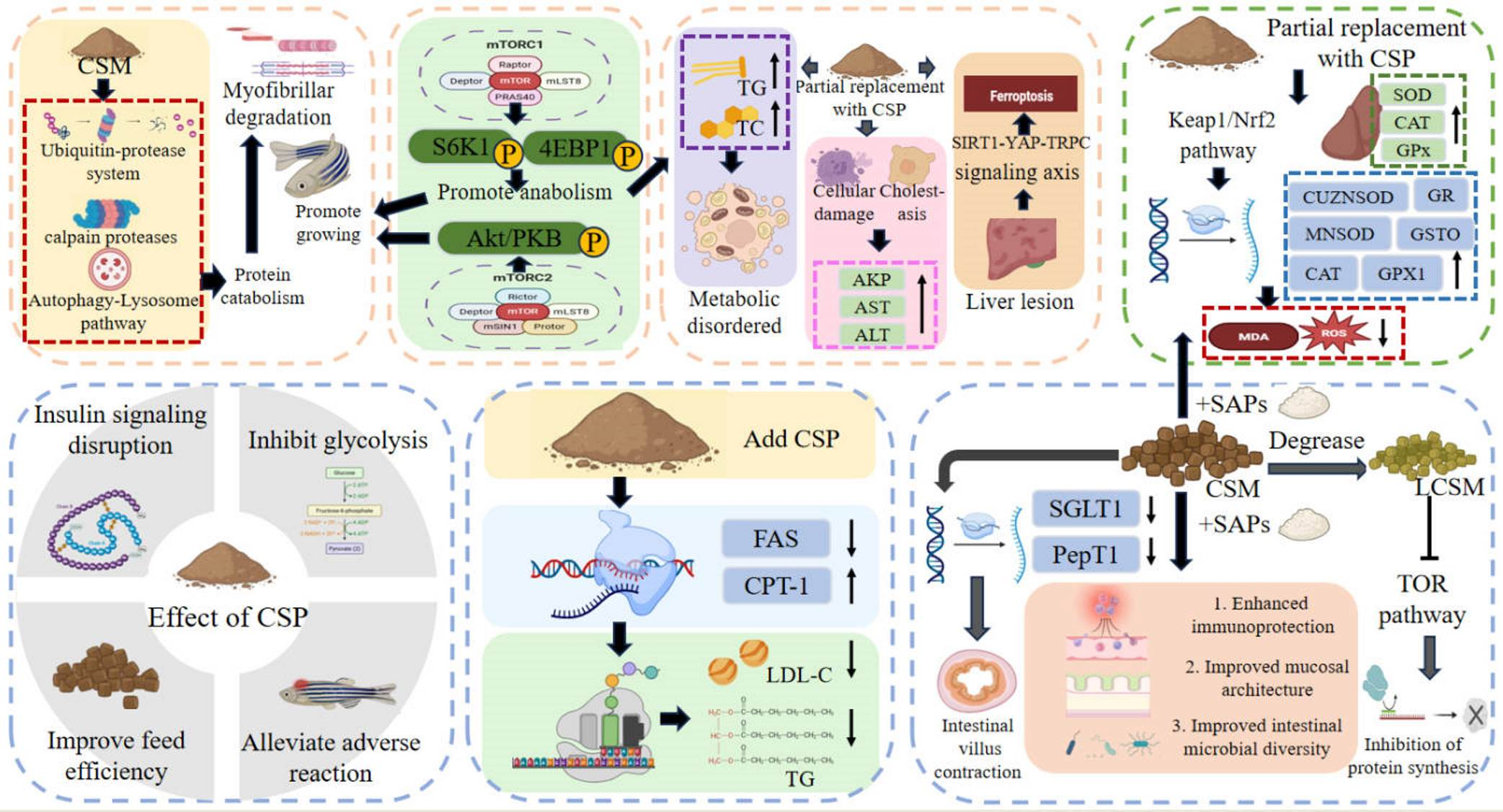
2.2. Integrated Effects of Cottonseed Protein on Protein and Energy Metabolism in Fish
2.3. Cottonseed Protein Affects Fish Muscle Texture via mTOR Signaling and Ultrastructure
3. Cottonseed Protein and Gossypol
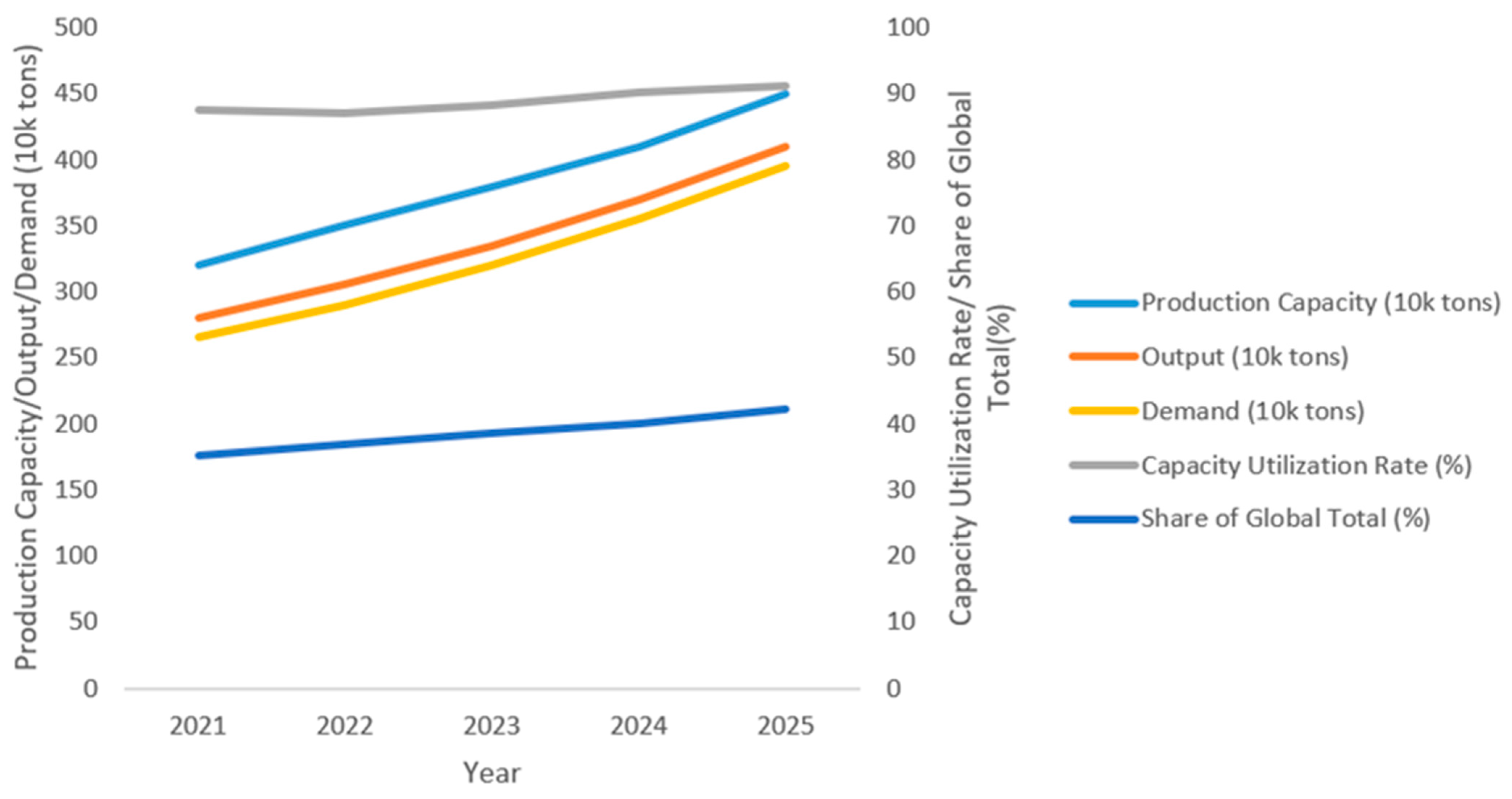
3.1. Advantages and Disadvantages of Cottonseed Protein as a Fishmeal Substitute
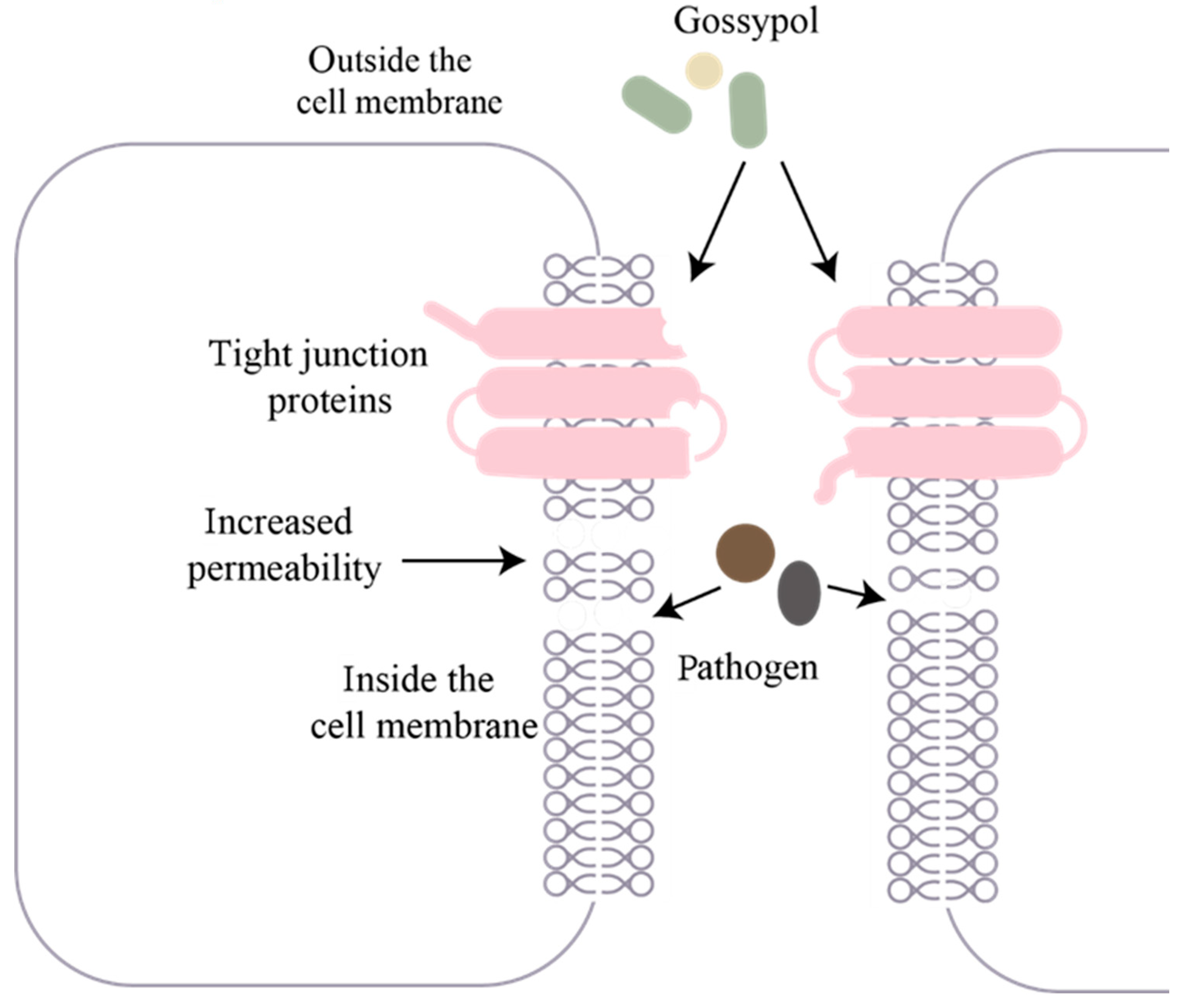
3.2. Anti-Nutritional Factors (ANFs)—Gossypol
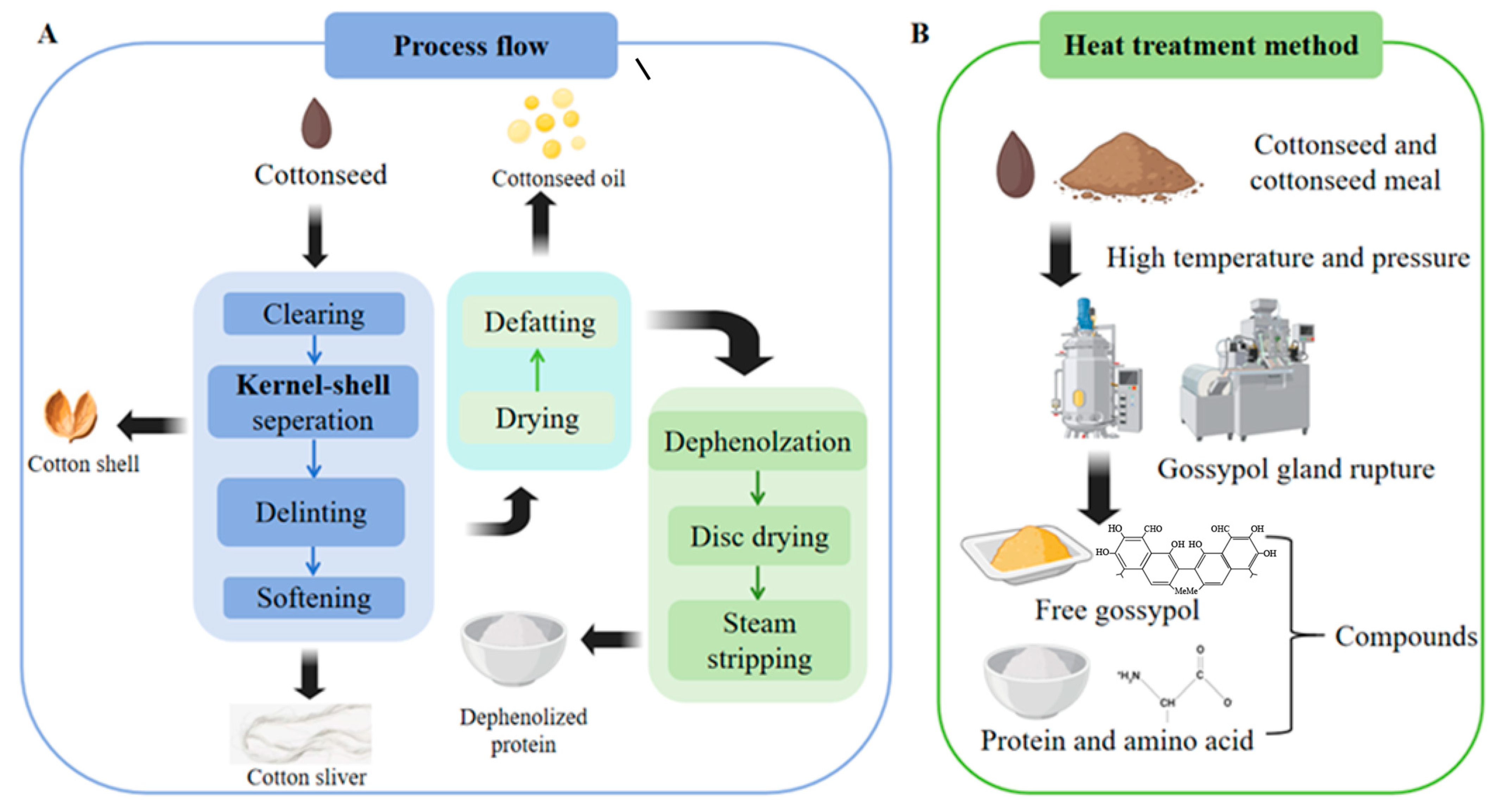
3.3. Detoxification of Cottonseed Protein
4. Conclusions and Perspectives
Author Contributions
Funding
Data Availability Statement
Acknowledgments
Conflicts of Interest
References
- Norman, R.; Crumlish, M.; Stetkiewicz, S. The importance of fisheries and aquaculture production for nutrition and food security. Rev. Sci. Et Tech. 2019, 38, 395–407. [Google Scholar] [CrossRef]
- Li, T.; Jin, M.; Huang, L.; Zhang, Y.; Zong, J.; Shan, H.; Kang, H.; Xu, M.; Liu, H.; Zhao, Y.; et al. Oxytetracycline-induced oxidative liver damage by disturbed mitochondrial dynamics and impaired enzyme antioxidants in largemouth bass (Micropterus salmoides). Aquat. Toxicol. 2023, 261, 106616. [Google Scholar] [CrossRef]
- Food and Agriculture Organization of the United Nations. The State of World Fisheries and Aquaculture 2024: Towards Blue Transformation; FAO: Rome, Italy, 2024. [Google Scholar]
- Tacon, A.G.J.; Metian, M. Global overview on the use of fish meal and fish oil in industrially compounded aquafeeds: Trends and future prospects. Aquaculture 2008, 285, 146–158. [Google Scholar] [CrossRef]
- Cao, Q.; Hu, Y.; Xie, Y.; Tang, Y.; Luo, J.; Li, D.; Mbokane, E. Dietary cottonseed protein substituting fish meal induces hepatic ferroptosis through SIRT1-YAP-TFRC axis in Micropterus salmoides: Implications for inflammatory regulation and liver health. Biology 2025, 14, 748. [Google Scholar] [CrossRef] [PubMed]
- Shao, Y.; Li, Y.; Wang, X.; Liu, Y.; Zhang, X. Cottonseed proteins from meals with high yield for plasticizer-free biofilms with good mechanical properties. Int. J. Biol. Macromol. 2024, 282, 137251. [Google Scholar] [CrossRef] [PubMed]
- Robinson, E.H.; Oldfield, J.E. Cottonseed meal in aquatic animal diets: A review. Anim. Feed. Sci. Technol. 2001, 90, 3–16. [Google Scholar]
- Nagalakshmi, D.; Rao, S.V.R.; Panda, A.K.; Sastry, V.R.B. Cottonseed meal in poultry diets: A review. Poult. Sci. 2007, 86, 1685–1693. [Google Scholar] [CrossRef]
- He, Z.; Zhang, H.; Olk, D.C.; Shankle, M.; Way, T.R. Protein and fiber profiles of cottonseed from upland cotton with different fertilizations. J. Agric. Food Chem. 2015, 63, 1077–1087. [Google Scholar] [CrossRef]
- Fatima, A.; Raza, S.; Naeem, M.; Khan, M.N.; Ahmad, N. Exploring the significance of protein concentrate: A review on sources, extraction methods, and applications. Food Chem. Adv. 2024, 5, 100771. [Google Scholar] [CrossRef]
- Dai, Z.; Wu, Z.; Hang, S.; Zhu, W.; Wu, G. Amino acid composition and digestibility of cottonseed meal protein in animal feeding. Aquaculture 2020, 515, 734589. [Google Scholar]
- Manam, V.K. Fish feed nutrition and its management in aquaculture. Int. J. Fish. Aquat. Stud. 2023, 11, 58–61. [Google Scholar] [CrossRef]
- He, Z.; Klasson, K.T.; Wang, D.; Zhang, H.; Zhang, Y. Pilot-scale production of washed cottonseed meal and co-products. Mod. Appl. Sci. 2016, 10, 1–25. [Google Scholar] [CrossRef]
- Świątkiewicz, S.; Arczewska-Włosek, A.; Józefiak, D. The use of cottonseed meal as a protein source for poultry: An updated review. World’s Poult. Sci. J. 2016, 72, 473–484. [Google Scholar] [CrossRef]
- Wang, K.; Li, X.; Zhang, Y.; Liu, J.; Chen, L. Improved quality of cottonseed meal: Effect of cottonseed protein isolate on growth performance, nutrient digestibility, and intestinal health in growing pigs. J. Anim. Sci. 2025, 103, skaf057. [Google Scholar] [CrossRef]
- Gerasimidis, K.; Birtsou, C.; Kalfakakou, V.; Fletouris, D. Preparation of an edible cottonseed protein concentrate and evaluation of its functional properties. Int. J. Food Sci. Nutr. 2007, 58, 486–490. [Google Scholar] [CrossRef]
- Fan, Z.; Zhao, J.; Huang, J.; Lu, C.; Wu, D.; Sun, Z.; Li, J.; Wang, L.; Zheng, X. Cottonseed protein concentrate as an effective substitute to fish meal in pike perch (Sander luciperca) feed: Evidence from growth performance and intestinal responses of immune function and microflora. Front. Immunol. 2025, 16, 1522005. [Google Scholar] [CrossRef] [PubMed]
- Wang, T.; Yu, D.; Wang, J.; Yang, B.; Ma, L.; Xu, S. Sustainable utilization of cottonseed meal: Integrated protein extraction and detoxification using deep eutectic solvents. Food Chem. 2025, 485, 144499. [Google Scholar] [CrossRef] [PubMed]
- Ding, F.; Zhou, N.; Luo, Y.; Chen, Z.; He, J.; Wang, J.; Zhou, Z. Probiotic Pediococcus pentosaceus restored gossypol-induced intestinal barrier injury by increasing propionate content in Nile tilapia. J. Anim. Sci. Biotechnol. 2024, 15, 54. [Google Scholar] [CrossRef] [PubMed]
- Wang, K.; Feng, L.; Jiang, W.; Liu, Y.; Wu, P.; Jiang, J. Dietary gossypol reduced intestinal immunity and aggravated inflammation in on-growing grass carp (Ctenopharyngodon idella). Fish Shellfish. Immunol. 2019, 86, 117–125. [Google Scholar] [CrossRef]
- Cao, Q.; Zong, J.; Zhang, Z.; Liu, W.; Li, T.; Zhao, Y.; Liu, H.; Jiang, J. Pyroptosis in fish research: A promising target for disease management. Fish Shellfish. Immunol. 2023, 139, 108866. [Google Scholar] [CrossRef]
- Cao, Q.; Zhao, J.; He, L.; Zhang, T.; Feng, L.; Jiang, W.; Wu, P.; Zhao, J.; Liu, H.; Jiang, J. Evaluation of the dietary L-valine on fish growth and intestinal health after infection with Aeromonas veronii. Aquaculture 2024, 580, 740294. [Google Scholar] [CrossRef]
- Cao, Q.; Zhang, Z.; Zhao, J.; Feng, L.; Jiang, W.; Wu, P.; Zhao, J.; Liu, H.; Jiang, J. Evaluation of glycyrrhetinic acid in attenuating adverse effects of a high-fat diet in largemouth bass (Micropterus salmoides). Anim. Nutr. 2024, 19, 248–260. [Google Scholar] [CrossRef]
- Zhao, J.; Cao, Q.; Jin, M.; Shen, T.; Ribas, L.; Liu, H.; Jiang, J. A comprehensive study of enzyme-treated soy protein on intestinal barrier integrity, inflammatory responses, and liver lipid metabolism in Micropterus salmoides. J. Agric. Food Res. 2025, 22, 102152. [Google Scholar] [CrossRef]
- Lim, C.E.; Aksoy, M.; Klesius, P.H. Gossypol in aquaculture diets. In Proceedings of the Aquafeed Technical Workshop, Victam Asia 2006, Bangkok, Thailand, 8–10 March 2006; U.S. Department of Agriculture, Agricultural Research Service: Washington, DC, USA, 2006. [Google Scholar]
- Li, J.; Gao, T.; Hao, Z.; Li, D.; Zhang, Y.; Zhu, X. Anaerobic solid-state fermentation with Bacillus subtilis for digesting free gossypol and improving nutritional quality in cottonseed meal. Front. Nutr. 2022, 9, 1017637. [Google Scholar] [CrossRef]
- Yuan, X.Y.; Jiang, G.Z.; Cheng, H.H.; Liu, M.Y.; Li, X.F. Replacing fish meal with cottonseed meal protein hydrolysate affects growth, intestinal function, and growth hormone/insulin-like growth factor I axis of juvenile blunt snout bream (Megalobrama amblycephala). J. World Aquac. Soc. 2020, 51, 1235–1249. [Google Scholar] [CrossRef]
- Troell, M.; Naylor, R.L.; Metian, M.; Beveridge, M.; Tyedmers, P.H.; Folke, C.; de Zeeuw, A. Does aquaculture add resilience to the global food system? Proc. Natl. Acad. Sci. USA 2014, 111, 13257–13263. [Google Scholar] [CrossRef] [PubMed]
- Hussain, S.M.; Bano, A.A.; Ali, S.; Saghir, M.; Iqbal, S. Substitution of fishmeal: Highlights of potential plant protein sources for aquaculture sustainability. Heliyon 2024, 10, e26199. [Google Scholar] [CrossRef] [PubMed]
- Qian, Y.F.; Limbu, S.M.; Qiao, F.; Du, Z.-Y.; Zhang, M.-L. Seeking the best alternatives: A systematic review and meta-analysis on replacing fishmeal with plant protein sources in carnivorous fish species. Rev. Aquac. 2024, 16, 1099–1126. [Google Scholar] [CrossRef]
- Robinson, E.H.; Li, M.H. Use of plant proteins in catfish feeds: Replacement of soybean meal with cottonseed meal and replacement of fish meal with soybean meal and cottonseed meal. J. World Aquac. Soc. 1994, 25, 271–276. [Google Scholar] [CrossRef]
- Zhao, J.; Liu, H.; Yang, Z.; He, L.; Shan, H.; Faggio, C.; Cao, Q.; Jiang, J. 18β-Glycyrrhetinic acid mitigates adverse effects of high fat diet on liver fibrosis in largemouth bass (Micropterus salmoides) by reducing mitochondrial Ca2+ level. Anim. Nutr. 2025, in press. [Google Scholar] [CrossRef]
- Kurniasih, T.; Zulkarnain, R.; Wijaya, R.; Lesmana, D.; Mumpuni, F.S.; Panigoro, N.; Sutisna, E.; Heptarina, D.; Fitria, Y. Digestibility of plant-based feeds in omnivorous, carnivorous, and herbivorous fish: A review of Nile tilapia (Oreochromis niloticus (Linnaeus, 1758)), North African catfish (Clarias gariepinus (Burchell, 1822)), and grass carp (Ctenopharyngodon idella (Valenciennes, 1844)). AACL Bioflux 2024, 17, 2994–3014. [Google Scholar]
- Gopan, A.; Lalappan, S.; Varghese, T.; Anikuttan, K.K.; Saravanan, K. Anti-nutritional factors in plant-based aquafeed ingredients: Effects on fish and amelioration strategies. Biosci. Biotechnol. Res. Commun. 2020, 13, 1–9. [Google Scholar]
- Wang, M.; Chen, Z.; Wang, Y.; Li, D.; Liu, H. Largemouth bass (Micropterus salmoides) exhibited better growth potential after adaptation to dietary cottonseed protein concentrate inclusion but experienced higher inflammatory risk during bacterial infection. Front. Immunol. 2022, 13, 997985. [Google Scholar] [CrossRef] [PubMed]
- Liang, H.; Ren, M.; Zhang, L.; Wu, J.; Ge, X.; Ji, K.; Liu, B. Excessive replacement of fish meal by soy protein concentrate resulted in inhibition of growth, nutrient metabolism, antioxidant capacity, immune capacity, and intestinal development in juvenile largemouth bass (Micropterus salmoides). Antioxidants 2024, 13, 809. [Google Scholar] [CrossRef]
- Von Danwitz, A.; Schulz, C. Effects of dietary rapeseed glucosinolates, sinapic acid and phytic acid on feed intake, growth performance and fish health in turbot (Psetta maxima L.). Aquaculture 2020, 516, 734624. [Google Scholar] [CrossRef]
- Malarvizhi, K.; Kalaiselvan, P.; Ranjan, A. Unlocking the potential of lupin as a sustainable aquafeed ingredient: A comprehensive review. Discov. Agric. 2024, 2, 43. [Google Scholar] [CrossRef]
- Mageshwaran, V. An overview of gossypol and methods of its detoxification in cottonseed meal for non-ruminant feed applications. Indian J. Nat. Prod. Resour. 2021, 12, 348–358. [Google Scholar] [CrossRef]
- Qiu, Z.; Zhao, J.; Xie, D.; Huang, Z.; Huang, Y.; Zhou, Q. Effects of replacing fish meal with enzymatic cottonseed protein on the growth performance, immunity, antioxidation, and intestinal health of Chinese soft-shelled turtle (Pelodiscus sinensis). Aquac. Nutr. 2023, 2023, 6628805. [Google Scholar] [CrossRef]
- Shi, Y.; Zhong, L.; Liu, Y.; Wang, J.; Chen, J.; Li, W. Gossypol is the main limiting factor in the application of cottonseed meal in grass carp feed production: Involvement of growth, intestinal physical and immune barrier, and intestinal microbiota. Water Biol. Secur. 2024, 3, 100287. [Google Scholar] [CrossRef]
- Anderson, A.D.; Alam, M.S.; Watanabe, W.O.; Carroll, P.M.; Wedegaertner, T.C. Full replacement of menhaden fish meal protein by low-gossypol cottonseed flour protein in the diet of juvenile black sea bass Centropristis striata. Aquaculture 2016, 464, 618–628. [Google Scholar] [CrossRef]
- Di, D.; He, S.; Zhang, R.; Gao, K.; Qiu, M.; Li, X.; Sun, H.; Xue, S.; Shi, J. Exploring the dual role of anti-nutritional factors in soybeans: A comprehensive analysis of health risks and benefits. Crit. Rev. Food Sci. Nutr. 2024, 65, 5772–5789. [Google Scholar] [CrossRef]
- Furuya, W.M.; Pezzato, L.E.; Barros, M.M.; Pezzato, A.C.; Furuya, V.R.B.; Miranda, E.C. Use of ideal protein concept for precision formulation of amino acid levels in fish-meal-free diets for juvenile Nile tilapia (Oreochromis niloticus L.). Aquac. Res. 2004, 35, 1110–1116. [Google Scholar] [CrossRef]
- Zhang, Z.; Zhang, M.; Hong, J.; Wang, Y.; Li, X. Tryptophan ameliorates soybean meal-induced enteritis via remission of oxidative stress, mitophagy hyperactivation, and apoptosis inhibition in hybrid yellow catfish gut (Pelteobagrus fulvidraco♀ × Pelteobagrus vachelli♂). Aquaculture 2025, 596, 741851. [Google Scholar] [CrossRef]
- Sales, J. The effect of fish meal replacement by soyabean products on fish growth: A meta-analysis. Br. J. Nutr. 2009, 102, 1709–1722. [Google Scholar] [CrossRef]
- Yang, Z.; Huang, Z.; Cao, L. Biotransformation technology and high-value application of rapeseed meal: A review. Bioresour. Bioprocess. 2022, 9, 103. [Google Scholar] [CrossRef] [PubMed]
- Sallam, E.A.; Matter, A.F.; Mohammed, L.S.; Hassan, A.M.; El-Sayed, H.S. Replacing fish meal with rapeseed meal: Potential impact on the growth performance, profitability measures, serum biomarkers, antioxidant status, intestinal morphometric analysis, and water quality of Oreochromis niloticus and Sarotherodon galilaeus fingerlings. Vet. Res. Commun. 2021, 45, 223–241. [Google Scholar]
- Karolina, W.A.; Justyna, N. Rapeseed meal as an alternative protein source in fish feed and its impact on growth parameters, digestive tract, and gut microbiota. Animals 2025, 15, 1264. [Google Scholar] [CrossRef] [PubMed]
- Dossou, S.; Koshio, S.; Ishikawa, M.; Yokoyama, S.; Dawood, M.A.O.; El Basuini, M.F.; Olivier, A. Effect of partial replacement of fish meal by fermented rapeseed meal on growth, immune response and oxidative condition of red sea bream juvenile, Pagrus major. Aquaculture 2018, 490, 228–235. [Google Scholar] [CrossRef]
- Schryvers, S.; Jacxsens, L.; Croubels, S.; De Saeger, S.; De Boevre, M. Quinolizidine alkaloids and phomopsin A in animal feed containing lupins: Co-occurrence and carry-over into veal products. Food Addit. Contam. Part A 2024, 41, 885–899. [Google Scholar] [CrossRef]
- Allan, G.L.; Booth, M.A. Effects of extrusion processing on digestibility of peas, lupins, canola meal and soybean meal in silver perch Bidyanus bidyanus (Mitchell) diets. Aquac. Res. 2004, 35, 981–991. [Google Scholar] [CrossRef]
- Azcuy, R.L.; Casaretto, M.E.; Márquez, L.; Rojas, H. Evaluation of phytase impact on in vitro protein and phosphorus bioaccessibility of two lupin species for rainbow trout (Oncorhynchus mykiss). Aquac. Nutr. 2024, 2024, 2697729. [Google Scholar] [CrossRef]
- Sudaryono, A. The performance of lupin meal as an alternative to fishmeal in diet of juvenile Penaeus monodon under pond conditions. J. Coast. Dev. 2003, 6, 71–82. [Google Scholar]
- Ali, A.; Devarajan, S.; Manickavasagan, A.; Maqsood, S. Antinutritional factors and biological constraints in the utilization of plant protein foods. In Plant Protein Foods; Manickavasagan, A., Maqsood, S., Eds.; Springer International Publishing: Cham, Switzerland, 2022; pp. 407–438. [Google Scholar]
- Francis, G.; Makkar, H.P.S.; Becker, K. Antinutritional factors present in plant-derived alternate fish feed ingredients and their effects in fish. Aquaculture 2001, 199, 197–227. [Google Scholar] [CrossRef]
- Macusi, E.D.; Cayacay, M.A.; Borazon, E.Q.; Abrea, L.A.; Lopez, M.K.P.; Gangan, A.U.; Gutierrez, R.R.; Dagunan, S.L.; Pantallano, A.S.B. Protein fishmeal replacement in aquaculture: A systematic review and implications on growth and adoption viability. Sustainability 2023, 15, 12500. [Google Scholar] [CrossRef]
- Daniel, N. A review on replacing fish meal in aqua feeds using plant protein sources. Int. J. Fish. Aquat. Stud. 2018, 6, 164–179. [Google Scholar]
- Sunilkumar, G.; Campbell, L.M.; Puckhaber, L.; Stipanovic, R.D.; Rathore, K.S. Engineering cottonseed for use in human nutrition by tissue-specific reduction of toxic gossypol. Proc. Natl. Acad. Sci. USA 2006, 103, 18054–18059. [Google Scholar] [CrossRef]
- Li, M.H.; Robinson, E.H. Use of cottonseed meal in aquatic animal diets: A review. North Am. J. Aquac. 2006, 68, 14–22. [Google Scholar] [CrossRef]
- Xu, Y.X.; Ding, Z.L.; He, X.H.; Wang, J.; Liu, Y.; Zhang, C. Cottonseed protein concentrate as fish meal substitution in fish diet: A review. Fish Physiol. Biochem. 2025, 51, 112. [Google Scholar] [CrossRef]
- Agbo, N.W.; Madalla, N.; Jauncey, K. Effects of dietary cottonseed meal protein levels on growth and feed utilization of Nile tilapia, Oreochromis niloticus L. J. Appl. Sci. Environ. Manag. 2011, 15, 1–10. [Google Scholar] [CrossRef]
- Lee, K.-J. Nutritional and Physiological Studies of Rainbow Trout Following Utilization of Cottonseed Meal-Based Diets. Doctoral Dissertation, The Ohio State University, Columbus, OH, USA, 2002. [Google Scholar]
- Kumar, B.P.; Ramudu, K.R.; Devi, B.C. Mini review on incorporation of cotton seed meal, an alternative to fish meal in aquaculture feeds. Int. J. Biol. Res. 2014, 2, 99–105. [Google Scholar] [CrossRef]
- Ma, X.M.; Blenis, J. Molecular mechanisms of mTOR-mediated translational control. Nat. Rev. Mol. Cell Biol. 2009, 10, 307–318. [Google Scholar] [CrossRef]
- Laplante, M.; Sabatini, D.M. An emerging role of mTOR in lipid biosynthesis. Curr. Biol. 2009, 19, R1046–R1052. [Google Scholar] [CrossRef]
- Zhou, Q.; Habte-Tsion, H.-M.; Ge, X.-P.; Liu, B.; Xie, J.; Chen, R.-L. Growth performance and TOR pathway gene expression of juvenile blunt snout bream, Megalobrama amblycephala, fed with diets replacing fish meal with cottonseed meal. Aquac. Res. 2017, 48, 4119–4131. [Google Scholar] [CrossRef]
- Bakky, M.A.H.; Kang, K.-H.; Kim, H.-S.; Kim, J.-M. Utilization of marine macroalgae-derived sulphated polysaccharides as dynamic nutraceutical components in the feed of aquatic animals: A review. Aquac. Res. 2022, 53, 5787–5808. [Google Scholar] [CrossRef]
- Liu, Y.; Li, J.; Liu, X.; Wang, J.; Zhang, Y.; Zhou, H. Effects of replacing fishmeal with cottonseed protein concentrate on growth performance, blood metabolites, and the intestinal health of juvenile rainbow trout (Oncorhynchus mykiss). Front. Immunol. 2022, 13, 1079677. [Google Scholar] [CrossRef]
- National Research Council. Nutrient Requirements of Fish and Shrimp; National Academies Press: Washington, DC, USA, 2011. [Google Scholar]
- Chatzifotis, S.; Panagiotidou, M.; Papaioannou, N.; Pavlidis, M.; Nengas, I.; Mylonas, C.C. Effect of dietary lipid levels on growth, feed utilization, body composition and serum metabolites of meagre (Argyrosomus regius) juveniles. Aquaculture 2010, 307, 65–70. [Google Scholar] [CrossRef]
- Riaz, T.; Iqbal, M.W.; Mahmood, S.; Hussain, N.; Younas, A. Cottonseed oil: A review of extraction techniques, physicochemical, functional, and nutritional properties. Crit. Rev. Food Sci. Nutr. 2023, 63, 1219–1237. [Google Scholar] [CrossRef]
- Wassef, E.A.; Shalaby, S.H.; Saleh, N.E. Cottonseed oil as a complementary lipid source in diets for gilthead seabream Sparus aurata juveniles. Aquac. Res. 2015, 46, 2469–2480. [Google Scholar] [CrossRef]
- Erondu, E.S.; Akpoilih, B.U.; John, F.S. Total replacement of dietary fish oil with vegetable lipid sources influenced growth performance, whole body composition, and protein retention in Nile tilapia (Oreochromis niloticus) fingerlings. J. Appl. Aquac. 2023, 35, 330–349. [Google Scholar] [CrossRef]
- Liu, Y.; Chen, J.; Wang, K.; Li, P.; Zhang, Z.; Song, K. Effects of replacement of dietary fishmeal by cottonseed protein concentrate on growth performance, liver health, and intestinal histology of largemouth bass (Micropterus salmoides). Front. Physiol. 2021, 12, 764987. [Google Scholar] [CrossRef] [PubMed]
- Zhang, Y.; Zhang, J.; Ren, Y.; Wang, J.; Li, X. Lipotoxic effects of gossypol acetate supplementation on hepatopancreas fat accumulation and fatty acid profile in Cyprinus carpio. Aquac. Nutr. 2022, 2022, 2969246. [Google Scholar] [CrossRef]
- Wei, J.; Fu, Y.; Feng, S.; Wang, Y.; Li, X.; Zhang, Y. The effects of fishmeal replacement with degossypolled cottonseed protein on growth, serum biochemistry, endocrine responses, lipid metabolism, and antioxidant and immune responses in black carp (Mylopharyngodon piceus). Animals 2025, 15, 1404. [Google Scholar] [CrossRef]
- Wang, S.; Li, X.; Zhang, Y.; Zhou, X.; Liu, Y. Dietary Clostridium butyricum metabolites mitigated the disturbances in growth, immune response and gut health status of Ctenopharyngodon idella subjected to high cottonseed and rapeseed meal diet. Fish Shellfish. Immunol. 2024, 154, 109934. [Google Scholar] [CrossRef]
- Bentzinger, C.F. Differential response of skeletal muscles to mTORC1 signaling during atrophy and hypertrophy. Skelet. Muscle 2010, 3, 6. [Google Scholar] [CrossRef] [PubMed]
- Zhao, B.; Zhao, J.; Liu, H.; Zhang, H.; Shan, H.; Zong, J.; Cao, Q.; Jiang, J. Impact of Dietary Glutamate on Growth Performance and Flesh Quality of Largemouth Bass. Fishes 2025, 10, 151. [Google Scholar] [CrossRef]
- Yuan, X.Y.; Liu, M.Y.; Cheng, H.H.; Li, X.F.; Jiang, G.Z. Replacing fish meal with cottonseed meal protein hydrolysate affects amino acid metabolism via AMPK/SIRT1 and TOR signaling pathway of Megalobrama amblycephala. Aquaculture 2019, 510, 225–233. [Google Scholar] [CrossRef]
- He, G.; Li, D.; Liu, Y.; Cao, Q.; Luo, J.; Xie, Y. Effects of cottonseed protein concentrate on growth performance, hepatic function and intestinal health in juvenile largemouth bass, Micropterus salmoides. Aquac. Rep. 2022, 23, 101052. [Google Scholar] [CrossRef]
- Saxton, R.A.; Sabatini, D.M. mTOR signaling in growth, metabolism, and disease. Cell 2017, 168, 960–976. [Google Scholar] [CrossRef]
- Laplante, M.; Sabatini, D.M. mTOR signaling in growth control and disease. Cell 2012, 149, 274–293. [Google Scholar] [CrossRef]
- Ben-Sahra, I.; Manning, B.D. mTORC1 signaling and the metabolic control of cell growth. Curr. Opin. Cell Biol. 2017, 45, 72–82. [Google Scholar] [CrossRef]
- Efeyan, A.; Comb, W.C.; Sabatini, D.M. Nutrient-sensing mechanisms and pathways. Nature 2015, 517, 302–310. [Google Scholar] [CrossRef]
- Manning, B.D.; Cantley, L.C. AKT/PKB signaling: Navigating downstream. Cell 2007, 129, 1261–1274. [Google Scholar] [CrossRef]
- Tena, J.J.; Alonso, M.E.; Gómez-Skarmeta, J.L. Comparative epigenomics in distantly related teleost species identifies conserved cis-regulatory nodes active during the vertebrate phylotypic period. Genome Res. 2014, 24, 1075–1085. [Google Scholar] [CrossRef]
- Seiliez, I.; Taty-Catala, G.; Dias, K.; Sabin, N.; Gabillard, J.-C. Myostatin induces atrophy of trout myotubes through inhibiting the TORC1 signaling and promoting ubiquitin–proteasome and autophagy-lysosome degradative pathways. Gen. Comp. Endocrinol. 2013, 186, 9–15. [Google Scholar] [CrossRef]
- Shi, C.; Wang, Y.; Li, H.; Zhang, Y. Hyperandrogenism in POMCa-deficient zebrafish enhances somatic growth without increasing adiposity. J. Mol. Cell Biol. 2020, 12, 291–304. [Google Scholar] [CrossRef]
- Yang, L.; Wang, J.; Zhang, H.; Li, X.; Liu, Y. Association analysis between feed efficiency and expression of key genes of the avTOR signaling pathway in meat-type ducks. Mol. Biol. Rep. 2019, 46, 3537–3544. [Google Scholar] [CrossRef]
- Han, S.-L.; Li, X.-M.; Cheng, Y.-X.; Liang, J.; Lin, H.-R.; Zhang, Y. The regulation of rapamycin on nutrient metabolism in Nile tilapia fed with high-energy diet. Aquaculture 2020, 520, 734975. [Google Scholar] [CrossRef]
- Yang, L.; Li, X.; Zhang, Y.; Wang, K.; Liu, J. Feasibility evaluation of cottonseed protein concentrate to replace soybean meal in the diet of juvenile grass carp (Ctenopharyngodon idellus): Growth performance, antioxidant capacity, intestinal health and microflora composition. Aquaculture 2024, 593, 741328. [Google Scholar] [CrossRef]
- Gao, W.; Liu, Y.J.; Tian, L.X.; Mai, K.S.; Liang, G.Y.; Yang, H.J.; Huai, M.Y.; Luo, W.J. Effect of dietary carbohydrate-to-lipid ratios on growth performance, body composition, nutrient utilization and hepatic enzymes activities of herbivorous grass carp (Ctenopharyngodon idella). Aquac. Nutr. 2010, 16, 327–333. [Google Scholar] [CrossRef]
- Ma, Q.-Q.; Li, X.-F.; Jiang, G.-Z.; Zhou, H.-H.; Wang, L. The metabolomics responses of Chinese mitten-hand crab (Eriocheir sinensis) to different dietary oils. Aquaculture 2017, 479, 188–199. [Google Scholar] [CrossRef]
- Zheng, K.; Qin, B.; Chang, Q. Effect of graded levels of taurine on growth performance and Ptry expression in the tongue sole (Cynoglossus semilaevis) postlarvae. Aquac. Nutr. 2016, 22, 1361–1368. [Google Scholar] [CrossRef]
- Hardy, R.W.; Tacon, A.G.J. Fish meal: Historical uses, production trends and future outlook for supplies. In Responsible Marine Aquaculture; Stickney, R.R., McVey, J.P., Eds.; CABI Publishing: Wallingford, UK, 2002; pp. 311–325. [Google Scholar]
- Onomu, A.J.; Okuthe, G.E. The role of functional feed additives in enhancing aquaculture sustainability. Fishes 2024, 9, 167. [Google Scholar] [CrossRef]
- Köprücü, K.; Sertel, E. The effects of less-expensive plant protein sources replaced with soybean meal in the juvenile diet of grass carp (Ctenopharyngodon idella): Growth, nutrient utilization and body composition. Aquac. Int. 2012, 20, 399–412. [Google Scholar] [CrossRef]
- Linga Prabu, D.; Karthik, M.; Sivakumar, N.; Prabu, C. Cottonseed protein concentrate as an alternate protein source for fishmeal replacement in aquafeeds: Production optimisation and its nutritive profile. Indian J. Fish. 2021, 68, 51–57. [Google Scholar] [CrossRef]
- Yones, A.M.; Abdel-Hakim, N.F. Study on growth performances and apparent digestibility coefficients of some common plant protein ingredients used in formulated diets of Nile tilapia (Oreochromis niloticus). Egypt. J. Nutr. Feed. 2010, 13, 589–606. [Google Scholar]
- Huang, X.; Hu, Y.; Li, Z. Dephenolization methods, quality characteristics, applications, and advancements of dephenolized cottonseed protein. Foods 2025, 14, 628. [Google Scholar] [CrossRef]
- Food and Agriculture Organization of the United Nations. The State of World Fisheries and Aquaculture 2021: Sustainability in Action; FAO: Rome, Italy, 2021. [Google Scholar]
- Wani, I.A.; Nazir, S. Gossypol. In Handbook of Plant and Animal Toxins in Food; CRC Press: Boca Raton, FL, USA, 2022; pp. 155–168. [Google Scholar]
- Krempl, C.; Heidel-Fischer, H.M.; Jiménez-Alemán, G.H. Gossypol toxicity and detoxification in Helicoverpa armigera and Heliothis virescens. Insect Biochem. Mol. Biol. 2016, 78, 69–77. [Google Scholar] [CrossRef]
- Fu, S.; Qian, K.; Liu, H.; Song, F.; Ye, J. Effects of fish meal replacement with low-gossypol cottonseed meal on the intestinal barrier of juvenile golden pompano (Trachinotus ovatus). Aquac. Res. 2022, 53, 285–299. [Google Scholar] [CrossRef]
- Evans, J.; Pasnik, D.; Yildirim-Aksoy, M.; Lim, C.; Klesius, P. Histologic changes in channel catfish, Ictalurus punctatus Rafinesque, fed diets containing graded levels of gossypol-acetic acid. Aquac. Nutr. 2010, 16, 385–391. [Google Scholar] [CrossRef]
- Yuan, X.; Jiang, G.; Cheng, H.; Cao, X.; Shi, H.; Liu, W. An evaluation of replacing fish meal with cottonseed meal protein hydrolysate in diet for juvenile blunt snout bream (Megalobrama amblycephala): Growth, antioxidant, innate immunity and disease resistance. Aquaculture Nutrition 2019, 25, 1334–1344. [Google Scholar] [CrossRef]
- Yildirim-Aksoy, M. Growth Performance and Disease Resistance of Channel Catfish (Ictalurus punctatus) Fed Diets Containing Natural Gossypol and Gossypol-Acetic Acid. Doctoral Dissertation, Auburn University, Auburn, AL, USA, 2003. [Google Scholar]
- Wang, K.; Jiang, W.; Wu, P.; Liu, Y.; Jiang, J. Gossypol reduced the intestinal amino acid absorption capacity of young grass carp (Ctenopharyngodon idella). Aquaculture 2018, 492, 46–58. [Google Scholar] [CrossRef]
- Tan, C.F.; Kwan, S.H.; Lim, B.K. Cottonseed meal protein isolate as a new source of alternative proteins: A proteomics perspective. Int. J. Mol. Sci. 2022, 23, 10105. [Google Scholar] [CrossRef]
- Al-Tayyar, O.B.A.; Al-Beiati, M.A.; Al-Ubade, S.A. Gossypol effect in some blood parameters, enzymes and pathology of male common carp Cyprinus carpio L. Iraqi J. Vet. Med. 2009, 33, 177–183. [Google Scholar] [CrossRef]
- Gallardo-Guerrero, K.; Marches, M.; Duru, M.; Magrini, M.-B.; Meynard, J.-M. Plant proteins for human and environmental health: Knowledge, barriers, and levers for their development, a case study in France. A review. Agron. Sustain. Dev. 2025, 45, 42. [Google Scholar] [CrossRef]
- Ma, M.; Ren, Y.; Xie, W.; Zhou, D.; Tang, S.; Kuang, M.; Du, S. Physicochemical and functional properties of protein isolate obtained from cottonseed meal. Food Chem. 2018, 240, 856–862. [Google Scholar] [CrossRef]
- He, J.; Torres-Lechuga, M.E.; Lei, Y.; Yu, P. Protein molecular structural, physicochemical and nutritional characteristics of warm-season adapted genotypes of sorghum grain: Impact of heat-related processing. J. Cereal Sci. 2019, 87, 143–150. [Google Scholar] [CrossRef]
- Nie, C.; Zhang, Y.; He, J.; Wang, J.; Ma, X.; Li, D.; Zhou, Y. Impacts of dietary protein from fermented cottonseed meal on lipid metabolism and metabolomic profiling in the serum of broilers. Curr. Protein Pept. Sci. 2020, 21, 812–820. [Google Scholar] [CrossRef]
- Sun, L.; Liu, J.; He, Z.; Du, R. Plant-derived as alternatives to animal-derived bioactive peptides: A review of the preparation, bioactivities, structure–activity relationships, and applications in chronic diseases. Nutrients 2024, 16, 3277. [Google Scholar] [CrossRef] [PubMed]
- Cui, Q.; Ni, X.; Zeng, L.; Jiang, J.; Li, D. Optimization of protein extraction and decoloration conditions for tea residues. Hortic. Plant J. 2017, 3, 209–215. [Google Scholar] [CrossRef]
- Zhang, W.-J.; Xu, Z.-R.; Zhao, S.-H.; Jiang, J.-F.; Wang, Y.-B.; Yan, X.-H. Development of a microbial fermentation process for detoxification of gossypol in cottonseed meal. Anim. Feed. Sci. Technol. 2007, 135, 176–186. [Google Scholar] [CrossRef]
- Kumar, M.; Potkule, J.; Patil, S.; Morya, S.; Singh, M.; Punia, S. Extraction of ultra-low gossypol protein from cottonseed: Characterization based on antioxidant activity, structural morphology and functional group analysis. LWT 2021, 140, 110692. [Google Scholar] [CrossRef]
- Kumar, M.; Tomar, M.; Punia, S.; Grasso, S.; Changan, S.; Dhumal, S.; Singh, S. Cottonseed: A sustainable contributor to global protein requirements. Trends Food Sci. Technol. 2021, 111, 100–113. [Google Scholar] [CrossRef]
- Webb, N.W.; Bernard, J.K.; Tao, S. Production responses to diets supplemented with soybean meal, expeller soybean meal, or dry-extruded cottonseed cake by lactating dairy cows. Appl. Anim. Sci. 2019, 35, 543–549. [Google Scholar] [CrossRef]
- Nunneley, J.L.; Barnes, M.E.; Gibon, V.P.; Pelletier, M.G. Development of a cottonseed dehulling process to yield intact seed meats. Appl. Eng. Agric. 2013, 29, 613–619. [Google Scholar] [CrossRef]
- Kebede, M. Food and nutrition (cotton as a feed and food crop). In Cotton Sector Development in Ethiopia: Challenges and Opportunities; Kebede, M., Ed.; Springer Nature: London, UK, 2024; pp. 379–412. [Google Scholar]
- Hensley, D.W.; Hansen, A.P.; Sorensen, C.M.; Glatz, C.E. A study of factors affecting membrane performance during processing of cottonseed protein extracts by ultrafiltration. J. Food Sci. 1977, 42, 812–815. [Google Scholar] [CrossRef]
- Prabhuzantye, T.; Khaire, R.A.; Gogate, P.R. Enhancing the recovery of whey proteins based on application of ultrasound in ultrafiltration and spray drying. Ultrason. Sonochemistry 2019, 55, 125–134. [Google Scholar] [CrossRef]
- He, Z.; Chapital, D.C.; Cheng, H.N.; Dowd, M.K. Effects of particle size on the morphology and water-and thermo-resistance of washed cottonseed meal–based wood adhesives. Polymers 2017, 9, 675. [Google Scholar] [CrossRef] [PubMed]
- Cope, R.B. Cottonseed toxicity. In Veterinary Toxicology; Academic Press: Cambridge, MA, USA, 2025; pp. 973–986. [Google Scholar]
- Ninkuu, V.; Liu, Z.; Zhou, Y.; Li, X.; Li, T.; Zhang, B. The nutritional and industrial significance of cottonseeds and genetic techniques in gossypol detoxification. Plants People Planet 2024, 6, 271–286. [Google Scholar] [CrossRef]
- Wang, L.; Chen, M.; Luo, X.; Fan, Y.; Zheng, Z.; He, Z.; Pan, Y. Intramolecular annulation of gossypol by laccase to produce safe cottonseed protein. Front. Chem. 2020, 8, 583176. [Google Scholar] [CrossRef] [PubMed]
- Lv, L.; Xiong, F.; Pei, S.; Huang, Q.; He, Z. Synergistic fermentation of cottonseed meal using Lactobacillus mucosae LLK-XR1 and acid protease: Sustainable production of cottonseed peptides and depletion of free gossypol. Food Chem. 2025, 493, 145848. [Google Scholar] [CrossRef]
- Guo, Y.P.; Wang, Y.A.; Liu, Y.R.; Ma, Q.G.; Ji, C.; Zhao, L.H. Detoxification of the mycoestrogen zearalenone by spore CotA laccase and application of immobilized laccase in contaminated corn meal. LWT 2022, 163, 113548. [Google Scholar] [CrossRef]
- Li, W.J.; Zhang, L.; Wu, H.X.; Li, X.Y.; He, Y.; Li, M. Intestinal microbiota mediates gossypol-induced intestinal inflammation, oxidative stress, and apoptosis in fish. J. Agric. Food Chem. 2022, 70, 6688–6697. [Google Scholar] [CrossRef]
- Zhang, L.; Zheng, H.; Zhang, X.; Chen, X.; Liu, Y.; Tang, Y.; Zhang, W.; Wang, Z.; Zhao, L.; Guo, Y. Effective degradation of free gossypol in defatted cottonseed meal by bacterial laccases: Performance and toxicity analysis. Foods 2024, 13, 566. [Google Scholar] [CrossRef]
- Taghinejad-Roudbaneh, M.; Ebrahimi, S.R.; Azizi, O. Influence of roasting, gamma ray irradiation and microwaving on ruminal dry matter and crude protein digestion of cottonseed. Ital. J. Anim. Sci. 2016, 15, 144–150. [Google Scholar] [CrossRef]
- Ghanbari, F.; Ghoorchi, T.; Shawrang, P.; Mansouri, H.; Torbati Nejad, N.M. Comparison of electron beam and gamma ray irradiations effects on ruminal crude protein and amino acid degradation kinetics, and in vitro digestibility of cottonseed meal. Radiat. Phys. Chem. 2012, 81, 672–678. [Google Scholar] [CrossRef]
- Jaddou, H.; Al-Hakim, M.; Al-Adamy, L.Z.; Mhaisen, M.T. Effect of gamma-radiation on gossypol in cottonseed meal. J. Food Sci. 1983, 48, 988–989. [Google Scholar] [CrossRef]



| Product Name | Definition and Description | Crude Protein Content | Free Gossypol Content | Other Features | References |
|---|---|---|---|---|---|
| Cottonseed Meal (CSM) | A byproduct of cottonseed oil extraction, serving as the primary processed form of cottonseed protein. | 40–50% | 0.1–1.2% | Relatively high crude fiber content. | [6,7] |
| Cottonseed Protein (CSP) | A protein product derived from CSM via additional physical or chemical processing. | 50–60% | 0.04–0.1% | Increased protein and reduced gossypol levels compared to CSM. | [8,9] |
| Protein Concentrate (CPC) | A deep-processed product produced via solvent extraction and other techniques. | 60–65% | <0.04% | Highest protein content with very low gossypol levels. | [10,11] |
| Aquafeed | Specially formulated feed designed to meet the comprehensive nutritional requirements of farmed aquatic species. | —— | —— | A comprehensive final feed product that may incorporate the above protein sources. | [12] |
| Plant Protein Source | Primary Antinutritional Factors (ANFs) | Core Value for Fish | Main Negative Effects on Fish | Substitution/Addition Level and No Impact on the Study Subject |
|---|---|---|---|---|
| Cottonseed Protein | Free Gossypol [39] | High protein content [40]. | Gossypol inhibits fish growth and impairs intestinal function [41]. | 100% (Glandless Cottonseed Protein, gCSP), Black sea bass (Centropristis striata) [42] |
| Soybean Protein | Trypsin Inhibitors [43] | Balanced amino acid profile [44]. | Trypsin inhibitors induce enteritis in fish [45]. | ≤40% (Defatted Soybean Meal), A variety of marine and freshwater fish species [46] |
| Rapeseed Meal | Glucosinolates, Phytate [47] | Widely available, low-cost [48]. | Poor palatability and increased hepatic burden [49]. | 56.25% (Fermented Rapeseed Meal, FRM), Red sea bream (Pagrus major) [50] |
| Lupin Protein | Alkaloids [51] | High protein digestibility, unique carbs (rich in resistant starch) [52]. | Poor palatability and high phytic acid content [53]. | 75% (Dehulled Lupin Meal), Tiger shrimp (Penaeus monodon) [54] |
| Parameter (%) | Fish Meal (Fish) | Soybean Meal (SBM) | Cottonseed Meal (CSM) | Cottonseed Protein (CSP) | CPC |
|---|---|---|---|---|---|
| Crude Protein | 62~72 | 44~48 | 42~50 | 50~60 | 60~65 |
| Lysine | 5.2~5.8 | 2.9~3.1 | 1.6~1.8 | 2.2~2.5 | 2.8~3.0 |
| Methionine | 1.9~2.2 | 0.6~0.7 | 0.5~0.6 | 0.7~0.8 | 0.9~1.1 |
| Free Gossypol | 0 | 0 | 0.1~1.2 | 0.04~0.1 | <0.04 |
| Gossypol Detoxification Methods | Removal Rate (%) | Related Digestibility | References |
|---|---|---|---|
| Bacillus subtilis-mediated anaerobic fermentation | 93.46% | The proportion of easily digestible and absorbable protein has significantly increased by approximately 5 times. | [133] |
| Laccase (CotA)-catalyzed oxidation | 87–100% | Highly efficient, rapid, and with non-toxic degradation products. | [134] |
| Candida tropicalis-mediated fermentation | 94.6% | Both the content of digestible protein and that of digestible essential amino acids were significantly increased. | [119] |
| 45 kGy gamma irradiation | 27.7% | Effectively protects cottonseed protein, thereby enabling more of it to reach the small intestine. | [135] |
Disclaimer/Publisher’s Note: The statements, opinions and data contained in all publications are solely those of the individual author(s) and contributor(s) and not of MDPI and/or the editor(s). MDPI and/or the editor(s) disclaim responsibility for any injury to people or property resulting from any ideas, methods, instructions or products referred to in the content. |
© 2025 by the authors. Licensee MDPI, Basel, Switzerland. This article is an open access article distributed under the terms and conditions of the Creative Commons Attribution (CC BY) license.
Share and Cite
Hu, Y.; Xie, Y.; Tang, Y.; Liu, J.; Mbokane, E.; Dawood, R.A.-S.; Luo, J.; Li, D.; Cao, Q. Cottonseed Protein as an Alternative Feed Ingredient for Fish: Nutritional Metabolism and Physiological Implications. Fishes 2026, 11, 10. https://doi.org/10.3390/fishes11010010
Hu Y, Xie Y, Tang Y, Liu J, Mbokane E, Dawood RA-S, Luo J, Li D, Cao Q. Cottonseed Protein as an Alternative Feed Ingredient for Fish: Nutritional Metabolism and Physiological Implications. Fishes. 2026; 11(1):10. https://doi.org/10.3390/fishes11010010
Chicago/Turabian StyleHu, Yue, Yang Xie, Youdi Tang, Jiarui Liu, Esau Mbokane, Rana Al-Sayed Dawood, Jie Luo, Debing Li, and Quanquan Cao. 2026. "Cottonseed Protein as an Alternative Feed Ingredient for Fish: Nutritional Metabolism and Physiological Implications" Fishes 11, no. 1: 10. https://doi.org/10.3390/fishes11010010
APA StyleHu, Y., Xie, Y., Tang, Y., Liu, J., Mbokane, E., Dawood, R. A.-S., Luo, J., Li, D., & Cao, Q. (2026). Cottonseed Protein as an Alternative Feed Ingredient for Fish: Nutritional Metabolism and Physiological Implications. Fishes, 11(1), 10. https://doi.org/10.3390/fishes11010010