
Research on Intelligent Development and Processing Technology of Crab Industry


Abstract
1. Introduction
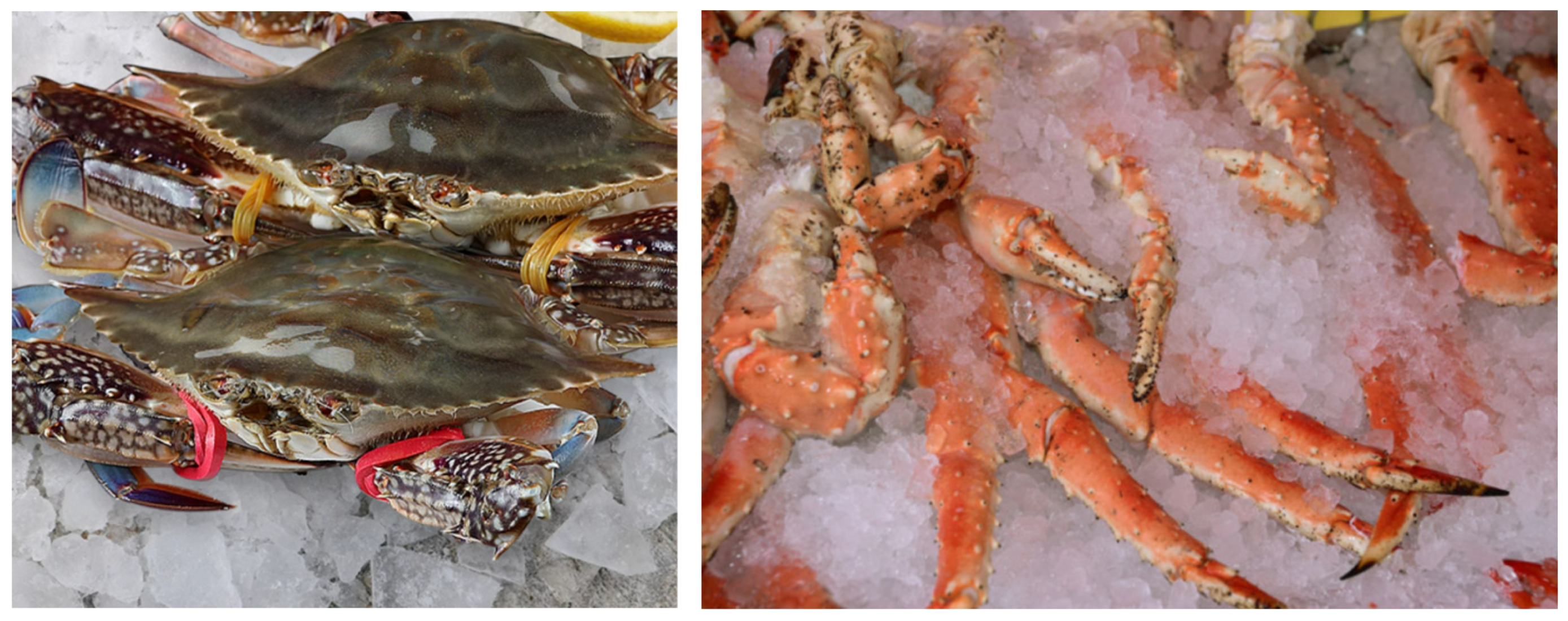
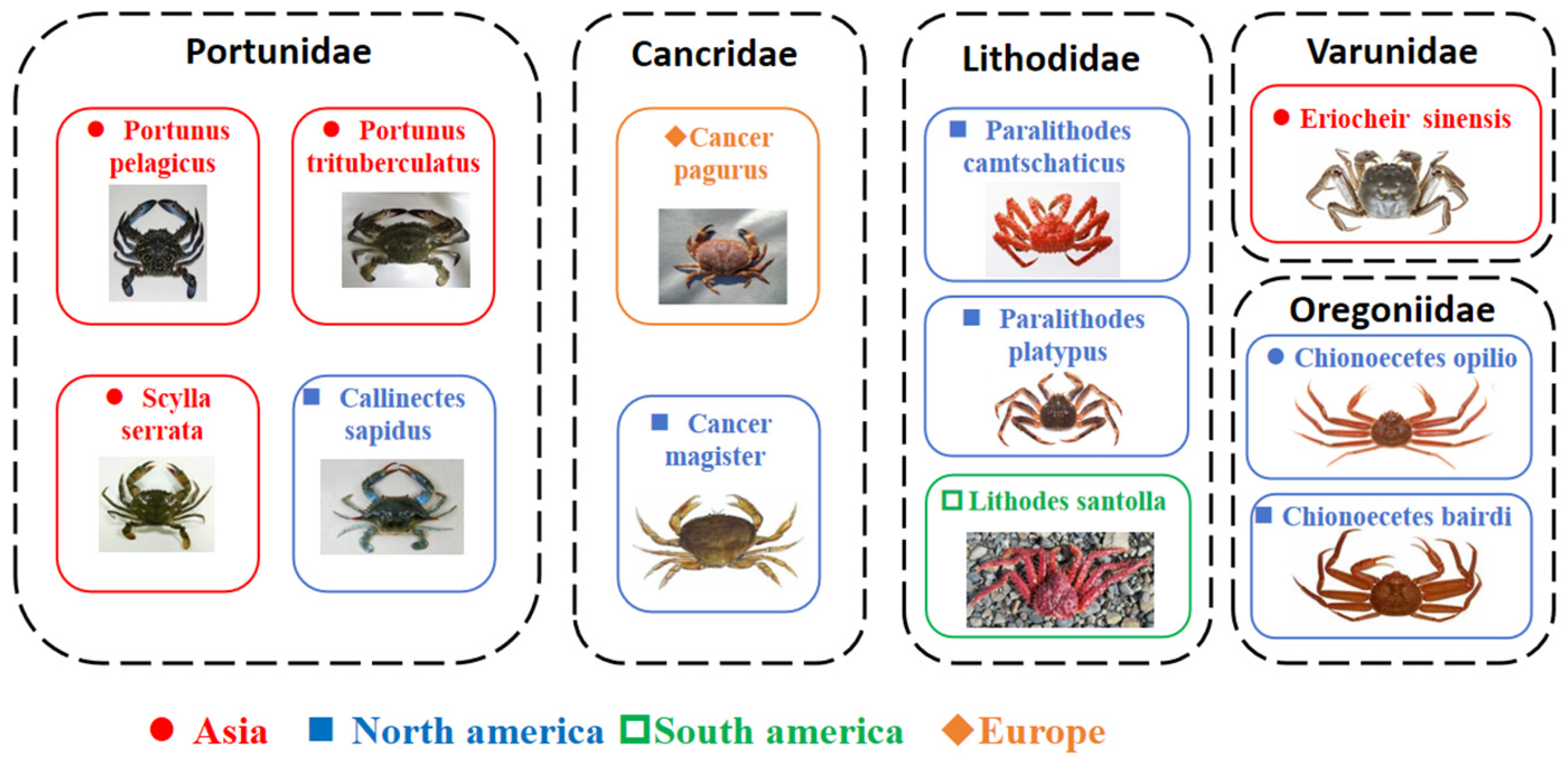
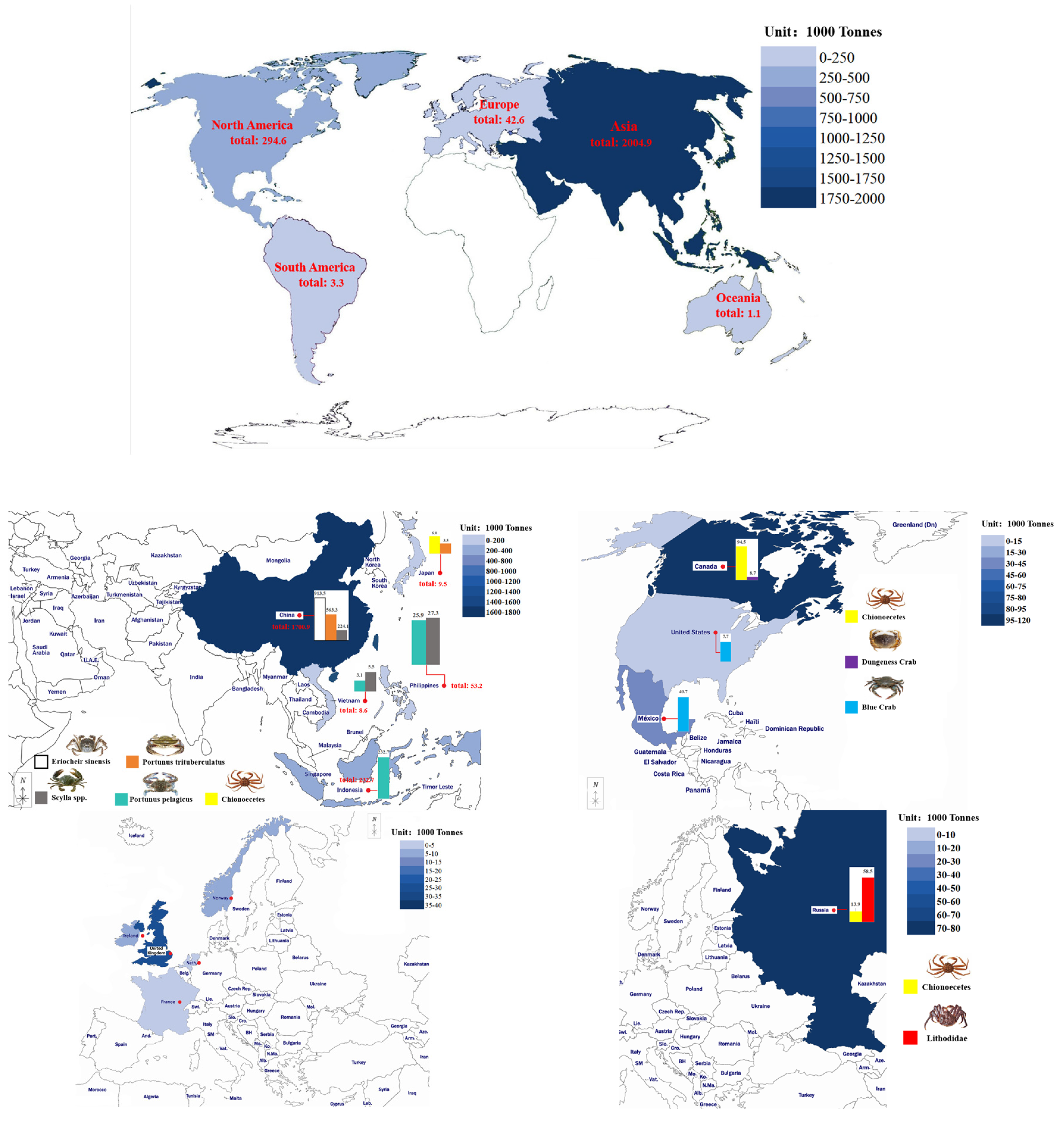
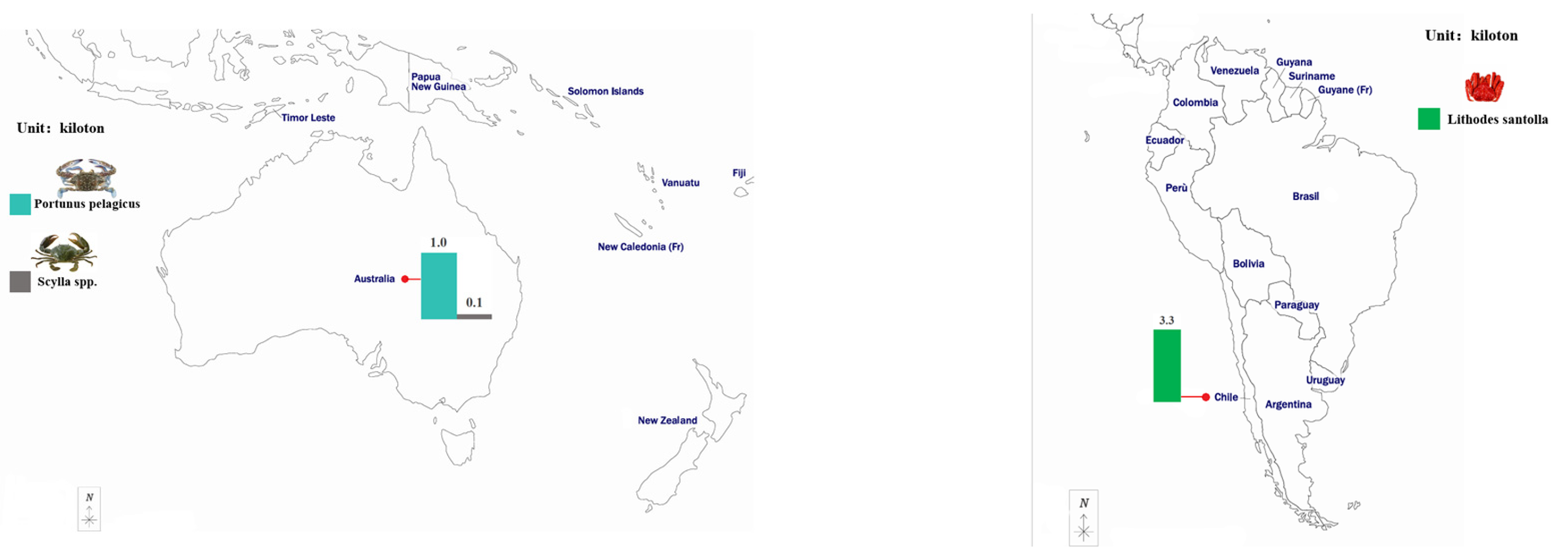
2. Main Economic Crab Species
2.1. Asia
2.2. North America
2.3. Europe
2.4. South America
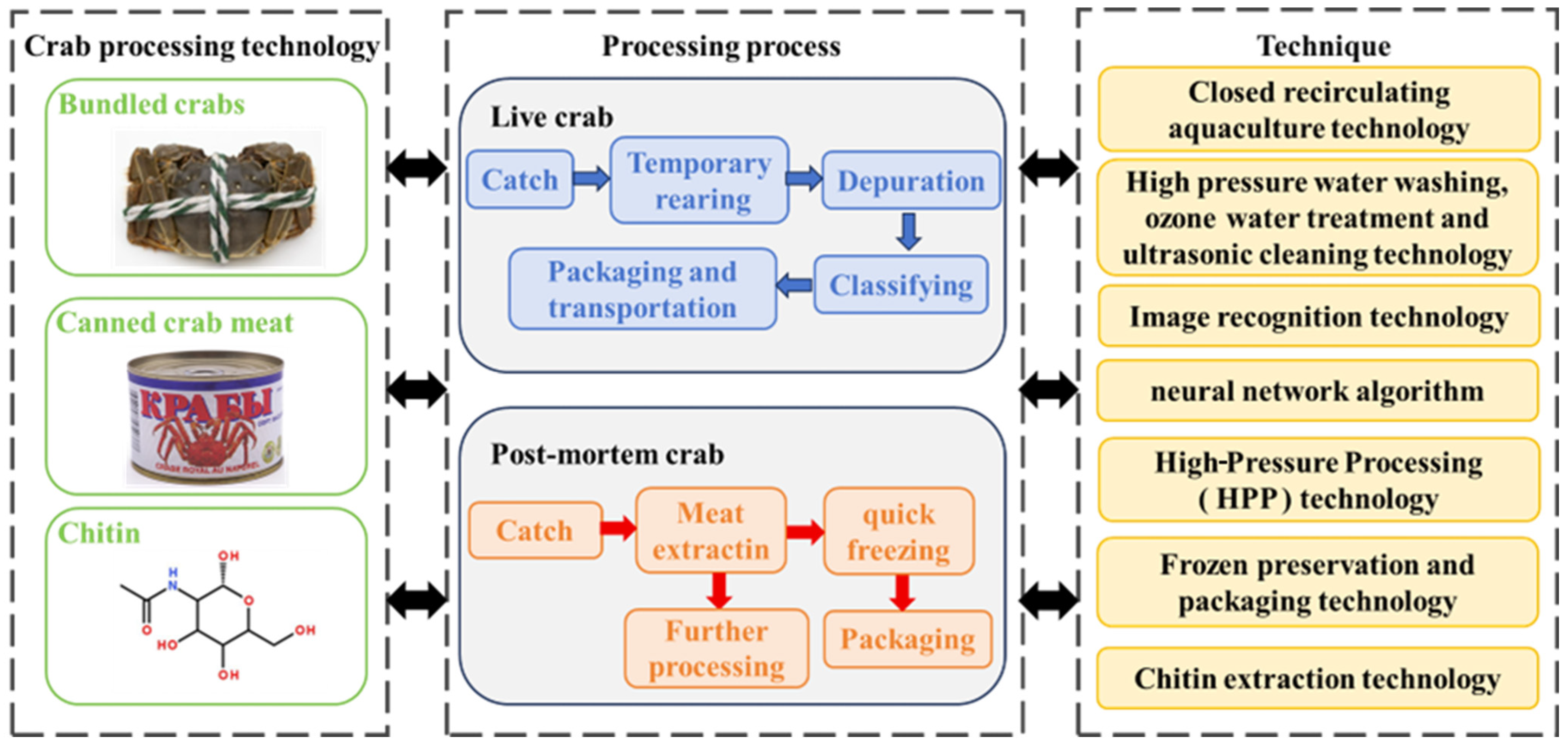
3. Research Status of Crab Processing Technology
3.1. Processing Technology of Live Crab
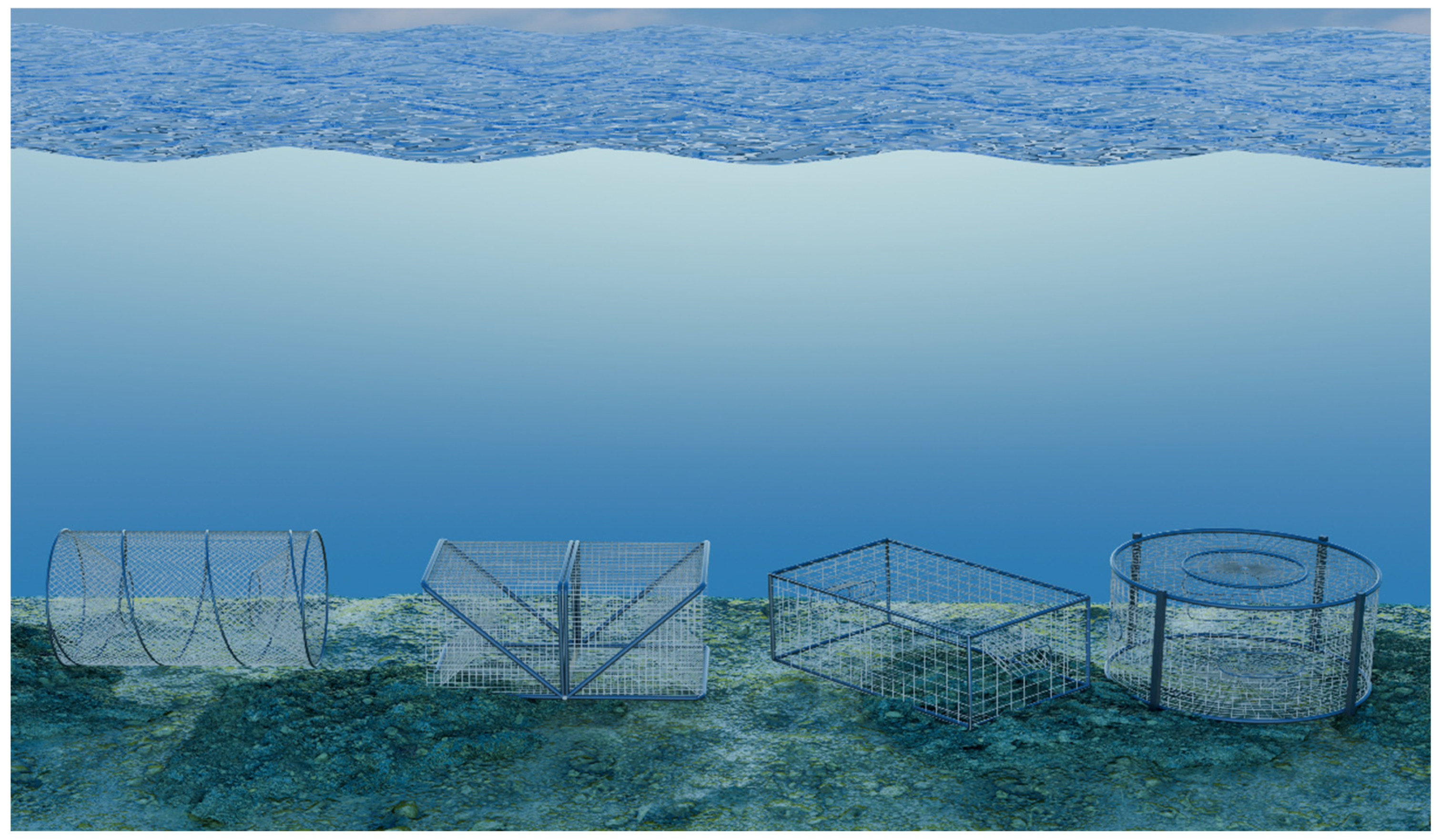
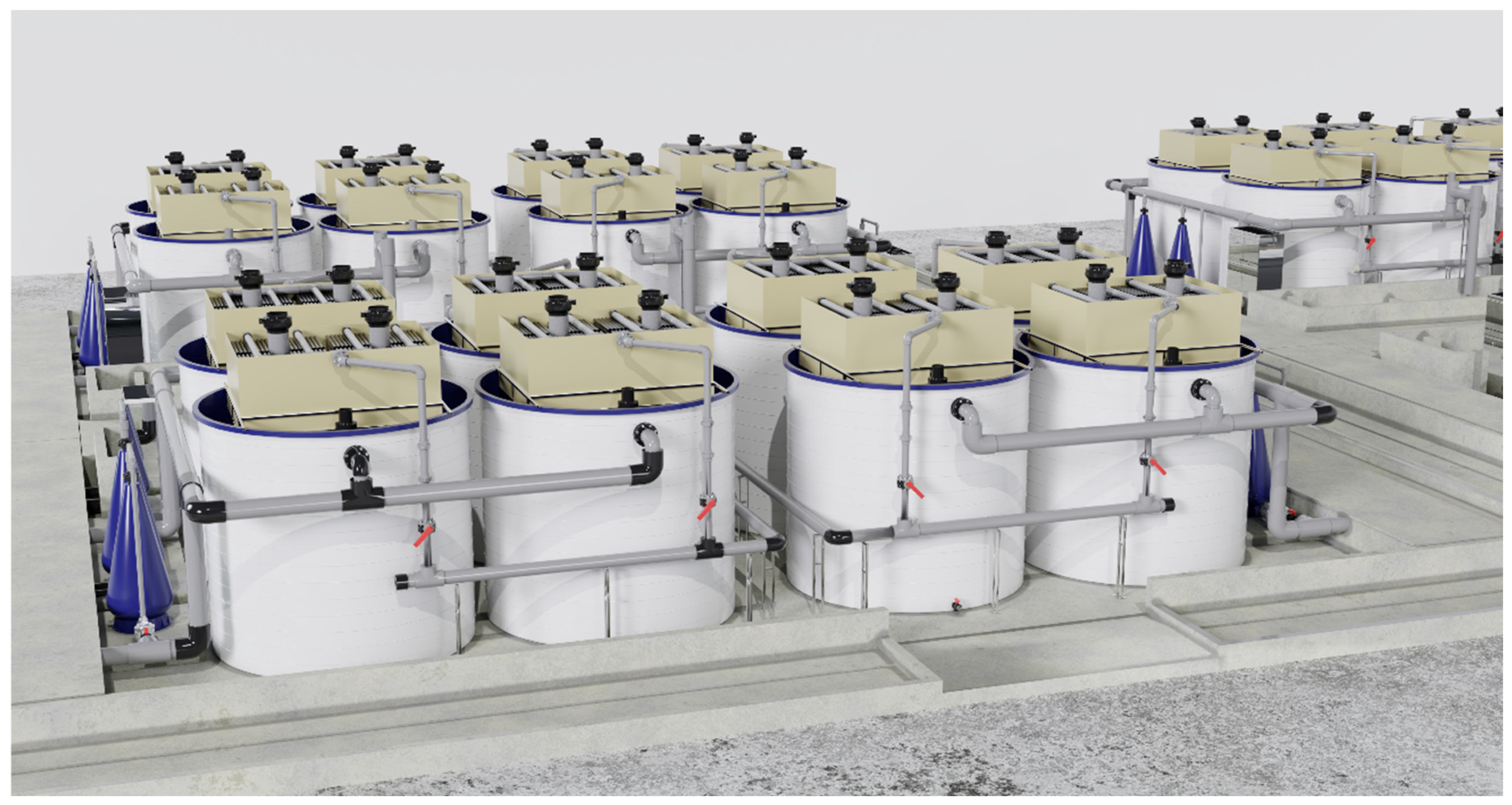
3.1.1. Harvesting and Temporary Rearing Technology
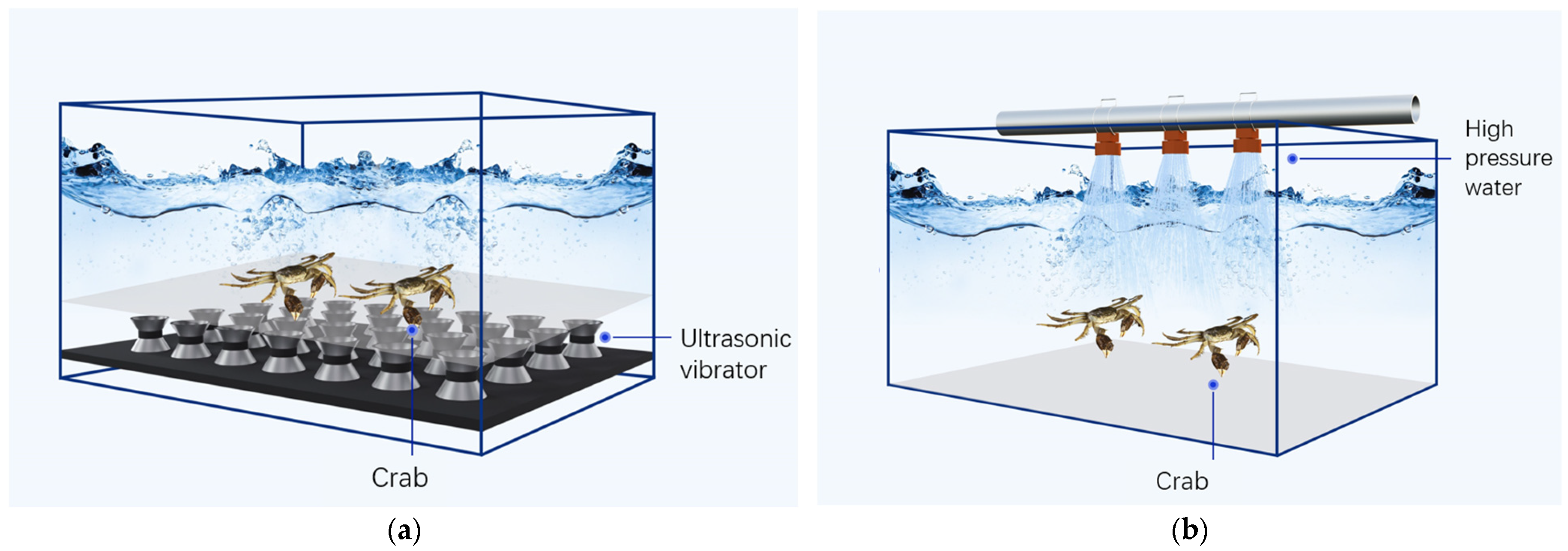
3.1.2. Depuration Technology
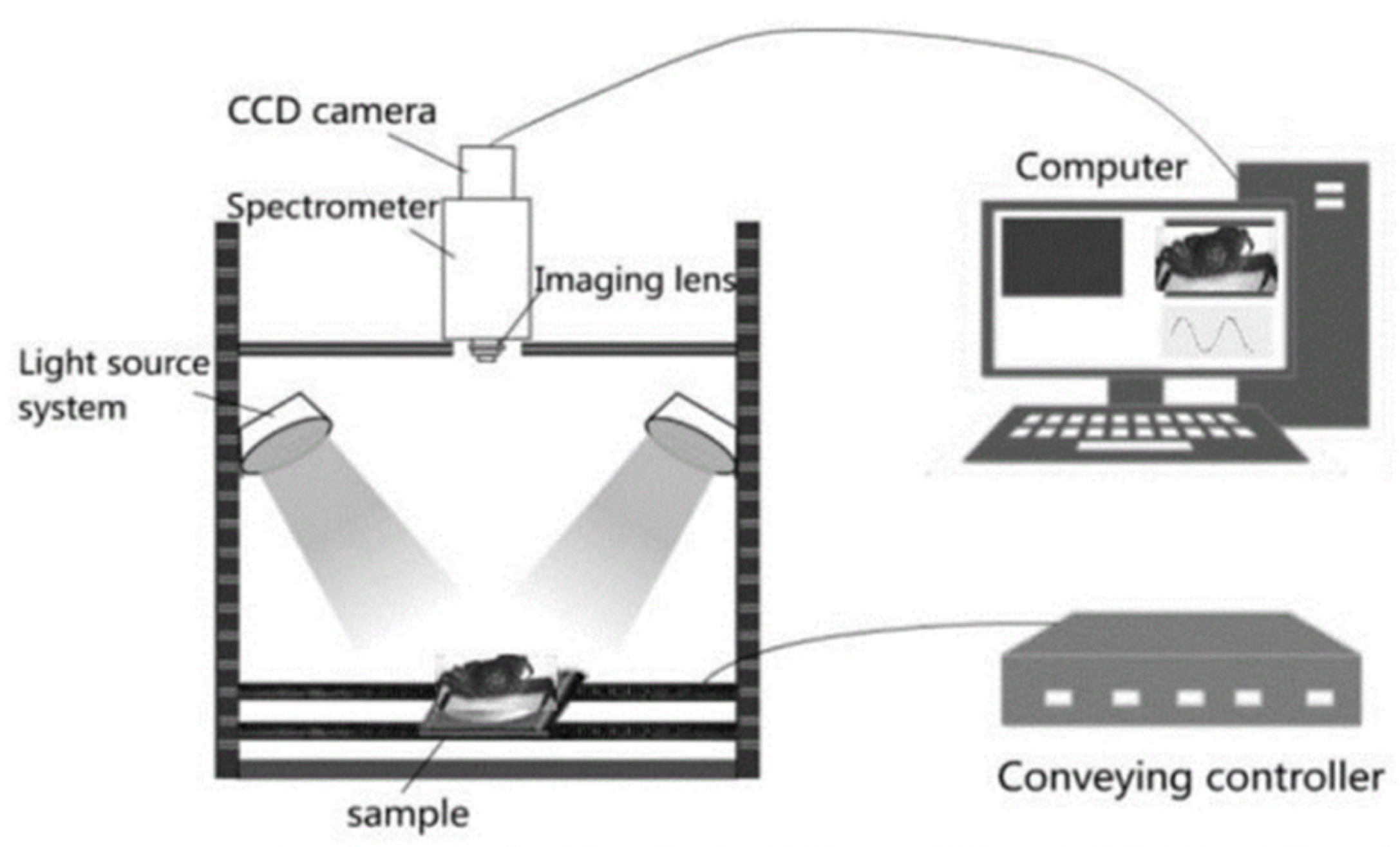
3.1.3. Sorting and Packaging Transportation Technology
3.2. Processing Technology of Dead Crab
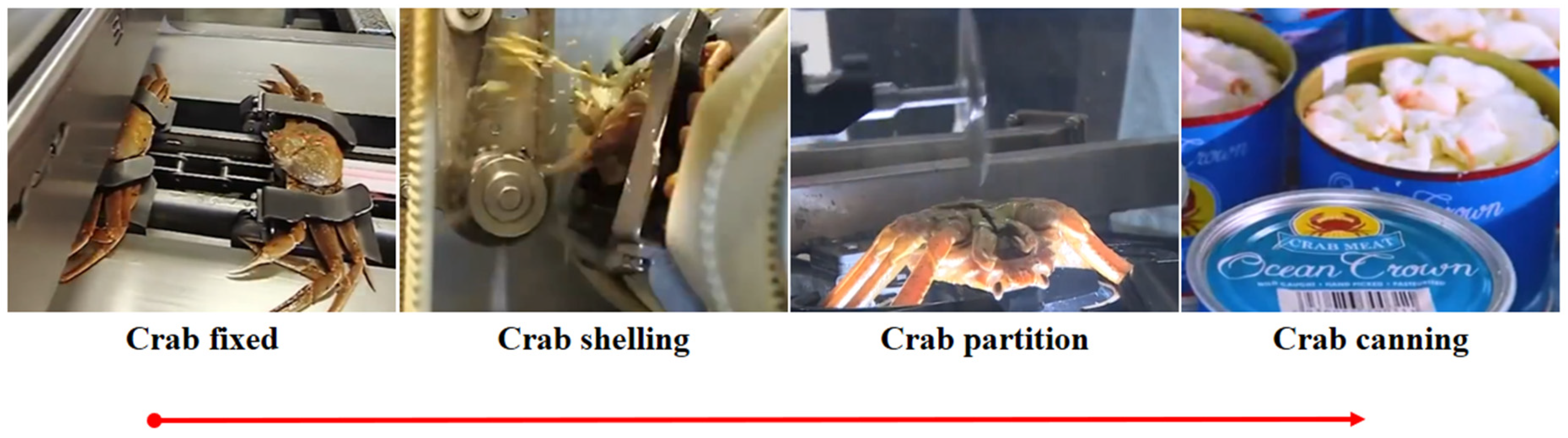
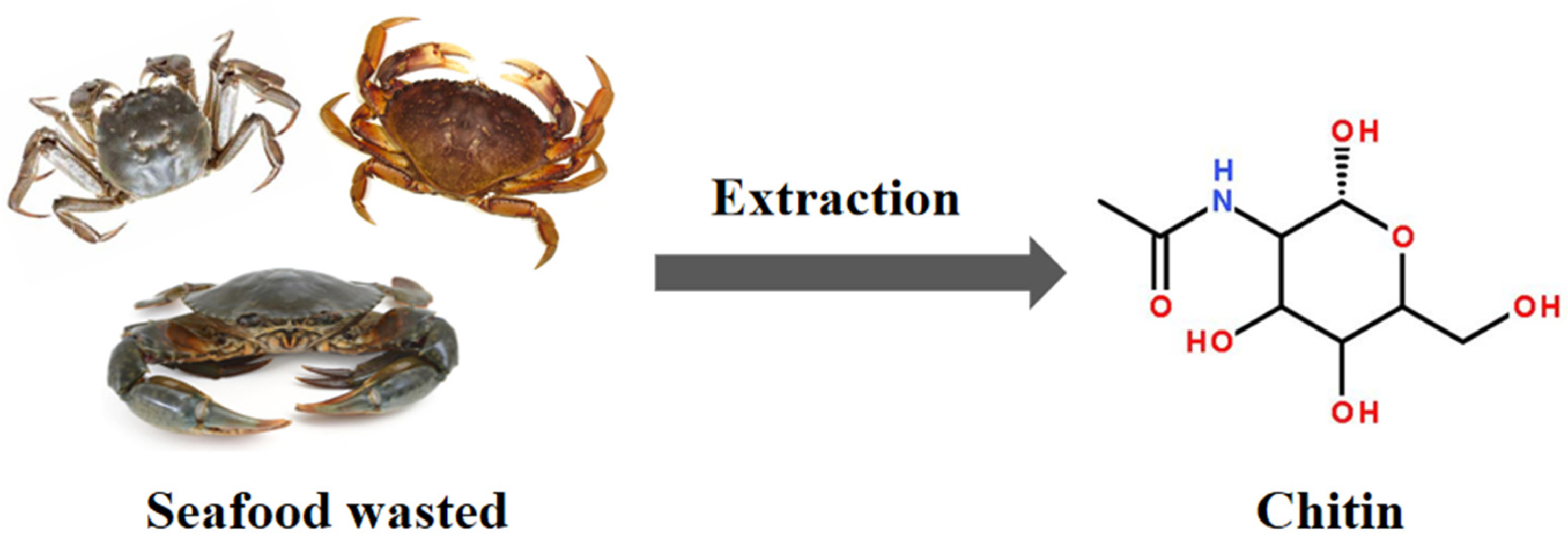
3.2.1. Crab Meat Extraction Technology
3.2.2. Frozen Preservation and Packaging Technology
3.2.3. Deep Processing Technology
4. Intelligent Equipment
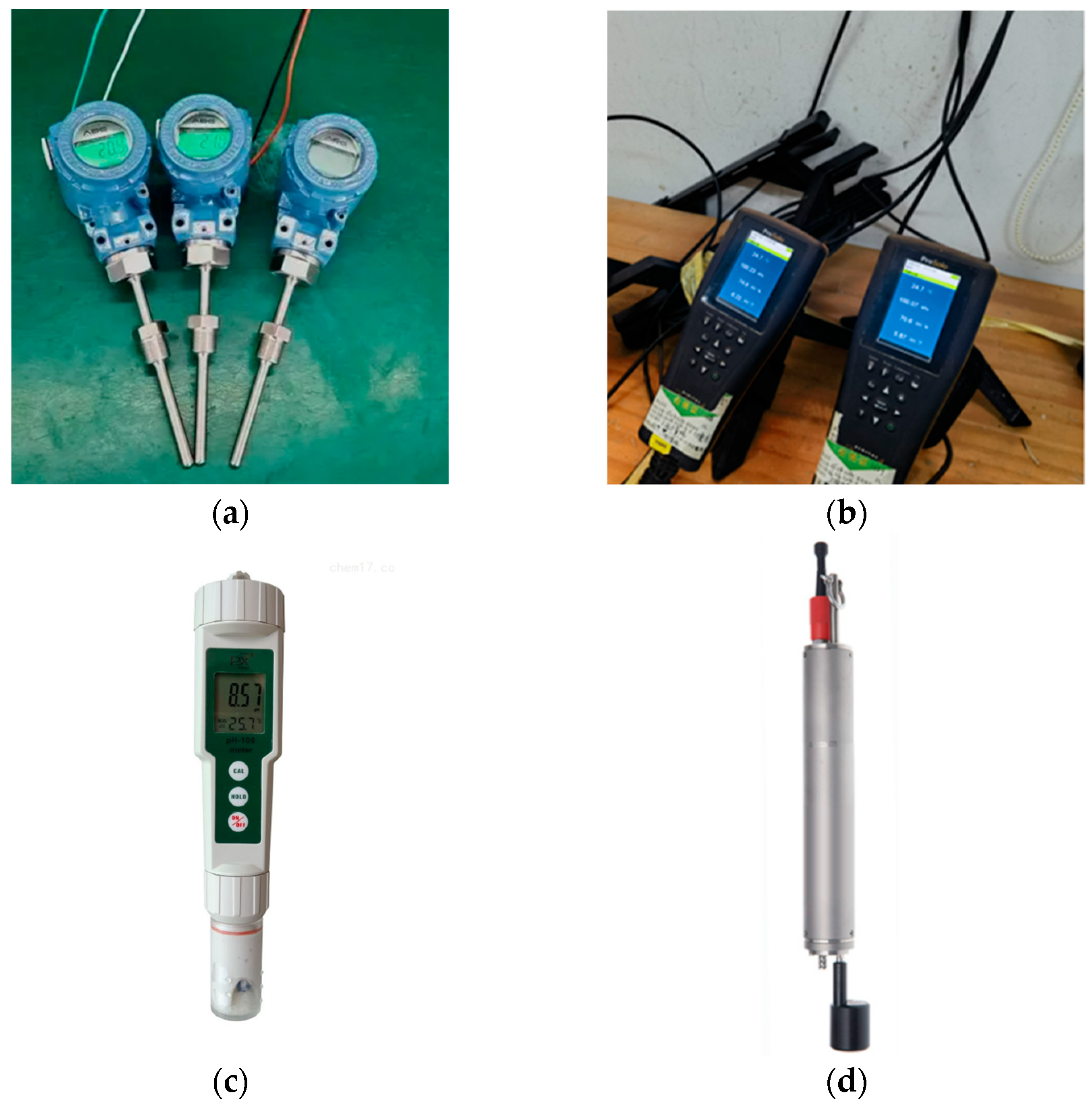
4.1. Sensor Technology
4.2. Intelligent Technique
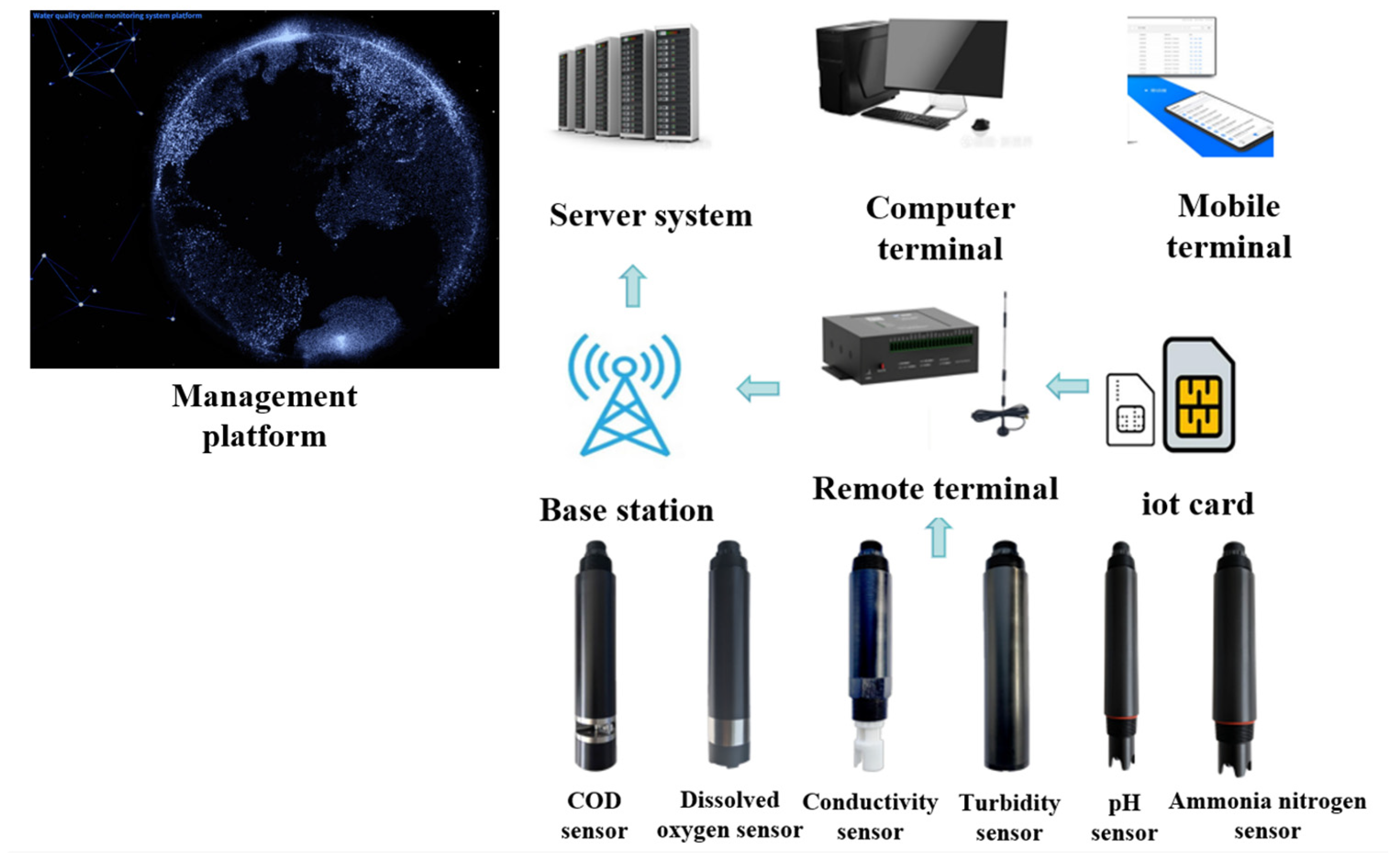
4.3. Internet of Things and Big Data Analysis Technology

| The Role and Effectiveness of IoT Technology | Related References | |
|---|---|---|
| Breeding and processing | Real-time environmental monitoring, intelligent feeding, improved survival rate, full link traceability | [69,81] |
| Transport and circulation | Vitality monitoring, intelligent early warning, reducing loss and improving economic benefits | [71,84] |
| Quality traceability and supervision | Information transparency, enhance brand trust | [81,84] |
4.4. Artificial Intelligence Technology
5. The Future Development Direction
Author Contributions
Funding
Institutional Review Board Statement
Data Availability Statement
Conflicts of Interest
References
- FAO. The State of World Fisheries and Aquaculture 2024–Blue Transformation in Action; FAO: Rome, Italy, 2024. [Google Scholar]
- Yuan, Q.; Wang, Q.; Zhang, T.; Li, Z.; Liu, J. Effects of water temperature on growth, feeding and molting of juvenile Chinese mitten crab Eriocheir sinensis. Aquaculture 2017, 468, 169–174. [Google Scholar] [CrossRef]
- Bryars, S.R.; Havenhand, J.N. Temporal and spatial distribution and abundance of blue swimmer crab (Portunus pelagicus) larvae in a temperate gulf. Mar. Freshw. Res. 2004, 55, 809–818. [Google Scholar] [CrossRef]
- Mancinelli, G.; Chainho, P.; Cilenti, L.; Falco, S.; Kapiris, K.; Katselis, G.; Ribeiro, F. The Atlantic blue crab Callinectes sapidus in southern European coastal waters: Distribution, impact and prospective invasion management strategies. Mar. Pollut. Bull. 2017, 119, 5–11. [Google Scholar] [CrossRef] [PubMed]
- Falk-Petersen, J.; Renaud, P.; Anisimova, N. Establishment and ecosystem effects of the alien invasive red king crab (Paralithodes camtschaticus) in the Barents Sea–A review. ICES J. Mar. Sci. 2011, 68, 479–488. [Google Scholar] [CrossRef]
- Cui, Y.; Pan, T.; Chen, S.; Zou, X. A gender classification method for Chinese mitten crab using deep convolutional neural network. Multimedia Tools Appl. 2020, 79, 7669–7684. [Google Scholar] [CrossRef]
- Ma, J.; Yu, Y.; Chu, D.; Zhu, S.; Liu, Q.; Yin, H. Efficient and eco-friendly chitin production from crab shells using novel deep eutectic solvents. J. Polym. Environ. 2024, 32, 6070–6079. [Google Scholar] [CrossRef]
- An, H.; Choi, T.; Kim, C. Comparative Transcriptome Analysis of Eriocheir sinensis from Wild Habitats in Han River, Korea. Life 2022, 12, 2027. [Google Scholar] [CrossRef]
- Tang, Y.; Peng, J.; Chen, J.; Zhao, Y.; Ding, Y.; Dai, J.; Hu, Z.; Huang, T.; Dong, M.; Xu, Z. Effect of Water Area and Waterweed Coverage on the Growth of Pond-Reared Eriocheir sinensis. Fishes 2022, 7, 282. [Google Scholar] [CrossRef]
- Juahir, J. Aquaculture Management of Blue Swimming Crab (Portunus pelagicus) in Boncong Bancar Marine Farming Facility, Tuban Regency, East Java Province, Indonesia. Aquat. Life Sci. 2024, 1, 27–31. [Google Scholar] [CrossRef]
- Ren, X.; Wang, L.; Xu, Y.; Wang, Q.; Lv, J.; Liu, P.; Li, J. Characterization of p53 from the Marine Crab Portunus trituberculatus and Its Functions Under Low Salinity Conditions. Front. Physiol. 2021, 12, 724693. [Google Scholar] [CrossRef]
- Eddiwan; Dahril, T.; Adriman; Budijono; Efawani; Harjoyudanto, Y. Study of Growth and Survival of Mud Crab (Scylla serrata, Forskal) with Different Salinity Levels in culture media. In Proceedings of the IOP Conference Series: Earth and Environmental Science, Pekanbaru, Indonesia, 5–16 September 2021; Volume 934. [Google Scholar]
- Marchessaux, G.; Barré, N.; Mauclert, V.; Lombardini, K.; Durieux, E.D.H.; Veyssiere, D.; Filippi, J.J.; Bracconi, J.; Aiello, A.; Garrido, M. Salinity tolerance of the invasive blue crab Callinectes sapidus: From global to local, a new tool for implementing management strategy. Sci. Total Environ. 2024, 954, 176291. [Google Scholar] [CrossRef] [PubMed]
- Reed, P. Culture Methods and Effects of Temperature and Salinity on Survival and Growth of Dungeness Crab (Cancer magister) Larvae in the Laboratory. Wsq Women’s Stud. Q. 1969, 26, 389–397. [Google Scholar] [CrossRef]
- Shirley, T.; Shirley, S. Temperature and salinity tolerances and preferences of red king crab larvae. Mar. Behav. Physiol. 1989, 16, 19–30. [Google Scholar] [CrossRef]
- Lyons, C.; Eckert, G.; Stoner, A. Influence of temperature and congener presence on habitat preference and fish predation in blue ( Paralithodes platypus Brandt, 1850) and red (P. camtschaticus Tilesius, 1815) king crabs (Anomura: Lithodidae). J. Crustac. Biol. 2016, 36, 12–22. [Google Scholar] [CrossRef]
- Daly, B.; Long, W.; Buckel, J. Inter-Cohort Cannibalism of Early Benthic Phase Blue King Crabs (Paralithodes platypus): Alternate Foraging Strategies in Different Habitats Lead to Different Functional Responses. PLoS ONE 2014, 9, e88694. [Google Scholar] [CrossRef]
- Hardy, D.; Munro, J.; Dutil, J. Temperature and salinity tolerance of the soft-shell and hard-shell male snow crab, Chionoecetes opilio. Aquaculture 1994, 122, 249–265. [Google Scholar] [CrossRef]
- Ryer, C.; Ottmar, M.; Spencer, M.; Anderson, J.D.; Cooper, D. Temperature-Dependent Growth of Early Juvenile Southern Tanner Crab Chionoecetes bairdi: Implications for Cold Pool Effects and Climate Change in the Southeastern Bering Sea. J. Shellfish. Res. 2016, 35, 259–267. [Google Scholar] [CrossRef]
- Whiteley, N.M.; Suckling, C.C.; Ciotti, B.J.; Brown, J.; McCarthy, I.D.; Gimenez, L.; Hauton, C. Sensitivity to near-future CO2 conditions in marine crabs depends on their compensatory capacities for salinity change. Sci. Rep. 2018, 8, 15639. [Google Scholar] [CrossRef]
- Sacristán, H.; Di Salvatore, P.; Fernández-Giménez, A.; Lovrich, G. Effects of starvation and stocking density on the physiology of the male of the southern king crab Lithodes santolla. Fish. Res. 2019, 218, 83–93. [Google Scholar] [CrossRef]
- Sacristán, H.; Mufari, J.; Lorenzo, R.; Boy, C.; Lovrich, G. Ontogenetic changes in energetic reserves, digestive enzymes, amino acid and energy content of Lithodes santolla (Anomura: Lithodidae): Baseline for culture. PLoS ONE 2020, 15, e0232880. [Google Scholar] [CrossRef]
- Miller, R.J. Design criteria for crab traps. ICES J. Mar. Sci. 1980, 39, 140–147. [Google Scholar] [CrossRef]
- Butcher, P.A.; Leland, J.C.; Broadhurst, M.K.; Paterson, B.D.; Mayer, D.G. Giant mud crab (Scylla serrata): Relative efficiencies of common baited traps and impacts on discards. ICES J. Mar. Sci. 2012, 69, 1511–1522. [Google Scholar] [CrossRef]
- Bergshoeff, J.A.; McKenzie, C.H.; Favaro, B. Improving the efficiency of the Fukui trap as a capture tool for the invasive European green crab (Carcinus maenas ) in Newfoundland, Canada. PeerJ 2019, 7, e6308. [Google Scholar] [CrossRef] [PubMed]
- Roosenburg, W.M.; Green, J.P. Impact of a Bycatch Reduction Device on Diamondback Terrapin and Blue Crab Capture in Crab Pots. Ecol. Appl. 2000, 10, 882–889. [Google Scholar] [CrossRef]
- Dawe, E.G.; Walsh, S.J.; Hynick, E.M. Capture efficiency of a multi-species survey trawl for Snow Crab (Chionoecetes opilio) in the Newfoundland region. Fish. Res. 2010, 101, 70–79. [Google Scholar] [CrossRef]
- Averina, J.M.; Kaliakina, G.E.; Zhukov, D.Y.; Kurbatov, A.Y.; Shumova, V.S. Development and design of a closed water use cycle. In Proceedings of the International Multidisciplinary Scientific GeoConference: SGEM, Albena, Bulgaria, 28 June–6 July 2019; Volume 19, pp. 145–152. [Google Scholar]
- Sneddon, L.U.; Huntingford, F.A.; Taylor, A.C. Impact of an ecological factor on the costs of resource acquisition: Fighting and metabolic physiology of crabs. Funct. Ecol. 1998, 12, 808–815. [Google Scholar] [CrossRef]
- Gibson, H.; Taylor, J.H.; Hall, K.E.; Holah, J.T. Effectiveness of cleaning techniques used in the food industry in terms of the removal of bacterial biofilms. J. Appl. Microbiol. 1999, 87, 41–48. [Google Scholar] [CrossRef]
- Otto, C.; Zahn, S.; Rost, F.; Zahn, P.; Jaros, D.; Rohm, H. Physical methods for cleaning and disinfection of surfaces. Food Eng. Rev. 2011, 3, 171–188. [Google Scholar] [CrossRef]
- Goode, K.R.; Asteriadou, K.; Robbins, P.T.; Fryer, P.J. Fouling and cleaning studies in the food and beverage industry classified by cleaning type. Compr. Rev. Food Sci. Food Saf. 2013, 12, 121–143. [Google Scholar] [CrossRef]
- Mucchetti, G.; Bonvini, B.; Francolino, S.; Neviani, E.; Carminati, D. Effect of washing with a high pressure water spray on removal of Listeria innocua from Gorgonzola cheese rind. Food Control. 2008, 19, 521–525. [Google Scholar] [CrossRef]
- O’Donoghue, E.M.; Somerfield, S.; McLachlan, A.; Olsson, S.; Woolf, A. High-pressure water washing and continuous high humidity during storage and shelf conditions prolongs quality of red capsicums (Capsicum annuum L.). Postharvest Biol. Technol. 2013, 81, 73–80. [Google Scholar] [CrossRef]
- Pascual, A.; Llorca, I.; Canut, A. Use of ozone in food industries for reducing the environmental impact of cleaning and disinfection activities. Trends Food Sci. Technol. 2007, 18, S29–S35. [Google Scholar] [CrossRef]
- Jurado-Alameda, E.; Garcia-Roman, M.; Altmajer-Vaz, D.; Jiménez-Pérez, J.L. Assessment of the use of ozone for cleaning fatty soils in the food industry. J. Food Eng. 2012, 110, 44–52. [Google Scholar] [CrossRef]
- Oulahal Lagsir, N.; Martial Gros, A.; Boistier, E.; Blum, L.J.; Bonneau, M. The development of an ultrasonic apparatus for the non-invasive and repeatable removal of fouling in food processing equipment. Lett. Appl. Microbiol. 2000, 30, 47–52. [Google Scholar] [CrossRef] [PubMed]
- Escrig, J.; Woolley, E.; Simeone, A.; Watson, N.J. Monitoring the cleaning of food fouling in pipes using ultrasonic measurements and machine learning. Food Control. 2020, 116, 107309. [Google Scholar] [CrossRef]
- Zhou, W.; Sarpong, F.; Zhou, C. Use of ultrasonic cleaning technology in the whole process of fruit and vegetable processing. Foods 2022, 11, 2874. [Google Scholar] [CrossRef]
- Gaikwad, N.N.; Samuel, D.; Grewal, M.K.; Manjunatha, M. Development of orange grading machine on weight basis. J. Agric. Eng. 2014, 51, 1–8. [Google Scholar] [CrossRef]
- Gunathilake, D.; Wasala, W.; Palipane, K.B. Design, development and evaluation of a size grading machine for onion. Procedia Food Sci. 2016, 6, 103–107. [Google Scholar] [CrossRef]
- Sun, D.; Li, J.; Li, Z.; Zhou, C.; Lu, Y.; Ye, H. Grading Related Feature Extraction of Chinese Mitten Crab Based on Machine Vision. BIO Web Conf. EDP Sci. 2024, 142, 2016. [Google Scholar] [CrossRef]
- Wang, H.; Zhu, H.; Bi, L.; Xu, W.; Song, N.; Zhou, Z.; Ding, L.; Xiao, M. Quality grading of river crabs based on machine vision and GA-BPNN. Sensors 2023, 23, 5317. [Google Scholar] [CrossRef]
- Tian, J.; Guo, Y.; Liu, Y.; Zhang, J.; Jiang, Y. A Sex Recognition Method for Chinese Mitten Crab in Low Light Environment Based on Machine Vision. In Proceedings of the China Automation Congress (CAC), Qingdao, China, 1–3 November 2024; IEEE: Piscataway, NJ, USA, 2024; pp. 4671–4675. [Google Scholar]
- Chen, X.; Zhang, Y.; Li, D.; Duan, Q. Chinese mitten crab detection and sex classification method based on GMNet-YOLOv4. Comput. Electron. Agric. 2023, 214, 108318. [Google Scholar] [CrossRef]
- Siripattanadilok, W.; Siriborvornratanakul, T. Recognition of partially occluded soft-shell mud crabs using Faster R-CNN and Grad-CAM. Aquac. Int. 2024, 32, 2977–2997. [Google Scholar] [CrossRef]
- Tang, C.; Zhang, G.; Hu, H.; Wei, P.; Duan, Z.; Qian, Y. An improved YOLOv3 algorithm to detect molting in swimming crabs against a complex background. Aquac. Eng. 2020, 91, 102115. [Google Scholar] [CrossRef]
- Ben-Asher, R.; Lahav, O.; Mayer, H.; Nahir, R.; Birnhack, L.; Gendel, Y. Proof of concept of a new technology for prolonged high-density live shellfish transportation: Brown crab as a case study. Food Control. 2020, 114, 107239. [Google Scholar] [CrossRef]
- Lorenzo, R.A.; Tapella, F.; Romero, M.C. Transportation methods for Southern king crab: From fishing to transient storage and long-haul packaging. Fish. Res. 2020, 223, 105441. [Google Scholar] [CrossRef]
- Wang, D.; Vinson, R.; Holmes, M.; Seibel, G.; Tao, Y. Convolutional neural network guided blue crab knuckle detection for autonomous crab meat picking machine. Opt. Eng. 2018, 57, 43103. [Google Scholar] [CrossRef]
- Lian, F.; De Conto, E.; Del Grippo, V.; Harrison, S.M.; Fagan, J.; Lyng, J.G.; Brunton, N.P. High-Pressure processing for the production of added-value claw meat from edible crab (Cancer pagurus). Foods 2021, 10, 955. [Google Scholar] [CrossRef]
- YerlikAya, P.; Gökoǧlu, N. Quality changes of blue crab (Callinectes sapidus) meat during frozen storage. J. Food Qual. 2004, 27, 83–89. [Google Scholar] [CrossRef]
- Webb, N.B.; Tate, J.W.; Thomas, F.B.; Carawan, R.E.; Monroe, R.J. Effect of freezing, additives, and packaging techniques on the quality of processed blue crab meat. J. Food Prot. 1976, 39, 345–350. [Google Scholar]
- Gates, K.W.; Huang, Y.W.; Parker, A.H.; Green, D.P. Quality characteristics of fresh blue crab meat held at 0 and 4 degrees C in tamper-evident containers. J. Food Prot. 1996, 59, 299. [Google Scholar] [CrossRef]
- Lorentzen, G.; Hustad, A.; Lian, F.; Grip, A.E.; Schrødter, E.; Medeiros, T.; Siikavuopio, S.I. Effect of freezing methods, frozen storage time, and thawing methods on the quality of mildly cooked snow crab (Chionoecetes opilio) clusters. LWT 2020, 123, 109103. [Google Scholar] [CrossRef]
- Subramanian, T.A. Effect of processing on bacterial population of cuttle fish and crab and determination of bacterial spoilage and rancidity developing on frozen storage. J. Food Process. Preserv. 2007, 31, 13–31. [Google Scholar] [CrossRef]
- Dima, J.B.; Baron, P.; Zaritzky, N. Pasteurization conditions and evaluation of quality parameters of frozen packaged crab meat. J. Aquat. Food Prod. Technol. 2016, 25, 745–759. [Google Scholar] [CrossRef]
- Gates, K.W.; Parker, A.H.; Bauer, D.L.; Huang, Y. Storage changes of fresh and pasteurized blue crab meat in different types of packaging. J. Food Sci. 1993, 58, 314–317. [Google Scholar] [CrossRef]
- Sun, B.; Zhao, Y.; Yu, J.; Ling, J.; Shang, H.; Liu, Z. The combined efficacy of superchilling and high CO2 modified atmosphere packaging on shelf life and quality of swimming crab (Portunus trituberculatus). J. Aquat. Food Prod. Technol. 2017, 26, 655–664. [Google Scholar] [CrossRef]
- Tyler, C.G.; Jahncke, M.L.; Sumner, S.S.; Boyer, R.R.; Hackney, C.R.; Rippen, T.E. Role of package type on shelf-life of fresh crab meat. Food Prot. Trends 2010, 12, 796–802. [Google Scholar]
- Wiech, M.; Vik, E.; Duinker, A.; Frantzen, S.; Bakke, S.; Maage, A. Effects of cooking and freezing practices on the distribution of cadmium in different tissues of the brown crab (Cancer pagurus). Food Control. 2017, 75, 14–20. [Google Scholar] [CrossRef]
- Zhang, J.; Feng, M.; Lu, X.; Shi, C.; Li, X.; Xin, J.; Yue, G.; Zhang, S. Base-free preparation of low molecular weight chitin from crab shell. Carbohydr. Polym. 2018, 190, 148–155. [Google Scholar] [CrossRef]
- Gîjiu, C.L.; Isopescu, R.; Dinculescu, D.; Memecică, M.; Apetroaei, M.-R.; Anton, M.; Schröder, V.; Rău, I. Crabs Marine Waste—A Valuable Source of Chitosan: Tuning Chitosan Properties by Chitin Extraction Optimization. Polymers 2022, 14, 4492. [Google Scholar] [CrossRef]
- Hajji, S.; Ghorbel-Bellaaj, O.; Younes, I.; Jellouli, K.; Nasri, M. Chitin extraction from crab shells by Bacillus bacteria. Biological activities of fermented crab supernatants. Int. J. Biol. Macromol. 2015, 79, 167–173. [Google Scholar] [CrossRef]
- Jung, W.J.; Jo, G.H.; Kuk, J.H.; Kim, K.Y.; Park, R.D. Extraction of chitin from red crab shell waste by cofermentation with Lactobacillus paracasei subsp. tolerans KCTC-3074 and Serratia marcescens FS-3. Appl. Microbiol. Biotechnol. 2006, 71, 234–237. [Google Scholar] [CrossRef] [PubMed]
- Castro, R.; Guerrero-Legarreta, I.; Bórquez, R. Chitin extraction from Allopetrolisthes punctatus crab using lactic fermentation. Biotechnol. Rep. 2018, 20, e287. [Google Scholar] [CrossRef] [PubMed]
- Hamdi, M.; Hammami, A.; Hajji, S.; Jridi, M.; Nasri, M.; Nasri, R. Chitin extraction from blue crab (Portunus segnis) and shrimp (Penaeus kerathurus) shells using digestive alkaline proteases from P. segnis viscera. Int. J. Biol. Macromol. 2017, 101, 455–463. [Google Scholar] [CrossRef] [PubMed]
- Niswar, M.; Wainalang, S.; Ilham, A.A.; Zainuddin, Z.; Fujaya, Y.; Muslimin, Z.; Paundu, A.W.; Kashihara, S.; Fall, D. IoT-based water quality monitoring system for soft-shell crab farming. In Proceedings of the 2018 IEEE International Conference on Internet of Things and Intelligence System (IOTAIS), Bali, Indonesia, 1–3 November 2018; IEEE: Piscataway, NJ, USA, 2018; pp. 6–9. [Google Scholar]
- Pitakphongmetha, J.; Suntiamorntut, W.; Charoenpanyasak, S. Internet of things for aquaculture in smart crab farming. J. Phys. Conf. Ser. 2021, 1834, 12005. [Google Scholar] [CrossRef]
- Gencer, Ö. The production of carbon quantum dots (CQDs) from cultivated blue crab shells their application in the optical detection of heavy metals in aquaculture. Aquac. Int. 2025, 33, 107. [Google Scholar] [CrossRef]
- Zhang, L.; Saeed, R.; Gao, Q.; Hu, J. Information fusion enabled system for monitoring the vitality of live crabs during transportation. Biosyst. Eng. 2023, 235, 50–68. [Google Scholar] [CrossRef]
- Niswar, M.; Zainuddin, Z.; Fujaya, Y.; Putra, Z.M. An automated feeding system for soft shell crab. Indones. J. Electr. Eng. Comput. Sci. 2017, 5, 564–568. [Google Scholar] [CrossRef]
- Cao, S.; Chen, Z.; Sun, Y.; Zhao, D.; Hong, J.; Ruan, C. Research on Automatic Bait Casting System for Crab Farming. In Proceedings of the 5th International Conference on Electromechanical Control Technology and Transportation (ICECTT), Nanchang, China, 15–17 May 2020; IEEE: Piscataway, NJ, USA, 2020; pp. 403–408. [Google Scholar]
- Wang, X.; Hong, J.; Sun, Y.; Zhao, D. Design of trajectory planning system for river crab farming with automatic feeding boat. J. Phys. Conf. Ser. IOP Publ. 2020, 1575, 12143. [Google Scholar] [CrossRef]
- Perea, R.V.; Cullado, J.P.B. ICT-Assisted Growth Management System for Mud crabs (ICT-AGMAS): Deployment and Evaluation. In Proceedings of the International Conference on Emerging Techniques in Computational Intelligence (ICETCI), Hyderabad, India, 20–27 August 2022; IEEE: Piscataway, NJ, USA, 2022; pp. 32–39. [Google Scholar]
- Yuan, S.; Xu, J.; Yuan, H.; Ku, J.; Liu, Z. Design and Testing of a Fully Automatic Aquatic Plant Combing Machine for Crab Farming. Machines 2024, 12, 639. [Google Scholar] [CrossRef]
- Hryhorenko, I.; Hryhorenko, S.; Andrenko, D.; Kubrik, B. Technology Control System for Crab Stick Vibration with Fuzzy Logic. In Bulletin of the National Technical University KhPI Series: New Solutions in Modern Technologies; National Technical University “Kharkiv Polytechnic Institute”: Kharkiv, Ukraine, 2024. [Google Scholar]
- Tavares, C.P.D.S.; Silva, U.A.T.; Pereira, L.A.; Ostrensky, A. Systems and techniques used in the culture of soft-shell swimming crabs. Rev. Aquac. 2018, 10, 913–923. [Google Scholar] [CrossRef]
- Wu, H.; Zou, T.; Burke, H.; King, S.; Burke, B. A novel approach for porcupine crab identification and processing based on point cloud segmentation. In Proceedings of the 20th International Conference on Advanced Robotics (ICAR), Ljubljana, Slovenia, 6–10 December 2021; IEEE: Piscataway, NJ, USA, 2021; pp. 1101–1108. [Google Scholar]
- Wu, H.; Zou, T.; Burke, H.; King, S.; Burke, B. Methodology on robot-based complex surface processing using 2D and 3D visual combination. In Proceedings of the WRC Symposium on Advanced Robotics and Automation (WRC SARA), Beijing, China, 21–25 August 2024; IEEE: Piscataway, NJ, USA, 2024; pp. 113–120. [Google Scholar]
- Tian, S.; Jiang, W. Blockchain Traceability Process for Hairy Crab Based on Cuckoo Filter. Appl. Sci. 2024, 14, 8027. [Google Scholar] [CrossRef]
- Rahmat, A.; Bengen, D.G.; Lestari, D.F.; Agus, S.B.; Pasaribu, R.A.; Jusadi, D.; Panggabean, D. Crab Monitoring System (CMS) using Internet of Things (IoT’s). BIO Web Conf. 2024, 106, 1001. [Google Scholar] [CrossRef]
- Revathi, K.L.; Charukesh, K.; Suprabhas, P.S.; Khan, M.A. AIoT-Based Water Quality Monitoring System for Enhanced Mud Crab Farming. In Proceedings of the International Conference on Computing and Intelligent Reality Technologies (ICCIRT), Coimbatore, India, 5–6 December 2024; IEEE: Piscataway, NJ, USA, 2024; pp. 1–6. [Google Scholar]
- Yu, Y.L.; Yang, J.; Ling, P.; Cao, S.; Cheng, Y.; Wang, C. Research on dynamic quality traceability system of Eriocheir sinensis seedling based on IOT smart service. J. Fish. China 2013, 37, 1262. [Google Scholar] [CrossRef]
- Jia, R.; Tian, W.; Bai, H.; Zhang, J.; Wang, S.; Zhang, J. Amine-responsive cellulose-based ratiometric fluorescent materials for real-time and visual detection of shrimp and crab freshness. Nat. Commun. 2019, 10, 795. [Google Scholar] [CrossRef]
- Zakiyabarsi, F.; Aras, R.A.; Hydn; Nur, M.M.; Alfarizi, D.A.; Amri, M.U. Towards The Future of Crab Farming: The Application of AI with Yolox And Yolov9 to Detect Crab Larvae. Inspir. J. Teknol. Inf. Dan Komun. 2024, 14, 118–129. [Google Scholar] [CrossRef]
- Sun, Y.; Yuan, B.; Li, Z.; Liu, Y.; Zhao, D.A. Rethinking Underwater Crab Detection via Defogging and Channel Compensation. Fishes 2024, 9, 60. [Google Scholar] [CrossRef]
- Cao, S.; Zhao, D.; Sun, Y.; Liu, X.; Ruan, C. Automatic coarse-to-fine joint detection and segmentation of underwater non-structural live crabs for precise feeding. Comput. Electron. Agric. 2021, 180, 105905. [Google Scholar] [CrossRef]
- Hu, H.; Tang, C.; Shi, C.; Qian, Y. Detection of residual feed in aquaculture using YOLO and Mask RCNN. Aquac. Eng. 2022, 100, 102304. [Google Scholar] [CrossRef]
- Ricohermoso, J.; Javier, P.P.; Balbin, J. An IoT-based Water Salinity Monitoring and Time-Dependent Automatic Feeding System for Mud Crab Aquaculture. In Proceedings of the 17th International Conference on Computer and Automation Engineering (ICCAE), Perth, Australia, 20–22 March 2025; pp. 340–344. [Google Scholar]
- Wang, G.; Muhammad, A.; Liu, C.; Du, L.; Li, D. Automatic Recognition of Fish Behavior with a Fusion of RGB and Optical Flow Data Based on Deep Learning. Animals 2021, 11, 2774. [Google Scholar] [CrossRef]
- Zheng, L.; Gong, M.; Li, Z.; Yang, M. Research on Artificial Intelligence (AI) Recognition Automated Soft-Shell Crab Breeding System under “Internet +” Technology. In Proceedings of the IEEE 3rd International Conference on Electrical Engineering, Big Data and Algorithms (EEBDA), Changchun, China, 27–29 February 2024; pp. 1169–1173. [Google Scholar]






| Scientific Name | Optimal Salinity | Water Temperature | Main Sources of Acquisition |
|---|---|---|---|
| Eriocheir sinensis | / | 23–30 °C | Aquaculture |
| Portunus pelagicus | 30 ppt | 30 °C | Wild capture |
| Portunus trituberculatus | 20–30 ppt | 18–26 °C | Aquaculture |
| Scylla serrata | 20–30 ppt | 25–32 °C | Wild capture |
| Callinectes sapidus | 18–25 ppt | 23–28 °C | Wild capture |
| Cancer magister | 25–32 ppt | 10–15 °C | Wild capture |
| Paralithodes camtschaticus | 25–30 ppt | 3–10 °C | Wild capture |
| Paralithodes platypus | 25–33 ppt | 1–9 °C | Wild capture |
| Chionoecetes opilio | 20–30 ppt | −1–4 °C | Wild capture |
| Chionoecetes bairdi | / | 4–9 °C | Wild capture |
| Cancer paguris | 33–34 ppt | 9–15 °C | Wild capture |
| Lithodes santolla | 33–34 ppt | 5–10 °C | Wild capture |
| Depuration Method | Principle | Advantages | Disadvantages |
|---|---|---|---|
| High-pressure water washing [33,34] | High-speed water flow is generated by high-pressure water pump, and the dirt and impurities on the surface of the object are stripped by impact force. | 1. high depuration efficiency, can quickly remove stubborn stains (such as oil stains, sediment, paint layer); 2. Low cost, no need for chemical agents; 3. Simple operation, wide application range. | 1. May damage the fragile surface; 2. Large water consumption; 3. Depuration of the hidden positions such as gaps and blind holes is not thorough. |
| Ozone water treatment [35,36] | Using the strong oxidation of ozone decomposition of organic matter, bacteria and viruses, at the same time, through water erosion to achieve depuration. | 1. Can remove bacteria, viruses, pesticide residues, etc. 2. No chemical residues, environmental protection and safety; 3. It can complete depuration and disinfection at the same time; 4. The effect of odor removal is significant; | 1. Depuration efficiency is lower than the physical impact; 2. Professional equipment is needed to generate ozone, and the initial investment is high; 3. The ability to remove stubborn stains (such as dry sediment) is weak; 4. Improper control of ozone concentration may corrode metals. |
| Ultrasonic depuration [37,38,39] | Through the cavitation effect of ultrasonic waves in the liquid, the dirt on the surface of the object and in the gap is stripped. | 1. It can deeply clean the hidden positions such as gaps, blind holes, and micropores; 2. It can be combined with chemical depuration agent to enhance the effect; 3. High degree of automation, suitable for batch processing. | 1. High equipment costs; 2. The depuration effect of large-sized or irregularly shaped objects is limited; 3. Chemical waste liquid may be produced when depuration agent is needed; 4. High noise. |
| Model | Identification Type | Result | Reference |
|---|---|---|---|
| GA-BPNN | Sex, fatness, weight, and shell color | Achieve efficient and accurate classification and sorting of crabs. | [43] |
| GAM + YOLOv7 | Sex | Accurately performing the classification task of Chinese mitten crabs in low-light environments. | [44] |
| CNN | Sex | The proposed method achieved 98.90% classified accuracy. | [6] |
| GMNet-YOLOv4 | Sex | Effectively detects and classifies Chinese mitten crabs based on sex. | [45] |
| R-CNN + Grad-CAM | Shelf life | The recognition rate of the olfactory recognition system is as high as 96.67%. | [46] |
| Improved YOLOv3 | Molt | The precision of the improved model in clean water reaches 100% | [47] |
| Main Sensor Types | Critical Role | Related References | |
|---|---|---|---|
| Breeding | Water quality, video, heavy metals | Improve survival rate and ensure environmental safety | [68,69,70] |
| Processing | Machine vision, image recognition | Automatic grading, precise processing | [6,42,43,44,45] |
| Transport | Multi-source environmental sensor | Vigor monitoring, reduce loss | [71] |
| Main Technology/Equipment | Main Achievements | |
|---|---|---|
| Automatic feeding | Automatic feeding machine, GPS navigation | Feed evenly, save manpower |
| Machining control | Sensor + fuzzy logic, robot segmentation | Improve product quality and processing efficiency |
| Environmental maintenance | Automatic water grass combing machine | Optimize the growth environment and reduce damage |
| Transportation and remote management | Closed-loop system | Easy to scale, quality assurance |
Disclaimer/Publisher’s Note: The statements, opinions and data contained in all publications are solely those of the individual author(s) and contributor(s) and not of MDPI and/or the editor(s). MDPI and/or the editor(s) disclaim responsibility for any injury to people or property resulting from any ideas, methods, instructions or products referred to in the content. |
© 2025 by the authors. Licensee MDPI, Basel, Switzerland. This article is an open access article distributed under the terms and conditions of the Creative Commons Attribution (CC BY) license (https://creativecommons.org/licenses/by/4.0/).
Share and Cite
Qu, Z.; Tian, C.; Che, X.; Xu, Z.; Chen, J.; He, X. Research on Intelligent Development and Processing Technology of Crab Industry. Fishes 2025, 10, 639. https://doi.org/10.3390/fishes10120639
Qu Z, Tian C, Che X, Xu Z, Chen J, He X. Research on Intelligent Development and Processing Technology of Crab Industry. Fishes. 2025; 10(12):639. https://doi.org/10.3390/fishes10120639
Chicago/Turabian StyleQu, Zhi, Changfeng Tian, Xuan Che, Zhijing Xu, Jun Chen, and Xiyu He. 2025. "Research on Intelligent Development and Processing Technology of Crab Industry" Fishes 10, no. 12: 639. https://doi.org/10.3390/fishes10120639
APA StyleQu, Z., Tian, C., Che, X., Xu, Z., Chen, J., & He, X. (2025). Research on Intelligent Development and Processing Technology of Crab Industry. Fishes, 10(12), 639. https://doi.org/10.3390/fishes10120639