Article

Paper Flowers: Jane Campion, Plant Life, and The Power of the Dog (2021)

Film Studies, King’s College London, London WC2R 2LS, UK
Philosophies 2022, 7(6), 143; https://doi.org/10.3390/philosophies7060143

Submission received: 31 August 2022 / Revised: 30 November 2022 / Accepted: 1 December 2022 / Published: 13 December 2022
(This article belongs to the Special Issue Thinking Cinema—With Plants)

Abstract

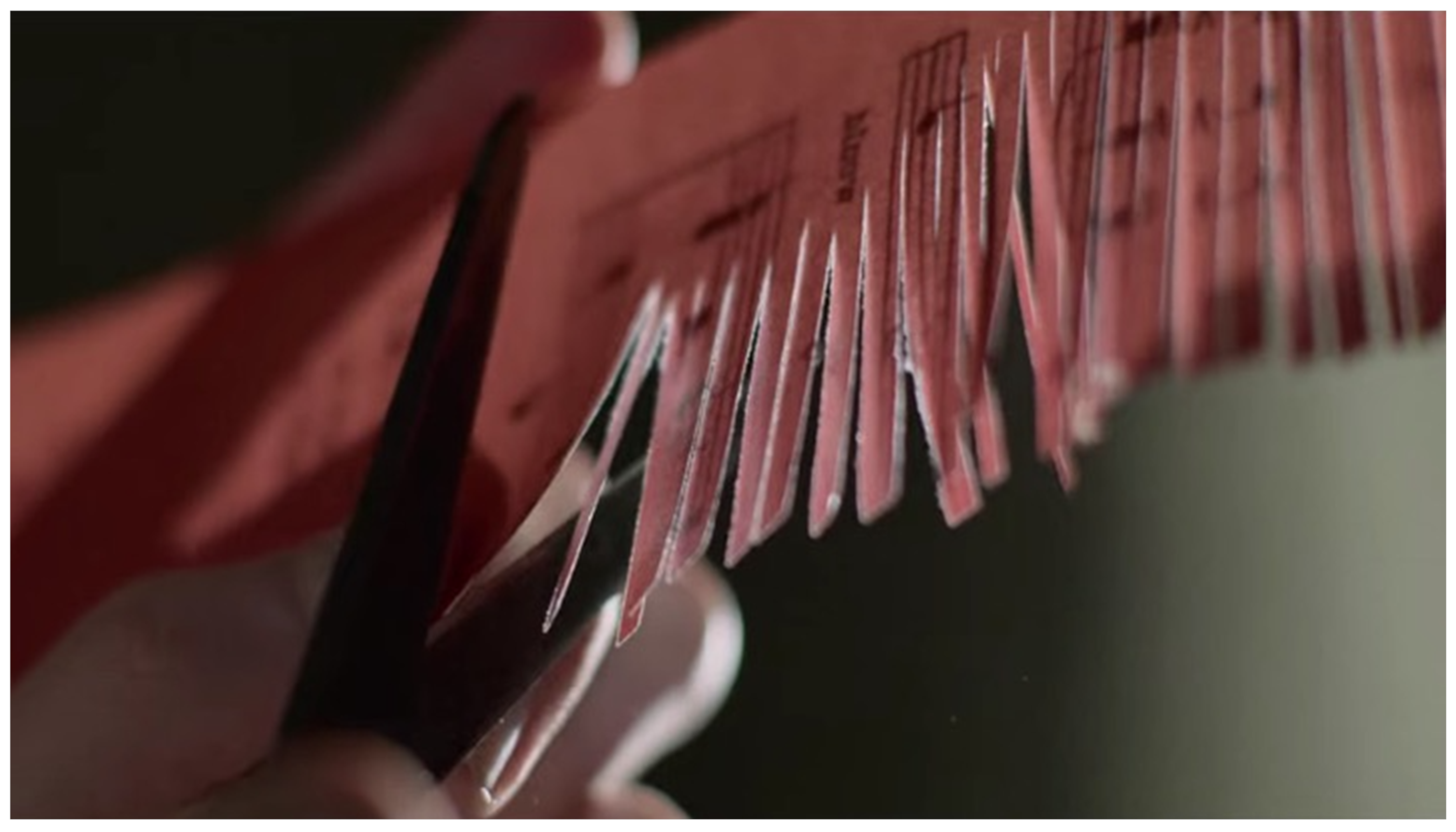
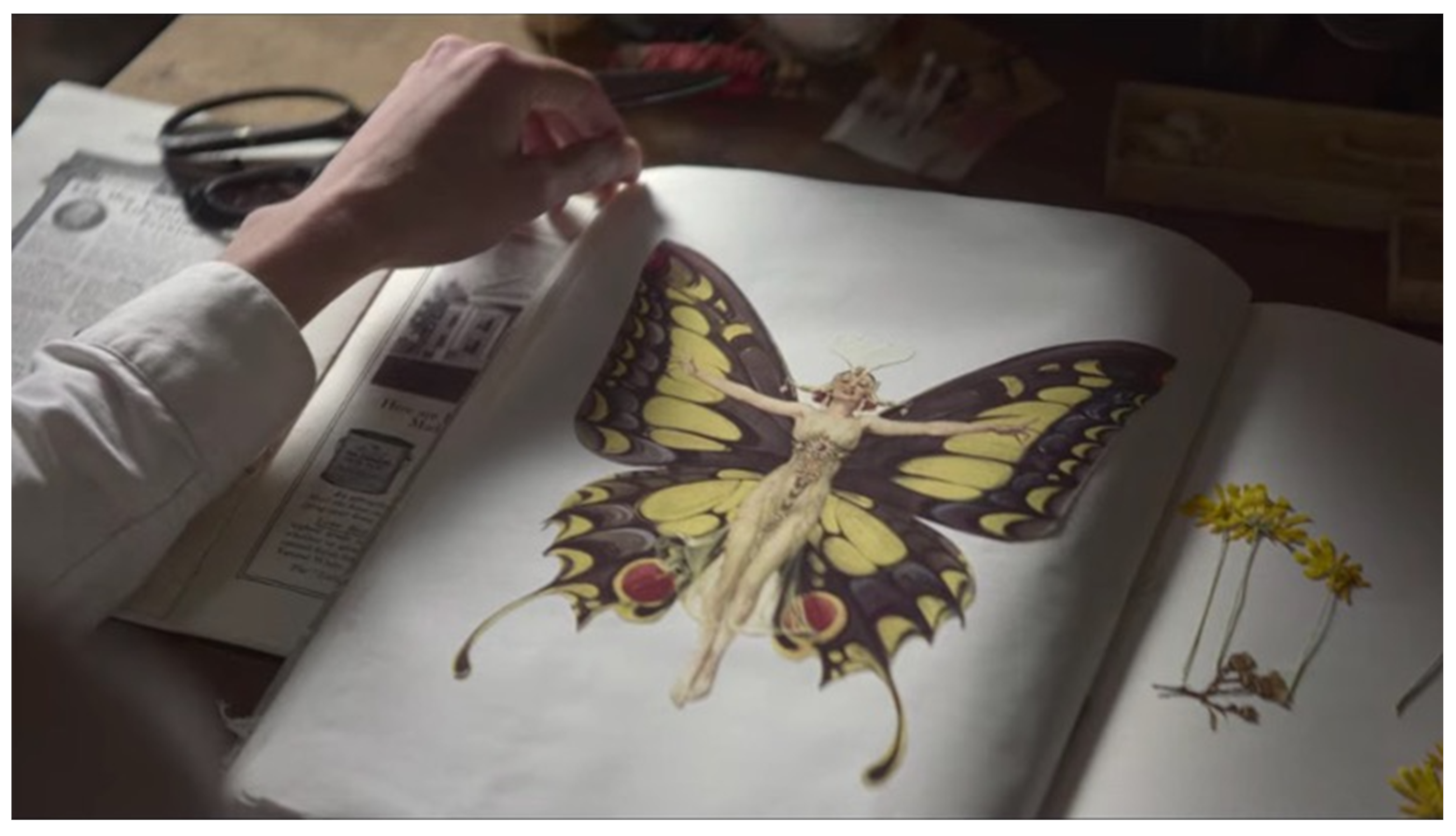
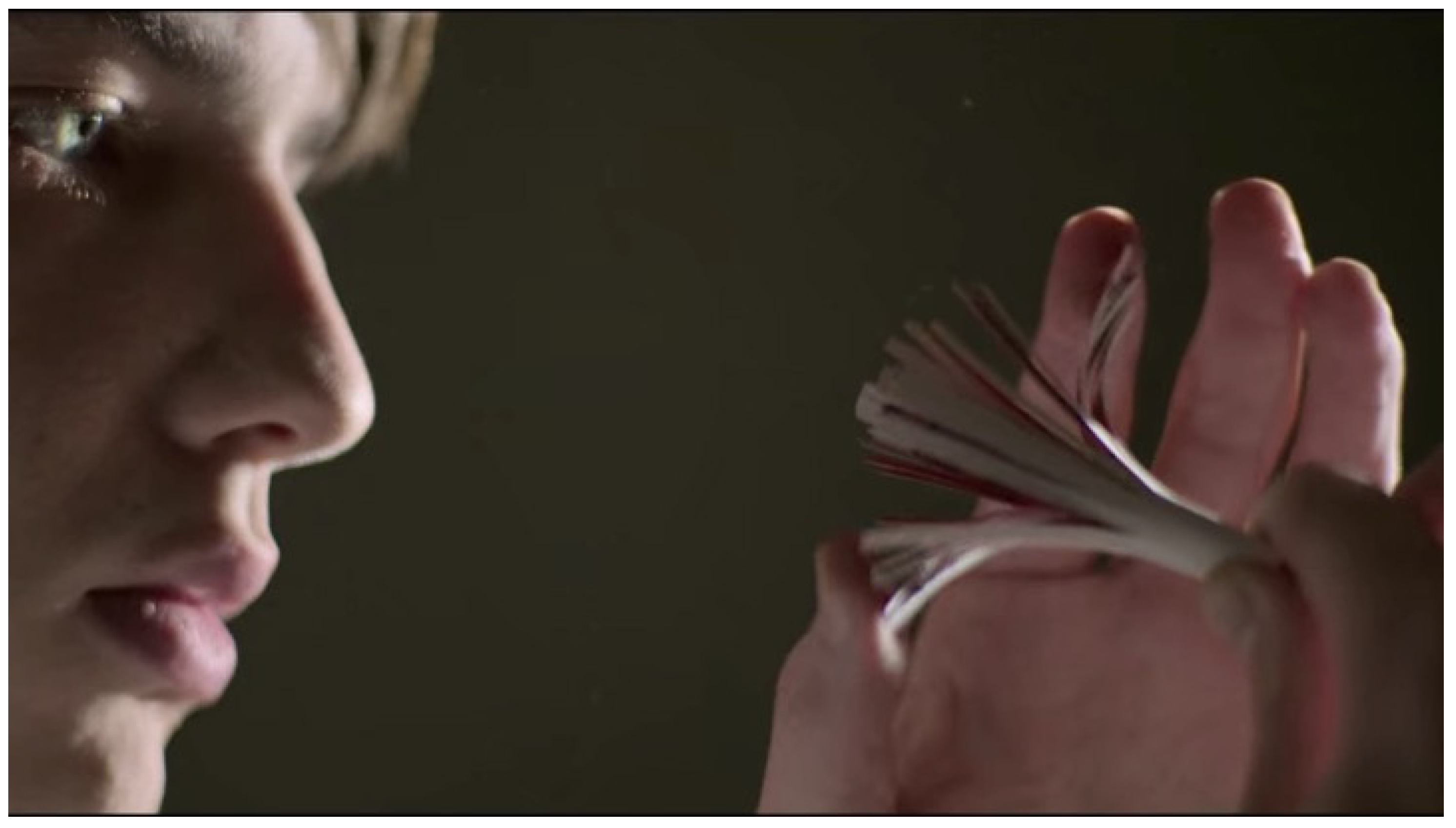
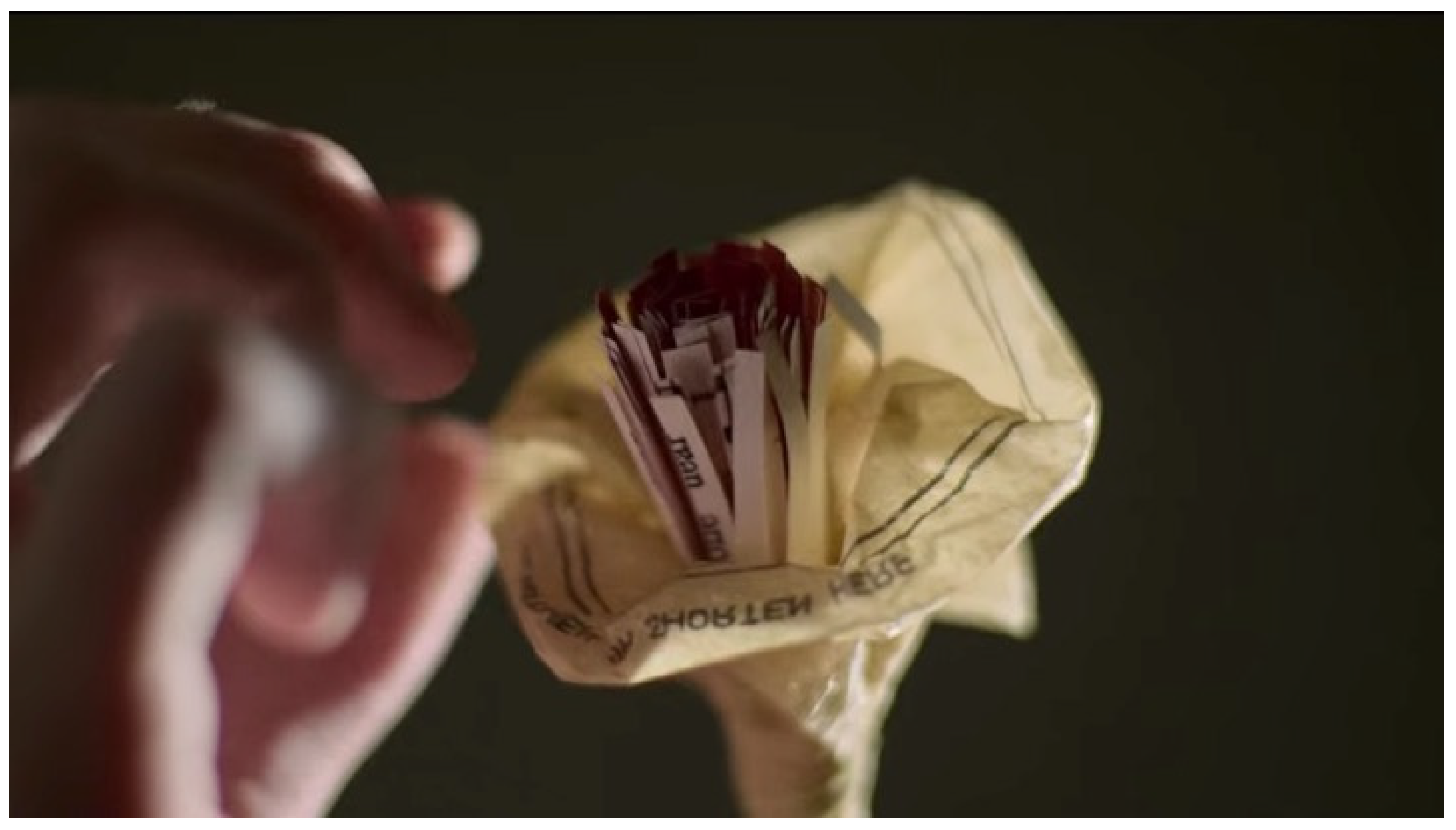
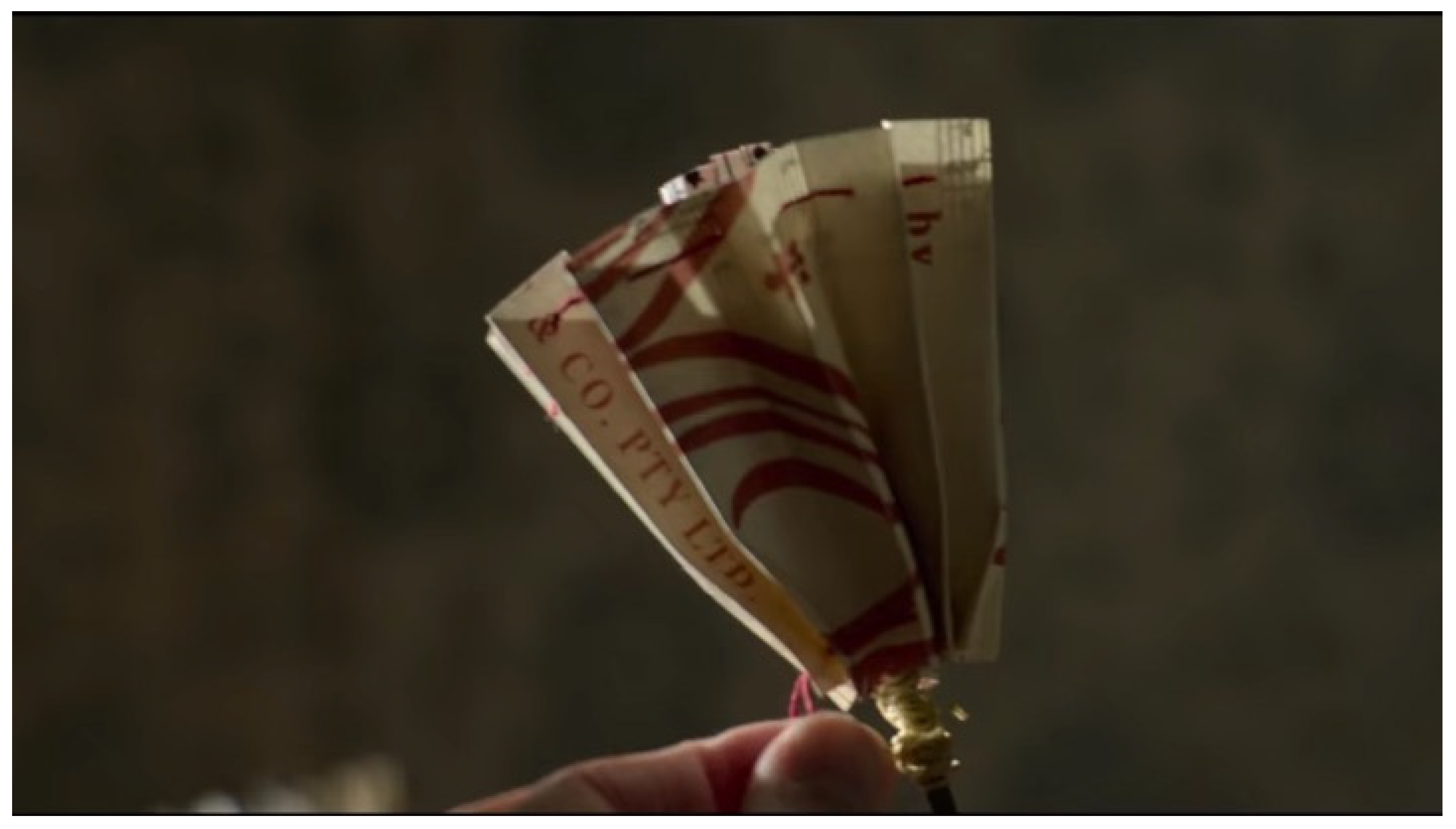
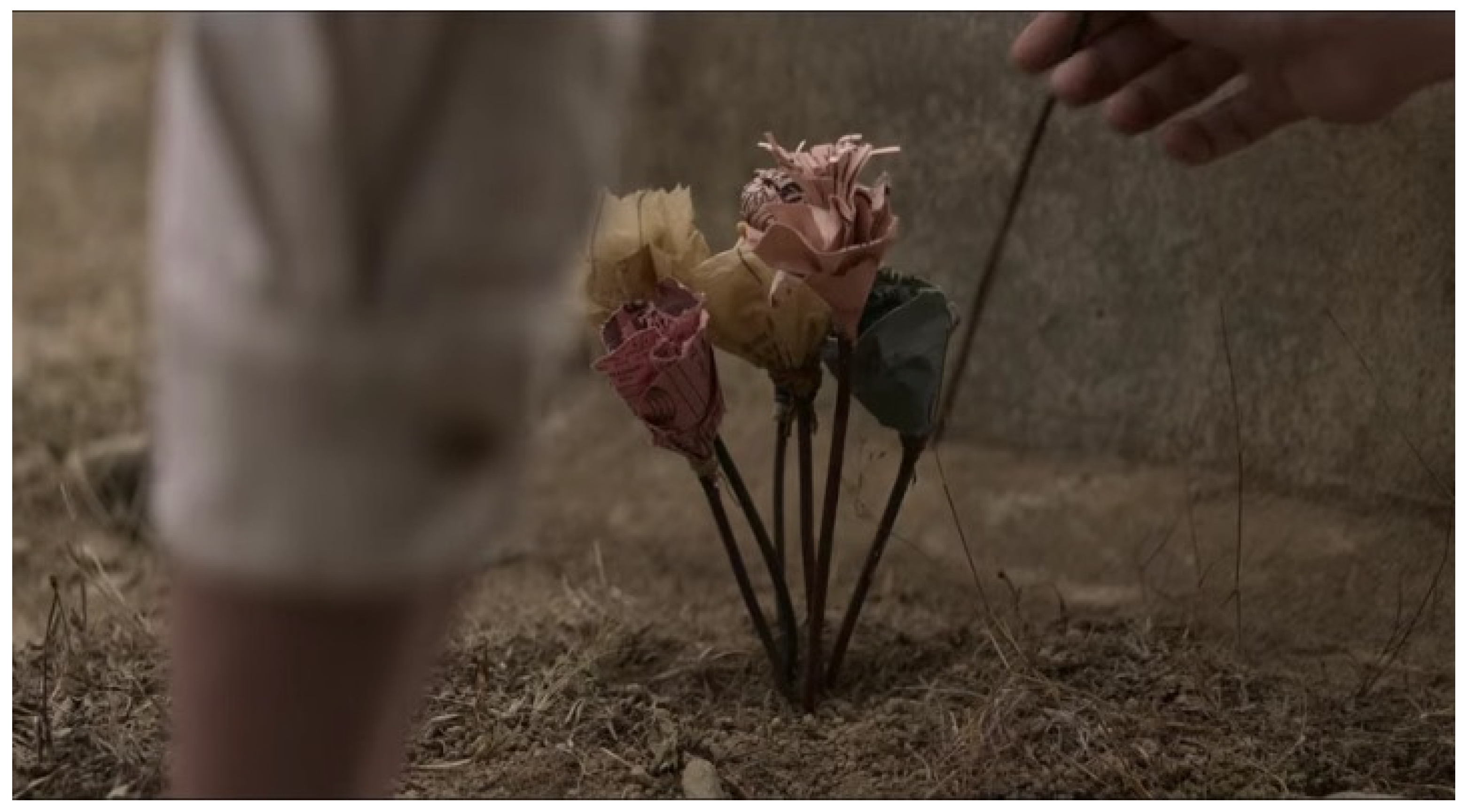
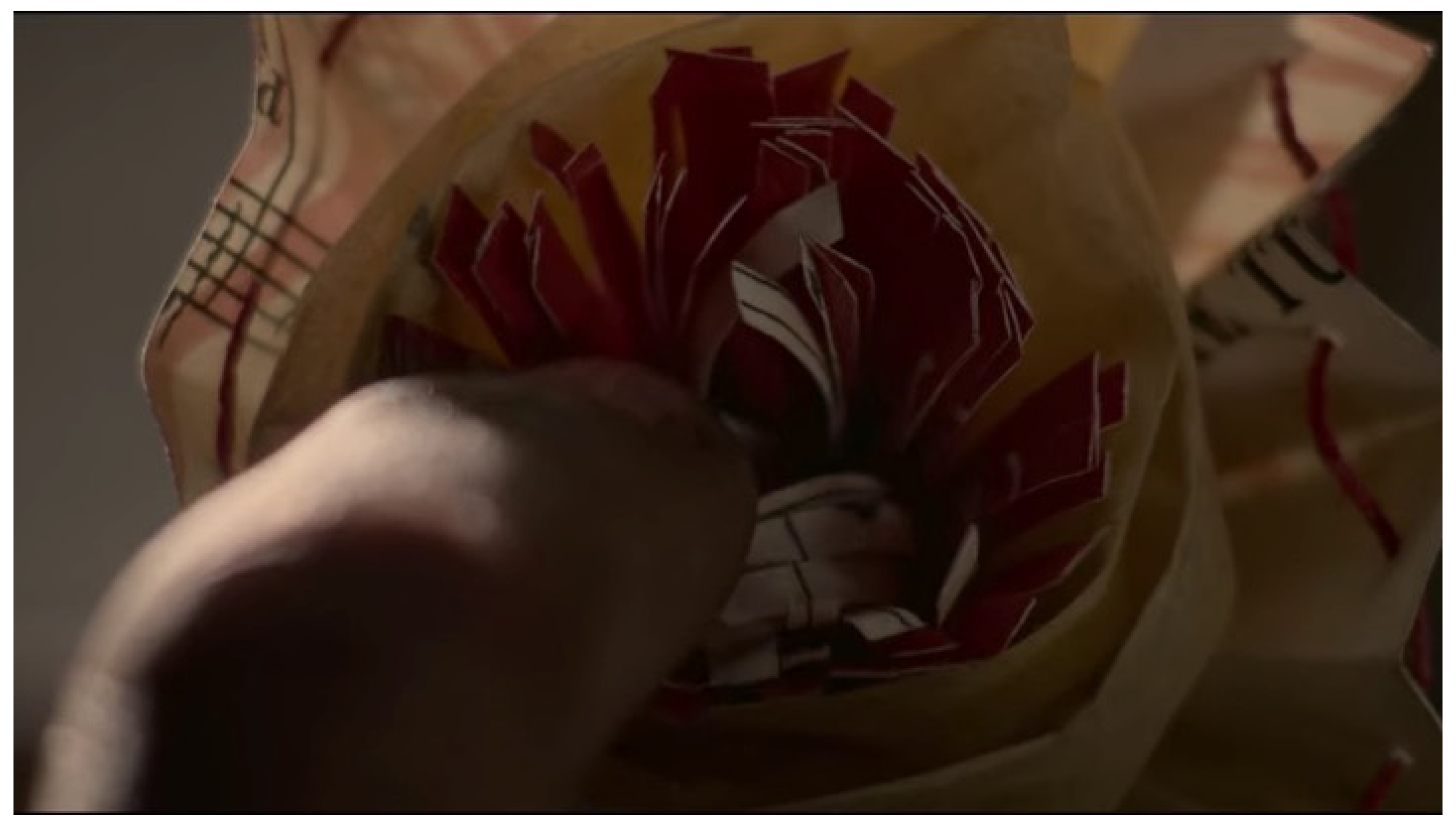
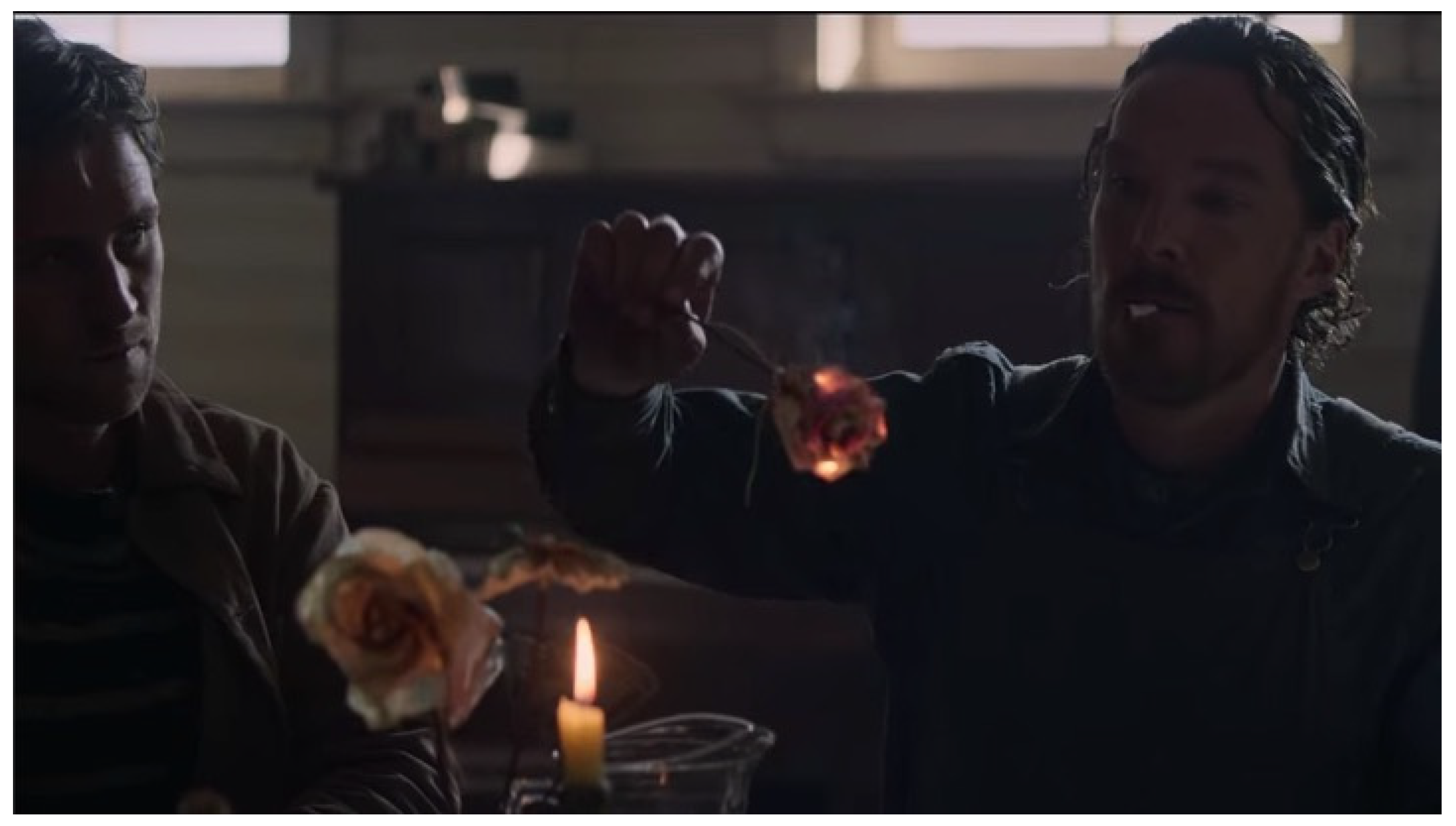
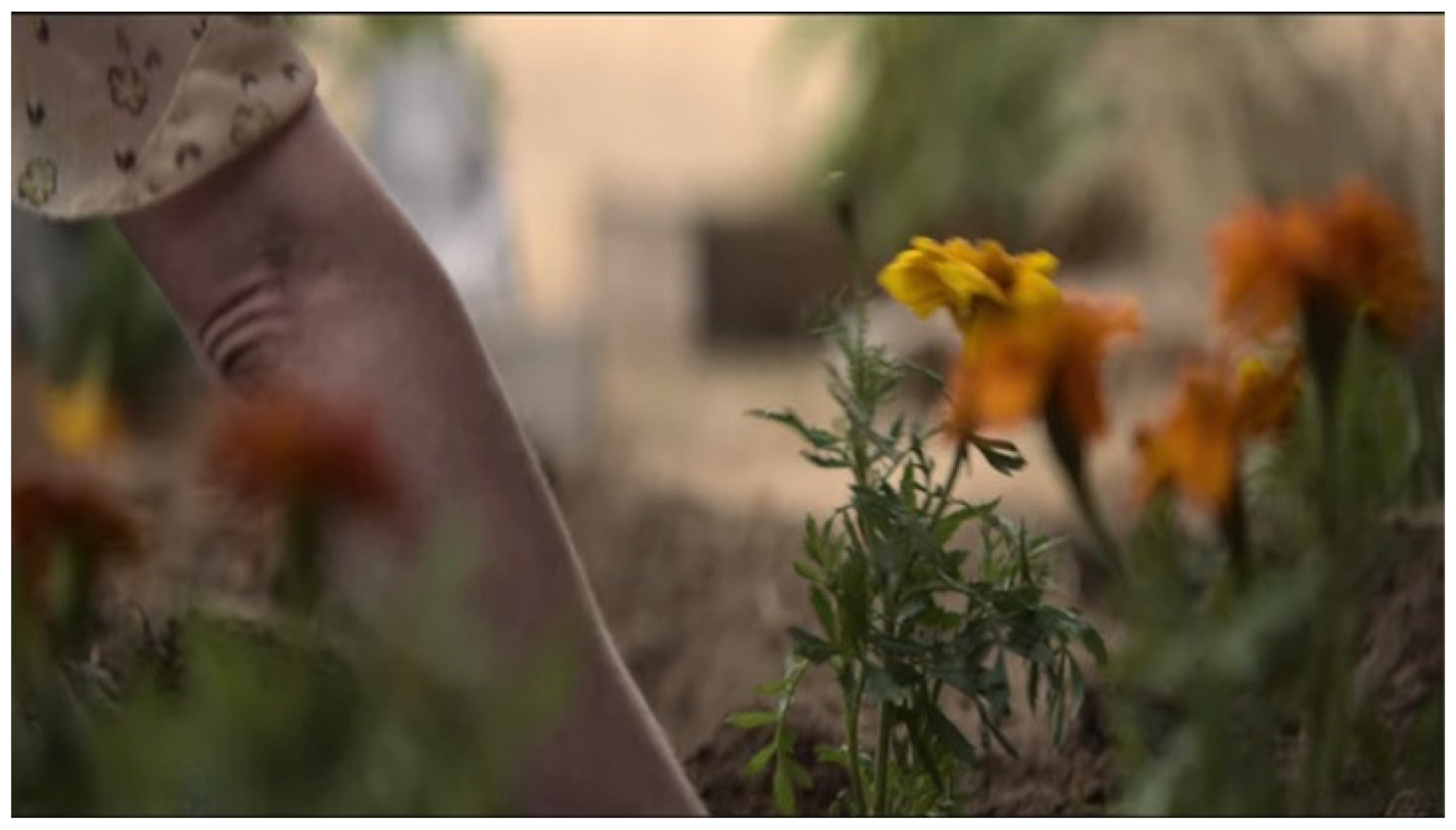
Taking as its point of departure the place of the vegetal realm within Jane Campion’s filmmaking, this article attends to both living and artificial plants, homing in on the exquisitely crafted paper flowers of The Power of the Dog to explore their entanglement with human power relations. Manmade flowers are clearly distinct from the flowers of the garden or the prairie, but in this Western, they form part of a broader floral aesthetic with their living kin. Drawing upon thought that stems from actual plants (Deleuze and Guattari’s arboreal-rhizomatic thinking) and vegetal philosophy (Marder, Coccia), as well as parallel botany’s attention to the artificial (Lionni), I follow the fate of one paper flower as it intersects with the gendered history of artificial flower making and floral sexual symbolism. Thinking with this paper flower, I engage with theories that variously question binary power relations (Cixous, Barthes, Steinbock), reading these alongside scholarship on sex, gender, and masculinity in the Western (Neale, Mulvey, Bruzzi), and broaching the hierarchies of settler colonialism. The film’s floral aesthetic, I argue, challenges the either/or logic of male or female, masculine or feminine, and even though it cannot fully break away from the binaries it critiques, it is indebted to registering the importance of the nuance (Barthes) in the unthreading of power.
Keywords: Jane Campion; The Power of the Dog; the Western; artificial flowers; gender; masculinity; vegetal philosophy Jane Campion; The Power of the Dog; the Western; artificial flowers; gender; masculinity; vegetal philosophy