
Article

Human Posture Transition-Time Detection Based upon Inertial Measurement Unit and Long Short-Term Memory Neural Networks

1
Department of Mechanical Engineering, National Taiwan University, Taipei 106319, Taiwan
2
Missile and Rocket Research Division, National Chung Shan Institute of Science and Technology, Taoyuan 325204, Taiwan
3
School and Graduate Institute of Physical Therapy, National Taiwan University, Taipei 106319, Taiwan
4
Mechanical and Aerospace Engineering, Samueli School of Engineering, UCLA, Los Angeles, CA 90095, USA
5
Department of Mechanical Engineering, National Taiwan University of Science and Technology, Taipei 106319, Taiwan
*
Author to whom correspondence should be addressed.
Biomimetics 2023, 8(6), 471; https://doi.org/10.3390/biomimetics8060471

Submission received: 14 August 2023 / Revised: 16 September 2023 / Accepted: 28 September 2023 / Published: 2 October 2023
(This article belongs to the Special Issue Intelligent Human-Robot Interaction)

Abstract

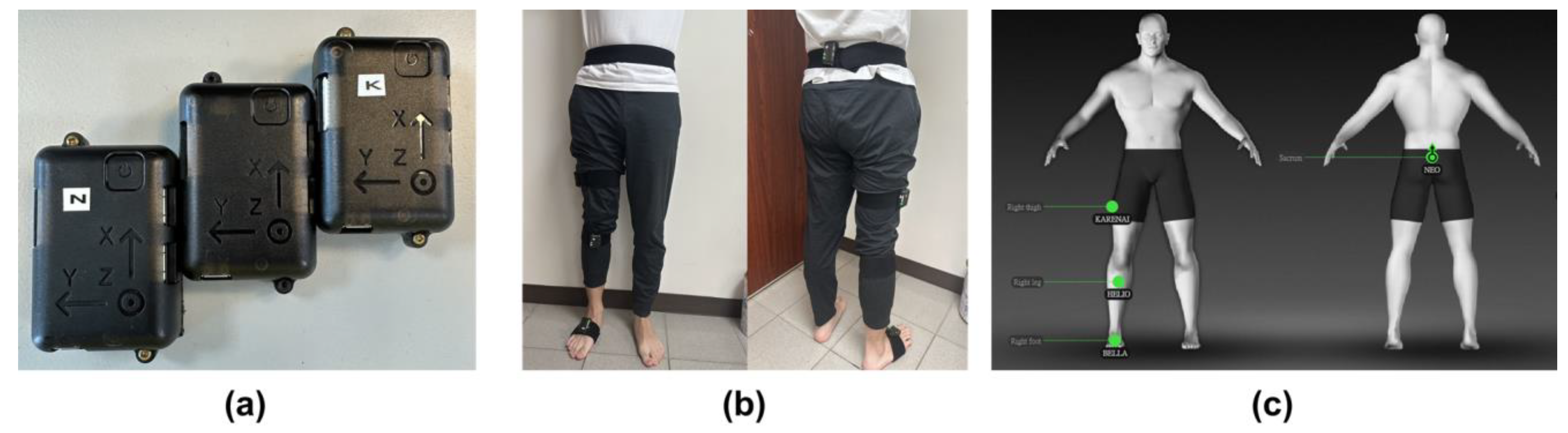
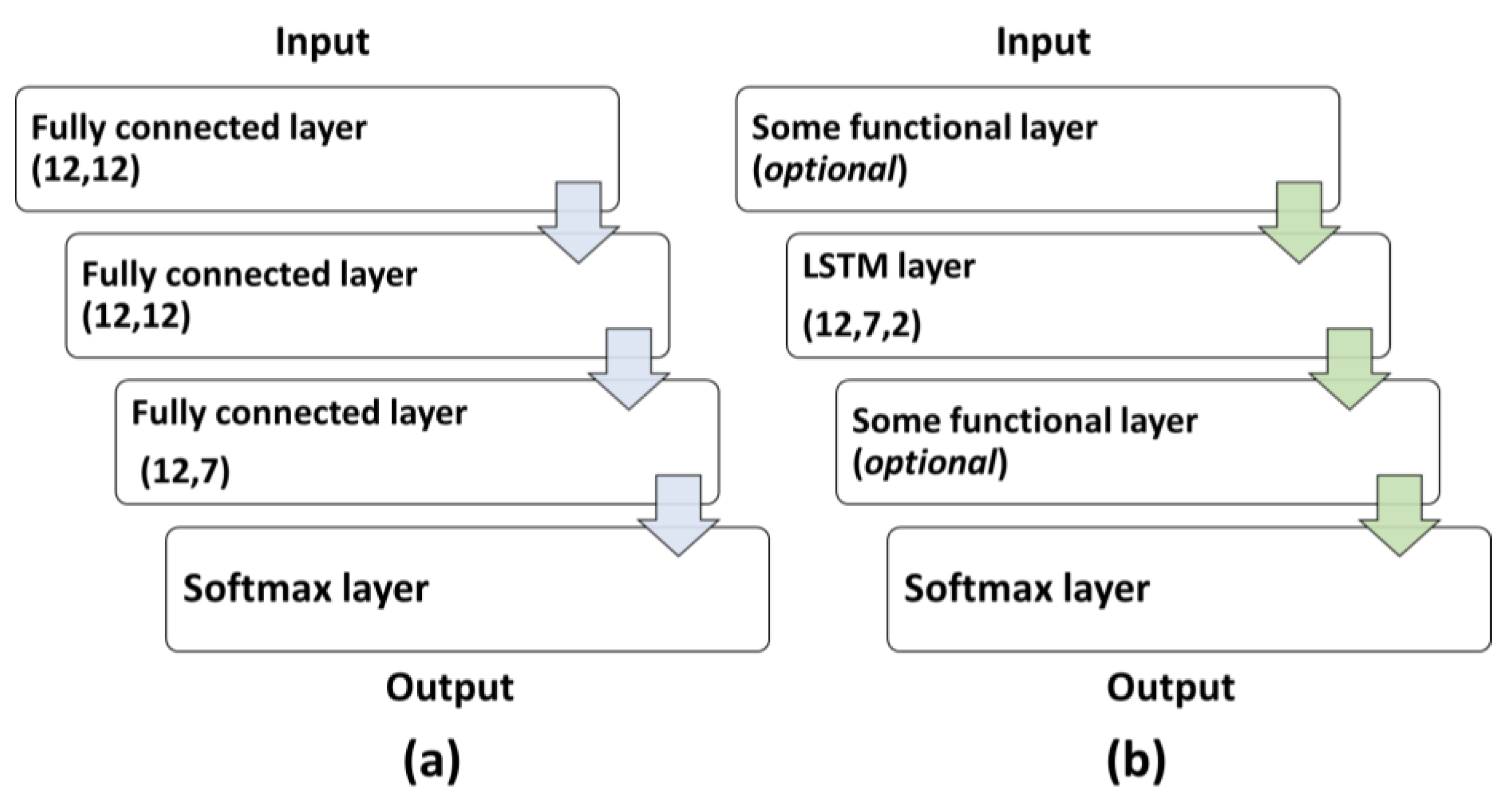
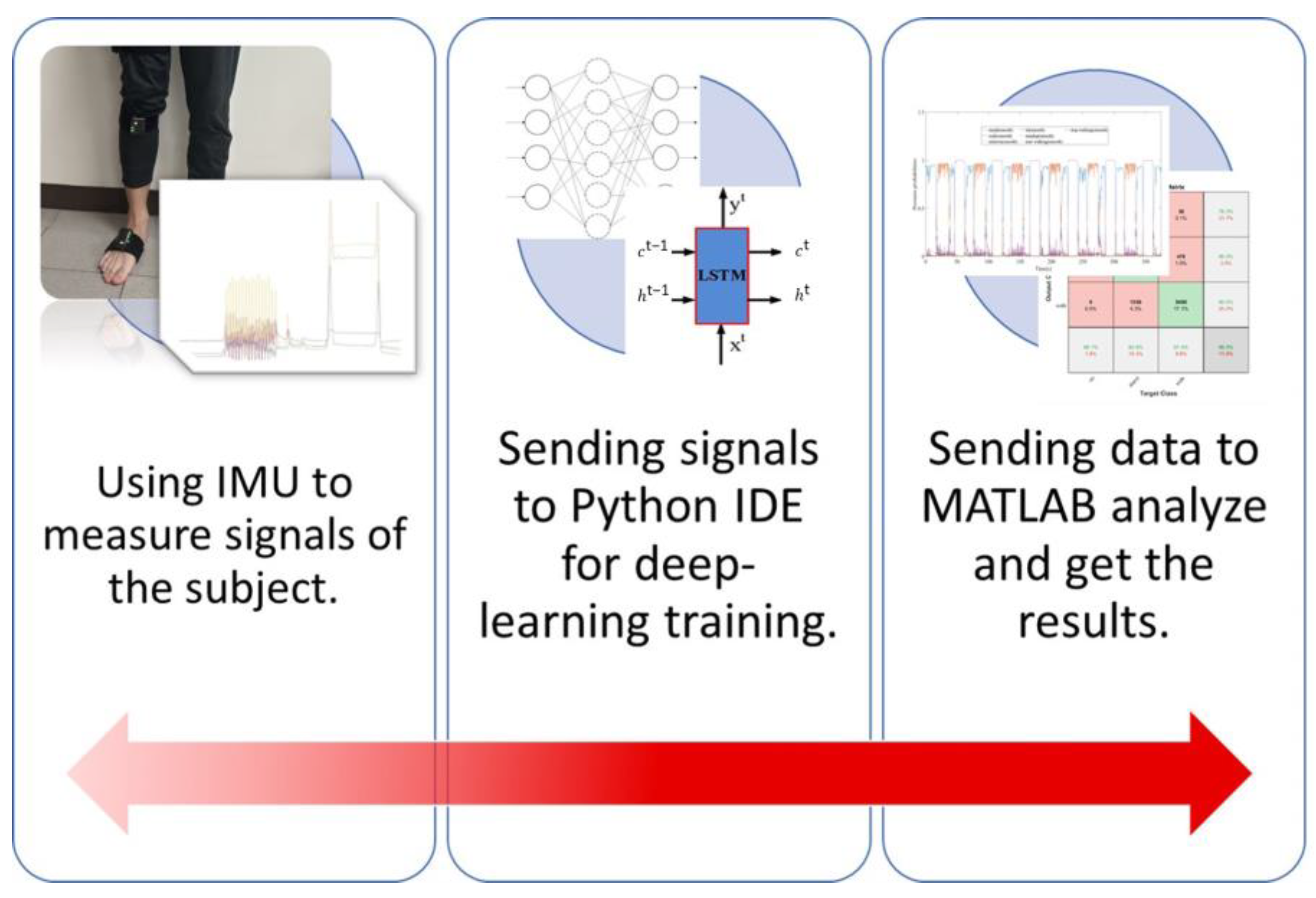
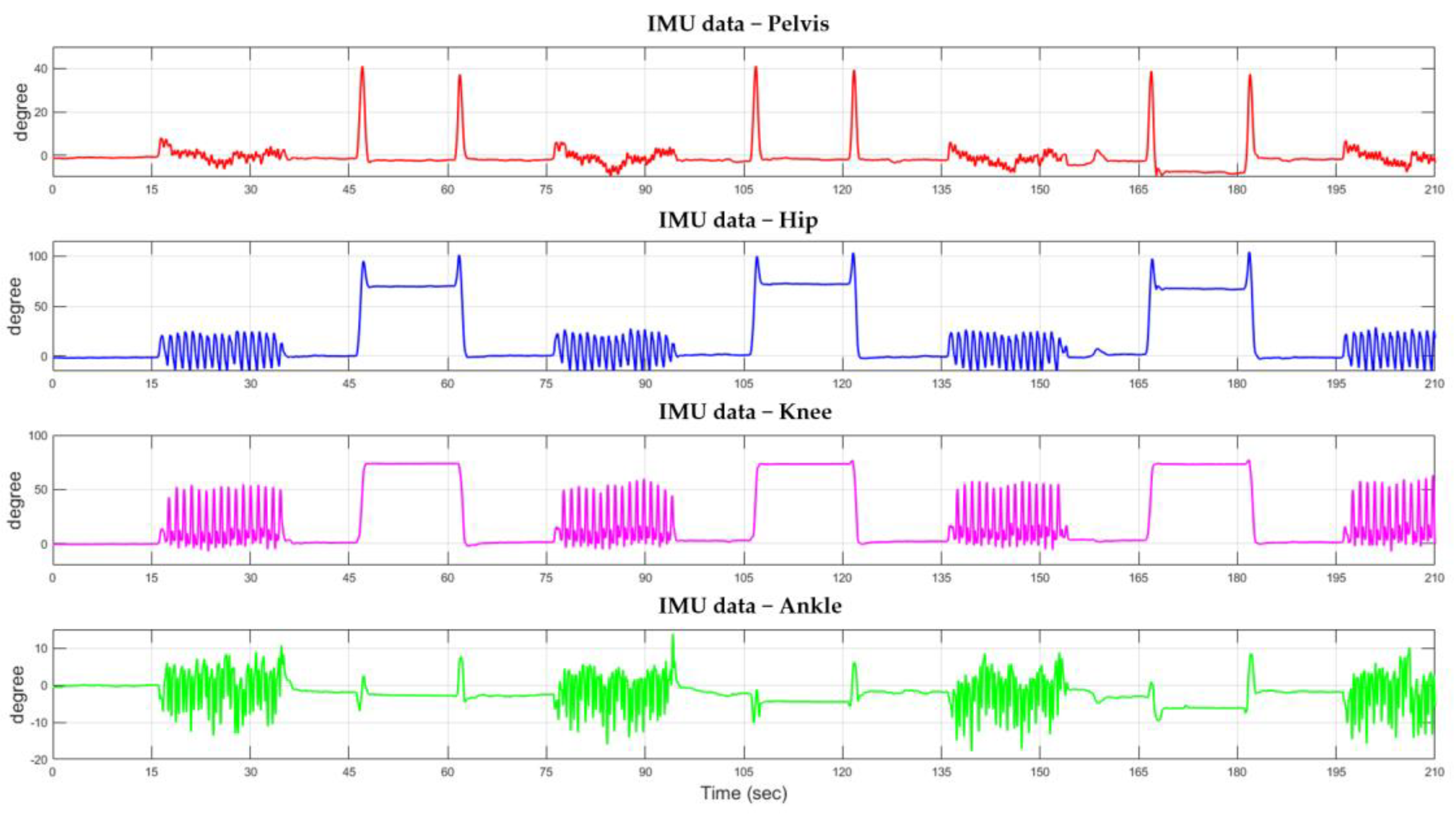
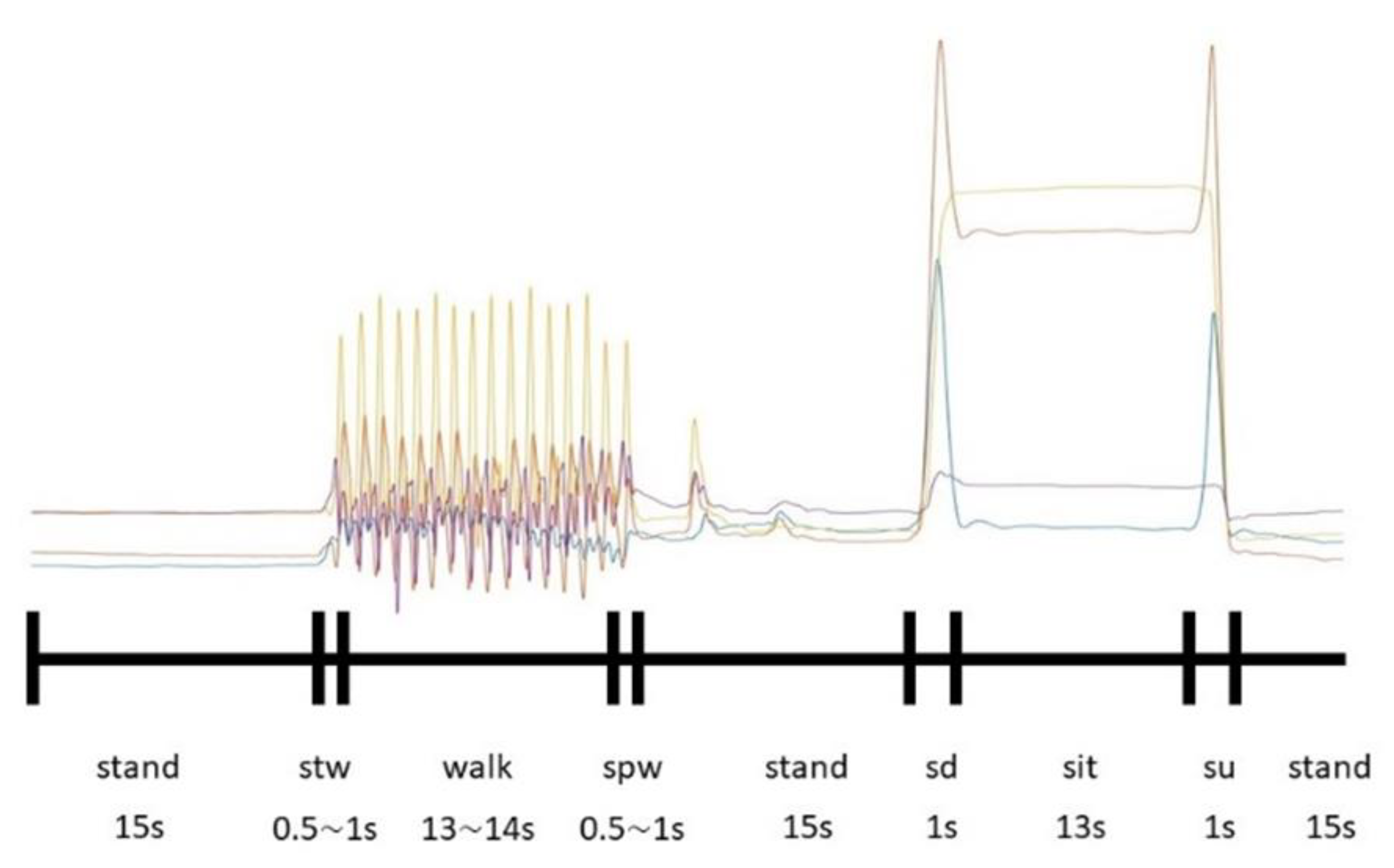
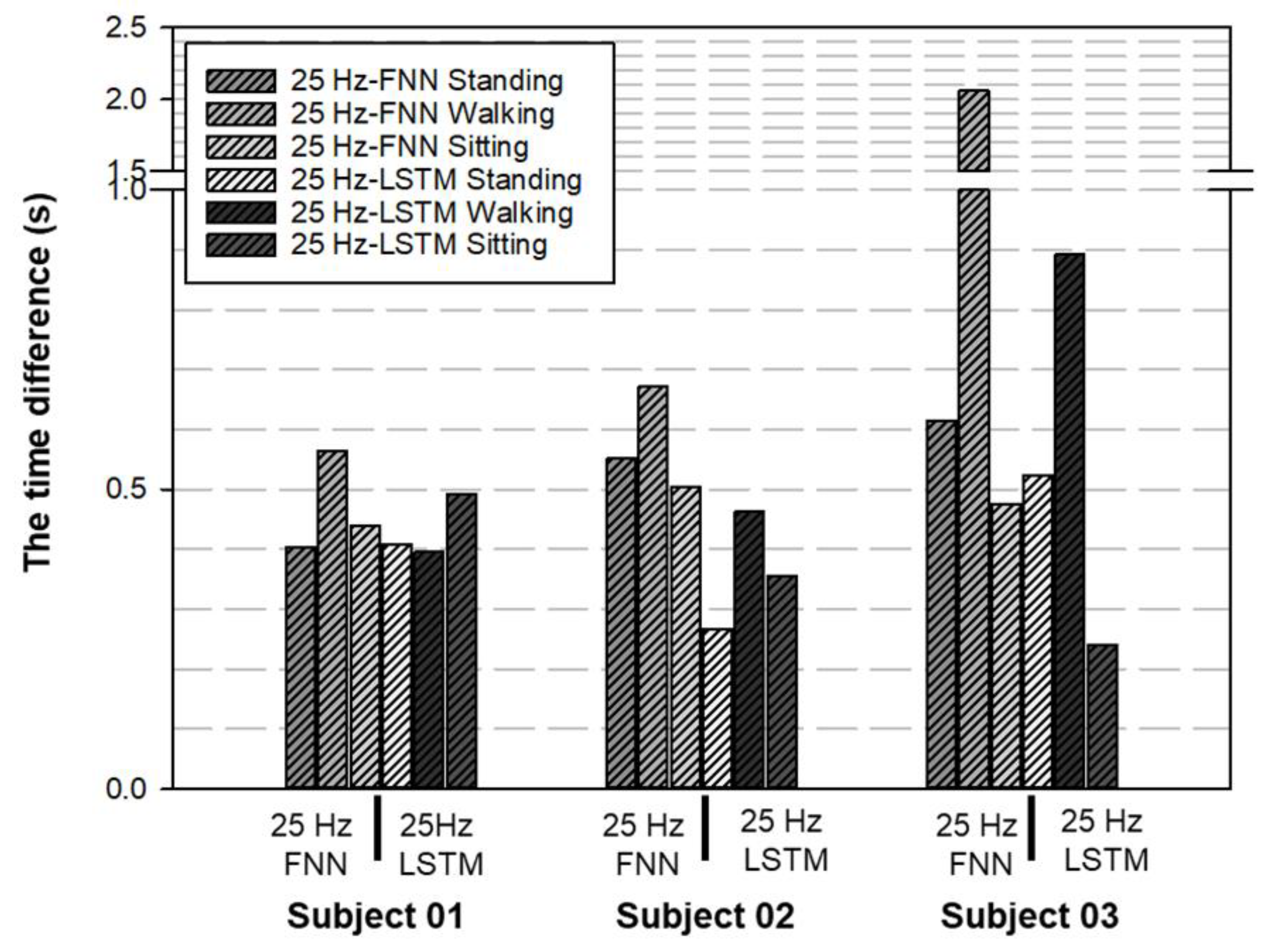
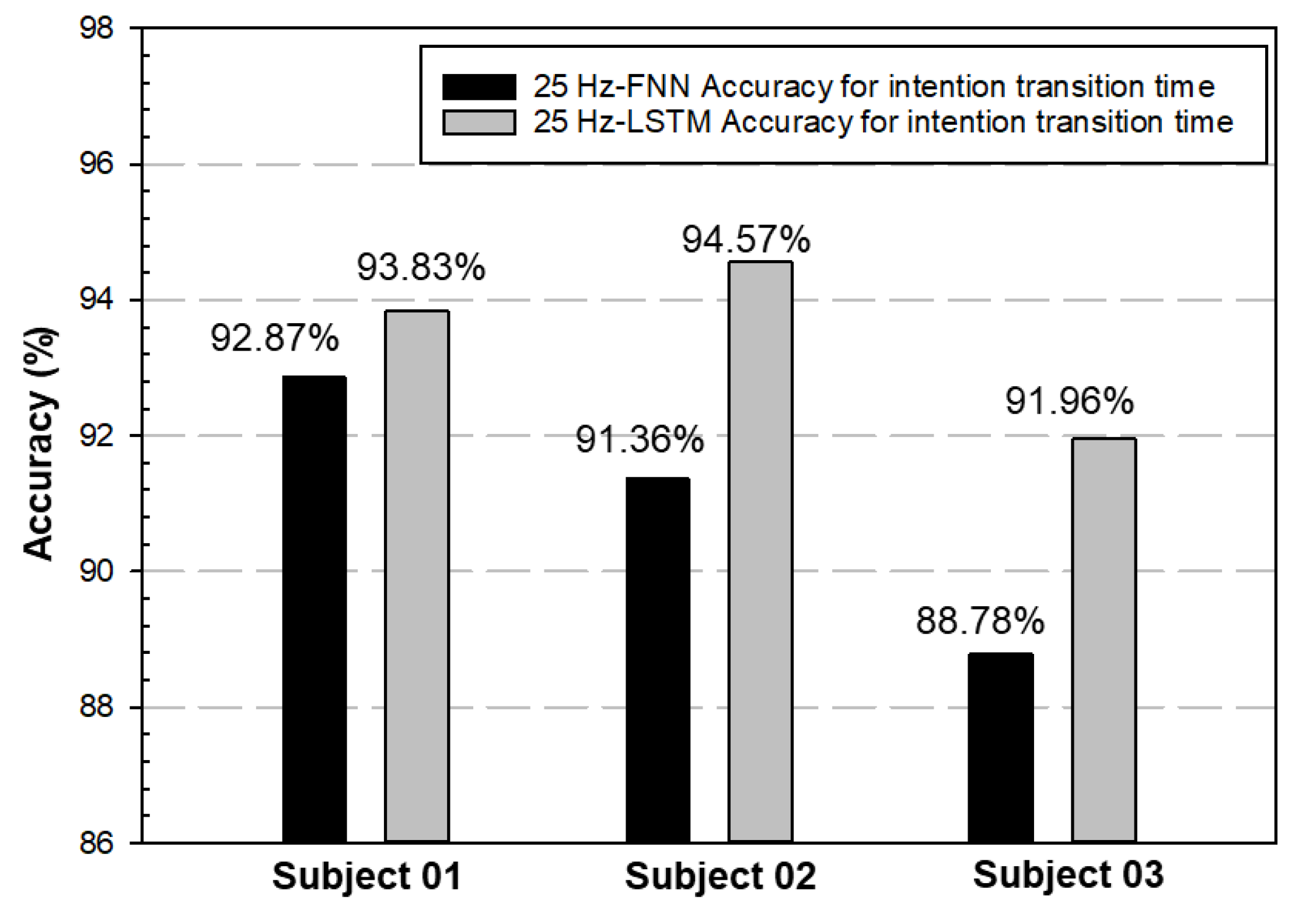
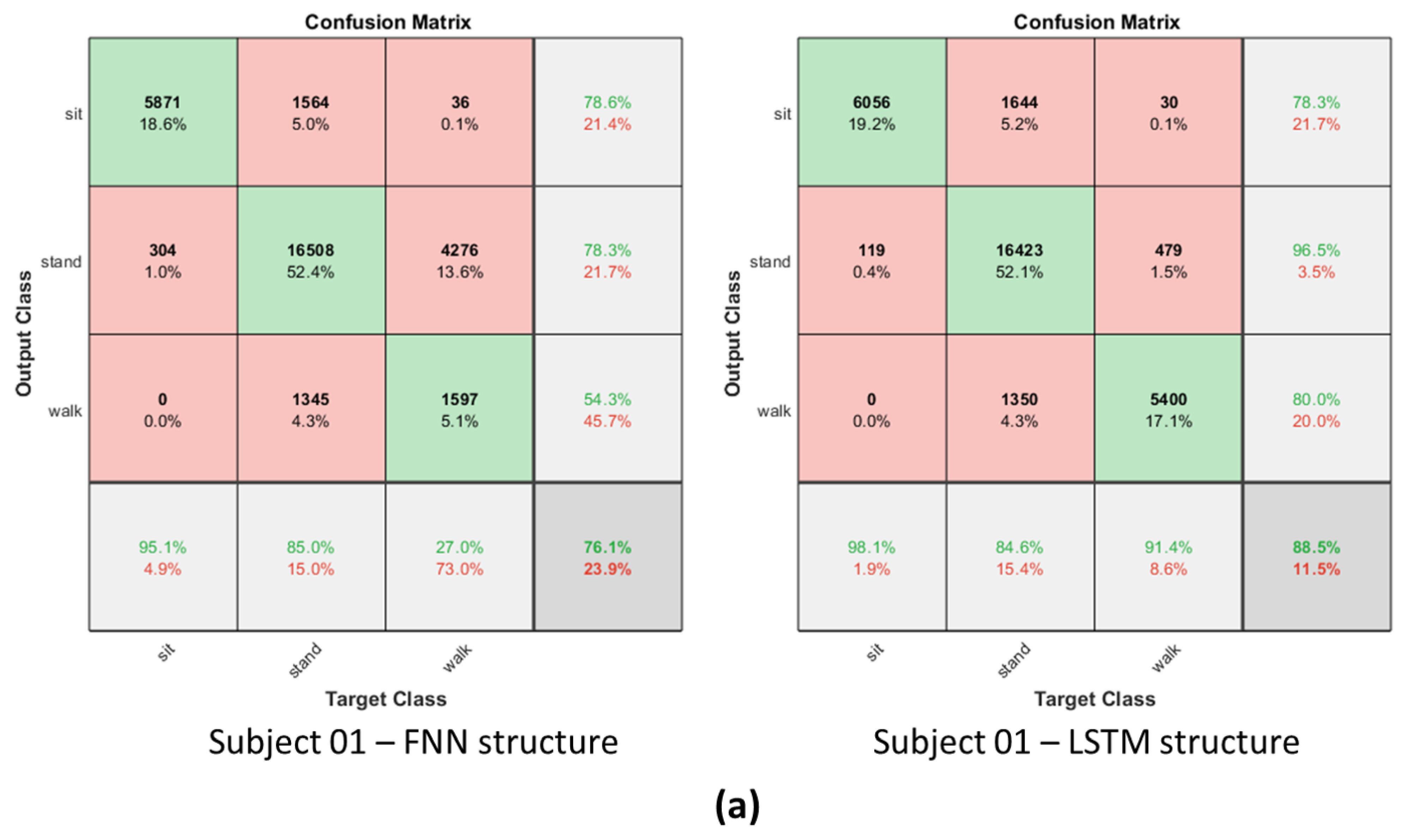
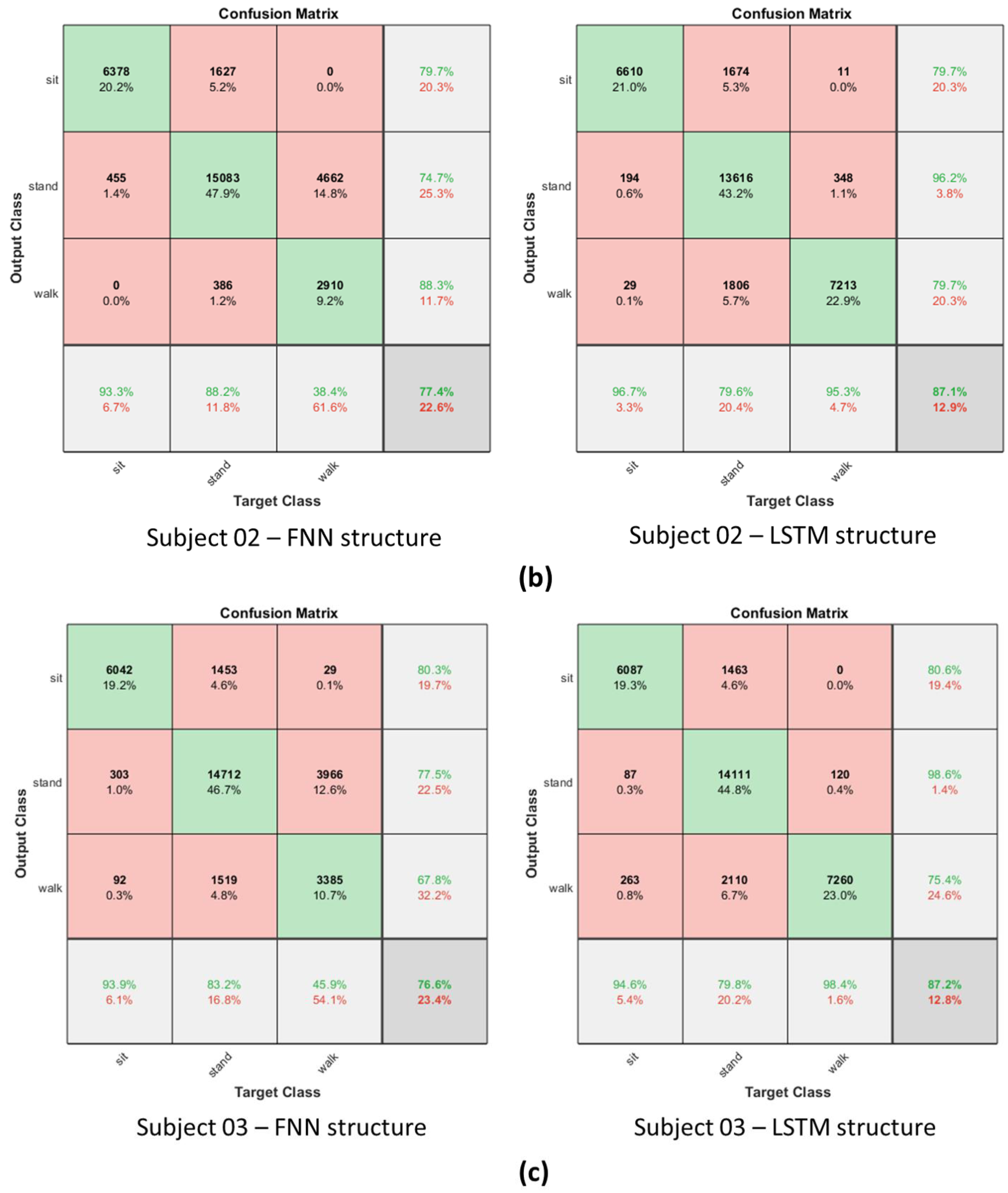
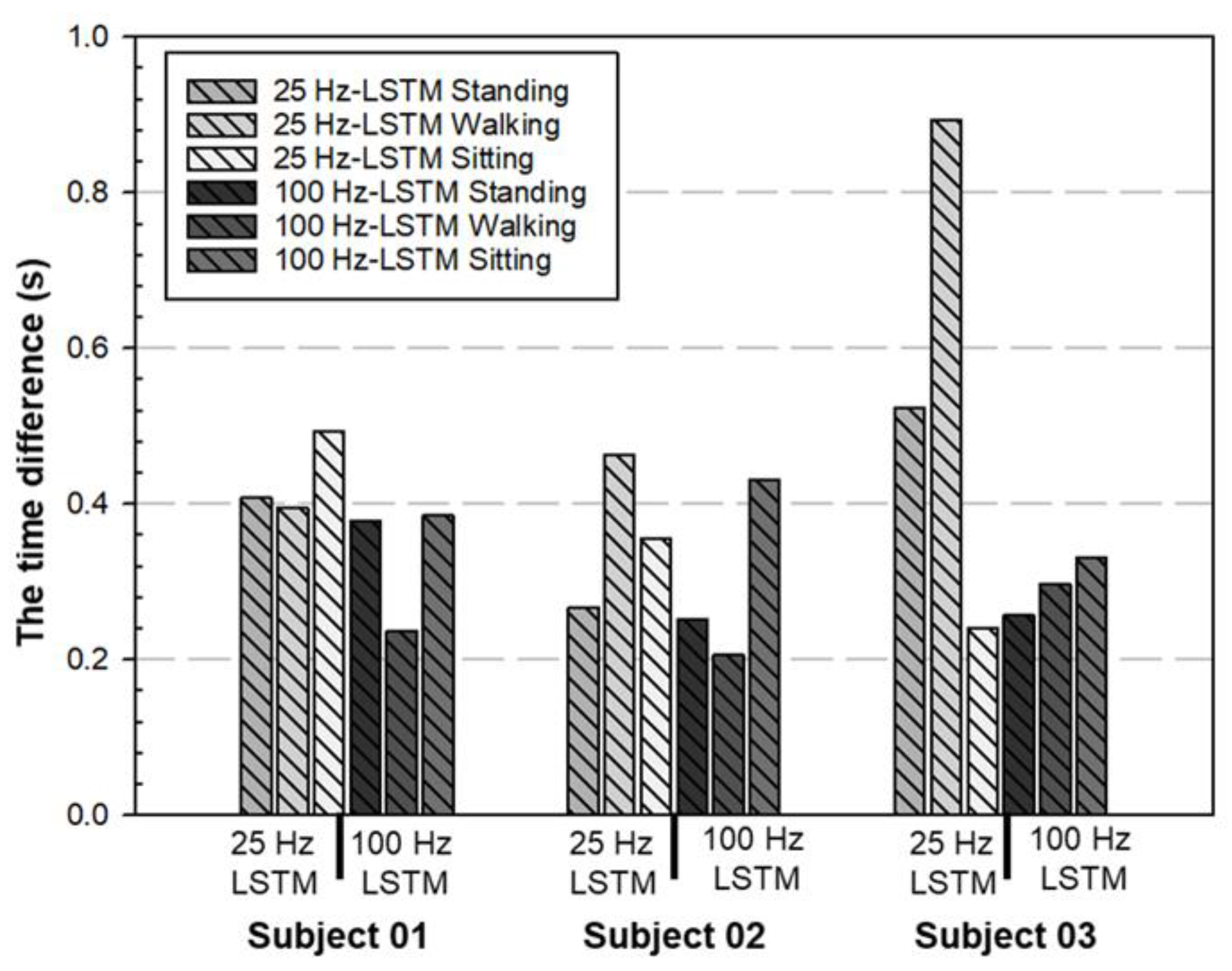
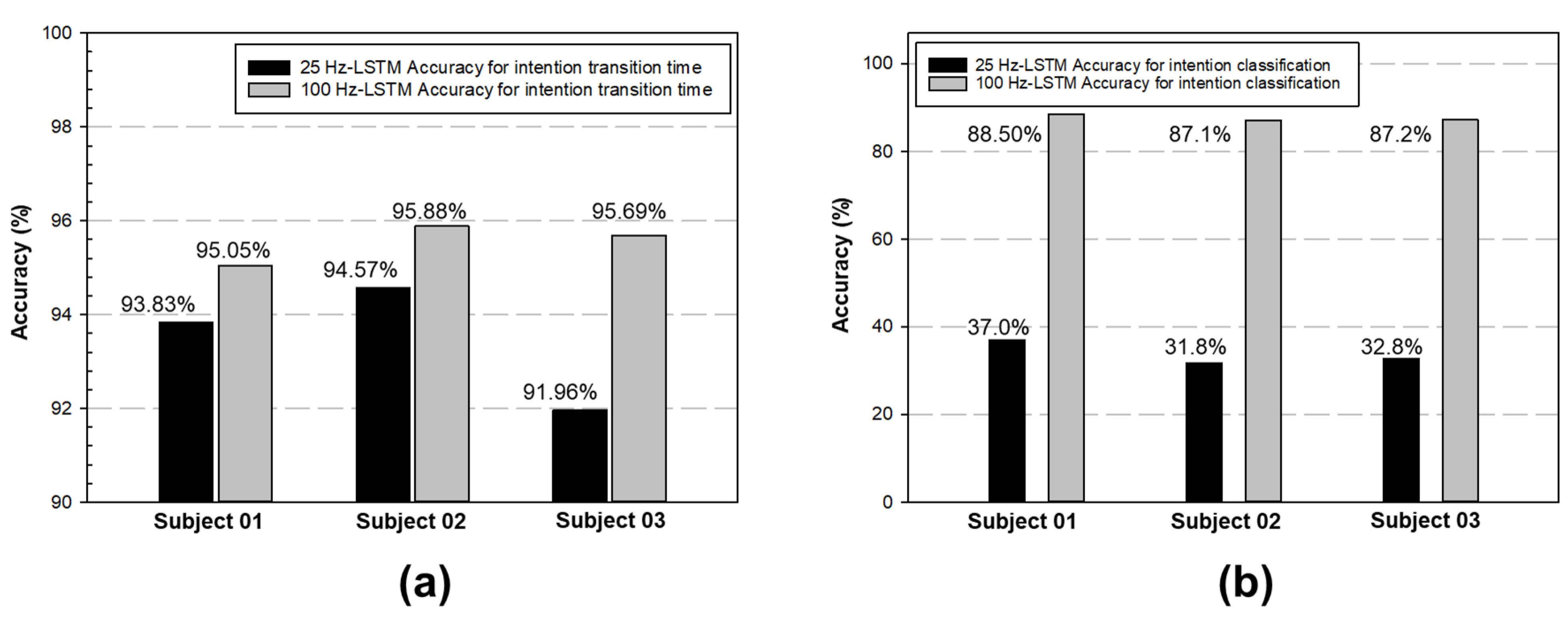
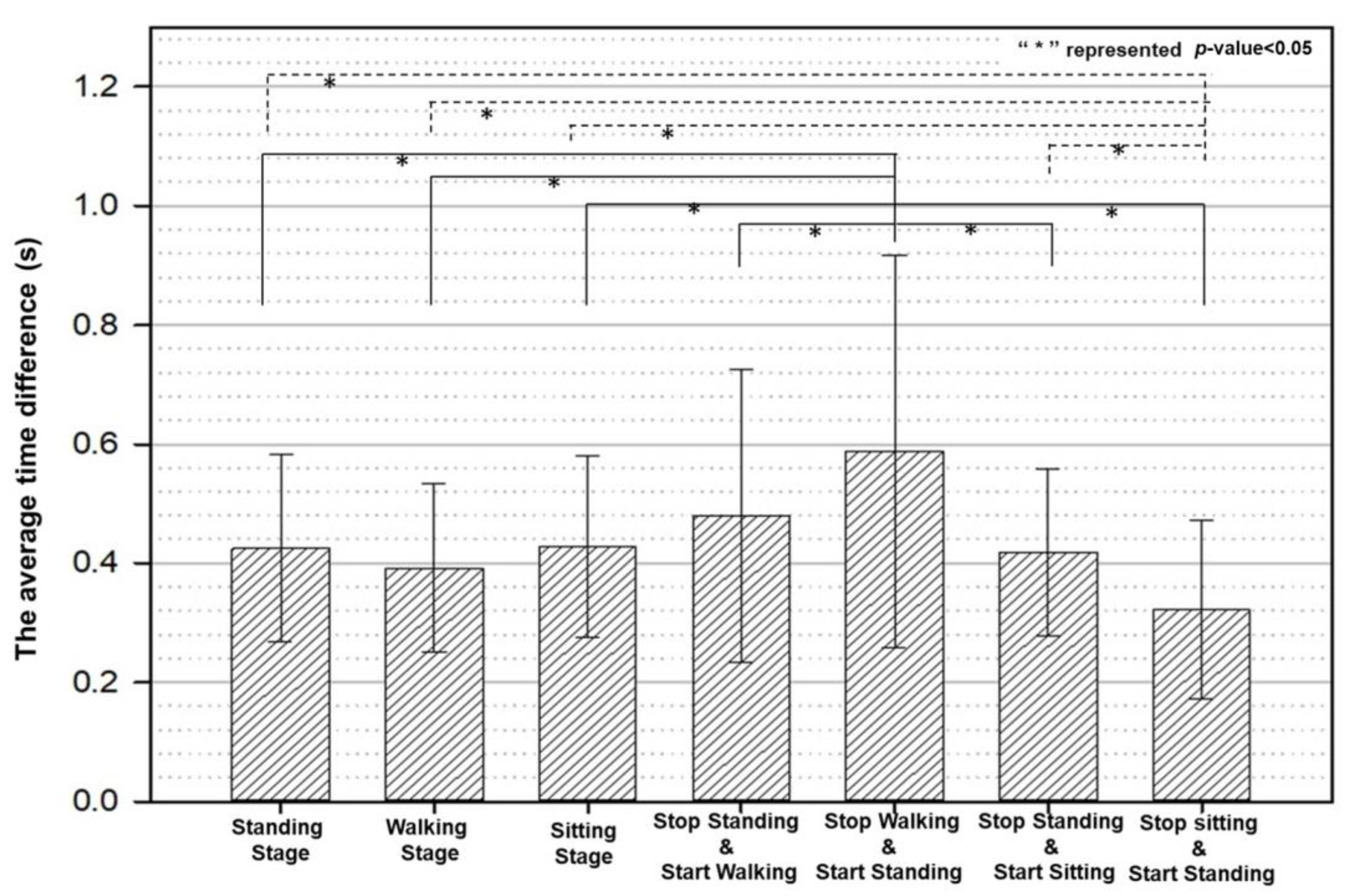
As human–robot interaction becomes more prevalent in industrial and clinical settings, detecting changes in human posture has become increasingly crucial. While recognizing human actions has been extensively studied, the transition between different postures or movements has been largely overlooked. This study explores using two deep-learning methods, the linear Feedforward Neural Network (FNN) and Long Short-Term Memory (LSTM), to detect changes in human posture among three different movements: standing, walking, and sitting. To explore the possibility of rapid posture-change detection upon human intention, the authors introduced transition stages as distinct features for the identification. During the experiment, the subject wore an inertial measurement unit (IMU) on their right leg to measure joint parameters. The measurement data were used to train the two machine learning networks, and their performances were tested. This study also examined the effect of the sampling rates on the LSTM network. The results indicate that both methods achieved high detection accuracies. Still, the LSTM model outperformed the FNN in terms of speed and accuracy, achieving 91% and 95% accuracy for data sampled at 25 Hz and 100 Hz, respectively. Additionally, the network trained for one test subject was able to detect posture changes in other subjects, demonstrating the feasibility of personalized or generalized deep learning models for detecting human intentions. The accuracies for posture transition time and identification at a sampling rate of 100 Hz were 0.17 s and 94.44%, respectively. In summary, this study achieved some good outcomes and laid a crucial foundation for the engineering application of digital twins, exoskeletons, and human intention control.
Keywords: human posture change detection; deep learning; feedforward neural network (FNN); long short-term memory (LSTM); inertial measurement unit (IMU); internal sensing; human activity recognition (HAR) human posture change detection; deep learning; feedforward neural network (FNN); long short-term memory (LSTM); inertial measurement unit (IMU); internal sensing; human activity recognition (HAR)