
HLA Polymorphism and Allergenicity


1
Drug Design and Bioinformatics Lab, Faculty of Pharmacy, Medical University of Sofia, 1000 Sofia, Bulgaria
2
Centre of Excellence in Informatics and Information and Communication Technologies, 1113 Sofia, Bulgaria
Allergies 2026, 6(3), 35; https://doi.org/10.3390/allergies6030035
Submission received: 23 July 2026
/
Revised: 7 September 2026
/
Accepted: 9 September 2026
/
Published: 10 September 2026
(This article belongs to the Section Physiopathology)
Abstract
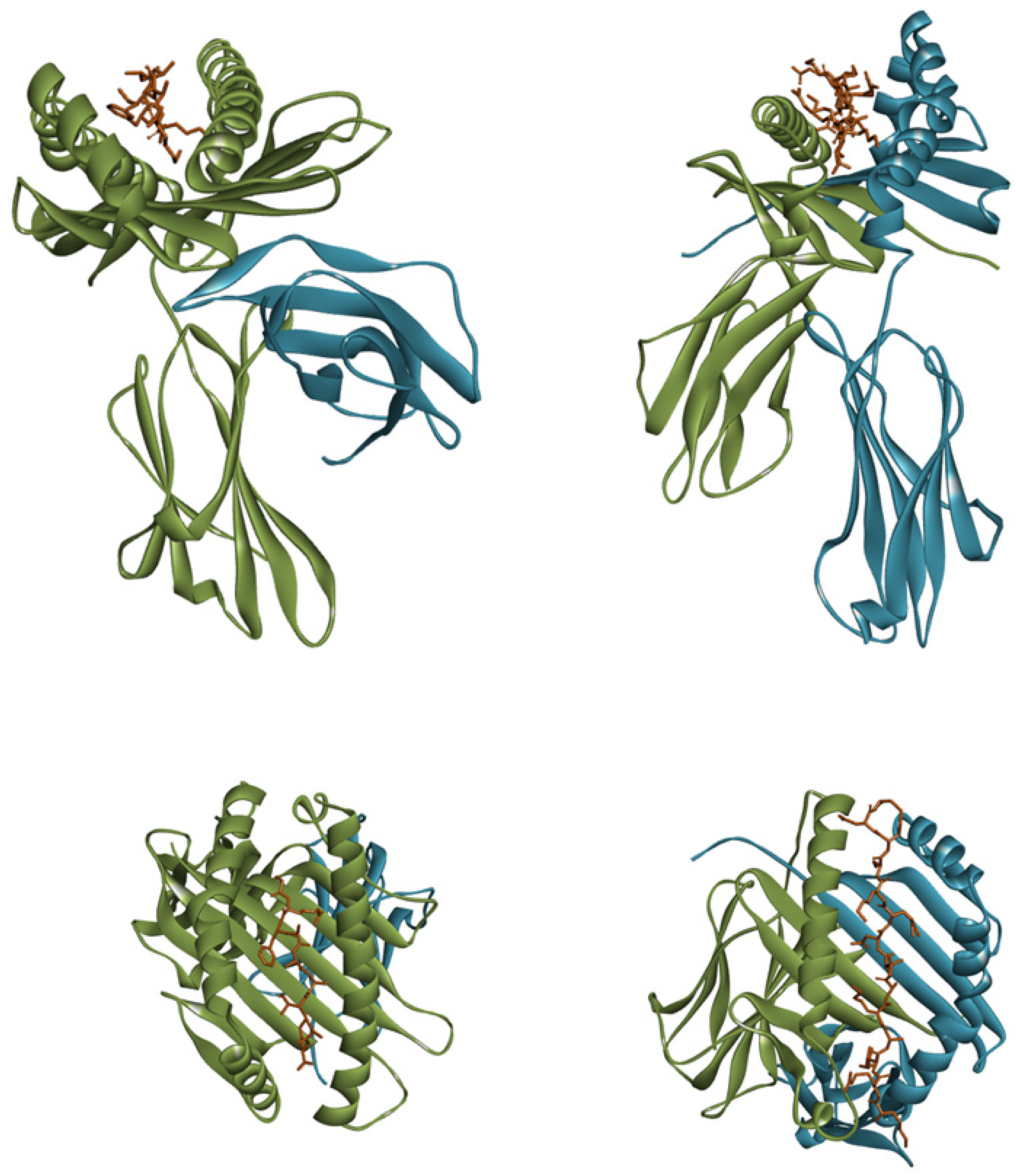
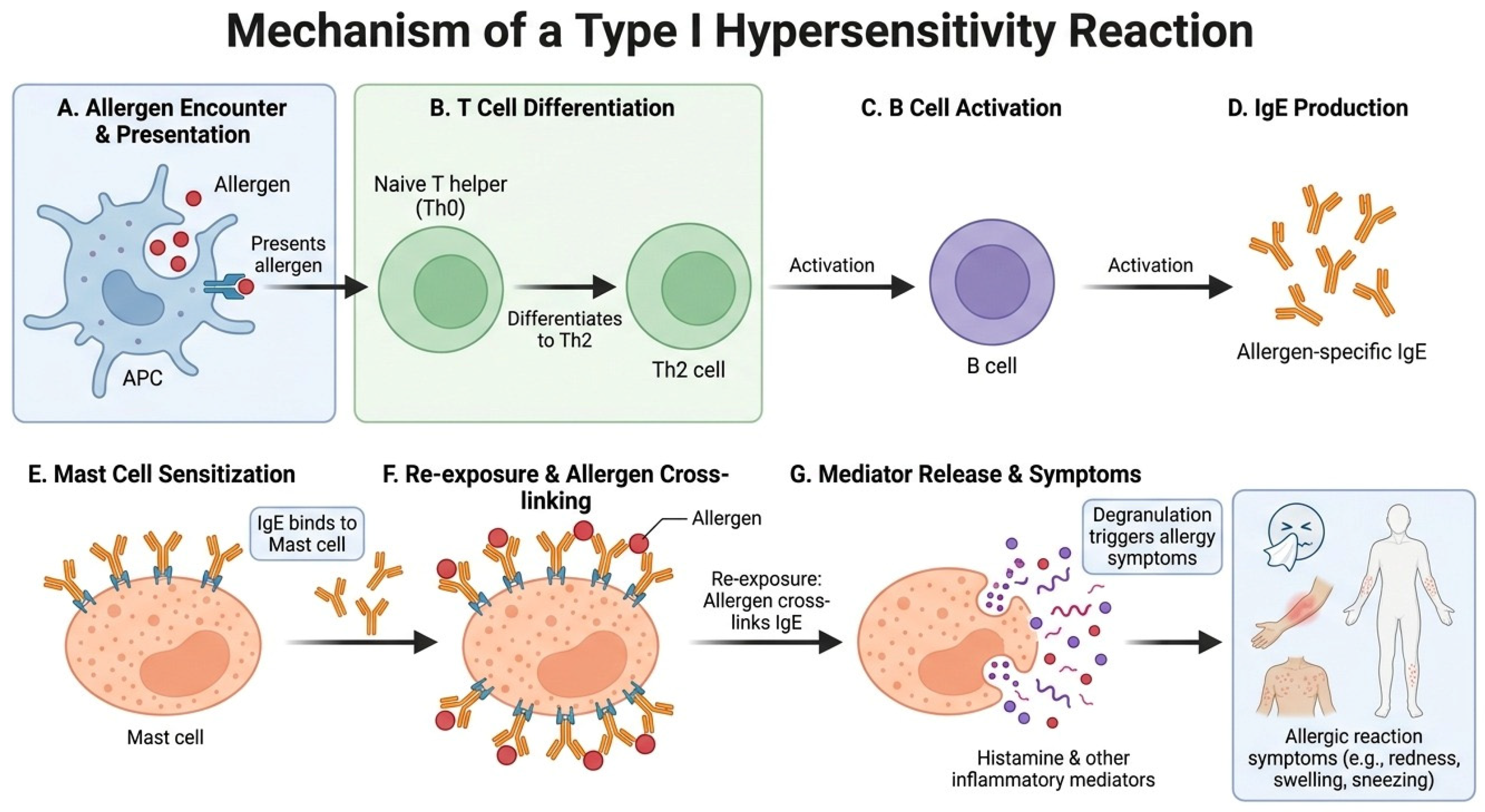
The Human Leukocyte Antigen (HLA) system represents one of the most polymorphic genetic systems in humans and plays a central role in immune recognition. This review explores the complex relationship between HLA polymorphism and allergenicity. Allergic diseases are highly prevalent worldwide, and their pathogenesis is strongly influenced by genetic predisposition. HLA molecules, particularly class II alleles, shape the presentation of allergen-derived peptides to T helper cells, orchestrating immune responses that can lead to IgE-mediated hypersensitivity. Here, the molecular mechanisms underpinning allergen recognition, the structural determinants of HLA–peptide binding, and the consequences of allele-specific differences are discussed. Empirical evidence is reviewed for common allergen categories such as pollens, foods, environmental allergens, skin contact allergens, and stings. Associations between HLA alleles and allergic outcomes are often population-specific, reflecting evolutionary pressures and environmental exposures. The review also highlights computational approaches for predicting HLA–peptide interactions and their application to allergen research. Finally, some future directions including precision allergy medicine, epitope-guided immunotherapy, and integration of genomic, environmental, and clinical data are outlined. Understanding how HLA polymorphism contributes to allergenicity not only improves insight into disease mechanisms but also opens opportunities for improved diagnostics, personalized interventions, and the rational design of therapeutic strategies.
Share and Cite
MDPI and ACS Style
Doytchinova, I. HLA Polymorphism and Allergenicity. Allergies 2026, 6, 35. https://doi.org/10.3390/allergies6030035
AMA Style
Doytchinova I. HLA Polymorphism and Allergenicity. Allergies. 2026; 6(3):35. https://doi.org/10.3390/allergies6030035
Chicago/Turabian StyleDoytchinova, Irini. 2026. "HLA Polymorphism and Allergenicity" Allergies 6, no. 3: 35. https://doi.org/10.3390/allergies6030035
APA StyleDoytchinova, I. (2026). HLA Polymorphism and Allergenicity. Allergies, 6(3), 35. https://doi.org/10.3390/allergies6030035