Article

A Human–Agent Trust Calibration Model for HFE Practitioners in Partial Mission Capable Recovery

by
Angelo Compierchio
1,*,
Phillip Tretten
2 and
Prasanna Illankoon
3
1
Department of Civil, Environmental and Natural Resources, Luleå University of Technology, 97187 Luleå, Sweden
2
Department of Social Sciences, Technology and Arts, Luleå University of Technology, 97187 Luleå, Sweden
3
Department of Management of Technology, University of Moratuwa, Moratuwa 10400, Sri Lanka
*
Author to whom correspondence should be addressed.
Safety 2026, 12(5), 117; https://doi.org/10.3390/safety12050117
Submission received: 7 July 2026 / Revised: 3 September 2026 / Accepted: 11 September 2026 / Published: 15 September 2026

Abstract

The data-driven solutions of Industry 4.0 have affected the role of human factors and ergonomics (HFE) in blending natural and artificial environments in the military to train aircrews for emergency situations. This shift, through the widespread deployment of digitalization and cyber–physical systems, has led to the implementation of engineered autonomy that can predicate rational, goal-driven decisions. The extensible architecture of a fifth-generation aircraft with autonomous sensor management places the human–autonomy team at the center of collaborative sensing operations, shared verification and proactive control for risk mitigation. In the pursuit of aircraft safety during a mission, trust calibration between pilots and intelligent agents (IA) in safety-critical aviation environments remains poorly understood. Existing models do not account for how personality influences human–agent trust. Consequently, a Personality Gap Model (PGM), based on Jung’s functions-attitude is proposed to characterize trust under Partial Mission Capable (PMC) status. This conceptual relationship unfolds through the interactions of processes that need to work jointly, as Prof. James Reason emphasized in his Swiss Cheese Model (SCM). With salience information, these elements enable HFE practitioners to model the human personality structure embedded in the SCM, thereby augmenting a Trust Calibration Space (TCS) for designing trust-aware interventions.

1. Introduction

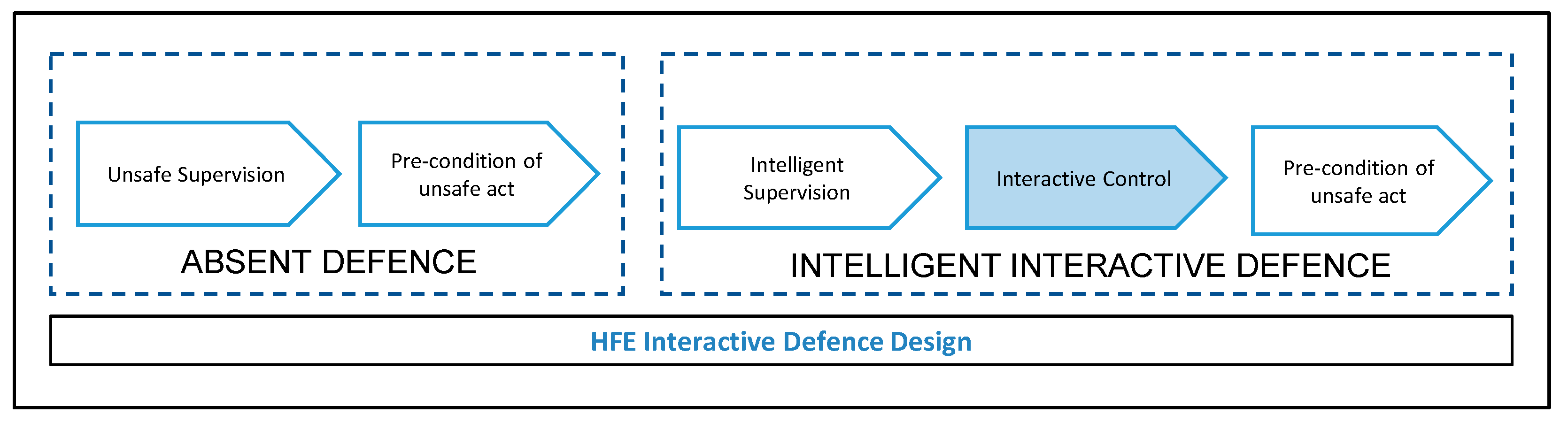
The involvement of HFE principles in Industry 5.0, through the application of agent-based technology in robots and artificial intelligence (AI), presents major challenges, specifically related to trust mechanisms for their collective ability to instill agreements and resolve conflicts. Their role in the military extends beyond ensuring the airworthy preparedness of aviation assets and includes the cognitive readiness of pilots for achieving mission objectives. Further, the emphasis on human-centric collaboration with intelligent systems capable of acting autonomously relies on HFE’s concentrated efforts towards individual, system and environmental factors influencing trustworthy relationships between humans and intelligent systems [1]. In the aerospace industry, the common definition of an autonomy feature is “The attribute of a system to meet mission performance requirements without external support for a specified period of time” [2]. This adaptable form of self-governance is well-supported in military aviation as autonomy focuses on performance improvement over time, decision-making, and the ability to learn and adapt to changing demands within the environment [3]. The synergy that is occurring within human–autonomy teams (HATs), relies on intent and shared mental models for communication and understanding shaped by “…a technology that is capable of working with humans as teammates to include the essential task work and teamwork function of a human teammate” [4]. This definition posits an HFE perspective on a transformational exploration of human trust that evolves into a system. The challenge with HFE is finding the right balance in system design that does not induce erroneous behavior on the part of the pilot, as the correlated temporal dynamics of trust might strengthen or weaken risk management strategies. A pilot that places a higher level of trust, or lack thereof, in a system causing unwanted out-of-the-loop effects might experience latent unanticipated apprehension in making decisions to transform an unsafe situation into a safe (normative) one. On this subject, Reason offers a systemic Swiss Cheese Model (SCM) in which causes and effects interact with the system autonomous layer. This model uses cheese slices to represent dynamic layers of defense, which are seemingly intact in an ideal world but contain holes and gaps in reality. Reason described these gaps as active failures containing “the errors and violations of those at the human-system interface and by latent conditions arising from the failure of designers, builders, managers and maintainers to anticipate all possible scenarios” [5]. He described the holes as short-lived due to active failures and arising from latent (dormant) conditions upon auditing, inspections or incidents, and accidents. In PMC, defense barriers penetrated by an accident trajectory prepare a pilot for the last layer of defense (Figure 1). In this situation, the HFE agent will thoroughly examine the pilot workload and stressors on a real accident flightpath with comparable intelligent and interactive flight configurations and conditions.
Responsibly, the HFE unveils intelligent lines of defense that will be applied where human error is likely to occur in the decision, response selection, and execution processes. In this context, the SCM conveys the pilot’s mission to the HFE practitioner, with the intent to maintain goal alignment and a trustworthy relationship with the intelligent system. With trust in the intelligent defense system, human interactions become fluid and frictionless, enabling one to “extend our agency” and conscript the agency of others [6]. This research emphasizes this important aspect through Reason’s “near misses and other free lessons” on a “state of intelligent and respectful wariness,” where “the single most important factor is trust,” an essential part of a safety-first mindset [5].

Agential Complexity

Since Reason’s time, the classical human–machine interface has evolved intuitively and been revolutionized through the concept of Industry 4.0, now featuring high-performance computing, optimized robotics, and data-driven intelligence that fosters autonomy, transparency and trust in automation. From this perspective, the level of interactivity central to human engagement and dialog with the machine is characterized by the notion of agency in both the human and the intelligent system. Agency is considered an essential factor when both agents are autonomous, since they “are generative and learn, evolve, and permanently change their functional capacities as a result of the input of operational and contextual information. Their actions necessarily become more indeterminate across time” [7]. A degree of agency also indicates a sense of engagement as a teammate that can act with authority [8]. In humans, acting as agents draws on behavioral and cognitive skills, influencing themselves and their environment. During a mission, these factors influence the pilots’ readiness and sense of duty at multiple levels, attained through their awareness of the early signs of impending threats or personal risks. In addition, these variables, rooted in their self-efficacy beliefs, promote higher expectations and perseverance, and, in times of self-doubt, dwelling on failures is accounted for in HFE evaluations in a PMC investigation and illustrated through the PGM of the pilot [9]. This conceptual approach, balanced on David Wood’s TCS complexity elements, was introduced to emphasize the basic complexity of the elements of human–system interactions in a PMC scenario. Complexity “is determined by the constituent parts” and the organizing elements of their relations, since “A system is said to be complex if there is a bidirectional non-separability between the identities of the parts and the identity of the whole” [10,11]. This emphasis frames the relations among interacting entities without a division between them, in which trust is the critical issue. Therefore, this research extends the quest to foster trust in IA with the following research questions:
Q1. 
What factors can influence human trust in autonomous agents over time?
Q2. 
How can human trust be reproducible and replicated?
Agent technology is increasingly adopted by organizations in the military sphere and requires the inclusion of HFE to adequately address the complexity of the interactions at the correct stage of the customization process [12].

2. Research Design

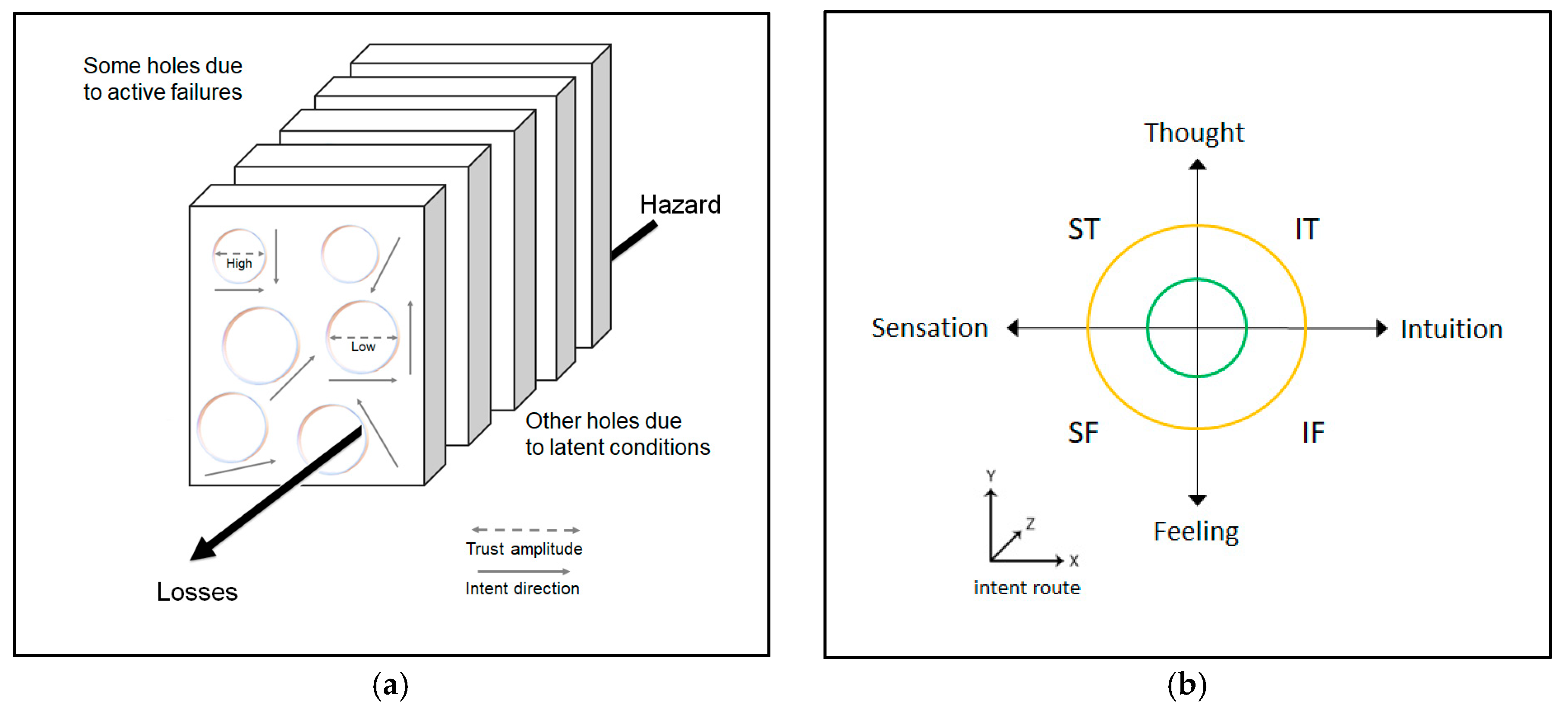
Over twenty years ago, the Advanced Research Projects Agency commissioned the Distributed Interactive Simulation standard to develop an optimum immersion capability; a virtual cockpit was a key feature of this development. In this environment, a computer-generated entity called the Automated Wingman (AW), with the ability to reason through linguistic fuzzy rules, was allowed to make decisions and determine appropriate maneuvers based on the situation [13]. The intelligent AW was not designed to complete the mission alone, and the pilot had the ability to switch cockpits. The AW did not have the characteristics of an intelligent agent and was able to perform actions coupled to the actions of the flight leader. Since then, recent studies have explored how pilots interact with increasingly autonomous systems and the implications of attributing identity or sentience to autonomous agents. Key findings indicate that while intelligent machines can enhance performance and safety, their use also introduces new complexities in responsibility attribution and moral judgment involving both humans and machines [14,15]. In this field, HFE practitioners need to implement a proactive risk approach, decomposing the system according to trustworthiness requirements that can “… achieve system improvement or to maintain system performance as the environment and organisational goals change” [16]. In military aviation, pilots’ readiness encompasses a sense of duty at multiple levels, attained through their awareness of the early signs of impending threats or personal risks. The impact while in formation flying might unfold when a wingman cannot attend to his duties due to a maintenance-related issue. In this case, the leader pilot can call upon a phantom wingman to accomplish certain specific training goals [17]. This research proposes a Wingman Agent (WA) as a phantom wingman in IA vests, which is assumed to intervene in emergency situations. With the Wingman Agent (WA), the Lead can configure any #-ship configuration. The Lead knows their teammates’ intent, tailored to the mission’s needs, and the trust relationship between the Lead and WA is essentially bidirectional. In practice, the WA’s responsibility is to follow the Lead’s direction, and the Lead has to trust the WA’s compliance with the task. In fostering trust in a Lead–WA system, HFE principles are accounted for when examining the SCM’s intent lines, where the pilot’s awareness and after-perception rely on interdependence and aligned goals, as a single PMC scenario can comprise just a few or hundreds of layers with both PGM and TCS profiles [18]. Reason’s metaphor acknowledges the role of human error and the implicit contribution of human physiological and psychological factors, which cause continuous movements and shifts in the amplitude of the holes’ positions. Distinct from real Swiss Cheese holes (Figure 2a), “these defensive gaps are not static, especially those due to active failures. They are in continuous flux, moving around and opening and shutting according to local circumstances” [5]. Trust has a psychological origin, which requires mentalizing others’ states of mind; its fragility evolves around the rational understanding of reality, and it challenges future projections, making it difficult to make trust-related decisions [19]. In the literature, trust is conceived of as an unquestionable attitude [20,21]. Jung introduced the word attitude to describe the distinct uniqueness of the basic psychological functions of Sensation, Intuition, Thought and Feeling (SITF) between the extraverted attitude and the introverted attitude (Figure 2b) [22]. This research is centered on Jung’s psychological functions, already employed as a complementary foundation for Analytical Psychology and psychometric tests like the Myers–Briggs Type Indicator (MBTI) and the Keirsey four-temperament structure, also known as the Keirsey Temperament Sorter, and they play a crucial role in developing trust [23].
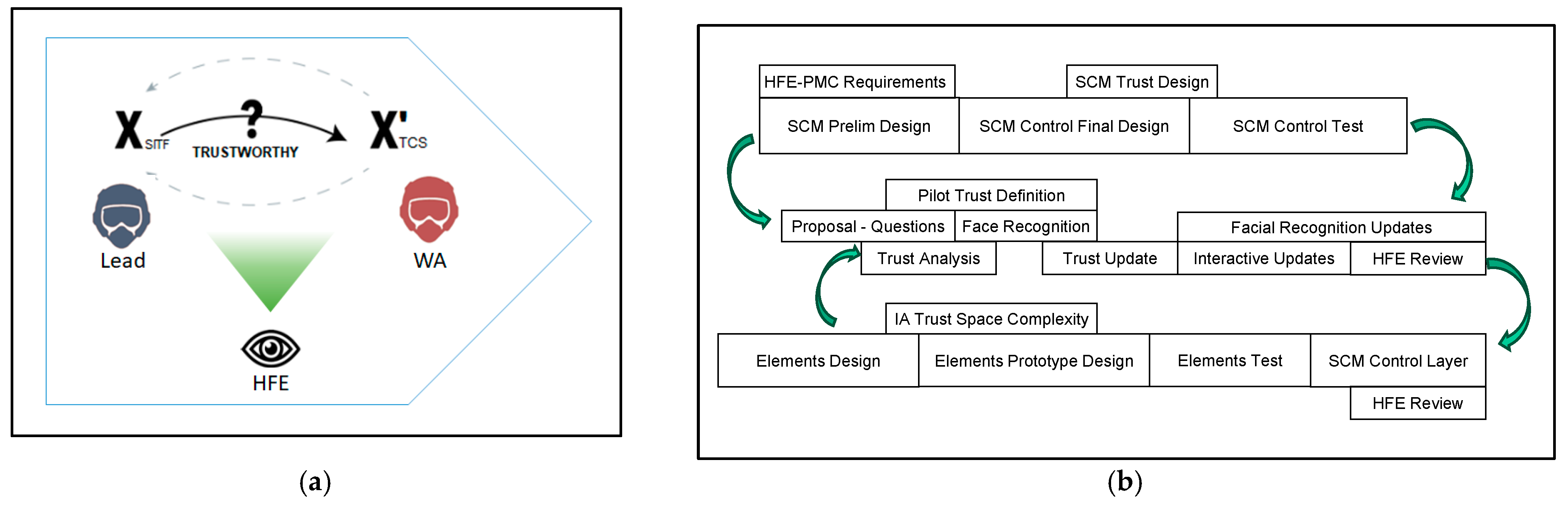
Pilots’ goals are bound to a sense of duty and sometimes require fewer preconditions to achieve. Their mission planning is subordinated to the commander’s intent (CI) and to the trust maintained throughout the entire mission, from the initiation to the end state of the task. This implication also holds when simultaneously pursuing multiple goals simultaneously and when multiple tasks have different relevance to those goals [24]. Although CI makes intent procedural and verbally clear, pilots are continuously required to cross-check it against current cues. When this situation fluctuates, the threat to achieving the goal also changes, given that knowledge is not singular but marked by behavior, habits, and situational constraints. This underlying precept would inevitably endanger trust, especially in demanding flight conditions. Therefore, guided interactional schemes are considered important as dynamic triggers of automated learned behaviors that promote high engagement in complex task scenarios and even rewards [25]. When the Lead is teamed with a WA that has greater computational autonomy and superiority, fostering trust involves inferring human preferences or rewards using fine-tuned, goal-based strategies, whatever the mission status of the aircraft. While generated maneuvers can be simulated and aligned with the Lead’s intent—which usually requires a goal—during formation flying, pilots know their teammates’ intent and the assistance they require. Therefore, the Lead’s adaptability in interpreting the WA’s projections is a key factor in capturing personality–behavioral differences resulting from uncertainty, complexity, and emotional stability [26]. These factors require HFE to ensure a human–machine partnership built on transparency, trust and dependent behaviors. In an autonomous context, trust refers to “the attitude that an (autonomous) agent will help achieve an individual’s goals in a situation characterised by uncertainty and vulnerability” which raises the question of trustworthiness (Figure 3) [27]. This question is unanswered until the operational relationship between the Lead SITF and the WA TCS fulfills HFE trust requirements (Figure 3a). To support the HFE practitioner in identifying opportunities for intelligent intervention design, each part of the model is represented as a series of stages subject to the Lead’s task management and prioritization processes. During model development, PMC requirements are initially established to position and measure the Lead’s trust via the SCM (Figure 3b). The IA, which is also an SCM layer, is followed by the Lead through the TCS, and the HFE practitioner uses facial recognition to monitor both the Lead and the effectiveness of the IA defense layer.
In addition, agent technology must be able to adapt to the pilot’s behavior in combination with the complexity of the tasks performed by the pilot, while the human must have “confident positive expectations regarding another’s conduct” without conflicts [28]. This summation implies a more general and accepted definition of trust as “a psychological state comprising the intention to accept vulnerability based on positive expectations of the intentions or behavior of another” [29]. On both sides, the perceived reputation of HFE promotes a human-centered approach compatible with human needs and limitations.

3. Methodology

During a mission, a pilot notably attends to his self-understanding, sense-making, and choice, from the perceived initial state of decision-making to the final state, with intent and assessments of the risk’s transition between them. In formation flying, the capacity to make decisions does not permanently rest with the pilot or wingman. When this ability is passed on to the leader, the goal, according to the nature of the task, can still be achieved. Trust and attentional processes are involved not only in retaining information but also in disregarding previously task-relevant information [30]. Recent studies highlight the need to move beyond static, “snapshot” measures of trust to dynamic models that capture how trust evolves over time and across different team structures, as a system that is trusted in one situation might not be trusted in another [31,32]. Therefore, the human–agent interaction is positioned directly within the “aviate (A), navigate (N), communicate (C)” training loop to ensure that the human’s temporal trust within each interaction episode is not jeopardized at the completion of each stage of the loop by themselves or another. In this research, both the Lead and the WA are positioned in a training mission in which they have to perform a formation recovery for landing. The role of HFE practitioners is twofold, as they will have to monitor the Lead’s personality according to Jung’s mental functions as the interaction proceeds to achieve a safe landing and manage the WA’s intent and TCS. The HFE practitioner’s selection of countermeasures largely depends on training requirements, mission planning, and behavioral analyses that arise from the task. In initiating a PMC analysis, these factors attribute intent-inference to the Lead’s trust.
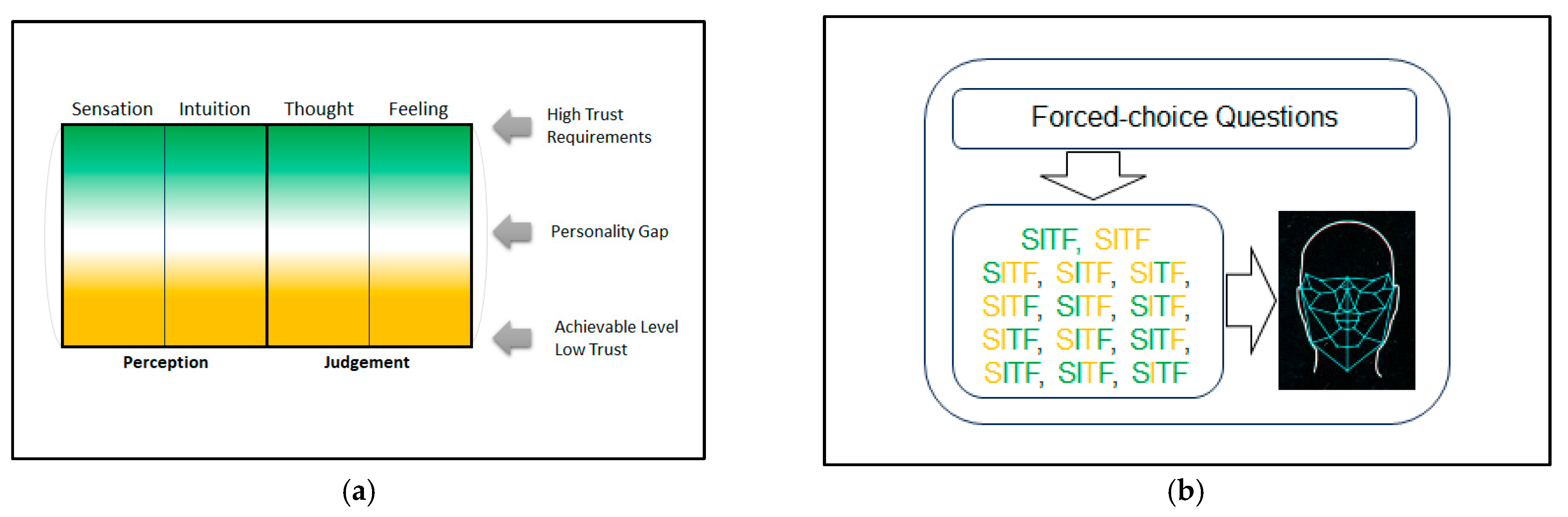
The adoption of Carl Jung’s personality model allows the HFE practitioner to investigate “the temporal dynamics of trust” in a reciprocal human–agent relationship [33]. Jung foresaw a way to determine the reality of the world through four basic functions; he organized the general descriptions of eight functions according to attitudes, starting from extraverted thinking and feeling (the extraverted rational types) and extraverted sensation and intuition (the extraverted irrational types), then turning to introverted thinking and feeling (introverted rational types) and introverted sensation and intuition (introverted irrational type) [34,35]. Feelings at the subconscious level play a central role in shaping trust, and the assimilation of intuition and sensations at the unconscious level drives reactions and behaviors and can help to balance one’s personality [19]. He separated them into two opposing perception functions (sensation and intuition) and two contradictory evaluation functions (thinking and feeling). This split provides different ways to view the same situation, which a user can adopt to weigh results with opportunities. The fundamental question in addressing personality is how to rank its stability. Personality is continuously challenged as situations change. Therefore, the HFE practitioner can use a personality gap indicator to monitor the pilots’ agent’s behavior (Figure 4a). In this development, the personality dimensions and the personality gap (the not sure zone) tend to shift towards a high level of trust or the opposite in a PMC event. This change, triggered by forced-choice questions related to the PMC situation and monitored using facial recognition technology, imposes interaction and personality levels directly on the relationship social structure, while influencing the inner and outer social selves of the Lead pilot (Figure 4b).
Since it is unlikely that a goal will be achieved if sources of risk are not proactively identified and addressed to minimize their impact, the SCM provides valuable support in risk management and an opportunity to create an ex ante view of the situation comparable to the ex post outcome. The Lead’s credibility-judging ability depends on his capacity to trust the WA, which remains highly uncertain since “At all levels of biological complexity there is uncertainty about the significance of signs or stimuli and about the possible consequences of actions” [36]. This determinant is crucial for HFE practitioners when considering workable countermeasures to move the gap towards the high-trust boundary and tailor the human’s reliance on the agent. In a wider sense, in organizations, supervisors are more likely to establish trust and working relationships with subordinates with similar personality traits [37].

3.1. Trust Calibration Space

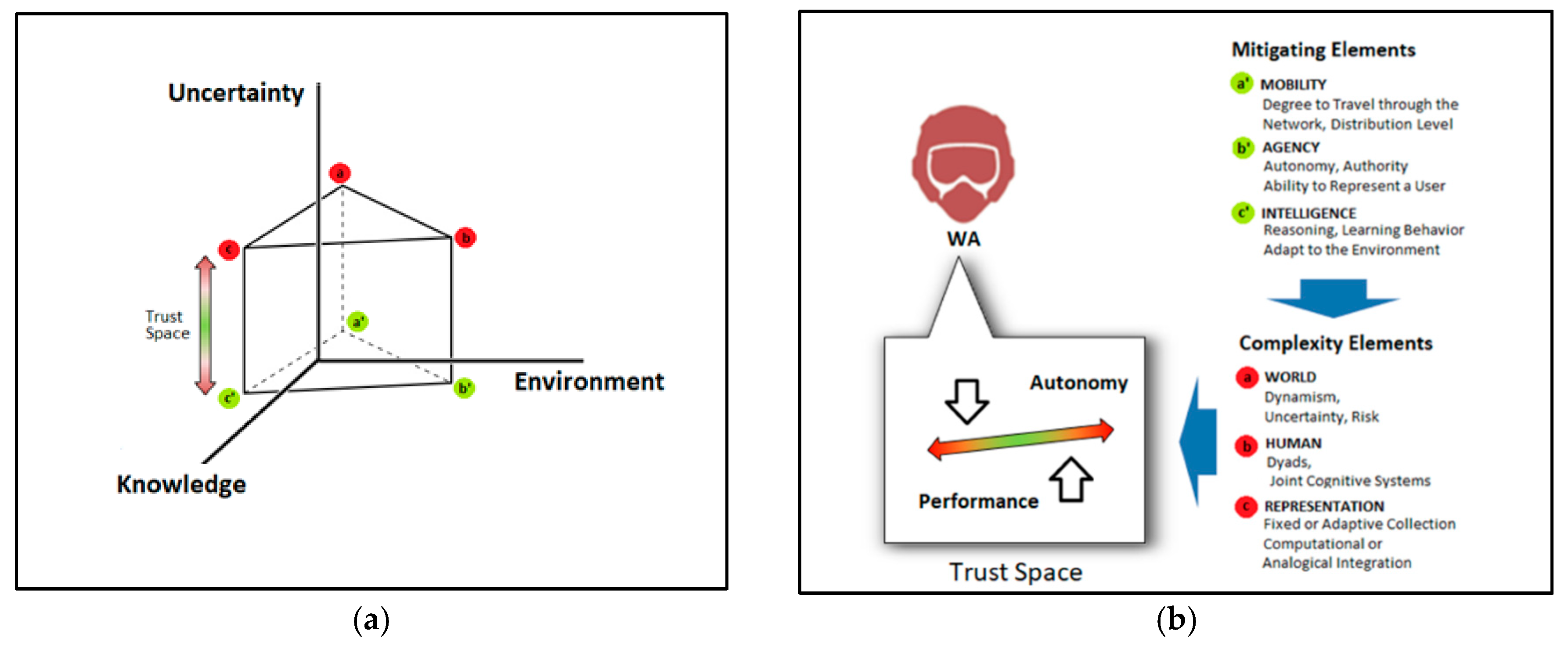
The Lead’s intent to develop the best plan with the WA, as their knowledge continues to develop and refine the PMC aircraft, determines the path to maximizing the monitoring capacity of the system(s) and detecting abnormality. This is especially true in formation training, where #-ship maneuvers change continuously and become more complex. This affects everything from communication to maneuvering. Managing complex situations involves the HFE practitioner constructing feedback loops to reach specific goals, since complexity cannot, in principle, be understood without reference to the change in the world resulting from both the system’s and the human’s responses to the system. In practice, this characteristic emphasizes the human interpretation capability and poses an obstacle to accomplishing demanding tasks, as well as to the ability to capture and interpret visual information conveyed by the IA. It follows that a propensity to trust is abstracted as an antecedent to the situation that persists throughout the experience, induced by a “…more specific personality trait propensity to trust can be deduced from the more abstract trait agreeableness” [38]. This implies different levels of abstractions from different information system structures to psychological antecedents and outcomes. Therefore, the proposed Trust Calibration Space of the Lead and the WA is based on Wood’s elements of complexity, which reveal two factors. First, human agency affecting the world and external representations of the world. Second, the scope of Gilbert’s IA: mobility, agency, and intelligence [39,40]. This dynamic rests on interactivity, which underpins the creation of the calibration space to support the IA in the pursuit of trust in judgment and problem-solving. The TCS is projected on three relational axes commonly included in the reasoning process, indicating:
  • Uncertainty, embracing the operating changes in data fusion, maneuvering, prognostic and health prediction, and forecasting the risks;
  • Knowledge about prior defense layers, the changing world and exposure to new vulnerabilities and occurrences;
  • Environment, awareness of atmospheric attenuation, ambient temperature, and threats in visual search.
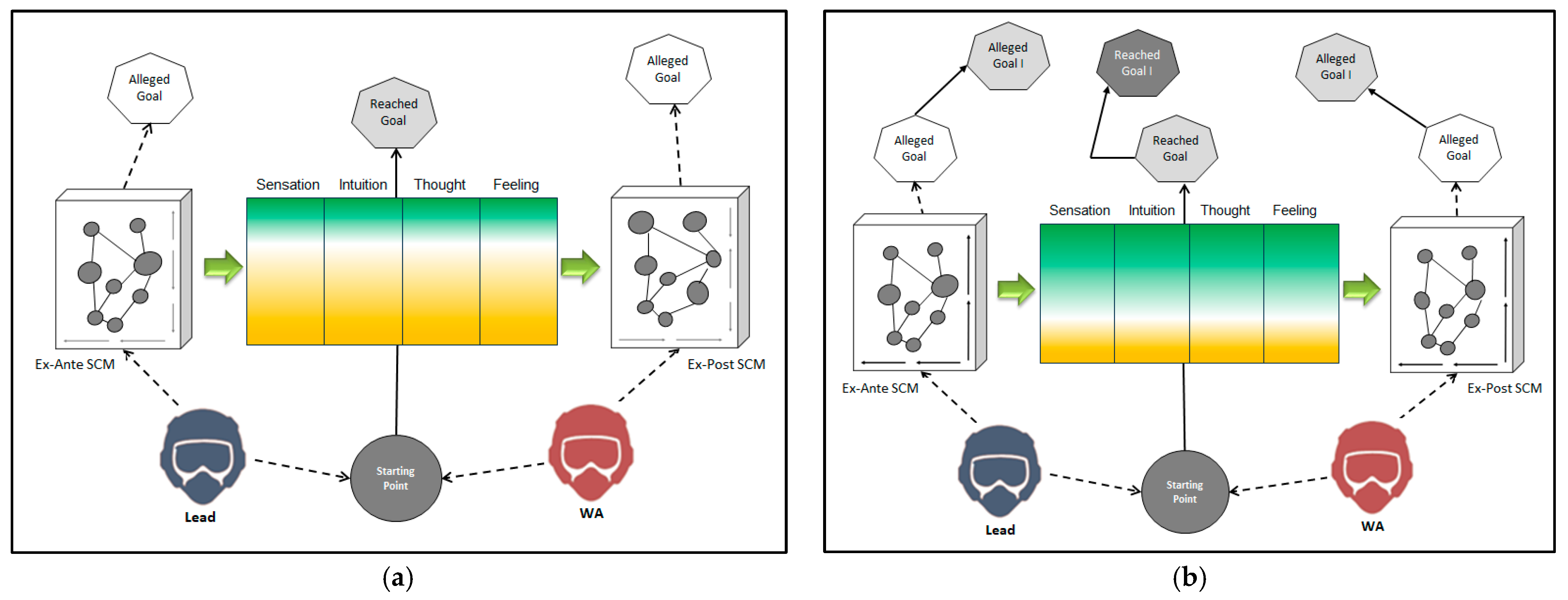
Each axis is incorporated to illustrate the complexity of the trust space, which arises from their interaction, incorporating variance estimates of possible state variable values in the network output (Figure 5b). Changes in the trust space are monitored by using ‘knowledge’-based systems that differentiate between normal operation and anomalies. Measurement and recording of environmental conditions or events influencing factors can be utilized to tolerate failure conditions that cannot be directly measured. Uncertainty is driven by data fusion and can be defined as the production of information from multiple data sources that is not available from any one source.
The WA develops a learning model to act within a time window to generate an actionable response. If an error occurs because maneuvering the aircraft affects the trust space, the WA will act even in response to a single bias that has become historically dependent on other sensed data. Therefore, the Lead needs to develop a trustworthy awareness, both explicit (goals, beliefs, and plans) and implicit (awareness, learning, and retrieval), of the WA to build feasible strategies for preventing potential latent errors in their collaborative decision-making. Further, during negotiations, regulatory autonomy for the WA is introduced to transfer actions to the Lead and vice versa (Figure 5b). If the decision is of low quality, there is a higher risk of requiring more time to make the decision. The performance–autonomy relationship allows the HFE practitioner to directly collate calibrating trust mechanisms in Lead–WA interactions.

3.2. WA Responsibilities

The purpose of the HFE practitioner is to implement safety interventions when the mission status of the aircraft influences the pilot’s ability to maintain a competitive edge in full-spectrum combat. The following formation training in a PMC scenario shows two aircraft under potentially different flying conditions and with different aircraft responses to the pilot’s request to employ a WA and undertake a negotiation task with the Lead to achieve a safe landing. This task depends on the Lead’s trust formation and evolution during the task and on how his personality influences the acceptance of the WA’s behavior and actions. The WA is aware of its own workload, procedural requirements, and the correct landing configuration. Therefore, negotiation can be initiated to find the best possible solution, which may be a combination of several suggestions concerning the flight operational plan, alternative instrumentation, the Lead’s control inputs in sync with the flight control system and the final descent requirements. In this case, the WA is responsible for the Lead’s impression management (conscious and subconscious), which affects both the personality gap and the level of trust towards it. This task requires an understanding of the trust space influencing their interaction. In the course of the training, the complexity tipping point of the interaction is reflected in the trust space, where each node formed by the joining sides affords simultaneous collaborative interpretation of knowledge. In essence, the HFE practitioner implements systems thinking, where sometimes these connections are uncertain, resulting in an endless chain of conflicts/approvals that shape the Lead’s reasoning and act on his mental model (Figure 6a). Forming this relationship requires HFE guidance to create a plausible human collaboration built on feelings of certainty that the counterpart chooses to cooperate [40].
The WA’s process of narrowing the gap allows for a complete match with trust space complexity by sharing interactions between the conceptual and real worlds (Figure 6a). A deviation from the corrected alleged goal (Alleged Goal 1) causes the Lead–WA pair to be more focused on achieving a new shared goal with reduced distances and gain leads.

4. Discussion

The pursuit of trust is expected to optimize both humans and systems in Industry 5.0. This synergistic coupling needs to be carefully considered by HFEs, with the weighing of personality psychological factors. In this research, the determination of personality variables was considered foundational in the pursuit of a goal, specifically for the pilot during a training exercise. The approach is used to visualize the determinants of motivation to learn, whereas participation in training requires “motivational mechanisms that lead to taking self-development actions” [41]. As a result, the goal is treated as a realization process that requires personal characteristics to be aligned with both the mission requirements and organizational core values. Although the OCEAN five personality traits (openness to experience, conscientiousness, extraversion, agreeableness, and neuroticism) provide clues concerning motivation beyond initiating training and over time, it was seen as tactless in emergency scenarios where split-second decisions can have fateful consequences, most importantly, “the Big Five factors are relatively stable over our lifespan, with some tendency for the factors to increase or decrease slightly” [42]. From this perspective, the propensity to trust involves a considerable ability-based antecedent, as well as personal and cultural characteristics. Experiments have shown that these factors position an individual’s propensity to trust as a dependent variable, affected by a lack of strength in the attitude to the trustworthiness of others [43]. This transient dynamic, in many ways, portrays the ‘instant-trust’ or the in-the-moment trust as being highly influential in momentary assessments. There is also an inclination to define the propensity to trust in automation as a self-efficacy and attitude variable, although excessive automation might lead to over- or under-reliance depending on one’s personality and workload [44,45]. Therefore, Jung’s model is preferred because its four psychological functions (sensation, intuition, thinking, and feeling) directly map onto the real-time perceptual and judgment modes active during emergency decision-making rather than stable trait-level dispositions. Their application requires a much wider socio-cultural construct, involving the cultural dimension of the population and their trust attitude towards automation [46].
Another study found that “Individuals high in extraversion initially rated their trust in the agent as higher than those low in extraversion. During [… more interaction] rounds, the agent gave a recommendation contrary to what was expected in highly confident conditions […] trust in the agent increased compared to the previous round for individual’s low in extraversion while trust in the agent decreased compared to the previous round for individuals high in extraversion […] extraverts appeared to have their trust most dramatically affected by the conditions where the agent gave an incorrect response in the highly confident condition” [47]. This analysis supports the adoption of Jung’s approach since it allocates one’s individuality, with attitude (introvert or extrovert) dominating each psychological function that refines consciousness itself. Measuring trust in complex teams requires combining subjective self-reports with objective behavioral/physiological indices [48]. Real-time monitoring using neuroimaging or sensor data can help calibrate system responses to maintain appropriate levels of reliance on automation. Modeling trust evolution is an alternative with detailed specifications and, more importantly, autonomy-enabled intent, which can mitigate misperception and trust degradation [49]. Some authors have emphasized transparency as a means to improve trust calibration [50,51]. For others, transparency is essentially a two-way effort designed to better inform future actions [52,53]. Adaptive-sociality-based behaviors in robots foster engagement and greater trust [54]. There are dynamic models using Bayesian inference that have been developed to predict how individuals reconsider their trust in robotic agents based on observed performance over time [55]. These models can distinguish between different types of trust dynamics, such as rational updating versus oscillatory or skeptical patterns, potentially outperforming static snapshot approaches. Although Bayesian models capture changes in performance-based trust, they do not account for the personality type aspect of the disposition to trust. Recent developments in human–robot trust involve computational frameworks that adapt the robots’ behavior to a certain trust level, such as the OPTIMo model that relates current trust to previous trust. Algebraic trust models compute trust based on observable robot or team performance, with a threshold behavior determining if the robot is trustworthy or not. Other models use time-series analysis, where trust depends on previous trust, a Markov Decision Process in which trust is a state in a stochastic decision-making process, a Gaussian or Beta distribution is also used to model trust using random variables [56]. The approach described in this article involves human characteristics and context, which entail risky decisions. Using Jung’s PGM approach tailors the trust problem space to the capacity for revolving visuospatial tasks, where the control and coordination of the trust space compete with the practical implications of experiencing interference or unrelated intrusive thoughts on either side of the interaction. This approach, which evolves from recent developments in human–robot trust, achieves trust calibration by including and aligning human characteristics in the trust that develops according to IA’s capability in the TCS. The structure of the decision and the setting of the goal depend on the decision’s rationality and the pilot’s accountability in fully understanding the event. An IA may only participate in certain phases of decision-making without affecting the pilot’s performance in others. HFE interventions are crucial in the design, development, and optimization of collaborative sharing opportunities and essential for unlocking potential and mitigating unforeseen risks. This emerging tool migrates system-thinking perspectives towards system HFE approaches, while the process helps in understanding interactive risks and balancing potential solutions. This central tenet has a significant impact on safety, especially when IAs can make independent, goal-driven decisions. Furthermore, it introduces additional complexity due to the need for a certain level of interoperability and cooperation between a human and an artificial agent [57].

5. Conclusions and Further Work

Modeling human–agent trust in autonomous systems remains an open challenge that demands more dynamic, multi-layered frameworks than those currently available. In response to the first research question, this investigation identified various research streams concerning the origin of trust in automation. Since trust is an essential aspect of human nature, this research examined its psychological factors. Trust is a fragile construct that sometimes makes one wonder at even the most basic evolutionary achievements of (intelligent) machines. This conceptual analysis showed that Jung’s eight functions provide both the knowledge and the means to develop this indispensable readiness. In response to the second question, a modified SCM can be adopted to develop trust-based layers of defense depending on different PGM conditions and TCS calibration outcomes. Using the facial recognition approach in a PMC, the HFE practitioner can benefit from each layer to understand the dynamics of pilot trust relating to cumulative exposure or the number of events that affect performance/capability drivers of system characteristics and affordability challenges. SCM data can be stored to establish a PGM baseline for various TCSs to improve the airworthiness of No Fault Found and failure detection and isolation probabilities where prognostic requirements are not met. The introduction of intelligent defense barriers must instill mission-planning confidence when the IA confronts false alarms and confirms potential actions to rectify latent and all known system faults/failures that are otherwise not detectable.
The PGM provides a conceptual foundation, but various research directions need to be pursued in a context that is relevant to measuring military aviation safety in the real world. This undertaking includes the following tasks:
o
Future work should investigate how the four Jungian dimensions can be measured in real time using psychophysiological sensors such as functional near-infrared spectroscopy (fNIRS), galvanic skin response (GSR), and eye-tracking. Quantifying dimensional shifts during high-workload flight phases would allow the personality gap to move from a conceptual indicator to a safety performance indicator.
o
The three axes of the TCS should be parameterized using objective flight data recorder inputs and cockpit monitoring systems. This would enable the trust space to be populated dynamically during a mission rather than reconstructed post hoc from incident reports, as was necessary in this research.
o
The relationship between Jungian personality type and pilot training level warrants dedicated investigation. It remains unknown whether trust formation with an IA follows predictably different trajectories for novice versus experienced pilots or whether the personality gap narrows with repeated human–agent interactions over time. Longitudinal simulation studies would be well-suited to addressing this question.
o
The PGM should be tested across culturally diverse pilot populations, as cultural dimensions significantly moderate trust attitudes toward automation. Applying the model in multinational training environments would assess its relevance beyond the western military aviation context in which it was developed.
As a future research direction, HFE practitioners should address how IA’s own behavioral transparency influences the pilots’ personality gap in real time and whether the IA can adapt its communication style to the pilot’s active Jungian dimension.

Author Contributions

Writing and original draft preparation, A.C.; review and editing, P.T. and P.I. All authors have read and agreed to the published version of the manuscript.

Funding

This research received no external funding.

Institutional Review Board Statement

Not applicable.

Informed Consent Statement

Not applicable.

Data Availability Statement

The original contributions presented in this study are included in the article. Further inquiries can be directed to the corresponding author.

Conflicts of Interest

The authors declare no conflicts of interest.

References

  1. Karwowski, W.; Salvendy, G.; Endsley, M.; Rouse, W.; Salmon, P.; Stanney, K.; Thatcher, A.; Andre, T.; Yang, J.; Ayaz, H. Grand challenges for human factors and ergonomics. Theor. Issues Ergon. Sci. 2025, 26, 361–456. [Google Scholar] [CrossRef] [Scilit]
  2. Reinholtz, K.; Patel, K. Testing autonomous systems for deep space exploration. IEEE Aerosp. Electron. Syst. Mag. 2008, 23, 22–27. [Google Scholar] [CrossRef] [Scilit]
  3. Lyons, J.B.; Sycara, K.; Lewis, M.; Capiola, A. Human–autonomy teaming: Definitions, debates, and directions. Front. Psychol. 2021, 12, 589585. [Google Scholar] [CrossRef] [Scilit]
  4. McNeese, N.J.; Demir, M.; Cooke, N.J.; Myers, C. Teaming with a synthetic teammate: Insights into human-autonomy teaming. Hum. Factors 2018, 60, 262–273. [Google Scholar] [CrossRef] [Scilit]
  5. Reason, J. Achieving a safe culture: Theory and practice. Work Stress 1998, 12, 293–306. [Google Scholar] [CrossRef] [Scilit]
  6. Jones, K. But I Was Counting on You! In The Philosophy of Trust; Faulkner, P., Simpson, T.W., Eds.; Oxford University Press: Oxford, UK, 2017; pp. 161–176. [Google Scholar]
  7. Hancock, P.A. Imposing limits on autonomous systems. Ergonomics 2017, 60, 284–291. [Google Scholar] [CrossRef] [Scilit]
  8. Chen, J.Y.; Barnes, M.J. Human–agent teaming for multirobot control: A review of human factors issues. IEEE Trans. Hum.-Mach. Syst. 2014, 44, 13–29. [Google Scholar] [CrossRef] [Scilit]
  9. Bandura, A. Human agency in social cognitive theory. Am. Psychol. 1989, 44, 1175. [Google Scholar] [CrossRef]
  10. Estrada, E. What is a complex system, after all? Found. Sci. 2024, 29, 1143–1170. [Google Scholar] [CrossRef]
  11. de Petris, L.; Khatibi, S. Organizing Relational Complexity—Design of Interactive Complex Systems. Multimodal Technol. Interact. 2025, 9, 81. [Google Scholar] [CrossRef] [Scilit]
  12. Madni, A.M.; Madni, C.C. Architectural framework for exploring adaptive human-machine teaming options in simulated dynamic environments. Systems 2018, 6, 44. [Google Scholar] [CrossRef] [Scilit]
  13. Edwards, M.M. The Automated Wingman: An Airborne Companion for Users of DIS Compatible Flight Simulators. Master’s Thesis, Air Force Institute of Technology, Wright-Patterson, OH, USA, 1995. [Google Scholar]
  14. Bonnefon, J.-F.; Rahwan, I.; Shariff, A. The moral psychology of artificial intelligence. Annu. Rev. Psychol. 2024, 75, 653–675. [Google Scholar] [CrossRef] [Scilit]
  15. Salatino, A.; Prével, A.; Caspar, E.; Lo Bue, S. Influence of AI behavior on human moral decisions, agency, and responsibility. Sci. Rep. 2025, 15, 12329. [Google Scholar] [CrossRef] [Scilit]
  16. Cranefield, S.; Oren, N. Designing for Accountable Agents: A Viewpoint. arXiv 2026, arXiv:2604.07204. [Google Scholar] [CrossRef] [Scilit]
  17. Fino, S.A. Tiger Check: Automating the US Air Force Fighter Pilot in Air-to-Air Combat, 1950–1980; JHU Press: Baltimore, MD, USA, 2017. [Google Scholar]
  18. Wynne, K.T.; Lyons, J.B. An integrative model of autonomous agent teammate-likeness. Theor. Issues Ergon. Sci. 2018, 19, 353–374. [Google Scholar] [CrossRef] [Scilit]
  19. Forgas, J.P. The Psychology of Trust: Origins, Functions and Consequences. In Proceedings of the 27th Sydney Symposium on Social Psychology, Visegrad, Hungary, 14–18 July 2025. [Google Scholar]
  20. Nguyen, C.T. Trust as an unquestioning attitude. Oxf. Stud. Epistemol. 2023, 7, 214–244. [Google Scholar] [CrossRef] [Scilit]
  21. Gill, H.; Vreeker-Williamson, E.; Hing, L.S.; Cassidy, S.A.; Boies, K. Effects of cognition-based and affect-based trust attitudes on trust intentions. J. Bus. Psychol. 2024, 39, 1355–1374. [Google Scholar] [CrossRef] [Scilit]
  22. Shumate, C. Projection and Personality Development via the Eight-Function Model; Routledge: Oxon, UK, 2021. [Google Scholar]
  23. Yilmaz, M.; O’Connor, R.V. Understanding personality differences in software organisations using Keirsey temperament sorter. IET Softw. 2015, 9, 129–134. [Google Scholar] [CrossRef] [Scilit]
  24. Endsley, M.R.; Smolensky, M.W. Situation Awareness in Air Traffic Control: The Picture. 1998. Available online: https://psycnet.apa.org/record/1998-07437-004 (accessed on 19 July 2026).
  25. Dehais, F.; Lafont, A.; Roy, R.; Fairclough, S. A neuroergonomics approach to mental workload, engagement and human performance. Front. Neurosci. 2020, 14, 268. [Google Scholar] [CrossRef] [Scilit]
  26. Ashton, M.C. Individual Differences and Personality; Academic Press: Cambridge, MA, USA; Elsevier Inc.: Amsterdam, The Netherlands, 2022. [Google Scholar]
  27. Lee, J.D.; See, K.A. Trust in automation: Designing for appropriate reliance. Hum. Factors 2004, 46, 50–80. [Google Scholar] [CrossRef] [Scilit]
  28. Lewicki, R.J.; McAllister, D.J.; Bies, R.J. Trust and distrust: New relationships and realities. Acad. Manag. Rev. 1998, 23, 438–458. [Google Scholar] [CrossRef] [Scilit]
  29. Rousseau, D.M.; Sitkin, S.B.; Burt, R.S.; Camerer, C. Not so different after all: A cross-discipline view of trust. Acad. Manag. Rev. 1998, 23, 393–404. [Google Scholar] [CrossRef] [Scilit]
  30. Yuan, S.; Xu, M.; Yao, X.; Zhang, L.; Du, X.; Yang, D. Impact of trust violations on Attentional Bias and working memory updating. Curr. Psychol. 2023, 42, 967–979. [Google Scholar] [CrossRef] [Scilit]
  31. Yang, X.J.; Schemanske, C.; Searle, C. Toward quantifying trust dynamics: How people adjust their trust after moment-to-moment interaction with automation. Hum. Factors 2023, 65, 862–878. [Google Scholar] [CrossRef] [Scilit]
  32. Rodriguez Rodriguez, L.; Bustamante Orellana, C.E.; Chiou, E.K.; Huang, L.; Cooke, N.; Kang, Y. A review of mathematical models of human trust in automation. Front. Neuroergonomics 2023, 4, 1171403. [Google Scholar] [CrossRef] [Scilit]
  33. Jung, C.; Baynes, H.G. Psychological types: Translated with an introduction. J. Nerv. Ment. Dis. 1924, 60, 221–224. [Google Scholar] [CrossRef] [Scilit]
  34. Jung, C.G. Psychological Types; K. Paul, Trench, Trubner & Company Limited: London, UK, 1923. [Google Scholar]
  35. Beebe, J. Evolving the eight-function model. Bull. Psychol. Type 2005, 28, 34–39. [Google Scholar]
  36. Kahneman, D.; Tversky, A. Variants of uncertainty. Cognition 1982, 11, 143–157. [Google Scholar] [CrossRef] [Scilit]
  37. Mostafa, A.M.S.; Boon, C.; Abouarghoub, W.; Cai, Z. High-commitment HRM, organizational engagement, and deviant workplace behaviors: The moderating role of person-organization fit. Eur. Manag. Rev. 2023, 20, 410–424. [Google Scholar] [CrossRef] [Scilit]
  38. Riedl, R. Is trust in artificial intelligence systems related to user personality? Review of empirical evidence and future research directions. Electron. Mark. 2022, 32, 2021–2051. [Google Scholar] [CrossRef] [Scilit]
  39. Woods, D.D. Coping with complexity: The psychology of human behaviour in complex systems. In Tasks, Errors, and Mental Models; Taylor & Francis, Inc.: Philadelphia, PA, USA, 1988; pp. 128–148. [Google Scholar]
  40. Bradshaw, J.M. Software Agents; AAAI Press: Washington, DC, USA, 1997. [Google Scholar]
  41. Scerri, P.; Pynadath, D.V.; Tambe, M. Towards Adjustable Autonomy for the Real World. J. Artif. Intell. Res. 2002, 17, 171–228. [Google Scholar] [CrossRef] [Scilit]
  42. Hayes, G. Introduction to Psychology; City University of New York (CUNY): New York, NY, USA, 2023. [Google Scholar]
  43. Hancock, P.A.; Kessler, T.T.; Kaplan, A.D.; Stowers, K.; Brill, J.C.; Billings, D.R.; Schaefer, K.E.; Szalma, J.L. How and why humans trust: A meta-analysis and elaborated model. Front. Psychol. 2023, 14, 1081086. [Google Scholar] [CrossRef] [Scilit]
  44. Deng, Y.; Li, K.; Hu, W.; Zhang, L.; Gao, Y. Formation of human-machine trust in smart construction: Influencing factors and mechanisms. Buildings 2025, 15, 2332. [Google Scholar] [CrossRef] [Scilit]
  45. Montag, C.; Kraus, J.; Baumann, M.; Rozgonjuk, D. The propensity to trust in (automated) technology mediates the links between technology self-efficacy and fear and acceptance of artificial intelligence. Comput. Hum. Behav. Rep. 2023, 11, 100315. [Google Scholar] [CrossRef] [Scilit]
  46. Chien, S.-Y.; Sycara, K.; Liu, J.-S.; Kumru, A. Relation between trust attitudes toward automation, Hofstede’s cultural dimensions, and big five personality traits. In Proceedings of the Human Factors and Ergonomics Society Annual Meeting; SAGE Publications: Los Angeles, CA, USA, 2016; Volume 60, pp. 841–845. [Google Scholar] [CrossRef] [Scilit]
  47. Elson, J.S.; Derrick, D.; Ligon, G. Examining Trust and Reliance in Collaborations Between Humans and Automated Agents. In Proceedings of the 51st Hawaii International Conference on System Sciences, Waikoloa Village, HI, USA, 3–6 January 2018. [Google Scholar] [CrossRef] [Scilit]
  48. Jui, J.J.; Hettiarachchi, I.T.; Bhatti, A.; Farghaly, M.R.M.; Creighton, D. A recent review on subjective and objective assessment of trust in human autonomy teaming. IEEE Trans. Hum.-Mach. Syst. 2025, 55, 819–833. [Google Scholar] [CrossRef] [Scilit]
  49. Eloy, L.; Doherty, E.J.; Spencer, C.A.; Bobko, P.; Hirshfield, L. Using fNIRS to identify transparency-and reliability-sensitive markers of trust across multiple timescales in collaborative human-human-agent triads. Front. Neuroergonomics 2022, 3, 838625. [Google Scholar] [CrossRef] [Scilit]
  50. Schaefer, K.E.; Straub, E.R.; Chen, J.Y.; Putney, J.; Evans, A.W., III. Communicating intent to develop shared situation awareness and engender trust in human-agent teams. Cogn. Syst. Res. 2017, 46, 26–39. [Google Scholar] [CrossRef] [Scilit]
  51. Chen, J.Y.; Lakhmani, S.G.; Stowers, K.; Selkowitz, A.R.; Wright, J.L.; Barnes, M. Situation awareness-based agent transparency and human-autonomy teaming effectiveness. Theor. Issues Ergon. Sci. 2018, 19, 259–282. [Google Scholar] [CrossRef] [Scilit]
  52. Zerilli, J.; Bhatt, U.; Weller, A. How transparency modulates trust in artificial intelligence. Patterns 2022, 3, 100455. [Google Scholar] [CrossRef] [Scilit]
  53. Xu, X.; Yu, R.; Yuan, M.; Zheng, J. Bidirectional transparency in human-agent communications: Effects of direction and level of transparency. Ergonomics 2026, 69, 187–205. [Google Scholar] [CrossRef] [Scilit]
  54. Felzmann, H.; Fosch-Villaronga, E.; Lutz, C.; Tamò-Larrieux, A. Towards transparency by design for artificial intelligence. Sci. Eng. Ethics 2020, 26, 3333–3361. [Google Scholar] [CrossRef] [Scilit]
  55. Lei, S.L. Programmable Expressiveness in Non-Social Tasks: A Mixed-Methods Study of Middle School AI Learning; Massachusetts Institute of Technology: Cambridge, MA, USA, 2025. [Google Scholar]
  56. Wang, Y.; Li, F.; Zheng, H.; Jiang, L.; Mahani, M.F.; Liao, Z. Human trust in robots: A survey on trust models and their controls/robotics applications. IEEE Open J. Control Syst. 2023, 3, 58–86. [Google Scholar] [CrossRef] [Scilit]
  57. Wang, Y.; Guo, S.; Pan, Y.; Su, Z.; Chen, F.; Luan, T.H.; Li, P.; Kang, J.; Niyato, D. Internet of agents: Fundamentals, applications, and challenges. IEEE Trans. Cogn. Commun. Netw. 2025, 12, 4476–4501. [Google Scholar] [CrossRef] [Scilit]
Figure 1. Outline of HFE responsibilities through the SCM.
Safety 12 00117 g001
Figure 2. The SCM: (a) absence of intent direction and lower trust factored in (missed or failed) leading to losses. (b) Positioning a SCM hole on Jung’s mental functions with intent route and higher trust on the inner green edge and lower trust on the outer.
Safety 12 00117 g002
Figure 3. Construct of a trustworthy relationship: (a) the interactive control layer (Figure 1) tuned by calibration states (XSITF – X’TCS) under HFE supervision. (b) Model development.
Safety 12 00117 g003
Figure 4. Jung’s mental functions for monitoring trust: (a) trust function framework; (b) establishing a mental profile through facial recognition templates for measuring the personality gap with low-trust (Orange) and high-trust (Green) relationships for complementary SITF functions.
Safety 12 00117 g004
Figure 5. Monitoring the trust space: (a) the Lead–WA interaction model defines the trust space. (b) The model monitors level changes in autonomy based on reshaping the complexity spread to HFE mitigating practices.
Safety 12 00117 g005
Figure 6. The SCM trust–personality mechanisms. (a) Variance in the training goal reflects a wider personality gap and low trust (Orange supremacy). (b) Adapted training goals with agent’s actions benefitting from high trust (Green supremacy).
Safety 12 00117 g006
Disclaimer/Publisher’s Note: The statements, opinions and data contained in all publications are solely those of the individual author(s) and contributor(s) and not of MDPI and/or the editor(s). MDPI and/or the editor(s) disclaim responsibility for any injury to people or property resulting from any ideas, methods, instructions or products referred to in the content.