Article

Breast Lesion Detection Using Weakly Dependent Customized Features and Machine Learning Models with Explainable Artificial Intelligence


1
The Modelling & Simulation Laboratory, Dunarea de Jos University of Galati, 47 Domneasca Street, 800008 Galati, Romania
2
Department of Computer Science and Information Technology, Faculty of Automation, Computers, Electrical Engineering and Electronics, Dunarea de Jos University of Galati, 47 Domneasca Street, 800008 Galati, Romania
3
Department of Biological Sciences, University of Alabama at Huntsville, Huntsville, AL 35899, USA
4
Department of Chemistry, Physics & Environment, Faculty of Sciences and Environment, Dunarea de Jos University of Galati, 47 Domneasca Street, 800008 Galati, Romania
5
Department of Physics, School of Science and Technology, Sefako Makgatho Health Sciences University, Medunsa, Pretoria 0204, South Africa
*
Author to whom correspondence should be addressed.
J. Imaging 2025, 11(5), 135; https://doi.org/10.3390/jimaging11050135

Submission received: 2 April 2025 / Revised: 24 April 2025 / Accepted: 25 April 2025 / Published: 28 April 2025
(This article belongs to the Special Issue Celebrating the 10th Anniversary of the Journal of Imaging)

Abstract

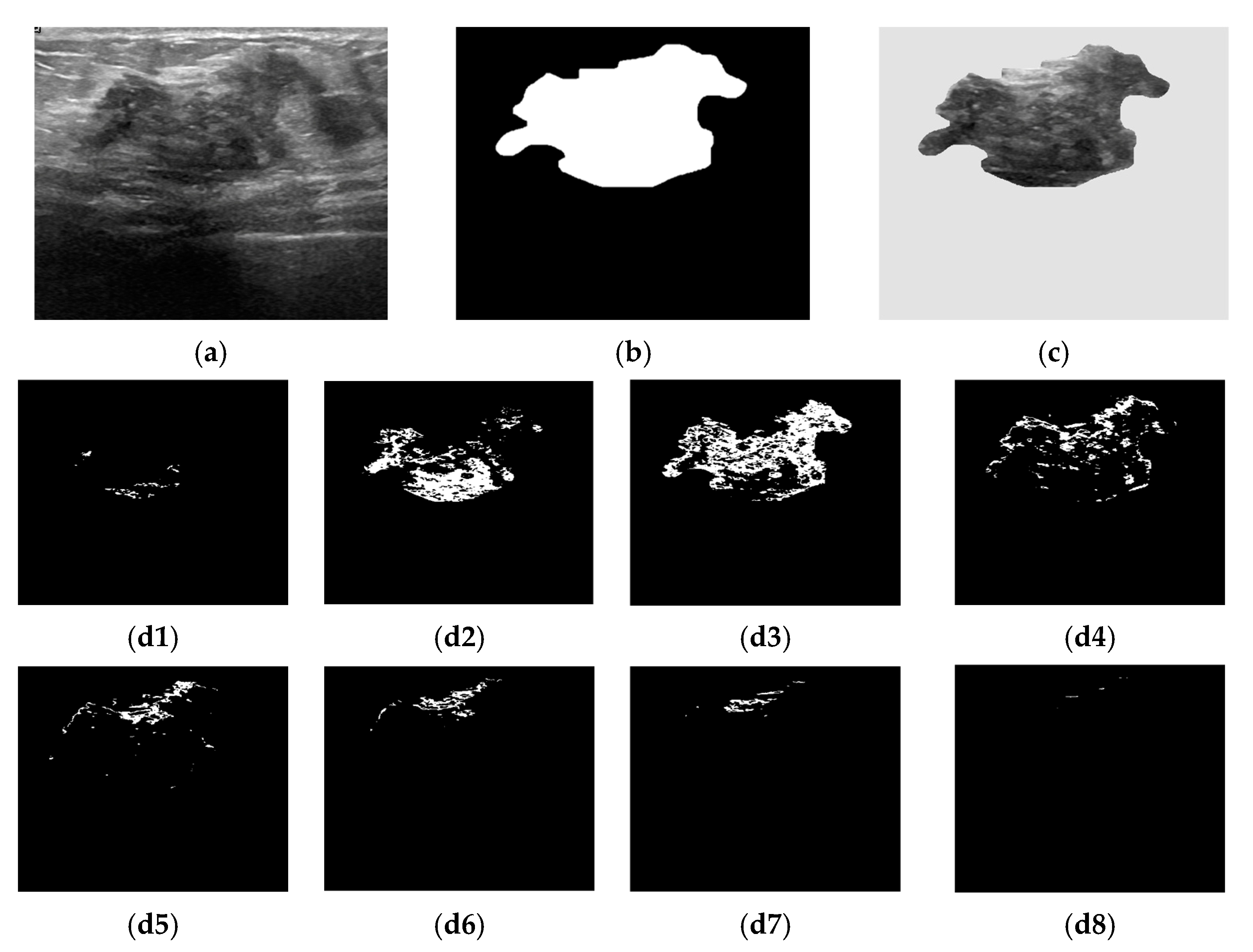
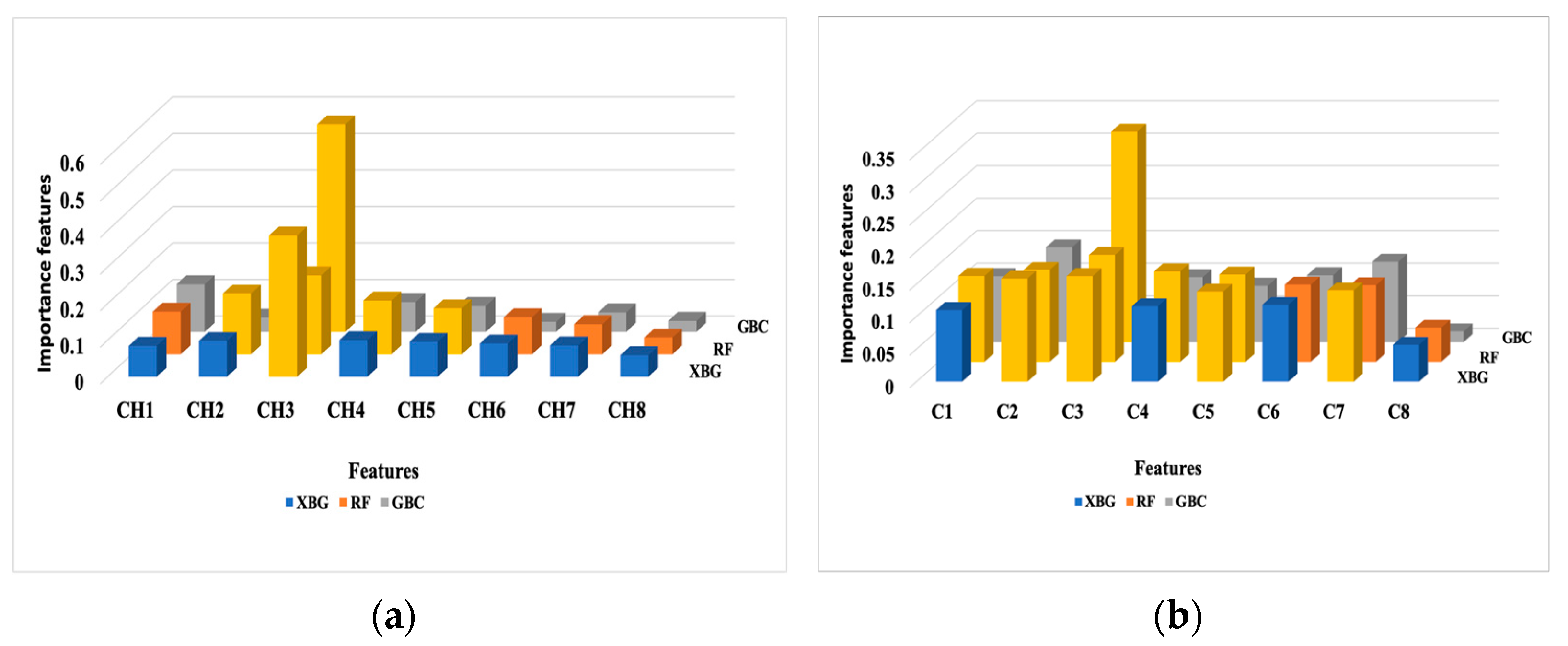
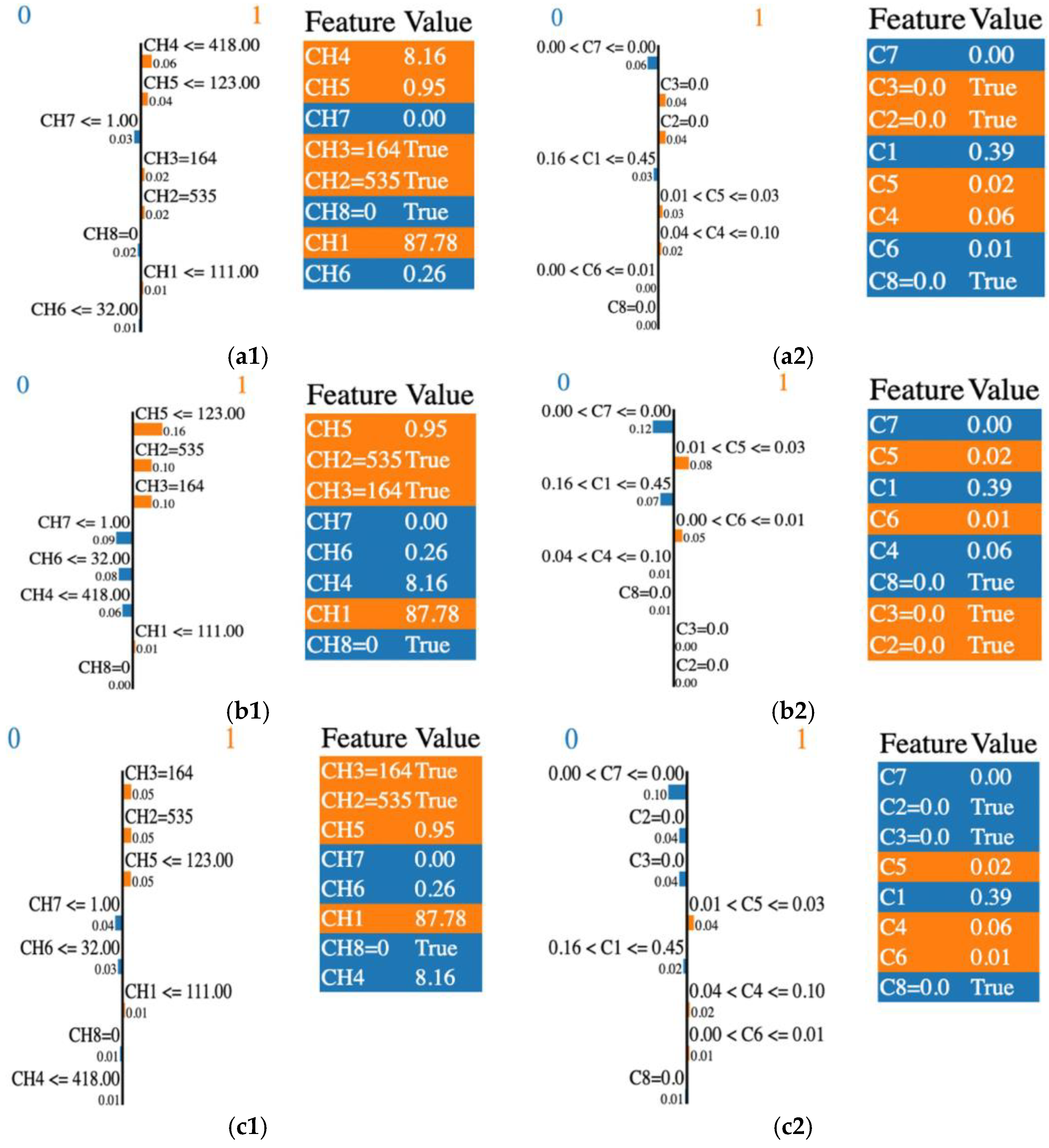
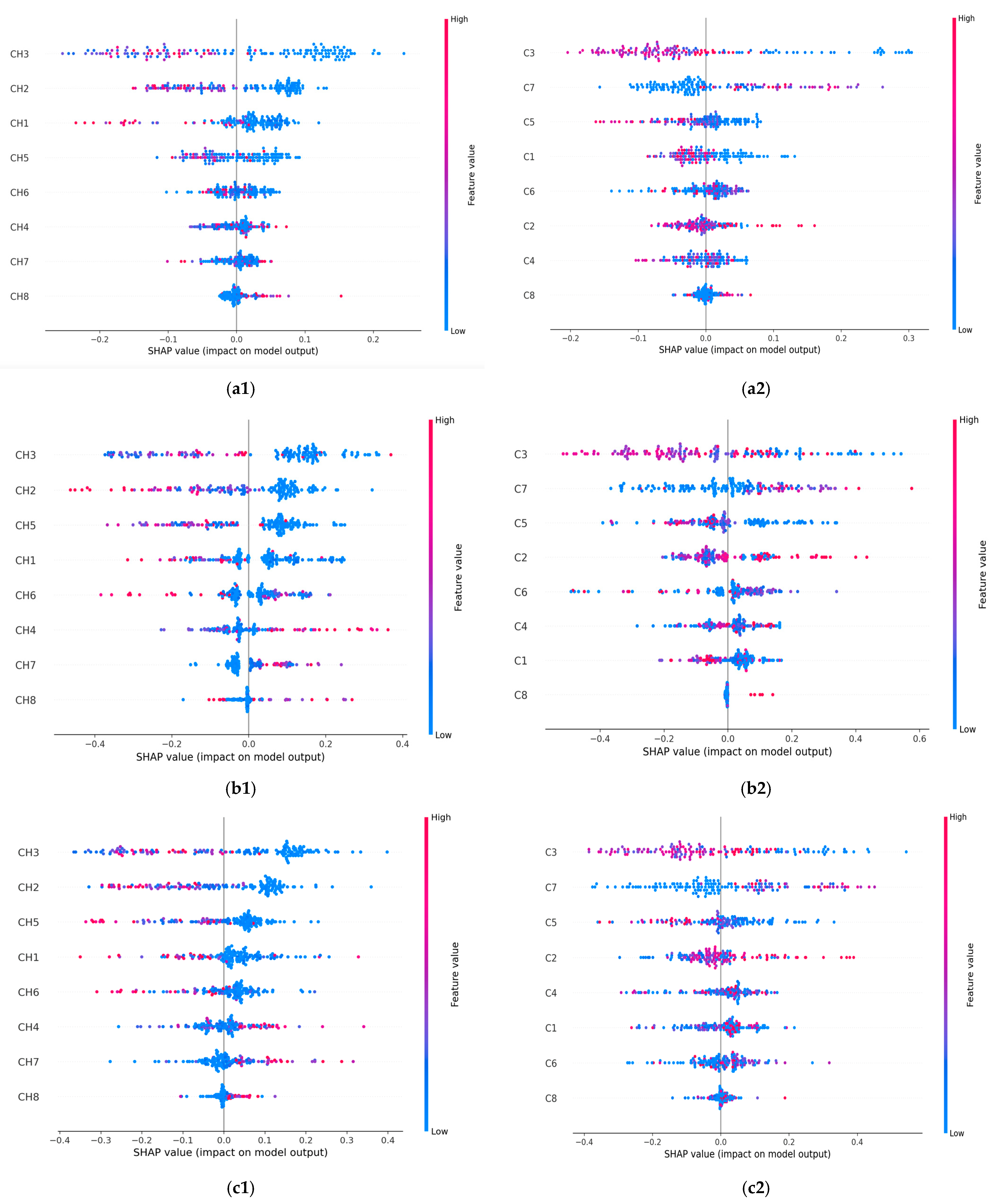
This research proposes a novel strategy for accurate breast lesion classification that combines explainable artificial intelligence (XAI), machine learning (ML) classifiers, and customized weakly dependent features from ultrasound (BU) images. Two new weakly dependent feature classes are proposed to improve the diagnostic accuracy and diversify the training data. These are based on image intensity variations and the area of bounded partitions and provide complementary rather than overlapping information. ML classifiers such as Random Forest (RF), Extreme Gradient Boosting (XGB), Gradient Boosting Classifiers (GBC), and LASSO regression were trained with both customized feature classes. To validate the reliability of our study and the results obtained, we conducted a statistical analysis using the McNemar test. Later, an XAI model was combined with ML to tackle the influence of certain features, the constraints of feature selection, and the interpretability capabilities across various ML models. LIME (Local Interpretable Model-Agnostic Explanations) and SHAP (SHapley Additive exPlanations) models were used in the XAI process to enhance the transparency and interpretation in clinical decision-making. The results revealed common relevant features for the malignant class, consistently identified by all of the classifiers, and for the benign class. However, we observed variations in the feature importance rankings across the different classifiers. Furthermore, our study demonstrates that the correlation between dependent features does not impact explainability.
Keywords: XAI; machine learning; LIME; SHAP; dependent features XAI; machine learning; LIME; SHAP; dependent features