
Article

The Use of Bioactive Extracts from Fish By-Products in Improving Microbiological Stability of Fish Based Food

1
MEtRICs, Departamento de Química, NOVA School of Science and Technology, Universidade NOVA de Lisboa, Campus de Caparica, 2829-516 Caparica, Portugal
2
LAQV-REQUIMTE, Departamento de Química, NOVA School of Science and Technology, Universidade NOVA de Lisboa, Campus de Caparica, 2829-516 Caparica, Portugal
3
GeoBioTec, Departamento de Ciências da Terra, NOVA School of Science and Technology, Universidade Nova de Lisboa, Campus de Caparica, 2829-516 Caparica, Portugal
*
Authors to whom correspondence should be addressed.
Recycling 2026, 11(9), 157; https://doi.org/10.3390/recycling11090157
Submission received: 27 June 2026 / Revised: 8 August 2026 / Accepted: 18 August 2026 / Published: 1 September 2026

Abstract

Fish is a food of high nutritional value, being an important source of proteins, fat, vitamins, and essential minerals. Atlantic horse mackerel is also rich in omega-3 polyunsaturated fatty acids (n3-PUFAs), recognized for their benefits to cardiovascular and neurological health. However, this composition also makes it highly susceptible to lipid oxidation, reducing its shelf life. Oxidation is accelerated by high water activity and near-neutral pH, conditions common in fish and processed products such as fish burgers. This work aimed to develop fish burgers incorporated with bioactive extracts (protein hydrolysates from cod fish processing by-product—PH, or green tea extract—GTE) and study their shelf life. The PH was recovered from cod frames using subcritical water extraction, and GTE with hydro-alcoholic extraction. The fish burgers were prepared using minced fish meat incorporated with 1% (w/w) of extracts, in four formulations: (i) 1% (w/w) of PH; (ii) 1% (w/w) of GTE; (iii) a combination of both extracts at 0.5% (w/w) each; and (iv) control without extracts. Physical–chemical, antioxidant and microbiological analysis of the burgers was performed to evaluate their preservation over 6 days of refrigerated storage. Compared to the control, samples with only GTE or the combined GTE + PH presented a delay in oxidation (50% less in TBARS) and microbiological deterioration (reduction of 0.5–1.8 Log CFU/g in total psychrotropic microorganisms). No significant changes were observed in the fish burgers incorporated with only PH. The results demonstrate that the incorporation of bioactive extracts has potential in reducing oxidative degradation and improving microbiological stability in fish-based products; however, superior doses must be used. Moreover, the use of natural extracts aligns with current consumer demand for clean-label and functional foods.

1. Introduction

The world fish production reached ca. 92 million tons in 2022, with a total sale value estimated at USD 159 billion [1]. About 70% of fish are processed before sale, producing a significant amount of fish waste consisting of viscera, muscle tissues, carcasses, heads, fins, skin, scales, and bones [2]. Part of the fish industry by-products are used to produce low-value fish silage, fertilizer and animal feeds; the rest are landfilled or incinerated, resulting in environmental, health and economic harm [3]. Fish waste is an important source of valued molecules such as lipids, especially omega-3 polyunsaturated fatty acids (n3-PUFAs), proteins, vitamins, and essential minerals [4,5,6,7]. These molecules can be leveraged across a broad spectrum of commercially viable applications, such as nutraceuticals, biomedical and pharmaceutical applications, with a much higher market value, representing a valuable resource for an integrated and product-focused biorefinery process [8].
Subcritical water (sCW) is a green solvent that promotes extraction, hydrolysis, and modification of proteins and amino acids [9]. sCW uses water at temperatures above 100 °C and below its critical temperature, and pressures above the respective vapor pressure so that water is maintained in the liquid state. The ionic product of water under such conditions is three orders of magnitude higher than that at ambient conditions, driving sCW to act as an acid or base catalyst [7]. Thus, SBW can be used as both a tunable solvent and reactant in the transformation of biomass, without the need to add an acid or an alkali, thereby avoiding environmental load [9].
Our group has shown that sCW can extract/hydrolyze sardine and cod fish residues to produce several bioactive hydrolysates rich in peptides and amino acids—protein hydrolysates (PH) [7]. Yet, those valuable compounds have never been used in further applications, such as natural food additives, to preserve the quality and extend the shelf life of food products.
Moreover, natural plant extracts have gained increasing attention as alternatives to synthetic additives in food systems due to their rich content in bioactive compounds, like polyphenols, with antioxidant and antimicrobial properties [10,11,12,13]. Among these, green tea (Camellia sinensis) is one of the most extensively studied natural ingredients due to its high content in catechins, especially epigallocatechin gallate (EGCG), which exhibit strong antioxidant, antimicrobial, anti-inflammatory, and cardioprotective properties [14,15,16]. These compounds can delay lipid oxidation, inhibit microbial growth, and improve the oxidative stability of food products, making green tea extract a promising ingredient for clean-label applications in the food industry [16,17,18].
In recent years, consumer demand for convenient, ready-to-eat, and ready-to-cook foods has pushed the food industry to adopt innovative culinary concepts, such as processing fresh fish into convenient burger patties [19]. Burgers are a popular and highly consumed food product produced from minced meat, traditionally bovine or pork, combined with ingredients such as salt, fat, binders, and seasonings to improve texture and sensory quality [20]. Fish burgers have become increasingly popular because of their high nutritional value, particularly their content of n3-PUFAs [21]. However, fish burgers are highly perishable products due to their high water activity, near-neutral pH, and high concentration of unsaturated lipids, which accelerate lipid oxidation and microbial spoilage during storage [21,22,23,24,25]. These deterioration processes negatively affect flavor, color, texture, nutritional quality, and shelf life, representing a major challenge for the seafood processing industry [23,24,25].
Atlantic horse mackerel (Trachurus trachurus), locally known as “carapau” in Portugal, represents an ideal candidate for fish burger production due to a compelling combination of ecological sustainability, nutritional density, and technological suitability [19,26]. In Iberian waters, Atlantic horse mackerel stocks maintain a healthy population status owing to the species’ rapid initial growth rate and extended spawning season, leading to favorable total allowable catch (TAC) limits and a sustainable exploitation profile [19,27,28]. From a nutritional perspective, as a fatty pelagic fish, carapau is exceptionally rich in high-quality proteins, essential micronutrients, and polyunsaturated fatty acids—particularly omega-3s (EPA and DHA)—which align well with modern consumer demand for functional seafood products [19]. The use of carapau for fish burger development directly supports market valorization initiatives while offering a sustainable, highly nutritious, and technologically viable alternative to traditional commercial species [7]. Atlantic codfish (Gadus morhua) is a staple of Portuguese seafood consumption, primarily processed through traditional salt-curing [2,29]. However, this industry generates substantial waste, with 50–75% of every ton of processed cod resulting in by-products [2,30]. While evisceration occurs at sea, land-based processing in Portugal yields large volumes of backbones, skins, and trimmings [30]. Despite these high volumes, the non-mineral fractions of these residues remain largely underutilized [29]. Upcycling codfish frames and trimmings into protein hydrolysates transforms high-volume processing waste into high-value functional ingredients, directly addressing industrial sustainability while aligning with domestic production and market demands [7,29]. In recent years, several studies have explored the incorporation of natural extracts as preservatives in fish burgers and other seafood products [14,21,31,32,33]. Plant extracts such as green tea, rosemary, oregano, grape seed, and clove extracts have demonstrated significant antioxidant and antimicrobial effects, contributing to delayed lipid oxidation and improved shelf life of food products [12,13,14,34]. Green tea catechins, in particular, have shown high efficacy in preserving food due to their radical-scavenging activity and ability to inhibit oxidative reactions [34]. Additionally, fish protein hydrolysates have emerged as promising natural preservatives because bioactive peptides generated during hydrolysis may exhibit antioxidant and antimicrobial properties [7,33,35]. Although their application in fish burgers is still less explored compared with plant extracts, recent studies suggest that fish protein hydrolysates may contribute to oxidative stability and preservation, supporting their potential use as multifunctional clean-label ingredients in seafood products [7,36]. However, most of the work using protein hydrolysates as natural preservatives in food products uses enzymatic hydrolysis to obtain the PH (e.g., from rainbow trout roe [35]), and also from different sources, such as watermelon seed [33] and shrimp [37].
To the best of our knowledge, this approach of combining protein hydrolysates from cod fish frames with green tea extract in the shelf life extension of fish burgers has never been done. Thus, this work aims to evaluate the potential of subcritical aqueous extracts of codfish by-products, alone or combined with green tea extract, as natural preservatives to extend the shelf life of refrigerated and frozen Atlantic horse mackerel burgers. In the context of the Portuguese market, carapau (Trachurus trachurus) was selected as the fish protein for the burger’s production due to its high ecological sustainability, favorable quota status (Iberian waters), robust nutritional profile (rich in omega-3 fatty acids and quality protein), and excellent technological suitability as a viable alternative to traditional commercial species. Conversely, Atlantic codfish (Gadus morhua) frames and trimmings were chosen for protein hydrolysates to upcycle large volumes of underutilized processing waste generated by Portugal’s salt-curing industry, transforming low-value by-products into high-value functional ingredients to enhance industrial sustainability. The integration of these two raw materials directly supports UN Sustainable Development Goal (SDG) 12 (Responsible Consumption and Production) [38]. By utilizing sustainably sourced pelagic fish and upcycling industrial by-products into value-added resources, this work advances the sustainable management and efficient use of natural marine resources (Target 12.2) while substantially reducing waste generation through circular economy practices (Target 12.5).

2. Results and Discussion

2.1. Characterization of Codfish Biomass

The composition of the codfish frames used in this work is shown in Table 1. The major compounds are proteins and ashes. The lipid content is relatively low, as expected for a lean fish such as cod. The biomass composition is relatively similar to the composition of the biomass used in a previous work [7], although the biomasses were slightly different. The one used in this work had some muscle, skin and fins still adhered to the frames of the fish.

2.2. Subcritical Water Extraction of Codfish Frames

sCW extraction of codfish frames was carried out at four different temperatures, 90, 140, 190 and 250 °C, to evaluate the effect of the temperature on the yield of extraction, the composition of the extracts and the respective antioxidant and antidiabetic activity. The extraction yields and the chemical composition of the PH and hydrolysis residues obtained at each temperature are shown in Table 2.
The yield of extraction increased with the temperature. As expected, the extracts are richer in protein than the residues, the balance made of mineral and other not quantified material. The protein content of the hydrolysates increases with temperature up to 190 °C followed by a decrease at the highest studied temperature. This was also observed in previous works [7] and may be due to thermal decomposition of the protein at such high temperatures to organic acids and volatile carbon.

2.3. Mineral Profile of sCW Extracts

The mineral composition of the codfish by-product, the sCW extracts and the residues left after sCW extractions are shown in Table 3.
Sodium, phosphorus, and potassium are the most abundant metals of the codfish sCW hydrolysates. Sodium content is higher in PH90, its value decreasing with the increase in the extraction temperature. Calcium and phosphorus accumulated in the residue, meaning that hydroxyapatite was not significantly extracted by sCW and remained in the solid residues left after the extraction. Similar results were also found in previous works [7]. Toxic and heavy metals were not detected in any of the samples analyzed.

2.4. Antioxidant Activity of the sCW Extracts

The antioxidant activity of the extracts was evaluated by their reducing power (FRAP and CUPRAC assays) and radical-scavenging capacity (DPPH and superoxide radical-scavenging assays) (Table 4). Results showed that all extracts exhibited reducing activity, which increased with the extraction temperature. This result is consistent with that reported by other authors [39,40]. The CUPRAC value was always higher than the FRAP value. This difference may be related to the presence of thiol-type antioxidants (such as glutathione or cysteine) in the extracts. The CUPRAC reagent is fast enough to oxidize thiol-type antioxidants; therefore, the reducing activity of these molecules can be detected in the CUPRAC assay, but not in the FRAP assay [41].
The radical-scavenging capacity was only detected in the extracts performed at higher temperatures (PH190 and PH250). Several factors can contribute to this result. On the one hand, a higher temperature can promote a greater breakdown of complex proteins into bioactive peptides and free amino acids, responsible for radical-scavenging activity [30]. On the other hand, the neoformation of antioxidants at higher temperatures, resulting from Maillard, caramelization, and thermo-oxidation reactions, can also contribute to increasing the overall antioxidant capacity of the extracts [40]. Interestingly, the superoxide scavenging capacity was higher in PH190 than in PH250. A similar behavior has been observed when assessing the anti-inflammatory potential of sCW extracts of codfish by-products [7]. They suggest that, at higher temperatures, the most active compounds may degrade into smaller peptides, free amino acids, and other substances with lower superoxide radical-scavenging activity. Superoxide radical-scavenging capacity is a key antioxidant mechanism, as this reactive oxygen species mediates deleterious oxidative processes in biological systems [42].

2.5. Antidiabetic/Antihyperglycemic Activity of PH

The antidiabetic/antihyperglycemic activity of PH was evaluated by its ability to inhibit α-amylase. Managing postprandial hyperglycemia is critical in type 2 diabetes treatment and prevention, making the delay of glucose absorption a primary therapeutic target. Consequently, inhibiting the enzymes responsible for starch digestion, such as α-amylase, offers a viable pathway for preventing the onset and complications of type 2 diabetes. This mechanism is already utilized by established antidiabetic drugs, such as acarbose [43].
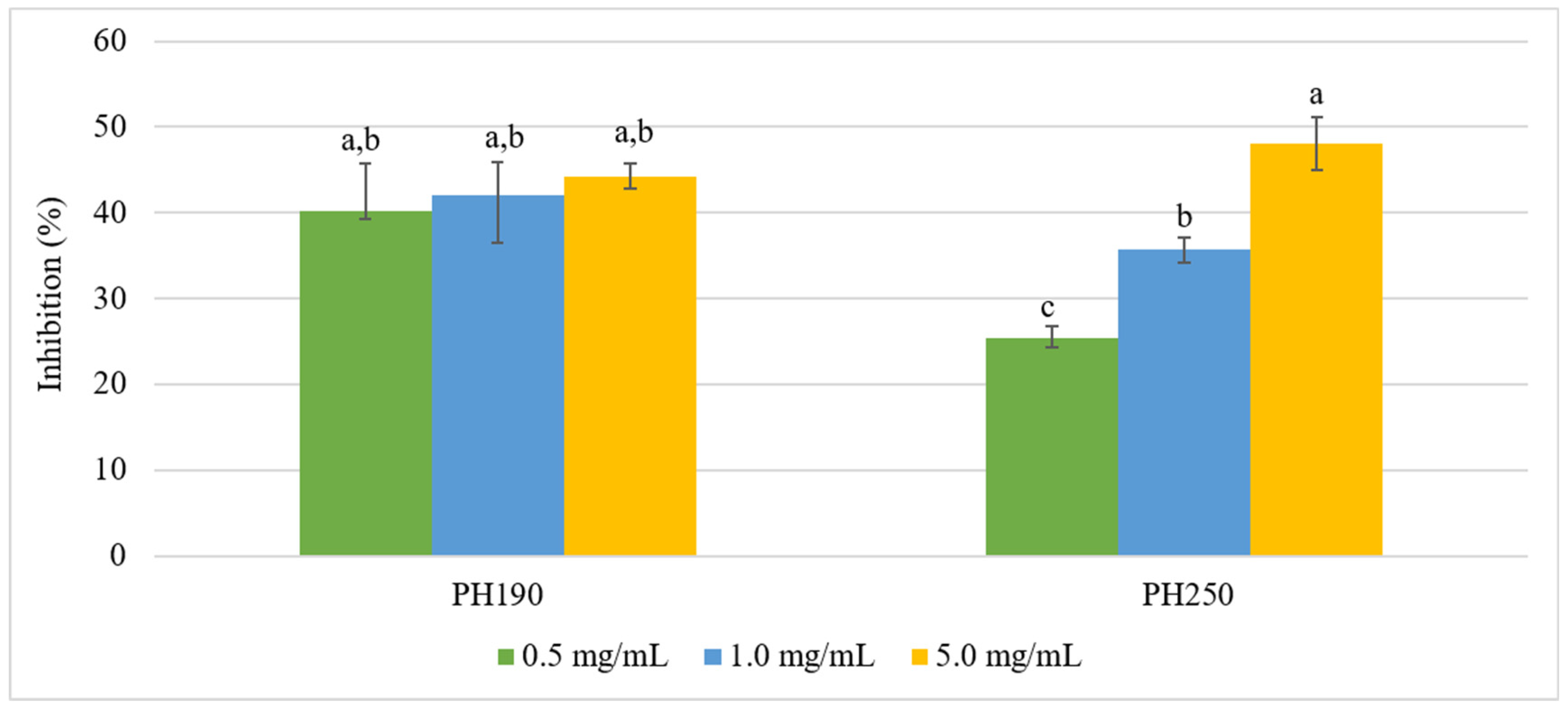
Under the experimental conditions used, of the four extracts assayed, only PH190 and PH250 showed inhibitory activity at the tested concentrations (Figure 1). For PH190, inhibition was similar across all concentrations (approximately 45%), but for PH250, a dose-dependent inhibition was detected, with the percentage of inhibition increasing from 25%, at the lower concentration tested (0.5 mg/mL), to 48%, at the higher concentration tested (5 mg/mL). These results align with the superoxide radical-scavenging assay, demonstrating high activity for PH190, as maximum inhibition was achieved at the lowest concentration tested (0.5 mg/mL). At the highest concentration tested (5 mg/mL), the inhibitory effect of PH190 and PH250 against α-amylase was higher than those reported for other fish hydrolysates, such as Atlantic mackerel and sardine by-products hydrolysates [44] or sardinella hydrolysates [45].

2.6. Fish Burger Shelf-Life Assessment

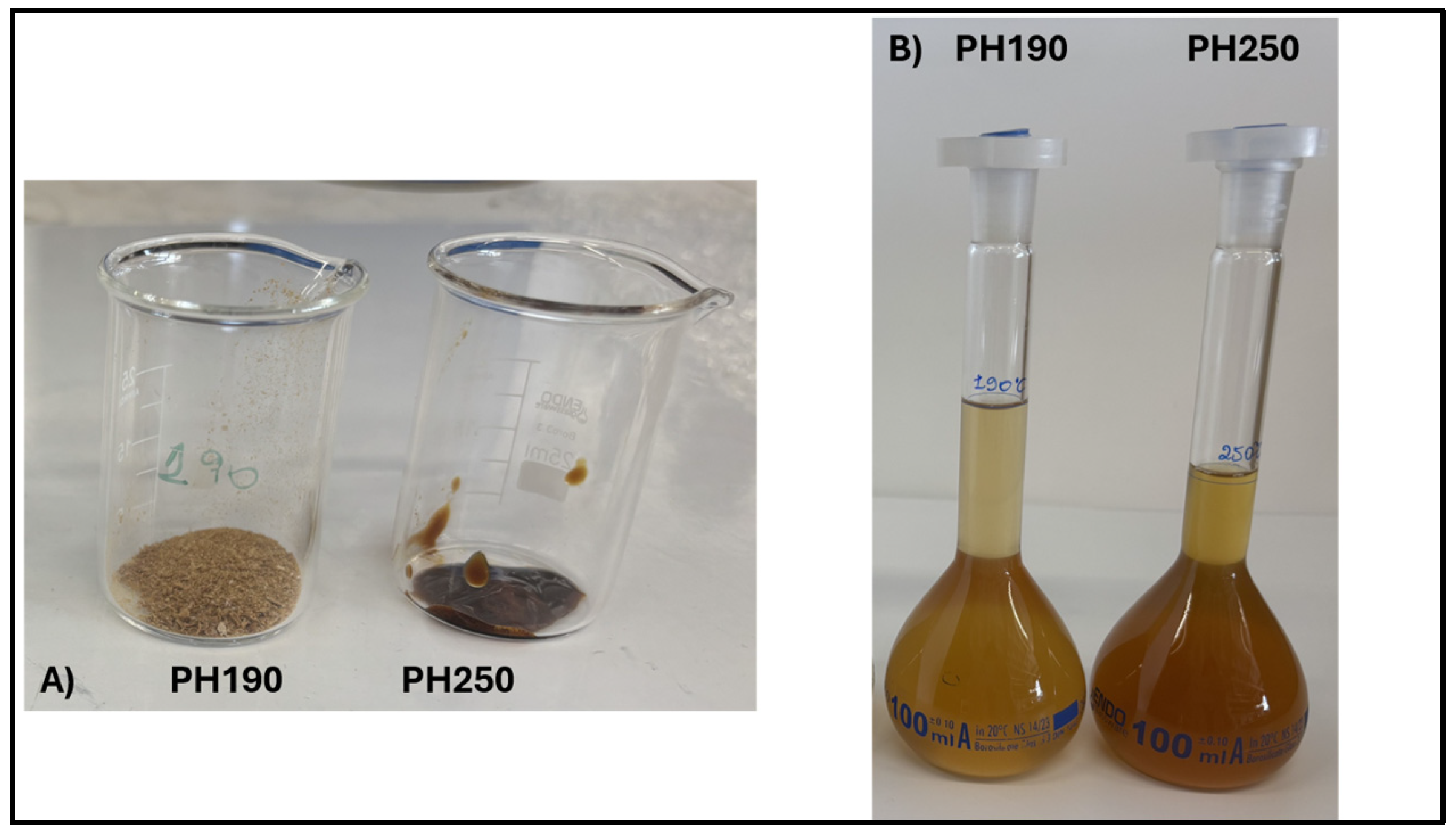
The protein hydrolysates obtained at 190 °C and 250 °C presented the most promising bioactive properties. In order to choose the one to be used in the formulation of the burgers, a comparison of their browning intensity was assessed, since the appearance/color of the product is highly valued by consumers. The absorbance of each PH solution (diluted 100 times) was measured at 420 nm using a UV/VIS spectrophotometer to determine the browning intensity [39]. The browning intensity of PH250 (absorbance of 1.639 ± 0.001) was more than double that of PH190 (absorbance of 0.760 ± 0.001). PH250 is visually darker than PH190 (see Figure 2), which may be attributed to the Maillard reaction that increases with the enhancement of temperature, as previously reported by Tadesse et. al. [39] in Ray-finned fish (Labeobarbus nedgia) protein hydrolysate. Thus, PH190 presented this positive attribute relative to PH250. Moreover, PH190 also presented outstanding activity in superoxide scavenging and antidiabetic properties at the lower level tested. Thus, PH190 was chosen to prepare the fish burgers.
The physical–chemical characterization of the burgers is depicted in Table 5.

2.6.1. Moisture Content

The moisture content of all fish burger formulations ranged from 71% to around 75% over the 6-day refrigerated storage (Table 5). Comparing the different burger formulations on each day, no significant differences (p > 0.05) were observed between them, which indicates that the incorporation of GTE, PH, or their mixture did not inherently alter the water content of the matrices, nor negatively impact the moisture retention properties of the fish meat. Over the refrigerated storage period, a general upward trend in moisture percentage was observed across all treatments, reaching maximum values by Day 3 and stabilizing through Day 6. This relative increase in moisture percentage is likely attributed to the minor loss of other volatile compounds or drip loss altering the total mass balance of the burgers during refrigerated storage [46,47,48]. Samples incorporated with PH190 presented a slight reduction in moisture content by Day 6, probably due to the water-holding capacity of the peptides [35], which decreases the drip loss.

2.6.2. pH and Titratable Acidity

Samples presented an initial pH of around 6.35 (Table 5), which remained stable up to Day 1. However, by Day 3, a significant increase (p < 0.05) was observed, particularly in the formulations Control (pH = 7.07) and the standalone PH burgers (pH = 7.12). This sharp rise in pH is a classic indicator of fish spoilage, typically driven by endogenous or microbial enzymes breaking down proteins and amino acids into volatile basic nitrogen compounds, such as ammonia and trimethylamine [48,49].
On Day 3, the GTE (pH = 6.56) and the Mixture (pH = 6.85) formulations behaved quite differently, with GTE showing significantly lower pH values (p < 0.05) than the control, indicating an early delay in the accumulation of basic compounds. By Day 6, all formulations reached a statistically similar pH plateau near neutrality (pH around 7).
Mirroring the pH data, the titratable acidity significantly decreased (p < 0.05) from Day 0 to Day 6 across all samples. The decrease in acidity correlates directly with the rising pH, further validating the accumulation of basic spoilage metabolites that neutralize the natural organic acids present in the fish muscle tissue [48,50].

2.6.3. Color Stability (Hue Angle)

Color plays an important role in the consumer acceptance of food products. The inclusion of the bioactive compounds resulted in a change in the color of the fish burgers (Table 5), as can be noticed since Day 0 by the significantly different hue angles for each formulation tested (p < 0.05). The GTE burger showed the highest Hue angle (59.8°), followed closely by the Mixture (58.2°), which is likely due to the natural yellowish-green pigments intrinsic to green tea polyphenols and catechins [34]. Conversely, the standalone PH burger exhibited a lower initial Hue angle (52.9°), which can be tied to the brownish color of the PH itself, probably a result of Maillard reaction products [51] formed during subcritical water extraction of proteins at high temperatures such as 190 °C. Over the 6 days of storage, the Hue angle of the Control and Mixture burgers significantly decreased (p < 0.05), shifting towards redder/darker undertones, which is commonly associated with myoglobin oxidation and metmyoglobin formation [52]. Notably, the GTE burger maintained the highest and most stable Hue angle throughout the entire study (55.8° at Day 6), proving that green tea extracts offer superior protection against color degradation during refrigerated commercialization.

2.6.4. Lipid Oxidation (TBARS)

Lipid oxidation is a primary cause of quality deterioration in fish products, which causes a great problem for the industry. This process leads to undesirable off-flavors (rancidity), odors and potentially toxic compounds [49]. The initial TBARS value was 0.58 mg MDA/kg, lower than those reported for carp fish burger (ca. 1.5 mg MDA/kg) [53] but higher than 0.15 mg MDA/kg found in surimi [54]. However, the lipid oxidation escalated rapidly, especially in control samples, reaching 4.26 mg MDA/kg by Day 6. Remarkably, both the GTE and the Mixture burgers drastically suppressed lipid oxidation, remaining exceptionally low (1.55 and 1.72 mg MDA/kg, respectively) on Day 6. The good performance of the mixture suggests a synergistic interaction [12] where the green tea catechins work in tandem with the bioactive peptides/Maillard compounds in the PH and chelate free metal ions present in the PH, avoiding their pro-oxidative effect and successfully forming a dual-layer radical-scavenging barrier in the fish lipid matrix. In fact, the GTE powder presented high antioxidant activity as measured by the DPPH assay (492.6 mg EAA/g dry GTE), in good agreement with literature [34]. The standalone PH burger exhibited a non-statistical difference to control burgers, but with pro-oxidant effect, reaching the highest TBARS value by Day 6 (5.58 mg MDA/kg). Protein hydrolysates extracted at high temperatures (like 190 °C) contain free amino acids and trace metal elements released from the fish tissue during processing (Table 3). Without the stabilizing presence of green tea polyphenols to chelate them, these free metal ions and oxidized peptide fragments can accelerate the oxidative reaction, shifting the hydrolysate from an antioxidant to a pro-oxidant state over extended storage [12,55].
Similar to our findings, Mighan et al. [33] reported a TBARS index below 2 mg/kg of silver cap burgers incorporated with 1% of PH from watermelon seeds. However, the authors concluded that the higher the amount of PH incorporated, the higher the protection against oxidation, once the inclusion of 3% PH resulted in the lowest oxidized product [33].
Furthermore, a TBARS value ranging from 1 to 2 mg MDA/kg is typically regarded as the limit past which fish exhibit undesirable odors or flavors, triggering consumer rejection [56]. Only the formulations with GTE or the mixture had TBARS values below the above limit after refrigerated storage, thus demonstrating their capacity to preserve the fish burgers.

2.6.5. Total Volatile Basic Nitrogen (TVB-N)

TVB-N is a chemical index used to determine the freshness and microbial spoilage of food products rich in proteins, such as meat and fish products, and is often used as a biomarker of protein and amine degradation [57]. All burgers started with a fresh TVB-N value of 9 mg N/100g burger (Table 5). As storage progressed, TVB-N values rose significantly (p < 0.05) across all burgers due to bacterial and autolytic deamination of nitrogenous compounds. By Day 3, the GTE burger demonstrated the highest preservation capacity, yielding a significantly lower TVB-N value (18 mg N/100g burger) compared to the Control (27 mg N/100g burger) and the PH burger (32 mg N/100g burger). By Day 6, although there were no statistically significant differences among the formulations (p > 0.05), the absolute values show that the GTE (36 mg N/100g burger) and Mixture (47 mg N/100g burger) burgers maintained lower volatile nitrogen levels than the Control (54 mg N/100g burger) and standalone PH (55 mg N/100g burger). This mirrors the lipid oxidation trends, confirming that the presence of green tea extract—either alone or mixed with PH—is essential for limiting protein degradation and slowing down volatile base accumulation. The formation of TVB-N compounds is primarily driven by the activity of proteolytic bacteria in the product [33]. Therefore, TVB-N content presents a good correlation with the microbiological quality. Burgers incorporated with GTE or GTE + PH presented the lower TVB-N values. Similar behavior was observed in silver carp burgers incorporated with watermelon PH [33]. However, in that work, the strongest activity was reported with 3% PH, in contrast with the findings in the current work. The differences in the results may be related to the different sources of proteins used (fish versus watermelon) as well as the hydrolysis methods employed (subcritical water versus enzymatic).
The European Regulation nº 2074/2005 [58] recommends three different TVB-N limits for fish freshness (25, 30 or 35 mg N/100g meat muscle), depending on the species of interest. At Day 3, formulations control and PH presented TVB-N values superior to the lowest limit accepted in this regulation, while those incorporated with GTE or its mixture with PH were below or close to 25 mg N/100g meat, demonstrating the capacity to extend the shelf life of the burgers.

2.6.6. Microbiological Quality

Microbiological quality is the primary limiting factor for the shelf life of perishable food products [59]. Once non-cooked fish meat provides an ideal substrate for microbial proliferation (high water activity, near-neutral pH, and high content of non-protein nitrogenous compounds), the study of microbiological contamination is fundamental [25]. The evolution of total mesophilic aerobic microorganisms (TMAM), total psychrotropic aerobic microorganisms (TPAM), and Enterobacteriaceae in the fish burgers during 6 days of refrigerated storage is summarized in Table 6.
Total mesophilic counts reflect the general hygienic quality of the raw materials and processing conditions [59]. As expected, refrigerated storage led to a significant increase (p < 0.05) in mesophilic populations across all groups, reaching peak counts of 9.3–9.7 Log (CFU/g) by Day 6. However, the initial contamination presented in the burgers in this work (6.0 LogCFU/g and 5.1 Log CFU/g for TMAM and TPAM, respectively) is superior to that reported in silver carp burgers [33] and Atlantic mackerel fillet [60]. Differences in initial contamination might be associated with the good hygienic practices involved in the preparation of the fish fillets. In this work, the fillets were made by the fish seller, whereas in the cited references, the entire fish was bought and the fillets prepared in more controlled and sanitary conditions. According to the European Commission Regulation EC No 2073/2005 [61], the generally accepted maximum limit for human consumption of fresh minced meat is 6.7 Log CFU/g meat, while the recommendation for fish meat reported by Mighan et al. [33] is below 7 Log CFU/g fish. Control samples breached this limit already after 24 h of refrigerated storage, while those formulations with the GTE, PH or their mixture only surpassed the limit by Day 3.
This early-stage inhibition can be attributed to the well-documented antimicrobial action of green tea polyphenols, particularly epigallocatechin gallate (EGCG), which destabilize bacterial cell membranes and inhibit vital enzyme production [50,62,63]. However, by Day 3 and Day 6, the massive microbial pressure overwhelmed the natural preservation systems, resulting in all batches exceeding acceptable thresholds.
Because fish burgers are held under refrigerated storage, psychrotropic bacteria are the primary agents responsible for structural and sensory spoilage, producing volatile bases and off-odors. The initial psychrotropic count was 5.1 log CFU/g on Day 1 control and standalone PH burgers rapidly spiked to 7.1 log CFU/g, while the GTE (5.9 log CFU/g) and Mixture (5.8 log CFU/g) formulations significantly suppressed psychrotropic growth (p < 0.05). The lower values found for TPAM than TMAM were also reported in silver carp burgers incorporated with watermelon seed PH [33]. This bacteriostatic effect became even more pronounced by Day 3, when the mixture formulation suppressed psychrotropic counts down to 6.2 log CFU/g, performing significantly better (p < 0.05) than all other treatments. Again, as observed for the antioxidant properties, a synergistic effect was also observed here. When green tea extract is combined with the protein hydrolysate, the bioactive peptides likely enhance polyphenol stability or alter cellular permeability, creating a hostile microenvironment for cold-adapted bacteria. By Day 6, all formulations reached high, statistically similar plateaus (8.6–9.4 log CFU/g), signaling end-of-life spoilage.
The Enterobacteriaceae family acts as a vital hygiene indicator, pointing to potential post-processing contamination or temperature abuse during handling. The initial count was 3.4 log CFU/g, followed by progressive growth in all groups (Table 6). The initial counting for Enterobacteriaceae measured in this work is higher than the one reported for flounder fillets (2 LogCFU/g) [64]. This higher level of contamination may be associated with the process of preparation of the ground fish meat, which involved extra handling and grinding steps that may favor microbiological contamination. On Day 3, those burgers incorporated with GTE and the mixture managed to keep populations slightly lower, but significantly (p < 0.05), than the Control (5.0 log CFU/g). Finally, at Day 6, burgers with standalone PH exhibited the lowest Enterobacteriaceae count (5.2 log CFU/g), showing a statistically significant reduction (p < 0.05) compared to all other formulations. While the protein hydrolysate extracted at 190 °C showed a weak performance against initial mesophilic and psychrotropic groups, its high-temperature Maillard reaction products and short-chain hydrophobic peptides appear to have late-stage, targeted inhibitory action against Gram-negative enteric bacteria, possibly due to iron-chelating properties that restrict essential nutrient availability over time [36].
Despite none of the additives completely halting microbial proliferation over the entire 6 days of refrigerated storage, the individual introduction of GTE or the mixture of GTE and PH successfully extended the early microbiological stability window of the fish burgers by 24 to 48 h compared to the control. The inclusion of both GTE and PH was able to maintain the preservative properties of GTE alone, which can justify the use of this combination in the shelf-life extension of fish burgers.

2.6.7. Frozen Storage

Freezing is one of the most common methods to retard food deterioration, since negative temperatures delay biochemical reactions and microbiological growth in food matrices [59]. The meat was evaluated at days 0, 60, 120 and 180 of frozen storage. However, since the results did not change for most of the parameters within intermediate evaluation times, only the results for T0 and T180 are reported in Table 7. For the TBARS index, all data are reported in Table 7, as this parameter presented a distinct pattern.
After 6 months of storage at −20 °C, changes in moisture and TVB-N did not differ significantly (p > 0.05) from the initial condition of the fish burgers. Since the production of TVB-N is correlated with the microbiological activity within fish samples [60], the maintenance of these levels throughout the frozen storage is in good agreement with the reduction in microbiological contamination over the 6 months (Table 7). However, long-term freezing still permits physical and chemical degradation resulting in changes in the pH/titratable acidity, color and oxidative stress, as depicted in Table 7. A slight increase in pH accompanied by a reduction in titratable acidity was observed. This trend is likely driven by the accumulation of protein degradation products caused by proteolytic enzymes, which can maintain partial activity even under frozen conditions [65].
At the end of 6 months of frozen storage, the color changed from the initial condition for all formulations (p < 0.05) with an increase in Hue angle. Hue angle represents the color’s position on the color wheel (thus, values increasing from red to more yellowish color), which could be explained by the continuous, slow oxidation of muscle myoglobin into metmyoglobin and lipid oxidation. Similar behavior was observed in frozen lamb burger where a gradual reduction in a* values along the freezing period was attributed to myoglobin oxidation during storage [65].
Regarding oxidative stress, throughout frozen storage, an increase in TBARS value for all samples was registered (Table 7) (p < 0.05). According to Pereira de Abreu et al. [66], lipid oxidation in frozen fish is attributed to the action of endogenous enzymes that may be active during frozen storage, even at −20 °C. Like what was observed for refrigerated storage, the inclusion of GTE, PH and their mixture reduced the oxidative stress in the samples (p < 0.05) when compared to the control, and the smallest value for TBARS was found with standalone GTE. The presence of polyphenols might have inactivated or removed free radicals, preventing lipid oxidation in the food [50]. It was also observed that the standalone PH also retarded the oxidation process of the meat, by showing TBAR values lower than the control, although higher than the samples incorporated with just GTE. Atlantic mackerel fillets coated with furcellaran with gelatin hydrolysates also presented a delay in the TBARS index compared to non-coated fish in the first 3 months of frozen storage [60]. This was attributed to the protective barrier of the film (by reducing the exposure to oxygen) [35] and also to the capacity of peptides to neutralize free radicals [33,60]. According to Nikoo et al. [67], protein hydrolysates and peptides act as bi-functional food preservatives by offering antioxidant protection (neutralizing free radicals and reactive molecules) and cryoprotective defense (preventing ice crystal formation and protein breakdown during storage).
Over 180 days of frozen storage, a reduction in the total mesophilic aerobic microorganisms count was observed (Table 7) (p < 0.05). Freezing is not used to kill microorganisms in food technology; however, the microbiological counts generally decrease during long periods of frozen storage due to ice crystal formation that physically ruptures cell walls and causes severe cellular damage [65]. Notably, the GTE burgers exhibited a significantly lower survival rate than the other formulations. This lower survival may have resulted, not only from the damage caused by the ice crystals, but also from the action of green tea polyphenols, whose antimicrobial activity, particularly against Gram-positive bacteria, is well documented [68,69].
Unlike the mesophiles, psychrotropic bacteria are cold-adapted and possess cell membranes rich in unsaturated fatty acids that prevent freezing damage. Consequently, psychrotropic counts remained statistically unchanged (p > 0.05) after 6 months frozen for all formulations. Nevertheless, GTE burgers showed a slight (non-significant, p > 0.05) decrease of 1 Log CFU/g meat, reinforcing its superior antimicrobial property.
Similar to the mesophilic microorganisms, the counting for Enterobacteriaceae also showed a substantial decrease from the initial counts, which may be related to the fact that Gram-negative bacteria are more susceptible to freezing stress due to their thin peptidoglycan layer [59]. Moreover, all samples presented Enterobacteriaceae count values below the maximum contamination established for minced meat (6.7 Log CFU/g) in the European Regulation EC No 2073/2005 [61].

3. Materials and Methods

3.1. Materials and Reagents

Atlantic codfish (Gadus morhua) by-products obtained from industrial codfish processing, consisting of frames with some muscle, skin and fins still attached, were gently provided by Riberalves (Moita, Portugal) and kept at −20 °C. Lord Nelson green tea leaves were purchased in a local market (Lidl, Portugal). Fresh Atlantic horse mackerel (Trachurus trachurus) used to produce the fish burgers was acquired from the local fish market at Costa da Caparica (Portugal).
Analytical-grade reagents were used as received from the supplier. β-nicotinamide adenine dinucleotide (NADH) was purchased from Alfa Aesar (Karlsruhe, Germany). Ascorbic acid, trichloroacetic acid, sodium carbonate anhydrous, sulfuric acid, boric acid, and sodium hydroxide were obtained from Panreac (Barcelona, Spain). α-Amylase from porcine pancreas, 3,5-dinitrosalicylic acid (DNS), 2,2-diphenyl-1-picrylhydrazyl (DPPH), soluble potato starch, 2,4,6-tris(2-pyridyl)-s-triazine (TPTZ), nitro blue tetrazolium (NBT), neocuproine, phenazine methosulphate (PMS) and absolute ethanol (≥99.8%) were supplied by Sigma-Aldrich (St. Louis, MO, USA). All microbiological culture media were purchased from Biokar (Allonne, Beauvais, France): plate count agar (PCA), violet red bile glucose agar (VRBG), and tryptone-salt broth. The water used was purified using the Milli-Q system (Millipore, Billerica, MA, USA).

3.2. Proximate Composition Analysis

The water content of the codfish by-products as well as of the lyophilized hydrolysates was determined in a Kern DAB 100-3 thermogravimetric balance (Kern & Sohn GmbH, Balingen, Germany) at 105 °C. The ash content was gravimetrically analyzed by calcination in a muffle furnace (Lenton Furnaces AWF 12/5, Hope Valley, UK) at 550 °C for 5 h [70]. Elemental analysis was performed on a Flash EA 1112 CHNS analyzer (Thermo Fisher Scientific, Marietta, OH, USA) to determine nitrogen content, which was subsequently converted to crude protein using an appropriate nitrogen-to-protein conversion factor [7]. The lipid content of the biomass was determined by Soxhlet extraction with n-hexane [7].

3.3. Subcritical Water Extraction of Protein Hydrolysates

sCW extraction assays were carried out in a batch high-pressure reactor (Parr, model 4547, Moline, IL, USA) [7]. The reactor has 1.2 L of volume with a stirrer and a heater. Nitrogen gas is used to raise the pressure inside the reactor. The temperatures studied were 90, 140, 190, and 250 °C, with a 10:1 solvent-to-solid mass ratio (considering the average water content of the codfish by-products samples, ca 69 wt%), and a residence time of 15 min at the selected temperature. Prior to hydrolysis, by-products were thawed and ground (IKA Tube-Mill Control, IKA®-Werke GmbH & Co. KG, Staufen, Germany). At the end of each assay, the solid residue and the aqueous extract were collected. The aqueous extracts were filtered using Whatman No. 1 filter paper, centrifuged at 9000 rpm for 20 min at 4 °C (Sigma model 4-16KS, Osterode am Harz, Germany) and lyophilized under vacuum conditions (SCANVAC CoolSystem, LABOGENE, Lillerød, Denmark). The yields of extraction were calculated from the mass of lyophilized hydrolysates against the initial mass of codfish by-products fed to the reactor.

3.4. Green Tea Extraction

The hydro-ethanolic extract was obtained by solvent extraction assisted by ultrasonic energy. Briefly, 45 g of the green leaves (used as purchased) was mixed in 450 mL of ethanol 50% (v/v) and submitted to an ultrasound bath (Selecta, Barcelona, Spain) for 15 min/40 Hz at room temperature (20 °C ± 2 °C), then the system was kept under agitation (magnetic stirring) for 5 h, always protected from the light. Subsequently, it was centrifuged for 15 min at 4 °C with 7943× g (Sigma model 4-16KS, Osterode am Harz, Germany), and the supernatant was removed and filtered through Whatman No. 4 filter paper. Finally, ethanol was evaporated at room temperature with the aid of air circulation (until reach half of the initial volume). The obtained extract was frozen at −80 °C and lyophilized (ScanVac CoolSafe110-4, Labogene, Lillerød, Denmark) under vacuum for 72 h. To avoid degradation, the freeze-dried extract was stored in the dark at −18 °C until its application.

3.5. Fish Burgers Preparation

Fish burgers were prepared using fresh fish meat (Atlantic horse mackerel), minced in a grinder (Moulinex 1000W, Écully, France), incorporated with 1% (w/w) of active extracts, in four formulations: (i) containing 1% (w/w) of protein hydrolysate (PH burger); (ii) containing 1% (w/w) of green tea extract (GTE burger); (iii) containing a combination of both extracts at 0.5% (w/w) each (Mixture burger); and (iv) control without active extracts.
Since the appearance/color of the product is highly valued by consumers, the selection of the protein hydrolysate to be used in the burger’s formulation was done based on the assessment of its browning intensity [39] combined with the results of the antioxidant and antidiabetic properties. The browning intensity of those extracts with superior bioactive properties was obtained by measuring the absorbance of each PH solution (diluted 100 times) at 420 nm using a UV/VIS spectrophotometer [39]. Higher absorbance means higher browning intensity.
Regarding the amount of PH added in the formulations, although in the literature the levels studied vary from 1 to 3% (w/w) [33,35], we decided to use 1% (w/w) in this work, as this is already a high dose compared to those approved for the additives listed in the European Commission Food and Feed information database. In fact, a similar category to these extracts (rosemary extract), already approved by this regulation for processed fish and fishery products, has a limit dose of 0.15% (w/w) [71].
The burgers were stored in refrigerated conditions (5 °C) and evaluated over 6 days in terms of physical–chemical (pH, TBARS, total volatile basic nitrogen, and color) and microbiological analyses. The shelf life was also evaluated in samples stored in frozen conditions (−20 °C), after 6 months of storage.

3.6. Mineral Profile

The mineral composition of the codfish by-products, the hydrolysates and the residue after sCW extraction were determined by Inductively Coupled Plasma Atomic Emission Spectroscopy (ICP-AES) using a Horiba Jobin Yvon Ultima sequential ICP (Horiba Ltd., Kyoto, Japan) configured with a 40.68 MHz RF generator and a Czerny–Turner monochromator under argon plasma. The limit of detection of the equipment was 1 µg/g. For sample preparation, the mineralized ash (from ash determination) was digested in 6 M nitric acid at a known concentration and subsequently diluted with distilled water.

3.7. Antioxidant Activity of the Hydrolysates

3.7.1. Cupric Reducing Antioxidant Capacity (CUPRAC) Assay

Cupric reducing antioxidant capacity was evaluated according to Lima et al. [42]. The reagent mixture comprised 1 mL of 10 mM cupric chloride dihydrate solution, 1 mL of 1 M ammonium acetate buffer (CH3CO2NH4), and 1 mL of 7.5 mM neocuproine in ethanol. Upon addition of the sample, the reaction mixture was incubated for 1 h at ambient temperature before reading the absorbance at 450 nm on a UV/VIS spectrophotometer (SPEKOL 1500, Analytik Jena, Germany). Results were normalized to ascorbic acid standards and reported as mg of ascorbic acid equivalents (AAE)/g of extract. All determinations were performed in triplicate.

3.7.2. Ferric Reducing Antioxidant Power (FRAP) Assay

The FRAP assay was performed as described by Lima et al. [72]. Freshly prepared FRAP reagent (20 mL of 10 mM TPTZ in 40 mM HCl and 20 mL of 20 mM ferric chloride in 200 mL of 0.25 M sodium acetate buffer, pH 3.6) was warmed to 37 °C. Then, a 400 µL aliquot of diluted sample was mixed with 3 mL of FRAP reagent and incubated in the dark at 37 °C for 20 min. Finally, absorbance was recorded at 593 nm using a UV/VIS spectrophotometer. Ascorbic acid served as a reference standard, and the results were expressed as mg AAE/g of extract. All determinations were performed in triplicate.

3.7.3. DPPH Radical-Scavenging Assay

The DPPH radical-scavenging assay was performed according to Lima et al. [42]. Briefly, a 500 µL aliquot of diluted extracts was mixed with 3 mL of DPPH solution (24 mg/L in ethanol) and incubated in the dark for 30 min. Finally, the absorbance was measured at 517 nm using a UV/VIS spectrophotometer. Ascorbic acid served as reference standard, and results were expressed as mg AAE/g of extract. All determinations were performed in triplicate.

3.7.4. Superoxide Anion Radical-Scavenging Assay

The superoxide radical-scavenging activity of the extracts was evaluated spectrophotometrically at 560 nm by tracking the inhibition of NBT reduction to the blue chromogen formazan by superoxide anion, generated by the NADH/PMS [72]. Briefly, reaction mixtures comprised 200 µL sample, 300 µL NADH (1.66 mM), and 300 µL NBT (430 µM) in 19 mM phosphate buffer (pH 7.4), adjusted to a total volume of 2950 µL. Upon adding 50 µL of 162 µM PMS, the increase in absorbance (extent of NBT reduction) at 560 nm was recorded over 2 min using a UV/VIS spectrophotometer. Ascorbic acid served as reference standard, and the results were expressed as mg AAE/g of extract. All determinations were performed in triplicate.

3.7.5. Antidiabetic/Antihyperglycemic Activity of sCW Extracts

The α-amylase enzyme inhibition activity was evaluated following the protocol described by Romeiras et al. [43]. Briefly, 100 µL of Type VI-B porcine pancreatic α-amylase (0.5 mg/mL in 100 mM sodium phosphate buffer containing 6.7 mM sodium chloride, pH 6.7) was preincubated with 100 µL of each extract at varying concentrations (0.5 mg/mL, 1.0 mg/mL and 5.0 mg/mL) at 37 °C for 10 min. Then, 100 µL of 1% starch (w/v) solution prepared in the same buffer was added, and incubated for 10 min at 37 °C. Finally, 200 µL of DNS reagent (comprising 20 mL of 96 mM DNS, 8 mL of 5.315 M sodium potassium tartrate tetrahydrate in 2 M NaOH and 12 mL of distilled water) was added and the reaction mixtures were heated at 100 °C for 15 min, cooled to room temperature and diluted with 2 mL of distilled water. The intensity of the red color was measured at 520 nm using a UV/VIS spectrophotometer. Values were assessed in triplicate.

3.8. Fish Burger Shelf-Life Assessment

3.8.1. Physicochemical Characterization

Moisture was determined gravimetrically using the oven-drying method at 103 °C ± 2 °C. The assay was completed once the weight of the samples was stabilized, and the moisture content was calculated by the difference between the mass of the fresh sample and dried sample divided by the fresh sample mass (%) [50,73].
For pH and titratable acidity, 5 g of fish burger was mixed with 50 mL of water at 40 °C for 15 min using a shaker water bath (Tuttnauer, Beit Shemesh, Israel), then filtered and the pH directly measured using a potentiometer (Crison Instruments, Barcelona, Spain). The total titratable acidity was calculated by titration with 0.1N NaOH solution, and the results expressed as % (w/w) of oleic acid equivalent [50,73].
Lipid oxidation of the samples was evaluated by determining the thiobarbituric acid reactive substances (TBARS) values, according to Rosmini et al. [74]. Ten grams of fish burger were weighed and mixed with 20 mL of 7.5% (w/v) trichloroacetic acid (TCA) for 15 min using a shaker water bath to extract oxidation products. Subsequently, the mixture was filtered, and 5 mL of the filtrate was combined with 5 mL of 0.02 M 2-thiobarbituric acid (TBA) and heated at 95 °C for 30 min in a water bath (Memmert, Schwabach, Germany). After cooling under running water, the sample’s absorbance was measured at 530 nm using a UV/VIS spectrophotometer (Model E/1000UV, Peak instrument, Houston, TX, USA). TBARS index was calculated using a calibration curve constructed with known concentrations of MDA (from 1,1,3,3-tetraethoxypropane (TEP)), and results were expressed as mg of MDA/kg of sample.
Total volatile basic nitrogen was determined from the resulting TCA extraction used in the TBARS assay after Kjeldahl distillation (KT 200 Kjeltec, Foss, Denmark) according to AOAC (method Ba 4d-90) [73], Mighan et al. [33] and Rocha et al. [64]. Results were expressed in g of N/100g of fish burger.
The color of the samples was determined by measuring the CIE-L*a*b* coordinates (where L* = 0 (black); L* = 100 (white); negative a* for greenness and positive a* for redness; negative b* for blueness and positive b* for yellowness) using a CR 410 colorimeter (Minolta Co., Tokyo, Japan) with D65 light source, and visual angle of 10 [25]. Hue angle (hue) was calculated according to Equation (1):
H u e = a r c t a n b a

3.8.2. Microbiological Analysis

Total mesophilic aerobic bacteria (TMAB) (ISO 4833-1:2013 [75], total psychotropic aerobic bacteria (TPAB) (ISO 17410:2019 [76]) and Enterobacteriaceae (ISO 21528-2:2017 [77]) were used to evaluate fish burger’s microbiological quality. TMAB and TPAB counts were performed in PCA after incubation at 30 °C for 72 h or 7 °C for 168 h. Enterobacteriaceae counts were performed in VRBG after incubation at 37 °C for 24 h. Results were expressed as log CFU (colony-forming units)/g of fish burger.

3.9. Statistical Analysis

Experimental treatments were conducted in a completely randomized design with three replications per treatment. Data were subjected to one-way analysis of variance (ANOVA) using OriginLab software (version 8.5). For the fish burger shelf life evaluation, a two-way ANOVA was performed with the independent variables being storage time and formulations tested. When ANOVA was significant (p < 0.05), differences among mean values were processed by the Tukey test. Statistical significance was set at p < 0.05.

4. Conclusions

This study demonstrates that subcritical water extraction is an efficient, environmentally friendly strategy for valorizing industrial residues (cod frames) into high-value bioactive protein hydrolysates. Operating at higher extraction temperatures not only increased the overall process yield but also directly enhanced the functional profile of the resulting extracts. Extractions performed at 190 °C and 250 °C presented significant antioxidant properties, marked by strong reducing power and effective scavenging activities against both DPPH and superoxide anion radicals. Furthermore, these extracts showed a promising ability to inhibit α-amylase enzyme, pointing to their potential use in antidiabetic applications.
When tested as a natural preservative in fish burgers, PH190 incorporated at 0.5% (m/m) in combination with 0.5% of GTE proved to be effective during refrigerated/frozen storage. This specific treatment successfully slowed down lipid oxidation, reducing TBARS levels by half compared to the control group. They also successfully controlled microbial growth and limited the accumulation of total volatile basic nitrogen (TVB-N) over the 6-day monitoring period. On the other hand, burgers formulated exclusively with 1% protein hydrolysate did not show any noticeable preservation advantages under these conditions, indicating that higher concentrations of PH extract are likely required to achieve a measurable protective effect in fish burgers.
Overall, combining bioactive extracts from cod processing waste and green tea offers a practical, sustainable alternative to synthetic food additives. This approach supports a circular economy within the seafood industry by upcycling low-value by-products while meeting the growing consumer demand for clean-label, functional foods. Future research will focus on optimizing the inclusion levels of these protein hydrolysates and investigating how these formulations affect the sensory characteristics of the fish burgers.

Author Contributions

Conceptualization, M.P.D., I.C., V.G.L.S. and P.S.; methodology, M.P.D., V.G.L.S., P.S. and I.C.; validation, M.P.D., I.C., P.S. and V.G.L.S.; investigation, K.B., L.C., S.T., V.W. and E.P.; resources, M.P.D., I.C., P.S. and V.G.L.S.; data curation, K.B., L.C., S.T., V.W. and E.P.; writing—original draft preparation, V.G.L.S., M.P.D. and P.S.; writing—review and editing, M.P.D., I.C., P.S. and V.G.L.S.; visualization, M.P.D., I.C., P.S. and V.G.L.S.; supervision, M.P.D., P.S. and V.G.L.S.; project administration, P.S.; funding acquisition, M.P.D., I.C., P.S. and V.G.L.S. All authors have read and agreed to the published version of the manuscript.

Funding

This work was financed by national funds from FCT—Fundação para a Ciência e a Tecnologia, I.P., under the scope of the project UID/4077/2025 of the Mechanical Engineering and Resources Sustainability Center—MEtRICs (https://doi.org/10.54499/UID/04077/2025), projects UID/50006/2025, UID/PRR/50006/2025 and LA/P/0008/2020 of the Associated Laboratory for Green Chemistry—LAQV REQUIMTE (https://doi.org/10.54499/UID/50006/2025, https://doi.org/10.54499/UID/PRR/50006/2025 and https://doi.org/10.54499/LA/P/0008/2020), project UID/04035/2025 of the GeoBioSciences GeoTechnologies and GeoEngineering—GeoBioTec (https://doi.org/10.54499/UID/04035/2025), and exploratory project 2023.14690.PEX (https://doi.org/10.54499/2023.14690.PEX).

Data Availability Statement

The original contributions presented in this study are included in the article. Further inquiries can be directed to the corresponding author(s).

Acknowledgments

The authors acknowledge Riberalves for supplying the raw material (cod fish by-products) used to extract the protein hydrolysates.

Conflicts of Interest

The authors declare no conflicts of interest. The funders had no role in the design of the study; in the collection, analyses, or interpretation of data; in the writing of the manuscript; or in the decision to publish the results.

References

  1. Food and Agriculture Organization of the United Nations. The State of World Fisheries and Aquaculture 2024; FAO: Rome, Italy, 2024; ISBN 978-92-5-138763-4. [Google Scholar]
  2. Ghaly, A.E.; Ramakrishnan, V.V.; Brooks, M.S.; Budge, S.M.; Dave, D. Fish Processing Wastes as a Potential Source of Proteins, Amino Acids and Oils: A Critical Review. J. Microb. Biochem. Technol. 2013, 5, 107–129. [Google Scholar] [CrossRef]
  3. Arvanitoyannis, I.S.; Kassaveti, A. Fish industry waste: Treatments, environmental impacts, current and potential uses. Int. J. Food Sci. Technol. 2008, 43, 726–745. [Google Scholar] [CrossRef] [Scilit]
  4. Villamil, O.; Váquiro, H.; Solanilla, J.F. Fish viscera protein hydrolysates: Production, potential applications and functional and bioactive properties. Food Chem. 2017, 224, 160–171. [Google Scholar] [CrossRef] [Scilit] [PubMed]
  5. Maschmeyer, T.; Luque, R.; Selva, M. Upgrading of marine (fish and crustaceans) biowaste for high added-value molecules and bio(nano)-materials. Chem. Soc. Rev. 2020, 49, 4527–4563. [Google Scholar] [CrossRef] [Scilit] [PubMed]
  6. Khawli, F.A.; Pateiro, M.; Domínguez, R.; Lorenzo, J.M.; Gullón, P.; Kousoulaki, K.; Ferrer, E.; Berrada, H.; Barba, F.J. Innovative green technologies of intensification for valorization of seafood and their by-products. Mar. Drugs 2019, 17, 689. [Google Scholar] [CrossRef] [Scilit] [PubMed]
  7. Melgosa, R.; Marques, M.; Paiva, A.; Bernardo, A.; Fernández, N.; Sá-Nogueira, I.; Simões, P. Subcritical water extraction and hydrolysis of cod (Gadus morhua) frames to produce bioactive protein extracts. Foods 2021, 10, 1222. [Google Scholar] [CrossRef] [Scilit] [PubMed]
  8. Ruiz, H.A.; Rodríguez-Jasso, R.M.; Fernandes, B.D.; Vicente, A.A.; Teixeira, J.A. Hydrothermal processing, as an alternative for upgrading agriculture residues and marine biomass according to the biorefinery concept: A review. Renew. Sustain. Energy Rev. 2013, 21, 35–51. [Google Scholar] [CrossRef] [Scilit]
  9. Brunner, G. Hydrothermal and supercritical water processes. In Supercritical Fluid Science and Technology; Elsevier: Amsterdam, The Netherlands, 2014; Volume 5. [Google Scholar]
  10. Jung, E.P.; Conrado Thomaz, G.F.; de Brito, M.O.; de Figueiredo, N.G.; Kunigami, C.N.; de Oliveira Ribeiro, L.; Alves Moreira, R.F. Thermal-assisted recovery of antioxidant compounds from Bauhinia forficata leaves: Effect of operational conditions. J. Appl. Res. Med. Aromat. Plants 2021, 22, 100303. [Google Scholar] [CrossRef] [Scilit]
  11. Jung, E.P.; de Freitas, B.P.; Kunigami, C.N.; Moreira, D.d.L.; de Figueiredo, N.G.; Ribeiro, L.d.O.; Moreira, R.F.A. Bauhinia forficata Link Infusions: Chemical and Bioactivity of Volatile and Non-Volatile Fractions. Molecules 2022, 27, 5415. [Google Scholar] [CrossRef] [Scilit] [PubMed]
  12. Ranjbar Nedamani, E.; Sadeghi Mahoonak, A.; Ghorbani, M.; Kashaninejad, M. Evaluation of antioxidant interactions in combined extracts of green tea (Camellia sinensis), rosemary (Rosmarinus officinalis) and oak fruit (Quercus branti). J. Food Sci. Technol. 2015, 52, 4565–4571. [Google Scholar] [CrossRef] [Scilit] [PubMed]
  13. Fidelis, M.; de Moura, C.; Kabbas, T., Jr.; Pap, N.; Mattila, P.; Mäkinen, S.; Putnik, P.; Bursać Kovačević, D.; Tian, Y.; Yang, B.; et al. Fruit Seeds as Sources of Bioactive Compounds: Sustainable Production of High Value-Added Ingredients from By-Products within Circular Economy. Molecules 2019, 24, 3854. [Google Scholar] [CrossRef] [Scilit] [PubMed]
  14. Messina, M.C.; Bono, G.; Renda, G.; Barbera, L.; Santulli, A. Effect of natural antioxidants and modified atmosphere packaging in preventing lipid oxidation and increasing the shelf-life of common dolphinfish (Coryphaena hippurus) fillets. LWT—Food Sci. Technol. 2015, 62, 271–277. [Google Scholar] [CrossRef] [Scilit]
  15. Valdés, A.; Mellinas, A.C.; Ramos, M.; Garrigós, M.C.; Jiménez, A. Natural additives and agricultural wastes in biopolymer formulations for food packaging. Front. Chem. 2014, 2, 6. [Google Scholar] [CrossRef] [Scilit] [PubMed]
  16. Sheng, Y.; Sun, Y.; Tang, Y.; Yu, Y.; Wang, J.; Zheng, F.; Li, Y.; Sun, Y. Catechins: Protective mechanism of antioxidant stress in atherosclerosis. Front. Pharmacol. 2023, 14, 1144878. [Google Scholar] [CrossRef] [Scilit] [PubMed]
  17. Medina-Jaramillo, C.; Ochoa-Yepes, O.; Bernal, C.; Famá, L. Active and smart biodegradable packaging based on starch and natural extracts. Carbohydr. Polym. 2017, 176, 187–194. [Google Scholar] [CrossRef] [Scilit] [PubMed]
  18. Chan, E.W.C.; Lim, Y.Y.; Chong, K.L.; Tan, J.B.L.; Wong, S.K. Antioxidant properties of tropical and temperate herbal teas. J. Food Compos. Anal. 2010, 23, 185–189. [Google Scholar] [CrossRef] [Scilit]
  19. Oliveira, H.; Cristóvão, M.; Nabais, A.; Camacho, C.; Sapatinha, M.; Pires, C.; Lourenço, H.M.; Fernandes, M.H.; Fernandes, M.J.; Fraqueza, M.J.; et al. Development and Characterization of Nutritious and Sustainable Canned Fish Meal Prototype for Different Population Segments. Sustainability 2025, 17, 5050. [Google Scholar] [CrossRef] [Scilit]
  20. Ministério da Agricultura, Desenvolvimento Rural e Pescas. Decreto-Lei n.º 37/2004, de 26 de Fevereiro. 2004. Available online: https://diariodarepublica.pt/dr/detalhe/decreto-lei/37-2004-568933 (accessed on 17 August 2026).
  21. Solinho, J.; Gonçalves, S.; Machado, S.; Pereira-pinto, R. Development of nutritionally enhanced fish burgers: Integrating Atlantic bonito (Sarda sarda) with seaweed and hydrocolloids for sustainable food innovation. LWT 2025, 215, 117247. [Google Scholar] [CrossRef] [Scilit]
  22. Cardoso, C.; Afonso, C.; Bandarra, N.M. Seafood lipids and cardiovascular health. Nutrire 2016, 41, 7. [Google Scholar] [CrossRef] [Scilit]
  23. Mozzon, M.; Foligni, R.; Mannozzi, C.; Vittori, S. Assessment of lipid oxidation in fish and fish products processed by cold plasma technologies. Appl. Food Res. 2024, 4, 100646. [Google Scholar] [CrossRef] [Scilit]
  24. Secci, G.; Parisi, G. From farm to fork: Lipid oxidation in fish products. A review. Ital. J. Anim. Sci. 2016, 15, 124–136. [Google Scholar] [CrossRef] [Scilit]
  25. Barkallah, M.; Ben Atitallah, A.; Hentati, F.; Dammak, M.; Hadrich, B.; Fendri, I.; Ayadi, M.A.; Michaud, P.; Abdelkafi, S. Effect of Spirulina platensis Biomass with High Polysaccharides Content on Quality Attributes of Common Carp (Cyprinus carpio) and Common Barbel (Barbus barbus) Fish Burgers. Appl. Sci. 2019, 9, 2197. [Google Scholar] [CrossRef] [Scilit]
  26. Fang, X.; Zhang, Y. The impact of climate change and economic development on the catches of small pelagic fisheries. Mar. Policy 2025, 175, 106631. [Google Scholar] [CrossRef] [Scilit]
  27. The commision of the european communities COUNCIL REGULATION (EU) 2024/257 of 10 January 2024 fixing for 2024, 2025 and 2026 the fishing opportunities for certain fish stocks, applicable in Union waters and, for Union fishing vessels, in certain non-Union waters, and amending Regulation (EU) 2023. Off. J. Eur. Union 2024, 257, 39.
  28. European Commission Proposes Fishing Opportunities for 2024 in the Atlantic, Kattegat and Skagerrak. 2023. Available online: https://ec.europa.eu/commission/presscorner/detail/en/ip_23_5279 (accessed on 27 July 2026).
  29. Rodrigues, D.P.; Calado, R.; Ameixa, O.M.C.C.; Valcarcel, J.; Vázquez, J.A. Valorisation of Atlantic codfish (Gadus morhua) frames from the cure-salting industry as fish protein hydrolysates with in vitro bioactive properties. LWT 2021, 149, 111840. [Google Scholar] [CrossRef] [Scilit]
  30. Frost, A.; Almeida, J.; Dionisio, J.; Godina, R.; Magro, C. Environmental Analysis of Codfish Production and Consumption in Portugal. J. Crit. Glob. Issues 2024, 1, 4. [Google Scholar] [CrossRef] [Scilit]
  31. Hu, X.; Ma, W.; Zhang, D.; Tian, Z.; Yang, Y.; Huang, Y.; Hong, Y. Application of Natural Antioxidants as Feed Additives in Aquaculture: A Review. Biology 2025, 14, 87. [Google Scholar] [CrossRef] [Scilit] [PubMed]
  32. Medina, I.; Gallardo, J.M.; Aubourg, S.P. Quality preservation in chilled and frozen fish products by employment of slurry ice and natural antioxidants. Int. J. Food Sci. Technol. 2009, 44, 1467–1479. [Google Scholar] [CrossRef] [Scilit]
  33. Mighan, N.M.; Ariaii, P.; Soltani, M.S.; Jafarian, S. Investigating the possibility of increasing the microbial and oxidative stability of silver carp burgers using hydrolyzed protein of watermelon seeds. Food Sci. Biotechnol. 2024, 33, 375–388. [Google Scholar] [CrossRef] [Scilit] [PubMed]
  34. Lorenzo, J.M.; Munekata, P.E.S. Phenolic compounds of green tea: Health benefits and technological application in food. Asian Pac. J. Trop. Biomed. 2016, 6, 709–719. [Google Scholar] [CrossRef] [Scilit]
  35. Golpaigani, M.H.; Ariaii, P.; Ahmadi, M.; Safari, R. Preservation effect of protein hydrolysate of rainbow trout roe with a composite coating on the quality of fresh meat during storage at 4 ± 1 °C. J. Food Meas. Charact. 2023, 17, 2416–2428. [Google Scholar] [CrossRef] [Scilit]
  36. Tkaczewska, J. Peptides and protein hydrolysates as food preservatives and bioactive components of edible films and coatings—A review. Trends Food Sci. Technol. 2020, 106, 298–311. [Google Scholar] [CrossRef] [Scilit]
  37. Ketnawa, S.; Benjakul, S.; Martínez-Alvarez, O.; Rawdkuen, S. Physical, chemical, and microbiological properties of fish tofu containing shrimp hydrolysate. Fish. Sci. 2016, 82, 379–389. [Google Scholar] [CrossRef] [Scilit]
  38. United Nations. Transforming Our World: The 2030 Agenda for Sustainable Development; United Nations: New York, NY, USA, 2015; Volume 1. [Google Scholar]
  39. Tadesse, S.A.; Emire, S.A.; Barea, P.; Illera, A.E.; Melgosa, R.; Beltrán, S.; Sanz, M.T. Potential of Subcritical Water Hydrolysis to Valorize Low-Valued Ray-Finned Fish (Labeobarbus nedgia): Effects of Hydrolysis Temperature and Pressurization Agent. Foods 2024, 13, 1462. [Google Scholar] [CrossRef] [Scilit] [PubMed]
  40. Plaza, M.; Amigo-Benavent, M.; del Castillo, M.D.; Ibáñez, E.; Herrero, M. Facts about the formation of new antioxidants in natural samples after subcritical water extraction. Food Res. Int. 2010, 43, 2341–2348. [Google Scholar] [CrossRef] [Scilit]
  41. Apak, R.; Güçlü, K.; Özyürek, M.; Karademir, S.E. Novel Total Antioxidant Capacity Index for Dietary Polyphenols and Vitamins C and E, Using Their Cupric Ion Reducing Capability in the Presence of Neocuproine: CUPRAC Method. J. Agric. Food Chem. 2004, 52, 7970–7981. [Google Scholar] [CrossRef] [Scilit] [PubMed]
  42. Lima, K.; Silva, O.; Figueira, M.E.; Pires, C.; Cruz, D.; Gomes, S.; Maurício, E.M.; Duarte, M.P. Influence of the in vitro gastrointestinal digestion on the antioxidant activity of Artemisia gorgonum Webb and Hyptis pectinata (L.) Poit. infusions from Cape Verde. Food Res. Int. 2019, 115, 150–159. [Google Scholar] [CrossRef] [Scilit] [PubMed]
  43. Romeiras, M.M.; Essoh, A.P.; Catarino, S.; Silva, J.; Lima, K.; Varela, E.; Moura, M.; Gomes, I.; Duarte, M.C.; Duarte, M.P. Diversity and biological activities of medicinal plants of Santiago island (Cabo Verde). Heliyon 2023, 9, e14651. [Google Scholar] [CrossRef] [Scilit] [PubMed]
  44. Fuentes, C.; Verdú, S.; Grau, R.; Barat, J.M.; Fuentes, A. In Vitro Antioxidant and Antidiabetic Effects of Atlantic Mackerel and Sardine By-Product Hydrolysates. Mar. Drugs 2025, 23, 393. [Google Scholar] [CrossRef] [Scilit] [PubMed]
  45. Amini Sarteshnizi, R.; Sahari, M.A.; Ahmadi Gavlighi, H.; Regenstein, J.M.; Nikoo, M.; Udenigwe, C.C. Influence of fish protein hydrolysate-pistachio green hull extract interactions on antioxidant activity and inhibition of α-glucosidase, α-amylase, and DPP-IV enzymes. LWT 2021, 142, 111019. [Google Scholar] [CrossRef] [Scilit]
  46. de Silva, M.W.E.M.; Fernando, G.S.N.; Paththuwe Arachchi, M.J.; Jans, H.M. Development of fish burger patty from spotted triggerfish (Canthidermis maculate L.) mince and determination of its nutritional properties and shelf-life. Trop. Agric. Res. Ext. 2025, 28, 113–125. [Google Scholar] [CrossRef] [Scilit]
  47. Kaewprachu, P.; Osako, K.; Benjakul, S.; Rawdkuen, S. Quality attributes of minced pork wrapped gelatin film incorporated with catechin-lysozyme. Food Packag. Shelf Life 2015, 3, 88–96. [Google Scholar] [CrossRef] [Scilit]
  48. Mei, J.; Ma, X.; Xie, J. Review on Natural Preservatives for Extending Fish shelf life. Foods 2019, 8, 490. [Google Scholar] [CrossRef] [Scilit] [PubMed]
  49. Wu, Y.H.S.; Chen, Y.C. Trends and applications of food protein-origin hydrolysates and bioactive peptides. J. Food Drug Anal. 2022, 30, 172–184. [Google Scholar] [CrossRef] [Scilit] [PubMed]
  50. Pires, J.R.A.; Almeida, K.M.; Augusto, A.S.; Vieira, É.T.; Fernando, A.L.; Souza, V.G.L. Application of Biocomposite Films of Chitosan/Natural Active Compounds for Shelf Life Extension of Fresh Poultry Meat. J. Compos. Sci. 2022, 6, 342. [Google Scholar] [CrossRef] [Scilit]
  51. Darko, H.S.O.; Ismaiel, L.; Fanesi, B.; Pacetti, D.; Lucci, P. Current Trends in Food Processing By-Products as Sources of High Value-Added Compounds in Food Fortification. Foods 2024, 13, 2658. [Google Scholar] [CrossRef] [Scilit] [PubMed]
  52. Pires, J.R.A.; Pereira, R.; Paz, S.; Gomes, L.A.; Souza, V.G.L.; Godinho, M.H.; Duarte, M.P.; Fernando, A.L. Bioactive Properties of Chitosan/Nanocellulose Films Loaded with Sage Essential Oil: From In Vitro Study to In Situ Application in Shelf-Life Extension of Fresh Poultry Meat. J. Compos. Sci. 2025, 9, 428. [Google Scholar] [CrossRef] [Scilit]
  53. Ehsani, A.; Hashemi, M.; Afshari, A.; Aminzare, M.; Raeisi, M.; Zeinali, T. Effect of different types of active biodegradable films containing lactoperoxidase system or sage essential oil on the shelf life of fish burger during refrigerated storage. LWT 2020, 117, 108633. [Google Scholar] [CrossRef] [Scilit]
  54. Zhang, X.; Zhang, Y.; Dong, Y.; Ding, H.; Chen, K.; Lu, T.; Dai, Z. Study on the mechanism of protein hydrolysate delaying quality deterioration of frozen surimi. LWT 2022, 167, 113767. [Google Scholar] [CrossRef] [Scilit]
  55. Peng, R.; Wang, L.; Yu, P.; Carrier, A.J.; Oakes, K.D.; Zhang, X. Exacerbated Protein Oxidation and Tyrosine Nitration through Nitrite-Enhanced Fenton Chemistry. J. Agric. Food Chem. 2022, 70, 353–359. [Google Scholar] [CrossRef] [Scilit] [PubMed]
  56. Goulas, A.E.; Kontominas, M.G. Effect of salting and smoking-method on the keeping quality of chub mackerel (Scomber japonicus): Biochemical and sensory attributes. Food Chem. 2005, 93, 511–520. [Google Scholar] [CrossRef] [Scilit]
  57. Bekhit, A.E.-D.A.; Holman, B.W.B.; Giteru, S.G.; Hopkins, D.L. Total volatile basic nitrogen (TVB-N) and its role in meat spoilage: A review. Trends Food Sci. Technol. 2021, 109, 280–302. [Google Scholar] [CrossRef] [Scilit]
  58. European Comission (Formerly, Commission of the European Communities). Commision Regulation (EC) no2074/2005. J. Off. União Eur. 2005, 33, 27–60. [Google Scholar]
  59. Jay, J.M.; Loessner, M.J.; Golde, D.A. Modern Food Microbiology, 7th ed.; Springer: New York, NY, USA, 2005; ISBN 0-387-23180-3. [Google Scholar]
  60. Jamróz, E.; Kulawik, P.; Tkaczewska, J.; Guzik, P.; Zając, M.; Juszczak, L.; Krzyściak, P.; Turek, K. The effects of active double-layered furcellaran/gelatin hydrolysate film system with Ala-Tyr peptide on fresh Atlantic mackerel stored at −18 °C. Food Chem. 2021, 338, 127867. [Google Scholar] [CrossRef] [Scilit] [PubMed]
  61. European Comission (Formerly, Commission of the European Communities). Commision Regulation (EC) no 2073/2005. J. Off. União Eur. 2005, 32, 1–32. [Google Scholar]
  62. Bancirova, M. Comparison of the antioxidant capacity and the antimicrobial activity of black and green tea. Food Res. Int. 2010, 43, 1379–1382. [Google Scholar] [CrossRef] [Scilit]
  63. Almajano, M.P.; Carbó, R.; Jiménez, J.A.L.; Gordon, M.H. Antioxidant and antimicrobial activities of tea infusions. Food Chem. 2008, 108, 55–63. [Google Scholar] [CrossRef] [Scilit]
  64. da Rocha, M.; Alemán, A.; Romani, V.P.; López-Caballero, M.E.; Gómez-Guillén, M.C.; Montero, P.; Prentice, C. Effects of agar films incorporated with fish protein hydrolysate or clove essential oil on flounder (Paralichthys orbignyanus) fillets shelf-life. Food Hydrocoll. 2018, 81, 351–363. [Google Scholar] [CrossRef] [Scilit]
  65. Gotardo, L.R.M.; de Carvalho, F.A.L.; Gonçalves, L.A.; Quirino, D.J.G.; Fávaro-Trindade, C.S.; de Alencar, S.M.; de Oliveira, A.L.; Trindade, M.A. Effectiveness of red propolis extract as a natural antioxidant in frozen lamb burgers. Meat Sci. 2025, 226, 109829. [Google Scholar] [CrossRef] [Scilit] [PubMed]
  66. Pereira de Abreu, D.A.; Paseiro Losada, P.; Maroto, J.; Cruz, J.M. Natural antioxidant active packaging film and its effect on lipid damage in frozen blue shark (Prionace glauca). Innov. Food Sci. Emerg. Technol. 2011, 12, 50–55. [Google Scholar] [CrossRef] [Scilit]
  67. Nikoo, M.; Regenstein, J.M.; Yasemi, M. Protein Hydrolysates from Fishery Processing By-Products: Production, Characteristics, Food Applications, and Challenges. Foods 2023, 12, 4470. [Google Scholar] [CrossRef] [Scilit] [PubMed]
  68. Radji, M.; Agustama, R.A.; Elya, B.; Tjampakasari, C.R. Antimicrobial activity of green tea extract against isolates of methicillin–resistant Staphylococcus aureus and multi–drug resistant Pseudomonas aeruginosa. Asian Pac. J. Trop. Biomed. 2013, 3, 663–667. [Google Scholar] [CrossRef] [Scilit] [PubMed]
  69. Liu, S.; Zhang, Q.; Li, H.; Qiu, Z.; Yu, Y. Comparative Assessment of the Antibacterial Efficacies and Mechanisms of Different Tea Extracts. Foods 2022, 11, 620. [Google Scholar] [CrossRef] [Scilit] [PubMed]
  70. Sluiter, A.; Hames, B.; Hyman, D.; Payne, C.; Ruiz, R.; Scarlata, C.; Sluiter, J.; Templeton, D.; Nrel, J.W. Determination of Ash in Biomass Laboratory Analytical Procedure (LAP), Technical Report NREL/TP-510-42622. Natl. Renew. Energy Lab. 2008, 36, 302–305. [Google Scholar]
  71. The Commision of the European Communities European Commision List of Approved Food Additives—Rosemary Extract. Available online: https://ec.europa.eu/food/food-feed-portal/screen/food-additives/categories/details/POL-FAD-IMPORT-3125 (accessed on 24 July 2026).
  72. Lima, K.; Malmir, M.; Sabiha, S.; Pinto, R.; da Silva, I.M.; Figueira, M.E.; Rocha, J.; Duarte, M.P.; Silva, O. Effects of Periploca chevalieri Browicz on Postprandial Glycemia and Carbohydrate-Hydrolyzing Enzymes. Pharmaceuticals 2025, 18, 913. [Google Scholar] [CrossRef] [Scilit] [PubMed]
  73. AOAC. Official Methods of Analysis of the Association of Official Analytical Chemists, 20th ed.; AOAC: Washington, DC, USA, 2016. [Google Scholar]
  74. Rosmini, M.R.; Perlo, F.; Pérez-Alvarez, J.A.; Pagán-Moreno, M.J.; Gago-Gago, A.; López-Santoveña, F.; Aranda-Catalá, V. TBA test by an extractive method applied to “paté”. Meat Sci. 1996, 42, 103–110. [Google Scholar] [CrossRef] [Scilit] [PubMed]
  75. ISO 4833-1:2013; Microbiology of the Food Chain—Horizontal Method for the Enumeration of Microorganisms—Part 1: Colony Count at 30 Degrees C by the Pour Plate Technique. ISO: Geneva, Switzerland, 2013.
  76. ISO 17410:2019; Microbiology of the Food Chain—Horizontal Method for the Enumeration of Psychrotrophic Microorganisms. ISO: Geneva, Switzerland, 2001.
  77. ISO 21528-2:2017; Microbiology of the Food Chain—Horizontal Method for the Detection and Enumeration of Enterobacteriaceae—Part 2: Colony-Count Technique. ISO: Geneva, Switzerland, 2017.
Figure 1. Inhibitory effects of codfish by-product hydrolysates against α-amylase. Bars represent the means of three replicates and their standard deviation. Different letters indicate significant differences between samples extracted at different temperatures (p < 0.05).
Recycling 11 00157 g001
Figure 2. Visual appearance of protein hydrolysates (PH): (A) protein hydrolysates, (B) solution of the PH in water 1/100 (w/v).
Recycling 11 00157 g002
Table 1. Composition and main minerals found in codfish frames.
CompositionMineral Profile
(g/100g)(mg/g)
Moisture69.1 ± 0.3Ca27.36
Na7.24
On a dry-weight basisP15.43
Ashes36.4 ± 0.4K0.50
Proteins63.0 ± 3.0Mg0.94
Lipids1.3 ± 0.4Zn0.02
Fe0.01
Crn.d.
Asn.d.
Cdn.d.
Hgn.d.
Pbn.d.
Si0.02
n.d.: not detected.
Table 2. Extraction yield and composition of extracts and residues from sCW extraction of codfish frames at different temperatures.
Temperature (°C)Extraction Yield
(gextract/100g)
Protein Content
(% wt.)
Ash Content
(% wt.)
9030.9Extract59.423.9
Residue38.741.3
14032.9Extract68.416.1
Residue19.550.9
19054.3Extract70.112.3
Residue8.067.1
25056.3Extract61.112.3
Residue4.279.9
Experimental uncertainty: extraction yield ± 0.8 g/100 g; protein content ± 0.7% wt.; ash content ± 0.6% wt.
Table 3. Mineral composition of cod fish by-products and sCW extracts and residues.
Mineral
(mg/g)
BiomassPH90PH140PH190PH250R90R140R190R250
Ca27.361.070.620.130.14114.21143.2180.72232.05
Na7.2464.5641.8834.3229.1410.778.976.978.38
P15.435.695.035.414.5562.4674.8195.72125.54
K0.503.481.981.851.810.760.610.370.60
Mg0.941.060.770.470.063.174.115.117.48
Zn0.020.010.010.000.010.060.10.110.16
Fe0.010.010.010.000.000.020.040.090.13
Si0.020.090.080.010.020.040.070.050.05
Crn.d.n.d.n.d.n.d.n.d.n.d.n.d.n.d.n.d.
Asn.d.n.d.n.d.n.d.n.d.n.d.n.d.n.d.n.d.
Cdn.d.n.d.n.d.n.d.n.d.n.d.n.d.n.d.n.d.
Hgn.d.n.d.n.d.n.d.n.d.n.d.n.d.n.d.n.d.
Pbn.d.n.d.n.d.n.d.n.d.n.d.n.d.n.d.n.d.
n.d.: not detected.
Table 4. Antioxidant activity of the sCW extracts of codfish by-products.
ExtractDPPH
(mg EAA/gdry extract)
FRAP
(mg EAA/gdry extract)
CUPRAC
(mg EAA/gdry extract)
Superoxide Scavenging
(mg EAA/gdry extract)
PH90-0.64 ± 0.05 c10.46 ± 0.68 c-
PH140-0.60 ± 0.04 a14.02 ± 0.33 b-
PH1909.66 ± 0.07 b1.49 ± 0.04 b16.71 ± 0.16 b54.23 ± 3.21 a
PH25016.78 ± 0.40 a4.66 ± 0.34 a23.86 ± 2.07 a29.54 ± 3.83 b
Results are given as mean values ± standard deviations (n = 3). (-) not detected. AAE: ascorbic acid equivalents. Different superscript letters in the same column indicate statistically significant differences (p < 0.05).
Table 5. Physical–chemical characterization of fish burgers over refrigerated storage.
ParametersDayControlGTE BurgerMixture BurgerPH Burger
Moisture
(g/100g burger)
071.1 ± 1.5 Ba71.1 ± 1.5 Aa71.1 ± 1.5 Ba71.1 ± 1.5 Aa
173.2 ± 0.2 ABa72.9 ± 1.3 Aa72.1 ± 1.3 ABa71.8 ± 0.2 Aa
375.4 ± 0.0 Aa74.9 ± 0.2 Aa75.1 ± 0.2 Aa74.0 ± 0.8 Aa
675.4 ± 0.1 Aa75.2 ± 0.5 Aa75.1 ± 0.7 Aa74.4 ± 0.2 Aa
pH06.38 ± 0.01 Ba6.33 ± 0.02 Ba6.35 ± 0.01 Ca6.36 ± 0.02 Ba
16.36 ± 0.03 Ba6.31 ± 0.04 Ba6.28 ± 0.01 Ba6.42 ± 0.05 Ba
37.07 ± 0.02 Aab6.56 ± 0.02 Bc6.85 ± 0.01 Bb7.12 ± 0.11 Aa
67.13 ± 0.04 Aa6.93 ± 0.14 Aa6.93 ± 0.04 Aa7.13 ± 0.04 Aa
Titratable acidity (% oleic acid equivalent)00.87 ± 0.03 Ba0.87 ± 0.03 Aa0.87 ± 0.03 Aa0.87 ± 0.03 Ba
10.72 ± 0.07 Ba0.81 ± 0.12 Aa0.77 ± 0.08 ABa0.96 ± 0.08 Ba
30.45 ± 0.02 Ab0.65 ± 0.03 ABa0.53 ± 0.01 Bb0.47 ± 0.04 Ab
60.36 ± 0.07 Aa0.44 ± 0.02 Ba0.56 ± 0.08 Ba0.46 ± 0.14 Aa
Hue angle (°)054.4 ± 0.1 ABc59.8 ± 0.0 ABa58.2 ± 0.1 Ab52.9 ± 0.0 Bd
160.3 ± 0.9 Abc62.7 ± 0.5 Aa59.5 ± 0.0 Ac57.8 ± 0.2 Abc
346.6 ± 1.9 Cb56.7 ± 0.8 BCa51.8 ± 3.6 ABab47.9 ± 0.2 Cb
648.0 ± 2.6 BCb55.8 ± 1.4 Ca49.6 ± 1.9 Bab47.1 ± 0.5 Cb
TBARS (mg MDA/kg burger)00.58 ± 0.06 Ca0.58 ± 0.06 Ba0.58 ± 0.06 Ba0.58 ± 0.06 Ca
11.63 ± 0.01 Ba0.62 ± 0.05 Bc0.68 ± 0.02 Bc1.45 ± 0.03 Cb
32.13 ± 0.14 Bb0.69 ± 0.03 Bc0.67 ± 0.05 Bc2.58 ± 0.12 Ba
64.26 ± 0.40 Ab1.55 ± 0.21 Ac1.72 ± 0.07 Ac5.58 ± 0.43 Aa
TVB-N (mg of N/100g burger)08.6 ± 0.9 Ca8.6 ± 0.9 Ba8.6 ± 0.9 Ba8.6 ± 0.9 Ca
117.7 ± 3.7 BCab9.7 ± 0.5 Bb16.1 ± 1.9 Bab18.9 ± 1.2 Ca
327.3 ± 0.9 Bab17.9 ± 0.9 Bc25.8 ± 0.5 Bb31.9 ± 1.8 Ba
654.0 ± 3.7 Aa36.0 ± 5.2 Aa47.3 ± 9.8 Aa54.6 ± 5.4 Aa
Superscript letters (A–C): within each parameter, values in the same column not sharing uppercase superscript letters indicate statistically significant differences among days (p < 0.05). Superscript letters (a–d): within each parameter, values in the same line not sharing lowercase superscript letters indicate statistically significant differences among formulations (p < 0.05).
Table 6. Microbiological characterization.
ParametersDayControlGTE BurgerMixture BurgerPH Burger
Total mesophilic aerobic microorganism
(Log CFU/g burger)
06.0 ± 0.1 Ca6.0 ± 0.1 Ca6.0 ± 0.1 Ca6.0 ± 0.1 Ca
16.8 ± 0.2 Ca6.1 ± 0.0 Cb6.5 ± 0.0 BCa6.7 ± 0.2 BCa
37.9 ± 0.0 Ba7.7 ± 0.1 Bab7.6 ± 0.0 Bb7.9 ± 0.8 Ba
69.7 ± 0.4 Aa9.3 ± 0.0 Aa9.3 ± 0.8 Aa9.5 ± 0.2 Aa
Total psychrotropic aerobic microorganism
(Log CFU/g burger)
05.1 ± 0.2 Ca5.1 ± 0.2 Da5.1 ± 0.2 Ba5.1 ± 0.2 Ca
17.1 ± 0.0 Ba5.9 ± 0.1 Cb5.8 ± 0.0 Bb7.1 ± 0.1 Ba
38.0 ± 0.0 Ba7.5 ± 0.0 Bb6.2 ± 0.0 Bc8.0 ± 0.3 ABa
69.4 ± 0.4 Aa8.6 ± 0.0 Aa8.9 ± 0.7 Aa9.0 ± 0.7 Aa
Enterobacteriaceae
(Log CFU/g burger)
03.4 ± 0.2 Ca3.4 ± 0.2 Ca3.4 ± 0.2 Ca3.4 ± 0.2 Ba
14.5 ± 0.1 Ba4.1 ± 0.2 BCa4.1 ± 0.2 BCa4.5 ± 0.5 ABa
35.0 ± 0.2 Ba4.5 ± 0.0 Bb4.5 ± 0.1 Bab4.7 ± 0.1 Aab
66.3 ± 0.1 Aa6.2 ± 0.2 Aa6.0 ± 0.3 Aa5.2 ± 0.0 Ab
Superscript letters (A–C): within each parameter, values in the same column not sharing uppercase superscript letters indicate statistically significant differences among days (p < 0.05). Superscript letters (a–c): within each parameter, values in the same line not sharing lowercase superscript letters indicate statistically significant differences among formulations (p < 0.05).
Table 7. Characterization of frozen samples.
ParametersDayControlGTE BurgerMixture BurgerPH Burger
pH06.38 ± 0.01 Aa6.33 ± 0.02 Ba6.35 ± 0.01 Ba6.36 ± 0.02 Ba
1806.55 ± 0.06 Aa6.56 ± 0.01 Aa6.60 ± 0.01 Aa6.61 ± 0.04 Aa
Titratable acidity (% oleic acid equivalent)00.87 ± 0.03 Aa0.87 ± 0.03 Aa0.87 ± 0.03 Aa0.87 ± 0.03 Aa
1800.80 ± 0.15 Aa0.74 ± 0.20 Aa0.74 ± 0.02 Ba0.78 ± 0.08 Aa
Hue angle (º)054.4 ± 0.1 Bc59.8 ± 0.0 Ba58.2 ± 0.1 Bb52.9 ± 0.0 Bd
18067.7 ± 1.8 Aa62.0 ± 0.0 Ab67.4 ± 0.8 Aa58.4 ± 0.7 Ab
TBARS (mg MDA/kg burger)00.58 ± 0.06 Ca0.58 ± 0.06 Ba0.58 ± 0.06 Ba0.58 ± 0.06 Ba
606.01 ± 0.10 Aa1.46 ± 0.01 Ab1.62 ± 0.04 ABb2.05 ± 0.17 Ab
1204.98 ± 0.10 Ba1.12 ± 0.27 Bc1.11 ± 0.25 Bc2.86 ± 0.30 Ab
1804.98 ± 0.47 Ba1.56 ± 0.31 Ab2.85 ± 0.06 Ab2.94 ± 0.36 Ab
TMAM
(Log CFU/g burger)
06.0 ± 0.1 Aa6.0 ± 0.1 Aa6.0 ± 0.1 Aa6.0 ± 0.1 Aa
1804.7 ± 0.4 Ba3.2 ± 0.1 Bb4.8 ± 0.1 Ba4.8 ± 0.1 Ba
TPAM
(Log CFU/g burger)
05.1 ± 0.2 Aa5.1 ± 0.2 Ba5.1 ± 0.2 Aa5.1 ± 0.2 Aa
1804.8 ± 0.1 Aa4.1 ± 0.0 Aa4.7 ± 0.0 Aa4.9 ± 0.0 Aa
Enterobacteriaceae
(Log CFU/g burger)
03.4 ± 0.2 Ba3.4 ± 0.2 Ba3.4 ± 0.2 Ba3.4 ± 0.2 Ba
1801.8 ± 0.1 Aa1.0 ± 0.0 Aa1.0 ± 0.0 Aa1.8 ± 0.4 Ab
Superscript letters (A–C): within each parameter, values in the same column not sharing uppercase superscript letters indicate statistically significant differences among days (p < 0.05). Superscript letters (a–d): within each parameter, values in the same line not sharing superscript letters indicate statistically significant differences among formulations (p < 0.05). TMAM—total mesophilic aerobic microorganisms, TPAM—total psychrotropic aerobic microorganisms.
Disclaimer/Publisher’s Note: The statements, opinions and data contained in all publications are solely those of the individual author(s) and contributor(s) and not of MDPI and/or the editor(s). MDPI and/or the editor(s) disclaim responsibility for any injury to people or property resulting from any ideas, methods, instructions or products referred to in the content.