


Abstract
This study examines the transformation of environmental governance processes in recreational tourism in Turkey and Lithuania through artificial intelligence (AI)-supported waste management applications. The research focuses on the contributions of AI-based applications to sustainable destination management, environmental sustainability, and data-driven governance processes. A case study design was used within the framework of qualitative research methods. The dataset was obtained through semi-structured interviews with a total of 40 experts from Turkey and Lithuania. The data were analyzed using content analysis with the NVivo 14 program. The research findings reveal significant differences between the two countries in terms of digital infrastructure, institutional coordination, governance structures, and AI integration capacity. In Turkey, AI-supported waste management applications are still in their development phase; processes are largely shaped by managerial initiative, project-based approaches, financial constraints, and lack of institutional coordination. In contrast, Lithuania exhibits a more systematic and institutionalized digital governance structure thanks to EU-supported environmental and digitalization policies. However, data security, system sustainability, and high technology costs in small-scale recreation areas stand out as significant problem areas for Lithuania. This study addresses an underexplored intersection between artificial intelligence applications and environmental governance within recreational tourism contexts, contributing to the emerging literature on digital transformation in sustainable destination management. The findings reveal that AI-supported environmental management systems have significant potential to strengthen sustainable tourism management, increase operational efficiency, and support data-driven sustainable destination strategies. These findings offer practical implications for destination managers and policy makers by highlighting how AI-enabled environmental governance systems can enhance sustainability-oriented decision-making and improve operational efficiency in recreational tourism areas.
1. Introduction
Despite the contribution of tourism activities to economic growth, their relationship with environmental sustainability appears to be complex and, at times, contradictory. The literature indicates that intensive tourism activities are associated with problems such as carbon emissions, natural resource consumption, and environmental pollution [1]. Fossil fuel-based transportation, increasing energy consumption, and infrastructure development exceeding carrying capacity are considered to intensify climate change, habitat loss, and environmental degradation processes [2,3,4]. In this context, recreational areas, which constitute one of the important application fields of sustainable tourism, attract attention with their environmental, social, and economic dimensions. Recreational areas and nature-based tourism destinations are regarded as spaces providing significant ecosystem services in terms of biodiversity conservation, maintenance of natural cycles, and balancing carbon emissions [5,6]. In this respect, recreational areas can be considered important in establishing a balance between economic benefits and ecological conservation.
Recreational tourism activities are increasingly recognized as important components of sustainable tourism due to their positive contributions to individual and societal well-being. Participation in recreational activities has been reported to support mental health and overall quality of life by helping to reduce stress, anxiety, and depression levels [7,8,9,10]. Therefore, tourist recreation can be regarded not only as a leisure activity but also as a process supporting the development of environmentally responsible social behaviors [11]. Environmentally responsible social behaviors refer to individual actions that contribute to environmental protection, resource conservation, waste reduction, and sustainable use of natural areas. Recreational tourism activities may support the development of such behaviors by increasing environmental awareness, encouraging direct interaction with natural environments, and fostering positive attitudes toward environmental stewardship and sustainability. Nevertheless, the growing interest in recreational areas and increasing visitor density may generate various environmental pressures on ecosystems. The literature indicates that intense visitor mobility in popular recreational areas is associated with physical impacts such as vegetation degradation, soil compaction, and the displacement of wildlife from their habitats [12]. It can be argued that the increasing human presence creates pressure on natural cycles, thereby constituting a significant risk for the long-term sustainability of tourism [13].
Waste Management and Localized Governance
Waste management problems, natural resource consumption, and environmental degradation resulting from visitor pressure are recognized as major factors complicating sustainability in recreational tourism areas. Therefore, tools such as visitor planning, sustainable management of recreational tourism areas, regulation of entrance and visitation processes, and the implementation of demand management strategies are considered functional in reducing environmental pressures [14]. This is because waste generation and transportation-based carbon emissions arising from tourism activities are reported to increase pressures on ecological balance [15,16,17]. Such conditions may lead to a decline in the touristic attractiveness of natural recreational areas over time and transform destinations into structures that consume their own natural resources [18,19,20]. The increasing volume and complexity of waste generated in recreational tourism create significant management challenges for destination managers and public authorities. Traditional waste management approaches often struggle to provide real-time monitoring, efficient resource allocation, and data-driven decision-making in rapidly changing tourism environments. Consequently, the need for digital solutions capable of supporting more effective monitoring, planning, and environmental governance processes has become increasingly evident. In this context, the transfer of digital transformation processes into tourist recreational areas has become increasingly important.
Recent literature on waste management in tourism and recreational areas emphasizes the increasing role of digital technologies and data-driven systems in enhancing environmental performance. Studies highlight that artificial intelligence, sensor-based monitoring systems, and smart waste collection technologies significantly improve operational efficiency, resource optimization, and environmental sustainability outcomes. In parallel, the governance dimension of waste management has shifted toward more localized and multi-actor structures, where municipalities, tourism operators, and local stakeholders jointly contribute to environmental decision-making processes. Within this context, localized environmental governance is increasingly conceptualized as a hybrid system that combines institutional coordination, community participation, and technological integration. Empirical studies further suggest that the effectiveness of waste management systems in recreational and tourism destinations is highly dependent on the degree of institutional collaboration, digital infrastructure capacity, and policy coherence at the local level. Therefore, contemporary research calls for integrated analytical approaches that jointly consider technological innovation and governance structures in understanding sustainability transitions in waste management systems [21,22,23].
The literature emphasizes that technological developments are not merely tools enhancing economic efficiency but also innovative solutions supporting the achievement of sustainable development goals [24]. Accordingly, the integration of technology into decision-making processes may contribute to the more planned, rapid, and data-driven implementation of environmental policies. AI-supported environmental monitoring systems are used to track environmental changes occurring in natural areas, analyze risks, and identify potential ecological threats in advance [25]. In this regard, artificial intelligence technologies may contribute to conducting environmental policy processes in a more proactive manner.
It is widely recognized that uncontrolled waste generation constitutes one of the most significant environmental problems caused by increasing tourist mobility, and AI-supported systems provide various solutions in this field. The literature states that “smart waste collection systems” optimize collection processes by analyzing fill levels through sensor technologies. In addition, AI-based waste classification systems are reported to separate different waste types more rapidly and accurately [26]. Such developments may contribute to conducting waste management processes in a more planned, sustainable, and circular economy-oriented manner. Increasing visitor density and the associated growth in waste generation in recreational tourism areas can therefore be considered an important source of environmental pressure. AI-supported waste management systems developed within the framework of digital sustainability are recognized as having significant potential to reduce pollution, optimize resource use, and decrease pressure on habitats.
The originality of this study is considered to stem from its integration of different disciplines, including recreation, sustainable tourism, environmental governance, and artificial intelligence technologies, within a holistic framework. The literature indicates that AI applications have predominantly been examined in areas such as tourist experience, marketing processes, and service optimization, whereas studies addressing their use in the context of environmental sustainability and waste management remain relatively limited [27]. In this respect, the present study is important because it conceptualizes artificial intelligence technologies not merely as tools ensuring operational efficiency but also as strategic management components supporting environmental protection and sustainable destination management. Another significant aspect of the study is its comparative perspective based on the cases of Turkey and Lithuania. Through comparing these two countries, which differ in terms of environmental policy approaches, digital transformation processes, and recreational area management strategies, it becomes possible to evaluate more comprehensively how AI-supported environmental management practices are shaped within different governance structures. This may contribute to a better understanding of both the universal dimensions and local differences of sustainable destination management practices.
Environmental governance has evolved from traditional command-and-control approaches toward more adaptive and collaborative governance arrangements that involve multiple stakeholders in environmental decision-making processes. Contemporary environmental governance emphasizes institutional coordination, stakeholder participation, information sharing, and the capacity of governance systems to respond effectively to complex environmental challenges [28,29]. Within this perspective, adaptive governance provides a useful analytical framework for understanding how digital technologies support environmental management by enhancing learning capacities, improving monitoring systems, facilitating real-time decision-making, and strengthening institutional responsiveness. Recent studies suggest that artificial intelligence technologies can function as governance-enabling mechanisms by supporting data-driven environmental monitoring, improving resource allocation, and facilitating coordination among governmental agencies, tourism operators, local communities, and environmental organizations. Accordingly, this study adopts an adaptive environmental governance perspective to analyze how AI-supported waste management systems contribute to institutional coordination, decision-making processes, and sustainable environmental management practices in recreational tourism destinations [30,31,32,33].
From a managerial perspective, the study is expected to provide a guiding framework for Destination Management Organizations, local governments, and environmental policymakers regarding data-driven and technology-supported sustainability practices. Examining the applicability of AI-supported systems for solving increasing waste management problems in recreational areas may contribute to the development of future environmental policies and sustainable tourism strategies. Furthermore, this study may help address practice-oriented gaps in the literature concerning digital sustainability, smart destination management, and environmental governance, while also providing a framework for more comprehensive research on technology-supported environmental management practices in recreational tourism areas.
Recent studies have increasingly highlighted the transformative role of artificial intelligence in sustainable waste management systems. AI-supported technologies contribute to waste classification, monitoring, prediction, route optimization, recycling efficiency, and data-driven environmental decision-making processes. Furthermore, the integration of AI with digital monitoring systems, sensors, and advanced data analytics has been identified as a key driver for improving operational efficiency and supporting circular economy objectives. Recent reviews also emphasize that technological innovation alone is insufficient for successful implementation; institutional capacity, policy support, governance structures, and stakeholder coordination remain critical determinants of long-term effectiveness. Despite these advances, empirical research examining the integration of AI-supported waste management systems within environmental governance frameworks in recreational tourism areas remains limited [34,35].
In this context, the aim of the study is to examine the role of AI-supported waste management applications in the institutional transformation processes associated with the transition toward sustainable smart destinations in the recreation and tourism sector in Turkey and Lithuania. In line with this aim, the following research objectives are addressed:
- To analyze the structure and functioning of current waste management practices in the recreation and tourism sectors in Turkey and Lithuania.
- To reveal how AI-supported waste management applications have emerged in these sectors and how they have been integrated into institutional structures.
- To identify the institutional, managerial, and political factors influencing the adoption process of AI-based applications.
- To evaluate the effects of these applications on environmental governance processes, including decision-making, coordination, and stakeholder interaction.
- To comparatively analyze the similarities and differences between Turkey and Lithuania in terms of the implementation of AI-supported waste management applications and institutional transformation processes.
- To reveal the contributions and limitations of these applications in the transition process toward sustainable smart destinations.
Despite the growing body of literature on artificial intelligence applications in tourism and environmental management, there remains a limited understanding of how AI-supported systems are integrated into waste management processes within recreational tourism areas from a governance perspective. Existing studies tend to focus either on technological applications or sustainability outcomes in isolation, while the intersection of AI, environmental governance, and destination-level waste management remains underexplored. Furthermore, comparative empirical evidence from different institutional contexts is still scarce. Addressing this gap, the present study investigates how AI-supported waste management practices transform environmental governance processes in recreational tourism areas by providing a comparative analysis of Turkey and Lithuania. In doing so, the study contributes to bridging the gap between digital transformation literature and environmental governance studies in tourism contexts.
This study makes several incremental contributions to the existing literature on environmental governance, artificial intelligence, and sustainable tourism. First, it extends prior research by integrating AI-supported waste management systems into the analytical framework of environmental governance, with a specific focus on recreational tourism areas. Second, unlike previous studies that primarily examine single-country cases or technological applications in isolation, this research provides a comparative analysis of Turkey and Lithuania, highlighting how differing institutional capacities and governance structures shape the adoption and effectiveness of AI-driven environmental management systems. Third, the study contributes methodologically by employing a qualitative, cross-national design supported by NVivo-based thematic analysis, offering a nuanced understanding of governance transformation processes. Accordingly, this manuscript should be considered as an extension rather than a replication of previous work, as it introduces new empirical evidence, a comparative governance perspective, and an AI-integrated analytical lens that collectively advance current scholarly discussions.
2. Results
Under the findings section of the study, the results obtained from interviews conducted with experts from both countries are presented. Expert responses were categorized by the researchers and transformed into findings through thematic analysis. The findings obtained were visualized through tables and figures and presented to the reader. In addition, to interpret the findings and provide a more in-depth analysis, direct quotations from expert responses were incorporated into the text.
Experts from Turkey and Lithuania were asked the following question: “How do you evaluate the current waste management processes implemented in recreational tourism areas in your country?” Expert opinions were transformed into findings through thematic coding and analysis methods and are presented in Table 1 below.
Table 1.
Current waste management processes in Turkey and Lithuania.
Experts from Turkey and Lithuania evaluated the current waste management processes implemented in recreation-based tourism areas. According to the findings obtained, although common themes emerged in both countries, it was observed that the two countries face different challenges in their implementation processes.
Despite the existence of an operational system in recreational and tourism areas in Turkey, the findings indicate that this system does not function effectively. It is understood that there is no standardized process, that a predominantly reactive approach is adopted, and that the existing structure is fragmented and inconsistent. In addition, inspection processes and waste collection and separation practices in Turkey appear to lack a sustainable character. Furthermore, institutionalization and a data-driven governance model are considered relatively weak. Experts described these problems as follows:
“I can say that the process in Turkey is regional and seasonal due to the tourism potential. Issues such as regular waste collection and attention to recycling exist; however, as I mentioned, this situation is only seasonal and regional. It is known that there is no holistic structure covering recreational areas and the country as a whole” (Tourism Area Manager/Turkey). “There is no major problem in collecting waste and transferring it to specific centers; however, processes such as monitoring, classification, separation, and preparing waste for recycling are almost non-existent” (Environmental Technologies Expert/Turkey). “If I were to make a general evaluation, I would say that waste management processes are not functional. There are many studies on this issue as well. We have a partial, irregular, and ineffective process in creating and managing sustainable destinations” (Academic/Turkey). “Waste management processes in our country are carried out based on human labor. Unfortunately, there is no digitalized process. Therefore, monitoring and tracking cannot be effectively conducted” (Digital Transformation Expert/Turkey).
According to experts from Lithuania, current waste management processes operate in a more regular and systematic manner. The findings also reveal the existence of a rule-based order regarding waste separation practices. Although the Lithuanian system is considered more organized, regulated, and systematic compared to Turkey, certain limitations still exist, particularly in recreational areas and fields requiring advanced technological integration. Due to these limitations, while waste management processes in Lithuania are regarded as relatively adequate and organized, smart and digital waste management systems are still considered open to further development and support.
“I can say that municipalities in Lithuania have gradually established an order, especially regarding waste collection, separation, and recycling. The rules are clear and explicit. There is a joint effort by local and central governments for both environmental and economic sustainability” (Local Government Representative/Lithuania). “There is a systematic operation in waste collection and separation. There are collection and transfer points, and thanks to waste collection machines, a systematic process based on waste monitoring has emerged” (Waste Management Expert/Lithuania). “Digitalization needs to accelerate. All institutions and operational processes are now organized in virtual environments. Since waste management directly concerns people and cities, technology should be utilized at the highest level” (Digital Transformation Expert/Lithuania). “Our main deficiency is the digitalization of waste management processes. In fact, as a country, we are strong in terms of technological infrastructure. Many institutions and organizations benefit from this infrastructure. Municipalities should be supported, budgets should be allocated, and incentives should be provided. In this way, the expected benefits from collection, separation, and recycling can be increased” (Environmental Technologies Expert/Lithuania). “Research conducted in different countries and sectors reveals that digitalization processes are accelerating. Education and healthcare are among the leading sectors in this regard. This issue is also particularly emphasized in studies on the environment and climate change. Technology transfer should be supported, and the necessary steps should be taken” (Academic/Lithuania).
Evaluations conducted in the contexts of Turkey and Lithuania indicate that both countries possess waste management systems. However, waste management systems in Turkey appear to have an irregular and fragmented structure, which hinders the establishment of an effective management process. In Lithuania, unlike Turkey, waste collection and separation processes appear to function within a more integrated structure. A rule-based and systematic management process stands out. Nevertheless, the need for technology transfer and the digitalization of waste management processes can still be considered a significant deficiency. In this regard, based on expert opinions, Lithuania appears to manage waste collection and separation processes in recreation and tourism areas more effectively than Turkey.
Experts from Turkey and Lithuania were also asked the following question: “Which institutional factors (policies, legislation, organizational structure, etc.) have influenced the adoption process of AI-supported waste management applications in your institution/field?” Expert opinions were transformed into findings through thematic coding and analysis methods and are presented in Table 2 below.
Table 2.
Adoption of AI-Supported waste management processes.
The responses provided by experts to the second question of the study indicate that different institutional factors play a prominent role in the adoption of AI-supported waste management applications in Turkey and Lithuania. It can be argued that institutional capacity and country-specific dynamics shape this process alongside varying motivational factors.
In Turkey, the integration of AI into waste management practices appears to be shaped around managerial responsibility and initiative, project-based approaches, and digital transformation visions associated with technology transfer processes. Despite the existence of legal frameworks and environmental regulations in Turkey, inequalities in technological capacities among institutions, lack of cooperation and coordination, and imbalances in institutional technological infrastructures are clearly identified as major barriers within the process.
“AI-supported technological investments are being implemented in waste collection and separation processes in many tourism areas. However, these investments are known to remain limited to specific projects. Moreover, the outcomes largely depend on whether one or more individuals take ownership and provide leadership during these projects. In other words, the process is carried out in a person-dependent manner rather than through an institutionalized structure” (Recreation Area Manager/Turkey). “The legislation is very clear. There are many legal regulations regarding environmental protection, not only in recreation or tourism areas but in general. However, our main problem is implementation. There is no deterrence, and monitoring mechanisms regarding the enforcement of laws remain weak. People do not show the necessary sensitivity” (Local Government Representative/Turkey). “Unfortunately, there is no balanced distribution in digital transformation. Not every institution has the same technological infrastructure, level of use, or level of knowledge. Therefore, unity cannot be achieved during transition processes. While some institutions move significantly forward, others remain behind” (Digital Transformation Expert/Turkey). “Cooperation and coordination within institutions are weak. For example, information technology units exist, but when coordination fails, the level of utilization and benefit decreases considerably. Processes are generally carried out through managers, and this situation causes disruptions” (Digital Transformation Expert/Turkey).
Unlike Turkey, Lithuania appears to possess stronger institutional cooperation and coordination mechanisms, supported by a more developed digital infrastructure. In addition, as a member of the European Union, EU environmental policies can be considered an important driving force and motivational factor in Lithuania. In particular, the integration of technology into the management of sustainable recreational tourism areas has enabled the emergence of a more systematic structure. Despite these positive developments, increasing digital investment costs and decreasing technical capacity in small-scale recreational areas remain among the main challenges.
“The sharing of all datasets among institutions in the country accelerated the digitalization process. This also includes tourism and recreational areas. Therefore, the greatest advantage in this process can be considered inter-institutional cooperation” (Local Government Representative/Lithuania). “EU environmental policies and standardized practices have positively affected waste collection and recycling practices in recreational areas” (Recreation Area Manager/Lithuania). “EU support programs and funds have been highly decisive in strengthening technological infrastructure. Large-scale investments aimed at improving the digital network across Lithuania have provided significant advantages. Naturally, these advantages have also been reflected in the tourism and recreation sectors” (AI and Digital Transformation Expert/Lithuania). “Research conducted across different disciplines in Lithuania reveals that institutional structures and collective processes in the country are more holistic. Cooperation is based more on a culture of mutual support than on competition among institutions. This is considered the greatest advantage” (Researcher/Lithuania).
The comparative evaluation conducted for both countries is summarized in Figure 1 below and presented to the reader. From a comparative perspective, the differences between the two countries are clearly demonstrated.
Figure 1.
Comparative adoption patterns of AI-Supported waste management.
When a comparison is made between Turkey and Lithuania, it becomes evident that the adoption and dissemination of AI-supported waste management processes in Turkey are largely shaped by managerial initiative and project-based acceptance processes. It can be argued that institutional functioning remains disrupted, cooperation mechanisms are insufficient, and therefore the process is still far from full institutionalization. In contrast, a more institutionalized and systematic structure stands out in Lithuania, where EU policies appear to function as an important source of motivation. Nevertheless, increasing costs in small-scale recreational areas continue to create certain operational challenges in Lithuania that require further solutions.
Experts from Turkey and Lithuania were asked the following question: “From the perspective of environmental governance, how do AI-based waste management applications affect decision-making processes in your country?” Expert opinions were transformed into findings through thematic coding and analysis methods and are presented in Table 3 below.
Table 3.
AI-Supported waste management applications in decision-making processes.
A closer examination of the findings regarding AI support in decision-making processes reveals that the differences emerging between Turkey and Lithuania in implementation practices are highly pronounced. It can be argued that these differences are primarily shaped by variations in technological infrastructures, institutional capacities, and social structures in the two countries.
Experts in Turkey reported that AI-supported waste management applications provide significant contributions in terms of planning, field intervention, operational management, and site supervision processes. However, it is understood that institutions have not yet fully adopted data-driven approaches within planning and management processes. The findings indicate that the human factor remains dominant and that managerial discretion continues to play a decisive role in decision-making processes. Furthermore, due to the weak development of a data-driven governance culture, communication and coordination among institutions also remain limited. Consequently, AI-supported applications in waste management decision-making processes within tourist recreational areas in Turkey appear to remain relatively restricted.
“Particularly during tourism seasons, AI-supported applications provide major opportunities in terms of time and cost efficiency for identifying visitor density, planning areas, and collecting generated waste. However, the absence of such infrastructure across all regions and destinations damages overall integration, and this is essentially a technological infrastructure issue” (Recreation Area Manager/Turkey). “Of course, it is a tremendous opportunity. We are living in the age of technology, and it should be used more extensively in tourist and recreational areas as in every field. But are institutions, clubs, or tourism facilities ready for this? Can cooperation and coordination be ensured? The answer is no” (Tourism Area Manager/Turkey). “We do not have a data-based or systematic mechanism. Each institution maintains its own records according to the decisions of its managers. This situation constitutes the greatest barrier to coordination. There is no common platform or shared environment for data exchange. Therefore, the use of AI-supported tools remains limited” (Artificial Intelligence Expert/Turkey). “Individuals and managers are still decisive in the management of these areas. Since the process depends on managerial initiative, employees wait for decisions from their managers rather than focusing on technology use, and they act according to those decisions” (Local Government Representative/Turkey). “Because decision-making processes remain dependent on upper management, we cannot ensure technology transfer into waste management processes. As a result, the level of use remains limited” (Digital Transformation Expert/Turkey).
Compared to Turkey, AI-supported waste management processes in Lithuania appear to be integrated into governance structures in a more systematic manner. In these processes, the implementation of data-oriented decision-making mechanisms is particularly noteworthy. Environmental protection, monitoring activities, cooperation, and coordination processes appear to complement one another. It is evident that AI-supported waste management processes are implemented with strong institutional support in Lithuania. According to Lithuanian experts, AI-supported applications contribute to transparency, visibility, and sustainable environmental planning within governance processes. Despite these positive developments, concerns related to data security, the long-term sustainability of systems, and the further development of advanced digital applications continue to be emphasized.
“The fact that institutions throughout the country operate in a data-oriented manner and have rapidly improved institutional integration processes is positively reflected in waste management practices as well. Particularly in decision-making processes, the use of real-time data rather than human-centered approaches increases operational efficiency” (Environmental Technologies Expert/Lithuania). “Tourism-based recreational areas are locations with extremely high levels of human mobility. Monitoring and tracking these areas through digital tools make major contributions to sustainable environmental management” (Tourism Area Manager/Lithuania). “Above all, this technological infrastructure supports a transparent management style. Human factors are open to error, whereas these technological initiatives minimize the margin of error. This situation provides advantages regarding accountability and institutional monitoring” (Local Government Representative/Lithuania). “In recent years, interdisciplinary research in areas such as AI, environment, tourism, and recreation has demonstrated that digital transformation provides significant convenience. However, the most criticized issue concerns data privacy and security. Stricter rules and practices should be introduced in this regard. Moreover, this digital transformation should not be abandoned; instead, it should be implemented permanently across all institutions and sectors and continuously improved” (Researcher/Lithuania).
The differences identified are summarized in Figure 2 below and presented to the reader. Through a comparative evaluation, the distinctions between the two countries are clearly demonstrated.
Figure 2.
Comparative perspectives on AI-Based waste management process.
The findings clearly demonstrate that differences in infrastructure, institutional structures, and implementation practices significantly affect AI-supported waste management decision-making processes in both countries. In Turkey, it is evident that digital infrastructure needs to be strengthened, human-centered governance practices should be reduced, and inter-institutional communication and coordination mechanisms should be improved. In Lithuania, by contrast, digital transformation appears to operate within a more systematic and coordinated structure. Nevertheless, issues such as ensuring the long-term sustainability of technology integration, further technological development, and concerns related to data privacy and security remain areas requiring further improvement. The differences observed between the two countries can largely be associated with variations in management culture, institutional capacity, and technological infrastructure. While Lithuania demonstrates a more systematic operational structure, Turkey can be in a transitional phase.
Experts from Turkey and Lithuania were asked the following question: “What are the main challenges encountered during the implementation of these technologies in your country?” Expert opinions were transformed into findings through thematic coding and analysis methods and are presented in Table 4 below.
Table 4.
Challenges encountered in the use of AI-Supported applications.
There are various challenges and barriers encountered in the implementation of AI-supported waste management applications in tourist recreational areas in Turkey and Lithuania. Although the challenges identified in both countries converge around common themes, different difficulties become more prominent in practice due to variations in infrastructure, financial capacity, institutional potential, and governance capabilities.
The major challenges observed in Turkey include institutional resistance to digital transformation, limited financial resources, the ongoing transitional nature of technological infrastructure, and the shortage of qualified technical personnel. In addition, the lack of data-centered integration significantly restricts the development and effective implementation of AI-supported applications.
“The fundamental problem in Turkey is that institutional transformation has not yet been fully achieved. Data integration among institutions has not been established. Of course, insufficient digital infrastructure is a determining factor in this regard” (Researcher/Turkey). “As technology advances, it becomes more expensive. Therefore, larger budgets and a nationwide transformation process are required. In short, more financial investment is needed” (Digital Transformation Expert/Turkey). “More people need to be trained in the field of technology. Education directly focused on artificial intelligence should be provided. As the number of qualified individuals in this field increases, technology acceptance may develop more rapidly. One of the major problems institutions faces is the inability to find qualified personnel in this area” (Artificial Intelligence Expert/Turkey).
Compared to Turkey, Lithuania demonstrates a more institutionalized structure. Nevertheless, the primary challenges encountered in Lithuania are associated with the sustainable operation of existing systems, the continuous need for technological updates, and concerns regarding data security. Furthermore, the high costs of implementing AI-supported systems in small and fragmented recreational areas reflect the financial dimension of these challenges.
“Digital transformation is being implemented within institutions, particularly in the tourism, recreation, and sports sectors. However, there is a long-term challenge here. This transformation must become sustainable, and updates that allow global competitiveness must continuously be implemented. Technology changes every day, and keeping pace with this change is inevitable” (Local Government Representative/Lithuania). “Change is occurring very rapidly. Adapting the existing infrastructure to these developments is an extremely challenging process. This process must be monitored very closely” (Researcher/Lithuania). “Today, all management processes are data driven. The greatest challenge here is ensuring the security of these data. The storage and protection of personalized data such as facial recognition and fingerprints are becoming increasingly difficult. We live in a cyber world, and cybersecurity is one of the greatest challenges” (Artificial Intelligence Expert/Lithuania). “The recreational area I manage is probably one of the smallest in the country. Installing digital systems here is technically possible, but it would perhaps double the costs. This is exactly where we face difficulties” (Recreation Area Manager/Lithuania).
The comparative evaluation conducted for both countries is summarized in Figure 3 below. Through comparative interpretation, the differences between the two countries are presented clearly to the reader.
Figure 3.
Comparative challenges of AI-Supported waste management.
The challenges encountered in AI-supported waste management applications in tourist recreational areas vary according to national structures, governance processes, and technological infrastructures. Turkey continues to face difficulties in the most fundamental stages of institutional and digital transformation. Deficiencies in technological infrastructure, limited financial resources, and the shortage of qualified personnel constitute major barriers for Turkey. Although Lithuania appears to be ahead of Turkey in terms of digital infrastructure, significant concerns remain regarding the sustainability of existing systems, the continuous need for technological updates, and data security. In addition, the fragmented and small-scale structure of recreational areas in Lithuania leads to increasing concerns regarding the high costs of AI-supported systems.
Experts from Turkey and Lithuania were asked the following question: “How do you evaluate the contribution of AI-supported waste management applications to sustainability goals in recreational tourism areas in your country?” Expert opinions were transformed into findings through thematic coding and analysis methods and are presented in Table 5 below.
Table 5.
Contributions of AI-Supported applications to sustainability goals.
In both countries, AI-supported waste management applications are expected to make significant contributions to sustainable recreational tourism areas. Experts from Turkey and Lithuania emphasized the high potential of these applications in optimizing waste collection processes, monitoring environmental impacts, improving planning in natural resource use, digitalizing recycling processes, and supporting the perception of sustainable destinations.
In Turkey, AI-supported applications in recreational tourism areas are still considered to be in the developmental stage. Nevertheless, these systems are primarily used as environmental impact monitoring tools. At the same time, they contribute to reducing waste generation, supporting planning processes related to natural resource use, and strengthening the perception and image of sustainable recreational areas. However, financial limitations regarding the development of AI systems and digital infrastructure are regarded as major obstacles. In addition, low data quality, insufficient data capacity, and limited institutionalization processes are identified as other significant barriers.
“The use of these systems in recreational areas is still very new. However, even though they are used within a limited scope, they provide significant convenience. They greatly facilitate waste tracking, planning collection schedules, and monitoring waste processes” (Local Government Representative/Turkey). “In fact, there is no direct problem related to tourism itself, but these systems are extremely important for monitoring recreational tourism areas, protecting resources, and carrying out monitoring processes. At the same time, they make it possible to support management processes through digital tools” (Researcher/Turkey). “Greater budgets and stronger support are required for the widespread implementation of AI systems and other digital tools. The issue is not only financial; institutions must also adopt this process. We need to move away from traditional methods. In other words, both financial and institutional support are inevitable” (Digital Transformation Expert/Turkey). “With increased financial resources, more advanced systems could be established. This would enable access to larger and higher-quality datasets. Otherwise, the use of these systems remains limited” (AI Expert/Turkey).
Compared to Turkey, Lithuania demonstrates a more systematic and integrated structure. In particular, the strong technological infrastructure in the country facilitates the continuous monitoring and evaluation of environmental impact indicators. Furthermore, unlike Turkey, data-driven decision-making processes appear to be institutionalized within governance structures. As a result, the perception of sustainable destinations in recreational areas is stronger. However, the need for continuous system updates, concerns regarding data privacy and security, and the high costs associated with small-scale recreational areas remain significant issues requiring attention.
“Lithuania has allocated significant budgets to digitalization in recent years. Governments and administrators also strongly support this process. As a result, we have gained considerable momentum. We are trying to implement data-driven governance processes across all institutions” (Public Authority Representative/Lithuania). “Monitoring and evaluation systems are extremely useful in recreational tourism areas. The data collected are analyzed by senior administrators. This provides a major advantage for the sustainable destinations you mentioned. We can access management planning processes for recreational areas throughout the country from a single digital platform” (Tourism Area Manager/Lithuania). “As I mentioned in one of your previous questions, the greatest disadvantage of digital systems is the constant need for updates. These systems require continuous monitoring and improvement. Data storage and security must also be ensured. These are now the issues that should be emphasized. As a country, we possess a significant technological infrastructure” (Digital Transformation Expert/Lithuania).
The comparative evaluation conducted for both countries is summarized in Figure 4 below. Through a comparative interpretation, the differences between the two countries are presented to the reader following the figure.
Figure 4.
Contributions of AI-Supported applications to sustainability goals.
When the two countries are compared, it becomes evident that Turkey demonstrates a manager-oriented process that remains relatively distant from full institutionalization. Although AI-supported systems are perceived as having considerable potential, these applications are still in their early stages of development. In this regard, the comparatively weaker technological infrastructure in Turkey, relative to Lithuania, appears to be a determining factor. Furthermore, financial limitations associated with strengthening the existing infrastructure constitute another significant challenge that Turkey must overcome.
In Lithuania, by contrast, digital transformation appears to have become institutionalized and is managed through a more systematic structure. AI systems integrated into sustainable destination processes contribute significantly to planning, monitoring, control, and supervisory mechanisms. Nevertheless, concerns related to the continuous updating of these systems, as well as the storage and protection of large-scale data, are considered priority issues for Lithuania.
Based on the comparative findings presented in Table 1, Table 2, Table 3, Table 4 and Table 5 and Figure 1, Figure 2, Figure 3 and Figure 4, a conceptual framework was developed to synthesize the key determinants influencing the adoption of AI-supported waste management systems in recreational tourism areas Figure 5. The framework demonstrates how institutional, political, technological, and financial factors interact to shape AI adoption capacity and subsequently influence environmental governance outcomes. The model also reflects the comparative patterns identified in Turkey and Lithuania and provides an integrative interpretation of the findings.
Figure 5.
Conceptual framework of determinants influencing AI adoption in waste management.
3. Discussion
The comparative examination of Turkey and Lithuania within the context of tourism and recreation policies and digital transformation capacities provides an important conceptual framework for understanding contemporary tourism and recreation paradigms. Turkey, as one of the most visited destinations globally, is considered to experience increasing ecological and social pressures due to its high visitor density, which challenges the limits of “carrying capacity” and contributes to the emergence of “overtourism” in certain regions [36,37,38]. The growing interest in tourism-based recreational activities and areas in Turkey further increases the importance of environmental sustainability policies [39,40]. In contrast, Lithuania appears to align its tourism and environmental governance strategies with the sustainability policies of the European Union and the objectives of the “European Green Deal,” particularly regarding carbon-neutral transformation processes. In this regard, both countries can be said to be shaping their “smart tourism” and “smart destination” strategies according to their institutional, economic, and environmental requirements [41].
The findings obtained reveal that the concept of sustainable recreational tourism extends beyond the mere protection of the environment. Rather, it also places effective resource management, governance structures, and digitalization processes at the center of sustainability practices. Lithuania appears to integrate digitalization processes into governance structures in waste management practices through its relatively advanced technological infrastructure. Therefore, data-driven decision-making mechanisms in Lithuania’s sustainable tourism and recreation sector are actively employed in waste management, resource allocation, and environmental monitoring and evaluation processes. In this context, supporting waste management processes through AI-supported integrated governance systems is considered highly important for sustainable destinations [42]. In Turkey, however, sustainable tourism practices appear to remain in a developmental phase, while AI-supported environmental applications have not yet become fully institutionalized. Financial limitations, deficiencies in technical infrastructure, and coordination problems among institutions significantly restrict the implementation capacity of sustainable tourism policies. This situation corresponds with studies emphasizing that sustainability policies in developing tourism destinations are often shaped by managerial capacity and digital infrastructure levels. In the context of Turkey, environmental and waste management governance is primarily structured through national policy frameworks and centralized regulatory mechanisms coordinated by the Ministry of Environment, Urbanization and Climate Change. The national waste management system is guided by strategic policy documents such as the Zero Waste Regulation and the National Waste Management Action Plan, which aim to enhance resource efficiency, reduce environmental pollution, and promote sustainable urban and recreational area management. In addition, municipalities play a critical role in the implementation of waste collection and disposal systems, although their capacity varies significantly depending on financial resources, technical infrastructure, and institutional coordination mechanisms. Recent policy developments emphasize digital transformation and smart city applications; however, the integration of advanced technologies such as artificial intelligence into environmental governance processes remains in an emerging stage.
At the same time, the literature frequently emphasizes that the use of smart technologies in destination management not only provides opportunities but also introduces various environmental and ethical risks. The “digital divide” resulting from technological infrastructure inequalities among different social groups and regions can be identified as one of the major structural challenges in AI adaptation processes [43]. Moreover, issues such as the high energy consumption of data centers, violations of data privacy, perceptions of technological surveillance, and employment losses among low-skilled workers reveal dimensions in which smart technologies may conflict with sustainability goals [44,45]. Therefore, it can be argued that both Turkey’s digital capacity-building processes and Lithuania’s digital adaptation policies should address these technological risks through proactive and ethically grounded approaches.
Destination Management Organizations (DMOs) play a critical role in managing smart destinations and recreational areas in line with sustainability visions. Modern DMOs are no longer merely institutions responsible for marketing and promotional activities; rather, they have evolved into organizations that mobilize stakeholders, manage processes, analyze data, and guide tourism ecosystems during digital transformation processes [46,47]. The innovative approaches adopted by these institutions within digital sustainability processes are considered highly significant for preventing recreational carrying capacity exceedances and controlling over-tourism pressures through big data and AI-supported predictive models. The use of IoT-based sensors in recreational areas allows visitor flows to be balanced and pressure on natural resources to be reduced [48,49].
The evaluations conducted through the cases of Turkey and Lithuania demonstrate that AI-supported environmental governance in recreational areas is not merely a technological modernization process but also requires a holistic, sustainable destination management approach that prioritizes local communities and protects destination carrying capacities [50]. Strengthening institutional DMO capacities, managing smart tourism ecosystems by considering ethical and environmental risks, and aligning digital technologies with environmental sustainability goals necessitate the development of a new sustainability paradigm in tourism based on data and technology. When environmental governance and technology adaptation processes in both countries are examined, clear structural differences emerge. In Turkey, the intensity of mass tourism movements increases the necessity of structuring technological infrastructures in ways that reduce environmental pressures. Lithuania, on the other hand, appears to possess greater potential to develop sustainable practices through more integrated European Union-oriented digital governance and “circular economy” policies.
Within this digital transformation process, the role of Destination Management Organizations (DMOs) is also being redefined. The literature emphasizes the need to move beyond traditional marketing-oriented destination management approaches toward “smart DMO” structures that manage data-driven decision-making processes, coordinate stakeholders, and prioritize environmental sustainability [51]. In destinations with high visitor density, such as Turkey, DMOs require greater use of the “Internet of Things” (IoT), big data, and real-time analytics systems to manage complex “visitor management” processes [52]. In the Lithuanian context, digital governance mechanisms appear to be more integrated with local participation and stakeholder management processes, while data-driven environmental decision-making functions as a tool supporting social integration.
“AI-supported waste management” and smart environmental management systems are considered to play a significant role in reducing environmental pressures emerging in recreational areas. Artificial intelligence and smart technologies are reported to contribute to preventing environmental degradation by increasing operational efficiency and optimizing resource use [53,54]. In Turkey’s large-scale coastal and recreational destinations, the widespread implementation of smart waste management systems appears to be a structural necessity for reducing environmental footprints and protecting natural resources. Lithuania, due to its existing digital infrastructure capacity, appears to possess greater potential for implementing data-driven environmental monitoring and governance processes in a more systematic manner [55,56].
Increasing tourism mobility, uncontrolled urbanization, and changing consumption patterns create serious environmental pressures and waste management problems, particularly in recreational areas, open-air tourism destinations, coastal zones, and national parks [57,58]. In areas where visitor density begins to exceed carrying capacity limits, traditional waste management systems are becoming increasingly ineffective due to high logistical costs, inadequate resource planning, and carbon emissions resulting from waste collection operations. In this regard, the need for technology-based environmental management solutions aimed at reducing tourism’s environmental footprint and supporting sustainable circular processes is becoming increasingly evident [59,60].
From a theoretical perspective, AI-supported waste management can be defined as the transformation of all waste-related operations, from waste generation to disposal, into data-driven, autonomous, and proactive systems through advanced information and communication technologies. This approach is directly associated with Smart Tourism, Smart Destinations, environmental sustainability, and digital governance structures [61]. The technological infrastructure of the system consists of IoT sensors, smart bins, computer vision technologies, machine learning, predictive analytics, and real-time data analytics. This technological integration is reported to provide broad environmental management capacities ranging from route optimization to automated waste classification processes [62].
The real-time monitoring of fill levels through IoT-supported smart bins installed in recreational areas creates a significant transformation in waste collection operations. Dynamic route optimization generated through AI algorithms reduces unnecessary vehicle movement, thereby significantly decreasing fuel consumption and logistics-based carbon emissions [63,64]. Furthermore, waste separation mechanisms supported by computer vision and deep learning systems make it possible to classify plastic, metal, glass, and organic waste with high levels of accuracy without human intervention. This contributes to accelerating recycling processes and strengthening circular economy applications in the tourism sector [65].
When the environmental sustainability impacts of AI-supported waste management are examined, the system appears to provide important advantages in terms of reducing carbon footprints, saving energy, and optimizing resources. Moreover, real-time environmental monitoring mechanisms enable destinations’ carrying capacities to be managed more effectively while reducing overtourism pressures. Artificial intelligence is considered to play a critical role in early warning and proactive intervention processes aimed at preventing habitat degradation, water and soil pollution, and biodiversity loss caused by waste accumulation [66,67].
However, the effective implementation of such systems depends not only on the availability of technological tools but also on the establishment of strong environmental governance mechanisms. In this process, multi-actor governance networks composed of DMOs, local governments, the private sector, technology providers, and local communities play a decisive role [68,69,70]. AI-supported environmental management applications are considered to evolve within integrated structures associated with smart governance, digital governance, and data-driven management approaches [71,72].
In this context, a comparison of Turkey and Lithuania demonstrates that the two countries exhibit different tendencies in terms of digital infrastructure and governance capacities. Lithuania appears to implement data-oriented and participatory environmental governance models in a more integrated manner in line with European Union digital governance standards. In Turkey, IoT- and AI-based environmental infrastructure investments have accelerated, particularly in coastal and recreational destinations with high visitor density; however, environmental governance processes still demonstrate a more centralized and hardware-oriented structure. This situation reveals the necessity of strengthening local participation mechanisms during technological transformation processes.
Despite all these advantages, it should not be overlooked that AI-supported waste management systems also involve various environmental, economic, and ethical risks. High installation and maintenance costs, the intensive energy consumption of AI models processing Big Data, and the electronic waste (e-waste) problem generated by short-lived technological equipment may create new environmental problems that conflict with sustainability goals. In addition, sensor and camera systems used in public spaces generate ethical debates concerning data privacy violations, surveillance concerns, and algorithmic bias [73,74,75,76]. Furthermore, inequalities in access to advanced technologies may deepen the digital divide between destinations.
AI-supported waste management should therefore be regarded not merely as a technical innovation but as a strategic environmental management model for environmental sustainability, smart destination governance, and digital transformation processes. However, the long-term success of this model depends not only on technological capacity but also on ethical data governance, participatory governance approaches, and the sustainable management of the environmental impacts generated by digital infrastructures themselves.
Beyond the opportunities associated with AI-supported waste management systems, the findings also reveal several critical challenges that may affect the long-term sustainability of digital environmental governance initiatives. First, the high costs associated with technological infrastructure, system maintenance, and continuous software updates may limit the widespread adoption of AI applications, particularly in small-scale recreational tourism areas. Second, effective implementation requires strong inter-institutional coordination and data-sharing mechanisms among public authorities, local governments, tourism stakeholders, and environmental organizations. The findings suggest that fragmented governance structures may hinder the integration and effectiveness of AI-supported systems. Finally, increasing reliance on digital technologies raises important concerns regarding data security, privacy protection, cybersecurity risks, and long-term data management. Therefore, future policy frameworks should not only promote technological investments but also strengthen institutional collaboration, governance capacity, and data protection mechanisms to ensure the sustainable and responsible implementation of AI-supported environmental governance systems.
From a policy and governance perspective, the findings suggest several practical actions for improving AI-supported environmental governance in recreational tourism areas. For Turkey, priority should be given to strengthening digital infrastructure, promoting inter-institutional data-sharing mechanisms, increasing financial support for smart waste management technologies, and investing in specialized human resources. In Lithuania, policy efforts should focus on ensuring long-term system sustainability, strengthening cybersecurity and data protection frameworks, and developing cost-effective technological solutions for small-scale recreational destinations. In both countries, the establishment of multi-stakeholder governance structures involving public authorities, local communities, tourism operators, and technology providers may facilitate the more effective implementation of AI-supported environmental management systems.
In addition to technical and operational challenges, the deployment of AI-supported systems in recreational tourism destinations raises important ethical considerations. The collection, storage, and processing of large volumes of environmental and user-related data may create concerns regarding privacy, data ownership, transparency, and cybersecurity. Furthermore, excessive reliance on automated decision-making systems may reduce human oversight and increase the risk of algorithmic bias in governance processes. Therefore, the successful implementation of smart technologies in destination management requires not only technological and financial capacity but also robust ethical frameworks, transparent governance mechanisms, and effective data protection policies to ensure responsible and trustworthy use of AI technologies.
4. Materials and Methods
In this study, which brings together the disciplines of tourism, recreation, and artificial intelligence, the case study design was employed within the framework of qualitative research methods to conduct an in-depth analysis [77,78]. Qualitative research describes a process progressing from the particular to the general while facilitating the identification of meaningful insights through situational analysis [79,80]. In qualitative studies, opinions, narratives, and participant perspectives are prioritized rather than numerical expressions to obtain in-depth and meaningful information. This approach enables researchers to focus directly on participants included in the interview groups and to develop interpretative insights [81,82,83,84,85].
4.1. Data Trustworthiness
To ensure research trustworthiness, the criteria proposed by Lincoln and Guba (1986)—credibility, transferability, dependability, and confirmability—were systematically addressed [86]. Credibility was enhanced through prolonged engagement with the data and iterative coding procedures. Transferability was ensured by providing detailed contextual descriptions of the research settings in Turkey and Lithuania. Dependability was supported through a transparent and stepwise coding process conducted using NVivo 14, allowing for an auditable research trail. Confirmability was strengthened by maintaining an audit trail and ensuring that interpretations were grounded in raw data rather than researcher bias. In addition, member checking was conducted by sharing preliminary findings with selected participants to validate interpretations. Any feedback obtained from participants was incorporated into the final thematic structure.
To increase analytical rigor, inter-rater reliability procedures were applied during the coding process. Two researchers independently coded a subset of the interview data using NVivo 14. The initial coding outputs were compared, and discrepancies were discussed until consensus was reached. This iterative comparison process contributed to the refinement of the final coding framework and improved consistency across themes.
4.2. Sample Group
The sample size of 40 participants was determined based on the principle of theoretical saturation rather than a predefined numerical target. In qualitative research, sample adequacy is assessed through the point at which additional interviews no longer generate new themes, categories, or conceptual insights. During the iterative data collection and analysis process, saturation was reached when subsequent interviews began to confirm existing codes and no novel information emerged across the two-country dataset. This approach is consistent with established qualitative methodological literature, which emphasizes information redundancy as a key criterion for determining sample sufficiency. Therefore, the final sample size was considered adequate to ensure depth, richness, and analytical completeness of the data.
Purposive sampling was employed in the study. This method was preferred in order to obtain comprehensive and in-depth information related to the research topic and research questions. In determining the experts included in the study, particular attention was paid to participants’ knowledge, expertise, experience, and professional background [87]. Priority was especially given to including experts with high representational capacity, sufficient professional experience, and the ability to contribute directly to the objectives of the research [88,89]. Based on these criteria and priorities, the expert group consisted of a total of 40 participants from Turkey and Lithuania (20 from Turkey and 20 from Lithuania). Quantitative data regarding the sample group are visualized and presented in Table 6 below.
Table 6.
Sample group and number of experts.
To conduct a comparative analysis between Turkey and Lithuania and to obtain in-depth information related to the research topic, an equal distribution between the two countries was taken into consideration. In this context, the study included local government and public authority representatives, recreation and tourism area managers, waste management and environmental technologies experts, artificial intelligence and digital transformation experts, and academics/researchers from both countries. Accordingly, the study group consisted of a total of 40 experts. In the selection and determination of the experts, key criteria such as institutional experience, professional expertise, and active involvement in field practices and implementation processes related to the research topic were taken into consideration. Within this framework, the following criteria were accepted as the main selection standards for participants:
- Actively working individually or institutionally in the fields of recreation, tourism, environmental management, digital transformation, or artificial intelligence,
- Having at least five years of professional experience within relevant institutions or organizations,
- Directly working in waste management, environmental sustainability, smart city applications, or digital governance processes,
- Possessing experience in decision-making, implementation development, project management, or policy-making processes,
- Having knowledge of AI-supported systems, digital environmental management, or sustainable destination applications,
- Voluntarily agreeing to participate in the interview process.
The rationale for examining Turkey and Lithuania within the scope of this research is that the two countries possess different institutional and managerial structures in terms of digital transformation capacity, environmental governance systems, technological infrastructure, and sustainability policies. Turkey is currently in a developmental phase regarding its digital infrastructure characteristics. At the same time, the country is experiencing a transformation process, particularly in terms of urbanization and sustainability policies and demonstrates considerable potential in this regard. Furthermore, Turkey represents a valuable case for examining AI-supported environmental management practices shaped largely by managerial initiative and project-based approaches. Lithuania, on the other hand, has made significant progress in institutionalization processes, particularly within the framework of European Union environmental policies. In addition, the country’s advanced digital infrastructure is particularly noteworthy. EU-supported digitalization policies are also emphasized as important factors supporting environmental sustainability practices in Lithuania. In this context, since both countries possess distinct technological, managerial, and social characteristics, it can be argued that AI-supported waste management processes should be examined in depth through a comparative analysis focusing specifically on Turkey and Lithuania.
4.3. Data Collection Tool
A semi-structured interview form was used for the interviews conducted with experts from both countries. The interview form was developed by the researchers and reviewed by language and field experts prior to its finalization. Such forms, which are frequently employed in qualitative research, allow researchers to guide participants during the interview process when necessary [90]. During the question-and-answer process, researchers may intervene when required and ask additional questions to obtain more detailed and in-depth information from participants [91,92,93]. The questions included in the interview form used in this study are presented below:
- How do you evaluate the current waste management processes implemented in recreational tourism areas?
- Which institutional factors have been influential in the adoption process of AI-supported waste management practices in your institution/field?
- From the perspective of environmental governance, how do AI-based waste management practices affect decision-making processes?
- What are the main challenges encountered during the implementation of these technologies?
- How do you evaluate the contribution of AI-supported waste management practices to sustainability goals in recreational tourism areas?
4.4. Analysis of Interview Data
NVivo 14 software was utilized to analyze the interview data obtained from experts in Turkey and Lithuania. The content analysis technique was employed during the analysis process, and the main themes were identified while comparative evaluations between the two countries were conducted. The process of theme identification, coding procedures, and comparative analyses is presented in the Figure 6 below.
Figure 6.
Data coding stage.
Coding and content analysis methods enable the findings obtained to be presented to the reader in a holistic and systematic manner [94]. In the presentation of the findings, thematic categorization and the relationships among these themes were established through the comparison of practices implemented in the two countries [95]. In addition, expert opinions were directly quoted in the presentation of themes and comparative findings to facilitate the interpretation and contextualization of the results. This is because, in qualitative research, participant perspectives constitute one of the most important elements that should be emphasized when presenting findings to the reader [96].
Artificial intelligence tools were used exclusively for the purpose of enhancing the visual presentation of the analytical outputs. The thematic structure, coding process, and interpretation of qualitative data were fully conducted by the researchers through iterative manual coding using NVivo 14. Figure 1, Figure 2, Figure 3, Figure 4 and Figure 5 were generated based on researcher-developed codes and themes to visually represent the analytical relationships identified in the dataset. In this regard, AI did not play any role in data coding, theme development, or interpretation processes. Instead, it was only utilized as a supplementary tool for improving the clarity and consistency of graphical representations. Therefore, the analytical logic and thematic structure are entirely grounded in the empirical data and researcher-led qualitative analysis process, in compliance with the journal’s AI usage and transparency policies.
5. Conclusions
This study focuses on supporting waste management processes in recreational tourism areas through artificial intelligence (AI) systems and comparatively examining AI-supported environmental management practices in Turkey and Lithuania. The findings suggest that integrating AI into waste management processes may facilitate the achievement of sustainable destination goals. In addition, improving environmental management performance, optimizing waste management processes, and expanding data-driven decision-making mechanisms appear to be increasingly feasible. However, the results also indicate that the two countries differ significantly in terms of technological infrastructure, digital transformation capacity, institutional structures, and environmental governance approaches.
In Turkey, although AI-supported waste management applications demonstrate considerable potential, the findings indicate that the country is still in a transitional phase and that transformation efforts are perceived to be insufficient at the current stage. Financial limitations, the uneven distribution of digital infrastructure, deficiencies in qualified human resources, and inadequate communication and coordination among institutions emerge as the primary challenges identified by participants. Despite these constraints, Turkey is perceived to have strong potential for advancing sustainable tourism and recreation management. Awareness and institutional sensitivity toward digitalization and digital environmental governance appear to be increasing, according to expert views. Within this framework, strengthening technological infrastructure, expanding financial investments, improving institutional coordination and cooperation, and addressing shortages in qualified personnel emerge as priority areas. Resolving these issues is expected by participants to accelerate the broader adoption of data-driven decision-making processes. Accordingly, through the implementation of appropriate measures and strategic policies, sustainable recreation and tourism management processes in Turkey may become more effective and institutionalized over time.
Within the scope of this study, Lithuania appears to possess a more systematic and institutionalized digital transformation structure compared to Turkey. Institutional decision-making processes in Lithuania are perceived to reflect a more data-driven governance model. In this regard, cooperation and coordination mechanisms appear to be more developed, while AI-supported monitoring systems have contributed to technology integration within environmental management processes. Despite these positive developments, concerns regarding the management of large-scale datasets and issues related to data privacy and security remain prominent in Lithuania. Moreover, the high installation costs of technological infrastructure in small-scale recreation and tourism areas constitute another important financial challenge. Therefore, stronger financial support mechanisms are considered necessary to sustain further digitalization processes. In addition, updating digital infrastructure and addressing concerns regarding data privacy and cybersecurity emerge as critical priorities. Finally, the development of cost-effective technological models suitable for small-scale destinations and the integration of digital sustainability strategies with environmental governance policies are recommended for Lithuania.
When evaluated comparatively, the findings suggest that AI-supported waste management processes possess substantial potential for promoting sustainable environmental governance and supporting sustainable tourism and recreation sectors in both countries. However, the most critical issue in this transformation process is not merely digitalization itself, but also institutionalization, sustainability, the strengthening of financial resources, and the establishment of multi-stakeholder governance structures. In this respect, the study provides comparative and interdisciplinary contributions by bringing together the fields of sustainable tourism and recreation, environmental governance, digital transformation, and AI-supported environmental management.
The findings of this study also reveal several important research gaps that warrant further investigation. First, empirical studies examining the long-term effectiveness of AI-supported waste management systems in recreational tourism areas remain limited. Second, there is a need for comparative research involving a broader range of countries and governance contexts to better understand the factors influencing AI adoption and environmental governance outcomes. Third, future studies may benefit from integrating quantitative performance indicators with qualitative stakeholder perspectives to evaluate the operational and sustainability impacts of AI technologies more comprehensively. Addressing these gaps would contribute to a deeper understanding of the role of AI in sustainable destination management and environmental governance.
Despite its contributions, this study has several limitations that should be acknowledged. First, the research was limited to experts from Turkey and Lithuania; therefore, the findings may not fully reflect the diversity of environmental governance and waste management practices in other geographical and institutional contexts. Second, the study was based on qualitative expert perceptions, which provide valuable insights but do not allow for direct measurement of the operational performance of AI-supported waste management systems. Third, the cross-sectional nature of the research captures views at a specific point in time and may not fully reflect ongoing technological and institutional developments. Future studies may address these limitations by incorporating additional countries, employing mixed-method or quantitative research designs, and conducting longitudinal investigations to evaluate the long-term impacts of AI-supported environmental governance practices in recreational tourism areas.
Author Contributions
Conceptualization, A.A. and D.P.; methodology, A.A.; software, M.M.; validation, A.P., D.P. and G.A.; formal analysis, A.A.; investigation, M.M.; resources, G.A.; data curation, D.P.; writing—original draft preparation, A.P.; writing—review and editing, M.M. and A.A.; visualization, D.P.; supervision, A.A.; project administration, D.P. All authors have read and agreed to the published version of the manuscript.
Funding
This research received no external funding.
Institutional Review Board Statement
The study did receive ethical approval. The research protocol was reviewed and approved at the beginning of the project by the Research Ethics Committee of Ardahan University 13.05.2026. At the time, the specific approval number was E-67796128-050.04-2600018958 issued by the committee.
Informed Consent Statement
Informed consent was obtained from all subjects involved in the study.
Data Availability Statement
The data sets generated during and/or analyzed during the current study are available from the corresponding author on reasonable request. The participant consent form is also attached herewith.
Acknowledgments
Conflicts of Interest
The authors declare no conflicts of interest.
References
- Liutikas, D.; Pociūtė-Sereikienė, G.; Baranauskienė, V.; Kriaučiūnas, E. Re-tourism: Changes of tourism in the post-pandemic era. In Handbook of Tourism and Consumer Behavior; Edward Elgar Publishing: Cheltenham, UK, 2024; pp. 83–98. [Google Scholar]
- Khan, M.R.; Khan, H.U.R.; Lim, C.K.; Tan, K.L.; Ahmed, M.F. Sustainable tourism policy, destination management and sustainable tourism development: A moderated-mediation model. Sustainability 2021, 13, 12156. [Google Scholar] [CrossRef] [Scilit]
- Liu, Z.; Lan, J.; Chien, F.; Sadiq, M.; Nawaz, M.A. Role of tourism development in environmental degradation: A step towards emission reduction. J. Environ. Manag. 2022, 303, 114078. [Google Scholar] [CrossRef] [Scilit] [PubMed]
- Meșter, I.; Simuț, R.; Meșter, L.; Bâc, D. An investigation of tourism, economic growth, CO2 emissions, trade openness and energy intensity index nexus: Evidence for the European Union. Energies 2023, 16, 4308. [Google Scholar] [CrossRef] [Scilit]
- Morse, W.C.; Stern, M.; Blahna, D.; Stein, T. Recreation as a transformative experience: Synthesizing the literature on outdoor recreation and recreation ecosystem services into a systems framework. J. Outdoor Recreat. Tour. 2022, 38, 100492. [Google Scholar] [CrossRef] [Scilit]
- Shi, Z.; Jiang, Y.; Zhai, X.; Zhang, Y.; Xiao, X.; Xia, J. Assessment of changes in environmental factors in a tourism-oriented island. Front. Public Health 2023, 10, 1090497. [Google Scholar] [CrossRef] [Scilit] [PubMed]
- Ali, A. Estimating the recreational value of mountain tourism to shape sustainable development in Gilgit-Baltistan, Pakistan. J. Clean. Prod. 2023, 426, 138990. [Google Scholar] [CrossRef] [Scilit]
- Kürkçü Akgönül, E.K.; Musa, M.; Bozkurt, Ç.; Bayansalduz, M. Rekreatif etkinliklere katılan yetişkin bireylerde rekreasyon fayda düzeyinin incelenmesi. Mediterr. J. Sport Sci. 2023, 6, 113–124. [Google Scholar] [CrossRef] [Scilit]
- Lackey, N.Q.; Tysor, D.A.; McNay, G.D.; Joyner, L.; Baker, K.H.; Hodge, C. Mental health benefits of nature-based recreation: A systematic review. Ann. Leis. Res. 2021, 24, 379–393. [Google Scholar] [CrossRef] [Scilit]
- Miller, A.B.; Blahna, D.J.; Morse, W.C.; Leung, Y.F.; Rowland, M.M. From recreation ecology to a recreation ecosystem: A framework accounting for social-ecological systems. J. Outdoor Recreat. Tour. 2022, 38, 100455. [Google Scholar] [CrossRef] [Scilit]
- Wu, J.; Wu, H.C.; Hsieh, C.M.; Ramkissoon, H. Face consciousness, personal norms, and environmentally responsible behavior of Chinese tourists: Evidence from a lake tourism site. J. Hosp. Tour. Manag. 2022, 50, 148–158. [Google Scholar] [CrossRef] [Scilit]
- Perkumienė, D.; Atalay, A.; Safaa, L.; Šiliekienė, D.; Česonienė, L.; Mohan, U.; Perkumas, A. Global waste management trends in the context of sports and recreation areas: Perspectives from Turkey, Lithuania, Morocco, and Sri Lanka. Sustainability 2026, 18, 522. [Google Scholar] [CrossRef] [Scilit]
- Streimikiene, D.; Svagzdiene, B.; Jasinskas, E.; Simanavicius, A. Sustainable tourism development and competitiveness: The systematic literature review. Sustain. Dev. 2021, 29, 259–271. [Google Scholar] [CrossRef] [Scilit]
- Chenavaz, R.Y.; Leocata, M.; Torre, D. Sustainable tourism. J. Econ. Dyn. Control 2022, 143, 104483. [Google Scholar] [CrossRef] [Scilit]
- Atalay, A. An evaluation of the carbon footprint problem in winter sports: Carbon footprint of Sarıkamış ski facilities. J. Corp. Gov. Insur. Risk Manag. 2022, 9, 229–242. [Google Scholar] [CrossRef] [Scilit]
- Atalay, A. Research on the carbon footprint caused by micro-level sports facilities: Carbon footprint of Ardahan University sports facilities in Turkey. Balt. J. Sport Health Sci. 2023, 1, 11–20. [Google Scholar] [CrossRef] [Scilit]
- Trendafilova, S.; Ziakas, V. Advancing sustainable sport event management and sport ecology: The missing links. J. Policy Res. Tour. Leis. Events 2025, 17, 905–920. [Google Scholar] [CrossRef] [Scilit]
- Al-Emran, M.; Griffy-Brown, C. The role of technology adoption in sustainable development: Overview, opportunities, challenges, and future research agendas. Technol. Soc. 2023, 73, 102240. [Google Scholar] [CrossRef] [Scilit]
- Ahmad, N.; Youjin, L.; Žiković, S.; Belyaeva, Z. The effects of technological innovation on sustainable development and environmental degradation: Evidence from China. Technol. Soc. 2023, 72, 102184. [Google Scholar] [CrossRef] [Scilit]
- Kulkov, I.; Kulkova, J.; Rohrbeck, R.; Menvielle, L.; Kaartemo, V.; Makkonen, H. Artificial intelligence-driven sustainable development: Examining organizational, technical, and processing approaches to achieving global goals. Sustain. Dev. 2024, 32, 2253–2267. [Google Scholar] [CrossRef] [Scilit]
- Yu, S.; Hao, J.L.; Di Sarno, L.; Ma, W.; Guo, N.; Liu, Y. Enhancing pro-environmental behaviour of employees towards renovation waste for a circular economy: The role of external supervision and corporate environmental responsibility. Sustain. Chem. Pharm. 2023, 33, 101103. [Google Scholar] [CrossRef] [Scilit]
- Al Fariz, R.D.; Muis, R.; Anggraini, N.; Rachman, I.; Matsumoto, T. Good environmental governance roles in sustainable solid waste management in Indonesia: A review. J. Community Based Environ. Eng. Manag. 2024, 8, 45–56. [Google Scholar] [CrossRef] [Scilit]
- Song, W.; Elahi, E.; Hou, G.; Wang, P. Collaborative governance for urban waste management: A case study using evolutionary game theory. Sustain. Cities Soc. 2025, 126, 106380. [Google Scholar] [CrossRef] [Scilit]
- Gössling, S.; Mei, X.Y. AI and sustainable tourism: An assessment of risks and opportunities for the SDGs. Curr. Issues Tour. 2025, 28, 45–62. [Google Scholar] [CrossRef] [Scilit]
- Zhao, J.; Gómez Fariñas, B. Artificial intelligence and sustainable decisions. Eur. Bus. Organ. Law Rev. 2022, 23, 1–31. [Google Scholar] [CrossRef] [Scilit]
- Lee, T.-H.; Jan, F.-H. The effect of leisure and recreation on sustainable tourism: An editorial commentary. Sustainability 2022, 14, 54. [Google Scholar] [CrossRef] [Scilit]
- Kırtıl, İ.G.; Aşkun, V. Artificial intelligence in tourism: A review and bibliometrics research. Adv. Hosp. Tour. Res. 2021, 9, 205–233. [Google Scholar] [CrossRef] [Scilit]
- Pickering, J.; Hickmann, T.; Bäckstrand, K.; Kalfagianni, A.; Bloomfield, M.; Mert, A.; Ransan-Cooper, H.; Lo, A.Y. Democratising sustainability transformations: Assessing the transformative potential of democratic practices in environmental governance. Earth Syst. Gov. 2022, 11, 100131. [Google Scholar] [CrossRef] [Scilit]
- Agrawal, A.; Brandhorst, S.; Jain, M.; Liao, C.; Pradhan, N.; Solomon, D. From environmental governance to governance for sustainability. One Earth 2022, 5, 615–621. [Google Scholar] [CrossRef] [Scilit]
- Muiderman, K.; Zurek, M.; Vervoort, J.; Gupta, A.; Hasnain, S.; Driessen, P. The anticipatory governance of sustainability transformations: Hybrid approaches and dominant perspectives. Glob. Environ. Change 2022, 73, 102452. [Google Scholar] [CrossRef] [Scilit]
- Evans, J.; Thomas, C. Environmental Governance; Routledge: London, UK, 2023. [Google Scholar]
- Krueger, E.H.; Constantino, S.M.; Centeno, M.A.; Elmqvist, T.; Weber, E.U.; Levin, S.A. Governing sustainable transformations of urban social-ecological-technological systems. npj Urban Sustain. 2022, 2, 10. [Google Scholar] [CrossRef] [Scilit]
- Ayambire, R.A.; Rytwinski, T.; Taylor, J.J.; Luizza, M.W.; Muir, M.J.; Cadet, C.; Armitage, D.; Bennett, N.J.; Brooks, J.; Cheng, S.H.; et al. Challenges in assessing the effects of environmental governance systems on conservation outcomes. Conserv. Biol. 2025, 39, e14392. [Google Scholar] [CrossRef] [Scilit] [PubMed]
- Göbbels, L.; Raulf, K.; Orbatu, S.; Greiff, K. Advancing Real-Time Sensor-Based Quality Monitoring in Construction and Demolition Waste Processing for the Prediction of Weight-Based Particle Size Distributions. Recycling 2026, 11, 101. [Google Scholar] [CrossRef] [Scilit]
- Srivastava, A.N.; Vuppaladadiyam, A.K.; Koroth, R.P.; Pfeifer, C.; Kaviti, A.K.; Fathi, J.; Maslani, A.; Barmavatu, P.; Buryi, M.; Pohorely, M.; et al. Circular Economy Approaches for Sustainable Waste Management: A Review on Integration of AI, Advanced Technologies and Policy Recommendations. Recycling 2026, 11, 99. [Google Scholar] [CrossRef] [Scilit]
- Barakazı, M. Unsustainable tourism approaches in touristic destinations: A case study in Turkey. Sustainability 2023, 15, 4744. [Google Scholar] [CrossRef] [Scilit]
- Türker, N.; Koçoğlu, C.M.; Saraç, Ö. Effect of overtourism on residents’ quality of life in world heritage cities. J. New Tour. Trends 2024, 5, 1–16. [Google Scholar] [CrossRef] [Scilit]
- Gülşen, U.; Yolcu, H.; Ataker, P.; Erçakar, İ.; Acar, S. Counteracting overtourism using demarketing tools: A logit analysis based on existing literature. Sustainability 2021, 13, 10592. [Google Scholar] [CrossRef] [Scilit]
- Eyuboglu, K.; Uzar, U. The impact of tourism on CO2 emission in Turkey. Curr. Issues Tour. 2020, 23, 1631–1645. [Google Scholar] [CrossRef] [Scilit]
- Katircioglu, S. Testing the tourism-led growth hypothesis: The case of Malta. Acta Oeconomica 2009, 59, 331–343. [Google Scholar] [CrossRef] [Scilit]
- Boes, K.; Buhalis, D.; Inversini, A. Smart tourism destinations: Ecosystems for tourism destination competitiveness. Int. J. Tour. Cities 2016, 2, 108–124. [Google Scholar] [CrossRef] [Scilit]
- Samancioglu, E.; Kumlu, S.; Ozkul, E. Smart tourism destinations and sustainability: Evidence from the tourism industry. Worldw. Hosp. Tour. Themes 2024, 16, 680–693. [Google Scholar] [CrossRef] [Scilit]
- Wang, L.; Ramsey, T.S. Digital divide and environmental pressure: A countermeasure on the embodied carbon emissions in FDI. Technol. Forecast. Soc. Change 2024, 204, 123398. [Google Scholar] [CrossRef] [Scilit]
- Sarwar, S.; Yaseen, M.R.; Makhdum, M.S.A.; Sardar, A.; Yasmeen, N.; Shahid, R. Global digital divide and environmental degradation in Africa. Environ. Sci. Pollut. Res. 2023, 30, 96191–96207. [Google Scholar] [CrossRef] [Scilit] [PubMed]
- Hwang, H.; Nam, S.J. The digital divide experienced by older consumers in smart environments. Int. J. Consum. Stud. 2017, 41, 501–508. [Google Scholar] [CrossRef] [Scilit]
- Gretzel, U. The smart DMO: A new step in the digital transformation of destination management organizations. Eur. J. Tour. Res. 2022, 30, 3002. [Google Scholar]
- Ivars-Baidal, J.A.; Celdrán-Bernabeu, M.A.; Mazón, J.N.; Perles-Ivars, Á.F. Smart destinations and the evolution of ICTs: A new scenario for destination management? Curr. Issues Tour. 2019, 22, 1581–1600. [Google Scholar] [CrossRef] [Scilit]
- Essien, A.; Chukwukelu, G. Deep learning in hospitality and tourism: A research framework agenda for future research. Int. J. Contemp. Hosp. Manag. 2022, 34, 4480–4515. [Google Scholar] [CrossRef] [Scilit]
- Buhalis, D. Technology in tourism: From information communication technologies to eTourism and smart tourism towards ambient intelligence tourism: A perspective article. Tour. Rev. 2020, 75, 267–272. [Google Scholar] [CrossRef] [Scilit]
- Shafiee, S.; Jahanyan, S.; Ghatari, A.R.; Hasanzadeh, A. Developing sustainable tourism destinations through smart technologies: A system dynamics approach. J. Simul. 2023, 17, 477–498. [Google Scholar] [CrossRef] [Scilit]
- Fatma, A.; Bhatt, V. Conceptualizing smart tourism ecosystem: Multi-level framework integrating smart technologies and stakeholders for value co-creation. J. Hosp. Tour. Insights 2026, 1–24. [Google Scholar] [CrossRef] [Scilit]
- Buhalis, D.; Amaranggana, A. Smart tourism destinations enhancing tourism experience through personalization of services. In Information and Communication Technologies in Tourism 2015; Tussyadiah, I., Inversini, A., Eds.; Springer: Cham, Switzerland, 2015; pp. 377–389. [Google Scholar]
- Perkumienė, D.; Atalay, A.; Safaa, L. Forest tourism and the use of AI technologies towards clean and safe environments: The cases of Turkey, Lithuania, and Morocco. Forests 2025, 16, 1615. [Google Scholar] [CrossRef] [Scilit]
- Perkumienė, D.; Atalay, A.; Šiliekienė, D.; Česonienė, L. Artificial intelligence and landscape sustainability: Comparative insights from urban sports and recreation areas in Turkey and Lithuania. Land 2025, 14, 2330. [Google Scholar] [CrossRef] [Scilit]
- Perkumienė, D.; Atalay, A.; Safaa, L.; Škėma, M.; Aleinikovas, M. Innovative strategies of sustainable waste management in recreational activities for a clean and safe environment in Turkey, Lithuania, and Morocco. Forests 2025, 16, 997. [Google Scholar] [CrossRef] [Scilit]
- Atalay, A.; Perkumienė, D.; Safaa, L.; Škėma, M.; Aleinikovas, M. Artificial intelligence technologies as smart solutions for sustainable protected areas management. Sustainability 2025, 17, 5006. [Google Scholar] [CrossRef] [Scilit]
- Neupane, S.; Pinto, H.; Pintassilgo, P. Mountain tourism stakeholders’ perspectives on waste management: The case of Everest in Nepal. Tour. Plan. Dev. 2025, 22, 207–227. [Google Scholar] [CrossRef] [Scilit]
- Krishnan, T.; Gangwani, K.K.; Papi Reddy, A.R. Barriers to sustainable waste management in mountain tourism: Evidence from India. Tourism 2023, 71, 252–269. [Google Scholar] [CrossRef] [Scilit]
- Bari, A.; Arshi, O.; Mondal, S. Advancements in waste management: A comprehensive review of artificial intelligence applications in smart cities. Smart Constr. Sustain. Cities 2026, 4, 7. [Google Scholar] [CrossRef] [Scilit]
- Atalay, A.; Perkumienė, D.; Škema, M.; Vigricas, E.; Čiuldienė, D.; Švagždiene, B. Evaluating the role of metaverse interactive technologies in Turkey and Lithuania for a clean and sustainable environment in the leisure sector. Sustainability 2025, 17, 9286. [Google Scholar] [CrossRef] [Scilit]
- Gretzel, U.; Sigala, M.; Xiang, Z.; Koo, C. Smart tourism: Foundations and developments. Electron. Mark. 2015, 25, 179–188. [Google Scholar] [CrossRef] [Scilit]
- Reddy, M.; Charhate, S. Waste management using AI: Optimizing sustainability through innovation. ISPRS Ann. Photogramm. Remote Sens. Spat. Inf. Sci. 2025, 10, 549–556. [Google Scholar] [CrossRef] [Scilit]
- Gatti, A.; Barbierato, E.; Pozzi, A. Toward greener smart cities: A critical review of classic and machine-learning-based algorithms for smart bin collection. Electronics 2024, 13, 836. [Google Scholar] [CrossRef] [Scilit]
- Kapadia, N.; Mehta, R. Dynamic route optimization for IoT-based intelligent waste collection vehicle routing system. Intell. Decis. Technol. 2023, 17, 751–772. [Google Scholar] [CrossRef] [Scilit]
- Pacheco, M.E.T.; Mayorga, L.V.L.; Parra-Orobio, B.A.; Mejia-Parada, C.; Alvarez, J.; Saavedra-Pasaje, C.; Soto-Paz, J. Circular economy in tourism: Challenges and opportunities for a sustainable future. PASOS Rev. Tur. Patrim. Cult. 2026, 24, 391–411. [Google Scholar] [CrossRef] [Scilit]
- Atalay, A.; Perkumiene, D.; Aleinikovas, M.; Škėma, M. Clean and sustainable environment problems in forested areas related to recreational activities: Case of Lithuania and Turkey. Front. Sports Act. Living 2024, 6, 1224932. [Google Scholar] [CrossRef] [Scilit] [PubMed]
- Luongo, S.; Napolano, E.; Gul, K. Sustainable tourism intentions: Extending the theory of planned behavior. Turistica 2023, 32, 31–60. [Google Scholar] [CrossRef] [Scilit]
- Demirbaş, Ş.; Bayram, M. Destinasyon yönetimi ve pazarlaması araştırmaları üzerine sistematik literatür incelemesi. GSI J. Ser. A Adv. Tour. Recreat. Sports Sci. 2022, 5, 223–241. [Google Scholar] [CrossRef] [Scilit]
- MacEachern, J.; MacInnis, B.; MacLeod, D.; Munkres, R.; Jaspal, S.K.; Kinay, P.; Wang, X. Destination management organizations’ roles in sustainable tourism in the face of climate change: An overview of Prince Edward Island. Sustainability 2024, 16, 3049. [Google Scholar] [CrossRef] [Scilit]
- Basin, V. Kültürel miras alanlarında sürdürülebilir destinasyon yönetimi model önerisi: Van Gölü Havzası örneği. J. Acad. Tour. Stud. 2025, 6, 194–216. [Google Scholar] [CrossRef] [Scilit]
- Hossin, M.A.; Du, J.; Mu, L.; Asante, I.O. Big data-driven public policy decisions: Transformation toward smart governance. SAGE Open 2023, 13, 21582440231215123. [Google Scholar] [CrossRef] [Scilit]
- Giest, S.; McBride, K.; Nikiforova, A.; Sikder, S.K. Digital & data-driven transformations in governance: A landscape review. Data Policy 2025, 7, e21. [Google Scholar] [CrossRef] [Scilit]
- Ferhataj, A.; Memaj, F. Challenges and opportunities of AI implementation in tourism: An ethical and technological perspective. Stud. Verslas Visuomenė Dabart. Ateities Įžvalgos 2024, 1, 217–231. [Google Scholar] [CrossRef] [Scilit]
- Attia, D.S.A.E. Investigating the ethical considerations in the use of artificial intelligence in tourism: Perceptions of Egyptian tourists. J. Assoc. Arab Univ. Tour. Hosp. 2025, 29, 205–224. [Google Scholar] [CrossRef] [Scilit]
- Ojong, N. Interrogating the economic, environmental, and social impact of artificial intelligence and big data in sustainable entrepreneurship. Bus. Strategy Environ. 2025, 34, 8305–8320. [Google Scholar] [CrossRef] [Scilit]
- Zhuk, A. Artificial intelligence impact on the environment: Hidden ecological costs and ethical-legal issues. J. Digit. Technol. Law 2023, 1, 932–954. [Google Scholar] [CrossRef] [Scilit]
- Toosi, H.A.; Lavagna, M.; Leonforte, F.; Del Pero, C.; Aste, N. A novel LCSA-machine learning based optimization model for sustainable building design—A case study of energy storage systems. Build. Environ. 2022, 209, 108656. [Google Scholar] [CrossRef] [Scilit]
- Sassanelli, C.; Da Costa Fernandes, S.; Rozenfeld, H.; Mascarenhas, J.; Terzi, S. Enhancing knowledge management in the PSS detailed design: A case study in a food and bakery machinery company. Concurr. Eng. 2021, 29, 295–308. [Google Scholar] [CrossRef] [Scilit]
- Denny, E.; Weckesser, A. How to do qualitative research? Qualitative research methods. BJOG 2022, 129, 1166. [Google Scholar] [CrossRef] [Scilit] [PubMed]
- Bhangu, S.; Provost, F.; Caduff, C. Introduction to qualitative research methods—Part I. Perspect. Clin. Res. 2023, 14, 39–42. [Google Scholar] [CrossRef] [Scilit] [PubMed]
- Jonson, R.B.; Christensen, L. Educational Research: Quantitative, Qualitative, and Mixed Approaches, 5th ed.; Sage: Thousand Oaks, CA, USA, 2014. [Google Scholar]
- Dehalwar, K.S.S.N.; Sharma, S.N. Exploring the distinctions between quantitative and qualitative research methods. Think India J. 2024, 27, 7–15. [Google Scholar] [CrossRef]
- Köhler, T.; Smith, A.; Bhakoo, V. Templates in qualitative research methods: Origins, limitations, and new directions. Organ. Res. Methods 2022, 25, 183–210. [Google Scholar] [CrossRef] [Scilit]
- Islam, M.A.; Aldaihani, F.M.F. Justification for adopting qualitative research method, research approaches, sampling strategy, sample size, interview method, saturation, and data analysis. J. Int. Bus. Manag. 2022, 5, 1–11. [Google Scholar] [CrossRef] [Scilit]
- LaMarre, A.; Chamberlain, K. Innovating qualitative research methods: Proposals and possibilities. Methods Psychol. 2022, 6, 100083. [Google Scholar] [CrossRef] [Scilit]
- Guba, E.G.; Lincoln, Y.S. But Is It Rigorous? Trustworthiness and Authenticity in Naturalistic Evaluation. In Naturalistic Evaluation; Williams, D., Ed.; New Directions for Evaluation, No. 30; Jossey-Bass: San Francisco, CA, USA, 1986; pp. 73–84. [Google Scholar]
- Stratton, S.J. Purposeful sampling: Advantages and pitfalls. Prehosp. Disaster Med. 2024, 39, 121–122. [Google Scholar] [CrossRef] [Scilit] [PubMed]
- Andrade, C. The inconvenient truth about convenience and purposive samples. Indian J. Psychol. Med. 2021, 43, 86–88. [Google Scholar] [CrossRef] [Scilit] [PubMed]
- Makwana, D.; Engineer, P.; Dabhi, A.; Chudasama, H. Sampling methods in research: A review. Int. J. Trend Sci. Res. Dev. 2023, 7, 762–768. Available online: http://www.ijtsrd.com/papers/ijtsrd57470.pdf (accessed on 8 May 2026).
- Aung, K.T.; Razak, R.A.; Nazry, N.N.M. Establishing validity and reliability of semi-structured interview questionnaire in developing risk communication module: A pilot study. Edunesia 2021, 2, 600–606. [Google Scholar] [CrossRef] [Scilit]
- Karatsareas, P. Semi-structured interviews. In Research Methods in Language Attitudes; Palgrave Macmillan: London, UK, 2022; pp. 99–113. [Google Scholar]
- Belina, A. Semi-structured interviewing as a tool for understanding informal civil society. Volunt. Sect. Rev. 2023, 14, 331–347. [Google Scholar] [CrossRef] [Scilit]
- Adeoye-Olatunde, O.A.; Olenik, N.L. Research and scholarly methods: Semi-structured interviews. J. Am. Coll. Clin. Pharm. 2021, 4, 1358–1367. [Google Scholar] [CrossRef] [Scilit]
- Yıldırım, A.; Şimşek, H. Sosyal Bilimlerde Nitel Araştırma Yöntemleri, 12th ed.; Seçkin Yayıncılık: İstanbul, Türkiye, 2016. [Google Scholar]
- Reyes, V.; Bogumil, E.; Welch, L.E. The living codebook: Documenting the process of qualitative data analysis. Sociol. Methods Res. 2024, 53, 89–120. [Google Scholar] [CrossRef] [Scilit]
- Creswell, J.W.; Plano Clark, V.L. Designing and Conducting Mixed Methods Research, 1st ed.; Sage Publications: Thousand Oaks, CA, USA, 2011. [Google Scholar]
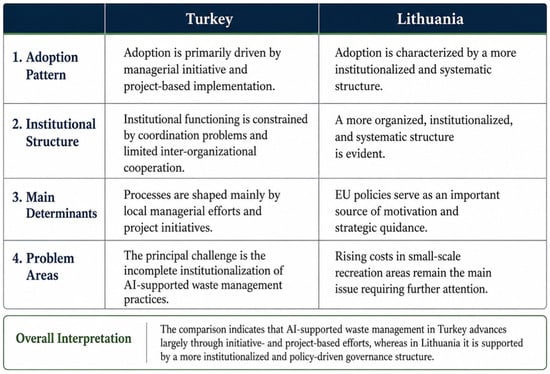
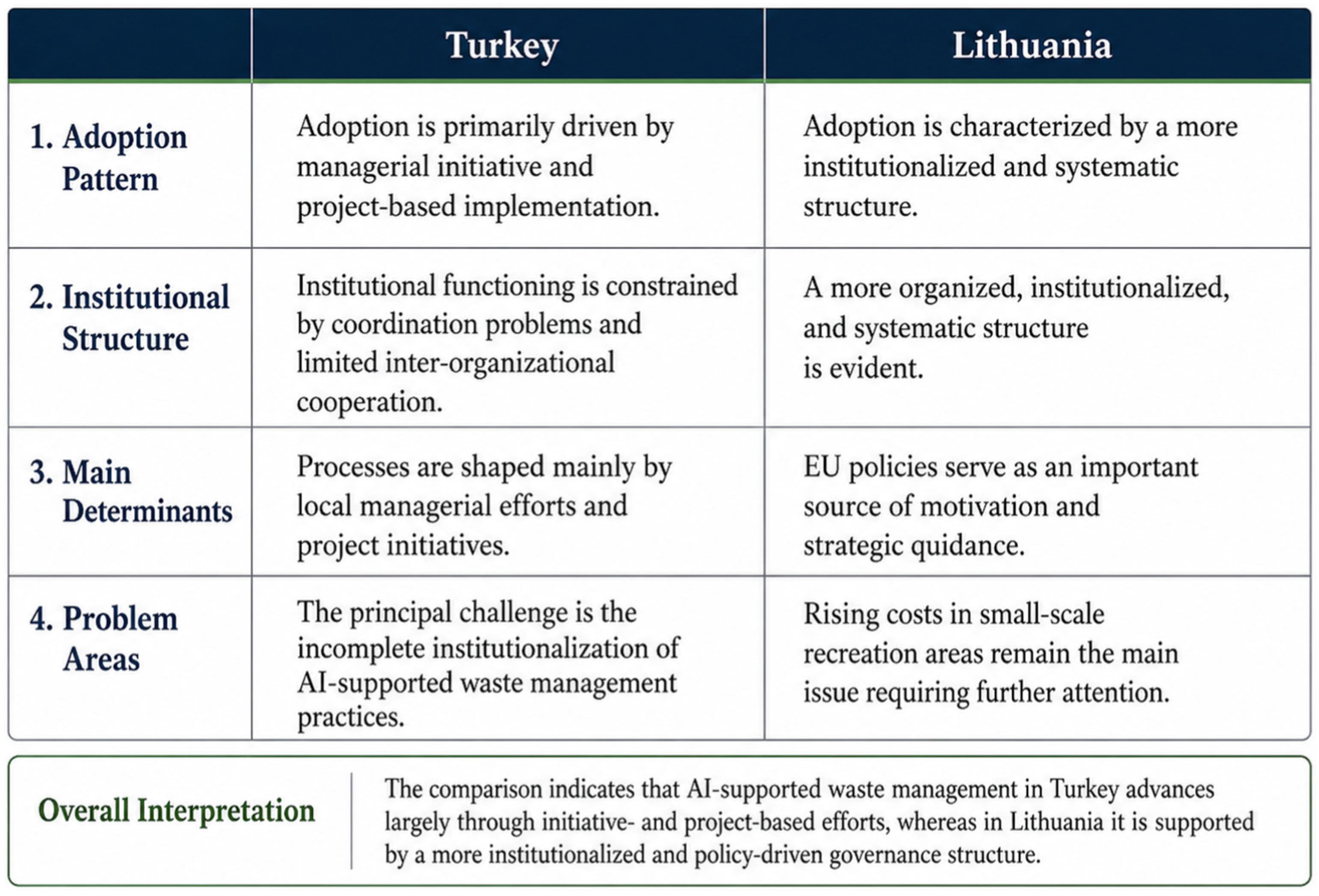
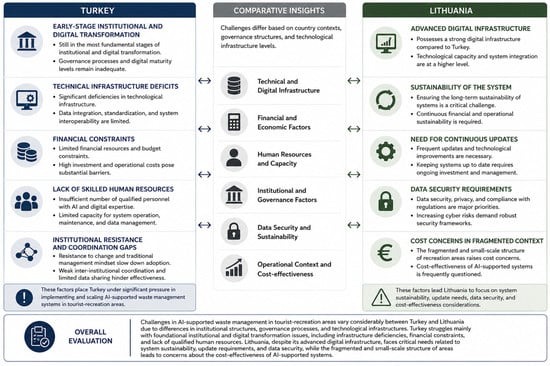
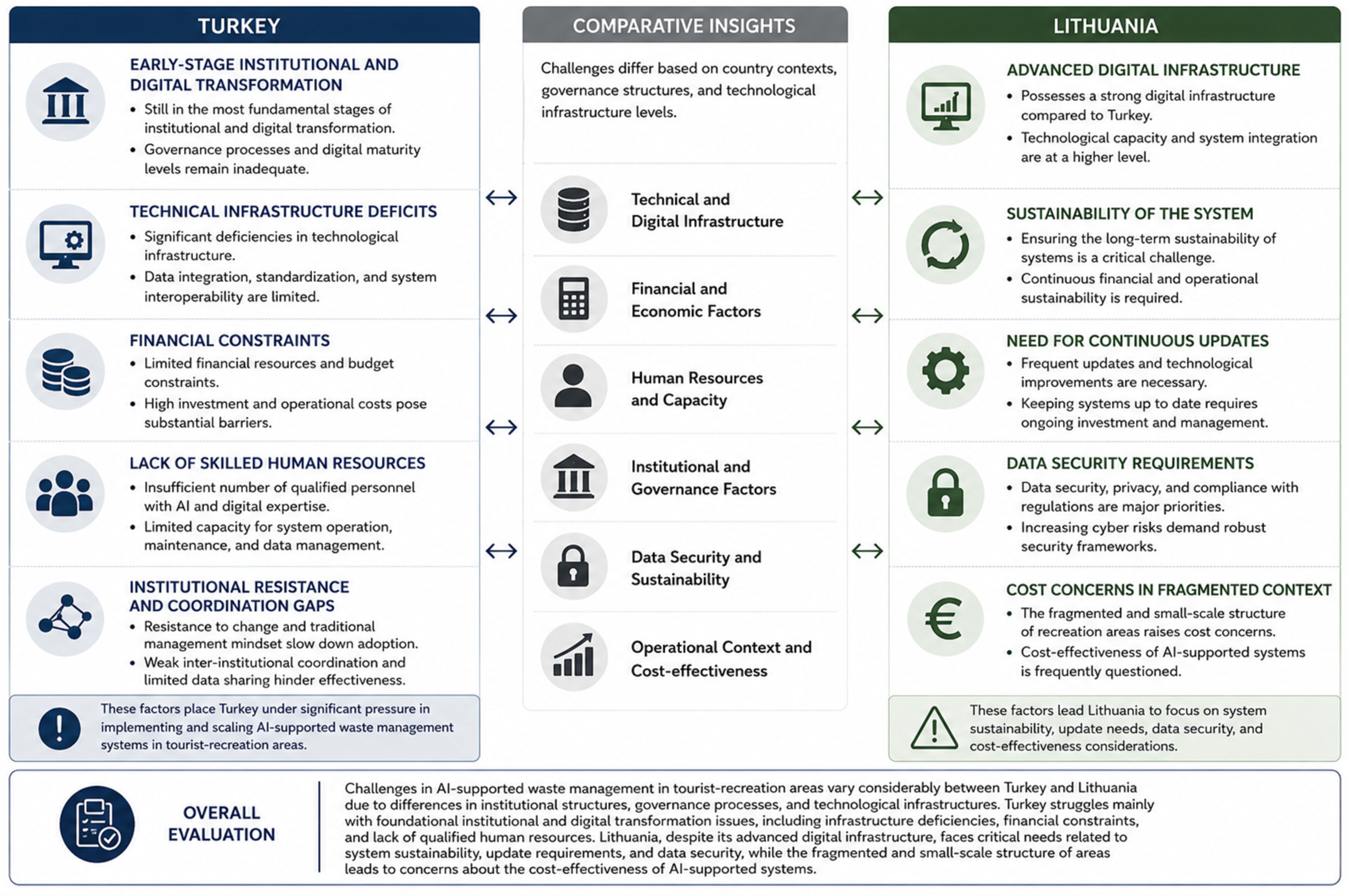
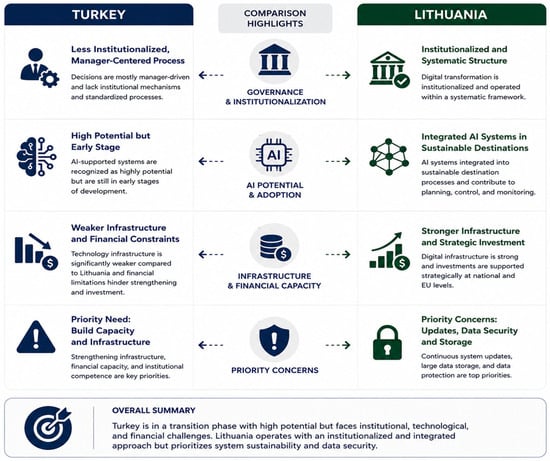
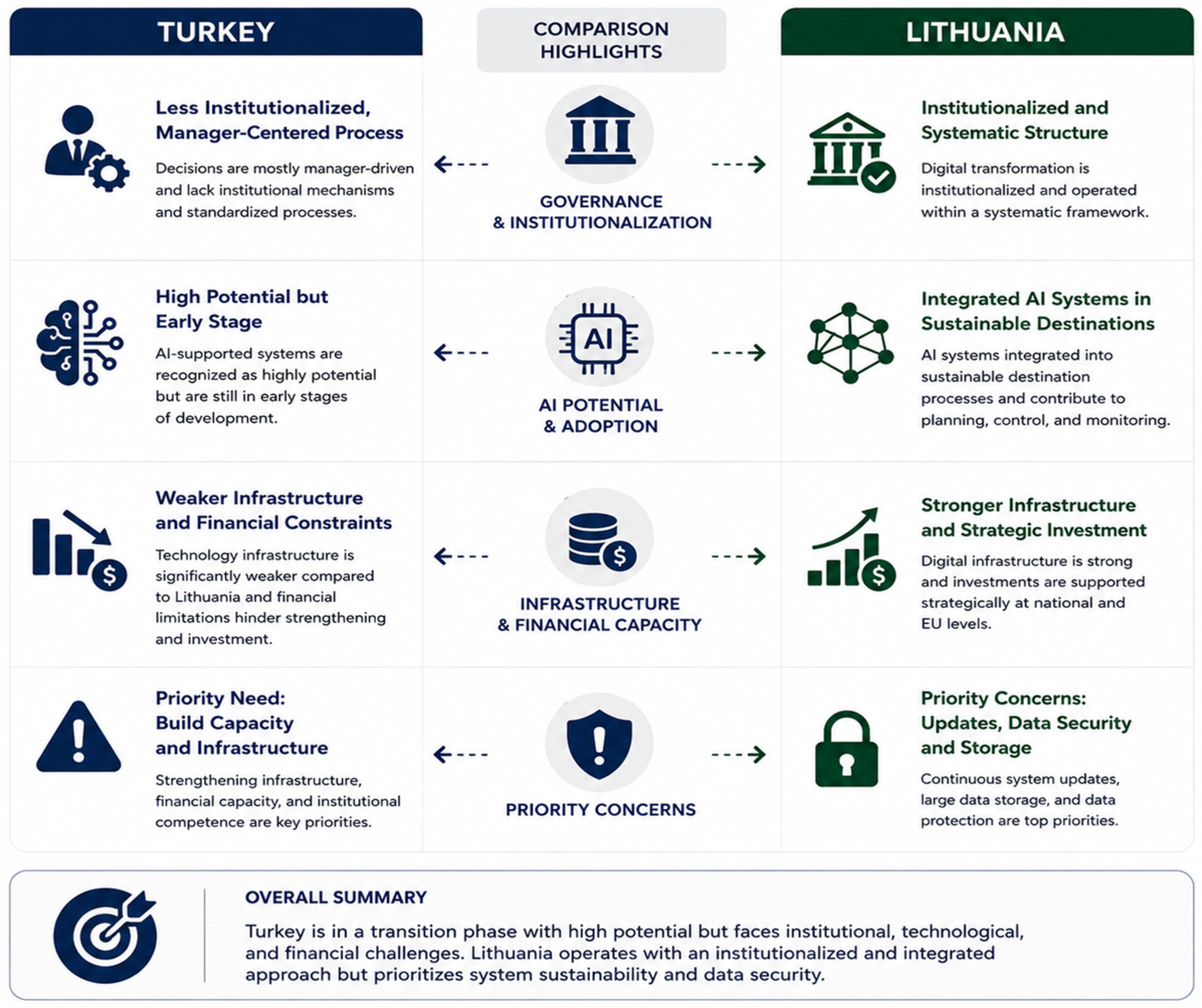
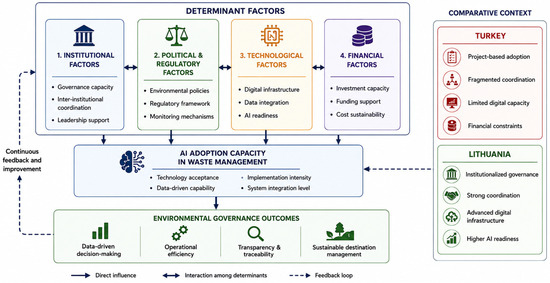
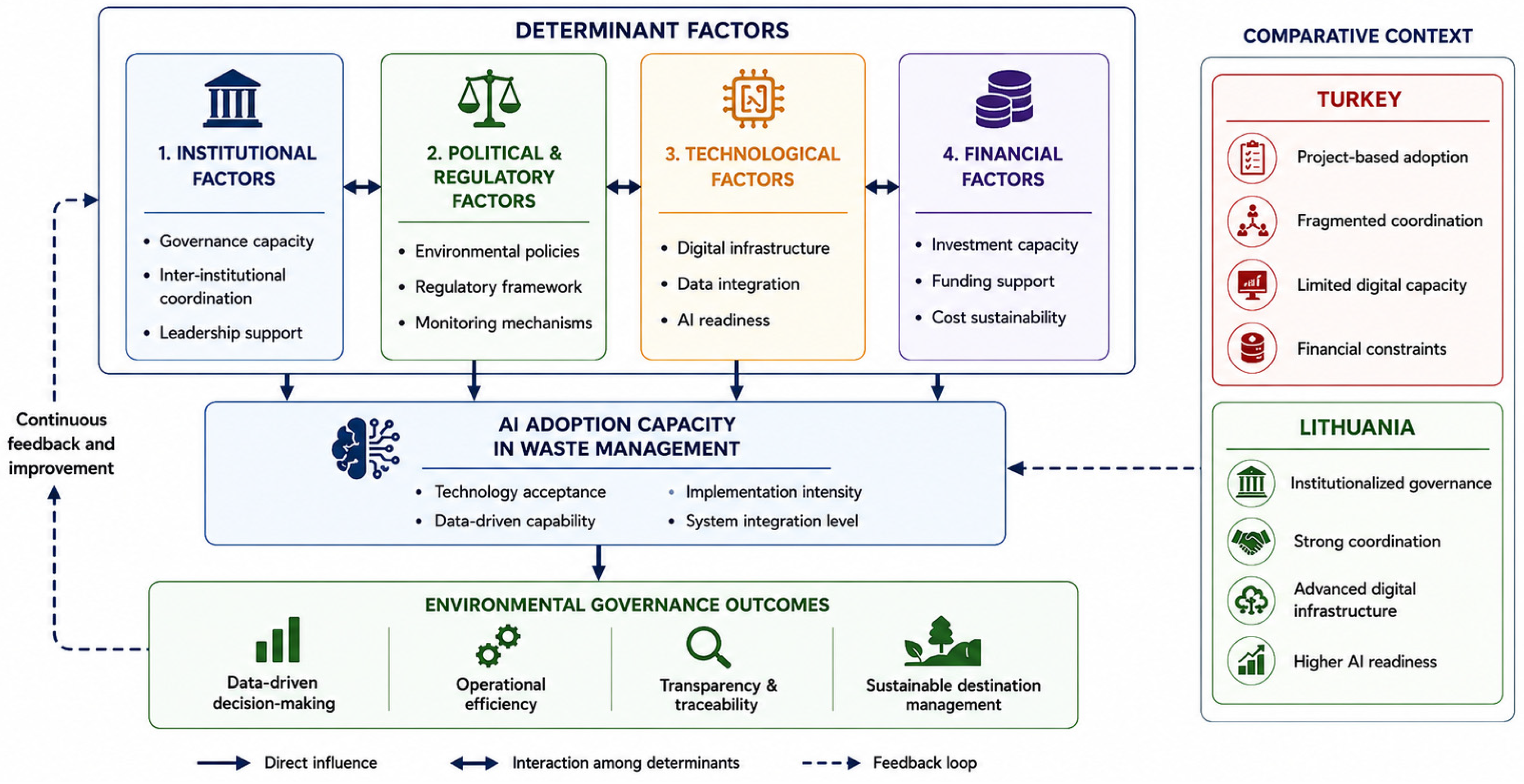
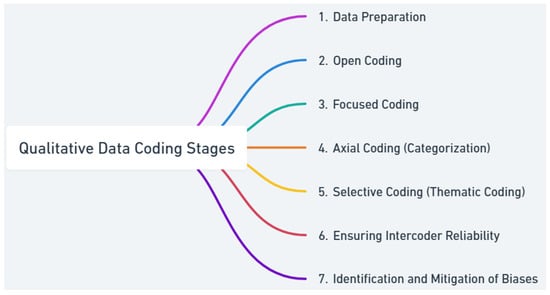
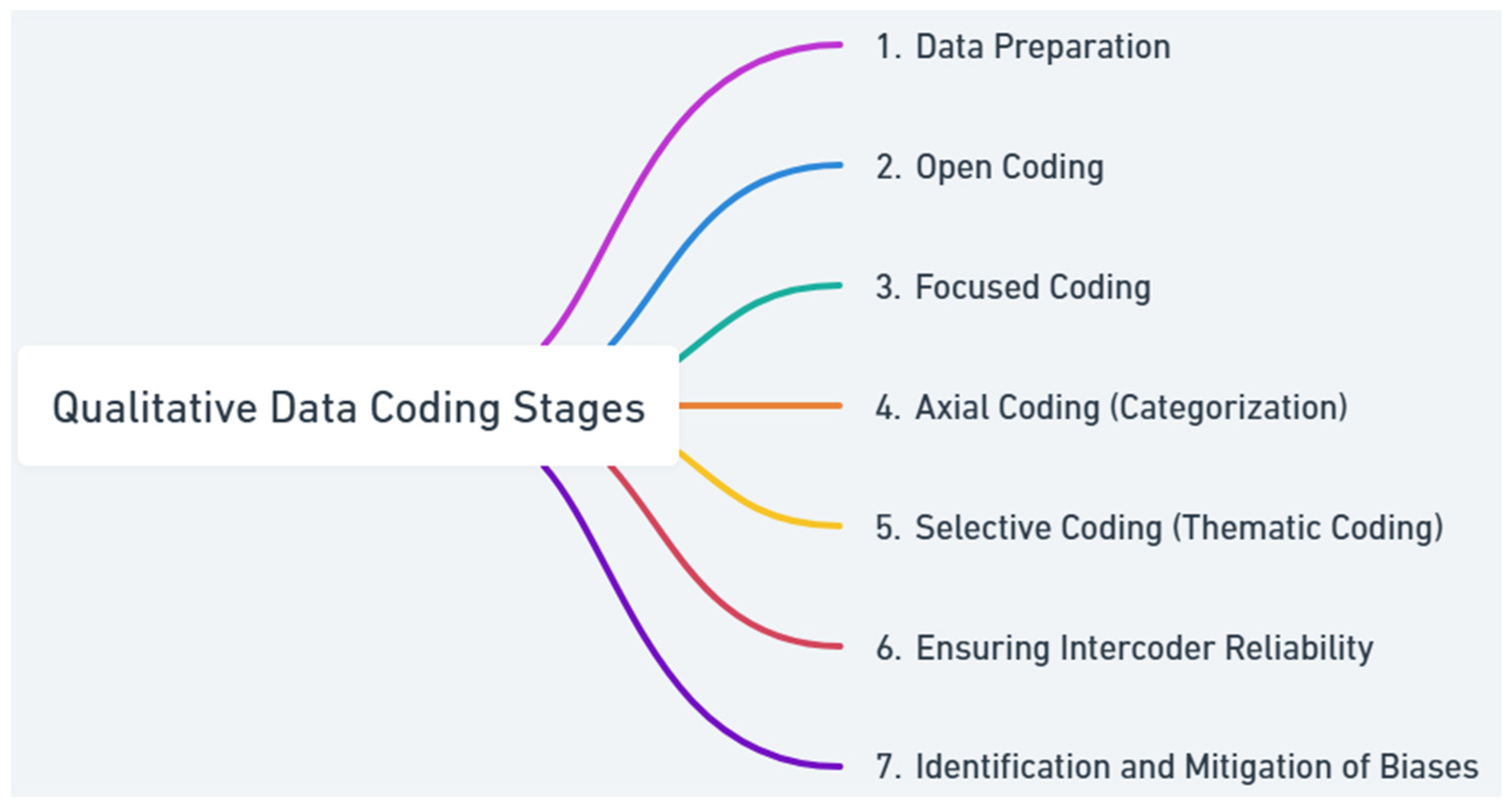

Disclaimer/Publisher’s Note: The statements, opinions and data contained in all publications are solely those of the individual author(s) and contributor(s) and not of MDPI and/or the editor(s). MDPI and/or the editor(s) disclaim responsibility for any injury to people or property resulting from any ideas, methods, instructions or products referred to in the content. |
© 2026 by the authors. Licensee MDPI, Basel, Switzerland. This article is an open access article distributed under the terms and conditions of the Creative Commons Attribution (CC BY) license.