


Abstract
Digital battery passports are being adopted to provide traceable records of lithium-ion batteries across their lifecycle, credible performance, and durability. However, it requires continuous diagnostics rather than lab-based tests and conditions. This review establishes a materials-informed system that links (i) battery-passport frameworks, (ii) cell-level design, and (iii) online electrochemical impedance spectroscopy (EIS) observables. Therefore, a chemistry-aware indicator set is proposed for passport reporting that relies on capacity and impedance indices, each accompanied by explicit tests. A review of the common and commercial LIBs (LCO, NCA, NMC, LMO, LFP) explains differences and characteristics. In addition, online EIS is reviewed, and different techniques for battery online diagnostics and state estimation are described, with details on how this online analysis is incorporated into the battery passport framework. This review covers the battery passport framework, the materials used in commercial batteries that must be documented and traced, and how these materials evolve throughout the degradation process. It concludes with the state of the art in online battery cell inspection, which enables comparable health reporting, conformity assessment, and second-life grading. Finally, it outlines key implementation priorities related to the reliability and accuracy of battery passport deployment and online battery diagnostics.
1. Introduction
Over the past few years, battery adoption has significantly accelerated, proven by the rapid growth in electric vehicles (EVs) relative to gasoline and diesel cars and by increasing deployment of utility-scale battery energy storage systems (BESSs). Previously, BESS lagged the expansion of large renewable plants because of high battery costs; as this bottleneck eases, storage is scaling with the broader energy transition [1], as shown in Figure 1.
Figure 1.
Global trends in electric-car production (battery electric vehicles (BEVs) and plug-in hybrid electric vehicles (PHEVs)), average LIB pack prices, and the corresponding growth of battery energy storage systems (BESSs) over the period 2015–2024 (price index = 100 in 2015).
The price reduction in the lithium-ion batteries (LIBs) is supporting the mission to achieve electrification across transport and stationary systems [2,3,4,5], yet the scale and diversity of deployments introduce persistent challenges in safety assurance, durability verification, and life-cycle sustainability [6,7]. Meeting these challenges requires decision-quality information that is traceable across the full battery life history, manufacturing data, first use, repurposing, and end-of-life, rather than relying solely on sporadic laboratory characterization or static nameplate data [8].
In addition, the global battery management system (BMS) market is projected to grow from USD 10.2 billion in 2025 to USD 23.3 billion by 2035 with a compound annual growth rate (CAGR) of 8.6%. The BMSs for LIBs represent 44% of market value in 2025, driven by EV, BESS, and consumer electronics adoption, while the automotive segment is expected to expand at a CAGR of 7.4%, as shown in Figure 2 [9].
Figure 2.
Market analysis and future projections of the BMS industry over the period 2020–2035.
On the other hand, the battery passport is a requirement for ensuring transparency, traceability, and sustainability across the entire battery value chain from raw material sourcing to end-of-life management. Within the EU battery passport policy context, a battery passport is a digital, machine-readable record that travels with each battery across its life cycle, standardizing identity, provenance, and verified condition to satisfy regulatory, sustainability, and market-transparency objectives [10]. It acts as an information layer that supports informed decisions and links the broader Digital Product Passport (DPP) value ecosystem [11], while translating stakeholder and regulatory requirements into actionable, interoperable data structures and governance choices (e.g., Distributed Ledger Technology (DLT) design) [12]. From a circularity perspective, passport data enables credible second-life allocation and end-of-life recycling by providing reliable health and history at transfer points [13,14].
The passport’s value depends on what it records and how entries are produced. Materials choices at the cathode, anode, electrolyte, and separator determine performance, safety, and degradation pathways as well as environmental burdens [15,16]. Layered oxide cathodes (e.g., Co- and Ni-rich) offer high energy density yet face interfacial reactivity, oxygen loss, and transition-metal dissolution, manifesting as capacity fade and increases in ohmic/charge-transfer impedance components [15,16]. Spinel lithium manganese oxide (LMO) trades energy for power and exhibits thermal-exposure sensitivity [17], whereas olivine lithium iron phosphate (LFP) provides thermal robustness and supply-chain advantages but typically requires transport enhancements via carbon coating, doping, and nano-structuring [18]. On the anode side, solid electrolyte interphase (SEI) formation, transport limitations, and volume-change mechanics in alloying/conversion systems govern efficiency and impedance evolution [19,20]. Electrolyte and separator choices further set transport properties, stability windows, interphase chemistry (SEI/ cathode electrolyte interphase (CEI)), and abuse tolerance [21,22]. Because these materials process degradation associates drive environmental impacts and service decisions, the passport should connect materials tracing (what the cell is and how it is made) with diagnostic observables (how it ages and performs) [23].
Electrochemical impedance spectroscopy (EIS) links the measured impedance to the cell’s material properties and internal processes. High-frequency reflects collector/electrolyte paths; mid-frequency charge-transfer/interphase; low-frequency diffusion and porous-electrode effects. EIS can run online, using small planned excitations or natural current/voltage variations, to produce condition snapshots. These snapshots can be reduced to a small set of chemistry-aware indicators and equivalent-circuit model parameters (e.g., RΩ, Rct, and diffusion time constants) with defined test windows and temperature normalization. These indicators complement capacity metrics and yield passport entries comparable across chemistries and operating conditions. Therefore, there is a critical need to evaluate LIB materials and integrate their performance data with the battery passport using online EIS measurements. This paper reviews these methodologies and establishes a baseline framework to guide future research, standardization, and regulatory development.
This review establishes an integrated framework that links the battery passport concept discussed in Section 2, the materials and cell design considerations presented in Section 3, the lithium plating and interfacial layer formation mechanisms detailed in Section 4, and the online diagnostic approaches (with a focus on EIS) outlined in Section 5. Specifically, Section 3 correlates the dominant different commercial lithium-ion chemistries with their associated degradation mechanisms and identifies the capacity and impedance features that most reliably represent these effects. Section 4 explores the critical phenomena of lithium plating and interfacial layer evolution, which strongly influence battery performance, safety, and lifetime. Section 5 reviews developments in online EIS and related in-use diagnostic techniques for real-time battery health assessment. Lastly, Section 6 concludes the review by synthesizing these insights into a materials-informed, diagnostics-driven framework that supports credible health reporting, environmentally responsible decision-making, and scalable circularity for LIBs.
2. Battery Passport
2.1. Battery Passport Purpose and Regulatory Framework
The battery passport is a digital, machine-readable record that accompanies each battery and standardizes identity, provenance, and verified condition information. Under Regulation (EU) 2023/1542, passports become mandatory from 18 February 2027 for EV, industrial, and light means of transport (LMT) batteries (>2 kWh), linking compliance (e.g., carbon footprint, recycled content, model number) with market transparency [24,25]. Figure 3 represents the timeline of the EU plan for the battery passport policy. Beyond compliance, the passport acts as an information provider for professionals and consumers [3] and provides the stakeholder operational data needs within the wider digital-product-passport ecosystem [11,26]. It also enables credible second-life allocation and recycling by making health and history data available at transfer points [13,27].
Figure 3.
The timeline and scope of the European Union (EU) battery passport, highlighting major developments and coverage.
2.2. Data Model and Materials Traceability
The battery passport follows a data structure that distinguishes between static and dynamic condition information, as shown in Figure 4 [28,29] (identifiers, form factor, composition, and manufacturing data) from dynamic condition records (state of health (SoH) and capacity fade, impedance indices, cycle count, etc.) [30,31,32].
Figure 4.
A battery passport framework, showing the organization of static and dynamic information components.
An Asset–Administration–Shell (AAS)-based approach [33], together with standardized templates, keeps the battery cell’s properties traceable and ready for Life Cycle Assessment (LCA) work [34] and the need to keep the data format unified through the different platforms to keep the same meaning [6,35]. By viewing the battery cell’s passport profile, important information can be observed, such as expected lifetime and the CO2 footprint [3].
Traceability in the battery passport means to implement a distributed shared record replicated across participating organizations and validated by consensus (ledger), where new entries are added rather than overwritten, and any attempt to change past entries is detectable [24]. This ledger captures multi-party provenance events [12], while physical–digital identifiers (e.g., RFID or QR) bind each cell to its ledger entries, maintaining a persistent, unique identifier and end-of-life identification [36,37]. At the system level, passports enable circular business models by providing verifiable, portable data that support responsible sourcing and higher-yield recycling [25,27,38,39].
2.3. Condition Reporting, Chemistry-Aware Indicators, and Lifecycle Updates
Because the condition evolves during the battery lifetime, the battery passport system should be fed by sensors existing in the BMS to feed the battery indicators (e.g., cumulative energy throughput, counters, fault events) [40]. Chemistry-neutral proxies such as round-trip energy efficiency support periodic logging [41], while generalized SoH models provide universal health parameters across chemistries [42]. Method-neutral data definitions allow indicators from laboratory tests or online methods (e.g., EIS during idle windows) to be reported comparably [6]. Lifecycle policy should prefer event-based and periodic updates (service, ownership transfer, repurposing intake) with clear responsibilities and authenticated data paths [2,35]. Collaboration studies show that fair value sharing and higher data standardization accelerate stable multi-actor deployment [43]. For second-life viability, viability is sensitive to new battery price thresholds, operating limits, and process automation. These motivate passport fields such as SoH, lifetime energy throughput (LET), and duty-cycle descriptors for standardized intake and grading [13].
2.4. BMS Interoperability Challenges
The interoperability of BMS from different manufacturers also presents a considerable obstacle in the creation of standardized health reports within a digital battery passport. Variations exist in data acquisition rates, sensor configurations, and state of charge (SoC)/SoH estimation algorithms, including differences between impedance-based, coulomb-counting, and model-based methods. These differences can lead to health report entries that are non-comparable across systems. Therefore, a manufacturer’s agnostic data ingestion layer should be introduced. It should follow the Battery Pass data model (DIN DKE SPEC 99100:2025-02) [44] and contain metadata such as the BMS manufacturer, firmware version, sensor setup, and test conditions. In this way, health reports should be recorded in the passport that remains transparent, auditable, and interoperable across the entire life cycle.
2.5. Economic Feasibility
Transitioning from conventional capacity-based monitoring methods (e.g., coulomb counting, open circuit voltage (OCV) correction, and periodic capacity checks) to online EIS diagnostics offers significant diagnostic improvements but also introduces economic challenges. Online EIS requires additional excitation and sensing circuitry, higher sampling resolution, and increased computational resources within the BMS [45,46,47]. These hardware and integration demands raise implementation costs compared with capacity-based approaches, which rely on existing voltage and current sensors and are well-established for low-cost systems.
While EIS-based diagnostics enable deeper electrochemical insight, early fault detection, and improved SoH accuracy, their financial viability depends on application scale and criticality. For instance, in premium EVs or large stationary storage systems, where downtime, degradation, or safety incidents incur high costs, and the enhanced predictive capability of online EIS can offset the higher initial investment through extended battery lifetime and reduced maintenance frequency. On the other hand, for budget-constrained applications such as two-wheelers, light EVs, or small residential energy storage systems, conventional capacity-based methods remain more economical. Hybrid approaches, combining low-cost health estimation with periodic or offline EIS testing, may therefore offer a balanced compromise between accuracy and cost [48].
The current literature provides a limited quantitative assessment of these tradeoffs. Most studies focus on technical feasibility, accuracy improvement, or algorithmic enhancement rather than comprehensive cost–benefit analyses. Future work should therefore incorporate techno-economic modeling to evaluate the lifecycle cost implications of online diagnostics relative to battery degradation savings and operational risk mitigation.
2.6. Comparison of EU, USA, and Chinese Frameworks for Battery Passports
The EU Battery Regulation (EU 2023/1542) provides the first mandatory and unified battery passport to be implemented from 18 February 2027, defining standardized fields for identity, origin, sustainability, and verified health indicators. In contrast, the United States and China do not yet mandate a formal battery passport, but several national programs influence data reporting and traceability practices.
In the U.S., federal policy is distributed across different programs such as the DOE Battery Recycling R&D Center, the DOE National Blueprint for Lithium Batteries 2021–2030, the Federal Consortium for Advanced Batteries (FCAB), and the Inflation Reduction Act (IRA) reporting schemes for critical minerals and component traceability [49,50]. These frameworks prioritize supply-chain documentation and eligibility verification (e.g., origin of critical minerals) but do not prescribe a mandatory digital battery passport nor standardized online health-indicator terminology. Industrial consortia, including UL, SAE, and NAATBatt, are still developing voluntary guidelines for data schemas and diagnostic indicators.
China, through the Ministry of Industry and Information Technology (MIIT), the China Automotive Technology and Research Center (CATARC), and the Traceability Management Platform for New Energy Vehicle (NEV) Power Batteries, requires detailed tracking of battery manufacturing, safe operation, repurposing, and recycling [51]. In addition, China has deployed a national NEV battery ID and lifecycle-tracking platform [10]. However, the system focuses on traceability and safety reporting rather than harmonized electrochemical health-indicator definitions. According to the author’s knowledge, existing regulations do not specify any standardized impedance-derived or chemistry-aware battery health indicators.
Based on the above-mentioned discussion, the EU battery passport represents the most comprehensive and prescriptive framework currently available. The differing levels of regulatory maturity across the U.S. and China lead to variability in minimum required data fields, online state of X (SoX) indicators, and diagnostic granularity. This lack of global alignment reinforces the need for international standardization of health-indicator nomenclature, data formats, and minimum diagnostic fidelity to ensure interoperability and comparability of battery health reporting across markets.
Following the battery passport framework and regulations, Section 3 maps the dominant commercial lithium-ion chemistries to their corresponding degradation mechanisms and material-level impacts, while Section 4 focuses on lithium plating and interfacial layer formation, elucidating their influence on cell performance, safety, and lifetime. Section 5 then examines online diagnostic techniques for tracking capacity and impedance evolution, providing measurement-level guidance for implementing dynamic and data-driven entries in the battery passport.
3. Fundamentals of Li-Ion Battery and Its Categories
A battery is a complex electrochemical device consisting of multiple intricately coupled parts for energy storage. Its main components are the cathode, anode, electrolyte, separator, current collectors, battery case, terminals, and pressure vent, as shown in Figure 5 for a lithium cobalt oxide (LCO) battery [52]. In this electrochemical system, an electrolyte separates the anode and cathode. These two electrodes store electrical energy and transform it into chemical energy. Electronic and ionic components are involved in the subsequent chemical reaction. As the electronic component traverses an external circuit, the electrolyte facilitates a smoother flow for the ionic component within the cell. Notably, the chemical process is reversible in rechargeable batteries, enabling the periodic transfer of chemical energy into electrical energy.
Figure 5.
Schematic representation of LIB illustrating its main components, anode, cathode, separator, electrolyte, and current collectors.
There are many types of LIBs based on the materials used in the cathode, anode, and electrolyte. However, the cathode and anode are considered crucial elements in LIBs and play a decisive role in their commercialization as they directly influence the electrochemical performance [18]. LIBs are mainly based on different cathode materials, with each combination having distinct advantages and disadvantages in terms of power/energy density, safety, cost, performance, and stability. The characteristics of the cathode materials are illustrated in Figure 6 [53,54]. Lithium cobalt oxide (LCO) is the predominant battery technology for consumer electronics. However, LCO technology is unstable due to the over-lithiation problem; therefore, it is unsuitable for EV applications. Other cathode materials, such as lithium nickel cobalt aluminum oxide (NCA), lithium nickel manganese cobalt oxide (NMC), spinal lithium manganese oxide (LMO), and lithium iron phosphate (LFP), are dominant for EV applications compared to LCO because of their abundant resources, stable technology, and low price [55]. The chemical reaction during charging (cathode) and discharging (anode) of the LIBs is listed in Table 1 [56,57].
Figure 6.
Characteristics of cathode materials: (a) comparison of their key properties, and (b) variation in specific capacity with potential for different cathode chemistries.
Table 1.
An overview of the cathode and anode electrochemical reactions during charging and discharging for different LIB chemistries.
These LIB chemistries were compared in terms of five aspects: power, energy, safety, cost, and stability. Nowadays, automakers such as BMW, Nissan, Tesla, Volkswagen, Chevrolet, BYD, and Mercedes-Benz use NMC, NCA, LMO, and LFP technology to reduce CO2 emissions and oil dependence, as tabulated in Table 2. In 2022, NMC remained the dominant battery technology with a market share of 60%, followed by LFP with a share of 30%, and NCA with a share of 8% [58]. The mining of the raw materials of these cathode materials is going to increase from 180 Ktons in 2016 to 400 Ktons in 2025.
Table 2.
LIB chemistries (NMC, NCA, LMO, and LFP) adopted by major automobile manufacturers.
3.1. LCO Chemistry
The LCO is one of the oldest cathode materials commercialized by Sony Corporation to power the first portable phone in 1991 [52]. The layered structure LCO is a cathode material with a theoretical capacity of 274 mAhg−1. LCO batteries are primarily used in consumer electronics, specifically smartphones, IT devices, and power tools [15].
A hexagonal symmetry characterizes LCO due to the alternating placement of lithium (Li) and cobalt (Co) within octahedral sites spanning multiple layers. This structural arrangement emphasizes the ordered and hexagonally symmetric aspect of LCO and is consistent with the R-3m space group [55]. Therefore, LCO has relatively high theoretical specific and volumetric capacities, around 274 mAhg−1 and 1300 mAhcm−3, respectively [59]. Indeed, LCO batteries undergo a series of phase transitions during the lithium insertion (charging) and desorption (discharging) processes. Initially, an insulator-to-metal phase transition occurs during charging at low voltage. Then, when charged to 4.2 V, a reversible hexagonal to monoclinic to O3 phase change occurs. Beyond 4.5 V, the shift from O3 to H1-3 or O6 occurs, culminating in an O1 phase. While reversible, these changes lower Li+ diffusivity and produce mechanical stress, resulting in strains and microcracks [60]. These elements all contribute to rapid capacity loss during LixCoO2 deep charging. To overcome these challenges, early LiCoO2-based batteries limited charging voltage to 4.2 V. Various strategies, like surface coating [61,62] and element doping [63,64], are proposed to solve these challenges and cater to the long-cycling stability of LCO at high voltages above 4.2 V.
3.2. NCA Chemistry
Lithium nickel cobalt aluminum oxide (LiNi1−x−yCoxAlyO2, NCA) chemistry has existed since 1999 [57]. Panasonic played a pivotal role in launching the commercial use of NCA by introducing the NCR18650 series of LIBs, specifically for Tesla’s EVs [65,66]. NCA is obtained by doping cobalt (Co) and aluminum (Al) elements, endowing it with exceptional electrochemical properties [67]. This composition contributes to NCA’s ability to provide high energy and power density, making it a valuable choice for EV applications. Moreover, NCA exhibits high stability, which is crucial for the long-life and safety of batteries.
Despite these advantages, NCA chemistry still has room for further development. While it achieves high energy density in cycles, reports suggest significant capacity loss during long-term cycling [68]. The layered structure of NCA can go through phase transformation because of repetitive lithium movements or exposure to high temperatures. This transformation can lead to the crystalline phases inside the material from α-NaFeO2 layered structure with a space group of R3m to different phases, including spinel with a space group of Fd-3m and rocksalt with a space group of Fm-3m [69]. Phase changes indicate a change in the atoms’ configuration within the crystal lattice, which affects the NCA electrode’s electrochemical efficiency. These structural changes may impact battery parameters like capacity, voltage, life, and general stability during charge and discharge cycles [70]. One of the reasons for this degradation is the release of Ni2+ ions from the cathode and Ni-metal formation on the anode surface [71]. Therefore, to develop long-life and high-performance battery systems based on NCA cathodes, coating of the nanoparticles is required to protect from side reactions with the electrolyte, avoid dissolution of transition metal in the electrolyte, prevent the loss of oxygen, and stabilize the layer surface [72,73].
LiNi0.8Co0.15Al0.05O2 is the most prominent composition of NCA chemistry. The current focus is to increase the ratio of the Ni content in its design to reduce the Co content utilization, which helps improve the energy density and lower the battery cost. However, it can deteriorate the thermal stability and cycling performance. The NCA chemistry is mainly employed by Tesla (Model-S2020, Model3-2017, Model X-2015), Toyota RAV4 hybrid, Mercedes-Benz S400, and VW E-golf [53].
3.3. NMC Chemistry
Commercialization of the lithium nickel manganese cobalt oxide (NMC) cathode began in late 2004 [74]. This chemistry, which combines metals nickel, cobalt, and manganese, shows great potential in terms of better specific energy density, power density, stability, and low internal resistance. The success of LiNi1−x−yMnxCoyO2 is the strategic combination of nickel, cobalt, and manganese: nickel contributes high specific energy but has poor stability, manganese improves structural and thermal stability while providing lower specific capacity due to electrochemical inactivity, and cobalt improves electric conductivity, allowing for high-rate capability. However, a considerable trade-off occurs, as a significant increase in cobalt concentration dramatically raises material costs. The stoichiometry ratio of metal components allows for the creation of several types of NMC. To address cost concerns, several formulations with low-cobalt NMC cathodes and higher nickel content have been developed; for example, LiNi1/3Mn1/3Co1/3O2 (NMC-111, 160 mAhg−1), LiNi0.5Mn0.3Co0.2O2 (NMC-532, 170 mAhg−1), LiNi0.6Mn0.2Co0.2O2 (NMC-622, 180 mAhg−1), and LiNi0.8Mn0.1Co0.1O2 (NMC-811, 200 mAhg−1) at 4.3V [53,75,76]. Moreover, NMC-811 has higher ionic diffusivity (~10−8–10−9 Scm−1) and electronic conductivity (~10−5 Scm−1) compared to NMC-111 (ionic diffusivity: (~10−11–10−12 Scm−1) and electronic conductivity: (~10−8 Scm−1)) [77]. Therefore, NMC-811 has enhanced battery performance, including faster charging and discharging rates. However, the commercialization of NMC-811 and NMC-622 will be implemented in the near future due to their low cost and high performance for EVs [78]. A drawback of NMC-811 is its surface reactivity, primarily attributed to the instability of nickel ions in liquid organic electrolytes in a dehydrated state [16]. Despite this, NMC-811 poses thermal safety concerns owing to its exothermic self-heating rate and low onset temperature for exothermic reactions. To mitigate this, supplementary cathode components are required to protect the surface integrity and prevent inadvertent parasitic reactions that may occur between the electrode and the electrolyte. The utilization of electrode coatings is a prevalent approach; nevertheless, these post-treatments frequently give rise to issues concerning coverage and interfaces because of foreign material incompatibility [59]. Consequently, these complications can cause segregation to occur during procedures like chemical synthesis and electrochemical cycling. Core–shell structures have gained recognition as a more efficient approach to uniformly encapsulating Ni-rich NMC materials, in contrast to the challenges posed by conventional surface coatings. These structures are characterized by Ni-rich regions that predominate within the particle interior, guaranteeing favorable electrochemical characteristics, while Mn-rich regions are present on the surface (shell) to regulate stability [79]. Indeed, significant improvements in safety and stability are essential before feasibly employing enhanced Ni-rich cathodes for widespread commercial applications.
NMC-cathodes with 60% Ni content have succeeded in full commercialization. Notable commercial applications include Toshiba’s NMC/LTO prismatic cell for the Honda Fit EV (2013), Panasonic/Sanyo and LG’s NMC/C prismatic cells for the VW e-Golf (2015), and Chevrolet Bolt (2016)/Renault Zoe (2017), respectively [78]. LG Chem’s investment in an NMC cell production facility in Michigan, United States, specifically for the Bolt and Chevy Volt, underscores the industry’s commitment [55]. Various companies, such as General Motors, Gotion, SK Innovation, BASF, REPT, Li Energy Japan, AESC, TODA, CATL, Li-Tec, and SVOLT, actively manufacture Ni-rich NMC and NCA cathode technologies to meet the growing demands of the EV market. SK Innovation and BASF have forged a collaboration agreement for the production of cathode-active materials. This collaborative effort extends beyond materials production to encompass the entire value chain, including recycling, in the North American and Asia-Pacific markets.
3.4. LMO Chemistry
The lithium manganese oxide (LMO) electrode was introduced in the early 1980s and marked a pivotal moment in power battery technology, although its commercial viability took around 15 years to be realized [80]. The spinel structure LMO is a cathode material with a theoretical capacity of 148 mAhg−1, a working potential of around 4.1 V vs. Li/Li+, and higher ionic (~10−6 Scm−1) and electronic conductivity (~10−4 Scm−1). The unique three-dimensional architecture of LMO significantly improves ion flow across the electrodes, leading to a substantial reduction in internal resistance [81]. This characteristic contributes to enhanced battery performance and efficiency. Research has highlighted the design flexibility of LMO, allowing engineers to develop battery banks with extended service lifespans and high specific power [57]. This adaptability makes LMO versatile for various applications, ranging from portable electronics to EVs. A significant focus in the realm of manganese and lithium oxide electrode research involves the development of composite electrodes. These electrodes incorporate layers of Li2MnO3, contributing to improved structural stability during electrochemical cycling [81]. The synergy of these materials allows for greater capacity and higher discharge rates, addressing key challenges in power battery technology [17].
On the other hand, LMO batteries experience significant capacity degradation due to manganese surface dissolution in the electrolyte at elevated temperatures (above 60 °C) [82]. Indeed, LMO exhibits similarities with LFP in terms of being cost-effective compared to other cathode materials and having a lower energy density. However, LMO distinguishes itself in its ability to deliver high power, a critical attribute for applications in EVs. The high-power capability of LMO makes it well-suited for the rapid energy demands typical in EVs and power grid applications. Despite these advantages, LMO does face limitations. Notably, it has a low capacity, with a theoretical capacity of 148 mAh/g. Additionally, its relatively short lifetime is attributed to manganese dissolution, causing structural instability during cycling in the electrolyte. This limitation underscores the challenges in achieving long-term durability and reliability, especially in applications where the battery undergoes frequent charge and discharge cycles.
To address these challenges, a strategic method entails combining 70% NMC with cathodes of the LMO type. This integration capitalizes on the advantages of both systems, prolonging the overall lifespan and improving the NMC component’s capacity while using the cost-effectiveness and high-rate capability of LMO-type cathodes. The LMO/NMC composite has been effectively utilized in multiple EVs, including prominent models like the Nissan Leaf, Chevy Volt, and BMW i3 [23]. The cohesive incorporation of various cathode materials enhances efficiency and fulfills the distinct criteria of EVs, hence promoting the extensive implementation of this composite in the automotive sector.
3.5. LFP Chemistry
Lithium iron phosphate (LFP), a cathode with an olivine structure, exhibits enhanced safety, excellent cycle life, and elevated thermal and electrochemical stability owing to the strong bond energy of its PO4 tetrahedral units [18,83]. Moreover, it exhibits notable attributes such as moderate operating voltage (3.4–3.5 V vs. Li/Li+), a flat voltage plateau, moderate theoretical capacity (170 mAhg−1), low material cost, abundant material supply, reversibility, environmental friendliness, and high thermal stability, making LFP a favorable cathode material for commercial LIBs [84,85,86]. Despite these strengths, LFP does face challenges associated with poor electronic conductivity (~10−10 Scm−1), poor low-temperature performance, relatively slow lithium-ion diffusion (~10−11–10−10 Scm−1), and low energy density [87]. Nevertheless, these limitations are mitigated by applying the two strategies that were employed to enhance the conductivity of LFP electrodes. The first involved coating the electrodes with a conducting agent, typically carbon, to improve surface and structural conductivity [88,89]. This coating reduces electrical resistance, facilitating more efficient electron transport and enhancing battery performance. The second strategy included metal doping, introducing metal ions into the LFP electrode. This process created defects in the crystal lattice, promoting electron mobility and improving charge transfer kinetics within the electrode [90]. Moreover, using nanoscale materials further improved electronic conductivity by reducing the lithium-ion diffusion pathway, enabling faster charging and discharging rates [91]. These combined strategies aim to optimize LFP electrode performance in batteries.
In EV applications, safety, performance, and high lifetime are the essential factors [92]. Therefore, the LPF battery reached its highest share in the past decade. This trend is mainly driven by the preferences of Chinese original equipment manufacturers (OEMs). Approximately 95% of the EV production in China has used LFP batteries. Significantly, BYD emerges as a prominent contender, accounting for 50% of the total demand for LFP batteries. Tesla, which holds a 15% market share, has observed a significant surge in the proportion of LFP batteries employed, which escalated from 20% in 2021 to 30% in 2022 [58]. This observation underscores a noticeable tendency towards implementing LFP technology, specifically within the swiftly expanding EV industry.
3.6. Anode Materials for Battery Technology
Initially, lithium metal was utilized as the anode material due to its status as the lightest element in the periodic table. However, serious dendrite formation during charging and discharging cycles raised safety concerns and led to substantial lithium consumption. In the past two decades, graphite has become a widely adopted anode material due to its safety and environmental friendliness, although with a lower specific capacity (372 mAhg−1) that falls without meeting the demand for high-performance LIBs [93]. To address this, significant research efforts have been directed towards finding alternatives that can deliver enhanced performance. Maintaining the thermodynamic stability of LIBs requires ensuring that the lowest unoccupied molecular orbit (LUMO)-highest occupied molecular orbit (HOMO) energy gap of the electrolyte is greater than the potential energy difference between the cathode and the anode [94]. Simply, LIB imposes specific requirements on the potential of their electrode materials. The potential energy of the anode must be lower than the LUMO of the electrolyte, while the potential energy of the cathode must be higher than the HOMO of the electrolyte. These requirements protect the electrolyte, contributing to an extended service life for the LIBs.
Lithium-alloy anode materials have attracted much attention due to their low operating voltage and high theoretical capacity. The common alloying materials are silicon and Germanium. The specific capacity (3580 mAhg−1) of silicon-based materials is more than ten times that of commercial graphite anodes (372 mAhg−1) [95]. However, silicon anodes result in irregular and unstable electrical contact (delamination), particle fractures, dynamic solid electrolyte interphase (SEI) layer formation, and low coulombic efficiency [96]. In practical applications, silicon anodes exhibit significantly lower capacity than their theoretical values, and their cyclability is inadequate for practical use. Addressing the challenges posed by silicon anodes requires the adoption of expensive nanostructures, the creation of silicon-carbon composites, or the use of electrolyte additives to stabilize SEI formation. While these approaches can enhance energy density, the associated procedures are cost-intensive. Consequently, fully replacing graphite with silicon is deemed unrealistic. However, Panasonic emerged as one of the pioneering cell manufacturers to implement silicon-carbon composite anodes in Tesla Models (S and 3). Germanium exhibits superior electronic conductivity (104 times higher) and lithium-ion diffusion rates (400 times faster) compared to silicon [97]. Moreover, the surface oxide layer on germanium is thinner, and the Coulomb efficiency of germanium-based negative electrode materials is often higher than silicon-based anodes [98]. Like other alloying anodes utilized in LIBs, Germanium experiences a substantial volume expansion induced by lithium. When fully lithiated to the Li22Ge5 state, crystalline Ge expands in volume by 370% [97]. This significant volume expansion causes deep crack formation, resulting in the generation of unstable SEI layers and the pulverization of the electrode. Several strategies are proposed to address these challenges, such as low-dimensional nanostructures [99], introduction to porous structures [100], and generation of a composite [101]. However, there is still potential for further exploration, especially in the realm of germanium materials. Future studies are expected to emphasize the dynamic behavior of composite anode materials, considering both economic and safety considerations.
Conversion-type transition-metal compounds (CTAMs) have gained importance as highly promising anode materials for next-generation LIBs due to their appealing compositions and high theoretical specific capacity [102,103,104,105]. Examples of CTAMs include transition-metal oxides, sulfides, phosphides, nitrides, fluorides, and selenides. The natural presence of CTAMs provides advantages over alloy anode materials, potentially leading to lower production costs. Pyrite (FeS2), magnetite (Fe3O4), and pyrolusite (MnO2) are noteworthy examples. Moreover, compared to graphite anodes, CTAMs exhibit a reduced potential for lithium intercalation, mitigating the formation of lithium dendrites and enhancing the safety of LIB operation [106]. Despite these advantages, CTAMs face challenges such as low ionic and electronic conductivity, continuous electrolyte degradation, and relatively high-volume expansion (<200%) [20]. However, ongoing technological advancements, particularly those involving nano-engineering methods, have demonstrated improvements in increasing the capacity of CTAMs for lithium storage over time.
3.7. Electrolyte Materials for Battery Technology
The electrolyte is one of the key components that serves a critical role in facilitating the Li-ion transportation between the battery’s electrodes during charging and discharging operations. The cell capacity, cycle-life, safety, and temperature range of LIBs are significantly influenced by electrolytes. According to the physical state, electrolytes are divided into two categories: Solid electrolytes (SEs) and liquid electrolytes (LEs). Most of the LEs are composed of lithium hexafluorophosphate (LiPF6) salt dissolved in one or more organic solvents such as ethylene carbonate (ECs), dimethyl carbonates (DMCs), diethyl carbonates (DECs), propylene carbonates (PCs), ethyl methyl carbonates (EMCs) [21,107]. The LEs’ composition has a significant impact on the batteries’ electrochemical performance. Because of the safety risks, such as decomposition, leakage, and even explosion, associated with typical flammable organic-based electrolytes, the utilization of non-flammable LEs is of particular interest. The identification and testing of non-flammable LEs have been the subject of numerous investigations [108,109]. It is challenging to compare the performance of these electrolytes because they have been investigated under different conditions. Phosphorus-free fluorinated solvents outperform phosphate and phosphonate-based solvents, resulting in greater capacity retention after cycling [21]. Ionic liquids (ILs) have also been explored as alternative electrolytes for LIBs due to their wide electrochemical stability window, high ionic conductivity, and non-flammability [110]. Hybrid solid–liquid electrolytes (HEs) have also been researched as alternate electrolyte systems to address safety concerns with liquid electrolytes [111]. The overall goal of research in this domain is to increase the safety and electrochemical performance of LEs for next-generation energy storage applications.
The SEs have great electrochemical characteristics and are very safe; therefore, research is underway to substitute LEs in LIBs for EVs. Different types of solid electrolytes have been studied, including Li1+xAlxTi2−x(PO4)3 (LATP), Li1+xAlxGe2−x(PO4)3 (LAGP), and Li7−3xAlxLa3Zr2O12 (LLZ) [112]. These solid electrolytes have demonstrated good lithium-ion conductivity at ambient temperature, making them potential materials for all-solid-state LIBs for high-energy density applications like EVs [113]. Specifically, Li-stuffed garnet electrolytes (LLZO: Li7La3Zr2O12) have attracted the interest of researchers due to their high total Li-ion conductivity, chemical stability, safety, and electrochemical stability window [114]. The use of solid-state electrolytes can also enable the operation of lithium-ion cells at higher voltages, increasing their specific energy [115]. Furthermore, composite solid electrolytes have been investigated to increase the overall performance of solid electrolytes by combining the advantages of various components [116]. Thus. SEs have the potential to improve the safety and performance of LIBs used in EVs.
3.8. Separator Materials for Battery Technology
One of the most important LIB components for maintaining LIB safety is the separator, a thin, porous membrane that physically separates the anode and cathode. The main function of the separator is to facilitate ion transportation within the LIB’s cell while preventing direct physical contact between the anode and cathode [117]. In addition, the separator’s physical structure and chemical characteristics directly affect the internal resistance and cycle performance [118]. Nevertheless, thermal runaway and explosion incidents of LIBs are brought on by separator damage from localized overheating, external impact punctures, and internal and external short circuits [119]. Therefore, the requirements of high-performance separators usually include thickness, porosity (ratio of pore volume to the total volume of separator), pore size, wettability, thermal stability, mechanical strength, chemical/electrochemical stability, and ionic conductivity rate [120]. Usually, the thickness, porosity, and pore size of the separator used in EVs are around 25–40 µm, 40–60% and <1 µm, respectively [121,122,123,124].
Polymeric materials, specifically polypropylene (PP) and polyethylene (PE), serve as separators in batteries for commercial applications, including Tesla’s EVs and Asus’s electronic devices [125]. These separators are single-layer or multilayer polymer sheets constructed of polyolefins [22,126]. However, polymer-based separators encounter practical challenges related to properties such as limited mechanical strength, low melting points, and reduced chemical resistance. These factors can impede overall efficiency. Although polyethylene terephthalate (PET) and polyvinylidene fluoride (PVdF) have been employed in commercial separators, they are significantly less prevalent than polyolefin films. These separators are highly porous, with typically >40% porosity, are around 25 µm thick, have low ionic resistivity (1.5–2.5 Ωcm−2), and bulk puncture strengths of more than 300 g/mil [127]. From a performance standpoint, separators should be much thinner than 25 µm, and there are examples of separators as thin as 12–20 µm, but the very thin membranes lose a lot of mechanical strength.
Commonly used nanomaterials for enhancing separators include carbon nanotubes (CNTs) [128], graphene, graphene oxide [129], nanofibers, silicon oxide [130], lithium titanate [131], metal–organic [132], and polymer nanocomposites [133]. Table 3 lists several nanoparticles, along with their characteristics and the companies that produce them. These materials can either function as coatings for polymer separators or be added as components in polymer-based composites.
Table 3.
An overview of different nanoparticles, highlighting their main characteristics and the manufacturers producing them.
4. Lithium Plating and Interfacial Layer Formation
4.1. Lithium Plating
Lithium plating is one of the major degradation factors of LIBs during fast charging. During the charging process, lithium ions are typically intercalated into the anode (usually made of graphite). However, under certain circumstances, lithium ions can deposit on the surface of the anode as metallic lithium rather than being intercalated into the graphite due to a Faradaic side reaction. The formation of these lithium metals on the anode surface is called lithium plating. The lithium plating is more likely to occur at low temperatures (reduced Li-ion movements), higher C-rate charging (insufficient time to intercalate), and anode overcharged (an unusual case). In addition, when lithium metal is deposited on the anode, it can form needle-like structures known as dendrites. However, these dendrites pose a risk of penetrating the separator between anode and cathode, causing potential short circuits, thermal runaway, and safety hazards within the LIBs, as shown in Figure 7 [134]. Moreover, lithium plating has the potential to impact performance, accelerate aging, and compromise operational safety through various mechanisms. Firstly, capacity fading may ensue because of the depletion of active lithium inventory caused by the deactivation of plated lithium. Secondly, internal resistance could rise due to pore blockage caused by plated lithium, impeding ion transport within the porous electrode. Thirdly, there is a heightened risk of short circuits attributed to the formation of Li-metal dendrites [135].
Figure 7.
An illustration of lithium plating inside the LIB cell, showing dendritic lithium growth on the anode surface, SEI layer formation, and possible penetration through the separator. Such phenomena can result in short internal circuits, increased heat generation, capacity fade, and potential thermal runaway.
4.2. Solid Electrolyte Interphase (SEI)
The solid electrolyte interphase (SEI) is a crucial interface on anode electrode surfaces in LIBs, produced during the first charging/discharging process by the decomposition of electrolytes. The SEI layer (usually has 3–10 nm thickness) is critical in promoting Li-ion movement while restricting electron flow, avoiding additional electrolyte degradation, and ensuring long-term electrochemical reactions [136,137]. Its function is critical to the functionality of LIBs in oxidation/reduction reactions. Initially, a dense and intact SEI limits electron movements, protecting the battery’s chemical and electrochemical stability [19]. However, SEI growth depletes active lithium and electrolyte materials over time, resulting in capacity fading, increased battery resistance, and decreased power density. This process begins when the redox potential of the electrodes falls outside the electrochemical window of the electrolyte. Several factors influence the creation of the SEI layer, including the active material used, binder material, electrolyte composition, salt, solvents, and other chemical features inherent in the battery’s design. Addressing SEI-related issues is critical for improving LIB performance and lifespan.
4.3. Cathode Electrolyte Interphase (CEI)
Cathode electrolyte interphase (CEI) layer appears at the interface between the cathode and electrolyte due to electrolyte decomposition, as shown in Figure 7. The CEI layer is an extremely thin layer (0.5–1 nm), and the elements that make up the CEI layer include ROCO2Li, LiF, Li2CO3, and Li2O [137,138]. Cathode deintercalation causes phase changes during the charging process, which causes disordering in the crystal structure. Additionally, the development of the CEI layer accelerates gas evolution and electrolyte decomposition, which raises battery impedance. It contributes to the depletion of lithium inventory by acting as a passivation layer [139]. It is possible to establish a stable CEI layer and improve overall cycling stability by cycling below a critical voltage (4.05 V vs. Li in the case of LCO). On the other hand, the CEI layer becomes dynamically unstable, and the interfacial reactions and degradation start continuously if the critical potential is in line with the cycling voltage range [140]. This deterioration ultimately leads to an increased battery impedance by accelerating the evolution of gases and the decomposition of electrolytes. As a result, this increase in impedance causes power fading. To address challenges and improve the overall performance, lifetime, and efficiency of LIB systems, several approaches in material design, electrolyte composition, and structural considerations must be adopted.
5. Online EIS for Lithium-Ion Battery Diagnostics
5.1. Degradation Indicators from EIS
The lifetime and degradation behavior of LIB cells and hybrid lithium-ion capacitors (LICs) can be modeled and estimated through the monitoring of current and temperature profiles, as reported in [141,142]. However, such empirical or semi-empirical degradation models are inherently limited, as they are unable to capture the underlying physicochemical transformations occurring within the cell materials. The EIS is one of the non-destructive and accurate methods to probe the battery’s internal processes across frequency sweeping, measuring Ohmic conduction, interfacial charge-transfer, double-layer behavior, and charge transfer effects in order to be translated into a meaningful state estimation [143,144]. The Nyquist plot provides a comprehensive visualization of the impedance behavior of a LIB cell, correlating each frequency domain with specific electrochemical processes. At high frequencies, the intercept on the real axis corresponds to the ohmic resistance (RΩ), and inductance L representing the electrolyte, current collectors, and contact resistances. The small arc in the high-frequency region reflects the solid electrolyte interphase (SEI) resistance (RSEI) and its associated capacitance (CSEI), as shown in Figure 8. RSEI and CSEI create a better fit in the equivalent circuit model (ECM). The wider semicircle at medium frequencies represents the charge-transfer resistance (Rct) and the double-layer capacitance (Cdl), which dominate the electrode kinetics. At low frequencies, the impedance increases linearly with a slope of approximately 45°, known as the Warburg impedance (W), corresponding to lithium-ion diffusion within the electrode material, as shown in Figure 8a. As degradation progresses, both RSEI and Rct tend to increase, leading to a rightward shift and enlargement of the Nyquist semicircle, as shown in Figure 8b. This behavior is commonly used as a diagnostic indicator of aging and loss of electrochemical activity in LIBs, and the SEI/CEI growth, loss of active material, electrolyte decomposition, or lithium plating alter these parameters in characteristic (e.g., increased RΩ and Rct) [145,146], shifts in characteristic time constants, and increase in the low frequency component representing the diffusion response, providing a degradation mark and an indicator to capacity fade [147]. Empirical studies on LIBs are motivating the use of impedance-derived indicators in operational settings.
Figure 8.
(a) An illustration of the equivalent circuit model and the Nyquist plot of the LIB cell, showing the high and low frequency region and the parameters of the ECM represented on the plot. (b) A Nyquist plot of a battery cell during its life and EIS plots indicating the developing of the degradation.
5.2. EIS Indicators for Comparison of LIB Chemistries
Early lithium plating can be observed in the higher-frequency region in the EIS. Fitting the EIS to its ECM parameters and recording the values of the RSEI and CSEI, as well as the different parameters, facilitates battery cell development monitoring. For passport integration, it is proposed to have a record of these EIS-derived ECM parameters together with temperature metadata, including a temperature normalization for comparability over time and across operating conditions. Additionally, these records can include some parameters, such as RΩ, by taking the voltage response to the current step, then using this parameter in addition to the low-frequency extracted parameters to create the full range EIS analytically [148].
The Nyquist plots comparing five different LIB chemistries at the beginning-of-life (BOL) and after 100 cycles are illustrated in Figure 9 [149] under fast charging conditions. From Figure 9a, it can be seen that LFP shows the smallest post-aging growth of the mid-frequency semicircle (Rct) and the low-frequency diffusion tail. On the other hand, LMO remains comparatively stable, as shown in Figure 9a,c, but exhibits a more vertically low-frequency signature than LFP after cycling, while layered oxides (LCO, NMC811, NCA) degrade more in terms of interfacial impedance, shown by large arc growth in the Nyquist plots, as illustrated in Figure 9b–d. Furthermore, LFP (olivine) and LMO (spinel) exhibit a smaller increase in their impedance arcs, meaning they degrade less (in terms of impedance) under the same fast-charging stress. Therefore, these trends are essential for the battery passport record for tracking the LIB health over time. For thermally sensitive chemistries such as LMO, where Mn-related interfacial changes accelerate at higher temperature, while LFP shows a low impedance change and is thermally stable, LMO shows greater sensitivity in the low-frequency diffusion region and mid-frequency charge-transfer arc, and this sensitivity is amplified at elevated temperature due to Mn-related lattice effects and dissolution, so impedance-based indicators should be normalized to a reference temperature and reported with measurement-temperature metadata. Practically, a shorter update cadence is recommended for LMO-rich packs during hot operation, while LFP’s higher thermal stability allows longer intervals [150,151].
Figure 9.
EIS Nyquist plots results for LIB cells: (a) LFP vs. LMO, (b) LCO vs. NCA, (c) LMO vs. NMC811, and (d) NMC811 vs. NCA. All spectra are plotted using equal-length axes for consistency. BOL: beginning of life.
Comparison of NCA and NMC: EIS Indicators
Ni-rich layered oxides such as NCA and NMC-811 are among the most promising cathode materials for high-energy LIBs, appreciated for their ability to deliver higher specific energy densities. The EIS plot of NMC811 and NCA is illustrated in Figure 9d. Nevertheless, despite their compositional resemblances, these materials exhibit notably different impedance responses when subjected to thermal stress and high C-rate cycling, which can influence both their long-term stability and performance under real-world conditions.
According to [152], a study of five nickel-containing positive electrodes found that at 40 °C, the area-specific impedance (ASI) increased by 0.5% per cycle for NCA and 1.5% per cycle for NMC811 under minor aging (100 cycles). This indicates that both chemistries are more sensitive to higher temperatures than other nickel-based materials. In [153], the authors measured the interfacial impedance of NMC111 and NMC811 at high SoC (84%) with LP57 electrolyte and found the impedance value for NMC811 to be 4.5 times that of NMC111 at the same Li content. While this comparison does not include NCA, it demonstrates the significantly higher impedance of Ni-rich cathodes under high SOC and emphasizes the need for frequent impedance monitoring.
Based on insights and empirical observations, NCA and NMC-811 cathodes exhibit distinct impedance evolution pathways when exposed to thermal and high-rate cycling stress. For NCA, rapid increases in impedance with temperature can be attributed to accelerated nickel dissolution and oxygen evolution at the cathode interface, which promotes the formation of interfacial and bulk defects; these processes drive marked growth in both Rct and interfacial impedance components under higher thermal conditions. On the other hand, NMC-811 demonstrates greater sensitivity to high-rate cycling, where higher C-rates intensify lithium-ion transport limitations, induce micro-cracking, and contribute to the progressive thickening of the CEI. Therefore, these effects are most evident in the increased mid- and low-frequency impedance components, such as those associated with the Warburg element and diffusive transport.
For enhanced battery passport diagnostics tailored to Ni-rich cathode degradation, it is recommended to systematically log high-frequency RΩ and Rct at regular intervals, like every 40–50 full cycles or every 100 h of operation, particularly when cells operate at temperatures of 40 °C or above, or under high C-rates (≥2C). In addition, capturing low-frequency diffusion impedance (W) parameters is essential for cells undergoing fast-charging or sustained high-rate cycling (>2C), as these elements provide early diagnostic warning of emerging transport limitations and associated degradation mechanisms. Routine documentation of temperature, C-rate history, and SoC window, mapped against interval impedance data, is also crucial for supporting predictive models of cathode health and for lifetime assessment in mission-profile applications.
This enhanced data-collection strategy enables early detection of interface and structural degradation in Ni-rich chemistries, thus improving SoH estimation, facilitating meaningful battery passports, and ultimately supporting second-life/recycling decision frameworks.
5.3. Standardization Gaps in Converting Raw EIS to Chemistry-Aware Indicators
EIS is a powerful and non-destructive technique for probing the internal electrochemical processes of LIBs and LICs. Despite its diagnostic potential, the research community lacks a harmonized framework that can reliably translate raw impedance spectra into standardized, chemistry-aware indicators across various cell formats, electrode chemistry, and OEM implementations. Current performance and safety standards, such as the IEC 62660 series for automotive cells, define procedures for evaluating capacity, life, and safety but do not establish a standardized mapping from EIS spectra to chemical indicators suitable for real-time diagnostics, digital twins, or battery passports [154,155,156]. This lack of standardization prevents interoperability and traceability of impedance-based health analysis, in due course delaying the integration of EIS into data-driven platforms.
5.3.1. Causes of Non-Harmonization
The lack of harmonized EIS interpretation arises from a combination of measurement, modeling, and data-management challenges. First, measurement and fixturing variability remain a major contributor. The impedance spectrum of a LIB cell is highly sensitive to the measurement setup, including fixture impedance, cable routing, and contact resistances. Experimental studies have demonstrated that these effects can introduce substantial systematic errors, particularly in the low-to-mid frequency range [157]. In the absence of a unified standard experimental setup, calibration methods, and metadata reporting requirements, the extracted parameters vary significantly between laboratories and cannot be reliably compared across datasets or OEMs.
Second, state dependence and missing metadata further complicate comparability. The spectral response of a LIB cell shifts noticeably with different states of SoCs and temperature, while relaxation history and current load also affect the observed impedance. Unfortunately, many published datasets omit crucial metadata such as exact SoC, temperature, prior rest time, and cycling profile. Without this information, it becomes impossible to reproduce or chemically interpret impedance features in a consistent way [157].
A third source of irregularity lies in model and parameter extraction diversity. Researchers employ a wide range of modeling approaches, from ECM with diverse topologies to DRT reversal and Warburg-based diffusion models. However, inconsistencies in definitions, for example, using the constant-phase element (CPE-Q) instead of true capacitance, or employing different Warburg formulations, lead to parameters that are not directly comparable. Agreement on canonical definitions, units, and fitting frequency ranges is essential to ensure reproducibility.
Beyond modeling, chemistry and geometry dependencies limit the generalization of any single mapping. The same impedance signatures may reflect distinct inherent mechanisms depending on cathode/anode chemistry, electrolyte, electrode porosity, mission profile loading, and aging mechanisms. Therefore, mapping EIS parameters to chemical meaning without explicit chemistry-specific and geometry-specific metadata risks misdiagnosis.
Finally, progress is slowed by a lack of interpreted datasets and standardized toolchains. Although research community-driven infrastructures such as the Department of Energy (DOE)/National Renewable Energy Laboratory (NREL) battery_data_tools and the battery-data-toolkit are emerging, comprehensive repositories linking EIS spectra to independent chemical or morphological characterization remain limited [158,159]. The absence of such benchmark datasets impedes data-driven modeling and delays convergence toward universally accepted diagnostic indicators.
5.3.2. Metadata Needs and Parameters
To demonstrate these above challenges, Table 4 provides key EIS parameters, their diagnostic meaning, major standardization gaps, and the minimum metadata needed for reproducibility. For example, the RΩ, obtained from the high-frequency capture, is often reported without reference to cell area or fixture corrections, making cross-study comparison unreliable. The Rct, an indicator of interfacial reaction kinetics, varies strongly with SoC and temperature, yet publications rarely normalize or report these dependencies. Likewise, parameters derived from CPEs and W differ among ECMs. Therefore, synchronized metadata and reporting formats are needed for reliable interlaboratory comparison between different LIBs chemistries, manufacturer, and their internal structure.
Table 4.
Common EIS parameters, their physical significance, and standardization requirements.
5.3.3. Existing Standards and Initiatives
Several international and research community-driven initiatives are trying to address these above-mentioned challenges, though none yet provide a complete solution. The IEC 62660 series remains the most widely used reference for performance, life testing, abuse testing procedure, and safety testing of automotive LIBs [154,155,156]. However, it does not specify any formal procedure or metadata schema for EIS-based diagnostics. Likewise, open-source toolkits such as DOE/NREL’s battery_data_tools and the battery-data-toolkit project are valuable for data handling and pre-processing but have yet to define standardized chemistry-aware EIS indicators that could be adopted by formal standards bodies [158,159]. At the policy level, European Commission (JRC), ISO, SAE, and EU Battery Passport initiatives are increasingly emphasizing traceability, data interoperability, and second-life evaluation. However, most of these efforts still focus on policy and supply-chain data exchange rather than harmonizing the underlying EIS measurement methodologies [10,160].
5.3.4. Practical Recommendations for Future Standardization
Achieving harmonization of EIS-based diagnostics requires coordinated action between research institutions, industry stakeholders, and standardization bodies. As a first step, a minimum EIS metadata schema should be defined for inclusion in battery passports, mandating information on cell geometry, electrode area, temperature, SoC, rest and current history, fixture description, and measurement frequency points. Equally important is the standardization of parameter definitions and units, ensuring consistent interpretation of RΩ, Rct, CPE-to-capacitance mappings, and W across laboratories and applied applications. The research community should also adopt shared tool frameworks and curated datasets, such as those provided by DOE/NREL, to establish benchmark references and enable machine-learning-based cross-chemistry validation. Lastly, coordination with international standards organizations, including IEC, ISO, SAE, and EU regulatory frameworks, will be essential to integrate these harmonized definitions into the global standards landscape, enabling cross-OEM comparability and trustworthy EIS-based battery passports.
5.4. Real-Time Implementation on Operational Systems
Classical EIS requires dedicated AC perturbations and full frequency sweeps, which are hard to deploy on vehicles due to hardware overhead, measurement time, and noise sensitivity [143,145,146]. Recent work demonstrates feasible online implementations: On-board sensing modules inject small excitations and fit parametric models in situ, enabling periodic scans during operation [161].
In standard EIS testing in the lab, a small-amplitude sinusoidal signal is applied to the cell at sweeping frequencies in a range from high to low (typically from ~10 kHz down to ~10 mHz) [162]. This method is called AC-EIS and is usually used for standard laboratory testing, not for online in situ techniques. AC-EIS is presented in Figure 10a. Another method is the Square-Potential EIS (SP-EIS), where instead of a sine wave, a small square-wave perturbation is used at a fixed frequency (e.g., 40 Hz and 10 mV p–p) as in Figure 10b. A 50%-duty square wave at f0 produces odd harmonics at (f0, 3f0, 5f0, …). By sampling v(t) and i(t), performing a fast Fourier transform (FFT), and computing Z(f) = V(f)/I(f) at those harmonic frequencies, the impedance is measured at multiple odd-harmonic frequency points. AC-EIS delivers a high-resolution spectrum but needs a frequency-response analyzer and longer measurement time; SP-EIS yields one or a handful of accurate impedance points quickly with simple hardware. Both methods require small perturbations (linearity) and control of temperature and SoC [163]. Impedance is estimated in multicell stacks using only cell voltages and known circuit parameters, removing dedicated current transducers and simplifying integration [164,165]. The direct-synthesis ternary (DST) sequence is a broadband excitation signal that alternates between three discrete levels (e.g., 0, 1, 2) to generate a wide range of frequency components with uniform spectral energy. This makes it ideal for fast, accurate impedance measurements with minimal distortion. DST is resilient to quantization noise and transients, but its accuracy depends on stable, well-calibrated current measurements. However, the sensor bias, offset, or gain drift can corrupt the sequence and bias extracted impedance parameters [166,167,168]. On the other hand, sensorless and observer-based current estimation (e.g., EKF, UKF, nonlinear adaptive observers) eliminates the physical sensor but is more sensitive to model mismatch, inverter ripple, and sampling jitter. However, robust observer designs mitigate these effects but increase computational load and require careful tuning [169,170,171]. In general, DST with high-quality sensing yields more reliable passport-grade parameters, while sensorless approaches demand advanced observers to achieve comparable robustness.
Figure 10.
An illustration of excitation signals used for impedance measurement: (a) AC-EIS using a sinusoidal perturbation with frequency sweep; (b) square-wave excitation signal as applied in simplified or embedded FFT-EIS implementations.
In a multi-cell stack system, each cell is connected to a simple switch–resistor circuit that can inject small excitation signals into the cell. The excitation is a pseudo-random or DST sequence, which alternates between three discrete voltage or current levels to produce a broadband frequency response as shown in Figure 11a. A DST signal, denoted as , contains evenly distributed spectral energy across many frequencies while suppressing harmonic multiples of two and three, making it highly suitable for impedance measurements of nonlinear systems such as LIBs, as shown in Figure 11b [164].
Figure 11.
A representative direct-synthesis ternary (DST) sequence illustrated in (a) the time domain and (b) the frequency domain. The DST exhibits distinct harmonic components with zero-energy frequencies, effectively minimizing the influence of nonlinear distortions on the measurement fidelity.
The estimated current and measured voltage are transformed into the frequency domain using FFT, and the impedance spectrum is obtained as Z(f) = V(f)/I(f). This current-sensorless approach simplifies on-board implementation, reduces hardware cost, and has been experimentally validated to produce accurate results over 1 Hz–2.5 kHz. It allows practical on-board EIS in multi-cell battery packs for real-time SoH and temperature estimation. On the other hand, model-based observer approaches, such as Kalman filter designs, are employed to estimate impedance-related states; however, they rely on highly accurate system dynamics and impose significant computational demands on embedded platforms [172].
Another technique is the distribution of relaxation times (DRTs), which enables finer separation of electrochemical processes; however, it involves solving ill-posed inverse problems and requires substantial data processing and regularization, which pose challenges for real-time implementation [173,174]. The DRT requires explicit regularization techniques such as Tikhonov or Bayesian. Tikhonov regularization provides a smoothing approach that fits the DRT while adding a penalty to discourage sharp and asymmetric peaks. In addition, the smoothing level is selected using a rule such as the L-curve or cross-validation in Tikhonov regularization [175,176,177,178]. On the other hand, Bayesian regularization provides a framework where prior probability distributions (priors) are placed over the model’s parameters to express assumptions about their likely values. This prior Gaussian process is specified to enforce smoothness, and the method returns both the DRT and uncertainty bands [179,180]. While DRT is sensitive to noise measurement and short records, ECM-based analysis is less sensitive to noise, as it embeds model bias [181,182]. Therefore, in EV application and onboard EIS, a combined solution of the ECM-DRT-based method is satisfactory to trend SEI-related parameters and achieve battery state estimation in the onboard conditions [183].
5.5. Online EIS: Architecture and Workflow
Implementing in situ EIS testing in existing battery systems is challenging, as retrofitting additional hardware is often infeasible, and updating the embedded firmware to enable switching-based perturbation for impedance measurement and state estimation is typically complex. Therefore, a cloud-based computational solution for EIS analysis utilizing available low-frequency measurements and trained models for state estimation is needed.
Furthermore, the recent developments indicate that several major automakers have started integrating online battery diagnostic systems to improve real-time state estimation and predictive maintenance scheduling. According to the global market insights report, companies such as Tesla, Ford, Rivian, BYD, and General Motors have implemented onboard diagnostic solutions that combine impedance-based sensing and machine learning based voltage/current analytics for continuous monitoring of battery health throughout the EV lifetime [48]. Although OEMs do not disclose explicit SoH/SoC accuracy metrics, published studies suggest that EIS-based diagnostic systems typically achieve SoH estimation errors below 3%, while SoC estimation errors are around 2% under controlled conditions [181,184,185,186]. These advancements illustrate the ongoing transition from laboratory diagnostics to online diagnostic frameworks, connecting the gap between passive monitoring and active system intelligence for battery lifecycle management.
5.5.1. Passive EIS Testing
The main challenge of passive EIS is that the mission profile (voltage–current logs) does not excite the full range of frequencies required for EIS testing. With a limited sample rate and a finite window length, only a subset of the spectrum is observable. Therefore, high-frequency semicircles cannot be measured directly, and estimation must be noise-robust and restricted to the frequencies that are actually present.
A practical solution is to compute impedance as the ratio of averaged voltage and current spectra formed from many short, overlapped, windowed segments (Welch-style averaging of periodograms), then validate against laboratory EIS at matched SoC and temperature to ensure comparability during on-board operation [187].
Passive EIS, when equipped with rich current harmonics and high-frequency logging, effectively extends the accessible measurement bandwidth to about 0.2 Hz–3 kHz, allowing the partial reconstruction of the impedance spectrum without the requirement for active perturbation [188,189,190]. This makes passive EIS specifically valuable for real-time monitoring in embedded or automotive applications, where continuous impedance tracking is valuable and operational invasiveness must be minimized. Coupling this approach with DRT stabilization and observer-based state estimation (e.g., Kalman-filter–based designs) further enhances robustness and interpretability, supporting the extraction of physiochemical signatures linked to battery SoH and state-of-temperature (SoT) [191].
However, the reliability of passive EIS for precise SoH and SoT estimation is intrinsically system-dependent, with its fidelity relative to active EIS influenced by operating parameters such as C-rate, temperature, and drive-cycle profile. Whereas active EIS permits controlled excitation and high signal-to-noise performance across a broader frequency range, including low-frequency processes critical for degradation monitoring, passive EIS may demonstrate reduced sensitivity under certain dynamic conditions, and its accuracy may be limited by the operational profile or noise present during typical practice. Accordingly, comparative validation studies are essential to understand the regimes in which passive EIS provides reliable diagnostics and where supplementary active EIS or hybrid methods are demanded. Such studies, targeting representative driving and fast-charging scenarios, are needed to establish best practices for integrating EIS-based features into digital battery passports and predictive battery management.
Furthermore, signal-processing techniques can also be employed to recover impedance from time-domain voltage and current records using FFT-based analysis. Leakage and aliasing effects can be mitigated through established correction methods that are now standard in passive measurement workflows [192].
5.5.2. Cloud-Based EIS Battery Diagnostic
A cloud-based EIS battery diagnostic system for predictive cell-state estimation and smart energy management integration is presented in [193]. In this approach, BMS voltage and current sensors sample and stream operational signals to a per-cell digital twin, where cloud-hosted digital signal processing applies FFT to extract low-frequency impedance features and identify ECM parameters.
The extracted parameters are subsequently utilized within a machine learning framework, where trained models like linear regression (LR), support vector regression (SVR), random forests (RF), gaussian process regression (GPR), recursive least squares (RLS), three-point extraction (TPE), chaotic particle swarm algorithm (CPSA), genetic algorithm (GA), long short-term memory (LSTM), and segment averaging scheme algorithms (SASA), and other compact neural networks to process either the raw parameters or their low-dimensional embeddings. Through this data-driven approach, the models predict key SoX indicators, including SoH, SoC, and SoT, enabling adaptive and predictive battery management. Both the parameters and the state estimates are stored in a battery-passport database for analytics and lifecycle traceability [194]. The database maintains versions, continuously updated training data, and passport records, and supports periodic model retraining to keep the estimator current, as shown in Figure 12. The cloud-based battery monitoring system can be a reliable component in the Holistic, data-driven energy management [195], where the battery is an asset that needs monitoring and smart management in addition to other variables such as electricity and fuel prices [196]. In this way, the cloud-based EIS diagnostic framework provides a scalable solution that supports battery manufacturers and related industries by enabling real-time impedance analysis, data-driven health diagnostics, and predictive maintenance across large fleets of cells and systems.
Figure 12.
CellPassport digital twin model diagram.
5.6. Adaptation of Machine Learning Models for Real-World Battery Diagnostics
Machine learning models trained on controlled laboratory datasets commonly face challenges maintaining predictive accuracy once deployed under variable real-world conditions due to inconsistencies in temperature dynamics, stochastic load profiles, and sensor noise. In addition, laboratory data, in general, exhibit idealized charge/discharge cycles and limited aging modes, whereas field data comprise non-stationary behaviors such as partial cycling, highly variable current patterns, and calendar aging. These differences induce distributional shifts that damage model generalization and reliability in practice.
Recent developments focus on frameworks like transfer learning, domain adaptation, and incremental learning that allow models to adjust their parameters using newly acquired field data without requiring full retraining [197,198,199]. Hybrid approaches combining electrochemical model constraints with data-driven updates have enhanced robustness in predicting SoH and SoC across temperature ranges and dynamic operating profiles [200,201,202,203]. Integration of online adaptive learning and active data selection within embedded BMS assists continuous recalibration, which is essential for real-time monitoring and lifetime prediction.
In parallel, the diversity of LIB chemistries and their distinct degradation mechanisms prevents a single universal characterization of EIS-based SoH estimation performance. As summarized in Table 5, different chemistries have a unique impedance signature based on the employed frequencies and SoH estimation methods [146]. Therefore, existing EIS-based SoH estimation methods, including RLS, TPE, CPSA/GA, GPR, LSTM, and SASA, exhibit a broad yet expected accuracy range of approximately 2–15%. This variation does not indicate methodological inconsistency; rather, it reflects that each technique is tailored to specific LIB chemistries, frequency ranges, modeling assumptions, and application requirements. Consequently, the literature consistently shows that no single EIS-based model performs best across all LIB chemistries or use cases. Furthermore, reported accuracies are highly dependent on the chemistry-specific impedance characteristics and the chosen SoH estimation method. Therefore, model performance must always be taken within this contextual framework.
Table 5.
Comparison of different impedance measurements used to estimate LIB SoH. TC = time constants.
5.7. Cybersecurity Considerations for Battery Passports
The integration of impedance-based health indicators within battery passports and cloud-connected diagnostic platforms certainly raises critical cybersecurity challenges that must be effectively addressed to protect data integrity, confidentiality, and interoperability across OEMs and energy management systems. The bidirectional data exchange among the BMS, vehicle gateway, and cloud infrastructure exposes vulnerabilities to cyber threats such as data tampering, spoofing, and unauthorized access to sensitive electrochemical parameters. Ensuring secure data handling and transmission is crucial for the large-scale deployment of these technologies.
Emerging automotive cybersecurity standards, including ISO/SAE 21434 for road vehicle cybersecurity and IEC 62443 for industrial network security, offer foundational guidance for implementing security by design (SbD) principles in connected vehicle systems [213,214]. These standards underline securing communication protocols, enforcing strict access controls, and employing cryptographic authentication for software and firmware updates. Recent developments encourage blockchain-based traceability, edge computing, and digital twin encryption techniques to enhance diagnostic data protection and prevent malicious interference within online monitoring environments [215,216,217,218,219,220].
Furthermore, robust cybersecurity strategies must be included within BMS architectures to mitigate risks such as denial-of-service attacks (DoS), man-in-the-middle (MITM) attacks, fault injection, fuzzing, unauthorized remote access (URA), and firmware tampering. For these attacks, several critical measures can be implemented across different layers of the BMS to improve cybersecurity and ensure data integrity. One key part involves securing communication and data transfer processes. End-to-end encryption techniques such as AES-256 and TLS 1.3 should be applied to protect communication between the BMS and cloud systems, while cryptographic authentication can safeguard firmware updates from malicious modifications [221,222]. Additionally, the use of secure communication protocols, including MQTT and HTTPS, can further strengthen remote monitoring and control functions [213,223]. Another essential measure is strengthening access control and authentication mechanisms. Multi-Factor Authentication (MFA) should be adopted for all remote access points. And Role-Based Access Control (RBAC) can be implemented to limit data access according to predefined user roles. Furthermore, digital signatures can serve as an added layer of protection for verifying firmware authenticity before installation [224].
Moreover, intrusion detection and anomaly monitoring also play an important role in maintaining system security. Artificial intelligence-based anomaly detection can identify unusual battery behavior patterns that may signal cyberattacks, while a real-time Intrusion Detection System (IDS) can continuously monitor network traffic for potential threats [225]. Another aspect is to secure network interfaces and connectivity. It is important to isolate BMS networks from public networks using firewalls and VPNs. A secure API gateway should also be deployed to validate and monitor third-party interactions, and regular penetration testing can help identify and mitigate emerging vulnerabilities.
Finally, firmware and hardware security enhancements further reinforce system resilience. Implementing secure boot mechanisms ensures that only authorized firmware is executed on the BMS, while integrating a Hardware Security Module (HSM) provides a secure environment for storing cryptographic keys, protecting the system from unauthorized access and tampering [226].
Regulatory frameworks such as the United Nations Economic Commission for Europe’s (UNECE) regulation on cybersecurity and software updates, together with the European Union’s General Safety Regulation, mandate the implementation of robust cybersecurity measures for connected and automated vehicles from 2024 onward [227]. These frameworks emphasize an industry-wide commitment to safeguarding vehicle communication networks and protecting battery-related data flows against cyber threats. Future research should focus on designing lightweight cryptographic protocols and privacy-preserving architectures tailored to the high-frequency impedance data streams common in battery health monitoring, thereby ensuring trustworthy and resilient battery passports.
6. Conclusions
The battery passport is necessary to ensure transparency, sustainability, and reliability across the entire battery value chain from raw material extraction to recycling. In addition, a battery passport is a digital record that attaches to each battery throughout its life and keeps its identity, origin, and verified condition authenticated. The battery passport integrity depends on two important components: (i) materials and manufacturing documentation, which provide information about how the battery is built and what impact it leaves on the environment; (ii) online inspection during system operation, which establishes how the cell behaves under real duty cycles and the battery state. These components are essentially connected, where materials and design topologies set electrochemical pathways and degradation modes, while online EIS translates operating signals into chemistry-aware and material change indicators that keep the passport’s dynamics updated. When combined with interoperable data structures and governance, these materials–diagnostics–passport integration enables reliable lifecycle health reporting and supports safety, durability, and circularity decisions across the value chain.
On the materials side, commercial chemistries (e.g., LCO, NCA/NMC, LMO, LFP) and anode/electrolyte/separator choices shape impedance signatures through ohmic, charge-transfer, double-layer, and diffusion processes. Aging modes, including SEI/CEI growth, active-material loss, oxygen release, transition-metal dissolution, and lithium plating, map to stable impedance features (for example, growth in RΩ and Rct, shifts in time constants, and change in low-frequency diffusion response).
On diagnostics, a clear progression has been established from laboratory AC-EIS toward in situ/on-board methods operating under mission constraints. In addition to classical sweeps and square-wave EIS, sensorless current measurement and switching-based approaches provide broadband excitation with minimal hardware. Passive, FFT-based EIS information extraction exploits the native voltage–current fluctuations to recover low-frequency complex impedance without signal injection or perturbation and relying only on BMS sensors.
The cloud-based EIS diagnostic and battery-passport framework enables condition-aware battery management, impedance-informed decision, predictive maintenance, and standardized second-life grading. Extracted parameters are processed by machine learning models directly to predict key SoX indicators. Both parameters and state estimates are stored in a battery-passport database, supporting benchmarking, lifecycle traceability, and periodic model retraining. This integrated system provides scalable, real-time diagnostics and predictive management, linking materials, sensing, analytics, and lifecycle decisions for optimized battery and energy management.
Funding
This research received no external funding.
Data Availability Statement
No new data were created or analyzed in this study. Data sharing is not applicable to this article.
Acknowledgments
This work is part of the project “Cloud-Based Per-Cell Diagnostics Engine (Passive EIS)” (CellPassport). The authors gratefully acknowledge AVESTA Holding (Ninove, Belgium) for the industrial collaboration and, especially, Mohamed Abdel-Monem Ismail for his contributions as an external industrial advisor to this work. The authors also thank the Technology Transfer Office at Aalborg University for its support in securing the Proof-of-Concept (PoC) grant.
Conflicts of Interest
The authors declare no conflicts of interest.
References
- IEA. Global EV Outlook 2025; IEA: Paris, France, 2025; Available online: https://www.iea.org/reports/global-ev-outlook-2025 (accessed on 20 November 2025).
- Jaspers, W.; Holöchter, N.; Krauß, J.; Becker, B.; Kampker, A. Target group-orientated sharing of production data in battery cell production: Enabling the battery passport. Procedia CIRP 2025, 134, 151–156. [Google Scholar] [CrossRef] [Scilit]
- Popowicz, M.; Pohlmann, A.; Schöggl, J.; Baumgartner, R.J. Digital Product Passports as Information Providers for Consumers—The Case of Digital Battery Passports. Bus. Strategy Environ. 2025, 34, 7700–7722. [Google Scholar] [CrossRef] [Scilit]
- Tahir, M.U.; Sangwongwanich, A.; Stroe, D.; Blaabjerg, F. The Effect of Multi-Stage Constant Current Charging on Lithium-ion Battery’s Performance. In Proceedings of the 2023 IEEE 17th International Conference on Compatibility, Power Electronics and Power Engineering (CPE-POWERENG), Tallinn, Estonia, 14–16 June 2023; pp. 1–6. [Google Scholar]
- Tahir, M.U.; Chakraborty, S.; Akboy, E.; Sangwongwanich, A.; Stroe, D.I.; Hegazy, O.; Blaabjerg, F. System-Level Performance Analysis of Li-Ion Batteries and DC–DC Converters Under Various Charging Strategies. IEEE Open J. Power Electron. 2025, 6, 1674–1684. [Google Scholar] [CrossRef] [Scilit]
- Clark, S.; Bleken, F.L.; Stier, S.; Flores, E.; Andersen, C.W.; Marcinek, M.; Szczesna-Chrzan, A.; Gaberscek, M.; Palacin, M.R.; Uhrin, M. Toward a unified description of battery data. Adv. Energy Mater. 2022, 12, 2102702. [Google Scholar] [CrossRef] [Scilit]
- Hassini, M.; Redondo-Iglesias, E.; Venet, P. Battery passports for second-life batteries: An experimental assessment of suitability for mobile applications. Batteries 2024, 10, 153. [Google Scholar] [CrossRef] [Scilit]
- Rettenmeier, M.; Petrik, D.; Glinder, P.; Charlet, M.; Möller, M.; Wagenmann, S.; Thomas, S.; Krause, A.; Sauer, A. Business model framework for end-of-life automotive traction battery recycling. Procedia CIRP 2025, 134, 1029–1034. [Google Scholar] [CrossRef] [Scilit]
- Saha, S. Battery Management System Market Report—Growth & Forecast 2025–2035. 2025. Available online: https://www.futuremarketinsights.com/reports/battery-management-system-market (accessed on 20 November 2025).
- Rufino Júnior, C.A.; Riva Sanseverino, E.; Gallo, P.; Koch, D.; Diel, S.; Walter, G.; Trilla, L.; Ferreira, V.J.; Pérez, G.B.; Kotak, Y. Towards to battery digital passport: Reviewing regulations and standards for second-life batteries. Batteries 2024, 10, 115. [Google Scholar] [CrossRef] [Scilit]
- Gieß, A.; Möller, F. Exploring the value ecosystem of digital product passports. J. Ind. Ecol. 2025, 29, 561–573. [Google Scholar] [CrossRef] [Scilit]
- Neri, A.; Butturi, M.A.; Sauer, H.L.; Lolli, F.; Gamberini, R.; Sellitto, M.A. Distributed Ledger Technology selection for Digital Battery Passport: A BWM-TOPSIS approach. IFAC-PapersOnLine 2024, 58, 480–485. [Google Scholar] [CrossRef] [Scilit]
- Saez de Bikuña, K.; Pierobon, M.; Soldati, C.; Vale, M.; Picone, N. Repurposing of Electric Vehicle Batteries for Second Life Stationary Applications in Residential Photovoltaic Systems: An Environmental and Economic Sustainability Assessment. Int. J. Environ. Res. 2025, 19, 119. [Google Scholar] [CrossRef] [Scilit]
- Niemi, T.; Kaarlela, T.; Niittyviita, E.; Lassi, U.; Röning, J. Can interface insights for electric vehicle battery recycling. Batteries 2024, 10, 158. [Google Scholar] [CrossRef] [Scilit]
- Wu, Q.; Zhang, B.; Lu, Y. Progress and perspective of high-voltage lithium cobalt oxide in lithium-ion batteries. J. Energy Chem. 2022, 74, 283–308. [Google Scholar] [CrossRef] [Scilit]
- Jiang, M.; Danilov, D.L.; Eichel, R.; Notten, P.H. A review of degradation mechanisms and recent achievements for Ni-rich cathode-based Li-ion batteries. Adv. Energy Mater. 2021, 11, 2103005. [Google Scholar] [CrossRef] [Scilit]
- Yi, T.; Zhu, Y.; Zhu, X.; Shu, J.; Yue, C.; Zhou, A. A review of recent developments in the surface modification of LiMn2O4 as cathode material of power lithium-ion battery. Ionics 2009, 15, 779–784. [Google Scholar] [CrossRef] [Scilit]
- Hu, J.; Huang, W.; Yang, L.; Pan, F. Structure and performance of the LiFePO4 cathode material: From the bulk to the surface. Nanoscale 2020, 12, 15036–15044. [Google Scholar] [CrossRef] [Scilit] [PubMed]
- Wang, A.; Kadam, S.; Li, H.; Shi, S.; Qi, Y. Review on modeling of the anode solid electrolyte interphase (SEI) for lithium-ion batteries. NPJ Comput. Mater. 2018, 4, 15. [Google Scholar] [CrossRef] [Scilit]
- Lu, Y.; Yu, L.; Lou, X.W.D. Nanostructured conversion-type anode materials for advanced lithium-ion batteries. Chem 2018, 4, 972–996. [Google Scholar] [CrossRef] [Scilit]
- Liu, Y.; Zhao, C.; Du, J.; Zhang, X.; Chen, A.; Zhang, Q. Research progresses of liquid electrolytes in lithium-ion batteries. Small 2023, 19, 2205315. [Google Scholar] [CrossRef] [Scilit]
- Orendorff, C.J. The role of separators in lithium-ion cell safety. Electrochem. Soc. Interface 2012, 21, 61. [Google Scholar] [CrossRef] [Scilit]
- Schaltz, E.; Stroe, D.; Nørregaard, K.; Ingvardsen, L.S.; Christensen, A. Incremental capacity analysis applied on electric vehicles for battery state-of-health estimation. IEEE Trans. Ind. Appl. 2021, 57, 1810–1817. [Google Scholar] [CrossRef] [Scilit]
- Butera, A.; Gatteschi, V. EU Battery Regulation and the Role of Blockchain in Creating Digital Battery Passports. In Proceedings of the 2024 6th Conference on Blockchain Research & Applications for Innovative Networks and Services (BRAINS), Berlin, Germany, 9–11 October 2024; pp. 1–4. [Google Scholar]
- Gianvincenzi, M.; Marconi, M.; Mosconi, E.M.; Tola, F. Toward a Resilient European Battery Ecosystem by 2030: Strategic Pathways to Meet EU Regulatory Targets. J. Energy Storage 2025, 132, 117851. [Google Scholar] [CrossRef] [Scilit]
- Pohlmann, A.; Popowicz, M.; Schöggl, J.; Baumgartner, R.J. Digital product passports for electric vehicle batteries: Stakeholder requirements for sustainability and circularity. Clean. Prod. Lett. 2025, 8, 100090. [Google Scholar]
- Klohs, D.; Frieges, M.; Gorsch, J.; Ellmann, P.; Heimes, H.H.; Kampker, A. Product and Process Data Structure for Automated Battery Disassembly. Recycling 2025, 10, 25. [Google Scholar] [CrossRef] [Scilit]
- Lawrence, R. EU Battery Regulations: What do the New Rules Mean? 2024. Available online: http://journal.uptimeinstitute.com/eu-battery-regulations-what-do-the-new-rules-mean/ (accessed on 20 November 2025).
- Ziva Buzeti, T.D.S. Digital Product Passports (DPPs) Required by EU Legislation Across Sectors: ESPR, Toys, Detergents, Batteries, and More. 2025. Available online: https://www.circularise.com/blogs/dpps-required-by-eu-legislation-across-sectors (accessed on 20 November 2025).
- Gianvincenzi, M.; Marconi, M.; Mosconi, E.M.; Tola, F. A standardized data model for the battery passport: Paving the way for sustainable battery management. Procedia CIRP 2024, 122, 103–108. [Google Scholar] [CrossRef] [Scilit]
- Haupt, J.; Cerdas, F.; Herrmann, C. Derivation of requirements for life cycle assessment-related information to be integrated in digital battery passports. Procedia CIRP 2024, 122, 300–305. [Google Scholar] [CrossRef] [Scilit]
- Ott, J.; Schoeggl, J.; Baumgartner, R.J. End of life focused data model for a digital battery passport. Procedia CIRP 2024, 122, 277–281. [Google Scholar] [CrossRef] [Scilit]
- Kühn, M.; Baumann, M.; Volz, F.; Stojanovic, L. Digital product passport design supporting the circular economy based on the asset administration shell. Sustainability 2025, 17, 969. [Google Scholar] [CrossRef] [Scilit]
- Kosse, S.; Hagedorn, P.; Maibaum, J.; König, M. Digital twins for precast concrete: Advancing environmental analysis through integrated life cycle assessment. In Proceedings of the International Conference on Computing in Civil and Building Engineering, Montreal, QC, Canada, 25–28 August 2024; Springer: Berlin/Heidelberg, Germany, 2024; pp. 613–627. [Google Scholar]
- Jansen, M.; Meisen, T.; Plociennik, C.; Berg, H.; Pomp, A.; Windholz, W. Stop guessing in the dark: Identified requirements for digital product passport systems. Systems 2023, 11, 123. [Google Scholar] [CrossRef] [Scilit]
- Bandini, G.; Buffi, A.; Caposciutti, G.; Marracci, M.; Tellini, B. An RFID System Enabling Battery Lifecycle Traceability. In Proceedings of the 2023 IEEE International Workshop on Metrology for Automotive (MetroAutomotive), Modena, Italy, 28–30 June 2023; pp. 46–50. [Google Scholar]
- Scherr, F.; Basic, F.; Eder, P.; Steger, C.; Kofler, R. Next-Generation Battery Management Systems: Integrating RFID for Battery Passport Applications. In Proceedings of the 2024 IEEE International Conference on RFID Technology and Applications (RFID-TA), Daytona Beach, FL, USA, 18–20 December 2024; pp. 137–140. [Google Scholar]
- Timms, P.D.; King, M.R.N. Complexity in the delivery of product passports: A system of systems approach to passport lifecycles. In Proceedings of the 2023 18th Annual System of Systems Engineering Conference (SoSe), Lille, France, 14–16 June 2023; pp. 1–8. [Google Scholar]
- Rezaei, M.; Nekahi, A.; Feyzi, E.; MR, A.K.; Nanda, J.; Zaghib, K. Advancing the circular economy by driving sustainable urban mining of end-of-life batteries and technological advancements. Energy Storage Mater. 2025, 75, 104035. [Google Scholar]
- Basic, F.; Laube, C.R.; Stratznig, P.; Steger, C.; Kofler, R. Wireless BMS architecture for secure readout in vehicle and second life applications. In Proceedings of the 2023 8th International Conference on Smart and Sustainable Technologies (SpliTech), Split/Bol, Croatia, 20–23 June 2023; pp. 1–6. [Google Scholar]
- Beckers, C.; Hoedemaekers, E.; Dagkilic, A.; Bergveld, H.J. Round-trip energy efficiency and energy-efficiency fade estimation for battery passport. In Proceedings of the 2023 IEEE Vehicle Power and Propulsion Conference (VPPC), Milan, Italy, 23–27 October 2023; pp. 1–6. [Google Scholar]
- Bockrath, S.; Pruckner, M. Generalized State of Health Estimation Approach based on Neural Networks for Various Lithium-Ion Battery Chemistries. In Proceedings of the 14th ACM International Conference on Future Energy Systems, Orlando, FL, USA, 20–23 June 2023; pp. 314–323. [Google Scholar]
- Zhu, L.; He, J. Battery passport collaborative development strategy: A cooperative-stochastic evolutionary game analysis. Energy 2025, 329, 136770. [Google Scholar] [CrossRef] [Scilit]
- DIN DKE SPEC 99100:2025-02; Requirements for Data Attributes of the Battery Passport. DIN Media GmbH: Berlin, Germany, 2025. [CrossRef] [Scilit]
- Wei, X.; Wang, X.; Dai, H. Practical on-board measurement of lithium ion battery impedance based on distributed voltage and current sampling. Energies 2018, 11, 64. [Google Scholar] [CrossRef] [Scilit]
- Ghazali, A.K.; Aziz, N.A.A.; Hassan, M.K. Advanced algorithms in battery management systems for electric vehicles: A comprehensive review. Symmetry 2025, 17, 321. [Google Scholar] [CrossRef] [Scilit]
- Kostenko, G.; Zaporozhets, A. Transition from electric vehicles to energy storage: Review on targeted lithium-ion battery diagnostics. Energies 2024, 17, 5132. [Google Scholar] [CrossRef] [Scilit]
- GM Insights EV Battery Health Diagnostics System Market Report. 2024. Available online: https://www.gminsights.com/industry-analysis/ev-battery-health-diagnostics-system-market (accessed on 20 November 2025).
- Department of the Treasury, Internal Revenue Service. Clean Vehicle Credits Under Sections 25E and 30D; Transfer of Credits; Critical Minerals and Battery Components; Foreign Entities of Concern. 2024. Available online: https://www.federalregister.gov/documents/2024/05/06/2024-09094/clean-vehicle-credits-under-sections-25e-and-30d-transfer-of-credits-critical-minerals-and-battery (accessed on 20 November 2025).
- Department of the Treasury and the Internal Revenue Service. Treasury, IRS Provide Guidance for Those Who Manufacture New Clean Vehicles. 2023. Available online: https://www.irs.gov/newsroom/treasury-irs-provide-guidance-for-those-who-manufacture-new-clean-vehicles (accessed on 20 November 2025).
- Cheng, Y.; Hao, H.; Tao, S.; Zhou, Y. Traceability management strategy of the EV power battery based on the blockchain. Sci. Program. 2021, 2021, 5601833. [Google Scholar] [CrossRef] [Scilit]
- Goodenough, J.B. How we made the Li-ion rechargeable battery. Nat. Electron. 2018, 1, 204. [Google Scholar] [CrossRef] [Scilit]
- Houache, M.S.; Yim, C.; Karkar, Z.; Abu-Lebdeh, Y. On the Current and Future Outlook of Battery Chemistries for Electric Vehicles—Mini Review. Batteries 2022, 8, 70. [Google Scholar] [CrossRef] [Scilit]
- Vergori, E.; Mocera, F.; Somà, A. Battery modelling and simulation using a programmable testing equipment. Computers 2018, 7, 20. [Google Scholar] [CrossRef] [Scilit]
- Zeng, X.; Li, M.; Abd El-Hady, D.; Alshitari, W.; Al-Bogami, A.S.; Lu, J.; Amine, K. Commercialization of lithium battery technologies for electric vehicles. Adv. Energy Mater. 2019, 9, 1900161. [Google Scholar] [CrossRef] [Scilit]
- Mauger, A.; Julien, C.M. Critical review on lithium-ion batteries: Are they safe? Sustainable? Ionics 2017, 23, 1933–1947. [Google Scholar] [CrossRef] [Scilit]
- Camargos, P.H.; dos Santos, P.H.; dos Santos, I.R.; Ribeiro, G.S.; Caetano, R.E. Perspectives on Li-ion battery categories for electric vehicle applications: A review of state of the art. Int. J. Energy Res. 2022, 46, 19258–19268. [Google Scholar] [CrossRef] [Scilit]
- IEA. Global EV Outlook 2023. 2023. Available online: https://www.iea.org/reports/global-ev-outlook-2023 (accessed on 20 November 2025).
- Liu, Q.; Su, X.; Lei, D.; Qin, Y.; Wen, J.; Guo, F.; Wu, Y.A.; Rong, Y.; Kou, R.; Xiao, X. Approaching the capacity limit of lithium cobalt oxide in lithium ion batteries via lanthanum and aluminium doping. Nat. Energy 2018, 3, 936–943. [Google Scholar] [CrossRef] [Scilit]
- Lyu, Y.; Wu, X.; Wang, K.; Feng, Z.; Cheng, T.; Liu, Y.; Wang, M.; Chen, R.; Xu, L.; Zhou, J. An overview on the advances of LiCoO2 cathodes for lithium-ion batteries. Adv. Energy Mater. 2021, 11, 2000982. [Google Scholar] [CrossRef] [Scilit]
- Wang, Y.; Zhang, Q.; Xue, Z.; Yang, L.; Wang, J.; Meng, F.; Li, Q.; Pan, H.; Zhang, J.; Jiang, Z. An in situ formed surface coating layer enabling LiCoO2 with stable 4.6 V high-voltage cycle performances. Adv. Energy Mater. 2020, 10, 2001413. [Google Scholar] [CrossRef] [Scilit]
- Kalluri, S.; Yoon, M.; Jo, M.; Park, S.; Myeong, S.; Kim, J.; Dou, S.X.; Guo, Z.; Cho, J. Surface Engineering Strategies of Layered LiCoO2 Cathode Material to Realize High-Energy and High-Voltage Li-Ion Cells. Adv. Energy Mater. 2017, 7, 1601507. [Google Scholar] [CrossRef] [Scilit]
- Zhang, J.; Li, Q.; Ouyang, C.; Yu, X.; Ge, M.; Huang, X.; Hu, E.; Ma, C.; Li, S.; Xiao, R. Trace doping of multiple elements enables stable battery cycling of LiCoO2 at 4.6 V. Nat. Energy 2019, 4, 594–603. [Google Scholar] [CrossRef] [Scilit]
- Song, S.; Li, Y.; Yang, K.; Chen, Z.; Liu, J.; Qi, R.; Li, Z.; Zuo, C.; Zhao, W.; Yang, N. Interplay between multiple doping elements in high-voltage LiCoO2. J. Mater. Chem. A 2021, 9, 5702–5710. [Google Scholar] [CrossRef] [Scilit]
- Li, W.; Lee, S.; Manthiram, A. High-nickel NMA: A cobalt-free alternative to NMC and NCA cathodes for lithium-ion batteries. Adv. Mater. 2020, 32, 2002718. [Google Scholar] [CrossRef] [Scilit]
- Watanabe, S.; Kinoshita, M.; Hosokawa, T.; Morigaki, K.; Nakura, K. Capacity fading of LiAlyNi1−x−yCoxO2 cathode for lithium-ion batteries during accelerated calendar and cycle life tests (effect of depth of discharge in charge–discharge cycling on the suppression of the micro-crack generation of LiAlyNi1−x−yCoxO2 particle). J. Power Sources 2014, 260, 50–56. [Google Scholar] [CrossRef] [Scilit]
- Kostecki, R.; McLarnon, F. Local-Probe Studies of Degradation of Composite LiNi0.8Co0.15Al0.05O2 Cathodes in High-Power Lithium-Ion Cells. Electrochem. Solid-State Lett. 2004, 7, A380. [Google Scholar] [CrossRef] [Scilit]
- Hwang, S.; Stach, E.A. Using in situ and operando methods to characterize phase changes in charged lithium nickel cobalt aluminum oxide cathode materials. J. Phys. D 2020, 53, 113002. [Google Scholar] [CrossRef] [Scilit]
- Gu, M.; Belharouak, I.; Zheng, J.; Wu, H.; Xiao, J.; Genc, A.; Amine, K.; Thevuthasan, S.; Baer, D.R.; Zhang, J. Formation of the spinel phase in the layered composite cathode used in Li-ion batteries. ACS Nano 2013, 7, 760–767. [Google Scholar] [CrossRef] [Scilit]
- Zheng, S.; Huang, R.; Makimura, Y.; Ukyo, Y.; Fisher, C.A.; Hirayama, T.; Ikuhara, Y. Microstructural changes in LiNi0. 8Co0. 15Al0. 05O2 positive electrode material during the first cycle. J. Electrochem. Soc. 2011, 158, A357. [Google Scholar] [CrossRef] [Scilit]
- Kim, J.; Ma, H.; Cha, H.; Lee, H.; Sung, J.; Seo, M.; Oh, P.; Park, M.; Cho, J. A highly stabilized nickel-rich cathode material by nanoscale epitaxy control for high-energy lithium-ion batteries. Energy Environ. Sci. 2018, 11, 1449–1459. [Google Scholar] [CrossRef] [Scilit]
- Julien, C.M.; Mauger, A.; Groult, H.; Zaghib, K. Surface modification of positive electrode materials for lithium-ion batteries. Thin Solid Film. 2014, 572, 200–207. [Google Scholar] [CrossRef] [Scilit]
- Julien, C.M.; Mauger, A. NCA, NCM811, and the route to Ni-richer lithium-ion batteries. Energies 2020, 13, 6363. [Google Scholar] [CrossRef] [Scilit]
- Malik, M.; Chan, K.H.; Azimi, G. Review on the synthesis of LiNixMnyCo1−x−yO2 (NMC) cathodes for lithium-ion batteries. Mater. Today Energy 2022, 28, 101066. [Google Scholar] [CrossRef] [Scilit]
- Xia, Y.; Zheng, J.; Wang, C.; Gu, M. Designing principle for Ni-rich cathode materials with high energy density for practical applications. Nano Energy 2018, 49, 434–452. [Google Scholar] [CrossRef] [Scilit]
- Murdock, B.E.; Toghill, K.E.; Tapia-Ruiz, N. A perspective on the sustainability of cathode materials used in lithium-ion batteries. Adv. Energy Mater. 2021, 11, 2102028. [Google Scholar] [CrossRef] [Scilit]
- Eshetu, G.G.; Zhang, H.; Judez, X.; Adenusi, H.; Armand, M.; Passerini, S.; Figgemeier, E. Production of high-energy Li-ion batteries comprising silicon-containing anodes and insertion-type cathodes. Nat. Commun. 2021, 12, 5459. [Google Scholar] [CrossRef] [Scilit] [PubMed]
- Ding, Y.; Cano, Z.P.; Yu, A.; Lu, J.; Chen, Z. Automotive Li-ion batteries: Current status and future perspectives. Electrochem. Energy Rev. 2019, 2, 1–28. [Google Scholar] [CrossRef] [Scilit]
- Hou, P.; Zhang, H.; Zi, Z.; Zhang, L.; Xu, X. Core–shell and concentration-gradient cathodes prepared via co-precipitation reaction for advanced lithium-ion batteries. J. Mater. Chem. A 2017, 5, 4254–4279. [Google Scholar] [CrossRef] [Scilit]
- Tarascon, J.M. The Li-ion battery: 25 years of exciting and enriching experiences. Electrochem. Soc. Interface 2016, 25, 79. [Google Scholar] [CrossRef] [Scilit]
- Miao, Y.; Hynan, P.; Von Jouanne, A.; Yokochi, A. Current Li-ion battery technologies in electric vehicles and opportunities for advancements. Energies 2019, 12, 1074. [Google Scholar] [CrossRef] [Scilit]
- Lee, M.; Lee, S.; Oh, P.; Kim, Y.; Cho, J. High performance LiMn2O4 cathode materials grown with epitaxial layered nanostructure for Li-ion batteries. Nano Lett. 2014, 14, 993–999. [Google Scholar] [CrossRef] [Scilit]
- Erabhoina, H.; Thelakkat, M. Tuning of composition and morphology of LiFePO4 cathode for applications in all solid-state lithium metal batteries. Sci. Rep. 2022, 12, 5454. [Google Scholar] [CrossRef] [Scilit] [PubMed]
- Selinis, P.; Farmakis, F. A review on the anode and cathode materials for lithium-ion batteries with improved subzero temperature performance. J. Electrochem. Soc. 2022, 169, 010526. [Google Scholar] [CrossRef] [Scilit]
- Tahir, M.U.; Chakraborty, S.; Akboy, E.; Sangwongwanich, A.; Stroe, D.I.; Hegazy, O.; Blaabjerg, F. Charging Strategies Influence on DC-DC Converter and Li-Ion Battery Performance. In Proceedings of the 2024 IEEE Energy Conversion Congress and Exposition (ECCE), Phoenix, AZ, USA, 20–24 October 2024; pp. 2248–2253. [Google Scholar]
- Tahir, M.U.; Sangwongwanich, A.; Stroe, D.; Blaabjerg, F. Optimized Multi-Stage Constant Current Charging Strategy for Li-ion Batteries. In Proceedings of the 2023 25th European Conference on Power Electronics and Applications (EPE’23 ECCE Europe), Aalborg, Denmark, 4–8 September 2023; pp. 1–9. [Google Scholar]
- Chung, S.; Bloking, J.T.; Chiang, Y. Electronically conductive phospho-olivines as lithium storage electrodes. Nat. Mater. 2002, 1, 123–128. [Google Scholar] [CrossRef] [Scilit]
- Liu, Y.; Liu, J.; Wang, J.; Banis, M.N.; Xiao, B.; Lushington, A.; Xiao, W.; Li, R.; Sham, T.; Liang, G. Formation of size-dependent and conductive phase on lithium iron phosphate during carbon coating. Nat. Commun. 2018, 9, 929. [Google Scholar] [CrossRef] [Scilit]
- Zhang, H.; Xu, Y.; Zhao, C.; Yang, X.; Jiang, Q. Effects of carbon coating and metal ions doping on low temperature electrochemical properties of LiFePO4 cathode material. Electrochim. Acta 2012, 83, 341–347. [Google Scholar] [CrossRef] [Scilit]
- Zhang, B.; He, Y.; Gao, H.; Wang, X.; Liu, J.; Xu, H.; Wang, L.; He, X. Unraveling the doping mechanisms in lithium iron phosphate. Energy Mater. 2022, 2, 200013. [Google Scholar] [CrossRef] [Scilit]
- Jung, S.; Hwang, I.; Chang, D.; Park, K.; Kim, S.J.; Seong, W.M.; Eum, D.; Park, J.; Kim, B.; Kim, J. Nanoscale phenomena in lithium-ion batteries. Chem. Rev. 2019, 120, 6684–6737. [Google Scholar] [CrossRef] [Scilit] [PubMed]
- Tahir, M.U.; Sangwongwanich, A.; Stroe, D.; Blaabjerg, F. Multi-objective optimization for multi-stage constant current charging for Li-ion batteries. J. Energy Storage 2024, 86, 111313. [Google Scholar] [CrossRef] [Scilit]
- Cheng, H.; Shapter, J.G.; Li, Y.; Gao, G. Recent progress of advanced anode materials of lithium-ion batteries. J. Energy Chem. 2021, 57, 451–468. [Google Scholar] [CrossRef] [Scilit]
- Roy, P.; Srivastava, S.K. Nanostructured anode materials for lithium ion batteries. J. Mater. Chem. A 2015, 3, 2454–2484. [Google Scholar] [CrossRef] [Scilit]
- Li, X.; Kersey-Bronec, F.E.; Ke, J.; Cloud, J.E.; Wang, Y.; Ngo, C.; Pylypenko, S.; Yang, Y. Study of lithium silicide nanoparticles as anode materials for advanced lithium ion batteries. ACS Appl. Mater. Interfaces 2017, 9, 16071–16080. [Google Scholar] [CrossRef] [Scilit]
- Nzereogu, P.U.; Omah, A.D.; Ezema, F.I.; Iwuoha, E.I.; Nwanya, A.C. Anode materials for lithium-ion batteries: A review. Appl. Surf. Sci. Adv. 2022, 9, 100233. [Google Scholar] [CrossRef] [Scilit]
- Liu, X.; Wu, X.; Chang, B.; Wang, K. Recent progress on germanium-based anodes for lithium ion batteries: Efficient lithiation strategies and mechanisms. Energy Storage Mater. 2020, 30, 146–169. [Google Scholar] [CrossRef] [Scilit]
- Bodlaki, D.; Yamamoto, H.; Waldeck, D.H.; Borguet, E. Ambient stability of chemically passivated germanium interfaces. Surf. Sci. 2003, 543, 63–74. [Google Scholar] [CrossRef] [Scilit]
- Park, M.; Cho, Y.; Kim, K.; Kim, J.; Liu, M.; Cho, J. Germanium nanotubes prepared by using the kirkendall effect as anodes for high-rate lithium batteries. Angew. Chem. Int. Ed. 2011, 50, 9647–9650. [Google Scholar] [CrossRef] [Scilit]
- Hwang, J.; Jo, C.; Kim, M.G.; Chun, J.; Lim, E.; Kim, S.; Jeong, S.; Kim, Y.; Lee, J. Mesoporous Ge/GeO2/carbon lithium-ion battery anodes with high capacity and high reversibility. ACS Nano 2015, 9, 5299–5309. [Google Scholar] [CrossRef] [Scilit]
- Jin, S.; Li, N.; Cui, H.; Wang, C. Embedded into graphene Ge nanoparticles highly dispersed on vertically aligned graphene with excellent electrochemical performance for lithium storage. ACS Appl. Mater. Interfaces 2014, 6, 19397–19404. [Google Scholar] [CrossRef] [Scilit]
- Xiao, Y.; Hwang, J.; Belharouak, I.; Sun, Y. Superior Li/Na-storage capability of a carbon-free hierarchical CoSx hollow nanostructure. Nano Energy 2017, 32, 320–328. [Google Scholar] [CrossRef] [Scilit]
- Park, D.; Sun, Y.; Myung, S. Carbothermal synthesis of molybdenum(IV) oxide as a high rate anode for rechargeable lithium batteries. J. Power Sources 2015, 280, 1–4. [Google Scholar] [CrossRef] [Scilit]
- Wang, N.; Bai, Z.; Qian, Y.; Yang, J. Double-Walled Sb@ TiO2−x Nanotubes as a Superior High-Rate and Ultralong-Lifespan Anode Material for Na-Ion and Li-Ion Batteries. Adv. Mater. 2016, 28, 4126–4133. [Google Scholar] [CrossRef] [Scilit]
- Kwon, K.; Lim, H.; Sun, Y.; Suh, K. α-Fe2O3 submicron spheres with hollow and macroporous structures as high-performance anode materials for lithium ion batteries. J. Phys. Chem. C 2014, 118, 2897–2907. [Google Scholar] [CrossRef] [Scilit]
- Zhu, G.; Wang, Y.; Xia, Y. Ti-based compounds as anode materials for Li-ion batteries. Energy Environ. Sci. 2012, 5, 6652–6667. [Google Scholar] [CrossRef] [Scilit]
- Danquah, S.A.; Strimaitis, J.; Denize, C.F.; Pradhan, S.K.; Bahoura, M. LLCZN/PEO/LiPF6 composite solid-state electrolyte for safe energy storage application. Batteries 2022, 8, 3. [Google Scholar] [CrossRef] [Scilit]
- Gebert, F.; Longhini, M.; Conti, F.; Naylor, A.J. An electrochemical evaluation of state-of-the-art non-flammable liquid electrolytes for high-voltage lithium-ion batteries. J. Power Sources 2023, 556, 232412. [Google Scholar] [CrossRef] [Scilit]
- Huang, Z.; Lai, J.; Kong, X.; Rajkovic, I.; Xiao, X.; Celik, H.; Yan, H.; Gong, H.; Rudnicki, P.E.; Lin, Y. A solvent-anchored non-flammable electrolyte. Matter 2023, 6, 445–459. [Google Scholar] [CrossRef] [Scilit]
- Shimizu, K.; Watanabe, M.; Lopes, J.N.C.; de Freitas, A.A. The heterogeneous nature of the lithium-ion diffusion in highly concentrated sulfolane-based liquid electrolytes. J. Mol. Liq. 2023, 382, 121983. [Google Scholar] [CrossRef] [Scilit]
- Tang, X.; Lv, S.; Jiang, K.; Zhou, G.; Liu, X. Recent development of ionic liquid-based electrolytes in lithium-ion batteries. J. Power Sources 2022, 542, 231792. [Google Scholar] [CrossRef] [Scilit]
- Zhang, Z.; Wang, X.; Li, X.; Zhao, J.; Liu, G.; Yu, W.; Dong, X.; Wang, J. Review on composite solid electrolytes for solid-state lithium-ion batteries. Mater. Today Sustain. 2023, 21, 100316. [Google Scholar] [CrossRef] [Scilit]
- Ahniyaz, A.; de Meatza, I.; Kvasha, A.; Garcia-Calvo, O.; Ahmed, I.; Sgroi, M.F.; Giuliano, M.; Dotoli, M.; Dumitrescu, M.; Jahn, M.; et al. Progress in solid-state high voltage lithium-ion battery electrolytes. Adv. Appl. Energy 2021, 4, 100070. [Google Scholar] [CrossRef] [Scilit]
- Chen, B.; Sarkar, S.; Palakkathodi Kammampata, S.; Zhou, C.; Thangadurai, V. Li-stuffed garnet electrolytes: Structure, ionic conductivity, chemical stability, interface, and applications. Can. J. Chem. 2022, 100, 311–319. [Google Scholar] [CrossRef] [Scilit]
- Sarma, P.V.; Cherusseri, J.; Varma, S.J. Polymer Nanocomposite-Based Solid Electrolytes for Lithium-Ion Batteries. In Polymer Electrolytes for Energy Storage Devices; CRC Press: Boca Raton, FL, USA, 2021; pp. 81–110. [Google Scholar]
- Duan, T.; Cheng, H.; Liu, Y.; Sun, Q.; Nie, W.; Lu, X.; Dong, P.; Song, M. A multifunctional Janus layer for LLZTO/PEO composite electrolyte with enhanced interfacial stability in solid-state lithium metal batteries. Energy Storage Mater. 2024, 65, 103091. [Google Scholar] [CrossRef] [Scilit]
- Liu, J.; Wang, P.; Gao, Z.; Li, X.; Cui, W.; Li, R.; Ramakrishna, S.; Zhang, J.; Long, Y. Review on electrospinning anode and separators for lithium ion batteries. Renew. Sustain. Energy Rev. 2024, 189, 113939. [Google Scholar] [CrossRef] [Scilit]
- Yu, L.; Gu, J.; Pan, C.; Zhang, J.; Wei, Z.; Zhao, Y. Recent developments of composite separators based on high-performance fibers for lithium batteries. Compos. Part A Appl. Sci. Manuf. 2022, 162, 107132. [Google Scholar] [CrossRef] [Scilit]
- Tong, B.; Li, X. Towards separator safety of lithium-ion batteries: A review. Mater. Chem. Front. 2024, 8, 309–340. [Google Scholar] [CrossRef] [Scilit]
- Li, Y.; Li, Q.; Tan, Z. A review of electrospun nanofiber-based separators for rechargeable lithium-ion batteries. J. Power Sources 2019, 443, 227262. [Google Scholar] [CrossRef] [Scilit]
- Lin, W.; Wang, F.; Wang, H.; Li, H.; Fan, Y.; Chan, D.; Chen, S.; Tang, Y.; Zhang, Y. Thermal-Stable Separators: Design Principles and Strategies Towards Safe Lithium-Ion Battery Operations. ChemSusChem 2022, 15, e202201464. [Google Scholar] [CrossRef] [Scilit]
- Cheng, C.; Yang, R.; Wang, Y.; Fu, D.; Sheng, J.; Guo, X. A bacterial cellulose-based separator with tunable pore size for lithium-ion batteries. Carbohydr. Polym. 2023, 304, 120489. [Google Scholar] [CrossRef] [Scilit] [PubMed]
- Toquet, F.; Guy, L.; Schlegel, B.; Cassagnau, P.; Fulchiron, R. Combined roles of precipitated silica and porosity on electrical properties of battery separators. Mater. Chem. Phys. 2019, 223, 479–485. [Google Scholar] [CrossRef] [Scilit]
- Horváth, D.V.; Tian, R.; Gabbett, C.; Nicolosi, V.; Coleman, J.N. Quantifying the Effect of Separator Thickness on Rate Performance in Lithium-Ion Batteries. J. Electrochem. Soc. 2022, 169, 030503. [Google Scholar] [CrossRef] [Scilit]
- Poorshakoor, E.; Darab, M. Advancements in the development of nanomaterials for lithium-ion batteries: A scientometric review. J. Energy Storage 2024, 75, 109638. [Google Scholar] [CrossRef] [Scilit]
- Davoodabadi, A.; Jin, C.; Wood III, D.L.; Singler, T.J.; Li, J. On electrolyte wetting through lithium-ion battery separators. Extrem. Mech. Lett. 2020, 40, 100960. [Google Scholar] [CrossRef] [Scilit]
- Zhang, S.S. A review on the separators of liquid electrolyte Li-ion batteries. J. Power Sources 2007, 164, 351–364. [Google Scholar] [CrossRef] [Scilit]
- Nunes-Pereira, J.; Costa, C.M.; Leones, R.; Silva, M.M.; Lanceros-Méndez, S. Li-ion battery separator membranes based on poly(vinylidene fluoride-trifluoroethylene)/carbon nanotube composites. Solid State Ion. 2013, 249–250, 63–71. [Google Scholar] [CrossRef] [Scilit]
- Liao, H.; Zhang, H.; Qin, G.; Li, Z.; Li, L.; Hong, H. A macro-porous graphene oxide-based membrane as a separator with enhanced thermal stability for high-safety lithium-ion batteries. RSC Adv. 2017, 7, 22112–22120. [Google Scholar] [CrossRef] [Scilit]
- Fang, J.; Kelarakis, A.; Lin, Y.; Kang, C.; Yang, M.; Cheng, C.; Wang, Y.; Giannelis, E.P.; Tsai, L. Nanoparticle-coated separators for lithium-ion batteries with advanced electrochemical performance. Phys. Chem. Chem. Phys. 2011, 13, 14457–14461. [Google Scholar] [CrossRef] [Scilit]
- Inaguma, Y.; Nakashima, M. A rechargeable lithium–air battery using a lithium ion-conducting lanthanum lithium titanate ceramics as an electrolyte separator. J. Power Sources 2013, 228, 250–255. [Google Scholar] [CrossRef] [Scilit]
- Li, J.; Chen, L.; Wang, F.; Qin, Z.; Zhang, Y.; Zhang, N.; Liu, X.; Chen, G. Anionic metal-organic framework modified separator boosting efficient Li-ion transport. Chem. Eng. J. 2023, 451, 138536. [Google Scholar] [CrossRef] [Scilit]
- Gozali Balkanloo, P.; Poursattar Marjani, A.; Zanbili, F.; Mahmoudian, M. Clay mineral/polymer composite: Characteristics, synthesis, and application in Li-ion batteries: A review. Appl. Clay Sci. 2022, 228, 106632. [Google Scholar] [CrossRef] [Scilit]
- Paul, P.P.; McShane, E.J.; Colclasure, A.M.; Balsara, N.; Brown, D.E.; Cao, C.; Chen, B.; Chinnam, P.R.; Cui, Y.; Dufek, E.J. A review of existing and emerging methods for lithium detection and characterization in Li-ion and Li-metal batteries. Adv. Energy Mater. 2021, 11, 2100372. [Google Scholar] [CrossRef] [Scilit]
- Gao, T.; Han, Y.; Fraggedakis, D.; Das, S.; Zhou, T.; Yeh, C.; Xu, S.; Chueh, W.C.; Li, J.; Bazant, M.Z. Interplay of lithium intercalation and plating on a single graphite particle. Joule 2021, 5, 393–414. [Google Scholar] [CrossRef] [Scilit]
- Duru, K.K.; Karra, C.; Venkatachalam, P.; Betha, S.A.; Madhavan, A.A.; Kalluri, S. Critical insights into fast charging techniques for lithium-ion batteries in electric vehicles. IEEE Trans. Device Mater. Reliab. 2021, 21, 137–152. [Google Scholar] [CrossRef] [Scilit]
- Zhang, Z.; Wang, X.; Bai, Y.; Wu, C. Charactering and optimizing cathode electrolytes interface for advanced rechargeable batteries: Promises and challenges. Green Energy Environ. 2022, 7, 606–635. [Google Scholar] [CrossRef] [Scilit]
- Chen, C.; Wei, Z.; Knoll, A.C. Charging optimization for li-ion battery in electric vehicles: A review. IEEE Trans. Transp. Electrif. 2021, 8, 3068–3089. [Google Scholar] [CrossRef] [Scilit]
- Scipioni, R.; Isheim, D.; Barnett, S.A. Revealing the complex layered-mosaic structure of the cathode electrolyte interphase in Li-ion batteries. Appl. Mater. Today 2020, 20, 100748. [Google Scholar] [CrossRef] [Scilit]
- Zhang, Z.; Qin, C.; Wang, K.; Han, X.; Li, J.; Sui, M.; Yan, P. Deciphering the critical effect of cathode-electrolyte interphase by revealing its dynamic evolution. J. Energy Chem. 2023, 81, 192–199. [Google Scholar] [CrossRef] [Scilit]
- Ibrahim, T.; Kerekes, T.; Sera, D.; Stroe, D. Degradation behavior analysis of High Energy Hybrid Lithium-ion capacitors in stand-alone PV applications. In Proceedings of the IECON 2022–48th Annual Conference of the IEEE Industrial Electronics Society, Brussels, Belgium, 17–20 October 2022; pp. 1–6. [Google Scholar]
- Ibrahim, T.; Kerekes, T.; Sera, D.; Spataru, S.; Stroe, D. Sizing of Hybrid Supercapacitors for Off-Grid PV Applications. In Proceedings of the 2021 IEEE Energy Conversion Congress and Exposition (ECCE), Virtual, 10–14 October 2021; pp. 232–237. [Google Scholar]
- Lazanas, A.C.; Prodromidis, M.I. Electrochemical impedance spectroscopy—A tutorial. ACS Meas. Sci. Au 2023, 3, 162–193. [Google Scholar] [CrossRef] [Scilit]
- Ibrahim, T.; Tahir, M.U.; Knap, V.; Stroe, D.I. Degradation Analysis of Lithium-ion Capacitors based on Electrochemical Impedance Spectroscopy. In Proceedings of the 2024 IEEE Energy Conversion Congress and Exposition (ECCE), Phoenix, AZ, USA, 20–24 October 2024; pp. 559–564. [Google Scholar]
- Hu, W.; Peng, Y.; Wei, Y.; Yang, Y. Application of electrochemical impedance spectroscopy to degradation and aging research of lithium-ion batteries. J. Phys. Chem. C 2023, 127, 4465–4495. [Google Scholar] [CrossRef] [Scilit]
- Mc Carthy, K.; Gullapalli, H.; Ryan, K.M.; Kennedy, T. Use of impedance spectroscopy for the estimation of Li-ion battery state of charge, state of health and internal temperature. J. Electrochem. Soc. 2021, 168, 080517. [Google Scholar] [CrossRef] [Scilit]
- Wu, Y.; Sundaresan, S.; Balasingam, B. Battery parameter analysis through electrochemical impedance spectroscopy at different state of charge levels. J. Low. Power Electron. Appl. 2023, 13, 29. [Google Scholar] [CrossRef] [Scilit]
- Li, T.; Wang, D.; Wang, H. New method for acquisition of impedance spectra from charge/discharge curves of lithium-ion batteries. J. Power Sources 2022, 535, 231483. [Google Scholar] [CrossRef] [Scilit]
- Yang, Z.; Kim, M.; Tsai, Y.; Zapol, P.; Trask, S.E.; Bloom, I. Extreme fast charging: Effect of positive electrode material on crosstalk. J. Electrochem. Soc. 2022, 169, 110505. [Google Scholar] [CrossRef] [Scilit]
- Habte, B.T.; Jiang, F. Microstructure reconstruction and impedance spectroscopy study of LiCoO2, LiMn2O4 and LiFePO4 Li-ion battery cathodes. Microporous Mesoporous Mater. 2018, 268, 69–76. [Google Scholar] [CrossRef] [Scilit]
- Tesfamhret, Y.; Liu, H.; Chai, Z.; Berg, E.; Younesi, R. On the manganese dissolution process from LiMn2O4 cathode materials. ChemElectroChem 2021, 8, 1516–1523. [Google Scholar] [CrossRef] [Scilit]
- Kubal, J.J.; Knehr, K.W.; Susarla, N.; Tornheim, A.; Dunlop, A.R.; Dees, D.D.; Jansen, A.N.; Ahmed, S. The influence of temperature on area-specific impedance and capacity of Li-ion cells with nickel-containing positive electrodes. J. Power Sources 2022, 543, 231864. [Google Scholar] [CrossRef] [Scilit]
- Dose, W.M.; Temprano, I.; Allen, J.P.; Bjorklund, E.; O’Keefe, C.A.; Li, W.; Mehdi, B.L.; Weatherup, R.S.; De Volder, M.F.; Grey, C.P. Electrolyte reactivity at the charged Ni-rich cathode interface and degradation in Li-ion batteries. ACS Appl. Mater. Interfaces 2022, 14, 13206–13222. [Google Scholar] [CrossRef] [Scilit] [PubMed]
- IEC 62660-1:2018; Secondary Lithium-Ion Cells for the Propulsion of Electric Road Vehicles—Part 1: Performance Testing. International Electrotechnical Commission (IEC): Geneva, Switzerland, 2018.
- IEC 62660-2:2018; Secondary lithium-Ion Cells for the Propulsion of Electric Road Vehicles—Part 2: Reliability and Abuse Testing. International Electrotechnical Commission (IEC): Geneva, Switzerland, 2018.
- IEC 62660-3:2022; Secondary lithium-Ion Cells for the Propulsion of Electric Road Vehicles—Part 3: Safety Requirements. International Electrotechnical Commission (IEC): Geneva, Switzerland, 2022.
- Kasper, M.; Leike, A.; Al-Zubaidi R-Smith, N.; Papachristou, A.; Kienberger, F. Electrochemical Impedance Spectroscopy Accuracy and Repeatability Analysis of 10 kWh Automotive Battery Module. Batteries 2025, 11, 389. [Google Scholar] [CrossRef] [Scilit]
- National Renewable Energy Laboratory (NREL). Battery_Data_Tools (Computer Software). GitHub. 2025. Available online: https://github.com/NREL/battery_data_tools (accessed on 20 November 2025).
- Paulson, N.; Ward, L.; Kubal, J.; Blaiszik, B. Battery-Data-Toolkit (Computer Software). GitHub. 2021. Available online: https://github.com/materials-data-facility/battery-data-toolkit (accessed on 20 November 2025).
- EUR 29371 EN; Standards for the Performance and Durability Assessment of Electric Vehicle Batteries. Publications Office of the European Union: Luxembourg, 2018. Available online: https://publications.jrc.ec.europa.eu/repository/handle/JRC113420 (accessed on 20 November 2025).
- Crescentini, M.; De Angelis, A.; Ramilli, R.; De Angelis, G.; Tartagni, M.; Moschitta, A.; Traverso, P.A.; Carbone, P. Online EIS and diagnostics on lithium-ion batteries by means of low-power integrated sensing and parametric modeling. IEEE Trans. Instrum. Meas. 2020, 70, 1–11. [Google Scholar] [CrossRef] [Scilit]
- Wu, Y.; Balasingam, B. A Comparison of Battery Equivalent Circuit Model Parameter Extraction Approaches Based on Electrochemical Impedance Spectroscopy. Batteries 2024, 10, 400. [Google Scholar] [CrossRef] [Scilit]
- Yokoshima, T.; Mukoyama, D.; Nakazawa, K.; Gima, Y.; Isawa, H.; Nara, H.; Momma, T.; Osaka, T. Application of Electrochemical Impedance Spectroscopy to Ferri/Ferrocyanide Redox Couple and Lithium Ion Battery Systems Using a Square Wave as Signal Input. Electrochim. Acta 2015, 180, 922–928. [Google Scholar] [CrossRef] [Scilit]
- Sihvo, J.; Roinila, T.; Stroe, D. Cell-Level Implementation of Current-Sensorless On-Board Impedance Measurements in Multi-Cell Lithium-Ion Battery Stacks. IEEE Trans. Ind. Appl. 2025, 61, 4226–4233. [Google Scholar] [CrossRef] [Scilit]
- Meng, J.; Peng, J.; Cai, L.; Song, Z. Rapid impedance extraction for lithium-ion battery by integrating power spectrum and frequency property. IEEE Trans. Ind. Electron. 2023, 71, 7220–7229. [Google Scholar] [CrossRef] [Scilit]
- De Angelis, A.; Schoukens, J.; Godfrey, K.R.; Carbone, P. Practical issues in the synthesis of ternary sequences. IEEE Trans. Instrum. Meas. 2016, 66, 212–222. [Google Scholar] [CrossRef] [Scilit]
- Sihvo, J.; Hallemans, N.; Tan, A.H.; Howey, D.A.; Duncan, S.; Roinila, T. Pseudo-random sequences for low-cost operando impedance measurements of Li-ion batteries. arXiv 2025, arXiv:2506.07519. [Google Scholar]
- Guo, Y.; Lu, Z. A robust algorithm for state-of-charge estimation under model uncertainty and voltage sensor bias. Energies 2022, 15, 1537. [Google Scholar] [CrossRef] [Scilit]
- Wang, W.; Fu, R. Stability Analysis of EKF-Based SOC Observer for Lithium-Ion Battery. Energies 2023, 16, 5946. [Google Scholar] [CrossRef] [Scilit]
- Zhao, L.; Ji, G.; Liu, Z. Design and experiment of nonlinear observer with adaptive gains for battery state of charge estimation. Energies 2017, 10, 2046. [Google Scholar] [CrossRef] [Scilit]
- Al-Gabalawy, M.; Mahmoud, K.; Darwish, M.M.; Dawson, J.A.; Lehtonen, M.; Hosny, N.S. Reliable and robust observer for simultaneously estimating state-of-charge and state-of-health of lifepo4 batteries. Appl. Sci. 2021, 11, 3609. [Google Scholar] [CrossRef] [Scilit]
- Xu, W.; Wang, S.; Fernandez, C.; Yu, C.; Fan, Y.; Cao, W. Novel reduced-order modeling method combined with three-particle nonlinear transform unscented Kalman filtering for the battery state-of-charge estimation. J. Power Electron. 2020, 20, 1541–1549. [Google Scholar] [CrossRef] [Scilit]
- Plank, C.; Rüther, T.; Jahn, L.; Schamel, M.; Schmidt, J.P.; Ciucci, F.; Danzer, M.A. A review on the distribution of relaxation times analysis: A powerful tool for process identification of electrochemical systems. J. Power Sources 2024, 594, 233845. [Google Scholar] [CrossRef] [Scilit]
- Iurilli, P.; Brivio, C.; Carrillo, R.E.; Wood, V. EIS2MOD: A DRT-based modeling framework for li-ion cells. IEEE Trans. Ind. Appl. 2021, 58, 1429–1439. [Google Scholar] [CrossRef] [Scilit]
- Hansen, J.K.; Hogue, J.D.; Sander, G.K.; Renaut, R.A.; Popat, S.C. Non-negatively constrained least squares and parameter choice by the residual periodogram for the inversion of electrochemical impedance spectroscopy data. J. Comput. Appl. Math. 2015, 278, 52–74. [Google Scholar] [CrossRef] [Scilit]
- Niu, P.; Yang, K.; Song, Z.; Pang, Z.; Feng, Z.; Meng, J. An efficient electrochemical optimizer for the distribution of relaxation times of lithium-ion batteries. J. Power Sources 2024, 605, 234489. [Google Scholar] [CrossRef] [Scilit]
- Maradesa, A.; Py, B.; Huang, J.; Lu, Y.; Iurilli, P.; Mrozinski, A.; Law, H.M.; Wang, Y.; Wang, Z.; Li, J. Advancing electrochemical impedance analysis through innovations in the distribution of relaxation times method. Joule 2024, 8, 1958–1981. [Google Scholar] [CrossRef] [Scilit]
- Boukamp, B.A. Fourier transform distribution function of relaxation times; application and limitations. Electrochim. Acta 2015, 154, 35–46. [Google Scholar] [CrossRef] [Scilit]
- Effat, M.B.; Ciucci, F. Bayesian and hierarchical Bayesian based regularization for deconvolving the distribution of relaxation times from electrochemical impedance spectroscopy data. Electrochim. Acta 2017, 247, 1117–1129. [Google Scholar] [CrossRef] [Scilit]
- Liu, J.; Ciucci, F. The Gaussian process distribution of relaxation times: A machine learning tool for the analysis and prediction of electrochemical impedance spectroscopy data. Electrochim. Acta 2020, 331, 135316. [Google Scholar] [CrossRef] [Scilit]
- Li, C.; Yang, L.; Li, Q.; Zhang, Q.; Zhou, Z.; Meng, Y.; Zhao, X.; Wang, L.; Zhang, S.; Li, Y. SOH estimation method for lithium-ion batteries based on an improved equivalent circuit model via electrochemical impedance spectroscopy. J. Energy Storage 2024, 86, 111167. [Google Scholar] [CrossRef] [Scilit]
- Huang, Q.; Hui, R.; Wang, B.; Zhang, J. A review of AC impedance modeling and validation in SOFC diagnosis. Electrochim. Acta 2007, 52, 8144–8164. [Google Scholar] [CrossRef] [Scilit]
- Iurilli, P.; Koch, N.; Carrillo, R.E.; Brivio, C. DRT-based SoC estimation for commercial Li-ion battery pack. In Proceedings of the 2023 International Conference on Clean Electrical Power (ICCEP), Sicily, Italy, 27–29 June 2023; pp. 1–7. [Google Scholar]
- Dong, M.; Li, X.; Yang, Z.; Chang, Y.; Liu, W.; Luo, Y.; Lei, W.; Ren, M.; Zhang, C. State of health (SOH) assessment for LIBs based on characteristic electrochemical impedance. J. Power Sources 2024, 603, 234386. [Google Scholar] [CrossRef] [Scilit]
- Bourelly, C.; Vitelli, M.; Milano, F.; Molinara, M.; Fontanella, F.; Ferrigno, L. Eis-based soc estimation: A novel measurement method for optimizing accuracy and measurement time. IEEE Access 2023, 11, 91472–91484. [Google Scholar] [CrossRef] [Scilit]
- Yu, H.; Zhang, L.; Wang, W.; Li, S.; Chen, S.; Yang, S.; Li, J.; Liu, X. State of charge estimation method by using a simplified electrochemical model in deep learning framework for lithium-ion batteries. Energy 2023, 278, 127846. [Google Scholar] [CrossRef] [Scilit]
- Liebhart, B.; Komsiyska, L.; Endisch, C. Passive impedance spectroscopy for monitoring lithium-ion battery cells during vehicle operation. J. Power Sources 2020, 449, 227297. [Google Scholar] [CrossRef] [Scilit]
- Yang, B.; Wang, D.; Yu, B.; Wang, F.; Chen, S.; Sun, X.; Dong, H. Research on online passive electrochemical impedance spectroscopy and its outlook in battery management. Appl. Energy 2024, 363, 123046. [Google Scholar] [CrossRef] [Scilit]
- Sundaresan, S.; Pattipati, K.; Balasingam, B. Fast Electrochemical Impedance Spectroscopy for Battery Testing. In Proceedings of the 2025 IEEE 34th International Symposium on Industrial Electronics (ISIE), Toronto, ON, Canada, 20–23 June 2025; pp. 1–6. [Google Scholar]
- Zhao, Z.; Lai, Z.; Zhi, H.; Zou, Y.; Jin, Y.; Zeng, K. Automated workflow of EIS data validation and quality improvement based on the definition, detection, and removal of outliers. Electrochim. Acta 2023, 461, 142661. [Google Scholar] [CrossRef] [Scilit]
- Sockeel, N.; Ball, J.; Shahverdi, M.; Mazzola, M. Passive tracking of the electrochemical impedance of a hybrid electric vehicle battery and state of charge estimation through an extended and unscented Kalman filter. Batteries 2018, 4, 52. [Google Scholar] [CrossRef] [Scilit]
- Klotz, D.; Schönleber, M.; Schmidt, J.P.; Ivers-Tiffée, E. New approach for the calculation of impedance spectra out of time domain data. Electrochim. Acta 2011, 56, 8763–8769. [Google Scholar] [CrossRef] [Scilit]
- Ibrahim, T.M.S. CellPassport: Cloud-Based EIS Battery Diagnostic System for Predictive Battery Cell State and Smart Energy Management Integration. 2025. Available online: https://www.researchgate.net/profile/Tarek-Ibrahim-31/publication/390743440_CellPassport_Cloud-based_EIS_battery_diagnostic_system_for_Predictive_Battery_cell_state_and_Smart_Energy_management_Integration/links/67fbcc71bd3f1930dd5d6298/CellPassport-Cloud-based-EIS-battery-diagnostic-system-for-Predictive-Battery-cell-state-and-Smart-Energy-management-Integration.pdf (accessed on 20 November 2025).
- Gasper, P.; Schiek, A.; Smith, K.; Shimonishi, Y.; Yoshida, S. Predicting battery capacity from impedance at varying temperature and state of charge using machine learning. Cell Rep. Phys. Sci. 2022, 3, 101184. [Google Scholar] [CrossRef] [Scilit]
- Feng, X.; Tseng, K.J. Holistic data-driven method for optimal sizing and operation of an urban islanded microgrid. Energy Convers. Econ. 2021, 2, 133–144. [Google Scholar] [CrossRef] [Scilit]
- Liu, X.; Zheng, Z.; Büyüktahtakın, İ.E.; Zhou, Z.; Wang, P. Battery asset management with cycle life prognosis. Reliab. Eng. Syst. Saf. 2021, 216, 107948. [Google Scholar] [CrossRef] [Scilit]
- Severson, K.A.; Attia, P.M.; Jin, N.; Perkins, N.; Jiang, B.; Yang, Z.; Chen, M.H.; Aykol, M.; Herring, P.K.; Fraggedakis, D. Data-driven prediction of battery cycle life before capacity degradation. Nat. Energy 2019, 4, 383–391. [Google Scholar] [CrossRef] [Scilit]
- Attia, P.M.; Grover, A.; Jin, N.; Severson, K.A.; Markov, T.M.; Liao, Y.; Chen, M.H.; Cheong, B.; Perkins, N.; Yang, Z. Closed-loop optimization of fast-charging protocols for batteries with machine learning. Nature 2020, 578, 397–402. [Google Scholar] [CrossRef] [Scilit] [PubMed]
- Shen, L.; Li, J.; Meng, L.; Zhu, L.; Shen, H.T. Transfer learning-based state of charge and state of health estimation for li-ion batteries: A review. IEEE Trans. Transp. Electrif. 2023, 10, 1465–1481. [Google Scholar] [CrossRef] [Scilit]
- Liu, C.; Deng, Z.; Zhang, X.; Bao, H.; Cheng, D. Battery state of health estimation across electrochemistry and working conditions based on domain adaptation. Energy 2024, 297, 131294. [Google Scholar] [CrossRef] [Scilit]
- Dong, G.; Gao, G.; Lou, Y.; Yu, J.; Chen, C.; Wei, J. Hybrid physics and data-driven electrochemical states estimation for lithium-ion batteries. IEEE Trans. Energy Convers. 2024, 39, 2689–2700. [Google Scholar] [CrossRef] [Scilit]
- Oh, S.; Kim, J.; Moon, I. Hybrid data-driven deep learning model for state of charge estimation of Li-ion battery in an electric vehicle. J. Energy Storage 2024, 97, 112887. [Google Scholar] [CrossRef] [Scilit]
- Navidi, S.; Thelen, A.; Li, T.; Hu, C. Physics-informed machine learning for battery degradation diagnostics: A comparison of state-of-the-art methods. Energy Storage Mater. 2024, 68, 103343. [Google Scholar] [CrossRef] [Scilit]
- Chen, L.; Lü, Z.; Lin, W.; Li, J.; Pan, H. A new state-of-health estimation method for lithium-ion batteries through the intrinsic relationship between ohmic internal resistance and capacity. Measurement 2018, 116, 586–595. [Google Scholar] [CrossRef] [Scilit]
- Yuan, H.-F.; Dung, L.-R. Offline State-of-Health Estimation for High-Power Lithium-Ion Batteries Using Three-Point Impedance Extraction Method. IEEE Trans. Veh. Technol. 2017, 66, 2019–2032. [Google Scholar] [CrossRef] [Scilit]
- Zhou, X.; Pan, Z.; Han, X.; Lu, L.; Ouyang, M. An easy-to-implement multi-point impedance technique for monitoring aging of lithium ion batteries. J. Power Sources 2019, 417, 188–192. [Google Scholar] [CrossRef] [Scilit]
- Wang, X.; Wei, X.; Dai, H. Estimation of state of health of lithium-ion batteries based on charge transfer resistance considering different temperature and state of charge. J. Energy Storage 2019, 21, 618–631. [Google Scholar] [CrossRef] [Scilit]
- Mingant, R.; Bernard, J.; Moynot, V.S.; Delaille, A.; Mailley, S.; Hognon, J.; Huet, F. EIS measurements for determining the SOC and SOH of Li-ion batteries. ECS Trans. 2011, 33, 41. [Google Scholar] [CrossRef] [Scilit]
- Jiang, D.; Zhang, Y.; Gao, Z.; Zhang, Z.; Li, S.; Jin, Y.; Liu, J.; Wang, H. Single Frequency Feature Point Derived from DRT for SOH Estimation of Lithium Ion Battery. J. Electrochem. Soc. 2025, 172, 030514. [Google Scholar] [CrossRef] [Scilit]
- Pang, Z.; Yang, K.; Song, Z.; Niu, P.; Chen, G.; Meng, J. A new method for determining SOH of lithium batteries using the real-part ratio of EIS specific frequency impedance. J. Energy Storage 2023, 72, 108693. [Google Scholar] [CrossRef] [Scilit]
- Ezpeleta, I.; Fernández, J.; Giráldez, D.; Freire, L. Rapid and Non-Invasive SoH Estimation of Lithium-Ion Cells via Automated EIS and EEC Models. Batteries 2025, 11, 325. [Google Scholar] [CrossRef] [Scilit]
- Sihvo, J.; Roinila, T.; Stroe, D. SOH analysis of Li-ion battery based on ECM parameters and broadband impedance measurements. In Proceedings of the IECON 2020 the 46th Annual Conference of the IEEE Industrial Electronics Society, Singapore, 18–21 October 2020; pp. 1923–1928. [Google Scholar]
- ISO/SAE 21434:2021; Road Vehicles: Cybersecurity Engineering. International Organization for Standardization (ISO): Geneva, Switzerland, 2021.
- IEC 62443; Industrial Communication Networks—Network and System Security. International Electrotechnical Commission (IEC): Geneva, Switzerland, 2010.
- Hasan, H.R.; Salah, K.; Mayyas, A.; Musamih, A.; Yaqoob, I.; Omar, M.; Jayaraman, R. Using composable NFTs and blockchain for the creation of EV battery digital passports with sustainability and traceability features. Sustain. Futures 2025, 10, 100847. [Google Scholar] [CrossRef] [Scilit]
- Kwon, D.; Son, S.; Park, K.; Das, A.K.; Park, Y. Design of blockchain-based multi-domain authentication protocol for secure ev charging services in v2g environments. IEEE Trans. Intell. Transp. Syst. 2024, 25, 21783–21795. [Google Scholar] [CrossRef] [Scilit]
- Li, S.; He, H.; Wei, Z.; Zhao, P. Edge computing for vehicle battery management: Cloud-based online state estimation. J. Energy Storage 2022, 55, 105502. [Google Scholar] [CrossRef] [Scilit]
- Cao, Y.; Song, H.; Kaiwartya, O.; Zhou, B.; Zhuang, Y.; Cao, Y.; Zhang, X. Mobile Edge Computing for Big-Data-Enabled Electric Vehicle Charging. IEEE Commun. Mag. 2018, 56, 150–156. [Google Scholar] [CrossRef] [Scilit]
- Ali, W.A.M. Digital Twin and Security Solutions for Intelligent Transportation Systems. Ph.D. Thesis, Politecnico di Milano, Milan, Italy, 2024. [Google Scholar]
- Ali, M.; Kaddoum, G.; Li, W.; Yuen, C.; Tariq, M.; Poor, H.V. A smart digital twin enabled security framework for vehicle-to-grid cyber-physical systems. IEEE Trans. Inf. Forensics Secur. 2023, 18, 5258–5271. [Google Scholar] [CrossRef] [Scilit]
- Bellare, M.; Tackmann, B. The multi-user security of authenticated encryption: AES-GCM in TLS 1.3. In Proceedings of the Annual International Cryptology Conference, Santa Barbara, CA, USA, 14–18 August 2016; Springer: Berlin/Heidelberg, Germany, 2016; pp. 247–276. [Google Scholar]
- Crocetti, L.; Di Rienzo, R.; Verani, A.; Baronti, F.; Roncella, R.; Saletti, R. A novel and robust security approach for authentication, integrity, and confidentiality of Lithium-ion Battery Management Systems. In Proceedings of the 2023 IEEE 3rd International Conference on Industrial Electronics for Sustainable Energy Systems (IESES), Shanghai, China, 26–28 July 2023; pp. 1–6. [Google Scholar]
- NIST SP 800-57; Recommendation for Key Management. National Institute of Standards and Technology (NIST): Gaithersburg, MD, USA, 2020. [CrossRef] [Scilit]
- Grassi, P.A.; Garcia, M.E.; Fenton, J.L. Draft NIST Special Publication 800-63-3 Digital Identity Guidelines; National Institute of Standards and Technology: Los Altos, CA, USA, 2017. [Google Scholar]
- Anbalagan, S.; Raja, G.; Gurumoorthy, S.; Suresh, R.D.; Dev, K. IIDS: Intelligent intrusion detection system for sustainable development in autonomous vehicles. IEEE Trans. Intell. Transp. Syst. 2023, 24, 15866–15875. [Google Scholar] [CrossRef] [Scilit]
- Kumar, A.; Gholve, A.; Kotalwar, K. Automotive security solution using hardware security module (HSM). In Proceedings of the International Automotive CAE Conference—Road to Virtual World, Gurugram, India, 23–24 October 2024. [Google Scholar]
- Valentin Weber, M.P.R. Connected Vehicle Cyber Security: The EU Must Consider Nontechnical Risk Factors. 2025. Available online: https://dgap.org/en/research/publications/connected-vehicle-cybersecurity-eu-must-consider-non-technical-risk-factors (accessed on 20 November 2025).
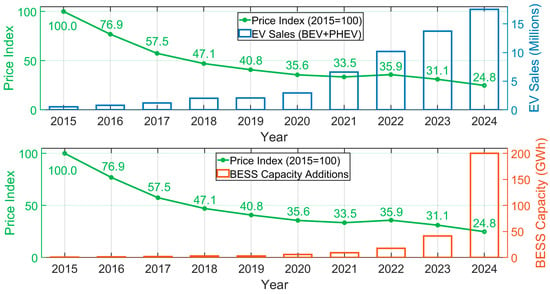
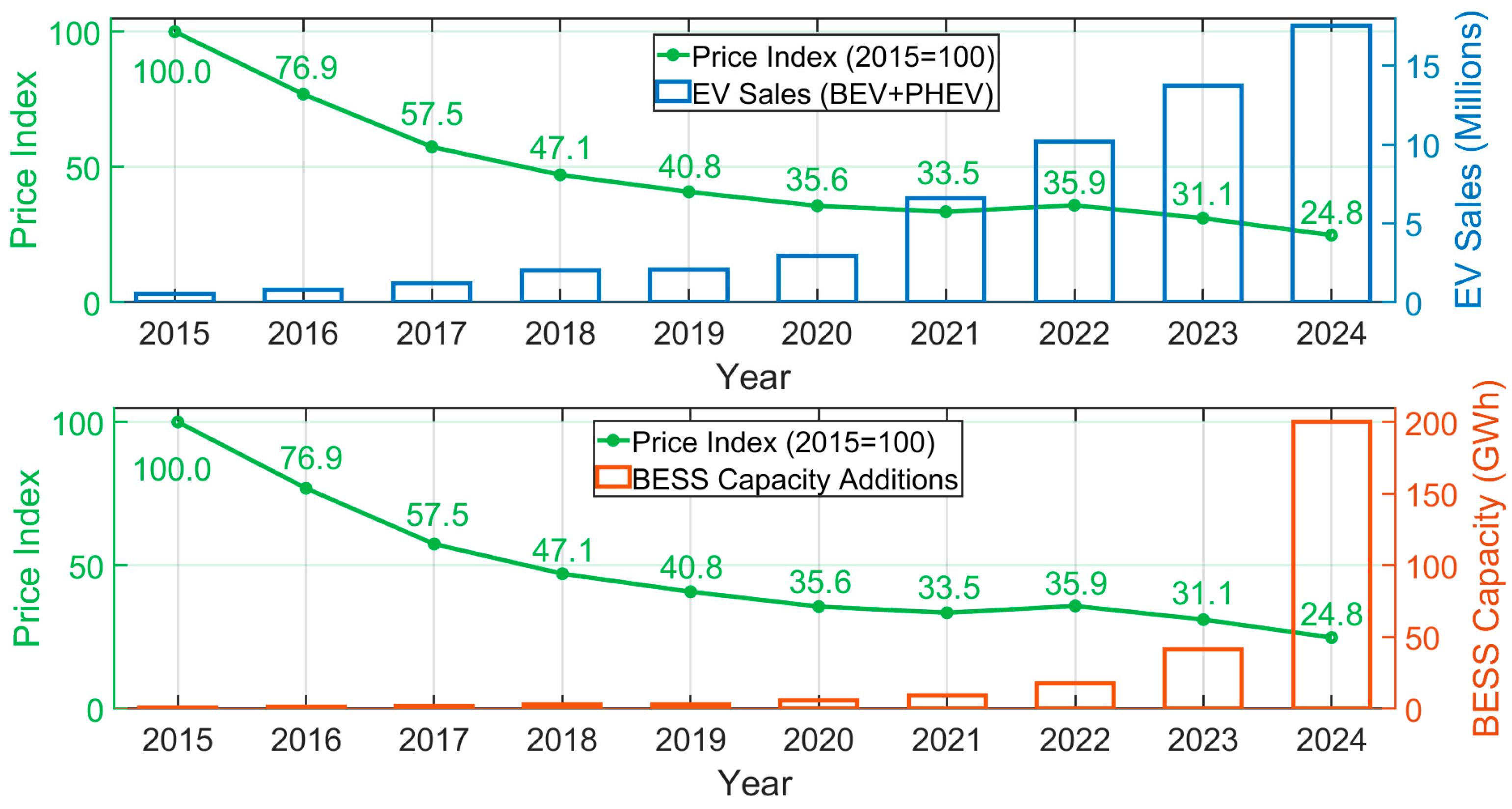
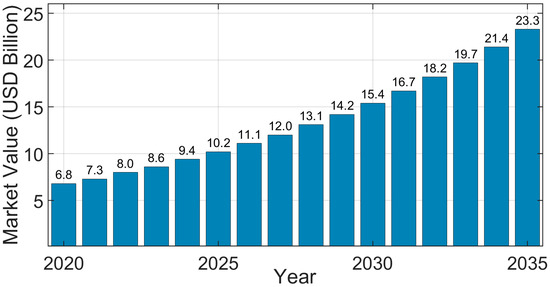
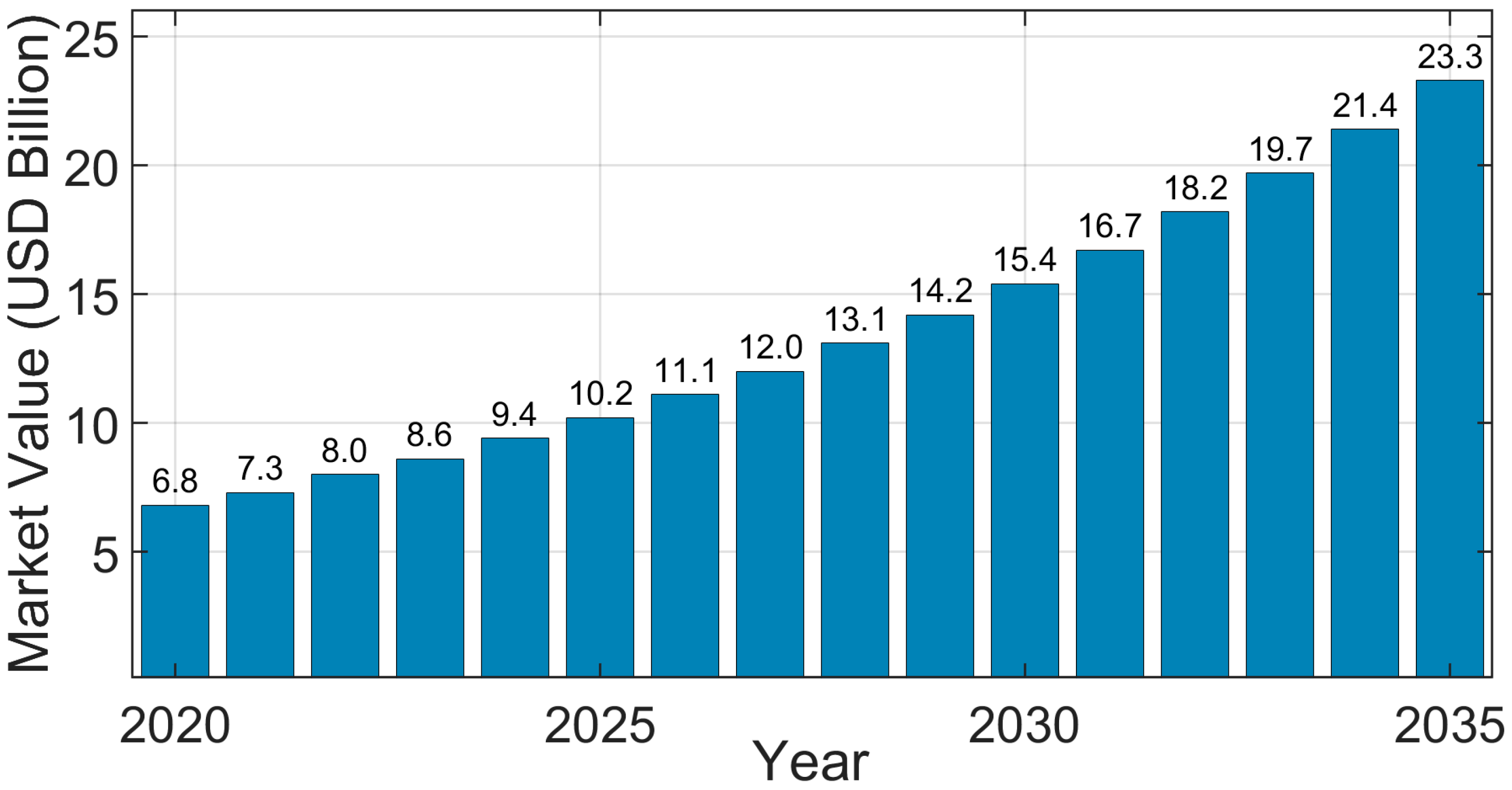
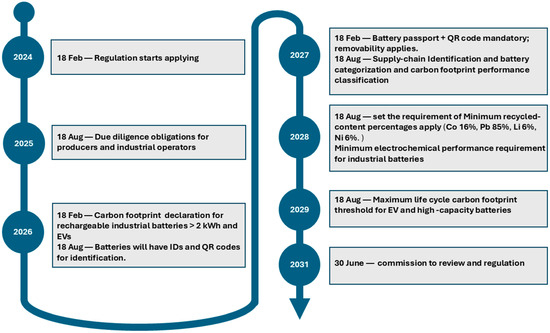
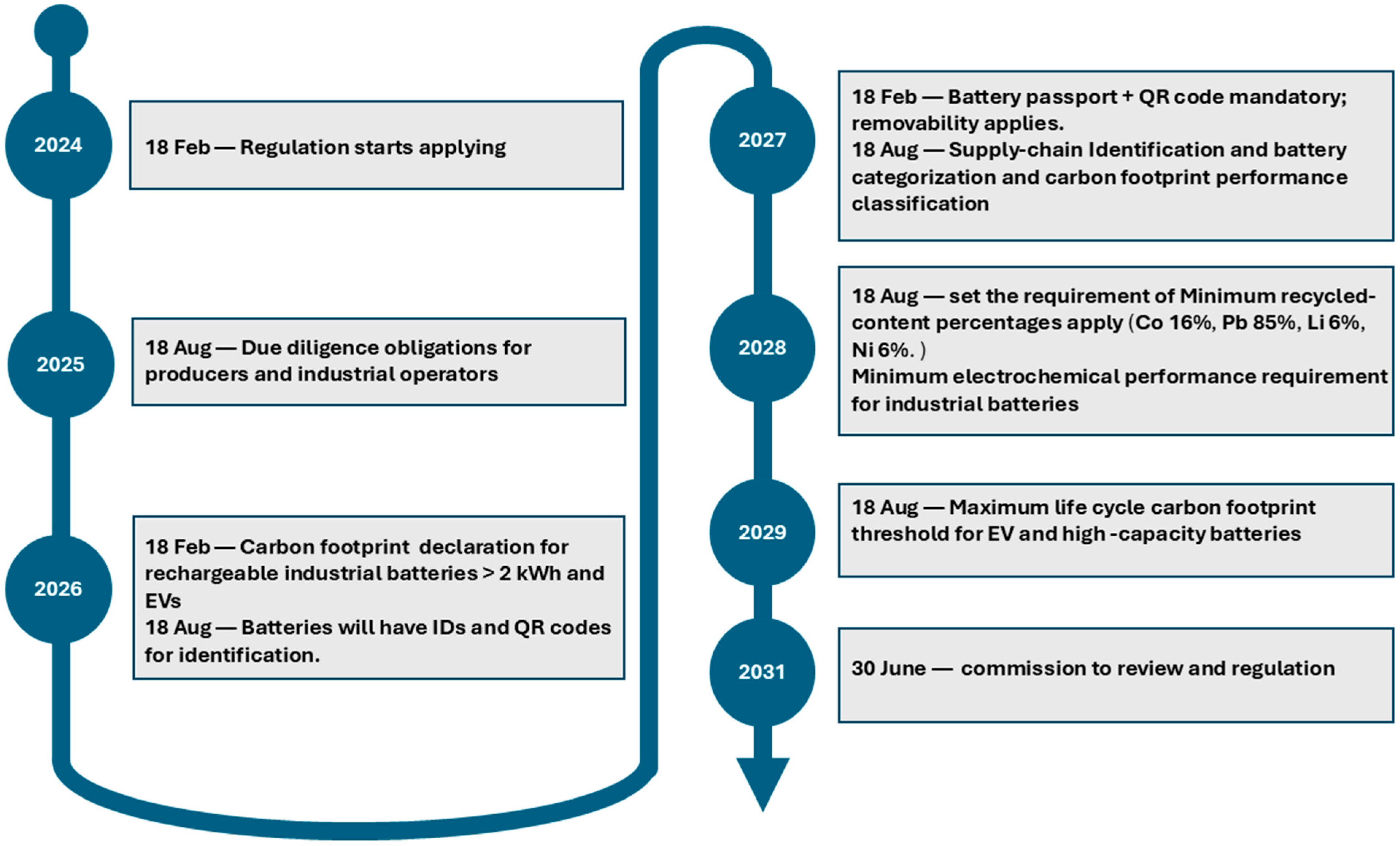
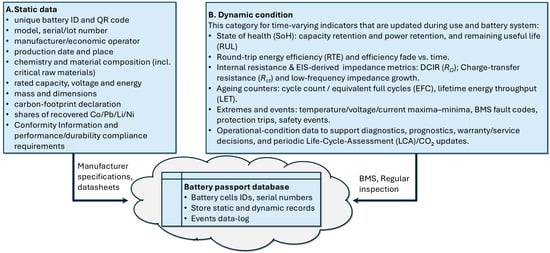
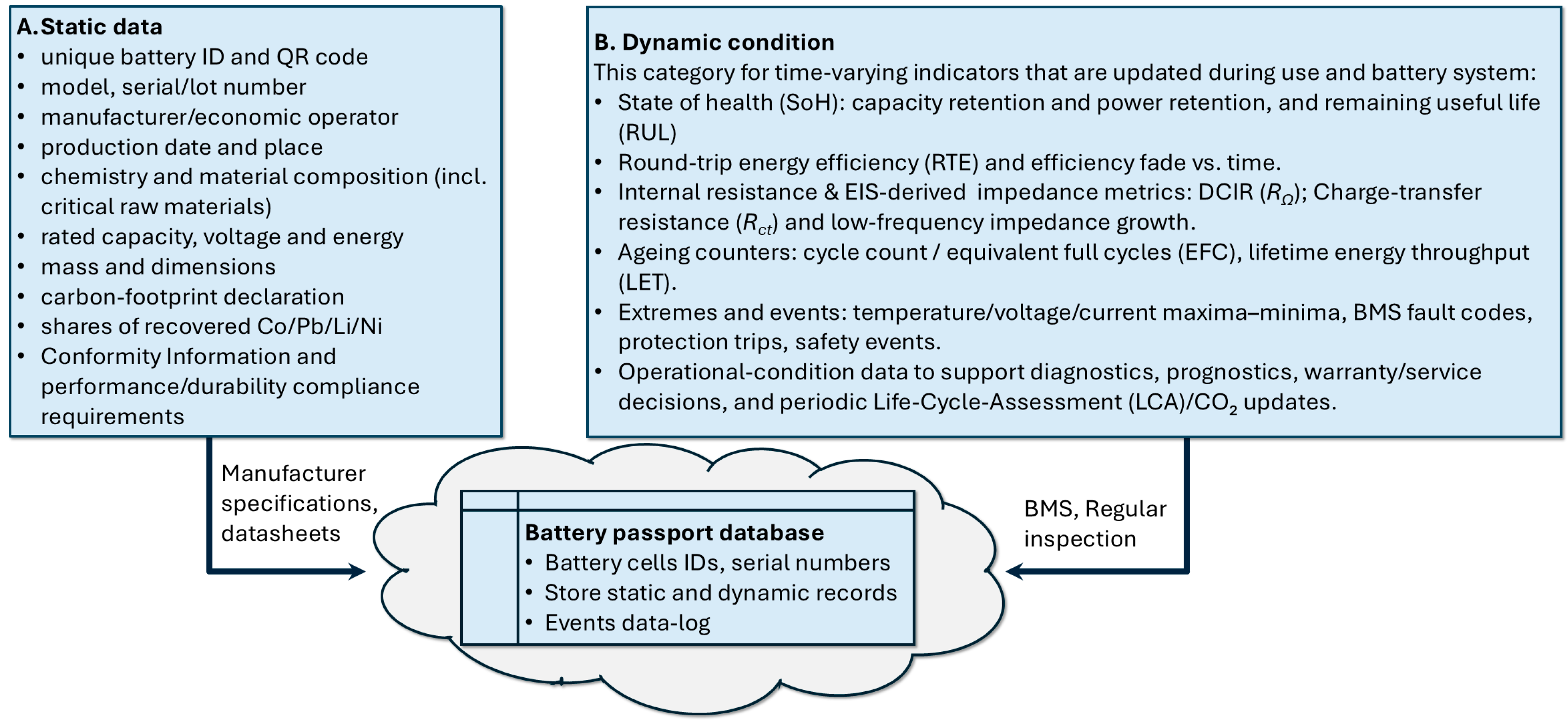
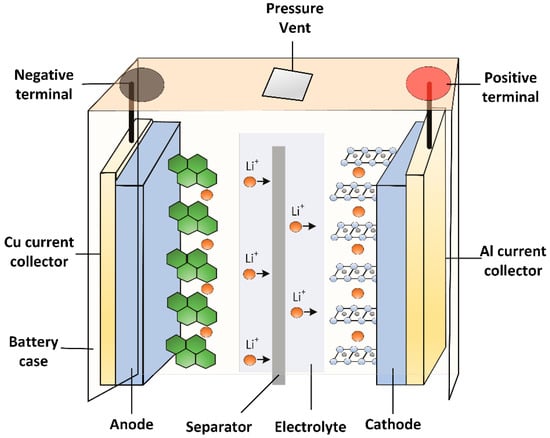
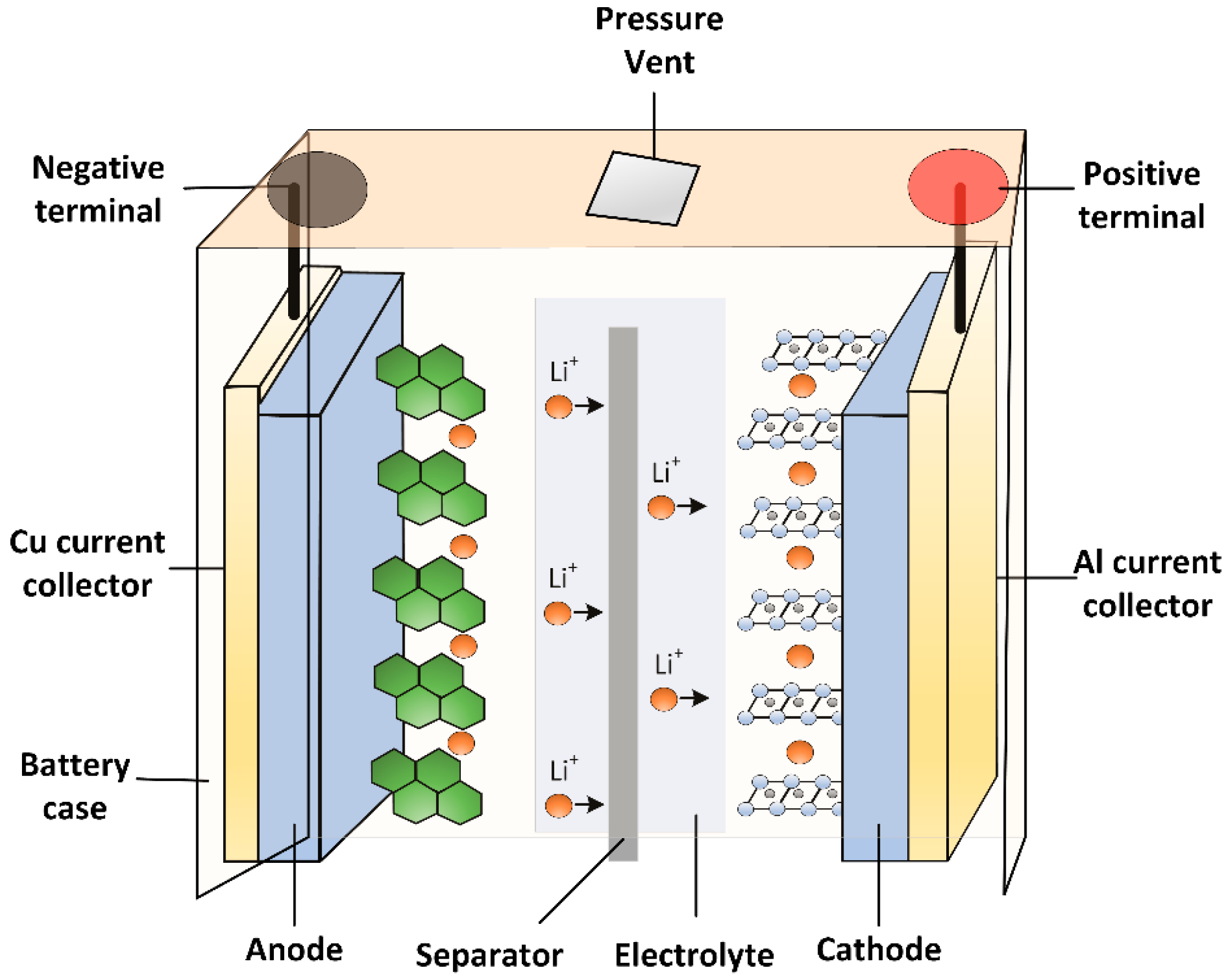
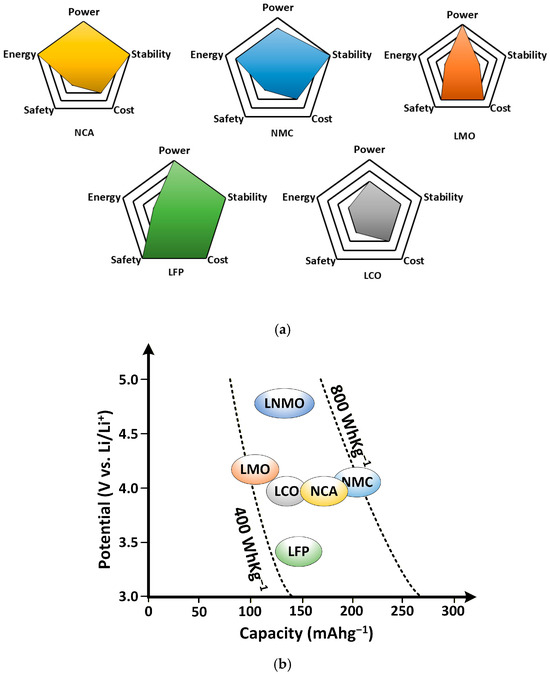
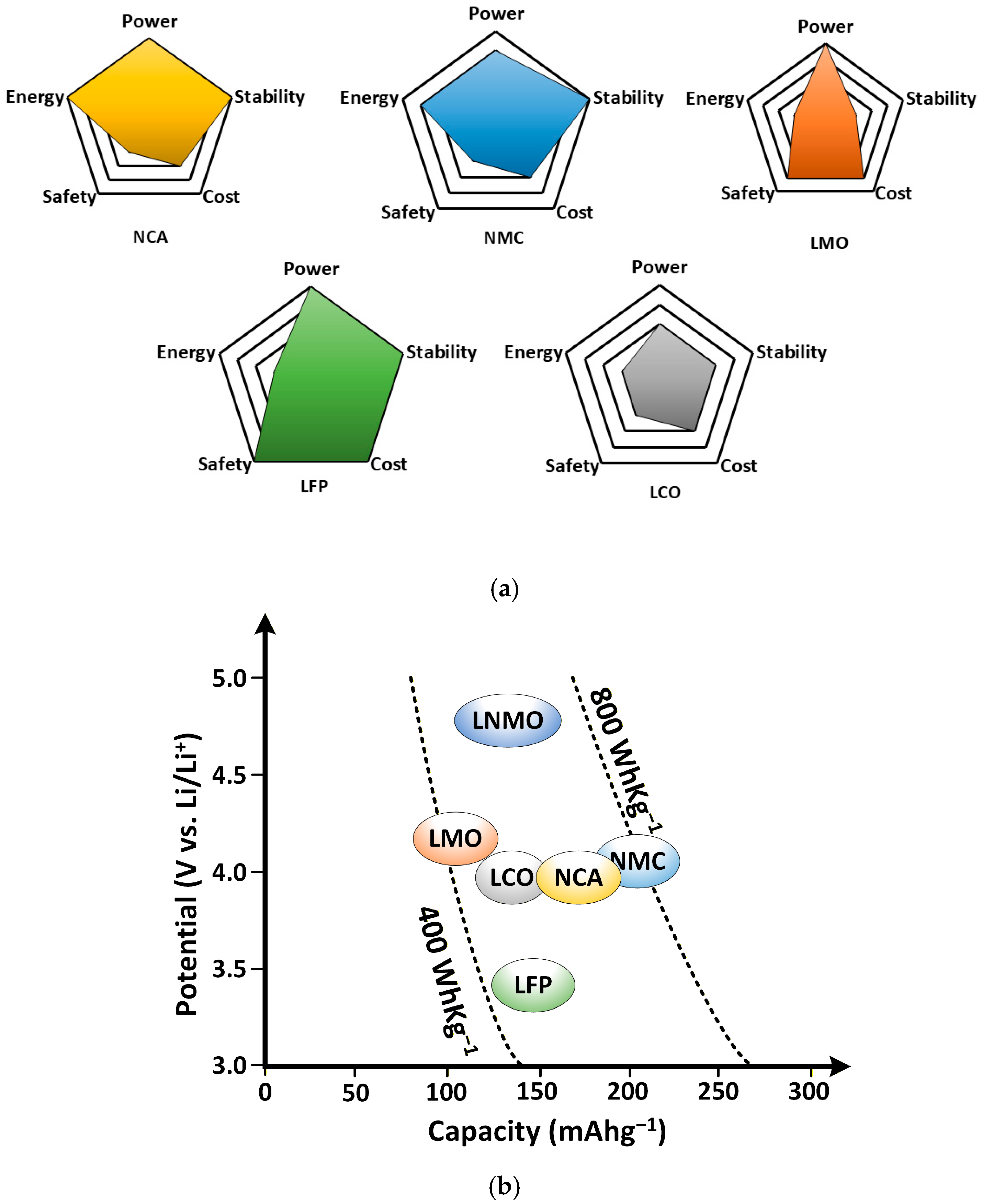
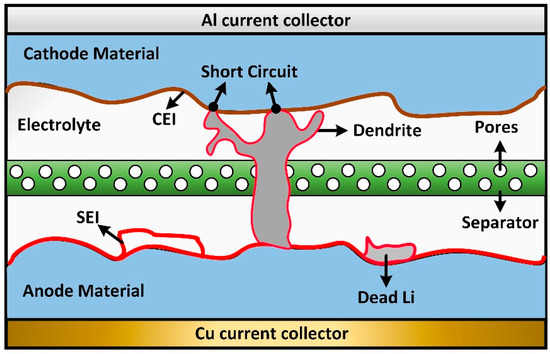
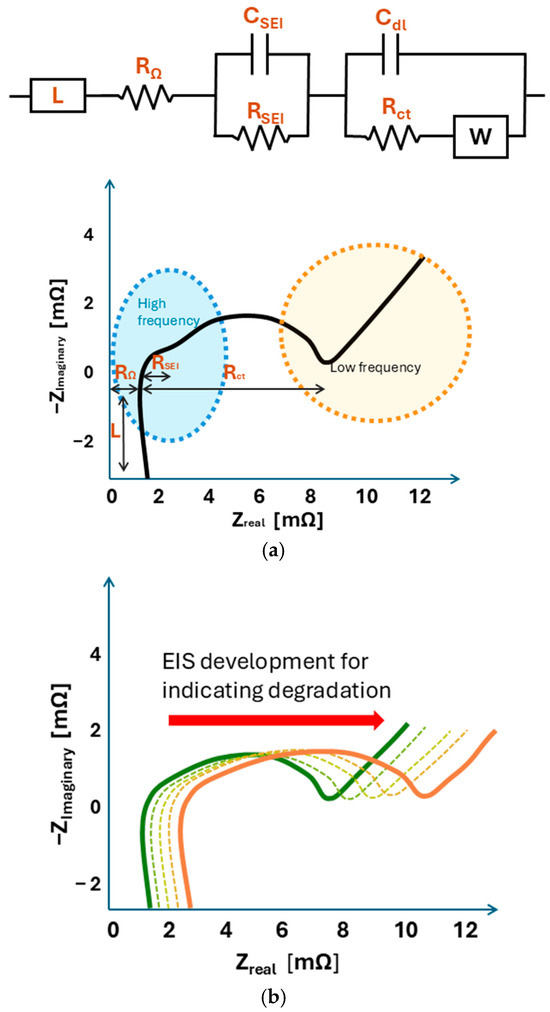
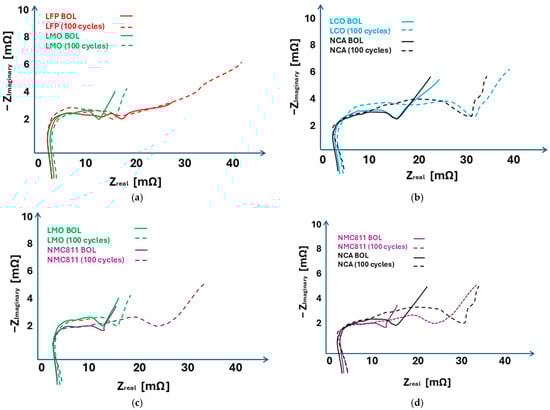
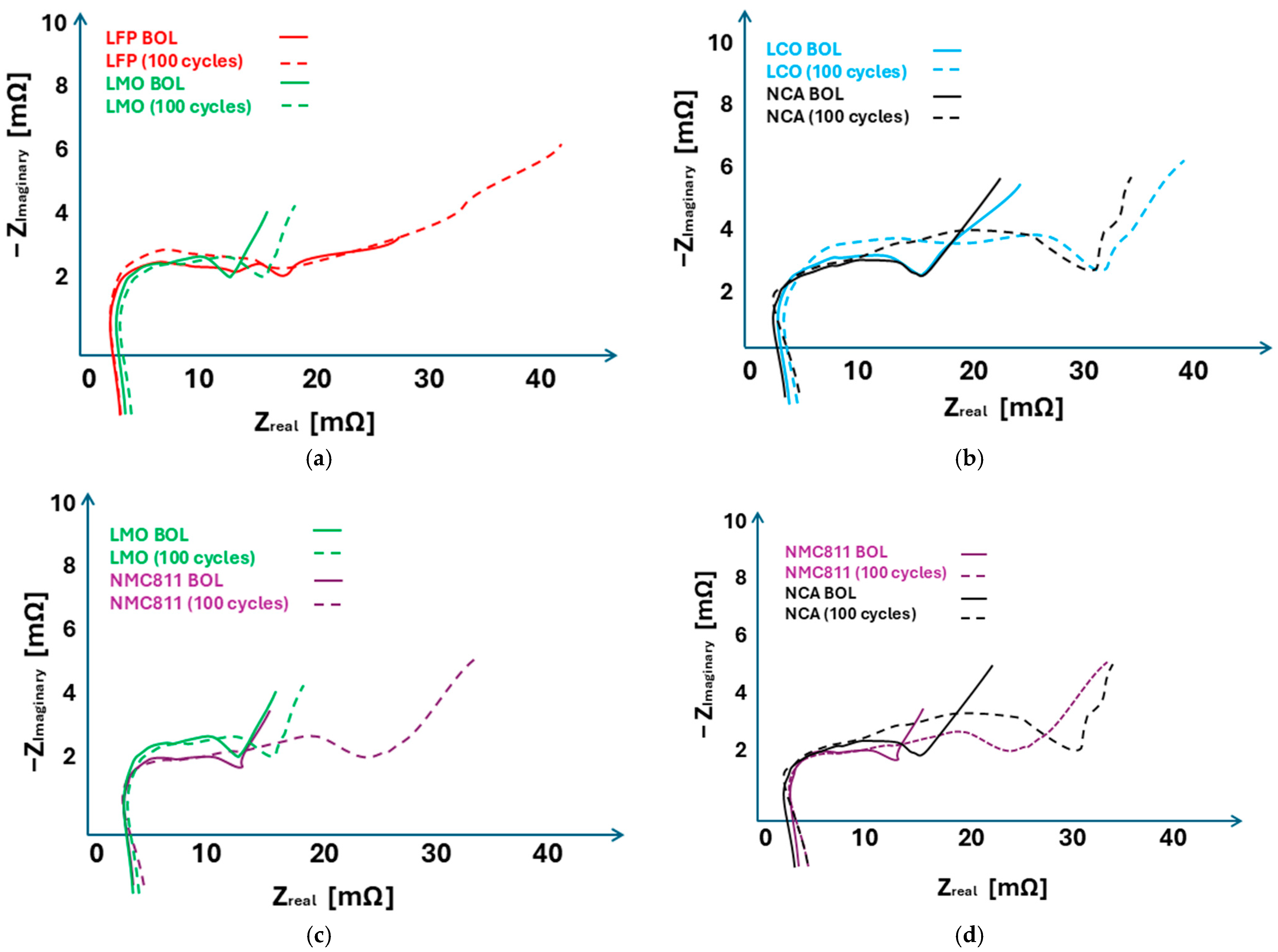
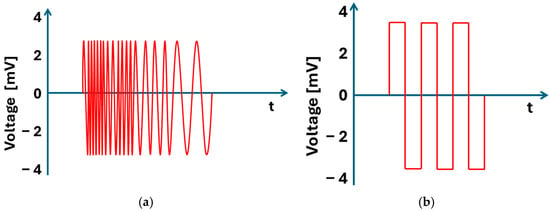
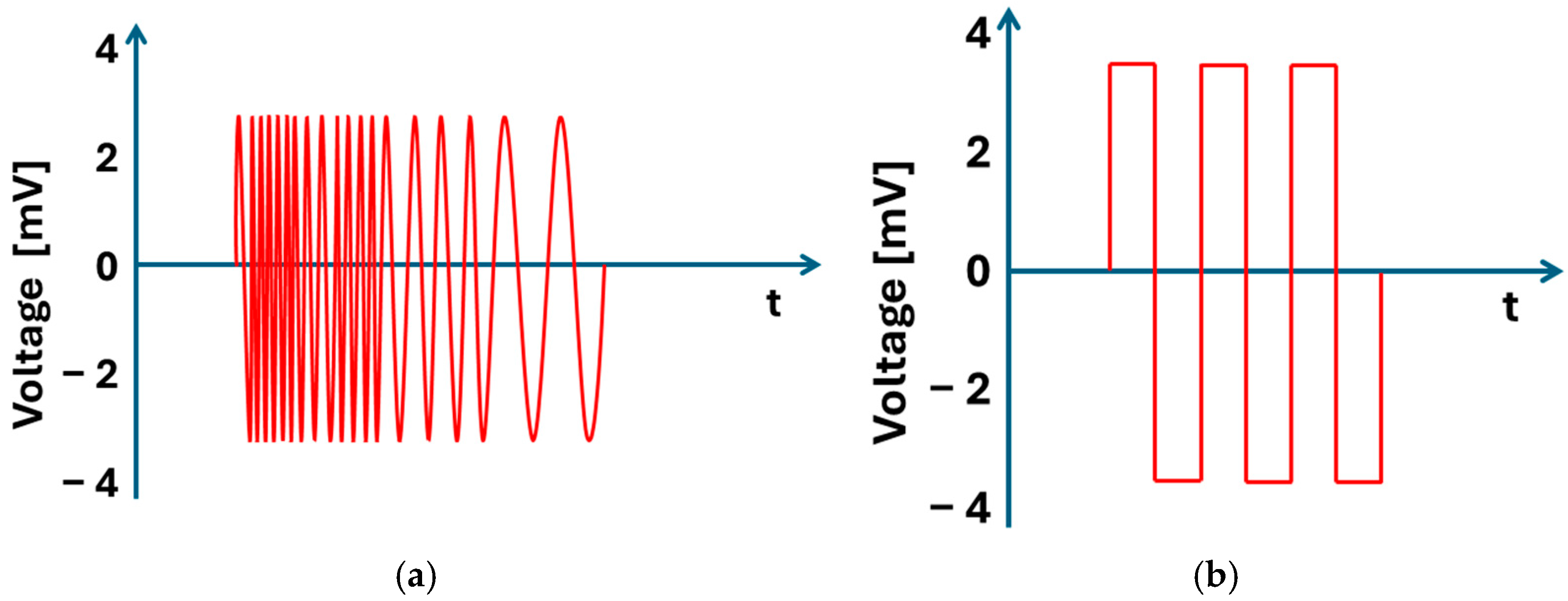
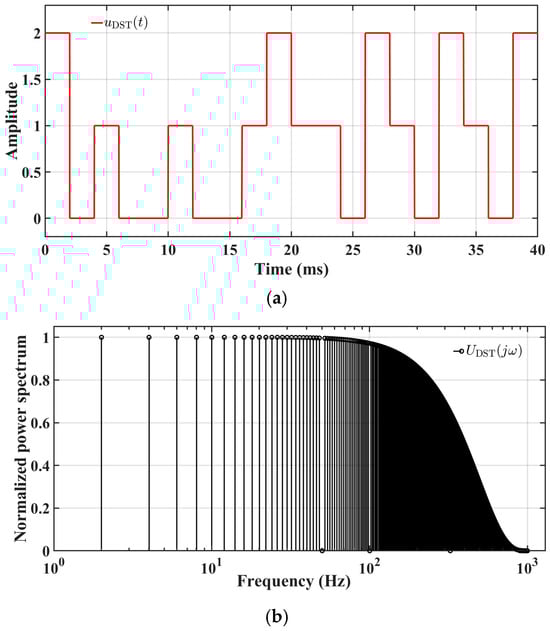
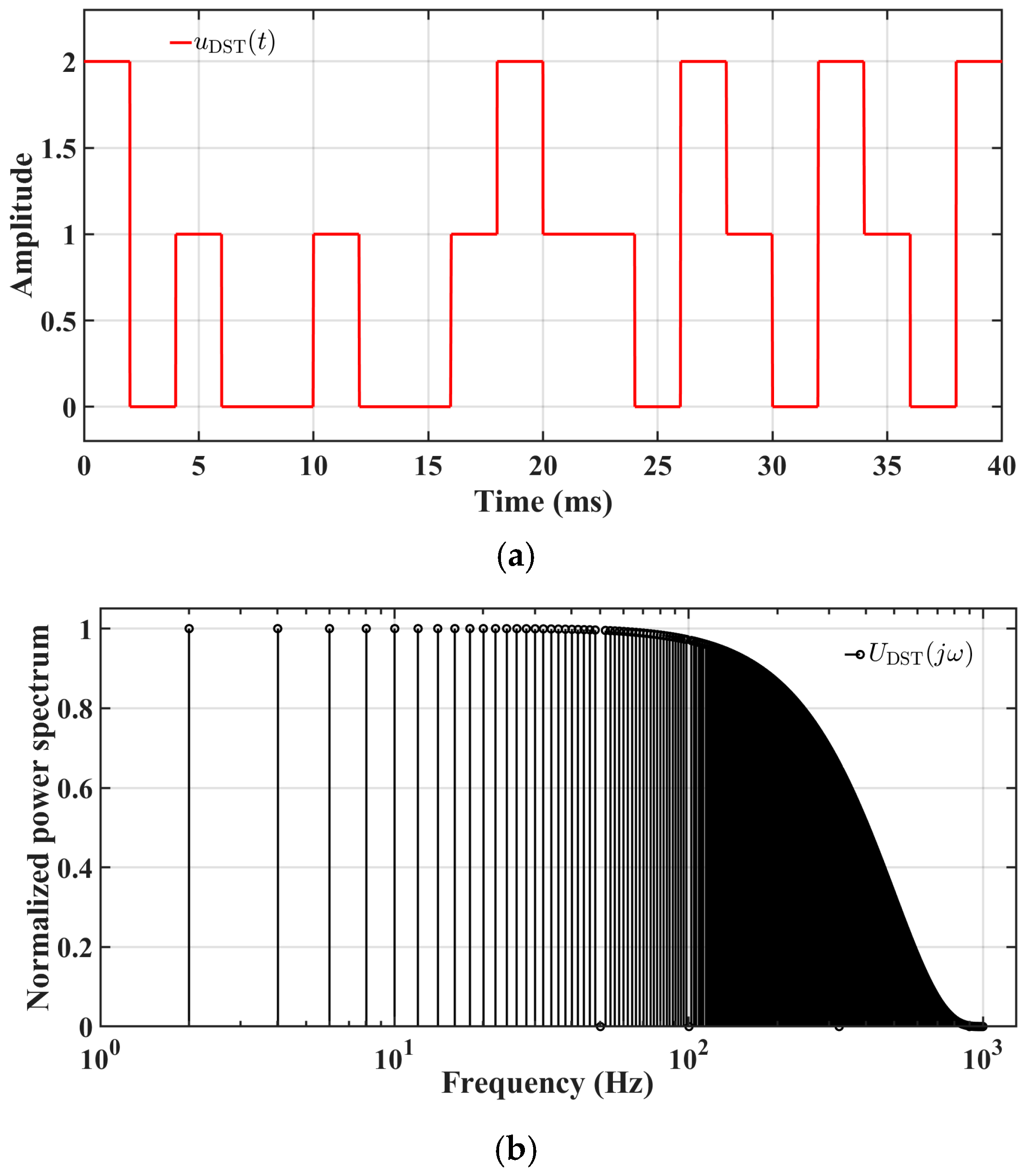
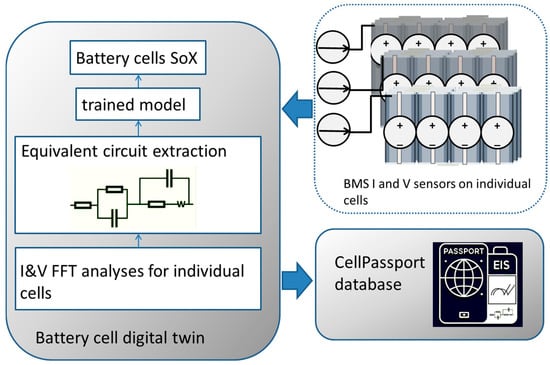
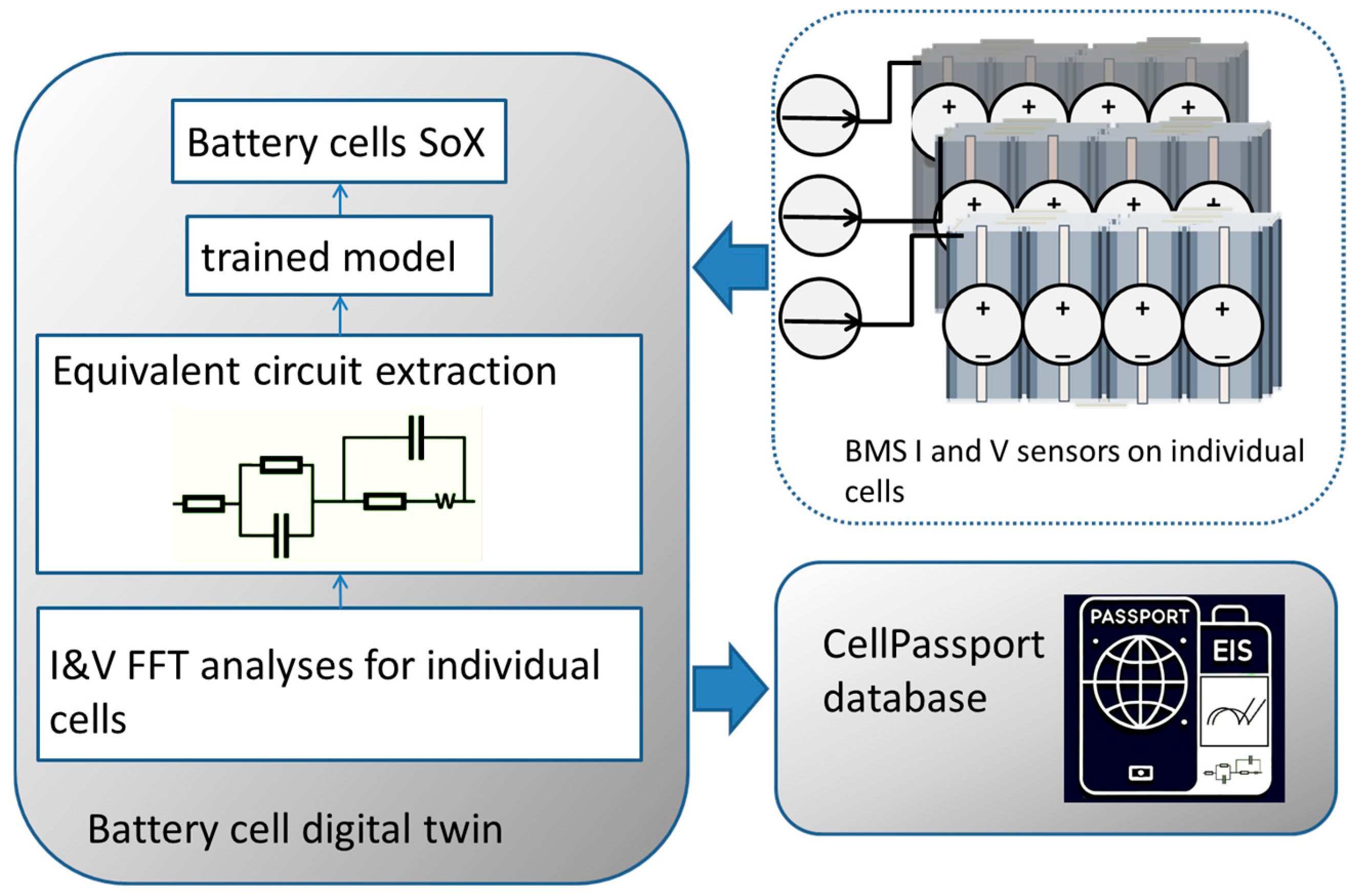

Disclaimer/Publisher’s Note: The statements, opinions and data contained in all publications are solely those of the individual author(s) and contributor(s) and not of MDPI and/or the editor(s). MDPI and/or the editor(s) disclaim responsibility for any injury to people or property resulting from any ideas, methods, instructions or products referred to in the content. |
© 2025 by the authors. Licensee MDPI, Basel, Switzerland. This article is an open access article distributed under the terms and conditions of the Creative Commons Attribution (CC BY) license (https://creativecommons.org/licenses/by/4.0/).