


Highlights
What are the main findings?
- •
- Comparative multi-omics analyses revealed distinct drought-response mechanisms between drought-tolerant and drought-sensitive grapevine cultivars.
- •
- VvGRIK1 was identified as a conserved drought-responsive candidate regulator associated with redox balance, cellular bioenergetic homeostasis, and stress-responsive physiological performance under drought stress.
What are the implications of the main findings?
- •
- This study provides new insights into the molecular basis of drought adaptation in grapevine.
- •
- VvGRIK1 provides a candidate regulatory target for future grapevine-based functional validation and breeding evaluation.
Abstract
Drought stress severely limits grapevine (Vitis spp.) productivity, yet the regulatory mechanisms distinguishing drought-tolerant and drought-sensitive cultivars remain insufficiently understood. In this study, we integrated transcriptomic, metabolomic, physiological, and functional analyses to compare drought responses between the tolerant cultivar ‘Miguang’ and the sensitive cultivar ‘Red Globe’, together with previously generated datasets from ‘Shine Muscat’ and ‘Thompson Seedless’. Compared with sensitive cultivars, tolerant cultivars showed stronger antioxidant capacity, lower lipid peroxidation, and more coordinated changes in pathways related to redox balance, osmotic adjustment, and energy metabolism. In ‘Miguang’, drought responses were associated with activation of the pentose phosphate pathway, accumulation of tricarboxylic acid cycle intermediates, and genotype-specific alternative splicing events affecting metabolic and signaling genes. Comparative analysis across four cultivars identified VvGRIK1 as a conserved drought-responsive regulator associated with redox and bioenergetic homeostasis. Heterologous overexpression of VvGRIK1 in tobacco enhanced drought-related physiological performance by increasing antioxidant enzyme activities and reducing membrane damage. Yeast two-hybrid assays and molecular docking further suggested a potential interaction between VvGRIK1 and VvKING1, a SnRK1-related energy sensor. Together, these findings suggest that the VvGRIK1-SnRK1 module may contribute to drought adaptation by coordinating redox protection and energy homeostasis, providing a candidate regulatory target for future functional studies and grapevine molecular breeding.
1. Introduction
Drought stands as the most detrimental abiotic stressor to global crop productivity, with profound economic implications for high-value perennial crops like grapevine (Vitis spp.) [1,2]. As climate variability intensifies, traditional and emerging viticultural regions face escalating risks of water scarcity, threatening yield stability, berry quality, and the sustainability of wine and table grape production [3,4].
Drought triggers a suite of complex physiological adjustments, such as stomatal closure and photosynthetic inhibition [5]. Fundamentally, these responses impose a severe energy crisis on the plant: as carbon assimilation declines, the plant must urgently reprogram its metabolism to balance the competing energy demands of survival and growth [6]. In plants, SnRK1 (Sucrose non-fermenting 1-related kinase 1) complex serves as a central energy sensor, perceiving ATP/ADP ratios and triggering a metabolic shift from anabolic to catabolic processes to maintain cellular homeostasis under energy-limiting conditions [7,8]. In Arabidopsis, Geminivirus Rep Interacting Kinases (GRIKs) function as upstream activating kinases that phosphorylate and activate SnRK1 under conditions of energy deprivation [9]. However, the biological functions of GRIK family members remain largely unexplored in perennial fruit crops, including grapevine. Accordingly, whether GRIK-family kinases function as upstream activators of SnRK1 under drought conditions in grapevine has not yet been experimentally demonstrated.
Given that drought tolerance is a systems-level trait involving interconnected signaling, transcriptional, and metabolic processes, approaches focusing on a single molecular layer are unlikely to fully capture its regulatory architecture.
Although transcriptomic and metabolomic studies have substantially advanced our understanding of grapevine drought responses, most investigations have focused on single cultivars or pairwise comparisons [10,11,12]. Consequently, it remains difficult to distinguish genotype-specific responses from shared regulatory mechanisms across diverse genetic backgrounds. Because drought adaptation involves coordinated transcriptional reprogramming and metabolic adjustment, integrated multi-omics analyses across multiple cultivars are required to identify candidate regulatory mechanisms associated with drought tolerance. Our previous comparative analysis of the drought-tolerant cultivar ‘Shine Muscat’ (SM) and the drought-sensitive cultivar ‘Thompson Seedless’ (TS) identified VvGRIK1 as a potential upstream regulator [10]. However, whether VvGRIK1 represents a conserved drought-responsive candidate regulator across genetically distinct grapevine cultivars and whether it contributes to drought-associated metabolic adaptation remain unknown.
To address these knowledge gaps, we integrated newly generated transcriptomic and metabolomic datasets from ‘Miguang’ (MG) and ‘Red Globe’ (RG) with our previously published datasets from SM and TS. The contrasting drought responses of SM and TS were characterized in our previous study [10], whereas the relative drought performance of MG and RG was evaluated in the present study based on physiological indicators, including antioxidant enzyme activities and lipid peroxidation levels. To improve comparability and minimize potential batch effects, all four cultivars originated from the same experimental cohort and were analyzed using consistent treatment, sampling, and data-processing procedures. We hypothesized that differences in drought tolerance are associated with distinct patterns of metabolic and energy regulation, potentially involving VvGRIK1-mediated modulation of SnRK1 signaling. To test this, we pursued three objectives: (1) to dissect the metabolic flexibility and regulatory logic in MG and RG, focusing on energy and redox metabolism; (2) to distinguish shared and genotype-specific drought-responsive pathways through integrated four-cultivar multi-omics analysis; and (3) to evaluate the drought-related function of VvGRIK1 and its potential association with VvKING1/SnRK1 signaling. Together, these analyses aim to provide mechanistic insights into energy-mediated drought adaptation and to evaluate VvGRIK1 as a candidate target for molecular breeding of drought-tolerant grapevine cultivars.
2. Materials and Methods
2.1. Plant Materials, Growth Conditions, and Drought Treatment
Four grapevine cultivars were used in this study, including the drought-tolerant cultivars ‘Miguang’ (MG) and ‘Shine Muscat’ (SM), and the drought-sensitive cultivars ‘Red Globe’ (RG) and ‘Thompson Seedless’ (TS). The contrasting drought responses of SM and TS were characterized in our previous study [10], whereas the relative drought performance of MG and RG was evaluated in the present study based on physiological indicators. To minimize environmental variability and potential batch effects, one-year-old own-rooted seedlings of all four cultivars were grown individually in seedling containers (50 cm × 33 cm × 23 cm) in a greenhouse at the Baima Teaching and Research Base of Nanjing Agricultural University, Nanjing, China (31°36′36″ N, 119°10′48″ E). Plants were cultivated in a substrate consisting of organic matter and vermiculite mixed at a ratio of 7:3 (v/v). Greenhouse conditions were maintained at 25/15 °C (day/night) with a relative humidity of approximately 85% under natural photoperiod conditions. No additional fertilizer was applied during the experimental period. Drought treatment was initiated when plants had developed 10–15 fully expanded leaves.
The drought treatment protocol was consistent across all genotypes. Plants were divided into control (C) and drought-treated (D) groups, with 20 plants per cultivar per treatment. Three independent biological replicates were used for physiological, transcriptomic, and metabolomic analyses. The first day of water withholding was designated as Day 0. Control plants were irrigated daily throughout the experiment, whereas irrigation was withheld continuously from drought-treated plants for 28 days. Soil water content (SWC) was measured every 7 days, and an SWC below 40% was regarded as the threshold for severe drought stress according to Laxa et al. [13]. Samples were collected between 09:00 and 10:00 a.m. on Day 28 to minimize the influence of circadian variation. Leaf samples were frozen in liquid nitrogen immediately after collection and stored at −80 °C for subsequent physiological, transcriptomic, and metabolomic analyses. Leaf tissues were selected because this study focused on drought-induced changes in photosynthetic regulation, antioxidant metabolism, carbohydrate metabolism, and energy reprogramming, which are directly reflected in leaf physiological and molecular responses. Root tissues were not included because the objective of this study was to compare leaf-level drought adaptation mechanisms among contrasting grapevine cultivars rather than to construct a whole-plant drought-response atlas.
2.2. Measurement of Physiological Indicators
Key physiological indicators were measured to assess the plant’s response to drought. Chlorophyll content was determined using an ethanol extraction colorimetric method [14]. Malondialdehyde (MDA) content was quantified using the thiobarbituric acid (TBA) method as an indicator of lipid peroxidation [15]. The activity of superoxide dismutase (SOD) was assayed using the nitro-blue tetrazolium (NBT) reduction method, and peroxidase (POD) activity was measured by the guaiacol colorimetric method [15,16].
2.3. Integrated Transcriptomic and Metabolomic Analysis
Although the omics data for SM and TS were previously reported [10], the biological samples originated from the same unified experimental cohort. Total RNA was extracted from leaf samples for transcriptome sequencing, which was performed on an Illumina platform following library construction. For each cultivar, three independent biological replicates were sequenced for both control and drought treatments. RNA sequencing quality was assessed based on sequencing depth and read mapping statistics. The sequencing depth and mapping statistics are summarized in Table S4. To further evaluate the responsiveness of VvGRIK1 to additional abiotic stresses, publicly available grapevine transcriptomic datasets under waterlogging (SRA accession PRJNA309765), salt stress [17] and copper stress [18] were also analyzed. Expression values of VvGRIK1 were extracted from the processed expression matrices using the same statistical criteria described below. These analyses were performed solely to examine the expression pattern of VvGRIK1 under different abiotic stresses, and the results are presented in Figure S8 and Table S27.
For widely targeted metabolomics, samples were analyzed on a SCIEX QTRAP® 6500+ LC-MS/MS platform (SCIEX, Framingham, MA, USA). Quality control (QC) samples were included throughout the LC-MS/MS analysis to monitor analytical stability. Pearson correlation analysis demonstrated high reproducibility among QC samples in both positive and negative ion modes (Figure S1C,D). Raw metabolomic data were processed using CD3.1 software for peak detection, alignment, and metabolite annotation. Prior to multivariate statistical analyses, metabolite abundance data were log-transformed, normalized, and subjected to univariate (UV) scaling using MetaX(V2.71) software. To ensure data quality, only metabolites with a coefficient of variation (CV) < 30% across QC samples were retained for downstream analyses.
RNA-Seq data were analyzed in two pairwise comparisons: MG_C vs. MG_D and RG_C vs. RG_D using DESeq2. Raw read counts were first normalized, followed by statistical testing for differential expressions. p-values were adjusted for multiple testing to control the false discovery rate (FDR), and genes with an FDR < 0.05 and an absolute log2 fold change ≥ 1 were considered differentially expressed [10]. Metabolome data were similarly compared, and differentially abundant metabolites (DAMs) were defined by a Variable Importance in Projection (VIP) score ≥ 1 and a p-value < 0.05 [10]. Functional annotation of DEGs and DAMs was performed using Gene Ontology (GO) and Kyoto Encyclopedia of Genes and Genomes (KEGG) pathway analyses via the OmicShare online platform (https://www.omicshare.com/tools, accessed on 10 June 2024). GO terms and KEGG pathways with a q-value (adjusted p-value) < 0.05 were considered significantly enriched. Heatmaps were generated using TBtools (version 1.098769) [19] and Hiplot (https://hiplot.org, accessed on 27 October 2025) and a transcript–metabolite correlation network was constructed based on the top 50 correlated pairs using OmicShare tools. To improve comparability, raw RNA-seq reads and metabolomic spectral data for SM and TS were retrieved from our previous dataset and re-processed together with the newly generated MG and RG data using the same bioinformatic pipeline, normalization procedures, and statistical criteria prior to downstream analyses.
2.4. qRT-PCR Validation of Transcriptome Data
To validate the RNA-Seq data, selected DEGs were analyzed by real-time quantitative PCR (qRT-PCR). Gene-specific primers were designed using Primer 3 Plus (http://primer3.ut.ee/, accessed on 10 April 2023) (Table S1) [20]. The ACTIN gene (AB073011) served as the internal reference. qRT-PCR was performed using 2× EvaGreen qPCR MasterMix (Yeasen, Shanghai, China) on a QuantStudio 5 system (Applied Biosystems, Foster City, CA, USA). Relative gene expression was calculated using the 2−ΔΔCT method. Each sample was analyzed in triplicate.
2.5. Gene-Metabolite Correlation and Network Analysis
To explore associations between VvGRIK1 expression and metabolic reprogramming, a targeted correlation matrix was constructed. We extracted the expression profiles of VvGRIK1 and key metabolic genes (e.g., G6PD2, CSLH1, and PSAE-1) alongside the accumulation patterns of energy-related metabolites (e.g., Proline, ABA-GE, and citric acid) across all four cultivars. Pearson correlation coefficients (PCCs) were calculated, with pairs exhibiting PCC > 0.8 and p < 0.05 considered significant. Heatmaps were visualized using TBtools-II. These correlation analyses were used to identify associations between gene expression and metabolite accumulation and were not interpreted as direct evidence of causal regulation.
2.6. Bioinformatics and Molecular Docking Simulation
The homologous GRIK1 protein sequences from 12 species, including Arabidopsis thaliana, Nicotiana benthamiana, Prunus avium, and Prunus persica, were retrieved from Ensembl Plants and NCBI databases. Phylogenetic analysis of VvGRIK1 was performed using MUSCLE and iTOL (https://itol.embl.de/, accessed on 15 May 2023) [21]. The gene structure was illustrated using GSDS 2.0 (https://gsds.gao-lab.org/index.php, accessed on 18 May 2023) [22]. Physicochemical properties of the VvGRIK1 protein were predicted using the ExPASy ProtParam tool [23]. Conserved motifs and domains were analyzed using MEME (https://meme-suite.org/meme/, accessed on 22 May 2023) [24] and NCBI’s Conserved Domain Database (CDD) [25], respectively. Cis-elements in the 2000 bp promoter region were predicted using PlantCARE (http://bioinformatics.psb.ugent.be/webtools/plantcare/html/, accessed on 23 May 2023) [26]. To provide structural support for the potential interaction between VvGRIK1 and VvKING1 (SnRK1), molecular docking simulations were conducted. Three-dimensional (3D) structures of VvGRIK1 and VvKING1 were predicted using AlphaFold2. Protein–protein docking was performed using the ZDOCK server. The top-ranked docking model was selected according to the ZDOCK score and visualized using Open-Source PyMOL (Version 3.1.0) to identify potential interface residues and hydrogen bonds within the kinase domains.
2.7. Overexpression Vector Construction
To construct the overexpression vector, the full-length coding sequence (CDS) of VvGRIK1 was amplified by PCR from ‘Shine Muscat’ cDNA using Phanta Master Mix (Vazyme, Nanjing, China). The plant expression vector pBI121 was linearized by double digestion with XbaI and BamHI. The purified VvGRIK1 fragment was then inserted into the linearized vector using the ClonExpress II One Step Cloning Kit (Vazyme, Cat. No. C112-01). The recombinant plasmid was transformed into E. coli DH5α competent cells. Positive clones were identified by colony PCR and confirmed by Sanger sequencing (General Biosystems, Anhui, China). The final, sequence-verified plasmid was designated pBI121-VvGRIK1.
2.8. Agrobacterium-Mediated Transformation of Tobacco
The pBI121-VvGRIK1 plasmid was transformed into Agrobacterium tumefaciens strain GV3101 using the heat shock method. Genetic transformation of tobacco (Nicotiana benthamiana) was subsequently performed using the Agrobacterium-mediated leaf disc method. After co-cultivation for 48 h in the dark, the leaf discs were transferred to a selection medium (MS + 100 mg·L−1 Kanamycin + 250 mg·L−1 Cefotaxime) for shoot regeneration. Putative transgenic shoots were rooted on MS medium containing Kanamycin. Positive transgenic lines were confirmed by genomic DNA PCR and qRT-PCR analysis of VvGRIK1 expression. Six independent PCR-positive transgenic lines (OE1, OE2, OE3, OE4, OE13, and OE14) were obtained and initially characterized by genomic PCR and qRT-PCR analysis of VvGRIK1 expression (Table S28). Three independent lines (OE1, OE2, and OE3), which exhibited relatively high VvGRIK1 expression levels, were selected for subsequent physiological and molecular analyses. Confirmed T0 lines were acclimated, grown to maturity in a greenhouse, and self-pollinated to produce T1 seeds for subsequent experiments.
2.9. Drought Tolerance Assay of Transgenic Tobacco
Wild-type (WT) tobacco and three independent T1 transgenic lines (OE1, OE2, OE3) exhibiting high expression of VvGRIK1 were selected. For the natural drought assay, irrigation was withheld from uniformly grown plants for 14 days. For the osmotic stress assay, plants were irrigated with a 20% (w/v) PEG6000 solution every two days for 10 days. At the end of each treatment, phenotypes were recorded, and physiological indicators (MDA, SOD, and POD) were measured and compared with those at Day 0.
2.10. Yeast Two-Hybrid (Y2H)
A Y2H assay was performed to screen for proteins interacting with VvGRIK1. An autoactivation test was first conducted by co-transforming the bait plasmid pGBKT7-VvGRIK1 with the empty prey plasmid pGADT7 into yeast strain Y2HGold. The bait plasmid was then co-transformed with a prey plasmid (pGADT7-VvKING1) into Y2HGold cells. Co-transformants were plated on SD/-Trp/-Leu (DDO) medium for growth and then transferred to selective medium SD/-Trp/-Leu/-His/-Ade (QDO) and QDO containing X-α-Gal. Growth on QDO and blue color development on QDO/X-α-Gal were considered indicative of a positive interaction.
2.11. Weighted Gene Co-Expression Network Analysis (WGCNA)
Weighted gene co-expression network analysis (WGCNA) was performed using the Omicsmart platform (https://www.omicsmart.com/, accessed on 25 April 2023) based on transcriptomic expression profiles. Network construction and visualization followed the default settings of the Omicsmart platform, with edge weights ranging from 0.5 to 1.0 retained for network display. For the MG and RG dataset analyzed in the present study, WGCNA was used to identify drought-responsive co-expression modules and module-associated genes. The MG-associated key module was designated MM.Black, and a gene regulatory network was constructed using the top 100 genes ranked by intramodular connectivity within MM.Black. The corresponding network information is provided in Table S17.
For the previously reported SM and TS dataset, the WGCNA results were obtained from our earlier study [10]. In that analysis, the drought-responsive key module was designated MM.darkmagenta, and the gene regulatory network was similarly constructed using the top 100 genes ranked by connectivity within this module. By distinguishing the newly analyzed MG/RG WGCNA results from the previously reported SM/TS network, we avoided assuming identical hub status across all cultivars and more accurately described the genotype-dependent network topology of VvGRIK1.
2.12. Alternative Splicing (AS) Analysis
The rMATS software (v3.0.9) was used to identify and quantify five types of AS events from the RNA-Seq data: skipped exon (SE), retained intron (RI), mutually exclusive exons (MXE), alternative 5’ splice site (A5SS), and alternative 3’-splice site (A3SS) [27]. Differential AS events between control and drought-treated samples were identified using a threshold of FDR < 0.05.
2.13. Statistical Analysis
All experiments were conducted with at least three biological replicates unless otherwise stated. Data are presented as the mean ± standard deviation (SD). For physiological measurements and transgenic tobacco assays, statistical significance between groups was determined using Student’s t-test. A p-value < 0.05 was considered statistically significant. Statistical analyses were performed using SPSS software (v25.0, IBM Corp., Chicago, IL, USA). Statistical criteria for transcriptomic, metabolomic, enrichment, correlation, WGCNA, and alternative splicing analyses are described in the corresponding method sections.
3. Results
3.1. Phenotypic Evaluation of Drought Responses in Two Grapevine Cultivars
To evaluate physiological response to water deficit, two grapevine cultivars, ‘Miguang’ (MG) and ‘Red Globe’ (RG), were subjected to a 28-day drought treatment. During the treatment period, soil water content (SWC) gradually declined from approximately 90% under well-watered conditions to about 20% on Day 28 (Figure 1A and Table S2), confirming the establishment of severe drought stress at the sampling endpoint. Under these conditions, leaf chlorophyll content decreased in both MG and RG (Figure 1B).
Figure 1.
Leaf phenotypes and physiological responses of ‘Miguang’ (MG) and ‘Red Globe’ (RG) grapevines under control and drought treatments. (A) Soil water content (SWC) of control and drought-treated MG and RG plants at 0, 7, 14, 21, and 28 days; (B) chlorophyll content; (C) malondialdehyde content; (D) peroxidase (POD) activity; (E) superoxide dismutase (SOD) activity under control and drought treatments. Asteriskes indicate significant differences between Control and Drought treatments (* p < 0.05, ** p < 0.01, *** p < 0.001, Student’s t-test).
Although MG showed lower chlorophyll content than RG under drought stress, it exhibited stronger antioxidant responses, including higher POD and SOD activities and lower MDA accumulation, indicating reduced oxidative membrane damage (Figure 1B–E and Table S2). Quantitative analysis of reactive oxygen species (ROS) scavenging components revealed distinct enzymatic responses between the two cultivars. In MG, peroxidase (POD) and superoxide dismutase (SOD) activities increased by 3.05-fold and 3.86-fold, respectively. This induction was accompanied by a moderate accumulation of malondialdehyde (MDA) (Figure 1C–E, and Table S2). In RG, the increases in POD (1.68-fold) and SOD (1.76-fold) activities were lower than those in MG, while MDA accumulated to significantly higher levels, indicating greater lipid peroxidation (Figure 1C–E, and Table S2). Collectively, MG maintained higher antioxidant enzyme activities and lower lipid peroxidation levels under drought stress compared with RG, supporting the designation of MG as drought-tolerant and RG as drought-sensitive.
3.2. Overview of Transcriptomic and Metabolomic Reprogramming Under Drought Stress
To determine the molecular basis of the physiological divergence between MG and RG, integrative transcriptomic and metabolomic analyses were performed on leaf tissues. RNA-seq quality assessment showed that clean reads per library ranged from 36.7 to 69.5 million, with total mapping rates ranging from 89.8% to 91.6% for RG and from 91.5% to 92.5% for MG (Table S4). High biological reproducibility and technical reliability of the multi-omics datasets were further supported by principal component analysis (PCA), metabolomic QC analysis, and RT-qPCR validation (Figures S1–S3 and Tables S3–S5). In MG, 5593 differentially expressed genes (DEGs; 2243 upregulated, 3350 downregulated) and 452 differentially accumulated metabolites (DAMs) were identified. In RG, 4358 DEGs and 286 DAMs were identified (Figure 2A and Tables S5–S12).
Figure 2.
Functional annotation of differentially expressed genes (DEGs) and differentially abundant metabolites (DAMs). (A) Counts of up- and down-regulated DEGs and DAMs identified in ‘MG’ and ‘RG’ in response to drought stress. ‘pos’ and ‘neg’ denote positive and negative ion modes for DAM identification, respectively; (B) Circular plots displaying the top 20 most informative Gene Ontology (GO) terms for drought-responsive DEGs in ‘MG’ and ‘RG’ leaves. The plot is segmented into terms enriched only in ‘MG’ (‘MG only’), only in ‘RG’ (‘RG only’), or common to ‘Both’. GO terms related to photosynthesis is highlighted in green; (C) KEGG pathways enrichment of DEGs in ‘MG’ and ‘RG’. Values in parentheses indicate the significance ranking of each pathway in ‘MG’ (first value) and ‘RG’ (second value). The middle chart displays KEGG pathways enriched in both ‘MG’ and ‘RG’.
Functional enrichment analysis of DEGs showed shared responses in both cultivars, including the downregulation of photosynthesis-related genes (ko00195, q-value = 5.41 × 10⁻¹¹ in MG; 3.49 × 10⁻¹⁰ in RG) and the upregulation of secondary metabolism pathways (ko01110, q-value = 7.58 × 10⁻¹⁷ in MG; 2.09 × 10⁻¹⁸ in RG) (Figure 2B,C and Table S10). Both cultivars also exhibited enrichment in plant hormone signal transduction (ko04075), the pentose phosphate pathway (ko00030), and carbon fixation (ko00710) (Figure 2C and Table S10). These shared transcriptomic changes suggest that both cultivars underwent a common drought-adaptive shift characterized by reduced carbon fixation capacity and enhanced secondary metabolite production.
In addition to these shared responses, genotype-specific molecular signatures were identified. Under water deficit, both cultivars exhibited enrichment of terms associated with programmed cell death (GO:0012501, q-value = 5.15 × 10⁻⁸ in MG; 7.60 × 10⁻⁴ in RG). However, the term “cell killing” (GO:0001906, q-value = 9.92 × 10⁻⁴) was uniquely enriched in RG (Table S9). In contrast, the MG transcriptome showed specific enrichment for cellular homeostasis, categorized into four functional categories based on KEGG/GO clustering: (1) enrichment of the MAPK signaling pathway (ko04016, q-value = 7.02 × 10⁻⁴); (2) upregulation of specific antioxidant-related pathways, including glutathione metabolism (ko00480, q-value = 2.55 × 10⁻²) and carotenoid biosynthesis (ko00906, q-value = 9.15 × 10⁻³); (3) metabolic shifts in specific amino acid pools (e.g., alanine, aspartate and glutamate metabolism; arginine biosynthesis, p = 0.06) and sucrose (ko00500, q-value = 3.35 × 10⁻²); and (4) differential retention of specific photosynthetic transcripts despite the global downregulation of chloroplast components (GO:0009507) observed in both genotypes (Figure 2B,C, Tables S9, S10 and S15). The molecular mechanisms underlying these four categories are further characterized in Section 3.3, Section 3.4, Section 3.5 and Section 3.6.
3.3. Rapid Perception and Early Signal Transduction Cascades in MG
Transcriptomic and metabolomic data revealed quantitative and qualitative differences in early stress perception and signal transduction between MG and RG. At the perception level, the MG transcriptome showed specific enrichment for the “enzyme-linked receptor protein signaling pathway” (GO:0007167, q-value = 4.33 × 10⁻⁴) and “protein kinase activity” (GO:0004672, q-value = 1.40 × 10⁻⁵) (Figure 3B and Table S9). Within these categories, the transcript encoding the phospholipid signaling component PLC2 (GrapeSMv01_08g1168) was significantly upregulated in MG (Log2FC = 2.71) but showed no significant induction in RG (Log2FC = 0.77) (Figure S4 and Table S7). Differences were also observed in the expression of cell wall integrity sensors. Both cultivars upregulated two WAKL2 homologs (GrapeSMv01_03g1101 and GrapeSMv01_03g1098), but with greater magnitudes in MG (Log2FC = 3.16–3.25) than in RG (Log2FC = 1.31–1.61). Additionally, MG uniquely recruited a third WAKL2 homolog (GrapeSMv01_17g0481; Log2FC = 5.19) and exhibited stronger induction of the receptor kinase WAK2 (GrapeSMv01_03g1099; MG Log2FC = 2.79 vs. RG Log2FC = 1.57) (Figure S4 and Tables S7 and S8).
Figure 3.
Multi-omics characterization of drought stress responses in drought-sensitive (RG) and drought-tolerant (MG) grapevine genotypes. (A) Comparative schematic model of drought response mechanisms; (B) GO and KEGG pathway enrichment of related pathways; (C) heatmap of differentially accumulated metabolites.
Downstream of perception, the “MAPK signaling pathway—plant” (ko04016) was significantly enriched exclusively in MG (q-value = 7.02 × 10⁻⁴) (Figure 3B and Table S10). Although both cultivars upregulated specific MAPK cascade components, the magnitude of induction differed substantially. Transcripts encoding MAPKKK20 (GrapeSMv01_07g0657 and GrapeSMv01_07g0658) exhibited higher upregulation in MG (Log2FC = 3.95–4.03) compared to RG (Log2FC = 1.67–2.09). A similar expression pattern was observed for MPK3 (GrapeSMv01_06g0381; MG Log2FC = 2.07 vs. RG Log2FC = 1.36), with an additional MPK3 homolog (GrapeSMv01_06g0357) uniquely upregulated in MG (Log2FC = 1.81). In parallel, transcripts associated with reactive oxygen species (ROS) generation and calcium decoding showed differential expression, marked by both quantitative and qualitative divergences. Transcripts encoding respiratory burst oxidase homologs (RBOHs) exhibited distinct recruitment patterns. While RBOHB (GrapeSMv01_14g1418) and RBOHA (GrapeSMv01_02g0372) were upregulated in both genotypes, their induction magnitudes were greater in MG (Log2FC = 1.95 and 1.28, respectively) compared to RG (Log2FC = 1.39 and 1.14). Furthermore, qualitative divergence was observed: RBOHC (GrapeSMv01_01g1736; Log2FC = 1.01) was uniquely upregulated in MG, whereas RBOHE (GrapeSMv01_11g0034; Log2FC = 1.66) was exclusively induced in RG. The calcium sensor CML27 (GrapeSMv01_17g0262) was induced in both cultivars. Additionally, the calcium-dependent protein kinase CPK1 (GrapeSMv01_08g0291) showed stronger induction in MG (Log2FC = 3.82) than in RG (Log2FC = 1.99), and CPK8 (GrapeSMv01_06g0222; Log2FC = 1.67) was specifically recruited in MG (Figure 3 and Figure S4 and Tables S7 and S8).
Differences were also observed in hormonal metabolism and execution. While free abscisic acid (ABA) accumulated in both genotypes under drought, ABA glucose ester (ABA-GE) showed a 5.64-fold increase in MG under drought (p-value = 1.00 × 10⁻⁴, VIP = 2.01), while no significant accumulation was detected in RG (Figure 3C, Tables S11–S14). Concurrently, the transcript encoding the E3 ubiquitin ligase PUB21 (GrapeSMv01_01g0629), implicated in ABA signaling regulation, was more strongly upregulated in MG (Log2FC = 3.56) than in RG (Log2FC = 2.68). Furthermore, the core ABA-responsive transcription factor ABF2 (GrapeSMv01_18g0923) was exclusively upregulated in MG (Log2FC = 1.03), with no significant induction detected in RG (Figure 3 and Figure S4 and Tables S7 and S8).
3.4. Osmotic Adjustment, Chaperone Expression, and Antioxidant Detoxification Under Drought
Transcriptomic and metabolomic analyses revealed genotype-specific differences in osmotic adjustment, chaperone-mediated protein folding, and antioxidant detoxification. In MG, the transcriptome showed specific enrichment for the “hyperosmotic response” (GO:0006972; q-value = 0.032) and “starch and sucrose metabolism” (ko00500; q-value = 0.034). Proline accumulated significantly in both cultivars, with a 4.97-fold increase in MG (p-value = 1.12 × 10⁻³, VIP = 1.23) and a 4.42-fold increase in RG (p-value = 7.80 × 10⁻³, VIP = 1.66). Although proline accumulation was comparable between the two cultivars, the trehalose biosynthesis gene TPS12 (GrapeSMv01_12g0675) exhibited substantially higher induction in MG (Log2FC = 5.74) compared to RG (Log2FC = 2.22), suggesting a greater capacity for trehalose-mediated osmotic protection in the tolerant cultivar (Figure 3B,C and Figure S4 and Tables S7–S14).
Differences were also observed in the expression of chaperone-related genes, corresponding to the specific enrichment of “protein folding” (GO:0006457; q-value = 0.026) in the MG transcriptome. Transcripts encoding specific small heat shock proteins (sHSPs) were upregulated exclusively in MG, including HSP21.7 (GrapeSMv01_19g0496; Log2FC = 8.98) and multiple HSP26-A homologs (GrapeSMv01_07g1791, GrapeSMv01_07g1790, GrapeSMv01_05g0874; Log2FC = 1.18–3.16). Additionally, the HSP26-A homolog GrapeSMv01_17g0297 was upregulated in both genotypes but exhibited a higher induction magnitude in MG (Log2FC = 13.48) compared to RG (Log2FC = 9.43) (Figure 3B and Figure S4 and Tables S7–S9). The preferential induction of sHSPs in MG suggests a greater capacity for chaperone-mediated protein homeostasis under drought-induced proteotoxic stress.
Regarding antioxidant detoxification, the MG transcriptome showed specific enrichment for “oxidoreductase activity” (GO:0016491; q-value = 3.68 × 10⁻⁶) and “glutathione metabolism” (ko00480; q-value = 0.026). Within the glutathione pathway, the tau-class glutathione S-transferase GSTU8 (GrapeSMv01_08g1075) and glutathione peroxidase GPX8 (GrapeSMv01_02g0048; Log2FC = 1.31) were upregulated exclusively in MG. Other glutathione-related genes were induced in both genotypes but exhibited higher upregulation in MG. For instance, the GSTF13 homolog GrapeSMv01_07g1293 was upregulated by a Log2FC of 3.25 in MG compared to 1.48 in RG. Similarly, a second GSTU8 homolog (GrapeSMv01_06g0721) showed a higher induction in MG (Log2FC = 5.64) than in RG (Log2FC = 4.92), and glutaredoxin GRXC9 homologs (GrapeSMv01_12g0329, GrapeSMv01_10g0701) followed a similar quantitative trend (MG Log2FC = 3.46–4.97 vs. RG Log2FC = 2.07–2.26) (Figure 3B and Figure S4 and Tables S7–S10).
3.5. Carbon Metabolism Reprogramming via the Pentose Phosphate Pathway and TCA Cycle
Transcriptomic and metabolomic profiles indicated differential reprogramming of central carbon metabolism between MG and RG under drought stress. In the MG transcriptome, “Pentose phosphate pathway” (ko00030; q-value = 3.14 × 10⁻³) and “Carbon metabolism” (ko01200; q-value = 0.023) were significantly enriched. At the transcript level, the gene encoding glucose-6-phosphate dehydrogenase 2 (G6PD2, GrapeSMv01_01g1631), which catalyzes the rate-limiting step of the pentose phosphate pathway (PPP), was specifically upregulated in MG (Log2FC = 1.39) and showed no significant induction in RG. This transcriptional activation in MG aligned with the metabolomic enrichment of “Pentose and glucuronate interconversions” (p-value = 0.04) and “Nicotinate and nicotinamide metabolism” (p-value = 0.05), alongside the specific and significant accumulation of the PPP-related intermediate nicotinamide (p-value = 9.76 × 10⁻⁶, VIP = 1.52) (Figure 3B,C and Figure S4 and Tables S7, S10, S14 and S15).
Regarding the tricarboxylic acid (TCA) cycle, transcripts encoding citrate synthase (CSY2, GrapeSMv01_12g0008) were upregulated in both MG (Log2FC = 1.69) and RG (Log2FC = 1.65). However, targeted metabolic profiling revealed a distinctly divergent downstream accumulation of TCA intermediates. MG specifically accumulated citric acid (38.8-fold increase; p = 5.90 × 10⁻³, VIP = 1.83) and D-threo-isocitric acid (3.9-fold increase; p = 9.22 × 10⁻³, VIP = 1.39), while neither metabolite showed significant accumulation in RG (Figure 3C and Figure S4 and Tables S7, S8, S11 and S12). Despite the comparable transcriptional induction of CSY2 in both cultivars, targeted metabolic profiling revealed a striking divergence in downstream TCA intermediate accumulation, suggesting that post-transcriptional or flux-level differences, rather than gene expression alone, govern TCA cycle reprogramming under drought in MG. Notably, skipped exon events targeting CSY2 were identified specifically in MG (Section 3.7), raising the possibility that alternative splicing generates functionally distinct CSY2 isoforms with altered enzymatic properties or subcellular distribution, thereby contributing to the enhanced TCA flux observed in the tolerant cultivar.
3.6. Differential Retention of Photosystem I Components Amidst Global Photosynthetic Suppression
Consistent with the fourth functional module identified in Section 3.2, transcriptomic analysis revealed a broad and conserved suppression of photosynthetic machinery in both MG and RG under severe water deficit. Functional enrichment analysis of downregulated DEGs in MG indicated massive representation of chloroplast-related terms (GO:0009507; q-value = 3.34 × 10−53) and the photosystem complex (GO:0009521; q-value = 2.72 × 10⁻²¹). This broad suppression was further corroborated by the significant downregulation of the “Photosynthesis” (ko00195; q-value = 5.41 × 10⁻¹¹) and “Carbon fixation” (ko00710; q-value = 5.63 × 10⁻⁴) pathways (Figure 4B, Tables S9 and S10).
Figure 4.
Integrated analysis of photosynthetic responses to drought stress in MG and RG grapevine genotypes. (A) Schematic model of photosynthetic regulation; (B) GO/KEGG enrichment of photosynthesis-related pathways; (C) heatmap of photosynthesis-related gene expression.
At the individual transcript level, this conserved suppression involved the widespread downregulation of core components across both genotypes. For example, transcripts encoding light-harvesting antenna proteins, such as LHCA1 (GrapeSMv01_13g0632), were severely downregulated in both MG (Log2FC = −3.90) and RG (Log2FC = −3.70). Similarly, transcripts for the carbon fixation enzyme Rubisco (RBCX1; GrapeSMv01_10g0054) were deeply repressed in both cultivars (MG Log2FC = −3.81; RG Log2FC = −3.34) (Figure 4B,C, Tables S7 and S8).
However, amidst this global transcriptional shutdown of the chloroplast, a critical qualitative divergence was identified within the Photosystem I (PSI) reaction center. Both genotypes exhibited downregulation of standard PSI subunits, such as the PSAE-1 homolog GrapeSMv01_07g1777 (MG Log2FC = −1.89; RG Log2FC = −1.44). However, a distinct PSAE-1 isoform (GrapeSMv01_07g1793) was significantly upregulated exclusively in MG (Log2FC = 2.60), with no significant response detected in RG (Figure 4C, Tables S7 and S8).
3.7. Systemic Regulatory Coordination via Co-Expression Networks and Alternative Splicing Between MG and RG
To elucidate the regulatory hierarchy governing drought adaptation, Weighted Gene Co-expression Network Analysis (WGCNA) and alternative splicing (AS) analysis were integrated. WGCNA identified distinct transcriptomic modules correlating with the drought responses of MG and RG (Figures S6A,B and S7B). The MM.Black module exhibited specific upregulation in MG (Figure S6B). Network analysis revealed that this module was governed by highly connected hub genes, primarily characterized by transcription factors and regulatory proteins, including the defense regulator PAD4, the histone demethylase JMJ706, the cysteine-rich receptor-like kinase CRK29, and AP2/ERF family members (DREB1E, DREB1F, ERF017) (Figure S6C and Table S17). Functional mapping of this module incorporated pathways essential for stress signaling and amino acid reallocation, specifically enriching “Plant hormone signal transduction” (ko04075) and “Arginine biosynthesis” (ko00220) (Figure S7B, Table S16). Conversely, the RG-upregulated MM.Greenyellow module was predominantly enriched in “Flavonoid biosynthesis” (ko00941, p = 0.0059), indicating preferential enrichment of secondary metabolite biosynthesis pathways in the drought-sensitive cultivar. Notably, the MM.Brown module was upregulated in both cultivars, enriching fundamental maintenance processes such as “Autophagy” (ko04136, p = 6.78 × 10⁻³) and “Ubiquinone and other terpenoid-quinone biosynthesis” (ko00130, p = 0.011), suggesting that these processes represent a conserved baseline drought response shared by both cultivars (Figure S7B, Table S16).
Beyond transcriptional abundance, transcriptomic data revealed extensive post-transcriptional modifications in MG, comprising 1540 skipped exon (SE) and 590 mutually exclusive exon (MXE) events (Figure 5A, Table S18). Enrichment analysis of these AS events demonstrated targeted structural modifications within central metabolic and defense pathways. Specifically, SE events were significantly enriched in the “Citrate cycle (TCA cycle)” (ko00020, p = 0.0071) and “ATP synthesis coupled electron transport” (GO:0042773, p = 0.00047). Furthermore, MXE events significantly targeted “Glycerophospholipid metabolism” (ko00564, p = 0.0068) and “Arginine biosynthesis” (ko00220, p = 0.020) (Figure 5B,C and Tables S19 and S20). Notably, cross-referencing MXE events with the DEG dataset identified post-transcriptional modifications in MPK3 (GrapeSMv01_06g0381) and CSY2 (GrapeSMv01_12g0008), two genes also showing significant transcriptional upregulation in MG (Table S21).
Figure 5.
MG variety-specific alternative splicing (AS) events in grapes under drought stress. (A) Proportions of different AS events in grapevines. These include skipped exon (SE), retained intron (RI), mutually exclusive exon (MXE), alternative 5’ splice site (A5SS), and alternative 3’ splice site (A3SS). (B) KEGG enrichment analysis and (C) GO enrichment analysis of skipped exon (SE) events specifically identified in cultivar MG under drought stress.
3.8. Conserved Multi-Omics Signatures and Identification of VvGRIK1
To assess shared and genotype-specific drought-responsive signatures, we integrated the newly generated MG/RG datasets with previously reported multi-omics data from the drought-tolerant ‘Shine Muscat’ (SM) and the drought-sensitive ‘Thompson Seedless’ (TS) [10].
A conserved baseline response was identified across all four cultivars. KEGG enrichment analysis indicated shared activation of “Plant hormone signal transduction” (ko04075) and “MAPK signaling pathway” (ko04016), together with widespread downregulation of “Photosynthesis-antenna proteins” (ko00196), reflecting a common reduction in light-harvesting capacity under water deficit (Table S22).
Comparative analysis revealed that the tolerant cultivars MG and SM exhibited more coordinated regulation of redox- and energy-related pathways than the sensitive cultivars RG and TS. In particular, SM showed a pattern similar to that of MG, including upregulation of the PPP-related gene G6PD2 and core TCA cycle transcripts such as CSY2 and LKR/SDH, whereas TS lacked coordinated activation of these central carbon and redox pathways (Tables S22–S25).
Among drought-responsive signaling genes, VvGRIK1 (Geminivirus Rep Interacting Kinase 1, GrapeSMv01_06g0113) was significantly induced by drought across all four cultivars, with Log2FC values ranging from 1.63 to 2.10 (Table S26). Previously generated transcriptomic datasets also showed that VvGRIK1 was responsive to other abiotic stresses, including waterlogging(SRA accession PRJNA309765), salt stress [17] and copper stress [18] (Figure S8 and Table S27). These results indicate that VvGRIK1 is a conserved drought-responsive candidate regulator in grapevine.
However, the network topology of VvGRIK1 differed among cultivar comparisons. In the present MG/RG WGCNA, the MG-associated key module was designated MM.Black, and VvGRIK1 was not identified as a primary hub gene in this module. In contrast, its hub-like network property was observed in the previously reported SM/TS WGCNA, particularly within the MM.darkmagenta module [10]. Therefore, we describe VvGRIK1 as a conserved drought-responsive regulator rather than a conserved hub across all cultivars (Figure S6C and Table S26).
3.9. Functional Validation of VvGRIK1 in Drought Stress Signaling
VvGRIK1 encodes a 359-amino acid kinase possessing a conserved STKc_LKB1_CaMKK domain (Figure S9). The presence of two ABRE elements in the promoter region is consistent with drought- and ABA-responsive induction, while the LTR element may account for its low-temperature responsiveness (Figure S9).
To validate its biological function, VvGRIK1-overexpressing (OE) tobacco lines were generated. Under drought stress and 20% PEG-6000 simulated drought, wild-type (WT) plants exhibited severe loss of turgor, whereas the OE lines maintained physical integrity (Figure 6, Figures S10 and S11 and Table S28). Physiologically, the OE lines demonstrated significantly higher antioxidant enzyme activities (SOD +35%, p < 0.01; POD +42%, p < 0.01) and lower lipid peroxidation levels (MDA −28%, p < 0.01) compared to the WT (Figure 6C, Table S29). These results demonstrate that overexpression of VvGRIK1 in tobacco enhances antioxidant enzyme activities and reduces lipid peroxidation under osmotic stress, suggesting that VvGRIK1 contributes to cellular redox homeostasis during drought.
Figure 6.
Growth of VvGRIK1 transgenic tobacco after drought stress and docking evidence between VvGRIK1 and VvKING1. (A) Phenotype on day 0 of drought stress; (B) phenotype on day 14 of drought stress; (C) determination of physiological and biochemical indices of transgenic tobacco and wild-type tobacco under drought treatment. SOD (left); POD (middle); MDA (right). The different letters mean significant differences at p < 0.05; (D) self-activation detection results of VvGRIK1 protein; (E) validation results of yeast two-hybrid system; (F) molecular docking of the three-dimensional structures of VvGRIK1 and VvKING1 proteins; (G) gene expression levels of the KING1 gene under drought stress.
To elucidate the signal transduction mechanism, we examined the physical interaction between VvGRIK1 and the energy sensor VvKING1 (GrapeSMv01_17g0154, a SnRK1 homolog). Yeast two-hybrid (Y2H) assays supported a physical interaction between VvGRIK1 and VvKING1, as indicated by co-transformant growth on selective SD/-Trp/-Leu/-Ade/-His/X-α-Gal medium (Figure 6D,E). Molecular docking using ZDOCK identified a top-ranked binding conformation with an interaction interface spanning the kinase domains of both proteins (Figure 6F). Collectively, Y2H assays provide heterologous yeast-based evidence for a potential interaction between VvGRIK1 and VvKING1, while molecular docking provides complementary predictive structural support. Given that VvKING1 encodes a SnRK1 homolog and both genes are co-induced by drought, these findings suggest that VvGRIK1 may function in association with the SnRK1 energy sensing complex under drought stress conditions.
4. Discussion
4.1. Systemic Signaling and the Physiological Basis of Photosynthetic Acclimation
Photosynthetic downregulation is a well-established early response to water deficit in grapevine, involving stomatal closure, reduced CO2 availability, and transcriptional suppression of photosynthetic gene networks [28,29]. Consistent with this, our transcriptomic data across all four cultivars revealed widespread downregulation of photosynthesis-related genes (e.g., LHCs, RBCX1; Figure 4A) [10]. This transcriptional suppression alleviates excitation pressure on the electron transport chain under CO2-limited conditions, thereby limiting the over-reduction of photosystem components and the consequent generation of reactive oxygen species (ROS) [30].
However, survival under severe drought depends on the kinetics of stress perception and downstream signal execution. In the tolerant cultivar MG, the rapid induction of specific receptor kinases (e.g., WAKL2) and the respiratory burst oxidase homolog RBOHC (Figure 3A) suggests an accelerated primary signal cascade [12,31,32]. RBOHC-mediated ROS generation has been linked to rapid signal amplification in guard cells and systemic stress signaling networks in plants [33,34,35]. The preferential recruitment of RBOHC in MG, as opposed to RBOHE in RG, may reflect qualitative differences in ROS signal identity—a hypothesis consistent with the emerging concept that distinct RBOH isoforms generate spatially and temporally distinct ROS signatures with divergent downstream consequences [36,37]. The capacity to maintain steady-state protection without severe photoinhibition strictly differentiates tolerant genotypes from sensitive genotypes [38,39]. Together, these data suggest that superior drought tolerance in MG is associated with a more rapid and precise activation of the primary ROS-calcium-hormone signaling cascade, which enables controlled photosynthetic downregulation while limiting photooxidative damage.
Although MG was classified as the relatively drought-tolerant genotype, it exhibited lower chlorophyll content than RG under drought stress. Chlorophyll retention is often considered an important indicator of drought tolerance; however, drought tolerance is a complex trait and cannot be fully evaluated using chlorophyll content alone, particularly under prolonged water deficit [11]. In the present study, MG showed significantly higher antioxidant enzyme activities (SOD and POD) and lower MDA accumulation than RG, indicating more effective ROS scavenging and reduced membrane lipid peroxidation despite its lower chlorophyll content [13]. These physiological observations were further supported by transcriptomic and metabolomic analyses, which revealed stronger activation of glutathione metabolism, antioxidant-related genes such as GSTs and GPX, ABA-related responses, and central carbon metabolic reprogramming in MG. Therefore, the relative drought tolerance of MG appears to be more closely associated with enhanced maintenance of cellular redox homeostasis and metabolic adaptation than with chlorophyll retention alone. One possible explanation is that reduced chlorophyll content may reflect an acclimatory decrease in light-harvesting capacity under severe drought, which could help reduce excess excitation pressure and limit photooxidative damage when carbon assimilation is constrained [30,40]. However, this hypothesis requires further validation using direct photosynthetic and photoprotective measurements.
4.2. Coordinated Regulation of the PPP and TCA Cycles Sustains Metabolic Homeostasis
Multi-omics integration reveals that the drought-tolerant cultivars maintain redox and bioenergetic homeostasis through the coordinated regulation of the pentose phosphate pathway (PPP) and the tricarboxylic acid (TCA) cycle. Under severe drought, MG uniquely upregulates the oxidative PPP rate-limiting enzyme G6PD2. This transcriptional shift facilitates carbon flux into the PPP to generate NADPH, which is required for the continuous function of antioxidant enzymes (e.g., GST, GPX) and the mitigation of lipid peroxidation (Figure 3A, Table S7). The requirement for G6PD in drought adaptation is conserved across species [41], and the failure to sustain PPP metabolite levels correlates with drought susceptibility [42].
Concurrently, MG sustains bioenergetic flux through the TCA cycle, demonstrated by the upregulation of citrate synthase (CSY2) and the significant accumulation of specific intermediates (citric acid and isocitric acid) (Figure 3A, Tables S7 and S11). This ensures ATP availability for cellular maintenance. Comparative analysis across all four cultivars validates the universality of this metabolic coupling. Similar to MG, the tolerant cultivar ‘Shine Muscat’ (SM) specifically upregulates core PPP and TCA transcripts alongside substantial proline accumulation. Conversely, sensitive cultivars (‘Red Globe’ and ‘Thompson Seedless’) exhibit divergent metabolic regulation: they upregulate basal TCA cycle genes but fail to accumulate TCA intermediates or induce the oxidative PPP (Figure 3A) [10]. This inability to upregulate the PPP may compromise NADPH-dependent antioxidant defenses—a metabolic imbalance that may contribute to the greater lipid peroxidation and cellular damage observed in RG and TS under drought.
Beyond primary metabolism, tolerant cultivars also exhibit specific adaptations regarding resource allocation. MG demonstrates extensive accumulation of small heat shock proteins (HSP21.7, HSP26-A) (Figure 3A, Table S7), which function to prevent dehydration-induced protein aggregation, thereby reducing the ATP demand required for de novo protein synthesis during post-stress recovery. Additionally, the mobilization of conjugated ABA-glucose ester (ABA-GE) pools (Figure 3A, Table S11) enables rapid hormonal signaling while bypassing the metabolic cost of de novo ABA synthesis [43,44]. Proline accumulation was observed in both cultivars (Section 3.4), representing a shared osmotic adjustment strategy. However, MG additionally upregulated the trehalose biosynthesis gene TPS12 to a greater extent (Log2FC = 5.74 vs. 2.22 in RG), suggesting that compatible solute diversity—combining proline and trehalose—may confer superior osmotic buffering capacity in the tolerant genotype [45,46]. The drought-specific upregulation of a distinct PSAE-1 isoform (GrapeSMv01_07g1793) in MG represents a notable observation. The PSAE subunit has been shown to contributes to ferredoxin binding at the PSI acceptor side, suggesting a potential role in modulating CEF activity [47,48,49] which can generate proton motive force for ATP synthesis without net NADPH production—a bioenergetically favorable mode under CO2-limited conditions. However, whether the upregulated isoform retains functional equivalence to canonical PSAE requires further biochemical characterization.
Taken together, these results indicate that drought tolerance is not determined by the activation of a single metabolic pathway but rather by coordinated metabolic reprogramming. Compared with RG, MG simultaneously enhanced NADPH production, ATP supply, osmotic adjustment, protein protection, and hormone mobilization, thereby establishing a metabolically integrated response capable of sustaining cellular homeostasis during prolonged drought. This coordinated metabolic configuration provides a physiological framework for interpreting the cultivar-specific co-expression networks described below, in which tolerant genotypes appear to recruit more integrated regulatory programs associated with redox protection and energy homeostasis.
4.3. VvGRIK1-Associated SnRK1 Signaling May Contribute to Stress-Induced Metabolic Reprogramming
Co-expression network analysis indicated that VvGRIK1 showed hub-like properties in the previously analyzed SM/TS network and consistent drought induction in the present MG/RG comparison. While VvGRIK1 expression is induced by various abiotic stresses across all tested cultivars (Tables S26 and S27), WGCNA isolated its specific hub properties within the SM and TS tolerance networks [10]. Functional assays in transgenic tobacco showed that VvGRIK1 overexpression enhances antioxidant enzyme activities (SOD, POD) and reduces lipid peroxidation under osmotic stress (Figure 6C), providing in planta evidence consistent with its proposed role in oxidative stress mitigation. In the present MG/RG comparison, the MG-associated MM.Black module was linked to drought-responsive regulation involving hormone signaling, stress-responsive transcription factors, and amino acid metabolism, whereas the previously reported SM/TS MM.darkmagenta module represented a drought-responsive network associated with tolerant genotype responses. The preferential detection of these modules in tolerant cultivars may reflect stronger covariance among redox-, hormone-, and energy-related genes under drought, rather than the presence of completely cultivar-exclusive pathways.
Nicotiana benthamiana was used as a heterologous system for functional validation because it is a well-established model for rapid Agrobacterium-mediated transformation and abiotic stress assays. The improved drought-related physiological performance of VvGRIK1-overexpressing tobacco lines, including higher antioxidant enzyme activities and lower MDA accumulation, supports a positive role of VvGRIK1 in enhancing cellular redox protection under water-deficit conditions. However, because tobacco and grapevine differ in growth habit, stress physiology, and regulatory context, these results should be interpreted as supportive evidence rather than direct proof of VvGRIK1 function in grapevine. Future grapevine-based overexpression, gene-editing, or transient expression assays will be required to validate the in situ function of VvGRIK1 in grapevine drought adaptation.
It is important to distinguish the conserved drought responsiveness of VvGRIK1 from its network topology. Although VvGRIK1 was identified as a hub gene in the previously analyzed SM/TS network, it was not identified as a primary hub in the MG/RG MM.Black module. Nevertheless, VvGRIK1 was consistently induced by drought across all four cultivars examined, suggesting that its transcriptional responsiveness is conserved across grapevine germplasm, whereas its topological position within co-expression networks may vary depending on genetic background and module organization. Therefore, VvGRIK1 should be interpreted as a conserved drought-responsive candidate regulator associated with redox and bioenergetic homeostasis, rather than as a conserved hub across all grapevine cultivars.
To elucidate the molecular mechanism underlying this functional role, we investigated the physical interaction between VvGRIK1 and its potential downstream target. Mechanistically, Y2H assays supported a physical interaction between VvGRIK1 and VvKING1 in yeast, while molecular docking provided complementary predictive structural evidence (Figure 6D,E). The SnRK1 kinase complex regulates energy homeostasis by repressing anabolism and promoting catabolism during energy deficits [50]. The GRIK-SnRK1 module has been characterized as a conserved stress-responsive signaling axis across multiple biotic and abiotic contexts, including salt tolerance in Arabidopsis [9], antiviral defense in barley [51], and plant-pathogen co-evolution [52], supporting its role as a broad-spectrum integrator of energy status and environmental defense. Together, these findings support VvGRIK1 as a conserved drought-responsive candidate regulator that may be associated with SnRK1-mediated coordination of bioenergetic status and environmental defense responses.
SnRK1 activity is allosterically inhibited by trehalose-6-phosphate (T6P), which decouples stress responses under favorable energetic states [53,54]. We hypothesize that the sustained induction of VvGRIK1 in tolerant cultivars may provide sufficient upstream kinase activity to activate SnRK1 despite basal T6P levels, though direct measurement of SnRK1 phosphorylation status in MG and SM will be required to test this model. Importantly, recent evidence suggests that GRIK kinases concurrently initiate the degradation of SnRK1 while activating it [55]. This creates a sophisticated negative feedback loop designed to prevent an excessive or harmful catabolic ‘overreaction’ during prolonged stress [56]. Under this framework, the net outcome of VvGRIK1 induction in tolerant genotypes likely reflects a finely tuned balance between SnRK1 activation and its controlled attenuation, rather than unrestrained kinase activity—a dynamic equilibrium that may be essential for maintaining long-term metabolic homeostasis under chronic drought [56,57].
Moreover, stress-induced ABA accumulation modulates SnRK1 subcellular localization, driving its nuclear-to-cytoplasmic export to inhibit the TARGET OF RAPAMYCIN (TOR) kinase and enforce growth arrest [58]. In model systems, activated SnRK1 phosphorylates fundamental basic leucine zipper (bZIP) transcription factors (e.g., bZIP63/S1-class bZIPs) to execute extensive transcriptional reprogramming of central carbon metabolism [59]. Notably, in woody fruit trees such as apple, the SnRK1-bZIP39 module has been shown to directly regulate carbohydrate metabolism by activating key metabolic enzymes [60]. This regulatory paradigm is further supported by co-expression network findings in other crops, where transcription factors such as bZIP family members frequently emerge as central regulators within pentose phosphate pathway (PPP) gene modules under abiotic stress [61,62].
Consequently, the potential VvGRIK1-SnRK1 association in tolerant genotypes is consistent with the coordinated transcriptional induction of downstream metabolic effectors, such as G6PD2 and CSY2. Although the direct regulatory links remain to be biochemically validated, our data suggest that VvGRIK1-associated SnRK1 signaling may contribute to the coupled activation of PPP and TCA cycle pathways under energy-limiting drought conditions.
4.4. Alternative Splicing Expands Regulatory Plasticity Under Drought Stress
Beyond transcriptional regulation, alternative splicing (AS) significantly expands proteomic diversity and serves as a sophisticated layer of post-transcriptional control in response to environmental stress [63,64,65]. Our analysis indicates that MG undergoes targeted post-transcriptional modification of specific transcripts within central metabolic and signaling pathways through skipped exon (SE) and mutually exclusive exon (MXE) events (Tables S18–S20). The physiological impact of such AS variants is increasingly recognized as a fundamental mechanism for fine-tuning plant metabolic reprogramming and signaling sensitivity [66,67].
AS has been documented to modulate stress responses at multiple functional levels: in structural photosynthetic components (e.g., HvLHCA4.2b in barley; [68]), regulatory transcription factors (e.g., CsbHLH133-AS in tea; [69]), and phosphatase signaling components (e.g., AtHAB2; discussed below). In grapevine, the identification of AS events in critical nodes, specifically the TCA cycle enzyme CSY2 and the MAPK cascade kinase MPK3, suggests a strategic recalibration of the proteome. As highlighted by Punzo et al. [67], AS in plant primary metabolism frequently generates multiple protein isoforms to alter biochemical activities, protein interactions, or subcellular localization.
A relevant example of this regulatory logic is observed in the ABA signaling pathway, where the AS of the phosphatase gene AtHAB2 generates isoforms with opposite functions in drought tolerance by differentially inhibiting SnRK2 phosphorylation [70]. Similar SE or MXE events in kinases and metabolic enzymes frequently alters substrate affinity, subcellular localization signals, or autoinhibitory domains [67]. Although the specific splicing factors governing CSY2 and MPK3 AS in MG remain unidentified, precedent from immunity signaling demonstrates that kinase-mediated phosphorylation of splicing regulators can rapidly redirect transcript isoform landscapes in response to environmental signals [71]. We propose that analogous kinase-splicing factor crosstalk may operate downstream of the VvGRIK1-SnRK1 module under drought stress, representing a testable hypothesis for future investigation.
Given that VvMPK3 itself undergoes AS in MG, this may represent a feedback loop where stress-induced kinases both execute and undergo post-transcriptional refinement to optimize signal transduction velocity. Thus, this AS plasticity enables tolerant genotypes to generate functionally diversified CSY2 isoforms, potentially optimizing enzyme activity or subcellular distribution under dehydration stress. These observations suggest that alternative splicing may act in parallel with VvGRIK1-associated energy signaling to increase regulatory flexibility under drought stress. However, whether VvGRIK1 directly influences AS regulation remains to be experimentally tested.
Alternative splicing may provide an additional layer of regulatory plasticity during drought adaptation. Previous grapevine transcriptomic studies have revealed extensive transcript complexity and alternative isoform usage during berry development, indicating that post-transcriptional regulation contributes to grapevine developmental regulation [72]. More broadly, AS has been widely recognized as an important mechanism by which plants adjust gene function and regulatory capacity under developmental and stress-related contexts [66,73,74]. However, compared with transcriptional regulation, AS-mediated regulation during grapevine drought stress remains less well characterized.
In the present study, drought-associated AS events in MG were enriched in pathways related to the TCA cycle, ATP synthesis-coupled electron transport, glycerophospholipid metabolism, and arginine biosynthesis. These pathways are closely linked to energy production, membrane remodeling, osmotic adjustment, and stress signaling. The identification of AS events in central metabolic and signaling genes such as CSY2 and MPK3 extends current knowledge of grapevine stress adaptation and suggests that post-transcriptional regulation constitutes an additional regulatory layer complementing transcriptional control. Although the functional consequences of these isoforms require further experimental validation, these results highlight AS as a potentially important mechanism contributing to genotype-specific drought adaptation in grapevine.
Collectively, our findings indicate that drought adaptation in grapevine is regulated at multiple molecular layers, including transcriptional, metabolic, co-expression network, and alternative splicing levels. Nevertheless, several limitations should be acknowledged.
First, although transcript–metabolite correlation analysis and molecular docking provided biologically meaningful and complementary evidence supporting candidate regulatory relationships, these approaches do not establish direct regulatory or causal interactions. Therefore, further genetic, biochemical, and molecular validation will be required to verify the proposed regulatory links, including the functional relationship between VvGRIK1 and VvKING1/SnRK1 signaling.
Second, although three biological replicates per treatment are widely adopted in plant multi-omics studies and were sufficient to identify robust drought-responsive changes in this study, increasing the number of biological replicates would improve the statistical power for detecting subtle transcriptomic, metabolomic, co-expression network, and alternative splicing differences.
Third, this study focused exclusively on leaf tissues because our primary objective was to investigate drought-induced physiological and metabolic reprogramming associated with photosynthetic regulation, antioxidant metabolism, and energy homeostasis. However, roots play essential roles in drought perception and water uptake, and future studies integrating root and leaf multi-omics datasets will provide a more comprehensive understanding of whole-plant drought adaptation.
Finally, the functional validation of VvGRIK1 was performed in heterologous tobacco. Although this system provides useful preliminary evidence because of its high transformation efficiency and suitability for stress-response assays, physiological and regulatory differences between tobacco and grapevine may influence the interpretation of VvGRIK1 function. Functional validation in grapevine and in a broader range of grapevine germplasm will therefore be necessary before VvGRIK1 can be confidently applied in molecular breeding for drought tolerance.
5. Conclusions
In this study, we integrated physiological, transcriptomic, metabolomic, co-expression network, alternative splicing, and functional analyses to investigate drought adaptation mechanisms in grapevine cultivars with contrasting drought responses. First, the comparison between MG and RG revealed that the relatively drought-tolerant cultivar MG exhibited stronger antioxidant capacity, lower lipid peroxidation, and more coordinated redox and energy-metabolic reprogramming than RG. Second, integration with the previously reported SM/TS datasets allowed us to distinguish shared drought-responsive features from genotype-dependent mechanisms. Across the four cultivars, hormone signaling, MAPK signaling, photosynthetic downregulation, and drought-induced VvGRIK1 expression represented shared responses, whereas tolerant cultivars showed more coordinated activation of redox- and bioenergetic pathways. Third, alternative splicing analysis suggested that post-transcriptional regulation, particularly AS events affecting metabolic and signaling genes such as CSY2 and MPK3, may contribute to genotype-specific drought adaptation.
Functional validation in heterologous tobacco and interaction assays further suggest that VvGRIK1 may be associated with the VvKING1/SnRK1 energy-signaling module and may contribute to drought-related redox protection. However, because functional validation was performed in tobacco rather than directly in grapevine, VvGRIK1 should be regarded as a promising candidate regulator rather than a fully validated breeding target. Future grapevine-based functional validation and evaluation across broader germplasm will be required before VvGRIK1 can be confidently applied in molecular breeding for drought tolerance.
Supplementary Materials
The following supporting information can be downloaded at: https://www.mdpi.com/article/10.3390/horticulturae12070897/s1, Figure S1: Quality assessment and clustering analyses of transcriptomic and metabolomic datasets; Figure S2: Multivariate statistical and clustering analysis of differential metabolites; Figure S3: RT-qPCR validation of core gene expression levels; Figure S4: Heatmap of related gene expression in MG and RG under drought stress; Figure S5: Correlation heatmap of core DEGs and DAMs; Figure S6: Weighted correlation network analysis of leaf response to drought stress; Figure S7: Determination of soft-threshold power and KEGG pathways in WGCNA; Figure S8: Analysis of VvGRIK1 gene expression patterns under different stress and different growth and development periods; Figure S9: GRIKs bioinformatics analysis; Figure S10: Genetic transformation and transgenic line identification of VvGRIK1 transgenic Tobacco; Figure S11: Growth of VvGRIK1 transgenic tobacco after PEG treatment; Table S1: Primer pairs of RT-qPCR; Table S2: Physiological indexes under control and drought; Table S3: Summary of the sequencing data generated for RNA-seq and mapping of the grape genome; Table S4: Clean reads mapping rates of RG and MG; Table S5: FPKM of all genes in leaves; Table S6: Number of differentially expressed genes; Table S7: Information of DEGs detected in control vs. drought in the leaves of ‘MG’; Table S8: Information of DEGs detected in control vs. drought in the leaves of ‘RG’; Table S9: GO enrichment data for each comparison group in the transcriptomic analysis; Table S10: KEGG pathway data for each comparison group in the transcriptomic analysis; Table S11: The details of all metabolites detected in leaves; Table S12: Number of differentially accumulated metabolites; Table S13: Information of DAMs in control and drought in ‘MG’; Table S14: Information of DAMs in control and drought in ‘RG’; Table S15: KEGG pathway data for each comparison group in the metabolomic analysis; Table S16: WGCNA KEGG analytical data in each module; Table S17: Gene regulatory network in MM. black; Table S18: Statistics of MG-specific Spliced Events; Table S19: GO enrichment analysis of MG-specific functional annotated genes with splicing events (Biological Process); Table S20: KEGG enrichment analysis of MG-specific functional annotated genes with splicing events; Table S21: cross-referencing the MXE events with the DEGs in MG; Table S22: KEGG enrichment analysis of four cultivars; Table S23: Information of DEGs detected in control vs. drought in the leaves of ‘SM’; Table S24: Information of DEGs detected in control vs. drought in the leaves of ‘TS’; Table S25: The details of all negative metabolites detected in leaves; Table S26: FPKM of the VvGRIK1 gene in the leaves of four varieties; Table S27: Effects of Various Stresses on VvGRIK1 Gene Expression in Grapevine; Table S28: Relative expression level of the VvGRIK1 gene in stable transgenic tobacco lines; Table S29: Contents of MDA and activities of POD and SOD in transgenic and wild-type tobacco under drought and PEG stresses.
Author Contributions
Conceptualization, L.S.; Formal analysis, X.F., X.S. (Xiaohan Sun), H.F., Y.L., W.C., L.G., X.S. (Xiangchao Shangguan) and L.S.; Investigation, X.F., X.S. (Xiaohan Sun), Y.L. and W.X.; Resources, X.F. and W.X.; Writing—original draft preparation, X.F., X.S. (Xiaohan Sun), H.F. and M.W.; Writing—review and editing, X.F., X.S. (Xiaohan Sun), H.F., J.F., W.Z., X.S. (Xiangchao Shangguan) and L.S.; Supervision, L.S.; Project administration, L.S.; Funding acquisition, X.S. (Xiangchao Shangguan) and L.S. All authors have read and agreed to the published version of the manuscript.
Funding
This research was funded by the Central Guidance on Local Science and Technology Development Fund of Ningxia (2025FRF05007), the Open Project of the State Key Laboratory for Crop Stress Resistance and high-Efficient Production (SKLCSRHPKF2025012), the fundamental Research Funds for the central Universities (KYLH2025017), the Joint Fund for Paired Assistance Program (NNLH202502), the National Natural Science Foundation of China (32502628, 32572953), the Jiangsu Provincial Natural Science Foundation Youth Project (BK20240503), the High-Level Talent Research Start-up Project of Jiangsu Vocational College of Agriculture and Forestry (2024rc16), and the Jiangsu Province Science and Technology Vice President Program (FZ20240764).
Data Availability Statement
The RNA-seq data for all four grapevine cultivars analyzed in this study, including ‘Miguang’, ‘Red Globe’, ‘Shine Muscat’, and ‘Thompson Seedless’, are openly available in NCBI BioProject at https://www.ncbi.nlm.nih.gov/bioproject/PRJNA888237/ (accessed on 9 July 2026), accession number PRJNA888237.
Acknowledgments
This work was supported by the High-Performance Computing Public Platform of Nanjing Agricultural University.
Conflicts of Interest
Author Weidong Xu was employed by the company Zhangjiagang Shenyuan Grape Technology Co., Ltd. The remaining authors declare that the research was conducted in the absence of any commercial or financial relationships that could be construed as a potential conflict of interest. All authors declare no conflicts of interest.
References
- FAO. The impact of disasters on agriculture and food security. In The Impact of Disasters on Agriculture and Food Security; FAO: Rome, Italy, 2023; Volume 2023. [Google Scholar]
- Khan, A.A.; Wang, Y.-F.; Akbar, R.; Alhoqail, W.A. Mechanistic insights and future perspectives of drought stress management in staple crops. Front. Plant Sci. 2025, 16, 1547452. [Google Scholar] [CrossRef] [Scilit] [PubMed]
- Iqbal, M.S.; Singh, A.K.; Ansari, M.I. Effect of drought stress on crop production. In New Frontiers in Stress Management for Durable Agriculture; Springer: Berlin/Heidelberg, Germany, 2020; pp. 35–47. [Google Scholar]
- Abebaw, S.E. A Global Review of the Impacts of Climate Change and Variability on Agricultural Productivity and Farmers’ Adaptation Strategies. Food Sci. Nutr. 2025, 13, e70260. [Google Scholar] [CrossRef] [Scilit] [PubMed]
- Huang, Q.-L.; Zhang, M.-M.; Li, C.-S.; Li, B.-Y.; Zhuo, S.-L.; Yang, Y.-S.; Chen, Y.-D.; Zhong, A.-N.; Liu, H.-Y.; Lai, W.-F. Response mechanism of water status and photosynthetic characteristics of Cotoneaster multiflorus under drought stress and rehydrated conditions. Front. Plant Sci. 2025, 15, 1457955. [Google Scholar] [CrossRef] [Scilit] [PubMed]
- Xu, Y.; Fu, X. Reprogramming of Plant Central Metabolism in Response to Abiotic Stresses: A Metabolomics View. Int. J. Mol. Sci. 2022, 23, 5716. [Google Scholar] [CrossRef] [Scilit] [PubMed]
- Peixoto, B.; Baena-González, E. Management of plant central metabolism by SnRK1 protein kinases. J. Exp. Bot. 2022, 73, 7068–7082. [Google Scholar] [CrossRef] [Scilit] [PubMed]
- Broeckx, T.; Hulsmans, S.; Rolland, F. The plant energy sensor: Evolutionary conservation and divergence of SnRK1 structure, regulation, and function. J. Exp. Bot. 2016, 67, 6215–6252. [Google Scholar] [CrossRef] [Scilit] [PubMed]
- Barajas-Lopez, J.d.D.; Moreno, J.R.; Gamez-Arjona, F.M.; Pardo, J.M.; Punkkinen, M.; Zhu, J.-K.; Quintero, F.J.; Fujii, H. Upstream kinases of plant SnRKs are involved in salt stress tolerance. Plant J. 2018, 93, 107–118. [Google Scholar] [PubMed]
- Lin, Y.; Liu, S.; Fang, X.; Ren, Y.; You, Z.; Xia, J.; Hakeem, A.; Yang, Y.; Wang, L.; Fang, J. The physiology of drought stress in two grapevine cultivars: Photosynthesis, antioxidant system, and osmotic regulation responses. Physiol. Plant. 2023, 175, e14005. [Google Scholar] [CrossRef] [Scilit] [PubMed]
- Gambetta, G.A.; Herrera, J.C.; Dayer, S.; Feng, Q.; Hochberg, U.; Castellarin, S.D. The physiology of drought stress in grapevine: Towards an integrative definition of drought tolerance. J. Exp. Bot. 2020, 71, 4658–4676. [Google Scholar] [CrossRef] [Scilit] [PubMed]
- Haider, M.S.; Kurjogi, M.M.; Khalil-Ur-Rehman, M.; Fiaz, M.; Pervaiz, T.; Jiu, S.; Haifeng, J.; Chen, W.; Fang, J. Grapevine immune signaling network in response to drought stress as revealed by transcriptomic analysis. Plant Physiol. Biochem. 2017, 121, 187–195. [Google Scholar] [CrossRef] [Scilit] [PubMed]
- Laxa, M.; Liebthal, M.; Telman, W.; Chibani, K.; Dietz, K.-J. The role of the plant antioxidant system in drought tolerance. Antioxidants 2019, 8, 94. [Google Scholar] [CrossRef] [Scilit] [PubMed]
- Sartory, D.; Grobbelaar, J. Extraction of chlorophyll a from freshwater phytoplankton for spectrophotometric analysis. Hydrobiologia 1984, 114, 177–187. [Google Scholar] [CrossRef] [Scilit]
- Tauqeer, H.M.; Ali, S.; Rizwan, M.; Ali, Q.; Saeed, R.; Iftikhar, U.; Ahmad, R.; Farid, M.; Abbasi, G.H. Phytoremediation of heavy metals by Alternanthera bettzickiana: Growth and physiological response. Ecotoxicol. Environ. Saf. 2016, 126, 138–146. [Google Scholar] [CrossRef] [Scilit] [PubMed]
- Guo, T.; Zhang, G.; Zhou, M.; Wu, F.; Chen, J. Effects of aluminum and cadmium toxicity on growth and antioxidant enzyme activities of two barley genotypes with different Al resistance. Plant Soil 2004, 258, 241–248. [Google Scholar] [CrossRef] [Scilit]
- Guan, L.; Haider, M.S.; Khan, N.; Nasim, M.; Jiu, S.; Fiaz, M.; Zhu, X.; Zhang, K.; Fang, J. Transcriptome Sequence Analysis Elaborates a Complex Defensive Mechanism of Grapevine (Vitis vinifera L.) in Response to Salt Stress. Int. J. Mol. Sci. 2018, 19, 4019. [Google Scholar] [CrossRef] [Scilit] [PubMed]
- Leng, X.; Jia, H.; Sun, X.; Shangguan, L.; Mu, Q.; Wang, B.; Fang, J. Comparative transcriptome analysis of grapevine in response to copper stress. Sci. Rep. 2015, 5, 17749. [Google Scholar] [CrossRef] [Scilit] [PubMed]
- Chen, C.; Wu, Y.; Li, J.; Wang, X.; Zeng, Z.; Xu, J.; Liu, Y.; Feng, J.; Chen, H.; He, Y. TBtools-II: A “one for all, all for one” bioinformatics platform for biological big-data mining. Mol. Plant 2023, 16, 1733–1742. [Google Scholar] [CrossRef] [Scilit] [PubMed]
- Untergasser, A.; Cutcutache, I.; Koressaar, T.; Ye, J.; Faircloth, B.C.; Remm, M.; Rozen, S.G. Primer3—New capabilities and interfaces. Nucleic Acids Res. 2012, 40, e115. [Google Scholar] [CrossRef] [Scilit] [PubMed]
- Letunic, I.; Bork, P. Interactive Tree of Life (iTOL) v6: Recent updates to the phylogenetic tree display and annotation tool. Nucleic Acids Res. 2024, 52, W78–W82. [Google Scholar] [CrossRef] [Scilit] [PubMed]
- Hu, B.; Jin, J.; Guo, A.-Y.; Zhang, H.; Luo, J.; Gao, G. GSDS 2.0: An upgraded gene feature visualization server. Bioinformatics 2015, 31, 1296–1297. [Google Scholar] [CrossRef] [Scilit] [PubMed]
- Gasteiger, E.; Hoogland, C.; Gattiker, A.; Duvaud, S.e.; Wilkins, M.R.; Appel, R.D.; Bairoch, A. Protein identification and analysis tools on the ExPASy server. In The Proteomics Protocols Handbook; Springer: Berlin/Heidelberg, Germany, 2005; pp. 571–607. [Google Scholar]
- Bailey, T.L.; Johnson, J.; Grant, C.E.; Noble, W.S. The MEME suite. Nucleic Acids Res. 2015, 43, W39–W49. [Google Scholar] [CrossRef] [Scilit] [PubMed]
- Marchler-Bauer, A.; Derbyshire, M.K.; Gonzales, N.R.; Lu, S.; Chitsaz, F.; Geer, L.Y.; Geer, R.C.; He, J.; Gwadz, M.; Hurwitz, D.I. CDD: NCBI’s conserved domain database. Nucleic Acids Res. 2015, 43, D222–D226. [Google Scholar] [PubMed]
- Lescot, M.; Déhais, P.; Thijs, G.; Marchal, K.; Moreau, Y.; Van de Peer, Y.; Rouzé, P.; Rombauts, S. PlantCARE, a database of plant cis-acting regulatory elements and a portal to tools for in silico analysis of promoter sequences. Nucleic Acids Res. 2002, 30, 325–327. [Google Scholar] [CrossRef] [Scilit] [PubMed]
- Shen, S.; Park, J.W.; Lu, Z.-X.; Lin, L.; Henry, M.D.; Wu, Y.N.; Zhou, Q.; Xing, Y. rMATS: Robust and flexible detection of differential alternative splicing from replicate RNA-Seq data. Proc. Natl. Acad. Sci. USA 2014, 111, E5593–E5601. [Google Scholar] [CrossRef] [Scilit] [PubMed]
- Min, Z.; Li, R.; Chen, L.; Zhang, Y.; Li, Z.; Liu, M.; Ju, Y.; Fang, Y. Alleviation of drought stress in grapevine by foliar-applied strigolactones. Plant Physiol. Biochem. 2019, 135, 99–110. [Google Scholar] [CrossRef] [Scilit] [PubMed]
- Haider, M.S.; Zhang, C.; Kurjogi, M.M.; Pervaiz, T.; Zheng, T.; Zhang, C.; Lide, C.; Shangguan, L.; Fang, J. Insights into grapevine defense response against drought as revealed by biochemical, physiological and RNA-Seq analysis. Sci. Rep. 2017, 7, 13134. [Google Scholar] [CrossRef] [Scilit] [PubMed]
- Bashir, N.; Athar, H.-u.-R.; Kalaji, H.M.; Wróbel, J.; Mahmood, S.; Zafar, Z.U.; Ashraf, M. Is photoprotection of PSII one of the key mechanisms for drought tolerance in maize? Int. J. Mol. Sci. 2021, 22, 13490. [Google Scholar] [CrossRef] [Scilit] [PubMed]
- Planas-Riverola, A.; Markaide, E.; Caño-Delgado, A.I. New Role for LRR-Receptor Kinase in Sensing of Reactive Oxygen Species. Trends Plant Sci. 2021, 26, 102–104. [Google Scholar] [CrossRef] [Scilit] [PubMed]
- Gonçalves, L.P.; Boscariol Camargo, R.L.; Takita, M.A.; Machado, M.A.; dos Soares Filho, W.S.; Costa, M.G.C. Rootstock-induced molecular responses associated with drought tolerance in sweet orange as revealed by RNA-Seq. BMC Genom. 2019, 20, 110. [Google Scholar] [CrossRef] [Scilit]
- Cheng, C.; Xu, X.; Gao, M.; Li, J.; Guo, C.; Song, J.; Wang, X. Genome-wide analysis of respiratory burst oxidase homologs in grape (Vitis vinifera L.). Int. J. Mol. Sci. 2013, 14, 24169–24186. [Google Scholar] [CrossRef] [Scilit] [PubMed]
- Küskü, D.Y. Abiotic Stress Effects on Phenolic Metabolism in Vitis vinifera: Implications for Grape Quality. J. Plant Growth Regul. 2026, 45, 3590–3609. [Google Scholar] [CrossRef] [Scilit]
- Galbiati, M.; Matus, J.T.; Francia, P.; Rusconi, F.; Cañón, P.; Medina, C.; Conti, L.; Cominelli, E.; Tonelli, C.; Arce-Johnson, P. The grapevine guard cell-related VvMYB60 transcription factor is involved in the regulation of stomatal activity and is differentially expressed in response to ABA and osmotic stress. BMC Plant Biol. 2011, 11, 142. [Google Scholar] [CrossRef] [Scilit] [PubMed]
- Wang, R.; He, F.; Ning, Y.; Wang, G.-L. Fine-Tuning of RBOH-Mediated ROS Signaling in Plant Immunity. Trends Plant Sci. 2020, 25, 1060–1062. [Google Scholar] [CrossRef] [Scilit] [PubMed]
- Chapman, J.M.; Muhlemann, J.K.; Gayomba, S.R.; Muday, G.K. RBOH-Dependent ROS Synthesis and ROS Scavenging by Plant Specialized Metabolites To Modulate Plant Development and Stress Responses. Chem. Res. Toxicol. 2019, 32, 370–396. [Google Scholar] [CrossRef] [Scilit] [PubMed]
- Sun, H.; Shi, Q.; Liu, N.-Y.; Zhang, S.-B.; Huang, W. Drought stress delays photosynthetic induction and accelerates photoinhibition under short-term fluctuating light in tomato. Plant Physiol. Biochem. 2023, 196, 152–161. [Google Scholar] [CrossRef] [Scilit] [PubMed]
- Ghanbari Moheb Seraj, R.; Tohidfar, M.; Esmaeilzadeh-Salestani, K.; Aliniaeifard, S.; Ahmadikhah, A.; Behnamian, M.; Khazaei, Z.; Shahbazi, M.; Parvandi, M.; Sohrabi, E. Overexpression of milk thistle SOD gene enhances drought tolerance in tobacco by improving photosynthesis and photoprotection. Sci. Rep. 2025, 16, 1833. [Google Scholar] [CrossRef] [Scilit] [PubMed]
- Chaves, M.M.; Flexas, J.; Pinheiro, C. Photosynthesis under drought and salt stress: Regulation mechanisms from whole plant to cell. Ann. Bot. 2009, 103, 551–560. [Google Scholar] [PubMed]
- Pasandideh Arjmand, M.; Lahiji, H.S.; Golfazani, M.M.; Biglouei, M.H. Evaluation of protein’s interaction and the regulatory network of some drought-responsive genes in Canola under drought and re-watering conditions. Physiol. Mol. Biol. Plants 2023, 29, 1085–1102. [Google Scholar] [CrossRef] [Scilit] [PubMed]
- Abbey, L.; Ofoe, R.; Wang, Z.; Chada, S. How central carbon metabolites of Mexican Mint (Plectranthus amboinicus) plants are impacted under different watering regimes. Metabolites 2023, 13, 539. [Google Scholar] [CrossRef] [Scilit] [PubMed]
- Lee, K.H.; Piao, H.L.; Kim, H.-Y.; Choi, S.M.; Jiang, F.; Hartung, W.; Hwang, I.; Kwak, J.M.; Lee, I.-J.; Hwang, I. Activation of Glucosidase via Stress-Induced Polymerization Rapidly Increases Active Pools of Abscisic Acid. Cell 2006, 126, 1109–1120. [Google Scholar] [CrossRef] [Scilit] [PubMed]
- Han, Y.; Watanabe, S.; Shimada, H.; Sakamoto, A. Dynamics of the leaf endoplasmic reticulum modulate β-glucosidase-mediated stress-activated ABA production from its glucosyl ester. J. Exp. Bot. 2020, 71, 2058–2071. [Google Scholar] [PubMed]
- Iordachescu, M.; Imai, R. Trehalose Biosynthesis in Response to Abiotic Stresses. J. Integr. Plant Biol. 2008, 50, 1223–1229. [Google Scholar] [CrossRef] [Scilit] [PubMed]
- Nounjan, N.; Nghia, P.T.; Theerakulpisut, P. Exogenous proline and trehalose promote recovery of rice seedlings from salt-stress and differentially modulate antioxidant enzymes and expression of related genes. J. Plant Physiol. 2012, 169, 596–604. [Google Scholar] [CrossRef] [Scilit] [PubMed]
- Pesaresi, P.; Lunde, C.; Jahns, P.; Tarantion, D.; Meurer, J.; Varotto, C.; Hirtz, R.; Soave, C.; Scheller, H.; Salamini, F.; et al. A stable LHCII-PSI aggregate and suppression of photosynthetic state transitions in the psae1-1 mutant of Arabidopsis thaliana. Planta 2002, 215, 940–948. [Google Scholar] [CrossRef] [Scilit] [PubMed]
- Li, J.; Hamaoka, N.; Makino, F.; Kawamoto, A.; Lin, Y.; Rögner, M.; Nowaczyk, M.M.; Lee, Y.-H.; Namba, K.; Gerle, C.; et al. Structure of cyanobacterial photosystem I complexed with ferredoxin at 1.97 Å resolution. Commun. Biol. 2022, 5, 951. [Google Scholar] [CrossRef] [Scilit] [PubMed]
- Yu, L.; Zhao, J.; Muhlenhoff, U.; Bryant, D.A.; Golbeck, J.H. PsaE Is Required for in Vivo Cyclic Electron Flow around Photosystem I in the Cyanobacterium Synechococcus sp. PCC 7002. Plant Physiol. 1993, 103, 171–180. [Google Scholar] [CrossRef] [Scilit] [PubMed]
- Baena-González, E.; Rolland, F.; Thevelein, J.M.; Sheen, J. A central integrator of transcription networks in plant stress and energy signalling. Nature 2007, 448, 938–942. [Google Scholar] [CrossRef] [Scilit] [PubMed]
- Jin, H.; Han, X.; Wang, Z.; Xie, Y.; Zhang, K.; Zhao, X.; Wang, L.; Yang, J.; Liu, H.; Ji, X. Barley GRIK1-SnRK1 kinases subvert a viral virulence protein to upregulate antiviral RNAi and inhibit infection. EMBO J. 2022, 41, e110521. [Google Scholar] [CrossRef] [Scilit] [PubMed]
- Shen, W.; Hanley-Bowdoin, L. SnRK1: A versatile plant protein kinase that limits geminivirus infection. Curr. Opin. Virol. 2021, 47, 18–24. [Google Scholar] [CrossRef] [Scilit] [PubMed]
- Blanford, J.; Zhai, Z.; Baer, M.D.; Guo, G.; Liu, H.; Liu, Q.; Raugei, S.; Shanklin, J. Molecular mechanism of trehalose 6-phosphate inhibition of the plant metabolic sensor kinase SnRK1. Sci. Adv. 2024, 10, eadn0895. [Google Scholar] [CrossRef] [Scilit] [PubMed]
- Zhang, Y.; Primavesi, L.F.; Jhurreea, D.; Andralojc, P.J.; Mitchell, R.A.; Powers, S.J.; Schluepmann, H.; Delatte, T.; Wingler, A.; Paul, M.J. Inhibition of SNF1-related protein kinase1 activity and regulation of metabolic pathways by trehalose-6-phosphate. Plant Physiol. 2009, 149, 1860–1871. [Google Scholar] [CrossRef] [Scilit] [PubMed]
- Sun, J.; Liu, H.; Blanford, J.K.; Cai, Y.; Zhai, Z.; Shanklin, J. GRIK phosphorylates and activates KIN10 which also promotes its degradation. Front. Plant Sci. 2024, 15, 1375471. [Google Scholar] [CrossRef] [Scilit] [PubMed]
- Wurzinger, B.; Nukarinen, E.; Nägele, T.; Weckwerth, W.; Teige, M. The SnRK1 Kinase as Central Mediator of Energy Signaling between Different Organelles. Plant Physiol. 2018, 176, 1085–1094. [Google Scholar] [CrossRef] [Scilit] [PubMed]
- Pedrotti, L.; Weiste, C.; Nägele, T.; Wolf, E.; Lorenzin, F.; Dietrich, K.; Mair, A.; Weckwerth, W.; Teige, M.; Baena-González, E.; et al. Snf1-RELATED KINASE1-Controlled C/S1-bZIP Signaling Activates Alternative Mitochondrial Metabolic Pathways to Ensure Plant Survival in Extended Darkness. Plant Cell 2018, 30, 495–509. [Google Scholar] [CrossRef] [Scilit] [PubMed]
- Belda-Palazón, B.; Costa, M.; Beeckman, T.; Rolland, F.; Baena-González, E. ABA represses TOR and root meristem activity through nuclear exit of the SnRK1 kinase. Proc. Natl. Acad. Sci. USA 2022, 119, e2204862119. [Google Scholar] [CrossRef] [Scilit] [PubMed]
- Mair, A.; Pedrotti, L.; Wurzinger, B.; Anrather, D.; Simeunovic, A.; Weiste, C.; Valerio, C.; Dietrich, K.; Kirchler, T.; Nägele, T.; et al. SnRK1-triggered switch of bZIP63 dimerization mediates the low-energy response in plants. eLife 2015, 4, e05828. [Google Scholar] [CrossRef] [Scilit] [PubMed]
- Meng, D.; Cao, H.; Yang, Q.; Zhang, M.; Borejsza-Wysocka, E.; Wang, H.; Dandekar, A.M.; Fei, Z.; Cheng, L. SnRK1 kinase-mediated phosphorylation of transcription factor bZIP39 regulates sorbitol metabolism in apple. Plant Physiol. 2023, 192, 2123–2142. [Google Scholar] [CrossRef] [Scilit] [PubMed]
- Luo, T.; Xian, M.; Zhang, C.; Zhang, C.; Hu, L.; Xu, Z. Associating transcriptional regulation for rapid germination of rapeseed (Brassica napus L.) under low temperature stress through weighted gene co-expression network analysis. Sci. Rep. 2019, 9, 55. [Google Scholar] [CrossRef] [Scilit] [PubMed]
- Yang, L.; Wang, S.; Sun, L.; Ruan, M.; Li, S.; He, R.; Zhang, W.; Liang, C.; Wang, X.; Bi, Y. Involvement of G6PD5 in ABA response during seed germination and root growth in Arabidopsis. BMC Plant Biol. 2019, 19, 44. [Google Scholar] [CrossRef] [Scilit] [PubMed]
- Toh, W.K.; Wong, H.L.; Chye, M.-L. Alternative splicing in plant stress responses: Potential application for crop improvement. Planta 2025, 262, 1–16. [Google Scholar] [CrossRef] [Scilit]
- Guo, Z.; Dzinyela, R.; Yang, L.; Hwarari, D. bZIP transcription factors: Structure, modification, abiotic stress responses and application in plant improvement. Plants 2024, 13, 2058. [Google Scholar] [CrossRef] [Scilit] [PubMed]
- Lu, F.; Li, W.; Peng, Y.; Cao, Y.; Qu, J.; Sun, F.; Yang, Q.; Lu, Y.; Zhang, X.; Zheng, L. ZmPP2C26 alternative splicing variants negatively regulate drought tolerance in maize. Front. Plant Sci. 2022, 13, 851531. [Google Scholar] [CrossRef] [Scilit] [PubMed]
- Lam, P.Y.; Wang, L.; Lo, C.; Zhu, F.Y. Alternative Splicing and Its Roles in Plant Metabolism. Int. J. Mol. Sci. 2022, 23, 7355. [Google Scholar] [CrossRef] [Scilit] [PubMed]
- Punzo, P.; Ruggiero, A.; Possenti, M.; Perrella, G.; Nurcato, R.; Costa, A.; Morelli, G.; Grillo, S.; Batelli, G. DRT111/SFPS Splicing Factor Controls Abscisic Acid Sensitivity during Seed Development and Germination1 [OPEN]. Plant Physiol. 2020, 183, 793–807. [Google Scholar] [CrossRef] [Scilit] [PubMed]
- Cheng, J.; Wu, T.; Zhou, Y.; Al-Saud, N.B.S.; Cheng, B.; Admas, T.; Zhang, W.; Pan, R. The alternative splicing of HvLHCA4.2 enhances drought tolerance in barley by regulating ROS scavenging and stomatal closure. Int. J. Biol. Macromol. 2025, 307, 142384. [Google Scholar] [CrossRef] [Scilit] [PubMed]
- Cheng, L.; Tu, G.; Ma, H.; Zhang, K.; Wang, X.; Zhou, H.; Gao, J.; Zhou, J.; Yu, Y.; Xu, Q. Alternative splicing of CsbHLH133 regulates geraniol biosynthesis in tea plants. Plant J. 2024, 120, 598–614. [Google Scholar] [CrossRef] [Scilit] [PubMed]
- Wu, Z.; Zhang, L.; Xie, M.; Liu, W.; Shi, J.; Wang, M.; Li, H.; Liu, D.; Liu, Z.; Jin, Z.; et al. H2S-modulated alternative splicing of the protein phosphatase gene HAB2 drives divergent stomatal dynamics in Arabidopsis. J. Exp. Bot. 2026, 77, erag036. [Google Scholar] [CrossRef] [Scilit]
- Godinho, D.P.; Yanez, R.J.R.; Duque, P. Pathogen-responsive alternative splicing in plant immunity. Trends Plant Sci. 2025, 30, 615–628. [Google Scholar] [CrossRef] [Scilit] [PubMed]
- Zenoni, S.; Ferrarini, A.; Giacomelli, E.; Xumerle, L.; Fasoli, M.; Malerba, G.; Bellin, D.; Pezzotti, M.; Delledonne, M. Characterization of Transcriptional Complexity during Berry Development in Vitis vinifera Using RNA-Seq. Plant Physiol. 2010, 152, 1787–1795. [Google Scholar] [CrossRef] [Scilit] [PubMed]
- Reddy, A.S.N.; Marquez, Y.; Kalyna, M.; Barta, A. Complexity of the Alternative Splicing Landscape in Plants. Plant Cell 2013, 25, 3657–3683. [Google Scholar] [CrossRef] [Scilit] [PubMed]
- Staiger, D.; Brown, J.W.S. Alternative Splicing at the Intersection of Biological Timing, Development, and Stress Responses. Plant Cell 2013, 25, 3640–3656. [Google Scholar] [CrossRef] [Scilit] [PubMed]
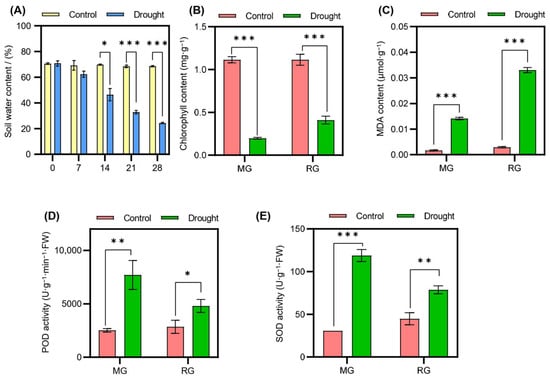
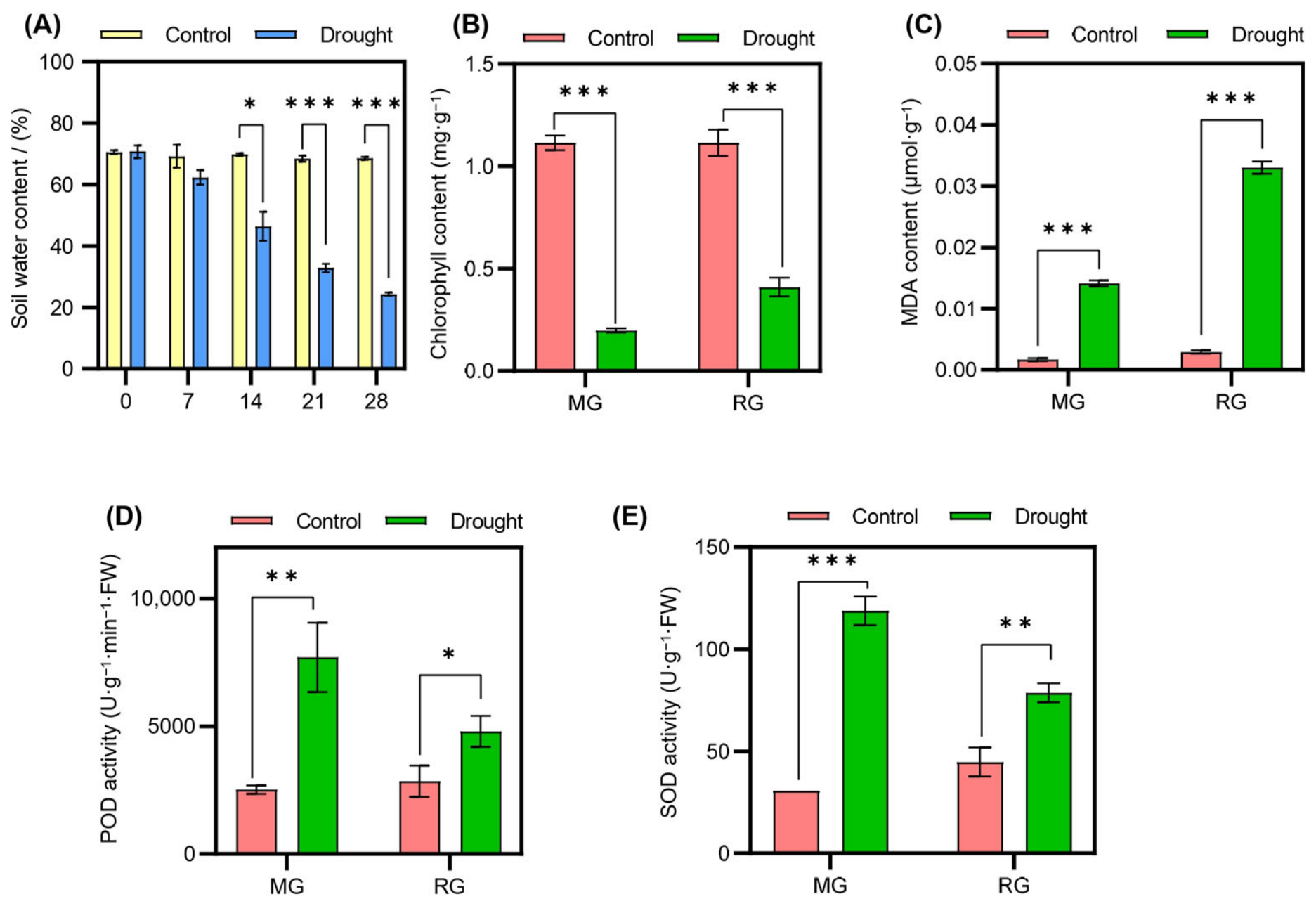
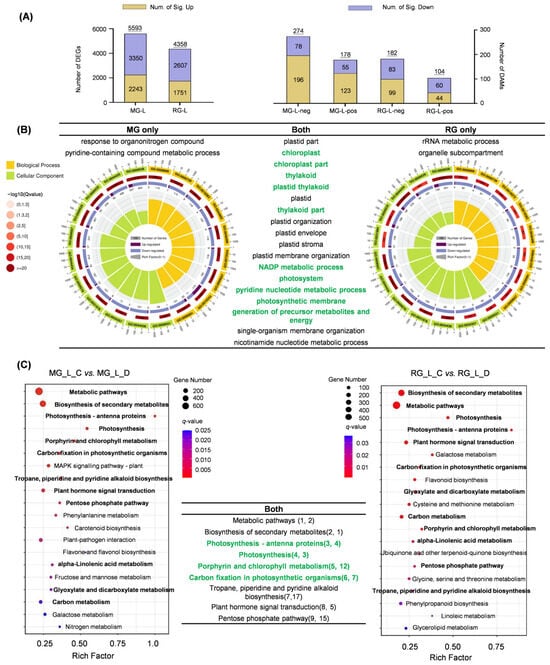
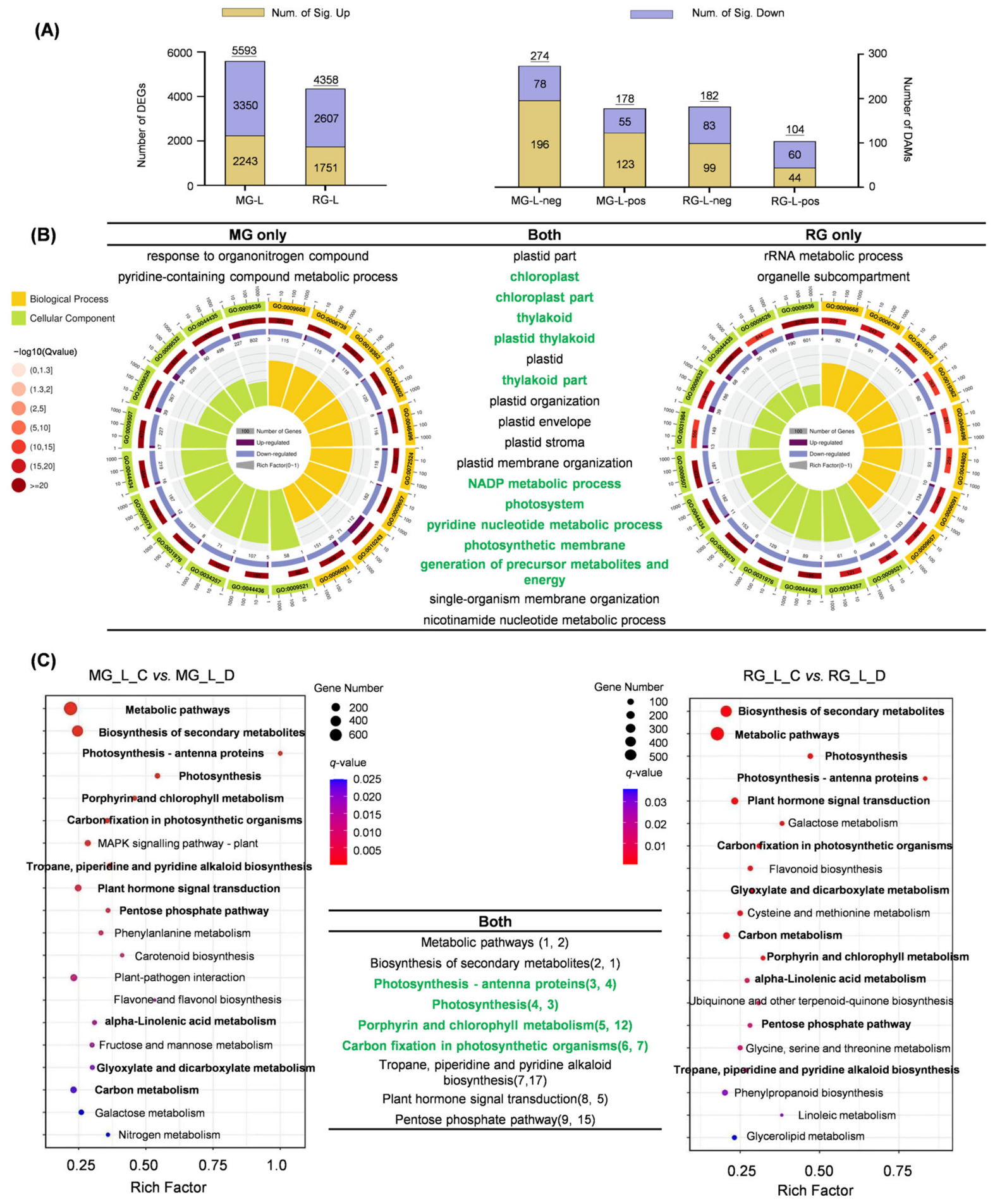
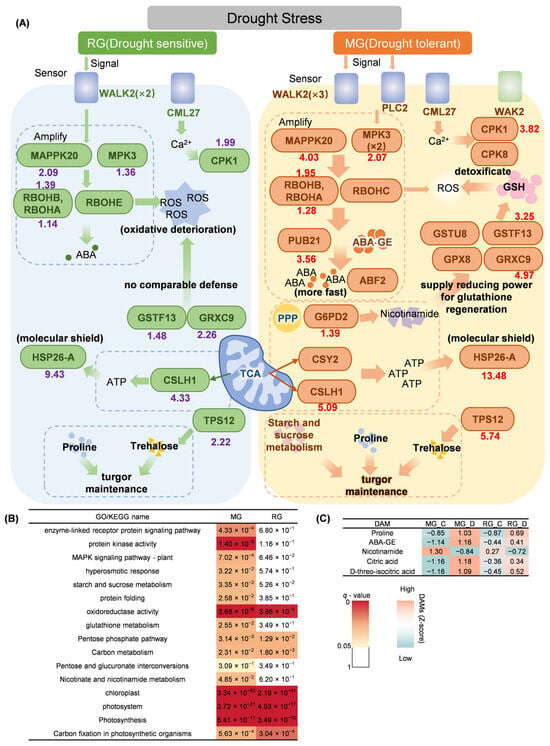
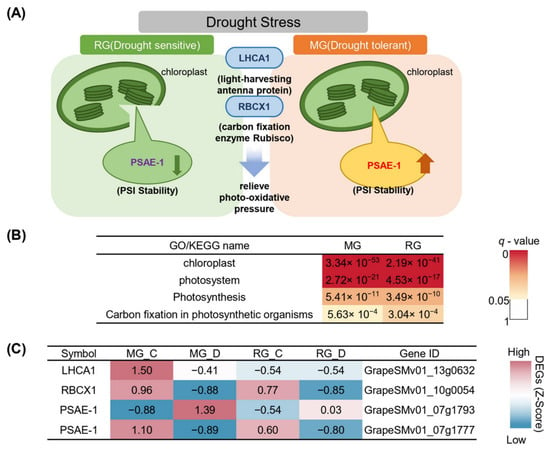
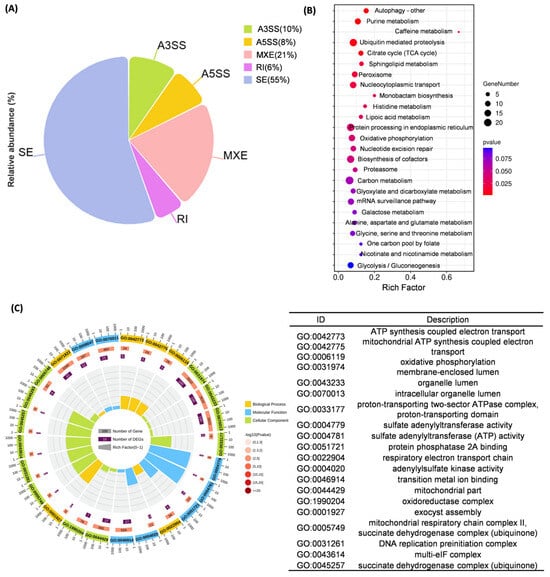
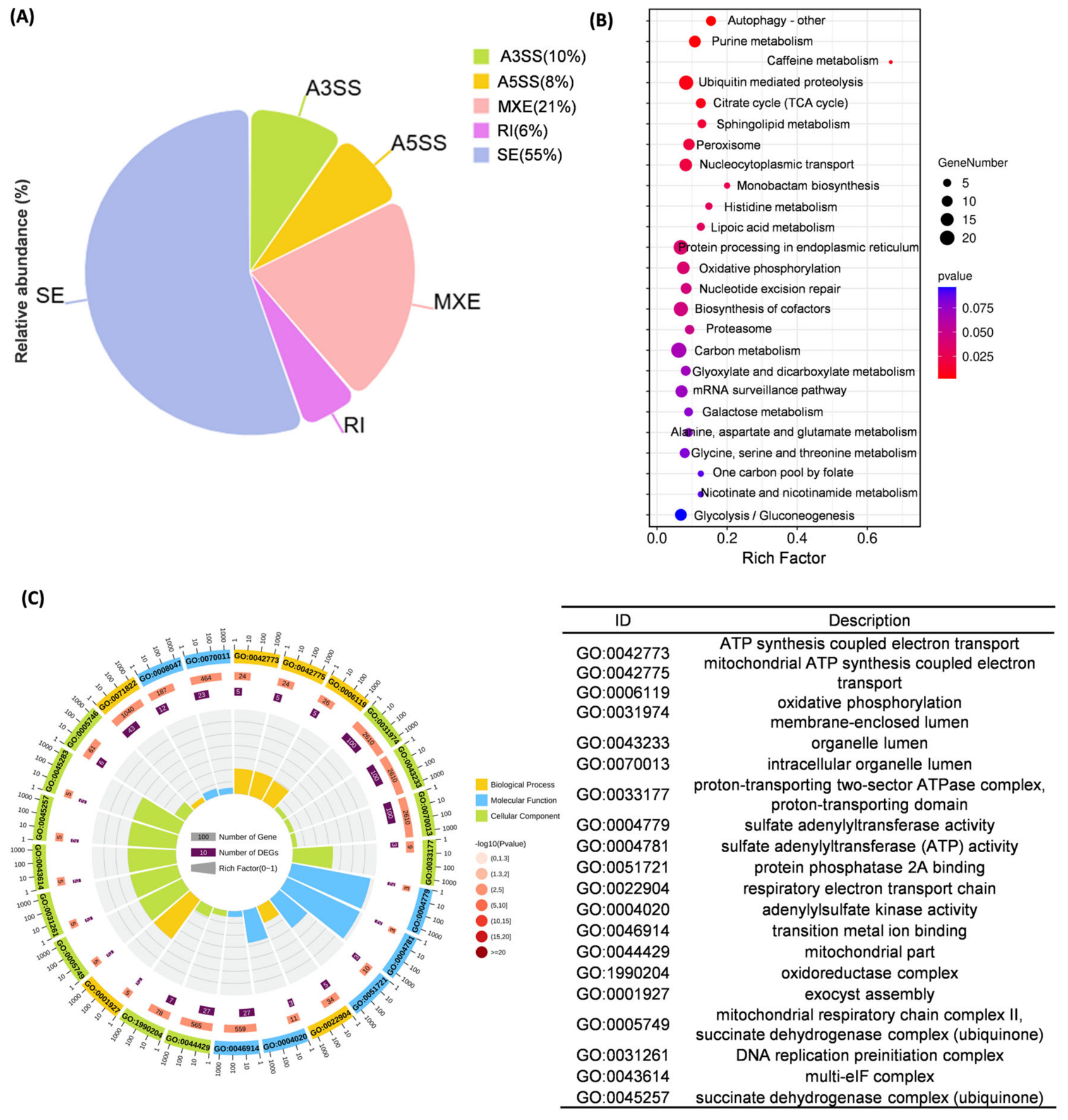
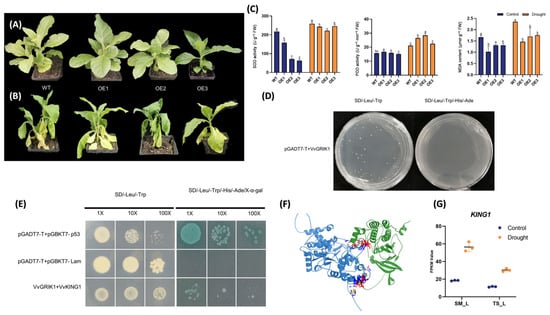
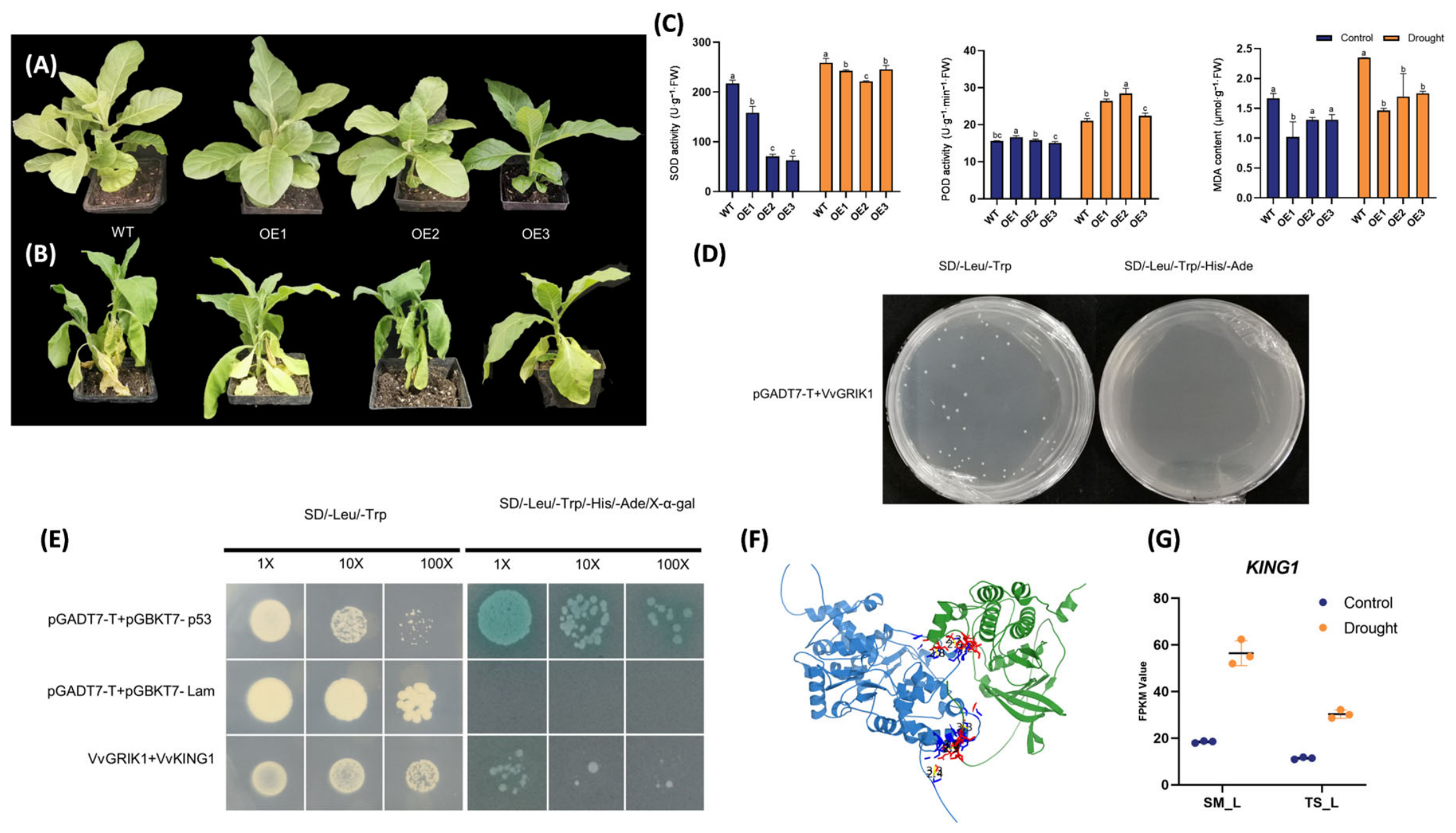
Disclaimer/Publisher’s Note: The statements, opinions and data contained in all publications are solely those of the individual author(s) and contributor(s) and not of MDPI and/or the editor(s). MDPI and/or the editor(s) disclaim responsibility for any injury to people or property resulting from any ideas, methods, instructions or products referred to in the content. |
© 2026 by the authors. Licensee MDPI, Basel, Switzerland. This article is an open access article distributed under the terms and conditions of the Creative Commons Attribution (CC BY) license.