1. Introduction
Potato (
Solanum tuberosum L.) is a major global crop, propagated vegetatively through seed tubers, a practice that promotes pathogen accumulation and yield decline over successive cycles. The production of disease-free planting material is therefore essential, with mini-tubers derived from in vitro plantlets representing the foundation of pre-basic seed systems [
1]. Aeroponic cultivation has emerged as an efficient platform for mini-tuber production, as it enhances root oxygenation, nutrient delivery, and sanitary control [
2]. However, the productivity of aeroponic systems is strongly governed by environmental regulation, particularly light, which controls both carbon assimilation and developmental signaling [
3].
Light acts not only as the energy source for photosynthesis but also as a central regulator of plant physiological processes through photoreceptor-mediated signaling [
4,
5]. In the context of climate change, increasing variability in light conditions and radiation quality further emphasizes the importance of light-driven regulatory mechanisms, as plants must continuously adjust to dynamic and suboptimal environments [
6]. Red (R) and blue (B) wavelengths are primarily absorbed by chlorophyll and drive photosynthetic electron transport, while also regulating stomatal conductance through phototropin activation and influencing chloroplast development via cryptochrome signaling [
7]. In contrast, far-red (FR) light modifies the red-to-far-red ratio perceived by phytochromes, shifting the balance between active and inactive forms and thereby altering gene expression, biomass allocation patterns, and developmental programs [
8]. These light-driven signaling networks integrate with metabolic pathways to determine the efficiency of carbon fixation and its subsequent distribution between source and sink organs [
9]. Previous studies have demonstrated that light spectral composition strongly influences plant architecture, photosynthetic efficiency, assimilate partitioning, and storage organ development in controlled environment agriculture [
10,
11,
12]. While balanced red and blue spectra are generally associated with enhanced photosynthetic performance and biomass accumulation, far-red light can modify photomorphogenic signaling related to growth regulation and physiological balance under modified spectral environments, source–sink relationships, and developmental signaling. However, these responses remain highly species- and environment-dependent, particularly under low-light greenhouse conditions where supplemental lighting contributes substantially to daily carbon gain.
In potato, tuber formation represents a strong sink-driven process that depends on both assimilate availability and hormonal regulation [
13]. Light quality can influence tuberization indirectly by modulating photosynthetic performance and directly through phytochrome-mediated control of growth regulation and assimilate partitioning processes [
14]. Although previous studies have shown that balanced red and blue spectra can enhance photosynthesis and biomass accumulation, and that far-red light influences developmental signaling and shade-avoidance responses, the extent to which these spectral effects regulate physiological coordination among photosynthesis, growth, and biomass partitioning in potato mini-tuber systems remains insufficiently resolved. In particular, limited information is available regarding how spectral composition simultaneously affects carbon assimilation, biomass allocation patterns, and mini-tuber formation under aeroponic low-light greenhouse conditions [
3]. Recent studies have further highlighted the importance of LED spectral regulation in controlling morphophysiological traits, biomass accumulation, nutritional quality, and stress responses under controlled environment cultivation. For example, recent work demonstrated that spectral composition can significantly influence photosynthetic performance, plant architecture, and product quality attributes under artificial lighting conditions, emphasizing the importance of optimizing light spectra according to crop-specific physiological responses and production objectives [
15]. These findings reinforce the growing interest in precision spectral management as a strategy to improve both productivity and crop quality in controlled environment agriculture.
This limitation is particularly critical under low-light greenhouse environments, where reduced irradiance constrains photosynthesis and alters source–sink relationships [
16]. Supplemental LED lighting provides an opportunity to manipulate spectral composition; however, the extent to which specific spectra regulate carbon assimilation versus biomass allocation patterns has not been clearly resolved in potato mini-tuber systems [
17]. Because the natural-light control differed from LED treatments in both light intensity and spectral composition, comparisons with the control primarily reflect the effects of supplemental lighting under low natural irradiance, whereas comparisons among LED treatments isolate spectral effects.
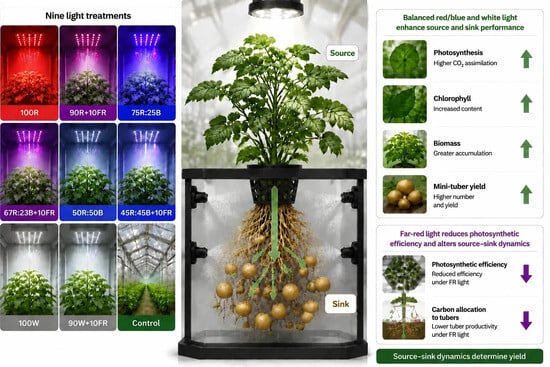
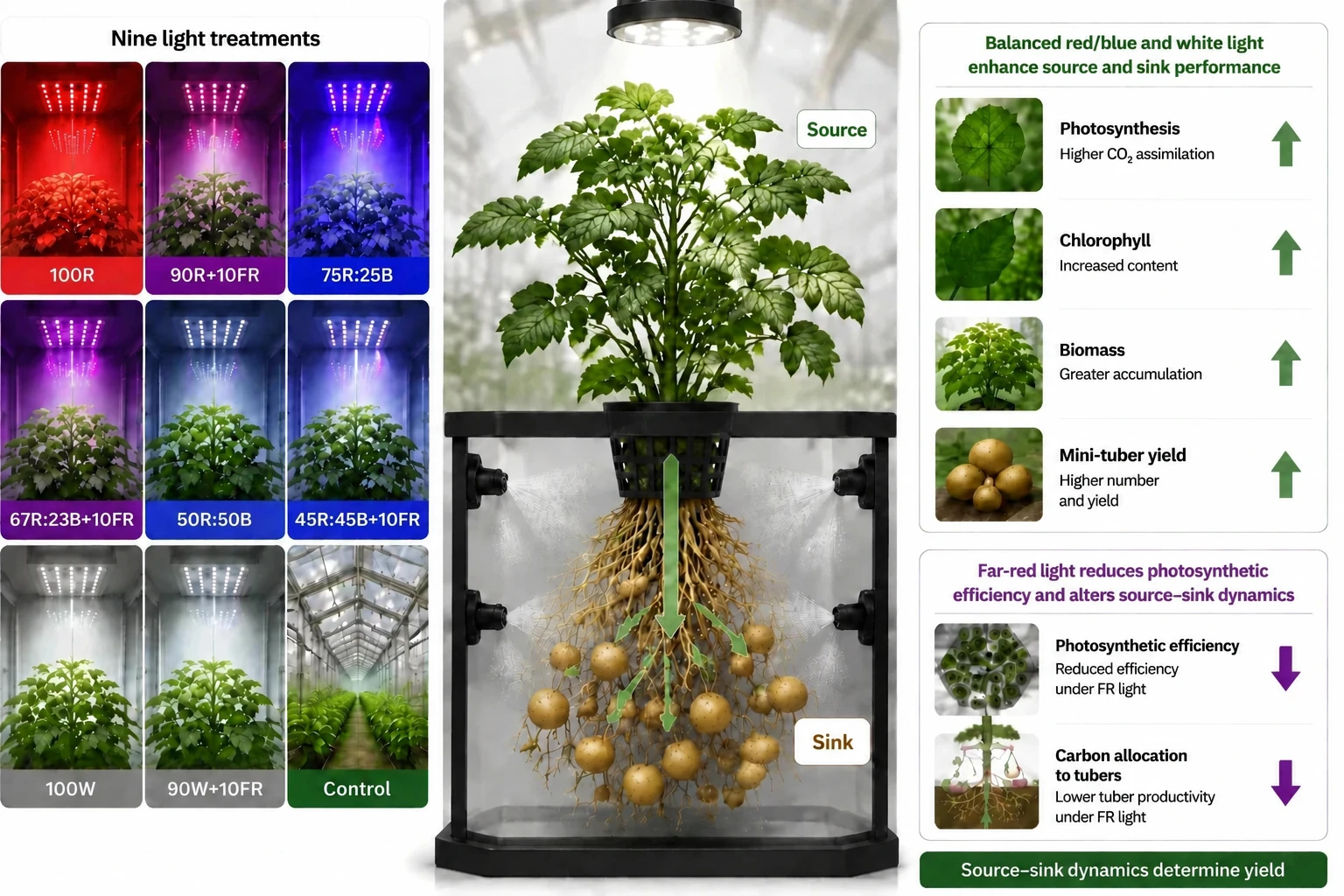
Therefore, the objectives of this study were twofold. First, to evaluate the effects of supplemental light quality, focusing on different red (R), blue (B), and white (W) combinations applied at a constant intensity, on physiological performance, growth, and mini-tuber production. Second, to assess the specific role of far-red (FR) light in modulating carbon assimilation and biomass allocation patterns in aeroponic potato. Emphasis was placed on identifying light-driven mechanisms linking photosynthetic performance with biomass distribution responses, providing a physiological framework for optimizing light management in controlled environment seed potato production. In the present study, source–sink relationships were evaluated indirectly through integrative physiological, biomass allocation, and productivity-related responses rather than through direct quantification of carbohydrate transport or assimilate fluxes. We hypothesized that: (i) balanced red–blue and white light spectra would enhance photosynthetic performance and mini-tuber productivity by improving stomatal regulation, photochemical efficiency, and carbon assimilation; and (ii) far-red light inclusion would alter source–sink relationships through phytochrome-mediated signaling, promoting biomass allocation toward elongation growth at the expense of biomass accumulation and mini-tuber yield.
2. Materials and Methods
2.1. Experimental Design, Plant Material, and Aeroponic System
The experiment was conducted in a research greenhouse at Shahrekord University (Shahrekord, Iran; 32°20′ N, 50°51′ E; 2070 m a.s.l.) using a completely randomized design with nine treatments and three replications. Treatments consisted of eight supplemental LED light spectra and a natural light control (
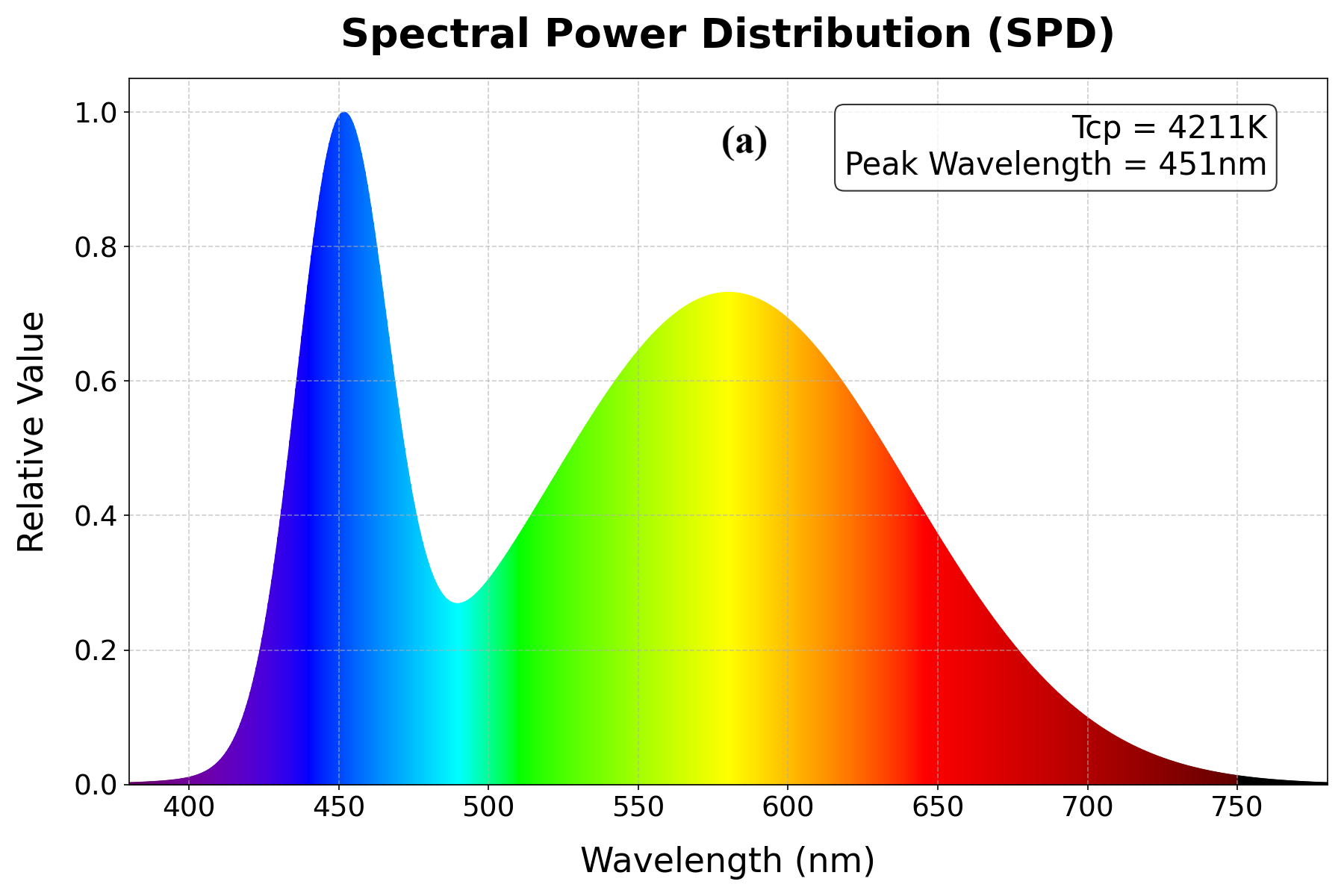
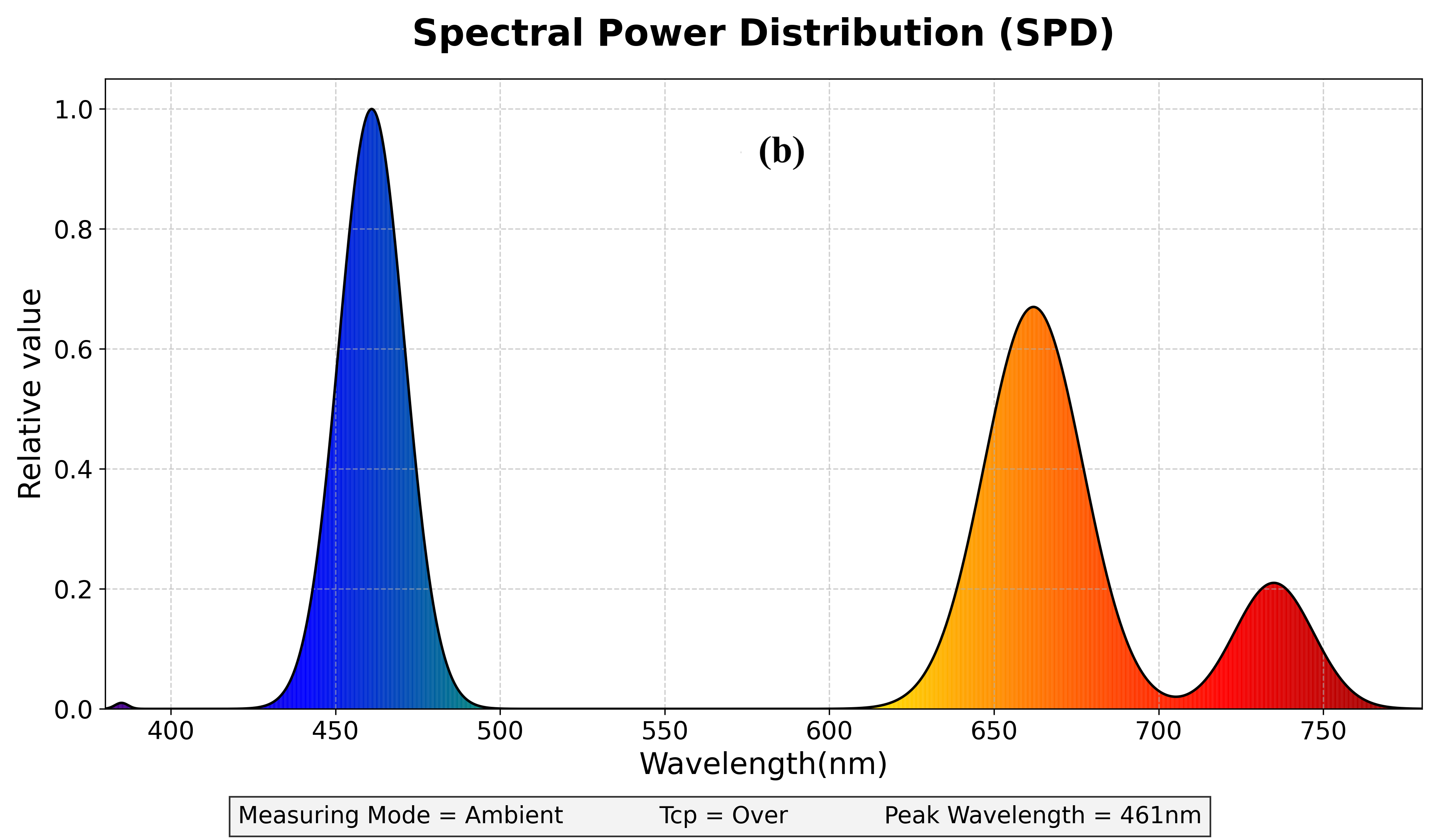
Table 1). Spectral treatments included combinations of red (R), blue (B), white (W), and far-red (FR) light. The spectral distributions of the light sources are presented in
Figure 1, while their key spectral characteristics, including peak wavelengths and emission ranges, are summarized in
Table 2. White light (W) exhibited a broad spectral distribution across the photosynthetically active radiation range (400–700 nm) and was therefore not characterized by a single peak wavelength (
Figure 1). To evaluate the role of FR, 10% of the total photon flux was allocated to FR in designated treatments, resulting in two groups: without FR and with FR (+FR). Thus, while total supplemental photon flux was maintained constant, FR inclusion reduced the proportion of PAR within the spectral distribution. Consequently, FR-containing treatments received approximately 90 μmol m
−2 s
−1 within the 400–700 nm PAR range and 10 μmol m
−2 s
−1 in the FR range, whereas non-FR treatments received 100 μmol m
−2 s
−1 entirely within the PAR range, without inclusion of far-red radiation.
LED fixtures were positioned 30 cm above the canopy and regularly adjusted to maintain a constant distance from the apical meristem. Supplemental LED treatments were applied at a constant intensity of 100 μmol m
−2 s
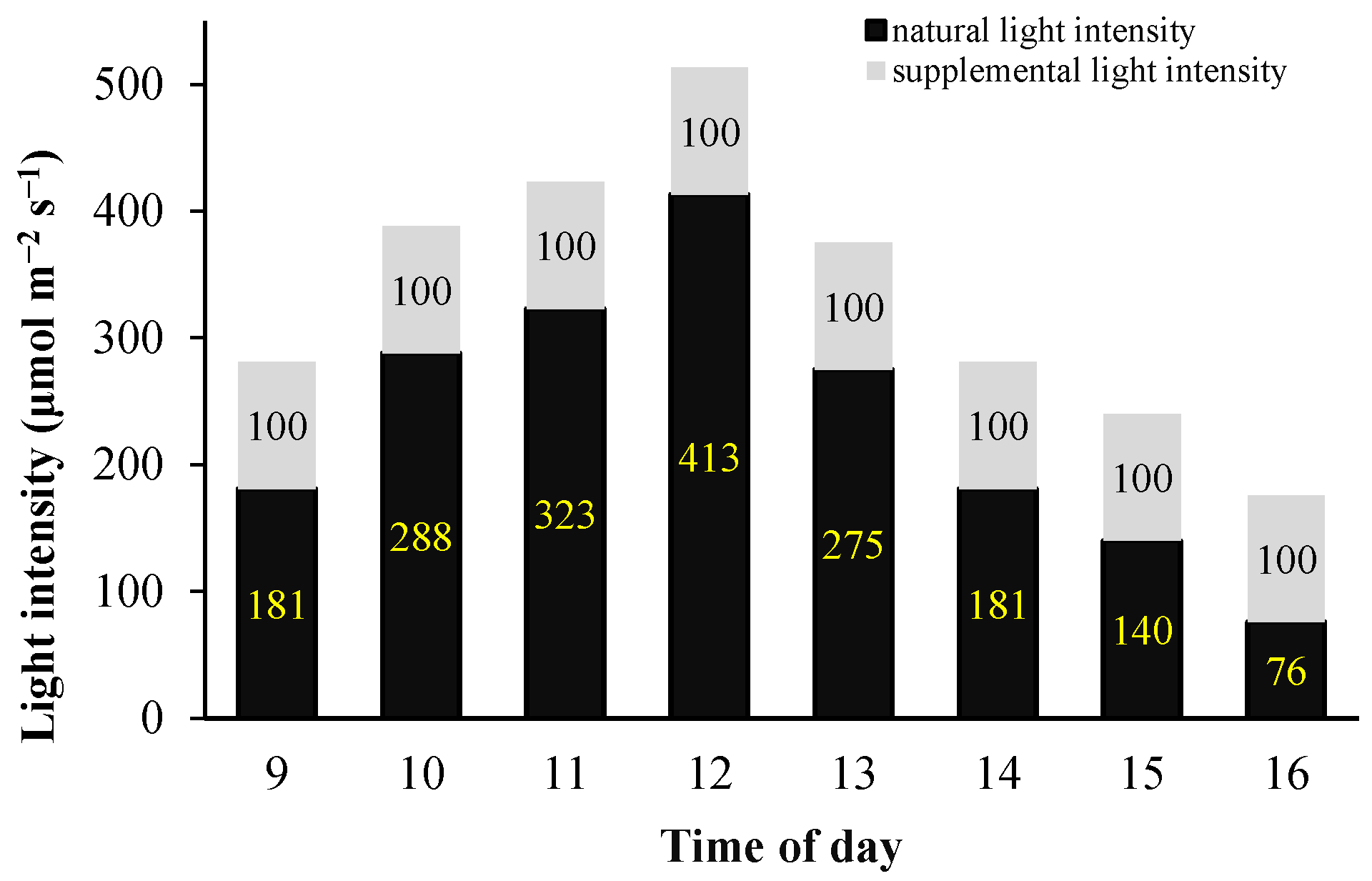
−1 across all spectral combinations, allowing the effects of spectral quality and FR inclusion to be evaluated under a constant supplemental light intensity. Supplemental light operated from sunrise to sunset (approximately 08:00–17:00 h) throughout the experimental period from December to March, a period characterized by low natural irradiance and reduced daylength, in order to partially compensate for sub-optimal daily light integral (DLI) conditions for potato growth (
Figure 2). Natural light intensity during the experimental period ranged between 76 and 413 μmol m
−2 s
−1 (mean approximately 220 ± 90 μmol m
−2 s
−1;
Figure 2). Based on the applied intensity and photoperiod, supplemental lighting contributed approximately 3.6 mol m
−2 d
−1, representing about 25–35% of the total DLI during the experimental period.
Virus-free in vitro plantlets of potato (
S. tuberosum L. cv. Agria), a widely cultivated and high-yielding cultivar commonly used in seed potato production systems due to its stable growth performance and strong tuberization capacity, were obtained from the Agricultural and Natural Resources Research Center of Ardabil (Khorramabad, Iran; 33°29′ N, 48°21′ E; 1147 m a.s.l.). After acclimatization, plantlets were transferred to a semi-closed aeroponic system. The aeroponic system was selected due to its ability to enhance root oxygenation, improve nutrient use efficiency, and promote uniform and enhanced mini-tuber production compared to substrate-based systems. A schematic representation of the aeroponic system and experimental setup is provided in
Supplementary Figure S1.
The aeroponic units measured 1.2 m in height, 1 m in width, and 9 m in length, and the root zone was maintained in darkness using opaque covers to prevent light-induced inhibition of tuber formation. Plants were spaced at 20 × 25 cm, corresponding to a density of 20 plants m−2, a density selected to optimize canopy light interception while minimizing canopy shading and inter-plant competition, while ensuring adequate airflow and disease control under aeroponic conditions.
Greenhouse environmental conditions were maintained at 23 ± 2 °C during the day, 17 ± 1 °C at night, and 50–70% relative air humidity. A misting system delivered nutrient solution every 5 min for 15 s throughout the light period (08:00–17:00 h), using 30 μm nozzles. This intermittent misting regime ensured continuous root hydration and oxygen availability without inducing hypoxic conditions.
The nutrient solution had an electrical conductivity of 1.2 dS m−1 and pH 5.8 and contained (mg L−1): 120 nitrogen (N), 31 phosphorus (P), 210 potassium (K), 120 calcium (Ca), 24 magnesium (Mg), 48 sulfur (S), 1.8 iron (Fe), 0.5 manganese (Mn), 0.3 zinc (Zn), 0.2 boron (B), 0.1 copper (Cu), and 0.05 molybdenum (Mo). The nutrient solution was prepared using analytical-grade fertilizers (e.g., Ca(NO3)2, KNO3, KH2PO4, MgSO4) and micronutrient salts. These concentrations were selected to provide a balanced nutrient supply tailored to potato growth under aeroponic conditions, supporting both vegetative development and tuber formation while minimizing the risk of nutrient limitations or toxicities.
The solution was monitored daily, replaced weekly, and the returned nutrient solution was disinfected using ultraviolet (UV) radiation (peak wavelength approximately 254 nm) to prevent microbial contamination and maintain system hygiene.
2.2. Chlorophyll Fluorescence Measurements
Chlorophyll fluorescence was measured to evaluate the photochemical efficiency and functional status of photosystem II (PSII). Measurements were performed on fully expanded, healthy leaves located at the upper canopy (3rd leaf from the apex) of three plants per replicate, consistent with gas exchange measurements. Specifically, measurements were taken on the terminal leaflet of the selected compound leaf, at the central lamina region midway between the midrib and the leaf margin, avoiding major veins to ensure consistent optical properties and reliable fluorescence measurements. Prior to measurement, leaves were dark-adapted for 30 min using light-exclusion clips to ensure complete oxidation of PSII reaction centers.
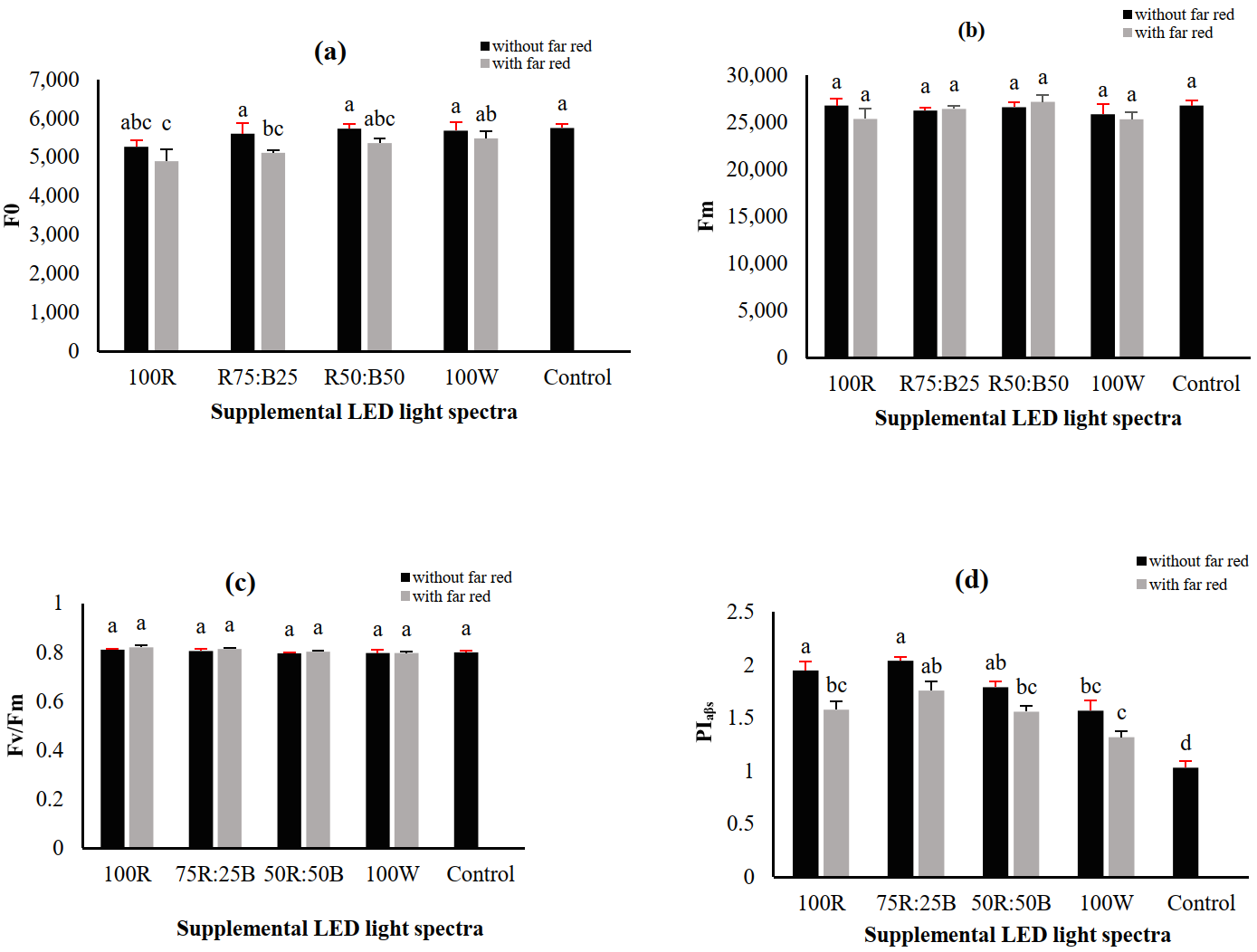
Fluorescence measurements were conducted using a portable pulse-amplitude modulated (PAM) fluorometer (Mini-PAM-II, Walz, Germany) under controlled conditions. Minimum fluorescence (F0) was recorded under weak modulated light, followed by application of a saturating light pulse of 3000 μmol photons m−2 s−1 for 1 s to determine maximum fluorescence (Fm). No actinic light was applied during dark-adapted measurements. Variable fluorescence (Fv) was calculated as Fm − F0, and the maximum quantum efficiency of PSII photochemistry was expressed as Fv/Fm. In addition, the performance index on an absorption basis (PIaβs), an integrative parameter reflecting energy conservation from photon absorption to electron transport processes, was calculated according to the standard JIP-test protocol.
Measurements were performed four days prior to destructive growth analysis on the same plants. All measurements were conducted during the morning period (09:00–11:00 h) to minimize diurnal variation and ensure comparability among treatments [
18]. For each treatment, three biological replicates were assessed, with three plants per replicate and one leaf measured per plant. Plant-level measurements within each replicate were treated as subsamples and averaged prior to statistical analysis. Therefore, the replicate unit, rather than the individual plant, was considered the true experimental unit (
n = 3).
2.3. Gas Exchange Measurements
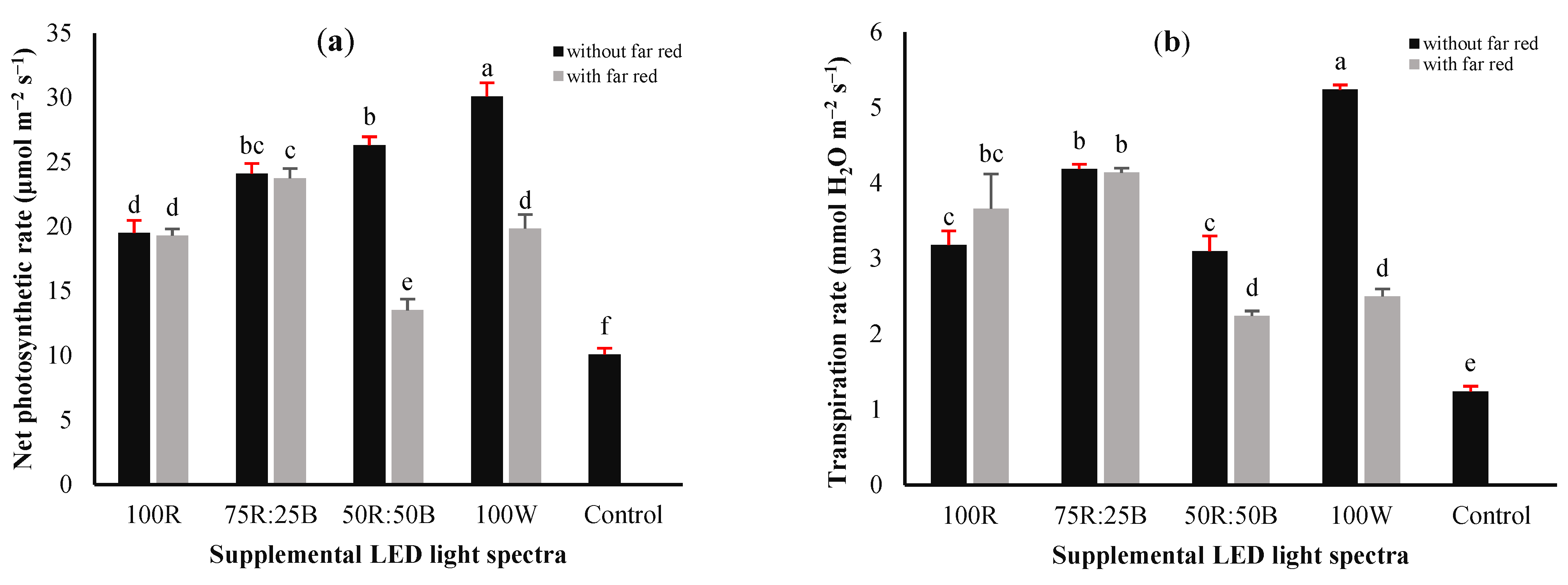
Net photosynthetic rate (Pn) and transpiration rate (Tr) were measured using a portable photosynthesis system (CI-340, CID Bio-Science, Camas, USA). Measurements were performed on fully expanded, healthy leaves located at the upper canopy (3rd leaf from the apex) of three plants per replicate to ensure uniform physiological status.
Measurements were carried out under ambient greenhouse conditions. However, care was taken to ensure that measured leaves remained fully exposed to their respective light treatments during measurement. The leaf chamber conditions were allowed to stabilize prior to recording, and steady-state values were logged after approximately 60–90 s. The photosynthetic photon flux density (PPFD) incident on the measured leaf corresponded to the treatment-specific light environment (natural plus supplemental light), while air temperature (23 ± 0.1 °C), relative air humidity (60 ± 1%), and CO2 concentration (380 ± 15 μmol mol−1) remained close to ambient greenhouse conditions. Therefore, gas exchange measurements reflected both intrinsic physiological responses and the instantaneous treatment-specific light conditions during measurement, rather than intrinsic photosynthetic capacity under fully standardized chamber conditions. The system was calibrated prior to measurements according to the manufacturer’s instructions.
Gas exchange measurements were conducted during the morning period (09:00–11:00 h) to minimize diurnal variation and avoid midday stomatal limitations. Measurements were performed on representative clear-sky days characterized by relatively stable greenhouse environmental conditions in order to minimize short-term fluctuations in irradiance and environmental variability among treatments. In addition, the order of treatment measurements was varied among measurement days to minimize potential temporal bias. Three gas exchange apparatuses were operated simultaneously, allowing measurements across treatments to be completed within a narrow temporal window and ensuring comparable physiological assessment among light treatments. The measurements were intended primarily to provide comparative physiological responses among treatments rather than estimates of integrated daily carbon assimilation. Measurements were performed four days prior to destructive growth analysis on the same plants used for chlorophyll fluorescence assessment. The same leaf area previously marked for fluorescence measurements was used to ensure direct comparability between physiological parameters.
For each leaf, multiple readings were taken and averaged to obtain a representative value. Data were expressed on a leaf area basis (μmol CO2 m−2 s−1 for Pn and mmol H2O m−2 s−1 for Tr). For each treatment, three biological replicates were assessed, with three plants per replicate and one leaf measured per plant. Plant-level measurements within each replicate were treated as subsamples and averaged prior to statistical analysis. Therefore, the replicate unit, rather than the individual plant, was considered the true experimental unit (n = 3).
2.4. Chlorophyll Content Determination
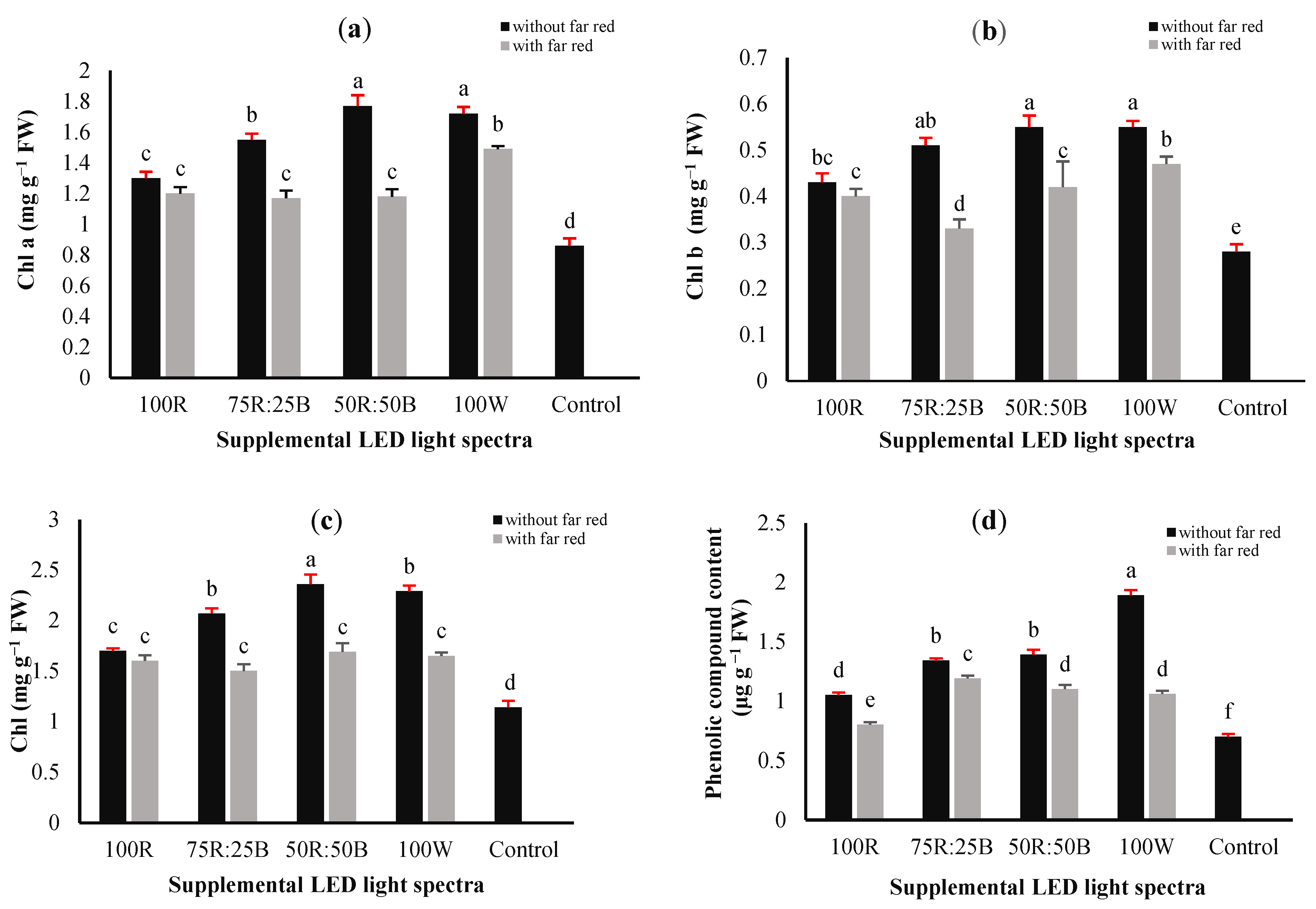
Chlorophyll a (Chl a), chlorophyll b (Chl b), and total chlorophyll (Chl) contents were determined spectrophotometrically following solvent extraction. Measurements were performed one day prior to destructive growth analysis, during the morning period (09:00–11:00 h), to ensure consistency with gas exchange and chlorophyll fluorescence measurements and to minimize diurnal variation.
Leaf samples were collected from fully expanded, healthy leaves located at the upper canopy (3rd leaf from the apex) of three plants per replicate. Specifically, disks were excised from the terminal leaflet at the central lamina region, midway between the midrib and the leaf margin, avoiding major veins to ensure uniform pigment extraction. Samples were immediately processed to minimize pigment degradation.
Chlorophyll pigments were extracted in 80% (
v/
v) acetone, followed by centrifugation to remove debris. Absorbance of the supernatant was measured at 663 nm and 647 nm using a UV–Vis spectrophotometer (PerkinElmer Lambda 25, Waltham, USA). Chlorophyll concentrations were calculated according to the equations of Lichtenthaler [
19]:
Chlorophyll content was expressed on a fresh weight basis (mg g−1 FW). For each treatment, three biological replicates were assessed, with three plants per replicate and one leaf measured per plant. Plant-level measurements within each replicate were treated as subsamples and averaged prior to statistical analysis. Therefore, the replicate unit, rather than the individual plant, was considered the true experimental unit (n = 3).
2.5. Phenolic Compounds Analysis
Total phenolic compounds were determined using high-performance liquid chromatography (HPLC). Measurements were performed one day prior to destructive growth analysis, during the morning period (09:00–11:00 h), to ensure consistency with gas exchange, chlorophyll fluorescence, and chlorophyll content measurements and to minimize diurnal variation.
Leaf samples were collected from fully expanded, healthy leaves located at the upper canopy (3rd leaf from the apex) of three plants per replicate. Specifically, tissue was excised from the terminal leaflet at the central lamina region, midway between the midrib and the leaf margin, avoiding major veins to ensure uniform sampling. Samples were immediately processed to minimize oxidation and phenolic degradation.
Phenolic compounds were extracted using 80% (
v/
v) methanol, followed by centrifugation and membrane filtration (0.45 μm) prior to analysis. The extracts were analyzed using an HPLC system (Shimadzu Nexera series, Kyoto, Japan) equipped with a C18 reverse-phase column [
20]. Separation was achieved using a gradient elution with solvent A (water with 0.1% formic acid) and solvent B (acetonitrile with 0.1% formic acid), starting at 5% B, increasing to 40% B over 30 min, then to 90% B at 35 min, followed by re-equilibration to initial conditions. The flow rate was set at 1.0 mL min
−1, and the column temperature was maintained at 30 °C.
Detection was performed using a UV detector at 280 nm and 320 nm to target different classes of phenolic compounds. Individual phenolic compounds, including rutin, chlorogenic acid, caffeic acid, gallic acid, coumaric acid, tannic acid, and related derivatives, were identified and quantified based on retention times and calibration curves of authentic standards. Total phenolic content was calculated as the sum of the identified compounds and expressed on a fresh weight basis (μg g−1 FW). For each treatment, three biological replicates were assessed, with three plants measured within each replicate as subsamples and averaged prior to statistical analysis. Therefore, the replicate unit, rather than the individual plant, was considered the true experimental unit (n = 3).
2.6. Growth and Mini-Tuber Yield Measurements
Growth and yield parameters were assessed to evaluate plant development and productivity under different light treatments. Growth parameters were measured at an intermediate developmental stage when vegetative development had stabilized, whereas yield parameters were assessed at full maturity to capture complete tuberization dynamics. Growth measurements were performed 80 days after transplanting, while mini-tuber yield was monitored throughout the experimental period and finalized at harvest (120 days after transplanting). The different timing reflects the fact that vegetative growth parameters reach a relatively stable stage earlier in the crop cycle, whereas mini-tuber formation and bulking are dynamic processes that continue until the end of the cultivation period.
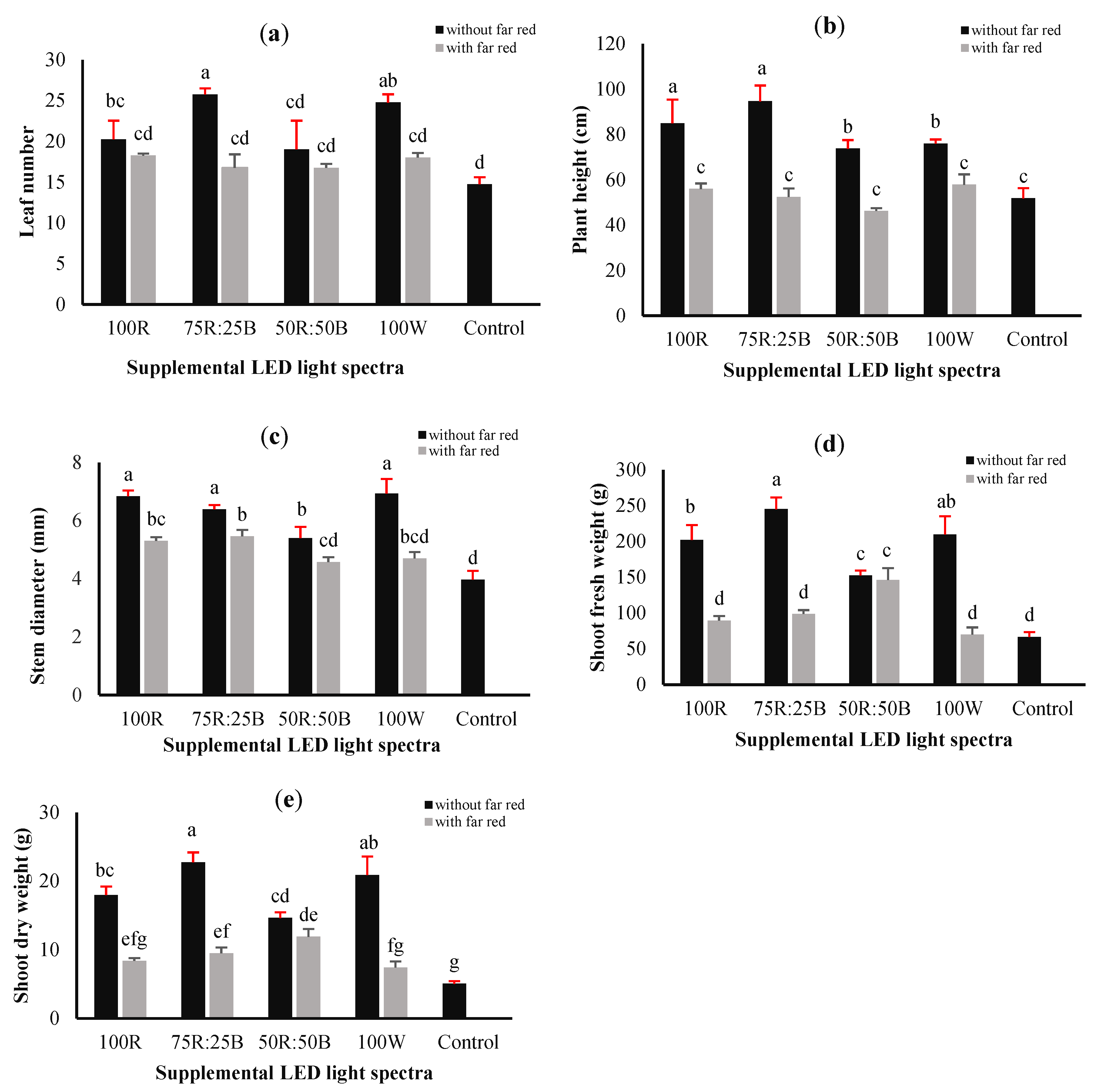
Growth parameters included plant height, stem diameter, leaf number, total leaf area, and shoot fresh and dry weight. Plant height was measured from the base to the apical meristem, and stem diameter was determined at the midpoint of the main stem using a digital caliper. Leaf number was recorded by counting fully expanded leaves. Leaf area was measured using image analysis [
21]. Shoot fresh weight was recorded immediately after harvest, and dry weight was determined after oven-drying samples at 60 °C until constant weight.
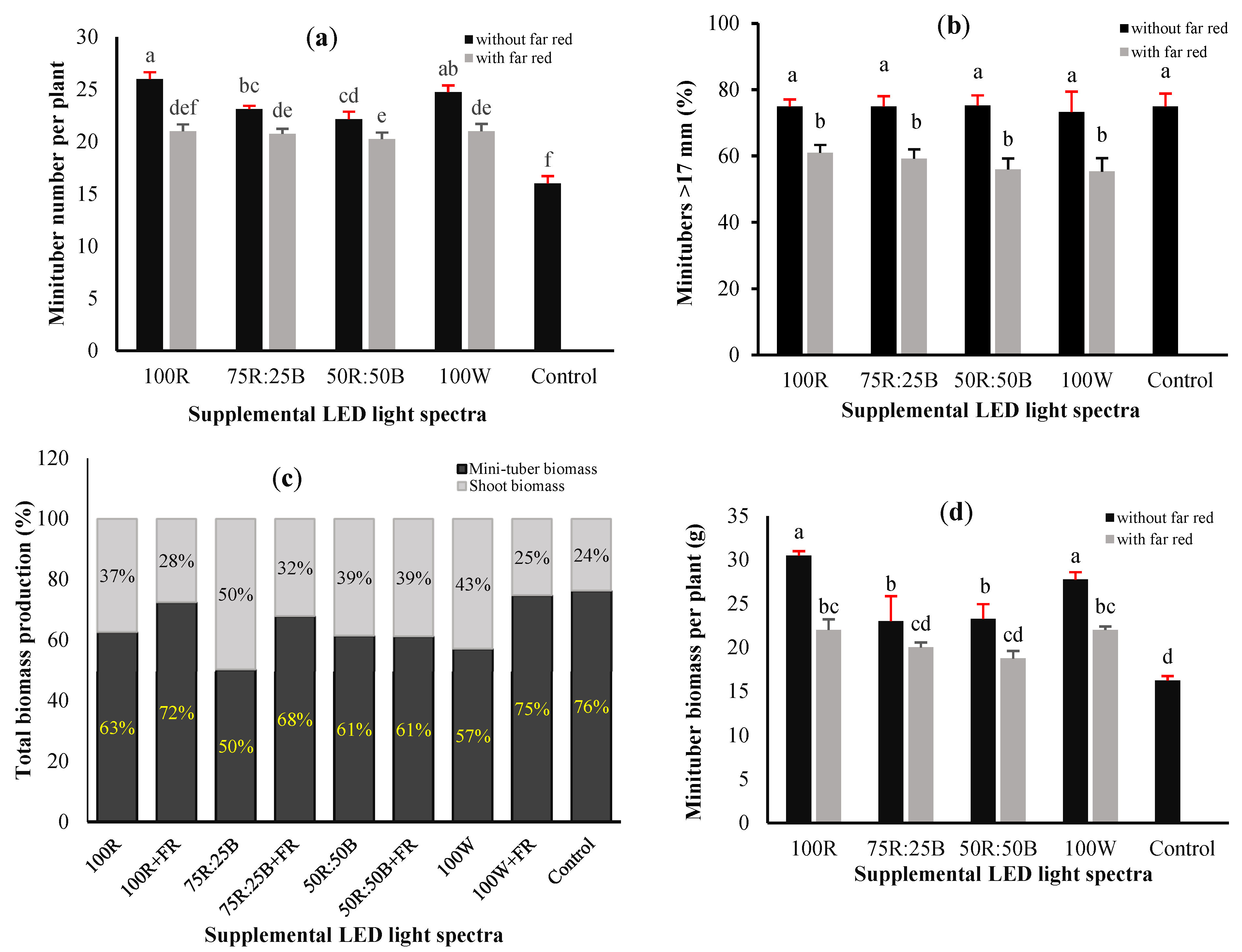
Mini-tuber formation was first observed 55 days after transplanting. Tubers within the size range of 20–25 mm were harvested daily to avoid overgrowth and to standardize yield assessment, as this size class corresponds to commercially relevant pre-basic seed tubers and allows consistent comparison of tuber number across treatments. At the end of the experimental period (120 days after transplanting), all remaining tubers were harvested regardless of size.
Yield parameters included the total number of mini-tubers per plant, as well as the fresh and dry weight of mini-tubers. Mini-tuber dry weight was determined after slicing and oven-drying at 60 °C until constant weight. Biomass allocation was expressed as the percentage contribution of shoot and mini-tuber biomass to total plant biomass. All measurements followed a hierarchical sampling structure in which three biological replicates were used per treatment, with three plants per replicate treated as subsamples and averaged prior to statistical analysis; thus, the replicate was considered the experimental unit (n = 3).
2.7. Statistical Analysis
All data were analyzed using one-way analysis of variance (ANOVA) based on a completely randomized design (CRD). Although the experimental treatments included combinations of basal spectral composition and far-red (FR) inclusion, the experimental structure did not constitute a fully orthogonal factorial design due to the inclusion of a non-LED natural-light control and the absence of a FR-equivalent control treatment. Therefore, one-way ANOVA was used for the primary analysis of the complete dataset. However, because the LED treatments alone formed a balanced factorial structure, a supplementary two-way ANOVA was conducted on the LED subset, based on spectral base × far-red (FR) inclusion.
For each treatment, three independent biological replicates were used for statistical analysis. Within each replicate, three plants were evaluated as subsamples, and their values were averaged prior to ANOVA. Thus, the replicate was considered the experimental unit, with individual plants treated as subsamples to avoid pseudoreplication. Prior to analysis, all datasets were tested for normality and homogeneity of variances using the Shapiro–Wilk and Levene’s tests, respectively. When necessary, data were log- or square-root-transformed to satisfy ANOVA assumptions.
When significant treatment effects were detected, means were separated using Tukey’s honestly significant difference (HSD) test at p ≤ 0.05. Results are presented as mean values ± standard error (SE) of three biological replicates (n = 3). All primary and supplementary statistical analyses were performed using Minitab software (Minitab V21 Inc., USA). Graphs were generated using Microsoft Excel and subsequently formatted for publication-quality presentation.
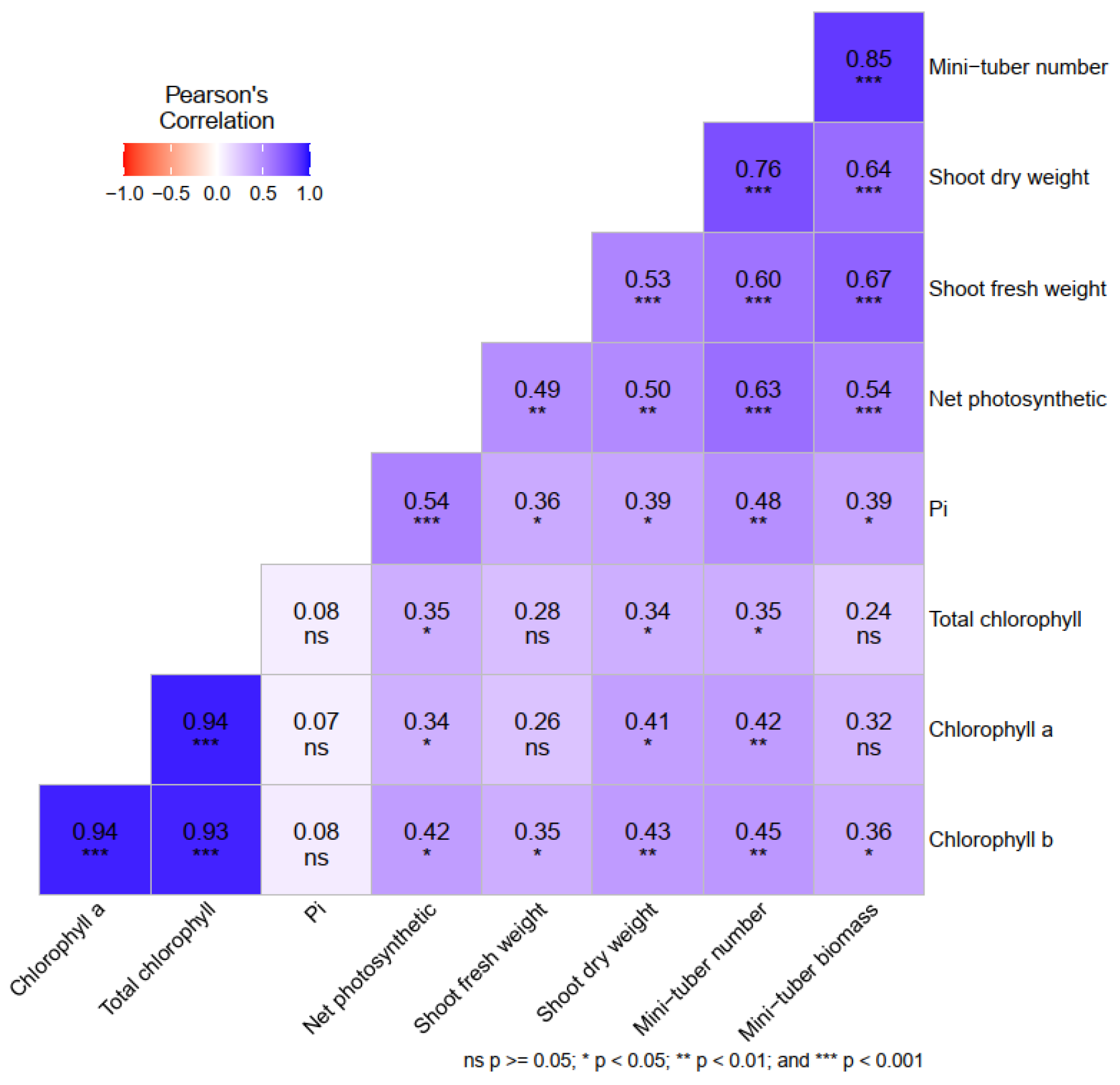
To complement the primary statistical analysis and provide targeted validation of key physiological and productivity-related responses, supplementary analyses were performed on five representative response variables: net photosynthetic rate (P
n), performance index on absorption basis (PI
aβs), total plant biomass, mini-tuber biomass, and plant height. These variables were selected because they represent the major functional domains of plant response, including photosynthetic performance, photochemical efficiency, vegetative growth, and yield formation, thereby providing an integrative assessment of light-driven physiological regulation. Two-way ANOVA (4 × 2) was applied to LED-only treatments to evaluate the effects of spectral base, far-red (FR) inclusion, and their interaction (
Supplementary Table S1), while Dunnett’s test was used to compare each LED treatment against the natural-light control (
Supplementary Table S2). In addition, independent samples
t-tests were conducted to assess differences between FR-containing and FR-free treatments within each spectral base (
Supplementary Table S3).
The analytical framework was predefined to reflect the hierarchical experimental structure, with primary inference based on the completely randomized design (CRD) and confirmatory factorial decomposition applied to LED treatments to disentangle spectral base and far-red effects.
5. Conclusions
Light spectral composition strongly influenced photosynthetic performance, biomass distribution patterns, and mini-tuber production in aeroponic potato. In addition, increasing light intensity through supplemental lighting significantly enhanced photosynthetic performance, plant growth, and yield under low-light conditions. White light (100W) and balanced red–blue spectra (75R:25B and 50R:50B) enhanced photosynthetic performance, plant growth, and yield, whereas far-red (FR)-containing treatments were associated with reduced photosynthetic performance and biomass accumulation despite promoting elongation growth.
White and balanced red–blue spectra were associated with higher photosynthetic performance, biomass accumulation, and mini-tuber yield, whereas FR-containing spectra promoted elongation and reduced yield under the tested conditions.
Overall, these results suggest that optimizing light spectra to maximize photosynthetic performance is important for improving aeroponic mini-tuber production, while ensuring sufficient light availability to sustain biomass accumulation and yield, with white and balanced red–blue light providing the most effective strategy under the tested conditions. These conclusions apply specifically to S. tuberosum L. cv. Agria grown under the low-light greenhouse and aeroponic conditions was evaluated in the present study.