Article

Bioactive Compounds of Aqueous and Ethanol Extracts of Nance (Byrsonima crassifolia) and Their Bioactivity Against Selected Pathogenic Bacteria

by
Renata Pamela Patiño-Hernández
1,
Jose Irving Valdez-Miranda
2,
Raúl Eduardo López-Hernández
2,
Diana Maylet Hernández-Martínez
1,
Graciela Castro-Escarpulli
3,
Andres Saldaña-Padilla
3,
Gustavo F. Gutiérrez-López
2,
Patricia Rosales-Martínez
1 and
Maribel Cornejo-Mazón
1,*
1
Departamento de Biofísica, Escuela Nacional de Ciencias Biológicas, Instituto Politécnico Nacional, Carpio y Plan de Ayala S/N, Unidad Santo Tomás, Ciudad de México 11340, Mexico
2
Departamento de Ingeniería Bioquímica, Escuela Nacional de Ciencias Biológicas, Instituto Politécnico Nacional, Carpio y Plan de Ayala S/N, Unidad Santo Tomás, Ciudad de México 11340, Mexico
3
Departamento de Microbiología, Escuela Nacional de Ciencias Biológicas, Instituto Politécnico Nacional, Carpio y Plan de Ayala S/N, Unidad Santo Tomás, Ciudad de México 11340, Mexico
*
Author to whom correspondence should be addressed.
Horticulturae 2026, 12(5), 616; https://doi.org/10.3390/horticulturae12050616 (registering DOI)
Submission received: 24 April 2026 / Revised: 14 May 2026 / Accepted: 14 May 2026 / Published: 15 May 2026

Abstract

Nance fruits are produced worldwide in small cultivars and are valued for their characteristic aroma, flavor, and rich vitamins and fiber, as well as for their antioxidant characteristics. The use of herbal infusions in various communities is common, and considerable knowledge behind such usage remains empirical. In this work, we investigated the bioactive profile of nance fruit pulp water and ethanol extracts obtained at various temperatures, as well as their feasibility to inhibit selected pathogenic bacteria strains and biofilm formation. The extracts showed a significant content of vitamin C that increased from 11 to 17 mg/100 mL when temperatures rose to 75–90 °C. Antioxidant capacity by DPPH• and ABTS•+ also increased with extraction temperature (75–90 °C), and phenolic compounds correspondingly depicted maximum values of 8.0 and 11.2 mg GAE/100 mL at the same temperatures. The higher values of bioactive compounds and antioxidant capacity at high extraction temperatures was possibly due to the disruption of cell walls and membranes at these temperatures that allowed for the release of bioactive compounds. Fourier transform infrared spectroscopy bands indicated that the aqueous extracts of nance pulp contained a combination of hydroxyl, amide, and methylene functional groups, demonstrating the coexistence of phenolic compounds, amino acids, and lipids, which supported the presence of molecules with potential biological activity. Inhibition of microbial growth by aqueous extracts obtained at 20 °C was observed against S. aureus and P. aeruginosa, and none of the extracts prevented biofilm formation against S. aureus.

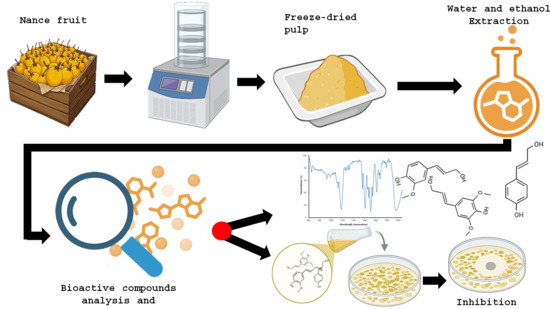
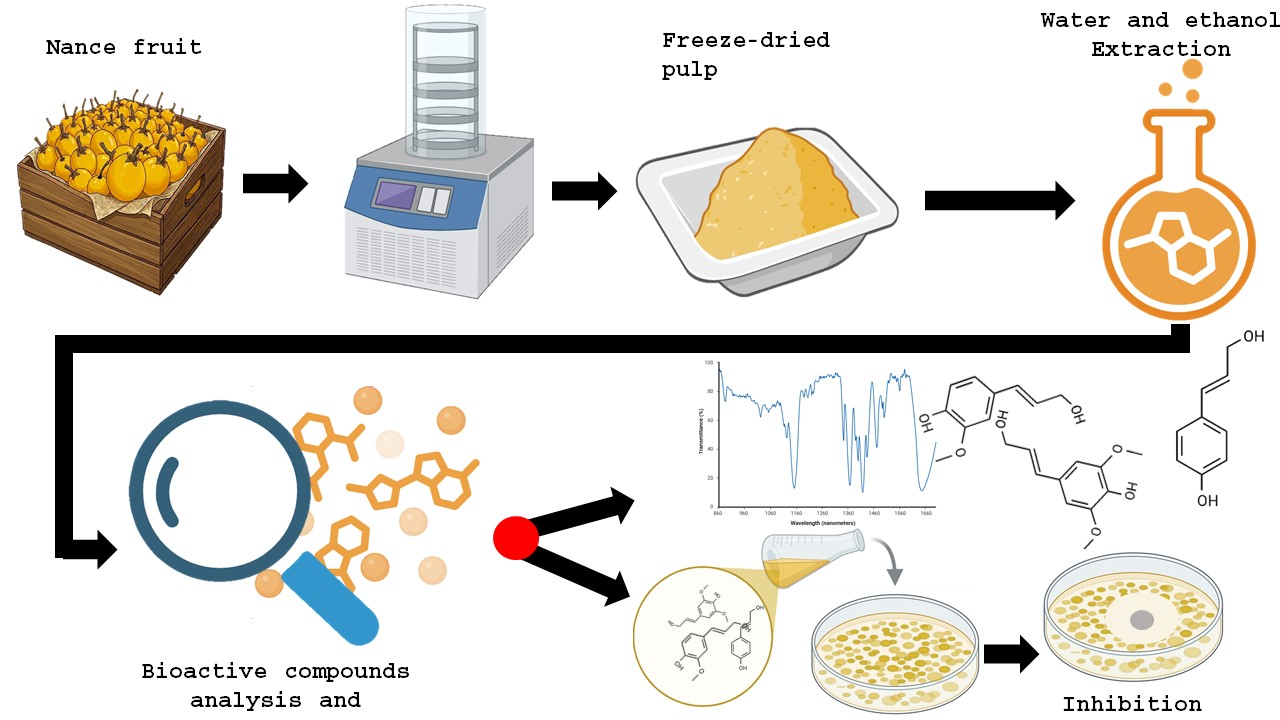
Graphical Abstract

1. Introduction

Nance (Byrsonima crassifolia) trees grow in the wild or in relatively small cultivars in various locations worldwide in hot, tropical and subtropical climates [1]. Their fruits are small, thin-skinned, and oily, with a creamy pulp and a yellow-orange color when ripe. They measure 1–2 cm in diameter and have 1–3 seeds per fruit, and are valued due to their distinctively acid, sweet–sour flavor and overall characteristic aroma and flavor profile. Also, the fruit’s pulp is recognized for being rich in vitamin C, antioxidants, and fiber [2]. The most traditional way to consume this fruit is by directly eating it as a fresh commodity due to its characteristic aroma and sweet and sour flavor. Also, their rich vitamin and fiber content, as well as antioxidant characteristics, are greatly appreciated [3]. Nance fruits additionally offer great potential for processing in the production of bottled soft drinks, hot and cold infusions, liqueurs, jams, syrups, ice cream, creams, jellies, cakes, popsicles, salads, pickles, etc. [2,4]. Most of these products are commercialized in local markets and convenience shops or produced in households for family or personal consumption [5].
In this regard, the preparation of herbal infusions is an old tradition in various cultures due to their pleasant flavor and aroma, and empirically observed health benefits [6,7]. An infusion is a beverage prepared from various herbs or aromatic plants (fresh or dried leaves, flowers, and fruits) into which boiling water is poured and left to brew for a period of time [8]. In recent years, the consumption of this type of drinks has increased [9], particularly in the form of hot and cold drinks prepared with native herbs and fruits, given their organoleptic profile and beneficial health characteristics, and also thanks to their vitamin content, antioxidant capacity, and antimicrobial attributes, including their anti-bacterial and parasite activity [10,11]. In this regard, B. crassifolia has been used as a traditional medicine by ethnic groups in various locations worldwide [11,12,13]. Remedies for various ailments are prepared by extracting components by soaking the plant material (bark, branches, and leaves) in hot or cold water and diluting prior to consumption or drinking directly, hot or cold. In this respect, extraction media and temperature are important in terms of attaining a proper brew [13]. Biological properties attributed to B. crassifolia extracts are closely associated with their chemical composition, which can vary considerably depending on the extraction conditions. Parameters such as method, solvent polarity, temperature, and extraction time can influence the recovery of bioactive compounds, and consequently, antioxidant capacity [14]. These compounds are largely responsible for the antioxidant and antimicrobial properties of the fruit. It is recognized that extraction temperature plays an important role in the solubilization and diffusion of bioactive compounds, as well as in their stability and potential degradation [14,15]. This variability becomes particularly relevant when evaluating antioxidant and antimicrobial activity. Herrera-Ruiz et al. [7] reported that nance is used as an astringent agent in cases of diarrhea, infectious skin diseases, and respiratory illnesses, as well as to heal ulcers, for postpartum recovery, to strengthen teeth, and to stimulate lactation. Geck et al. [16] explained that extracts have been obtained from different parts of the plant with diverse properties, such as antifungal activity against Candida albicans, which causes candidiasis; anti-dermatophyte activity against Epidermophyton floccosum, responsible for athlete’s foot (tinea pedis); and antibacterial activity against the main bacteria that cause common respiratory affections and gastrointestinal disorders. Considering the increasing popularity of tea and infusions as natural medicine and their widespread availability, including their relatively low costs, the aim of this work was to characterize the bioactive profile of nance fruit pulp extracts obtained at various temperatures and by water/ethanol extraction, and to report on their bioactive profile, as well as exploring the feasibility of using them to inhibit selected pathogen bacteria strains.

2. Materials and Methods

2.1. Fruit Selection and Processing

Three batches of nance fruits at commercial maturity were acquired on different days of May 2020 in a local market of the state of Michoacán, Mexico. Fruits were selected, discarding those depicting soft tissues, surface physical damage, or signs of pest infestation, and transported in an ice box (4 °C) by car to the laboratory in dark conditions. Fruits were washed with tap water, sanitized with a sodium hypochlorite solution (100 ppm; JT Baker, Center Valley, PA, USA) for 10 min, and rinsed with distilled water. Nance pulp was extracted in a pulper (MAPISA POLINOX-P, DERE-1, 022.301107.09, Mexico City, Mexico) with a 0.1 mm diameter mesh and freeze-dried (Labconco FreeZone®, Shanghai, China), at −40 °C and 0.133 mBar [17]) to minimize heat damage associated with processing. Dehydrated material was stored in the dark in a desiccator at room temperature, inside Ziploc bags with approximately 35 g of dried pulp in each bag.

2.2. Obtention of the Aqueous and Ethanol Infusions of the Freeze-Dried Pulp of Nance

A 1 g sample of freeze-dried nance pulp was added to 100 mL of water, taken to different extraction temperatures (20, 30, 45, 60, 75, and 90 °C) and left to stand for 3 min and then left in the dark at room temperature for 24 h. Also, ethanol extracts were prepared by mixing 1 g of freeze-dried pulp with 100 mL of food-grade ethanol at 20 °C to prevent evaporation of the solvent. Each extract was then left to stand in the dark for 24 h and centrifuged at 1500 rpm for 15 min. Both extracts had a final solids concentration of 0.01 g/mL. The extracts were stored in the dark at −7 °C until further use [15,16].

2.3. Ascorbic Acid

Ascorbic acid was determined through the AOAC method 967.22 (2005) [18] using 2,6-dichlorophenolindophenol reagent. The results were expressed as mg of ascorbic acid/100 mL of fruit pulp extract.

2.4. Determination of Total of Phenolic Compounds

The determination of total phenolic compounds was carried out by using the Folin–Ciocalteu reagent [19]. A 200 μL aliquot of the ethyl or aqueous extract and 200 μL of the Folin–Ciocalteu reagent were let to react for 6 min. Subsequently, a 2600 μL aliquot of Na2CO3 (2%) was added to the mixture and let to stand for 30 min. Absorbance was evaluated in a spectrophotometer (Thermo Scientific Genesys UV scanning. Genesys 10-s, Waltham, MA, USA) at 765 nm. The results were expressed in mg of gallic acid equivalents (GAE) per 100 mL. Gallic acid reagent (Sigma-Aldrich, St. Louis, MO, USA) was used as a standard, a calibration curve was prepared (20–200 mg/L), and the corresponding absorbance of samples was interpolated in this curve to obtain the final corresponding content of phenolic compounds.

2.5. Antioxidant Capacity

2.5.1. DPPH• Method

The antioxidant capacity (DPPH• method) of the extracts was determined according to Moo-Huchin et al. [20]. A solution of 2.5 mg DPPH• mixed with 100 mL of methanol was prepared. A 3.9 mL aliquot of the DPPH• solution was added to 100 μL of the extract (methanol was used as a blank) and incubated for 30 min. Trolox was used as a standard, absorbance readings were recorded, and results were expressed as µM Trolox equivalents/100 mL of the extract. To obtain the % of radical inhibition, Equation (1) was used as follows:
%   R a d i c a l   i n h i b i t i o n = a b s c o n t r o l a b s s a m p l e a b s c o n t r o l 100
In this equation,
abscontrol: Absorbance of ethanol with the radical solution (at 517 nm);
abssample: Absorbance of the sample with the radical solution (at 517 nm).

2.5.2. ABTS•+ Method

The antioxidant capacity by the ABTS•+ method of the extracts was determined according to the methodology used by Augusto et al. [21]. A 30 μL aliquot of the extract was mixed with 3 mL of the ABTS•+ radical solution and the mixture was left to stand for 6 min, and absorbances at 734 nm were recorded. Trolox was used as a standard, and the results were expressed as Trolox Equivalents (TE) in μmol TE/100 mL. The percentage of inhibition was calculated with Equation (2):
%   R a d i c a l   i n h i b i t i o n = a b s c o n t r o l a b s s a m p l e a b s c o n t r o l 100
In the equation,
abscontrol: Absorbance of ethanol with the radical solution (at 734 nm);
abssample: Absorbance of the sample with the radical solution (at 734 nm).

2.6. Identification of Phenolic Compounds by High-Performance Liquid Chromatography (HPLC-DAD)

The semi-quantitative identification of phenolic compounds by retention time and spectra match was carried out according to Gordon et al. [22]. A binary gradient was prepared consisting of Phase A: water–acetic acid at 1% (v/v) and Phase B: Acetonitrile (ACN) at 1% (v/v). The extracts were centrifuged at 13,000 rpm for 5 min, using a flow rate of 1 mL/min. The diode array detector was programmed at 280, 320, and 350 nm, and 20 μL of concentrated extract was injected for each run. All standards used were Sigma-Aldrich (98% purity), and the injected amount was 20 µL at a concentration of 200 mg/L.

2.7. Fourier Transform Infrared Spectroscopy (FTIR)

FTIR determination was carried out by using an FTIR spectrophotometer (Perkin Elmer, Frontier, Shelton, CT, USA). The concentrated nance extracts (50 μL) were placed directly on the diamond crystal, ensuring complete coverage of the glass surface. Spectra were recorded over 4000–700 cm−1, with a resolution of 4 cm−1 and an average of 65 scans per sample, to improve the signal-to-noise ratio. The obtained spectra were processed by using the equipment’s software (Spectrum 10, Perkin Elmer). The interpretation of the results was based on the identification of characteristic peaks corresponding to different functional groups.

2.8. Evaluation of the Antimicrobial Activity of Extracts

To evaluate the antimicrobial activity of aqueous extracts, two complementary approaches were used: the disk diffusion method (inhibition halo), which allows for determining the susceptibility of bacterial strains to the extract, and the biofilm formation assays, which evaluate the ability of the extract to prevent or inhibit bacterial adhesion and biofilm development [23].

2.8.1. Disk Diffusion Method (Inhibition Halo)

The following strains were used: Escherichia coli ATCC 25922, Klebsiella pneumoniae ATCC 700603, Pseudomonas aeruginosa PAO1, and Staphylococcus aureus ATCC 25923. The assays were performed by following the methodology reported by Dos Santos et al. [24]. The bacterial strains were reactivated in nutrient broth (MacConkey, Thermo Fisher Scientific, Waltham, MA, USA) and incubated at 37 °C for 24 h. Subsequently, the culture turbidity was adjusted to the MacFarland 0.5. Once the inoculum was adjusted, surface seeding was performed on Mueller–Hinton agar plates by homogeneously distributing the bacterial suspension, ensuring uniform coverage. Sterile filter paper disks (6 mm in diameter) were used, which were impregnated with 20 μL of each aqueous extract obtained at 20 °C, 75 °C, and 90 °C. Once impregnated, the disks were carefully placed on the surface of the inoculated agar, lightly pressing down to ensure adequate contact. Also, disks were impregnated with reference antibiotics: Gentamicin for S. aureus and Meropenem for the other strains tested. The plates were incubated at 37 °C for 24 h under aerobic conditions. After incubation, the diameters of inhibition halos (clear areas without growth around the disks) were recorded. The presence of halos indicated antimicrobial activity of the extract, whereas their absence was interpreted as inactivity against the evaluated strain [25].

2.8.2. Inhibition of Biofilm Formation

To evaluate the inhibition of biofilm formation by the tested pathogens (P. aeruginosa as the control sample and S. aureus as the investigated microorganism), the method reported by Quave et al. [26] was used. Briefly, 10 mL of Trypticase Soy Broth (TSB) was inoculated with a bacterial colony and vortexed until the biomass was completely dissolved. The suspension was then incubated at 37 °C for 24 h without shaking. Subsequently, 1880 μL of TSB, 20 μL of a 24 h culture of S. aureus ATCC 25923, and 100 μL of aqueous extract were added to the wells. As a negative control, a 2 mL aliquot of TSB without inoculum was added to the wells. For the positive control, 1980 μL of TSB plus 20 μL of P. aeruginosa PAO1 inoculum were added to the wells to ensure biofilm formation. The microplates were covered and incubated at 37 °C for 24 h. After incubation, the contents of the wells were discarded in a single motion into a 1% chlorine solution. Subsequently, the wells were washed with 2 mL of sterile distilled water, ensuring a slow but steady flow to avoid biofilm detachment. The biofilm was fixed by adding 2 mL of methanol per well, dropping it onto the center of the plate before completing the filling, and allowing it to stand for 15 min. The methanol was discarded into the chlorine solution, and the plate was allowed to dry. For staining, 2 mL of 0.4% crystal violet was added to each well and left for 15 min. After this time, the excess dye was removed, and the plates were allowed to dry. Finally, 2 mL of 33% acetic acid was added to each well, and crystal violet was completely suspended until the solution was homogeneous. The fixed biomass was quantified by measuring the optical density at 570 nm [27].

2.9. Statistical Analysis

All experiments were performed with three independent replicates (n = 3), each measured in technical triplicate. Results are expressed as mean ± SD of independent replicates. Normality was assessed using the Shapiro–Wilk test. We used two-way ANOVA followed by Tukey’s post hoc test for multiple comparisons. The coefficient of variation (CV) was calculated for each dataset in the biofilm inhibition experiment. Statistical significance was α = 0.05. Analyses were carried out using MINITAB 17.1.0.

3. Results

3.1. Ascorbic Acid

The results of the ascorbic acid content of the aqueous infusions at different temperatures and in ethanol extract are presented in Table 1.
Table 1 depicts a significant increase in ascorbic acid content when the temperature was raised to 75 and 90 °C, due to enhanced extraction of ascorbic acid in the liquid phase, possibly due to disruption of cell/tissue barriers [28]. Reports documented that high temperatures can increase the extraction of ascorbic acid, but may also accelerate its degradation if the treatment is prolonged or in the presence of oxygen [29]. Therefore, the higher concentration obtained with the extract at 90 °C could be due to a dominant heat-release effect over degradation, possibly because of the relatively short exposure time (3 min) and the plant matrix offering protective effects against high temperatures. In contrast, studies with vegetables such as broccoli reported that heat treatments between 30 °C and 60 °C favored the conversion of ascorbic to dehydroascorbic acid through the activity of the enzyme ascorbate oxidase, and that temperatures above 70 °C inactivated this enzyme, thus favoring better retention of vitamin C [30] and reinforcing the protective effect of the pulp matrix over thermal degradation of this compound.
The slight decrease in extraction observed in the extract obtained at 30–60 °C could be explained by a lower release combined with possible initial degradation or oxidation of ascorbic acid during heat treatment under these conditions [31]. The highest ascorbic acid concentration at 90 °C (17.10 mg/100 mL) indicated that nance pulp could constitute a significant source of ascorbic acid when processed under adequate conditions.

3.2. Determination of Total Phenolic Compounds

Table 2 shows the contents of phenolic compounds of aqueous and ethanol extracts of freeze-dried nance pulp at different temperatures.
The aqueous infusion at 90 °C had the highest content of phenolic compounds, which differed significantly (p ≤ 0.05) from those of the other treatments. The infusion at 75 °C showed an intermediate value (8.1 ± 0.08 mg GAE/100 mL), while the aqueous infusions at 30 and 60 °C, as well as the ethanol extract, showed the lowest values, with no significant differences between them (p > 0.05). This behavior can possibly be attributed to the rupture of cell walls and the denaturation of proteins that released bound phenolic compounds, a phenomenon also reported in other tropical fruits and plant extracts [32]. Teh & Birch [33] observed that increasing the temperature during the extraction of phenolic compounds from tropical fruits resulted in greater extraction efficiency up to a maximum temperature of 40 to 70 °C. According to Chirinos et al. [34] and Nguyen et al. [35], temperatures between 70 and 90 °C favor the solubilization of polyphenols, as detected with the Folin–Ciocalteu reagent. Also, this result suggested that the polyphenols in nance are relatively heat-stable, which is consistent with previous studies in species of the genus Byrsonima, in which water extracts showed high thermal stability and antioxidant capacity [6,36].

3.3. Antioxidant Capacity (DPPH•)

The antioxidant capacity (DPPH•) of aqueous infusions and ethanol extract is depicted in Table 3. Infusions at 60, 75, and 90 °C showed significantly higher antioxidant capacity (p ≤ 0.05) than the ethanol extract, while infusions at 30 and 45 °C recorded the lowest values. These results may be due to heat damage-extraction controls, mediated by the inactivation of antioxidant compounds, disruption of cell walls, and the solubilization of phenolic compounds in the extraction medium [37].
Previous studies mention that the antioxidant capacity of tropical fruits tends to increase up to a certain temperature, after which heat-sensitive compounds begin to degrade [38]. This is consistent with the present study, where the maximum value was observed at 75 °C, with a slight decrease at 90 °C, suggesting a peak temperature close to this range. Also, results in this study are similar to those reported by Pires et al. [39], in defatted nance pulp, who observed an antioxidant capacity of around 166.67 µmol TE/100 g at intermediate temperatures. This effect was also observed in the extraction of mulberry dry leaves, where authors found a significant influence on the extractability of antioxidant compounds when the temperature increased from 40 to 65 °C for phenolic compounds and to 70 °C for flavonoids [40]. This effect could be explained by increased solubility with higher temperatures [41]. Overall, 75 °C represents an adequate temperature for maximizing the recovery of antioxidant compounds without inducing their degradation.

3.4. Antioxidant Capacity (ABTS)

The antioxidant capacity (ABTS) results are shown in Table 4.
The antioxidant capacity determined by the ABTS•+ method showed significant differences between treatments (p ≤ 0.05). The infusion at 90 °C showed the highest value, differing significantly from the other treatments. These results demonstrated that the increase in temperature favored the release and solubilization of antioxidant compounds present in the pulp matrix, reaching a maximum at 90 °C. This behavior can, possibly, be explained by the rupture of cell walls and the release of bound phenolic compounds, such as phenolic acids and flavonoids [42]. Thermal effects are based on the increasing of the kinetic energy of the system, improving solvent diffusion and the extraction of bioactive molecules, a phenomenon widely described in tropical plant matrices [37,43].
Previous studies with nance pulp extracts reported higher values than those obtained in this work. Hernández-Martínez et al. [2] obtained an antioxidant capacity of 178.5 µmol TE/100 g in the pulp of ripe nance. The lower value obtained in the present study could be due to environmental variation during the development of fruits. Phenolic compounds, whose biosynthesis is often up-regulated by environmental variations, are key contributors to plant resilience and defense mechanisms [44,45]. The decrease observed at 45 °C could indicate an intermediate temperature, insufficient to breakdown cellular structures without fully activating the release of phenolic compounds associated with free compounds such as vitamin C and soluble low-molecular-weight phenols [46].
In general, moderate to high thermal effects (up to around 75–90 °C) positively influenced antioxidant activity, as determined by both tested methods, without leading to significant degradation of components of the extracts.

3.5. Semi-Quantitative Identification of Phenolic Compounds (Tentative)

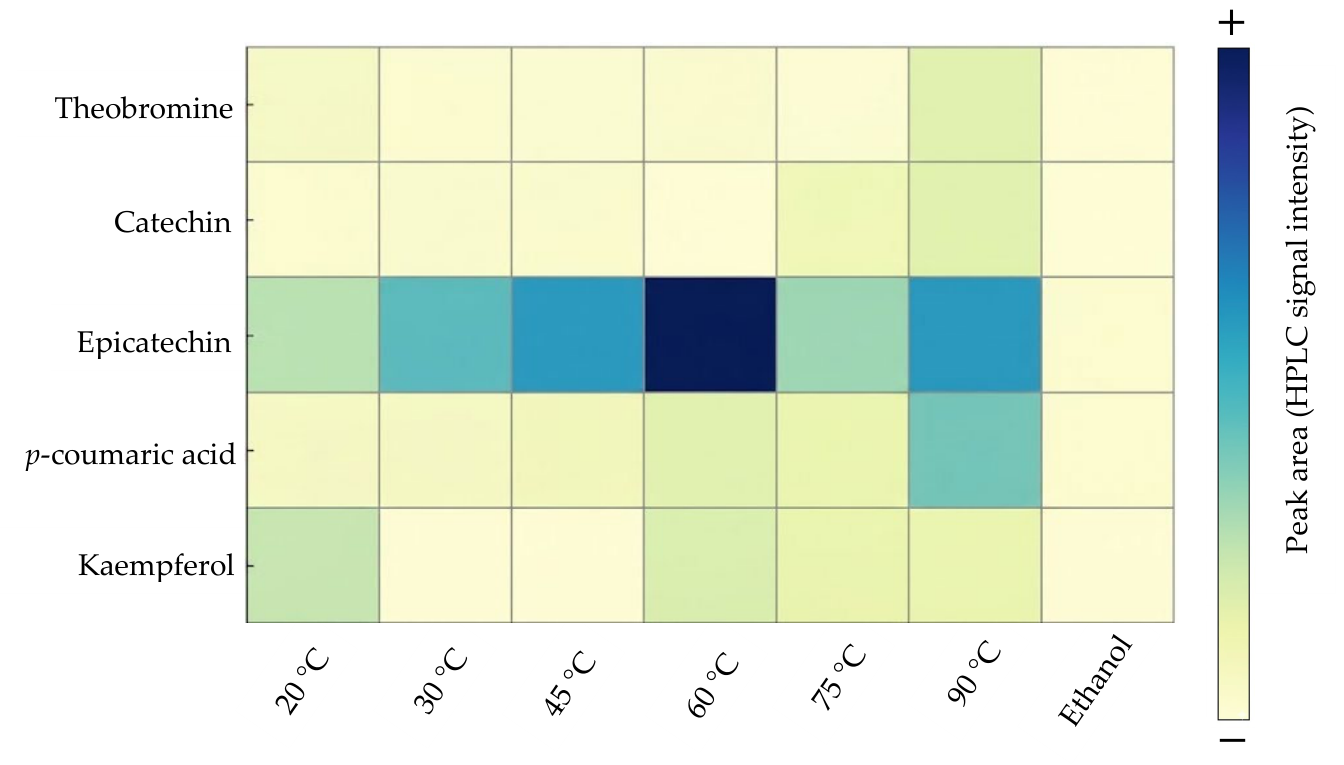
For the aqueous extracts, heat maps (Figure 1, Figure 2 and Figure 3) were constructed by using the Python application (Matplotlib 3.10.8) for each wave light (280 nm, 320 nm, and 380 nm. The figures show the most relevant values in each extract, including identified phenolic compounds, qualitative area scale and retention time for the qualitative, tentative identification of the lyophilized pulp extracts. The compounds theobromine, catechin, epicatechin, p-coumaric acid, and kaempferol, were tentatively/qualitatively identified (Figure 1).
Results showed that epicatechin had, tentatively, the largest signal area, reaching its peak at 60 °C, followed by a progressive decrease at higher temperatures, suggesting that moderate temperatures favored the release of flavanols, possibly by increasing the permeability of the plant matrix without causing their thermal degradation [47]. At temperatures of 75 and 90 °C, the observed decrease could be associated with the oxidation or polymerization of phenolic compounds, a phenomenon also reported by Dorta et al. [48] in tropical fruit extracts. On the other hand, catechin possibly showed a notable tentative trend at higher temperatures, reaching its maximum at 90 °C. Regarding p-coumaric acid, a tentative increasing trend was observed up to 60 °C, with a possible increase in the ethanol extract. This result may confirm that ethanol could have increased the solubility and extraction of medium-polar phenolic compounds, such as hydroxycinnamic acids [49]. Kaempferol showed a variable trend, likely reaching its maximum at 60 °C. This flavonoid is known for its heat sensitivity and dependent on the degree of protein denaturation, which agrees with the observations of Londoño-Londoño et al. [50] in thermally processed tropical fruits.
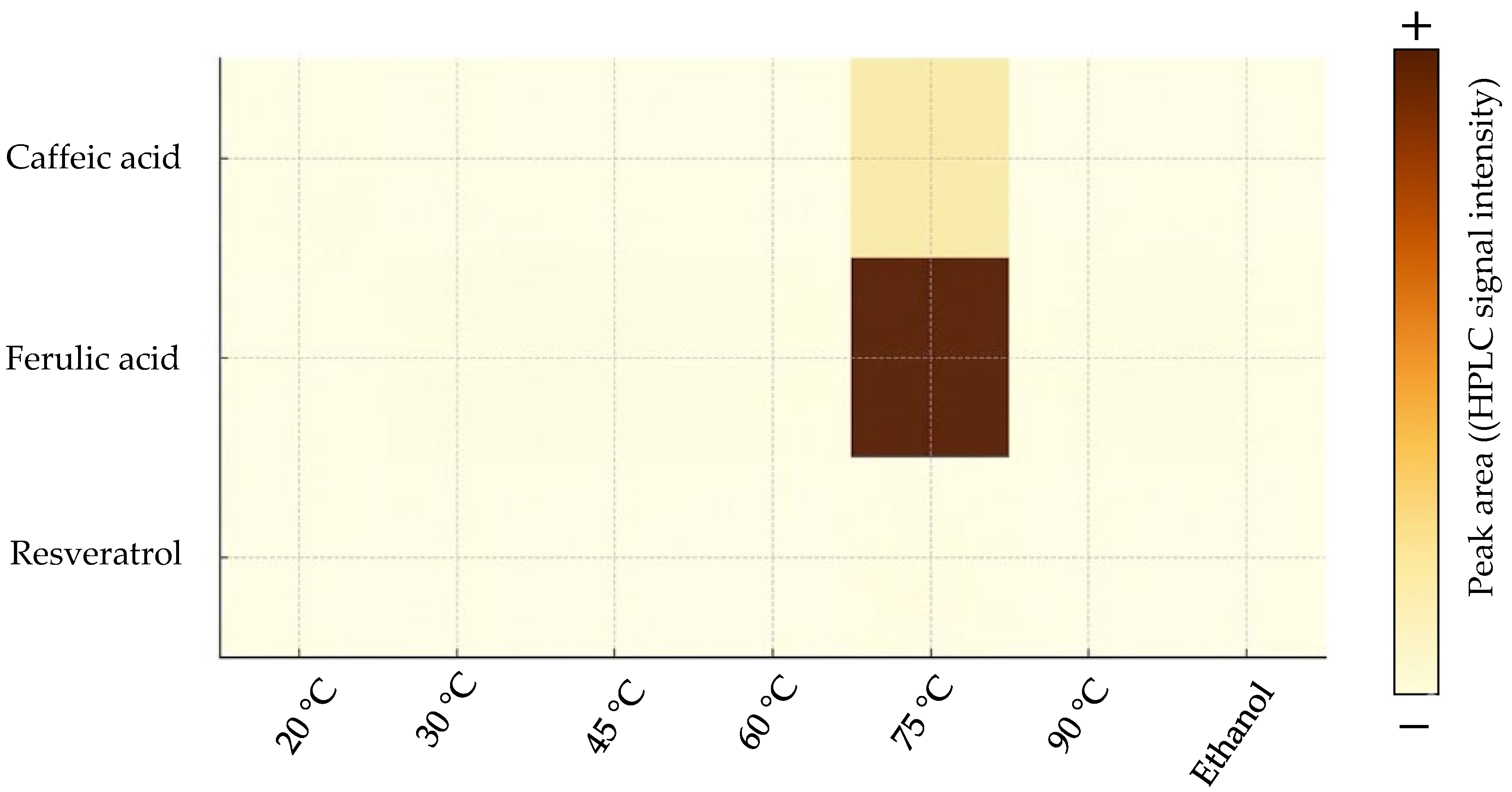
Figure 2 shows the areas of the chromatographic peaks obtained at 320 nm, corresponding tentatively to acidic phenolic compounds (caffeic acid and ferulic acid) and a stilbene (resveratrol).
Results showed (Figure 2) that ferulic acid was the predominant compound in extracts obtained at 75 °C, followed by caffeic acid in the same infusions. These results indicated that elevated temperatures favored the release of hydroxycinnamic acids of the plant cell wall [48]. Ferulic and caffeic acids have structures with hydroxyl and methoxy groups that allow them to interact with bacterial cell membranes, altering their permeability [51]. In similar studies, ferulic acid showed bacteriostatic effects against S. aureus and E. coli [52]. Resveratrol, although present in smaller quantities, possibly contributed synergistically to antimicrobial activity due to its ability to interfere with bacterial cell communication [53].
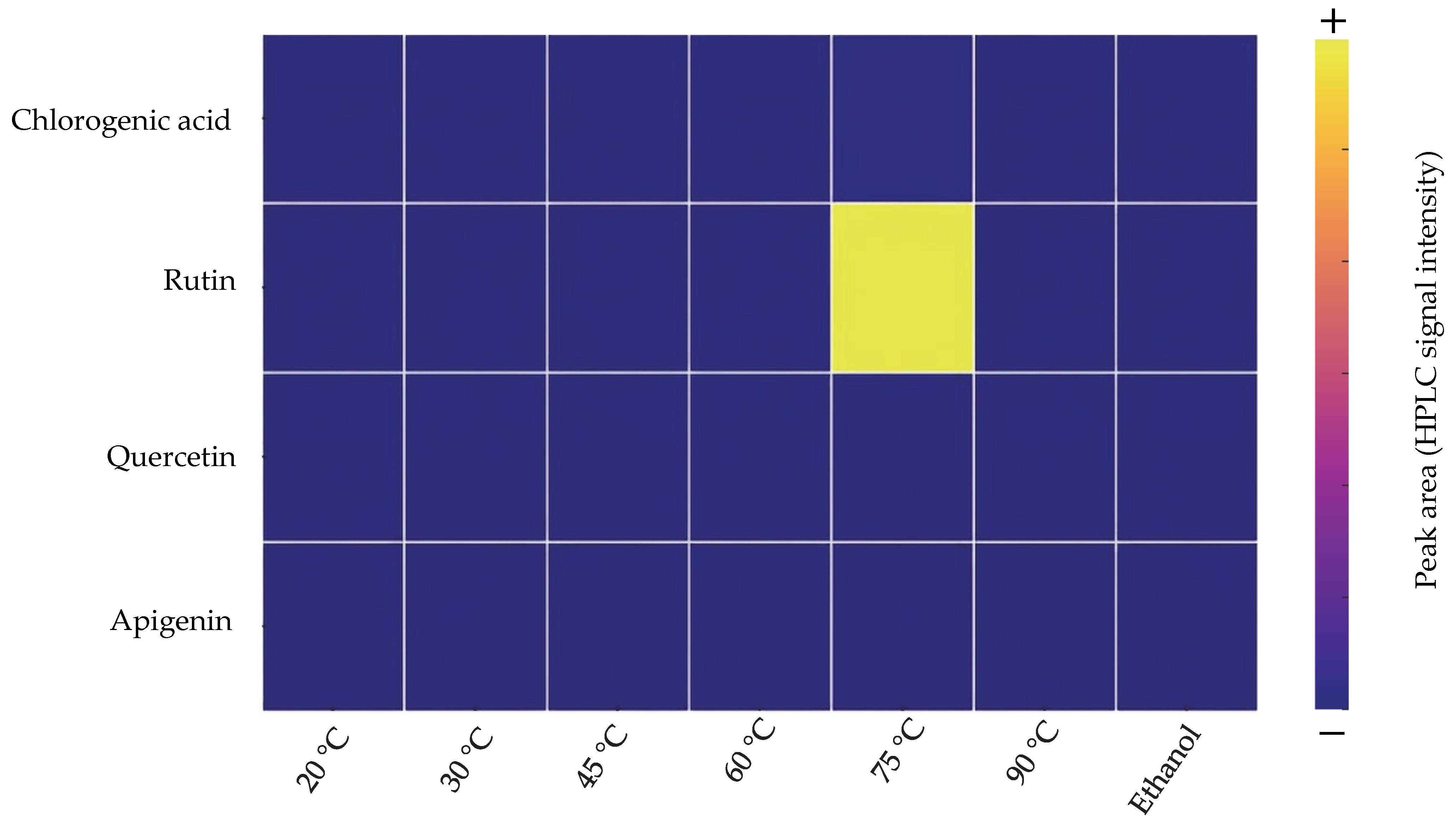
Figure 3 shows the chromatographic peak areas for chlorogenic acid, rutin, quercetin, and apigenin in pulp extracts at different temperatures.
Results indicated that rutin, a flavanol, was the predominant compound in the extracts, with a maximum signal observed at 75 °C, followed by chlorogenic acid at the same temperature. This behavior reflected that elevated temperatures favor the breakdown of phenolic complexes with carbohydrates or proteins, facilitating their release [47]. On the other hand, high temperature (90 °C) could promote the thermal degradation of thermolabile compounds (Figure 3). Rutin showed temperature-dependent behavior, with a progressive increase up to 75 °C, followed by a decrease in the ethanol extract. This compound is known for its high thermal stability in aqueous media, which may explain its notable presence at intermediate and high extraction temperatures [54], and its presence could contribute to antimicrobial properties, especially against S. aureus and E. coli [55,56]. Table 5 highlights the most relevant detected phenolic compounds, along with corresponding retention times with the highest values for each temperature of the aqueous extracts of freeze-dried nance pulp.
Overall, the results shown in Table 5 indicate that 75 °C was the best thermal condition for the release of flavonoids and phenolic acids with bioactive potential. These compounds likely contributed to the extract’s antioxidant capacity. This behavior is consistent with reports in studies on thermo-processed plant extracts, where the combination of controlled temperature and an aqueous matrix increased the bioavailability of polyphenols [48].

3.6. Fourier Transform Infrared Spectroscopy (FTIR)

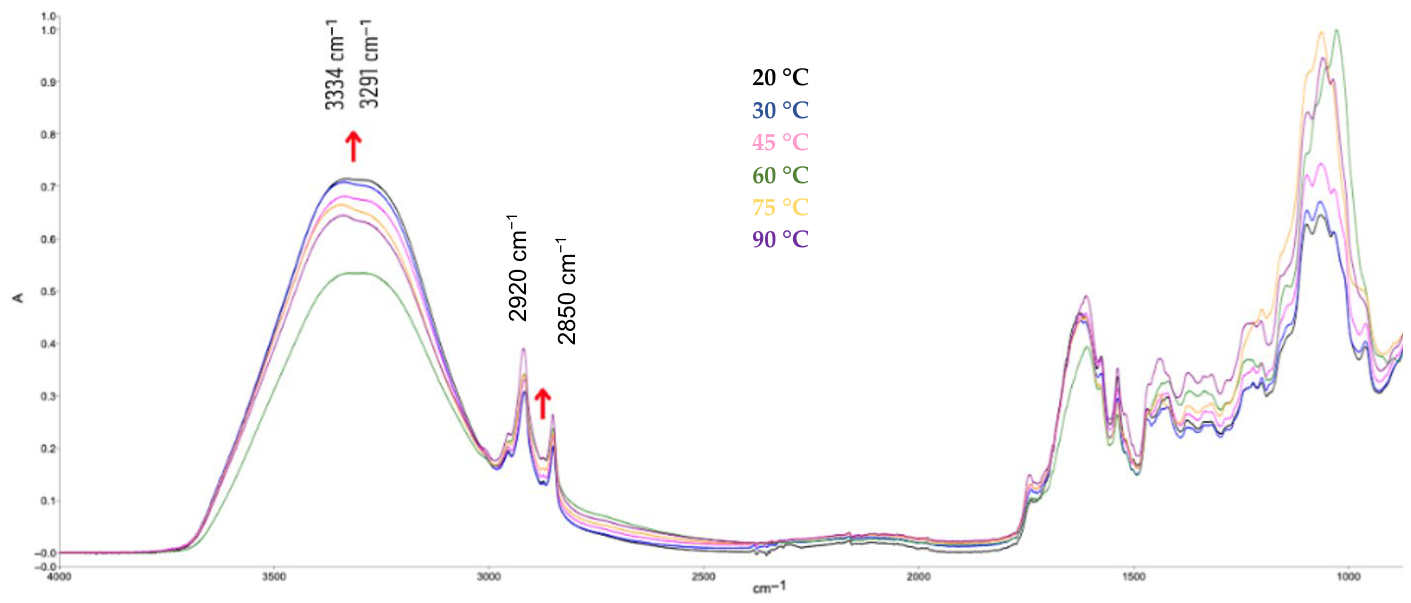
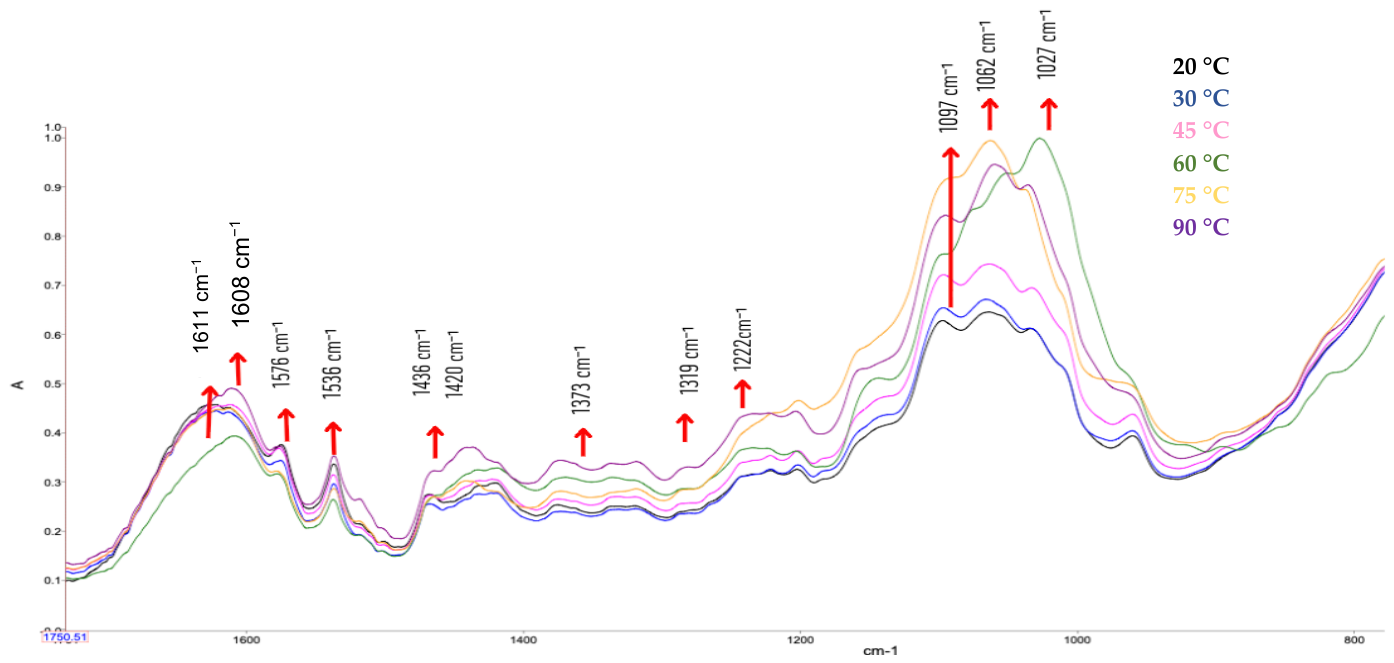
FTIR allowed for the identification of the predominant functional groups in the pulp extracts at different processing temperatures (Figure 4 and Figure 5).
The main functional groups present were detected in the aqueous extracts based on the first bands corresponding to wavelengths of 4000 cm−1 to 2000 cm−1.
The broad band peak at around 3270 cm−1 corresponds to OH stretching bonds that are attributed to the polysaccharides and lignin [57]. Also, asymmetric and symmetric stretching vibrations of CH2 groups are found at 2923 and 2853 cm−1 respectively, mainly associated with the hydrocarbon chains of lipids and lignin [57].
Taken together, these bands indicate that the aqueous extracts of freeze-dried nance pulp contain a combination of hydroxyl, amide, and methylene functional groups, demonstrating the coexistence of phenolic compounds, amino acids, and lipids. This composition supports the presence of molecules with potential biological activity, particularly related to the antioxidant capacity (Section 3.3 and Section 3.4) and phenolic content of the fruit (Section 3.2). The bands at around 1600 cm−1 are associated with the stretching of C=OO− and aromatic C=C bonds as in pectin and phenolic compounds [57].
The characteristic adsorption bands in the 1750 to 700 cm−1 region are known as the fingerprint zone (Figure 5). An intense band was noted at 1608–1611 cm−1, corresponding to 60 °C and 90 °C respectively, associated with the stretching vibrations of C=O (carbonyl) groups in aliphatic esters, and the aromatic C-C stretching at ~1520 and ~1443 cm−1 was related to phenolic compounds [57].
Signals at 1436 and 1420 cm−1 are typical of C=C bond vibrations (alkenes), commonly associated with conjugated phenols, and bands near 1634 and 1518 cm−1 indicate conjugated phenolic structures. The extract that stands out most is the one obtained at 90 °C. In the region between 1319 and 1222 cm−1, there are signals attributable to methyl groups (CH3) and possibly to C–N or C–O bond vibrations, related to simple sugars or glycosides present in the matrix.
Finally, a broad and intense band at 1062 cm−1 corresponded to C–O bond vibrations, associated with polysaccharides (such as pectin or modified cellulose), which constitute a significant fraction of the pulp and may be related to its texture and antioxidant capacity, as depicted in Section 3.3 and Section 3.4, or even prebiotic activity. The variations in the intensity of the peaks observed in the different spectra indicated that the extraction temperature influenced the chemical structure of the compounds. Likewise, changes in the 1600–1500 cm−1 bands could be associated with the degradation or transformation of conjugated phenols, which have implications towards the biological activity of the extracts [58]. Fourier transform infrared spectroscopic analysis suggested an antioxidant potential derived from conjugated phenolic compounds, whose stability can change by the application of heat treatments, noting that the extracts at 75 and 90 °C were those with the largest peaks.

3.7. Disk Diffusion Method (Inhibition Halo)

The disk diffusion method (inhibition halo) allowed us to determine the capacity of aqueous extracts to inhibit the growth of selected bacterial strains. The results are shown in Table 6.
In the antimicrobial evaluation using the disk diffusion method (inhibition halo), the aqueous extracts of lyophilized nance pulp showed no inhibition halo formation at 75 °C and 90 °C, while the extract at room temperature showed selective activity against the evaluated bacterial strains, suggesting limited or concentration-dependent antimicrobial activity. A tendency to decrease the bacterial inactivating behavior of extracts obtained at high temperatures was observed, indicating the inactivation of thermally sensitive antibacterial compounds. Another possible explanation is that plant extracts, including those rich in phenolic compounds, exhibited differential antimicrobial effects against bacteria [25]. The compounds’ tentative identification showed that there are some compounds that have a greater peak area in the extract at 20 °C than at 75 °C and 90 °C, such as Kaempferol (Figure 1), which has been reported to present potential antibacterial activity [25].
In the aqueous extract at room temperature (20 °C), inhibition halos were observed against S. aureus and P. aeruginosa, with average diameters of 9 mm and 10 mm, respectively. No visible inhibition zone was observed against the other strains tested, which may be attributed to the concentration at which the extracts were prepared. The 9 mm halo observed against S. aureus indicated a moderate response likely associated with the presence of phenolic compounds that may affect the integrity of the bacterial cell wall, causing a partial reduction in growth [59,60].
On the other hand, the 10 mm halo observed against P. aeruginosa is particularly relevant, given that it is a Gram-negative bacteria and has a known resistance to various antimicrobial agents [61]; therefore, its sensitivity suggested that the extract contained molecules likely capable of interfering with essential metabolic processes [62].
These results indicate that, although the overall antimicrobial activity of the extracts is moderate, there is a differential effect depending on the type of microorganism, which can be attributed to variations in the chemical composition of the extract and bacterial permeability. Extracts obtained at 20 °C resulted in antibacterial activity, in contrast to those extracted at 75–90 °C, for which no inhibition was detected. However, these extracts depicted the highest bioactive compounds content, and antioxidant capacity was found. The final selection of extraction temperature will depend on the intended use of the extract. No determination of MIC/MBC for the extracts was carried out, since for this experiment, it would have been necessary to isolate and purify compounds responsible for the inhibitory effect to evaluate MIC/MBC. This subject is important and must be investigated in future studies. Additionally, results confirmed the biological potential of nance pulp extract as a natural source of compounds with antimicrobial activity, which could be optimized in future works by adjusting the extract concentration method.

3.8. Effect of Extracts on Biofilm Formation

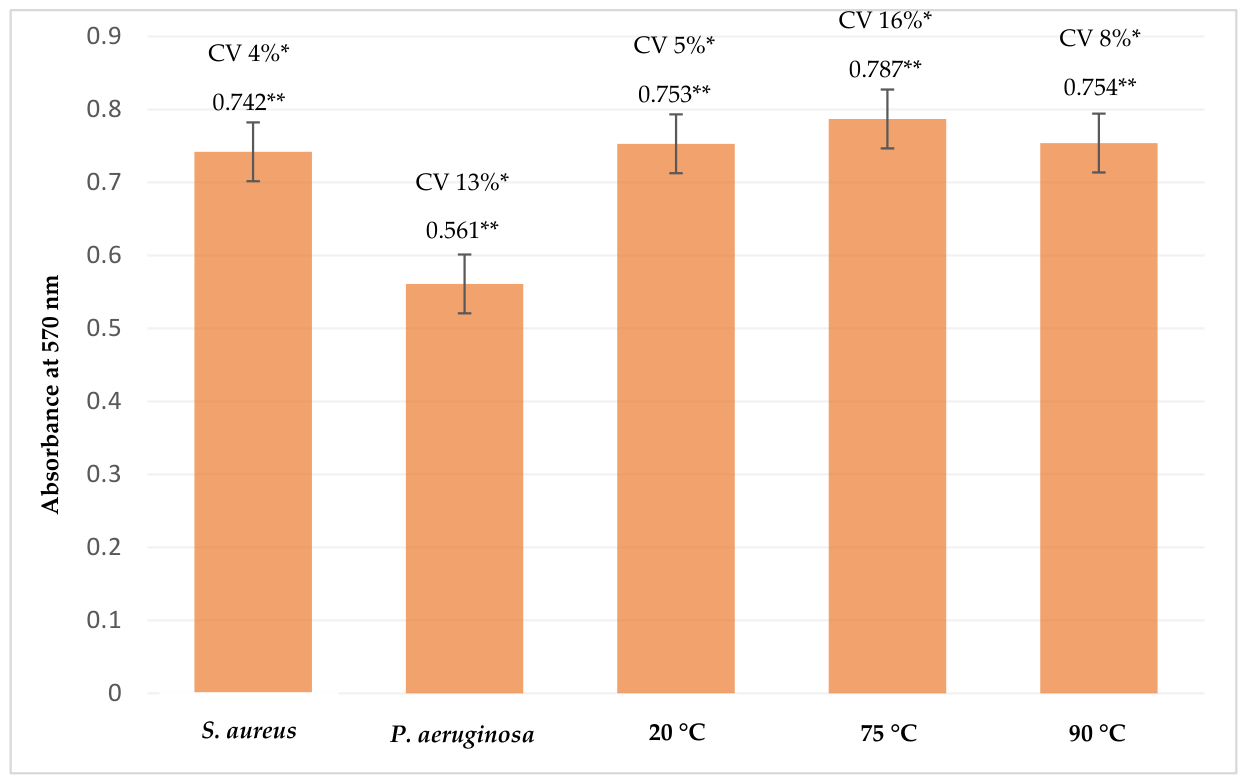
Figure 6 shows the results for the second antimicrobial activity evaluated, specifically the inhibition of biofilm formation. This was performed by using S. aureus and P. aeruginosa, important spoilage pathogenic microorganisms. Extracts showed absorbance values of 0.7, 0.8, and 0.7 for extracts of 20, 75, and 90 °C against S. aureus. The coefficients of variation (CV%) obtained were 4% for S. aureus and 13% for P. aeruginosa, while for the extracts, 5%, 16%, and 8% were recorded for extracts of 20, 75, and 90 °C, respectively. These values indicated that the experimental variability between replicates was moderate, particularly in the tests performed with S. aureus (CV < 5%). Extracts did not inhibit the formation of a biofilm. The higher values of CV for the extracts obtained at 75 and 90 °C against S. aureus could be attributed to greater biological heterogeneity or a differential response of the microorganism to the extract components. Previous studies have demonstrated that the inhibitory capacity of biofilms formation depends on both the type of extract (aqueous, ethanol, or methanol) and the concentration of phenolic compounds. For example, Nascimento et al. [63] reported biofilm activity from B. crassifolia leaf extracts, but not from the pulp, suggesting a differential distribution of active compounds within the plant. Furthermore, S. aureus and P. aeruginosa are known for their high capacity to produce biofilms resistant to natural and synthetic antimicrobial compounds [64]. A cut-off system for classifying the influence of extracts on biofilm formation was not found in the literature. In future studies, we will investigate this issue, once purification of key compounds has been carried out.

4. Featured Application

Adding value to traditional cultivars is key for the development of local communities. Nance fruit extracts (water and ethanol extraction media) are rich in bioactive compounds, have good antioxidant activity, and moderate pathogen bacteria growth inhibition. Results demonstrated that extracts obtained at 20 °C resulted in antibacterial activity, in contrast to those extracted at 75–90 °C, for which no inhibition was detected. The final selection of extraction temperature will depend on the usage that of the extract.
Also, FTIR analyses depicted that reported bioactive compounds can be extracted in remedial nance pulp infusions for possible household- and community-scale consumption.

5. Conclusions

The bioactive profile of the extracts showed a significant content of vitamin C that increased at 75–90 °C. Antioxidant capacity and phenolic compounds also increased with extraction temperature. The higher values of bioactive compounds and antioxidant capacity obtained at high extraction temperatures were possibly due to the disruption of cell walls and membranes at high temperatures that allowed for bioactive compounds to be released. HPLC analyses depicted that rutin and ferulic acid were the predominant compounds in the extracts, and 75 °C was the best thermal condition for their release. FTIR spectrum bands indicated that the extracts contained hydroxyl, amide, and methylene functional groups supporting the coexistence of phenolic compounds and amino acids supporting antioxidant capacity and bioactive profile. Aqueous extracts obtained at 20 °C inhibited microbial growth against S. aureus and P. aeruginosa. Extracts did not inhibit the formation of biofilm when these two strains were tested. Overall, it was observed that water extracts obtained at 20 °C resulted in antibacterial activity, in contrast to those extracted at 75–90 °C, for which no inhibition was detected but for which the highest bioactive compounds content and antioxidant capacity were found. The final selection of extraction temperature will depend on the intended use of the extract.

Author Contributions

Conceptualization, M.C.-M. and J.I.V.-M.; methodology, M.C.-M., D.M.H.-M., R.P.P.-H., G.C.-E., P.R.-M., A.S.-P., R.E.L.-H. and J.I.V.-M.; validation, M.C.-M., G.C.-E. and. A.S.-P.; formal analysis, M.C.-M., J.I.V.-M. and R.E.L.-H.; investigation, M.C.-M., P.R.-M. and J.I.V.-M.; resources, M.C.-M.; data curation, M.C.-M. and R.P.P.-H.; writing—original draft preparation, M.C.-M., G.F.G.-L. and J.I.V.-M.; writing—review and editing, M.C.-M., J.I.V.-M. and G.F.G.-L.; supervision, M.C.-M. and P.R.-M.; project administration, M.C.-M.; funding acquisition, M.C.-M. All authors have read and agreed to the published version of the manuscript.

Funding

This research was funded by Instituto Politécnico Nacional, Secretaría de Investigación y Posgrado, grants 20260235.

Data Availability Statement

The original contributions presented in this study are included in the article. Further inquiries can be directed to the corresponding author.

Conflicts of Interest

The authors declare no conflicts of interest. The funders had no role in the design of the study; in the collection, analyses, or interpretation of data; in the writing of the manuscript; or in the decision to publish the results.

References

  1. Medina-Torres, R.; Salazar-García, S.; Ibarra-Estrada, M.E. Seasonal Variation of Transpiration of Nance (Byrsonima crassifolia L.) HBK Selections under Subtropical Conditions Climate: Basic Study. Rev. Bio. 2021, 5, e320. [Google Scholar] [CrossRef]
  2. Hernández-Martínez, D.M.; Valdez-Miranda, J.I.; Rosales-Martínez, P.; Necoechea-Mondragón, H.; Gutiérrez-López, G.F.; Cornejo-Mazón, M. Changes in Bioactive Characteristics of Nance (Byrsonima Crassifolia) Pulp and Liqueur During Storage. Beverages 2026, 12, 17. [Google Scholar] [CrossRef]
  3. López-Guzmán, G.G.; Balois-Morales, R.; Bautista-Rosales, P.U.; Jiménez-Zurita, J.O. Caracterización morfológica y molecular de nanche (Byrsonima crassifolia L.) nativo de Nayarit, México. Ecosist. Recur. Agropec. 2023, 10. [Google Scholar] [CrossRef]
  4. San-Martín-Hernández, C.; Martínez-Téllez, M.Á.; Valenzuela-Amavizca, O.N.; Aispuro-Hernández, E.; Sánchez-Sánchez, M.; Hernández-Camarillo, E.; López-Martínez, L.X.; Quintana-Obregón, E.A. Byrsonima Crassifolia L. Kunth a Bio-Resource with Potential: Overview and Opportunities. Folia Hortic. 2023, 35, 61–75. [Google Scholar] [CrossRef]
  5. Khan, M. Nutritional and Health Importance of Hibiscus Sabdariffa: A Review and Indication for Research Needs. J. Nutr. Health Food Eng. 2017, 6, 125–128. [Google Scholar] [CrossRef]
  6. Rivera-Correa, K.A.; Valle-Guadarrama, S.; Alia-Tejacal, I.; Arévalo-Galarza, M.D.L.; Pérez-López, A.; Guerra-Ramírez, D. Quality Attributes of Nance (Byrsonima Crassifolia) Fruits as Affected by Storage Temperature and Maturity at Harvest. Int. Food Res. J. 2022, 29, 160–172. [Google Scholar] [CrossRef]
  7. Herrera-Ruiz, M.; Zamilpa, A.; González-Cortazar, M.; Reyes-Chilpa, R.; León, E.; García, M.P.; Tortoriello, J.; Huerta-Reyes, M. Antidepressant Effect and Pharmacological Evaluation of Standardized Extract of Flavonoids from Byrsonima Crassifolia. Phytomedicine 2011, 18, 1255–1261. [Google Scholar] [CrossRef]
  8. Suna, S.; Tamer, C.E.; Özcan-Sinir, G. Trends and Possibilities of the Usage of Medicinal Herbal Extracts in Beverage Production. In Natural Beverages; Elsevier: Amsterdam, The Netherlands, 2019; pp. 361–398. [Google Scholar]
  9. Grijalva-Verdugo, C.; Rodríguez-Núñez, J.R.; Núñez-Colin, C.A.; Aguirre-Mancilla, C.L.; Montoya-Anaya, D.; Villareal-Fuentes, J.M.; Balois-Morales, R.; Rodríguez-Carrillo, M.G. Total Polyphenolic, Antioxidants, and Cytotoxic Activity of Infusions from Soursop (Annona muricata) Leaves from Two Mexican Regions. Agron. Colomb. 2022, 40, 300–310. [Google Scholar] [CrossRef]
  10. Pereira, R.P.; Fachinetto, R.; De Souza Prestes, A.; Puntel, R.L.; Santos Da Silva, G.N.; Heinzmann, B.M.; Boschetti, T.K.; Athayde, M.L.; Bürger, M.E.; Morel, A.F.; et al. Antioxidant Effects of Different Extracts from Melissa Officinalis, Matricaria Recutita and Cymbopogon Citratus. Neurochem. Res. 2009, 34, 973–983. [Google Scholar] [CrossRef]
  11. McKay, D.L.; Blumberg, J.B. A Review of the Bioactivity and Potential Health Benefits of Chamomile Tea (Matricaria recutita L.). Phytother. Res. 2006, 20, 519–530. [Google Scholar] [CrossRef] [PubMed]
  12. Geiss, F.; Heinrich, M.; Hunkler, D.; Rimpler, H. Proanthocyanidins with (+)-Epicatechin Units from Byrsonima Crassifolia Bark. Phytochemistry 1995, 39, 635–643. [Google Scholar] [CrossRef]
  13. Ahmed, S.; Alsharif, K.F.; Aschner, M.; Alzahrani, K.J.; Akkol, E.K.; Türkcanoğlu, E.G.; Khan, H. A Deep Dive into Herbal Extraction: Techniques, Trends, and Technological Advancements. S. Afr. J. Bot. 2026, 188, 9–37. [Google Scholar] [CrossRef] [PubMed]
  14. Alara, O.R.; Abdurahman, N.H.; Ukaegbu, C.I. Extraction of Phenolic Compounds: A Review. Curr. Res. Food Sci. 2021, 4, 200–214. [Google Scholar] [CrossRef]
  15. Oliveira, J.A.R.; Komesu, A.; Martins, L.H.D.S.; Rogez, H.; Pena, R.D.S. Enzyme-Assisted Extraction of Phenolic Compounds from Murucizeiro Leaves (Byrsonima crassifolia). Sci. Plena 2020, 16. [Google Scholar] [CrossRef]
  16. Geck, M.S.; Cristians, S.; Berger-González, M.; Casu, L.; Heinrich, M.; Leonti, M. Traditional Herbal Medicine in Mesoamerica: Toward Its Evidence Base for Improving Universal Health Coverage. Front. Pharmacol. 2020, 11, 1160. [Google Scholar] [CrossRef] [PubMed]
  17. Pires, F.C.S.; Silva, A.P.D.S.E.; Salazar, M.D.L.A.R.; Costa, W.A.D.; Costa, H.S.C.D.; Lopes, A.S.; Rogez, H.; Carvalho Junior, R.N.D. Determination of Process Parameters and Bioactive Properties of the Murici Pulp (Byrsonima crassifolia) Extracts Obtained by Supercritical Extraction. J. Supercrit. Fluids 2019, 146, 128–135. [Google Scholar] [CrossRef]
  18. AOAC International AOAC International Ascorbic Acid in Foods (Method 967.22). In Official Methods of Analysis of AOAC International; AOAC International: Gaithersburg, MD, USA, 2005; Volume 1.
  19. Urquieta-Herrero, M.; Cornejo-Mazón, M.; Gutiérrez-López, G.F.; García-Pinilla, S. Effect of Two Pasteurization Methods on the Content of Bioactive Compounds and Antioxidant Capacity of Nance (Byrsonima crassifolia) Pulp and Their Kinetics of Loss during Refrigerated Storage. Rev. Mex. Ing. Quim. 2021, 20, 663–678. [Google Scholar] [CrossRef]
  20. Moo-Huchin, V.M.; Moo-Huchin, M.I.; Estrada-León, R.J.; Cuevas-Glory, L.; Estrada-Mota, I.A.; Ortiz-Vázquez, E.; Betancur-Ancona, D.; Sauri-Duch, E. Antioxidant Compounds, Antioxidant Activity and Phenolic Content in Peel from Three Tropical Fruits from Yucatan, Mexico. Food Chem. 2015, 166, 17–22. [Google Scholar] [CrossRef]
  21. Augusto, T.R.; Salinas, E.S.S.; Alencar, S.M.; D’arce, M.A.B.R.; Camargo, A.C.D.; Vieira, T.M.F.D.S. Phenolic Compounds and Antioxidant Activity of Hydroalcoholic Extracts of Wild and Cultivated Murtilla (Ugni Molinae Turcz.). Food Sci. Technol. 2014, 34, 667–679. [Google Scholar] [CrossRef]
  22. Gordon, A.; Jungfer, E.; Da Silva, B.A.; Maia, J.G.S.; Marx, F. Phenolic Constituents and Antioxidant Capacity of Four Underutilized Fruits from the Amazon Region. J. Agric. Food Chem. 2011, 59, 7688–7699. [Google Scholar] [CrossRef]
  23. Alenazy, R. Antimicrobial Activities and Biofilm Inhibition Properties of Trigonella Foenumgraecum Methanol Extracts against Multidrug-Resistant Staphylococcus Aureus and Escherichia Coli. Life 2023, 13, 703. [Google Scholar] [CrossRef]
  24. Dos Santos, C.M.; De Souza Mesquita, L.M.; Braga, A.R.C.; De Rosso, V.V. Red Propolis as a Source of Antimicrobial Phytochemicals: Extraction Using High-Performance Alternative Solvents. Front. Microbiol. 2021, 12, 659911. [Google Scholar] [CrossRef]
  25. Silveira, A.G.; Lopes, M.M.D.A.; Pereira, E.C.; Castro, G.M.C.D.; Germano, T.A.; Oliveira, L.D.S.; Ribeiro, P.R.V.; Canuto, K.M.; Miranda, M.R.A.D.; Carvalho, J.M.D. Profile of Phenolic Compounds and Antimicrobial Potential of Hydroalcoholic Extracts from Cashew-Apple Coproducts. Emir. J. Food Agric. 2021, 33, 139–148. [Google Scholar] [CrossRef]
  26. Quave, C.L.; Plano, L.R.W.; Pantuso, T.; Bennett, B.C. Effects of Extracts from Italian Medicinal Plants on Planktonic Growth, Biofilm Formation and Adherence of Methicillin-Resistant Staphylococcus Aureus. J. Ethnopharmacol. 2008, 118, 418–428. [Google Scholar] [CrossRef] [PubMed]
  27. Lethongkam, S.; Paosen, S.; Kurakaeo, S.; Bilhman, S.; Wannaboworn, S.; Chumpraman, A.; Daus, M.; Voravuthikunchai, S.P. Hydrogel Dressing Containing Natural Extracts Inhibits Dual-Species Biofilms of Staphylococcus Aureus and Acinetobacter Baumannii in Ex Vivo Wound Infection Models. Sci. Rep. 2025, 15, 34599. [Google Scholar] [CrossRef] [PubMed]
  28. Dai, J.; Mumper, R.J. Plant Phenolics: Extraction, Analysis and Their Antioxidant and Anticancer Properties. Molecules 2010, 15, 7313–7352. [Google Scholar] [CrossRef]
  29. Cendrowski, A.; Studnicki, M.; Kalisz, S. Impact of Different Solvents and Temperatures on the Extraction of Bioactive Compounds from Rose Fruits (Rosa rugosa) Pomace. Appl. Sci. 2024, 14, 691. [Google Scholar] [CrossRef]
  30. Munyaka, A.W.; Makule, E.E.; Oey, I.; Van Loey, A.; Hendrickx, M. Thermal Stability of l-Ascorbic Acid and Ascorbic Acid Oxidase in Broccoli (Brassica Oleracea Var. Italica). J. Food Sci. 2010, 75, C336–C340. [Google Scholar] [CrossRef]
  31. Feszterová, M.; Kowalska, M.; Mišiaková, M. Stability of Vitamin C Content in Plant and Vegetable Juices under Different Storing Conditions. Appl. Sci. 2023, 13, 10640. [Google Scholar] [CrossRef]
  32. Ramadhan, H.; Susiani, E.F.; Forestryana, D.; Raflianti, D.; Azizah, H.N.; Iedliany, F. Comparison of Maceration and Infundation towards Antioxidant Capacity of Leaves Aqueous Extracts of Balik Angin (Alphitonia Incana (Roxb.) Teijsm. & Binn. Ex Kurz). Pharm. Educ. 2024, 24, 7–14. [Google Scholar] [CrossRef]
  33. Teh, S.-S.; Birch, E.J. Effect of Ultrasonic Treatment on the Polyphenol Content and Antioxidant Capacity of Extract from Defatted Hemp, Flax and Canola Seed Cakes. Ultrason. Sonochem. 2014, 21, 346–353. [Google Scholar] [CrossRef]
  34. Chirinos, R.; Rogez, H.; Campos, D.; Pedreschi, R.; Larondelle, Y. Optimization of Extraction Conditions of Antioxidant Phenolic Compounds from Mashua (Tropaeolum Tuberosum Ruíz & Pavón) Tubers. Sep. Purif. Technol. 2007, 55, 217–225. [Google Scholar] [CrossRef]
  35. Nguyen, T.L.; Ora, A.; Häkkinen, S.T.; Ritala, A.; Räisänen, R.; Kallioinen-Mänttäri, M.; Melin, K. Innovative Extraction Technologies of Bioactive Compounds from Plant By-Products for Textile Colorants and Antimicrobial Agents. Biomass Conv. Bioref. 2024, 14, 24973–25002. [Google Scholar] [CrossRef]
  36. Mousa, R.B.; Elalim, R.M.A.; Atala, N.E.; Elkayaly, H.A.; Shalaby, E.A. New Methods for Extraction of Phenolic, Flavonoids and Catechin Compounds from Natural Sources. Chem. Pap. 2025, 79, 247–263. [Google Scholar] [CrossRef]
  37. Cacace, J.E.; Mazza, G. Optimization of Extraction of Anthocyanins from Black Currants with Aqueous Ethanol. J. Food Sci. 2003, 68, 240–248. [Google Scholar] [CrossRef]
  38. Antony, A.; Farid, M. Effect of Temperatures on Polyphenols during Extraction. Appl. Sci. 2022, 12, 2107. [Google Scholar] [CrossRef]
  39. Pires, F.C.S.; Oliveira, J.C.D.; Menezes, E.G.O.; Silva, A.P.D.S.E.; Ferreira, M.C.R.; Siqueira, L.M.M.; Almada-Vilhena, A.O.; Pieczarka, J.C.; Nagamachi, C.Y.; Carvalho Junior, R.N.D. Bioactive Compounds and Evaluation of Antioxidant, Cytotoxic and Cytoprotective Effects of Murici Pulp Extracts (Byrsonima crassifolia) Obtained by Supercritical Extraction in HepG2 Cells Treated with H2O2. Foods 2021, 10, 737. [Google Scholar] [CrossRef]
  40. Radojković, M.; Zeković, Z.; Jokić, S.; Vidović, S. Determination of Optimal Extraction Parameters of Mulberry Leaves Using Response Surface Methodology (RSM). Rom. Biotechnol. Lett. 2012, 17, 7295–7308. [Google Scholar]
  41. Cacace, J.E.; Mazza, G. Extraction of Anthocyanins and Other Phenolics from Black Currants with Sulfured Water. J. Agric. Food Chem. 2002, 50, 5939–5946. [Google Scholar] [CrossRef] [PubMed]
  42. Delgado, S.R.; Arbelaez, A.F.A.; Rojano, B. Antioxidant Capacity, Bioactive Compounds in Coffee Pulp and Implementation in the Production of Infusions. Acta Sci. Pol. Technol. Aliment. 2019, 18, 235–248. [Google Scholar] [CrossRef]
  43. Dewanto, V.; Wu, X.; Adom, K.K.; Liu, R.H. Thermal Processing Enhances the Nutritional Value of Tomatoes by Increasing Total Antioxidant Activity. J. Agric. Food Chem. 2002, 50, 3010–3014. [Google Scholar] [CrossRef]
  44. Xu, C.; Zhang, B.; Du, H.; Di, H.; Zhang, L.; Dong, L.; Zeng, X.; Xing, J.; Zhang, J.; Li, C.; et al. Jasmonate-Mediated Defense Coordination in the Cereal–Pathogen Arms Race. New Crops 2026, 3, 100103. [Google Scholar] [CrossRef]
  45. Liu, F.; Xi, M.; Liu, T.; Wu, X.; Ju, L.; Wang, D. The Central Role of Transcription Factors in Bridging Biotic and Abiotic Stress Responses for Plants’ Resilience. New Crops 2024, 1, 100005. [Google Scholar] [CrossRef]
  46. Castillejo, N.; Martínez-Hernández, G.B.; Monaco, K.; Gómez, P.A.; Aguayo, E.; Artés, F.; Artés-Hernández, F. Preservation of Bioactive Compounds of a Green Vegetable Smoothie Using Short Time–High Temperature Mild Thermal Treatment. Food Sci. Technol. Int. 2017, 23, 46–60. [Google Scholar] [CrossRef]
  47. Silva, E.M.; Souza, J.N.S.; Rogez, H.; Rees, J.F.; Larondelle, Y. Antioxidant Activities and Polyphenolic Contents of Fifteen Selected Plant Species from the Amazonian Region. Food Chem. 2007, 101, 1012–1018. [Google Scholar] [CrossRef]
  48. Dorta, E.; Lobo, M.G.; González, M. Using Drying Treatments to Stabilise Mango Peel and Seed: Effect on Antioxidant Activity. LWT Food Sci. Technol. 2012, 45, 261–268. [Google Scholar] [CrossRef]
  49. Osorio-Tobón, J.F. Recent Advances and Comparisons of Conventional and Alternative Extraction Techniques of Phenolic Compounds. J. Food Sci. Technol. 2020, 57, 4299–4315. [Google Scholar] [CrossRef]
  50. Londoño-Londoño, J.; Lima, V.R.D.; Lara, O.; Gil, A.; Pasa, T.B.C.; Arango, G.J.; Pineda, J.R.R. Clean Recovery of Antioxidant Flavonoids from Citrus Peel: Optimizing an Aqueous Ultrasound-Assisted Extraction Method. Food Chem. 2010, 119, 81–87. [Google Scholar] [CrossRef]
  51. Qu, S.; Yu, S.; Ma, X.; Wang, R. “Medicine Food Homology” Plants Promote Periodontal Health: Antimicrobial, Anti-Inflammatory, and Inhibition of Bone Resorption. Front. Nutr. 2023, 10, 1193289. [Google Scholar] [CrossRef]
  52. Muñoz-Cazares, N.; García-Contreras, R.; Pérez-López, M.; Castillo-Juárez, I. Phenolic Compounds with Anti-Virulence Properties. In Phenolic Compounds—Biological Activity; Soto-Hernndez, M., Palma-Tenango, M., Garcia-Mateos, M.D.R., Eds.; InTech: Rijeka, Croatia, 2017. [Google Scholar]
  53. Ma, D.S.L.; Tan, L.T.-H.; Chan, K.-G.; Yap, W.H.; Pusparajah, P.; Chuah, L.-H.; Ming, L.C.; Khan, T.M.; Lee, L.-H.; Goh, B.-H. Resveratrol—Potential Antibacterial Agent against Foodborne Pathogens. Front. Pharmacol. 2018, 9, 102. [Google Scholar] [CrossRef]
  54. Kumar, S.; Pandey, A.K. Chemistry and Biological Activities of Flavonoids: An Overview. Sci. World J. 2013, 2013, 162750. [Google Scholar] [CrossRef]
  55. Fathi, M.; Ghane, M.; Pishkar, L. Phytochemical Composition, Antibacterial, and Antibiofilm Activity of Malva Sylvestris Against Human Pathogenic Bacteria. Jundishapur J. Nat. Pharm. Prod. 2021, 17, 114164. [Google Scholar] [CrossRef]
  56. Slimestad, R.; Johny, A.; Thomsen, M.G.; Karlsen, C.R.; Rosnes, J.T. Chemical Profiling and Biological Activity of Extracts from Nine Norwegian Medicinal and Aromatic Plants. Molecules 2022, 27, 7335. [Google Scholar] [CrossRef]
  57. Lucarini, M.; Durazzo, A.; Kiefer, J.; Santini, A.; Lombardi-Boccia, G.; Souto, E.; Romani, A.; Lampe, A.; Ferrari Nicoli, S.; Gabrielli, P.; et al. Grape Seeds: Chromatographic Profile of Fatty Acids and Phenolic Compounds and Qualitative Analysis by FTIR-ATR Spectroscopy. Foods 2019, 9, 10. [Google Scholar] [CrossRef]
  58. Vehapi, M.; İNan, B.; Yilmaz, A.; OzciMen, D. Antimicrobial Activity of Algal Extracts Against Foodborne Pathogens. Eur. J. Sci. Technol. 2021, 27, 36–43. [Google Scholar] [CrossRef]
  59. Solís-Salas, L.M.; Sierra-Rivera, C.A.; Cobos-Puc, L.E.; Ascacio-Valdés, J.A.; Silva-Belmares, S.Y. Antibacterial Potential by Rupture Membrane and Antioxidant Capacity of Purified Phenolic Fractions of Persea Americana Leaf Extract. Antibiotics 2021, 10, 508. [Google Scholar] [CrossRef]
  60. Zhang, L.-L.; Zhang, L.-F.; Xu, J.-G. Chemical Composition, Antibacterial Activity and Action Mechanism of Different Extracts from Hawthorn (Crataegus Pinnatifida Bge.). Sci. Rep. 2020, 10, 8876. [Google Scholar] [CrossRef]
  61. McCarrell, E.M.; Gould, S.W.; Fielder, M.D.; Kelly, A.F.; El Sankary, W.; Naughton, D.P. Antimicrobial Activities of Pomegranate Rind Extracts: Enhancement by Addition of Metal Salts and Vitamin C. BMC Complement. Altern. Med. 2008, 8, 64. [Google Scholar] [CrossRef]
  62. Ambadiang, M.M.M.; Atontsa, B.C.K.; Tankeo, S.B.; Nayim, P.; Wamba, B.E.N.; Bitchagno, G.T.M.; Mpetga, J.D.S.; Penlap, V.B.; Kuete, V. Bark Extract of Cassia Sieberiana DC. (Caesalpiniaceae) Displayed Good Antibacterial Activity against MDR Gram-Negative Phenotypes in the Presence of Phenylalanine-Arginine β-Naphthylamide. BMC Complement. Med. Ther. 2020, 20, 342. [Google Scholar] [CrossRef]
  63. Alves Do Nascimento, V.H.; Guimarães Sobrinho, A.C.; De Oliveira Souza, C.; Silva De Souza, J.N.; Sousa, C.L. Determination of Phenolic Compounds with Antimicrobial Activity of Byrsonima Crassifolia and Inga Edulis Leaves Extracts. Ens. Ciência 2021, 25, 21–28. [Google Scholar] [CrossRef]
  64. Ciofu, O.; Tolker-Nielsen, T. Tolerance and Resistance of Pseudomonas Aeruginosa Biofilms to Antimicrobial Agents—How P. Aeruginosa Can Escape Antibiotics. Front. Microbiol. 2019, 10, 913. [Google Scholar] [CrossRef]
Figure 1. Heatmap for aqueous extracts of freeze-dried nance pulp at 280 nm. Figures in the map correspond to HPLC peak areas.
Horticulturae 12 00616 g001
Figure 2. Heatmap for aqueous extracts of freeze-dried nance pulp at 320 nm. Figures in the map correspond to HPLC peak areas.
Horticulturae 12 00616 g002
Figure 3. Heatmap for aqueous extracts of freeze-dried nance pulp at 350 nm.
Horticulturae 12 00616 g003
Figure 4. FTIR spectra of aqueous extracts of freeze-dried pulp at different temperatures, in the wavenumber range 4000–700 cm−1.
Horticulturae 12 00616 g004
Figure 5. FTIR spectra of aqueous extracts of freeze-dried pulp obtained at different temperatures, in the wavenumber range 1750–700 cm−1.
Horticulturae 12 00616 g005
Figure 6. Results for biofilm formation inhibition for aqueous extracts made with freeze-dried nance pulp. Bars correspond to absorbance at 570 nm, indicating biofilm formation. * Variation coefficient. ** Absorbance mean value. ANOVA, MINITAB 17.1.0.
Horticulturae 12 00616 g006
Table 1. Ascorbic acid content in aqueous and ethanol extracts of freeze-dried nance pulp.
Extraction Temperaturemg Ascorbic Acid/100 mL
20 °C13.10 ± 0.12 a
30 °C11.20 ± 0.10 a
45 °C11.20 ± 0.00 a
60 °C11.20 ± 0.00 a
75 °C15.10 ± 0.06 b
90 °C17.10 ± 0.10 c
Ethanol13.10 ± 0.0.06 a
Different letters in the same column indicate a significant difference (p ≤ 0.05).
Table 2. Phenolic compounds expressed in mg GAE/100 mL.
Extraction Temperaturemg GAE/100 mL
20 °C6.51 ± 0.01 bc
30 °C5.60 ± 0.13 c
45 °C5.80 ± 0.09 bc
60 °C4.81 ± 0.0 c
75 °C8.10 ± 0.08 b
90 °C11.26 ± 0.02 a
Ethanol5.56 ± 0.04 c
Different letters in the same column indicate a significant difference (p ≤ 0.05, Tukey test).
Table 3. Antioxidant capacity determined by the DPPH• method.
Extraction Temperature (°C)µmol TE/100 mL
20 °C102.27 ± 0.03 b
30 °C73.83 ± 0.02 a
45 °C80.02 ± 0.00 a
60 °C151.83 ± 0.00 d
75 °C164.03 ± 0.00 d
90 °C157.33 ± 0.03 d
Ethanol136.02 ± 0.02 c
Different letters in the same column indicate a significant difference (p ≤ 0.05, Tukey test).
Table 4. Antioxidant capacity determined by the ABTS•+ method expressed in µmol TE/100 mL.
Extraction Temperature (°C)µmol TE/100 mL
20 °C14.37 ± 0.01 ab
30 °C24.10 ± 0.06 ab
45 °C16.74 ± 0.04 ab
60 °C22.64 ± 0.04 ab
75 °C74.90 ± 0.09 b
90 °C144.59 ± 0.16 c
Ethanol5.66 ± 0.01 a
Different letters in the same column indicate a significant difference (p ≤ 0.05, Tukey test).
Table 5. Relevant values (HPLC) for each phenolic compound in pulp extracts.
Temperature of ExtractionPhenolic Compound
(Tentative Identification)
Retention Time (min)
20 °CEpicatechin12.64
Kaemperol18.00
Caffeic Acid12.39
30 °CEpicatechin12.62
Ferulic Acid15.92
45 °CEpicatechin12.66
Ferulic Acid15.94
60 °CEpicatechin12.66
Kaemperol17.38
Ferulic Acid15.96
Caffeic Acid12.66
75 °CEpicatechin12.68
Caffeic Acid12.31
Ferulic Acid15.96
Resveratrol20.23
Chlorogenic Acid11.27
Rutin15.96
90 °CEpicatechin12.68
P-Coumaric Acid15.71
Caffeic Acid12.68
Ferulic Acid15.98
Table 6. Disk diffusion or inhibition halo in freeze-dried nance pulp extracts.
ExtractInhibition Halo (mm)
Escherichia coli
(ATCC 25922)
Staphylococcus aureus
(ATCC 25923)
Pseudomonas aeruginosa (PAO1)Klebsiella pneumoniae (ATCC 700603)
GentamicinN/A24N/AN/A
Meropenem23N/A924
Pulp extract (20 °C)N/H910N/H
Pulp extract (75 °C)N/HN/HN/HN/H
Pulp extract (90 °C)N/HN/HN/HN/H
N/H: No halo, N/A not applicable.
Disclaimer/Publisher’s Note: The statements, opinions and data contained in all publications are solely those of the individual author(s) and contributor(s) and not of MDPI and/or the editor(s). MDPI and/or the editor(s) disclaim responsibility for any injury to people or property resulting from any ideas, methods, instructions or products referred to in the content.