Effects of Different Substrate Ratios on Bacterial Community Structure and Diversity in the Rhizosphere of the Tomato


Abstract
1. Introduction
2. Materials and Methods
2.1. Experiment Design and Sampling
2.2. Analysis of Soil Physical and Chemical Properties
2.3. Determination of Tomato Yield and Quality
2.4. Determination of Key Soil Enzymes Activities
2.5. Sample Collection
2.6. DNA Extraction and PCR Amplification
2.7. Bioinformatics Analysis
2.8. Microbial Functional Prediction
2.9. Statistical Analyses
3. Results
3.1. Physical Properties of Substrates with Different Mixing Ratios
3.2. Chemical Properties of Substrates Under Different Mixing Ratios
3.3. Analysis of Tomato Yield and Quality as Affected by Different Substrate Compositions
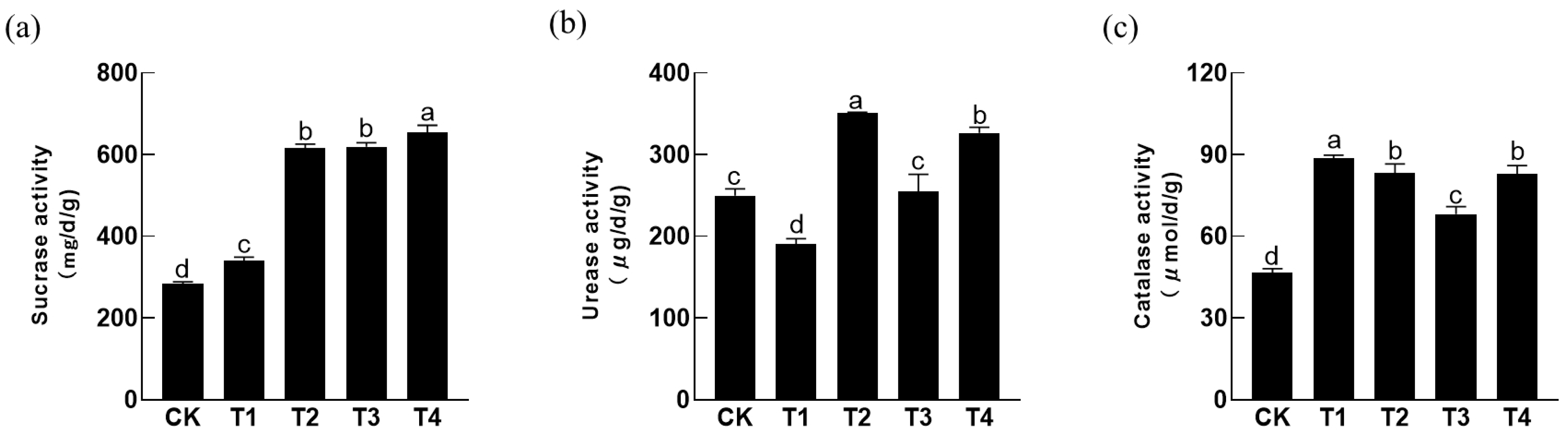
3.4. Effects of Different Substrate Ratios on Enzyme Activities in Tomato Rhizosphere Soil
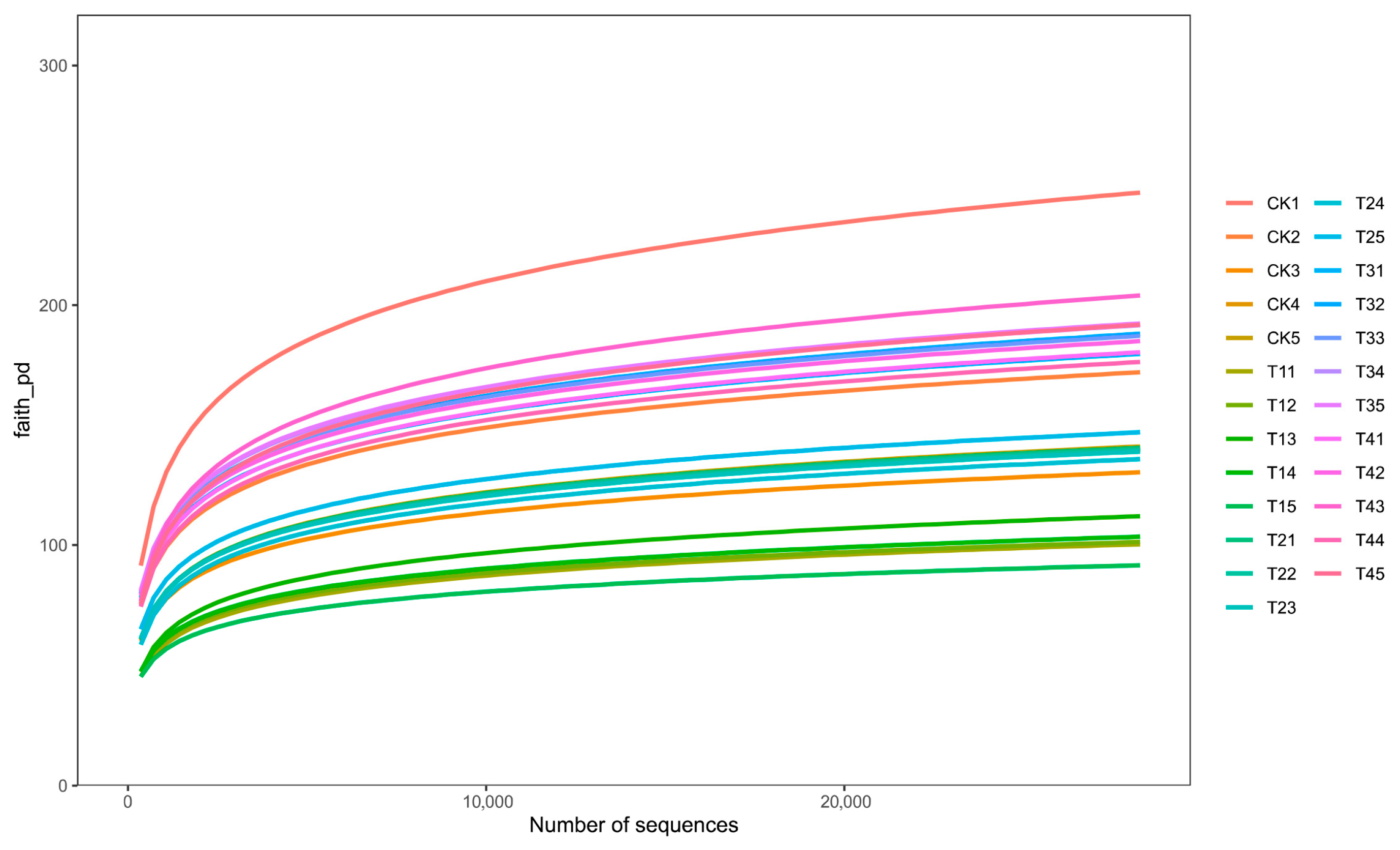
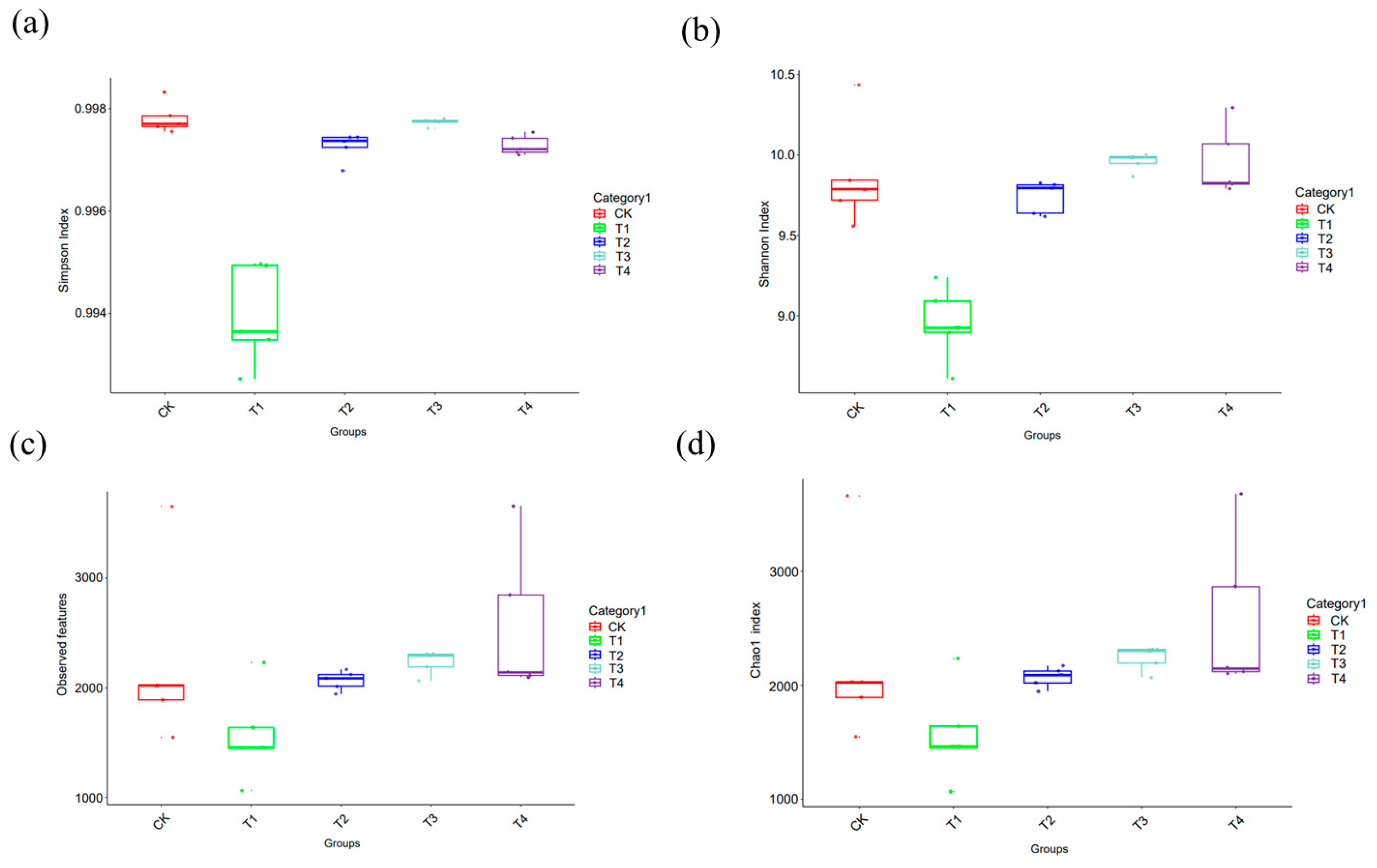
3.5. Bacterial Alpha Diversity and Rarefaction Curves of Tomato Rhizosphere Soil Under Different Substrate Treatments
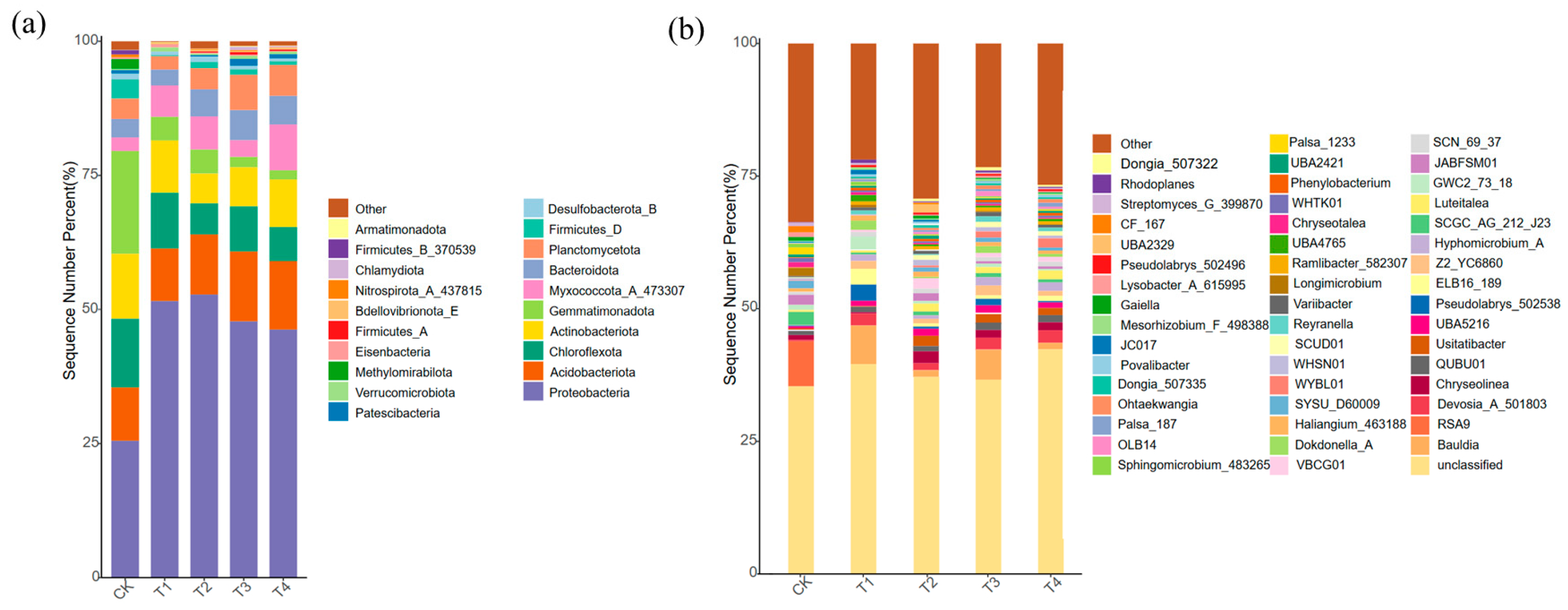
3.6. Taxonomic Classification Levels of Bacterial Phyla and Genera in Tomato Rhizosphere Soil Under Different Substrate Ratios
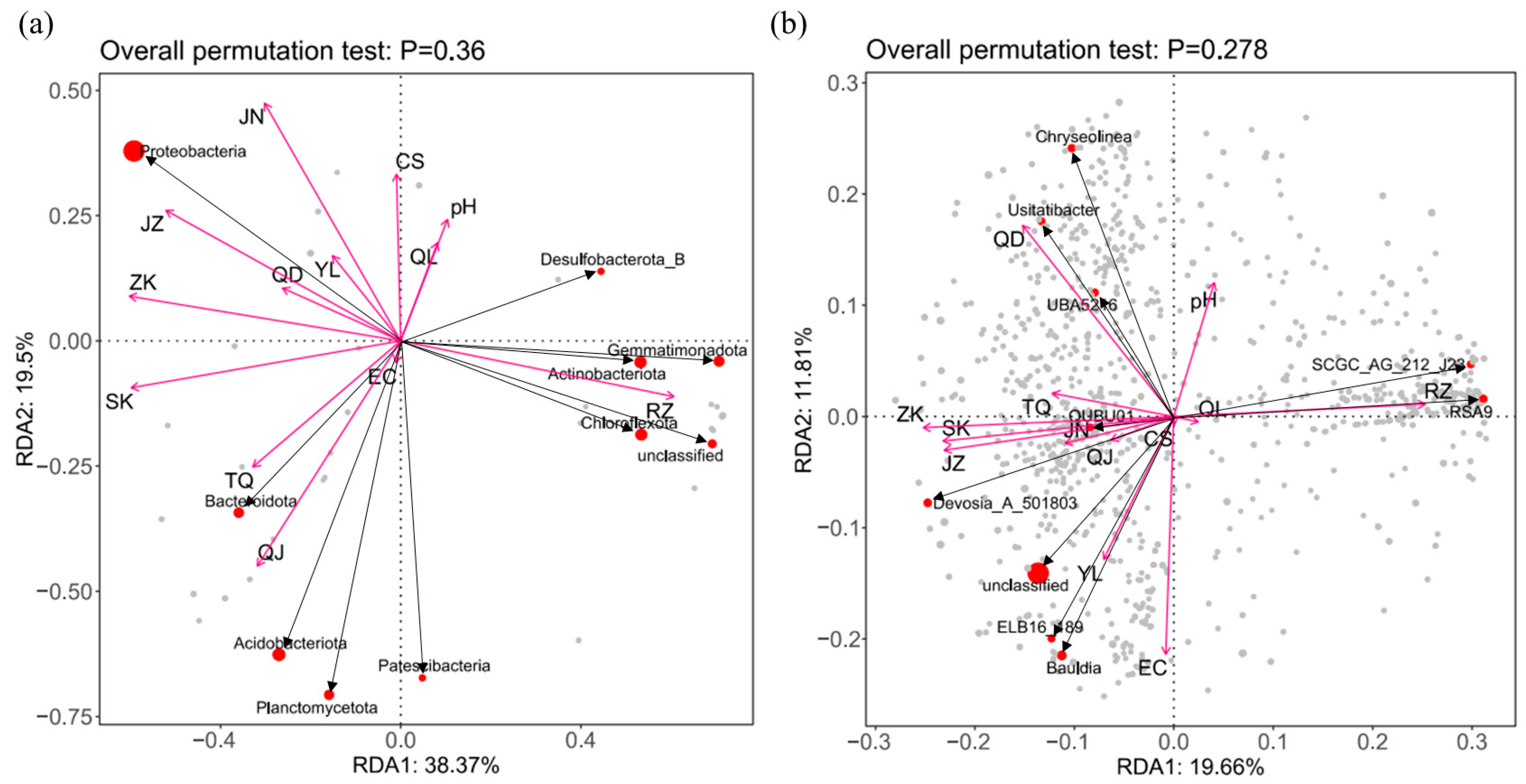
3.7. Tomato Rhizosphere Bacterial Phyla and Soil Physicochemical Properties: RDA
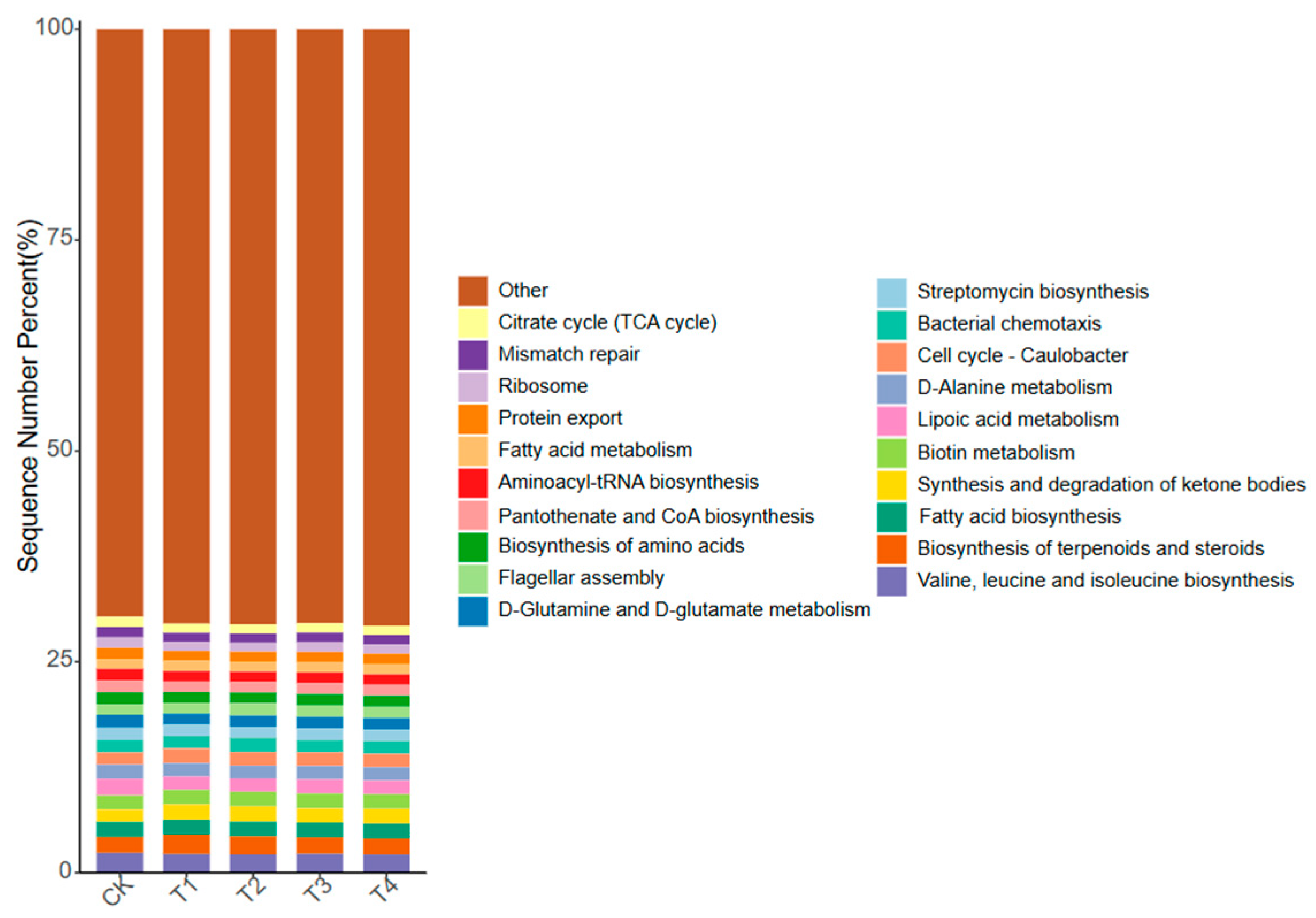
3.8. Functional Annotation of Microbial Communities Based on MetaCyc and KEGG Pathways
4. Discussion
4.1. Effects of Different Substrate Ratios on Tomato Yield and Quality
4.2. Effects of Different Substrate Ratios on Soil Enzyme Activities in Tomato-Growing Soil
4.3. Effects of Different Substrate Ratios on Microbial Community Structure in Tomato Rhizosphere
4.4. Effects of Different Substrate Ratios on Microbial Community Diversity in Tomato Rhizosphere
4.5. Peanut Shells Improve Tomato Growth, Yield and Quality by Modulating Substrate Properties, Soil Enzyme Activities and Root-Associated Microbial Communities
5. Conclusions
Supplementary Materials
Author Contributions
Funding
Data Availability Statement
Conflicts of Interest
References
- Avasiloaiei, D.I.; Calara, M.; Brezeanu, P.M.; Bălăiță, C.; Brumă, I.S.; Brezeanu, C. Optimizing tomato yield and quality in greenhouse cultivation through fertilization and soil management. Agronomy 2025, 15, 2045. [Google Scholar] [CrossRef]
- Šalagovič, J.; Vanhees, D.; Verboven, P.; Holsteens, K.; Verlinden, B.; Huysmans, M.; Van de Poel, B.; Nicolaï, B. Microclimate monitoring in commercial tomato (Solanum lycopersicum L.) greenhouse production and its effect on plant growth, yield and fruit quality. Front. Hortic. 2024, 3, 1425285. [Google Scholar] [CrossRef]
- Li, M.L.; Chen, X.B.; Cui, Y.S.; Yue, X.; Qi, L.F.; Huang, Y.L.; Zhu, C.X. Mechanism of soil microbial community degradation under long-term tomato monoculture in greenhouse. Front. Microbiol. 2025, 16, 1587397. [Google Scholar] [CrossRef] [PubMed]
- Zhao, Y.; Qin, X.M.; Tian, X.P.; Yang, T.; Deng, R.; Huang, J. Effects of continuous cropping of Pinellia ternata (Thunb.) Breit. on soil physicochemical properties, enzyme activities, microbial communities and functional genes. Chem. Biol. Technol. Agric. 2021, 8, 43. [Google Scholar] [CrossRef]
- Lv, S.; Li, H.T.; Wang, J.; Gao, W.T.; Shu, X.; Sun, X.T.; Wang, K.S.; Duan, Y.; Liu, Y.P.; Kuramae, E.E.; et al. Composition, function and succession of bacterial communities in the tomato rhizosphere during continuous cropping. Biol. Fertil. Soils 2023, 59, 723–732. [Google Scholar] [CrossRef]
- Wang, H.W.; Zhu, Y.X.; Xu, M.; Cai, X.Y.; Tian, F. Co-application of spent mushroom substrate and PGPR alleviates tomato continuous cropping obstacle by regulating soil microbial properties. Rhizosphere 2022, 23, 100563. [Google Scholar] [CrossRef]
- Ling, N.; Wang, T.T.; Kuzyakov, Y. Rhizosphere bacteriome structure and functions. Nat. Commun. 2022, 13, 836. [Google Scholar] [CrossRef]
- Harleen Kaur, J.; Walia, S.S. Plant growth promotion of radish by rhizosphere dwelling bacteria. Indian J. Hortic. 2023, 80, 283–288. [Google Scholar] [CrossRef]
- Sun, Y.Y.A.; Zhang, Q.X.A.; Zhao, Y.P.A.; Diao, Y.H.A.; Li, J.L.; Wang, X.N.; Chen, W.F.; Liu, J.Z.; Zhang, R.H. Beneficial rhizobacterium provides positive plant–soil feedback effects to Ageratina adenophora. J. Integr. Agric. 2021, 20, 1327–1335. [Google Scholar] [CrossRef]
- Khan, A.; Ding, Z.; Ishaq, M.; Ali, S.; Ahmad, F.; Hussain, J. Applications of beneficial plant growth promoting rhizobacteria and mycorrhizae in rhizosphere and plant growth:a review. Int. J. Agric. Bioeng. 2020, 13, 199–208. [Google Scholar] [CrossRef]
- Doran, J.W.; Zeiss, M.R. Soil health and sustainability: Managing the biotic component of soil quality. Appl. Soil Ecol. 2000, 15, 3–11. [Google Scholar] [CrossRef]
- Luo, D.; Shi, J.; Li, M.; Zhang, Y.; Wang, Y.; Liu, J.; Chen, W.; Zhao, X.; Li, J. Consortium of phosphorus-solubilizing bacteria promotes maize growth and changes the microbial community composition of rhizosphere soil. Agronomy 2024, 14, 1535. [Google Scholar] [CrossRef]
- Bulgarelli, D.; Garrido-Oter, R.; Münch, P.C.; Weiman, A.; Dröge, J.; Pan, Y.; McHardy, A.C.; Schulze-Lefert, P. Structure and function of the bacterial root microbiota in wild and domesticated barley. Cell Host Microbe 2015, 17, 392–403. [Google Scholar] [CrossRef]
- Bulgarelli, D.; Schlaeppi, K.; Spaepen, S.; Ver Loren van Themaat, E.; Schulze-Lefert, P. Structure and functions of the bacterial microbiota of plants. Annu. Rev. Plant Biol. 2013, 64, 807–838. [Google Scholar] [CrossRef]
- Mendes, R.; Kruijt, M.; de Bruijn, I.; Dekkers, E.; van der Voort, M.; Schneider, J.H.M.; Piceno, Y.M.; DeSantis, T.Z.; Andersen, G.L.; Bakker, P.A.H.M.; et al. Deciphering the rhizosphere microbiome for disease-suppressive bacteria. Science 2011, 332, 1097–1100. [Google Scholar] [CrossRef] [PubMed]
- Tian, P.; Razavi, B.S.; Zhang, X.C.; Wang, Q.K.; Blagodatskaya, E. Microbial growth and enzyme kinetics in rhizosphere hotspots are modulated by soil organics and nutrient availability. Soil Biol. Biochem. 2020, 141, 107662. [Google Scholar] [CrossRef]
- Gai, L.i.W.; Liu, Q.C.; Liu, Q.H.; Wang, K.L. Effects of peanut shells substrates with different microbial agents and fermentation times on the growth and development of Petunia hybrida. Chin. J. Soil Sci. 2018, 49, 1157–1164. (In Chinese) [Google Scholar] [CrossRef]
- Zhang, L.W. Development status, existing problems and policy suggestions of China’s peanuti ndustry. China Oils Fats 2020, 45, 116–122. (In Chinese) [Google Scholar] [CrossRef]
- Mokolopi, B.G. Groundnut shells as a potential feed supplement for ruminants on rastures: A review. Indian J. Anim. Res. 2020, 56, 521–524. [Google Scholar] [CrossRef]
- Khomami, A.M.; Hatamzadeh, A.; Khaljiri, H.J. Effects of recycled organic waste in soilless growing medium on the growth and flowering of gerbera (Gerbera jamesonii Bol.) in pot culture. Int. J. Recycl. Org. Waste Agric. 2024, 13, 347–354. [Google Scholar] [CrossRef]
- Khomami, A.M.; Hashemabadi, D.; Mahtab, F. Utilization of agricultural waste compost as a green roof substrates for Senecio maritimus, Hedera helix, Vinca minor. Int. J. Environ. Sci. Technol. 2025, 22, 10001–10012. [Google Scholar] [CrossRef]
- Esin, Y.; Erkan, E.; Esin, H.; Yilmaz, A.; Kaya, A. Potential use of postharvest tomato wastes as a growing media in soilless culture. Compos. Sci. Util. 2023, 31, 1–8. [Google Scholar] [CrossRef]
- Chrysargyris, A.; Prasad, M.; Toumazou, G. Application of wine and olive oil production residues as substrates for the cultivation of Chrysanthemum morifolium Potted Plants. Plants 2025, 14, 1166. [Google Scholar] [CrossRef]
- Gebreyesus, T.G.; Semwal, K.C. Evaluating the performance of tea leaf waste as a substrate supplement for cultivating Pleurotus ostreatus L. on groundnut shells. Int. J. Recycl. Org. Waste Agric. 2025, 14, 259–266. [Google Scholar] [CrossRef]
- Guo, S.R.; Sun, J. (Eds.) Soilless Culture, 3rd ed.; China Agricultural Press: Beijing, China, 2018. (In Chinese) [Google Scholar]
- Bao, S.D. Analysis of Soil Agrochemistry, 3rd ed.; China Agriculture Press: Beijing, China, 2000. (In Chinese) [Google Scholar]
- Li, H.S. Principles and Techniques of Plant Physiological and Biochemical Experiments; Higher Education Press: Beijing, China, 2000. (In Chinese) [Google Scholar]
- Griffiths, R.I.; Whiteley, A.S.; O’Donnell, A.G.; Bailey, M.J. Rapid method for coextraction of DNA and RNA from natural environments for analysis of ribosomal DNA- and rRNA-based microbial community composition. Appl. Environ. Microbiol. 2000, 66, 5488–5491. [Google Scholar] [CrossRef] [PubMed]
- Callahan, B.J.; McMurdie, P.J.; Rosen, M.J.; Han, A.W.; Johnson, A.J.A.; Holmes, S.P.; Holmes, S.D. Dada2: High-resolution sample inference from Illumina amplicon data. Nat. Methods 2016, 13, 581–583. [Google Scholar] [CrossRef] [PubMed]
- Bokulich, N.A.; Kaehler, B.D.; Ram, R.J.; Hausmann, B.M.; Wong, F.H.H.; Rideout, J.R.; Dillon, M.R.; Bolyen, E.; Knight, R.; Huttley, G.A.; et al. Optimizing taxonomic classification of marker-gene amplicon sequences with qiime 2’s q2-feature-classifier plugin. Microbiome 2018, 6, 90. [Google Scholar] [CrossRef]
- Love, M.I.; Huber, W.; Anders, S. Moderated estimation of fold change and dispersion for rna-seq data with deseq2. Genome Biol. 2014, 15, 550. [Google Scholar] [CrossRef]
- Mandal, S.; Van Treuren, W.; White, R.A.; Eggesbø, M.; Hansen, L.H. Analysis of composition of microbiomes: A novel method for studying microbial composition. Microb. Ecol. Health Dis. 2015, 26, 31650. [Google Scholar] [CrossRef]
- Segata, N.; Abubucker, S.; Goll, J.; Schubert, A.M.; Izard, J.; Metzker, M.L.; Huttenhower, C. Metagenomic biomarker discovery and explanation. Genome Biol. 2011, 12, R60. [Google Scholar] [CrossRef] [PubMed]
- Vázquez-Baeza, Y.; Pirrung, M.; Gonzalez, A.; Knight, R. Emperor: A tool for visualizing high-throughput microbial community data. GigaScience 2013, 2, 16. [Google Scholar] [CrossRef]
- Rohart, F.; Gautier, B.; Singh, A.; Lê Cao, K.A. Mixomics: A R package for omics feature selection and multiple data integration. PLoS Comput. Biol. 2017, 13, e1005752. [Google Scholar] [CrossRef]
- Oksanen, J.; Blanchet, F.G.; Friendly, M.; Kindt, R.; Legendre, P.; McGlinn, D.; Minchin, P.R.; O’Hara, R.B.; Simpson, G.L.; Solymos, P.; et al. vegan: Community Ecology Package (Version 2.5-7) [Computer Software]. 2020. Available online: https://CRAN.R-project.org/package=vegan (accessed on 18 October 2024).
- Langille, M.G.I.; Zaneveld, J.; Caporaso, J.G.; McDonald, D.; Knights, D.; Reyes, J.A.; Clemente, J.C.; Burkepile, D.E.; Vega Thurber, R.L.; Knight, R.; et al. Predictive functional profiling of microbial communities using 16S rRNA marker gene sequences. Nat. Biotechnol. 2013, 31, 814–821. [Google Scholar] [CrossRef]
- Douglas, G.M.; Maffei, V.J.; Zaneveld, J.R.; Yurgel, S.N.; Brown, J.R.; Taylor, C.M.; Huttenhower, C.; Langille, M.G.I. PICRUSt2 for prediction of metagenome functions. Nat. Biotechnol. 2020, 38, 685–688. [Google Scholar] [CrossRef] [PubMed]
- IBM Corp. IBM SPSS Statistics for Windows [Computer Software], Version 19.0; IBM Corp.: Armonk, NY, USA, 2010.
- Tukey, J.W. Comparing individual means in the analysis of variance. Biometrics 1949, 5, 99–114. [Google Scholar] [CrossRef] [PubMed]
- Li, T.L. Protected Vegetable Cultivation; China Agriculture Press: Beijing, China, 2021. (In Chinese) [Google Scholar]
- Venkataramani, S.; Kafle, A.; Singh, M.; Singh, S.; Simpson, C.; Siebecker, M.G. Greenhouse cultivation of cucumber (Cucumis sativus L.) in standard soilless media amended with biochar and compost. HortScience 2023, 58, 1035–1044. [Google Scholar] [CrossRef]
- Liu, L.Z.; Gao, J.J.; Zhang, Y.Y.; Gu, D.Y.; Jiao, J.; Liu, S.Q. Effects of organic substrates on yield and quality of tomato in solar greenhouse. J. Shanghai Jiaotong Univ. (Agric. Sci.) 2019, 37, 34–38. [Google Scholar] [CrossRef]
- Erdal, B.; Akta, H. Comparison of perlite, leonardite, vermicompost, and peat moss and their combinations with cocopeat as tomato growing media. J. Soil Sci. Plant Nutr. 2025, 25, 2726–2741. [Google Scholar] [CrossRef]
- Zhang, J.; Liu, S.T.; Zhu, X.M.; Chang, Y.L.; Wang, C.; Ma, N.; Wang, J.W.; Zhang, X.D.; Lyu, J.; Xie, J.M. A comprehensive evaluation of tomato fruit quality and identification of volatile compounds. Plants 2023, 12, 2947. [Google Scholar] [CrossRef] [PubMed]
- Simiele, M.; Argentino, O.; Baronti, S.; Scippa, G.S.; Chiatante, D.; Terzaghi, M.; Montagnoli, A. Biochar enhances plant growth, fruit yield, and antioxidant content of cherry tomato (Solanum lycopersicum L.) in a soilless substrate. Agriculture 2022, 12, 1135. [Google Scholar] [CrossRef]
- Burns, R.G.; DeForest, J.L.; Marxsen, J.; Sinsabaugh, R.L.; Stromberger, M.E.; Wallenstein, M.D.; Weintraub, M.N.; Zoppini, A.; Arrieta, J.M.; Bottner, M.; et al. Soil enzymes in a changing environment: Current knowledge and future directions. Soil Biol. Biochem. 2013, 58, 216–234. [Google Scholar] [CrossRef]
- Zhu, Y.Y.; Di, Q.Q.; Li, M.; Du, Q.J.; Xiao, H.J. Effects of peanut shell biochar and fermented cow manure on plant growth and metabolism of tomato. Chem. Biol. Technol. Agric. 2024, 11, 113. [Google Scholar] [CrossRef]
- Zhang, M.; Wang, D.; Wang, S.Q.; Du, H.S.; Li, G.D.; Lan, R.B.; Li, Y.L. Resource utilization of peanut shells: Nutritional characteristics, regulation of antinutritional factors, and application potential in livestock and poultry production. Food Sci. Nutr. 2025, 13, e70994. [Google Scholar] [CrossRef]
- Schloter, M.; Nannipieri, P.; Sørensen, S.J.; Van Elsas, J.D.; Bailey, M.; Mendes, R.; De Hollander, M.; Saviozzi, A.; Violle, C.; Wallenstein, M.D.; et al. Microbial indicators for soil quality. Biol. Fertil. Soils 2017, 53, 185–193. [Google Scholar] [CrossRef]
- Huang, N.; Wang, W.; Yao, Y.; Li, J.; Zhang, Y.; Liu, X.; Shen, Q.; Zhang, R. The influence of different concentrations of bio-organic fertilizer on cucumber Fusarium wilt and soil microflora alterations. PLoS ONE 2017, 12, e0171490. [Google Scholar] [CrossRef]
- Wu, J.J.; Song, Z.A.; Zhang, J.H.; Li, Y.N.; Wang, Y.C.; Liu, X.L.; Chen, W.F. Taxonomic response of bacterial and fungal populations to biofertilizers applied to soil or substrate in greenhouse-grown cucumber. Sci. Rep. 2022, 12, 18522. [Google Scholar] [CrossRef]
- Anzalone, A.; Mosca, A.; Dimaria, G.; Nicotra, D.; Tessitori, M.; Privitera, G.F.; Catara, V. Soil and soilless tomato cultivation promote different microbial communities that provide new models for future crop interventions. Int. J. Mol. Sci. 2022, 23, 8820. [Google Scholar] [CrossRef]
- Yu, X.; Wei, Q.; Na, M.; Tian, C.; Xu, S.; Zhou, J. Effects of combined peanut shells and biochar application on soil nutrient content, Co2 emission, and bacterial community in dryland red soil of Southern China. J. Soil Sci. Plant Nutr. 2024, 24, 219–230. [Google Scholar] [CrossRef]
- Ebrahimi, R.; Ebrahimi, N. Peanut shell wastes as a culture medium for greenhouse tomato in soilless culture. Acta Hortic. 2024, 1389, 6. [Google Scholar] [CrossRef]
- Usif, M. Biodegradation and Mushroom Cultivation Studies on Peanut Shells and Corn Stalks by Pleurotus ostreatus Under Solid State Fermentation Conditions. Master’s Thesis, North Carolina Agricultural and Technical State University, Greensboro, NC, USA, 2012. [Google Scholar]
- Noah, F. Embracing the unknown: Disentangling the complexities of the soil microbiome. Nat. Rev. Microbiol. 2017, 15, 579–590. [Google Scholar] [CrossRef]
- Wang, X.J.; Li, Z.H.; Jin, H.G.; Huang, X.M.; Xiao, X.B.; Zi, S.H.; Liu, T. Effects of mushroom-tobacco rotation on microbial community structure in continuous cropping tobacco soil. J. Appl. Microbiol. 2023, 13, lxad088. [Google Scholar] [CrossRef]
- Fierer, N.; Bradford, M.A.; Jackson, R.B. Toward an ecological classification of soil bacteria. Ecology 2007, 88, 1354–1364. [Google Scholar] [CrossRef]
- Kalam, S.; Basu, A.; Ahmad, I.; Singh, A.K.; Verma, J.P.; Singh, R.R.; Chauhan, A.; Tripathi, A.K.; Pandey, A.K. Recent understanding of soil acidobacteria and their ecological significance: A critical review. Front. Microbiol. 2020, 11, 580024. [Google Scholar] [CrossRef] [PubMed]
- Yamada, T.; Sekiguchi, Y. Cultivation of uncultured Chloroflexi subphyla: Significance and ecophysiology of formerly uncultured Chloroflexi ‘Subphylum I’ with natural and biotechnological relevance. Microbes Environ. 2009, 24, 205–216. [Google Scholar] [CrossRef] [PubMed]
- Fang, H.H.P.; Liang, D.W.; Zhang, T.; Liu, Y. Anaerobic treatment of phenol in wastewater under thermophilic condition. Water Res. 2006, 40, 427–434. [Google Scholar] [CrossRef] [PubMed]
- Wu, J.H.; Liu, W.T. Characterization of microbial consortia in a terephthalate-degrading anaerobic granular sludge system. Microbiology 2001, 147, 373–382. [Google Scholar] [CrossRef]
- Miao, V.; Davies, J. Actinobacteria: The good, the bad, and the ugly. Antonie Van Leeuwenhoek 2010, 98, 143–150. [Google Scholar] [CrossRef]
- Hu, X.; Chen, Y. Effects of exposure of polyester fiber microplastics on activated sludge system performance and microbial community structure. Chem. Ind. Eng. Prog. 2023, 42, 1051–1060. [Google Scholar] [CrossRef]
- Deja-Sikora, E.; Felfoldi, T.; Kalwasinska, A.; Gołębiewska, K.; Krawczyk-Bärwolf, J.; Chodorowski, J.; Dziewit, L.; Węgrzyn, G.; Krępski, O.; Czerwonka, K.; et al. Microbial communities associated with the anthropogenic, highly alkaline environment of a saline soda lime, Poland. Antonie Van Leeuwenhoek 2017, 110, 2005–2020. [Google Scholar] [CrossRef]
- Li, G.Q. Effects of the Invasive Plant Solidago canadensis L. on the Diversity of Rhizosphere Soil Microbial Communities. Master’s Thesis, Fujian Agriculture and Forestry University, Fuzhou, China, 2009. (In Chinese) [Google Scholar] [CrossRef]
- Papenbrock, J.; Fussy, A. An overview of soil and soilless cultivation techniques—Chances, challenges and the neglected question of sustainability. Plants 2022, 11, 1153. [Google Scholar] [CrossRef]
- Resendiz-Nava, C.N.; Alonso-Onofre, F.; Silva-Rojas, H.V.; Rebollar-Alviter, A.; Rivera-Pastrana, D.M.; Stasiewicz, M.J.; Nava, G.M.; Mercado-Silva, E.M. Tomato plant microbiota under conventional and organic fertilization regimes in a soilless culture system. Microorganisms 2023, 11, 1633. [Google Scholar] [CrossRef] [PubMed]
- Qiao, C.; Yang, J.; Shao, Q.; Li, Y.; Wang, X.; Zhang, H.; Liu, S.; Chen, W.; Zhao, Y.; Sun, J. Correction: Bio-organic fertilizers modulate the rhizosphere bacterial community to improve plant yield in reclaimed soil. Front. Plant Sci. 2025, 16, 1709443. [Google Scholar] [CrossRef] [PubMed]
- Du, Z.J.; Xiao, Y.T.; Qi, X.B.; Liu, Y.; Fan, X.Y.; Li, Z.Y. Peanut-Shell Biochar and Biogas Slurry Improve Soil Properties in the North China Plain: A Four-Year Field Study. Sci. Rep. 2018, 8, 13724. [Google Scholar] [CrossRef] [PubMed]
- Zhou, J.H.; Hong, W.Y.; Feng, J.P.; Song, L.P.; Li, X.P.; Xu, S.Q.; Zhou, S.B. Effects of applying peanut shells and its biochar on the microbial activity and community structure of dryland red soil. Heliyon 2023, 9, e12604. [Google Scholar] [CrossRef] [PubMed]
- Roy, D.; Gunri, K.S.; Kundu, K.C.; Mandal, S.; Saha, A.; Pal, S.; Ghosh, A.; Banerjee, S.; Das, S.; Maiti, T.K. Rapid composting of groundnut residues through novel microbial consortium: Evaluating maturity, stability, and microbial activity. Curr. Res. Microb. Sci. 2024, 7, 100277. [Google Scholar] [CrossRef] [PubMed]



| Treatment | pH | EC (mS·cm−1) | Bulk Density (g·cm−3) | Total Porosity % | Air-Filled Porosity % | Water-Holding Porosity % |
|---|---|---|---|---|---|---|
| CK | 6.31 ± 0.04 b | 1.46 ± 0.01 d | 1.12 ± 0.03 a | 51.61 ± 1.21 b | 3.40 ± 1.58 c | 48.97 ± 1.21 c |
| T1 | 6.10 ± 0.06 c | 1.83 ± 0.30 a | 0.17 ± 0.01 c | 69.94 ± 2.09 a | 2.64 ± 0.52 c | 66.55 ± 2.75 a |
| T2 | 7.14 ± 0.14 a | 0.80 ± 0.03 e | 0.33 ± 0.03 b | 73.29 ± 1.10 a | 14.99 ± 4.29 b | 58.30 ± 3.64 b |
| T3 | 5.81 ± 0.05 d | 1.72 ± 0.48 b | 0.17 ± 0.01 c | 71.35 ± 2.25 a | 20.59 ± 4.52 b | 50.76 ± 3.38 bc |
| T4 | 5.84 ± 0.02 d | 1.64 ± 0.31 c | 0.15 ± 0.02 c | 71.44 ± 1.63 a | 32.11 ± 3.40 a | 39.33 ± 2.86 d |
| Treatment | AN | AP | AK | TN | TP | TK | SOM |
|---|---|---|---|---|---|---|---|
| CK | 0.47 ± 0.02 e | 0.18 ± 0.01 c | 0.54 ± 0.10 c | 3.03 ± 0.82 d | 1.45 ± 0.41 c | 7.60 ± 0.38 d | 22.56 ± 0.42 e |
| T1 | 1.95. ± 0.10 a | 0.48 ± 0.03 a | 2.75 ± 0.27 b | 4.83 ± 0.27 c | 1.73 ± 0.34 a | 13.75 ± 0.45 b | 455.74 ± 2.87 a |
| T2 | 1.65 ± 0.04 b | 0.22 ± 0.01 c | 2.79 ± 0.18 b | 10.53 ± 0.46 a | 1.57 ± 0.24 b | 11.63 ± 0.05 c | 408.19 ± 1.53 c |
| T3 | 0.75 ± 0.04 e | 0.32 ± 0.02 b | 3. 57 ± 0.18 a | 6.26 ± 0.49 b | 1.41 ± 0.20 c | 66.89 ± 0.25 a | 308.98 ± 7.93 d |
| T4 | 1.40 ± 0.07 c | 0.23 ± 0.02 c | 3.85 ± 0.37 a | 6.01 ± 0.31 b | 0.79 ± 0.15 d | 66.28 ± 0.02 a | 430.74 ± 7.08 b |
| Treatment | Yield per Plant (kg) | Yield per Mu (kg·667 m−2) |
|---|---|---|
| CK | 1.85 ± 0.12 d | 4925.06 ± 40.74 d |
| T1 | 3.46 ± 0.26 a | 9227.82 ± 70.56 a |
| T2 | 2.47 ± 0.21 c | 6578.60 ± 67.12 c |
| T3 | 2.92 ± 0.21 b | 7787.64 ± 46.19 b |
| T4 | 3.42 ± 0.57 a | 9130.03 ± 107.79 a |
| Treatment | Vitamin C Content (mg·100 g−1) | Soluble Protein Content (mg·g−1) | Soluble Sugar Content (%) | Soluble Solids Content (%) |
|---|---|---|---|---|
| CK | 7.44 ± 0.45 b | 0.89 ± 0.03 b | 0.79 ± 0.01 bc | 3.73 ± 0.21 ab |
| T1 | 4.88 ± 0.45 c | 1.56 ± 0.11 a | 0.69 ± 0.07 cd | 3.67 ± 0.06 b |
| T2 | 3.97 ± 0.59 c | 0.38 ± 0.12 c | 0.59 ± 0.01 d | 3.37 ± 0.06 c |
| T3 | 9.75 ± 0.89 a | 0.79 ± 0.14 b | 1.31 ± 0.18 a | 3.40 ± 0.10 c |
| T4 | 10.52 ± 1.18 a | 1.05 ± 0.18 a | 0.91 ± 0.02 b | 3.93 ± 0.06 a |
| Treatment (Pathway Level 1) | Metabolism | Genetic Information Processing | Cellular Processes | Human Diseases | Environmental Information Processing | Organismal Systems |
|---|---|---|---|---|---|---|
| CK | 73.86% | 10.42% | 6.43% | 4.67% | 2.30% | 2.32% |
| T1 | 73.86% | 9.42% | 6.77% | 5.30% | 2.33% | 2.33% |
| T2 | 73.27% | 9.92% | 7.24% | 5.40% | 2.31% | 2.33% |
| T3 | 73.45% | 9.73% | 6.80% | 5.28% | 2.39% | 2.35% |
| T4 | 73.40% | 9.63% | 6.88% | 5.28% | 2.37% | 2.44% |
Disclaimer/Publisher’s Note: The statements, opinions and data contained in all publications are solely those of the individual author(s) and contributor(s) and not of MDPI and/or the editor(s). MDPI and/or the editor(s) disclaim responsibility for any injury to people or property resulting from any ideas, methods, instructions or products referred to in the content. |
© 2026 by the authors. Licensee MDPI, Basel, Switzerland. This article is an open access article distributed under the terms and conditions of the Creative Commons Attribution (CC BY) license.
Share and Cite
Luo, H.; Ma, X.; Ma, H.; Fu, H.; Dong, H.; Guo, Z.; Dong, X.; Piao, F.; Shen, S.; Li, X.; et al. Effects of Different Substrate Ratios on Bacterial Community Structure and Diversity in the Rhizosphere of the Tomato. Horticulturae 2026, 12, 427. https://doi.org/10.3390/horticulturae12040427
Luo H, Ma X, Ma H, Fu H, Dong H, Guo Z, Dong X, Piao F, Shen S, Li X, et al. Effects of Different Substrate Ratios on Bacterial Community Structure and Diversity in the Rhizosphere of the Tomato. Horticulturae. 2026; 12(4):427. https://doi.org/10.3390/horticulturae12040427
Chicago/Turabian StyleLuo, Hengbin, Xiaojing Ma, Haohao Ma, Hongdan Fu, Han Dong, Zhixin Guo, Xiaoxing Dong, Fengzhi Piao, Shunshan Shen, Xinzheng Li, and et al. 2026. "Effects of Different Substrate Ratios on Bacterial Community Structure and Diversity in the Rhizosphere of the Tomato" Horticulturae 12, no. 4: 427. https://doi.org/10.3390/horticulturae12040427
APA StyleLuo, H., Ma, X., Ma, H., Fu, H., Dong, H., Guo, Z., Dong, X., Piao, F., Shen, S., Li, X., Wang, Y., & Zhang, T. (2026). Effects of Different Substrate Ratios on Bacterial Community Structure and Diversity in the Rhizosphere of the Tomato. Horticulturae, 12(4), 427. https://doi.org/10.3390/horticulturae12040427