


Abstract
The flavor and color profiles of vegetables are crucial in determining their nutritional value, health benefits, taste, and visual appeal. The genomic characteristics of plants control these traits. Components such as sugars, organic acids, amino acids, phenolic compounds, and essential oils, as well as color pigments like anthocyanin, chlorophyll, carotenoid, and betalain, are synthesized in plants based on their genetic structure. Environmental factors like temperature, water, light, and soil can affect the production and intensity of these components. Long-term environmental changes, such as climate change, can significantly alter the dynamics of these components. This comprehensive review focuses on the genetic and environmental interactions underlying the flavor and color profiles of vegetables, with particular emphasis on the analysis of quantitative trait loci (QTL) associated with these traits. The article discusses the identification of genes that regulate taste and color in vegetables and how these genes have been localized in QTL mapping studies. It also discusses the influence of environmental factors on taste and color, as well as gene–environment interactions. Furthermore, it focuses on how this information can be used to improve plant breeding and sustainable agriculture and emphasizes that data from QTL analyses provide valuable insights into the integration of genetic and environmental approaches to improve vegetable quality and meet consumer preferences. In conclusion, the review aims to be a valuable resource for both researchers and professionals interested in the genetic and environmental aspects of taste and color in vegetables.
1. Introduction
In the literature, taste includes basic senses such as sweet, sour, hot, and salty [1]. Aroma is the combination of the taste and smell senses of food [2]. The feeling that a nutrient leaves in the mouth is called taste [3]. Since each product has a unique taste, it has been stated that the number of tastes is infinite [4]. In other words, the flavor of a product is generally defined as a combination of smell, taste, aroma, texture, and visual stimulation [1].
Determining the flavor components and content of fruits and vegetables in terms of quality and quantity with precise values and limits is particularly challenging. These compositions can vary even within the same species or variety. The genetic structure [5], environmental conditions in the region where the product is grown [6], soil quality, cultivation methods [5], ripeness level, transportation, and storage [7] can cause these differences. Therefore, the composition of vegetables, fruits, and products derived from them may vary depending on their sources. In general, different sources indicate that 100 g of fresh vegetables contains 90–95% water [8], 1–3% nitrogen [9], less than 1% fat, 3–7% carbohydrates, and 1–2% minerals [8,10], as well as vitamins and phytochemicals [7], depending on the type of vegetable and the processing method. Additionally, vegetables are rich in various flavor and aroma compounds (organic acids, sugars, amino acids, volatile oils, and salts), minerals (Fe, P, Ca, K, Na, etc.), and vitamins (thiamine, riboflavin, ascorbic acid, biotin, cholecalciferol, etc.) [11].
Flavor compounds in vegetables include a variety of chemical components, including carbohydrates, organic acids, amino acids, phenolic compounds, and essential oils. Carbohydrates (soluble sugars and starches) significantly contribute to the sweetness level of vegetables [12,13], as well as to plant development and abiotic and biotic stress responses [14,15,16]. Amino acids, the basic form of organic nitrogen that can move easily in plants, greatly contribute to many physiological processes in plants. The amount and profile of amino acids, such as glutamic acid, affect the formation of umami and salty taste perception in vegetables [17]. The number and amount of organic acids in vegetables show significant differences between plant species and varieties. In addition, biotic and abiotic factors can affect the content of organic acids. During the development stages of vegetables, the content of these acids generally decreases [18,19]. Furthermore, these acids significantly affect the shelf life, flavor, and aroma of vegetables [20]. Oxalic acid is commonly found in vegetables such as spinach, chard, beans, tomatoes, and squash, contributing to the formation of their sourness and aroma profiles and affecting their shelf life [21,22]. Phenolic compounds (phenolic acids, tannins, etc.), which are among secondary metabolites, determine the flavor and color characteristics of fruits and vegetables. These compounds also contribute to the bitterness and pungency often found in some vegetables [23,24,25]. Essential oils contain volatile components that form the characteristic aroma and taste of vegetables and are generally divided into two main chemical groups: terpenes (monoterpenes, diterpenes, etc.) and phenylpropanoids. Terpenes are subdivided into subgroups based on the size and type of carbon skeleton, while phenylpropanoids are classified as compounds containing an aromatic ring and a propane chain [26,27].
Pigments are molecules that give color to all objects [28]. The color pigments in vegetables are important components that determine the nutritional value, health benefits, and visual appeal of plants. The main groups of pigments found in vegetables include chlorophylls, carotenoids, anthocyanins, betalains, and flavonoids, each contributing to the formation of different colors in vegetables [29]. Chlorophyll is the source of green tones in vegetables, while carotenoids provide yellow, orange, and red colors. Anthocyanins create red, blue, and purple colors, while betalains are known for their strong antioxidant properties and are synthesized in certain plant tissues, contributing to the formation of red and yellow tones in some vegetables. Flavonoids play a role in the formation of colors such as yellow, cream, white, and purple [30,31,32,33]. The genetic basis of these pigments is encoded in plant DNA. In addition to genetic factors, environmental factors such as nutrient availability, temperature, and light also significantly affect pigment quantity and distribution [34,35]. These pigments, which give vegetables different colors, can be synthesized in different combinations and intensities in plant cells. Furthermore, these pigments are of great importance in terms of both visual appeal nutritional value, and also act as antioxidants [34,36,37,38].
The flavor and color characteristics of vegetables are fundamental quality criteria that determine consumer preferences. These characteristics are influenced by a combination of genetic and environmental factors and agricultural practices. Despite their importance, accurately and consistently determining the flavor and pigment content of vegetables is a complex task. These characteristics vary not only between species and varieties but also according to growing conditions, climatic conditions, harvest maturity, storage, and processing conditions [31,34,39,40,41]. More importantly, while advances in breeding technologies increasingly target traits such as yield and disease resistance, research on the molecular and genetic basis of sensory traits, particularly flavor and color, is increasing, but breeding for sensory quality remains limited [42,43]. In the future, genetic and molecular research in breeding efforts aimed at improving sensory quality will be even more important.
Quantitative trait loci (QTLs) play an important role in the genetic determination of flavor and color profiles in vegetables and significantly influence breeding strategies to improve these traits. QTL mapping allows researchers to identify specific genetic regions linked to desirable phenotypic traits. For flavor, studies have shown that QTLs are strongly associated with sensory traits in vegetables. In this context, research on tomatoes has identified QTL clusters associated with sweetness and acidity, which are the main components of flavor [44]. The identification of these QTLs supports marker-assisted selection (MAS) to improve flavor profiles in breeding programs and highlights the importance of QTL mapping for understanding flavor diversity in vegetables. A study on pumpkin (Cucurbita maxima) found that QTL mapping showed a link between fruit color and carotenoid content, indicating that color assessment can effectively identify high-carotenoid samples in breeding programs [45]. Similarly, QTLs that affect both anthocyanin production and fruit color have been identified in eggplant (Solanum melongena), suggesting a genetic basis for variation in color traits [46]. There is a complex interaction between flavor and color in some fruits. QTLs affecting fruit color are mapped together with those affecting flavor. A QTL study conducted on melons showed that color traits and flavor traits are often found together or clustered [47]. This demonstrates how one trait can influence another, meaning that multiple traits must be considered in breeding. The precise QTL intervals and candidate genes obtained from these studies increase selection efficiency in breeding and facilitate the combination of desired alleles [48]. In this context, analyses such as quantitative trait locus (QTL) mapping, which are widely used, have emerged as a powerful tool in recent years for revealing the genetic structure of complex traits and offering promising avenues for the genetic improvement of flavor and color traits. However, the existing literature is fragmented, and there is a lack of comprehensive and integrative reviews that simultaneously address both flavor and color traits and how they are modulated by genetic and environmental interactions. Furthermore, many QTL studies still fail to fully account for environmental variability, despite its known influence on these traits.
This review aims to address this knowledge gap by compiling and analyzing research on the genetic determinants of vegetable flavor and color, with a focus on quantitative trait loci. Current studies often treat flavor and color separately or lack integration with environmental and agronomic factors. The review explores how these genetic factors interact with environmental conditions and cultivation practices, which are often overlooked. Ultimately, the review provides a comprehensive and integrated perspective on the interplay between genetics and external influences in shaping vegetable quality, with a goal to develop more precise and consumer-oriented breeding strategies for enhancing flavor and color in vegetables.
2. Genetic Mechanisms and Biosynthesis of Flavor and Color in Vegetables
Vegetable color is often determined by specific pigments, such as chlorophyll, anthocyanins, and carotenoids, which are controlled by different genetic loci and biosynthetic pathways [49].
Chlorophyll content in fruits affects nutrition and flavor. Promoting chloroplast development increases photosynthetic efficiency and sugar accumulation [50]. Chlorophyll in plants is composed of a magnesium-containing porphyrin ring and phytol, which contains mainly chlorophyll a and chlorophyll b [51]. The biosynthesis of chlorophyll is laborious and complex (Figure 1), with ALA synthesis and Mg ion addition being the main processes controlling it. The first step is the synthesis of L-glutamyl-aminolaevulinic acid (ALA), initiated by the catalytic reaction of glutamic acid (Glu) and glutamyl-tRNA synthetase (GluRS) [52]. The Mg-chelatase reaction shows that Proto IX enters the chlorophyll synthesis pathway, with Mg-chelatase (MgCh) being critical to chlorophyll biosynthesis. Proto IX, Mg Ch, Mg PMT, Mg PEC, and 3,8-divinyl-protoporphyrin chlorophyll a are synthesized by protochlorophyllide oxidoreductase (POR), chlorophyll synthase (Childe), and other enzymes. Finally, the methyl at the C7 side chain of chlorophyll a is oxidized to form a formyl group, which is involved in chlorophyll b synthesis [53]. Regarding chlorophyll biogenesis and chloroplast development in tomatoes, SIMYB72 [54], SGR1 [55], APRR2-like [56], GLK2 [57], and LOL1 [58] promote nuclear and plastid activity. SlMYB72 is an important transcription factor that directly regulates chlorophyll biosynthesis and chloroplast development and targets protochlorophyllide reductase, Mg-chelatase H subunit, and knotted1-like homeobox 2 genes [54]. The SlBEL11 protein promotes chloroplast development by binding to the promoters of genes such as APRR2-like and TKN2 [56]. Similarly, the SlZHD17 protein regulates chlorophyll biosynthesis and chloroplast development, while SlSGR1 is a critical factor in chlorophyll degradation [55]. Plastid-targeted proteins such as SlPPR138 are essential for early chloroplast development via chloroplast RNA regulation [59].
Figure 1.
Chlorophyll biosynthesis pathway in tomatoes (a model plant for vegetables); available in the KEGG database under code sly 00860 as the porphyrin pathway.
The biosynthesis of anthocyanins is regulated by several genes involved in the flavonoid biosynthetic pathway (Figure 2). The biosynthesis of anthocyanins is complexly regulated by MBW (MYB-bHLH-WD40) transcription factor complexes that control structural genes involved in the anthocyanin biosynthetic pathway [60]. This complex controls structural genes such as chalcone synthase (CHS), flavanone 3-hydroxylase (F3H), and anthocyanidin synthase (ANS), thereby enabling the conversion of flavonoids into anthocyanins. In vegetables, this transcription factor complex functions as the main regulator of anthocyanin biosynthesis. In eggplant, SmelANT1, SmelAN2 (MYB), SmelJAF13, SmelAN1 (bHLH), and WD40 proteins form the MBW complex, which regulates the expression of anthocyanin biosynthesis genes. Additionally, an R3 MYB-type repressor protein called SmelMYBL1 controls anthocyanin accumulation by inhibiting the activity of the MBW complex [61,62]. RNA-Seq analyses performed on carrots revealed that MYB, bHLH, and WD40 genes correlate with anthocyanin content and that these genes play an important role in anthocyanin biosynthesis in vegetables via the MBW complex [63].
Figure 2.
Anthocyanin biosynthesis pathway in tomato (a model plant for vegetables); available in the KEGG database under code sly 00942 (all EC codes are available in the KEGG database sly 00942).
Carotenoids are natural pigments that influence plant characteristics and play an important role in photosynthesis, light absorption, pigmentation, nutrition, and antioxidant defense in plants. The main carotenoids in humans are provitamin A carotenoids (e.g., β-carotene, α-carotene, and β-cryptoxanthin), which are precursors of vitamin A, and carotenoids such as lycopene and zeaxanthin, which support antioxidant activity [64,65]. The genetic mechanisms controlling carotenoid synthesis in plants are complex and influenced by the environment. Carotenoids are produced through a biochemical pathway called the carotenoid biosynthetic pathway, which relies on the mevalonic acid (MVA) and 1-deoxy-D-xylulose-5-phosphate (DXP) pathways. The MVA pathway is found in yeasts and some bacteria, whereas the DXP pathway is the main pathway for carotenoid biosynthesis in chloroplasts and other plastids [66]. Both pathways provide isoprenoid precursors and produce the basic structures required for carotenoid biosynthesis. Enzymes such as PSY, PDS, and LCY are involved in this process. All carotenoid biosynthetic genes may be involved in the genetic basis of carotenoid content, making them useful candidate genes [67].
This study focuses on the genetic control of color and flavor components and the diversity and regulation of apocarotenoid pathways in plants. It provides an update on the apocarotenoid biosynthetic pathway in plants, highlighting the specificity and regional distribution of the carotenoid cleavage dioxygenase 4 (CCD4) subfamily among different plant species [68].
2.1. Flavor Components
The genetic mechanisms determining the taste of vegetables are complex, with many chemicals involved in taste perception, such as sugars, acids, and volatile organic compounds [69]. This taste profile is determined by a complex network of genetic and biochemical pathways (Table 1). Glucosinolates, found in the Brassicaceae family, are the main sulfur-containing compounds affecting flavor in vegetables like broccoli, cabbage, and Chinese cabbage. These compounds convert to isothiocyanates through hydrolysis, creating bitter and pungent flavors [70]. The genes controlling glucosinolate biosynthesis are also influenced by these compounds. The MYB28 gene is the main regulator of aliphatic glucosinolate biosynthesis in Brassica species, and differences in its expression determine the amount of glucosinolates in vegetables and, consequently, flavor diversity [71]. The CYP79, CYP83, and SOT gene families, along with the MYB transcription gene family, are key genes involved in glucosinolate synthesis in cruciferous plants [72]. This further complicates genetic diversity in taste receptors [70,73].
Genome-wide association studies (GWASs) have revealed the genetic basis of sensory traits in beans by identifying QTL associated with flavor and texture [74]. As part of their work, the researchers identified SNPs associated with the main sensory trait groups identified in the study.
Allicin, a volatile organosulfur compound that gives garlic its unique flavor and medicinal properties, is produced by the enzymatic hydrolysis of S-alk(en)il-L-cysteine sulfoxides by alliinase, and alliin is one of the most abundant S-alk(en)il-L-cysteine sulfoxides in garlic [75]. It has been shown experimentally that high levels of alliinase expression among these genes increase the amount of allicin [76]. The enhanced expression of other gene families leads to a direct or indirect accumulation of the allicin compound and allicin content, which affects the taste and aroma [77].
The ripening and quality of watermelon fruit are determined by the coordinated action of enzymes and genes that control the metabolism of sugar (sweetness) and volatile organic compounds (aroma). The most important enzymes regulating sugar metabolism in watermelon are sucrose synthase, sucrose phosphate synthase, and the SWEET gene families. Specifically, genes involved in the breakdown regulation of fructose are fructose kinase (FK), FBA, FBP, and WMFBPA-2, while the genes involved in glucose transport and biosynthesis are SWEET, EDR6, and STP. Regarding the enzymes and genes that control VOC metabolism in watermelon, phytoene synthase 1, alcohol dehydrogenase, and lipoxygenase gene families are crucial for VOC accumulation [78]. Genes such as WMALMT-3 and WMCS specifically regulate malic and citric acid biosynthesis, respectively. While the WMCS gene affects citric acid production and accumulation, the malate synthase gene is expressed at different levels in sweet and sweet–sour genotypes and shows higher expression in the sweet–sour genotype [79,80]. Conversely, it is desirable that the cucurbitacin E glycoside content, controlled by a single master regulator, be as low as possible, as it adds bitterness to watermelon [81]. Therefore, a recessive allele that maintains the cucurbitacin E glycoside content in cultivated forms at very low or non-existent levels is used for breeding purposes [82].
A complex interaction among sweetness (sugars related to the SUS and SPS gene families), acidity and sourness (organic acids), and, most crucially, aroma (volatile organic compounds (VOCs); AAT, ADH, LOX, TST, and aminotransferase gene families), as well as the ripening regulatory mechanism (NAC and NOR transcription factors), determines the flavor of melon [83]. Cohen et al. [84] investigated a random mutation affecting the acidity of melon fruit and identified the pH gene (CmPH) in melon. The orthologs of this gene in cucumber and tomato were also found to be involved in regulating fruit pH. Furthermore, Cheng et al. [85] isolated three tonoplast sugar transporters (CmTST1, CmTST2, and CmTST3) from melon plants and showed that CmTST2 has the highest expression level during fruit development, and its overexpression leads to sugar accumulation in the fruit. In the study, a total of 82 volatile organic compounds were identified in the skin and flesh of the fruit, and 166 QTLs were identified [86]. The main QTL cluster was identified on chromosome 8, together with ripening-related loci that play an important role in VOC biosynthesis. Clusters of QTLs involved in esters, volatiles, and apocarotenoids were also identified, and candidate genes for ethyl 3-(methylthio) propanoate and benzaldehyde biosynthesis were obtained.
Comprehensive research into the metabolomic profile of bottle gourd is required to deepen our understanding of its flavor and to improve quality. A study compared the metabolite profiles of the strongly flavored “J120” and the weakly flavored “G32” collections. Major metabolites included amino acids, carboxylic acids and their derivatives, and organooxygen compounds. A QTL-seq study related to flavor was identified, and three major genomic regions (chromosome 2, chromosome 3, and chromosome 9) and a total of 408 protein-coding candidate genes associated with flavor were predicted in these regions. Among these genes were two amino acid permeases, one amino acid transporter (ANT1), and two cationic amino acid transporter-like amino acid-related genes, which may be associated with flavor differences. This study has broadened our understanding of flavor differences at the metabolomic level in bottle gourd fruit [87].
Amino acids, a vital source of nitrogen for plants, are crucial to a variety of processes. Amino acid transporters are proteins responsible for the transport of amino acids essential for plant growth and development [88]. Members of the amino acid transporter family, by regulating amino acid transport and distribution in some vegetables, might be important for the accumulation of taste-active amino acids. The phytoene synthase gene family, beta cyclase gene, and carotenoid isomerase genes contribute to taste and aroma in tomatoes through the synthesis of lycopene [54], which later contributes to taste and aroma through its degradation. In the context of tomatoes, carotenoid-derived volatile compounds, including MHO (6-methyl-5-hepten-2-one), geranyl acetone, and β-ionone, have been identified as critical substances that significantly influence the aroma quality of the fruit [89]. Research has demonstrated a proportional relationship between the levels of these compounds and the carotenoid content of the fruit [90]. Specifically, the levels of β-ionone, geranyl acetone, and MHO vary in tomatoes that have undergone genetic alterations in carotenoid biosynthesis. It has been ascertained that the carotenoid cleavage dioxygenase gene family and enzyme are responsible for the production of MHO through the breakdown of lycopene. Furthermore, genetic screening and metabolic pathway analysis have identified specific genetic regions that influence MHO and geranyl acetone levels in tomatoes. Specifically, genetic regions located on chromosomes 3 and 9 were found to jointly regulate the levels of lycopene-based volatile compounds [89].
Capsaicinoids in pepper plants are important flavor compounds that determine the plant’s hot taste. The amount of capsaicinoids in chili peppers is a significant criterion for quality and is controlled by the Pun1 allele. Among capsaicinoids, capsaicin is the most important flavor component (69%), which functions as a determinant of heat [91]. The study by Zhang et al. [92] reviewed the synthesis of capsaicin in detail and highlighted the role of phenylpropanoid and the branched-fatty-acid pathway. As in anthocyanin biosynthesis, capsaicin biosynthesis is also based on cinnamic acid (Figure 2). During this process, the AT (acyltransferase) gene family and Pun1, which encodes the capsaicin synthase protein, are of critical importance in the accumulation of capsaicin [93]. This highlights the complex genetic control involved in the synthesis of capsaicin, a compound known for its pungency and multiple applications in the food and pharmaceutical industries. In addition, Wu et al. [94] studied the pepper cinnamoyl-CoA reductase gene family and identified the CcCCR1/2 gene, which is another pungency-related gene involved in the production of heat by regulating enzyme activity in relation to capsaicin levels. Their findings highlight the genetic influence on pungency formation, an important capsaicin-related trait in chili.
Table 1.
Genes associated with flavor components in vegetables.
2.2. Color Components
Carotenoid biosynthesis is well characterized, and the genes controlling it have been identified in various plant species (Table 2). Several steps have been identified in the pathways that control the diversity and amount of carotenoids in different plant organs [95]. Phytoene accumulation, controlled by phytoene synthase and phytoene desaturase, is a key regulatory step in carotenoid accumulation [96]. Several studies have identified carotenoid biosynthetic genes involved in the genetic control of carotenoid content in pepper and carrot [97,98].
Research using biosynthetic genes to increase carotenoid content in vegetables like carrots is important to understand color components and carotenoid content. Therefore, increasing carotenoid content in carrots is a key objective in variety development studies. However, the knowledge of carotenoid accumulation is still limited. To perform a linkage mapping on the candidate gene related to carotenoid accumulation, 109 SNPs in 17 candidate genes, mostly carotenoid biosynthesis genes, were identified in 380 individuals, and the relationship between carotenoid content and color components was tested. Total carotenoid and β-carotene levels were significantly associated with zeaxanthin oxidase (ZEP), phytoene desaturase (PDS), and carotenoid isomerase (CRTISO) genes, while α-carotene was significantly associated with CRTISO and plastid terminal oxidase (PTOX) genes (summarized in Figure 3). The study suggested that PDS/PTOX and ZEP were involved in carotenoid accumulation as a result of metabolic and catabolic activities, respectively. Finally, the study highlighted that identifying and associating genes that affect color and carotenoid content could be useful for marker-assisted selection to enhance the color characteristics in carrot breeding programs [98].
Figure 3.
Carotenoid biosynthesis pathway in tomato (a model plant for vegetables); available in the KEGG database under code sly 00906 (all EC codes are available in the KEGG database sly 00906).
The visual quality of watermelon flesh color is an important characteristic for consumers, and flesh color variation is shaped by carotenoid composition and genetic factors. Standard categories for watermelon flesh color are white, pale yellow, canary yellow, orange, pink, red, and dark red (scarlet), while some watermelons of the Citrullus amarus ssp. are rarely light green. White-fleshed watermelons contain very low levels of carotenoids and trace amounts of phytofluene, resulting from the suppression of carotenoid biosynthesis genes [99,100]. The zeaxanthin derivatives—neoxanthin, violaxanthin, and neochrome—are the main pigments of yellow fruit flesh. Genes such as Py (pale yellow), C (canary yellow), and Wf have been reported to play a role in the inheritance of flesh color, with Wf dominating other flesh colors (red, pink, orange, and pale yellow) except for white. Orange-fleshed watermelons are formed by high levels of α-carotene, β-carotene, or prolycopene accumulation; genes such as Clorf and ClPSY1 are involved [101,102]. The main pigment in the formation of red/pink flesh color is lycopene, which is controlled by the LCYB 4.1 and ClPHT4.2 genes. The transcriptional regulation of these genes is governed by HY5 (light-specific transcription factor), as well as ClbZIP1 and ClbZIP2 (hormone-specific transcription factors), which regulate the coloring of the watermelon flesh [103]. A phylogenetic analysis conducted on the LCYB gene mapped in watermelon revealed that it is highly similar to the same gene in pumpkin. The LCYB 4.1 gene was converted into a CAPS marker and used for marker-assisted selection in watermelon [99].
Harel-Beja et al. [104] identified a locus on chromosome 9 associated with β-carotene content in melon. Based on this finding, Tzuri et al. [105] identified a golden SNP in the CmOr gene sequence located on the gf (green flesh) locus in melon. A homologous mutated version of CmOr is also found in cauliflower, which regulates β-carotene accumulation in this crop [106]. Chlorophyllase genes located in the GF locus play a role in the formation of the green color in melons; they prevent the breakdown of chlorophyll, ensuring that the melon flesh remains green [107]. In an F3 population obtained by crossing white and orange-fleshed melon, 131 plants were genotyped by RAD-seq, and a major white-flesh QTL locus (CmPPR1) was found on chromosome 8 [47]. Recently, the genomic region Yscr associated with scarlet-red flesh color was mapped on chromosome 6 of watermelon [108]. Also, the β-carotene hydroxylase CHYB gene was mapped on chromosome 1 [109]. The QTL qfc10.1, located on chromosome 10, provides the pale flesh color of watermelon [110]. The carotenoid biosynthesis enzyme carotenoid isomerase gene (CRTISO) is located on chromosome 10 [109]. A mutation caused by EMS results in golden fruit (gf1) flesh and skin color in melons. A possible explanation for this is the differential expression of genes involved in carotenoid biosynthesis [111]. Another carotenoid-related gene, the carotenoid cleavage dioxygenase gene, causes the breakdown of β-carotene in melons, resulting in a white fruit color [112].
Pericarp color significantly affects crop quality in vegetables, yet the genes responsible for this trait remain unclear in numerous vegetables, necessitating further research in this area. In a study on the genetic mapping of traits such as pericarp color in Benincasa hispida, also known as winter melon or wax gourd, a single locus on chromosome 5 was identified based on a newly generated high-density map, indicating that such traits can be controlled by a single gene [113]. Another study on Benincasa hispida reported the identification of a candidate gene encoded by BhAPRR2, which is involved in the regulation of pericarp color [114]. In a study on the skin color of Cucurbita pepo, the genetic analysis revealed that the color of the skin of immature white fruit is controlled by a dominant locus (CpW) located on chromosome 5. A study on the CpSPX and CpPHO1 genes and the MYB106 transcription factor related to yellow-orange coloration in squash focused on the carotenoid biosynthesis mechanism [115]. The study observed that the expression level of the CpAPRR2 gene was significantly higher in plants with dark green pods than in plants with white pods and was induced by light. Furthermore, the subcellular localization analysis revealed that CpAPRR2 is a nuclear protein. Transcriptome analyses using dark green (DG) and white (W) near-isogenic lines showed that genes involved in photosynthesis and porphyrin metabolism pathways were more enriched in DG than in W [116]. In cucumber, seed color and skin color are two important traits that determine fruit quality for variety development. A study confirmed that a single dominant gene, B, controls both black thorn color and orange ripe fruit color; consequently, the R2R3-MYB gene was reported as the best candidate gene for the B locus controlling black thorn and orange ripe fruit color in cultivated cucumber [117]. The genetic mapping study of Sikkim cucumber (C. sativus var. sikkimensis), which has certain morphological characteristics such as black spines, thin and heavy netting, and brown-colored fruits, revealed no significant structural differences between Sikkim and cultivated cucumbers. Except for the rare allele at the Rs locus, no specific QTL/alleles were identified in this study that favor the Sikkim cucumber as a distinct ecotype of C. sativus, suggesting it may not be worthy of formal taxonomic recognition [118].
In another study, the genes controlling the amount of β-carotene in cultivated cucumber (no β-carotene) were transferred from Xishuangbanna squash (XIS, which contains β-carotene). The segregation analysis revealed that fruit endocarp QβC is controlled by a single recessive gene, which is reported to be a key gene for β-carotene accumulation. The marker analysis showed that the gene controlling QβC is linked to seven SSR markers in linkage group 3. These SSR markers can be used in marker-assisted selection for the development of cucumber germplasm with high fruit β-carotene content [119].
Fruit color is a key phenotypic trait in Capsicum species, which is intricately linked to genetic mechanisms. Among the genes involved in the determination of fruit color in Capsicum species, the C1, C2, and Y loci have an important place. The C1 locus corresponds to the PRR2 gene in C. frutescens and provides genetic control of fruit color. The C2 locus encodes the phytoene synthase gene, while the Y locus contains the capsanthin–capsorubin synthase gene [120]. The color of capsicum fruits is generally dependent on the presence of carotenoid pigments. Carotenoids such as capsanthin and capsorubin produce the red color of fruits, while other pigments provide yellow and orange colors [121]. Lee et al. [122] showed that a defect in the zeaxanthin epoxidase gene in pepper contributes to the orange shades of fruit color. In pepper fruits, LOL1, GLK2, APRR2, and SGR genes are involved in chlorophyll synthesis and degradation; PSY and CCS are involved in carotenoid synthesis; and CaMYB is involved in anthocyanin synthesis [123]. Another study identified two genes related to chlorophyll biosynthesis, CaAPRR2 and CaGLK2, through the BSA-seq analysis of immature green peppers. The findings were further validated by transcriptome analysis, which showed significant differences in chlorophyll content among pepper lines [124].
Lycopene is a metabolic intermediate in the biosynthesis of xanthophylls. It accumulates in the chromoplasts of various fruits [125]. SIMYB72 downregulation in mutant tomatoes causes uneven fruit coloring, increased chlorophyll, and photosynthesis. SGR1, a key chlorophyll degradation regulator, is silenced in homozygous mutants, resulting in green fruit [126]. In pepper, the stay-green phenotype is due to a mutation in the CaSGR1 gene affecting fruit pigment content and the expression of related genes. This highlights the importance of CaSGR1 in regulating chlorophyll retention and pigment dynamics during fruit ripening [127]. A premature stop codon in the APRR2-like gene in cucumber leads to white fruit coloration, highlighting its role in regulating chlorophyll accumulation [128]. In bitter melon, a premature stop codon in the same gene was identified by BSA-seq analysis, resulting in white skin [129]. The gene’s role in regulating chlorophyll accumulation is supported by its overexpression in tomato, resulting in green pigmentation in the skins of immature fruits. The APRR2-like gene, which regulates chlorophyll synthesis in tomato, has also been cloned in pepper. However, a single base substitution introduced a premature stop codon in the white-fruited pepper, limiting chlorophyll accumulation [130]. The GLK2 gene is important for chloroplast development and chlorophyll biosynthesis. The pepper gene CaGLK2 is linked to the pc10.1 locus [97]. Variations in CaGLK2 alleles affect fruit color, with some resulting in lighter green [131]. The LOL1 gene in pepper is critical for fruit development in Solanaceae. LOL1 affects chlorophyll content by regulating photosynthesis and redox processes. In tomato, knockout studies of LOL1 homologs have revealed a light green fruit phenotype, confirming its role in chlorophyll regulation and suggesting that LOL1 affects chlorophyll stability and photosynthesis [58]. Meanwhile, the whole process of chlorophyll biosynthesis is regulated not only by intrinsic genes but also by external environmental conditions [132]. However, the regulatory mechanism of these factors still remains unclear and needs further research.
Table 2.
Genes/QTLs associated with color components in vegetables.
3. Environmental Effects on Flavor and Color
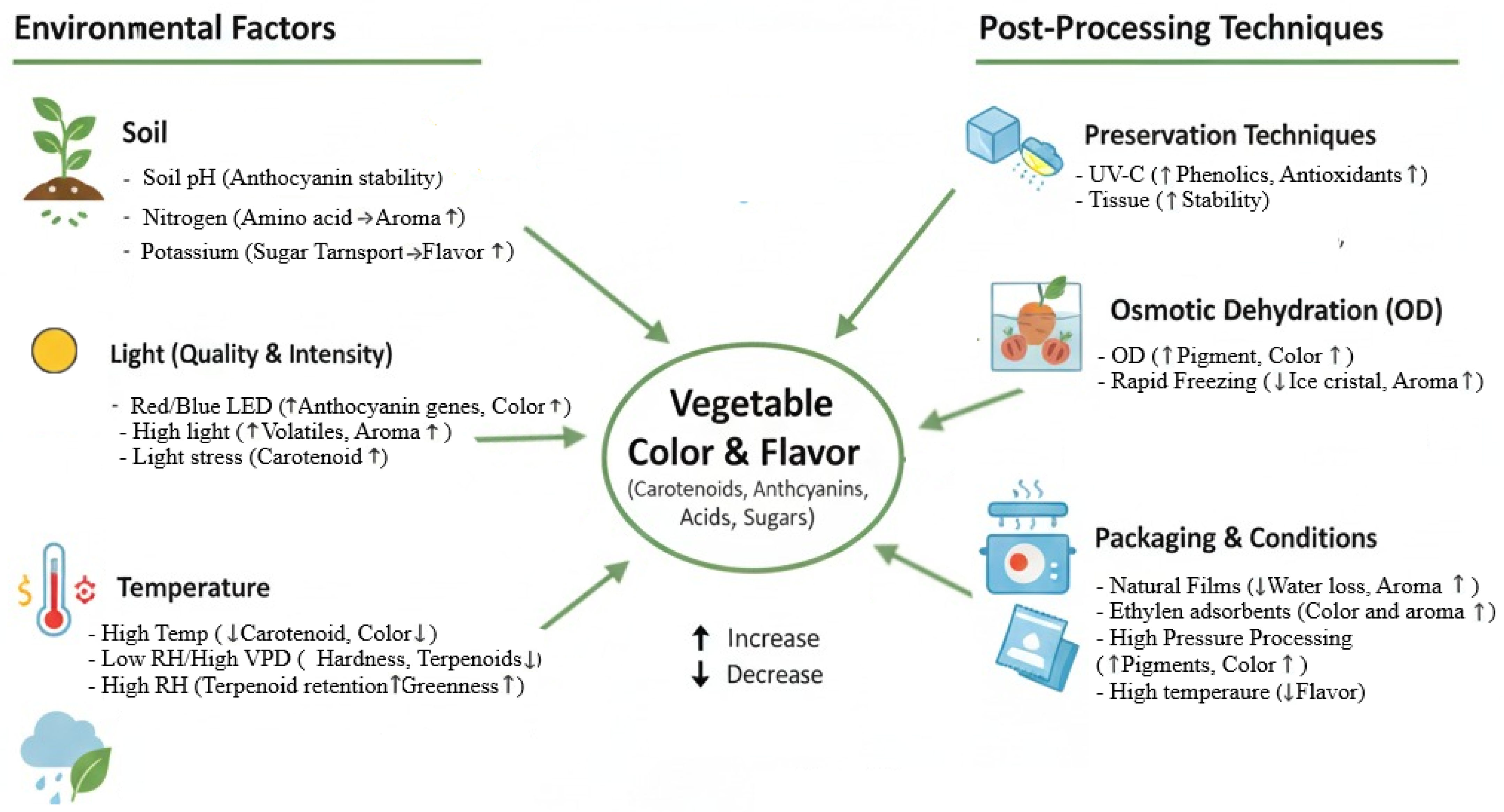
Flavor compounds in vegetables are influenced by the environment and genetics. Many studies have investigated environmental factors affecting plant metabolism and color/flavor production (Figure 4). Color and flavor profiles in plants are influenced by different environmental factors (soil properties, light, temperature, and humidity) [133].
The type and amount of phenolic compounds in fruits and vegetables vary depending on environmental factors and processing methods [134]. Flavonoids, a polyphenol group common in plants, affect color and taste. Anthocyanins, a flavonoid subgroup, determine the color of fruits and flowers and help plants spread their seeds and pollen [135,136]. They also help plants adapt to adverse environmental conditions such as UV damage, cold, salt, and drought [40]. Other flavonoid subgroups, such as flavonol (quercetin) and flavon (luteolin), strengthen plants’ defenses against oxidative stress by scavenging reactive oxygen species (ROS) [137]. Numerous environmental factors, including genetic diversity, ripening stage, climate, temperature, light, soil quality, fertilization, irrigation, cultivation techniques, harvesting, and storage, affect flavor and aroma [138].
Light is essential for photosynthesis and plant growth. Kim et al. [35] showed that light affects the color and flavor of vegetables by increasing chlorophylls and other pigments. Solar radiation intensity (MJ/m2) affects the biosynthesis of carotenoids. However, the effects of light on plant growth and development are complex. Light controls photosynthesis, flowering time, and morphogenesis. The quality of light, an important environmental factor, also has a major influence on plants. Studies have reported that light conditions can affect the production of bioactive compounds in vegetables [139]. A considerable number of studies have reported an increased accumulation of plant metabolites in the presence of red or blue LEDs compared to white light. Red and blue LED lights promote anthocyanin accumulation and other metabolic processes in vegetables, generally through the induction of species-specific genes. A study on lettuce found that the red/blue LED light combination increased anthocyanin synthesis by regulating genes like UFGT, CHS, and Rubisco subunits [140]. Red LED light also enhances nutrient quality in lettuce by boosting the activity and expression of genes like nitrate reductase (NR), nitrite reductase (NiR), glutamate synthase (GOGAT), and glutamine synthase (GS) [141]. In Brassica species, a combination of blue and white LED light has been reported to increase the transcript levels of PSY, β-LCY, and β-OHASE1 genes involved in carotenoid biosynthesis [142]. LEDs can also promote the accumulation of primary metabolites in plants by hindering the movement of photosynthetic products. This highlights the crucial role of light in plant signaling pathways and the regulation of secondary metabolite production.
The effect of temperature on vegetable color is largely determined by temperature-sensitive enzymes involved in pigment biosynthesis pathways [143]. Lycopene accumulation in tomatoes decreases significantly above 30 °C because enzymes involved in lycopene synthesis, such as PSY1, phytoene desaturase (PDS), and phytofluene, are inhibited at high temperatures [144]. This causes the fruits to take on a more yellow-orange appearance instead of red. In peppers, the production of carotenoids such as capsanthin and capsanthocianin decreases at temperatures above 35 °C; the slowing of enzymatic steps in pigment biosynthesis leads to fading of fruit color [145]. This also shows that increased temperature can negatively affect both pigment and volatile compound stability in vegetables, leading to color loss and aroma deterioration [146]. The literature indicates that high temperatures suppress anthocyanin biosynthesis. Under high-temperature conditions, the degradation of positive regulatory proteins such as HY5 via COP1 increases, and the expression of biosynthesis genes decreases [147].
Relative humidity plays an important role in pigment stability and aroma profile in vegetables, as transpiration through self-cooling in plants depends on the vapor pressure deficit in the air [148]. In lettuce, low relative humidity (RH)/high vapor pressure deficit (VPD) increases water loss from leaves; increased transpiration initially lowers cell water potential, leading to stomatal closure and osmotic stress [149]. This physiological stress triggers the production of intracellular reactive oxygen species (ROS); rising ROS levels can both suppress gene expression regulating anthocyanin synthesis and accelerate the oxidative degradation of existing anthocyanins, dulling leaf appearance [149].
Harvest and storage conditions impact color, flavor, and shelf life. Understanding these effects is critical to maintaining quality. External factors and storage conditions cause most post-harvest deterioration. UV-C irradiation can preserve the flavor and appearance of products by stopping the growth of pathogens [69]. Another important factor affecting the shelf life of vegetables is ethylene gas. Ethylene accelerates the ripening process, so it is important to optimize packaging techniques and storage conditions to preserve quality. Freezing is an important method of food preservation. Storing vegetables at temperatures of −18 °C and below through long-term deep freezing is an effective method for ensuring the stability of physical properties; however, the application of enzyme-inactivating pre-treatments such as blanching and species-specific optimized process conditions is critical for quality preservation in order to minimize the inevitable degradation of biochemical components such as vitamin C and pigments [150].
Today, osmotic dehydration techniques are used in food production to preserve the color, flavor, and nutritional value of fruits and vegetables. Osmotic dehydration (OD) is one of the most popular methods used in the production of crisps, dried fruits, and vegetables due to its minimal impact on product color and nutritional components, as well as the preservation of the flavor profile [151]. As consumers increasingly demand fewer chemicals in minimally processed fruits and vegetables, there is growing attention on the search for safe, naturally occurring substances that can serve as alternative antimicrobials and antioxidants. The quality of fruits and vegetables can vary depending on the processing conditions; high temperatures and lengthy processing periods lead to changes in color, flavor, and bioactive compounds, thus reducing the nutritional value of the resulting product [152]. Natural films and active packaging applications provide microbial protection by extending shelf life. Film coatings such as chitosan and aloe vera help preserve the aroma and texture stability of the product by reducing water loss [153]. In addition, ethylene adsorbents such as potassium permanganate (KMnO4) and zeolite delay color and aroma loss in vegetables [154].
Figure 4.
Environmental regulation of color and flavor components in vegetables. Note: Soil pH affects the structural stability of anthocyanins [155]. Nitrogen fertilizer increases the amino acid pool; amino acids (e.g., alanine, leucine) are precursors of aroma-active volatiles [156,157]. Potassium affects sugar accumulation in fruit (especially tomatoes) by accelerating sugar transport and flavor development [158]. Red and blue LEDs activate flavonoid/anthocyanin biosynthesis genes (e.g., CHS, DFR, MYB10) and color intensity increases [159]. In the presence of light, the levels of naringenin chalcone in ripe tomatoes fell by over 7 times, while total flavonoid content in bell peppers dropped by around 10 times. Light directly affected 7 of the 19 volatile compounds studied, producing comparable responses in both fruits [40]. Carotenoid degradation may occur under high-intensity light stress (color fading). At excessive temperatures, the reduction in carotenoids causes vegetables to lose their characteristic color [160]. Low humidity/high VPD increases transpiration, leading to increased tissue hardness and water loss and loss of terpenoids [161]. In growth chambers, low VPD (high RH) increases lettuce biomass, leaf number, area, and photosystem II efficiency (Fv [1], indicating healthier, greener canopies [162]. Different genotypes respond to environmental signals with varying metabolic responses: for example, capsaicinoid synthesis genes (pAMT and Pun1) in peppers respond differently to heat and light [163,164]. In tomatoes, carotenoid biosynthesis genes (PSY1 and PDS) are more tolerant to heat in some genotypes [165]. UV-C activates the phenylpropanoid pathway and phenolics, leading to an increase in antioxidants [69]. Rapid freezing reduces intracellular ice crystals, tissue loss in vegetables is minimized, and aroma compounds are better preserved [150,166]. UV-C activates the phenylpropanoid pathway and phenolics, leading to an increase in antioxidants [69]. High-temperature volatiles (esters, aldehydes, ketones, alcohols, and terpenes) volatilize, causing flavor loss in the product [167,168]. Non-thermal techniques such as cold plasma and high-pressure processing (HPP) preserve pigments and volatiles, enabling higher quality and healthier products by preserving the natural color, aroma, and nutritional value of the product [169,170].
4. Genetic × Environmental Interactions: A Conceptual Framework and Research Pathway for Flavor and Color
Quality components such as flavor (sugar/acid balance, volatile organic compound profile) and color (carotenoids, anthocyanins, etc.) in agricultural products are profoundly altered not only by genotypic potential but also by the growing environment. In this context, while different genotypes are expected to exhibit similar quality profiles under the same environmental conditions, it has been observed that climatic variables (temperature, light, water status, and VPD/RH) can dramatically alter the expression of this genotypic potential [171]. For example, recent studies on Lactuca sativa (lettuce), a leafy vegetable, showed that water restriction (drought stress) conditions trigger variety-specific responses in anthocyanin contents and other antioxidant components. Specifically, while an increase in anthocyanins has been observed in some lettuce varieties and their wild relatives after water stress, vitamin C levels may decrease, providing strong evidence that the plant’s metabolic orientation is re-regulated under environmental stress [172].
Based on this conceptual framework, the following research directions are proposed.
4.1. Location Phenotyping + Quality Analysis
Plants have the flexibility to change their phenotype and exhibit different external and internal expressions depending on the environment. Environmental control (especially microclimate conditions) and data collection are important throughout the phenotyping process, as previous events can be inherited in a manner known as the “memory effect” [173]. The same set of genotypes (e.g., different lettuce, pepper, and tomato varieties) should be grown in multiple geographic locations or under controlled microclimate conditions to measure quality parameters such as volatile compound profile, pigment concentration, sugar/acid ratio, and antioxidant capacity. This will allow for the emergence of G × E effects, stable genotypes, and environmental drifts such as water status, temperature, and light [174].
4.2. Controlled Environmental Manipulations + Molecular Analyses
The light environment, with its unique spatial distribution, spectral characteristics, irradiance, photoperiod, and circadian rhythms, along with variables such as plant water status (VPD-RH), induces distinct physiological responses in plants. By systematically altering these variables in a controlled environment, the same genotypes can be cultivated, and metabolomics [175], gene expression (e.g., carotenoid, volatile biosynthesis pathway genes), and physiological (water status, ROS, stomatal conductance, turgor) analyses should be performed [176]. These advances will provide evidence that sheds light on both the biochemical and genetic background of G × E conditions.
4.3. Genetic Mapping + Omics + ML (Machine Learning)
QTL/GWAS analyses are widely used to identify phenotypic differences between genotypes; they can analyze candidate genes associated with pigment or flavor and examine the environmental sensitivity of these genes through transcriptome/epigenetic/metabolomics mechanisms. Integration with multi-omics data facilitates the prioritization and functional validation of candidate genes despite environmental variables, supporting marker-assisted breeding [177]. Furthermore, unlike GWAS, machine learning (ML) integrates multi-source data, such as environmental and multi-omics variables, to more effectively model these interactions, particularly in predicting genotype–phenotype–environment interactions [178].
4.4. Sensory Analysis + Chemical/Molecular Data Integration
Breeders should correlate laboratory analyses with chemical profiles (volatile aromas, sugars/acids, pigments, and antioxidants) and consumer perception (color, odor, taste, and textural evaluation) because volatile aromas, sugars, and acids are associated with numerous chemical pathways in the plant and complex perception mechanisms in humans. This will reveal which molecules and environmental conditions determine perceived quality [179].
5. Challenges, Future Directions, and Recommendations
Research into the influence of genetic and environmental factors on the flavor and color of vegetables has revealed significant gaps in the literature and identified areas for further investigation. Although existing studies have offered valuable insights, there is a need for more comprehensive investigations.
One primary challenge in this area is the inconsistency in the methods used to assess flavor and color profiles. Research indicates that there is still a lack of standardized, comprehensive sensory evaluation protocols. Different studies use different criteria and techniques in sensory evaluation, which complicates the comparability of results and comprehensive quality analysis. Color evaluation, in particular, can take precedence over flavor analysis, leading to an incomplete understanding of the sensory experience of vegetables [180,181]. Subjective methods applied due to the difficulties encountered when sensory panels and instrumental analyses are used together limit their reproducibility [89]. In this context, technologies such as electronic imaging and machine learning can accelerate breeding programs by enabling rapid and objective measurement of sensory characteristics [182,183]. Future studies require the development of objective and repeatable sensory analysis protocols that evaluate flavor and color simultaneously and holistically.
In addition, while the genetic diversity present in vegetables holds great potential for obtaining desired sensory profiles, the integration of this diversity into practical breeding programs remains limited. Linking genetic markers (e.g., SNPs) to sensory traits and transferring this information to breeding programs still presents challenges [74,184]. Many studies focus on a few species, and marker–trait relationships across different vegetables (e.g., via GWAS) have not been sufficiently explored [184,185]. Future studies should use GWAS and QTL analyses to identify gene regions associated with sensory traits such as flavor and color and systematically investigate the interactions of these regions with environmental factors. Furthermore, the integration of genomic, metabolomic, and phenomic data using multi-omics approaches and artificial intelligence will enable more precise identification of flavor and color QTLs.
The effects of genotype–environment on flavor and color have also not been adequately addressed in the literature. Genotype–environment interactions hinder the consistent improvement of sensory characteristics, and the same genotype can yield different results in different environments [41,186]. In this sense, the effects of environmental factors (soil, climate, etc.) on flavor and color, as well as their interaction with genetics, have not been sufficiently well defined. Most molecular studies are limited to model species and neglect local varieties and their stress responses [187,188]. In this context, there is a need for multi-location and long-term studies on genotype and environmental interactions.
Another area that requires further research is the role of processing and storage methods in shaping flavor and color profiles. Although there is evidence that these factors may invalidate genetic potential, there are very few studies that systematically compare different processing or storage methods that affect the taste and color of vegetables [189,190,191]. Therefore, processing/storage protocols for sensory outcomes need to be standardized and compared.
Moreover, the lack of research linking consumers’ sensory preferences to genetic and environmental factors limits the development of varieties that meet market demands. In this context, breeding programs integrated with consumer preferences will contribute to the emergence of more successful and accepted varieties in the market [43]. Increasing collaboration between consumers, producers, and researchers and encouraging participatory breeding approaches are important.
Finally, more research is needed on complex genetic and biochemical structures. Nutritional “dark matter” refers to the thousands of bioactive compounds found in food that have not yet been fully identified. Recent studies indicate that although there are over 26,000 identifiable chemicals in foods, including vegetables, current databases track only about 150 basic nutrients [192,193]. Bioinformatics approaches using advanced analytical techniques such as machine learning and algorithms like “FoodMine” enable the mapping of these compounds and the optimization of their contributions to human health [194,195]. In this context, flavor and color are controlled by numerous genes and metabolites, which complicate classical breeding and genetic analyses [196]. Next-generation sequencing technologies, metabolomic analyses, and transcriptomic profiling methods enable a more comprehensive investigation of these biological processes. Precise genome editing techniques such as CRISPR/Cas9 will enable the direct and rapid editing of target genes involved in pigment and aroma synthesis, allowing for the direct improvement of desired quality traits compared to traditional breeding methods [176,197,198,199]. However, predicting and stabilizing the combined effects of genetic modifications on quality parameters such as flavor, color, and nutrient components remains a challenging task. Research should focus on understanding genotype × environment interactions at the molecular level, supporting these with multi-location field trials, and integrating them with consumer preferences. Modeling quality-related traits individually and as multi-trait sets will require systems biology and artificial intelligence-based analytical approaches. Interdisciplinary studies and data integration platforms will advance fundamental research and applied plant breeding programs.
6. Conclusions
As consumer expectations continue to rise, it has become increasingly important to develop vegetable varieties that feature rich aroma profiles, distinctive colors, and significant health benefits for sustainable and value-added production. This situation underscores the crucial impact of genotype–environment interactions on quality traits. In particular, stress conditions lead to notable alterations in color and aroma metabolites. The insufficient exploration of genotypes adapted to local conditions and their capacity to respond to environmental factors represents a significant scientific gap. Looking ahead, the incorporation of multi-omics strategies, including genomics, transcriptomics, and metabolomics, will facilitate a deeper understanding of the genetic networks that control color and aroma components. Furthermore, clarifying gene–environment interactions at the molecular level will be vital. This will greatly enhance our comprehension of how environmental stressors influence these traits. Quality parameters are influenced by various factors. The integration of advanced molecular insights with genome editing tools such as CRISPR may facilitate the development of vegetable varieties that not only possess enhanced quality and nutritional benefits but also exhibit greater resilience to environmental challenges. To achieve these objectives, it is evident that a multidisciplinary and comprehensive research strategy is necessary, one that combines genetics, physiology, biochemistry, and consumer behavior.
Author Contributions
Conceptualization, A.N.Ş. and H.C.; data curation, A.N.Ş.; writing—original draft preparation, A.N.Ş. and H.C.; writing—review and editing, A.N.Ş., Y.D.-C. and Ö.T.; visualization, A.N.Ş., Y.D.-C. and H.C.; supervision, Ö.T. All authors have read and agreed to the published version of the manuscript.
Funding
This research received no external funding.
Data Availability Statement
The original contributions presented in this study are included in the article. Further inquiries can be directed to the corresponding author.
Conflicts of Interest
The authors declare no conflicts of interest.
References
- Muslu, M.; Gökçay, G.F. Lezzet algısının oluşmasında çevresel ve genetik faktörlerin etkileri. Batı Karadeniz Tıp Derg. 2021, 5, 7–18. [Google Scholar] [CrossRef] [Scilit]
- Ertugay, Z. Ekmek aromasının oluşumu, kaynakları ve aroma oluşumunu etkileyen faktörler. Atatürk Üniv. Ziraat Fakültesi Derg. 1983, 14, 129–137. [Google Scholar]
- Baş, M. Tat eyleminin anlam genişlemesi üzerine bir inceleme. Akad. Dil Ve Edeb. Derg. 2021, 5, 1538–1557. [Google Scholar]
- Ağan, C.; Doğan, M. Lezzet ve lezzetin bilimi: Mutfak şeflerinin lezzet algıları üzerine bir araştırma. Safran Kültür Ve Tur. Araştırmaları Derg. 2022, 5, 199–219. [Google Scholar]
- Rusu, O.R.; Mangalagiu, I.; Amăriucăi-Mantu, D.; Teliban, G.C.; Cojocaru, A.; Burducea, M.; Mihalache, G.; Roșca, M.; Caruso, G.; Sekara, A. Interaction effects of cultivars and nutrition on quality and yield of tomato. Horticulturae 2023, 9, 541. [Google Scholar] [CrossRef] [Scilit]
- Gruda, N.S.; Samuolienė, G.; Dong, J.; Li, X. Environmental conditions and nutritional quality of vegetables in protected cultivation. Compr. Rev. Food Sci. Food Saf. 2025, 24, e70139. [Google Scholar] [CrossRef] [Scilit]
- Sui, W.; Wang, S.; Chen, Y.; Li, X.; Zhuang, X.; Yan, X.; Song, Y. Insights into the structural and nutritional variations in soluble dietary fibers in fruits and vegetables influenced by food processing techniques. Foods 2025, 14, 1861. [Google Scholar] [CrossRef] [Scilit]
- Marles, R.J. Mineral nutrient composition of vegetables, fruits and grains: The context of reports of apparent historical declines. J. Food Compos. Anal. 2017, 56, 93–103. [Google Scholar] [CrossRef] [Scilit]
- Fujihara, S.; Kasuga, A.; Aoyagi, Y. Nitrogen-to-protein conversion factors for common vegetables in Japan. J. Food Sci. 2001, 66, 412–415. [Google Scholar] [CrossRef] [Scilit]
- Umeohia, U.E.; Olapade, A.A. Physiological processes affecting postharvest quality of fresh fruits and vegetables. Asian Food Sci. J. 2024, 23, 1–14. [Google Scholar] [CrossRef] [Scilit]
- Hanif, R.; Iqbal, Z.; Iqbal, M.; Hanif, S.; Rasheed, M. Use of vegetables as nutritional food: Role in human health. JABS 2006, 1, 18–22. [Google Scholar]
- Rouphael, Y.; Schwarz, D.; Krumbein, A.; Colla, G. Impact of grafting on product quality of fruit vegetables. Sci. Hortic. 2010, 127, 172–179. [Google Scholar] [CrossRef] [Scilit]
- Jeandet, P.; Formela-Luboińska, M.; Labudda, M.; Morkunas, I. The role of sugars in plant responses to stress and their regulatory function during development. Int. J. Mol. Sci. 2022, 23, 5161. [Google Scholar] [CrossRef] [Scilit]
- Gibson, S.I. Control of plant development and gene expression by sugar signaling. Curr. Opin. Plant Biol. 2005, 8, 93–102. [Google Scholar] [CrossRef] [Scilit] [PubMed]
- Couée, I.; Sulmon, C.; Gouesbet, G.; El Amrani, A. Involvement of soluble sugars in reactive oxygen species balance and responses to oxidative stress in plants. J. Exp. Bot. 2006, 57, 449–459. [Google Scholar] [CrossRef] [Scilit] [PubMed]
- Gautam, T.; Dutta, M.; Jaiswal, V.; Zinta, G.; Gahlaut, V.; Kumar, S. Emerging roles of SWEET sugar transporters in plant development and abiotic stress responses. Cells 2022, 11, 1303. [Google Scholar] [CrossRef] [Scilit] [PubMed]
- Sakai, K.; Okada, M.; Yamaguchi, S. Umami and saltiness enhancements of vegetable soup by enzyme-produced glutamic acid and branched-chain amino acids. Front. Nutr. 2024, 11, 1436113. [Google Scholar] [CrossRef] [Scilit]
- Nawirska-Olszańska, A.; Biesiada, A.; Sokół-Łętowska, A.; Kucharska, A.Z. Characteristics of organic acids in the fruit of different pumpkin species. Food Chem. 2014, 148, 415–419. [Google Scholar] [CrossRef] [Scilit]
- Shi, Y.; Pu, D.; Zhou, X.; Zhang, Y. Recent progress in the study of taste characteristics and the nutrition and health properties of organic acids in foods. Foods 2022, 11, 3408. [Google Scholar] [CrossRef] [Scilit]
- Valentão, P.; Andrade, P.B.; Rangel, J.; Ribeiro, B.; Silva, B.M.; Baptista, P.; Seabra, R.M. Effect of the conservation procedure on the contents of phenolic compounds and organic acids in chanterelle (Cantharellus cibarius) mushroom. J. Agric. Food Chem. 2005, 53, 4925–4931. [Google Scholar] [CrossRef] [Scilit]
- Diepeveen, J.; Moerdijk-Poortvliet, T.C.; van der Leij, F.R. Molecular insights into human taste perception and umami tastants: A review. J. Food Sci. 2022, 87, 1449–1465. [Google Scholar] [CrossRef] [Scilit] [PubMed]
- Hasan, M.U.; Singh, Z.; Shah, H.M.S.; Kaur, J.; Woodward, A.; Afrifa-Yamoah, E.; Malik, A.U. Oxalic acid: A blooming organic acid for postharvest quality preservation of fresh fruit and vegetables. Postharvest Biol. Technol. 2023, 206, 112574. [Google Scholar] [CrossRef] [Scilit]
- Prilianti, K.R.; Onggara, I.C.; Adhiwibawa, M.A.; Brotosudarmo, T.H.; Anam, S.; Suryanto, A. Multispectral imaging and convolutional neural network for photosynthetic pigments prediction. In Proceedings of the 2018 5th International Conference on Electrical Engineering, Computer Science and Informatics (EECSI), Malang, Indonesia, 16–18 October 2018; pp. 554–559. [Google Scholar]
- Kaushik, P.; Andújar, I.; Vilanova, S.; Plazas, M.; Gramazio, P.; Herraiz, F.J.; Brar, N.S.; Prohens, J. Breeding vegetables with increased content in bioactive phenolic acids. Molecules 2015, 20, 18464–18481. [Google Scholar] [CrossRef] [Scilit] [PubMed]
- Cosme, F.; Aires, A.; Pinto, T.; Oliveira, I.; Vilela, A.; Gonçalves, B. A comprehensive review of bioactive tannins in foods and beverages: Functional properties, health benefits, and sensory qualities. Molecules 2025, 30, 800. [Google Scholar] [CrossRef] [Scilit]
- Sadgrove, N.J.; Padilla-González, G.F.; Phumthum, M. Fundamental chemistry of essential oils and volatile organic compounds, methods of analysis and authentication. Plants 2022, 11, 789. [Google Scholar] [CrossRef] [Scilit]
- de Sousa, D.P.; Damasceno, R.O.S.; Amorati, R.; Elshabrawy, H.A.; de Castro, R.D.; Bezerra, D.P.; Nunes, V.R.V.; Gomes, R.C.; Lima, T.C. Essential oils: Chemistry and pharmacological activities. Biomolecules 2023, 13, 1144. [Google Scholar] [CrossRef] [Scilit]
- Figon, F.; Casas, J. The integrative biology of pigment organelles, a quantum chemical approach. Integr. Comp. Biol. 2021, 61, 1490–1501. [Google Scholar] [CrossRef] [Scilit]
- Tang, Q.; Li, Z.; Chen, N.; Luo, X.; Zhao, Q. Natural pigments derived from plants and microorganisms: Classification, biosynthesis, and applications. Plant Biotechnol. J. 2025, 23, 592–614. [Google Scholar] [CrossRef] [Scilit]
- Polturak, G.; Grossman, N.; Vela-Corcia, D.; Dong, Y.; Nudel, A.; Pliner, M.; Levy, M.; Rogachev, I.; Aharoni, A. Engineered gray mold resistance, antioxidant capacity, and pigmentation in betalain-producing crops and ornamentals. Appl. Biol. Sci. 2017, 114, 9062–9067. [Google Scholar] [CrossRef] [Scilit]
- Lu, W.; Shi, Y.; Wang, R.; Su, D.; Tang, M.; Liu, Y.; Li, Z. Antioxidant activity and healthy benefits of natural pigments in fruits: A review. Int. J. Mol. Sci. 2021, 22, 4945. [Google Scholar] [CrossRef] [Scilit]
- Sousa, C. Anthocyanins, carotenoids and chlorophylls in edible plant leaves unveiled by tandem mass spectrometry. Foods 2022, 11, 1924. [Google Scholar] [CrossRef] [Scilit]
- Yu, X.; Wang, H.; Xiang, X.; Fu, J.; Wang, X.; Zhou, Y.; Xing, W. Biosynthesis and extraction of chlorophyll, carotenoids, anthocyanins, and betalaine in vivo and in vitro. Curr. Issues Mol. Biol. 2024, 46, 10662–10676. [Google Scholar] [CrossRef] [Scilit]
- Chen, C. Overview of plant pigments. In Pigments in Fruits and Vegetables: Genomics and Dietetics; Chen, C., Ed.; Springer New York: New York, NY, USA, 2015; pp. 1–7. [Google Scholar]
- Kim, C.K.; Eom, S.H. Light controls in the regulation of carotenoid biosynthesis in leafy vegetables: A review. Horticulturae 2025, 11, 152. [Google Scholar] [CrossRef] [Scilit]
- Perrin, F.; Brahem, M.; Dubois-Laurent, C.; Huet, S.; Jourdan, M.; Geoffriau, E.; Peltier, D.; Gagné, S. Differential pigment accumulation in carrot leaves and roots during two growing periods. J. Agric. Food Chem. 2016, 64, 906–912. [Google Scholar] [CrossRef] [Scilit] [PubMed]
- Blumfield, M.; Mayr, H.; De Vlieger, N.; Abbott, K.; Starck, C.; Fayet-Moore, F.; Marshall, S. Should we ‘eat a rainbow’? An umbrella review of the health effects of colorful bioactive pigments in fruits and vegetables. Molecules 2022, 27, 4061. [Google Scholar] [CrossRef] [Scilit] [PubMed]
- Rodriguez-Amaya, D.B. Update on natural food pigments-A mini-review on carotenoids, anthocyanins, and betalains. Food Res. Int. 2019, 124, 200–205. [Google Scholar] [CrossRef] [Scilit]
- Seljåsen, R.; Kristensen, H.L.; Lauridsen, C.; Wyss, G.S.; Kretzschmar, U.; Birlouez-Aragone, I.; Kahl, J. Quality of carrots as affected by pre-and postharvest factors and processing. J. Sci. Food Agric. 2013, 93, 2611–2626. [Google Scholar] [CrossRef] [Scilit]
- Yoo, H.J.; Kim, J.H.; Park, K.S.; Son, J.E.; Lee, J.M. Light-controlled fruit pigmentation and flavor volatiles in tomato and bell pepper. Antioxidants 2019, 9, 14. [Google Scholar] [CrossRef] [Scilit]
- Brezeanu, C.; Brezeanu, P.M.; Stoleru, V.; Irimia, L.M.; Lipșa, F.D.; Teliban, G.C.; Ciobanu, M.M.; Murariu, F.; Puiu, I.; Branca, F. Nutritional value of new sweet pepper genotypes grown in organic system. Agriculture 2022, 12, 1863. [Google Scholar] [CrossRef] [Scilit]
- Zhu, G.; Gou, J.; Klee, H.; Huang, S. Next-gen approaches to flavor-related metabolism. Annu. Rev. Plant Biol. 2019, 70, 187–212. [Google Scholar] [CrossRef] [Scilit]
- Ferrão, L.F.V.; Dhakal, R.; Dias, R.; Tieman, D.; Whitaker, V.; Gore, M.A.; Messina, C.; Resende, M.F., Jr. Machine learning applications to improve flavor and nutritional content of horticultural crops through breeding and genetics. Curr. Opin. Biotechnol. 2023, 83, 102968. [Google Scholar] [CrossRef] [Scilit] [PubMed]
- Hagenguth, J.; Kanski, L.; Kahle, H.; Becker, H.C.; Horneburg, B. Flavour improvement in early generations of fresh market tomatoes (Solanum lycopersicum L.): II. Response to breeders’ sensory and marker-assisted selection. Plant Breed. 2024, 143, 725–738. [Google Scholar] [CrossRef] [Scilit]
- Kaźmińska, K.; Hallmann, E.; Rusaczonek, A.; Korzeniewska, A.; Sobczak, M.; Filipczak, J.; Kuczerski, K.S.; Steciuk, J.; Sitarek-Andrzejczyk, M.; Gajewski, M. Genetic mapping of ovary colour and quantitative trait loci for carotenoid content in the fruit of Cucurbita maxima Duchesne. Mol. Breed. 2018, 38, 114. [Google Scholar] [CrossRef] [Scilit] [PubMed]
- Toppino, L.; Barchi, L.; Lo Scalzo, R.; Palazzolo, E.; Francese, G.; Fibiani, M.; D’Alessandro, A.; Papa, V.; Laudicina, V.A.; Sabatino, L. Mapping quantitative trait loci affecting biochemical and morphological fruit properties in eggplant (Solanum melongena L.). Front. Plant Sci. 2016, 7, 256. [Google Scholar] [CrossRef] [Scilit]
- Galpaz, N.; Gonda, I.; Shem-Tov, D.; Barad, O.; Tzuri, G.; Lev, S.; Fei, Z.; Xu, Y.; Mao, L.; Jiao, C. Deciphering genetic factors that determine melon fruit-quality traits using RNA-Seq-based high-resolution QTL and eQTL mapping. Plant J. 2018, 94, 169–191. [Google Scholar] [CrossRef] [Scilit]
- Pereira, L.; Ruggieri, V.; Pérez, S.; Alexiou, K.G.; Fernández, M.; Jahrmann, T.; Pujol, M.; Garcia-Mas, J. QTL mapping of melon fruit quality traits using a high-density GBS-based genetic map. BMC Plant Biol. 2018, 18, 324. [Google Scholar] [CrossRef] [Scilit]
- Martins, T.; Barros, A.N.; Rosa, E.; Antunes, L. Enhancing health benefits through chlorophylls and chlorophyll-rich agro-food: A comprehensive review. Molecules 2023, 28, 5344. [Google Scholar] [CrossRef] [Scilit]
- Powell, A.L.; Nguyen, C.V.; Hill, T.; Cheng, K.L.; Figueroa-Balderas, R.; Aktas, H.; Ashrafi, H.; Pons, C.; Fernández-Muñoz, R.; Vicente, A. Uniform ripening encodes a Golden 2-like transcription factor regulating tomato fruit chloroplast development. Science 2012, 336, 1711–1715. [Google Scholar] [CrossRef] [Scilit]
- Wu, M.; Zhang, Q.; Wu, G.; Zhang, L.; Xu, X.; Hu, X.; Gong, Z.; Chen, Y.; Li, Z.; Li, H. SlMYB72 affects pollen development by regulating autophagy in tomato. Hortic. Res. 2023, 10, uhac286. [Google Scholar] [CrossRef] [Scilit]
- Eckhardt, U.; Grimm, B.; Hörtensteiner, S. Recent advances in chlorophyll biosynthesis and breakdown in higher plants. Plant Mol. Biol. 2004, 56, 1–14. [Google Scholar] [CrossRef] [Scilit]
- Hu, X.; Gu, T.; Khan, I.; Zada, A.; Jia, T. Research progress in the interconversion, turnover and degradation of chlorophyll. Cells 2021, 10, 3134. [Google Scholar] [CrossRef] [Scilit]
- Wu, M.; Xu, X.; Hu, X.; Liu, Y.; Cao, H.; Chan, H.; Gong, Z.; Yuan, Y.; Luo, Y.; Feng, B. SlMYB72 regulates the metabolism of chlorophylls, carotenoids, and flavonoids in tomato fruit. Plant Physiol. 2020, 183, 854–868. [Google Scholar] [CrossRef] [Scilit] [PubMed]
- Shi, Y.; Pang, X.; Liu, W.; Wang, R.; Su, D.; Gao, Y.; Wu, M.; Deng, W.; Liu, Y.; Li, Z. SlZHD17 is involved in the control of chlorophyll and carotenoid metabolism in tomato fruit. Hortic. Res. 2021, 8, 259. [Google Scholar] [CrossRef] [Scilit] [PubMed]
- Meng, L.; Fan, Z.; Zhang, Q.; Wang, C.; Gao, Y.; Deng, Y.; Zhu, B.; Zhu, H.; Chen, J.; Shan, W. BEL 1-like HOMEODOMAIN 11 regulates chloroplast development and chlorophyll synthesis in tomato fruit. Plant J. 2018, 94, 1126–1140. [Google Scholar] [CrossRef] [Scilit] [PubMed]
- Li, H.; Li, Y.; Deng, H.; Sun, X.; Wang, A.; Tang, X.; Gao, Y.; Zhang, N.; Wang, L.; Yang, S. Tomato UV-B receptor SlUVR8 mediates plant acclimation to UV-B radiation and enhances fruit chloroplast development via regulating SlGLK2. Sci. Rep. 2018, 8, 6097. [Google Scholar] [CrossRef] [Scilit]
- Borovsky, Y.; Monsonego, N.; Mohan, V.; Shabtai, S.; Kamara, I.; Faigenboim, A.; Hill, T.; Chen, S.; Stoffel, K.; Van Deynze, A. The zinc-finger transcription factor CcLOL 1 controls chloroplast development and immature pepper fruit color in Capsicum chinense and its function is conserved in tomato. Plant J. 2019, 99, 41–55. [Google Scholar] [CrossRef] [Scilit]
- Liu, Y.; Li, C.; Si, X.; Zou, T.; Li, Y.; Pan, C.; Lu, G. SlPPR138-mediated RNA editing of rpoC1 is essential for chloroplast development in tomato. Hortic. Res. 2025, 12, uhaf194. [Google Scholar] [CrossRef] [Scilit]
- Xu, W.; Dubos, C.; Lepiniec, L. Transcriptional control of flavonoid biosynthesis by MYB–bHLH–WDR complexes. Trends Plant Sci. 2015, 20, 176–185. [Google Scholar] [CrossRef] [Scilit]
- Andrea, M.; Francesco, E.F.; Sergio, I.; Alessandra, G.; Maria, A.M.; Cinzia, C.; Lorenzo, B.; Arianna, M.; Cecilia, C.; Patrizia, R. Identification of a new R3 MYB type repressor and functional characterization of the members of the MBW transcriptional complex involved in anthocyanin biosynthesis in eggplant (S. melongena L.). PLoS ONE 2020, 15, e0232986. [Google Scholar] [CrossRef] [Scilit]
- Li, L.; Li, S.; Ge, H.; Shi, S.; Li, D.; Liu, Y.; Chen, H. A light-responsive transcription factor SmMYB35 enhances anthocyanin biosynthesis in eggplant (Solanum melongena L.). Planta 2022, 255, 12. [Google Scholar] [CrossRef] [Scilit]
- Kodama, M.; Brinch-Pedersen, H.; Sharma, S.; Holme, I.B.; Joernsgaard, B.; Dzhanfezova, T.; Amby, D.B.; Vieira, F.G.; Liu, S.; Gilbert, M.T.P. Identification of transcription factor genes involved in anthocyanin biosynthesis in carrot (Daucus carota L.) using RNA-Seq. BMC Genom. 2018, 19, 811. [Google Scholar] [CrossRef] [Scilit] [PubMed]
- Sun, T.; Rao, S.; Zhou, X.; Li, L. Plant carotenoids: Recent advances and future perspectives. Mol. Hortic. 2022, 2, 3. [Google Scholar] [CrossRef] [Scilit] [PubMed]
- González-Peña, M.A.; Ortega-Regules, A.E.; Anaya de Parrodi, C.; Lozada-Ramírez, J.D. Chemistry, occurrence, properties, applications, and encapsulation of carotenoids—A review. Plants 2023, 12, 313. [Google Scholar] [CrossRef] [Scilit] [PubMed]
- Onan, E.; Çölgeçen, H. Antosiyaninlerin yapısı, hücrede biyosentezi, etkinlikleri ve kullanım alanları. Osman. Korkut Ata Üniversitesi Fen Bilim. Enstitüsü Derg. 2023, 6, 982–1005. [Google Scholar] [CrossRef] [Scilit]
- Cazzonelli, C.I.; Pogson, B.J. Source to sink: Regulation of carotenoid biosynthesis in plants. Trends Plant Sci. 2010, 15, 266–274. [Google Scholar] [CrossRef] [Scilit]
- Zheng, X.; Yang, Y.; Al-Babili, S. Exploring the diversity and regulation of apocarotenoid metabolic pathways in plants. Front. Plant Sci. 2021, 12, 787049. [Google Scholar] [CrossRef] [Scilit]
- Tchonkouang, R.D.; Lima, A.R.; Quintino, A.C.; Cristofoli, N.L.; Vieira, M.C. UV-C light: A promising preservation technology for vegetable-based nonsolid food products. Foods 2023, 12, 3227. [Google Scholar] [CrossRef] [Scilit]
- Wieczorek, M.N.; Walczak, M.; Skrzypczak-Zielińska, M.; Jeleń, H.H. Bitter taste of Brassica vegetables: The role of genetic factors, receptors, isothiocyanates, glucosinolates, and flavor context. Crit. Rev. Food Sci. Nutr. 2018, 58, 3130–3140. [Google Scholar] [CrossRef] [Scilit]
- Yin, L.; Chen, H.; Cao, B.; Lei, J.; Chen, G. Molecular Characterization of MYB28 Involved in Aliphatic Glucosinolate Biosynthesis in Chinese Kale (Brassica oleracea var. alboglabra Bailey). Front. Plant Sci. 2017, 8, 1083. [Google Scholar] [CrossRef] [Scilit]
- Tong, L.; Cheng, S.; Lv, H.; Zhao, C.; Zhu, J.; Liu, P.; Wang, Z.; Yang, L.; Zhang, Y. Analysis of glucosinolate content, composition and expression level of biosynthesis pathway genes in different chinese kale varieties. Horticulturae 2021, 7, 398. [Google Scholar] [CrossRef] [Scilit]
- Bell, L.; Oloyede, O.O.; Lignou, S.; Wagstaff, C.; Methven, L. Taste and flavor perceptions of glucosinolates, isothiocyanates, and related compounds. Mol. Nutr. Food Res. 2018, 62, 1700990. [Google Scholar] [CrossRef] [Scilit] [PubMed]
- Bassett, A.; Kamfwa, K.; Ambachew, D.; Cichy, K. Genetic variability and genome-wide association analysis of flavor and texture in cooked beans (Phaseolus vulgaris L.). Theor. Appl. Genet. 2021, 134, 959–978. [Google Scholar] [CrossRef] [Scilit] [PubMed]
- Yamaguchi, Y.; Kumagai, H. Characteristics, biosynthesis, decomposition, metabolism and functions of the garlic odour precursor, S-allyl-L-cysteine sulfoxide. Exp. Ther. Med. 2020, 19, 1528–1535. [Google Scholar] [CrossRef] [Scilit] [PubMed]
- Baltzi, E.; Papaloukas, C.; Spandidos, D.; Michalopoulos, I. Genes encoding γ-glutamyl-transpeptidases in the allicin biosynthetic pathway in garlic (Allium sativum). Biomed. Rep. 2024, 20, 45. [Google Scholar] [CrossRef] [Scilit]
- Vuković, S.; Popović-Djordjević, J.B.; Kostić, A.Ž.; Pantelić, N.D.; Srećković, N.; Akram, M.; Laila, U.; Katanić Stanković, J.S. Allium species in the Balkan region—Major metabolites, antioxidant and antimicrobial properties. Horticulturae 2023, 9, 408. [Google Scholar] [CrossRef] [Scilit]
- Gong, C.; Diao, W.; Zhu, H.; Umer, M.; Zhao, S.; He, N.; Lu, X.; Yuan, P.; Anees, M.; Yang, D.; et al. Metabolome and Transcriptome Integration Reveals Insights into Flavor Formation of ‘Crimson’ Watermelon Flesh During Fruit Development. Front. Plant Sci. 2021, 12, 629361. [Google Scholar] [CrossRef] [Scilit]
- Umer, M.J.; Bin Safdar, L.; Gebremeskel, H.; Zhao, S.; Yuan, P.; Zhu, H.; Kaseb, M.; Anees, M.; Lu, X.; He, N. Identification of key gene networks controlling organic acid and sugar metabolism during watermelon fruit development by integrating metabolic phenotypes and gene expression profiles. Hortic. Res. 2020, 7, 193. [Google Scholar] [CrossRef] [Scilit]
- Jawad, U.M.; Gao, L.; Gebremeskel, H.; Safdar, L.B.; Yuan, P.; Zhao, S.; Xuqiang, L.; Nan, H.; Hongju, Z.; Liu, W. Expression pattern of sugars and organic acids regulatory genes during watermelon fruit development. Sci. Hortic. 2020, 265, 109102. [Google Scholar] [CrossRef] [Scilit]
- Wallingford, A.; Hernandez, C.; Halaweish, F.; Ostlund, T.; Short, B.; Weber, D.C. Factors influencing cucurbitacin-E-glycoside content in bitter Hawkesbury watermelon as potential synergist in cucurbit pest management. Horticulturae 2024, 10, 1182. [Google Scholar] [CrossRef] [Scilit]
- Shang, Y.; Ma, Y.; Zhou, Y.; Zhang, H.; Duan, L.; Chen, H.; Zeng, J.; Zhou, Q.; Wang, S.; Gu, W. Biosynthesis, regulation, and domestication of bitterness in cucumber. Science 2014, 346, 1084–1088. [Google Scholar] [CrossRef] [Scilit]
- Guo, K.; Zhao, J.; Fang, S.; Zhang, Q.; Nie, L.; Zhao, W. The effects of different rootstocks on aroma components, activities and genes expression of aroma-related enzymes in oriental melon fruit. PeerJ 2024, 12, e16704. [Google Scholar] [CrossRef] [Scilit] [PubMed]
- Cohen, S.; Itkin, M.; Yeselson, Y.; Tzuri, G.; Portnoy, V.; Harel-Baja, R.; Lev, S.; Sa‘ar, U.; Davidovitz-Rikanati, R.; Baranes, N. The PH gene determines fruit acidity and contributes to the evolution of sweet melons. Nat. Commun. 2014, 5, 4026. [Google Scholar] [CrossRef] [Scilit] [PubMed]
- Cheng, J.; Wen, S.; Xiao, S.; Lu, B.; Ma, M.; Bie, Z. Overexpression of the tonoplast sugar transporter CmTST2 in melon fruit increases sugar accumulation. J. Exp. Bot. 2017, 69, 511–523. [Google Scholar] [CrossRef] [Scilit] [PubMed]
- Mayobre, C.; Pereira, L.; Eltahiri, A.; Bar, E.; Lewinsohn, E.; Garcia-Mas, J.; Pujol, M. Genetic dissection of aroma biosynthesis in melon and its relationship with climacteric ripening. Food Chem. 2021, 353, 129484. [Google Scholar] [CrossRef] [Scilit]
- Wang, Y.; Li, Y.; Wu, X.; Wu, X.; Feng, Z.; Wang, J.; Wang, B.; Lu, Z.; Li, G. Elucidation of the flavor aspects and flavor-associated genomic regions in bottle gourd (Lagenaria siceraria) by metabolomic analysis and QTL-seq. Foods 2022, 11, 2450. [Google Scholar] [CrossRef] [Scilit]
- Yang, G.; Wei, Q.; Huang, H.; Xia, J. Amino acid transporters in plant cells: A brief review. Plants 2020, 9, 967. [Google Scholar] [CrossRef] [Scilit]
- Tieman, D.; Zhu, G.; Resende, M.F., Jr.; Lin, T.; Nguyen, C.; Bies, D.; Rambla, J.L.; Beltran, K.S.O.; Taylor, M.; Zhang, B. A chemical genetic roadmap to improved tomato flavor. Science 2017, 355, 391–394. [Google Scholar] [CrossRef] [Scilit]
- Vogel, J.T.; Tieman, D.M.; Sims, C.A.; Odabasi, A.Z.; Clark, D.G.; Klee, H.J. Carotenoid content impacts flavor acceptability in tomato (Solanum lycopersicum). J. Sci. Food Agric. 2010, 90, 2233–2240. [Google Scholar] [CrossRef] [Scilit]
- Yang, Y.; Gao, C.; Ye, Q.; Liu, C.; Wan, H.; Ruan, M.; Zhou, G.; Wang, R.; Li, Z.; Diao, M. The influence of different factors on the metabolism of capsaicinoids in pepper (Capsicum annuum L.). Plants 2024, 13, 2887. [Google Scholar] [CrossRef] [Scilit]
- Zhang, Z.X.; Zhao, S.N.; Liu, G.F.; Huang, Z.M.; Cao, Z.M.; Cheng, S.H.; Lin, S.S. Discovery of putative capsaicin biosynthetic genes by RNA-Seq and digital gene expression analysis of pepper. Sci. Rep. 2016, 6, 34121. [Google Scholar] [CrossRef] [Scilit]
- Ogawa, K.; Murota, K.; Shimura, H.; Furuya, M.; Togawa, Y.; Matsumura, T.; Masuta, C. Evidence of capsaicin synthase activity of the Pun1-encoded protein and its role as a determinant of capsaicinoid accumulation in pepper. BMC Plant Biol. 2015, 15, 93. [Google Scholar] [CrossRef] [Scilit] [PubMed]
- Wu, D.; Ni, M.; Lei, X.; Zhang, L.; Zhang, W.; Shu, H.; Wang, Z.; Zhu, J.; Cheng, S.; Liu, P. Analyses of pepper Cinnamoyl-CoA Reductase gene family and cloning of CcCCR1/2 and their function identification in the formation of pungency. Horticulturae 2022, 8, 537. [Google Scholar] [CrossRef] [Scilit]
- Luan, Y.; Fu, X.; Lu, P.; Grierson, D.; Xu, C. Molecular mechanisms determining the differential accumulation of carotenoids in plant species and varieties. Crit. Rev. Plant Sci. 2020, 39, 125–139. [Google Scholar] [CrossRef] [Scilit]
- Zhou, X.; Rao, S.; Wrightstone, E.; Sun, T.; Lui, A.C.W.; Welsch, R.; Li, L. Phytoene synthase: The key rate-limiting enzyme of carotenoid biosynthesis in plants. Front. Plant Sci. 2022, 13, 884720. [Google Scholar] [CrossRef] [Scilit]
- Brand, A.; Borovsky, Y.; Meir, S.; Rogachev, I.; Aharoni, A.; Paran, I. pc8.1, a major QTL for pigment content in pepper fruit, is associated with variation in plastid compartment size. Planta 2012, 235, 579–588. [Google Scholar] [CrossRef] [Scilit]
- Jourdan, M.; Gagné, S.; Dubois-Laurent, C.; Maghraoui, M.; Huet, S.; Suel, A.; Hamama, L.; Briard, M.; Peltier, D.; Geoffriau, E. Carotenoid content and root color of cultivated carrot: A candidate-gene association study using an original broad unstructured population. PLoS ONE 2015, 10, e0116674. [Google Scholar] [CrossRef] [Scilit]
- Wang, C.; Qiao, A.; Fang, X.; Sun, L.; Gao, P.; Davis, A.R.; Liu, S.; Luan, F. Fine mapping of lycopene content and flesh color related gene and development of molecular marker–assisted selection for flesh color in watermelon (Citrullus lanatus). Front. Plant Sci. 2019, 10, 1240. [Google Scholar] [CrossRef] [Scilit]
- Yuan, P.; Umer, M.J.; He, N.; Zhao, S.; Lu, X.; Zhu, H.; Gong, C.; Diao, W.; Gebremeskel, H.; Kuang, H. Transcriptome regulation of carotenoids in five flesh-colored watermelons (Citrullus lanatus). BMC Plant Biol. 2021, 21, 203. [Google Scholar] [CrossRef] [Scilit]
- Perkins-Veazie, P.; Collins, J.K.; Davis, A.R.; Roberts, W. Carotenoid content of 50 watermelon cultivars. J. Agric. Food Chem. 2006, 54, 2593–2597. [Google Scholar] [CrossRef] [Scilit]
- Fang, X.; Li, S.; Zhu, Z.; Zhang, X.; Xiong, C.; Wang, X.; Luan, F.; Liu, S. Clorf encodes carotenoid isomerase and regulates orange flesh color in watermelon (Citrullus lanatus L.). J. Agric. Food Chem. 2023, 71, 15445–15455. [Google Scholar] [CrossRef] [Scilit]
- Lv, T.; Zhao, L.; Zhang, S.; Guan, J.; Liu, W.; Qi, H. ClPIF3-ClHY5 module regulates ClPSY1 to promote watermelon fruit lycopene accumulation earlier under supplementary red lighting. Int. J. Mol. Sci. 2022, 23, 4145. [Google Scholar] [CrossRef] [Scilit] [PubMed]
- Harel-Beja, R.; Tzuri, G.; Portnoy, V.; Lotan-Pompan, M.; Lev, S.; Cohen, S.; Dai, N.; Yeselson, L.; Meir, A.; Libhaber, S. A genetic map of melon highly enriched with fruit quality QTLs and EST markers, including sugar and carotenoid metabolism genes. Theor. Appl. Genet. 2010, 121, 511–533. [Google Scholar] [CrossRef] [Scilit] [PubMed]
- Tzuri, G.; Zhou, X.; Chayut, N.; Yuan, H.; Portnoy, V.; Meir, A.; Sa’ar, U.; Baumkoler, F.; Mazourek, M.; Lewinsohn, E. A ‘golden’SNP in CmOr governs the fruit flesh color of melon (Cucumis melo). Plant J. 2015, 82, 267–279. [Google Scholar] [CrossRef] [Scilit] [PubMed]
- Lu, S.; Van Eck, J.; Zhou, X.; Lopez, A.B.; O’Halloran, D.M.; Cosman, K.M.; Conlin, B.J.; Paolillo, D.J.; Garvin, D.F.; Vrebalov, J. The cauliflower or gene encodes a DnaJ cysteine-rich domain-containing protein that mediates high levels of β-carotene accumulation. Plant Cell 2006, 18, 3594–3605. [Google Scholar] [CrossRef] [Scilit]
- Chayut, N.; Yuan, H.; Ohali, S.; Meir, A.; Yeselson, Y.; Portnoy, V.; Zheng, Y.; Fei, Z.; Lewinsohn, E.; Katzir, N. A bulk segregant transcriptome analysis reveals metabolic and cellular processes associated with Orange allelic variation and fruit β-carotene accumulation in melon fruit. BMC Plant Biol. 2015, 15, 274. [Google Scholar] [CrossRef] [Scilit]
- Li, N.; Shang, J.; Wang, J.; Zhou, D.; Li, N.; Ma, S. Discovery of the genomic region and candidate genes of the scarlet red flesh color (Yscr) locus in watermelon (Citrullus lanatus L.). Front. Plant Sci. 2020, 11, 116. [Google Scholar] [CrossRef] [Scilit]
- Jin, B.; Lee, J.; Kweon, S.; Cho, Y.; Choi, Y.; Lee, S.J.; Park, Y. Analysis of flesh color-related carotenoids and development of a CRTISO gene-based DNA marker for prolycopene accumulation in watermelon. Hortic. Environ. Biotechnol. 2019, 60, 399–410. [Google Scholar] [CrossRef] [Scilit]
- Pei, S.; Liu, Z.; Wang, X.; Luan, F.; Dai, Z.; Yang, Z.; Zhang, Q.; Liu, S. Quantitative trait loci and candidate genes responsible for pale green flesh colour in watermelon (Citrullus lanatus). Plant Breed. 2021, 140, 349–359. [Google Scholar] [CrossRef] [Scilit]
- Li, S.; Wang, H.; Li, Y.; Jing, F.; Xu, Y.; Deng, S.; Wang, N.; Zhang, Z.; Chai, S. Mapping and functional characterization of the golden fruit 1 (gf1) in melon (Cucumis melo L.). Theor. Appl. Genet. 2025, 138, 59. [Google Scholar] [CrossRef] [Scilit]
- Cheng, D.; Wang, Z.; Li, S.; Zhao, J.; Wei, C.; Zhang, Y. Genome-wide identification of CCD gene family in six Cucurbitaceae species and its expression profiles in melon. Genes 2022, 13, 262. [Google Scholar] [CrossRef] [Scilit]
- Jiang, B.; Liu, W.; Xie, D.; Peng, Q.; He, X.; Lin, Y.E.; Liang, Z. High-density genetic map construction and gene mapping of pericarp color in wax gourd using specific-locus amplified fragment (SLAF) sequencing. BMC Genom. 2015, 16, 1035. [Google Scholar] [CrossRef] [Scilit] [PubMed]
- Ma, L.; Liu, Z.; Cheng, Z.; Gou, J.; Chen, J.; Yu, W.; Wang, P. Identification and application of BhAPRR2 controlling peel colour in wax gourd (Benincasa hispida). Front. Plant Sci. 2021, 12, 716772. [Google Scholar] [CrossRef] [Scilit] [PubMed]
- López, A.; García, A.; Castro-Cegrí, A.; Segura, M.; Benítez, Á.; Palma, F.; Garrido, D.; Martínez, C.; Jamilena, M. A genome-wide association study reveals QTLs and candidate genes associated with the carotenoid content in the flesh of Cucurbita pepo L. fruit. Antioxidants 2025, 14, 1090. [Google Scholar] [CrossRef] [Scilit] [PubMed]
- Ding, W.; Luo, Y.; Li, W.; Chen, F.; Wang, C.; Xu, W.; Wang, Y.; Qu, S. Fine mapping and transcriptome profiling reveal CpAPRR2 to modulate immature fruit rind color formation in zucchini (Cucurbita pepo). Theor. Appl. Genet. 2024, 137, 167. [Google Scholar] [CrossRef] [Scilit]
- Li, Y.; Wen, C.; Weng, Y. Fine mapping of the pleiotropic locus B for black spine and orange mature fruit color in cucumber identifies a 50 kb region containing a R2R3-MYB transcription factor. Theor. Appl. Genet. 2013, 126, 2187–2196. [Google Scholar] [CrossRef] [Scilit]
- Wang, Y.; Jiang, B.; Dymerski, R.; Xu, X.; Weng, Y. Quantitative trait loci for horticulturally important traits defining the Sikkim cucumber, Cucumis sativus var. sikkimensis. Theor. Appl. Genet. 2021, 134, 229–247. [Google Scholar] [CrossRef] [Scilit]
- Bo, K.; Song, H.; Shen, J.; Qian, C.; Staub, J.; Simon, P.; Lou, Q.; Chen, J. Inheritance and mapping of the ore gene controlling the quantity of β-carotene in cucumber (Cucumis sativus L.) endocarp. Mol. Breed. 2012, 30, 335–344. [Google Scholar] [CrossRef] [Scilit]
- Jeong, H.B.; Jang, S.J.; Kang, M.Y.; Kim, S.; Kwon, J.K.; Kang, B.C. Candidate gene analysis reveals that the fruit color locus C1 corresponds to PRR2 in pepper (Capsicum frutescens). Front. Plant Sci. 2020, 11, 399. [Google Scholar] [CrossRef] [Scilit]
- Almeida, B.M.D.; Feitoza, L.D.L.; Lopes, Â.C.D.A.; Gomes, R.L.F.; Almeida, R.D.C.; Martins, L.D.V.; Silva, V.B.D. Morphological diversity among Brazilian Capsicum peppers. Ciência Rural 2022, 53, e20210559. [Google Scholar] [CrossRef] [Scilit]
- Lee, S.Y.; Jang, S.J.; Jeong, H.B.; Lee, S.Y.; Venkatesh, J.; Lee, J.H.; Kwon, J.K.; Kang, B.C. A mutation in Zeaxanthin epoxidase contributes to orange coloration and alters carotenoid contents in pepper fruit (Capsicum annuum). Plant J. 2021, 106, 1692–1707. [Google Scholar] [CrossRef] [Scilit]
- Wang, L.; Zhong, Y.; Liu, J.; Ma, R.; Miao, Y.; Chen, W.; Zheng, J.; Pang, X.; Wan, H. Pigment biosynthesis and molecular genetics of fruit color in pepper. Plants 2023, 12, 2156. [Google Scholar] [CrossRef] [Scilit] [PubMed]
- Sun, H.; Zhang, Y.; Zhang, L.; Wang, X.; Zhang, K.; Cheng, F.; Chen, S. Genetic regulation of chlorophyll biosynthesis in pepper fruit: Roles of CaAPRR2 and CaGLK2. Genes 2025, 16, 219. [Google Scholar] [CrossRef] [Scilit] [PubMed]
- Hong, M.; Chi, Z.-H.; Wang, Y.Q.; Tang, Y.-M.; Deng, Q.X.; He, M.Y.; Wang, R.K.; He, Y.Z. Expression of a chromoplast-specific lycopene β-cyclase gene (CYC-B) is implicated in carotenoid accumulation and coloration in the loquat. Biomolecules 2019, 9, 874. [Google Scholar] [CrossRef] [Scilit] [PubMed]
- Peng, J.; Gao, Y.; Qiao, Y.; Wang, G. A point mutation in the zinc-finger transcription factor CqLOL1 controls the green flesh color in chieh-qua (Benincasa hispida Cogn. var. Chieh-qua How). Front. Plant Sci. 2024, 15, 1388115. [Google Scholar] [CrossRef] [Scilit]
- Liu, Y.; Ou, L.; Liu, Z.; Lyu, J.; Wang, J.; Song, J.; Yang, B.; Chen, W.; Yang, S.; Liu, W. A novel single-base mutation in CaSGR1 confers the stay-green phenotype in pepper. Hortic. Plant J. 2023, 9, 293–305. [Google Scholar] [CrossRef] [Scilit]
- Liu, H.; Jiao, J.; Liang, X.; Liu, J.; Meng, H.; Chen, S.; Li, Y.; Cheng, Z. Map-based cloning, identification and characterization of the w gene controlling white immature fruit color in cucumber (Cucumis sativus L.). Theor. Appl. Genet. 2016, 129, 1247–1256. [Google Scholar] [CrossRef] [Scilit]
- Guo, J.; Han, X.; Wu, T.; Wang, R.; Zhao, J.; Wang, R.; Tan, D.; Yan, S.; Gao, J.; Huang, W. Potential locus W and candidate gene McPRR2 associated with pericarp pigment accumulation in bitter gourd (Momordica charantia L.) revealed via BSA-seq analysis. Plant Physiol. Biochem. 2024, 208, 108515. [Google Scholar] [CrossRef] [Scilit]
- Pan, Y.; Bradley, G.; Pyke, K.; Ball, G.; Lu, C.; Fray, R.; Marshall, A.; Jayasuta, S.; Baxter, C.; van Wijk, R. Network inference analysis identifies an APRR2-like gene linked to pigment accumulation in tomato and pepper fruits. Plant Physiol. 2013, 161, 1476–1485. [Google Scholar] [CrossRef] [Scilit]
- Jang, S.; Kim, G.W.; Han, K.; Kim, Y.M.; Jo, J.; Lee, S.Y.; Kwon, J.K.; Kang, B.-C. Investigation of genetic factors regulating chlorophyll and carotenoid biosynthesis in red pepper fruit. Front. Plant Sci. 2022, 13, 922963. [Google Scholar] [CrossRef] [Scilit]
- Wang, Q.; Gao, J.; Chen, J.Y.; Tan, X.M.; Liu, C.Y.; Yu, L.; Yang, F.; Yang, W.Y. Regulatory mechanism of a light-dependent protochlorophyllide oxidoreductase in chlorophyll biosynthesis and environmental adaptation. Technol. Agron. 2024, 4, e023. [Google Scholar] [CrossRef] [Scilit]
- Hårdh, J.E.; Persson, A.R.; Ottosson, L. Quality of vegetables cultivated at different latitudes in Scandinavia. Acta Agric. Scand. Sect. B 1977, 27, 81–96. [Google Scholar] [CrossRef] [Scilit]
- Lima, G.P.P.; Gómez, H.A.G.; Seabra Junior, S.; Maraschin, M.; Tecchio, M.A.; Borges, C.V. Functional and nutraceutical compounds of tomatoes as affected by agronomic practices, postharvest management, and processing methods: A mini review. Front. Nutr. 2022, 9, 868492. [Google Scholar] [CrossRef] [Scilit] [PubMed]
- Li, Z.; Ahammed, G.J. Plant stress response and adaptation via anthocyanins: A review. Plant Stress 2023, 10, 100230. [Google Scholar] [CrossRef] [Scilit]
- Gu, K.D.; Wang, C.K.; Hu, D.G.; Hao, Y.J. How do anthocyanins paint our horticultural products? Sci. Hortic. 2019, 249, 257–262. [Google Scholar] [CrossRef] [Scilit]
- Dias, M.C.; Pinto, D.C.G.A.; Silva, A.M.S. Plant flavonoids: Chemical characteristics and biological activity. Molecules 2021, 26, 5377. [Google Scholar] [CrossRef] [Scilit]
- Sönmez, K.; Ellialtıoğlu, Ş.Ş. Domates, karotenoidler ve bunları etkileyen faktörler üzerine bir inceleme. Derim 2014, 31, 107–130. [Google Scholar] [CrossRef] [Scilit]
- Hasan, M.M.; Bashir, T.; Ghosh, R.; Lee, S.K.; Bae, H. An overview of LEDs’ effects on the production of bioactive compounds and crop quality. Molecules 2017, 22, 1420. [Google Scholar] [CrossRef] [Scilit]
- Wang, P.; Liu, W.C.; Han, C.; Wang, S.; Bai, M.Y.; Song, C.P. Reactive oxygen species: Multidimensional regulators of plant adaptation to abiotic stress and development. J. Integr. Plant Biol. 2024, 66, 330–367. [Google Scholar] [CrossRef] [Scilit]
- Bian, Z.; Cheng, R.; Wang, Y.; Yang, Q.; Lu, C. Effect of green light on nitrate reduction and edible quality of hydroponically grown lettuce (Lactuca sativa L.) under short-term continuous light from red and blue light-emitting diodes. Environ. Exp. Bot. 2018, 153, 63–71. [Google Scholar] [CrossRef] [Scilit]
- Frede, K.; Winkelmann, S.; Busse, L.; Baldermann, S. The effect of LED light quality on the carotenoid metabolism and related gene expression in the genus Brassica. BMC Plant Biol. 2023, 23, 328. [Google Scholar] [CrossRef] [Scilit]
- Tadesse, T.N.; Ibrahim, A.; Abtew, W. Degradation and formation of fruit color in tomato (Solanum lycopersicum L.) in response to storage temperature. Am. J. Food Technol. 2015, 10, 147–157. [Google Scholar] [CrossRef] [Scilit]
- Almeida, J.; Perez-Fons, L.; Fraser, P. A transcriptomic, metabolomic and cellular approach to the physiological adaptation of tomato fruit to high temperature. Plant Cell Environ. 2020, 44, 2211–2229. [Google Scholar] [CrossRef] [Scilit] [PubMed]
- Luo, H.; Li, Z.; Straight, C.R.; Wang, Q.; Zhou, J.; Sun, Y.; Lo, C.; Yi, L.; Wu, Y.; Huang, J. Black pepper and vegetable oil-based emulsion synergistically enhance carotenoid bioavailability of raw vegetables in humans. Food Chem. 2022, 373, 131277. [Google Scholar] [CrossRef] [Scilit] [PubMed]
- Singh, H.; Ramaswamy, H.S. Thermal processing of acidified vegetables: Effect on process time-temperature, color and texture. Processes 2023, 11, 1272. [Google Scholar] [CrossRef] [Scilit]
- Kim, S.; Hwang, G.; Lee, S.; Zhu, J.Y.; Paik, I.; Nguyen, T.T.; Kim, J.; Oh, E. High ambient temperature represses anthocyanin biosynthesis through degradation of HY5. Front. Plant Sci. 2017, 8, 1787. [Google Scholar] [CrossRef] [Scilit]
- Amani, M.; Foroushani, S.; Sultan, M.; Bahrami, M. Comprehensive review on dehumidification strategies for agricultural greenhouse applications. Appl. Therm. Eng. 2020, 181, 115979. [Google Scholar] [CrossRef] [Scilit]
- Yang, T.; Samarakoon, U.; Altland, J. Growth, phytochemical concentration, nutrient uptake, and water consumption of butterhead lettuce in response to hydroponic system design and growing season. Sci. Hortic. 2024, 332, 113201. [Google Scholar] [CrossRef] [Scilit]
- Zhan, X.; Zhu, Z.; Sun, D.W. Effects of pretreatments on quality attributes of long-term deep frozen storage of vegetables: A review. Crit. Rev. Food Sci. Nutr. 2019, 59, 743–757. [Google Scholar] [CrossRef] [Scilit]
- Pandiselvam, R.; Tak, Y.; Olum, E.; Sujayasree, O.; Tekgül, Y.; Çalışkan Koç, G.; Kaur, M.; Nayi, P.; Kothakota, A.; Kumar, M. Advanced osmotic dehydration techniques combined with emerging drying methods for sustainable food production: Impact on bioactive components, texture, color, and sensory properties of food. J. Texture Stud. 2022, 53, 737–762. [Google Scholar] [CrossRef] [Scilit]
- Kaur, R.; Kaur, K.; Sidhu, J.S. Drying kinetics, chemical, and bioactive compounds of yellow sweet pepper as affected by processing conditions. J. Food Process. Preserv. 2022, 46, e16330. [Google Scholar] [CrossRef] [Scilit]
- Kaur, N.; Somasundram, C.; Razali, Z.; Mourad, A.H.I.; Hamed, F.; Ahmed, Z.F. Aloe vera/chitosan-based edible film with enhanced antioxidant, antimicrobial, thermal, and barrier properties for sustainable food preservation. Polymers 2024, 16, 242. [Google Scholar] [CrossRef] [Scilit] [PubMed]
- Alonso-Salinas, R.; López-Miranda, S.; González-Báidez, A.; Pérez-López, A.J.; Noguera-Artiaga, L.; Núñez-Delicado, E.; Carbonell-Barrachina, Á.; Acosta-Motos, J.R. Effect of potassium permanganate, ultraviolet radiation and titanium oxide as ethylene scavengers on preservation of postharvest quality and sensory attributes of broccoli stored with tomatoes. Foods 2023, 12, 2418. [Google Scholar] [CrossRef] [Scilit] [PubMed]
- Wahyuningsih, S.; Wulandari, L.; Wartono, M.; Munawaroh, H.; Ramelan, A. The effect of pH and color stability of anthocyanin on food colorant. IOP Conf. Ser. Mater. Sci. Eng. 2017, 193, 012047. [Google Scholar] [CrossRef] [Scilit]
- Alfosea-Simón, M.; Simón-Grao, S.; Zavala-Gonzalez, E.A.; Cámara-Zapata, J.M.; Simón, I.; Martínez-Nicolás, J.J.; Lidón, V.; García-Sánchez, F. Physiological, nutritional and metabolomic responses of tomato plants after the foliar application of amino acids aspartic acid, glutamic acid and alanine. Front. Plant Sci. 2021, 11, 581234. [Google Scholar] [CrossRef] [Scilit]
- Gao, H.; Xu, R.; Du, Z.; Ye, H.; Tian, J.; Huang, W.; Xu, S.; Xu, F.; Hou, M.; Zhong, F. Transcriptome and metabolome reveal the role of different nitrogen treatments for volatile organic compounds accumulation in tomato leaf. Plant Growth Regul. 2024, 104, 1183–1195. [Google Scholar] [CrossRef] [Scilit]
- San MartíN-HernáNdez, C.; Gomez-Merino, F.C.; Saucedo-Veloz, C.; Quintana-Obregon, E.A.; Muy-Rangel, M.D.; Trejo-Tellez, L.I. Nitrogen and potassium supplied by phenological stages affect the carotenoid and nutritive content of the tomato fruit. Not. Bot. Horti Agrobot. Cluj-Napoca 2021, 49, 12320. [Google Scholar] [CrossRef] [Scilit]
- Pashkovskiy, P.; Vereshchagin, M.; Kartashov, A.; Ivanov, Y.; Ivanova, A.; Zlobin, I.; Abramova, A.; Ashikhmina, D.; Glushko, G.; Kreslavski, V.D. Influence of additional white, red and Far-red light on growth, secondary metabolites and expression of hormone signaling genes in scots pine under sunlight. Cells 2024, 13, 194. [Google Scholar] [CrossRef] [Scilit]
- Narwojsz, A.; Sawicki, T.; Piłat, B.; Tańska, M. Effect of heat treatment methods on color, bioactive compound content, and antioxidant capacity of carrot root. Appl. Sci. 2024, 15, 254. [Google Scholar] [CrossRef] [Scilit]
- Qaderi, M.M.; Martel, A.B.; Strugnell, C.A. Environmental factors regulate plant secondary metabolites. Plants 2023, 12, 447. [Google Scholar] [CrossRef] [Scilit]
- Amitrano, C.; Rouphael, Y.; De Pascale, S.; De Micco, V. Modulating vapor pressure deficit in the plant micro-environment may enhance the bioactive value of lettuce. Horticulturae 2021, 7, 32. [Google Scholar] [CrossRef] [Scilit]
- Arya, M.; Kumar, G.; Giridhar, P. Unraveling the photoregulatory mechanisms of capsaicinoids biosynthesis and accumulation of capsaicinoids in Capsicum annuum in vitro cultures. Physiol. Plant. 2025, 177, e70370. [Google Scholar] [CrossRef] [Scilit]
- Song, Y.; Zhu, Z.; Liu, K.; Zhao, Y.; Nie, Z.; Zhang, L.; Muhammad Fahim, A.; Yang, X. Comparative transcriptome analysis reveals differential gene expression pattern associated with heat tolerance in pepper (Capsicum annuum L.). Horticulturae 2023, 9, 801. [Google Scholar] [CrossRef] [Scilit]
- Hu, J.; Wang, J.; Muhammad, T.; Yang, T.; Li, N.; Yang, H.; Yu, Q.; Wang, B. Integrative analysis of metabolome and transcriptome of carotenoid biosynthesis reveals the mechanism of fruit color change in tomato (Solanum lycopersicum). Int. J. Mol. Sci. 2024, 25, 6493. [Google Scholar] [CrossRef] [Scilit] [PubMed]
- Trindler, C.; Kopf-Bolanz, K.A.; Denkel, C. Aroma of peas, its constituents and reduction strategies–effects from breeding to processing. Food Chem. 2022, 376, 131892. [Google Scholar] [CrossRef] [Scilit] [PubMed]
- Distefano, M.; Mauro, R.P.; Page, D.; Giuffrida, F.; Bertin, N.; Leonardi, C. Aroma volatiles in tomato fruits: The role of genetic, preharvest and postharvest factors. Agronomy 2022, 12, 376. [Google Scholar] [CrossRef] [Scilit]
- Wu, D.; Yang, W.; Chen, J.; Zhu, Z.; Chen, C.; Wang, N.; Wu, K.; He, J.; Fu, W. Impact of different drying methods on the quality and flavor of two chili peppers (Capsicum annuum L.) varieties: Chemical composition and volatile compounds. Food Chem. X 2025, 29, 102757. [Google Scholar] [CrossRef] [Scilit]
- López-Gámez, G.; Elez-Martínez, P.; Martín-Belloso, O.; Soliva-Fortuny, R. Recent advances toward the application of non-thermal technologies in food processing: An insight on the bioaccessibility of health-related constituents in plant-based products. Foods 2021, 10, 1538. [Google Scholar] [CrossRef] [Scilit]
- Ramezan, Y.; Kamkari, A.; Lashkari, A.; Moradi, D.; Tabrizi, A.N. A review on mechanisms and impacts of cold plasma treatment as a non-thermal technology on food pigments. Food Sci. Nutr. 2024, 12, 1502–1527. [Google Scholar] [CrossRef] [Scilit]
- Rabbi, B.; Chen, Z.H.; Sethuvenkatraman, S. Protected cropping in warm climates: A review of humidity control and cooling methods. Energies 2019, 12, 2737. [Google Scholar] [CrossRef] [Scilit]
- Medina-Lozano, I.; Bertolín, J.R.; Díaz, A. Impact of drought stress on vitamin C and anthocyanin content in cultivated lettuces (Lactuca sativa L.) and wild relatives (Lactuca spp.). Front. Plant Sci. 2024, 15, 1369658. [Google Scholar] [CrossRef] [Scilit]
- Maier, C.R.; Chen, Z.H.; Cazzonelli, C.I.; Tissue, D.T.; Ghannoum, O. Precise phenotyping for improved crop quality and management in protected cropping: A review. Crops 2022, 2, 336–350. [Google Scholar] [CrossRef] [Scilit]
- Pieruschka, R.; Schurr, U. Plant phenotyping: Past, present, and future. Plant Phenomics 2019, 2019, 1–6. [Google Scholar]
- Wu, W.; Wu, H.; Liang, R.; Huang, S.; Meng, L.; Zhang, M.; Xie, F.; Zhu, H. Light regulates the synthesis and accumulation of plant secondary metabolites. Front. Plant Sci. 2025, 16, 1644472. [Google Scholar] [CrossRef] [Scilit] [PubMed]
- Weiss, J.; Gruda, N.S. Novel breeding techniques and strategies for enhancing greenhouse vegetable product quality. Agronomy 2025, 15, 207. [Google Scholar] [CrossRef] [Scilit]
- Bulut, M.; Wendenburg, R.; Bitocchi, E.; Bellucci, E.; Kroc, M.; Gioia, T.; Susek, K.; Papa, R.; Fernie, A.R.; Alseekh, S. A comprehensive metabolomics and lipidomics atlas for the legumes common bean, chickpea, lentil and lupin. Plant J. 2023, 116, 1152–1171. [Google Scholar] [CrossRef] [Scilit] [PubMed]
- Mangi, N.; Zhao, Q.; Li, M.; Li, C.; Yan, L.; Kong, L.; Qin, A.; Zhou, Y.; Liu, H.; Zhang, Y. Multi-Omics-Augmented GWAS for crop improvement: From mechanisms to breeding. Mod. Agric. 2025, 3, e70032. [Google Scholar] [CrossRef] [Scilit]
- Bartoshuk, L.M.; Klee, H.J. Better fruits and vegetables through sensory analysis. Curr. Biol. 2013, 23, R374–R378. [Google Scholar] [CrossRef] [Scilit]
- Schifferstein, H.N.; Wehrle, T.; Carbon, C.C. Consumer expectations for vegetables with typical and atypical colors: The case of carrots. Food Qual. Prefer. 2019, 72, 98–108. [Google Scholar] [CrossRef] [Scilit]
- Gou, M.; Bi, J.; Chen, Q.; Wu, X.; Fauconnier, M.L.; Qiao, Y. Advances and perspectives in fruits and vegetables flavor based on molecular sensory science. Food Rev. Int. 2023, 39, 3066–3079. [Google Scholar] [CrossRef] [Scilit]
- Guo, L.; Huang, L.; Cheng, X.; Gao, Y.; Zhang, X.; Yuan, X.; Xue, C.; Chen, X. Volatile flavor profile and sensory properties of vegetable soybean. Molecules 2022, 27, 939. [Google Scholar] [CrossRef] [Scilit]
- Miranda, M.C.d.C.; Aono, A.H.; Fagundes, T.G.; Arduini, G.M.; Pinheiro, J.B. High-throughput phenotyping and machine learning techniques in soybean breeding: Exploring the potential of aerial imaging and vegetation indices. Agron. J. 2025, 117, e70012. [Google Scholar] [CrossRef] [Scilit]
- Wang, M.; Wang, X.; Wang, Y.; Yang, X.; Li, X.; Chen, J.; Feng, S. A comprehensive review: Genetic mapping of genes associated with green leaf color variations in main vegetable crops. Plants 2025, 14, 1609. [Google Scholar] [CrossRef] [Scilit] [PubMed]
- Nandi, S.; Varotariya, K.; Luhana, S.; Kyada, A.D.; Saha, A.; Roy, N.; Sharma, N.; Rambabu, D. GWAS for identification of genomic regions and candidate genes in vegetable crops. Funct. Integr. Genom. 2024, 24, 203. [Google Scholar] [CrossRef] [Scilit] [PubMed]
- Rouphael, Y.; Cardarelli, M.; Bassal, A.; Leonardi, C.; Giuffrida, F.; Colla, G. Vegetable quality as affected by genetic, agronomic and environmental factors. J. Food Agric. Environ. 2012, 10, 680–688. [Google Scholar]
- Neugart, S.; Baldermann, S.; Hanschen, F.S.; Klopsch, R.; Wiesner-Reinhold, M.; Schreiner, M. The intrinsic quality of brassicaceous vegetables: How secondary plant metabolites are affected by genetic, environmental, and agronomic factors. Sci. Hortic. 2018, 233, 460–478. [Google Scholar] [CrossRef] [Scilit]
- Kaur, G.; Abugu, M.; Tieman, D. The dissection of tomato flavor: Biochemistry, genetics, and omics. Front. Plant Sci. 2023, 14, 1144113. [Google Scholar] [CrossRef] [Scilit]
- Oey, I.; Lille, M.; Van Loey, A.; Hendrickx, M. Effect of high-pressure processing on colour, texture and flavour of fruit-and vegetable-based food products: A review. Trends Food Sci. Technol. 2008, 19, 320–328. [Google Scholar] [CrossRef] [Scilit]
- Stanikowski, P.; Michalak-Majewska, M.; Jabłońska-Ryś, E.; Gustaw, W.; Gruszecki, R. Influence of sous-vide thermal treatment, boiling, and steaming on the colour, texture and content of bioactive compounds in root vegetables. Food J 2021, 10, 77–89. [Google Scholar] [CrossRef] [Scilit]
- Pandiselvam, R.; Mitharwal, S.; Rani, P.; Shanker, M.A.; Kumar, A.; Aslam, R.; Barut, Y.T.; Kothakota, A.; Rustagi, S.; Bhati, D. The influence of non-thermal technologies on color pigments of food materials: An updated review. Curr. Res. Food Sci. 2023, 6, 100529. [Google Scholar] [CrossRef] [Scilit]
- Barabási, A.L.; Menichetti, G.; Loscalzo, J. The unmapped chemical complexity of our diet. Nat. Food 2020, 1, 33–37. [Google Scholar] [CrossRef] [Scilit]
- Milanlouei, S.; Menichetti, G.; Li, Y.; Loscalzo, J.; Willett, W.C.; Barabási, A.-L. A systematic comprehensive longitudinal evaluation of dietary factors associated with acute myocardial infarction and fatal coronary heart disease. Nat. Commun. 2020, 11, 6074. [Google Scholar] [CrossRef] [Scilit]
- Hooton, F.; Menichetti, G.; Barabási, A.L. Exploring food contents in scientific literature with FoodMine. Sci. Rep. 2020, 10, 16191. [Google Scholar] [CrossRef] [Scilit]
- Menichetti, G.; Ravandi, B.; Mozaffarian, D.; Barabási, A.L. Machine learning prediction of the degree of food processing. Nat. Commun. 2023, 14, 2312. [Google Scholar] [CrossRef] [Scilit]
- Sauvage, C.; Segura, V.; Bauchet, G.; Stevens, R.; Do, P.T.; Nikoloski, Z.; Fernie, A.R.; Causse, M. Genome-wide association in tomato reveals 44 candidate loci for fruit metabolic traits. Plant Physiol. 2014, 165, 1120–1132. [Google Scholar] [CrossRef] [Scilit]
- Liu, Q.; Yang, F.; Zhang, J.; Liu, H.; Rahman, S.; Islam, S.; Ma, W.; She, M. Application of CRISPR/Cas9 in crop quality improvement. Int. J. Mol. Sci. 2021, 22, 4206. [Google Scholar] [CrossRef] [Scilit]
- Tadkal, R.; Susmitha, P.; Tejaswini, R.; Neresha, W.; Venkatesh, C.; Tejasree, P.; Madhavi, Y.; Behera, H.S. Genetıc engıneerıng and vegetable crop ımprovement: A revıew. Plant Arch. 2024, 24, 709–720. [Google Scholar] [CrossRef] [Scilit]
- Cardi, T.; D’Agostino, N.; Tripodi, P. Genetic transformation and genomic resources for next-generation precise genome engineering in vegetable crops. Front. Plant Sci. 2017, 8, 241. [Google Scholar] [CrossRef] [Scilit]
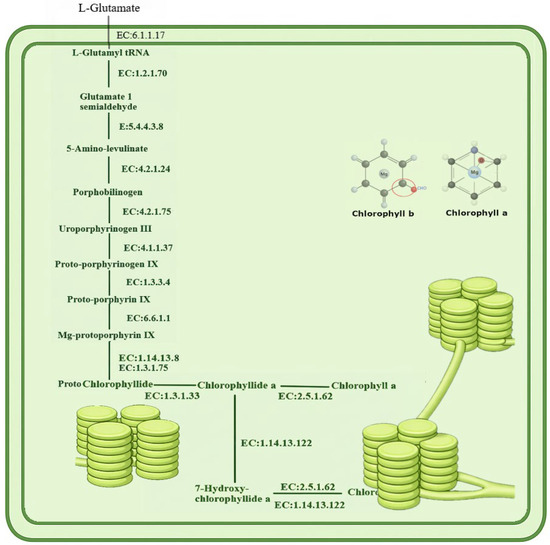
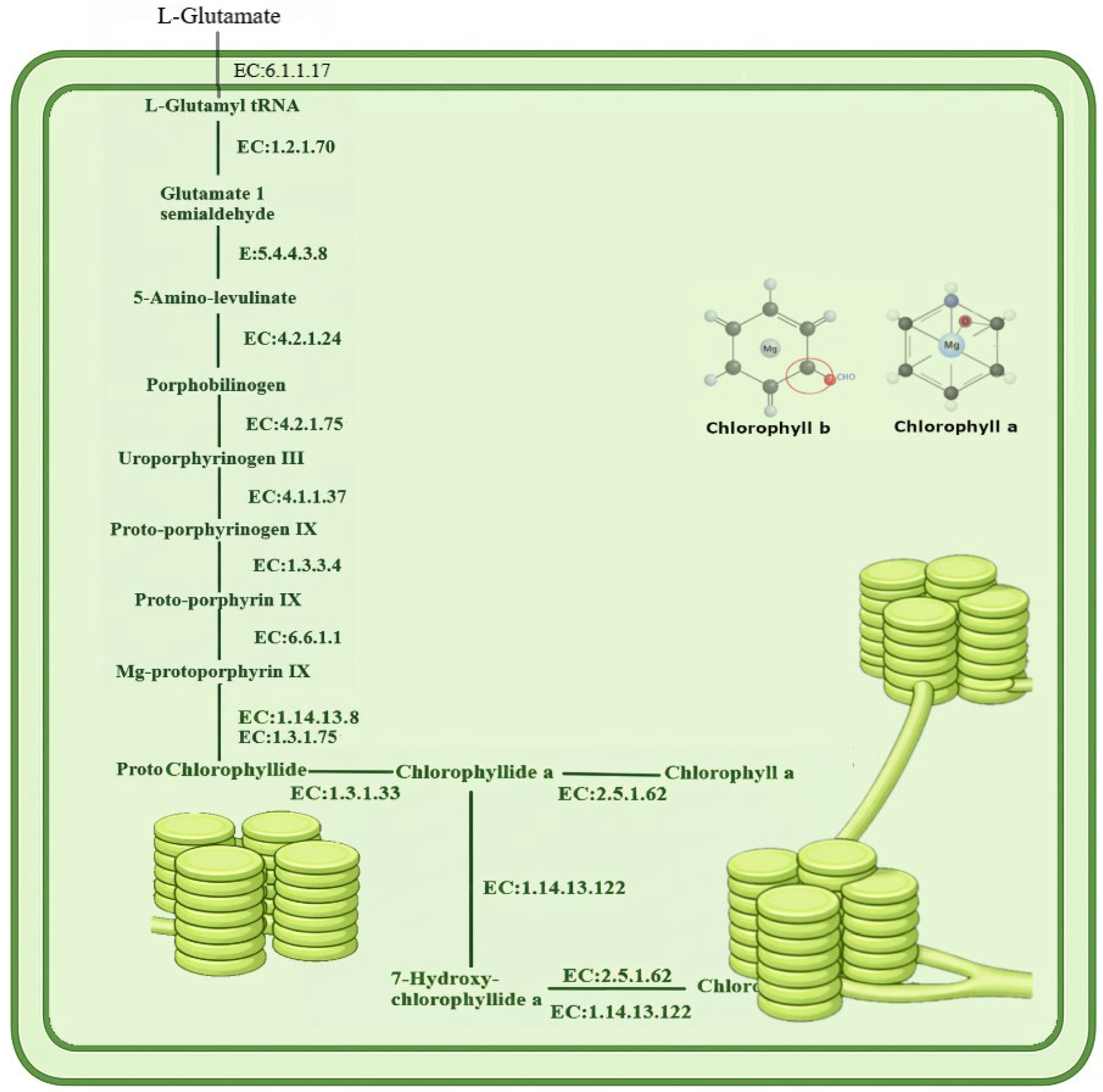
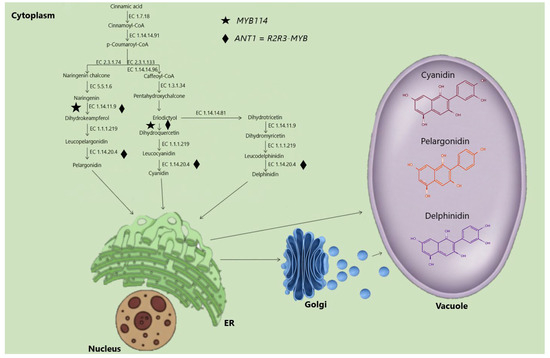
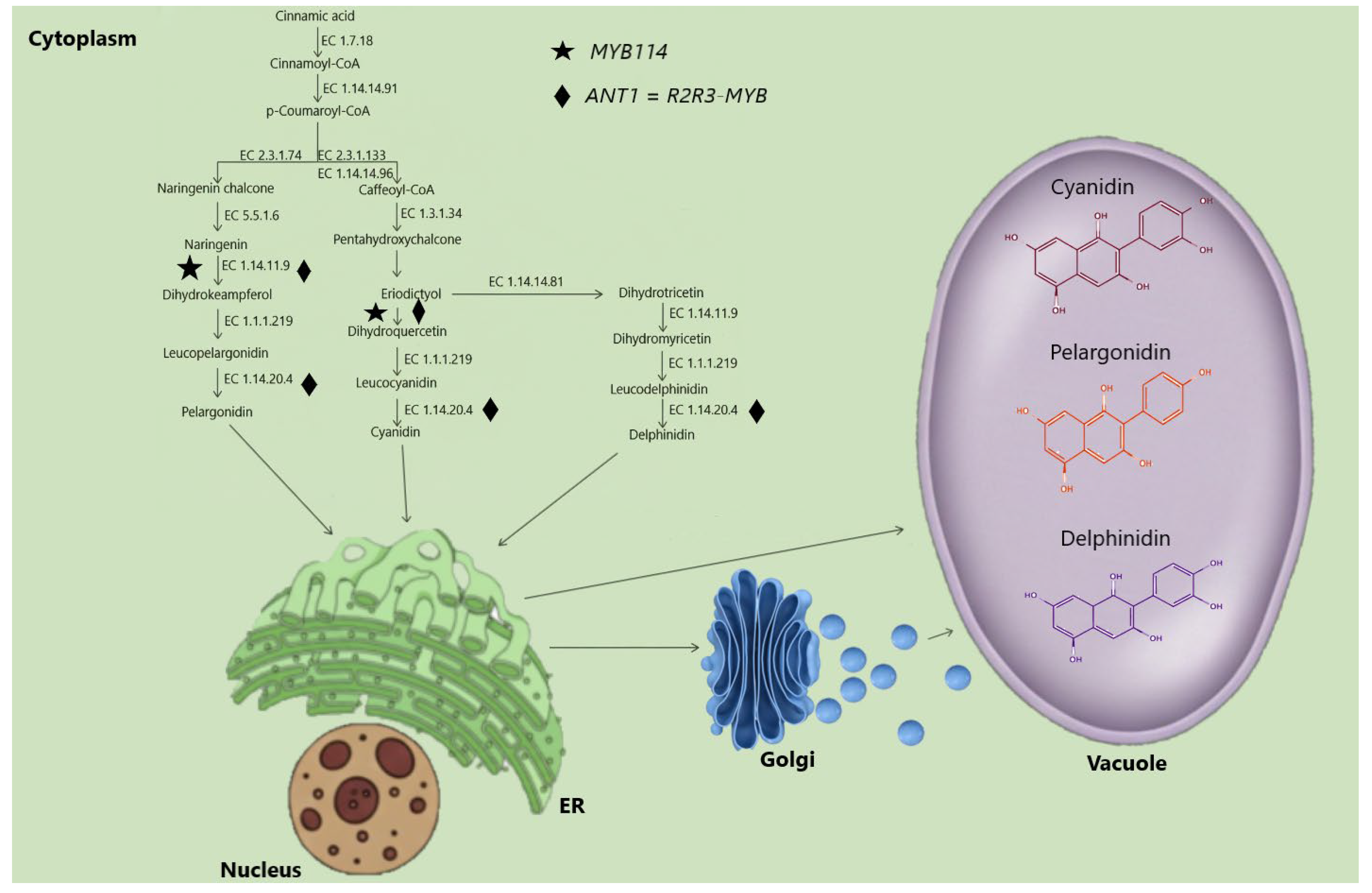
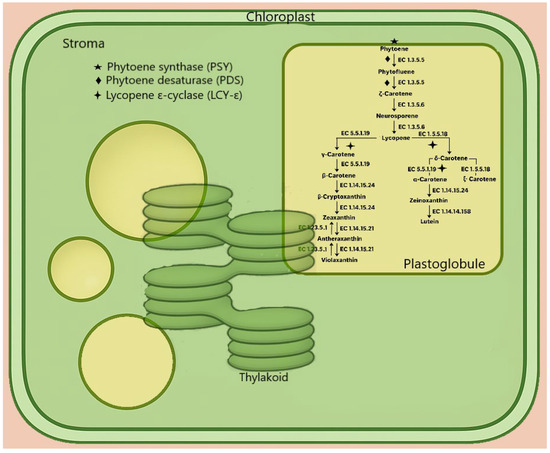
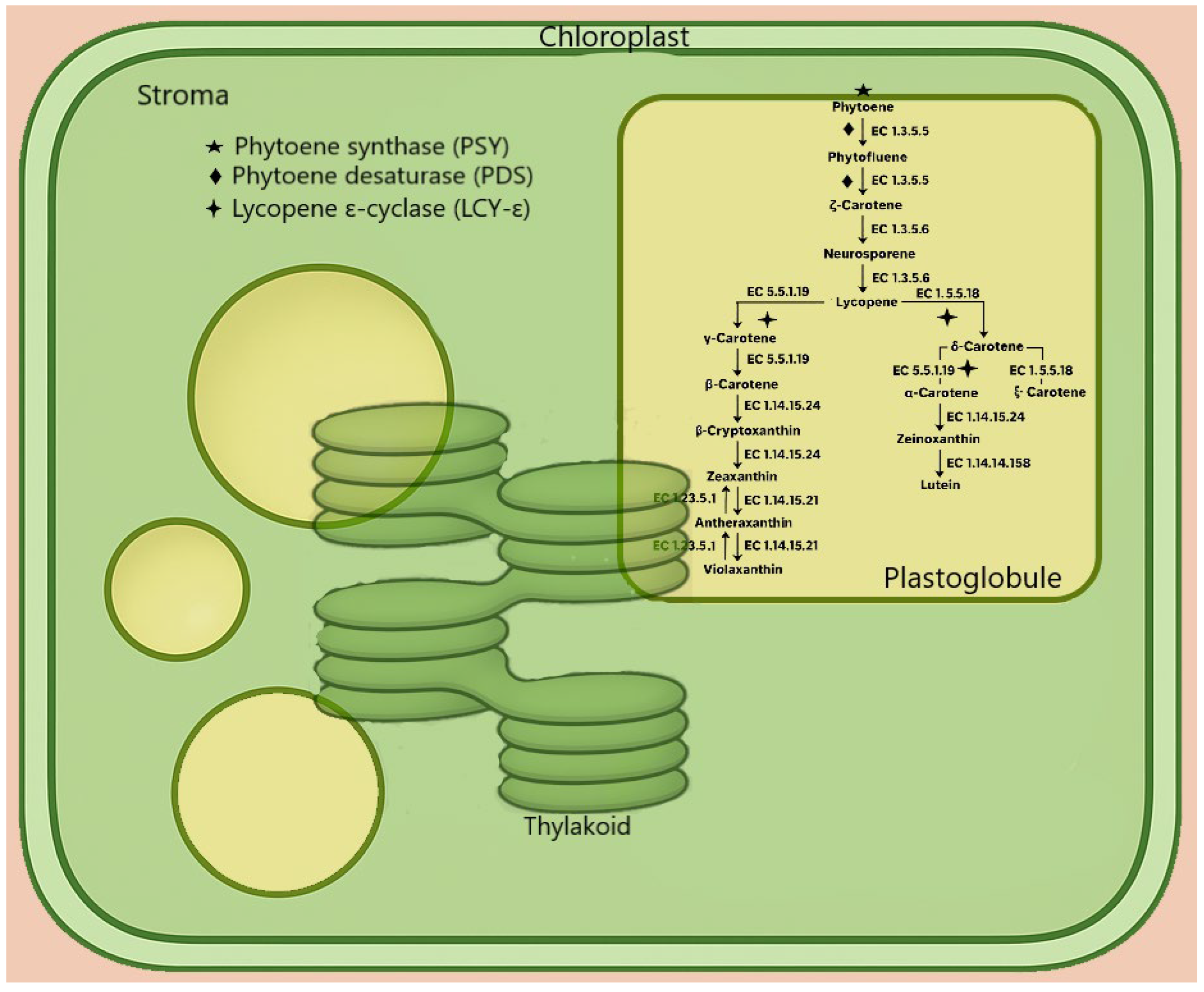
Disclaimer/Publisher’s Note: The statements, opinions and data contained in all publications are solely those of the individual author(s) and contributor(s) and not of MDPI and/or the editor(s). MDPI and/or the editor(s) disclaim responsibility for any injury to people or property resulting from any ideas, methods, instructions or products referred to in the content. |
© 2026 by the authors. Licensee MDPI, Basel, Switzerland. This article is an open access article distributed under the terms and conditions of the Creative Commons Attribution (CC BY) license.